Interviews are more than just a Q&A session—they’re a chance to prove your worth. This blog dives into essential Medical and Legal Accompaniment interview questions and expert tips to help you align your answers with what hiring managers are looking for. Start preparing to shine!
Questions Asked in Medical and Legal Accompaniment Interview
Q 1. Explain the HIPAA regulations concerning patient confidentiality in a medical-legal context.
HIPAA (Health Insurance Portability and Accountability Act) regulations are crucial in maintaining patient confidentiality within the medical-legal field. They establish strict guidelines on the use and disclosure of Protected Health Information (PHI). In a medical-legal context, this means that any healthcare provider or legal professional involved in a case must adhere to specific rules regarding the release of medical records or other sensitive patient data. Unauthorized disclosure can result in severe penalties.
For instance, a lawyer representing a patient in a medical malpractice case cannot obtain the patient’s medical records without the patient’s explicit authorization, except in very limited circumstances allowed by HIPAA. Even then, only the minimum necessary PHI needed for the case can be released. The lawyer must also enter into a Business Associate Agreement (BAA) with the healthcare provider to ensure the provider complies with HIPAA’s regulations in handling the PHI.
Common violations include gossiping about patients, failing to secure electronic medical records, or improperly releasing information to unauthorized individuals. Understanding HIPAA’s authorization procedures, permitted disclosures, and the potential consequences of non-compliance is paramount for anyone working in the medical-legal field.
Q 2. Describe your experience navigating the complexities of medical records retrieval and interpretation.
My experience with medical records retrieval and interpretation spans over [Number] years, encompassing a wide range of cases. The process often starts with identifying the necessary records, which may include hospital charts, physician notes, lab results, radiology reports, and billing statements. Each source requires a specific method of retrieval, sometimes involving navigating complex hospital systems or contacting multiple providers.
The interpretation phase is equally crucial. I’m skilled at analyzing medical terminology and complex clinical data to translate the information into a format easily understood by legal professionals. This might involve summarizing lengthy reports, identifying key diagnostic findings, explaining medical procedures, or pinpointing inconsistencies that are relevant to the legal case. For instance, I once worked on a case where conflicting physician notes were pivotal. I was able to identify this discrepancy, leading to a more effective legal strategy.
I utilize various software and resources to aid in this process, and my proficiency with electronic health record systems further streamlines the retrieval and analysis of medical information. I also consistently maintain updated knowledge of medical terminology and advances in healthcare practices to ensure accurate interpretation.
Q 3. How would you handle a disagreement between a patient and their healthcare provider regarding treatment options?
Handling disagreements between a patient and their healthcare provider requires a delicate, impartial approach. The initial step involves actively listening to both parties to understand their perspectives fully. This includes not only their statements but also the underlying emotions and concerns. Often, the disagreement stems from a lack of clear communication or differing expectations.
My strategy involves facilitating open communication and clarifying misunderstandings. I would guide the parties towards a collaborative discussion, focusing on finding common ground and mutually acceptable solutions. If the disagreement is related to a specific treatment plan, I would help the patient understand the medical rationale behind the provider’s recommendations, providing resources for second opinions if needed.
In some cases, mediation may be necessary to facilitate a resolution. If the disagreement escalates or involves alleged medical negligence, I’d advise both parties on their legal rights and potential options, such as filing a formal complaint or pursuing legal action. The goal is always to reach a fair and equitable solution while maintaining respect for both parties.
Q 4. Outline your understanding of the legal processes involved in medical malpractice claims.
Medical malpractice claims involve a complex legal process. The claimant (patient) must establish four key elements: duty, breach of duty, causation, and damages. The healthcare provider (defendant) owed a duty of care to the patient. This duty was breached by negligent or reckless action or inaction. This breach directly caused the patient’s injury, resulting in compensable damages (e.g., medical expenses, lost wages, pain and suffering).
The legal process often begins with a thorough investigation, including gathering medical records, expert witness testimony, and other relevant evidence. The claimant’s attorney will file a complaint, initiating a lawsuit. The defendant’s attorney will respond, and discovery ensues, where both sides exchange information. Negotiations and settlement attempts are common. If no settlement is reached, the case proceeds to trial.
Throughout this process, there are specific deadlines and procedures to follow, depending on the jurisdiction. Understanding statutes of limitations, rules of evidence, and applicable case law is critical. The process can be lengthy and involve significant resources. Expert testimony from medical professionals is frequently crucial in establishing the standard of care and proving causation.
Q 5. Explain your approach to identifying and mitigating potential legal risks in a healthcare setting.
Identifying and mitigating legal risks in healthcare settings is a proactive approach to preventing malpractice claims and protecting the institution. It starts with creating a strong culture of safety and compliance within the organization.
My approach involves conducting regular risk assessments, reviewing policies and procedures for compliance with relevant laws and regulations (including HIPAA), and ensuring proper documentation is maintained. Staff education and training on best practices, ethical considerations, and legal ramifications of their actions is crucial. This includes training on risk management protocols and incident reporting procedures.
Furthermore, maintaining adequate insurance coverage, implementing effective incident reporting and investigation systems, and establishing clear communication channels between staff, patients, and management are all essential for risk mitigation. Proactive measures like regular audits and compliance checks are pivotal in early identification and remediation of potential vulnerabilities. A robust system for tracking and addressing patient complaints is also key.
Q 6. Describe your experience with preparing documentation for legal proceedings related to medical cases.
Preparing documentation for legal proceedings in medical cases requires meticulous attention to detail and accuracy. It’s crucial to present the information in a clear, concise, and easily understandable format for legal professionals. My experience involves creating chronologies of events, summarizing medical records, preparing exhibits for court, and drafting affidavits or declarations from witnesses.
This work demands a deep understanding of legal requirements for admissibility of evidence and the appropriate format for legal documents. I am proficient in organizing and presenting complex medical information in a manner that supports the legal argument. For instance, I’ve prepared comprehensive timelines of a patient’s treatment, highlighting key decisions and their impact on the patient’s outcome. I’ve also created charts and graphs to visually represent complex medical data for clarity.
I’m experienced with creating various legal documents, such as expert reports that explain medical concepts to the court, and ensuring that all documents are properly authenticated and meet all the legal requirements for court admission. Accuracy and completeness are paramount in this role.
Q 7. How would you assess the credibility of medical evidence presented in a legal case?
Assessing the credibility of medical evidence presented in a legal case involves a multifaceted approach. It goes beyond simply reading the reports; it requires a critical evaluation of the methodology, expertise, and potential biases involved.
I would first evaluate the qualifications and experience of the medical expert providing the evidence. Is their expertise relevant to the case? Have they published credible work in the field? Next, I would examine the methodology used to obtain and analyze the data. Was the research rigorous and reproducible? Are there any potential conflicts of interest to consider?
I would also analyze the consistency of the evidence with other medical records and established medical knowledge. Are there any inconsistencies or contradictory statements? Does the evidence support the conclusions drawn? Finally, I would assess the overall persuasiveness and clarity of the presentation. Is the evidence presented in a clear, unbiased, and understandable manner? By considering all of these factors, I can form a well-reasoned opinion on the credibility of the medical evidence presented.
Q 8. What strategies do you employ to effectively communicate complex medical information to individuals with varying levels of health literacy?
Effective communication of complex medical information hinges on adapting to the patient’s health literacy. It’s not simply about using simpler words; it’s about understanding their level of comprehension and tailoring the explanation accordingly. I employ a multifaceted approach:
- Assessing Health Literacy: I begin by subtly gauging the patient’s understanding through open-ended questions and observing their responses. This helps me determine the appropriate vocabulary and level of detail.
- Plain Language and Visual Aids: I avoid medical jargon whenever possible, opting for plain language. Visual aids like diagrams, charts, or even simple drawings can significantly improve comprehension, especially for complex procedures or diagnoses. For example, explaining a heart bypass surgery with a diagram is far more effective than simply describing the procedure verbally.
- Teach-Back Method: After explaining information, I use the teach-back method. I ask the patient to explain the information back to me in their own words. This confirms understanding and allows me to clarify any misconceptions.
- Using Layman’s Terms: Instead of saying ‘myocardial infarction,’ I’d use ‘heart attack’. Instead of ‘hyperglycemia,’ I’d use ‘high blood sugar’. The goal is clarity, not technical precision at the expense of understanding.
- Multiple Communication Channels: Written materials (in large print if needed) summarizing key information complement verbal explanations, reinforcing learning and offering a reference point.
For instance, I once explained a complicated medication regimen to a patient with low health literacy by creating a simple, color-coded pill organizer with clear, labeled compartments and corresponding schedule. This visual approach increased adherence significantly.
Q 9. Describe a time you had to advocate for a patient’s rights in a challenging medical or legal situation.
I once advocated for a patient whose insurance company denied coverage for a necessary, life-saving surgery. The patient, an elderly woman with a limited income, had been diagnosed with a critical heart condition requiring immediate intervention. Her insurance company cited a pre-existing condition clause as a reason for denial, despite the surgery being medically necessary to prevent imminent death.
My approach involved several steps:
- Gathering Evidence: I meticulously gathered all relevant medical records, doctor’s notes, and the insurance company’s denial letter. I sought additional documentation to demonstrate the urgency and necessity of the surgery, including second opinions and expert testimony from her cardiologist.
- Negotiation and Appeals: I attempted to negotiate directly with the insurance company, presenting the collected evidence and highlighting the potential legal ramifications of denying medically necessary care. I appealed their decision citing relevant state and federal regulations regarding patient rights and access to healthcare.
- Legal Consultation: When negotiations failed, I consulted with a medical malpractice attorney to explore legal options, including filing a lawsuit to compel the insurance company to cover the surgery. This threat of legal action ultimately pressured the insurance company to reconsider their decision, and the surgery was approved.
This case underscored the importance of persistence, meticulous documentation, and a thorough understanding of both medical and legal frameworks in patient advocacy.
Q 10. How familiar are you with different types of medical insurance and their coverage limitations?
My familiarity with different types of medical insurance and their coverage limitations is extensive. I understand the nuances of various plans, including HMOs, PPOs, POS plans, Medicare, Medicaid, and private insurance policies.
Key aspects of my knowledge include:
- Understanding Co-pays, Deductibles, and Co-insurance: I can explain these concepts clearly and help patients understand their financial responsibilities.
- Network Providers: I understand the importance of using in-network providers to maximize coverage and minimize out-of-pocket costs.
- Pre-authorization and Referrals: I’m aware of the procedures required for pre-authorization of certain treatments and the need for referrals in HMO plans.
- Exclusions and Limitations: I understand the limitations and exclusions outlined in individual plans, such as pre-existing condition clauses and limitations on coverage for certain services or procedures.
- Appeals Process: I know how to navigate the appeals process when insurance companies deny coverage for medically necessary services.
This understanding allows me to proactively guide patients toward the most cost-effective and appropriate care options within the constraints of their insurance coverage.
Q 11. How do you ensure compliance with relevant federal and state regulations in the healthcare industry?
Compliance with federal and state regulations in healthcare is paramount. My approach encompasses several key strategies:
- HIPAA Compliance: I adhere strictly to the Health Insurance Portability and Accountability Act (HIPAA) regulations regarding the privacy and security of protected health information (PHI). This includes following proper procedures for handling patient records, securing electronic data, and maintaining confidentiality.
- State-Specific Regulations: I stay updated on all relevant state regulations governing medical practice, patient rights, and healthcare reimbursement. State regulations can vary significantly, so keeping abreast of these changes is crucial.
- Documentation and Record-Keeping: I maintain accurate and thorough documentation of all interactions with patients, including communications, medical information, and legal proceedings. This is essential for auditing and demonstrating compliance.
- Continuing Education: I participate in continuing education programs to stay informed about evolving regulations and best practices in healthcare compliance.
- Internal Compliance Programs: If employed by a healthcare organization, I participate actively in and abide by its internal compliance programs, including regular training and reporting mechanisms.
Regular review and updates of procedures are critical for ongoing compliance. For instance, understanding and implementing changes in billing and coding practices is essential for accurate claims processing and avoiding penalties.
Q 12. Explain your understanding of informed consent and its legal implications.
Informed consent is a cornerstone of ethical and legal medical practice. It’s the process by which a patient voluntarily agrees to undergo a medical procedure or treatment after receiving a thorough explanation of the risks, benefits, alternatives, and potential consequences.
Legal implications are significant:
- Capacity to Consent: The patient must possess the legal and mental capacity to understand the information provided and make a rational decision. If a patient lacks capacity (e.g., due to age, cognitive impairment, or unconsciousness), consent must be obtained from a legally authorized surrogate.
- Voluntariness: The patient’s decision must be entirely voluntary, free from coercion, undue influence, or manipulation.
- Disclosure of Information: The physician or healthcare provider has a legal duty to disclose all material risks, benefits, and alternatives to the proposed treatment in a manner that the patient can understand. Failure to do so can lead to claims of negligence or battery.
- Documentation: Informed consent is typically documented in writing, although verbal consent may suffice under certain circumstances. Careful documentation is crucial for legal protection.
For example, a patient undergoing surgery must be fully informed about the procedure, potential complications (e.g., infection, bleeding), alternative treatments, and the risks of refusing surgery before consenting. Lack of proper informed consent can result in malpractice lawsuits.
Q 13. What are the key ethical considerations involved in medical-legal accompaniment?
Key ethical considerations in medical-legal accompaniment revolve around patient autonomy, confidentiality, and professional boundaries.
- Patient Autonomy: The patient’s right to make their own decisions about their healthcare must always be respected. Accompaniment should empower the patient, not control their choices.
- Confidentiality: Maintaining the confidentiality of the patient’s medical and personal information is crucial, adhering strictly to HIPAA regulations and ethical guidelines. Only information relevant to the legal process should be disclosed, and always with the patient’s informed consent.
- Conflicts of Interest: Accompaniment professionals must be mindful of potential conflicts of interest. Any personal biases or relationships that could compromise their objectivity must be disclosed and managed appropriately.
- Advocacy vs. Interference: The role is to advocate for the patient’s rights and interests while remaining respectful of the healthcare professionals’ expertise. Overriding medical decisions is not the goal; rather it’s to ensure the patient’s voice is heard and their rights are protected.
- Professional Boundaries: Maintaining professional boundaries with patients is essential to avoid exploitation or inappropriate relationships. It is critical to avoid becoming overly involved in patients’ personal lives beyond the scope of professional duties.
Ethical dilemmas frequently arise, requiring careful consideration and adherence to established ethical codes and legal frameworks. Regular reflection on ethical conduct and supervision are crucial to ensure responsible practice.
Q 14. How do you manage conflicting priorities and demands in a high-pressure medical-legal environment?
Managing conflicting priorities and demands in a high-pressure medical-legal environment necessitates a structured and organized approach.
- Prioritization: I use a prioritization matrix to identify urgent and important tasks, ensuring that time-sensitive matters (e.g., court deadlines, emergency medical needs) are addressed promptly.
- Time Management: Effective time management techniques such as time blocking and task delegation are crucial. I allocate specific time slots for different tasks, preventing one urgent matter from overshadowing others.
- Delegation: When feasible, I delegate tasks to other team members to optimize efficiency and reduce workload.
- Stress Management: High-pressure situations can lead to burnout. I practice stress management techniques such as mindfulness, exercise, and maintaining a healthy work-life balance.
- Communication and Teamwork: Open communication with colleagues, patients, and legal professionals is crucial. Collaborating and keeping all stakeholders informed mitigates misunderstandings and streamlines the process.
For instance, if I have multiple court hearings scheduled on the same day, I would carefully review each case, prioritize my time based on urgency and complexity, and potentially seek assistance from colleagues for tasks that can be delegated. Proactive planning is paramount to handle such demands effectively.
Q 15. Describe your experience working with diverse populations in a healthcare or legal setting.
My experience working with diverse populations in healthcare and legal settings has been extensive and rewarding. I’ve worked with patients and clients from various socioeconomic backgrounds, ethnicities, cultural heritages, and levels of health literacy. This includes assisting individuals who are uninsured, underinsured, or experiencing language barriers. I’ve learned to approach each interaction with empathy and cultural sensitivity, ensuring that communication is clear and respectful, regardless of background.
- For instance, I once worked with a refugee community facing significant challenges accessing healthcare due to language and cultural differences. I collaborated with interpreters and community leaders to develop culturally appropriate educational materials and facilitate access to vital services.
- In a legal setting, I supported clients navigating complex legal systems while grappling with personal trauma. Adapting communication styles and providing emotional support alongside legal guidance were critical components of successful representation.
This experience has equipped me with the skills to build rapport, effectively communicate complex information, and overcome barriers to access. I believe inclusivity is paramount in providing equitable care and legal assistance.
Career Expert Tips:
- Ace those interviews! Prepare effectively by reviewing the Top 50 Most Common Interview Questions on ResumeGemini.
- Navigate your job search with confidence! Explore a wide range of Career Tips on ResumeGemini. Learn about common challenges and recommendations to overcome them.
- Craft the perfect resume! Master the Art of Resume Writing with ResumeGemini’s guide. Showcase your unique qualifications and achievements effectively.
- Don’t miss out on holiday savings! Build your dream resume with ResumeGemini’s ATS optimized templates.
Q 16. How would you handle a situation where a patient refuses recommended medical treatment?
When a patient refuses recommended medical treatment, it’s crucial to respect their autonomy while ensuring their safety and well-being. The first step is to engage in a calm and empathetic discussion, thoroughly explaining the risks and benefits of the treatment, alternative options, and the consequences of refusing treatment. It’s essential to document this conversation clearly and comprehensively.
- We need to understand the reasons behind their refusal. Are they based on fear, lack of understanding, religious beliefs, or other factors? Addressing these underlying concerns is vital.
- If the refusal poses a significant threat to the patient’s health, further discussions involving family members (with the patient’s permission), ethics committees, or even legal counsel might be necessary.
- In some cases, a court order might be required, but this is a last resort. The goal is always informed consent, and that means respecting the patient’s right to choose, even if it’s a choice we don’t agree with.
For example, a patient refusing a life-saving blood transfusion due to religious beliefs would require careful consideration of their values and potential compromises. The patient’s wishes must be central to the decision-making process, and the documentation of this process is crucial for legal protection.
Q 17. Explain your understanding of liability and negligence in the healthcare context.
In healthcare, liability refers to the legal responsibility one has for their actions or omissions, while negligence is a type of liability arising from a failure to exercise the care that a reasonably prudent person would exercise in similar circumstances.
To establish negligence, four elements must generally be proven: duty (a healthcare professional owes a duty of care to the patient), breach (the professional failed to meet that duty), causation (the breach directly caused the patient’s harm), and damages (the patient suffered actual harm).
Examples of negligence could include misdiagnosis, medication errors, surgical errors, or failure to properly inform a patient of risks. Liability can extend to hospitals, clinics, and other healthcare facilities through vicarious liability (liability for the actions of employees).
Understanding liability and negligence is crucial for protecting both healthcare professionals and patients. Following established protocols, maintaining thorough documentation, and adhering to best practices are essential in mitigating risk.
Q 18. How proficient are you in utilizing various healthcare software and databases?
I am highly proficient in utilizing various healthcare software and databases. My experience includes working with electronic health record (EHR) systems such as Epic and Cerner, as well as patient portals and various medical billing and coding software. I’m also familiar with legal databases like Westlaw and LexisNexis for research purposes.
I am comfortable with data entry, data retrieval, data analysis, and report generation. My proficiency extends to maintaining data integrity, ensuring HIPAA compliance, and utilizing software for scheduling and appointment management.
For example, I regularly use EHR systems to access patient records, track treatment plans, and communicate with other healthcare professionals. My proficiency in these systems allows for efficient and accurate information management, which is critical for effective patient care.
Q 19. How do you stay up-to-date on changes in medical law and regulations?
Staying current on changes in medical law and regulations is an ongoing process. I utilize several strategies:
- Professional memberships and publications: I’m a member of relevant professional organizations (examples could be included based on specific expertise, such as the American Health Lawyers Association or relevant state bar associations) that provide access to publications, continuing education opportunities, and updates on legal changes.
- Legal databases and online resources: I regularly consult legal databases like Westlaw and LexisNexis to stay abreast of case law and statutory updates relevant to healthcare. Online resources like the FDA website and the Centers for Medicare & Medicaid Services (CMS) website are invaluable.
- Continuing education: Attending webinars, conferences, and workshops focused on medical law and ethics ensures my knowledge remains current and relevant.
- Networking: Engaging with colleagues and professionals in the field provides insights and perspectives on emerging trends and challenges.
This multi-faceted approach ensures that my understanding of medical law remains comprehensive and up-to-date, allowing me to provide the most effective and compliant services.
Q 20. Describe your experience working with legal professionals, such as lawyers and judges.
I have significant experience collaborating with legal professionals, including lawyers, judges, and paralegals. This collaboration often involves:
- Case preparation: Providing medical records, expert testimony, and other relevant documentation to support legal cases.
- Legal strategy: Consulting on legal strategies involving medical issues and providing insights into medical complexities.
- Depositions and court appearances: Testifying as an expert witness and explaining complex medical information in a clear and concise manner to the court.
- Negotiations: Participating in settlement negotiations and mediating disputes.
For instance, I’ve assisted lawyers in preparing medical malpractice cases by reviewing medical records, identifying potential negligence, and providing expert testimony. Successful collaboration requires clear communication, a strong understanding of the legal process, and the ability to translate complex medical information into legally relevant terms.
Q 21. How do you manage sensitive and confidential patient information?
Managing sensitive and confidential patient information requires strict adherence to legal and ethical guidelines, primarily HIPAA in the United States. This involves:
- Strict access control: Limiting access to patient information to only authorized personnel on a need-to-know basis. This includes secure password protection and restricted physical access to files.
- Secure storage: Storing physical and electronic patient information securely, using encrypted systems and secure servers to prevent unauthorized access.
- Data encryption: Protecting electronic data through encryption, both in transit and at rest.
- Disposal of records: Following established protocols for disposing of physical and electronic patient records to prevent breaches of confidentiality.
- Training and awareness: Regular training for all staff members on HIPAA compliance and data security best practices.
A breach of confidentiality can have serious legal and ethical consequences, so maintaining the utmost vigilance in this area is paramount. For example, I would never discuss a patient’s case with unauthorized individuals, even family members, without explicit permission from the patient.
Q 22. How do you build trust and rapport with patients and their families?
Building trust and rapport with patients and their families is paramount in medical-legal accompaniment. It’s about establishing a safe and empathetic space where open communication can thrive. This is achieved through active listening, demonstrating genuine empathy, and consistently showing respect for their experiences and perspectives.
I start by introducing myself clearly, explaining my role, and outlining how I can assist them. I avoid medical jargon and explain complex legal concepts in plain language. I actively listen to their concerns, validating their feelings, and acknowledging the emotional toll their situation may be taking. I ensure confidentiality and maintain professional boundaries. For instance, with a family dealing with a medical malpractice case, I might start by acknowledging the emotional distress the situation has caused and then explain my role in providing support and guidance through the legal process. Building a relationship based on honesty, transparency, and mutual respect is key to successful accompaniment. I always check in regularly to see how they are doing and if there are any adjustments needed to our approach.
Q 23. Describe your experience in preparing for depositions or court testimony.
Preparing for depositions or court testimony requires meticulous planning and detailed preparation. My process involves a thorough review of all medical records, legal documents, and any other relevant information. I work closely with the legal team to understand the specific objectives of the testimony and potential areas of questioning. We then conduct mock depositions to simulate the courtroom environment and refine my responses. This allows me to anticipate potential challenges and formulate clear, concise, and accurate answers. For example, if faced with a question about a specific medication’s side effects, I would not only cite the relevant medical literature but also describe my understanding of the patient’s experience in relation to those effects. Accuracy and consistency in my statements are paramount. Maintaining composure and clarity under pressure is essential, and rehearsal is critical in achieving this.
Q 24. How do you handle challenging or emotionally charged situations?
Handling challenging or emotionally charged situations requires both emotional intelligence and professional skill. My approach centers on remaining calm and empathetic while providing clear and concise information. I validate the patient’s or family’s emotions without judgment, actively listening to their concerns. I might offer resources such as support groups or counseling services when appropriate. If a disagreement arises, I attempt to facilitate a constructive dialogue, ensuring all parties feel heard. For example, if a family member is upset about a treatment decision, I would listen to their concerns, explain the medical rationale behind the decision in clear terms, and offer to clarify any misconceptions. If the situation escalates, I would consult with the legal team to determine the best course of action, always prioritizing the well-being and rights of the patient.
Q 25. How do you prioritize tasks and manage your time effectively?
Effective time management and task prioritization are crucial in this role. I utilize a combination of methods including project management software, detailed to-do lists, and time blocking techniques. I prioritize tasks based on urgency and importance, focusing on deadlines and critical needs. This often involves delegating tasks when appropriate and collaborating effectively with the legal team. For example, I might prioritize reviewing medical records for an upcoming deposition before working on a less urgent report. I also schedule regular time blocks for focused work, minimizing distractions. Regularly reviewing my schedule and adjusting priorities as needed is essential to maintaining efficiency and meeting all deadlines.
Q 26. What are your strengths and weaknesses related to medical-legal accompaniment?
My strengths include my strong communication skills, my ability to build rapport with patients and their families, and my meticulous attention to detail in reviewing medical records and legal documents. My extensive experience in medical terminology and legal procedures allows for thorough and accurate accompaniment. However, I also recognize that managing multiple cases simultaneously can sometimes present a challenge. To address this, I use efficient time-management strategies and prioritize tasks based on urgency and importance. I regularly evaluate my work processes to identify areas for improvement and seek support when needed. Continuous learning is vital to keep pace with the constantly evolving medical and legal landscape.
Q 27. Describe your salary expectations for this role.
My salary expectations for this role are commensurate with my experience, skills, and the market rate for similar positions. I am open to discussing a competitive salary range that reflects my value and contribution to the organization. I am confident that my expertise and dedication will provide a significant return on investment.
Q 28. Why are you interested in this particular position?
I am highly interested in this position because of its alignment with my passion for patient advocacy and my expertise in medical-legal accompaniment. The opportunity to work within a collaborative and supportive team, combined with the chance to utilize my skills to make a tangible difference in the lives of patients and their families, is incredibly compelling. The specific focus on [mention specific aspects of the job description that appeal to you – e.g., a particular type of case, a specific population served, the organization’s mission] is especially appealing, and I believe my skills and experience are a strong match for this role’s requirements.
Key Topics to Learn for Medical and Legal Accompaniment Interview
- Understanding the Role: Clearly define Medical and Legal Accompaniment, its goals, and ethical considerations. Consider the differences between advocacy and support roles.
- Patient Advocacy: Explore practical applications of advocating for patients’ rights, navigating healthcare systems, and communicating effectively with medical professionals and legal teams. Practice scenarios involving diverse patient needs and communication styles.
- Legal Frameworks and Processes: Familiarize yourself with relevant laws, regulations, and legal processes pertaining to healthcare, disability rights, and patient confidentiality (e.g., HIPAA). Understand the role of informed consent and advance directives.
- Communication and Interpersonal Skills: Develop strategies for building rapport with patients and their families, managing conflict, and providing emotional support in sensitive situations. Consider active listening techniques and empathetic communication.
- Documentation and Record Keeping: Understand the importance of accurate and thorough documentation, including maintaining patient confidentiality and adhering to legal and ethical standards. Practice summarizing complex medical and legal information concisely.
- Collaboration and Teamwork: Discuss your experience working effectively in interdisciplinary teams, collaborating with medical professionals, legal representatives, and social workers. Highlight your ability to contribute to a cohesive team effort.
- Problem-Solving and Critical Thinking: Prepare to discuss how you approach complex cases, navigate ethical dilemmas, and effectively resolve conflicts between patient needs and legal requirements. Use examples from your experience to demonstrate your skills.
- Cultural Competency and Sensitivity: Demonstrate understanding of diverse cultural backgrounds and their influence on healthcare access and legal processes. Highlight your ability to provide culturally sensitive and appropriate care.
Next Steps
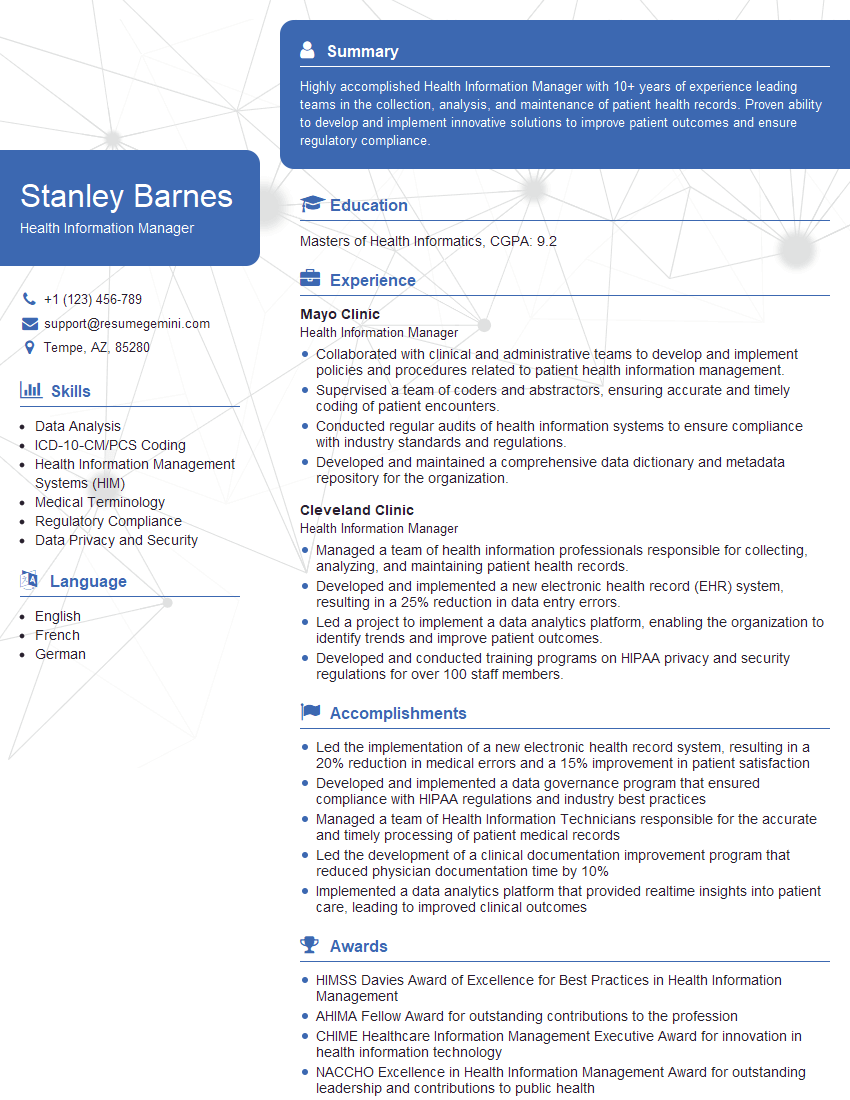
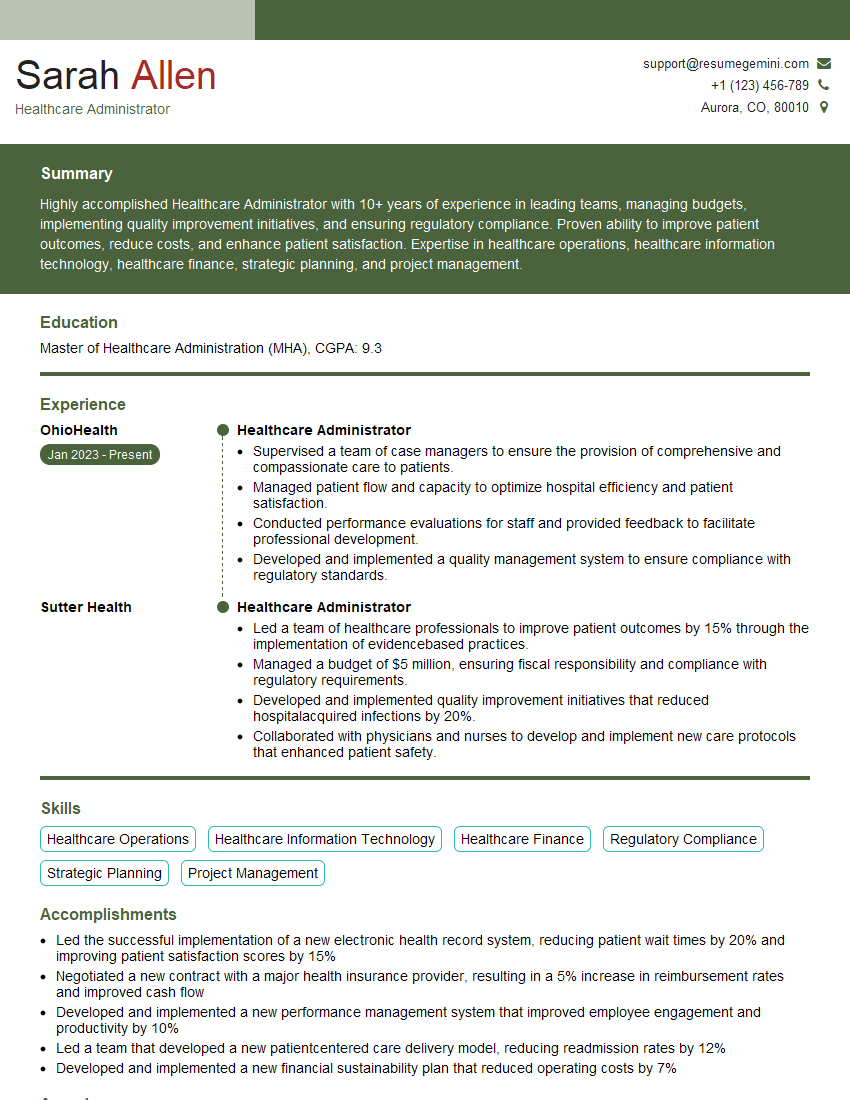
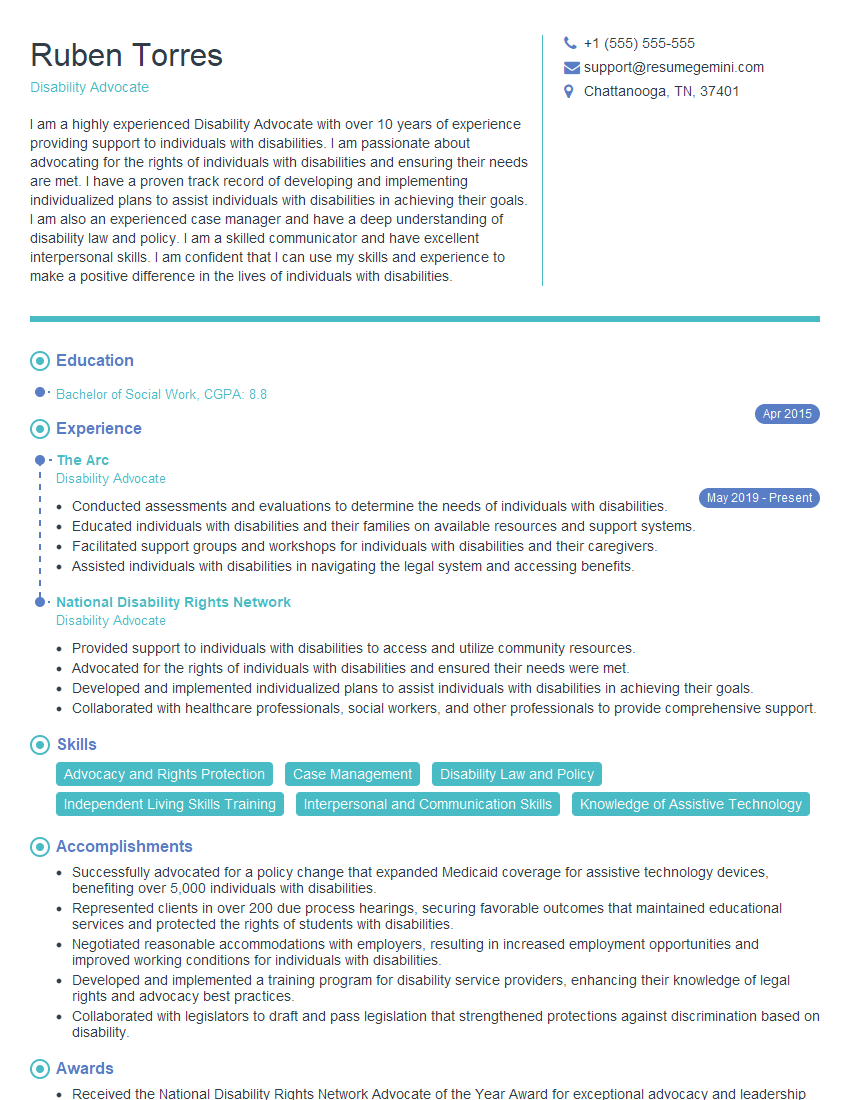
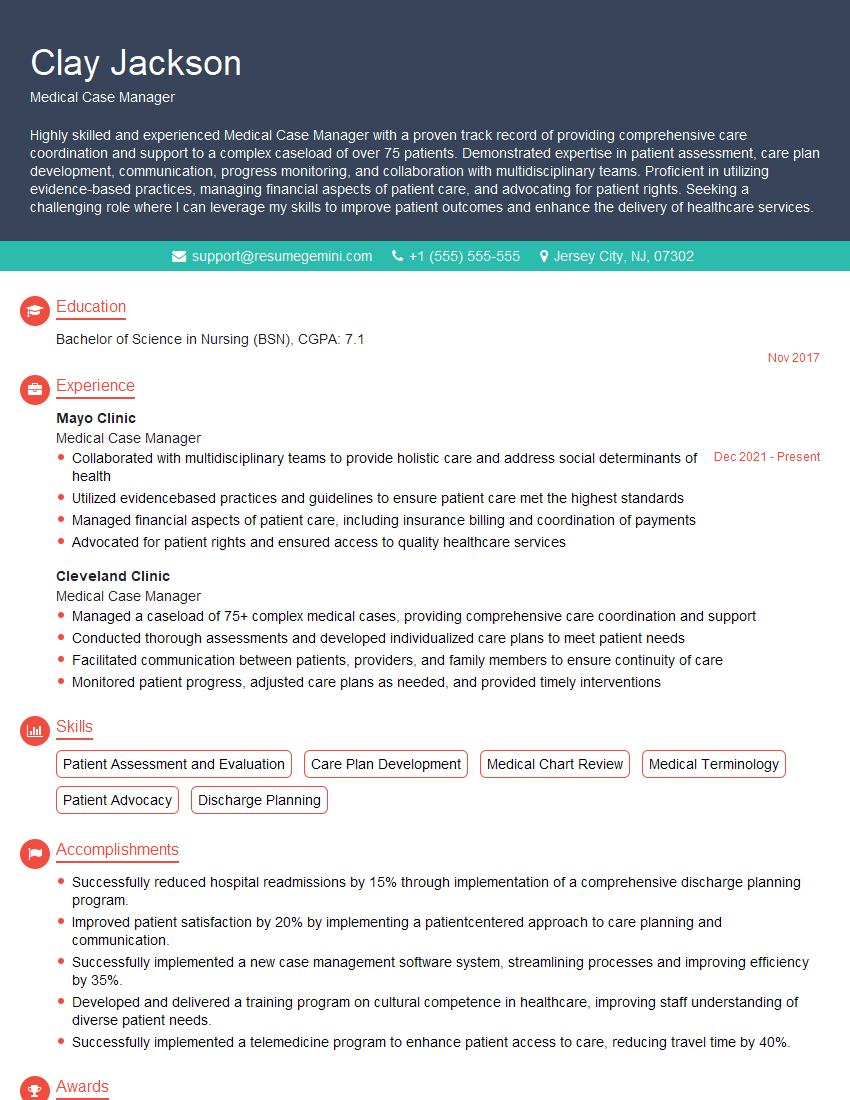
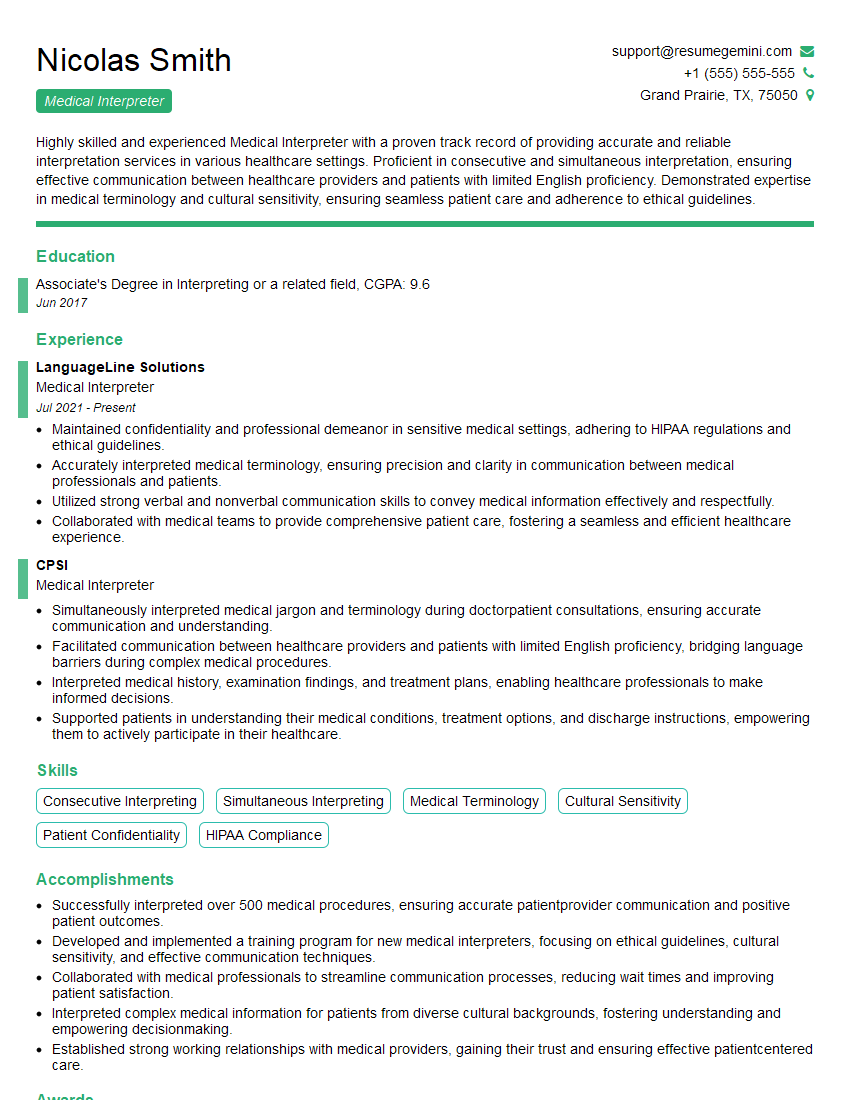
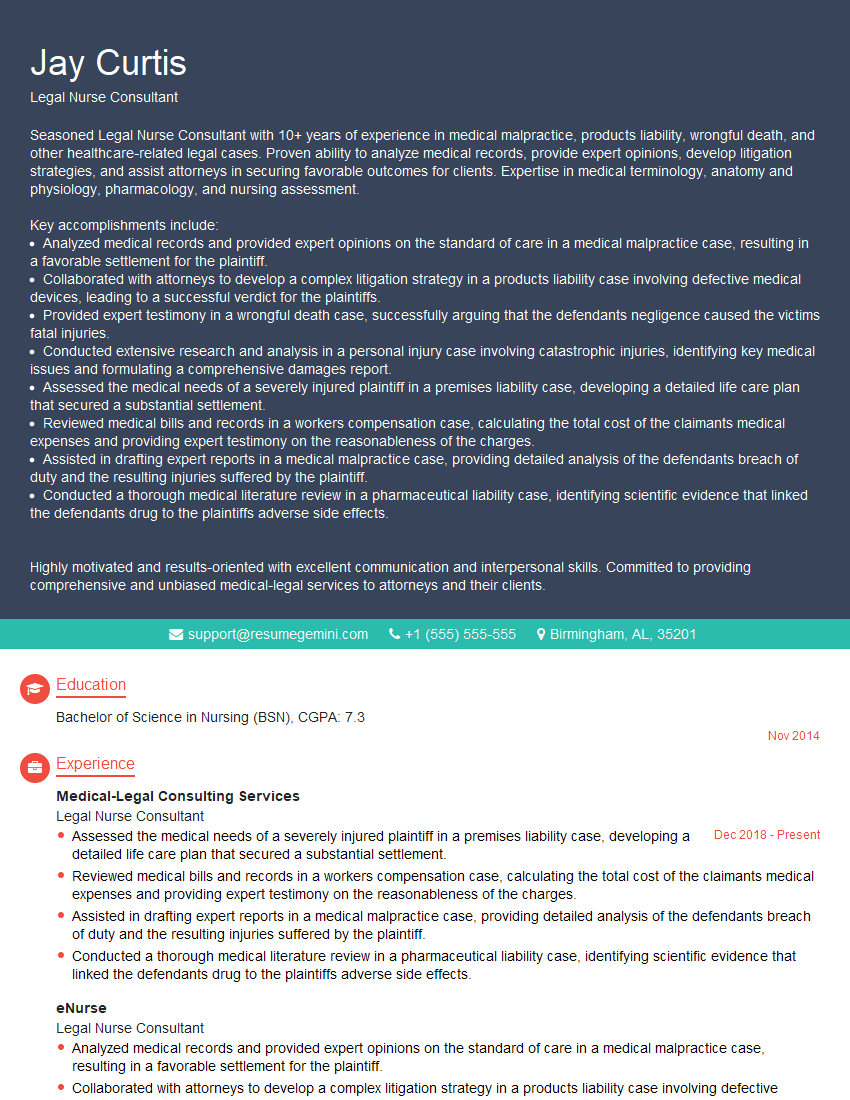
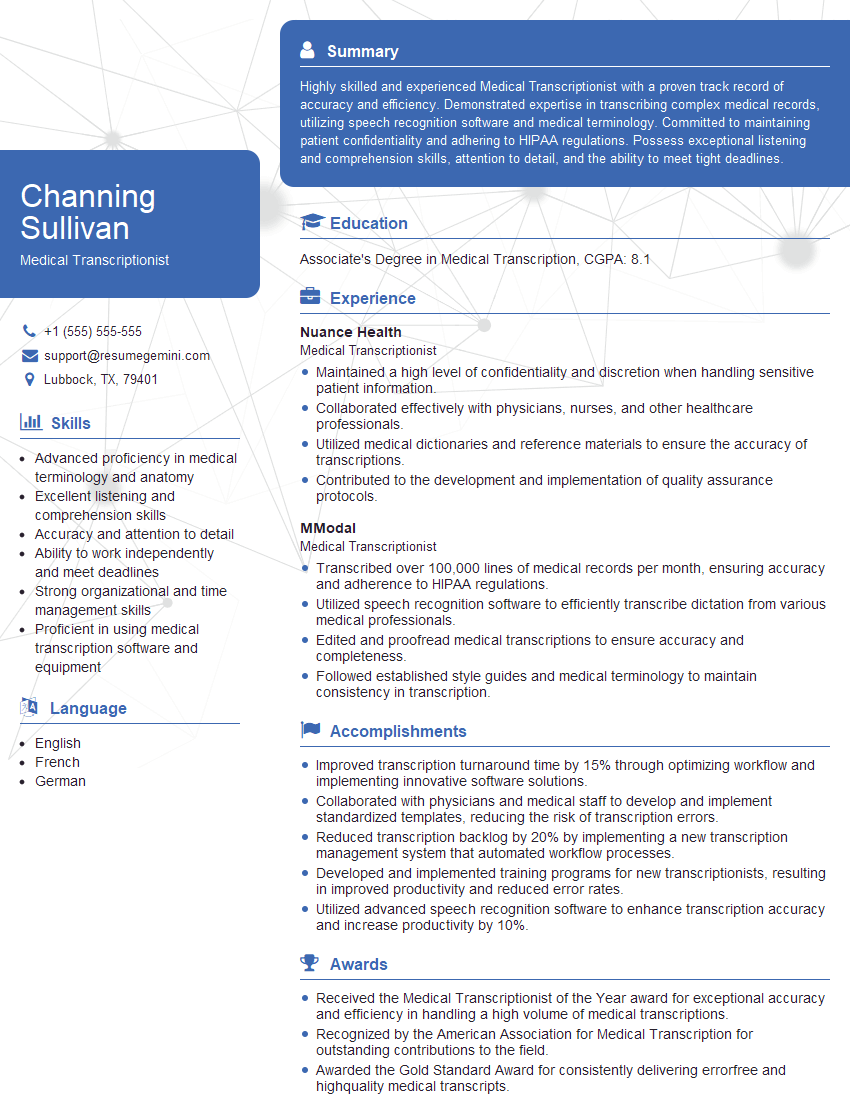
Mastering Medical and Legal Accompaniment opens doors to rewarding careers with significant impact on individuals’ lives. A strong resume is crucial for showcasing your skills and experience to potential employers. Creating an ATS-friendly resume increases your chances of getting your application noticed. ResumeGemini is a trusted resource to help you build a professional and effective resume that highlights your unique qualifications. Examples of resumes tailored to Medical and Legal Accompaniment are available to guide you through the process. Take advantage of these resources to make a strong impression and advance your career.
Explore more articles
Users Rating of Our Blogs
Share Your Experience
We value your feedback! Please rate our content and share your thoughts (optional).
What Readers Say About Our Blog
To the interviewgemini.com Webmaster.
Very helpful and content specific questions to help prepare me for my interview!
Thank you
To the interviewgemini.com Webmaster.
This was kind of a unique content I found around the specialized skills. Very helpful questions and good detailed answers.
Very Helpful blog, thank you Interviewgemini team.