Preparation is the key to success in any interview. In this post, we’ll explore crucial Medical Oncology interview questions and equip you with strategies to craft impactful answers. Whether you’re a beginner or a pro, these tips will elevate your preparation.
Questions Asked in Medical Oncology Interview
Q 1. Describe the different stages of cancer.
Cancer staging is a critical process that describes the extent of a cancer’s spread. It uses a system, often TNM (Tumor, Node, Metastasis), to classify the tumor size (T), lymph node involvement (N), and presence of distant metastasis (M). Each letter receives a numerical value indicating the severity, combining to create a stage (e.g., Stage I, II, III, IV). Higher stages generally indicate more extensive disease and a poorer prognosis.
- Stage I: The cancer is confined to the origin site, small in size, and hasn’t spread to lymph nodes or distant organs. Think of it as a small, localized fire.
- Stage II: The cancer is larger or has spread to nearby lymph nodes, but not to distant sites. The fire is spreading to nearby areas.
- Stage III: The cancer is larger, has spread to more lymph nodes, and may have invaded nearby tissues. The fire is larger and spreading aggressively.
- Stage IV: The cancer has metastasized—it has spread to distant organs. This is like the fire spreading to other parts of the building.
Staging guides treatment decisions and helps predict outcomes. For instance, a Stage I breast cancer might be treated with surgery alone, while a Stage IV lung cancer may require a combination of chemotherapy, targeted therapy, and supportive care.
Q 2. Explain the mechanism of action of targeted therapy.
Targeted therapy is a type of cancer treatment that focuses on specific molecules (targets) involved in cancer growth and development. Unlike chemotherapy, which targets rapidly dividing cells, targeted therapies are designed to interfere with specific pathways crucial for cancer cells to survive and proliferate. They exhibit increased selectivity for cancer cells over normal cells, reducing side effects.
For example, some targeted therapies inhibit tyrosine kinase receptors (TKIs), enzymes that regulate cell growth and division. Abnormal activation of these receptors is common in certain cancers. TKIs bind to these receptors, blocking their activity and preventing cancer cell growth. Another example is monoclonal antibody therapy which targets specific proteins on cancer cells, leading to either their destruction or prevention of cell division.
The mechanism of action varies depending on the specific drug and target, but generally, targeted therapies aim to disrupt the cancer’s ability to grow, divide, repair DNA, and spread. This precision reduces the collateral damage to healthy tissues compared to traditional cytotoxic chemotherapy.
Q 3. What are the common side effects of chemotherapy and how are they managed?
Chemotherapy, while highly effective, often causes side effects due to its impact on rapidly dividing cells, both cancerous and healthy. Common side effects include:
- Nausea and vomiting: Anti-emetic medications are crucial for managing this.
- Fatigue: Rest and supportive care are essential.
- Hair loss (alopecia): Often temporary and can be mitigated with cooling caps.
- Mouth sores (mucositis): Good oral hygiene and pain medication help.
- Myelosuppression (decreased blood cell counts): This can lead to anemia, infections, and bleeding. Growth factors (like G-CSF) or blood transfusions may be necessary.
- Neuropathy (nerve damage): This can cause numbness, tingling, or pain. Medications and supportive care are used to manage this.
Managing these side effects is critical for patient well-being and treatment adherence. A multidisciplinary approach, involving oncologists, nurses, pharmacists, and supportive care specialists, is vital to provide timely and effective management strategies tailored to the individual patient’s needs and tolerance.
Q 4. Differentiate between Hodgkin’s lymphoma and Non-Hodgkin’s lymphoma.
Hodgkin’s lymphoma and Non-Hodgkin’s lymphoma are both types of lymphoma, cancers of the lymphatic system. However, they differ significantly in their characteristics:
- Hodgkin’s lymphoma is characterized by the presence of Reed-Sternberg cells, a type of abnormal cell found in the lymph nodes. It typically spreads in an orderly fashion, from one lymph node group to the next. Prognosis is generally favorable with treatment.
- Non-Hodgkin’s lymphoma is a more diverse group of lymphomas that lack Reed-Sternberg cells. It can spread in a less predictable manner and encompasses a wider range of aggressiveness. Treatment and prognosis vary significantly depending on the specific subtype.
The differences are crucial for diagnosis and treatment planning. A biopsy is necessary to determine the specific type of lymphoma, allowing for targeted therapy and improved outcomes. For instance, Hodgkin’s lymphoma frequently responds well to radiation therapy and chemotherapy, while non-Hodgkin’s lymphoma may require different therapeutic approaches depending on the subtype’s characteristics.
Q 5. Discuss the role of immunotherapy in cancer treatment.
Immunotherapy harnesses the body’s own immune system to fight cancer. It works by either boosting the immune system’s ability to recognize and attack cancer cells or by directly targeting cancer cells with immune-based therapies. Different types of immunotherapy include:
- Checkpoint inhibitors: These drugs block proteins that prevent immune cells from attacking cancer cells, releasing the brakes on the immune response.
- Monoclonal antibodies: These laboratory-made antibodies target specific molecules on cancer cells, marking them for destruction by the immune system.
- CAR T-cell therapy: This involves genetically modifying a patient’s own T-cells to target and kill cancer cells more effectively.
Immunotherapy has revolutionized cancer treatment, offering long-lasting responses and improved survival rates for various cancers. However, it’s not without side effects, including immune-related adverse events, which require careful monitoring and management.
Q 6. How do you determine the appropriate chemotherapy regimen for a patient?
Choosing the right chemotherapy regimen is a complex process that involves careful consideration of several factors:
- Type and stage of cancer: Different cancers respond differently to various chemotherapeutic agents.
- Patient’s overall health and performance status: Older patients or those with underlying medical conditions might tolerate certain regimens less well.
- Genetic factors: Certain genetic variations can influence drug metabolism and response.
- Previous treatments: Prior exposure to chemotherapy can affect subsequent treatment options.
- Tumor biomarkers: Certain biomarkers can help predict a patient’s likelihood of responding to specific drugs.
Oncologists use evidence-based guidelines, clinical trial data, and their expertise to develop individualized treatment plans. This often involves interdisciplinary collaboration with other healthcare professionals. The goal is to maximize the chances of successful cancer treatment while minimizing side effects and improving the patient’s quality of life.
Q 7. Explain the principles of supportive care in oncology.
Supportive care in oncology aims to improve the quality of life for cancer patients by addressing the physical, emotional, and psychological challenges associated with cancer and its treatment. It’s not about curing cancer but enhancing the patient’s well-being throughout their journey.
Supportive care encompasses a wide range of interventions, including:
- Pain management: Using various pain relief strategies, including medication, physical therapy, and psychological support.
- Symptom management: Addressing side effects of treatment such as nausea, vomiting, fatigue, and neuropathy.
- Nutritional support: Ensuring adequate nutrition through dietary counseling or nutritional supplementation.
- Psychosocial support: Providing emotional and psychological support through counseling, support groups, and other resources.
- Rehabilitation: Helping patients regain strength and function after cancer treatment.
Supportive care is crucial for enhancing treatment tolerance, improving patient outcomes, and ensuring the best possible quality of life for cancer patients.
Q 8. What are the key factors to consider when selecting a treatment plan for metastatic cancer?
Selecting a treatment plan for metastatic cancer is a complex process requiring careful consideration of multiple factors. It’s not a one-size-fits-all approach; each patient’s situation is unique.
- Disease characteristics: This includes the type and stage of cancer, the location of metastases, the rate of progression, and the patient’s overall performance status (how well they are functioning physically). For example, a rapidly progressing lung cancer will necessitate a more aggressive initial approach than a slowly progressing prostate cancer.
- Patient factors: Age, co-morbidities (other health conditions), preferences, and goals of care heavily influence treatment choices. A patient with significant heart disease might not tolerate certain chemotherapy regimens as well as a healthier individual. Their desire for aggressive treatment versus palliative care is paramount.
- Treatment options: The available treatments vary depending on the cancer type. Options can include surgery, radiation therapy, chemotherapy, targeted therapy, immunotherapy, or a combination thereof. The efficacy and toxicity profiles of each option need careful assessment. For instance, immunotherapy might be a better choice for certain cancers with specific biomarkers, while chemotherapy remains a mainstay for others.
- Tumor biomarkers: Genetic testing can identify specific mutations or biomarkers that predict response to certain therapies. For example, the presence of a specific EGFR mutation in lung cancer might guide the use of EGFR tyrosine kinase inhibitors.
- Response to prior treatment (if applicable): If the patient has received prior treatments, their response (or lack thereof) to those therapies informs subsequent treatment decisions. For example, if a patient developed resistance to a particular chemotherapy agent, we wouldn’t repeat that same drug.
Ultimately, the treatment plan is developed through a collaborative discussion between the oncologist, patient, and their family, balancing potential benefits against potential risks and aligning with the patient’s personal goals.
Q 9. Describe your experience with managing treatment-related toxicities.
Managing treatment-related toxicities is a crucial aspect of cancer care. It requires proactive monitoring, prompt identification, and appropriate management strategies. Toxicities can range from mild (e.g., nausea, fatigue) to severe (e.g., neutropenia, cardiotoxicity).
My approach involves:
- Proactive monitoring: Regular blood tests, physical examinations, and patient self-reporting of symptoms allow for early detection of toxicities.
- Risk stratification: Identifying patients at higher risk of specific toxicities based on their age, medical history, and the treatment regimen helps in tailoring preventative measures and monitoring strategies.
- Dose modification and supportive care: Adjusting the dose of chemotherapy or other therapies, or employing supportive medications (e.g., anti-nausea drugs, growth factors for neutropenia), is often necessary to mitigate toxicities while maintaining therapeutic efficacy. For example, if a patient experiences severe neutropenia (low white blood cell count), we might reduce the dose of chemotherapy or administer filgrastim to stimulate white blood cell production.
- Symptom management: Addressing symptoms like nausea, vomiting, fatigue, and pain through appropriate medication and supportive care measures improves the patient’s quality of life and allows for continued treatment.
- Communication: Open and honest communication with the patient about potential toxicities, their management, and the importance of reporting symptoms promptly is essential for optimal outcomes.
For instance, I recently managed a patient with severe fatigue during immunotherapy. By adjusting the treatment schedule and incorporating supportive care measures, including regular rest and nutritional counseling, we were able to allow her to continue treatment with minimal disruption.
Q 10. Explain the role of genetic testing in cancer care.
Genetic testing plays an increasingly vital role in cancer care. It helps personalize treatment by identifying specific genetic alterations within the tumor cells. This information guides treatment selection, predicts treatment response, and allows for earlier detection of cancer predisposition.
- Targeted therapy: Many targeted therapies work by inhibiting specific genes or proteins that drive cancer growth. Genetic testing identifies patients most likely to benefit from these therapies. For example, testing for EGFR mutations in lung cancer can identify patients who will likely respond to EGFR tyrosine kinase inhibitors.
- Immunotherapy: Certain immunotherapy drugs target specific immune checkpoints, and genetic testing can identify patients with tumors that are likely to be sensitive to these agents (e.g., testing for PD-L1 expression in lung cancer).
- Predicting treatment response: Genetic testing can help predict the likelihood of success or failure of certain therapies, allowing for more informed treatment decisions. For instance, testing for certain mutations can help determine which chemotherapy regimen is likely to be the most effective.
- Risk assessment: Genetic testing can identify hereditary cancer syndromes which increase the risk of developing specific cancers. This information allows for proactive screening and preventative measures to be implemented.
It’s crucial to understand that genetic testing isn’t always necessary for every cancer patient. The decision to perform genetic testing is made on a case-by-case basis, considering factors such as the patient’s age, type of cancer, and treatment goals.
Q 11. How do you communicate complex medical information to patients and their families?
Communicating complex medical information requires a thoughtful approach. My aim is to ensure that patients and their families understand their diagnosis, treatment options, and prognosis in a clear and compassionate way.
- Plain language: I avoid medical jargon and use simple, easy-to-understand language. I explain concepts using relatable analogies whenever possible.
- Visual aids: Diagrams, charts, and other visual aids can help illustrate complex information and make it easier to grasp.
- Active listening: I encourage patients and families to ask questions and address any concerns they may have. I listen carefully to their perspective and incorporate their input into the treatment plan.
- Repeat and summarise: I regularly check for understanding and summarize key information to ensure that everyone is on the same page.
- Shared decision-making: I involve patients and their families in the decision-making process, ensuring they feel empowered to make choices that align with their values and preferences.
- Emotional support: I acknowledge the emotional impact of a cancer diagnosis and provide emotional support as needed. I connect patients with appropriate support services when necessary.
For example, when discussing a complex treatment regimen with a patient, I might use a step-by-step analogy, comparing the treatment to a multi-stage project with clear goals and potential challenges.
Q 12. Describe your experience with clinical trials.
My experience with clinical trials is extensive. I believe they are crucial for advancing cancer care and improving patient outcomes.
- Patient selection: I carefully evaluate patients to determine their eligibility for appropriate clinical trials based on inclusion and exclusion criteria. This involves reviewing medical records, performing physical exams, and conducting relevant testing.
- Trial design and methodology: I am familiar with various clinical trial designs (e.g., randomized controlled trials, phase I-IV studies) and understand the importance of adhering to protocols and regulatory guidelines.
- Data collection and reporting: I actively participate in data collection and ensure accurate reporting of trial results.
- Informed consent: I ensure that patients are fully informed about the risks and benefits of participation before providing informed consent.
- Patient advocacy: I advocate for my patients’ best interests within the context of clinical trials, ensuring they receive optimal care and support.
I have been involved in several clinical trials focusing on novel therapies for various cancers, contributing to the development and implementation of innovative treatment strategies.
Q 13. How do you stay up-to-date on the latest advancements in medical oncology?
Staying up-to-date in medical oncology requires a multi-pronged approach. The field is rapidly evolving, and continuous learning is essential.
- Professional journals and publications: I regularly review leading journals such as the Journal of Clinical Oncology, Lancet Oncology, and the New England Journal of Medicine to keep abreast of the latest research findings.
- Medical conferences and meetings: Attendance at national and international medical conferences provides opportunities to learn from experts, network with colleagues, and stay current with the latest advancements.
- Continuing medical education (CME): I actively participate in CME activities, including online courses, workshops, and seminars, to maintain my medical license and expand my knowledge base.
- Professional societies: Membership in professional organizations such as the American Society of Clinical Oncology (ASCO) and the European Society for Medical Oncology (ESMO) provides access to valuable resources, including educational materials and networking opportunities.
- Collaboration with colleagues: Regular discussions and collaborations with colleagues in my field contribute to shared learning and knowledge exchange.
This continuous learning process helps me to provide my patients with the most up-to-date and evidence-based cancer care.
Q 14. What are the ethical considerations in cancer care?
Ethical considerations in cancer care are paramount. They involve navigating complex issues related to patient autonomy, beneficence, non-maleficence, and justice.
- Informed consent: Patients must be fully informed about their diagnosis, treatment options, potential risks and benefits, and prognosis before making treatment decisions. This process must be conducted with sensitivity and cultural awareness.
- Truth-telling: Honest and open communication with patients and their families is essential, even when delivering difficult news. However, this must be balanced with compassion and sensitivity.
- End-of-life care: Addressing the needs of patients approaching the end of life requires careful consideration of palliative care, pain management, and spiritual support. Respect for patient autonomy is crucial in end-of-life decision-making.
- Resource allocation: Making fair and equitable decisions about the allocation of scarce resources, such as new and expensive therapies, is a significant ethical challenge in cancer care.
- Conflicts of interest: Maintaining objectivity and avoiding conflicts of interest related to financial incentives, research collaborations, or personal relationships is essential for ethical practice.
- Privacy and confidentiality: Protecting patient privacy and maintaining confidentiality of medical information is a fundamental ethical obligation.
These ethical considerations are consistently integrated into my clinical practice and decision-making to ensure that I provide the highest quality and most ethical cancer care to my patients.
Q 15. How do you handle difficult conversations with patients and families?
Difficult conversations with patients and families are an inevitable part of medical oncology. My approach prioritizes empathy, clear communication, and shared decision-making. I begin by actively listening to their concerns and validating their emotions. It’s crucial to create a safe space where they feel comfortable expressing their fears and anxieties, even if those emotions are anger, grief, or denial. I use plain language, avoiding medical jargon whenever possible, and explain complex information in a way that is easily understood. I often use analogies or metaphors to help illustrate medical concepts. For example, when explaining chemotherapy, I might compare it to a targeted attack on cancer cells, acknowledging the side effects as collateral damage that we try to minimize. I ensure that the patient and their family understand the treatment plan, its potential benefits and risks, and alternative options. I emphasize that we are a team working together to navigate this challenging journey, and I regularly reassess their needs and adjust our approach accordingly. This collaborative approach builds trust and fosters a positive therapeutic relationship, even in the face of difficult news.
Career Expert Tips:
- Ace those interviews! Prepare effectively by reviewing the Top 50 Most Common Interview Questions on ResumeGemini.
- Navigate your job search with confidence! Explore a wide range of Career Tips on ResumeGemini. Learn about common challenges and recommendations to overcome them.
- Craft the perfect resume! Master the Art of Resume Writing with ResumeGemini’s guide. Showcase your unique qualifications and achievements effectively.
- Don’t miss out on holiday savings! Build your dream resume with ResumeGemini’s ATS optimized templates.
Q 16. Describe a challenging case you have managed and how you approached it.
One challenging case involved a young woman with metastatic breast cancer who had initially responded well to treatment but experienced a rapid disease progression. She was emotionally devastated and struggling to cope with the recurrence. My approach involved several steps. First, I provided a detailed explanation of the situation, using clear and compassionate language, acknowledging her emotional distress. Then, we explored all available treatment options, including clinical trials, focusing on improving quality of life alongside disease control. I actively involved her family in the discussions, ensuring everyone understood the prognosis and treatment plan. We also connected her with psychosocial support services, including counseling and support groups. This multidisciplinary approach was crucial because it addressed both her physical and emotional needs. Regular follow-up appointments helped monitor the disease and address any emerging concerns, allowing us to adapt the treatment strategy based on her evolving condition. While the ultimate outcome wasn’t what we hoped for, our collaborative effort ensured she received the best possible care and support throughout her journey.
Q 17. What are the different types of bone marrow transplant?
Bone marrow transplantation (BMT), also known as hematopoietic stem cell transplantation (HSCT), is a complex procedure used to treat various hematologic malignancies and other diseases. There are several types, categorized primarily by the source of the stem cells:
- Autologous BMT: The patient’s own stem cells are harvested, treated, and then reinfused after high-dose chemotherapy or radiation. This is used when the patient’s bone marrow is damaged or diseased, but some healthy cells remain.
- Allogeneic BMT: Stem cells are donated from a matched donor (sibling, unrelated volunteer, or umbilical cord blood). This is used when the patient’s bone marrow is severely damaged or cancerous and requires complete replacement. The donor’s cells need to be closely matched to the patient’s to minimize the risk of graft-versus-host disease (GvHD).
- Syngeneic BMT: Stem cells are harvested from an identical twin. This is the ideal scenario because there is a perfect match, minimizing the risk of rejection and GvHD.
The choice of transplant type depends on several factors, including the patient’s disease, overall health, and the availability of a suitable donor.
Q 18. Explain the process of bone marrow aspiration and biopsy.
Bone marrow aspiration and biopsy are procedures used to obtain a sample of bone marrow for diagnostic and therapeutic purposes. They are usually performed under local anesthesia.
Aspiration: A thin needle is inserted into the bone (usually the posterior iliac crest) to withdraw a liquid sample of bone marrow. This sample is then examined under a microscope to assess the number and type of blood cells present, helping to diagnose conditions like leukemia, aplastic anemia, and other blood disorders.
Biopsy: A larger needle is used to remove a small core of bone marrow tissue. This core sample provides more detailed information about the bone marrow’s architecture and cellular composition, allowing for more precise diagnosis and staging.
Both procedures are minimally invasive, but patients might experience mild discomfort, bruising, and some bleeding at the puncture site. Post-procedure care includes monitoring for bleeding and infection.
Q 19. What are the different types of leukemia and their treatments?
Leukemia is a cancer of the blood-forming tissues, characterized by an abnormal increase in the number of immature white blood cells. There are several types, broadly categorized as:
- Acute Leukemias: Rapidly progressing, characterized by a sudden onset of symptoms. Examples include acute myeloid leukemia (AML) and acute lymphoblastic leukemia (ALL).
- Chronic Leukemias: Slower progressing, often with an insidious onset of symptoms. Examples include chronic myeloid leukemia (CML) and chronic lymphocytic leukemia (CLL).
Treatment varies depending on the type and stage of leukemia and may involve:
- Chemotherapy: Uses drugs to kill cancer cells.
- Targeted therapy: Drugs that target specific molecules involved in cancer cell growth.
- Immunotherapy: Uses the body’s immune system to fight cancer cells.
- Radiation therapy: Uses high-energy radiation to destroy cancer cells.
- Stem cell transplantation (bone marrow transplant): Replaces damaged bone marrow with healthy cells.
Treatment decisions are made based on a comprehensive assessment of the patient’s overall health, disease characteristics, and response to therapy.
Q 20. What are the risk factors for developing lung cancer?
Lung cancer, a leading cause of cancer deaths, has several risk factors, many of which are preventable. The most significant risk factor is smoking, accounting for a substantial majority of cases. Exposure to secondhand smoke also significantly increases risk. Other risk factors include:
- Exposure to radon: A naturally occurring radioactive gas found in some homes.
- Exposure to asbestos, silica, and other carcinogens: Occupational exposures in certain industries increase the risk.
- Air pollution: Living in areas with high levels of air pollution increases risk.
- Family history: Having a family history of lung cancer increases susceptibility.
- Certain genetic conditions: Specific genetic mutations can increase risk.
- Age: Risk increases significantly with age.
Reducing exposure to these risk factors can substantially decrease the likelihood of developing lung cancer. Early detection through screening programs is also crucial for improving outcomes.
Q 21. Describe the staging systems used for breast cancer.
Breast cancer staging systems help determine the extent of the disease and guide treatment decisions. The most commonly used is the TNM system, which stands for Tumor, Nodes, and Metastasis:
- T (Tumor): Describes the size and extent of the primary tumor in the breast. The T-stage is categorized from T0 (no evidence of tumor) to T4 (very large tumor).
- N (Nodes): Describes the involvement of lymph nodes. N0 indicates no lymph node involvement, while higher N-stages indicate involvement of regional lymph nodes.
- M (Metastasis): Indicates the presence of distant metastases (spread to other parts of the body). M0 means no distant metastasis, while M1 indicates distant metastasis.
These three factors are combined to create a stage, usually expressed as Stage I, II, III, or IV. Stage I represents early-stage disease, while Stage IV indicates advanced disease with metastasis. Other staging systems, such as the AJCC (American Joint Committee on Cancer) staging system, provide additional details and refinements. The specific staging system used might vary depending on the institution and the type of breast cancer.
Q 22. What are the treatment options for colorectal cancer?
Treatment for colorectal cancer depends heavily on the stage of the cancer, the patient’s overall health, and the specific characteristics of the tumor. It’s a multidisciplinary approach, often involving a combination of therapies.
Surgery: This is the cornerstone of treatment for many stages, aiming to remove the cancerous tumor and surrounding lymph nodes. For example, a right hemicolectomy might be performed to remove a tumor in the right colon.
Chemotherapy: Used to kill cancer cells throughout the body, often administered before surgery (neoadjuvant) to shrink the tumor, after surgery (adjuvant) to eliminate microscopic cancer cells, or as the primary treatment for advanced disease. Common regimens include FOLFOX (folinic acid, fluorouracil, oxaliplatin) and FOLFIRI (folinic acid, fluorouracil, irinotecan).
Radiation Therapy: Used to kill cancer cells in a specific area. It’s often used pre-operatively to shrink tumors making surgery easier or post-operatively to target any residual cancer cells. It can also be used as a palliative treatment to relieve symptoms.
Targeted Therapy: These drugs target specific molecules involved in cancer growth. Examples include anti-EGFR therapies like cetuximab or panitumumab, which are effective in patients with tumors expressing the EGFR protein.
Immunotherapy: This relatively new approach utilizes the body’s own immune system to fight cancer cells. Drugs like pembrolizumab or nivolumab can be used in specific situations, often in combination with other therapies.
Palliative Care: Focuses on improving the quality of life for patients with advanced disease, managing symptoms like pain, nausea, and fatigue, regardless of the type of treatment received.
The specific treatment plan is always individualized and discussed extensively with the patient and their family.
Q 23. Explain the role of radiation therapy in cancer treatment.
Radiation therapy uses high-energy radiation to damage the DNA of cancer cells, ultimately leading to their death. It’s a highly targeted therapy, meaning we can focus the radiation on the tumor while minimizing damage to surrounding healthy tissues.
External Beam Radiation Therapy (EBRT): The most common type, where radiation is delivered from a machine outside the body. This allows for precise targeting and adjustable dosage.
Brachytherapy: Involves placing radioactive sources directly into or near the tumor. This allows for a higher dose of radiation to the tumor while sparing healthy tissue. It is commonly used in prostate and cervical cancer treatment.
Stereotactic Radiosurgery (SRS): A highly precise type of EBRT using multiple beams of radiation from different angles to converge on the tumor. Often used for small, well-defined tumors in the brain or spine.
The role of radiation therapy varies depending on the cancer type and stage. It can be used curatively (to cure cancer), adjunctively (in combination with surgery or chemotherapy), or palliatively (to relieve symptoms and improve quality of life).
For example, in early-stage lung cancer, radiation therapy may be used after surgery to reduce the risk of recurrence. In advanced pancreatic cancer, radiation might be used to alleviate pain caused by tumor growth.
Q 24. What are the different types of chemotherapy drugs and their mechanisms?
Chemotherapy drugs are broadly classified based on their mechanism of action. They work by interfering with the cancer cell’s ability to grow and divide. Many drugs are cytotoxic, meaning they directly kill cancer cells. Others are targeted therapies, interacting with specific molecules involved in cancer development.
Alkylating Agents (e.g., cyclophosphamide): These drugs damage DNA, preventing cancer cells from replicating. They are non-specific and affect both cancer and normal cells.
Antimetabolites (e.g., methotrexate): These interfere with the synthesis of DNA and RNA, crucial for cell growth and division. They are also relatively non-specific.
Topoisomerase Inhibitors (e.g., irinotecan): These drugs prevent the proper unwinding and rewinding of DNA during replication, leading to cell death. They are targeted at specific enzymes involved in DNA replication.
Taxanes (e.g., paclitaxel): These stabilize microtubules, disrupting cell division. This prevents the cancer cells from separating their chromosomes properly, leading to cell death.
Anthracyclines (e.g., doxorubicin): These drugs intercalate into DNA, interfering with its function. They are known for their potent anti-cancer activity but also have significant side effects.
Targeted Therapies (e.g., EGFR inhibitors, HER2 inhibitors): These drugs target specific molecules driving cancer growth, such as proteins on the surface of cancer cells. They are more specific than cytotoxic drugs and generally have fewer side effects, though still can have considerable toxicity.
The choice of chemotherapy drug and regimen depends on various factors including the type of cancer, its stage, and the patient’s overall health. Combination chemotherapy, using multiple drugs simultaneously, is often more effective than single-agent therapy.
Q 25. Describe your experience with palliative care in oncology.
Palliative care is an integral part of my oncology practice. It’s not about giving up; it’s about improving the patient’s quality of life at every stage of their illness. My experience includes working collaboratively with palliative care specialists to address physical, emotional, and spiritual needs of patients with advanced cancer. This involves managing pain, nausea, fatigue, and other symptoms, and providing emotional support to the patient and their family.
I’ve witnessed firsthand how effective palliative care can be in providing comfort and dignity to patients facing a life-limiting illness. For example, I recently helped manage the pain of a patient with metastatic lung cancer, using a combination of medications and non-pharmacological methods. We were able to significantly reduce his pain, allowing him to spend more quality time with his loved ones. This included coordinating home care services and facilitating communication between the patient, their family, and the hospice team. In another instance, I helped a patient and their family cope with the emotional and psychological challenges of facing a terminal diagnosis, through counselling and support groups.
Q 26. What are your strengths and weaknesses as a medical oncologist?
Strengths: I possess a strong foundation in medical oncology, encompassing a deep understanding of various cancer types, treatment modalities, and supportive care. I’m known for my thoroughness in patient care, my dedication to staying current with advancements in the field, and my ability to clearly communicate complex information to patients and families. I also excel at collaborative teamwork and building strong patient-physician relationships.
Weaknesses: Like many oncologists, I sometimes struggle with the emotional toll of caring for patients with life-threatening illnesses. I’m actively working to improve my work-life balance to mitigate burnout. I also recognize that my strength in detailed analysis can sometimes translate into slower decision-making in urgent situations. I am actively working on strategies to improve my time management in such situations, particularly focusing on efficient prioritization of critical aspects.
Q 27. Why are you interested in this specific position?
I’m deeply interested in this position because of [Institution’s Name]’s reputation for excellence in medical oncology and its commitment to innovative research. The opportunity to work alongside such esteemed colleagues, utilizing cutting-edge technologies and resources, aligns perfectly with my career aspirations. I’m particularly drawn to [Institution’s Name]’s focus on [mention specific area of institution’s focus, e.g., personalized medicine, a specific cancer type, or a particular research program], which directly relates to my own research interests and clinical expertise. The collaborative environment and emphasis on patient-centered care also resonate strongly with my personal values and professional approach.
Q 28. Where do you see yourself in five years?
In five years, I envision myself as a highly skilled and respected medical oncologist at [Institution’s Name], actively contributing to the advancement of cancer care. I see myself as a leader in [mention specific area, e.g., clinical trials, research, teaching, or a particular subspecialty within oncology]. I hope to be mentoring junior colleagues and potentially leading a research team focusing on [mention specific research interest]. My goal is to continue to build upon my clinical skills and research experience to provide the best possible care for my patients while contributing meaningfully to the field of medical oncology.
Key Topics to Learn for Medical Oncology Interview
- Cancer Biology Fundamentals: Understanding tumorigenesis, oncogenes, tumor suppressor genes, and the hallmarks of cancer. Practical application: Explaining the mechanism of action of targeted therapies.
- Chemotherapy Principles: Alkylating agents, antimetabolites, topoisomerase inhibitors, and other chemotherapeutic classes. Practical application: Designing a chemotherapy regimen considering drug interactions and patient-specific factors.
- Targeted Therapy: Understanding the molecular mechanisms of action of tyrosine kinase inhibitors, monoclonal antibodies, and other targeted agents. Practical application: Selecting appropriate targeted therapies based on tumor genetics and biomarker status.
- Immunotherapy: Checkpoint inhibitors, CAR T-cell therapy, and other immunotherapeutic approaches. Practical application: Discussing the potential benefits and risks of immunotherapy in different cancer types.
- Radiation Oncology Principles: Basic understanding of radiation therapy techniques and their integration with systemic therapies. Practical application: Describing the rationale for combining radiation and chemotherapy.
- Clinical Trial Design and Interpretation: Understanding the principles of clinical trial design, data analysis, and interpretation of results. Practical application: Critically evaluating the evidence supporting the use of a specific treatment modality.
- Supportive Care in Oncology: Managing treatment-related toxicities, pain management, and psychosocial support for oncology patients. Practical application: Developing a comprehensive care plan addressing the physical and emotional needs of a patient undergoing cancer treatment.
- Advances in Medical Oncology: Staying current with the latest research and advancements in the field. Practical application: Discussing novel therapeutic approaches and their potential impact on patient care.
Next Steps
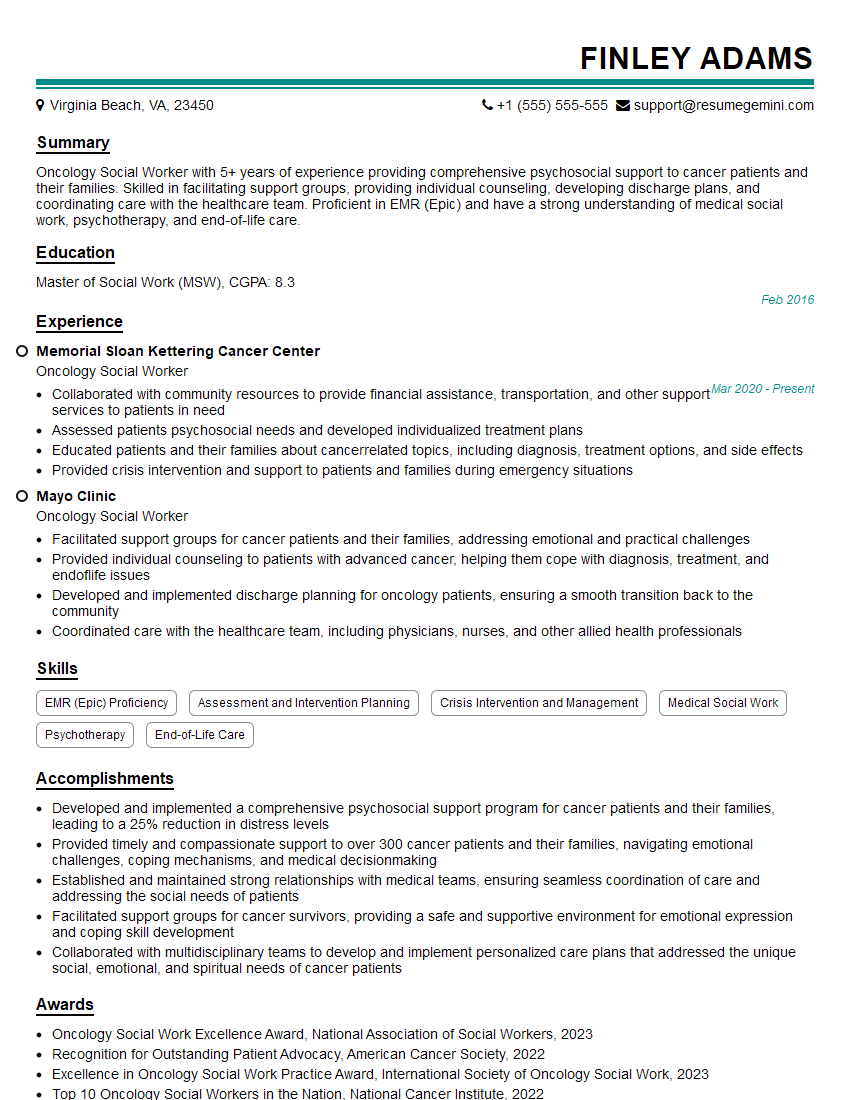
Mastering Medical Oncology is crucial for career advancement, opening doors to specialized roles and leadership positions within the field. A strong resume is your key to unlocking these opportunities. Crafting an ATS-friendly resume is essential for getting your application noticed by recruiters. To significantly enhance your resume and maximize your job prospects, we recommend using ResumeGemini. ResumeGemini provides a powerful platform to build a professional, impactful resume and we offer examples of resumes tailored to Medical Oncology to guide you.
Explore more articles
Users Rating of Our Blogs
Share Your Experience
We value your feedback! Please rate our content and share your thoughts (optional).
What Readers Say About Our Blog
To the interviewgemini.com Webmaster.
Very helpful and content specific questions to help prepare me for my interview!
Thank you
To the interviewgemini.com Webmaster.
This was kind of a unique content I found around the specialized skills. Very helpful questions and good detailed answers.
Very Helpful blog, thank you Interviewgemini team.