Preparation is the key to success in any interview. In this post, we’ll explore crucial Medication-Assisted Treatment interview questions and equip you with strategies to craft impactful answers. Whether you’re a beginner or a pro, these tips will elevate your preparation.
Questions Asked in Medication-Assisted Treatment Interview
Q 1. Explain the principles of Medication-Assisted Treatment (MAT).
Medication-Assisted Treatment (MAT) is a holistic approach to treating substance use disorders, particularly opioid use disorder. It combines medication with counseling and behavioral therapies to provide a comprehensive and effective treatment strategy. The core principle is that MAT utilizes medications to reduce cravings, withdrawal symptoms, and the rewarding effects of the substance, making it easier for individuals to engage in and benefit from therapy. This multifaceted approach addresses the biological, psychological, and social aspects of addiction.
Think of it like this: Addiction is a complex illness, not just a matter of willpower. MAT provides the medical support needed to stabilize the individual’s body and mind, while therapy helps them address the underlying issues contributing to their addiction.
Q 2. What are the common medications used in MAT for opioid use disorder?
The most common medications used in MAT for opioid use disorder include:
- Methadone: A full opioid agonist that suppresses withdrawal symptoms and cravings.
- Buprenorphine: A partial opioid agonist that reduces cravings and withdrawal symptoms with a lower risk of overdose than methadone.
- Naltrexone: An opioid antagonist that blocks the effects of opioids, preventing cravings and the euphoric effects of opioid use. It comes in both oral and injectable forms (extended-release).
The choice of medication depends on several factors, including the individual’s medical history, the severity of their addiction, and their preferences. A collaborative approach between the patient and the healthcare provider is crucial in selecting the most appropriate medication.
Q 3. Describe the mechanism of action for buprenorphine and naltrexone.
Buprenorphine: Buprenorphine acts as a partial agonist at the mu-opioid receptor. This means it binds to the receptor, reducing cravings and withdrawal symptoms, but produces a much weaker effect than full agonists like heroin or morphine. This partial agonist effect reduces the risk of overdose and respiratory depression.
Naltrexone: Naltrexone is a pure opioid antagonist. It blocks the mu-opioid receptor, preventing opioids from binding and producing their effects. This means that if a person taking naltrexone uses opioids, they will not experience the usual high or the relief of withdrawal symptoms. This can be a powerful deterrent to relapse.
Q 4. What are the contraindications and potential side effects of methadone?
Methadone has several contraindications, meaning it shouldn’t be used in certain situations. These include:
- Severe respiratory depression
- Acute alcohol intoxication
- Pregnancy (needs careful consideration and management)
- Certain cardiac conditions
- Concurrent use of certain medications (especially other CNS depressants)
Potential side effects can include:
- Drowsiness and sedation
- Nausea and vomiting
- Constipation
- Sweating
- Orthostatic hypotension (low blood pressure upon standing)
- Cardiac arrhythmias (rare but serious)
Careful monitoring is essential to manage these side effects. The benefits of methadone in treating opioid addiction must be carefully weighed against the potential risks in each individual case.
Q 5. How do you assess a patient’s suitability for MAT?
Assessing a patient’s suitability for MAT involves a thorough evaluation of their medical, psychological, and social history. This includes:
- Opioid use history: Frequency, amount, and route of administration
- Medical history: Any existing medical conditions, allergies, and medications
- Psychiatric history: Presence of co-occurring mental health disorders like depression or anxiety
- Social history: Support system, housing stability, employment status
- Urine drug screening: To confirm opioid use and rule out other substances
- Physical examination: To assess overall health and detect signs of opioid withdrawal
A comprehensive assessment helps determine the most appropriate medication and treatment plan for each individual. The patient’s readiness for change and willingness to participate in therapy are also crucial factors.
Q 6. What are the key elements of a comprehensive MAT treatment plan?
A comprehensive MAT treatment plan should encompass several key elements:
- Medication management: Regular dispensing of medication, dose adjustments as needed, and monitoring for side effects.
- Individual and/or group counseling: To address underlying issues contributing to addiction, develop coping mechanisms, and promote recovery.
- Behavioral therapies: Techniques like cognitive behavioral therapy (CBT) and contingency management help patients modify their behaviors and develop healthier coping strategies.
- Case management: Assisting with practical needs such as housing, employment, and social support.
- Regular monitoring and evaluation: Tracking progress, adjusting the treatment plan as needed, and assessing for relapse.
The plan must be individualized to address the specific needs and challenges of each patient. It’s a dynamic process that evolves over time based on the patient’s progress and response to treatment.
Q 7. How do you address potential medication adherence issues in MAT patients?
Addressing medication adherence issues requires a multi-pronged approach focusing on patient engagement and support. Strategies include:
- Building a strong therapeutic alliance: Establishing trust and rapport with the patient is crucial.
- Motivational interviewing: Helping the patient identify their reasons for wanting to recover and overcome barriers to adherence.
- Medication education: Ensuring the patient understands the medication’s purpose, side effects, and proper administration.
- Directly observed therapy (DOT): In some cases, witnessing medication intake might be necessary.
- Regular follow-up appointments: Providing frequent monitoring and support.
- Addressing barriers to access: Working to overcome transportation, financial, or other obstacles that might hinder adherence.
- Collaborative care models: Involving other healthcare providers such as primary care physicians to support medication management and overall health.
Open communication and collaborative problem-solving between the patient and the treatment team are key to improving medication adherence.
Q 8. Describe your experience managing withdrawal symptoms in MAT patients.
Managing withdrawal symptoms in Medication-Assisted Treatment (MAT) is crucial for patient safety and treatment success. It involves a careful assessment of the individual’s substance use history, the specific substance(s) being withdrawn from, and their overall health. Withdrawal symptoms vary significantly depending on the substance and the individual’s physiological response. For example, opioid withdrawal may present with symptoms like muscle aches, nausea, vomiting, diarrhea, and intense cravings, while alcohol withdrawal can be life-threatening, potentially leading to seizures and delirium tremens (DTs).
My approach involves a phased approach. The first phase focuses on stabilizing the patient’s vital signs and addressing acute withdrawal symptoms. This often involves medications to manage specific symptoms, such as clonidine for blood pressure regulation and loperamide for diarrhea. For opioid withdrawal, medications like methadone or buprenorphine are used to reduce cravings and alleviate physical discomfort.
The second phase focuses on gradual tapering of medication to minimize relapse risk and promote long-term recovery. This process is highly individualized and requires close monitoring. We use a combination of medication adjustment, supportive counseling, and ongoing assessment of the patient’s physical and psychological status. Regular communication and collaboration with the patient are vital throughout this process. For instance, a patient experiencing particularly intense cravings might benefit from increased medication dosage temporarily, followed by a careful reduction as their symptoms improve.
Finally, the focus shifts towards maintaining abstinence and long-term recovery. This may involve continued medication management or a gradual weaning off medication, combined with ongoing psychosocial support.
Q 9. How do you monitor for medication diversion in MAT patients?
Monitoring for medication diversion in MAT is essential for maintaining the integrity of the treatment program and ensuring patient safety. Diversion occurs when prescribed medication is misused or sold to others. It poses serious risks, including overdose in others and relapse for the patient. My approach combines several strategies:
- Urine drug testing (UDT): Regular UDTs are a cornerstone of monitoring, assessing for the presence of prescribed medications and the absence of other substances. Irregularities in UDT results trigger further investigations.
- Pill counts: Regular pill counts verify that the patient is taking their medications as prescribed. Discrepancies may indicate diversion.
- Behavioral observation: Clinicians should be alert to behavioral changes that might indicate drug-seeking behavior, such as increased anxiety, agitation, or inconsistencies in their reporting.
- Collaboration with pharmacies: Working closely with the pharmacy to monitor medication dispensing patterns can detect unusual activity.
- Building a strong therapeutic relationship: Open communication and trust between the patient and the clinician can deter diversion, as patients often hesitate to engage in such activities if they have a strong therapeutic bond.
It’s important to approach medication diversion with compassion and understanding, recognizing it often stems from underlying issues like relapse risk, social pressure, or financial difficulties. Addressing these underlying factors is crucial to prevent future diversion.
Q 10. What are the ethical considerations surrounding MAT?
Ethical considerations in MAT are multifaceted and require careful consideration. Some key issues include:
- Informed consent: Patients must fully understand the risks and benefits of MAT, including potential side effects and the necessity for ongoing monitoring. This must be conveyed in a clear, non-coercive way.
- Confidentiality: Protecting patient privacy is paramount. Information shared during MAT should be treated with the utmost confidentiality, adhering to HIPAA regulations or equivalent local laws.
- Stigma reduction: It’s crucial to approach patients with empathy and avoid judgment, recognizing addiction as a health issue rather than a moral failing. This fosters trust and facilitates effective treatment.
- Access to care: Ensuring equitable access to MAT for all individuals who need it, regardless of socioeconomic status or insurance coverage, is ethically essential. Reducing barriers to access is critical for improving public health outcomes.
- Medication choice: The clinician has an ethical responsibility to select the most appropriate medication based on patient needs, considering factors such as co-occurring disorders and potential drug interactions.
Balancing the benefits of MAT with the potential risks requires careful consideration, especially regarding medication management and ensuring that patient autonomy is respected at all times.
Q 11. How do you integrate MAT with other therapeutic interventions (e.g., counseling, therapy)?
Integrating MAT with other therapeutic interventions is crucial for comprehensive addiction treatment. It’s not just about managing withdrawal; it’s about addressing the underlying causes of addiction and promoting long-term recovery. MAT forms a core component, alongside counseling and therapy, creating a synergistic approach.
For example, individual therapy can address trauma, co-occurring mental health disorders, and cognitive distortions that contribute to addiction. Group therapy offers peer support, shared experiences, and the opportunity to develop coping mechanisms. Behavioral therapies like Cognitive Behavioral Therapy (CBT) teach patients to identify and modify maladaptive thought patterns and behaviors.
My approach involves coordinating the medication management with the therapeutic interventions. Regular sessions with a therapist, counselor, or case manager allow us to assess the patient’s progress, adjust medication as needed, and address any challenges they may encounter. The treatment plan is dynamic, responding to the patient’s needs and adapting to their progress. Collaboration among healthcare professionals ensures a holistic and integrated approach to recovery.
Q 12. What are the different stages of change in addiction treatment, and how does MAT fit within them?
The stages of change model, often referred to as the Transtheoretical Model, provides a framework for understanding how individuals move toward behavior change. It’s particularly relevant in addiction treatment.
- Precontemplation: The individual isn’t considering change and may be unaware or in denial about their substance use problem.
- Contemplation: The individual is beginning to acknowledge the problem and considering the possibility of change, but hasn’t made a commitment.
- Preparation: The individual is making plans to change, such as seeking information or resources.
- Action: The individual is actively taking steps to modify their behavior, which may include starting MAT.
- Maintenance: The individual is working to maintain their progress and prevent relapse.
- Relapse: A setback occurs, but it’s not necessarily a failure; it’s an opportunity to re-evaluate and adjust the treatment plan.
MAT fits into various stages. It can be introduced in the preparation stage to help individuals prepare for the challenges of withdrawal, or it can be started in the action stage as a key component of their treatment plan. Throughout the maintenance stage, medication continues to play a role in supporting recovery and reducing the risk of relapse. Even during relapse, MAT can be resumed to help stabilize the patient and assist in their return to recovery.
Q 13. How do you address relapse in patients undergoing MAT?
Relapse is a common experience in addiction treatment, and it’s crucial to approach it with compassion and understanding. It’s not a sign of failure, but rather an opportunity to re-evaluate the treatment plan and strengthen coping mechanisms.
My approach to addressing relapse involves a thorough assessment of the factors that contributed to the relapse. This may involve exploring triggers, stress levels, social situations, or medication adherence issues. We conduct a comprehensive review of the treatment plan to identify areas for improvement, and we work closely with the patient to develop new coping strategies and relapse prevention techniques.
In some cases, medication adjustments may be necessary. For example, if medication adherence was an issue, strategies to improve medication management might be implemented. If the relapse was triggered by social situations, relapse prevention training might help the patient better manage these situations. Regular check-ins, both individual and group sessions, are crucial to provide ongoing support and reinforce recovery strategies. The goal is to learn from the relapse and use it as a springboard for renewed commitment to recovery.
Q 14. Describe your experience with different types of addiction (alcohol, stimulants, etc.) and how you tailor MAT approach.
MAT approaches differ based on the type of addiction. There isn’t a one-size-fits-all approach.
- Opioid Use Disorder (OUD): Methadone and buprenorphine are FDA-approved medications for OUD, helping to reduce cravings and withdrawal symptoms. They stabilize the patient, allowing them to focus on other aspects of recovery.
- Alcohol Use Disorder (AUD): Medications like naltrexone and acamprosate are used to reduce cravings and prevent relapse. Disulfiram is another option but requires strict adherence and can have serious consequences if alcohol is consumed while taking it.
- Stimulant Use Disorder (SUD): There are no FDA-approved medications specifically for stimulant addiction, although certain medications may help manage associated symptoms such as anxiety or sleep problems. Therapy plays a significant role in treating SUD.
Tailoring the MAT approach requires a thorough assessment of the patient’s substance use history, co-occurring disorders, medical conditions, and personal preferences. For example, a patient with both OUD and anxiety might require a medication that addresses both issues. The medication choice, dosage, and monitoring strategies are all individualized to maximize treatment efficacy and minimize risks.
Q 15. How do you work collaboratively with other healthcare professionals in providing MAT?
Effective Medication-Assisted Treatment (MAT) relies heavily on a collaborative team approach. I work closely with psychiatrists, primary care physicians, counselors, social workers, and case managers to provide holistic care. For example, the psychiatrist might prescribe the medication, while I, as a MAT specialist, focus on medication management, patient education, and addressing potential side effects. The counselor provides crucial therapeutic support to address underlying mental health issues and behavioral patterns contributing to substance use disorder. Social workers assist with navigating social determinants of health like housing and employment, and case managers help coordinate care across all services. Regular team meetings ensure we align on treatment goals, monitor progress, and adjust the plan as needed. This integrated approach is vital, as it addresses the multifaceted nature of addiction. Imagine it like an orchestra; each player (healthcare professional) plays a unique part, but together they create harmonious and effective treatment.
Career Expert Tips:
- Ace those interviews! Prepare effectively by reviewing the Top 50 Most Common Interview Questions on ResumeGemini.
- Navigate your job search with confidence! Explore a wide range of Career Tips on ResumeGemini. Learn about common challenges and recommendations to overcome them.
- Craft the perfect resume! Master the Art of Resume Writing with ResumeGemini’s guide. Showcase your unique qualifications and achievements effectively.
- Don’t miss out on holiday savings! Build your dream resume with ResumeGemini’s ATS optimized templates.
Q 16. What are the long-term goals of MAT?
The long-term goals of MAT extend far beyond simply abstaining from substance use. We aim for sustained recovery, which encompasses improved physical and mental health, increased social functioning, stable housing and employment, and a greatly enhanced quality of life. This means helping patients rebuild their lives and thrive. It involves relapse prevention strategies, ongoing support, and addressing any co-occurring conditions. We want patients to achieve long-term sobriety, but equally crucial is their overall well-being and integration into society as healthy, productive individuals. We celebrate milestones – a job interview, a family event, stable housing – understanding that setbacks are part of the journey and providing support to manage them.
Q 17. How do you manage patient expectations regarding the length and outcomes of MAT?
Managing patient expectations is crucial for successful MAT. I emphasize that MAT is a journey, not a quick fix. The length of treatment varies greatly depending on individual needs and response to medication. I explain that recovery is a process involving ups and downs, and that setbacks are a normal part of the experience. Open and honest communication is key. I discuss realistic treatment goals and emphasize the importance of consistent engagement. I use motivational interviewing techniques to elicit patient commitment and empower them to actively participate in their recovery. While complete abstinence might be the ultimate aim, we set incremental goals—like attending all appointments for a month or resisting the urge to use during stressful situations—to celebrate successes and maintain hope.
Q 18. Describe your experience with different populations (e.g., pregnant women, individuals with co-occurring disorders).
My experience encompasses a diverse range of populations. I have worked extensively with pregnant women, adapting MAT protocols to ensure both the mother’s and the fetus’s safety. This often involves utilizing medications with established safety profiles during pregnancy and providing close monitoring. Working with individuals with co-occurring disorders, such as mental health conditions like depression or anxiety, requires a highly integrated approach. We coordinate with mental health professionals to manage these conditions concurrently, as untreated mental illness often exacerbates substance use. For example, a patient with both opioid use disorder and depression would receive medication for both conditions, along with psychotherapy to address the underlying issues contributing to both problems. This is crucial because addressing one condition in isolation rarely leads to lasting improvement.
Q 19. How do you maintain patient confidentiality and adhere to HIPAA regulations?
Maintaining patient confidentiality is paramount, and I adhere strictly to HIPAA regulations. This involves securely storing patient records, using encrypted communication methods, and only disclosing information to authorized individuals involved in their care. I always obtain informed consent before sharing any information, and I am meticulous in ensuring the privacy of all patient data. I routinely review HIPAA guidelines and participate in continuing education to stay updated on best practices. Confidentiality is essential for fostering trust and encouraging open communication, which are vital for effective treatment.
Q 20. What are some common barriers to accessing MAT, and how can these barriers be overcome?
Several barriers hinder access to MAT, including limited availability of treatment providers, stigma surrounding addiction, insurance coverage issues, and lack of awareness. Overcoming these barriers requires a multifaceted approach. Expanding the number of trained MAT providers and integrating MAT into primary care settings can increase access. Public awareness campaigns to combat stigma are essential. Advocating for improved insurance coverage and ensuring financial assistance for those who lack insurance are critical steps. Finally, increasing awareness among patients and healthcare professionals about the effectiveness of MAT is vital to promote its utilization.
Q 21. How do you stay updated on the latest research and best practices in MAT?
Staying updated on the latest research and best practices is essential for providing optimal MAT. I actively participate in professional organizations such as SAMHSA (Substance Abuse and Mental Health Services Administration) and attend conferences and workshops related to addiction medicine. I regularly review peer-reviewed journals and research publications to stay informed on new medications, treatment approaches, and research findings. Engaging in continuing education and professional development activities helps me refine my clinical skills and enhance the quality of care I provide to my patients.
Q 22. Explain your understanding of the different levels of care in addiction treatment (e.g., inpatient, outpatient).
Addiction treatment offers a spectrum of care levels, tailored to individual needs and severity. The intensity generally decreases as the patient progresses.
- Inpatient Treatment: This is the most intensive level, providing 24/7 medical and therapeutic support in a residential setting. It’s ideal for individuals experiencing severe withdrawal symptoms, co-occurring disorders, or lacking a stable support system at home. Think of it as a comprehensive ‘reset’ button, providing constant monitoring and structure.
- Residential Treatment: Similar to inpatient, but often less medically intensive, focusing more on therapeutic interventions and developing coping mechanisms. Patients live at the facility but may have more freedom of movement than in an inpatient setting.
- Intensive Outpatient Programs (IOP): These programs offer structured therapy sessions several days a week, providing support while allowing patients to maintain their home and work responsibilities. It’s a good stepping stone from residential or inpatient care.
- Outpatient Treatment: This is the least intensive level, involving individual or group therapy sessions on a less frequent basis. Patients are responsible for managing their recovery in their daily lives, with regular check-ins with their treatment team.
The choice of care level depends on factors such as the severity of the addiction, the presence of co-occurring mental health conditions, the patient’s support system, and their overall readiness for treatment.
Q 23. How do you evaluate the effectiveness of MAT for an individual patient?
Evaluating MAT effectiveness is multifaceted and involves monitoring various aspects of a patient’s progress. It’s not solely about abstinence, but rather a holistic assessment of their overall well-being.
- Medication adherence: Consistent medication intake is crucial. We monitor this through pill counts, urine drug screens, and patient self-reporting.
- Symptom reduction: We track the reduction or elimination of withdrawal symptoms, cravings, and relapse triggers.
- Improved psychosocial functioning: This encompasses areas like employment, relationships, housing stability, and participation in social activities. We use assessments and regular check-ins to measure this.
- Reduced illicit drug use: Regular urine drug screens are vital to track illicit drug use. A reduction or absence of illicit substance use signifies positive progress.
- Mental health improvement: For those with co-occurring disorders, we monitor improvements in mental health symptoms through standardized assessments and clinical observations.
- Patient self-report: The patient’s own perception of their progress and well-being is crucial. We encourage open and honest communication.
For example, a patient might initially struggle with medication side effects and show inconsistent adherence. Over time, we might adjust the dosage or medication type, incorporating additional support strategies. Successful MAT is a journey, not a destination.
Q 24. How do you address patient concerns or resistance to MAT?
Addressing concerns and resistance is crucial for successful MAT engagement. It often involves empathy, education, and collaborative decision-making.
- Active Listening: Understanding their concerns and fears is the first step. Many patients fear dependence on medications, stigma, or the unknown. We take time to listen to these fears without judgment.
- Education: Providing clear, comprehensive information about MAT, dispelling myths, and emphasizing its role as a tool to support recovery, not replace it, is vital. We explain how MAT works, its benefits, and potential side effects.
- Shared Decision-Making: Involving the patient in the treatment plan fosters a sense of ownership and commitment. We discuss available options and collaboratively select the most suitable approach.
- Addressing Misconceptions: We directly address common misconceptions around MAT, such as the belief that it simply replaces one addiction with another. We use evidence-based information to counter these beliefs.
- Building Trust: Building a strong therapeutic alliance based on trust and respect is foundational. This takes time, patience, and consistent engagement.
For instance, a patient hesitant due to concerns about medication side effects may be encouraged to start with a lower dose or a different medication type, adjusting as needed based on their feedback.
Q 25. What are some common challenges in implementing MAT programs?
Implementing successful MAT programs faces several challenges:
- Stigma: Societal stigma surrounding addiction and medication-assisted treatment can hinder patient engagement and access to care.
- Limited Access to Care: Many areas lack adequate resources and trained professionals to provide MAT services.
- Insurance Coverage: Insurance coverage for MAT can be inconsistent, creating financial barriers for patients.
- Provider Training and Expertise: Adequate training for healthcare professionals is essential to deliver effective MAT.
- Integration with Other Services: Successful MAT often requires coordination with other services, such as behavioral health care, housing support, and vocational rehabilitation. This can pose logistical and administrative challenges.
For example, a lack of insurance coverage could prevent a patient from accessing buprenorphine or methadone, even if their physician deems it medically necessary. Overcoming these challenges requires policy changes, increased funding, and improved healthcare system integration.
Q 26. Describe your approach to patient education regarding MAT.
Patient education is central to successful MAT. My approach uses a combination of strategies to ensure understanding and engagement.
- Individualized Education Plans: I create personalized education plans tailored to each patient’s learning style and health literacy level.
- Interactive Sessions: I use interactive sessions, including videos, handouts, and question-and-answer periods, to enhance learning and comprehension.
- Addressing Misconceptions: I actively address misconceptions and myths surrounding MAT, providing evidence-based information to correct inaccurate beliefs.
- Medication Information: I provide detailed information about the medication, including its mechanism of action, side effects, and potential interactions.
- Long-Term Recovery Strategies: I also incorporate education on long-term recovery strategies, including relapse prevention planning, coping skills development, and the importance of ongoing support.
- Ongoing Support and Feedback: I create a supportive and welcoming environment where patients feel comfortable asking questions and providing feedback.
For instance, if a patient is new to buprenorphine, I’ll explain how it reduces cravings and withdrawal symptoms, using simple analogies to make it understandable. I’ll also address their specific questions about possible side effects, providing reassurance and suggesting strategies to manage them.
Q 27. How do you handle crisis situations arising from MAT treatment?
Crisis situations in MAT require a swift and decisive response. My approach emphasizes safety, stabilization, and collaboration with other professionals.
- Immediate Assessment: The first step is to assess the severity and nature of the crisis, determining the immediate risks to the patient’s safety.
- Stabilization: Prioritizing the patient’s immediate safety and stabilization is crucial. This might involve medical intervention, dose adjustments, or transfer to a higher level of care.
- Collaboration with Support Network: Involving family, friends, or other support systems can provide crucial emotional and practical assistance.
- Referral to Specialized Services: Depending on the nature of the crisis, referral to specialized services, such as mental health crisis teams or inpatient facilities, may be necessary.
- Post-Crisis Planning: Following stabilization, a detailed post-crisis plan is crucial to prevent future crises. This involves addressing the underlying factors contributing to the crisis.
For example, an overdose requires immediate medical intervention, involving emergency services and potentially naloxone administration. Post-crisis, we’d adjust the medication plan, strengthen support systems, and explore underlying issues that might have contributed to the near-fatal event.
Q 28. What are your strategies for building a therapeutic alliance with patients in MAT?
Building a strong therapeutic alliance is fundamental to successful MAT. It’s a collaborative relationship based on trust, empathy, and mutual respect.
- Empathetic Listening: I actively listen to patients’ concerns and experiences without judgment, validating their feelings and struggles.
- Collaborative Goal Setting: We work together to establish realistic and achievable treatment goals, ensuring the patient feels empowered and in control.
- Regular Communication: Consistent and open communication is crucial, fostering a sense of trust and ongoing support.
- Respectful Interactions: I approach each interaction with respect and understanding, recognizing the patient’s strengths and resilience.
- Shared Decision Making: We make decisions collaboratively, ensuring the treatment plan aligns with the patient’s values and preferences.
- Cultural Sensitivity: I actively consider and address cultural differences that may influence treatment adherence and engagement.
For example, I might start a session by asking a patient how they’re feeling beyond their substance use. This shows I care about their whole person, not just their addiction. This human connection fosters trust and facilitates open communication.
Key Topics to Learn for Medication-Assisted Treatment Interview
- Pharmacology of MAT Medications: Understand the mechanisms of action, efficacy, and side effects of medications like methadone, buprenorphine, naltrexone, and their appropriate patient populations.
- Patient Assessment and Treatment Planning: Master the skills needed to conduct thorough patient assessments, develop individualized treatment plans, and manage complex cases, including co-occurring disorders.
- Ethical and Legal Considerations: Familiarize yourself with relevant regulations, ethical guidelines, and potential legal challenges related to MAT provision, such as informed consent and patient confidentiality.
- Relapse Prevention Strategies: Develop a strong understanding of relapse triggers, risk factors, and evidence-based strategies for preventing relapse and maintaining long-term recovery.
- Counseling and Behavioral Therapies: Know how to integrate counseling and behavioral therapies into MAT programs to address underlying psychological and social issues contributing to substance use disorders.
- Monitoring and Evaluation: Learn about methods for monitoring patient progress, evaluating treatment effectiveness, and making necessary adjustments to treatment plans based on patient response.
- Collaboration and Teamwork: Understand the importance of working effectively within a multidisciplinary team, including physicians, nurses, counselors, and social workers, to provide comprehensive patient care.
- Addressing Co-occurring Disorders: Develop expertise in identifying and managing co-occurring mental health disorders and other medical conditions that often accompany substance use disorders.
- Data Management and Documentation: Be prepared to discuss your experience with electronic health records (EHRs) and proper documentation practices for maintaining accurate patient records and complying with regulatory requirements.
- Current Research and Best Practices: Stay updated on the latest research and evidence-based practices in MAT to demonstrate your commitment to continuous learning and professional development.
Next Steps
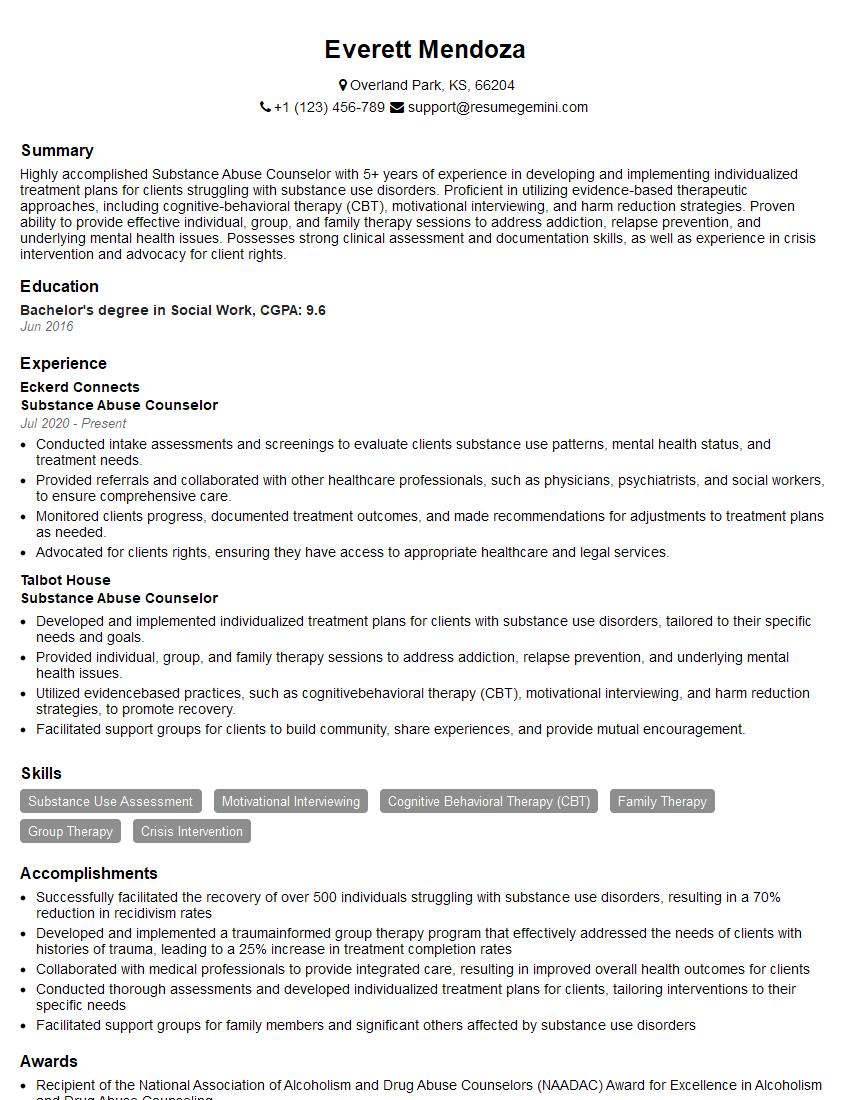
Mastering Medication-Assisted Treatment opens doors to rewarding and impactful careers in the field of addiction medicine. To maximize your job prospects, invest time in crafting an ATS-friendly resume that effectively highlights your skills and experience. ResumeGemini is a trusted resource that can help you build a professional, impactful resume. They provide examples of resumes tailored to Medication-Assisted Treatment to guide you through the process. Take advantage of these resources to showcase your expertise and land your dream job.
Explore more articles
Users Rating of Our Blogs
Share Your Experience
We value your feedback! Please rate our content and share your thoughts (optional).
What Readers Say About Our Blog
To the interviewgemini.com Webmaster.
Very helpful and content specific questions to help prepare me for my interview!
Thank you
To the interviewgemini.com Webmaster.
This was kind of a unique content I found around the specialized skills. Very helpful questions and good detailed answers.
Very Helpful blog, thank you Interviewgemini team.