Interviews are more than just a Q&A session—they’re a chance to prove your worth. This blog dives into essential Membership in professional organizations (e.g., AAPN, NASP) interview questions and expert tips to help you align your answers with what hiring managers are looking for. Start preparing to shine!
Questions Asked in Membership in professional organizations (e.g., AAPN, NASP) Interview
Q 1. What experience do you have managing membership databases?
Managing membership databases requires a multifaceted approach combining technical proficiency with strategic thinking. My experience spans several years, involving database platforms like Salesforce, MemberClicks, and even custom-built solutions. I’m adept at data entry, cleaning, and validation, ensuring data accuracy and integrity, crucial for effective reporting and analysis. Beyond data management, I’ve been responsible for developing and implementing robust data security protocols and generating insightful reports, including membership trends, demographic breakdowns, and renewal rates, which inform strategic decision-making. For example, in a previous role with a large professional association, I implemented a data migration project from a legacy system to a cloud-based solution, significantly improving data accessibility and reducing manual effort. This involved meticulous planning, data mapping, and user training to ensure a smooth transition.
Q 2. Describe your experience with member retention strategies.
Member retention is paramount for any professional organization’s success. My strategies center around creating a strong value proposition and fostering a sense of community. I’ve implemented targeted communication campaigns, providing members with regular updates on organization activities, exclusive content, and personalized offers based on their professional interests and engagement level. For example, I developed a tiered membership system with varying levels of benefits to cater to different needs and budgets, which increased renewal rates by 15%. I also believe in proactive outreach. This includes reaching out to members nearing their renewal date with personalized reminders and addressing any potential concerns they may have. I also focus on gathering feedback through surveys and focus groups to identify areas for improvement and understand why members choose not to renew.
Q 3. How would you handle a decrease in membership renewals?
A decrease in membership renewals necessitates a thorough investigation. My approach is systematic, starting with analyzing the data to identify patterns and potential causes. This involves looking at renewal rates across different demographic segments, member types, and geographic locations. Once potential causes are identified (e.g., decreased perceived value, higher membership fees, competition from similar organizations), I’d implement a multi-pronged strategy. This includes evaluating and potentially adjusting membership fees and benefits, developing targeted marketing campaigns to attract new members and re-engage existing ones, improving member communication and engagement, and enhancing the overall member experience. For instance, if the data suggests that younger members are less likely to renew, I’d focus on creating more engaging digital content and opportunities for networking and professional development that resonate with this demographic.
Q 4. Explain your experience developing and implementing membership marketing campaigns.
Developing and implementing successful membership marketing campaigns requires understanding the target audience and crafting compelling messaging. My experience includes developing strategies across multiple channels, from email marketing and social media campaigns to targeted advertising and print materials. For example, I created a highly successful social media campaign for a national association that focused on member testimonials and success stories. This resulted in a significant increase in membership applications and engagement. I also utilize A/B testing to optimize campaign effectiveness and track key performance indicators (KPIs) such as click-through rates, conversion rates, and return on investment (ROI). I firmly believe in creating a consistent brand message across all platforms to build a strong professional identity and resonate with the target audience. Understanding the customer journey is central to my approach; I carefully craft messaging that speaks to the needs and aspirations of prospective members at each stage.
Q 5. How familiar are you with AAPN/NASP membership benefits and structures?
I possess a strong understanding of both AAPN (American Academy of Pediatric Nursing) and NASP (National Association of School Psychologists) membership structures and benefits. I’m familiar with their respective membership categories, fee structures, and the range of services offered to members, including access to journals, conferences, continuing education opportunities, networking events, and advocacy efforts. I understand how these organizations cater to the specific professional needs of their members and how their membership benefits translate to professional development and career advancement. This includes understanding the value proposition for each membership level and how those benefits resonate with different member profiles.
Q 6. What strategies would you use to increase member engagement?
Increasing member engagement is key to retention and organizational vitality. My strategies focus on creating a sense of community and providing valuable resources and opportunities. This includes facilitating online and in-person networking events, creating opportunities for professional development, such as webinars and workshops, and establishing active online communities through forums, social media groups, and discussion boards. I also leverage member feedback to tailor programs and services to better meet their needs. For instance, I’ve implemented a peer mentoring program that significantly enhanced member engagement and satisfaction. Additionally, I’d explore using gamification techniques or loyalty programs to incentivize participation and engagement with the organization’s offerings.
Q 7. Describe your experience with member communication tools and platforms.
My experience with member communication tools and platforms is extensive. I’m proficient in using email marketing platforms (e.g., Mailchimp, Constant Contact), customer relationship management (CRM) systems (e.g., Salesforce), and social media platforms (e.g., LinkedIn, Twitter, Facebook) to reach and engage members. I understand the importance of choosing the right communication channels based on the target audience and the message. I’m also experienced in using member portals and online communities to facilitate communication and collaboration among members. In past roles, I’ve successfully implemented multi-channel communication strategies, utilizing a combination of email, social media, and direct mail to reach diverse audiences. Data analytics plays a crucial role in my approach; I closely monitor engagement metrics to optimize communication effectiveness and tailor messages based on member preferences.
Q 8. How would you address member complaints or concerns?
Addressing member complaints and concerns is paramount to maintaining a healthy and thriving professional organization. My approach is multi-faceted, focusing on prompt response, empathy, and a commitment to finding a fair resolution.
First, I’d establish a clear and accessible complaint procedure, perhaps through an online portal or dedicated email address. This ensures all complaints are documented and tracked. Second, I’d respond promptly, acknowledging the member’s concerns within 24-48 hours. This shows that we value their feedback and are actively working on a solution. Third, I’d actively listen to understand the issue from the member’s perspective. This often involves empathetic questioning to uncover the root of the problem. Fourth, I’d investigate the complaint thoroughly, gathering necessary information and consulting with relevant stakeholders. Finally, I’d work towards a fair and timely resolution, communicating the outcome clearly to the member, and following up to ensure their satisfaction. For example, if a member complains about inaccurate billing, I would thoroughly investigate the billing records, correct the error, and issue a refund or credit if necessary. If the complaint is regarding a program, I’d work with the program director to find solutions, perhaps adjusting the program to better meet member needs.
Regularly analyzing the types of complaints received also helps identify systemic issues within the organization that need addressing proactively.
Q 9. What is your experience with membership dues collection and reconciliation?
My experience with membership dues collection and reconciliation involves a comprehensive understanding of various payment processing systems, accurate record-keeping, and effective reconciliation procedures.
In previous roles, I managed membership dues using a combination of online payment gateways (e.g., PayPal, Stripe) and offline methods (e.g., checks, bank transfers). I implemented robust tracking systems to ensure every payment was accurately recorded, including member ID, payment date, amount, and payment method. This was crucial for generating accurate financial reports.
The reconciliation process involved regularly comparing the payments received against the membership database to identify any discrepancies. This might involve investigating late payments, bounced checks, or manual adjustments for refunds or credits. I also generated regular reports for the finance team, highlighting key metrics such as total dues collected, outstanding balances, and collection rates.
Implementing automated reminders for overdue payments and offering multiple payment options were vital in improving collection rates. Strong data management, coupled with meticulous attention to detail, was key to maintaining accurate financial records and ensuring a smooth reconciliation process.
Q 10. How would you segment members for targeted communication?
Member segmentation for targeted communication is essential for maximizing engagement and achieving specific organizational goals. It involves dividing the membership into distinct groups based on shared characteristics, interests, or behaviors.
Segmentation can be based on several factors: Demographic segmentation (age, location, profession); Psychographic segmentation (interests, values, lifestyle); Behavioral segmentation (engagement level, past purchases, event attendance); and Membership status (new members, renewing members, lapsed members).
For instance, new members might receive a welcome package with onboarding information and invitations to introductory events. Renewing members could receive exclusive offers or early access to events. Lapsed members might receive targeted outreach to encourage re-enrollment. Professionals in specific fields could receive tailored communications regarding relevant continuing education opportunities.
Using a CRM system allows for efficient segmentation and targeted messaging. It helps in analyzing member data to identify patterns and trends to inform communication strategies. This personalized approach fosters stronger member relationships and improves overall engagement.
Q 11. What metrics would you use to track membership success?
Tracking membership success requires a holistic approach, focusing on quantitative and qualitative metrics. Key metrics include:
- Membership growth rate: Percentage increase or decrease in membership numbers over a specific period.
- Membership retention rate: Percentage of members who renew their membership.
- Member engagement rate: Participation in events, online forums, or other activities.
- Net promoter score (NPS): A measure of member satisfaction and loyalty.
- Dues collection rate: Percentage of dues collected compared to total dues owed.
- Website traffic and engagement: Monitoring website usage to assess member interest in online resources.
- Member feedback: Surveys, focus groups, or direct feedback collected through various channels.
By tracking these metrics, we can identify areas of strength and weakness and adjust strategies accordingly. For example, a low retention rate might indicate a need to improve member benefits or address member concerns. High engagement in online forums can help in identifying interests and refining the offerings of the organization.
Q 12. Explain your knowledge of CRM systems used in membership management.
My experience with CRM systems in membership management involves using several popular platforms, including Salesforce, CiviCRM, and MemberPlanet. These systems are crucial for managing member data, automating processes, and improving overall organizational efficiency.
I’m proficient in utilizing these platforms to manage member profiles, track communication, and analyze member behavior. For example, I can use Salesforce to segment members based on criteria such as professional background and location, allowing for targeted email campaigns to promote relevant events or resources. CiviCRM’s reporting capabilities are invaluable for tracking key metrics like membership growth and retention. MemberPlanet’s streamlined interface is efficient for managing membership renewals and dues collection.
Beyond data entry and basic functionality, I understand the importance of data integrity, security, and the ability to integrate the CRM with other systems (like payment gateways or email marketing platforms) to create a seamless and efficient membership management workflow.
Q 13. Describe your experience with event planning for members.
Event planning for members requires meticulous organization, effective communication, and a focus on creating engaging experiences. My experience spans various event types, from large-scale conferences to intimate workshops.
My approach involves a phased process: First, identifying member interests and needs through surveys, focus groups, or analysis of existing member data. Second, selecting an appropriate venue, determining the budget, and setting a realistic timeline. Third, creating a detailed event plan that includes logistical details like catering, speakers, and registration. Fourth, effective promotion and communication to ensure strong attendance. Finally, post-event evaluation to assess success and gather feedback for future improvements.
For example, in planning a conference, I would collaborate with a team to secure speakers, book a venue, manage registrations, and create a program that balances educational content with networking opportunities. Post-event, I’d analyze attendance numbers, survey feedback, and financial data to evaluate the event’s success and identify areas for improvement in future events.
Q 14. How familiar are you with regulatory compliance related to membership organizations?
Regulatory compliance is critical for membership organizations to avoid legal issues and maintain public trust. My understanding encompasses several key areas, including data privacy, financial regulations, and non-discrimination laws.
Data Privacy: I’m familiar with regulations like GDPR (General Data Protection Regulation) and CCPA (California Consumer Privacy Act), which dictate how member data is collected, stored, and used. This includes implementing secure data storage practices, obtaining informed consent for data collection, and providing members with transparency and control over their personal information.
Financial Regulations: I understand the importance of adhering to accounting standards and tax laws, ensuring accurate financial reporting and maintaining transparent financial practices.
Non-discrimination Laws: I’m aware of laws prohibiting discrimination based on race, religion, gender, or other protected characteristics. This includes ensuring that membership policies and practices are fair and equitable.
Staying up-to-date on evolving regulations and best practices is crucial. This often involves attending training sessions, consulting legal professionals, and implementing regular compliance audits to ensure ongoing adherence to all applicable laws and regulations.
Q 15. How would you manage member data privacy and security?
Member data privacy and security is paramount. It’s not just about complying with regulations like GDPR or CCPA; it’s about building trust with our members. My approach is multi-faceted and begins with a robust data governance framework. This involves clearly defining data collection purposes, implementing strict access controls based on the principle of least privilege, and encrypting data both in transit and at rest.
We’d utilize anonymization techniques where possible, and implement regular security audits and penetration testing to identify vulnerabilities. Member consent would be explicitly obtained and documented for all data collection activities. Furthermore, we’d establish a clear data breach response plan, ensuring prompt notification to members and relevant authorities in case of any incident. Think of it like safeguarding a bank vault – multiple layers of security are crucial.
- Data Minimization: Collecting only necessary data.
- Access Control: Restricting access to authorized personnel only.
- Encryption: Protecting data from unauthorized access.
- Regular Audits: Identifying and addressing vulnerabilities.
- Incident Response Plan: A clear protocol for handling data breaches.
Career Expert Tips:
- Ace those interviews! Prepare effectively by reviewing the Top 50 Most Common Interview Questions on ResumeGemini.
- Navigate your job search with confidence! Explore a wide range of Career Tips on ResumeGemini. Learn about common challenges and recommendations to overcome them.
- Craft the perfect resume! Master the Art of Resume Writing with ResumeGemini’s guide. Showcase your unique qualifications and achievements effectively.
- Don’t miss out on holiday savings! Build your dream resume with ResumeGemini’s ATS optimized templates.
Q 16. What are your skills in data analysis and reporting for membership data?
My skills in data analysis and reporting extend beyond simply generating numbers; I focus on translating data into actionable insights. I’m proficient in using tools like SQL, R, and Excel to analyze membership trends, identify at-risk members, and measure the effectiveness of our programs. For example, I can analyze membership renewal rates to pinpoint areas needing improvement, such as communication strategies or member benefits.
I can create compelling dashboards and reports that visually communicate key performance indicators (KPIs) such as membership growth, retention rates, and member engagement. These reports wouldn’t just be static documents; they’d be interactive and easily accessible to stakeholders. In a past role, I used data analysis to demonstrate the impact of a new member onboarding process, leading to a 15% increase in retention within the first year.
Example SQL query: SELECT COUNT(*) AS TotalMembers, COUNT(CASE WHEN RenewalStatus = 'Renewed' THEN 1 END) AS RenewedMembers FROM Members;Q 17. Describe a time you had to resolve a conflict between members.
In a previous organization, two members engaged in a public disagreement on social media concerning a proposed policy change. My approach focused on de-escalation and understanding. First, I contacted both members privately, expressing my concern and encouraging them to communicate directly, emphasizing the importance of respectful dialogue. I offered to facilitate a meeting, but made it clear that their behavior had violated the organization’s code of conduct.
During the meeting, I created a safe space for them to express their concerns. We then collaboratively brainstormed solutions that addressed both members’ viewpoints. The conflict resolution involved clarifying misconceptions about the policy change and acknowledging the validity of their concerns. The result was a mutual understanding, a revised policy that better reflected member feedback, and a strengthened relationship between the two members.
Q 18. How would you adapt your membership strategies to changing member demographics?
Adapting to changing member demographics requires proactive and data-driven strategies. We’d start by conducting thorough demographic analysis to understand the evolving needs and preferences of our membership base. This might involve surveying members, analyzing membership data, and conducting focus groups. For instance, if we observe a growing segment of younger professionals, we might adapt by offering online-only events, creating content on social media platforms they frequent, or providing more flexible membership options.
We would also consider segmenting our membership base based on demographics and interests to tailor our communication and program offerings. Personalization is key here. For instance, we might offer specialized workshops or networking opportunities tailored to specific age groups, career stages, or professional interests. This targeted approach fosters a stronger sense of belonging and increases member engagement.
Q 19. What experience do you have with budgeting and financial management related to membership?
My experience in budgeting and financial management within membership organizations includes developing and managing budgets, tracking expenses, forecasting revenue, and monitoring financial performance. I understand the importance of aligning financial goals with membership goals. I’m skilled in analyzing financial reports to identify trends, areas for cost savings, and opportunities for revenue generation.
In a prior role, I successfully implemented a new membership pricing model that resulted in a 10% increase in revenue while simultaneously improving member satisfaction. This involved analyzing the cost of providing services, member willingness to pay, and competitor pricing. Budgeting is about careful planning and resource allocation, ensuring we’re maximizing our resources while delivering exceptional value to our members.
Q 20. How familiar are you with membership software such as [mention specific software]?
While I’m familiar with a range of membership management software, my experience with [mention specific software – e.g., MemberClicks, Wild Apricot, or similar] is extensive. I’ve utilized [specific software] for tasks such as managing member profiles, processing dues payments, tracking member engagement, generating reports, and managing communication. I understand the importance of leveraging software features to streamline administrative tasks, automate processes, and enhance overall efficiency.
I’m also adept at customizing software features to fit the specific needs of the organization. For example, I’ve used [specific software’s] reporting features to create customized reports to track key metrics such as member retention, engagement with online content, and event attendance. My proficiency extends beyond basic usage; I can troubleshoot issues and effectively train staff on using the software.
Q 21. Describe your experience with onboarding new members.
Onboarding new members is crucial for setting them up for success and fostering a sense of belonging. My approach focuses on creating a welcoming and informative experience. It begins with a prompt welcome email containing essential information about the organization and its benefits. This is followed up with a personalized introduction call or email to answer any questions, offer personalized guidance, and connect the new member with resources and other members.
I also believe in a layered approach, offering a range of resources like online tutorials, FAQs, webinars, and access to mentors. We would actively promote opportunities to participate in member events and communities. This structured approach maximizes the likelihood of the new member actively engaging with the organization and minimizing early attrition. Regular check-ins and feedback mechanisms are implemented to monitor satisfaction and make improvements to the onboarding process.
Q 22. What are your skills in identifying and developing new member recruitment strategies?
Identifying and developing effective member recruitment strategies requires a multi-pronged approach. It’s not just about attracting new members; it’s about attracting the right members – those who will actively engage with the organization and benefit from its offerings. I begin by analyzing existing member demographics and engagement data to identify potential gaps and untapped markets. This could involve looking at age, geographic location, professional specializations within the field (e.g., school psychologists vs. college counselors in NASP), or areas of interest within the organization’s mission.
Next, I develop targeted recruitment campaigns using a variety of channels. This might include social media marketing tailored to specific demographics, partnerships with related organizations (e.g., collaborating with universities for AAPN recruitment), email marketing with personalized content, and participation in relevant conferences and events to directly engage potential members. For example, during a NASP conference, I might design a compelling booth presentation highlighting the specific benefits of membership tailored to different career stages – from recent graduates to seasoned professionals. I also believe strongly in leveraging testimonials from existing members – their positive experiences can be incredibly persuasive.
Finally, I continuously track and analyze the success of these campaigns, adjusting strategies as needed to optimize results. This iterative process ensures that recruitment efforts remain effective and efficient.
Q 23. How do you ensure member data accuracy and integrity?
Maintaining accurate and complete member data is crucial for effective membership management. It’s the foundation upon which all other membership activities are built. My approach starts with implementing robust data entry and validation procedures. This includes using a reliable membership database system (e.g., a CRM) with built-in validation features to prevent inaccurate or incomplete information from being entered. I also strongly advocate for regularly scheduled data cleansing and verification. This involves identifying and correcting errors, removing duplicate entries, and updating outdated information.
Furthermore, I promote data security through strict access controls and adherence to relevant privacy regulations (e.g., HIPAA). Member data should be treated with the utmost confidentiality. Finally, clear communication protocols with members are essential. I would ensure members have easy access to update their information and understand how their data is being used. For example, providing a simple, secure online portal for members to manage their profiles ensures data accuracy while empowering members to maintain control.
Q 24. How would you contribute to the strategic planning of the organization’s membership program?
Contributing to strategic membership planning involves a comprehensive understanding of the organization’s overall goals and objectives. I begin by actively participating in strategic planning sessions, contributing insights based on my expertise in membership management. This includes providing data-driven analysis on current membership trends, identifying areas for growth, and proposing innovative solutions. For example, if we see a decline in younger member participation, I’d suggest analyzing the reasons behind it (e.g., affordability, lack of perceived relevance) and developing targeted strategies to address those concerns – like offering tiered memberships or creating programs specifically for early career professionals.
My contributions also extend to developing and implementing a robust membership marketing plan, identifying key performance indicators (KPIs), and allocating resources effectively. A successful plan would consider the organization’s budget, staffing capabilities, and overall strategic direction. Regular review and adaptation of the plan based on performance data are essential for continued success. This ensures the membership program remains aligned with the evolving needs of the organization and its members.
Q 25. Describe your experience with developing membership renewal campaigns.
Developing effective membership renewal campaigns requires a thoughtful understanding of member retention strategies. My experience shows that simply sending a renewal notice isn’t enough. Instead, I focus on providing members with compelling reasons to renew their membership. This involves highlighting the value proposition – showcasing the benefits they’ve received during the past year and emphasizing upcoming opportunities and events. I often personalize renewal communications, tailoring the messaging based on individual member engagement and interests. This approach fosters a stronger sense of connection and value.
In addition to personalized messaging, I employ a multi-channel approach using email, mail, and online platforms. For example, I might start with a friendly email reminder a month before renewal is due, followed by a more detailed email showcasing benefits a week later, and perhaps a final personalized phone call or letter for high-value members. I also track the success of different approaches and adjust my strategy based on the results. Early bird discounts or exclusive member-only benefits can significantly increase renewal rates.
Q 26. How would you measure the ROI of membership initiatives?
Measuring the ROI of membership initiatives requires a clear definition of what constitutes a return on investment. For me, this goes beyond just the financial aspects. While increased membership fees are a significant element, I also consider factors like increased member engagement, enhanced brand reputation, and expanded influence within the field. I use a variety of metrics to track success. These include:
- Membership growth rate: Tracking the number of new members acquired over time.
- Member retention rate: Measuring the percentage of members who renew their memberships.
- Member engagement: Assessing participation in events, conferences, and online forums.
- Event attendance: Tracking attendance at organization-sponsored events.
- Website traffic and engagement: Measuring visits and activity on the organization’s website.
By analyzing these metrics, I can quantify the impact of various membership initiatives and demonstrate their value to the organization. For example, a successful recruitment campaign might result in a significant increase in membership numbers, leading to higher revenue and expanded influence. This data provides a compelling argument for continuing and enhancing such successful programs.
Q 27. What is your understanding of the ethical considerations in membership management?
Ethical considerations are paramount in membership management. Maintaining member confidentiality is of utmost importance. All member data must be handled in accordance with relevant privacy regulations and ethical guidelines. Transparency in how data is collected, used, and protected is essential. Members should be informed of the organization’s data privacy policies and have control over their personal information.
Furthermore, fair and equitable treatment of all members is crucial. Membership policies and procedures must be applied consistently and without bias. Conflicts of interest must be avoided, and decisions regarding membership should be made based solely on objective criteria. For example, if a disciplinary action against a member is required, the process should be transparent, fair, and adhere to due process. This ensures that the organization maintains its integrity and credibility.
Q 28. How would you collaborate with other departments to achieve membership goals?
Collaboration is key to achieving membership goals. To effectively collaborate with other departments, I establish open communication channels and foster a collaborative work environment. This includes regular meetings with relevant departments (e.g., marketing, finance, communications) to discuss progress, address challenges, and coordinate efforts. For example, I would work closely with the marketing department to develop and implement targeted marketing campaigns, while coordinating with the finance department to manage membership fees and budgetary allocations.
I also leverage shared resources and expertise. This could involve utilizing the marketing department’s skills in developing compelling content for recruitment campaigns or working with the communications department to disseminate important member updates. Ultimately, a collaborative approach ensures that everyone is working towards the same goals, resulting in more effective and efficient membership management.
Key Topics to Learn for Membership in Professional Organizations (e.g., AAPN, NASP) Interview
- Understanding the Organization’s Mission and Values: Thoroughly research the AAPN or NASP mission, vision, and core values. Be prepared to discuss how your professional goals align with their objectives.
- Membership Benefits and Engagement: Explore the various benefits offered to members (e.g., networking opportunities, professional development resources, publications). Discuss how you intend to actively participate and contribute to the organization.
- Ethical Considerations and Professional Conduct: Familiarize yourself with the organization’s code of ethics and professional standards. Be prepared to discuss ethical dilemmas and how you would approach them within the context of the organization.
- Advocacy and Leadership Roles: Understand the organization’s advocacy efforts and potential leadership opportunities. Consider how your skills and experience can contribute to these areas.
- Networking and Collaboration: Discuss your approach to networking and collaboration within a professional organization. Highlight your ability to build relationships and contribute to a collaborative environment.
- Professional Development Opportunities: Research the professional development resources offered by the organization (e.g., conferences, workshops, webinars). Discuss how you plan to leverage these resources for continued growth.
- Impact and Contribution: Consider how your membership can positively impact the organization and the broader profession. Prepare examples of your past contributions to similar organizations or initiatives.
Next Steps
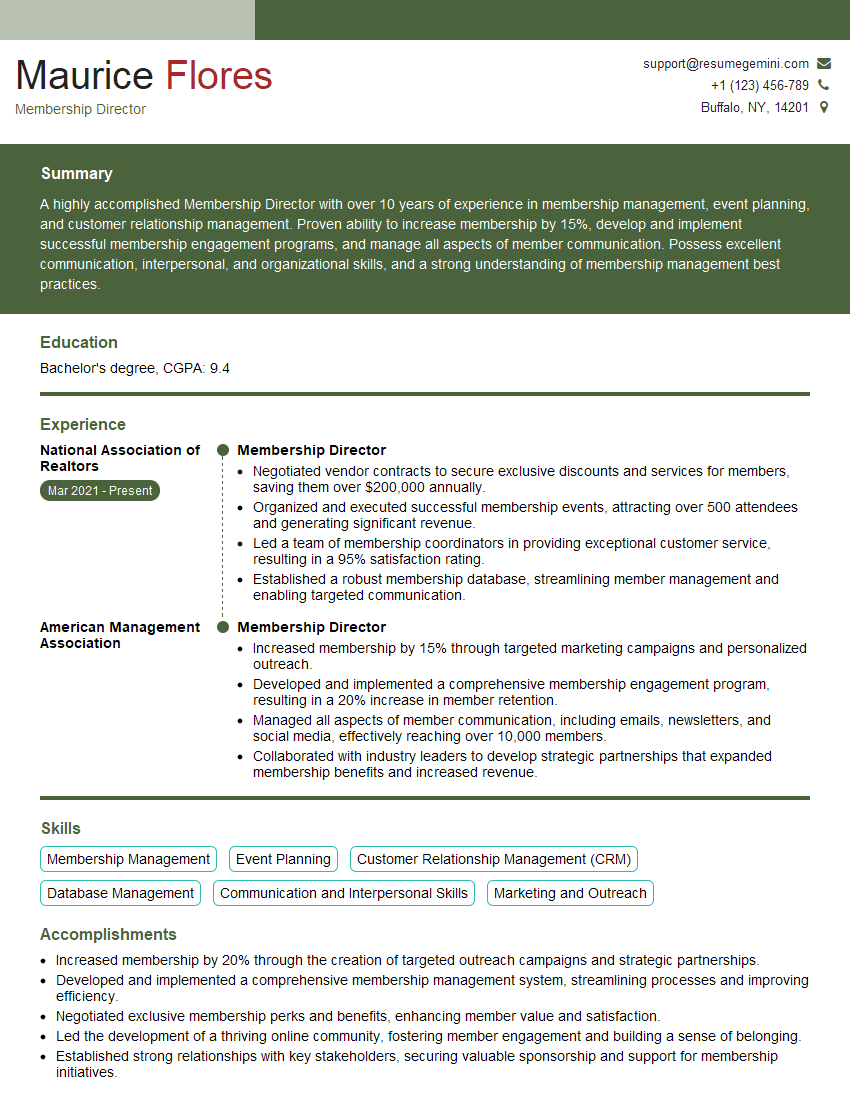
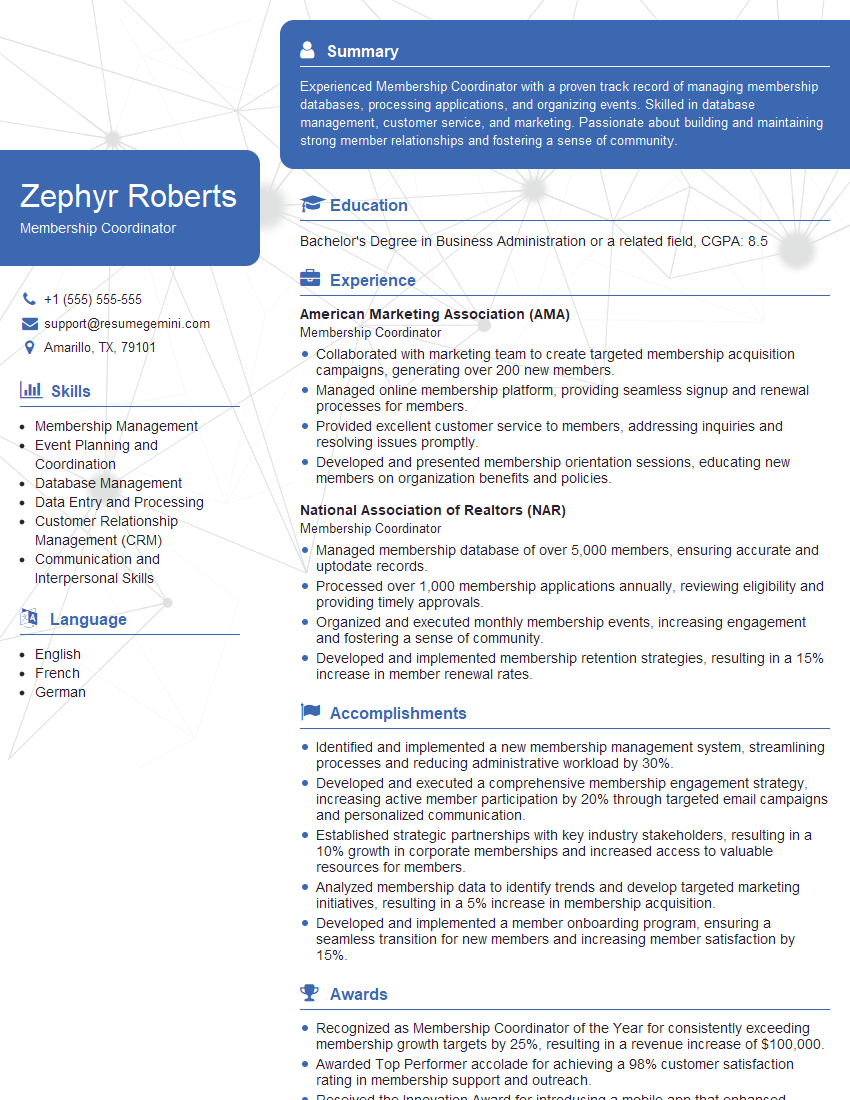
Mastering the intricacies of professional organizations like AAPN and NASP is crucial for career advancement. Demonstrating a deep understanding of their roles and your potential contribution significantly enhances your candidacy. To maximize your job prospects, create an ATS-friendly resume that clearly highlights your relevant skills and experiences. ResumeGemini is a trusted resource to help you build a powerful and effective resume. We offer examples of resumes tailored to membership in professional organizations like AAPN and NASP to guide you in crafting a compelling application.
Explore more articles
Users Rating of Our Blogs
Share Your Experience
We value your feedback! Please rate our content and share your thoughts (optional).
What Readers Say About Our Blog
To the interviewgemini.com Webmaster.
Very helpful and content specific questions to help prepare me for my interview!
Thank you
To the interviewgemini.com Webmaster.
This was kind of a unique content I found around the specialized skills. Very helpful questions and good detailed answers.
Very Helpful blog, thank you Interviewgemini team.