The thought of an interview can be nerve-wracking, but the right preparation can make all the difference. Explore this comprehensive guide to Monitoring and Reporting Plans interview questions and gain the confidence you need to showcase your abilities and secure the role.
Questions Asked in Monitoring and Reporting Plans Interview
Q 1. Explain the importance of Key Performance Indicators (KPIs) in Monitoring and Reporting Plans.
Key Performance Indicators (KPIs) are the heart of any effective Monitoring and Reporting Plan. They are quantifiable metrics that reflect the success of a business objective. Think of them as the vital signs of your organization. Without KPIs, your monitoring efforts are essentially aimless, lacking a clear focus on what truly matters.
For example, if a company’s objective is to increase customer satisfaction, relevant KPIs might include customer satisfaction scores (CSAT), Net Promoter Score (NPS), and the number of customer support tickets resolved within a specific timeframe. By tracking these KPIs, we can objectively measure progress towards that goal and identify areas needing improvement.
In essence, KPIs provide a clear, concise way to understand performance, enabling data-driven decision-making. They help you focus resources on high-impact activities, track progress against targets, and identify potential risks early on. Without them, you’re navigating blind.
Q 2. What are the different types of reports you have experience creating?
Throughout my career, I’ve developed a wide range of reports, catering to various needs. This includes:
- Operational Reports: These provide insights into the daily functioning of various processes, including production efficiency, resource utilization, and error rates. For instance, I created a report analyzing website server performance, pinpointing periods of high latency and suggesting solutions to improve uptime.
- Financial Reports: These reports focus on financial performance, such as revenue, expenses, profitability, and cash flow. I’ve regularly generated monthly profit and loss statements and financial forecasts for senior management.
- Marketing Reports: These examine the effectiveness of marketing campaigns, assessing metrics like website traffic, conversion rates, customer acquisition costs, and return on investment (ROI). I once helped a client optimize their ad campaigns by generating reports showing which channels were most effective.
- Compliance Reports: These ensure adherence to regulations and internal policies. For example, I’ve prepared reports demonstrating compliance with data privacy regulations.
The specific metrics and visualizations used within each report are tailored to the intended audience and business objective.
Q 3. Describe your experience with data visualization tools (e.g., Tableau, Power BI).
I’m proficient in several data visualization tools, most notably Tableau and Power BI. My experience extends beyond simply creating charts and graphs; I leverage their capabilities to build interactive dashboards and reports that tell compelling stories with data.
In Tableau, for instance, I’ve created interactive maps showcasing sales performance across different geographical regions, allowing users to drill down to individual store-level details. In Power BI, I built a comprehensive dashboard that tracked key metrics across multiple departments, integrating data from various sources to provide a holistic view of the company’s performance. My expertise includes data cleaning, transformation, and the creation of dynamic visualizations that effectively communicate complex information to both technical and non-technical audiences. I consistently strive to create visualizations that are both aesthetically pleasing and highly informative.
Q 4. How do you ensure data accuracy and reliability in your reports?
Data accuracy and reliability are paramount. My approach is multi-faceted:
- Data Source Validation: I meticulously verify the credibility of all data sources, ensuring they’re reputable and aligned with business requirements. This often involves reviewing data dictionaries and understanding data collection methodologies.
- Data Cleaning and Transformation: I employ robust data cleaning techniques to identify and address inconsistencies, missing values, and outliers. This includes using both automated scripts and manual review processes.
- Regular Audits: I schedule regular audits to compare reported data with source systems, identifying potential discrepancies and making necessary corrections.
- Version Control: I utilize version control to track changes made to data and reports, enabling easy rollback if needed.
- Documentation: Clear and comprehensive documentation ensures transparency and enables others to understand data sources, transformations, and reporting logic.
Think of it like building a house – you wouldn’t skip inspecting the foundation. Similarly, a robust foundation of accurate data is critical for reliable reporting.
Q 5. How do you handle conflicting data sources?
Conflicting data sources are a common challenge. My approach involves a systematic investigation and reconciliation process:
- Identify the Discrepancy: First, I pinpoint the specific conflict, noting the differing values and the sources involved.
- Investigate the Root Cause: I then investigate the root cause of the conflict, which might involve data entry errors, differing definitions of metrics, or technical issues.
- Data Reconciliation: Depending on the situation, I might resolve the conflict by:
- Prioritizing a Source: If one source is demonstrably more reliable, I prioritize its data.
- Data Aggregation: I might aggregate data from multiple sources to arrive at a more comprehensive view.
- Reconciliation with Stakeholders: Sometimes, I need to involve stakeholders to determine the most accurate interpretation.
- Documentation: Thorough documentation records the conflict, the resolution process, and the rationale behind the chosen approach.
Transparency and a methodical approach are key to resolving conflicting data without compromising the integrity of the report.
Q 6. Explain your process for identifying key trends and insights from data.
My process for identifying key trends and insights combines both quantitative and qualitative analysis:
- Data Exploration: I begin by thoroughly exploring the data using descriptive statistics, data visualization techniques, and data mining algorithms. This helps uncover patterns and anomalies.
- Trend Analysis: I utilize time series analysis to identify trends over time. This might involve calculating moving averages, identifying seasonality, or applying forecasting models.
- Correlation Analysis: I explore correlations between different variables to understand relationships and causal links.
- Comparative Analysis: I often compare performance against benchmarks, industry averages, or previous periods to understand performance context.
- Qualitative Context: Finally, I incorporate qualitative insights from surveys, customer feedback, or other sources to enrich the quantitative analysis and provide a more complete picture.
It’s crucial to avoid drawing conclusions based solely on numbers. Context is crucial. For example, a dip in sales might be explained by a seasonal factor rather than an underlying problem.
Q 7. Describe a time you had to troubleshoot a reporting issue. What was the issue, and how did you resolve it?
In a previous role, we experienced an issue where a key financial report was displaying inaccurate data. The issue stemmed from a faulty data connection between our reporting database and the primary financial system. This caused discrepancies in revenue figures, impacting critical business decisions.
To troubleshoot, I first systematically checked the data connections, confirming that the query was accessing the correct tables and columns. I then ran tests on smaller subsets of the data to isolate the problem. Eventually, I discovered a corrupted data entry in the primary system’s database. Once the corrupted entry was identified and fixed, I re-ran the query and the report displayed the correct data. This involved coordinating with the IT department to ensure the fix was properly implemented. Following this, we implemented additional data validation checks to prevent similar issues in the future.
This experience underscored the importance of data validation, regular data audits, and proactive collaboration across departments to ensure the accuracy and reliability of reporting.
Q 8. How do you prioritize different reporting requests?
Prioritizing reporting requests involves a strategic approach that balances urgency, importance, and resource availability. I typically use a framework that considers several factors:
- Business Impact: Requests impacting key business objectives or revenue streams get top priority. For example, a report on declining sales would take precedence over a report on website traffic demographics.
- Urgency: Time-sensitive requests, such as those needed for an immediate decision or presentation, are prioritized. Imagine a last-minute request for sales figures needed for a crucial investor meeting – that’s high urgency.
- Resource Availability: The complexity of the request and the availability of resources (data, tools, personnel) are considered. A resource-intensive request might be scheduled after simpler ones.
- Dependencies: Some reports might depend on the completion of others. I ensure that dependencies are identified and addressed, creating a logical sequence for report creation.
I utilize a prioritization matrix or a simple task management tool (like Jira or Trello) to visualize and manage requests, ensuring transparency and effective resource allocation. Regularly reviewing and adjusting priorities are crucial to adapt to changing business needs.
Q 9. What experience do you have with SQL or other database querying languages?
I possess extensive experience with SQL, having used it for over eight years across various projects. My proficiency extends beyond basic queries; I’m comfortable with complex joins, subqueries, window functions, and stored procedures. For example, I’ve used SQL to:
- Develop automated reporting dashboards: Efficiently extracting, transforming, and loading (ETL) data from multiple sources into a central database for real-time monitoring.
- Perform data cleansing and validation: Identifying and correcting inconsistencies to ensure data accuracy and reliability before generating reports.
- Optimize query performance: Utilizing indexing, query optimization techniques, and understanding database structures to significantly improve report generation speed.
Beyond SQL, I have working knowledge of other database querying languages like NoSQL databases (MongoDB, Cassandra) which are very useful in specific situations. I can adapt to different database systems and querying languages based on project needs.
Q 10. How familiar are you with data warehousing concepts?
Data warehousing concepts are fundamental to my work. I understand the process of designing, implementing, and maintaining data warehouses to support business intelligence and reporting. My experience encompasses:
- Dimensional modeling: Designing star schemas and snowflake schemas to optimize data for analytical processing.
- ETL processes: Building and managing pipelines for extracting, transforming, and loading data into the data warehouse.
- Data governance: Implementing processes and policies to ensure data quality, consistency, and security.
- Data warehouse architecture: Understanding different architectural patterns (e.g., cloud-based data warehouses, on-premise solutions) and selecting the most appropriate solution based on project requirements.
For example, I was instrumental in designing a data warehouse for a large e-commerce company, which significantly improved their reporting capabilities and allowed for more in-depth business analysis.
Q 11. How do you communicate complex data findings to non-technical audiences?
Communicating complex data findings to non-technical audiences requires a clear and concise approach. My strategy focuses on:
- Visualizations: Using charts, graphs, and dashboards to present data in an easily digestible format. I avoid overwhelming them with too much detail. For instance, a simple bar chart illustrating sales trends is often more effective than a complex table.
- Storytelling: Weaving the data into a narrative that resonates with the audience. I focus on highlighting key insights and implications, rather than getting bogged down in technical details.
- Plain language: Avoiding technical jargon and using simple, everyday language to explain complex concepts. I always define any necessary terms upfront.
- Interactive elements: Using interactive dashboards or presentations that allow the audience to explore the data at their own pace. For instance, allowing them to filter data by region or product category makes the data more engaging.
Imagine explaining customer churn rates to a CEO. Instead of presenting a complex regression analysis, I would use a clear visual showing the churn trend over time, along with a brief explanation of the underlying causes and proposed solutions.
Q 12. What metrics would you track to measure the success of a marketing campaign?
Measuring the success of a marketing campaign requires a multi-faceted approach using a range of key performance indicators (KPIs). The specific metrics would depend on the campaign’s objectives, but here are some examples:
- Website traffic: Unique visitors, page views, bounce rate, time on site – these indicate campaign effectiveness in driving traffic.
- Lead generation: Number of leads generated, lead conversion rate – measuring the campaign’s ability to generate potential customers.
- Sales conversions: Number of sales, revenue generated, customer acquisition cost (CAC) – measuring the direct impact on sales.
- Brand awareness: Social media engagement, mentions, brand searches – assessing the campaign’s reach and impact on brand perception.
- Customer satisfaction: Customer feedback scores, Net Promoter Score (NPS) – evaluating the long-term impact on customer loyalty.
For example, a social media campaign might prioritize engagement and reach, while an email marketing campaign would focus on open rates, click-through rates, and conversion rates. It is vital to set clear objectives beforehand so that the right metrics can be chosen and tracked effectively.
Q 13. What are some common challenges in creating effective Monitoring and Reporting Plans?
Creating effective Monitoring and Reporting Plans presents several challenges:
- Data silos: Data scattered across different systems can make it difficult to gain a holistic view. Implementing data integration strategies is essential.
- Data quality issues: Inconsistent, incomplete, or inaccurate data can lead to misleading conclusions. Robust data cleansing and validation processes are necessary.
- Defining key metrics: Identifying the right metrics to track can be challenging, requiring a deep understanding of business objectives.
- Resource constraints: Limited time, budget, and personnel can hinder the development and implementation of comprehensive plans.
- Keeping up with changing requirements: Business needs evolve, requiring the plan to be flexible and adaptable.
- Ensuring data security and privacy: Protecting sensitive data is paramount, especially with GDPR and other regulations.
Proactive planning, strong collaboration with stakeholders, and the use of appropriate tools and technologies are crucial to overcome these challenges and develop effective plans.
Q 14. How do you stay up-to-date with the latest trends in data analytics and reporting?
Staying current in data analytics and reporting is an ongoing process. I employ several strategies:
- Professional development: I regularly attend webinars, conferences, and workshops, and pursue relevant certifications to enhance my skills and knowledge.
- Industry publications: I subscribe to industry journals and newsletters, read relevant blog posts and articles, and follow influential thought leaders on social media to keep abreast of the latest trends.
- Online courses and platforms: I actively participate in online courses offered by platforms like Coursera, edX, and Udacity to learn new techniques and technologies.
- Networking: Engaging with other professionals in the field through industry groups and events is valuable for sharing best practices and learning from others’ experiences.
- Hands-on experience: Continuously experimenting with new tools and techniques and applying them to real-world projects enhances my skillset.
This combination of formal learning and practical experience ensures I remain adaptable and competent in a constantly evolving field.
Q 15. Describe your experience with different reporting formats (e.g., dashboards, spreadsheets, presentations).
Throughout my career, I’ve utilized a variety of reporting formats, each chosen strategically based on the audience and the nature of the data. Dashboards are ideal for presenting a high-level overview of key performance indicators (KPIs) in a visually engaging way, perfect for executive briefings or quick status checks. For example, I once created a dashboard showing real-time website traffic, sales conversion rates, and customer engagement metrics, allowing executives to immediately grasp the overall health of the business. Spreadsheets, like Excel or Google Sheets, are invaluable for detailed data analysis, allowing for complex calculations and filtering. I’ve used them extensively to perform trend analysis on sales data, identifying seasonal patterns and predicting future performance. Finally, presentations are best suited for communicating complex findings or narratives to a wider audience. A recent example involves presenting the findings of a six-month marketing campaign’s impact to the marketing team, utilizing charts and graphs within a PowerPoint presentation to demonstrate ROI and areas for improvement. The choice of format hinges on the objective of the report and the target audience’s needs.
Career Expert Tips:
- Ace those interviews! Prepare effectively by reviewing the Top 50 Most Common Interview Questions on ResumeGemini.
- Navigate your job search with confidence! Explore a wide range of Career Tips on ResumeGemini. Learn about common challenges and recommendations to overcome them.
- Craft the perfect resume! Master the Art of Resume Writing with ResumeGemini’s guide. Showcase your unique qualifications and achievements effectively.
- Don’t miss out on holiday savings! Build your dream resume with ResumeGemini’s ATS optimized templates.
Q 16. How do you ensure the reports you create are actionable?
Actionable reports are more than just data displays; they’re catalysts for change. To ensure my reports are actionable, I focus on three key elements: clarity, context, and recommendations. Clarity ensures the data is easily understood, using clear visuals and concise language. Context provides the background information necessary to interpret the data, explaining trends and potential reasons behind observed changes. For instance, if sales are down, simply stating the decrease is insufficient; I would include contextual information like seasonality, market competition, or recent marketing campaigns. Finally, I always include concrete recommendations based on the data, suggesting specific steps to address identified issues or capitalize on opportunities. For example, if a report highlights underperforming products, I’d suggest specific marketing strategies to boost sales, such as targeted advertising campaigns or product redesigns.
Q 17. What is your preferred methodology for developing a Monitoring and Reporting Plan?
My preferred methodology for developing a Monitoring and Reporting Plan is a structured, iterative approach that involves five key phases: 1) Requirements Gathering: This involves clearly defining the objectives of the monitoring and reporting, identifying key performance indicators (KPIs), and understanding the needs of the stakeholders. 2) Data Source Identification: This step focuses on pinpointing all relevant data sources and determining data quality and accessibility. 3) Report Design and Development: This phase involves designing the reports themselves, considering the appropriate format (dashboards, spreadsheets, presentations), visualizing the data effectively, and selecting the right tools and technologies. 4) Testing and Validation: Before deployment, thorough testing is crucial to ensure data accuracy, report functionality, and user experience. 5) Deployment and Maintenance: Once the reports are deemed accurate and effective, they are deployed to the stakeholders. Regular maintenance is essential to ensure data accuracy, address evolving needs, and make improvements over time. Think of it like building a house – you wouldn’t just start constructing without blueprints (requirements), materials (data), and a solid plan (methodology).
Q 18. How do you handle large datasets?
Handling large datasets requires a combination of technical expertise and strategic planning. I typically leverage database management systems (DBMS) like SQL Server or cloud-based solutions such as AWS Redshift or Snowflake for efficient data storage and retrieval. These systems allow me to perform complex queries and aggregations on large datasets without compromising performance. Furthermore, I utilize data visualization tools like Tableau or Power BI, which are designed to handle large volumes of data and enable efficient exploration and analysis. Techniques like data sampling and aggregation are also valuable when dealing with massive datasets, allowing for a more manageable subset of data while still providing meaningful insights. If necessary, I’ll also employ data reduction techniques, like dimensionality reduction, to handle the high dimensionality of the data without losing important information.
Q 19. Describe your experience with automated reporting tools.
I have extensive experience with automated reporting tools, including scheduling and distributing reports automatically. Tools like Power Automate, Tableau Server, and similar platforms allow for the automation of report generation, distribution, and even alerting based on defined thresholds. This has drastically reduced manual effort and ensured timely delivery of critical information. For example, I automated a weekly sales report that automatically emailed key stakeholders, including management and sales representatives, at 7 AM every Monday, complete with pre-defined alerts for significant sales drops or unexpected spikes.
Q 20. What is your experience with data security and compliance in reporting?
Data security and compliance are paramount in my reporting work. I adhere strictly to all relevant regulations, such as GDPR, HIPAA, and PCI DSS, depending on the nature of the data. This includes implementing robust access controls, data encryption both in transit and at rest, and regularly auditing the security posture of the systems and processes involved. Anonymization and data masking techniques are used whenever possible to protect sensitive information. I always maintain a detailed record of data processing activities, complying with audit trails and documentation requirements. I view data security not as a separate task but as an integrated part of the entire reporting lifecycle, starting from data collection to report distribution and archiving.
Q 21. How do you validate the accuracy of your data sources?
Validating data source accuracy is a critical step in ensuring the reliability of my reports. My approach is multi-faceted and includes: 1) Source Inspection: I thoroughly examine the metadata of each data source, checking for data definitions, update frequencies, and potential biases. 2) Data Profiling: I analyze the data itself, looking for inconsistencies, outliers, and missing values. Tools and techniques for data profiling help identify anomalies. 3) Cross-Validation: Where possible, I cross-reference data from multiple sources to identify discrepancies and confirm accuracy. 4) Comparison to Known Values: I compare the data with known benchmarks, industry averages, or previously validated data sets to identify potential errors. For example, if sales figures are unusually low compared to previous years and competitor data, I’d further investigate the underlying reasons for the discrepancy. 5) Regular Audits: I establish a regular schedule for data audits and quality checks to ensure ongoing accuracy and identify potential issues early on.
Q 22. Explain your experience with A/B testing and reporting on results.
A/B testing is a crucial method for comparing two versions of a webpage, app feature, or marketing campaign to determine which performs better. My experience encompasses the entire process, from hypothesis formulation and test design to data analysis and reporting. I’ve worked on numerous A/B tests across various platforms, including website landing pages, email subject lines, and in-app notifications.
For example, in a recent project for an e-commerce client, we A/B tested two different versions of their product page. One version featured prominent customer reviews, while the other highlighted product specifications. We used a statistical significance calculator to ensure our sample size was adequate to detect a meaningful difference. After collecting sufficient data, I analyzed the results, focusing on key metrics such as conversion rates, click-through rates, and average order value. I then created a comprehensive report visualizing the findings, clearly indicating which version outperformed the other and providing actionable recommendations. This report included charts comparing key metrics, tables summarizing statistical significance, and clear interpretations of the results, allowing the client to make data-driven decisions.
My reporting goes beyond simple comparisons. I delve into potential reasons for differences, offering insights into user behavior and suggesting areas for further optimization. For instance, if one version showed a significantly higher bounce rate, I would investigate reasons like poor page load time or confusing navigation. The ultimate goal is to translate data into actionable strategies.
Q 23. How do you define success metrics for a specific business goal?
Defining success metrics is paramount to the success of any project. It requires a deep understanding of the business goals and translating them into quantifiable measures. I start by clearly defining the overall business objective. For instance, if the goal is to increase website conversion rates, it’s not enough to just say ‘increase conversions.’ We need to specify what type of conversion (e.g., purchase, sign-up, form completion), by what percentage, and within what timeframe.
Then, I identify relevant key performance indicators (KPIs) that directly reflect progress towards this objective. If the goal is to improve website conversion rates, relevant KPIs could be conversion rate, bounce rate, average session duration, and pages per visit. Each KPI needs a clear target. For example, a target could be to increase the conversion rate by 15% within three months. It’s important to avoid setting too many KPIs, as this can dilute focus. Prioritizing a few key metrics allows for a more focused and effective analysis.
After defining the success metrics, I also determine how these metrics will be measured. This involves selecting appropriate data sources, tools, and methodologies. This could involve using Google Analytics, marketing automation platforms, or custom data dashboards. The process concludes with establishing a clear reporting schedule to monitor progress and make adjustments along the way. Imagine a scenario where a new feature aims to boost user engagement. Instead of vaguely measuring ‘engagement,’ I’d define it as an increase in average session duration by 20%, a rise in daily active users by 10%, or an improvement in customer retention by 5% — all within a specified timeframe.
Q 24. What are your strengths and weaknesses in data analysis and reporting?
My strength lies in my ability to translate complex data sets into easily understandable narratives. I’m proficient in various statistical techniques and data visualization tools. I can effectively communicate findings to both technical and non-technical audiences, adapting my communication style to ensure clarity and comprehension. I am also adept at identifying patterns, anomalies, and trends within data, allowing me to draw meaningful insights and make data-driven recommendations.
One area I’m continually developing is my expertise in advanced statistical modeling. While I have a strong foundation, I’m actively expanding my knowledge in areas like predictive modeling and time series analysis to further enhance my analytical capabilities. I actively seek out opportunities to learn and improve through online courses, workshops, and practical application.
Q 25. Describe your experience working with cross-functional teams on reporting projects.
Collaboration is essential in reporting. I have extensive experience working with cross-functional teams, including marketing, product, engineering, and sales. My approach involves clearly defining roles and responsibilities from the project’s outset. This includes establishing a shared understanding of the project goals, deliverables, and timelines. I leverage collaborative tools like shared documents and project management software to facilitate communication and ensure everyone is aligned.
For example, in a recent project involving the launch of a new product, I collaborated with the marketing team to define the key metrics for success, with the product team to understand the technical details, and with the sales team to gather their perspective on sales targets. Open communication and regular meetings were crucial for keeping everyone informed and addressing any challenges promptly. I actively seek diverse perspectives, recognizing that different teams bring valuable insights to the data interpretation process.
Q 26. How do you prioritize different reporting tasks based on urgency and importance?
Prioritizing reporting tasks requires a structured approach. I use a combination of urgency and importance to determine the order of tasks. I often employ an Eisenhower Matrix (urgent/important) to categorize my tasks. This helps to visualize which tasks require immediate attention and which can be scheduled for later.
For instance, a report on a critical system failure (high urgency, high importance) would naturally take precedence over a routine monthly performance report (low urgency, high importance). A low-priority task, like an ad-hoc data request with a flexible deadline, might be put on hold until higher-priority items are completed. This matrix assists in efficient task management, ensuring that crucial reports are delivered on time and critical issues are addressed promptly. Flexibility is key; I regularly re-evaluate priorities based on evolving business needs and incoming requests.
Q 27. Describe your process for creating a data dictionary.
A data dictionary is a centralized repository that defines all the data elements within a dataset. Creating one ensures consistency, clarity, and accurate interpretation. My process begins with identifying all the data elements used in reports and analyses. This includes data fields, variables, codes, and their respective definitions. I then document each element, including its name, description, data type, source, format, allowed values, and any relevant constraints or business rules.
I utilize a structured format, often a spreadsheet or database table, for easy organization and retrieval of information. For instance, a field named ‘CustomerID’ would have a detailed description explaining what it represents (unique identifier for each customer), its data type (integer or string), its source (customer database), and its format (e.g., ‘CUS1234’). I always include examples to clarify usage and interpretation. The data dictionary is a living document that’s updated as needed, reflecting any changes or additions to the dataset. This ensures data accuracy and consistency throughout reporting and analysis efforts. It’s a vital resource for collaboration, enhancing understanding amongst team members and making data interpretation efficient and error-free.
Key Topics to Learn for Monitoring and Reporting Plans Interview
- Defining Objectives and KPIs: Understanding how to clearly define the goals of a monitoring and reporting plan and selecting the appropriate Key Performance Indicators (KPIs) to measure success. This includes aligning KPIs with overall business objectives.
- Data Collection and Analysis Methods: Exploring various methods for collecting relevant data (e.g., surveys, databases, automated systems) and applying appropriate analytical techniques to interpret the results. Consider discussing different data visualization methods.
- Report Design and Presentation: Mastering the art of creating clear, concise, and impactful reports. This includes choosing the right charts and graphs, tailoring the presentation to the audience, and highlighting key findings effectively.
- Choosing the Right Tools and Technologies: Familiarize yourself with common software and platforms used for data analysis, reporting, and visualization (mentioning categories rather than specific tools is sufficient). Understanding their strengths and weaknesses is key.
- Risk Management and Contingency Planning: Discussing how monitoring and reporting plans account for potential risks and incorporate contingency plans to address unexpected issues or deviations from the plan.
- Stakeholder Communication and Collaboration: Highlighting the importance of effectively communicating findings and insights to stakeholders at all levels. Discuss strategies for fostering collaboration and building consensus.
- Continuous Improvement and Iteration: Understanding how to use data from reports to refine the monitoring and reporting plan itself. This includes identifying areas for improvement and iterating on the process to optimize effectiveness.
Next Steps
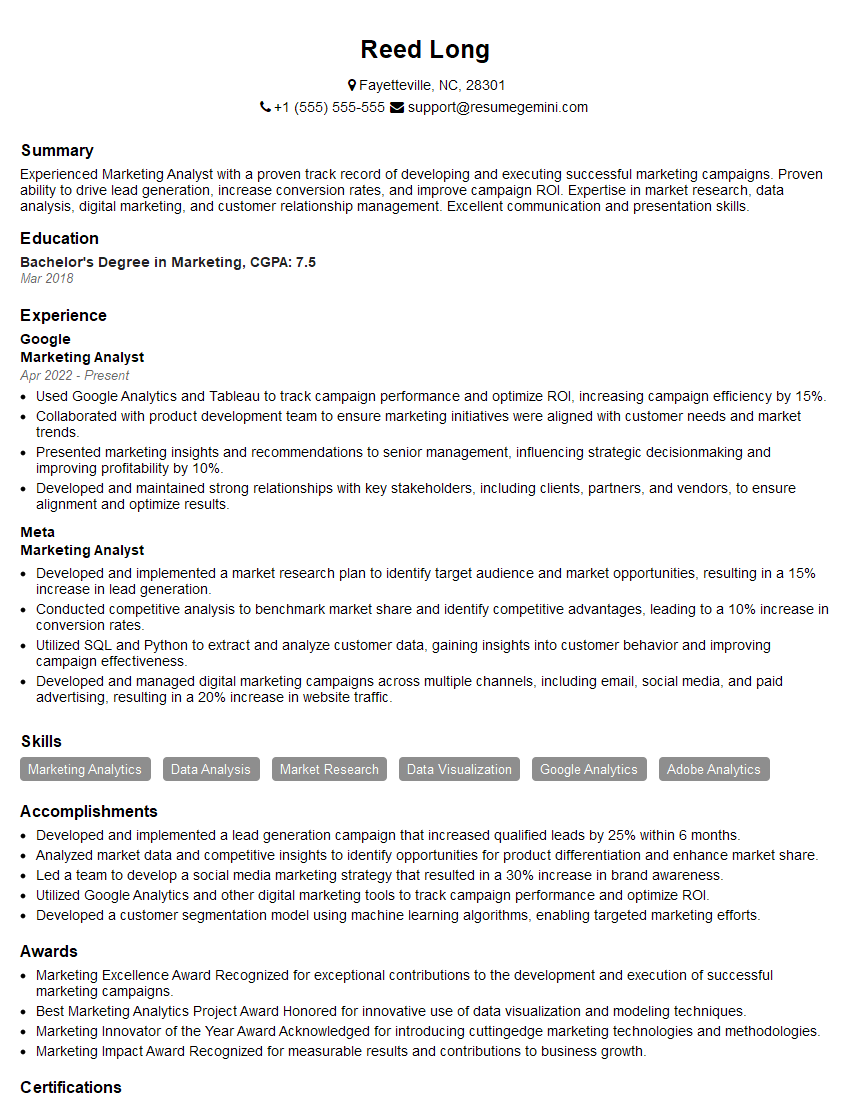
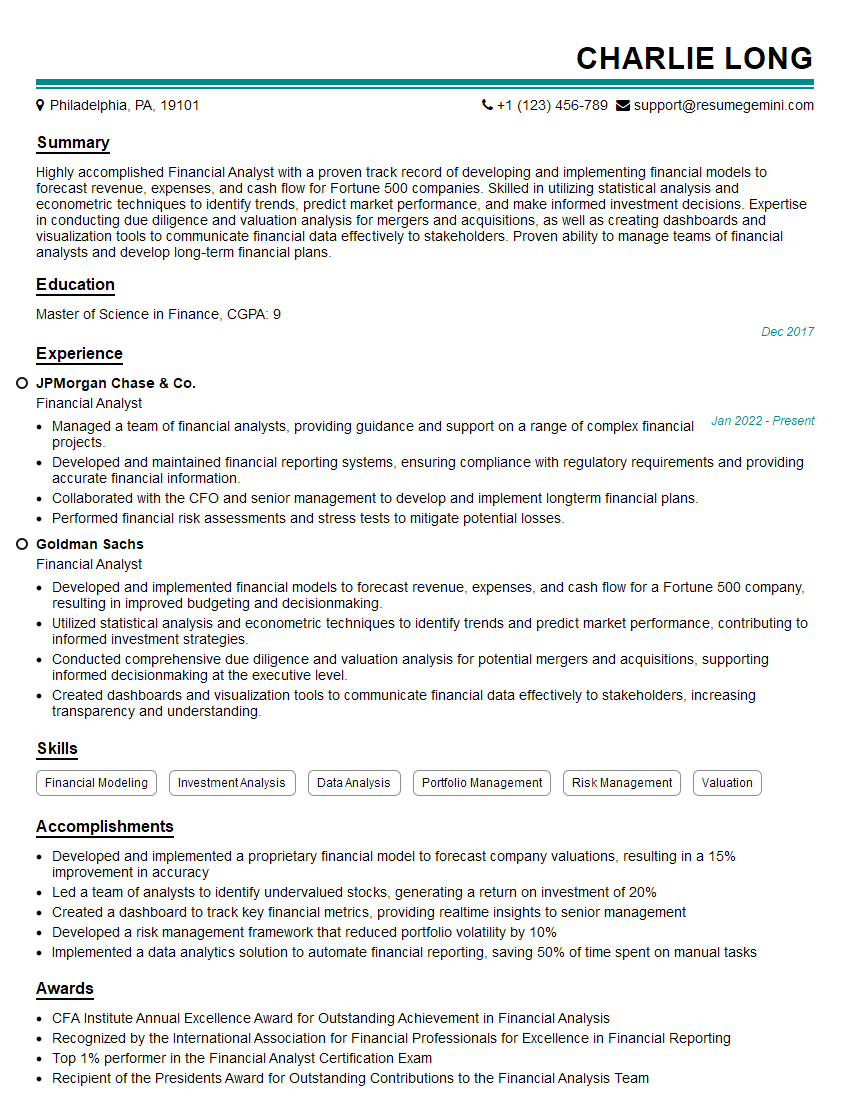
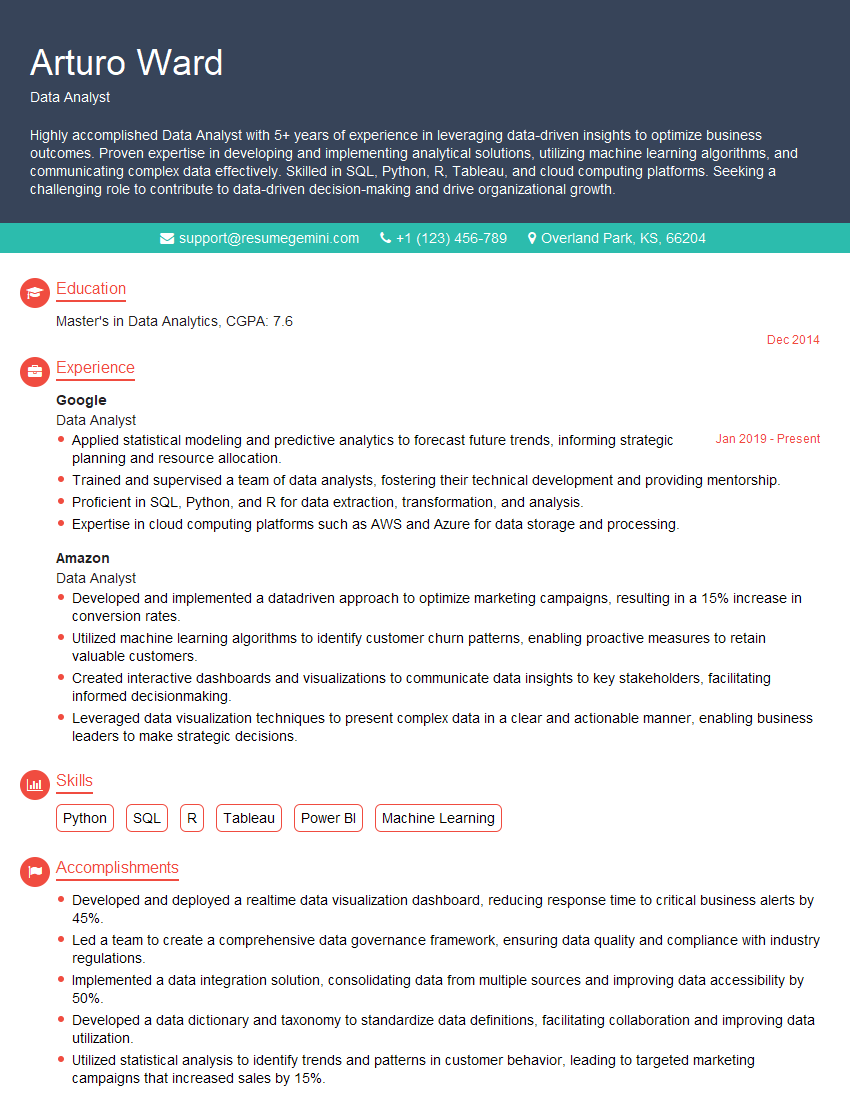
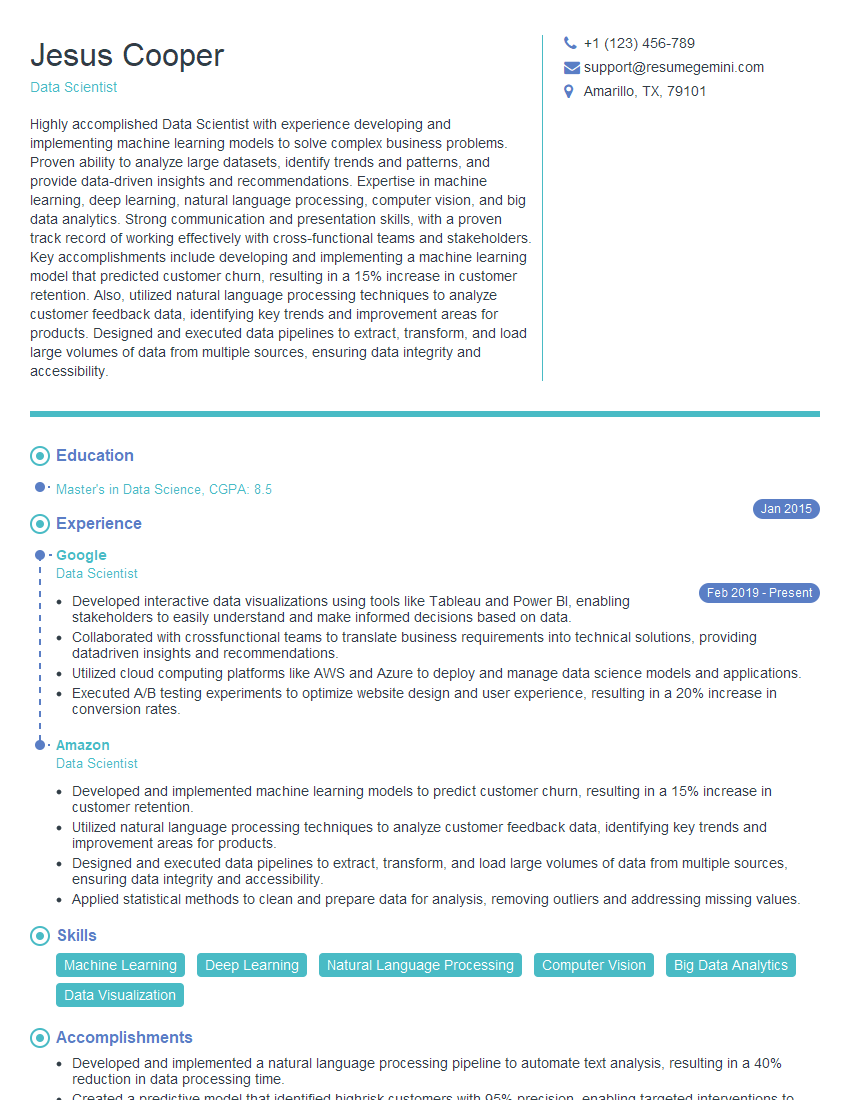
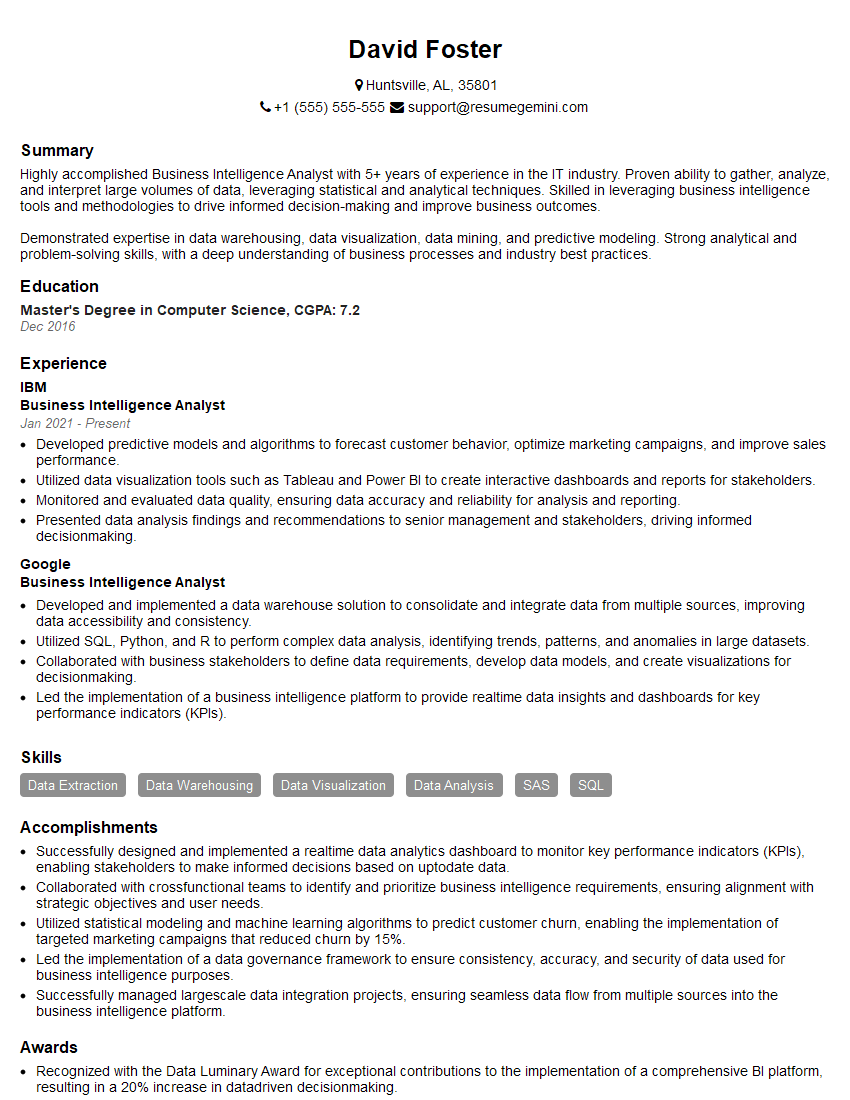
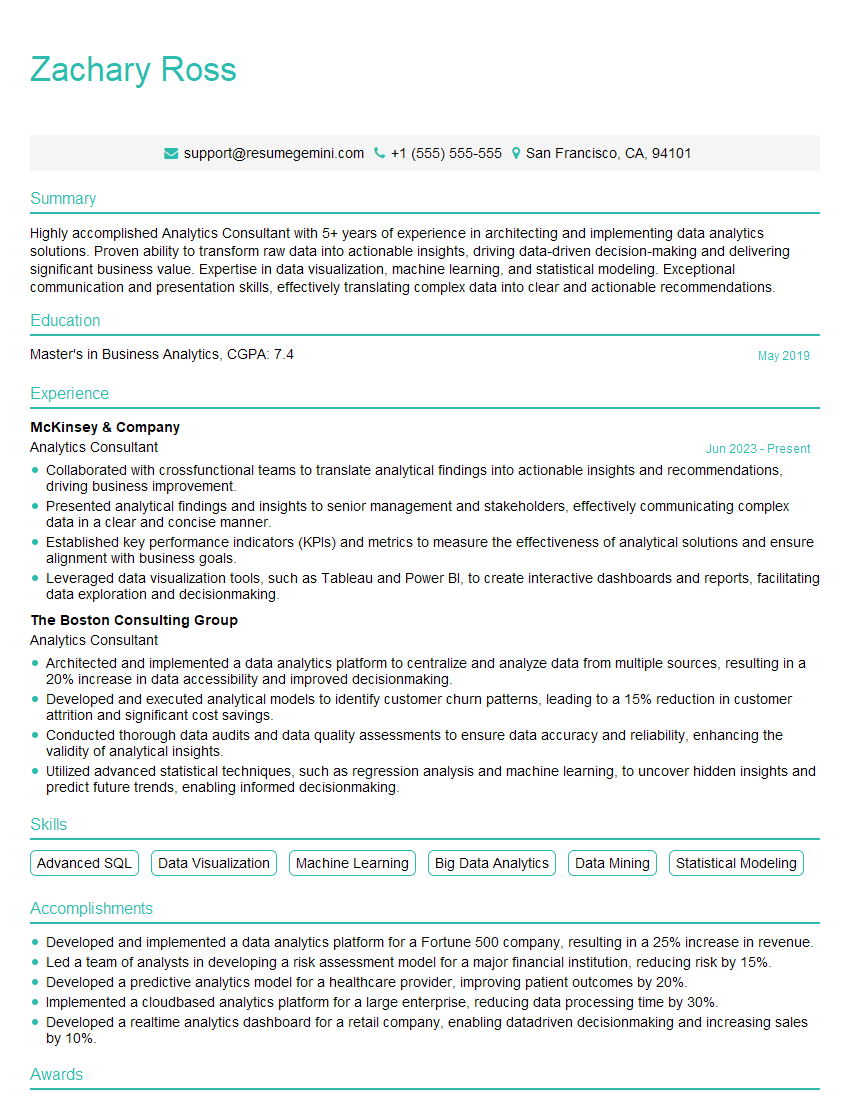
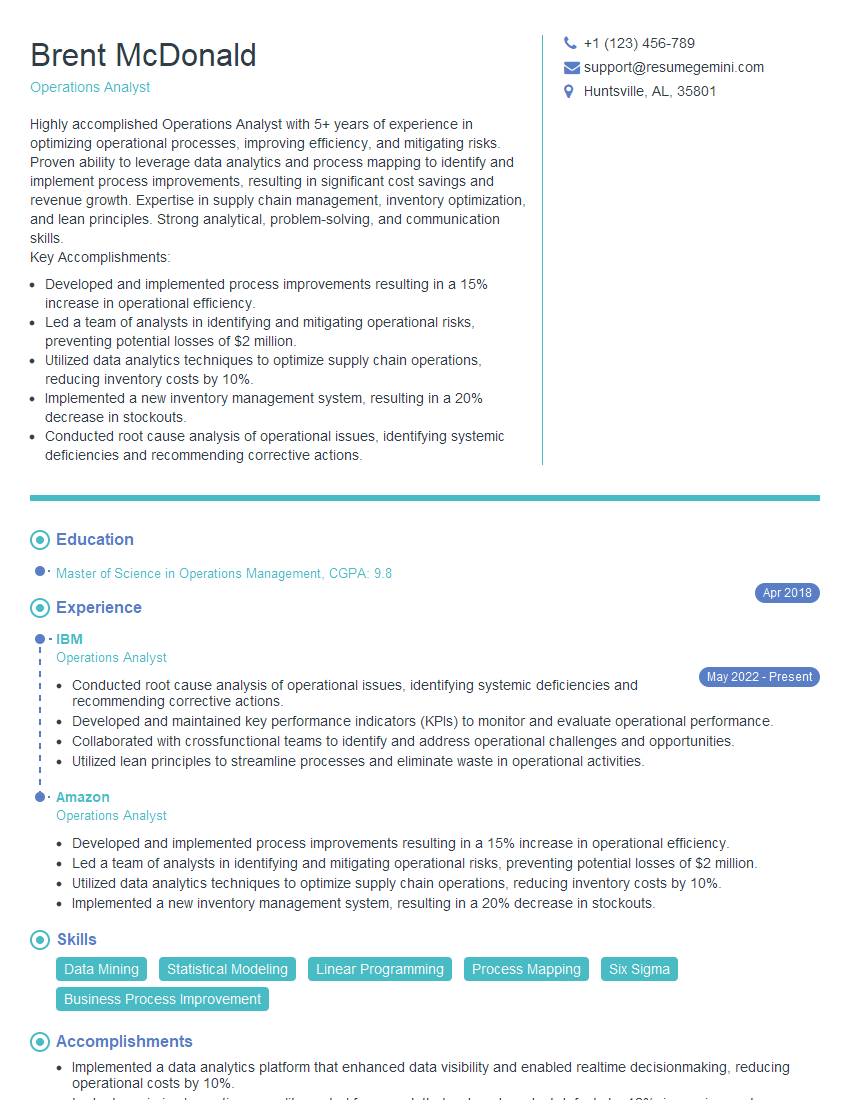
Mastering Monitoring and Reporting Plans is crucial for career advancement in many fields. Demonstrating your expertise in this area significantly strengthens your candidacy for roles requiring data-driven decision-making and strategic planning. To make your skills shine, focus on creating an ATS-friendly resume that effectively highlights your experience and accomplishments. ResumeGemini is a trusted resource that can help you build a professional and impactful resume, tailored to showcase your abilities in Monitoring and Reporting Plans. Examples of resumes tailored to this field are available within ResumeGemini to further guide your preparation.
Explore more articles
Users Rating of Our Blogs
Share Your Experience
We value your feedback! Please rate our content and share your thoughts (optional).
What Readers Say About Our Blog
To the interviewgemini.com Webmaster.
Very helpful and content specific questions to help prepare me for my interview!
Thank you
To the interviewgemini.com Webmaster.
This was kind of a unique content I found around the specialized skills. Very helpful questions and good detailed answers.
Very Helpful blog, thank you Interviewgemini team.