Feeling uncertain about what to expect in your upcoming interview? We’ve got you covered! This blog highlights the most important Mood and Anxiety Disorders interview questions and provides actionable advice to help you stand out as the ideal candidate. Let’s pave the way for your success.
Questions Asked in Mood and Anxiety Disorders Interview
Q 1. Describe the diagnostic criteria for Major Depressive Disorder according to the DSM-5.
Major Depressive Disorder (MDD), as defined by the DSM-5, requires the presence of at least five symptoms during the same two-week period, representing a change from previous functioning. At least one of the symptoms must be either (1) depressed mood most of the day, nearly every day or (2) markedly diminished interest or pleasure in all, or almost all, activities most of the day, nearly every day. Other symptoms include:
- Significant weight loss or gain, or decrease or increase in appetite.
- Insomnia or hypersomnia.
- Psychomotor agitation or retardation.
- Fatigue or loss of energy.
- Feelings of worthlessness or excessive or inappropriate guilt.
- Diminished ability to think or concentrate, or indecisiveness.
- Recurrent thoughts of death (not just fear of dying), recurrent suicidal ideation without a specific plan, or a suicide attempt or a specific plan for committing suicide.
These symptoms must cause clinically significant distress or impairment in social, occupational, or other important areas of functioning. The episode is not attributable to the physiological effects of a substance or another medical condition. Furthermore, the symptoms are not better explained by Schizoaffective Disorder, Schizophrenia, Delusional Disorder, or other specified or unspecified schizophrenia spectrum and other psychotic disorders. It’s important to note that a bereavement exclusion has been removed from the DSM-5 criteria, meaning that MDD can be diagnosed even if symptoms arise following the death of a loved one, provided the other criteria are met.
For example, imagine a patient experiencing persistent sadness, significant weight loss, insomnia, and difficulty concentrating for the past three weeks, significantly impacting their work performance. If these symptoms meet the DSM-5 criteria, they would be diagnosed with MDD.
Q 2. What are the key differences between Generalized Anxiety Disorder and Panic Disorder?
Generalized Anxiety Disorder (GAD) and Panic Disorder are both anxiety disorders, but they differ significantly in their presentation. GAD is characterized by excessive, uncontrollable worry and anxiety about various aspects of life for at least six months. This worry is often accompanied by physical symptoms like muscle tension, fatigue, restlessness, and irritability. The anxiety is diffuse and not tied to specific situations or objects.
Panic Disorder, on the other hand, is marked by recurrent, unexpected panic attacks. A panic attack is a sudden surge of intense fear or discomfort that reaches a peak within minutes, accompanied by physical symptoms such as palpitations, sweating, trembling, shortness of breath, chest pain, and fear of losing control or dying. Individuals with Panic Disorder often worry about having future attacks, which can lead to avoidance behaviors. In essence, GAD is characterized by persistent, generalized worry, while Panic Disorder is characterized by discrete episodes of intense fear.
Think of it this way: someone with GAD is like a car constantly running on high revs, always tense and on edge. Someone with Panic Disorder experiences sudden bursts of intense speed and acceleration – the panic attacks – interspersed with periods of relatively normal functioning. Both are distressing, but manifest differently.
Q 3. Explain the cognitive behavioral therapy (CBT) model and its application in treating anxiety disorders.
Cognitive Behavioral Therapy (CBT) is a widely used and effective therapy for anxiety disorders. It’s based on the premise that our thoughts, feelings, and behaviors are interconnected. Negative or distorted thoughts can lead to anxiety and maladaptive behaviors, which, in turn, reinforce negative thoughts. CBT aims to identify and modify these maladaptive thought patterns and behaviors.
In the context of anxiety disorders, CBT typically involves:
- Identifying and challenging negative automatic thoughts (NATs): These are the quick, often unconscious, negative thoughts that pop into our heads in response to certain situations. For example, someone with social anxiety might have the NAT, “Everyone is judging me.” CBT helps patients identify these thoughts and challenge their validity.
- Cognitive restructuring: This involves replacing NATs with more realistic and balanced thoughts. Instead of “Everyone is judging me,” the patient might learn to think, “Some people might notice me, but most likely they’re focused on themselves.”
- Exposure therapy: This involves gradually exposing the patient to feared situations or objects in a safe and controlled manner. This helps to reduce avoidance behaviors and challenge the anxiety-provoking thoughts associated with these situations.
- Relaxation techniques: Techniques like deep breathing, progressive muscle relaxation, and mindfulness meditation are used to help manage anxiety symptoms.
For instance, a patient with a phobia of spiders might, through gradual exposure in a CBT setting, start by looking at pictures of spiders, then watching videos, and eventually interacting with a small, harmless spider. This process, combined with cognitive restructuring to challenge their fear, helps reduce the phobia over time.
Q 4. Discuss the role of neurotransmitters in mood disorders.
Neurotransmitters play a crucial role in mood disorders. These chemical messengers transmit signals between nerve cells in the brain. Imbalances in certain neurotransmitters are implicated in the development and maintenance of mood disorders like depression and bipolar disorder.
Key neurotransmitters involved include:
- Serotonin: Plays a significant role in mood regulation, sleep, appetite, and impulsivity. Low levels of serotonin are often associated with depression and anxiety.
- Dopamine: Involved in reward, motivation, pleasure, and motor control. Imbalances in dopamine are linked to depression, mania (in bipolar disorder), and other conditions.
- Norepinephrine: Involved in alertness, arousal, and the fight-or-flight response. Low levels are linked to depression.
- GABA (gamma-aminobutyric acid): The primary inhibitory neurotransmitter in the brain, reducing neuronal excitability. Low levels of GABA are associated with anxiety disorders.
It’s important to note that the relationship between neurotransmitters and mood disorders is complex and not fully understood. It’s likely that multiple neurotransmitter systems are involved, and genetic and environmental factors also play a crucial role.
For example, many antidepressants work by increasing serotonin levels in the brain, illustrating the importance of this neurotransmitter in mood regulation. However, the exact mechanisms through which neurotransmitter imbalances cause mood disorders remain a topic of ongoing research.
Q 5. What are some common side effects of antidepressants, and how are they managed?
Antidepressants, while effective for many, can cause various side effects. These vary depending on the specific medication and the individual. Some common side effects include:
- Nausea and gastrointestinal issues: This is often temporary and can be managed by taking the medication with food or adjusting the dosage.
- Weight changes: Some antidepressants can cause weight gain or loss.
- Sexual side effects: Decreased libido, difficulty achieving orgasm, or erectile dysfunction are common.
- Sleep disturbances: Insomnia or excessive sleepiness can occur.
- Drowsiness or fatigue: This can improve over time.
- Headaches: Often mild and transient.
- Dry mouth: Can be managed with increased fluid intake.
- Dizziness or lightheadedness: Usually lessens as the body adapts.
The management of these side effects often involves working closely with a prescribing physician. Adjusting the dosage, switching to a different antidepressant, or adding medications to manage specific side effects are all possible strategies. Open communication between the patient and physician is crucial for effective management.
For instance, if a patient experiences significant sexual side effects, the physician might try a different antidepressant or add a medication to counteract these effects. Lifestyle modifications, such as regular exercise and a balanced diet, can also help mitigate some side effects.
Q 6. How would you assess a patient for suicidal ideation?
Assessing a patient for suicidal ideation requires a sensitive and systematic approach. It’s essential to create a safe and non-judgmental environment where the patient feels comfortable expressing their thoughts and feelings. The assessment should be thorough and include direct questioning.
Here’s a step-by-step approach:
- Build rapport: Establish trust and empathy with the patient before delving into sensitive topics.
- Use open-ended questions: Instead of asking, “Are you suicidal?” which can be intimidating, try asking, “Have you been having any thoughts about harming yourself?” or “How have you been coping with your feelings lately?”
- Explore the intensity and frequency of suicidal thoughts: Ask about the nature, duration, and intensity of suicidal ideation. Assess if there’s a specific plan, means, and intent.
- Assess lethality: Evaluate the potential for self-harm based on the details of the plan and the patient’s access to lethal means.
- Identify protective factors: Explore factors that may be preventing the patient from acting on suicidal thoughts, such as strong social support, religious beliefs, or a desire to live for their children.
- Document findings thoroughly: Maintain detailed records of the assessment, including the patient’s statements, the clinician’s observations, and the treatment plan.
If there is a high level of risk, immediate intervention is crucial, which might involve hospitalization, referral to a crisis center, or arranging for close supervision. Remember, any mention of suicidal ideation requires careful evaluation and appropriate intervention.
Q 7. What are the ethical considerations in treating patients with mood and anxiety disorders?
Ethical considerations in treating patients with mood and anxiety disorders are paramount. These include:
- Confidentiality: Maintaining patient confidentiality is essential, with exceptions only in situations where there is a clear and imminent risk of harm to the patient or others (e.g., suicidal ideation or homicidal threats).
- Informed consent: Patients must be fully informed about the treatment options, their potential risks and benefits, and have the autonomy to make informed decisions about their care.
- Competence: Clinicians must only practice within the boundaries of their expertise and ensure that their interventions are evidence-based and appropriate for the patient’s needs.
- Dual relationships: Avoiding dual relationships (e.g., being both a therapist and a friend to a patient) is crucial to maintain professional boundaries and avoid conflicts of interest.
- Cultural sensitivity: Recognizing and respecting the cultural background and beliefs of patients is essential for providing culturally competent care. This includes being mindful of potential cultural biases and ensuring that the treatment plan is tailored to the patient’s individual needs and preferences.
- Mandatory reporting: In cases of suspected child abuse or neglect, or in situations where the patient presents a danger to themselves or others, clinicians have a legal and ethical obligation to report these concerns to the appropriate authorities.
For instance, a clinician might need to breach confidentiality if a patient reveals plans to harm another person. Likewise, respecting a patient’s cultural beliefs and tailoring the treatment approach accordingly shows cultural competence and ethical responsibility.
Q 8. Compare and contrast different types of therapy used to treat anxiety (e.g., CBT, Exposure Therapy).
Cognitive Behavioral Therapy (CBT) and Exposure Therapy are both highly effective treatments for anxiety, but they approach the problem from different angles. CBT focuses on identifying and changing negative thought patterns and behaviors that contribute to anxiety. Exposure therapy, on the other hand, involves gradually exposing the individual to feared situations or objects in a safe and controlled environment to reduce avoidance and fear responses.
- CBT: Imagine someone with a social anxiety disorder. CBT would help them identify negative thoughts like “Everyone will judge me,” and then challenge and replace them with more realistic and positive ones. They might also practice social skills in therapy sessions to build confidence.
- Exposure Therapy: This might involve a gradual approach for the same individual. Starting with less anxiety-provoking situations (e.g., ordering coffee) and progressing to more challenging ones (e.g., giving a presentation). The goal is to help the person learn that their feared outcomes are unlikely to occur.
In essence, CBT tackles the thinking behind anxiety, while exposure therapy confronts the anxiety itself. Often, these therapies are used in conjunction for optimal results.
Q 9. Describe the stages of grief and how they might manifest in a patient with depression.
The Kübler-Ross model describes five stages of grief: denial, anger, bargaining, depression, and acceptance. These stages aren’t linear; individuals may experience them in different orders or revisit stages multiple times. In a patient with depression, these stages can be significantly prolonged and intensified. Their depressive symptoms might exacerbate the grief response.
- Denial: Instead of simply denying the loss, a depressed individual might withdraw completely, avoiding any reminders of their loss.
- Anger: Anger might manifest as irritability, resentment towards others, or even self-directed anger leading to self-harm.
- Bargaining: This could involve irrational thoughts or obsessive behaviors trying to undo the loss or prevent further pain.
- Depression: The depressive episode might deepen significantly during this stage, with prolonged sadness, hopelessness, and loss of interest in activities.
- Acceptance: Reaching acceptance may be particularly challenging for a depressed individual due to their ongoing feelings of hopelessness and low self-esteem.
It’s crucial to remember that grief is a deeply personal experience, and support from therapy and possibly medication can be invaluable during this difficult time.
Q 10. How do you differentiate between bipolar disorder and major depressive disorder?
Bipolar disorder and major depressive disorder (MDD) are both mood disorders, but they differ significantly in their symptom presentation. MDD is characterized by persistent low mood, whereas bipolar disorder involves extreme mood swings between manic or hypomanic episodes and depressive episodes.
- Major Depressive Disorder (MDD): Primarily characterized by persistent sadness, loss of interest, changes in appetite or sleep, fatigue, feelings of worthlessness, and difficulty concentrating. There are no periods of elevated mood.
- Bipolar Disorder: Involves distinct periods of both elevated mood (mania or hypomania) and depressive episodes. Manic episodes are characterized by abnormally elevated mood, increased energy, impulsivity, racing thoughts, and potentially psychotic symptoms. Hypomanic episodes are less severe than manic episodes but still represent a noticeable shift in mood and energy.
The key differentiator is the presence of manic or hypomanic episodes in bipolar disorder, which are absent in MDD. Accurate diagnosis requires careful assessment by a mental health professional to consider the duration and severity of mood shifts.
Q 11. Explain the concept of comorbidity in mood and anxiety disorders.
Comorbidity refers to the co-occurrence of two or more disorders in the same individual. In mood and anxiety disorders, comorbidity is extremely common. For instance, it’s not uncommon for someone with depression to also experience anxiety, panic disorder, or substance use disorder. Similarly, anxiety disorders often co-occur with depression or other conditions like obsessive-compulsive disorder (OCD).
The reasons for comorbidity are complex and may involve shared genetic factors, similar neurobiological pathways, or the impact of one disorder exacerbating the other. For example, chronic anxiety can lead to exhaustion and contribute to depressive symptoms, and conversely, depression can lead to increased anxiety and worry. Understanding comorbidity is vital for effective treatment planning, as addressing both conditions simultaneously is often necessary.
Q 12. What are the common risk factors for developing anxiety disorders?
Several factors can increase the risk of developing anxiety disorders. These risk factors can be broadly categorized into genetic, environmental, and psychological factors.
- Genetic Factors: Family history of anxiety disorders significantly increases the risk. Genes influence neurotransmitter systems involved in regulating mood and anxiety.
- Environmental Factors: Traumatic experiences, such as abuse, neglect, or witnessing violence, can trigger anxiety disorders. Ongoing stressors like financial difficulties, relationship problems, or chronic health issues also contribute.
- Psychological Factors: Negative thought patterns, learned avoidance behaviors, and a tendency towards perfectionism can increase vulnerability to anxiety. Personality traits like neuroticism can also play a role.
It’s important to note that having one or more of these risk factors doesn’t automatically mean someone will develop an anxiety disorder. Resilience and coping mechanisms play a significant role in determining an individual’s vulnerability.
Q 13. Describe your experience with crisis intervention in mental health settings.
My experience with crisis intervention involves working with individuals experiencing acute mental health crises. This might include suicidal ideation, severe panic attacks, psychotic episodes, or self-harm behaviors. The initial priority is always safety – ensuring the individual is safe from harming themselves or others. This often involves collaboration with emergency services, hospitals, and other mental health professionals.
My approach involves providing immediate support, validation of their distress, and a calm and empathetic presence. I utilize de-escalation techniques to reduce emotional arousal and assess the individual’s needs. This might involve active listening, providing reassurance, and collaboratively developing a safety plan to prevent future crises. Following the acute crisis, connecting the individual with appropriate ongoing care, including therapy, medication management, and support groups, is crucial.
Q 14. How would you approach a patient who is resistant to treatment?
Working with a patient resistant to treatment requires a thoughtful and collaborative approach. The first step is to understand the reasons for their resistance. This might involve exploring their beliefs about treatment, past negative experiences, or concerns about stigma. Open-ended questions, active listening, and empathy are crucial in building rapport and trust.
I would avoid pressuring or confronting the patient. Instead, I would focus on building a strong therapeutic alliance by acknowledging their concerns, validating their feelings, and tailoring the treatment plan to their needs and preferences. Collaborative goal setting, where the patient actively participates in deciding the treatment approach and goals, can significantly improve engagement and adherence. It may also involve exploring alternative treatment options or adjusting the therapeutic approach as needed.
Q 15. What are some evidence-based treatments for Obsessive-Compulsive Disorder (OCD)?
Evidence-based treatments for Obsessive-Compulsive Disorder (OCD) primarily focus on a combination of therapy and, in some cases, medication. The gold standard is Cognitive Behavioral Therapy (CBT), specifically a type called Exposure and Response Prevention (ERP). ERP involves gradually exposing the individual to their feared obsessions (e.g., contamination, intrusive thoughts) and preventing them from engaging in their usual compulsive behaviors (e.g., excessive handwashing, checking). This process helps break the cycle of obsession-compulsion and reduces anxiety over time.
Other effective therapies include Acceptance and Commitment Therapy (ACT), which helps individuals accept their thoughts and feelings without judgment, and mindfulness-based techniques. Medication, often selective serotonin reuptake inhibitors (SSRIs) like sertraline or fluoxetine, can be helpful for reducing the severity of symptoms, particularly when used in conjunction with therapy. It’s crucial to remember that a personalized treatment plan is essential, as different individuals respond differently to various interventions. For example, a young adult with OCD related to contamination might benefit from a combination of ERP focusing on gradual exposure to germs and SSRIs to manage anxiety. In contrast, an older adult with similar symptoms might respond well to ACT combined with supportive psychotherapy.
Career Expert Tips:
- Ace those interviews! Prepare effectively by reviewing the Top 50 Most Common Interview Questions on ResumeGemini.
- Navigate your job search with confidence! Explore a wide range of Career Tips on ResumeGemini. Learn about common challenges and recommendations to overcome them.
- Craft the perfect resume! Master the Art of Resume Writing with ResumeGemini’s guide. Showcase your unique qualifications and achievements effectively.
- Don’t miss out on holiday savings! Build your dream resume with ResumeGemini’s ATS optimized templates.
Q 16. Explain the role of medication in treating mood disorders.
Medication plays a significant role in managing mood disorders like depression and bipolar disorder by influencing the brain’s neurochemistry. It doesn’t ‘cure’ the disorder but helps regulate mood, reduce symptoms like sadness, irritability, and anxiety, and improve overall functioning. Different classes of medication target specific neurotransmitters, such as serotonin, dopamine, and norepinephrine. For example, antidepressants, including SSRIs, SNRIs (serotonin-norepinephrine reuptake inhibitors), and tricyclic antidepressants, are commonly used for depression. Mood stabilizers like lithium and anticonvulsants are crucial for managing bipolar disorder, helping prevent mood swings between mania and depression. Anti-anxiety medications, such as benzodiazepines, may be used short-term to manage acute anxiety, although they are generally not recommended for long-term use due to the risk of dependence.
The choice of medication depends on several factors, including the specific diagnosis, the individual’s medical history, other medications they are taking, and their response to treatment. It’s vital to remember that medication is often most effective when used in conjunction with psychotherapy, which addresses the underlying psychological factors contributing to the mood disorder. For instance, a patient with major depressive disorder might benefit from taking an SSRI alongside CBT to learn coping mechanisms and challenge negative thought patterns. Regular monitoring by a psychiatrist is essential to adjust dosage or medications as needed, ensuring optimal efficacy and minimizing side effects.
Q 17. How do you measure treatment effectiveness in patients with anxiety?
Measuring treatment effectiveness in anxiety is a multifaceted process involving both quantitative and qualitative assessments. Quantitative measures include standardized questionnaires and scales, such as the Generalized Anxiety Disorder 7-item (GAD-7) scale and the Beck Anxiety Inventory (BAI), which provide numerical scores reflecting the severity of anxiety symptoms. These tools allow us to track changes in symptom intensity over time, providing objective evidence of treatment progress. We also rely on clinical interviews to evaluate the patient’s subjective experience and functional impairment. For instance, we might ask about the frequency and intensity of panic attacks, avoidance behaviors, or interference with daily life. Further, physiological measures, such as heart rate variability or skin conductance, can assess the physiological component of anxiety. These provide a more objective measure of anxiety and its reduction. Ultimately, effective treatment leads to clinically significant reductions in anxiety symptoms, improved functioning, and an increase in the patient’s overall quality of life. This could manifest as fewer panic attacks, improved sleep, decreased avoidance behaviors, and increased social interaction.
A patient reporting significant reduction in GAD-7 scores, alongside improved social functioning and reduced avoidance behaviors after treatment, would indicate effective intervention. A patient who continues to experience severe panic attacks and significant functional impairment, despite treatment, would indicate a need for reassessment and potential adjustment of the treatment plan. It’s crucial to collaborate closely with the patient to understand their experiences and tailor the measurement tools to their specific needs and concerns.
Q 18. What is your understanding of trauma-informed care?
Trauma-informed care is an approach to treatment that recognizes the pervasive impact of trauma on individuals’ lives and incorporates this understanding into all aspects of care. It acknowledges that individuals with a history of trauma may experience heightened sensitivity, emotional dysregulation, and difficulties with trust. Therefore, a trauma-informed approach emphasizes safety, trustworthiness, choice, collaboration, and empowerment. The core principle is to avoid re-traumatizing the individual during the therapeutic process. This means creating a safe and supportive environment where the individual feels in control and respected. Practitioners avoid using potentially triggering techniques or language and are mindful of power dynamics in the therapeutic relationship.
In practical application, this might involve providing clear and concise information, offering choices whenever possible, validating the individual’s experiences, and pacing treatment at their own speed. For example, if a patient has experienced childhood abuse, a trauma-informed therapist would not pressure them to disclose details about the trauma prematurely. Instead, they would focus on building a strong therapeutic alliance based on trust and collaboration before addressing traumatic memories.
Q 19. Describe your experience working with diverse populations.
Throughout my career, I’ve had the privilege of working with incredibly diverse populations, including individuals from various cultural backgrounds, socioeconomic statuses, sexual orientations, and gender identities. This experience has significantly shaped my clinical practice and deepened my understanding of the complex interplay between mental health, culture, and personal identity. I understand that cultural factors significantly influence the presentation and experience of mood and anxiety disorders. For example, cultural beliefs about mental illness can impact help-seeking behaviors, and traditional healing practices may coexist with Western approaches to treatment.
I actively incorporate cultural sensitivity into my assessments and treatment plans. This involves conducting thorough cultural assessments to identify potential cultural barriers to care. I then adapt my communication style, treatment approaches, and interventions to be culturally appropriate and respectful. For example, I might incorporate traditional healing practices into the treatment plan for a patient who expresses a desire to utilize both Western and indigenous methods.
Q 20. What are some common challenges in treating patients with personality disorders?
Treating patients with personality disorders presents unique challenges due to the deeply ingrained and pervasive nature of their personality patterns. These patterns significantly impact their relationships, self-perception, and ability to engage in therapeutic change. Some common challenges include difficulties establishing a therapeutic alliance, high rates of treatment attrition, and resistance to change. Patients with personality disorders often exhibit inflexible patterns of thinking, feeling, and behaving that interfere with their ability to form and maintain healthy relationships. These patterns can make it challenging to develop a strong therapeutic bond based on trust and collaboration. Further, many patients may not see their behaviors as problematic, making it challenging to motivate them to engage in therapy or make changes.
Strategies for effectively managing these challenges involve utilizing evidence-based therapies tailored to personality disorders, such as Dialectical Behavior Therapy (DBT) or Schema Therapy. These therapies address the underlying maladaptive schemas and emotional dysregulation associated with personality disorders. Additionally, providing a structured and consistent therapeutic environment, clear expectations, and collaborative goal setting can significantly improve treatment engagement and outcomes. It’s important to acknowledge the challenges faced by both the patient and the therapist in this therapeutic process, which emphasizes patience, persistence, and a collaborative approach.
Q 21. How do you manage difficult or challenging patient interactions?
Managing difficult or challenging patient interactions requires a combination of clinical skills, self-awareness, and ethical considerations. The first step is to maintain a calm and respectful demeanor, ensuring a safe and therapeutic environment for both the patient and myself. I make every effort to understand the patient’s perspective, even if I don’t agree with their behavior. Active listening, empathy, and validating their feelings, even if I do not agree with their behaviors, are crucial. If the interaction becomes excessively challenging, I might implement strategies such as setting clear boundaries, re-framing the interaction, or taking a brief break to de-escalate the situation. For example, if a patient becomes verbally abusive, I would calmly set a boundary by stating that I will not tolerate abusive language and that we can continue the session only when they can speak respectfully. If the patient is exhibiting behaviors that threaten the safety of themselves or others, I would consult with colleagues or seek appropriate intervention.
Regular supervision and consultation with experienced colleagues can be invaluable in navigating difficult interactions and refining clinical skills. Self-care is also critical, ensuring I engage in activities that support my mental and emotional wellbeing to manage the inherent stress of working with challenging patients. Maintaining ethical standards and ensuring patient safety are paramount in all interactions.
Q 22. What are your thoughts on the use of technology in mental health treatment?
Technology is revolutionizing mental health treatment, offering both exciting opportunities and important challenges. On the positive side, telehealth platforms provide increased access to care, particularly for individuals in rural areas or those with mobility issues. Apps can offer self-monitoring tools, cognitive behavioral therapy (CBT) modules, and mindfulness exercises, promoting self-management and adherence to treatment plans. Furthermore, data analytics from these technologies can help researchers better understand and treat mental illnesses. However, we must be mindful of the digital divide, ensuring equitable access for all socioeconomic groups. Privacy and data security are paramount, and the potential for misdiagnosis or inappropriate use of AI-powered tools necessitates careful regulation and oversight. Ultimately, technology should be viewed as a powerful adjunct to, not a replacement for, the human connection essential in therapeutic relationships.
For example, I’ve seen patients benefit immensely from using a mindfulness app to track their daily moods and practice relaxation techniques. Conversely, I’ve also encountered challenges when patients lack reliable internet access, highlighting the need for equitable distribution of technology and digital literacy training.
Q 23. Explain your understanding of the biopsychosocial model of mental illness.
The biopsychosocial model recognizes that mental illness isn’t solely caused by biological factors (like genetics or brain chemistry), but rather arises from a complex interplay of biological, psychological, and social influences. The biological aspect considers genetic predispositions, neurotransmitter imbalances, and hormonal factors. Psychological factors encompass an individual’s thoughts, feelings, behaviors, coping mechanisms, and personality traits. Social factors include their environment, relationships, socioeconomic status, and cultural context.
Think of it like a three-legged stool: if one leg (biological, psychological, or social) is weak or missing, the whole stool (the person’s mental health) becomes unstable. For instance, someone might have a genetic predisposition to depression (biological), experience negative thought patterns (psychological), and lack a strong support system (social), increasing their risk of developing a depressive disorder. Effective treatment under this model needs to address all three aspects, using a holistic approach that may include medication, therapy, and social support interventions.
Q 24. How would you assess and address a patient’s social support system?
Assessing a patient’s social support system is crucial. I begin by directly asking about their relationships with family, friends, and significant others, exploring the quality and nature of these connections. I inquire about their perceived level of support, the availability of help in times of need, and any potential stressors arising from these relationships. Sometimes, individuals may not readily identify lacking support, so I also utilize standardized assessment tools, such as the Social Support Questionnaire, to obtain a more objective perspective.
If a deficiency in social support is identified, I collaboratively work with the patient to develop strategies to improve it. This could involve connecting them with support groups, encouraging them to engage in social activities, or teaching them assertiveness skills to build healthier relationships. If necessary, I may involve family members or other professionals in the treatment plan with the patient’s consent, always respecting their autonomy and privacy.
Q 25. Describe your experience with case management and coordination of care.
Case management and coordination of care are vital for ensuring comprehensive and effective treatment, particularly for patients with complex needs. My experience involves working closely with patients to develop individualized care plans, connecting them with appropriate resources such as psychiatrists, therapists, support groups, and community services. I regularly communicate with other members of the treatment team, ensuring seamless transitions of care and a unified approach.
For example, I recently managed a patient with severe anxiety and comorbid substance abuse. I coordinated their care between their psychiatrist, therapist, and a substance abuse rehabilitation center, ensuring they received consistent and integrated treatment across all aspects of their illness. Documentation and regular progress reviews are key to maintaining clarity and accountability across the various care settings.
Q 26. What are some strategies for promoting self-care and stress management in your patients?
Promoting self-care and stress management is a cornerstone of successful treatment for mood and anxiety disorders. I encourage my patients to prioritize sleep hygiene, regular exercise, a balanced diet, and mindful relaxation techniques like deep breathing or meditation. I tailor recommendations to their individual circumstances and preferences. Cognitive restructuring techniques, such as identifying and challenging negative thought patterns, are crucial. Furthermore, encouraging engagement in enjoyable hobbies and activities to foster a sense of purpose and accomplishment are essential components.
For instance, I might suggest a patient struggling with anxiety try a guided meditation app or start a daily walking routine. For someone with depression, I might recommend engaging in activities they once enjoyed, even if they feel little motivation initially, and gradually building back their engagement.
Q 27. How would you differentiate between normal sadness and clinical depression?
Differentiating between normal sadness and clinical depression requires careful assessment. Normal sadness is a natural human emotion, typically triggered by specific events and characterized by temporary low mood, some tearfulness, and a general sense of loss or disappointment. These feelings usually resolve within a reasonable time frame and don’t significantly impair daily functioning.
Clinical depression, on the other hand, is a persistent and pervasive low mood that significantly impacts daily life. It’s characterized by symptoms such as persistent sadness or emptiness, loss of interest in activities previously enjoyed (anhedonia), changes in sleep and appetite, fatigue, feelings of worthlessness or guilt, difficulty concentrating, and recurrent thoughts of death or suicide. These symptoms must persist for at least two weeks to meet diagnostic criteria for major depressive disorder, and their severity significantly impacts functioning across several life domains. A thorough clinical interview and potentially a structured diagnostic tool are used to differentiate the two.
Q 28. What are the potential long-term effects of untreated anxiety?
Untreated anxiety can have significant long-term consequences. Chronic anxiety can lead to physical health problems such as cardiovascular disease, gastrointestinal issues, and weakened immune function. It can also result in social isolation, impacting relationships and overall quality of life. Prolonged anxiety can contribute to the development of other mental health disorders, such as depression or substance abuse. Furthermore, untreated anxiety can impair cognitive function, affecting concentration, memory, and decision-making abilities. In severe cases, untreated anxiety disorders can lead to debilitating avoidance behaviors, significantly limiting an individual’s ability to participate fully in life.
For example, someone with untreated generalized anxiety disorder might develop chronic headaches, insomnia, and difficulties maintaining healthy relationships due to constant worry and avoidance of social situations. Early intervention and appropriate treatment are crucial to mitigate these potential long-term effects.
Key Topics to Learn for Mood and Anxiety Disorders Interview
- Diagnostic Criteria and Classification: Understand the DSM-5 criteria for major depressive disorder, bipolar disorder, generalized anxiety disorder, panic disorder, social anxiety disorder, and obsessive-compulsive disorder. Be prepared to discuss differential diagnoses.
- Etiology and Risk Factors: Explore the interplay of biological, psychological, and social factors contributing to the development of mood and anxiety disorders. This includes genetic predisposition, neurotransmitter imbalances, cognitive biases, and environmental stressors.
- Assessment and Treatment Planning: Familiarize yourself with various assessment methods (e.g., clinical interviews, standardized questionnaires) and treatment approaches (e.g., psychotherapy, pharmacotherapy, combination treatments). Be able to discuss the rationale behind treatment choices for different presentations.
- Psychotherapeutic Interventions: Gain a solid understanding of evidence-based therapies like Cognitive Behavioral Therapy (CBT), Dialectical Behavior Therapy (DBT), Acceptance and Commitment Therapy (ACT), and interpersonal therapy. Be able to describe their mechanisms of action and applicability to specific disorders.
- Pharmacological Treatments: Know the major classes of psychotropic medications used in treating mood and anxiety disorders (antidepressants, anti-anxiety medications, mood stabilizers). Understand their mechanisms of action, side effects, and potential drug interactions.
- Case Conceptualization and Treatment Monitoring: Practice building comprehensive case formulations integrating assessment data, theoretical frameworks, and treatment plans. Be prepared to discuss how to monitor treatment progress and make adjustments as needed.
- Ethical and Cultural Considerations: Understand the ethical implications of working with individuals experiencing mood and anxiety disorders, including informed consent, confidentiality, and cultural sensitivity in diagnosis and treatment.
- Current Research and Trends: Stay updated on current research and emerging trends in the field of mood and anxiety disorders. This demonstrates your commitment to professional development and your ability to adapt to evolving best practices.
Next Steps
Mastering Mood and Anxiety Disorders is crucial for career advancement in mental health. A strong understanding of these conditions will significantly enhance your credibility and marketability. To maximize your job prospects, it’s essential to create a resume that effectively showcases your skills and experience to Applicant Tracking Systems (ATS). ResumeGemini is a trusted resource to help you build a professional and ATS-friendly resume. ResumeGemini provides examples of resumes tailored to the field of Mood and Anxiety Disorders, offering valuable guidance to help you stand out from the competition.
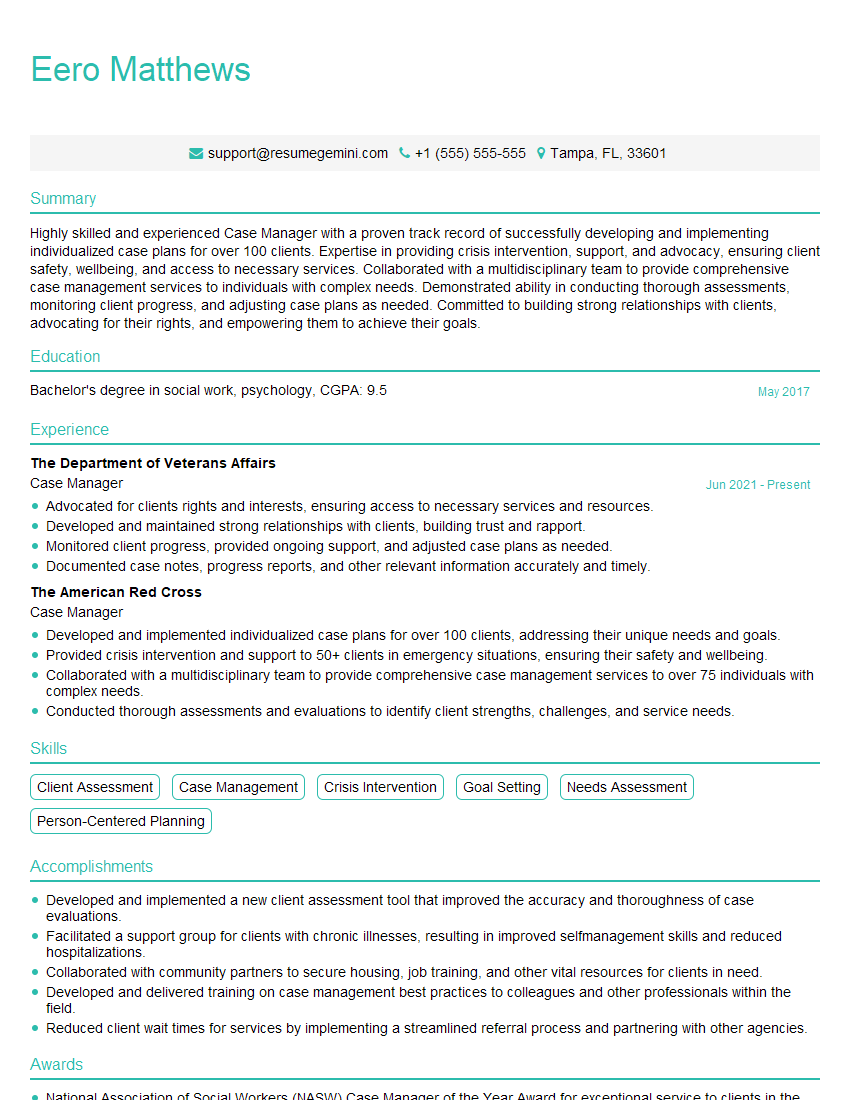
Case Manager Resume Sample
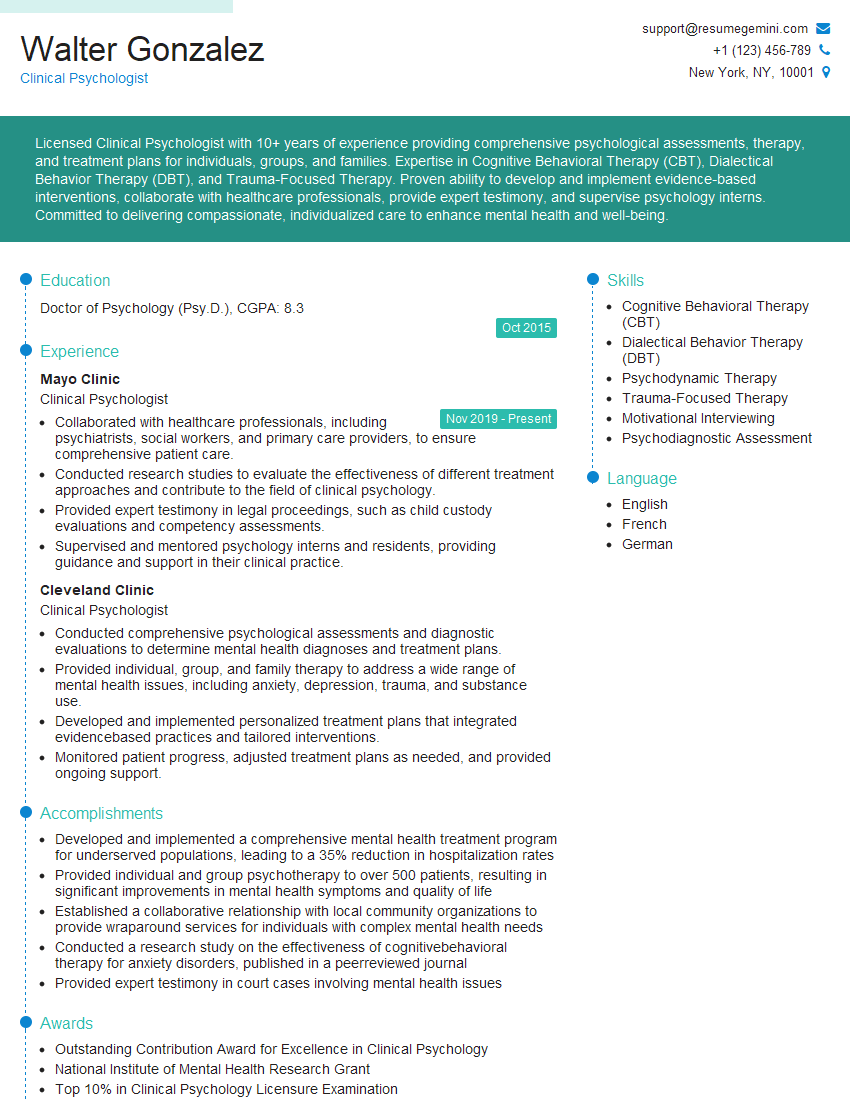
Clinical Psychologist Resume Sample
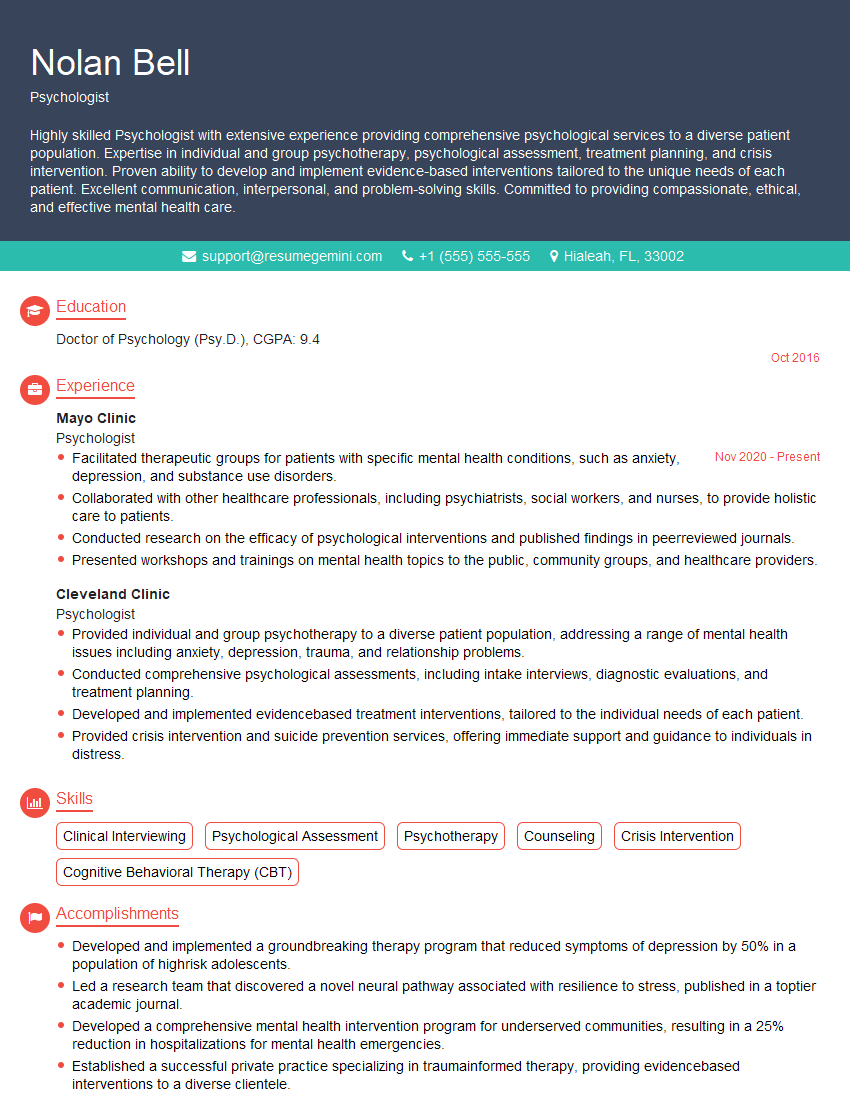
Psychologist Resume Sample

School Psychologist Resume Sample
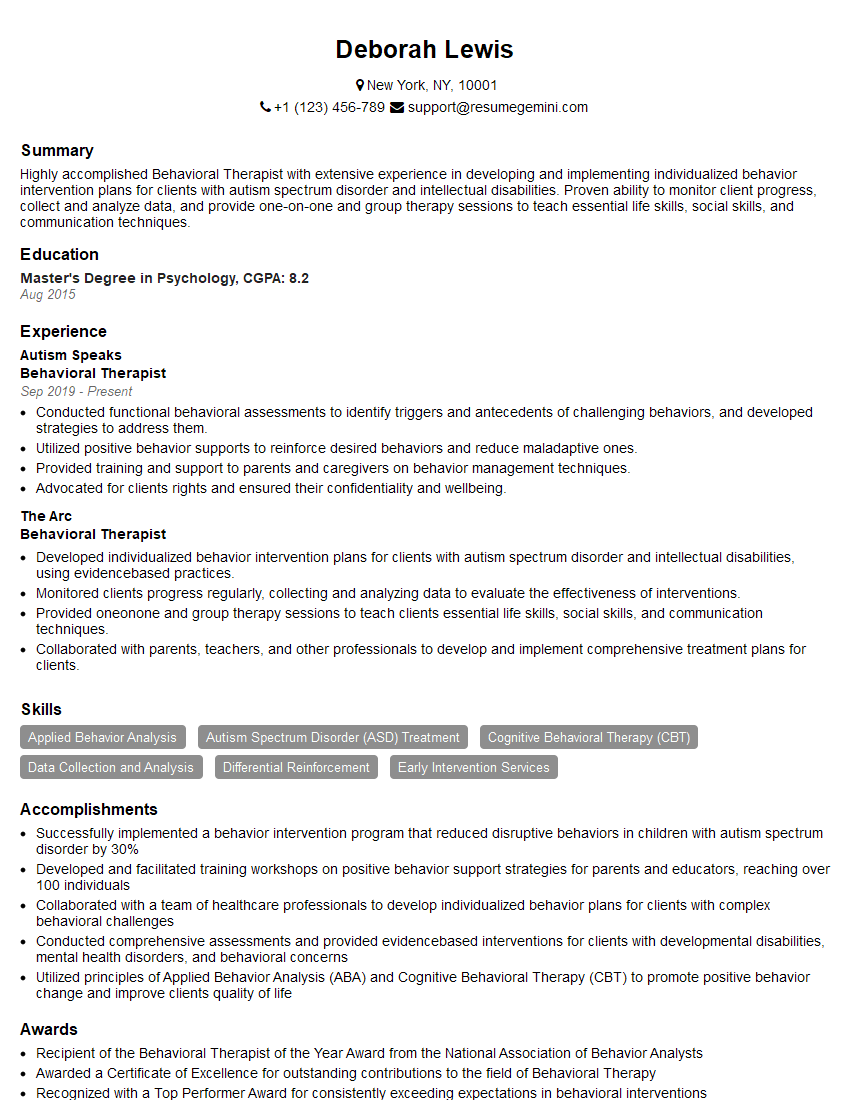
Behavioral Therapist Resume Sample
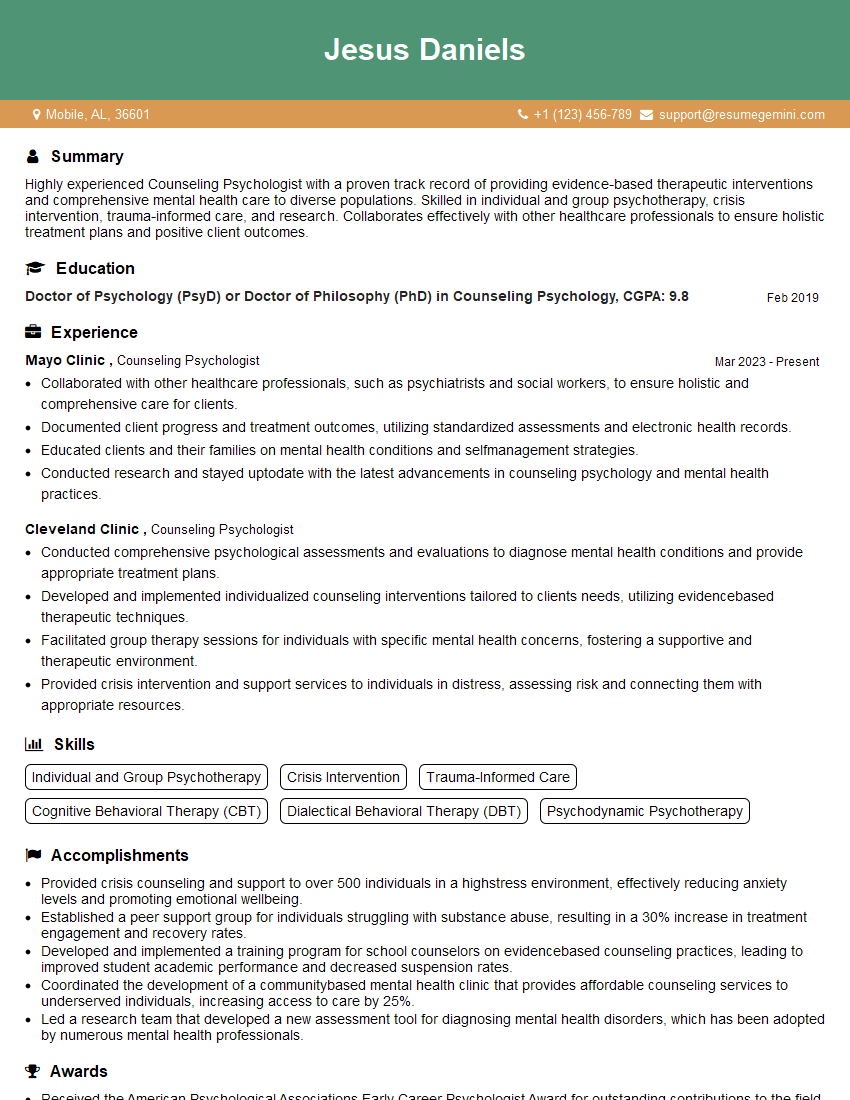
Counseling Psychologist Resume Sample
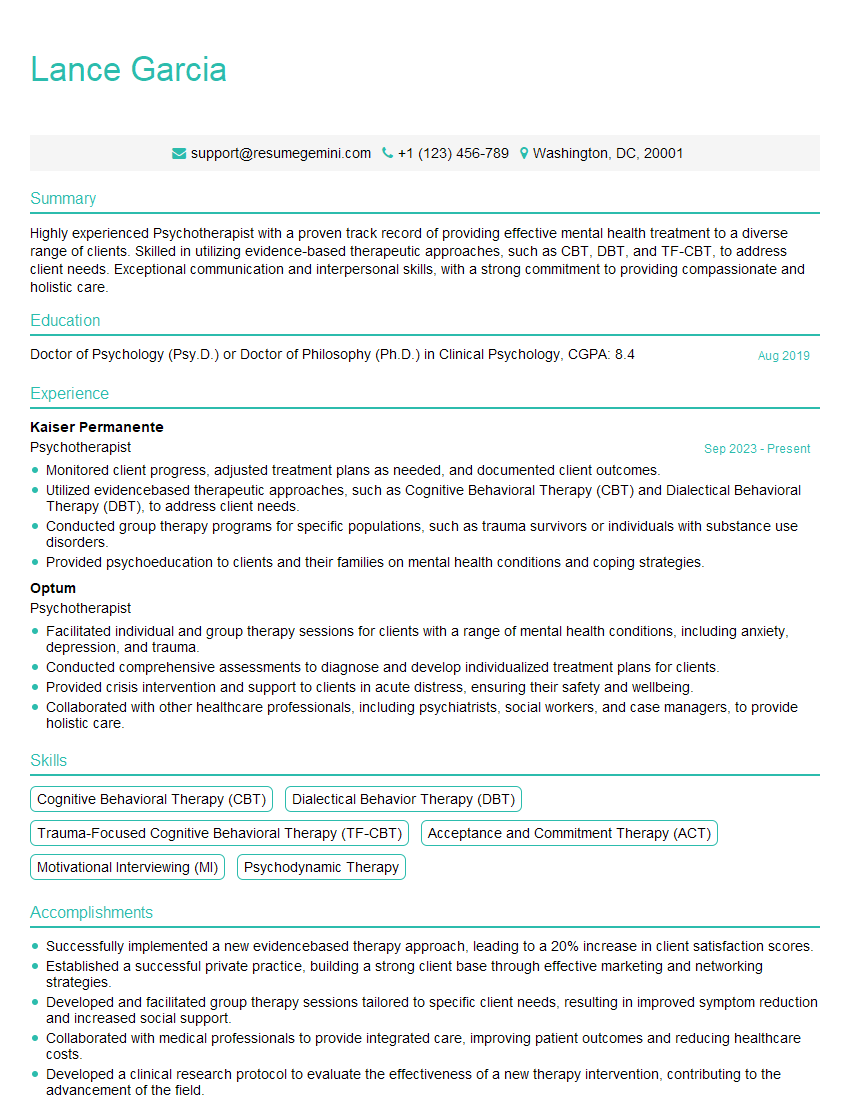
Psychotherapist Resume Sample
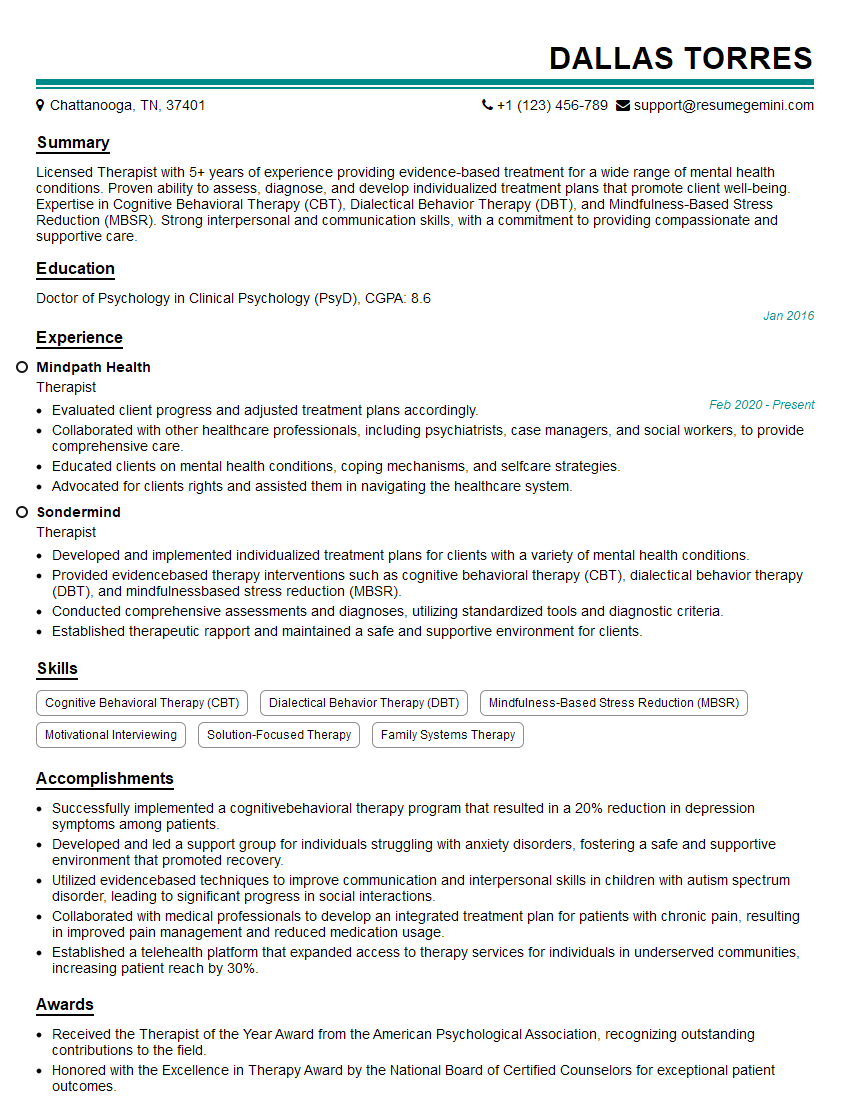
Therapist Resume Sample

Mental Health Counselor Resume Sample
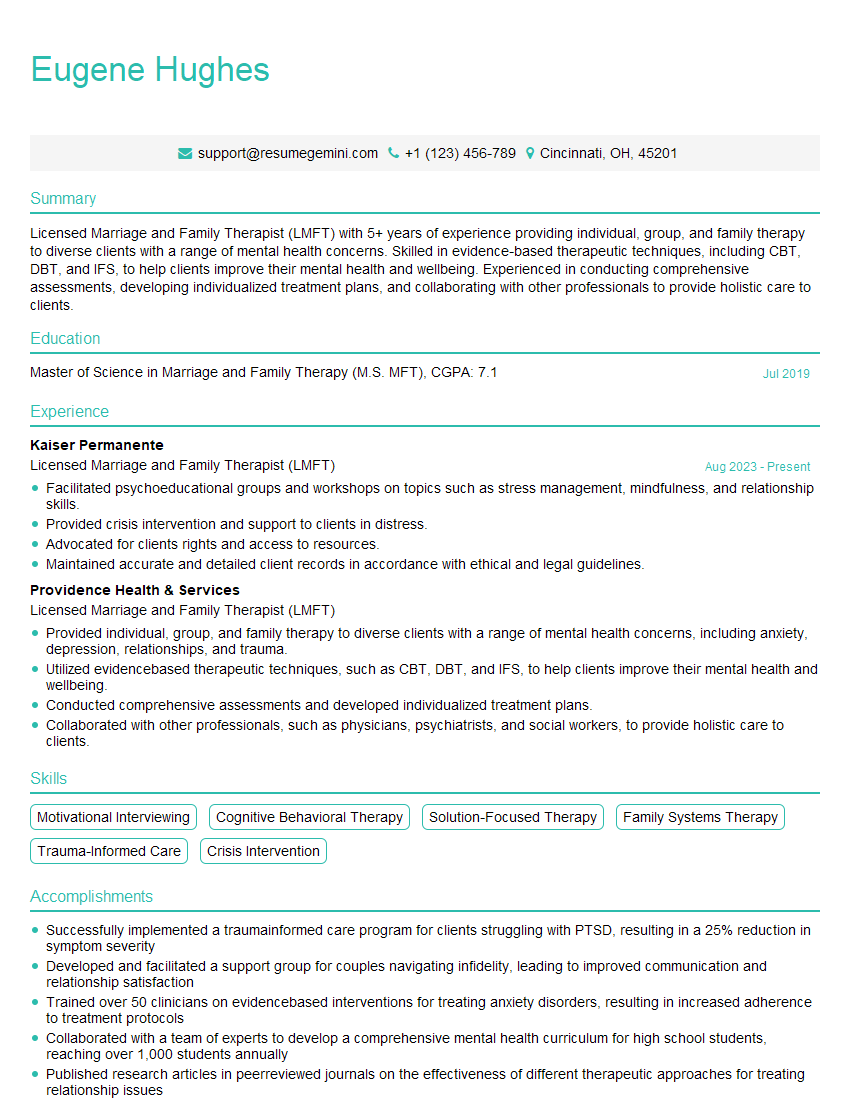
Licensed Marriage and Family Therapist (LMFT) Resume Sample

Rehabilitation Counselor Resume Sample
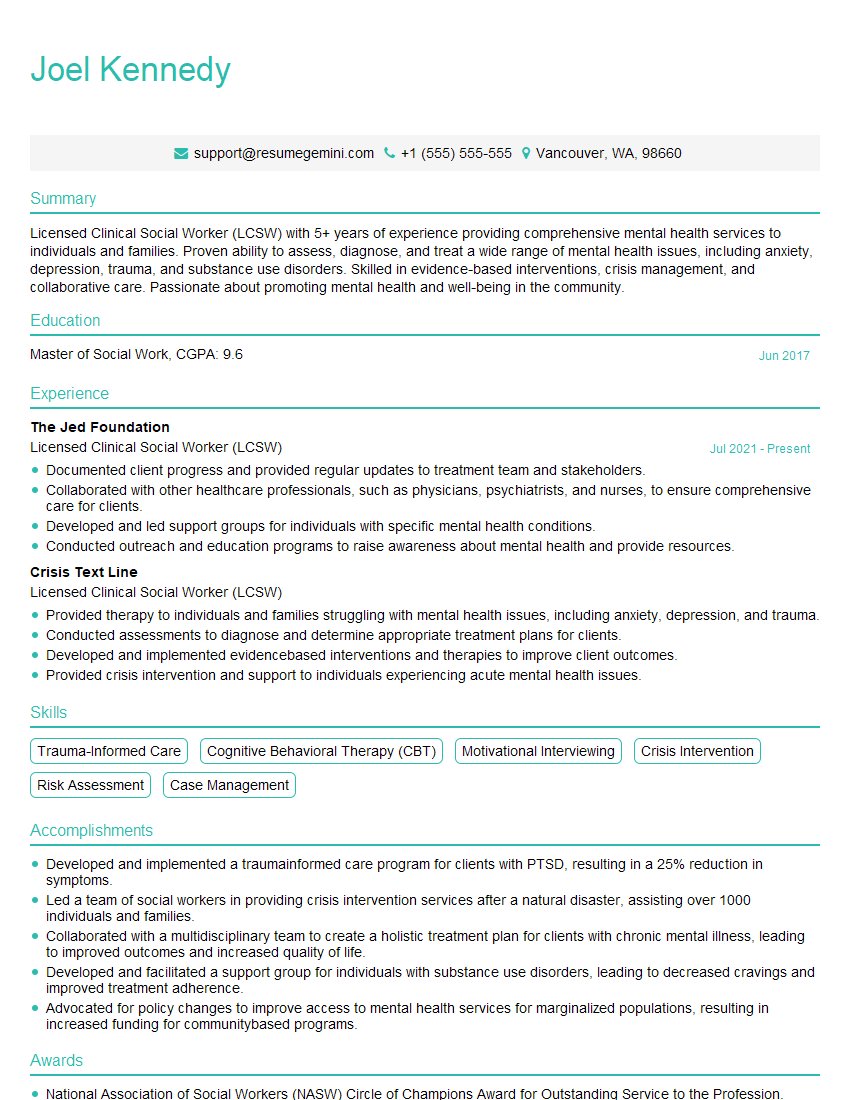
Licensed Clinical Social Worker (LCSW) Resume Sample
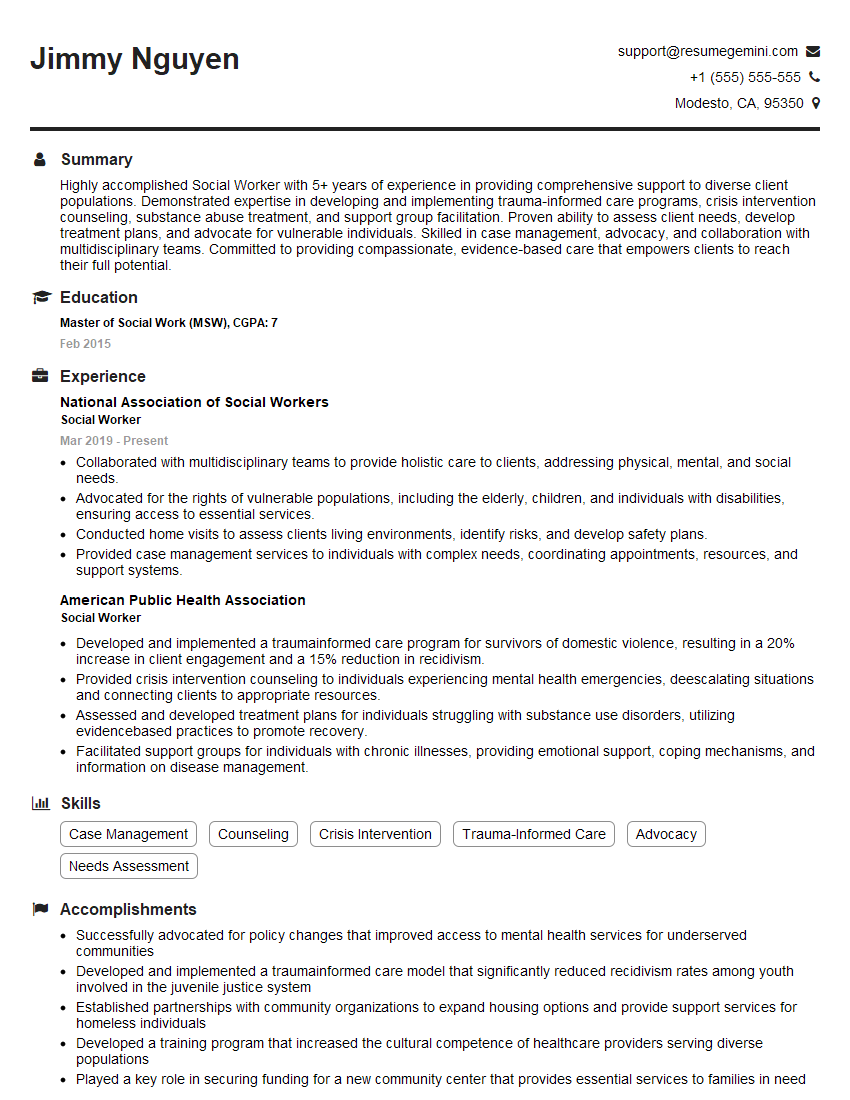
Social Worker Resume Sample
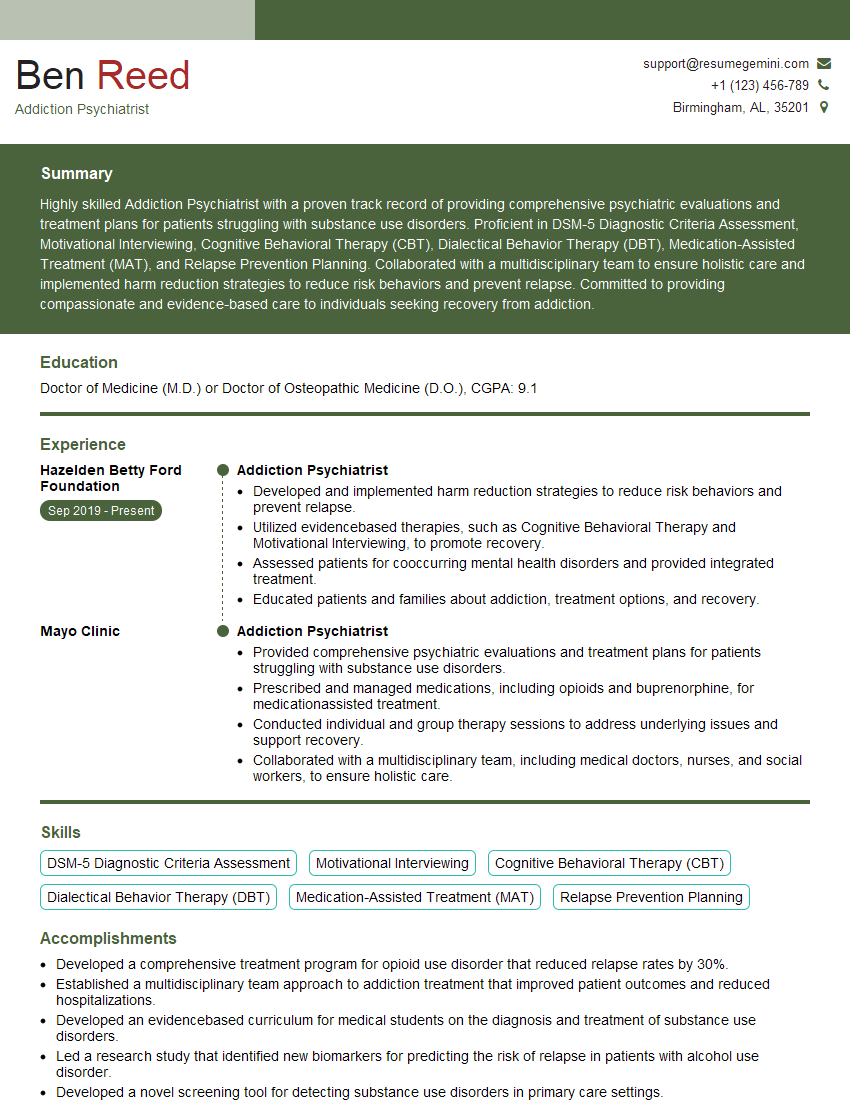
Addiction Psychiatrist Resume Sample
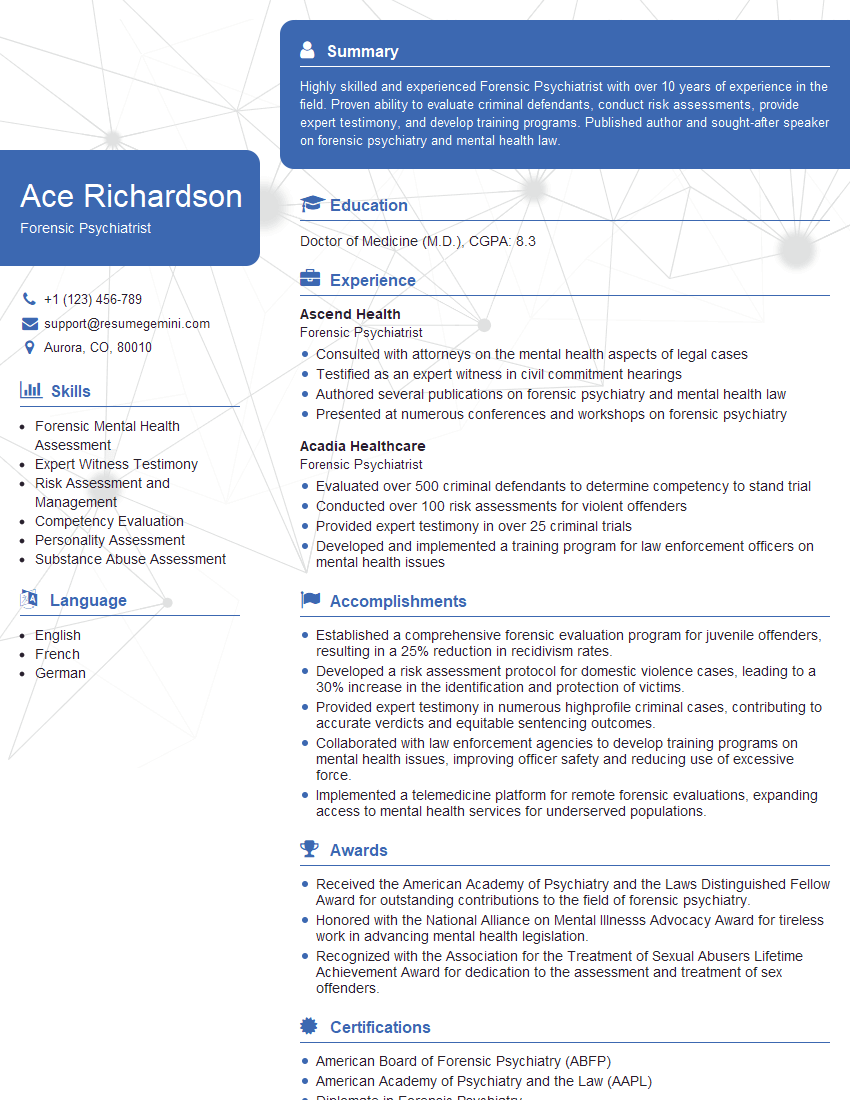
Forensic Psychiatrist Resume Sample
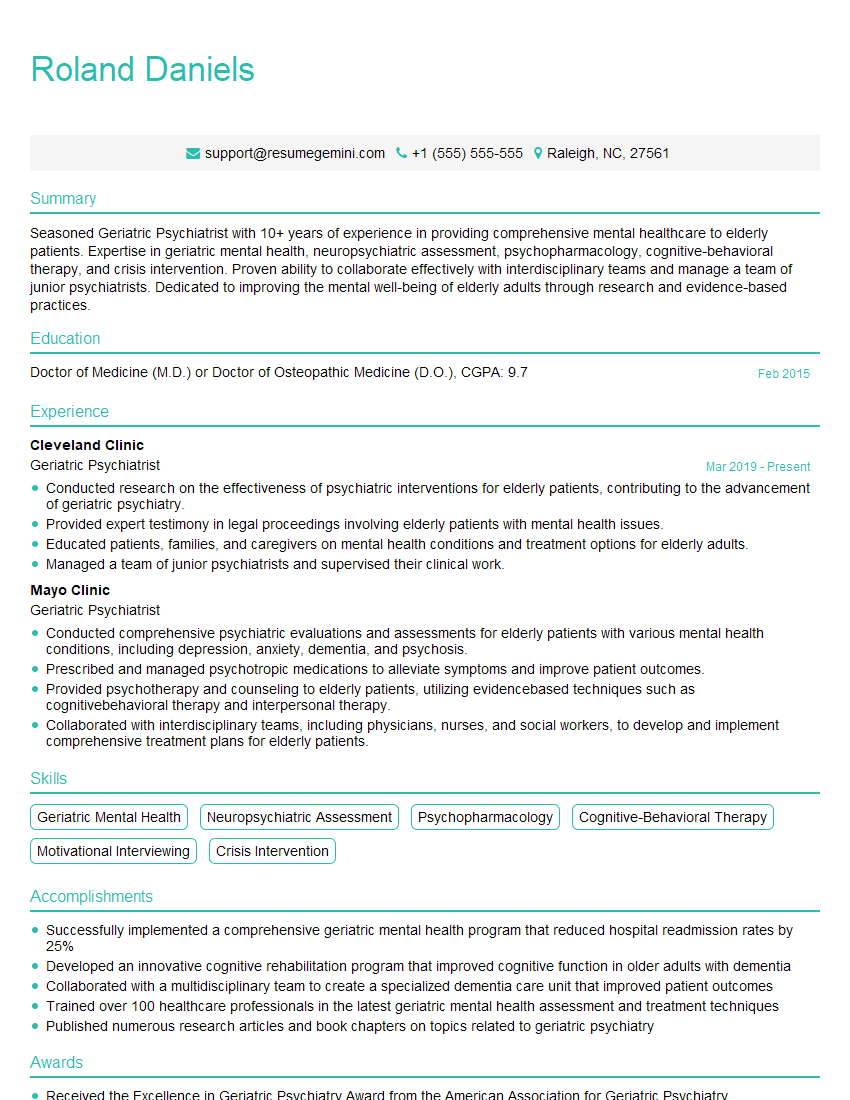
Geriatric Psychiatrist Resume Sample
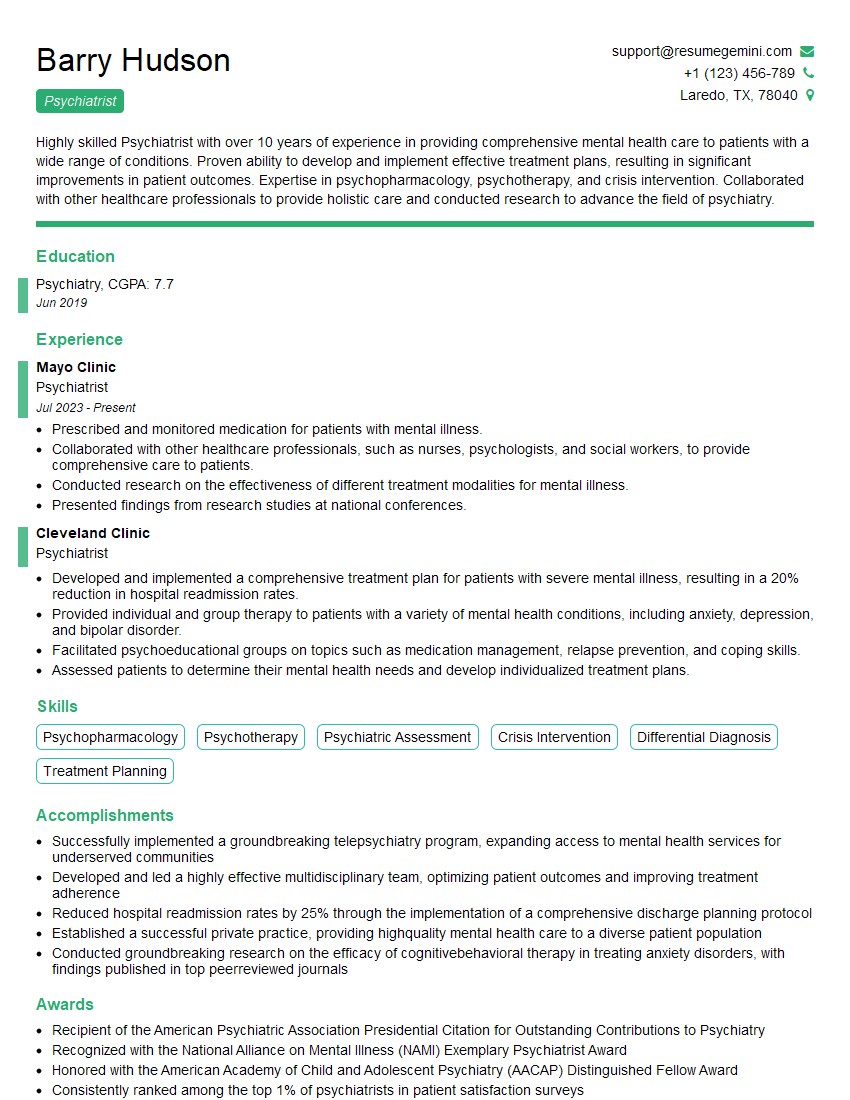
Psychiatrist Resume Sample
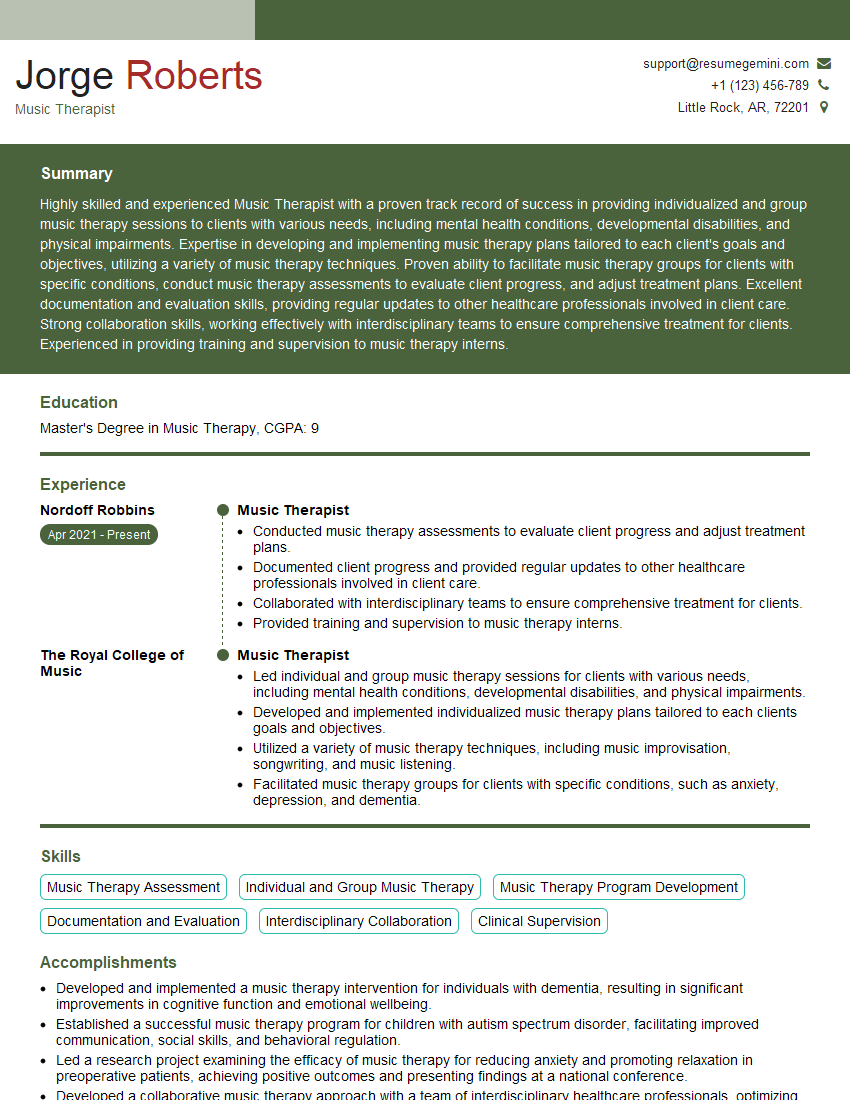
Music Therapist Resume Sample
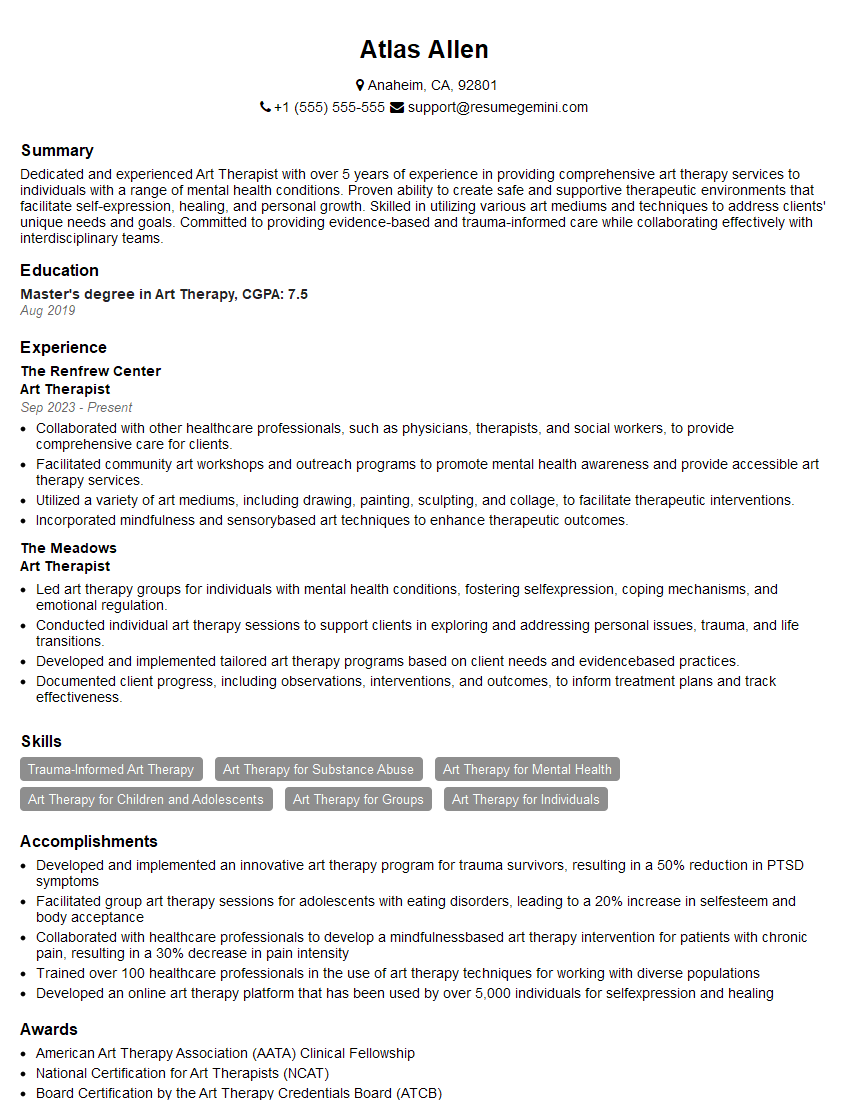
Art Therapist Resume Sample
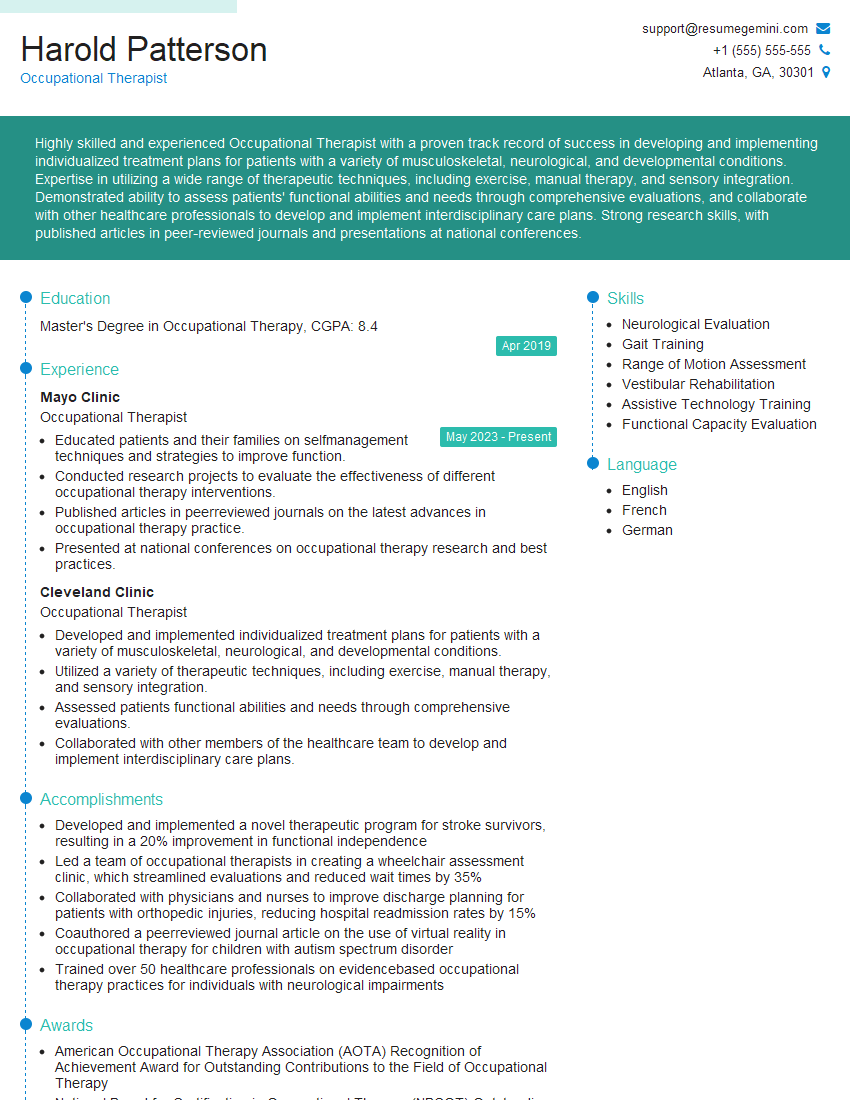
Occupational Therapist Resume Sample
- Case Manager
- Clinical Psychologist
- Psychologist
- School Psychologist
- Behavioral Therapist
- Counseling Psychologist
- Psychotherapist
- Therapist
- Mental Health Counselor
- Licensed Marriage and Family Therapist (LMFT)
- Rehabilitation Counselor
- Licensed Clinical Social Worker (LCSW)
- Social Worker
- Addiction Psychiatrist
- Forensic Psychiatrist
- Geriatric Psychiatrist
- Psychiatrist
- Music Therapist
- Art Therapist
- Occupational Therapist
Explore more articles
Users Rating of Our Blogs
Share Your Experience
We value your feedback! Please rate our content and share your thoughts (optional).
What Readers Say About Our Blog
To the interviewgemini.com Webmaster.
Very helpful and content specific questions to help prepare me for my interview!
Thank you
To the interviewgemini.com Webmaster.
This was kind of a unique content I found around the specialized skills. Very helpful questions and good detailed answers.
Very Helpful blog, thank you Interviewgemini team.