Interviews are opportunities to demonstrate your expertise, and this guide is here to help you shine. Explore the essential Multiple Machine Operation interview questions that employers frequently ask, paired with strategies for crafting responses that set you apart from the competition.
Questions Asked in Multiple Machine Operation Interview
Q 1. Describe your experience operating multiple machines simultaneously.
My experience operating multiple machines simultaneously spans over eight years, encompassing various manufacturing environments. I’ve expertly managed everything from injection molding machines and CNC routers to automated packaging lines. The key is not just the physical ability to switch between machines, but a deep understanding of each machine’s cycle times, potential bottlenecks, and necessary maintenance intervals. This allows for optimized workflow and prevents costly downtime.
For example, in my previous role at Acme Manufacturing, I concurrently operated three injection molding machines, each producing a different component for a final assembly. I meticulously monitored each machine’s output, proactively adjusting parameters and performing minor maintenance as needed to maintain consistent production across all three lines. This required careful attention to detail and a high level of multitasking skills.
Q 2. Explain your process for setting up and changing over multiple machines.
Setting up and changing over multiple machines requires a systematic approach. My process begins with a thorough review of the production schedule and associated work orders. This ensures I have all the necessary materials, tooling, and instructions prepared in advance. I then follow a standardized checklist for each machine, verifying everything from correct tooling to safety interlocks before starting operation.
During changeovers, I utilize a ‘5S’ methodology (Sort, Set in Order, Shine, Standardize, Sustain) to maintain a clean and organized workspace, minimizing the risk of errors and improving efficiency. I meticulously document all changes made, including date, time, and specifics of the changeover, for traceability and future reference. This detailed record-keeping is crucial for continuous improvement and troubleshooting.
Q 3. How do you prioritize tasks when operating multiple machines?
Prioritizing tasks when operating multiple machines involves a combination of factors. My primary consideration is always meeting deadlines and production targets. I use a system that combines urgency, importance, and machine cycle time. Machines with shorter cycle times and higher-priority products receive precedence. I utilize visual management tools such as Kanban boards or simple color-coded task lists to keep track of ongoing tasks and impending deadlines.
For instance, if one machine produces a critical component required for a time-sensitive order, I focus my attention on that machine first, even if another machine might require attention. This dynamic prioritization is essential for maintaining overall production efficiency and meeting customer demands.
Q 4. What safety protocols do you follow when working with multiple machines?
Safety is paramount in my work. I strictly adhere to all company safety protocols and machine-specific operating procedures. This includes wearing appropriate personal protective equipment (PPE) such as safety glasses, hearing protection, and gloves, depending on the machines I’m operating. Regular machine inspections are conducted to ensure proper functioning and identify potential hazards.
Lockout/Tagout procedures are rigorously followed during maintenance or repairs to prevent accidental machine startups. I’m also trained in emergency shutdown procedures and know exactly how to respond to any safety incident. Proactive safety checks and meticulous adherence to procedures are fundamental to my operational approach.
Q 5. Describe a time you encountered a malfunction on one machine while operating others. How did you handle it?
During a particularly busy period, one of the three injection molding machines I was operating experienced a sensor malfunction, resulting in a production halt. My immediate response was to safely shut down the affected machine, following established lockout/tagout procedures. Then, I assessed the situation, determining the nature of the problem from the error codes displayed on the machine’s control panel.
While troubleshooting the malfunctioning machine, I continued operating the other two machines, optimizing their output to compensate for the temporary loss of production from the faulty machine. I contacted maintenance immediately, providing them with all necessary information to expedite the repair process. The problem was resolved within an hour, minimizing overall production downtime. This experience underscored the importance of efficient troubleshooting, proactive communication, and the ability to adapt to unexpected circumstances.
Q 6. How do you maintain the efficiency and productivity when operating multiple machines?
Maintaining efficiency and productivity while operating multiple machines involves strategic planning and continuous improvement. This begins with well-organized workspaces, readily available materials, and efficient tooling changes. I regularly analyze production data to identify bottlenecks and areas for improvement, adjusting my workflow accordingly.
Regular preventative maintenance on the machines is crucial in reducing downtime and preventing unexpected failures. This includes cleaning, lubrication, and inspections according to the manufacturer’s recommendations. I believe in continuous learning and actively seek opportunities to improve my skills and knowledge to enhance my efficiency.
Q 7. What are the common challenges of operating multiple machines, and how do you overcome them?
Common challenges in operating multiple machines include unexpected machine downtime, material shortages, and the need to adapt to changing priorities. Overcoming these challenges requires a proactive approach. To prevent downtime, I perform regular maintenance and monitor machine performance closely. To handle material shortages, I work closely with the supply chain team, prioritizing materials based on production needs.
Adapting to changing priorities is achieved through careful planning and prioritization, coupled with open communication with supervisors and colleagues. Strong organizational skills, quick thinking, and a commitment to continuous learning are crucial to effectively navigate these challenges and maintain a smooth and efficient workflow.
Q 8. Explain your understanding of different machine types (e.g., CNC, lathes, presses).
Different machine types have unique functionalities and applications in manufacturing. My experience encompasses several key categories:
- CNC Machines (Computer Numerical Control): These are highly automated machines controlled by pre-programmed instructions. They offer precision and repeatability, commonly used for milling, turning, and routing complex parts. For example, I’ve extensively used a CNC milling machine to create intricate molds for plastic injection.
- Lathes: Lathes are used for shaping cylindrical or rotational parts by removing material. They range from simple manual lathes to sophisticated CNC lathes. I’ve worked with both, appreciating the precision of CNC lathes for high-volume production runs and the flexibility of manual lathes for smaller, custom jobs. A recent project involved using a lathe to create precisely sized shafts for a gear assembly.
- Presses: Presses apply immense force to shape or form materials. This can include stamping, forging, or punching. I’m familiar with various types, including hydraulic and mechanical presses. I remember a project where I used a hydraulic press to create custom metal brackets – understanding the pressure limits and material properties was crucial to avoid damage.
Understanding the capabilities and limitations of each machine type is paramount for efficient and safe operation.
Q 9. How familiar are you with Programmable Logic Controllers (PLCs)?
I possess extensive familiarity with Programmable Logic Controllers (PLCs). They are the brains of many automated systems, controlling and monitoring machine operations. My experience includes programming, troubleshooting, and maintaining PLCs in various industrial settings. I’m proficient in several PLC programming languages, including Ladder Logic (LD) and Structured Text (ST).
For instance, in a previous role, I used a PLC to automate a complex assembly line. I programmed the PLC to control the timing of different machine operations, monitor sensor inputs for quality checks, and manage safety interlocks. Understanding PLC architecture and functionality is fundamental to optimizing production processes and ensuring machine safety.
Q 10. Describe your experience with machine diagnostics and troubleshooting.
Machine diagnostics and troubleshooting are critical skills for efficient production. My approach is systematic and data-driven. It typically involves:
- Identifying the problem: This begins by observing the machine’s behavior, checking error messages, and reviewing historical data. For example, if a CNC machine stops unexpectedly, I’d first check the error log for clues about the cause.
- Analyzing potential causes: Based on my understanding of the machine’s design and operation, I’d investigate potential causes systematically, eliminating possibilities as I go. This might involve checking for loose connections, examining sensors for failure, or reviewing the PLC program for logical errors.
- Testing and verification: Once I’ve identified a likely cause, I’ll implement a solution and rigorously test to ensure it resolves the problem without causing new issues. I meticulously document all troubleshooting steps and solutions.
- Preventative measures: After resolving an issue, I analyze the root cause to prevent recurrence. This may involve recommending machine upgrades, improving maintenance procedures, or suggesting operator training.
This methodical approach allows me to quickly and effectively address problems, minimizing downtime and maintaining production efficiency.
Q 11. How do you ensure quality control when operating multiple machines?
Quality control when operating multiple machines requires a multi-faceted approach. My strategy involves:
- Regular inspection: I conduct regular visual inspections of parts produced by each machine, checking for defects and inconsistencies. This might involve using calibrated measuring tools to verify dimensions and tolerances.
- Statistical Process Control (SPC): SPC techniques help monitor machine performance over time, identifying trends and potential problems before they lead to widespread defects. I’m proficient in using control charts to track key process parameters.
- Automated quality checks: Many machines incorporate automated quality checks, using sensors and software to detect defects immediately. I ensure these systems are functioning correctly and interpret the data they generate.
- Calibration and maintenance: Regular calibration and preventative maintenance are essential for maintaining machine accuracy and reliability. This significantly contributes to consistent output quality.
The goal is to identify and address quality issues promptly, preventing the production of defective parts and ensuring customer satisfaction. I also proactively communicate quality concerns to supervisors and take appropriate corrective actions.
Q 12. What are your preferred methods for documenting machine operations and maintenance?
Effective documentation is vital for maintaining efficient and safe machine operation. My preferred methods include:
- Detailed operation manuals: I create or update comprehensive operation manuals for each machine, detailing procedures, safety precautions, and troubleshooting steps. These are often updated with pictures and diagrams for clarity.
- Maintenance logs: I diligently maintain logs for all maintenance activities, including preventative maintenance schedules, repairs, and part replacements. This data is crucial for predicting future maintenance needs and identifying potential problems.
- Digital databases: I utilize digital databases and software to manage machine data, including production records, maintenance logs, and quality control reports. This approach allows easy access to information and facilitates data analysis.
- Visual aids: Where applicable, I utilize visual aids, such as flowcharts or diagrams, to improve understanding of machine operations and maintenance procedures.
Clear and organized documentation promotes safety, consistency, and reduces downtime by providing a readily accessible knowledge base.
Q 13. How do you handle production targets when operating multiple machines?
Managing production targets across multiple machines requires careful planning and execution. My approach involves:
- Prioritization: I prioritize tasks based on urgency and importance, ensuring that high-priority orders are completed on time. This often involves understanding the due dates and production demands.
- Workload balancing: I distribute the workload evenly across the machines, maximizing efficiency and preventing bottlenecks. This requires understanding the capabilities and limitations of each machine.
- Real-time monitoring: I continuously monitor production progress, making adjustments as needed to meet targets. This involves tracking production rates, identifying potential delays, and adjusting machine settings if necessary.
- Continuous improvement: I regularly analyze production data to identify areas for improvement and optimize processes. This leads to greater efficiency and higher production rates over time.
My goal is to consistently meet or exceed production targets while maintaining high quality standards. I proactively communicate any potential delays or challenges to supervisors.
Q 14. Describe your experience with different types of tooling and materials.
My experience encompasses a wide range of tooling and materials commonly used in manufacturing. This includes:
- Tooling: I’m familiar with various cutting tools (drills, end mills, taps, dies), forming tools (dies, punches), and specialized tooling for specific machine types (e.g., chucks, collets). Understanding tool geometry and material properties is crucial for efficient machining and part quality.
- Materials: I’ve worked with a variety of materials, including metals (steel, aluminum, brass), plastics (ABS, nylon, polycarbonate), and composites. My understanding extends to the machinability of different materials, their mechanical properties, and their appropriate machining parameters.
For instance, I have experience selecting the appropriate drill bit for different materials and adjusting the feed rate and spindle speed based on the material’s properties and the desired finish. This ensures the process is both effective and prevents tool breakage or damage to the workpiece.
Q 15. How do you adapt to changes in production schedules or machine configurations?
Adapting to changes in production schedules or machine configurations requires a flexible and organized approach. I prioritize understanding the overall production goals and then break down the changes into manageable tasks. For example, if a new machine is introduced, I dedicate time to thoroughly understand its operating procedures, safety protocols, and integration with the existing workflow. This often involves reviewing documentation, completing hands-on training, and collaborating with engineers or supervisors. I then adjust my workflow to incorporate the new machine, prioritizing tasks based on urgency and dependencies, potentially using scheduling tools or visual aids like Kanban boards to manage the changes efficiently. If there’s a sudden schedule change, I immediately assess the impact on my assigned machines and tasks. Communication with my team and supervisor is vital to ensure coordination and avoid bottlenecks. I’m proficient in adjusting machine settings and parameters as needed, following established protocols and safety guidelines. I see this flexibility as a key strength, allowing me to maintain productivity even in dynamic environments.
Career Expert Tips:
- Ace those interviews! Prepare effectively by reviewing the Top 50 Most Common Interview Questions on ResumeGemini.
- Navigate your job search with confidence! Explore a wide range of Career Tips on ResumeGemini. Learn about common challenges and recommendations to overcome them.
- Craft the perfect resume! Master the Art of Resume Writing with ResumeGemini’s guide. Showcase your unique qualifications and achievements effectively.
- Don’t miss out on holiday savings! Build your dream resume with ResumeGemini’s ATS optimized templates.
Q 16. How do you maintain a clean and organized workspace while operating multiple machines?
Maintaining a clean and organized workspace while operating multiple machines is paramount for safety and efficiency. It’s not just about tidiness; it’s about preventing accidents and streamlining workflow. I follow a system of 5S – Sort, Set in Order, Shine, Standardize, and Sustain. First, I sort through tools and materials, removing anything unnecessary. Then, I organize everything logically, placing frequently used items within easy reach and labeling storage areas clearly. Regular cleaning (Shine) is essential, ensuring machines are free from dust, debris, and spills that could cause malfunctions or hazards. Standardizing my cleaning and organization processes ensures consistency and ease of maintenance. Finally, sustaining this system requires ongoing effort and discipline. This structured approach allows me to quickly locate what I need, reducing downtime and improving safety. For example, I use color-coded bins for different materials, and routinely check for any loose wiring or potential hazards. This prevents costly mistakes and promotes a safer work environment for myself and colleagues.
Q 17. Explain your understanding of different types of machine control systems.
Machine control systems vary widely, ranging from simple manual controls to highly sophisticated computer numerical control (CNC) systems. I have experience with several types, including:
- Manual Controls: These involve using levers, buttons, and dials to directly control machine functions. While straightforward, they demand precision and careful monitoring.
- Programmable Logic Controllers (PLCs): PLCs use programmable logic to control various machine operations based on pre-programmed sequences. I’m comfortable with PLC programming and troubleshooting, understanding ladder logic diagrams and utilizing debugging tools. This is crucial for automation and complex process control.
- Computer Numerical Control (CNC): CNC systems utilize computer software to control the precise movements and actions of machine tools, such as lathes, milling machines, and routers. I possess experience in creating and modifying CNC programs using CAM software, and I am adept at interpreting and adjusting CNC machine parameters to achieve optimal results.
- Human-Machine Interfaces (HMIs): HMIs provide a user-friendly interface for interacting with more complex machine control systems. I’m proficient in using HMIs to monitor machine status, adjust settings, and troubleshoot problems.
My understanding extends beyond simply operating these systems; I can troubleshoot malfunctions, diagnose problems, and even make minor repairs or adjustments as needed. This ensures maximum uptime and productivity.
Q 18. Describe your experience with automated machine operations.
I have extensive experience with automated machine operations, including robotic systems and automated material handling systems. In a previous role, I was responsible for overseeing a production line that involved robotic arms assembling electronic components. This required a solid understanding of robotic programming, safety protocols, and preventive maintenance. I regularly monitored the system’s performance, identifying and resolving any issues promptly. This involved analyzing sensor data, troubleshooting errors, and coordinating with maintenance personnel to address more complex problems. I’m also familiar with using supervisory control and data acquisition (SCADA) systems to monitor and control automated processes. My experience extends to implementing and optimizing automated systems to improve efficiency, reduce costs, and enhance product quality. A specific example includes implementing a new automated packaging system which resulted in a 15% increase in production output.
Q 19. How do you ensure the safety of yourself and your colleagues while operating multiple machines?
Safety is my top priority when operating multiple machines. I always adhere to established safety protocols, including wearing appropriate personal protective equipment (PPE) such as safety glasses, hearing protection, and steel-toed boots. I regularly inspect machines for any potential hazards, such as loose parts, frayed wiring, or fluid leaks. Before starting any machine, I thoroughly check its safety features and ensure they are functioning correctly. I maintain a clean and organized workspace to minimize trip hazards and potential accidents. Furthermore, I actively communicate with my colleagues, alerting them to any potential safety concerns or necessary precautions. I participate in regular safety training and always follow lockout/tagout procedures when performing maintenance or repairs. Proactive hazard identification and prevention are crucial; I’m always alert and aware of my surroundings to ensure the safety of both myself and my co-workers. My commitment to safety is unwavering and forms the foundation of my work ethic.
Q 20. What is your experience with preventive maintenance for multiple machines?
Preventive maintenance is critical for ensuring the longevity and reliability of multiple machines. My approach is proactive and systematic. I follow manufacturers’ recommended maintenance schedules, performing regular inspections and lubrication as needed. This includes checking for wear and tear, replacing worn parts promptly, and cleaning machines thoroughly. I maintain detailed records of all maintenance activities, noting any issues or repairs made. This data helps me identify potential problems before they escalate and allows for better planning and resource allocation. I am also proficient in using diagnostic tools to monitor machine performance and detect early signs of malfunction. For instance, I utilize vibration analysis to identify potential bearing failures and thermal imaging to detect overheating components. A well-maintained machine is a productive machine, minimizing downtime and costly repairs. This proactive approach is crucial for maintaining efficiency and preventing unexpected breakdowns.
Q 21. How do you stay updated on new technologies and best practices in machine operation?
Staying updated on new technologies and best practices is essential in this rapidly evolving field. I utilize various resources to continuously improve my knowledge and skills. This includes attending industry conferences and workshops, participating in online courses and webinars, and actively reading industry publications and journals. I’m a member of relevant professional organizations, engaging with fellow professionals to learn about new advancements and best practices. I also leverage online resources and manufacturer websites to access the latest documentation, updates, and training materials on specific machines and technologies. I actively seek opportunities to learn about emerging technologies such as Industry 4.0 concepts like predictive maintenance and machine learning applications in manufacturing. Continuous learning allows me to maintain a competitive edge and ensure I’m applying the most efficient and effective methods in my work.
Q 22. Describe your experience using computerized maintenance management systems (CMMS).
My experience with Computerized Maintenance Management Systems (CMMS) is extensive. I’ve utilized several CMMS platforms, including UpKeep, Fiix, and IBM Maximo, throughout my career in managing multiple-machine operations. These systems are invaluable for streamlining maintenance processes and improving efficiency. I’m proficient in using CMMS software to schedule preventive maintenance, track work orders, manage inventory, and analyze equipment performance data. For instance, in my previous role, we implemented UpKeep to manage the maintenance of over 50 machines on a production line. This resulted in a 15% reduction in downtime due to improved preventative maintenance scheduling and a more efficient system for tracking repairs. Beyond basic functionality, I understand the importance of integrating CMMS data with other enterprise systems to gain a holistic view of operational performance.
Specifically, I’m skilled in:
- Scheduling and tracking preventative maintenance tasks.
- Generating and managing work orders, including assigning technicians and tracking completion.
- Managing inventory of spare parts and consumables.
- Analyzing historical maintenance data to identify trends and potential areas for improvement.
- Generating reports on maintenance costs and equipment reliability.
Q 23. How do you communicate effectively with supervisors and colleagues in a multiple-machine operation environment?
Effective communication is crucial in a multiple-machine operation, where teamwork and rapid response to issues are paramount. I prioritize clear, concise communication, using a variety of methods tailored to the audience and situation. With supervisors, I use formal reports, data visualizations (charts and graphs showing key performance indicators), and regular briefings to highlight progress, challenges, and potential risks. I ensure all reports are data-driven and include recommended solutions. With colleagues, I favor direct, informal communication, including quick team huddles, instant messaging, and collaborative platforms to address immediate issues and facilitate problem-solving. Active listening is essential; understanding the perspectives of everyone involved is critical for effective teamwork. For example, during a recent machine malfunction, I used a quick team huddle to brainstorm solutions and clearly delegated tasks based on each team member’s expertise.
I believe in fostering an open communication environment where everyone feels comfortable sharing information and voicing concerns. Transparency and regular updates build trust and enable proactive problem-solving.
Q 24. Describe a time you had to deal with a machine breakdown and how you solved the problem.
During a critical production run, our primary labeling machine unexpectedly malfunctioned, halting the entire production line. The initial diagnosis indicated a potential issue with the printhead. My first step was to ensure the safety of the machine and personnel, following established lockout/tagout procedures. Then, I systematically checked for obvious problems, such as power supply and ink cartridges. Once these were ruled out, I consulted the machine’s troubleshooting manual and, after reviewing the error codes, identified a potential software glitch. I contacted the manufacturer’s technical support, describing the issue, and received remote troubleshooting assistance. This led us to a software update which successfully resolved the problem.
In parallel, I communicated with my supervisor, providing regular updates on the progress of the troubleshooting process and the estimated downtime. After resolving the software issue, we ran several tests to ensure the machine’s proper function and production resumed. This incident reinforced the importance of preventative maintenance, regular system backups, and maintaining a strong relationship with the equipment manufacturer.
Q 25. How familiar are you with various types of machine sensors and their applications?
My familiarity with machine sensors is extensive. I understand their crucial role in monitoring machine health, identifying potential problems, and optimizing performance. I’m experienced with a range of sensor types, including:
- Proximity sensors: Detect the presence or absence of objects without physical contact, crucial for automation and safety systems.
- Temperature sensors (thermocouples, RTDs): Monitor operating temperatures, preventing overheating and ensuring optimal performance.
- Pressure sensors: Measure pressure within a system, critical for processes involving liquids or gases.
- Vibration sensors: Detect unusual vibrations indicating potential mechanical issues, allowing for preventative maintenance.
- Flow sensors: Measure the flow rate of liquids or gases, ensuring consistent operation.
- Optical sensors: Used for various applications, including object detection, position sensing and quality control.
I can interpret sensor data to identify trends, diagnose faults, and make informed decisions regarding maintenance and repair. My knowledge extends to the integration of sensor data into CMMS systems, enabling predictive maintenance strategies and improved overall equipment effectiveness (OEE).
Q 26. What is your experience with data collection and analysis in a multiple machine operation setting?
Data collection and analysis are integral parts of my approach to multiple-machine operation. I utilize a variety of methods to collect data, including CMMS systems, SCADA (Supervisory Control and Data Acquisition) systems, and direct data logging from individual machines. I’m proficient in using data analysis tools like Excel, R, and Python to process, visualize, and interpret this data. I focus on key performance indicators (KPIs) such as Overall Equipment Effectiveness (OEE), Mean Time Between Failures (MTBF), Mean Time To Repair (MTTR), and production output. For example, by analyzing historical data on machine downtime, we identified a pattern of failures in a specific component, leading to a proactive replacement strategy that significantly reduced downtime.
Data-driven decision-making is essential. I regularly create reports that highlight performance trends, identify areas for improvement, and support strategic decisions related to maintenance, process optimization, and capital expenditure.
Q 27. How do you contribute to a team environment in a multiple machine operation setting?
In a team environment, my contributions focus on collaboration, problem-solving, and sharing expertise. I actively participate in team meetings, contributing my knowledge and insights to discussions. I believe in a collaborative approach to problem-solving, encouraging open communication and shared responsibility. I’m adept at delegating tasks effectively, based on team members’ skills and experience, and ensuring everyone is working towards common goals. I readily offer assistance to colleagues, sharing my expertise and knowledge to help them succeed. Furthermore, I actively participate in training and mentoring junior team members, fostering a culture of continuous learning and development. In my experience, teamwork is not just about completing individual tasks efficiently; it’s about collectively improving processes, enhancing safety, and achieving outstanding overall performance. A supportive team environment increases morale, productivity, and overall satisfaction.
Key Topics to Learn for Multiple Machine Operation Interview
- Understanding Machine Synchronization: Learn the principles behind coordinating multiple machines in a production environment, including timing, data transfer, and error handling. Explore different synchronization methods and their practical implications.
- Programming and Control Systems: Develop a strong understanding of the programming languages and control systems used to manage multiple machines. This includes practical experience with PLC programming, SCADA systems, or similar technologies. Be prepared to discuss your experience with debugging and troubleshooting code related to multiple machine operation.
- Safety Protocols and Emergency Procedures: Demonstrate thorough knowledge of safety regulations and emergency procedures specific to multiple machine operations. This includes lockout/tagout procedures, hazard identification, and risk mitigation strategies. Be ready to discuss your experience maintaining a safe working environment.
- Data Acquisition and Analysis: Explain your understanding of how data is collected from multiple machines, how this data is analyzed to monitor performance and identify potential issues, and the role of data analysis in optimizing production processes. This might include familiarity with relevant software or data visualization techniques.
- Troubleshooting and Maintenance: Be prepared to discuss your approach to troubleshooting malfunctions involving multiple interconnected machines. This includes identifying the source of problems, implementing effective solutions, and performing preventative maintenance to minimize downtime.
- Process Optimization and Efficiency: Demonstrate your understanding of techniques for optimizing production processes involving multiple machines. Discuss your experience with improving throughput, reducing waste, and enhancing overall efficiency.
Next Steps
Mastering Multiple Machine Operation opens doors to exciting career advancements and higher earning potential within manufacturing and automation industries. A well-crafted resume is crucial for showcasing your skills and experience to potential employers. Building an ATS-friendly resume, optimized for Applicant Tracking Systems, significantly increases your chances of getting your application noticed. ResumeGemini is a trusted resource to help you create a professional and impactful resume. We provide examples of resumes tailored to Multiple Machine Operation to guide you in highlighting your qualifications effectively. Take the next step towards your dream career today!
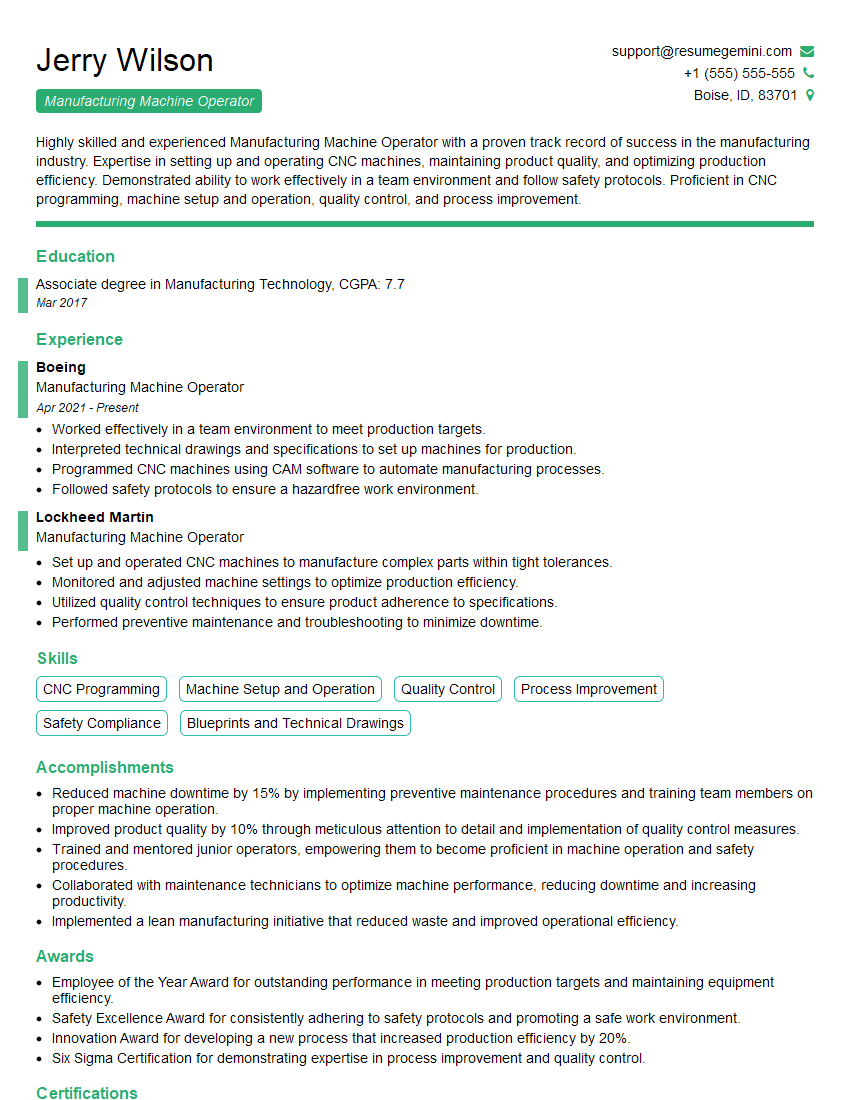
Manufacturing Machine Operator Resume Sample
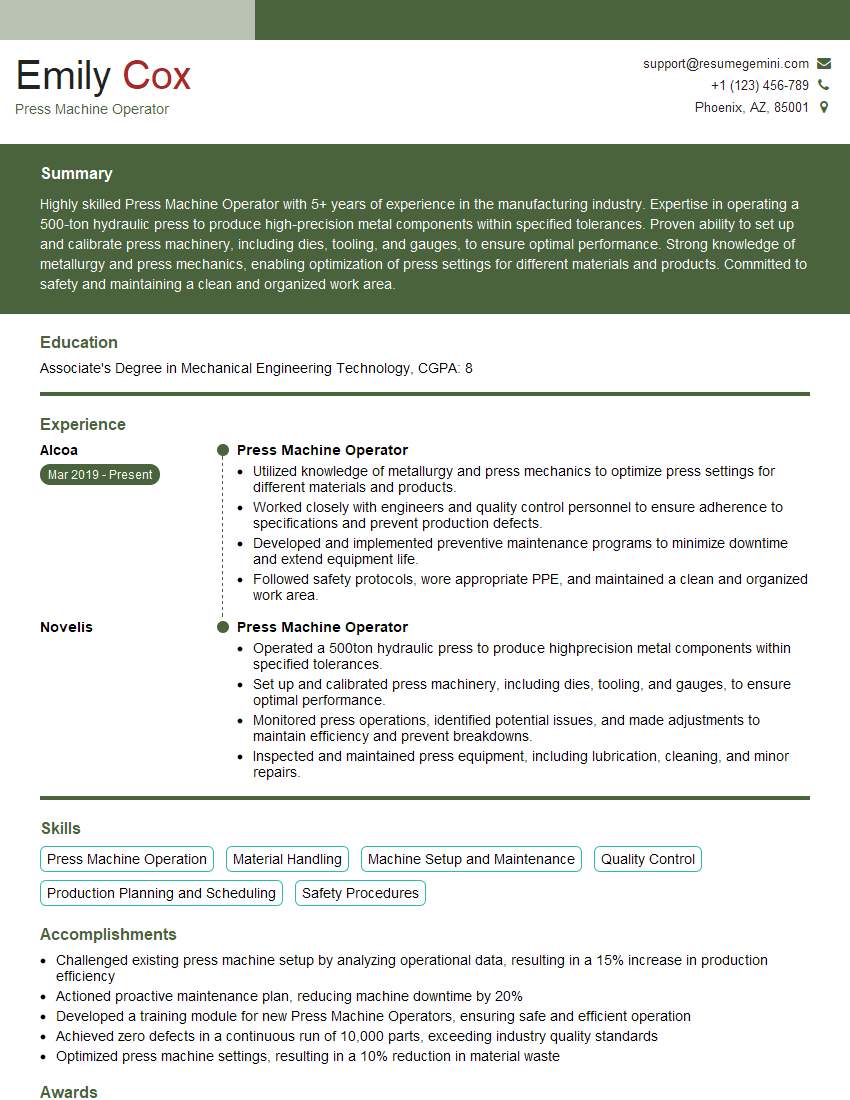
Press Machine Operator Resume Sample
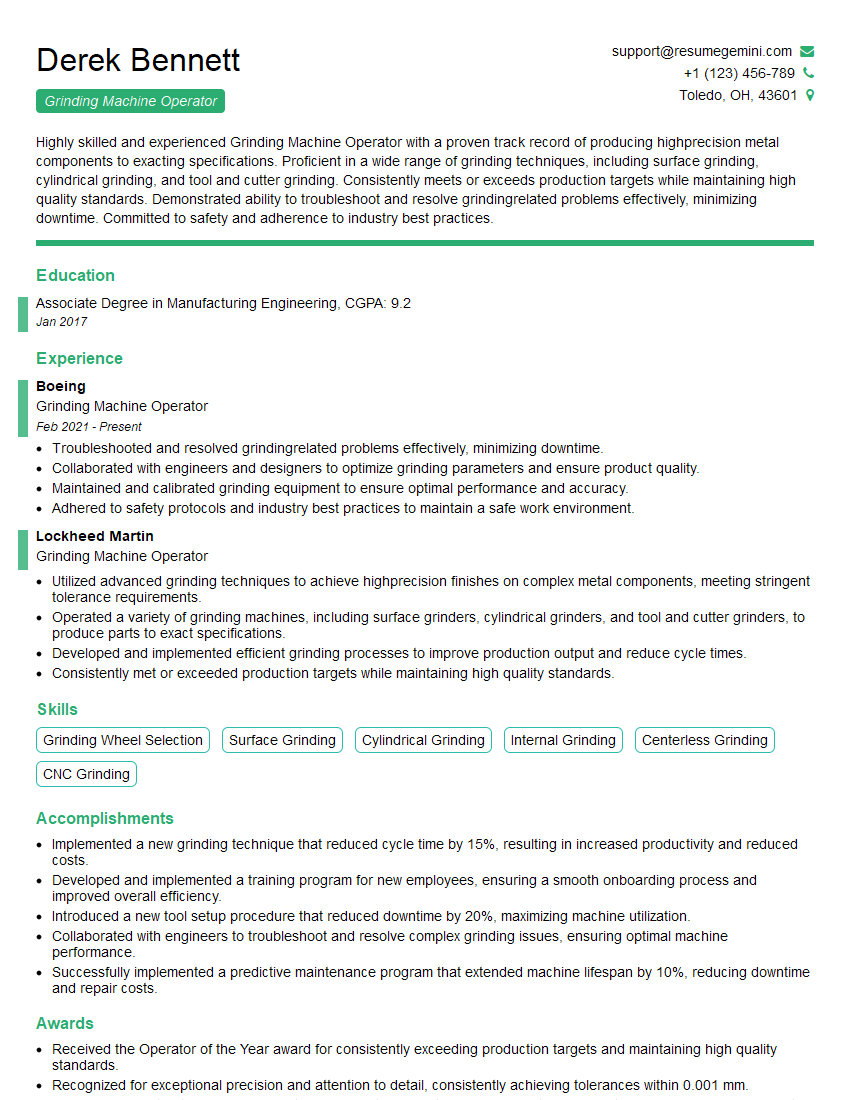
Grinding Machine Operator Resume Sample
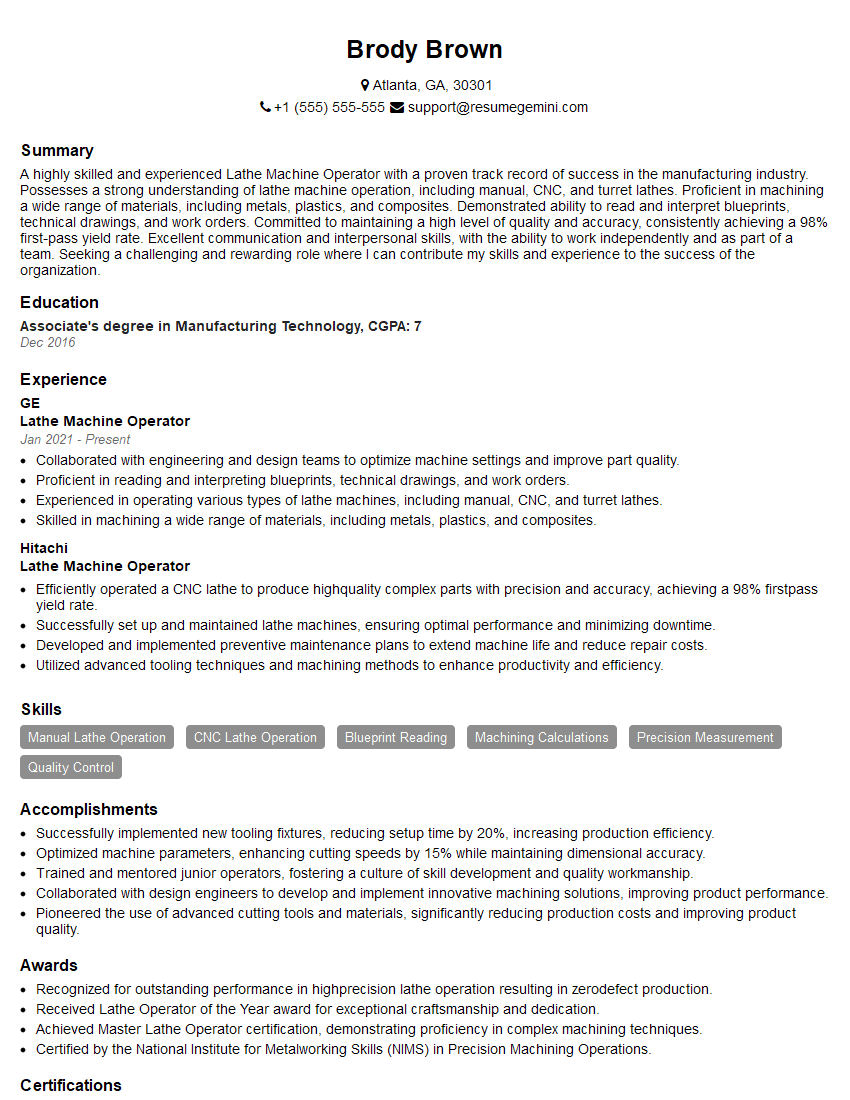
Lathe Machine Operator Resume Sample
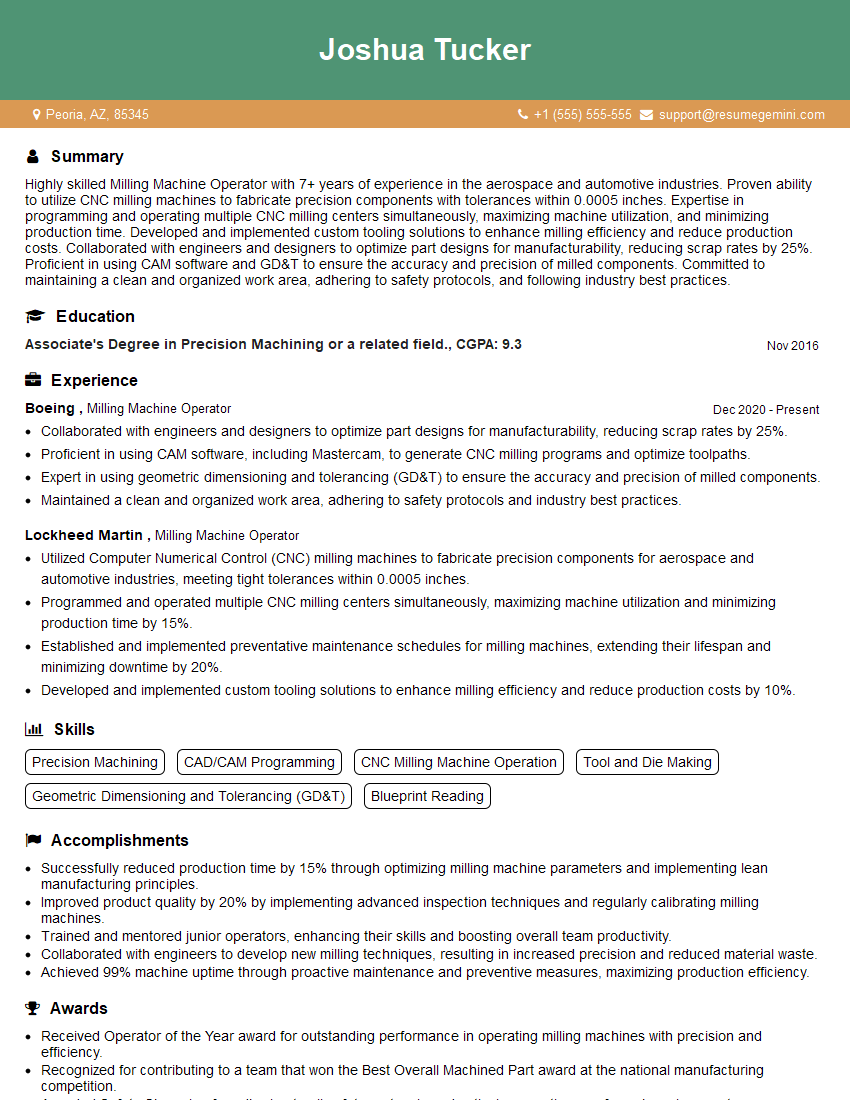
Milling Machine Operator Resume Sample
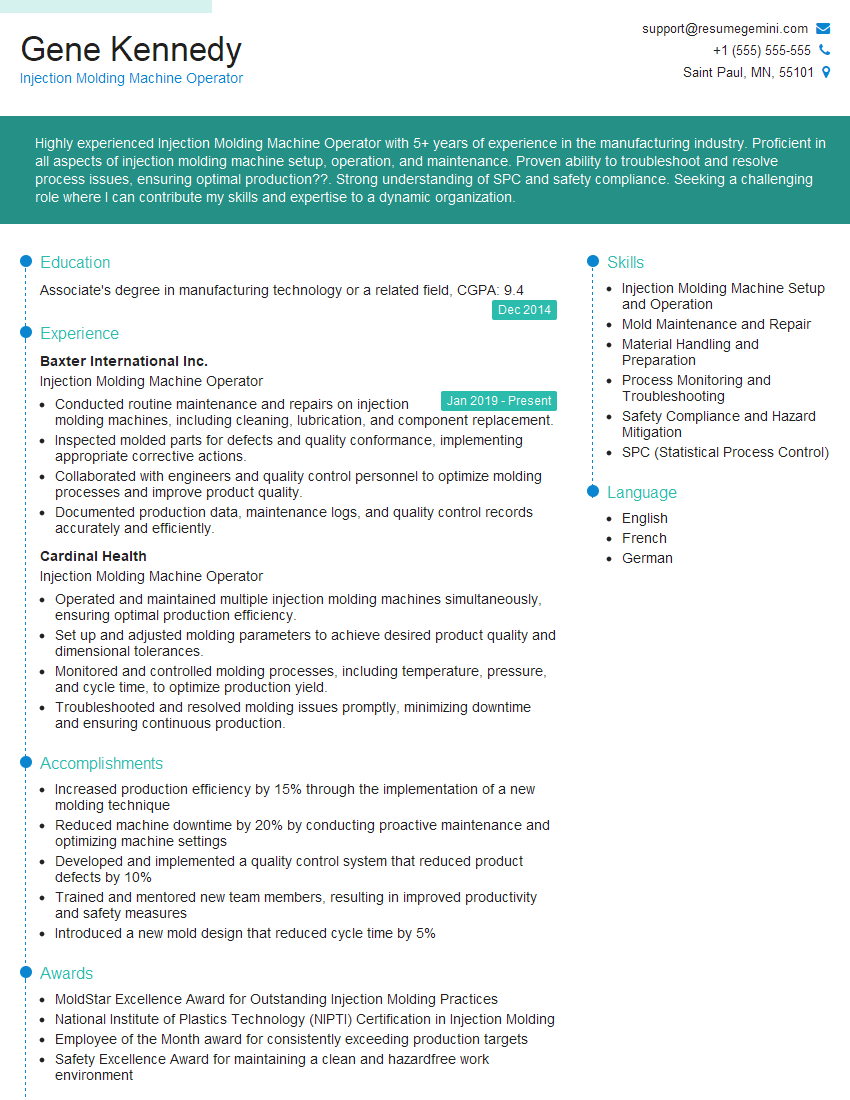
Injection Molding Machine Operator Resume Sample
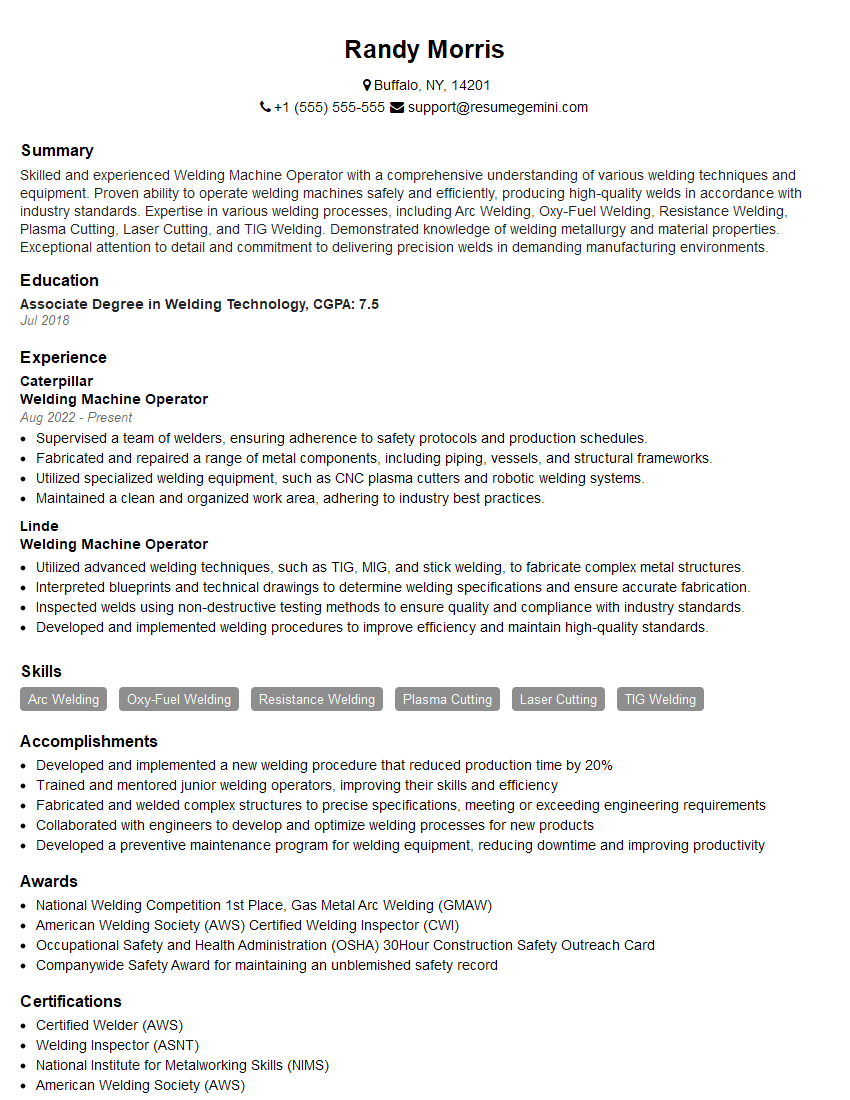
Welding Machine Operator Resume Sample
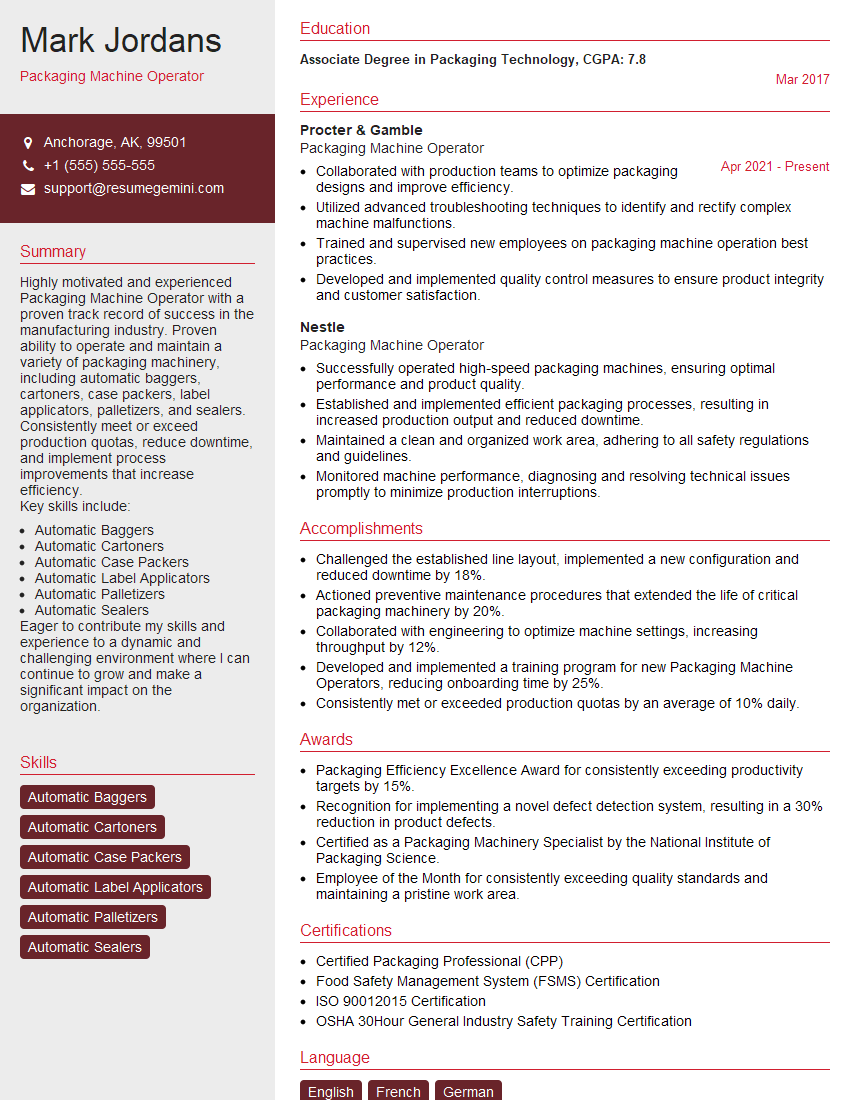
Packaging Machine Operator Resume Sample
Explore more articles
Users Rating of Our Blogs
Share Your Experience
We value your feedback! Please rate our content and share your thoughts (optional).
What Readers Say About Our Blog
To the interviewgemini.com Webmaster.
Very helpful and content specific questions to help prepare me for my interview!
Thank you
To the interviewgemini.com Webmaster.
This was kind of a unique content I found around the specialized skills. Very helpful questions and good detailed answers.
Very Helpful blog, thank you Interviewgemini team.