The thought of an interview can be nerve-wracking, but the right preparation can make all the difference. Explore this comprehensive guide to NECA Standards interview questions and gain the confidence you need to showcase your abilities and secure the role.
Questions Asked in NECA Standards Interview
Q 1. Explain the significance of NECA 1-2018.
NECA 1-2018, officially titled “Wiring Rules,” is the cornerstone of electrical safety and installation practices in many regions. It’s a comprehensive standard that dictates how electrical systems should be designed, installed, and maintained to ensure safety and compliance. Think of it as the bible for electrical work. Its significance lies in its role in preventing electrical hazards, ensuring consistent quality in installations, and providing a benchmark for regulatory bodies to enforce. This standard covers everything from basic wiring methods to complex industrial installations, impacting everything from residential homes to large commercial buildings.
For example, NECA 1-2018 specifies requirements for conductor sizing, protection devices (circuit breakers, fuses), grounding, and bonding, which all contribute to a safer and more reliable electrical system. Failure to adhere to its guidelines can lead to fires, electrocution, and equipment damage, highlighting its critical role in public safety and property protection.
Q 2. What are the key differences between NECA and NEC standards?
While both NECA (National Electrical Contractors Association) and NEC (National Electrical Code) are prominent in electrical standards, they have key differences. The NEC is a comprehensive code developed by the NFPA (National Fire Protection Association) that sets the minimum acceptable requirements for electrical installations. It’s adopted by most states and municipalities as law. NECA, on the other hand, develops standards that often go *beyond* the minimum requirements of the NEC, focusing on best practices and providing more detailed guidance for contractors. Think of the NEC as the floor and NECA as building a higher-quality structure on top.
A key difference is the target audience. The NEC aims to provide a safety framework for everyone involved in electrical work, while NECA standards primarily target electrical contractors, providing them with detailed best practices, installation techniques, and quality control measures to enhance safety, efficiency, and professionalism.
Q 3. Describe your experience with NECA article 100 definitions.
Article 100 of NECA standards provides essential definitions that are critical to interpreting and applying the rest of the standards. My experience includes extensive use of these definitions to ensure consistent understanding and interpretation across projects. For instance, understanding the precise definition of terms like “grounded conductor,” “equipment grounding conductor,” and “service” is crucial to correctly designing and installing grounding systems, protecting equipment, and ensuring worker safety.
I’ve found that a thorough understanding of Article 100 is paramount for conflict resolution and avoiding misunderstandings. Having a clear and consistent understanding of these definitions means we can all speak the same ‘electrical language,’ reducing ambiguity and potential errors on the job site. In one project, a dispute arose regarding the classification of a specific conductor. Referencing Article 100’s definitions clarified the situation, resulting in a swift and accurate resolution.
Q 4. How do NECA standards impact project budgeting and scheduling?
NECA standards significantly influence project budgeting and scheduling. Adherence to these standards often requires using higher-quality materials and more sophisticated installation techniques. This can lead to slightly higher initial costs, but this is easily offset by long-term benefits such as reduced maintenance, increased safety, and fewer costly repairs.
However, using superior components or methods could initially affect the budget. For example, specifying NECA-recommended cable types, which might be more expensive but offer improved performance and longevity, might increase the material costs. Similarly, the stricter guidelines for installation often necessitate more skilled labor and increased time. This is carefully planned and built into the project schedule and budget from the beginning.
Q 5. Explain the importance of grounding and bonding as per NECA standards.
Grounding and bonding, as per NECA standards, are essential safety measures designed to protect people and equipment from electrical hazards. Grounding connects non-current-carrying metal parts of equipment to the earth, providing a path for fault currents to flow to the ground, tripping circuit breakers and preventing shock or fire. Bonding connects metal parts within an electrical system to equalize their electrical potential, preventing voltage differences that could lead to dangerous shocks or arcing.
Think of grounding as a safety net. If a fault occurs, the current will flow to the ground instead of through a person, preventing electrocution. Bonding is like a unifying force that ensures all metal parts are at the same voltage, preventing dangerous voltage differences. Correct grounding and bonding are crucial for compliance with NECA standards and for overall electrical system safety. I’ve seen firsthand how meticulous adherence to these standards prevented serious incidents on multiple projects.
Q 6. How do you ensure compliance with NECA standards during a project?
Ensuring compliance with NECA standards is a multi-faceted process that begins with meticulous planning and continues throughout the project lifecycle. This includes selecting qualified personnel, ensuring they have proper training and certifications, and developing detailed project plans and specifications that explicitly reference relevant NECA articles and clauses. Regular inspections and quality checks are conducted at each stage of the installation to catch any deviations from the standards early.
We utilize detailed checklists, documented procedures, and regular team briefings to reinforce compliance. All materials are verified against specifications, and installations are checked using calibrated instruments to ensure they meet the required standards. Post-installation testing is carried out to verify the electrical system’s integrity and safety. Furthermore, we keep meticulous records to facilitate easy audits and demonstrate compliance. This proactive and documented approach minimizes risks and ensures smooth project execution while maintaining high safety standards.
Q 7. What are the implications of non-compliance with NECA standards?
Non-compliance with NECA standards carries significant implications, including legal liability, financial penalties, insurance issues, and, most importantly, potential injury or death. In the event of an electrical incident resulting from non-compliance, the responsible parties can face lawsuits with potentially devastating financial consequences. Insurance companies may refuse coverage or significantly increase premiums for non-compliant installations.
Beyond the legal and financial aspects, non-compliance can damage the reputation of the contractors and stakeholders involved, affecting their credibility and future opportunities. It’s crucial to remember that compliance with NECA standards isn’t just about avoiding penalties; it’s about ensuring the safety and well-being of everyone who interacts with the electrical system. Preventing accidents through rigorous adherence to these standards is the primary goal.
Q 8. Describe your experience with NECA safety standards.
My experience with NECA safety standards spans over 15 years, encompassing various roles from field electrician to project manager and senior consultant. I’ve been directly involved in the implementation and enforcement of these standards on numerous large-scale projects, ranging from commercial high-rises to industrial facilities. This experience includes thorough familiarity with NECA 100, the National Electrical Code (NEC) and their interpretations, as well as practical application of safety regulations concerning electrical installations, maintenance, and testing. I’ve also conducted numerous safety training sessions for electrical workers, emphasizing the importance of adhering to NECA guidelines to prevent accidents and ensure compliance.
For instance, on a recent data center project, my team utilized NECA 100 to define safe work practices during high-voltage cable termination, significantly reducing the risks associated with this critical task. My expertise extends to understanding the nuances of arc flash hazard analysis and mitigation, incorporating NECA recommendations into our safety plans to minimize potential harm to personnel.
Q 9. How do you handle discrepancies between NECA and local codes?
When discrepancies arise between NECA standards and local codes, a tiered approach is crucial. First, I meticulously review both documents to pinpoint the exact areas of conflict. This often involves identifying the specific sections or clauses within each document that are at odds. Next, I determine the scope of the discrepancy: Is it a minor difference in wording or a significant conflict in the requirements?
If the difference is minor, and does not affect safety or compliance, I would usually prioritize the more stringent code—whether NECA or local—to ensure maximum protection. However, for significant conflicts, I would initiate discussions with relevant stakeholders including the Authority Having Jurisdiction (AHJ), the project engineers, and other experts. The goal is to reach a consensus on a solution that satisfies both NECA requirements and local regulations while upholding the highest safety standards. Often, a well-documented justification based on engineering principles and code interpretations can resolve these conflicts.
For example, I once encountered a situation where NECA’s requirements on grounding differed slightly from the local code. After thorough analysis and consultations, we opted to use a hybrid approach incorporating elements from both documents, resulting in a solution that met all requirements while ensuring optimal ground fault protection.
Q 10. Explain your understanding of NECA’s role in the electrical industry.
NECA, the National Electrical Contractors Association, plays a vital role in shaping the electrical industry’s safety and best practices. They are instrumental in developing and maintaining the NECA standards, which are widely accepted and used by electrical contractors, engineers, and safety professionals across the United States. These standards contribute to improved worker safety, consistent project execution, and overall reliability of electrical systems.
NECA’s influence extends beyond standards development. They are actively involved in advocacy, training, and education within the electrical community, promoting professionalism and ongoing skill development. They effectively bridge the gap between regulatory bodies, industry professionals, and workers, ensuring consistent understanding and adherence to safe practices. Ultimately, NECA fosters a safer and more efficient electrical industry by providing comprehensive guidelines and promoting continuous improvement.
Q 11. Describe a situation where you had to interpret complex NECA requirements.
During the construction of a large hospital complex, we encountered complex requirements regarding the installation of emergency power systems. NECA standards detailed stringent specifications for redundancy, fail-safe mechanisms, and testing procedures. The complexity stemmed from the critical nature of the system, which needed to ensure uninterrupted power supply to life support equipment.
To interpret these requirements, we formed a team including myself, a senior engineer, and a representative from the AHJ. We meticulously reviewed the relevant sections of NECA standards, cross-referencing them with the hospital’s specific needs and the local codes. We created detailed design documentation, ensuring complete compliance with all requirements. This included a comprehensive testing and commissioning plan, outlining procedures to validate the system’s proper operation and backup capabilities. This multi-faceted approach ensured compliance, safety, and the smooth completion of this critical aspect of the project.
Q 12. How do you stay updated on changes and revisions to NECA standards?
Staying abreast of changes and revisions to NECA standards is essential for maintaining professional competence. I employ a multi-pronged strategy to achieve this. First, I actively subscribe to NECA’s publications and newsletters, receiving updates on any modifications or new releases. I also regularly attend industry conferences and workshops, engaging with experts and learning about the latest developments and interpretations.
Furthermore, I maintain professional memberships in relevant organizations such as IEEE and NFPA, gaining access to technical resources, journals, and training opportunities. Finally, I utilize online resources, including reputable industry websites and online databases, to check for any recent announcements or revisions of the standards. This comprehensive approach ensures that my knowledge of NECA standards remains current and relevant to the ever-evolving landscape of the electrical industry.
Q 13. What is your approach to resolving conflicts concerning NECA interpretations?
Resolving conflicts regarding NECA interpretations requires a methodical and collaborative approach. My first step is to carefully document the specific points of contention, clearly articulating the different interpretations being considered.
Then, I gather all relevant documentation, including the specific NECA standards, any applicable local codes, and the project specifications. I engage in open and respectful dialogue with all involved parties, including engineers, contractors, and the AHJ. The goal is to seek a shared understanding of the situation and to explore different interpretations of the requirements, emphasizing the importance of safety and compliance.
If a consensus can’t be reached through discussions, I advocate for a formal review process involving experienced electrical engineers or a qualified dispute resolution mechanism. Ultimately, the aim is to achieve a solution that upholds the integrity of the NECA standards while ensuring the safety and functionality of the electrical system.
Q 14. How familiar are you with NECA’s recommended practices?
I am very familiar with NECA’s recommended practices, recognizing their significant role in complementing the formal standards. While the standards establish minimum requirements, the recommended practices offer valuable guidance on best practices, providing insights into optimal design, installation, and maintenance techniques. This information promotes higher-quality work, improved safety, and increased efficiency.
For example, NECA’s recommendations on cable management and termination techniques not only enhance the lifespan and reliability of the electrical systems but also improve worker safety during installation and maintenance. My experience shows that integrating these recommendations into projects minimizes potential problems and results in safer and more effective electrical installations. I believe that understanding and implementing these practices showcases a commitment to excellence and professionalism in the electrical industry.
Q 15. Describe your experience with NECA standard drawings and specifications.
My experience with NECA standard drawings and specifications is extensive, spanning over 15 years in the electrical construction industry. I’ve worked on projects ranging from small commercial renovations to large-scale industrial installations, consistently relying on NECA standards to ensure design accuracy, code compliance, and efficient project execution. I’m proficient in interpreting NECA’s detailed drawings, understanding the symbology, and applying the specified installation methods. For example, I’ve frequently used NECA’s specifications for conduit bending, wire sizing, and grounding techniques to ensure installations meet safety and performance requirements. This includes familiarity with various NECA publications like the National Electrical Code (NEC) and other industry-specific guidelines.
I’m not just familiar with reading the drawings, but also understand the implications of variations and deviations. I can assess the impact of design changes on the overall project, identifying potential conflicts and proposing cost-effective solutions while maintaining compliance.
Career Expert Tips:
- Ace those interviews! Prepare effectively by reviewing the Top 50 Most Common Interview Questions on ResumeGemini.
- Navigate your job search with confidence! Explore a wide range of Career Tips on ResumeGemini. Learn about common challenges and recommendations to overcome them.
- Craft the perfect resume! Master the Art of Resume Writing with ResumeGemini’s guide. Showcase your unique qualifications and achievements effectively.
- Don’t miss out on holiday savings! Build your dream resume with ResumeGemini’s ATS optimized templates.
Q 16. How do you incorporate NECA standards into your project planning process?
Incorporating NECA standards into project planning is fundamental to my approach. It begins during the initial estimating phase, where I meticulously review the project blueprints and specifications to identify the relevant NECA articles. This ensures accurate material take-offs and labor estimations. Next, the chosen NECA standards directly influence the scheduling of tasks, ensuring proper sequencing for installations. For example, when working with high-voltage systems, we always adhere to strict NECA safety protocols, which are integrated into our safety meetings and training.
The standards also dictate our procurement strategy; we specify materials according to NECA guidelines to ensure compatibility and quality. Finally, NECA’s standards form the basis of our quality control checks during and after installation. This systematic incorporation minimizes rework, delays, and costly errors, leading to smoother project execution.
Q 17. What are the benefits of adhering to NECA standards?
Adhering to NECA standards offers a multitude of benefits. Primarily, it ensures safety, protecting both workers and end-users from electrical hazards. Second, it guarantees code compliance, avoiding legal issues and potential fines. Third, it leads to consistency in project execution, resulting in predictable timelines and budgets. It also promotes efficiency by providing standardized methods and materials, reducing guesswork and decision-making time. For example, adhering to NECA’s recommended wire sizing prevents overheating and potential fires.
Furthermore, using NECA standards enhances project quality by promoting best practices and reducing errors. This translates to fewer costly revisions and improved client satisfaction. Ultimately, NECA compliance boosts the professional reputation of the entire team, demonstrating commitment to quality and professionalism.
Q 18. Explain your understanding of NECA’s contribution to electrical safety.
NECA plays a crucial role in electrical safety by establishing and promoting best practices that align with the National Electrical Code (NEC) and other relevant safety regulations. Their standards outline safe installation procedures, emphasizing proper grounding, bonding, and the use of appropriate protective equipment. NECA’s detailed specifications on things like arc flash mitigation, lockout/tagout procedures, and safe work practices are essential for preventing accidents and ensuring worker safety. For example, the standards specify requirements for personal protective equipment (PPE) appropriate for different voltage levels.
Beyond the standards themselves, NECA actively contributes to electrical safety through training programs, safety publications, and industry advocacy. They promote continuous improvement in safety measures and help to keep up with evolving technologies and risks.
Q 19. How do you utilize NECA resources to ensure project success?
I leverage various NECA resources to ensure project success, including their online publications, training materials, and technical support. The online standards provide quick access to the latest codes and guidelines, ensuring that our designs and installations comply with the most current requirements. NECA’s training programs help my team stay updated on industry best practices and evolving safety regulations. I often use the technical support channels provided by NECA to clarify ambiguities in standards or to seek advice on complex installations. This proactive use of resources minimizes the risk of errors and ensures that our work is efficient and safe.
For instance, during a recent project involving a complex data center installation, we used NECA’s technical support to resolve a cabling issue, preventing potential downtime and ensuring the project stayed on schedule.
Q 20. What specific NECA articles are most critical to your area of expertise?
The NECA articles most critical to my area of expertise (commercial and industrial electrical installations) include those covering grounding and bonding techniques (Chapter 9), raceway and cable installation (Chapter 3), and requirements for high-voltage installations. Specific articles often referenced include those detailing arc flash hazard analysis and mitigation strategies. Additionally, the articles related to safety procedures and work practices are of paramount importance in maintaining a safe work environment.
Furthermore, articles covering installation methods for various electrical equipment (e.g., switchgear, transformers, motor control centers) are frequently consulted. I regularly refer to NECA documents addressing specific technologies like fiber optic cabling and grounding for renewable energy systems.
Q 21. How do you communicate NECA compliance requirements to other team members?
Communicating NECA compliance requirements to team members is crucial for successful project execution. I use a multi-faceted approach. Firstly, I hold regular project meetings where I review the relevant NECA articles and highlight specific requirements pertinent to individual tasks. Secondly, I provide each team member with a copy of the project’s relevant NECA standards, clearly outlining their responsibilities. Thirdly, I use visual aids like diagrams and checklists to explain complex procedures and ensure everyone understands the safety protocols and installation methods.
For example, before starting a job involving high-voltage work, I conduct a thorough safety briefing, outlining the necessary PPE, lockout/tagout procedures, and other NECA-mandated safety protocols. This layered communication ensures that everyone is aware of, understands, and adheres to NECA compliance requirements, promoting a culture of safety and professionalism.
Q 22. Describe a challenging situation involving NECA standards that you overcame.
One challenging situation involved a project where a subcontractor was using outdated wiring methods that didn’t comply with the latest NECA standards. This posed a significant safety risk and could have resulted in costly rework. To overcome this, I first initiated a thorough review of the subcontractor’s work, documenting all non-compliant aspects with clear photographic evidence and referencing the specific NECA article violated. I then held a meeting with the subcontractor’s project manager, explaining the safety and code compliance issues in a non-confrontational way, focusing on the potential consequences. We collaboratively developed a remediation plan, outlining the necessary changes and setting a revised timeline. This involved training their electricians on the updated standards and closely monitoring their progress. The key was clear, professional communication and a focus on collaborative problem-solving to ensure both compliance and project completion. The project was successfully completed on time and without incident, demonstrating the value of proactive NECA compliance.
Q 23. What is your process for reviewing and approving NECA-compliant work?
My review and approval process for NECA-compliant work is a multi-step procedure. It begins with a thorough review of the design documents ensuring alignment with the relevant NECA standards. Then, I conduct site visits at key stages of the project, observing installation methods and inspecting the work against the approved designs and the standards. This includes checking documentation, such as test reports and material certifications, to ensure all components meet NECA requirements. I utilize checklists tailored to the specific NECA articles applicable to the project. Finally, upon satisfactory completion of all inspections and reviews, I provide a formal written approval, highlighting any minor deviations and corrective actions if needed. This meticulous process ensures both compliance and quality throughout the project lifecycle. Think of it like a quality control process, but specifically tailored to the nuances of electrical installation.
Q 24. How do NECA standards relate to OSHA regulations?
NECA standards and OSHA regulations are closely related, though not directly interchangeable. OSHA sets overall safety standards for the workplace, while NECA provides more specific guidelines for electrical installation. NECA compliance often directly contributes to OSHA compliance, as adherence to NECA’s best practices inherently reduces many of the hazards OSHA aims to prevent. For instance, NECA standards specifying proper grounding techniques directly address OSHA requirements for electrical safety. Essentially, NECA can be considered a specialized subset of the broader occupational safety standards mandated by OSHA. Meeting NECA standards frequently means you’re on a strong path towards OSHA compliance, but it’s crucial to understand that OSHA has broader responsibilities encompassing many aspects beyond just electrical work.
Q 25. Explain how NECA standards contribute to project quality.
NECA standards significantly contribute to project quality by providing a framework for consistent, reliable, and safe electrical installations. They promote best practices, ensuring that the work is performed according to industry-accepted norms. This translates to improved system performance, reduced maintenance costs, and extended system lifespan. For example, following NECA’s wiring methods ensures optimal current flow, minimizing energy loss and preventing overheating. Adherence to the standards for testing and inspection ensures the system’s integrity and safety. In essence, NECA standards act as a blueprint for quality, resulting in a more efficient, reliable, and safer electrical system.
Q 26. Describe your experience working with different versions of NECA standards.
I have extensive experience working with various versions of NECA standards, recognizing that each update often incorporates new technologies and safety enhancements. My approach involves thoroughly researching and understanding the differences between versions when working on projects with varying compliance requirements. Sometimes, a project might require adherence to an older standard based on the existing infrastructure. Understanding the nuances of each version, such as changes in wiring methods, grounding requirements, or testing procedures, is crucial for proper code compliance. I often use cross-referencing tools and past project documentation to ensure seamless transitions between different NECA versions. This experience has taught me the importance of continuous professional development to keep abreast of the latest changes and best practices in the field.
Q 27. What software or tools do you use to ensure NECA compliance?
To ensure NECA compliance, I utilize a combination of software and tools. This includes specialized electrical design software that automatically checks for code compliance based on the selected NECA standard. I also use test equipment such as multimeters, insulation testers, and ground fault circuit interrupters (GFCI) testers to verify the installation’s performance and safety. Additionally, I rely heavily on digital documentation and project management software for tracking compliance, storing test results, and maintaining a record of inspections. These tools, along with meticulously maintained checklists, enable a streamlined and efficient process for ensuring NECA compliance at each project stage. Imagine them as your digital assistants, helping manage the intricacies of NECA compliance.
Q 28. How do you balance cost-effectiveness with NECA compliance?
Balancing cost-effectiveness with NECA compliance requires a strategic approach. While strict adherence to the standards is paramount for safety and quality, unnecessary expenses should be avoided. This involves careful planning and design, selecting appropriate materials and methods, and proactively identifying potential compliance issues early on. For instance, using cost-effective materials that still meet the NECA specifications can significantly reduce project costs without compromising safety. Effective project management and meticulous documentation help minimize rework and delays, which can be major cost drivers. The key is to approach NECA compliance not as an added expense, but rather as an investment in long-term cost savings through reduced risks, improved efficiency, and the avoidance of costly corrections down the line.
Key Topics to Learn for NECA Standards Interview
- Wiring Methods and Design: Understand the various wiring methods outlined in the NECA standards, including conduit bending, cable sizing, and grounding techniques. Be prepared to discuss practical applications in different building scenarios.
- Safety Regulations and Compliance: Master the safety regulations and compliance procedures detailed in NECA standards. This includes OSHA regulations and best practices for working with electricity. Be ready to discuss real-world examples of how these standards prevent accidents.
- Electrical Calculations and Power Systems: Develop a strong understanding of electrical calculations, including voltage drop, power factor correction, and load calculations. Be able to apply these concepts to practical design and troubleshooting scenarios.
- National Electrical Code (NEC) Integration: Demonstrate a thorough understanding of how NECA standards integrate with and interpret the NEC. Be prepared to discuss the nuances and potential overlaps.
- Troubleshooting and Diagnostics: Practice troubleshooting common electrical problems using systematic approaches based on NECA standards and best practices. Be ready to explain your problem-solving methodology.
- Documentation and Reporting: Understand the importance of accurate and complete documentation in accordance with NECA standards. This includes as-built drawings, test results, and other relevant paperwork.
Next Steps
Mastering NECA Standards is crucial for career advancement in the electrical industry. A deep understanding of these standards demonstrates your commitment to safety, efficiency, and professionalism, making you a highly sought-after candidate. To maximize your job prospects, it’s essential to create an ATS-friendly resume that highlights your skills and experience effectively. ResumeGemini is a trusted resource that can help you build a compelling resume that showcases your NECA Standards expertise. We provide examples of resumes tailored to the NECA Standards to guide you in creating your own professional and impactful document.
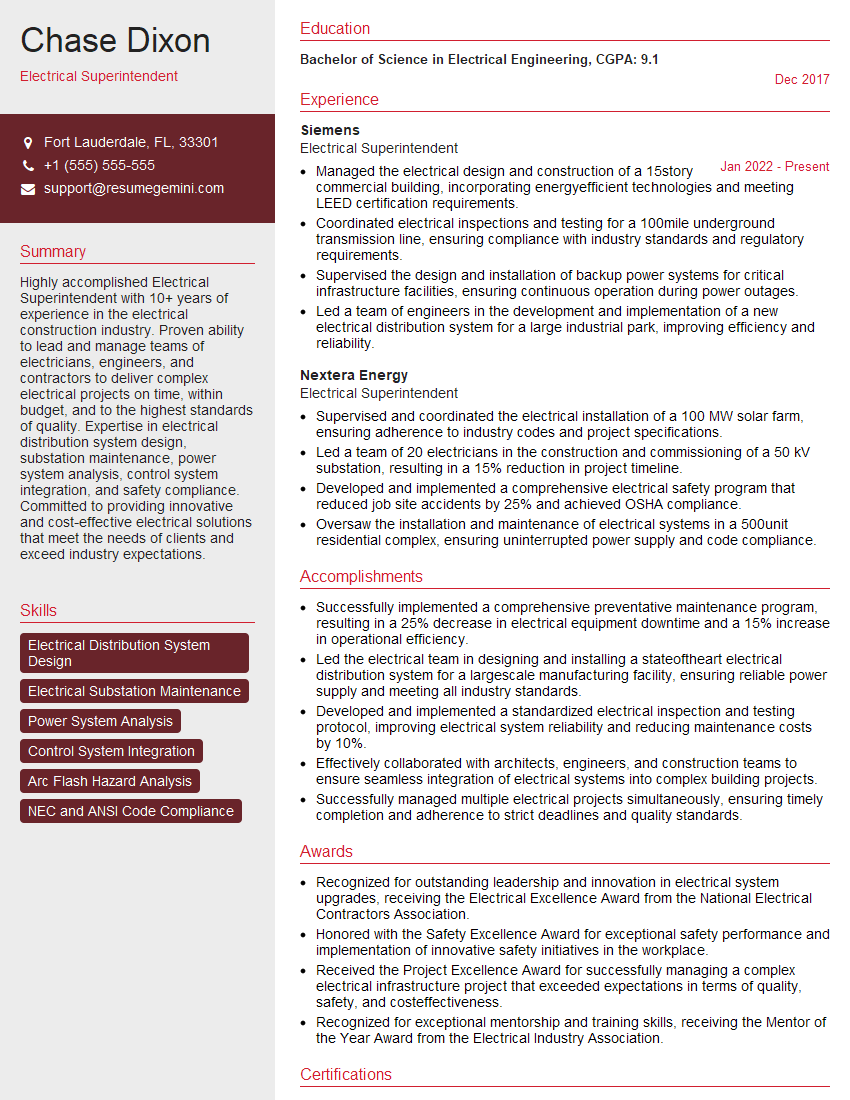
Electrical Superintendent Resume Sample
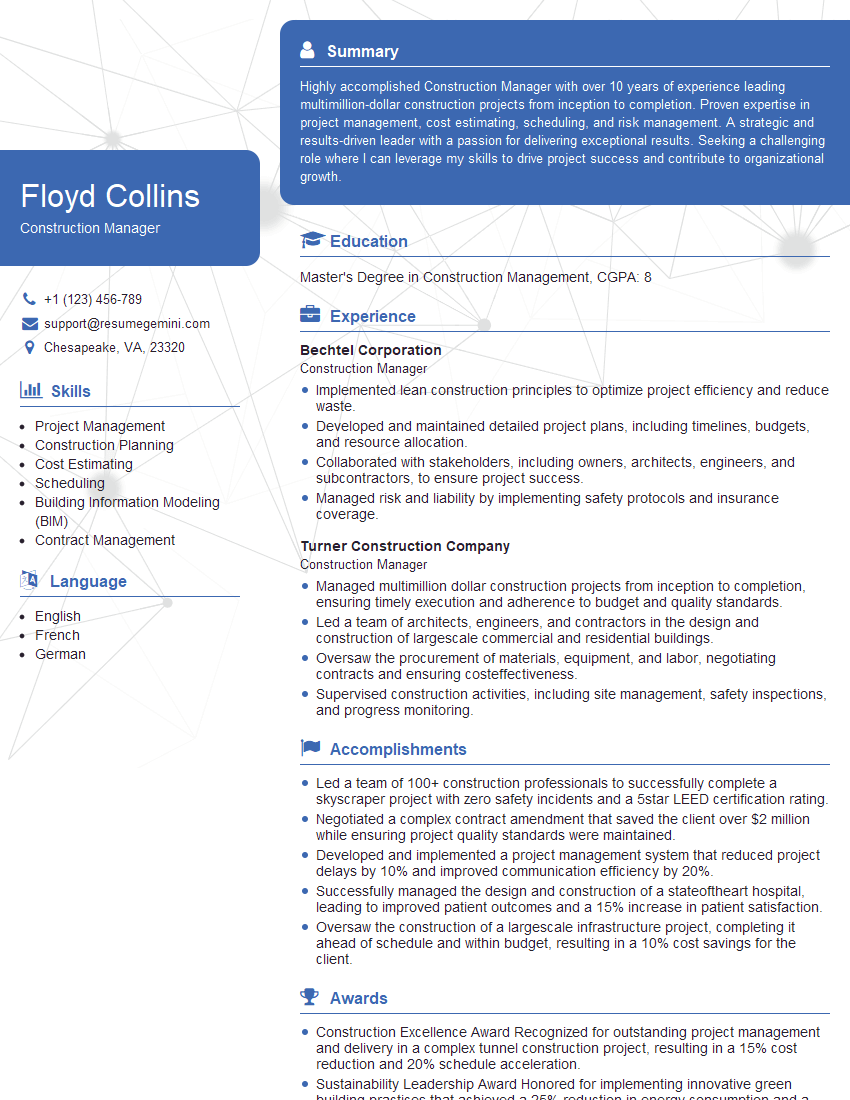
Construction Manager Resume Sample

Project Manager Resume Sample

Compliance Officer Resume Sample
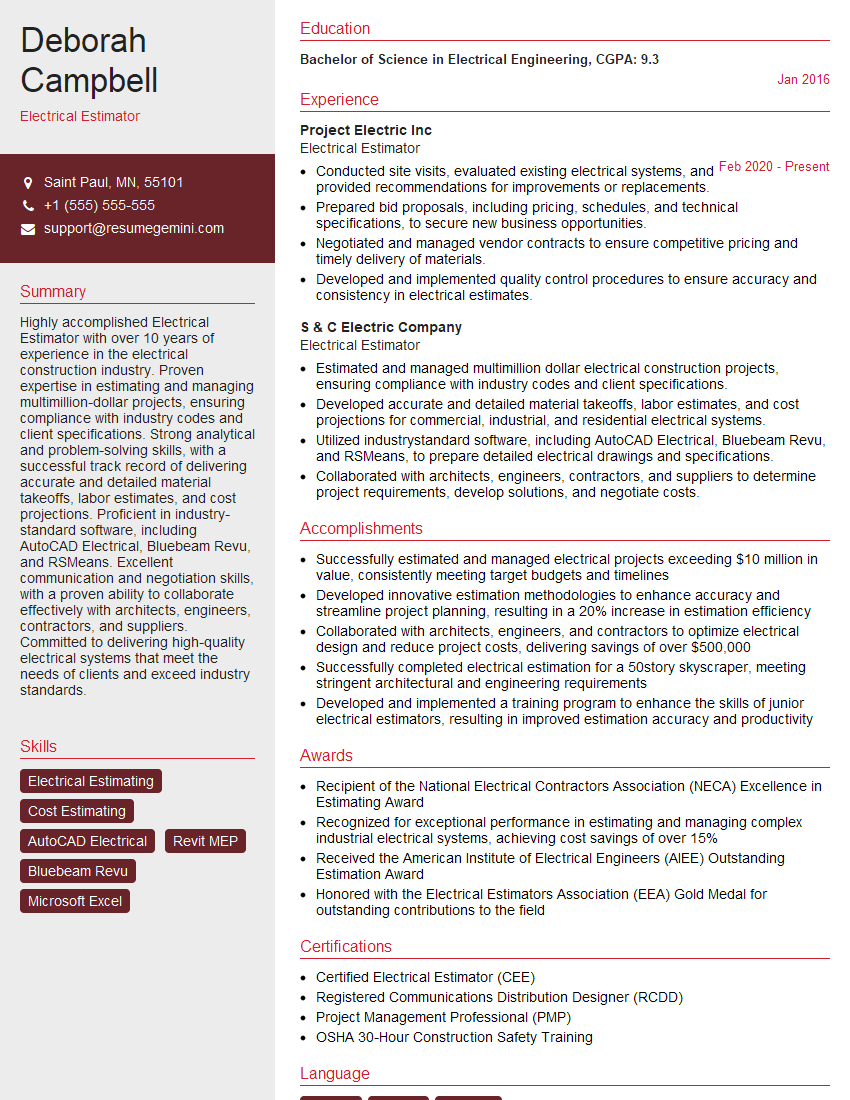
Electrical Estimator Resume Sample
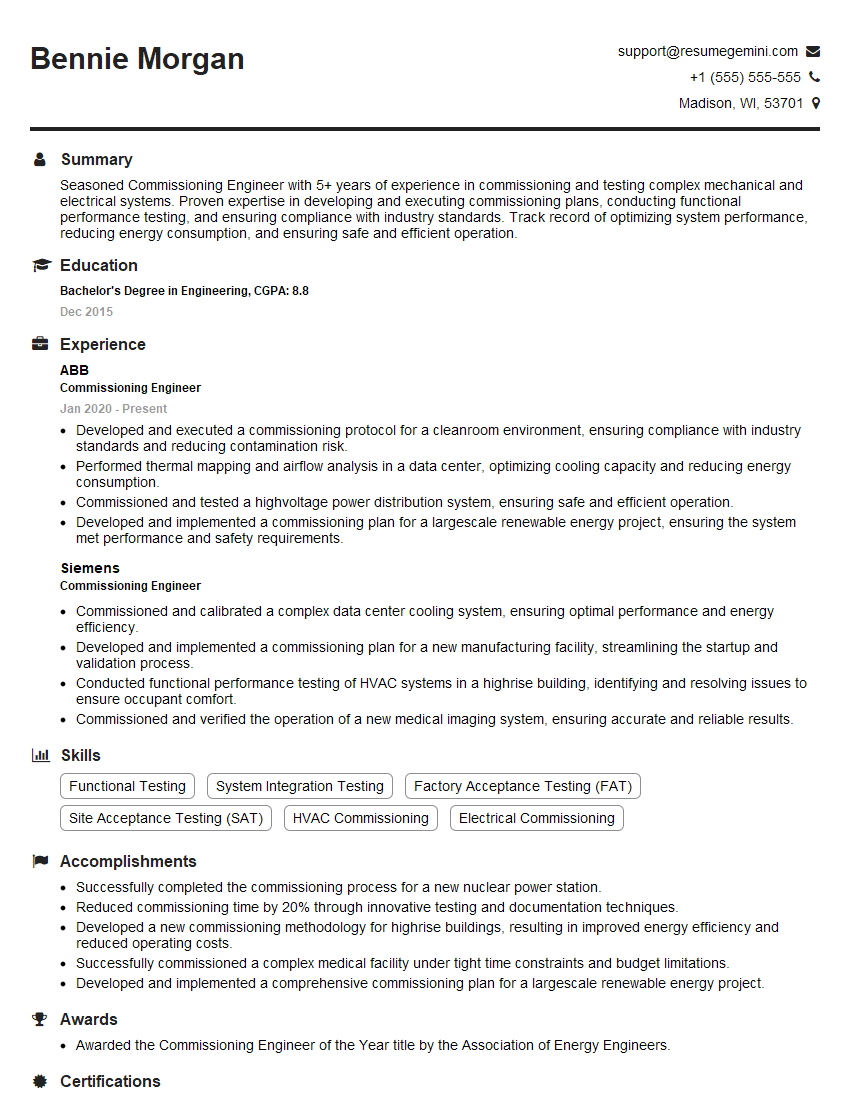
Commissioning Engineer Resume Sample
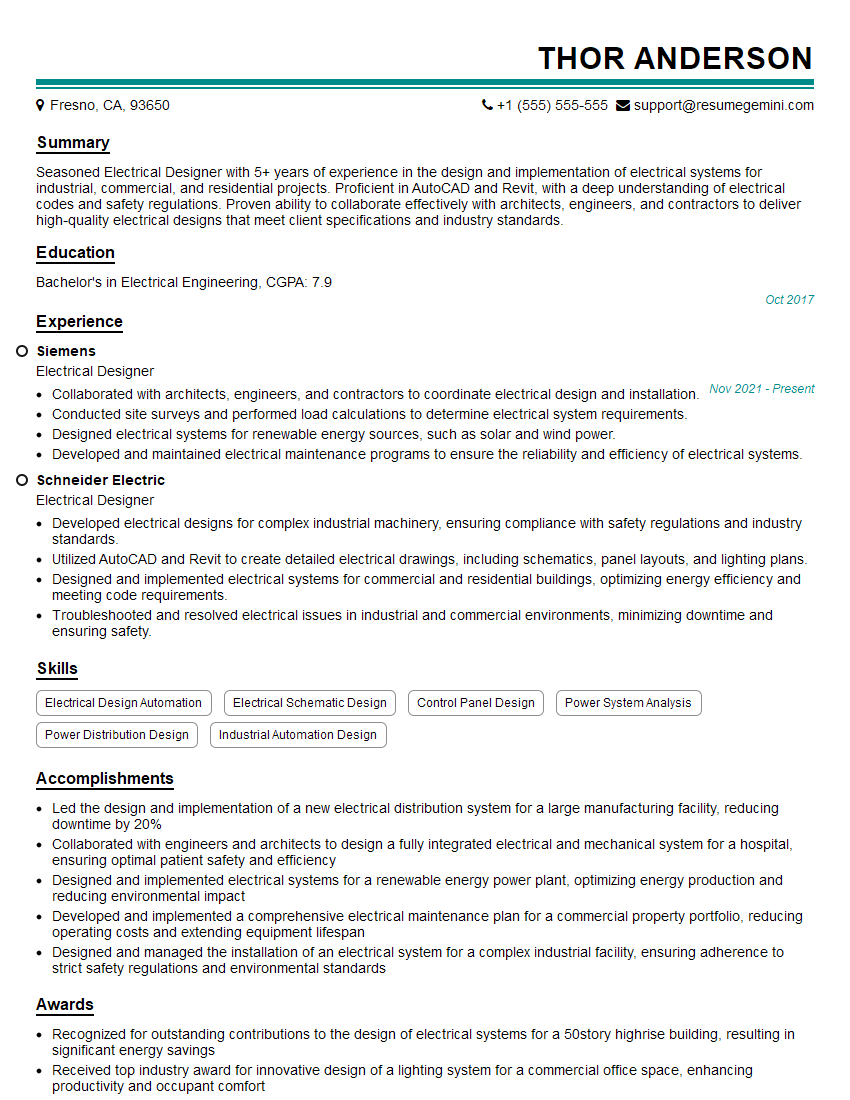
Electrical Designer Resume Sample
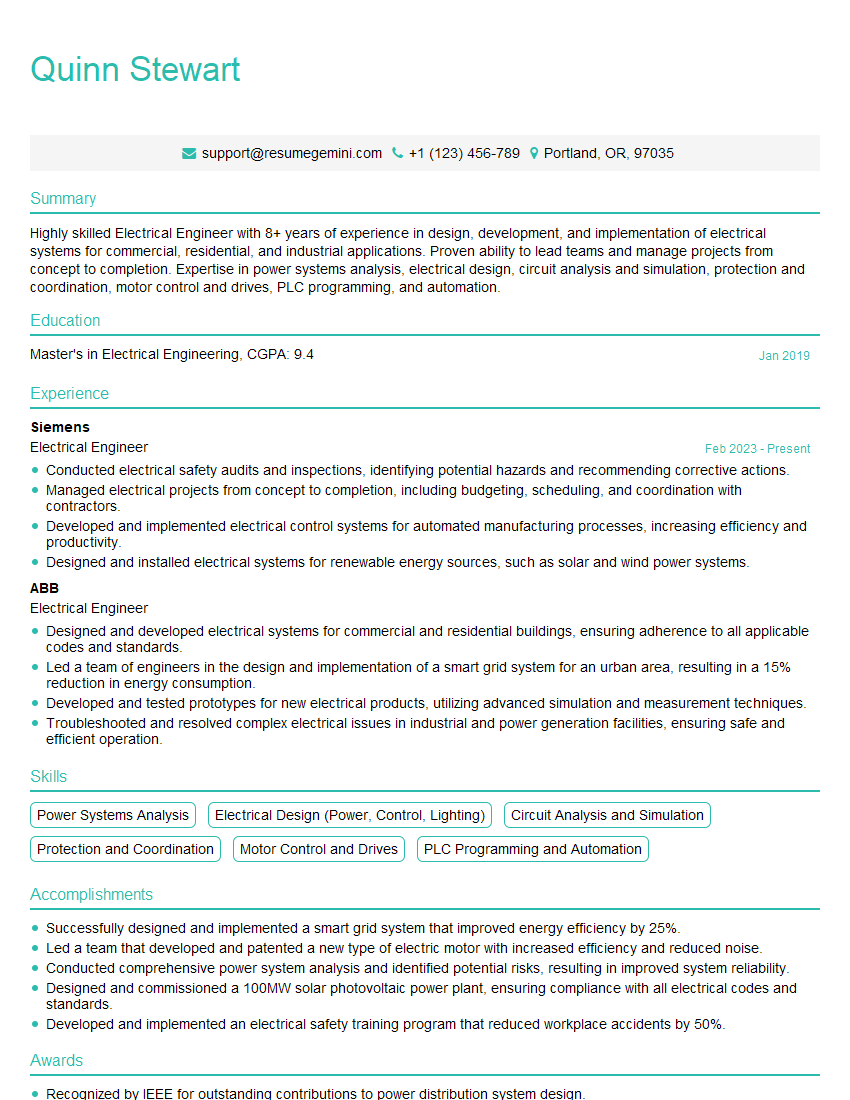
Electrical Engineer Resume Sample
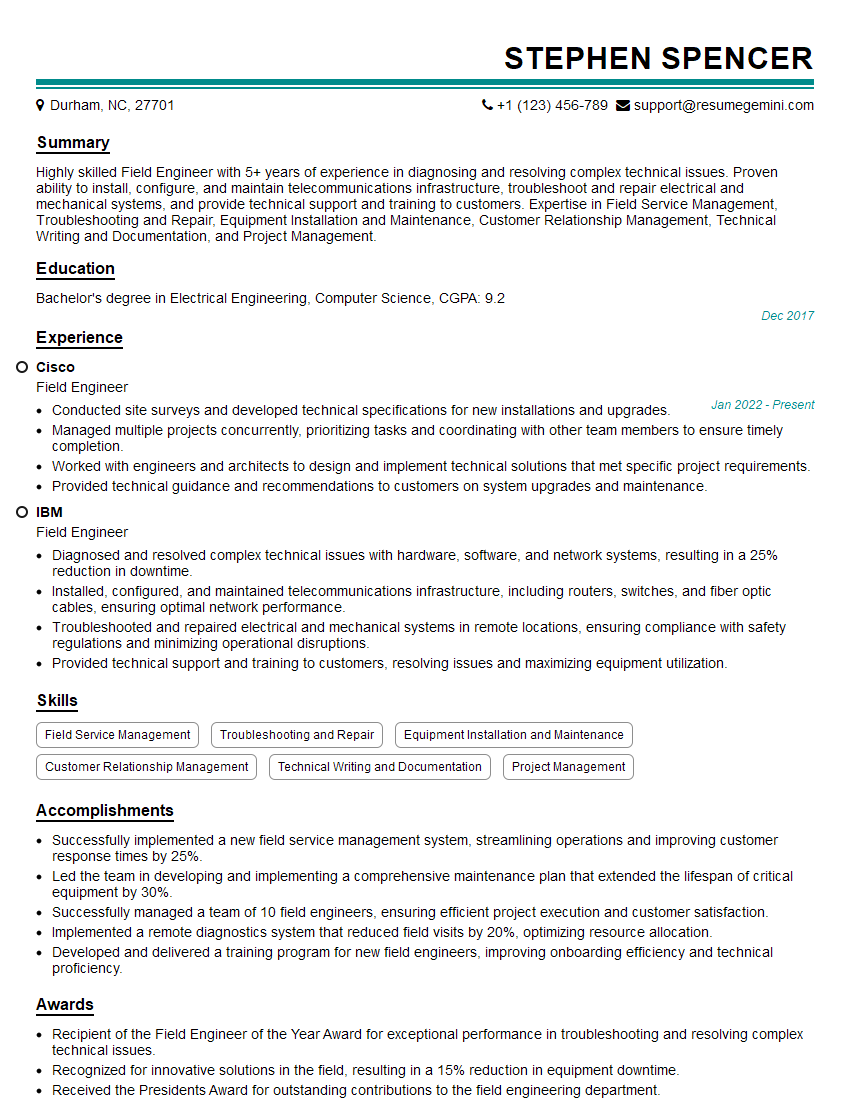
Field Engineer Resume Sample
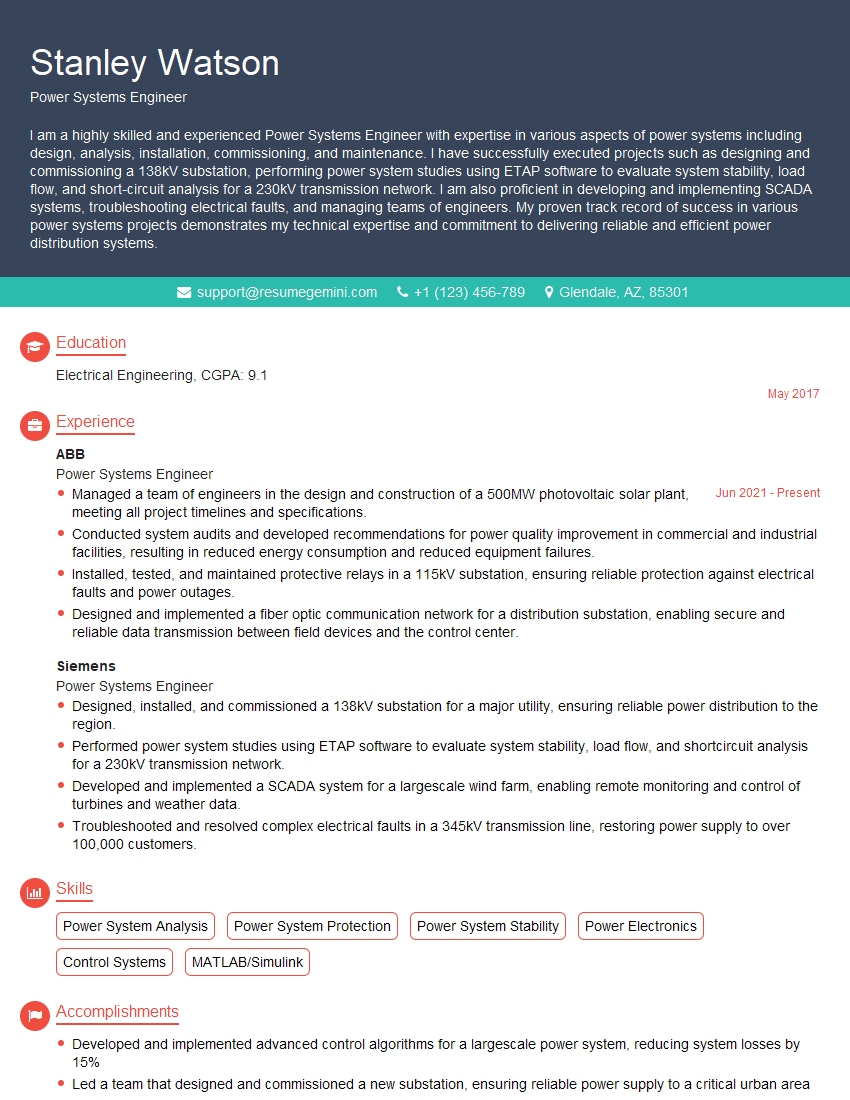
Power Systems Engineer Resume Sample
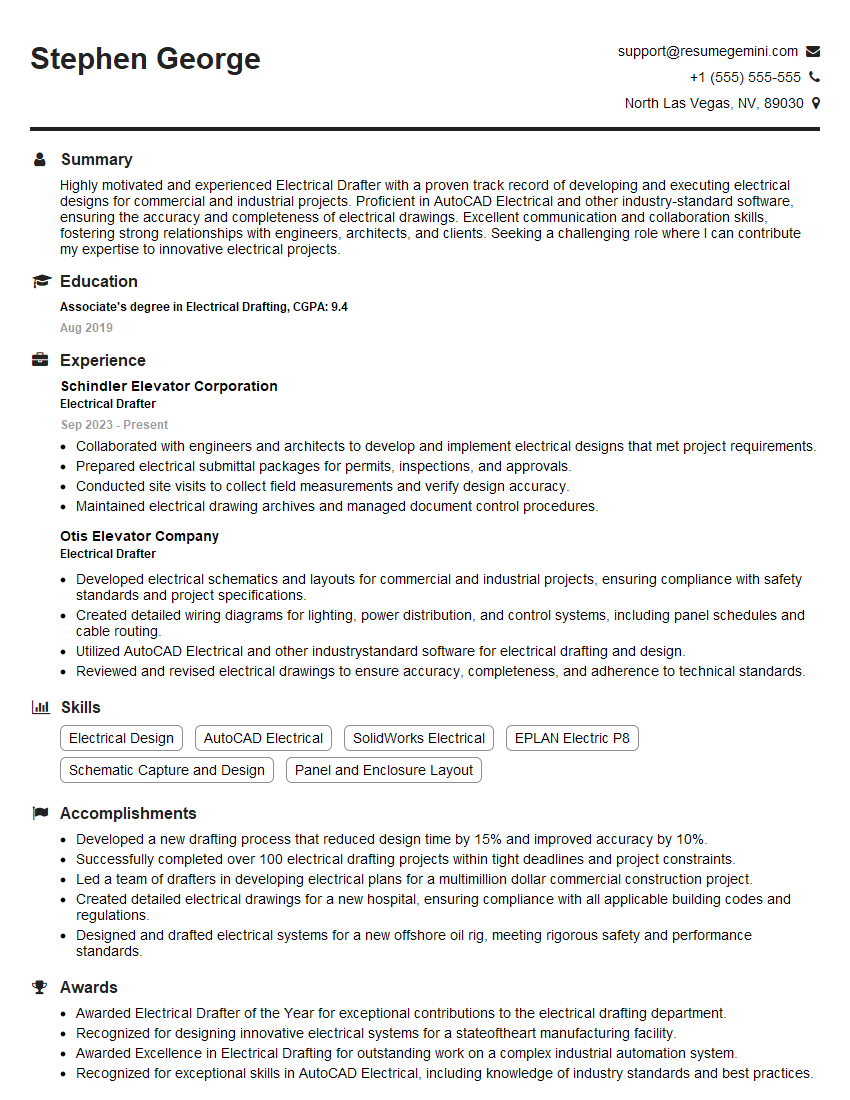
Electrical Drafter Resume Sample

Safety Officer Resume Sample
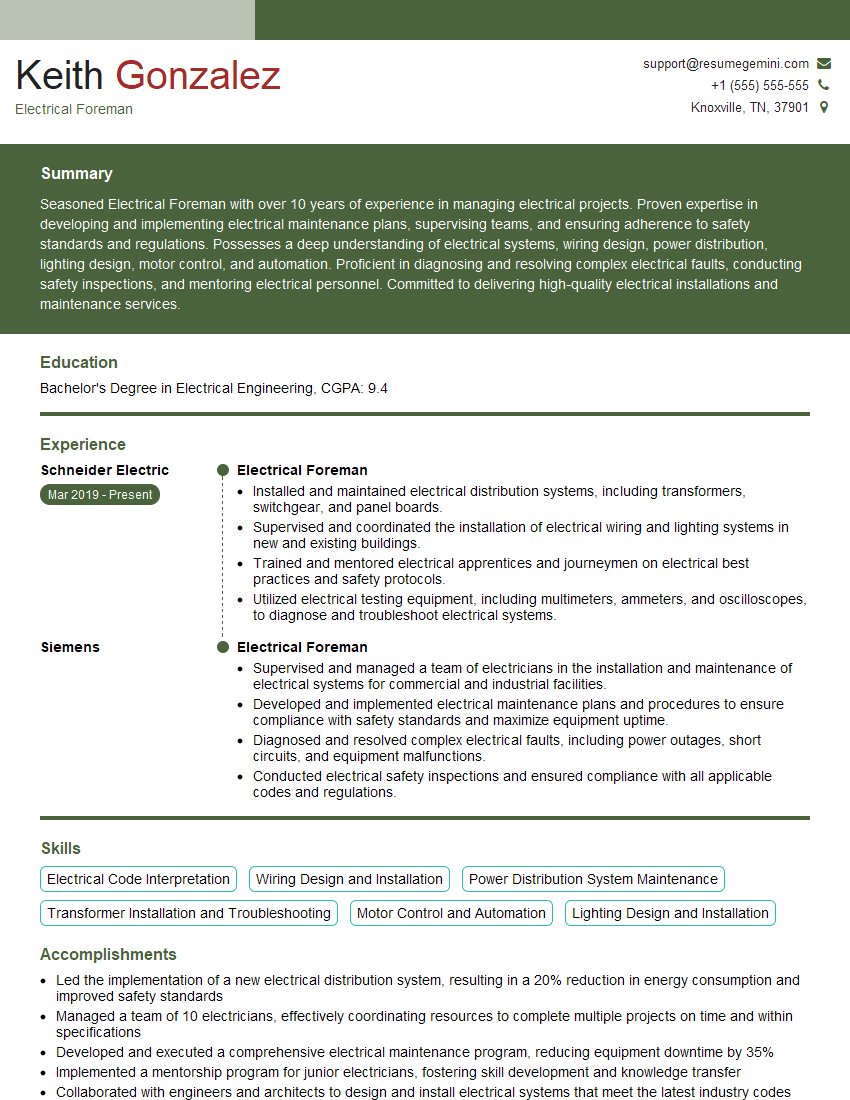
Electrical Foreman Resume Sample
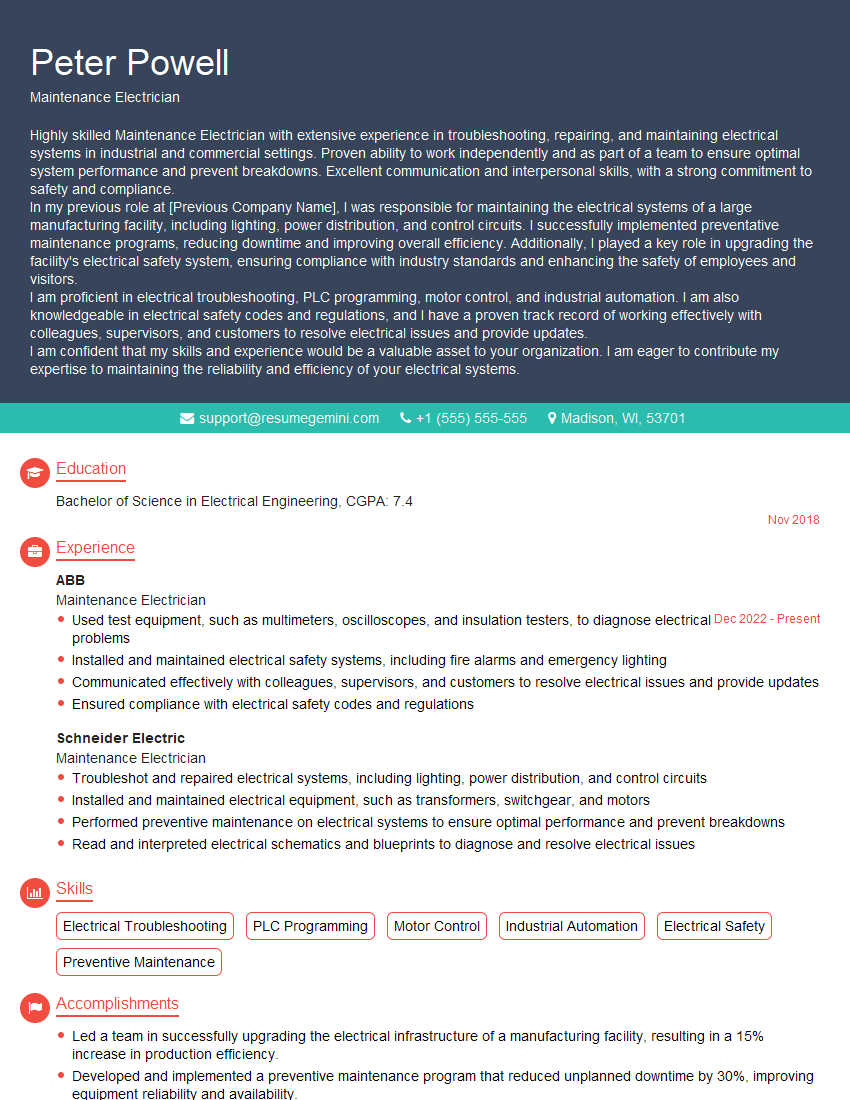
Maintenance Electrician Resume Sample
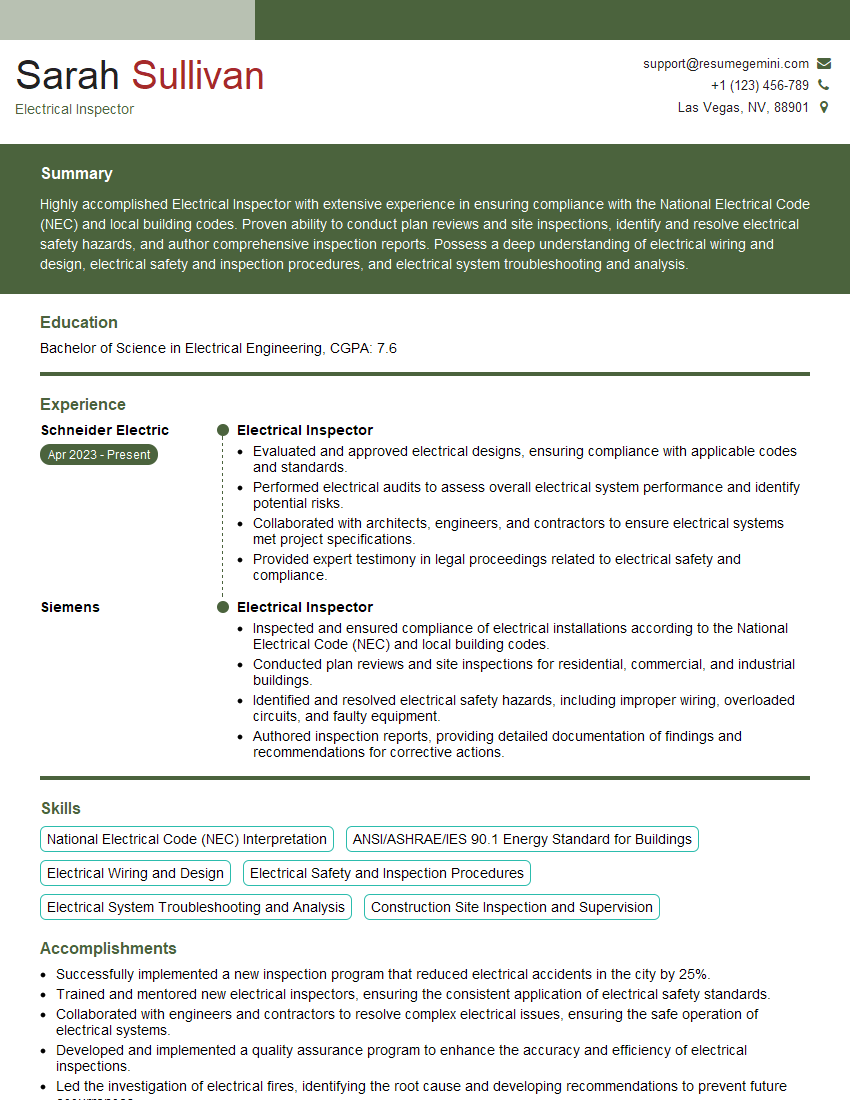
Electrical Inspector Resume Sample
- Electrical Superintendent
- Construction Manager
- Project Manager
- Compliance Officer
- Electrical Estimator
- Commissioning Engineer
- Electrical Designer
- Electrical Engineer
- Field Engineer
- Power Systems Engineer
- Electrical Drafter
- Safety Officer
- Electrical Foreman
- Maintenance Electrician
- Electrical Inspector
Explore more articles
Users Rating of Our Blogs
Share Your Experience
We value your feedback! Please rate our content and share your thoughts (optional).
What Readers Say About Our Blog
To the interviewgemini.com Webmaster.
Very helpful and content specific questions to help prepare me for my interview!
Thank you
To the interviewgemini.com Webmaster.
This was kind of a unique content I found around the specialized skills. Very helpful questions and good detailed answers.
Very Helpful blog, thank you Interviewgemini team.