Unlock your full potential by mastering the most common Neurological Assessment and Management interview questions. This blog offers a deep dive into the critical topics, ensuring you’re not only prepared to answer but to excel. With these insights, you’ll approach your interview with clarity and confidence.
Questions Asked in Neurological Assessment and Management Interview
Q 1. Describe the process of performing a neurological examination.
A neurological examination is a systematic process used to assess the function of the nervous system. It’s like a detective investigating a crime scene, meticulously examining each clue to pinpoint the source of a problem. The examination typically follows a structured approach, moving from a general assessment to more focused evaluations based on initial findings.
- Mental Status: This assesses level of consciousness, orientation, attention, memory, and cognitive function. Imagine asking a patient their name, location, and the current date – simple tasks revealing significant information.
- Cranial Nerves: This involves testing the 12 pairs of cranial nerves, each responsible for specific functions like eye movement, facial expression, hearing, and swallowing. For instance, testing the optic nerve involves assessing visual acuity and visual fields.
- Motor System: This examines muscle strength, tone, bulk, and coordination. We assess things like muscle power (how strong a patient’s grip is), reflexes (knee-jerk reflex), and the ability to perform fine motor tasks (e.g., finger-to-nose test).
- Sensory System: This involves testing various sensory modalities like touch, pain, temperature, vibration, and proprioception (sense of body position). Imagine using a pinprick to test pain sensation or a tuning fork to test vibration.
- Reflexes: This assesses deep tendon reflexes (like knee and ankle reflexes) and superficial reflexes (like plantar reflex). An exaggerated reflex can point to an upper motor neuron lesion, while a diminished or absent one suggests a lower motor neuron problem.
- Cerebellar Function: This evaluates coordination, balance, and gait. The Romberg test (standing with feet together, eyes closed) is a common example. Difficulty maintaining balance could suggest cerebellar dysfunction.
The interpretation of findings requires a thorough understanding of neuroanatomy and neurophysiology, allowing clinicians to accurately identify neurological deficits and guide appropriate management.
Q 2. Explain the difference between upper and lower motor neuron lesions.
Upper and lower motor neurons are essential components of the motor pathway, and lesions affecting each result in distinct clinical presentations. Think of it like a two-part communication system: the upper motor neuron (UMN) is the ‘commander’ in the brain, and the lower motor neuron (LMN) is the ‘soldier’ in the periphery executing the command.
- Upper Motor Neuron (UMN) Lesions: These occur in the brain or spinal cord above the anterior horn cells. Imagine a commanding officer receiving incorrect or incomplete orders. This leads to characteristics like:
- Spasticity: Increased muscle tone that is velocity-dependent (resistance to movement increases with faster movements).
- Hyperreflexia: Exaggerated deep tendon reflexes.
- Clonus: Rhythmic, involuntary muscle contractions.
- Positive Babinski sign: Upward movement of the big toe when the sole of the foot is stroked.
- Weakness: Weakness or paralysis that tends to affect groups of muscles.
- Lower Motor Neuron (LMN) Lesions: These occur in the anterior horn cells of the spinal cord, cranial nerve nuclei, or peripheral nerves. The ‘soldier’ on the ground is injured or cannot receive orders. This results in:
- Flaccidity: Decreased or absent muscle tone.
- Hyporeflexia or Areflexia: Diminished or absent deep tendon reflexes.
- Muscle Atrophy: Wasting away of muscles.
- Fasciculations: Involuntary twitching of muscle fibers.
- Weakness: Weakness or paralysis affecting individual muscles.
Differentiating between UMN and LMN lesions is crucial for localizing the neurological problem and guiding appropriate management.
Q 3. How do you differentiate between ischemic and hemorrhagic stroke?
Ischemic and hemorrhagic strokes represent two major categories of stroke, both causing neurological damage but through different mechanisms. Think of it like two ways to damage a water pipe: one by blockage (ischemic) and the other by rupture (hemorrhagic).
- Ischemic Stroke: This is caused by a blockage in a blood vessel supplying the brain, usually due to a blood clot (thrombus or embolus). Imagine a traffic jam in a crucial artery leading to brain cell starvation. Symptoms can develop gradually or suddenly and often include weakness, numbness, speech difficulty, and visual changes.
- Hemorrhagic Stroke: This occurs when a blood vessel in the brain ruptures, leading to bleeding into the brain tissue. Imagine a burst water pipe flooding the area. Onset is typically sudden and severe, often with a thunderclap headache, nausea, vomiting, and rapid neurological deterioration.
Differentiating between them is critical for appropriate treatment. Imaging studies, primarily CT scan, are essential. Ischemic stroke may be treated with thrombolytics (clot-busting drugs) if appropriate, while hemorrhagic stroke requires management focused on controlling the bleeding and reducing intracranial pressure.
Q 4. Describe the common causes of headaches and how you would approach their assessment.
Headaches are a common complaint with various underlying causes, ranging from benign to life-threatening. A thorough assessment is vital to identify the cause and appropriate management.
- Common Causes: Tension headaches are often described as tight bands around the head, while migraines can be severe, throbbing headaches accompanied by nausea, vomiting, and sensitivity to light and sound. Sinusitis (infection of the sinuses) can also present with headaches. Less common but potentially serious causes include subarachnoid hemorrhage (bleeding around the brain), brain tumors, and meningitis (infection of the brain and spinal cord).
- Assessment Approach: A detailed history is crucial, including the character, location, duration, frequency, severity, associated symptoms (nausea, vomiting, visual changes, fever), and any triggering factors. A neurological examination helps rule out any focal neurological deficits suggestive of a serious underlying condition. Imaging studies (CT scan, MRI) may be necessary in cases of severe headache, sudden onset, or concerning symptoms.
Proper assessment helps differentiate between primary headaches (like tension or migraine) and secondary headaches caused by underlying medical conditions. This guides appropriate management, which might range from over-the-counter pain relievers for tension headaches to specialized treatments for migraines or other serious causes.
Q 5. What are the key features of Parkinson’s disease and how would you assess its severity?
Parkinson’s disease is a progressive neurodegenerative disorder characterized by the degeneration of dopamine-producing neurons in the substantia nigra of the brain. Imagine the brain’s smooth-running machinery gradually losing a crucial component.
- Key Features: The classic triad includes:
- Tremor: A resting tremor (present when the limb is at rest) is often the first symptom.
- Rigidity: Increased muscle tone causing stiffness and resistance to passive movement (imagine trying to bend a stiff pipe).
- Bradykinesia: Slowness of movement, leading to difficulty with initiating and performing everyday tasks.
- Assessing Severity: Several scales are used to assess Parkinson’s disease severity, the most common being the Hoehn and Yahr scale. This scale ranges from stage 1 (minimal symptoms) to stage 5 (severe disability requiring assistance with most activities). Detailed clinical evaluations, including assessment of motor symptoms, cognitive function, and quality of life, are integral to monitor disease progression and treatment response.
Management focuses on symptomatic relief and slowing disease progression, including medication (dopamine agonists, levodopa), physical therapy, occupational therapy, and speech therapy.
Q 6. Explain the assessment and management of multiple sclerosis.
Multiple sclerosis (MS) is a chronic, autoimmune inflammatory disease affecting the central nervous system (brain and spinal cord). It causes damage to the myelin sheath, the protective covering of nerve fibers, leading to impaired nerve conduction. Think of it like frayed wires causing intermittent electrical signals.
- Assessment: Diagnosis involves clinical examination focusing on neurological symptoms, including weakness, numbness, sensory disturbances, visual problems, balance difficulties, and cognitive changes. Magnetic resonance imaging (MRI) of the brain and spinal cord plays a key role in identifying characteristic lesions, also known as plaques. Evoked potential studies (assessing the speed of nerve conduction) and cerebrospinal fluid (CSF) analysis can provide further support for diagnosis.
- Management: Treatment aims to manage symptoms, reduce disease activity, and prevent relapses. Disease-modifying therapies (DMTs) are used to alter the course of the disease. These include interferon beta, glatiramer acetate, and other medications. Symptomatic treatment may include medications to manage muscle spasms, bladder dysfunction, fatigue, and cognitive impairments. Physical therapy, occupational therapy, and speech therapy are also essential parts of the management plan.
The management of MS is highly individualized, tailored to the specific needs and symptoms of each patient.
Q 7. Discuss the diagnostic criteria and management of epilepsy.
Epilepsy is a neurological disorder characterized by recurrent seizures, which are episodes of abnormal brain activity. Think of it as a sudden electrical storm in the brain.
- Diagnostic Criteria: Diagnosis is based on the history of seizures, clinical presentation, and EEG findings. An EEG (electroencephalogram) records brain electrical activity, helping to identify abnormal patterns indicative of seizures. Other investigations, such as brain imaging (MRI), may be necessary to identify structural abnormalities underlying the epilepsy.
- Management: The primary goal is seizure control. This is often achieved through anti-epileptic drugs (AEDs). The choice of AED depends on the type of seizures, patient’s age, and other medical conditions. Surgical intervention may be considered in cases where seizures are not adequately controlled with medication. Lifestyle modifications, such as avoiding triggers (sleep deprivation, stress, alcohol) and adhering to a regular sleep schedule, can also play a role in seizure management.
Regular monitoring is crucial to assess seizure control, adjust medication as needed, and identify any side effects of AEDs. Patient education is essential to improve self-management and reduce the risks associated with seizures.
Q 8. How do you interpret an EEG?
An electroencephalogram (EEG) measures the electrical activity in your brain using small, metal discs (electrodes) attached to your scalp. Interpreting an EEG involves analyzing the waveforms generated, looking for characteristic patterns associated with different brain states and neurological conditions. We look at things like frequency (how fast the waves are), amplitude (how tall the waves are), and morphology (the shape of the waves).
For example, a normal waking EEG shows a mix of alpha, beta, theta, and delta waves. However, during sleep, the dominant wave patterns change, reflecting the different sleep stages. Abnormal patterns might include:
- Spike and wave complexes: Often seen in epilepsy, these are sudden, sharp bursts of electrical activity.
- Slow waves: Can indicate encephalopathy (brain dysfunction) or brain injury.
- Flat EEG: Suggests no detectable brain activity, a hallmark of brain death.
Interpretation isn’t just about identifying abnormal patterns; it also requires considering the patient’s clinical presentation. A pattern that might be significant in one patient (e.g., a single spike in someone with a history of seizures) could be benign in another.
Think of it like listening to a symphony orchestra. Each instrument (brain region) plays its part, and a skilled interpreter can distinguish the normal harmony from discordant notes that signal trouble. We often use EEG to aid in the diagnosis of epilepsy, sleep disorders, and brain death, among other conditions.
Q 9. How do you interpret an EMG/NCS study?
Electromyography (EMG) assesses muscle activity and nerve conduction studies (NCS) measure the speed of nerve impulses. Together, EMG/NCS provide valuable insights into neuromuscular disorders. An EMG uses small needles inserted into muscles to detect electrical activity during muscle contraction and at rest. NCS uses surface electrodes to stimulate nerves and measure the speed of conduction along peripheral nerves.
Interpreting an EMG/NCS involves looking for various patterns:
- EMG: Abnormal findings may include spontaneous activity (fibrillations, fasciculations) indicative of muscle damage, decreased recruitment patterns suggesting motor neuron disease, and myopathic changes indicating muscle disorders.
- NCS: Abnormal findings include slowed nerve conduction velocities (indicating peripheral neuropathy), prolonged distal latencies (reflecting slowing in the terminal portion of nerves), and decreased amplitudes (suggesting nerve damage or axonal loss).
Let’s take an example: A patient with suspected carpal tunnel syndrome (compression of the median nerve in the wrist) would undergo NCS. We’d expect slowed conduction velocity across the carpal tunnel compared to the unaffected side. The EMG might show denervation changes in the thenar muscles if the compression is significant.
The findings from EMG/NCS are combined with the patient’s history and neurological examination to make a diagnosis. It’s a crucial investigation for various conditions like carpal tunnel syndrome, Guillain-Barré syndrome, myasthenia gravis, and various muscular dystrophies.
Q 10. Describe the assessment and management of traumatic brain injury.
Traumatic brain injury (TBI) assessment and management is a complex process, involving immediate stabilization, detailed neurological examination, and ongoing monitoring. The initial assessment focuses on securing the airway, breathing, and circulation (ABCs). This is often done using the Glasgow Coma Scale (GCS), which assesses eye opening, verbal response, and motor response to provide a quick neurological assessment.
Assessment:
- GCS: A numerical score reflecting the severity of the injury.
- Neuroimaging (CT scan or MRI): To identify intracranial hemorrhages, contusions, or other structural damage.
- Detailed neurological examination: Assess cranial nerves, motor strength, sensory function, reflexes, and cognitive status.
- Monitoring: Includes continuous monitoring of intracranial pressure (ICP), heart rate, blood pressure, and oxygen saturation.
Management:
- Surgical intervention: May be required to evacuate hematomas or repair skull fractures.
- Medical management: Includes managing cerebral edema (brain swelling) with osmotic agents (like mannitol), controlling blood pressure, and preventing secondary brain injury.
- Rehabilitation: Once stable, the patient undergoes a comprehensive rehabilitation program targeting cognitive, motor, and speech deficits. This might involve physiotherapy, occupational therapy, and speech therapy.
For instance, a patient with a severe TBI might require intubation and mechanical ventilation, ICP monitoring, and neurosurgical intervention. A patient with mild TBI might only need observation and management of symptoms.
Q 11. Explain the different types of aphasia and their assessment.
Aphasia is a language disorder affecting the ability to communicate, often caused by stroke or brain injury. Different types of aphasia result from damage to various language centers in the brain. Assessment involves detailed testing of language skills, including fluency, comprehension, repetition, and naming.
Types of Aphasia:
- Broca’s aphasia (non-fluent): Damage to Broca’s area (usually left frontal lobe). Patients struggle to produce speech, but comprehension is relatively preserved. Speech is often slow and effortful, with grammatical errors.
- Wernicke’s aphasia (fluent): Damage to Wernicke’s area (usually left temporal lobe). Patients produce fluent but nonsensical speech. Comprehension is severely impaired.
- Conduction aphasia: Damage to the arcuate fasciculus, connecting Broca’s and Wernicke’s areas. Fluent speech, but with impaired repetition abilities.
- Global aphasia: Widespread damage to language areas, resulting in severe impairment in both speech production and comprehension.
Assessment: We use standardized tests like the Boston Diagnostic Aphasia Examination (BDAE) or Western Aphasia Battery (WAB). These tests assess different aspects of language, allowing us to classify the type of aphasia and guide treatment planning. We also consider the patient’s spontaneous speech, their ability to follow commands, and their reading and writing skills during assessment.
Q 12. How do you assess cognitive function?
Assessing cognitive function involves evaluating various mental processes, including memory, attention, executive function, language, and visuospatial skills. A comprehensive assessment requires a combination of standardized tests, clinical observation, and patient history.
Methods of Assessment:
- Mini-Mental State Examination (MMSE): A brief screening tool for cognitive impairment, widely used for detecting dementia.
- Montreal Cognitive Assessment (MoCA): A more comprehensive assessment covering a broader range of cognitive domains.
- Neuropsychological testing: More detailed testing focusing on specific cognitive domains (e.g., memory, attention, executive functions).
- Clinical observation: Assessing the patient’s alertness, orientation, and behavior during the examination.
- Patient history: Obtaining information from the patient and family regarding any cognitive changes or concerns.
For example, a patient suspected of having Alzheimer’s disease would undergo a thorough cognitive assessment, potentially including tests of memory, language, visuospatial abilities, and executive functions. The results, combined with clinical findings and neuroimaging, aid in establishing a diagnosis.
Q 13. What are the common causes of dementia, and how do you differentiate between them?
Dementia is a progressive decline in cognitive function, affecting memory, thinking, and behavior. Several causes exist, and differentiating between them is crucial for appropriate management.
Common Causes:
- Alzheimer’s disease: The most common cause, characterized by the accumulation of amyloid plaques and neurofibrillary tangles in the brain.
- Vascular dementia: Caused by reduced blood flow to the brain, often due to stroke or other vascular diseases.
- Lewy body dementia: Involves the accumulation of abnormal protein deposits (Lewy bodies) in brain cells. Symptoms often include visual hallucinations and fluctuations in cognitive function.
- Frontotemporal dementia: Affects the frontal and temporal lobes, leading to changes in personality, behavior, and language.
- Mixed dementia: A combination of different types of dementia, such as Alzheimer’s and vascular dementia.
Differentiation: Diagnosing the specific type of dementia requires a thorough clinical evaluation, including cognitive testing, neuroimaging (MRI or CT), and sometimes further investigations such as cerebrospinal fluid analysis. The clinical presentation, the pattern of cognitive decline, and the presence of other neurological symptoms help distinguish between different types.
For example, a patient with rapid onset of cognitive decline and focal neurological deficits may suggest vascular dementia, while a gradual, progressive decline in memory, with later language and executive dysfunction, points towards Alzheimer’s.
Q 14. Explain the assessment and management of a patient with a suspected brain tumor.
Suspected brain tumor assessment and management requires a multidisciplinary approach. The initial assessment focuses on identifying neurological symptoms, conducting imaging studies, and performing a biopsy to confirm the diagnosis and determine the tumor type.
Assessment:
- Detailed neurological examination: To identify focal neurological deficits, such as weakness, sensory loss, visual disturbances, or seizures.
- Neuroimaging: CT scan or MRI with contrast to visualize the tumor location, size, and extent of infiltration.
- Biopsy: A tissue sample is taken to determine the tumor type (benign or malignant) and grade.
- Other investigations: Depending on the suspected location and type of tumor, other investigations may be needed, such as lumbar puncture to assess for meningeal involvement.
Management: Treatment depends on the tumor type, location, and the patient’s overall health. Options include:
- Surgery: To remove the tumor, if feasible.
- Radiation therapy: To kill tumor cells using high-energy radiation.
- Chemotherapy: Systemic treatment using drugs to kill or inhibit tumor growth.
- Targeted therapy: Medications that target specific molecules involved in tumor growth.
For instance, a patient with a meningioma (a benign tumor of the meninges) might undergo surgical resection, while a patient with a glioblastoma (a malignant brain tumor) might undergo surgery, radiation, and chemotherapy.
Ongoing monitoring is crucial to assess treatment response and detect any recurrence.
Q 15. Describe your approach to assessing a patient with a suspected spinal cord injury.
Assessing a suspected spinal cord injury (SCI) requires a systematic approach prioritizing immediate stabilization and a thorough neurological examination. My approach begins with ensuring the patient’s airway, breathing, and circulation (ABCs) are addressed. This often involves immobilization to prevent further damage.
The neurological exam focuses on assessing the sensory and motor functions below the suspected level of injury. This involves testing:
- Motor function: Testing muscle strength (graded 0-5) in key muscle groups of the upper and lower extremities. For example, I would assess the strength of biceps, triceps, wrist extensors, finger flexors, hip flexors, knee extensors, ankle dorsiflexors, and plantarflexors.
- Sensory function: Assessing light touch, pain, temperature, and proprioception (sense of position) in different dermatomes. I would use a pinprick, light touch, and temperature testing tools, carefully documenting the level at which sensation is altered or absent.
- Reflexes: Checking deep tendon reflexes (e.g., biceps, triceps, patellar, Achilles) and assessing for abnormal reflexes like Babinski’s sign, indicating upper motor neuron lesion.
- Bowel and bladder function: Assessing for sphincter control and bowel/bladder function, as these are often affected in SCI.
Finally, I would order appropriate imaging (X-rays, CT scans, MRI) to confirm the diagnosis and identify the extent and location of the injury. This data, combined with the neurological exam, informs the management plan, which may include surgical intervention, medication, and rehabilitation.
For instance, I once assessed a patient who presented after a diving accident. He exhibited complete loss of motor and sensory function below the T4 level. My assessment, combined with the MRI revealing a complete cord transection, guided immediate surgical stabilization and then a long-term rehabilitation program focusing on adapting to paraplegia.
Career Expert Tips:
- Ace those interviews! Prepare effectively by reviewing the Top 50 Most Common Interview Questions on ResumeGemini.
- Navigate your job search with confidence! Explore a wide range of Career Tips on ResumeGemini. Learn about common challenges and recommendations to overcome them.
- Craft the perfect resume! Master the Art of Resume Writing with ResumeGemini’s guide. Showcase your unique qualifications and achievements effectively.
- Don’t miss out on holiday savings! Build your dream resume with ResumeGemini’s ATS optimized templates.
Q 16. How do you manage a patient with acute stroke symptoms?
Managing a patient with acute stroke symptoms is a time-sensitive emergency. My approach follows the ‘FAST’ acronym – Face drooping, Arm weakness, Speech difficulty, Time to call emergency services. Immediate action is crucial because early intervention significantly improves outcomes.
My first step would be to promptly activate the stroke code, ensuring immediate access to a stroke team including neurologists, neuroradiologists, and nurses specialized in stroke care. This involves:
- Rapid neurological assessment: This involves detailed assessment of the stroke using NIH stroke scale (NIHSS) to determine the severity and location of the stroke.
- Brain imaging: A non-contrast CT scan is typically done first to rule out hemorrhagic stroke. If CT is negative, then a perfusion CT or MRI is performed to assess the extent of ischemic damage and determine eligibility for thrombolytic therapy.
- Blood tests: Including blood glucose, complete blood count, coagulation studies to rule out other causes and guide treatment.
- Treatment: This hinges on the type of stroke. Ischemic strokes (blocked blood vessel) may be treated with intravenous tissue plasminogen activator (tPA) if time-eligible and criteria are met. Other treatments include anticoagulants or antiplatelet medications to prevent further clotting.
- Supportive care: This includes managing blood pressure, glucose levels, preventing complications such as aspiration pneumonia, deep vein thrombosis, and pressure sores.
Rehabilitation plays a vital role following the acute phase, aiming to maximize recovery of lost function through physical therapy, occupational therapy, and speech therapy.
In a recent case, a patient presented with right-sided weakness and aphasia. A rapid assessment and CT scan confirmed an ischemic stroke in the left middle cerebral artery. Due to timely administration of tPA, the patient made significant recovery, showing the critical role of prompt intervention.
Q 17. Explain your understanding of the Glasgow Coma Scale (GCS).
The Glasgow Coma Scale (GCS) is a neurological scale that measures a patient’s level of consciousness. It is widely used to assess the severity of head injuries and other conditions affecting brain function. It’s quick, easy to administer, and widely accepted. The scale assesses three areas:
- Eye opening: Spontaneous (4 points), to verbal stimuli (3), to pain (2), none (1).
- Verbal response: Oriented (5), confused conversation (4), inappropriate words (3), incomprehensible sounds (2), none (1).
- Motor response: Obeys commands (6), localizes to pain (5), withdraws from pain (4), abnormal flexion (decorticate posturing) (3), abnormal extension (decerebrate posturing) (2), none (1).
The scores from each category are added together, with a maximum score of 15 and a minimum of 3. A score of 8 or less generally indicates a severe head injury, while scores of 9-12 suggest moderate injury, and 13-15 indicates a mild injury. It’s important to note that the GCS is just one aspect of a complete neurological assessment. It doesn’t provide information about the underlying cause or the specific areas of brain damage.
For instance, a patient with a GCS of 7 would be considered severely brain-injured and requires immediate critical care intervention. This score would prompt aggressive management including intubation, monitoring of intracranial pressure (ICP), and supportive care to maintain vital functions.
Q 18. Describe the Rancho Los Amigos Levels of Cognitive Function.
The Rancho Los Amigos Levels of Cognitive Function is a descriptive scale used to assess a patient’s cognitive and behavioral recovery after a traumatic brain injury (TBI) or other neurological events. It provides a framework to understand the progression of recovery, guiding rehabilitation efforts. The scale includes eight levels, ranging from no response to purposeful, appropriate behavior.
- Level I: No Response: Completely unresponsive.
- Level II: Generalized Response: Reacts inconsistently and non-purposefully to stimuli.
- Level III: Localized Response: Reacts specifically but inconsistently to stimuli.
- Level IV: Confused-Agitated: Altered level of consciousness, agitated, and exhibits bizarre behavior.
- Level V: Confused-Inappropriate: Alert and responds to simple commands but is disoriented and confused.
- Level VI: Confused-Appropriate: Shows goal-directed behavior but is dependent on external cues.
- Level VII: Automatic-Appropriate: Independently initiates and carries out daily routines, but lacks awareness of impairments.
- Level VIII: Purposeful-Appropriate: Resumes normal level of cognitive functioning.
These levels are not strictly linear, and patients might fluctuate between levels. The Rancho scale provides a valuable tool for monitoring progress, adapting therapeutic interventions, and communicating patient’s status to the care team. For example, a patient at Level IV requires a safe and structured environment to minimize agitation, while a patient at Level VII can participate in more complex rehabilitation activities with increased independence.
Q 19. What is your experience with neuropsychological testing?
I have extensive experience administering and interpreting a wide range of neuropsychological tests. This includes tests assessing various cognitive domains such as memory (e.g., Wechsler Memory Scale), attention (e.g., Trail Making Test), executive function (e.g., Wisconsin Card Sorting Test), language (e.g., Boston Naming Test), and visuospatial skills (e.g., Rey-Osterrieth Complex Figure Test).
My experience involves using these tests to:
- Diagnose cognitive impairments: Identifying specific cognitive deficits after a neurological event like a stroke or TBI.
- Monitor cognitive recovery: Tracking changes in cognitive functioning over time to evaluate treatment effectiveness.
- Develop individualized rehabilitation programs: Tailoring interventions to address specific cognitive weaknesses.
- Assess for malingering or symptom exaggeration: Using validity scales to assess the integrity of test performance.
I am proficient in interpreting test results in the context of a patient’s medical history and clinical presentation. I’m not only skilled in administering standard tests but also in selecting appropriate tests based on individual patient needs and clinical questions. For example, in a case involving a patient with suspected mild cognitive impairment, I selected a battery of tests tailored to assess different memory systems, including verbal, visual, and working memory, to gain a comprehensive profile.
Q 20. How do you approach the rehabilitation of a patient with a neurological deficit?
Rehabilitating a patient with a neurological deficit is a holistic process requiring a multidisciplinary team approach. My approach focuses on:
- Assessment: A thorough assessment of the patient’s strengths and weaknesses is crucial to tailor the rehabilitation plan. This involves comprehensive neurological, cognitive, and functional evaluations.
- Goal setting: Collaborative goal setting with the patient, family, and the rehabilitation team ensures that the plan aligns with the patient’s needs and aspirations. Goals can range from regaining motor function to improving communication and returning to work or social activities.
- Individualized treatment: The chosen interventions must be tailored to the specific needs of the patient. This could include physical therapy, occupational therapy, speech therapy, and neuropsychology interventions.
- Monitoring progress: Regular monitoring is essential to track progress, adjust the treatment plan as needed, and celebrate achievements. This uses both formal assessments and observation of functional improvements in daily tasks.
- Family and caregiver involvement: Education and training for family and caregivers are crucial to support the patient’s progress and transition back to their environment. This includes education on managing medical needs, and providing ongoing support to facilitate reintegration into daily life.
For instance, I collaborated with a team to rehabilitate a patient who suffered a stroke resulting in significant left-sided weakness. We worked on motor skills rehabilitation, assistive device training, occupational therapy to adapt the home environment, and speech therapy to address communication difficulties. By the end of the rehabilitation program, the patient regained significant function and returned home with increased independence.
Q 21. Describe your experience with various neuroimaging techniques (CT, MRI, PET).
My experience encompasses the interpretation and application of various neuroimaging techniques, including CT, MRI, and PET scans, in neurological diagnosis and management.
- CT scans (Computed Tomography): Provide quick, high-resolution images of brain structures and can detect acute intracranial hemorrhage, skull fractures, and large mass lesions. I use CT scans frequently in the emergency setting to quickly rule out life-threatening conditions.
- MRI scans (Magnetic Resonance Imaging): Offer superior soft tissue contrast, providing detailed images of brain and spinal cord anatomy, identifying lesions like tumors, infarcts (strokes), demyelinating diseases (multiple sclerosis), and other pathologies that may not be visible on CT. MRI is also crucial for assessing the extent of white matter damage in conditions like traumatic brain injury.
- PET scans (Positron Emission Tomography): Provide functional information about brain activity by measuring metabolic processes. This can be helpful in identifying areas of reduced metabolism in stroke, Alzheimer’s disease, or other neurodegenerative conditions. PET scans can aid in diagnosis, staging, and monitoring treatment response.
I am proficient in interpreting images from these modalities, correlating findings with the patient’s clinical presentation to make accurate diagnoses and formulate appropriate treatment strategies. For example, a patient presenting with progressive weakness and sensory changes had an MRI that showed lesions suggestive of multiple sclerosis, confirmed by other clinical findings. This information guided the initiation of disease-modifying therapies.
Q 22. How do you counsel patients and their families regarding neurological diagnoses?
Counseling patients and their families after a neurological diagnosis is a crucial aspect of care. It involves a delicate balance of delivering difficult information with empathy and empowering them to actively participate in their treatment and rehabilitation. My approach involves several key steps:
- Breaking the news gently: I start by creating a safe and supportive environment, ensuring the patient and family feel heard and understood. I use clear, concise language, avoiding medical jargon as much as possible, and tailoring my explanation to their comprehension level.
- Explaining the diagnosis thoroughly: I provide a comprehensive explanation of the diagnosis, its implications, and potential treatment options, answering all their questions patiently and honestly. I use visual aids like diagrams or brochures to aid understanding when appropriate.
- Addressing emotional responses: Neurological diagnoses often evoke a wide range of emotions – fear, anxiety, grief, anger, and denial are common. I actively listen to their concerns and validate their feelings. I offer reassurance and support, acknowledging the challenges ahead.
- Developing a collaborative care plan: I work with the patient and family to develop a personalized care plan that aligns with their goals and preferences. This may include medication management, physical therapy, occupational therapy, speech therapy, or support groups. I emphasize shared decision-making, encouraging active participation in treatment choices.
- Providing ongoing support and resources: I don’t consider the initial consultation the end of the process. I offer regular follow-up appointments, connect them with relevant support organizations, and encourage them to reach out with any questions or concerns they may have, anytime.
For example, when explaining a diagnosis of multiple sclerosis (MS) to a patient, I’ll carefully describe the disease process, the variability in symptoms and progression, and available treatment options, emphasizing that MS is manageable and that many individuals live full and productive lives with the condition.
Q 23. How do you manage adverse events associated with neurological medications?
Managing adverse events associated with neurological medications requires a systematic and proactive approach. It’s crucial to understand the potential side effects of each medication, monitor patients closely, and have strategies in place for managing complications.
- Careful medication selection: I consider the patient’s specific condition, comorbidities, age, and other medications they are taking when prescribing neurological medications. I choose medications with a favorable benefit-risk profile whenever possible.
- Regular monitoring: I schedule regular follow-up appointments to monitor patients for any adverse effects. This includes assessing their symptoms, conducting physical examinations, and ordering appropriate laboratory tests when needed. For instance, patients on anticonvulsants require regular blood tests to monitor drug levels and liver function.
- Dose adjustment and medication changes: If adverse events occur, I may adjust the medication dose, change to an alternative medication, or add other medications to manage the side effects. For example, if a patient develops tremors on a dopamine agonist, we may reduce the dose or switch to a different medication.
- Patient education: I provide patients with detailed information about the potential side effects of their medications, and empower them to report any new or worsening symptoms promptly. This includes clear instructions on how to recognize and respond to specific adverse events.
- Collaboration with specialists: If a patient experiences a serious adverse event, I consult with other specialists, such as toxicologists or nephrologists, to manage the complication.
For example, if a patient on levodopa experiences significant nausea, I might adjust the dose, consider adding a medication to reduce nausea, or explore alternative Parkinson’s disease medications. Open communication with the patient throughout this process is vital.
Q 24. Explain your understanding of the ethical considerations in neurological practice.
Ethical considerations are paramount in neurological practice. They encompass several key areas:
- Informed consent: Patients must be fully informed about their diagnosis, treatment options, risks, and benefits before any intervention. This includes ensuring they understand the information and have the capacity to make informed decisions. I ensure I use plain language, avoiding medical jargon.
- Confidentiality and privacy: Protecting patient information is crucial. I adhere to strict confidentiality guidelines and ensure all patient data is handled securely. This extends to discussions with family members, which should only take place with the patient’s consent.
- Beneficence and non-maleficence: My actions should always aim to benefit the patient and avoid causing harm. This involves carefully weighing the risks and benefits of any treatment, and choosing the most appropriate course of action for each individual.
- Justice and fairness: I strive to provide equitable access to high-quality neurological care, regardless of a patient’s background or socioeconomic status. This involves advocating for policies and practices that promote fairness and equity in healthcare.
- End-of-life care: Decisions surrounding end-of-life care require sensitive and ethical considerations. I ensure patients have the opportunity to participate in decisions about their care, including the use of life-sustaining treatments, and support their right to make choices that align with their values and beliefs.
For instance, a patient with a terminal illness might present a challenging ethical dilemma regarding life-sustaining treatment. My role is to present all available options clearly, answer their questions honestly, support their decision-making process, and ensure they feel comfortable with their choice.
Q 25. How do you stay updated on the latest advancements in neurology?
Staying updated in the rapidly evolving field of neurology is critical. I utilize several strategies to maintain my expertise:
- Continuing medical education (CME): I actively participate in CME activities, attending conferences, workshops, and online courses to learn about the latest advancements in diagnosis, treatment, and research.
- Professional journals and publications: I regularly read peer-reviewed journals like Neurology, Annals of Neurology, and Brain to stay informed about new research findings and clinical guidelines.
- Membership in professional organizations: My membership in professional organizations such as the American Academy of Neurology provides access to resources, networking opportunities, and continuing education materials.
- Online resources and databases: I utilize online databases such as PubMed and UpToDate to access the latest research articles and clinical information.
- Collaboration with colleagues: Discussing challenging cases and sharing knowledge with colleagues through case conferences and journal clubs fosters continuous learning.
I also actively seek out opportunities to attend national and international neurology conferences to stay abreast of the most recent breakthroughs and cutting-edge research.
Q 26. Describe a challenging neurological case you have managed and what you learned from it.
One particularly challenging case involved a young adult presenting with progressive weakness and sensory disturbances. Initial evaluations, including MRI and EMG, were inconclusive. The patient’s symptoms fluctuated, making diagnosis difficult. This case highlighted the importance of:
- Systematic approach: I meticulously reviewed all clinical data, including detailed history, physical examination findings, and laboratory results, repeatedly, looking for patterns and inconsistencies.
- Collaboration: I consulted with specialists in neuromuscular diseases, immunology, and infectious diseases. This multidisciplinary approach allowed for a comprehensive evaluation and ruled out several differential diagnoses.
- Persistence: The diagnosis remained elusive for several months. However, persistent clinical follow-up and repeat testing eventually revealed a rare autoimmune disorder affecting peripheral nerves.
- Adaptive treatment: Once diagnosed, we initiated immunomodulatory therapy, leading to a gradual improvement in the patient’s symptoms.
This case reinforced the need for a thorough and persistent approach to diagnosis in neurology, the importance of collaboration, and the necessity of adapting treatment plans based on individual patient responses and evolving clinical information. It also underscored the value of maintaining a broad differential diagnosis, especially when faced with atypical presentations.
Q 27. Describe your experience working within a multidisciplinary team.
My experience working within multidisciplinary teams has been extensive and highly rewarding. Effective teamwork is essential in neurology, where patients often require the expertise of multiple specialists. I’ve worked closely with:
- Neuropsychologists: To assess cognitive function and develop rehabilitation strategies for patients with cognitive impairment.
- Physical therapists and occupational therapists: To design personalized rehabilitation programs addressing motor deficits, improving daily living skills, and optimizing functional independence.
- Speech-language pathologists: To manage communication and swallowing difficulties in patients with neurological conditions.
- Social workers: To assist patients and their families in navigating the challenges associated with neurological disease, including emotional support, access to resources, and care planning.
- Radiologists and neuroradiologists: For interpreting imaging studies (MRI, CT scans) crucial for diagnosis and monitoring.
I value open communication, regular team meetings, and shared decision-making in these collaborative settings. This integrated approach ensures patients receive comprehensive and coordinated care that addresses their holistic needs.
Q 28. How would you approach a patient with an atypical presentation of neurological symptoms?
Approaching a patient with atypical neurological symptoms requires a systematic and thorough evaluation. My approach involves:
- Detailed history taking: Gathering a comprehensive history, including details about the onset, duration, progression, and character of symptoms, along with any associated medical conditions, medications, and family history.
- Thorough neurological examination: Performing a detailed neurological examination to identify any focal neurological deficits that might provide clues to the underlying cause.
- Neuroimaging: Ordering appropriate neuroimaging studies, such as MRI or CT scans, to rule out structural lesions or abnormalities.
- Electrodiagnostic studies: Performing electrodiagnostic studies, such as electromyography (EMG) and nerve conduction studies (NCS), when indicated to assess nerve and muscle function.
- Laboratory testing: Ordering relevant laboratory tests to investigate potential metabolic, autoimmune, or infectious causes.
- Consultation with specialists: Consulting with specialists in related fields, such as neuroimmunology, neuro-ophthalmology, or neuro-oncology, depending on the clinical presentation.
- Consideration of rare conditions: Keeping in mind the possibility of rare or unusual neurological conditions, especially if the initial investigations are negative.
For example, a patient presenting with unexplained fatigue, sleep disturbances, and subtle cognitive changes might necessitate a comprehensive evaluation considering conditions such as autoimmune encephalitis or metabolic disorders. Careful consideration of all symptoms, along with a structured diagnostic approach, is crucial for resolving atypical presentations.
Key Topics to Learn for Neurological Assessment and Management Interview
- Level of Consciousness Assessment: Understanding Glasgow Coma Scale (GCS), Rancho Los Amigos Levels of Cognitive Function, and their practical application in evaluating patient status and prognosis.
- Cranial Nerve Examination: Mastering the techniques for assessing each cranial nerve, interpreting findings, and correlating them with potential neurological pathologies. Consider practical scenarios like differentiating between peripheral and central lesions.
- Motor System Examination: Thorough understanding of muscle strength grading, deep tendon reflexes, and the identification of upper and lower motor neuron lesions. Practice differentiating between different types of movement disorders.
- Sensory System Examination: Developing proficiency in assessing various sensory modalities (light touch, pain, temperature, proprioception) and localizing sensory deficits.
- Cerebellar Function Assessment: Understanding the tests used to evaluate coordination, balance, and gait, and interpreting findings indicative of cerebellar dysfunction.
- Mental Status Examination: Proficiency in assessing cognitive functions (orientation, memory, attention, executive function) and identifying signs of cognitive impairment.
- Interpreting Neurological Imaging: Familiarize yourself with common imaging modalities (CT, MRI) and their application in diagnosing neurological conditions. Focus on understanding basic radiological findings relevant to common neurological pathologies.
- Neurological emergencies: Understanding the presentation, diagnosis, and initial management of stroke, seizures, traumatic brain injury, and meningitis.
- Case Studies and Problem-Solving: Practice applying your knowledge to clinical scenarios. Develop your ability to systematically approach neurological problems, formulating differential diagnoses and treatment plans.
Next Steps
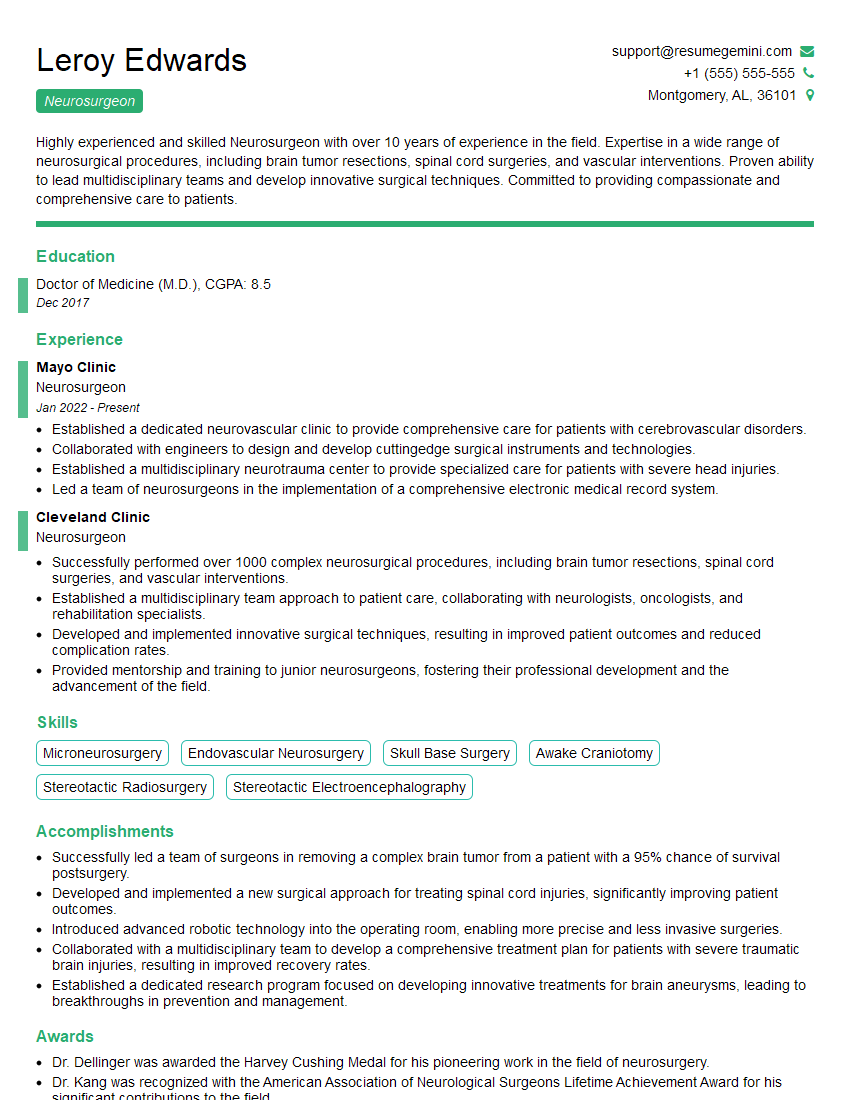
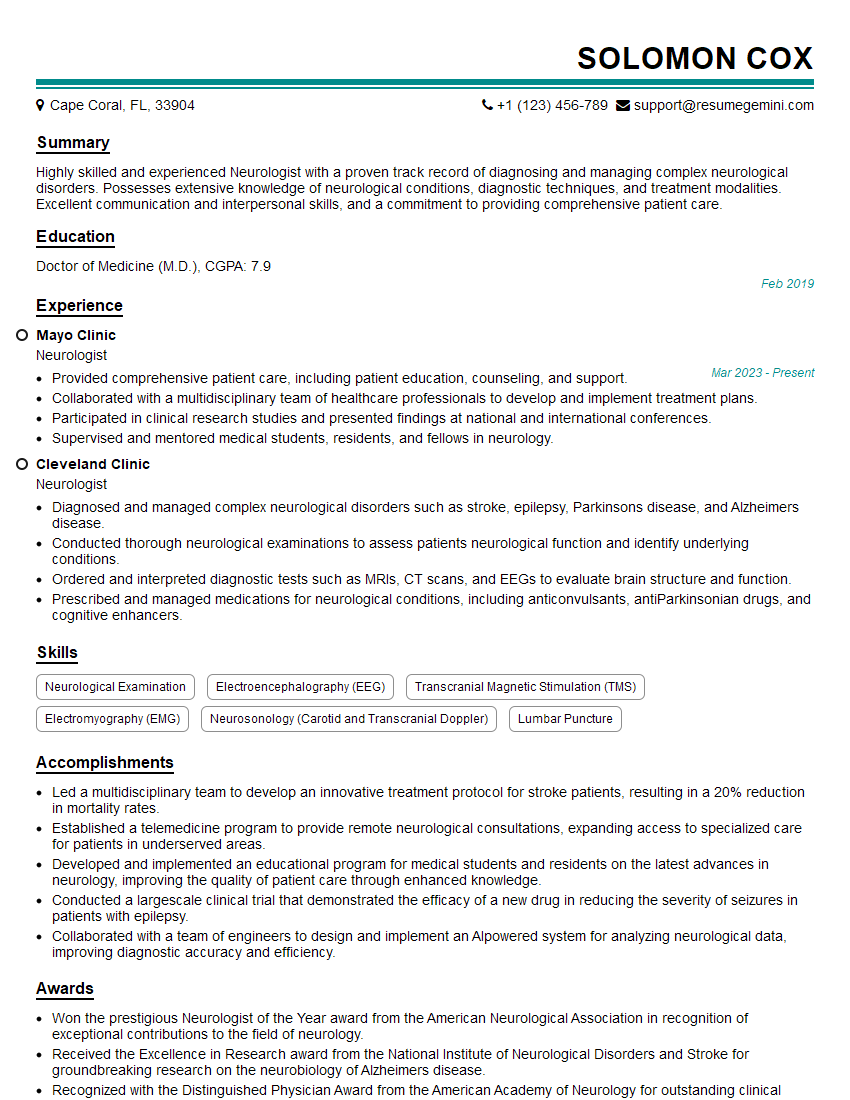
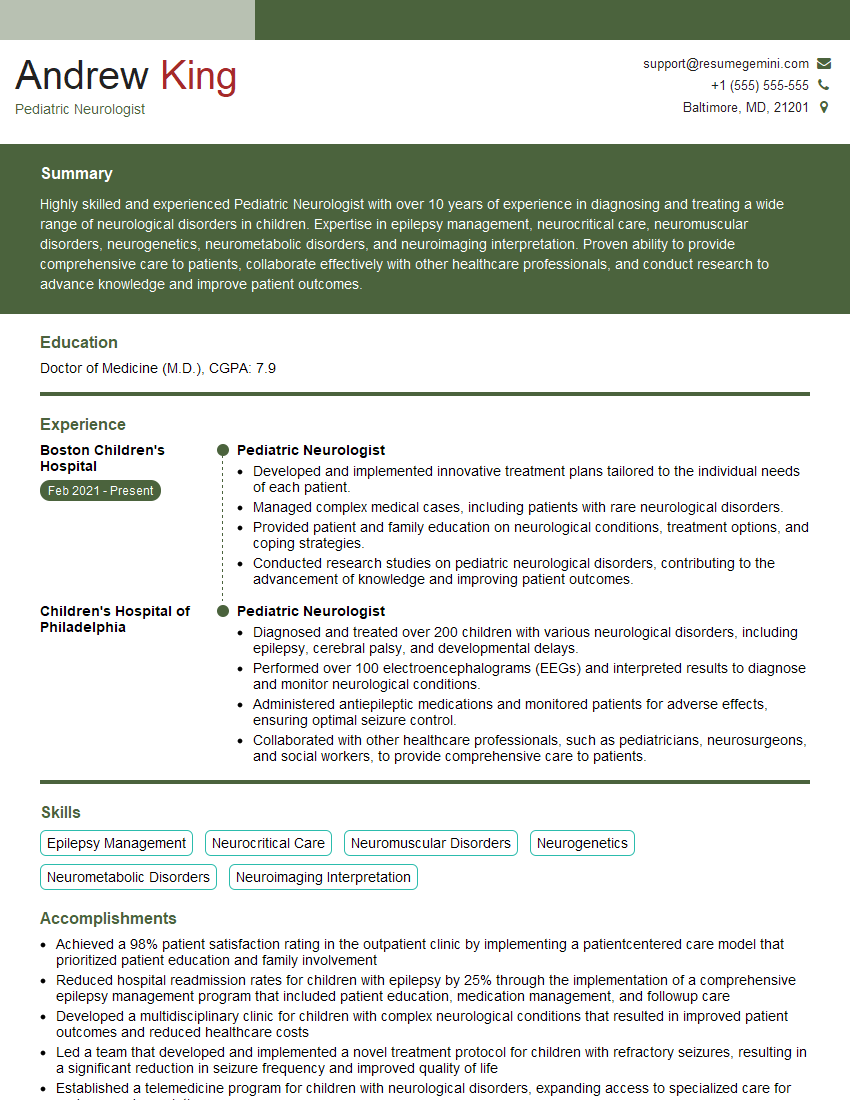
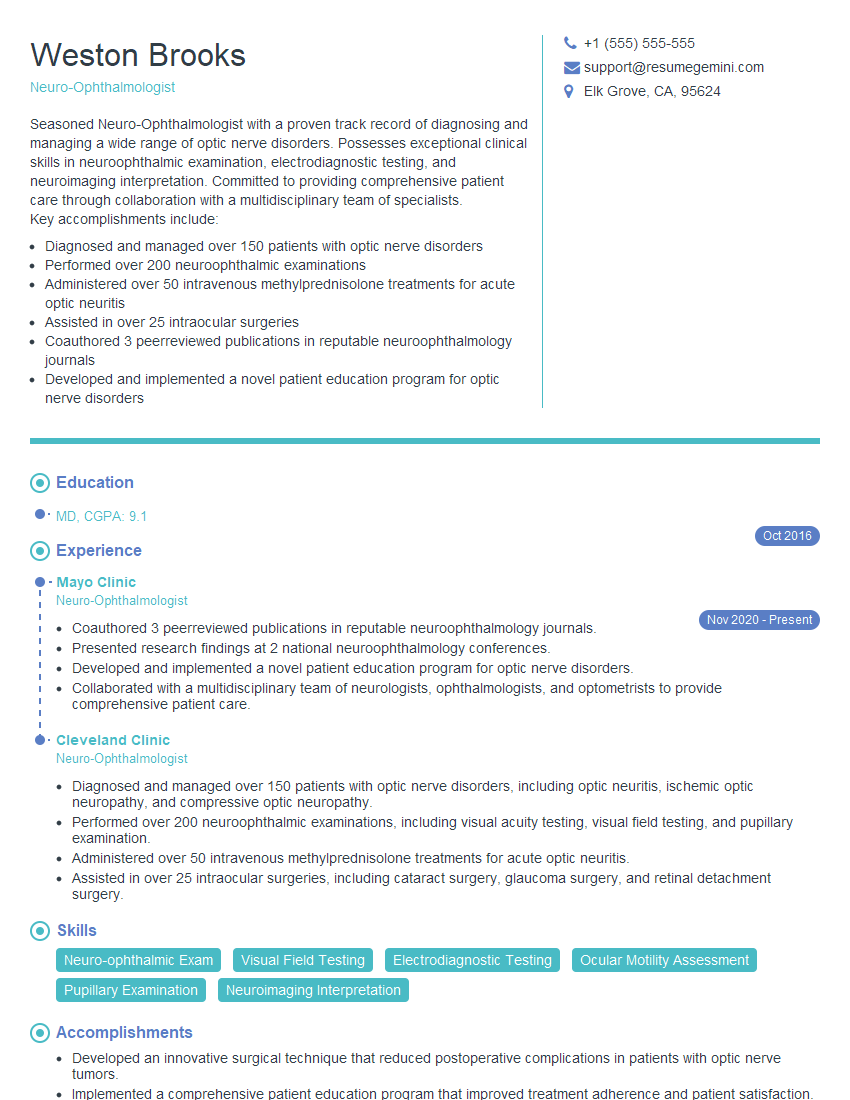
Mastering Neurological Assessment and Management is crucial for career advancement in healthcare, opening doors to specialized roles and increased responsibility. A strong resume is your key to unlocking these opportunities. To maximize your chances, create an ATS-friendly resume that highlights your skills and experience effectively. ResumeGemini is a trusted resource that can help you build a professional and impactful resume tailored to the specific demands of the Neurological Assessment and Management field. Examples of resumes specifically designed for this area are available to help guide your resume building process.
Explore more articles
Users Rating of Our Blogs
Share Your Experience
We value your feedback! Please rate our content and share your thoughts (optional).
What Readers Say About Our Blog
To the interviewgemini.com Webmaster.
Very helpful and content specific questions to help prepare me for my interview!
Thank you
To the interviewgemini.com Webmaster.
This was kind of a unique content I found around the specialized skills. Very helpful questions and good detailed answers.
Very Helpful blog, thank you Interviewgemini team.