Interviews are opportunities to demonstrate your expertise, and this guide is here to help you shine. Explore the essential Neuropathy Management interview questions that employers frequently ask, paired with strategies for crafting responses that set you apart from the competition.
Questions Asked in Neuropathy Management Interview
Q 1. Explain the different types of neuropathy.
Neuropathy refers to damage to the nerves, leading to a wide range of symptoms depending on the type and location of nerve damage. We broadly categorize neuropathies into several types:
- Peripheral Neuropathy: This is the most common type, affecting the nerves in the arms and legs. It can be further subdivided into several subtypes based on the type of nerve fibers affected (sensory, motor, or autonomic), the distribution of the damage (symmetrical or asymmetrical), and the underlying cause (diabetic, idiopathic, etc.).
- Mononeuropathy: This involves damage to a single nerve, often resulting from trauma or compression. Carpal tunnel syndrome, a common example, affects the median nerve in the wrist.
- Mononeuritis Multiplex: This affects multiple individual nerves at different locations, often suggesting a systemic disease process such as vasculitis.
- Autonomic Neuropathy: This affects the autonomic nervous system, which controls involuntary functions like heart rate, blood pressure, digestion, and sweating. Symptoms can include dizziness, lightheadedness, digestive problems, and changes in bladder function.
- Focal Neuropathy: Damage is limited to a specific area, frequently caused by nerve compression or inflammation.
- Diabetic Neuropathy: A common complication of diabetes, affecting various nerve types and resulting in a range of symptoms. This is often a significant focus of neuropathy management.
Understanding the specific type of neuropathy is crucial for targeted diagnosis and treatment.
Q 2. Describe the diagnostic process for peripheral neuropathy.
Diagnosing peripheral neuropathy involves a comprehensive approach combining several steps:
- Detailed Medical History: This includes gathering information about symptoms (pain, numbness, tingling, weakness), duration, progression, and any other medical conditions.
- Thorough Neurological Examination: This assesses reflexes, muscle strength, sensation, and coordination to identify areas of nerve dysfunction. For example, we would test for light touch, pinprick, vibration, and proprioception (awareness of body position).
- Electrodiagnostic Studies (EDS): Nerve conduction studies (NCS) and electromyography (EMG) are crucial objective assessments. NCS measure the speed of nerve impulse transmission, while EMG evaluates the electrical activity of muscles. These tests help pinpoint the location and severity of nerve damage and differentiate between various neuropathies.
- Blood Tests: Blood work helps detect underlying causes such as diabetes, vitamin deficiencies (like B12), autoimmune diseases, and infections.
- Imaging Studies: In some cases, MRI or CT scans may be necessary to identify nerve compression or other structural abnormalities, like tumors.
- Skin Biopsy: A small skin biopsy can help assess small-fiber nerve function in certain cases.
The diagnostic process requires collaboration between the patient, neurologist, and other specialists as needed, to establish an accurate diagnosis and appropriate management plan.
Q 3. What are the common causes of diabetic neuropathy?
Diabetic neuropathy arises from several mechanisms linked to long-term high blood sugar levels:
- Hyperglycemia-Induced Vascular Damage: High blood sugar can damage small blood vessels supplying nerves, reducing oxygen and nutrient delivery.
- Metabolic Dysfunction: Elevated glucose levels can disrupt nerve cell metabolism, leading to dysfunction and damage.
- Advanced Glycation End Products (AGEs): High glucose levels lead to the formation of AGEs, which can directly damage nerve cells and contribute to inflammation.
- Oxidative Stress: High blood sugar creates oxidative stress, damaging nerve cells through the production of free radicals.
- Inflammation: Chronic inflammation plays a significant role in nerve damage progression in diabetes.
Effective blood sugar control is the cornerstone of preventing and managing diabetic neuropathy. It’s not a simple cause-effect relationship; the interplay of these factors is complex and poorly understood in many aspects.
Q 4. How do you differentiate between different types of neuropathic pain?
Differentiating between various types of neuropathic pain requires careful assessment of several characteristics:
- Quality of Pain: This can range from burning, tingling, shooting, stabbing, to aching, or even numbness. Each patient describes the sensations differently, which needs to be documented carefully.
- Location: The distribution of pain helps determine if it is peripheral or central in origin and which nerves are affected. For example, pain radiating down the legs suggests peripheral neuropathy, while centrally-generated pain might have a more diffuse nature.
- Intensity: Pain intensity is usually rated using standardized pain scales like the visual analog scale (VAS) or numerical rating scale (NRS).
- Associated Symptoms: Presence of numbness, tingling, weakness, allodynia (pain from non-painful stimuli), or hyperalgesia (increased pain sensitivity) can aid in diagnosis.
- Timing: Is the pain continuous or intermittent? Does it follow a pattern?
Combining these clinical features with electrodiagnostic studies and imaging helps differentiate between different types of neuropathic pain caused by different underlying conditions. This requires a careful and often iterative clinical process.
Q 5. What are the non-pharmacological management strategies for neuropathy?
Non-pharmacological management plays a vital role in improving the quality of life for individuals with neuropathy. Strategies include:
- Lifestyle Modifications: Regular exercise (low-impact activities are recommended), weight management (if applicable), and avoidance of excessive alcohol consumption.
- Foot Care: Daily inspection of feet, proper hygiene, use of well-fitting shoes, and avoiding barefoot walking are crucial for preventing foot ulcers, a common and serious complication.
- Physical Therapy: Exercises to improve strength, range of motion, and balance can be beneficial.
- Occupational Therapy: Adaptive devices and techniques can help individuals perform daily tasks more easily.
- Transcutaneous Electrical Nerve Stimulation (TENS): This involves applying mild electrical currents to the skin to stimulate nerves and reduce pain.
- Alternative Therapies: Some patients find relief with therapies like acupuncture, yoga, and massage. However, evidence supporting their effectiveness varies widely.
- Psychological Support: Neuropathy can significantly affect mental health, so counseling or support groups can be incredibly beneficial.
These approaches should be tailored to the individual’s specific needs and preferences, in conjunction with pharmacological therapy.
Q 6. Discuss the pharmacological treatment options for neuropathic pain.
Pharmacological treatment options for neuropathic pain are multifaceted and often involve a trial-and-error approach to find the most effective medication and dosage for each patient. Common drug classes include:
- Anticonvulsants: Drugs like gabapentin, pregabalin, and carbamazepine are often effective in reducing neuropathic pain by modulating nerve excitability.
- Tricyclic Antidepressants (TCAs): Amitriptyline and nortriptyline can alleviate neuropathic pain by affecting neurotransmitter pathways.
- Selective Serotonin and Norepinephrine Reuptake Inhibitors (SNRIs): Duloxetine and venlafaxine can improve both pain and mood in some patients.
- Opioids: Opioids, such as codeine or tramadol, may provide some pain relief in selected cases; their use should be carefully managed due to potential side effects.
- Topical Analgesics: Creams or patches containing capsaicin or lidocaine can provide localized pain relief.
It’s important to note that these medications can have side effects, and finding the right balance between pain relief and side effect management is a crucial part of the therapeutic process. Regular monitoring and adjustments are often necessary.
Q 7. Explain your experience with nerve conduction studies and electromyography.
I have extensive experience interpreting nerve conduction studies (NCS) and electromyography (EMG), which are fundamental tools in the diagnosis and management of various neuropathies. NCS assesses the speed and amplitude of nerve signals, identifying conduction blocks or slowing down that suggests nerve damage. EMG assesses the electrical activity of muscles, indicating whether muscle damage is caused by nerve dysfunction, primary muscle disease or other causes.
In my practice, I routinely use these studies to:
- Differentiate between various neuropathies: For example, distinguishing between axonal and demyelinating neuropathies, or identifying a focal compression neuropathy.
- Assess disease severity: The degree of nerve conduction slowing or amplitude reduction reflects the extent of nerve damage.
- Monitor treatment response: Repeat NCS/EMG studies can track the effectiveness of treatments.
- Identify the location of nerve lesions: Precise localization helps guide therapeutic interventions or surgical planning.
I am proficient in performing and interpreting NCS/EMG studies, ensuring accurate diagnosis and informed management decisions for my patients.
Q 8. How do you assess the severity of neuropathy in a patient?
Assessing neuropathy severity involves a multi-faceted approach, combining patient history, physical examination, and often, specialized testing. We start with a thorough patient interview, focusing on the location, character, and intensity of symptoms. The pain scale (e.g., 0-10 visual analog scale) helps quantify pain severity.
Next, a physical exam includes assessing for sensory loss (light touch, temperature, vibration, pinprick), muscle weakness, reflexes, and autonomic dysfunction (e.g., orthostatic hypotension, bowel/bladder problems). The distribution of symptoms is crucial; for example, a stocking-glove pattern suggests peripheral neuropathy.
Further investigations might include nerve conduction studies (NCS) and electromyography (EMG) to objectively evaluate nerve function. Quantitative sensory testing (QST) provides more detailed sensory assessment. Finally, blood tests help identify underlying causes like diabetes or vitamin deficiencies.
For instance, a patient reporting severe burning pain in both feet, with significant loss of vibration sense and diminished reflexes, accompanied by NCS showing slowed nerve conduction velocities, would indicate a more severe neuropathy compared to a patient with mild tingling and only slight sensory changes.
Q 9. Describe your approach to managing a patient with chronic neuropathic pain.
Managing chronic neuropathic pain requires a holistic, individualized approach combining pharmacological and non-pharmacological strategies. We prioritize a stepwise approach, starting with the least invasive and safest options, gradually escalating treatment as needed.
First-line treatments often include non-opioid analgesics like gabapentin or pregabalin, which modulate neuronal excitability. Tricyclic antidepressants (TCAs) like amitriptyline and SNRIs (Serotonin-Norepinephrine Reuptake Inhibitors) such as duloxetine can also be effective, especially if mood disturbances are present. Topical analgesics like lidocaine patches can offer localized pain relief.
Second-line treatments might include stronger opioids (used cautiously and judiciously, especially in the elderly or those with a history of substance abuse), or other agents like tramadol.
Non-pharmacological approaches are crucial and include physical therapy (to improve mobility and strength), occupational therapy (to adapt daily tasks), psychological support (to manage emotional distress), and lifestyle modifications (discussed later).
Regular follow-up is essential to monitor treatment effectiveness, adjust medication as needed, and address any emerging issues. For example, if a patient’s pain is not adequately controlled with gabapentin alone, we might add a TCA or consider a different analgesic.
Q 10. What are the potential complications associated with neuropathy?
Neuropathy can lead to several significant complications, impacting various aspects of a patient’s life.
- Pain: Chronic, debilitating pain is a primary complication, impacting sleep, mood, and daily activities.
- Impaired Mobility: Muscle weakness and sensory loss can lead to falls, injuries, and reduced independence.
- Foot Ulcers and Infections: Loss of sensation increases the risk of unnoticed injuries, leading to ulcers that can become infected, potentially requiring amputation.
- Autonomic Dysfunction: This can manifest as orthostatic hypotension (dizziness on standing), gastrointestinal problems (constipation, diarrhea), urinary dysfunction, and sexual dysfunction.
- Depression and Anxiety: Chronic pain and disability frequently lead to psychological distress.
- Reduced Quality of Life: Overall, neuropathy significantly impacts a patient’s well-being and ability to participate in daily life.
The severity of these complications varies greatly depending on the type and severity of the neuropathy and the presence of co-morbidities.
Q 11. How do you educate patients about neuropathy management?
Patient education is paramount in effective neuropathy management. I use a multi-pronged approach.
Initial education focuses on understanding the condition: its cause (if known), symptoms, and potential complications. I explain that neuropathy is a chronic condition, often requiring long-term management, emphasizing the importance of adherence to the treatment plan.
Practical advice covers pain management strategies (e.g., medication adherence, pain diaries, relaxation techniques), foot care (regular inspection, appropriate footwear, avoidance of injury), and lifestyle modifications.
Ongoing support involves regular check-ups, providing opportunities to address concerns, adjust medication, and reinforce healthy habits. I utilize educational materials, including handouts, videos, and websites, to supplement in-person discussions. Connecting patients with support groups can enhance emotional well-being and encourage coping strategies.
For instance, a patient with diabetic neuropathy will receive detailed instructions on blood glucose control, foot care, and the importance of regular diabetes checkups, alongside pain management strategies.
Q 12. Discuss the role of lifestyle modifications in neuropathy management.
Lifestyle modifications play a significant role in managing neuropathy symptoms and preventing further complications. These changes address underlying causes, manage symptoms, and improve overall health.
- Weight management: Obesity can exacerbate several types of neuropathy, particularly in individuals with diabetes. Weight loss, even modest amounts, can significantly improve symptoms.
- Blood glucose control: In diabetic neuropathy, strict blood glucose control is crucial to slow nerve damage progression.
- Regular exercise: Moderate-intensity aerobic exercise improves circulation, strengthens muscles, and can reduce pain.
- Healthy diet: A balanced diet rich in fruits, vegetables, and whole grains provides essential nutrients for nerve health. Limiting alcohol and processed foods is also recommended.
- Stress management: Chronic stress can exacerbate pain perception. Stress reduction techniques like yoga, meditation, or deep breathing exercises can be beneficial.
- Smoking cessation: Smoking accelerates nerve damage and worsens symptoms.
Each patient’s lifestyle modification plan is personalized based on their specific needs, preferences, and co-morbidities. For example, a patient with limited mobility might start with chair exercises, while another might engage in regular walking.
Q 13. How do you manage neuropathic pain in patients with comorbidities?
Managing neuropathic pain in patients with comorbidities requires a cautious and individualized approach, considering potential drug interactions and overall health status.
For example, in a patient with both diabetes and heart failure, opioid use needs careful consideration due to potential respiratory depression and cardiac effects. Non-opioid analgesics might be preferred, with close monitoring of both pain and cardiac function.
Renal or hepatic impairment necessitates adjustments in medication dosages to avoid toxicity. In patients with multiple conditions, a multidisciplinary approach involving specialists in cardiology, nephrology, or other relevant fields is often essential to optimize both pain management and overall health.
The goal is to achieve adequate pain control without compromising the management of other health issues. This often involves close collaboration with other healthcare professionals to ensure the safety and efficacy of the treatment plan.
Q 14. What are your experience with different types of nerve blocks?
My experience encompasses various types of nerve blocks, each with its own indications, advantages, and limitations.
- Stellate ganglion blocks: These blocks target the sympathetic nerves in the neck, often used for complex regional pain syndrome (CRPS) or upper extremity neuropathies. I’ve found them effective in selected patients, offering temporary pain relief. However, they have potential side effects including hypotension and Horner’s syndrome.
- Celiac plexus blocks: These blocks target the celiac plexus, a major nerve network in the abdomen, and are sometimes used for visceral pain related to pancreatitis or cancer. I’ve used these selectively, acknowledging the potential for complications such as hypotension and gastrointestinal issues.
- Peripheral nerve blocks: These can target specific nerves in various parts of the body. I frequently utilize this technique, for example, to manage post-surgical pain or localized nerve entrapment syndromes. The choice of block and approach is tailored to the patient and the specific nerve involved. Local anesthetics are commonly used, offering temporary pain relief.
The decision to perform a nerve block depends on the type and location of neuropathy, the severity of pain, and the patient’s overall health. Pre-procedural assessments are critical to minimize risks and to manage potential side effects.
It’s vital to note that nerve blocks are not a standalone solution for chronic neuropathy, but they can play a crucial role in pain management as part of a wider treatment strategy.
Q 15. Discuss your knowledge of alternative therapies for neuropathy.
Alternative therapies for neuropathy play a supportive role, often complementing conventional treatments. They’re not standalone cures but can help manage symptoms. It’s crucial to emphasize that these should be used in conjunction with, and not in place of, medical advice.
- Acupuncture: This involves inserting thin needles into specific points on the body to stimulate nerve function and reduce pain. I’ve seen patients experience significant pain relief, particularly in cases of diabetic neuropathy.
- Massage Therapy: Gentle massage can improve circulation and reduce muscle tension, alleviating some neuropathic pain. It’s especially helpful for those with localized pain or muscle spasms.
- Yoga and Tai Chi: These mind-body practices promote relaxation and improve flexibility, which can be beneficial for managing pain and improving quality of life. The gentle movements can increase blood flow and reduce stiffness.
- Nutritional Supplements: Alpha-lipoic acid (ALA), B vitamins (especially B12), and magnesium are often recommended, but their efficacy varies, and it’s critical to monitor potential interactions with other medications. Always consult with the patient’s physician before starting any new supplements.
- Transcutaneous Electrical Nerve Stimulation (TENS): This involves using low-voltage electrical currents to stimulate nerves and block pain signals. It can provide temporary pain relief for some individuals.
The selection of alternative therapies depends on the individual patient’s condition, preferences, and overall health. A holistic approach, considering the patient’s lifestyle and preferences, is always beneficial.
Career Expert Tips:
- Ace those interviews! Prepare effectively by reviewing the Top 50 Most Common Interview Questions on ResumeGemini.
- Navigate your job search with confidence! Explore a wide range of Career Tips on ResumeGemini. Learn about common challenges and recommendations to overcome them.
- Craft the perfect resume! Master the Art of Resume Writing with ResumeGemini’s guide. Showcase your unique qualifications and achievements effectively.
- Don’t miss out on holiday savings! Build your dream resume with ResumeGemini’s ATS optimized templates.
Q 16. Describe your experience with managing side effects of neuropathy medications.
Managing side effects of neuropathy medications is a crucial aspect of patient care. Many medications used to treat neuropathy can have significant side effects, so careful monitoring and proactive management are essential.
- Gabapentinoids (e.g., Gabapentin, Pregabalin): Common side effects include dizziness, drowsiness, and weight gain. We often start with low doses and gradually increase them, monitoring for side effects closely. Strategies include splitting doses, adjusting timing of medication intake (e.g., taking it before bedtime to mitigate daytime drowsiness), and providing patient education on safety precautions (avoiding driving if drowsy).
- Tricyclic Antidepressants (e.g., Amitriptyline): These can cause dry mouth, constipation, and orthostatic hypotension (a sudden drop in blood pressure upon standing). We address constipation with dietary changes and stool softeners; dry mouth with hydration strategies. Blood pressure should be closely monitored, and patients educated about safety measures.
- Opioids: While used cautiously in certain cases of severe neuropathic pain, opioids carry the risk of tolerance, dependence, and respiratory depression. Regular monitoring for pain levels, respiratory rate, and signs of opioid abuse is crucial. A multidisciplinary approach may be needed, involving pain specialists and addiction specialists.
It’s vital to have open communication with patients regarding side effects, emphasizing the importance of reporting any concerns. We work collaboratively to find strategies to minimize or manage the side effects while ensuring pain relief.
Q 17. How do you monitor the effectiveness of neuropathy treatments?
Monitoring the effectiveness of neuropathy treatments involves a multifaceted approach. It’s not simply about pain scores alone. We utilize several methods to gain a comprehensive picture of the patient’s progress.
- Pain Scales: We regularly assess pain intensity using standardized scales like the Visual Analog Scale (VAS) or the Numerical Rating Scale (NRS). Patients rate their pain on a scale, allowing us to track changes over time.
- Functional Assessments: We evaluate how neuropathy impacts daily activities using questionnaires or functional tests. For instance, we might assess the patient’s ability to perform activities of daily living (ADLs) like walking, dressing, or writing.
- Neurological Examinations: Regular neurological exams help assess the presence and severity of sensory deficits, motor weakness, and reflexes. Changes in these parameters can indicate treatment efficacy.
- Quality of Life Measures: We use validated questionnaires to assess the patient’s overall quality of life, considering factors such as sleep, mood, and social functioning. Improvements in these areas indicate that the treatment plan is beneficial.
- Laboratory Tests: For conditions like diabetic neuropathy, we monitor blood glucose levels and other metabolic markers to ensure optimal glycemic control. In other neuropathies, blood tests might be used to rule out other underlying causes.
By combining these measures, we obtain a detailed picture of treatment effectiveness and adjust the plan accordingly. This collaborative approach fosters better outcomes and ensures the patient feels heard and involved in their care.
Q 18. How do you approach patients who are non-responsive to standard treatments?
Patients unresponsive to standard treatments present a significant challenge. A systematic approach is essential.
- Re-evaluate the diagnosis: We conduct a thorough review of the patient’s history, symptoms, and previous treatment responses to rule out any misdiagnosis or overlooked conditions. Further investigations, such as nerve conduction studies or electromyography, may be necessary.
- Consider alternative diagnoses: We explore the possibility of co-existing conditions that might contribute to the symptoms. For example, fibromyalgia or other musculoskeletal conditions can mimic neuropathy.
- Explore other treatment options: This could involve trying different medications (e.g., topical treatments, antidepressants, anticonvulsants), adjusting dosages, or adding other therapies such as physical therapy or alternative treatments (discussed in Question 1).
- Consult specialists: We might refer the patient to a neurologist, pain management specialist, or other specialists for a second opinion and exploration of advanced treatment options.
- Focus on symptom management: If complete pain relief isn’t achievable, we focus on improving the patient’s quality of life by managing symptoms, such as improving sleep, reducing anxiety, and optimizing daily functioning through physical therapy, occupational therapy, and counseling.
Open communication with the patient throughout this process is key. It’s important to acknowledge the frustration and offer realistic expectations while exploring every avenue to improve their situation.
Q 19. Explain your understanding of the pathophysiology of neuropathy.
Neuropathy’s pathophysiology is complex and varies depending on the underlying cause. However, the common thread is damage to the peripheral nerves, which are responsible for transmitting sensory, motor, and autonomic signals throughout the body.
- Diabetic Neuropathy: High blood glucose levels damage blood vessels supplying the nerves, leading to nerve ischemia and dysfunction. This can affect sensory, motor, and autonomic nerves.
- Alcoholic Neuropathy: Chronic alcohol abuse causes nutritional deficiencies (particularly thiamine), direct toxic effects on nerve cells, and impaired metabolism, ultimately damaging the nerves.
- Uremic Neuropathy: In kidney failure, the accumulation of toxins in the blood affects nerve function, causing various symptoms.
- Autoimmune Neuropathies (e.g., Guillain-Barré Syndrome): The body’s immune system attacks the myelin sheath (protective covering) around the nerves, disrupting nerve signals. This can lead to rapid-onset muscle weakness and sensory loss.
- Traumatic Neuropathies: Physical injuries, such as nerve compression or trauma, can directly damage nerves.
The damage to the nerves leads to a variety of symptoms, including pain, numbness, tingling, weakness, and impaired autonomic function (e.g., digestive problems, bladder dysfunction).
Understanding the specific underlying cause of the neuropathy helps guide targeted treatment strategies. For example, addressing diabetes control is paramount in managing diabetic neuropathy.
Q 20. What are the latest advancements in neuropathy treatment?
Recent advancements in neuropathy treatment offer hope for improved management and potential cures for certain types of neuropathy. Some key advancements include:
- New Medications: Research continues to explore new drugs that target specific mechanisms of nerve damage and pain. This includes drugs targeting sodium channels, potassium channels, or other pathways involved in pain signaling.
- Targeted Therapies: Advances in understanding the underlying causes of different neuropathies have led to more targeted therapies. For instance, immunotherapy is being explored for autoimmune neuropathies.
- Gene Therapy: Early-stage research shows promise in using gene therapy to correct genetic defects underlying some types of inherited neuropathies.
- Stem Cell Therapy: Stem cell transplants are being investigated as a potential way to regenerate damaged nerve tissue. The results are still preliminary, but the potential is exciting.
- Improved Diagnostics: More sophisticated diagnostic tools help in early diagnosis and identification of the specific type of neuropathy, enabling earlier and more targeted interventions.
It’s essential to keep abreast of the latest research and clinical trials to ensure that patients have access to the most effective and up-to-date treatments. Patient participation in clinical trials, where appropriate, is crucial for advancing the field.
Q 21. Describe your experience with patient communication and counseling.
Patient communication and counseling are central to effective neuropathy management. It’s not just about prescribing medication; it’s about building a therapeutic relationship and empowering patients to take an active role in their care.
- Active Listening: I prioritize active listening to understand the patient’s concerns, fears, and experiences with their neuropathy. This includes listening not only to their verbal communication but also observing their non-verbal cues.
- Empathy and Compassion: Neuropathy can significantly impact quality of life. Demonstrating empathy and understanding helps build trust and rapport.
- Education and Empowerment: I educate patients about their condition, treatment options, potential side effects, and self-management strategies. This empowers them to make informed decisions about their care.
- Shared Decision-Making: Treatment plans are developed collaboratively, considering the patient’s preferences, values, and goals. This ensures that the treatment plan is realistic and sustainable.
- Support and Resources: I connect patients with relevant support groups, resources, and educational materials. This provides additional support and information beyond our clinical visits.
- Addressing Psychological Aspects: Neuropathy can lead to anxiety, depression, and social isolation. Addressing these psychological aspects through counseling or referral to mental health professionals is crucial.
A strong patient-physician relationship built on trust and open communication is fundamental to achieving optimal outcomes in neuropathy management. I believe in treating the whole person – addressing their physical, emotional, and social needs.
Q 22. How do you prioritize patient care in a busy clinical setting?
Prioritizing patient care in a busy clinical setting requires a structured approach. I utilize a combination of triage, efficient scheduling, and effective time management techniques. I begin by assessing each patient’s urgency based on the severity of their symptoms and potential complications. This involves a quick evaluation of their pain levels, functional limitations, and any acute issues. Patients with urgent needs, such as severe pain exacerbations or rapidly progressing symptoms, are prioritized immediately.
For example, a patient presenting with new-onset severe burning pain and motor weakness would take precedence over a patient with stable, long-standing neuropathy experiencing mild discomfort. I also utilize efficient scheduling practices, allotting more time for complex cases and integrating shorter appointments for routine follow-ups. This maximizes clinic throughput without compromising the quality of care.
Furthermore, I employ effective time management strategies like minimizing interruptions, delegating tasks appropriately to nursing staff, and using electronic health records (EHR) efficiently. This system ensures that I dedicate sufficient time to each patient while maintaining a productive workflow. Ultimately, balancing urgent needs with routine care is critical to provide equitable and quality care to all.
Q 23. Describe your experience with interdisciplinary team collaboration.
Interdisciplinary collaboration is fundamental to comprehensive neuropathy management. My experience includes working closely with neurologists, physiatrists, physical therapists, occupational therapists, podiatrists, and pain management specialists. I’ve found that a team approach leads to superior patient outcomes. For instance, a patient with diabetic neuropathy might require the combined expertise of a neurologist for diagnosis, a podiatrist for foot care, and a physical therapist for gait training and exercises to improve mobility and balance.
Effective collaboration involves clear communication, regular team meetings, and shared decision-making. We use a shared electronic health record system to ensure seamless information exchange and maintain consistent treatment plans. I often participate in multidisciplinary case conferences to discuss complex cases, brainstorm treatment strategies, and coordinate care. In one particular case, by collaborating with a physical therapist, we were able to tailor an exercise program that drastically reduced a patient’s pain and improved their functional abilities, which otherwise might not have been achieved solely through pharmacological interventions.
Q 24. How do you stay current with the latest research in neuropathy?
Staying current in the ever-evolving field of neuropathy management requires a multi-pronged approach. I regularly review peer-reviewed journals like Neurology, Diabetes Care, and Pain, focusing on articles addressing novel diagnostic techniques, therapeutic approaches, and clinical trial results. I attend national and international conferences focused on neurology and pain management to learn about the latest breakthroughs and best practices from leading experts.
Additionally, I actively participate in professional organizations such as the American Academy of Neurology and the American Pain Society to receive updates, engage with colleagues, and access continuing medical education (CME) opportunities. Online resources, such as the National Institute of Neurological Disorders and Stroke (NINDS) website, provide valuable information and updates. Continuous learning is critical to ensuring patients receive the most effective and up-to-date care possible. This approach allows me to adapt to emerging trends and implement evidence-based strategies into my clinical practice.
Q 25. Describe your experience with different types of assistive devices for neuropathy.
My experience encompasses a broad range of assistive devices for neuropathy management. These devices are crucial for enhancing patient comfort, improving mobility, and preventing complications. For instance, I frequently recommend custom-made orthotics to patients experiencing foot deformities or pain related to peripheral neuropathy. These orthotics provide support, improve gait, and reduce pressure points, alleviating discomfort and preventing ulcers.
I also have experience fitting patients with compression stockings to improve circulation and reduce edema, a common problem in patients with neuropathy. Additionally, I guide patients on the appropriate use of assistive walking devices, such as canes or walkers, when balance and mobility are compromised. Finally, I educate patients on the importance of regular foot care and appropriate footwear to minimize the risk of complications. The selection of the appropriate assistive device always depends on a thorough assessment of the patient’s specific needs and functional limitations. Providing education on the proper use and maintenance of these devices is paramount to their effectiveness.
Q 26. How do you address patient concerns and anxieties related to neuropathy?
Addressing patient concerns and anxieties related to neuropathy is crucial for successful management. I employ a patient-centered approach, starting with active listening and empathetic communication. I validate their feelings, acknowledging that living with neuropathy can be challenging and frustrating. I explain the condition in clear, understandable terms, avoiding medical jargon whenever possible.
I encourage patients to express their fears and concerns openly. This may involve discussing concerns about pain management, functional limitations, potential complications, or the impact on their quality of life. I tailor my responses based on their individual needs and concerns, providing accurate information and practical solutions. For example, I may offer coping strategies for pain management, connect them with support groups, or refer them to mental health professionals if needed. Building trust and rapport is essential for effective communication and fostering a strong therapeutic relationship.
Q 27. Explain your experience with documenting patient assessments and treatment plans.
Accurate and thorough documentation is critical for effective neuropathy management. I meticulously document all patient encounters, including detailed assessments, treatment plans, and progress notes, utilizing a standardized electronic health record (EHR) system. My documentation includes a comprehensive history, physical examination findings, neurologic assessments, and pain evaluations, using standardized pain scales.
I document the specific types of neuropathy diagnosed, including the location, severity, and associated symptoms. Treatment plans are carefully outlined, detailing pharmacological interventions, non-pharmacological therapies, and referral information. Progress notes track the patient’s response to treatment, any adverse effects, and any modifications made to the plan. This detailed documentation facilitates continuity of care, promotes effective communication among healthcare providers, and ensures compliance with regulatory standards. Furthermore, it allows for longitudinal tracking of the patient’s progress over time, enabling us to make informed decisions and adjust treatments as needed.
Q 28. Describe a challenging case of neuropathy and how you managed it.
One particularly challenging case involved a 65-year-old male patient presenting with severe, poorly controlled pain from small fiber neuropathy of unknown etiology. Despite extensive workup, including nerve conduction studies and skin biopsy, the underlying cause remained elusive. His pain was debilitating, significantly impacting his sleep, mobility, and quality of life. He had tried multiple medications with limited success, and he was experiencing significant side effects.
The management of this case required a multi-faceted approach. I collaborated closely with a pain management specialist to implement a multimodal analgesic strategy, combining different classes of medications to minimize side effects and optimize pain relief. We also integrated non-pharmacological therapies, including regular physical therapy sessions focused on improving flexibility and strength, cognitive behavioral therapy (CBT) to address the emotional impact of chronic pain, and transcutaneous electrical nerve stimulation (TENS) for pain modulation. By working collaboratively and adapting the treatment plan based on the patient’s response, we were able to significantly improve his pain levels, sleep quality, and overall quality of life. This experience highlighted the importance of perseverance, collaboration, and individualizing the treatment approach to manage complex, challenging cases of neuropathy.
Key Topics to Learn for Neuropathy Management Interview
- Pathophysiology of Neuropathy: Understanding the various types of neuropathy (diabetic, peripheral, etc.) and their underlying mechanisms. This includes knowledge of nerve fiber types and their functions.
- Diagnostic Approaches: Mastering the interpretation of clinical findings, electrodiagnostic studies (NCS/EMG), and other relevant diagnostic tests. Be prepared to discuss differential diagnoses.
- Treatment Strategies: Familiarize yourself with pharmacological interventions (e.g., gabapentinoids, antidepressants, opioids), non-pharmacological approaches (e.g., physical therapy, lifestyle modifications), and the evidence-based rationale behind treatment choices.
- Patient Assessment and Management: Understand the importance of a thorough patient history, physical examination, and ongoing monitoring of treatment efficacy and side effects. Discuss approaches to pain management and functional improvement.
- Complex Case Scenarios: Practice analyzing challenging cases, differentiating between various types of neuropathies, and formulating appropriate treatment plans. Consider cases involving comorbid conditions.
- Ethical and Legal Considerations: Be prepared to discuss ethical dilemmas related to pain management and informed consent, as well as relevant legal aspects of patient care.
- Current Research and Trends: Stay updated on the latest research in neuropathy management, including new diagnostic tools and therapeutic options. This demonstrates your commitment to professional development.
Next Steps
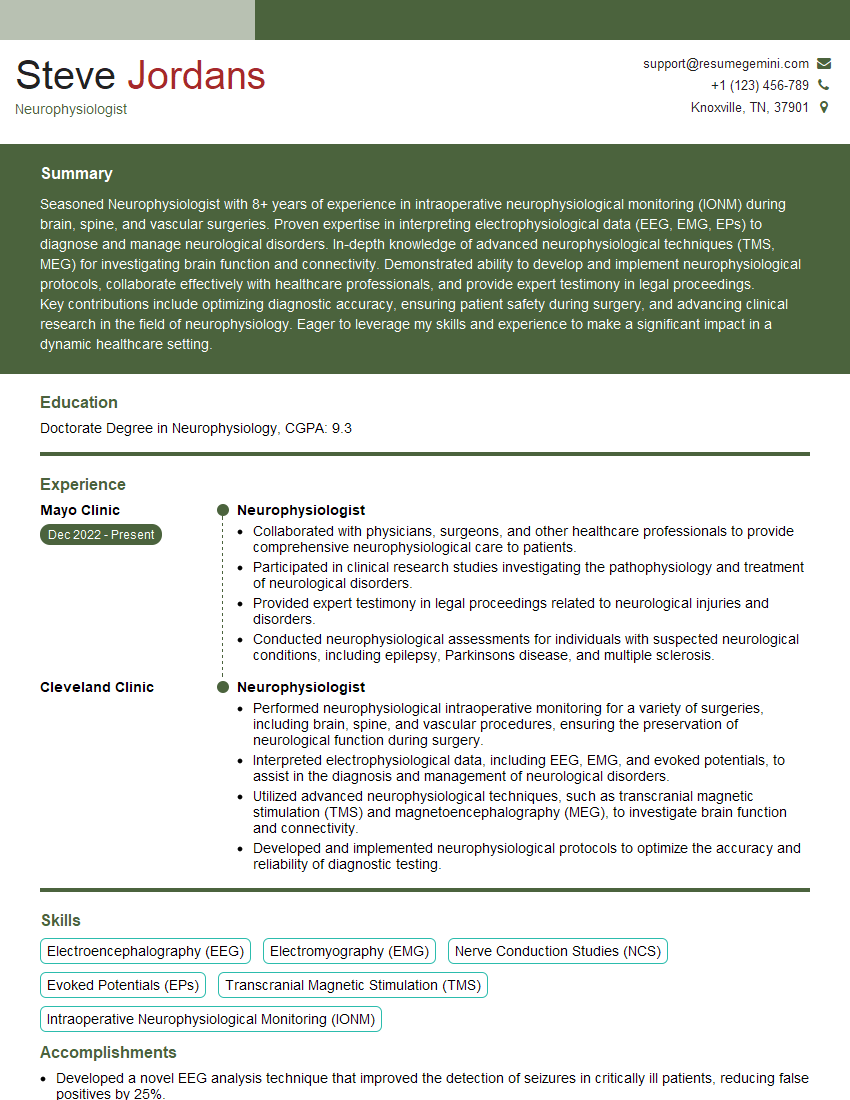
Mastering Neuropathy Management significantly enhances your career prospects, opening doors to specialized roles and advanced opportunities within healthcare. A strong resume is crucial for showcasing your expertise to potential employers. Creating an ATS-friendly resume is essential for maximizing your chances of getting your application noticed. ResumeGemini is a trusted resource to help you build a professional and effective resume that highlights your skills and experience in Neuropathy Management. Examples of resumes tailored to this field are available to guide your resume building process. Invest time in crafting a compelling resume – it’s your first impression.
Explore more articles
Users Rating of Our Blogs
Share Your Experience
We value your feedback! Please rate our content and share your thoughts (optional).
What Readers Say About Our Blog
To the interviewgemini.com Webmaster.
Very helpful and content specific questions to help prepare me for my interview!
Thank you
To the interviewgemini.com Webmaster.
This was kind of a unique content I found around the specialized skills. Very helpful questions and good detailed answers.
Very Helpful blog, thank you Interviewgemini team.