Feeling uncertain about what to expect in your upcoming interview? We’ve got you covered! This blog highlights the most important Newborn and Premature Infant Care interview questions and provides actionable advice to help you stand out as the ideal candidate. Let’s pave the way for your success.
Questions Asked in Newborn and Premature Infant Care Interview
Q 1. Describe your experience with managing respiratory distress syndrome in premature infants.
Respiratory Distress Syndrome (RDS) is a life-threatening condition affecting premature infants due to a lack of surfactant, a substance in the lungs that helps keep the air sacs open. My experience managing RDS involves a multi-pronged approach starting with early identification. This includes careful assessment of the newborn’s respiratory rate, effort, and oxygen saturation immediately after birth. Infants with RDS typically present with tachypnea (rapid breathing), grunting, nasal flaring, and retractions (inward pulling of the chest wall during breathing). Early intervention is crucial.
Management strategies range from supportive care with oxygen therapy (often provided via CPAP or mechanical ventilation), to the administration of exogenous surfactant. Close monitoring of blood gases, vital signs, and the infant’s overall clinical status is paramount. I’ve found that a collaborative approach, involving neonatologists, respiratory therapists, and nurses, ensures optimal outcomes. For example, I once managed a 28-week-gestational-age infant with severe RDS. Through careful titration of CPAP and timely surfactant administration, we successfully weaned the infant off respiratory support within a week, avoiding long-term lung complications.
Q 2. Explain the process of administering surfactant to a newborn with RDS.
Surfactant administration is a cornerstone of RDS treatment. It involves delivering synthetic surfactant directly into the infant’s lungs via an endotracheal tube (ETT). The procedure requires meticulous technique to avoid complications. First, the infant’s oxygenation and ventilation are carefully optimized. Then, the surfactant is instilled into the ETT in small aliquots, followed by gentle ventilation to ensure even distribution throughout the lungs. The infant is closely monitored for potential adverse effects, such as bradycardia (slow heart rate) or oxygen desaturation, which are managed promptly. The process is not always straightforward; the optimal dose and administration technique can vary depending on the infant’s gestational age, birth weight, and the severity of RDS. I’ve found that post-surfactant administration, the infant’s respiratory rate and oxygen requirements often improve within hours, but close monitoring is still crucial. For instance, a significant improvement in oxygen saturation is a positive indicator of successful surfactant administration, but sustained monitoring is needed to rule out the possibility of complications.
Q 3. How do you assess for and manage neonatal jaundice?
Neonatal jaundice, characterized by yellow discoloration of the skin and sclera (whites of the eyes), is caused by a buildup of bilirubin, a byproduct of red blood cell breakdown. Assessment involves measuring bilirubin levels via transcutaneous or serum bilirubin tests. The severity of jaundice is determined by the infant’s age, bilirubin level, and clinical signs. Mild jaundice often resolves spontaneously, requiring only close observation. However, severe hyperbilirubinemia can lead to kernicterus, a serious neurological complication. Management depends on the severity; it might include phototherapy (exposure to blue light to break down bilirubin), exchange transfusions (replacing the infant’s blood with donor blood), or medication to accelerate bilirubin excretion. A key aspect of management is early detection and risk stratification. I remember a case where a seemingly healthy newborn developed severe jaundice within the first 24 hours of life. Prompt diagnosis and initiation of phototherapy averted potential neurological damage. A tailored approach, considering individual risk factors like prematurity, breastfeeding difficulties, and family history, is crucial for effective management.
Q 4. What are the signs and symptoms of neonatal sepsis?
Neonatal sepsis, a systemic infection in a newborn, can be subtle and difficult to diagnose. Early recognition is critical for prompt treatment to prevent severe complications. Signs and symptoms can vary but commonly include lethargy, poor feeding, temperature instability (either high or low), respiratory distress, and changes in heart rate. Less common signs include pallor, jaundice, and abdominal distension. There is no single definitive test for sepsis. Diagnosis relies on clinical evaluation, complete blood count, blood cultures, and sometimes other tests depending on the suspected source of infection. Management involves prompt administration of broad-spectrum antibiotics guided by blood culture results. Supportive care such as fluid resuscitation and respiratory support are essential. A high index of suspicion is crucial, especially in high-risk infants. Early intervention can make a significant difference in patient outcomes. For instance, a subtle presentation of sepsis, involving only subtle temperature fluctuations and poor feeding, can quickly progress to a life-threatening condition if not detected early enough.
Q 5. Describe your experience with managing necrotizing enterocolitis (NEC).
Necrotizing enterocolitis (NEC) is a devastating gastrointestinal disease affecting premature infants. It involves inflammation and necrosis (tissue death) in the bowel. My experience includes managing infants with various stages of NEC, ranging from mild to severe. Early detection is crucial, relying on clinical observations such as abdominal distension, bloody stools, feeding intolerance, and lethargy. Imaging studies, like abdominal X-rays, play a critical role in diagnosing NEC. Management can vary from conservative measures such as bowel rest (stopping oral feedings), intravenous fluids, and antibiotics, to surgical intervention in severe cases involving bowel resection (surgical removal of the affected part of the bowel). Close monitoring of the infant’s clinical status, blood counts, and abdominal examination are necessary to assess response to treatment. I’ve observed that early recognition and prompt treatment are critical to improve the survival rate and reduce the long-term complications associated with NEC. For instance, a premature infant with symptoms suggestive of NEC underwent surgery and successfully recovered after a long period of intensive care. This outcome highlights the significance of a proactive management approach.
Q 6. Explain the principles of thermoregulation in newborns.
Thermoregulation, the ability to maintain a stable body temperature, is crucial for newborns, especially premature infants who have limited ability to regulate their own temperature. Newborns are highly susceptible to hypothermia (low body temperature) and hyperthermia (high body temperature). Principles of thermoregulation include minimizing heat loss through several mechanisms: conduction (heat loss to a cooler surface), convection (heat loss to air currents), radiation (heat loss to cooler surroundings), and evaporation (heat loss through water evaporation). Maintaining neutral thermal environment is crucial. This can be achieved through various strategies: keeping the infant in a warm environment, using radiant warmers, providing skin-to-skin contact with the mother, and using appropriate clothing and swaddling. Careful monitoring of the infant’s temperature is essential to detect deviations from the normal range and implement corrective measures promptly. For example, a premature infant in an incubator requires adjustments to the incubator’s temperature and humidity to maintain an optimal thermal environment. Careful consideration of the infant’s gestational age and weight is critical in determining appropriate strategies for thermoregulation.
Q 7. How do you assess and manage pain in newborns?
Assessing and managing pain in newborns is a crucial aspect of neonatal care. Newborns cannot verbally express pain, making it challenging to assess. However, there are several behavioral and physiological indicators of pain, such as facial expressions (grimacing, furrowed brows), changes in heart rate and respiratory rate, limb withdrawal, and changes in oxygen saturation. Several pain assessment tools, such as the NIPS (Neonatal Infant Pain Scale) or CRIES (Cry, Requires O2, Increased vital signs, Expression, Sleeplessness) scale, help to quantify pain levels. Pain management strategies encompass various methods: non-pharmacological approaches such as swaddling, skin-to-skin contact, and pacifiers, alongside pharmacological options including analgesics (pain relievers) and anesthetics. The choice of method depends on the intensity of pain and the infant’s clinical condition. I always emphasize a multimodal approach, combining non-pharmacological and pharmacological interventions whenever appropriate to ensure optimal pain relief and prevent the adverse effects of prolonged pain. It’s essential to remember that untreated pain can have detrimental effects on the infant’s development and overall well-being.
Q 8. What are the common feeding challenges encountered in premature infants?
Premature infants often face feeding challenges due to their immature gastrointestinal and neurological systems. Their suck, swallow, and breathe coordination is underdeveloped, leading to difficulties with breastfeeding or bottle-feeding. They may also have weak muscles in their mouth and throat, making it hard to latch or effectively remove milk. Additionally, preemies may experience gastroesophageal reflux (GERD) due to an immature lower esophageal sphincter. They may also have difficulty regulating their feeding intake, leading to overfeeding or underfeeding.
- Poor suck-swallow-breathe coordination: This is extremely common and often requires specialized feeding techniques, such as paced bottle feeding or nipple modification to control milk flow.
- Immature gut: Preemies may have difficulty digesting nutrients, leading to diarrhea, vomiting, or other digestive issues. This often requires specialized formulas designed for premature infants, often containing added nutrients like MCT oil.
- Fatigue: Feeding can be exhausting for a preemie, and they may require frequent breaks.
- Respiratory issues: Any respiratory distress can significantly impact feeding tolerance and need close monitoring.
For example, I recently cared for a 28-week preemie who struggled with latching due to weak jaw muscles. We implemented paced bottle feeding with a slow-flow nipple, and the changes in his feeding tolerance were remarkable. It’s crucial to assess each infant individually and tailor feeding strategies according to their specific needs and gestational age.
Q 9. Describe your experience with implementing Kangaroo Mother Care (KMC).
Kangaroo Mother Care (KMC) is a powerful intervention involving skin-to-skin contact between a parent and their baby. My experience with KMC has been overwhelmingly positive. I’ve witnessed firsthand the profound impact it has on premature infants. It helps stabilize their temperature, heart rate, and breathing, reduces pain and stress, and promotes bonding.
In my practice, we initiate KMC as soon as the infant is medically stable. We educate parents on the proper technique, ensuring they understand how to maintain skin-to-skin contact safely and monitor their baby’s vital signs. We track the duration of KMC sessions and observe the infant’s response. We often see improved weight gain, reduced hospital stay, and enhanced parent-child attachment in infants receiving KMC regularly.
One instance stands out. I cared for a micro-preemie who was initially very unstable. Through consistent KMC sessions with his mother, his vitals stabilized, and his feeding tolerance improved significantly. The mother’s comfort and reassurance translated directly to improved infant well-being. KMC isn’t just about physical benefits; it’s deeply emotional and nurturing for both the parent and the child. It improves the whole family’s experience.
Q 10. Explain your understanding of retinopathy of prematurity (ROP).
Retinopathy of prematurity (ROP) is a serious eye disease affecting premature babies. It’s characterized by abnormal blood vessel growth in the retina, which can lead to vision impairment, blindness, or even retinal detachment. The risk of developing ROP increases with decreasing gestational age and birth weight. Oxygen therapy, a common intervention for preterm infants, can paradoxically contribute to ROP development.
Understanding ROP involves knowing its stages of progression. Early detection is key, and infants at risk are usually screened with retinal examinations using ophthalmoscopy. Treatment may involve laser therapy or cryotherapy to prevent further damage. It’s essential to monitor oxygen saturation levels closely in at-risk babies, using supplemental oxygen only when absolutely necessary. Close monitoring and timely intervention are pivotal for ensuring the best visual outcomes for these vulnerable infants.
The long-term implications of ROP can be significant. Children may require corrective lenses, low vision aids, or other assistive devices. Regular follow-up eye examinations are crucial throughout childhood.
Q 11. How do you assess neurological development in newborns?
Assessing neurological development in newborns is a multi-faceted process involving various methods to evaluate different aspects of their nervous system function. It’s a continuous assessment, starting from the immediate postnatal period and continuing through regular follow-up appointments.
- Observation of reflexes: Assessing reflexes like the Moro reflex, rooting reflex, sucking reflex, and grasping reflex provides clues about the integrity of the nervous system.
- Assessment of muscle tone: Evaluating muscle tone helps detect hypotonia (low muscle tone) or hypertonia (high muscle tone), both of which can signify neurological problems.
- Monitoring of movements: Observing spontaneous movements and assessing the presence of tremors or abnormal postures is crucial.
- Behavioral observation: Assessing alertness, responsiveness to stimuli, and general state of arousal reveals information about the neurological function.
- Neuroimaging studies: In cases of suspected neurological damage, imaging studies such as ultrasound, MRI, or CT scans may be employed to identify underlying conditions like intraventricular hemorrhage (IVH) or brain malformations.
For instance, a lack of response to sound or light, persistent tremors, or a weak suck reflex could indicate neurological dysfunction requiring further evaluation. The assessment process is tailored based on the infant’s gestational age and clinical condition.
Q 12. What are the signs of intraventricular hemorrhage (IVH) in newborns?
Intraventricular hemorrhage (IVH) is bleeding into the ventricles of the brain, a serious complication seen primarily in premature infants. The signs can range from subtle to dramatic, depending on the severity of the bleed.
- Subtle signs: These may include changes in the infant’s level of alertness, decreased responsiveness to stimulation, or subtle changes in muscle tone.
- More pronounced signs: These might involve bulging fontanelles (soft spots on the head), seizures, apnea (cessation of breathing), or a sudden drop in the infant’s heart rate or blood pressure.
- Neurological deficits: Depending on the location and extent of the bleeding, long-term neurological sequelae, such as cerebral palsy, developmental delays, or visual impairment, can occur.
Diagnosis is typically made through cranial ultrasound, which offers a non-invasive way to visualize brain structures. Prompt diagnosis and appropriate management are essential to minimize long-term complications.
Q 13. Describe your experience with managing apnea of prematurity.
Apnea of prematurity is a common condition where premature infants experience pauses in breathing for longer than 20 seconds. It’s often linked to the immaturity of the respiratory control center in the brain. Managing apnea requires a multifaceted approach.
- Monitoring: Continuous monitoring with pulse oximetry and apnea monitors is vital to detect apnea episodes promptly.
- Stimulation: Gentle stimulation, such as tactile stimulation or repositioning, is often effective in resolving brief apnea spells.
- Pharmacological interventions: In cases of recurrent or severe apnea, medication such as caffeine may be used to stimulate breathing.
- Respiratory support: If apnea is severe or persistent, mechanical ventilation may be necessary to provide respiratory support. CPAP (continuous positive airway pressure) may also be employed to keep the airways open.
My experience in managing apnea involves close monitoring, careful assessment of the severity, and tailoring management strategies to each infant’s specific needs. Early intervention and close collaboration with parents help ensure optimal outcomes.
Q 14. Explain your understanding of the use of ventilators in neonatal care.
Ventilators play a crucial role in neonatal care, particularly for premature infants and those with respiratory distress. They provide mechanical support to the lungs, allowing them to breathe more effectively. The use of ventilators can significantly impact survival and long-term outcomes. However, it’s important to understand that ventilation is not without risk.
Different types of ventilators are employed based on the infant’s needs. Conventional mechanical ventilation delivers breaths at a set rate and volume. However, this type can lead to lung injury. Therefore, newer modes like high-frequency ventilation or synchronized intermittent mandatory ventilation (SIMV) are often preferred. These gentler approaches are designed to reduce lung injury risk. CPAP and BiPAP (bilevel positive airway pressure) provide non-invasive respiratory support.
The decision to utilize ventilation, the choice of mode, and the ventilator settings are determined through a careful assessment of the infant’s condition, including their oxygenation status, respiratory effort, and overall clinical presentation. Close monitoring is vital during ventilation, with regular assessments of the infant’s respiratory parameters, blood gases, and overall well-being. The aim is always to wean the infant off ventilation as soon as they are ready, to minimize long-term consequences. Weaning is a gradual process tailored to the individual infant’s progress.
Q 15. How do you monitor for and manage infection in newborns?
Monitoring and managing infection in newborns is paramount due to their immature immune systems. We employ a multi-pronged approach, starting with meticulous hand hygiene and strict adherence to infection control protocols. This includes the use of gloves and gowns when handling infants, especially those in the Neonatal Intensive Care Unit (NICU).
We vigilantly monitor for signs of infection, which can be subtle in newborns. These include lethargy, poor feeding, temperature instability (hypothermia or hyperthermia), apnea (cessation of breathing), changes in heart rate, and jaundice. Any suspicion of infection warrants immediate investigation.
Diagnostic tests, such as blood cultures, urine cultures, and cerebrospinal fluid (CSF) analysis, are crucial to identify the causative organism. Once an infection is confirmed, prompt and targeted antibiotic therapy is initiated based on the culture and sensitivity results. Supportive care, including fluid management and respiratory support, is also provided.
For example, a newborn exhibiting lethargy and poor feeding might undergo a complete blood count (CBC) and blood culture to rule out sepsis (a systemic infection). If sepsis is confirmed, broad-spectrum antibiotics are administered immediately while awaiting culture results for more specific treatment.
Career Expert Tips:
- Ace those interviews! Prepare effectively by reviewing the Top 50 Most Common Interview Questions on ResumeGemini.
- Navigate your job search with confidence! Explore a wide range of Career Tips on ResumeGemini. Learn about common challenges and recommendations to overcome them.
- Craft the perfect resume! Master the Art of Resume Writing with ResumeGemini’s guide. Showcase your unique qualifications and achievements effectively.
- Don’t miss out on holiday savings! Build your dream resume with ResumeGemini’s ATS optimized templates.
Q 16. Describe your experience with providing education to parents of newborns in the NICU.
Educating parents in the NICU is a crucial aspect of my role. It’s a delicate balance of providing necessary information while supporting families during a stressful time. My approach is to start with a thorough assessment of the parents’ understanding of their infant’s condition and their learning style. I avoid overwhelming them with too much information at once.
I utilize a variety of teaching methods, including one-on-one discussions, group sessions, and written materials tailored to their literacy level. I demonstrate procedures, such as kangaroo care (skin-to-skin contact) and medication administration, whenever possible. I also encourage questions and address concerns openly and honestly.
For instance, when explaining the use of a ventilator to parents of a premature infant, I use simple analogies, explaining how it helps their baby breathe, just as a person might use a breathing mask during an illness. I also provide visual aids, such as pictures and diagrams.
Follow-up is essential. We schedule regular appointments to reinforce learning and address any evolving questions or concerns. We also connect parents with support groups and resources to aid in their journey.
Q 17. What are the common complications associated with prematurity?
Premature infants face a multitude of complications due to their immature organ systems. Respiratory distress syndrome (RDS), caused by underdeveloped lungs, is a major concern. Other common complications include:
- Apnea and bradycardia: Periods of stopped breathing and slowed heart rate.
- Intraventricular hemorrhage (IVH): Bleeding in the brain.
- Bronchopulmonary dysplasia (BPD): Chronic lung disease requiring prolonged oxygen therapy.
- Necrotizing enterocolitis (NEC): A life-threatening intestinal disease.
- Retinopathy of prematurity (ROP): Abnormal blood vessel growth in the retina, potentially leading to blindness.
- Patent ductus arteriosus (PDA): Failure of a fetal blood vessel to close after birth.
- Hypoglycemia: Low blood sugar.
- Hyperbilirubinemia: High levels of bilirubin in the blood, causing jaundice.
- Feeding difficulties: Due to immature sucking and swallowing reflexes.
- Developmental delays: In various areas, such as motor, cognitive, and language skills.
The severity of these complications varies depending on the gestational age and birth weight of the infant.
Q 18. Explain your understanding of the developmental milestones of premature infants.
Developmental milestones for premature infants are adjusted based on their corrected gestational age (CGA), which is their chronological age minus the number of weeks they were born prematurely. For example, a baby born 3 months early would have a CGA of 3 months less than their chronological age for the first three months of life. We don’t expect a premature infant to reach milestones at the same rate as a full-term infant.
We assess developmental progress regularly using standardized tools, focusing on aspects like motor skills (head control, rolling, sitting), cognitive development (alertness, responsiveness), and social-emotional development (eye contact, interaction). Early intervention services are crucial to address any developmental delays.
For instance, a premature infant with a CGA of 6 months might not be able to sit unsupported, whereas a full-term 6-month-old typically can. However, as long as the infant is progressing at an appropriate rate for their CGA, there’s no cause for immediate concern. Regular monitoring and appropriate interventions ensure that they have the support needed to reach their full developmental potential. We would not compare their developmental progress to a full-term baby of the same chronological age.
Q 19. How do you assess for and manage hypoglycemia in newborns?
Hypoglycemia (low blood sugar) is a common problem in newborns, particularly premature infants. We screen for hypoglycemia using blood glucose monitoring within the first few hours after birth, especially if the infant is at risk (e.g., small for gestational age, maternal diabetes).
Blood glucose levels are regularly checked, typically every 1-2 hours initially, and the frequency is adjusted based on the infant’s condition and response to treatment. The definition of hypoglycemia varies slightly but is generally considered to be below 40-45 mg/dL.
Management of hypoglycemia involves providing intravenous glucose supplementation or frequent feedings of breast milk or formula. In severe cases, intravenous dextrose may be necessary. Close monitoring is critical to ensure the blood sugar levels remain within the normal range. The goal is to prevent long-term neurological consequences associated with prolonged periods of low blood glucose.
For example, if an infant’s blood glucose level falls below 40 mg/dL, we immediately administer intravenous dextrose solution and continue close monitoring.
Q 20. Describe your experience with managing hyperbilirubinemia.
Hyperbilirubinemia, or jaundice, is a common condition in newborns, characterized by a yellowish discoloration of the skin and whites of the eyes. It occurs due to a buildup of bilirubin, a byproduct of red blood cell breakdown. The severity is assessed using transcutaneous bilirubinometry (TcB) and/or serum bilirubin levels.
Management depends on the severity of the hyperbilirubinemia and the infant’s risk factors. Mild jaundice often resolves spontaneously with close observation and frequent feedings (to promote bowel movements and bilirubin excretion). Phototherapy, using special lights to break down bilirubin, is commonly used for moderate to severe jaundice.
In cases of severe hyperbilirubinemia or if phototherapy is ineffective, an exchange transfusion may be necessary to remove bilirubin from the blood. We always consider the risk versus benefit of any interventions; for example, while phototherapy is very effective, prolonged exposure can lead to skin irritation.
Each case is unique. For example, a breastfed infant might develop jaundice later than a formula-fed infant and therefore require closer monitoring and potential phototherapy.
Q 21. What are the different types of feeding methods used in premature infants?
Feeding methods for premature infants vary greatly depending on their gestational age, weight, and overall health. Initial feeding is often via nasogastric (NG) tube or orogastric (OG) tube, which directly delivers nutrients into the stomach or esophagus. This is particularly important for infants too weak to suck and swallow effectively.
As the infant matures and gains strength, we progress to nipple feeding, starting with small amounts and gradually increasing the volume and frequency. This might involve specialized nipples with different flow rates to accommodate the infant’s sucking ability. We might use a supplemental nursing system for infants who have difficulty coordinating sucking, swallowing, and breathing.
Breast milk is the preferred method of feeding, as it provides optimal nutrition and immune support. However, if breast milk is unavailable or insufficient, formula specifically designed for premature infants is used.
For example, a very premature infant might begin with NG tube feeds, progress to supplemental nursing with a nipple, and eventually transition to exclusive breastfeeding or formula feeding. The transition is gradual and carefully monitored.
Q 22. How do you assess a newborn’s gestational age?
Assessing a newborn’s gestational age, or the time elapsed since conception, is crucial for determining their developmental maturity and anticipating potential health challenges. We use a combination of methods, including:
Physical Examination: The New Ballard Score is a widely used tool. It assigns points based on neurological and physical maturity assessments, such as skin texture, ear cartilage, breast development, and posture. Each characteristic is scored individually, and the sum provides an estimated gestational age. For example, a more mature infant will have firmer cartilage in their ears, while a premature infant’s cartilage will be more pliable.
Prenatal History: If the mother’s last menstrual period is known, and there are consistent ultrasound measurements throughout the pregnancy, this is a reliable method. However, this method becomes less accurate in cases with irregular menstrual cycles or where early ultrasounds were unavailable.
Ultrasound Measurements: Ultrasound scans performed during pregnancy provide precise measurements of the fetus, including the biparietal diameter (head size) and femur length. These measurements are compared to established growth charts to estimate gestational age.
It’s important to note that these methods aren’t perfectly precise. A combination of methods is always used to get the most accurate gestational age assessment.
Q 23. Describe your experience with managing withdrawal symptoms in newborns.
Managing neonatal abstinence syndrome (NAS), or withdrawal symptoms in newborns exposed to opioids or other substances in utero, requires a multifaceted approach. My experience involves careful monitoring for symptoms such as irritability, tremors, poor feeding, and sleep disturbances. We use a standardized scoring system, like the Finnegan Neonatal Narcotic Withdrawal Score, to objectively track the severity of withdrawal.
Treatment often involves pharmacologic management with medications like morphine or methadone, gradually reducing the dose as the infant’s symptoms improve. This is always done under close medical supervision, adjusting the medication based on the infant’s response. Non-pharmacological approaches are equally crucial. These include swaddling, skin-to-skin contact, a quiet environment, and careful feeding strategies to promote calm and reduce stimulation. We work closely with the parents, providing education and support throughout the withdrawal process. Successful management relies on a collaborative team effort involving neonatologists, nurses, social workers, and substance use disorder specialists.
One case I recall involved a mother with opioid addiction. Her newborn presented with severe tremors and difficulty feeding. Using a stepwise approach guided by the Finnegan score, we started with low-dose morphine, slowly titrating upwards until the symptoms were under control. We also implemented non-pharmacological interventions such as a specialized feeding regimen and swaddling techniques. Through close monitoring and careful adjustment of the medication, the infant gradually weaned off the morphine and showed significant improvement. Following hospital discharge, we ensured continued monitoring and support for both the mother and the infant through community resources.
Q 24. Explain your understanding of the impact of parental stress on neonatal outcomes.
Parental stress significantly impacts neonatal outcomes. Stress can manifest in various ways, including anxiety, depression, and post-traumatic stress disorder, particularly in situations involving premature birth or neonatal intensive care. This stress directly affects the parents’ ability to participate fully in their infant’s care and recovery. It can also indirectly impact the infant through altered parental interaction, decreased breastfeeding success, and potential changes in the infant’s environment. For example, a stressed parent might struggle to bond with their infant, leading to delayed developmental milestones or emotional difficulties for the child.
Research has consistently shown a correlation between high parental stress levels and increased rates of infant mortality, morbidity, and developmental delays. As caregivers, we actively seek to mitigate parental stress through various interventions: psychological support, parent education classes, and practical assistance in navigating the NICU environment. This includes providing clear and consistent communication, encouraging parental participation in caregiving activities like kangaroo care, and connecting families with support groups and community resources. Early identification and proactive management of parental stress are crucial for improving both parental well-being and neonatal outcomes.
Q 25. How do you involve parents in the care of their premature infant?
Involving parents in the care of their premature infant is paramount. It fosters a strong parent-infant bond, improves the infant’s developmental progress, and reduces parental stress. We encourage parental participation from the very beginning, providing education about the infant’s condition, treatment plan, and potential complications. We actively involve parents in daily care, including feeding, changing diapers, and performing kangaroo care (skin-to-skin contact). We tailor our approach to each family’s needs and preferences, recognizing that every family copes with the NICU experience differently.
Specific strategies we employ include:
Kangaroo Care: This allows the parent to hold the infant skin-to-skin, promoting thermoregulation, reducing stress hormones in the infant, and fostering bonding.
Parent-led feeding: Gradually empowering parents to feed their infants (bottle or breast) increases confidence and strengthens the parent-infant relationship.
Developmental care training: Teaching parents how to interact with their infants in a developmentally appropriate manner helps promote healthy growth and development.
Regular communication and education: Frequent rounds, explanations of procedures, and opportunities for questions are vital in keeping parents informed and actively involved.
We recognize that the NICU environment can be overwhelming for parents, so providing a supportive and welcoming atmosphere, along with access to resources and counseling, is crucial.
Q 26. Describe a situation where you had to deal with a critical situation in the NICU and how you handled it.
One critical situation involved a premature infant who developed a sudden, severe respiratory distress syndrome. The infant’s oxygen saturation dropped dramatically, and the heart rate began to fall. My immediate response was to initiate advanced life support measures, including administering supplemental oxygen, initiating positive pressure ventilation, and obtaining intravenous access for medication.
Simultaneously, I contacted the attending neonatologist and respiratory therapist for immediate assistance. The respiratory therapist was instrumental in managing the infant’s ventilator settings and ensuring optimal oxygenation. The attending neonatologist reviewed the infant’s condition and ordered chest x-rays and blood tests to investigate the cause. In this high-pressure situation, clear and concise communication amongst the team was paramount. We used a structured approach to address each component of the emergency while providing constant updates to the parents, ensuring they felt involved and understood the situation. The infant eventually stabilized after a few hours of intensive care, and the cause was later identified as transient tachypnea of the newborn. This event reinforced the importance of quick decision-making, teamwork, and clear communication in managing critical situations within the NICU.
Q 27. What is your experience with different types of infant monitors and their use?
My experience encompasses a wide range of infant monitors, including:
Cardiorespiratory monitors: These are essential for continuously monitoring heart rate and respiratory rate, alerting us to any concerning changes. I’m proficient in interpreting the waveforms and setting appropriate alarm parameters. We use these to track subtle changes indicative of respiratory distress or cardiac instability.
Pulse oximeters: These measure blood oxygen saturation (SpO2), providing crucial information about oxygenation levels. I understand the limitations of pulse oximetry, especially in situations with poor peripheral perfusion.
Temperature monitors: Maintaining optimal body temperature is crucial for premature infants. We use skin and axillary thermometers as well as heated incubators and radiant warmers for precise temperature control and monitoring.
Brain function monitors: In certain cases, we use EEG (electroencephalogram) monitoring to assess brainwave activity and identify potential seizures or other neurological issues. I’m experienced in interpreting EEG waveforms and understanding their clinical significance.
Blood pressure monitors: We use specialized blood pressure cuffs for neonates to monitor blood pressure, a vital sign that helps us assess the cardiovascular function of the infant. I am familiar with age-appropriate blood pressure ranges and the implications of abnormalities.
Understanding the capabilities and limitations of each monitor, as well as integrating the data obtained from multiple monitors, is crucial for providing effective and safe care.
Q 28. How familiar are you with electronic health records and their applications in neonatal care?
I am highly familiar with electronic health records (EHRs) and their application in neonatal care. EHRs are essential for managing patient information, including medical history, lab results, medication administration, and progress notes. In the NICU, the timely and accurate documentation provided by EHRs improves patient safety by facilitating efficient communication among healthcare providers. The EHRs we utilize allow for secure and easy access to information, improving the efficiency of care and reducing the risk of medical errors.
Specific applications in neonatal care include:
Real-time monitoring: EHRs can integrate data from various monitoring devices, providing a comprehensive view of the infant’s vital signs and physiological parameters in real-time.
Medication management: EHRs help reduce medication errors by providing alerts for potential drug interactions and ensuring accurate dosage calculations.
Care coordination: EHRs facilitate communication and collaboration among healthcare providers involved in the infant’s care, regardless of location.
Data analysis: EHRs provide a valuable source of data for research and quality improvement initiatives in neonatal care.
However, I also recognize the challenges associated with EHR implementation, including data entry time, system downtime, and the need for ongoing training. Overall, EHRs are an indispensable tool that significantly enhances the quality and safety of neonatal care.
Key Topics to Learn for Newborn and Premature Infant Care Interview
- Respiratory Support: Understanding different ventilation modes (e.g., CPAP, HFOV), respiratory distress syndrome (RDS), and apnea of prematurity. Practical application: Troubleshooting ventilator alarms and recognizing signs of respiratory compromise.
- Thermoregulation: Principles of maintaining neutral thermal environment, recognizing signs of hypothermia and hyperthermia in newborns and premies. Practical application: Calculating appropriate radiant warmer settings and implementing strategies to prevent temperature instability.
- Nutrition and Feeding: Different feeding methods (e.g., gavage, breastfeeding, bottle-feeding), managing feeding intolerance, and recognizing signs of aspiration. Practical application: Calculating caloric needs and assessing feeding readiness.
- Neonatal Infections: Common infections in newborns and premature infants, preventative measures, and early recognition of sepsis. Practical application: Interpreting laboratory results and initiating appropriate antibiotic therapy.
- Developmental Care: Promoting neurodevelopmental outcomes, minimizing stress, and supporting family-centered care. Practical application: Implementing strategies to reduce pain and optimize sleep.
- Pharmacology in Neonatal Care: Safe medication administration, dosage calculations specific to neonatal weight, and common medications used in the NICU. Practical application: Understanding potential side effects and drug interactions.
- Monitoring and Assessment: Interpretation of vital signs, understanding the significance of laboratory values, and performing physical assessments. Practical application: Recognizing subtle changes in patient status and initiating appropriate interventions.
- Family-Centered Care: Importance of family involvement in decision-making, providing emotional support, and facilitating effective communication. Practical application: Developing and implementing a family-centered care plan.
Next Steps
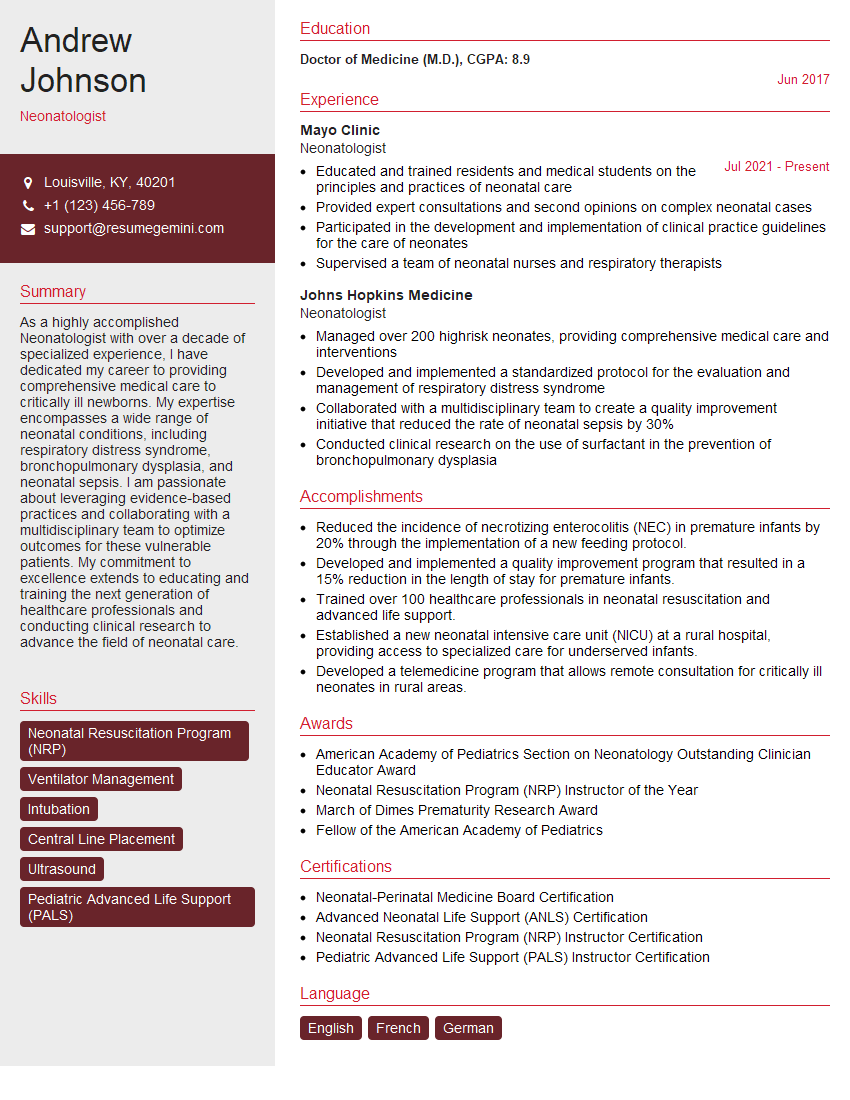
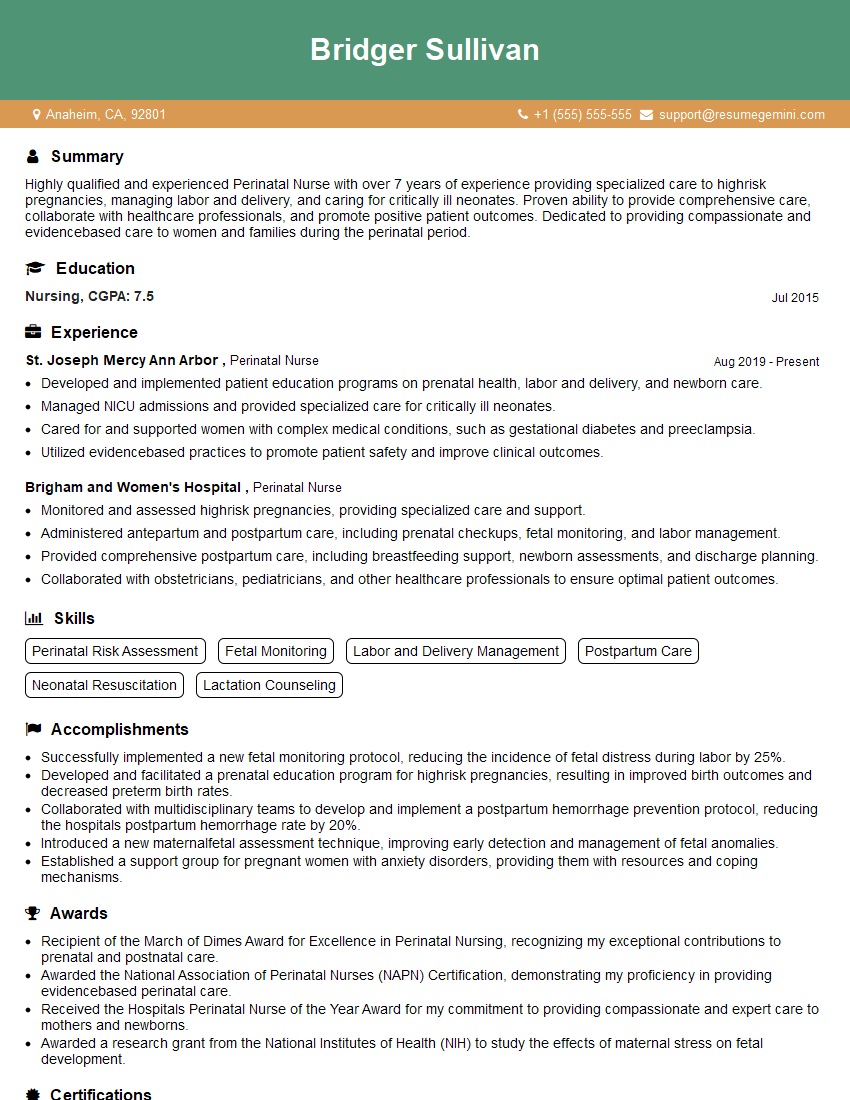
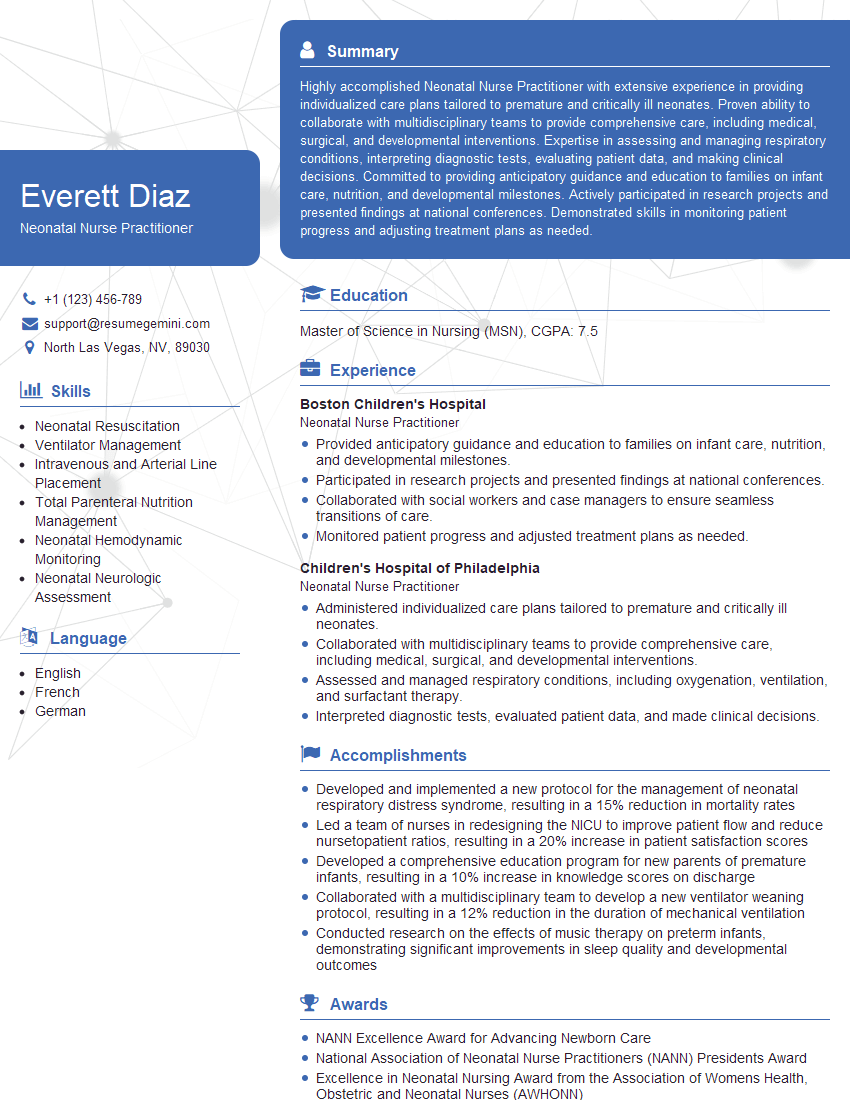
Mastering Newborn and Premature Infant Care significantly enhances your career prospects, opening doors to specialized roles and advanced opportunities within neonatal intensive care units. A well-crafted resume is crucial for showcasing your expertise and securing interviews. Building an ATS-friendly resume increases your chances of getting your application noticed by recruiters. ResumeGemini is a trusted resource to help you create a professional and impactful resume tailored to the specific requirements of your target roles. Examples of resumes specifically designed for Newborn and Premature Infant Care professionals are available to guide you in this process. Take the next step towards your dream career today!
Explore more articles
Users Rating of Our Blogs
Share Your Experience
We value your feedback! Please rate our content and share your thoughts (optional).
What Readers Say About Our Blog
To the interviewgemini.com Webmaster.
Very helpful and content specific questions to help prepare me for my interview!
Thank you
To the interviewgemini.com Webmaster.
This was kind of a unique content I found around the specialized skills. Very helpful questions and good detailed answers.
Very Helpful blog, thank you Interviewgemini team.