Every successful interview starts with knowing what to expect. In this blog, we’ll take you through the top O&M Risk Management interview questions, breaking them down with expert tips to help you deliver impactful answers. Step into your next interview fully prepared and ready to succeed.
Questions Asked in O&M Risk Management Interview
Q 1. Describe your experience with Failure Modes and Effects Analysis (FMEA).
Failure Modes and Effects Analysis (FMEA) is a systematic, proactive method used to identify potential failure modes in a system or process and assess their severity, likelihood of occurrence, and the detectability of the failure. It’s essentially a brainstorming session with a structured format, aiming to prevent problems before they arise.
In my experience, I’ve led and participated in numerous FMEAs across diverse projects, from evaluating the reliability of power generation systems to assessing the risks in complex industrial control systems. We typically use a structured worksheet that considers various aspects of each component or process step:
- Failure Mode: What could go wrong? (e.g., pump failure, software glitch)
- Effects of Failure: What are the consequences of this failure? (e.g., loss of power, system shutdown, safety hazard)
- Severity: How serious is the effect? (Rated on a scale, often 1-10)
- Occurrence: How likely is this failure to occur? (Rated on a scale, often 1-10)
- Detection: How likely is this failure to be detected before it causes significant damage? (Rated on a scale, often 1-10)
- Risk Priority Number (RPN): Severity x Occurrence x Detection (This helps prioritize actions).
- Recommended Actions: What can be done to mitigate the risk? (e.g., redundancy, improved maintenance, better monitoring)
For example, in an FMEA for a wind turbine, we might identify a failure mode as ‘blade failure due to fatigue’. We’d assess the severity (high, as it could lead to catastrophic damage), occurrence (moderate, depending on maintenance and environmental factors), and detection (low, as fatigue cracks might be difficult to spot early). The high RPN would then prioritize actions like implementing regular blade inspections with infrared thermography.
Q 2. How do you identify and prioritize operational risks?
Identifying and prioritizing operational risks involves a multi-faceted approach combining qualitative and quantitative methods. I start by defining the scope of the operation and identifying all potential hazards. This often involves brainstorming sessions with operational staff, using checklists, and reviewing historical data.
Techniques I use include:
- HAZOP (Hazard and Operability Study): A systematic review of processes to identify potential hazards and operability problems.
- What-if analysis: Exploring potential scenarios by asking “What if this happens?” for various system components or processes.
- Fault Tree Analysis (FTA): A deductive, top-down analysis method used to determine the root causes of a potential system failure.
- Risk matrix: A visual tool using likelihood and consequence to rank risks. This allows for a clear prioritization based on the overall impact.
Prioritization is crucial, as resources are limited. We rank risks based on their likelihood and severity of impact, often using a risk matrix that plots these two factors. Those risks with high likelihood and high severity are prioritized for immediate action. For example, a high likelihood of equipment failure causing a production shutdown (high severity) would rank higher than a low likelihood of minor system glitch causing minimal disruption.
Q 3. Explain your understanding of Bow-Tie analysis in O&M risk management.
Bow-Tie analysis is a visual risk assessment tool that provides a holistic view of risks, encompassing preventative and mitigative controls. It’s shaped like a bow tie, with the threat (hazard) in the middle. The left side represents the events leading up to the threat (precursors), and the right side represents the consequences. Preventative controls aim to prevent the threat from occurring, while mitigative controls aim to reduce the impact if the threat does materialize.
In O&M risk management, we utilize Bow-Tie analysis to map out a complete picture of the risk landscape. This helps identify gaps in our control measures, highlights areas needing improvement and aids in communication and understanding across teams. For instance, consider a scenario where a power surge (threat) could damage equipment (consequence). The left side of the bow tie would depict preventative controls like surge protectors and routine inspections, while the right side would show mitigative controls such as backup power systems and damage control procedures. The analysis forces us to think comprehensively about both the causes and effects of potential incidents.
Q 4. What are the key performance indicators (KPIs) you use to monitor O&M risk?
Key Performance Indicators (KPIs) for monitoring O&M risk are crucial for tracking effectiveness and identifying trends. They should align with the organization’s strategic objectives and reflect the critical aspects of O&M activities. Examples include:
- Mean Time Between Failures (MTBF): Measures the average time between equipment failures. A higher MTBF indicates improved reliability.
- Mean Time To Repair (MTTR): Measures the average time to fix a failure. A lower MTTR indicates faster response and recovery.
- Downtime Percentage: Measures the percentage of time equipment is unavailable due to failures. A lower percentage is desirable.
- Number of Safety Incidents: Tracks the frequency of safety incidents or near misses.
- Cost of Maintenance: Monitors the cost-effectiveness of maintenance activities.
- Compliance Rate: Tracks adherence to relevant regulations and standards.
- Risk Score: Tracks the overall risk level, often calculated from a risk matrix or other risk assessment tools.
By regularly monitoring these KPIs and comparing them to targets, we can identify emerging risks, measure the effectiveness of risk mitigation strategies, and provide management with insights into operational performance.
Q 5. How do you develop and implement an O&M risk mitigation plan?
Developing and implementing an O&M risk mitigation plan involves a structured process:
- Risk Assessment: Conduct a thorough risk assessment, identifying all potential hazards and evaluating their likelihood and severity. Methods like HAZOP and FMEA are valuable here.
- Risk Prioritization: Prioritize risks based on their impact and likelihood, using a risk matrix or similar tool.
- Mitigation Strategies: Develop specific mitigation strategies for each prioritized risk. This could involve engineering controls (e.g., redundancy, safety systems), administrative controls (e.g., training, procedures), or personal protective equipment (PPE).
- Implementation Plan: Create a detailed implementation plan specifying responsible parties, timelines, resources, and budget for each mitigation strategy.
- Monitoring and Review: Regularly monitor the effectiveness of the mitigation strategies through KPIs and periodic risk assessments. The plan should be reviewed and updated as needed to reflect changing circumstances and lessons learned.
- Communication and Training: Ensure all relevant personnel are aware of the plan and trained in their roles and responsibilities. Effective communication is essential for successful risk management.
For example, if a risk assessment identifies a high risk of equipment failure due to operator error, the mitigation plan might include enhanced operator training, improved operating procedures, and implementation of a system that provides real-time feedback to operators.
Q 6. Describe your experience with root cause analysis techniques.
Root Cause Analysis (RCA) is a systematic approach to identifying the underlying causes of incidents or problems, going beyond merely addressing symptoms. It focuses on identifying the root causes to prevent recurrence. I have extensive experience applying various RCA techniques, including:
- 5 Whys: A simple yet effective technique that repeatedly asks “Why?” to uncover the underlying cause. It’s iterative and helps peel back the layers of causation.
- Fishbone Diagram (Ishikawa Diagram): A visual tool that organizes potential causes of a problem into categories (e.g., man, machine, material, method, environment, measurement). It facilitates brainstorming and encourages team participation.
- Fault Tree Analysis (FTA): A deductive, top-down analysis used to determine the root causes of a system failure. It starts with an undesired event and works backward to identify contributing factors.
- TapRooT®: A structured methodology that combines several RCA techniques to thoroughly investigate root causes and implement effective corrective actions.
For instance, if a pump failed, a simple 5 Whys might reveal: 1. Why did the pump fail? – Because it overheated. 2. Why did it overheat? – Because the cooling system malfunctioned. 3. Why did the cooling system malfunction? – Because the cooling fan was clogged. 4. Why was the fan clogged? – Due to inadequate maintenance. 5. Why was maintenance inadequate? – Due to insufficient training and scheduling. This helps identify the root cause: insufficient training and scheduling, not just the immediately visible symptom: a clogged fan.
Q 7. How do you use data analytics to improve O&M risk management?
Data analytics plays a pivotal role in enhancing O&M risk management. By leveraging historical data on equipment failures, maintenance activities, operational parameters, and safety incidents, we can identify patterns, predict potential problems, and optimize risk mitigation strategies. I use data analytics in several ways:
- Predictive Maintenance: Analyze sensor data from equipment to predict potential failures before they occur, enabling proactive maintenance and reducing downtime.
- Risk Modeling: Develop quantitative models to estimate the likelihood and impact of various risks, facilitating better prioritization and resource allocation.
- Performance Monitoring: Track key performance indicators (KPIs) to monitor the effectiveness of risk mitigation strategies and identify areas for improvement.
- Anomaly Detection: Utilize machine learning algorithms to identify unusual patterns or deviations from normal operational parameters, signaling potential risks or problems.
- Root Cause Analysis: Analyze data to support root cause investigations, providing evidence-based insights into the underlying causes of incidents.
For example, analyzing historical data on pump failures might reveal a correlation between failure rates and specific operating conditions, leading to changes in operating procedures or preventive maintenance schedules. Using machine learning algorithms on sensor data from wind turbines can predict potential blade failures based on vibration patterns, allowing for timely repairs and preventing catastrophic events.
Q 8. Explain your understanding of risk registers and their purpose.
A risk register is a centralized document that lists and describes all identified risks within an organization, particularly concerning Operations and Maintenance (O&M). It’s essentially a living document that tracks the lifecycle of each risk from identification to mitigation. Its purpose is to provide a structured and comprehensive overview of potential threats, their likelihood, and their potential impact. This allows for proactive planning and resource allocation for effective risk management.
Think of it like a household inventory, but instead of listing your possessions, you’re listing potential problems. Each entry includes details such as the risk description, its potential consequences (financial, safety, environmental), likelihood of occurrence, assigned owner, mitigation strategies, and the status of those strategies. This allows for easy tracking and reporting, ensuring nothing slips through the cracks.
- Example: A risk register for a power plant might list risks such as equipment failure, cybersecurity breaches, natural disasters (hurricanes, floods), and human error, each with its associated likelihood, impact, and mitigation plan.
Q 9. What is your experience with developing and implementing maintenance strategies?
My experience encompasses developing and implementing various maintenance strategies, ranging from preventive maintenance (PM) to predictive maintenance (PdM) and condition-based maintenance (CBM). I’ve worked on projects involving the development of comprehensive maintenance plans, including the selection of appropriate maintenance tasks, scheduling, resource allocation, and performance monitoring.
For instance, in a previous role managing a large industrial facility, I spearheaded the transition from a primarily PM strategy to a more proactive PdM approach using vibration analysis and oil analysis. This resulted in a significant reduction in unplanned downtime and improved overall equipment effectiveness (OEE). The implementation involved a thorough assessment of critical equipment, the selection and deployment of appropriate monitoring technologies, and the training of maintenance personnel in data analysis and interpretation. We also established key performance indicators (KPIs) to track the effectiveness of the new strategy and make data-driven improvements.
Q 10. How do you ensure regulatory compliance related to O&M risks?
Ensuring regulatory compliance in O&M risk management involves a multi-faceted approach that begins with a thorough understanding of all applicable regulations, standards, and best practices. This necessitates continuous monitoring of changes and updates to relevant legislation.
My approach starts with identifying all relevant regulations – for example, OSHA (Occupational Safety and Health Administration) guidelines, EPA (Environmental Protection Agency) regulations, and industry-specific standards. Then, I create a compliance matrix that maps each regulation to specific O&M activities, identifying potential gaps and areas requiring improvement. We conduct regular audits to verify compliance and implement corrective actions as needed. This also involves maintaining meticulous records of inspections, maintenance activities, and any incidents or near misses. Proactive training programs for personnel on safety regulations and procedures are crucial to ensure everyone is aware of their responsibilities and the potential consequences of non-compliance.
Example: In a refinery setting, adherence to EPA regulations regarding emissions and waste disposal is paramount. We would ensure all equipment is properly maintained to minimize emissions and follow stringent protocols for waste handling and disposal, all meticulously documented.
Q 11. Describe your experience with risk-based inspection (RBI).
Risk-Based Inspection (RBI) is a systematic approach to inspection planning that prioritizes inspections based on the risk of failure. It’s not about inspecting everything equally; it’s about focusing resources on the assets and components that pose the greatest potential for catastrophic failure or significant operational disruption.
My experience with RBI includes conducting risk assessments using various methodologies, developing inspection plans based on risk profiles, executing inspections, and managing inspection data. This involves using software tools to model the deterioration of assets, predict failure probabilities, and optimize inspection frequencies. A critical aspect is defining clear acceptance criteria, so that we don’t over-inspect low-risk components or under-inspect high-risk ones. This often involves considering factors such as the asset’s age, operating conditions, material properties, and historical inspection data.
Example: In an oil and gas pipeline system, RBI would help prioritize inspections of pipelines in high-pressure zones or areas with known corrosion issues over sections in less demanding environments. This targeted approach ensures efficient allocation of resources while maintaining safety and operational integrity.
Q 12. How do you communicate risk information to different stakeholders?
Effective communication of risk information is crucial for successful O&M risk management. My approach involves tailoring communication to the specific audience and their needs. This requires clarity, precision, and the appropriate communication channel.
For executive management, I focus on high-level summaries, key risks, and their potential impact on business objectives. I might use dashboards and concise reports. For technical staff, detailed risk assessments and inspection reports are necessary. For regulatory bodies, formal reports and documentation that demonstrate compliance are essential. I use a variety of methods including presentations, reports, dashboards, meetings, and email updates, selecting the method best suited to the information being communicated and the audience.
Example: When communicating a potential equipment failure risk to executives, I would focus on the potential financial impact (e.g., downtime costs, repair expenses) and the mitigation strategies available. For maintenance personnel, I’d provide details about the specific equipment, the failure mechanism, and the recommended preventative measures.
Q 13. What is your experience with HAZOP studies?
HAZOP (Hazard and Operability) studies are systematic and comprehensive reviews of process systems used to identify potential hazards and operability problems. They are a crucial element of proactive risk management in many industries.
My experience includes facilitating HAZOP studies, leading the team through the structured review process, documenting findings, and developing recommendations for risk mitigation. This involves using a guided methodology to systematically examine each process step, identifying deviations from the intended design, and assessing the consequences of those deviations. The HAZOP team typically consists of experts from various disciplines, ensuring a diverse perspective and comprehensive analysis. The outcome is a comprehensive list of potential hazards, their causes, consequences, and recommended safeguards.
Example: A HAZOP study on a chemical process might identify the risk of an uncontrolled reaction due to a failure in the temperature control system. The study would detail the potential consequences (e.g., explosion, release of hazardous materials), recommend mitigating actions (e.g., installing backup temperature sensors, implementing emergency shutdown systems), and assign responsibilities for implementing these actions.
Q 14. How do you manage the budget for O&M risk mitigation?
Budgeting for O&M risk mitigation requires a strategic approach that balances risk priorities with available resources. It’s not simply about spending as much as possible; it’s about allocating funds effectively to achieve the greatest risk reduction for the investment.
My approach starts with a risk assessment to prioritize risks based on their likelihood and potential impact. Then, I develop cost estimates for various risk mitigation strategies, including preventative maintenance, inspection programs, safety training, and emergency response plans. These costs are weighed against the potential costs of not mitigating the risk (e.g., downtime, fines, environmental damage). A cost-benefit analysis helps justify investment in risk reduction measures. The budget is then presented with clear justifications, outlining how the allocation of funds aligns with the overall risk management strategy and business objectives.
Example: If a risk assessment identifies a high likelihood of equipment failure leading to significant downtime, the budget might prioritize funding for predictive maintenance technologies and skilled technicians to minimize the risk of unplanned outages, even if the initial investment is substantial.
Q 15. Explain your approach to managing human error as a risk factor.
Human error is a leading cause of operational failures. My approach to managing it is multifaceted and focuses on prevention, mitigation, and recovery. It’s not about blaming individuals, but understanding the systemic factors that contribute to mistakes.
- Proactive Design: I advocate for designing systems and processes with human limitations in mind. This includes using error-proofing techniques like checklists, standardized procedures, and foolproofing mechanisms to prevent errors from occurring in the first place. For example, implementing a two-person verification process for critical tasks significantly reduces the chance of a single error causing major problems.
- Training and Competency: Comprehensive and ongoing training is crucial. This isn’t just about technical skills, but also includes situational awareness, critical thinking, and problem-solving. Regular competency assessments help identify skill gaps and address them proactively. I believe in using simulation-based training to create realistic scenarios where employees can practice handling various situations without risking real-world consequences.
- Culture of Safety: A strong safety culture, where reporting errors is encouraged without fear of blame, is vital. This allows for the identification of systemic issues and prevents similar errors from happening again. Incident investigations should focus on identifying root causes and implementing corrective actions, not on assigning blame.
- Ergonomics and Workload Management: Fatigue and excessive workload are major contributors to human error. Implementing ergonomic design principles and ensuring reasonable workloads helps reduce the likelihood of mistakes. Regularly assessing workload and adjusting staffing levels as needed can prevent burnout and improve safety.
- Technology: Implementing technology like automated systems, sensors, and data analytics can help monitor performance, detect anomalies, and provide early warning signals of potential problems. This allows for timely interventions and reduces the likelihood of human error leading to major incidents.
Career Expert Tips:
- Ace those interviews! Prepare effectively by reviewing the Top 50 Most Common Interview Questions on ResumeGemini.
- Navigate your job search with confidence! Explore a wide range of Career Tips on ResumeGemini. Learn about common challenges and recommendations to overcome them.
- Craft the perfect resume! Master the Art of Resume Writing with ResumeGemini’s guide. Showcase your unique qualifications and achievements effectively.
- Don’t miss out on holiday savings! Build your dream resume with ResumeGemini’s ATS optimized templates.
Q 16. Describe a situation where you had to deal with a critical operational risk.
During my time at a large power generation plant, we experienced a critical operational risk involving a sudden drop in voltage that threatened a complete blackout. The initial investigation pointed towards a faulty transformer, but the root cause was much deeper. A seemingly minor procedural error during a routine maintenance check led to an undetected fault in the transformer’s cooling system. This resulted in overheating and the eventual voltage collapse.
My response involved immediately initiating emergency protocols to prevent a complete blackout while simultaneously launching a thorough investigation. This involved:
- Emergency Response: Coordinating with the grid operator and implementing load shedding measures to prevent cascading failures.
- Root Cause Analysis: Conducting a detailed investigation to understand the sequence of events, focusing on the maintenance procedures, training practices, and any technological shortcomings.
- Corrective Actions: Implementing improved maintenance procedures, enhanced training, and deploying better monitoring systems to prevent similar incidents. This included updating checklists, introducing thermal imaging cameras for inspections, and implementing a more robust data analytics system to detect potential anomalies earlier.
- Communication: Ensuring clear communication with all stakeholders throughout the process, including regulatory bodies, the media, and the public.
The incident highlighted the importance of rigorous maintenance procedures, thorough training, and robust monitoring systems. It also emphasized the critical need for a culture of open communication and continuous improvement in risk management.
Q 17. How do you balance risk mitigation costs with operational efficiency?
Balancing risk mitigation costs with operational efficiency is a constant challenge. It requires a strategic approach that prioritizes cost-effectiveness without compromising safety or reliability. I use a risk-based approach to prioritize mitigation efforts.
- Risk Assessment and Prioritization: I begin by performing a comprehensive risk assessment, identifying potential hazards, analyzing their likelihood and potential consequences, and prioritizing risks based on their overall risk level (likelihood x consequence). This helps focus resources on the most critical risks.
- Cost-Benefit Analysis: For each potential mitigation strategy, I conduct a cost-benefit analysis, weighing the cost of implementation against the potential reduction in risk and the associated cost savings from preventing incidents. This ensures that resources are allocated efficiently.
- Layered Approach to Mitigation: I advocate for a layered approach, starting with the least expensive and most effective mitigation strategies before moving to more complex and costly solutions. This might involve implementing simple procedural changes, improving training, or implementing low-cost monitoring technology before investing in more sophisticated automation.
- Life Cycle Costing: It’s important to consider the long-term costs associated with each mitigation strategy, including maintenance, upgrades, and potential replacement costs. This ensures a holistic perspective and helps in making informed decisions.
- Continuous Monitoring and Evaluation: After implementing mitigation strategies, ongoing monitoring and evaluation are crucial to assess their effectiveness and make adjustments as needed. This might involve tracking key performance indicators (KPIs) like downtime, maintenance costs, and safety incidents.
Finding the right balance often involves creative problem-solving, leveraging technology, and fostering collaboration between different departments and stakeholders.
Q 18. What is your experience with predictive maintenance techniques?
My experience with predictive maintenance techniques is extensive. I’ve successfully implemented several predictive maintenance programs, using various technologies and data analysis methods to optimize maintenance schedules and prevent unplanned downtime. These techniques move away from reactive or time-based maintenance towards a more proactive and data-driven approach.
- Vibration Analysis: Using sensors to measure vibrations in machinery, detecting anomalies that indicate potential problems before they lead to failures.
- Thermal Imaging: Identifying overheating components that are indicative of developing faults.
- Oil Analysis: Analyzing lubricant samples to detect wear particles, contaminants, and other indicators of equipment degradation.
- Data Analytics and Machine Learning: Using advanced analytics to identify patterns and predict equipment failures based on historical data and real-time sensor readings. This includes using machine learning algorithms to create predictive models of equipment health.
- Condition Monitoring Systems: Implementing comprehensive condition monitoring systems that collect data from various sensors and provide real-time insights into equipment health. This allows for proactive interventions before problems escalate.
The key to success with predictive maintenance is having a robust data acquisition system, skilled analysts to interpret the data, and a process for translating insights into actionable maintenance tasks. It’s not just about the technology, but also about the people and the processes that support it.
Q 19. Explain your understanding of reliability centered maintenance (RCM).
Reliability Centered Maintenance (RCM) is a systematic approach to maintenance planning that focuses on preserving the functions of equipment rather than just addressing failures. It prioritizes maintenance tasks based on their effectiveness in preventing functional failures and minimizing their consequences. The core idea is to perform only the maintenance that truly adds value.
An RCM analysis typically involves:
- Defining Functional Failures: Clearly identifying the ways in which equipment can fail and the consequences of those failures.
- Failure Modes and Effects Analysis (FMEA): Analyzing potential failure modes, their causes, and their effects on the equipment’s function and the overall system.
- Failure Consequences Analysis: Assessing the severity and impact of each functional failure.
- Maintenance Task Selection: Choosing appropriate maintenance tasks based on their effectiveness in preventing or mitigating failures. This involves considering the cost-effectiveness of different maintenance strategies.
- Maintenance Task Scheduling: Determining the optimal frequency and timing of each maintenance task.
RCM helps optimize maintenance strategies, reducing costs while improving reliability and safety. It is a valuable tool for improving the efficiency and effectiveness of maintenance programs across various industries.
Q 20. How do you measure the effectiveness of O&M risk management initiatives?
Measuring the effectiveness of O&M risk management initiatives requires a multi-faceted approach, focusing on both quantitative and qualitative measures. The specific metrics will depend on the context and the specific goals of the risk management program, but here are some key performance indicators (KPIs):
- Safety Performance Indicators: Tracking the number and severity of safety incidents, lost-time injury rates (LTIR), and near-miss reports. A reduction in these metrics is a strong indication that risk management initiatives are working.
- Reliability and Availability: Monitoring equipment availability, mean time between failures (MTBF), and mean time to repair (MTTR). Improvements in these metrics demonstrate improved reliability and reduced downtime.
- Maintenance Costs: Tracking maintenance costs, including preventive, predictive, and corrective maintenance. Reducing overall maintenance costs while maintaining reliability is a key indicator of success.
- Downtime Costs: Analyzing the cost of unplanned downtime, including lost production, repairs, and other associated expenses. Reducing downtime costs is a critical goal of effective risk management.
- Compliance: Monitoring compliance with relevant safety regulations, industry standards, and internal procedures. Ensuring compliance is vital for minimizing legal and reputational risks.
- Employee Satisfaction: Assessing employee satisfaction with safety procedures and the overall risk management culture. Engaged employees are more likely to follow procedures and report potential risks.
Regular reviews and analysis of these metrics are crucial to assess the ongoing effectiveness of risk management initiatives and identify areas for improvement. Continuous improvement is key to the long-term success of any risk management program.
Q 21. Describe your experience with developing and managing maintenance procedures.
I have extensive experience in developing and managing maintenance procedures, ensuring clarity, comprehensiveness, and adherence to safety standards. My approach is focused on creating procedures that are easy to understand, follow, and adapt to changing circumstances.
- Needs Analysis: I begin by conducting a thorough needs analysis, identifying the specific tasks that need to be documented and the equipment or systems involved. This involves collaboration with maintenance personnel to ensure that the procedures accurately reflect the work being performed.
- Procedure Development: I use a structured approach to procedure development, including clear instructions, diagrams, and checklists. The procedures are written using simple, unambiguous language, minimizing the potential for misinterpretation.
- Safety Considerations: Safety is paramount in all maintenance procedures. I ensure that all procedures incorporate appropriate safety precautions, including lockout/tagout procedures, personal protective equipment (PPE) requirements, and hazard identification.
- Review and Approval: Before implementation, procedures are reviewed and approved by relevant stakeholders, including maintenance personnel, safety officers, and management. This ensures that the procedures are accurate, complete, and meet all safety and regulatory requirements.
- Training and Communication: Effective training and communication are crucial for successful implementation. I conduct training sessions to ensure that personnel understand the procedures and can implement them correctly. Regular communication helps to address any questions or concerns.
- Continuous Improvement: Procedures are not static documents. I encourage feedback from maintenance personnel and conduct regular reviews to identify areas for improvement. Procedures are updated as needed to reflect changes in technology, equipment, or best practices.
Well-developed maintenance procedures are essential for ensuring safe and efficient operations, minimizing downtime, and promoting a culture of safety. They are a cornerstone of any effective O&M risk management program.
Q 22. How do you ensure that O&M risk management is integrated into the overall business strategy?
Integrating O&M (Operations and Maintenance) risk management into the overall business strategy isn’t simply about adding a checklist; it’s about fundamentally embedding risk awareness into every decision. It starts with demonstrating the direct link between O&M risks and the bottom line – lost production, safety incidents, regulatory fines, all impact profitability and reputation.
My approach involves several key steps: 1. Top-Down Commitment: Securing buy-in from executive leadership is crucial. This means presenting a compelling case that shows how proactive risk management can avoid costly reactive measures. 2. Risk Integration into Key Metrics: Including O&M risk factors (e.g., equipment reliability, maintenance backlog) in key performance indicators (KPIs) ensures that risk mitigation becomes a shared responsibility across departments. 3. Collaborative Risk Assessments: Instead of siloed assessments, we should involve operations, maintenance, engineering, and safety personnel. This ensures a holistic view of potential risks and leverages diverse expertise. 4. Transparent Communication: Regular reporting on risk status, mitigation strategies, and their effectiveness ensures that everyone understands the current risk landscape and the progress made. 5. Resource Allocation: Finally, demonstrating the return on investment (ROI) for risk mitigation activities – both financial and reputational – helps secure the necessary resources for effective implementation.
For example, in a previous role, I successfully integrated O&M risk management into a manufacturing plant’s strategic plan by demonstrating how improved preventative maintenance reduced downtime by 15%, directly impacting production targets and profitability. This success was showcased to senior management, resulting in increased budget allocation for our risk management program.
Q 23. Explain your understanding of different risk assessment methodologies.
Various risk assessment methodologies exist, each with its strengths and weaknesses. The best choice depends on the context, available resources, and the complexity of the system being assessed.
- Qualitative Risk Assessment: This method relies on expert judgment and experience to assess the likelihood and impact of risks using descriptive terms (e.g., low, medium, high). It’s quick and relatively inexpensive but less precise. A simple risk matrix is often employed.
- Quantitative Risk Assessment: This method uses numerical data and statistical techniques to estimate the probability and potential consequences of risks. It provides a more precise assessment but requires more data and resources. Techniques include Fault Tree Analysis (FTA) and Event Tree Analysis (ETA).
- Failure Mode and Effects Analysis (FMEA): This systematic approach identifies potential failure modes in a system and evaluates their severity, likelihood, and detectability. It helps prioritize risk mitigation efforts. It can be both qualitative and quantitative.
- HAZOP (Hazard and Operability Study): This structured and systematic technique systematically examines process systems to identify potential hazards and operability problems. It typically involves a multi-disciplinary team.
I have extensive experience applying these methodologies. For instance, in a petrochemical plant, we used HAZOP to identify potential hazards during the startup phase, preventing potential incidents. In another project, involving a complex software system, we used FMEA to prioritize software testing efforts, thereby reducing the risk of critical failures in the deployed system.
Q 24. How do you handle conflicting priorities in O&M risk management?
Conflicting priorities are inevitable in O&M risk management. The key is to establish a clear prioritization framework and use effective communication to manage expectations. This often involves a structured approach such as:
- Prioritize based on Risk Severity: Utilize a risk matrix that weighs likelihood and impact. Risks with high severity should be addressed first, regardless of other competing demands.
- Resource Allocation: While ideally, all risks should be mitigated, resources are often limited. Prioritize mitigation strategies based on the risk matrix ranking, available resources, and their cost-effectiveness.
- Stakeholder Alignment: Open communication and negotiation are vital. Involve all relevant stakeholders, including operations, maintenance, and management, to discuss and compromise on priorities. Clearly articulating the rationale behind the prioritization decisions is critical.
- Flexibility and Adaptability: Be prepared to adjust priorities as new risks emerge or circumstances change. Regularly review the risk register and adapt mitigation strategies accordingly.
- Documentation and Reporting: Maintaining clear documentation of risk assessments, prioritization decisions, and mitigation efforts helps justify decisions and ensure transparency.
For example, in a previous project, we had to balance the need for immediate maintenance on a critical piece of equipment with budget constraints. By demonstrating the potential catastrophic failure cost and lost production, we were able to secure the necessary funding to prioritize that maintenance task, even with other pressing demands.
Q 25. What is your experience with using software for O&M risk management?
I have extensive experience using various software tools for O&M risk management, including:
- Risk Management Software: I’m proficient in using platforms that enable risk identification, assessment, mitigation planning, monitoring, and reporting. This includes both cloud-based and on-premise solutions.
- CMMS (Computerized Maintenance Management Systems): I’m familiar with integrating risk management data with CMMS to track asset condition, maintenance schedules, and potential risks associated with equipment failures.
- Data Analytics Tools: I’m experienced in using data analytics tools to analyze historical maintenance data to identify trends, predict failures, and proactively mitigate risks. This includes tools capable of predictive modeling and machine learning.
For example, in a previous project, we implemented a risk management software that integrated with our CMMS. This allowed us to automatically flag high-risk assets based on their age, condition, and maintenance history, improving the efficiency and effectiveness of our risk mitigation efforts. We also leveraged predictive analytics to foresee potential equipment failures before they impacted operations.
Q 26. Describe your approach to continuous improvement in O&M risk management.
Continuous improvement is essential for effective O&M risk management. My approach focuses on a cyclical process involving:
- Regular Review and Updates: The risk register should be reviewed and updated regularly to reflect changes in the operating environment, new technologies, and lessons learned.
- Performance Monitoring: Track key metrics related to O&M risk management, such as the number of incidents, cost of downtime, and the effectiveness of mitigation strategies.
- Data Analysis: Analyze performance data to identify trends, pinpoint areas for improvement, and refine risk mitigation strategies.
- Lessons Learned: Conduct post-incident reviews and document lessons learned to prevent similar incidents in the future. This includes documenting successes and failures to inform future strategies.
- Feedback Mechanisms: Implement systems for collecting feedback from operations and maintenance personnel, identifying areas where the risk management process can be improved.
- Training and Development: Provide training to staff on risk management principles, methodologies, and the use of relevant software tools.
For instance, in a previous role, we implemented a system for collecting feedback from maintenance technicians on the effectiveness of our risk mitigation measures. This feedback led to significant improvements in our maintenance procedures and a reduction in the number of equipment failures.
Q 27. How do you stay updated on industry best practices for O&M risk management?
Staying updated on industry best practices is critical for remaining competitive and ensuring effective O&M risk management. I employ several strategies:
- Professional Organizations: I actively participate in professional organizations such as (mention relevant organizations specific to your field) to network with peers and access the latest research and publications.
- Industry Conferences and Workshops: Attending industry conferences and workshops allows me to learn about emerging risks and best practices from leading experts.
- Publications and Journals: I regularly review industry publications and journals to stay informed about new technologies and methodologies.
- Online Resources and Webinars: I leverage online resources, webinars, and professional development courses to expand my knowledge and skills.
- Regulatory Updates: I diligently monitor relevant regulations and standards to ensure compliance and incorporate changes into our risk management processes.
This continuous learning ensures that our risk management practices are aligned with the latest industry standards and best practices. For example, I recently completed a course on the application of machine learning in predictive maintenance, which has already allowed us to improve our risk prediction models and proactively mitigate potential failures.
Q 28. What are your salary expectations for this role?
My salary expectations are in line with the market rate for a domain expert with my experience and skillset in O&M risk management. Considering my background, achievements, and the specific responsibilities of this role, I am targeting a salary range of [Insert Salary Range]. However, I’m open to discussing this further based on the comprehensive compensation package and the long-term growth opportunities within the organization.
Key Topics to Learn for O&M Risk Management Interview
- Risk Identification & Assessment: Understanding methodologies like HAZOP, FMEA, and FTA to proactively identify potential hazards and vulnerabilities within operational and maintenance processes. Practical application includes conducting risk assessments for specific O&M activities.
- Risk Mitigation & Control Strategies: Developing and implementing effective strategies to reduce identified risks. This includes exploring both preventative and detective controls, and understanding the hierarchy of controls (elimination, substitution, engineering controls, administrative controls, PPE).
- Regulatory Compliance & Standards: Familiarity with relevant industry regulations, standards, and best practices (e.g., ISO 9001, ISO 14001, OSHA guidelines) and their application to O&M risk management.
- Incident Investigation & Reporting: Understanding the process of investigating incidents, analyzing root causes, and implementing corrective actions to prevent recurrence. Practical application includes familiarity with reporting systems and best practices for documenting findings.
- Risk Communication & Stakeholder Management: Effectively communicating risk information to various stakeholders, including management, employees, and regulatory bodies. This includes understanding different communication styles and adapting communication approaches to different audiences.
- Performance Measurement & Monitoring: Implementing Key Risk Indicators (KRIs) and Key Performance Indicators (KPIs) to track the effectiveness of risk management programs and make data-driven decisions. Practical application involves understanding how to select relevant metrics and interpret data to drive continuous improvement.
- Emergency Preparedness & Response: Developing and testing emergency plans to ensure preparedness for potential incidents and effective responses. This includes understanding crisis management principles and communication protocols.
Next Steps
Mastering O&M Risk Management is crucial for advancing your career in a field increasingly demanding proactive risk mitigation and safety. A strong understanding of these concepts demonstrates valuable expertise and positions you for greater responsibility and higher earning potential. To significantly enhance your job prospects, creating an ATS-friendly resume is vital. ResumeGemini is a trusted resource that can help you build a professional and impactful resume, optimized for Applicant Tracking Systems (ATS). Examples of resumes tailored to O&M Risk Management are provided to guide you. Invest the time – it’s an investment in your future!
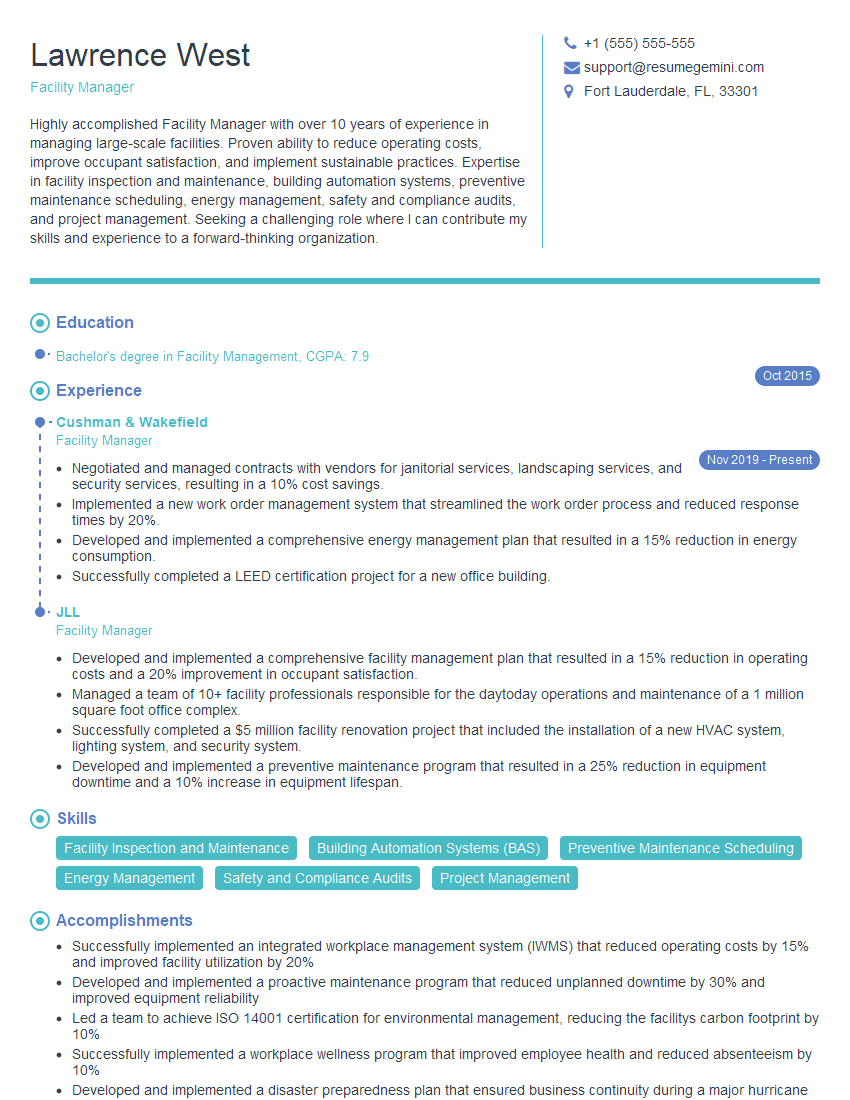
Facility Manager Resume Sample

Operations Manager Resume Sample
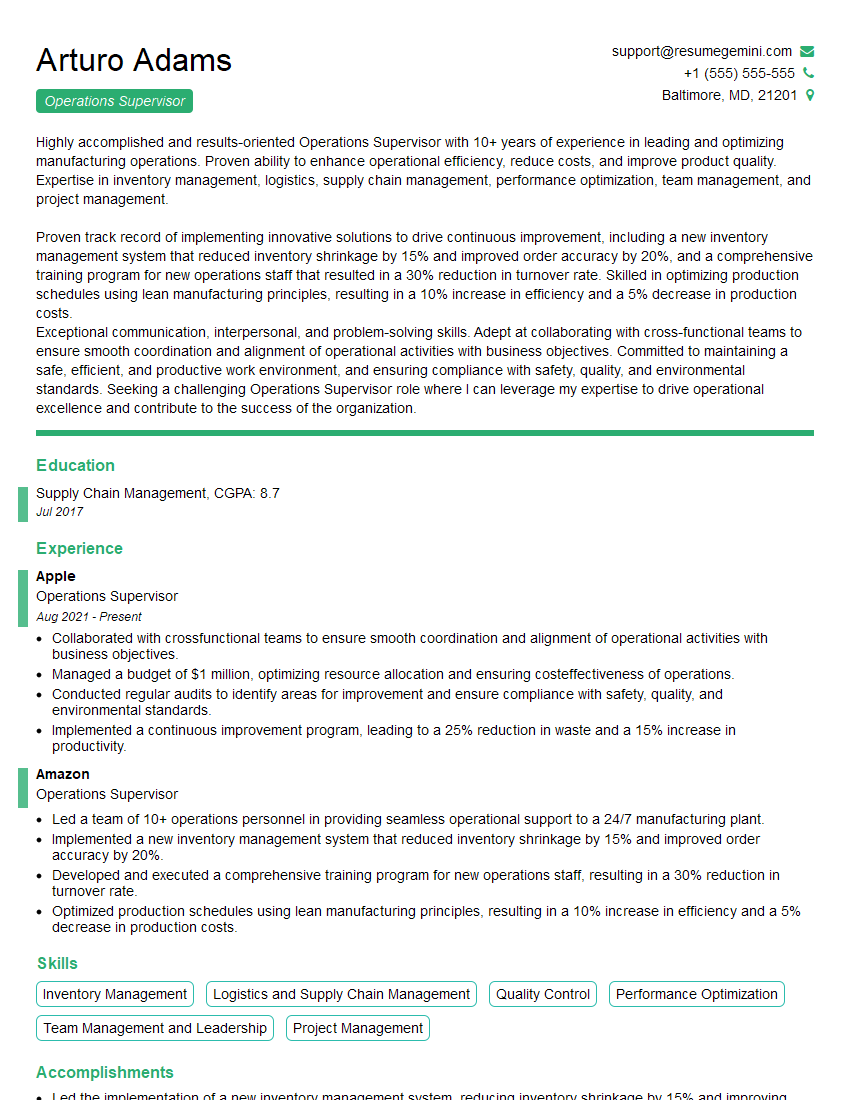
Operations Supervisor Resume Sample
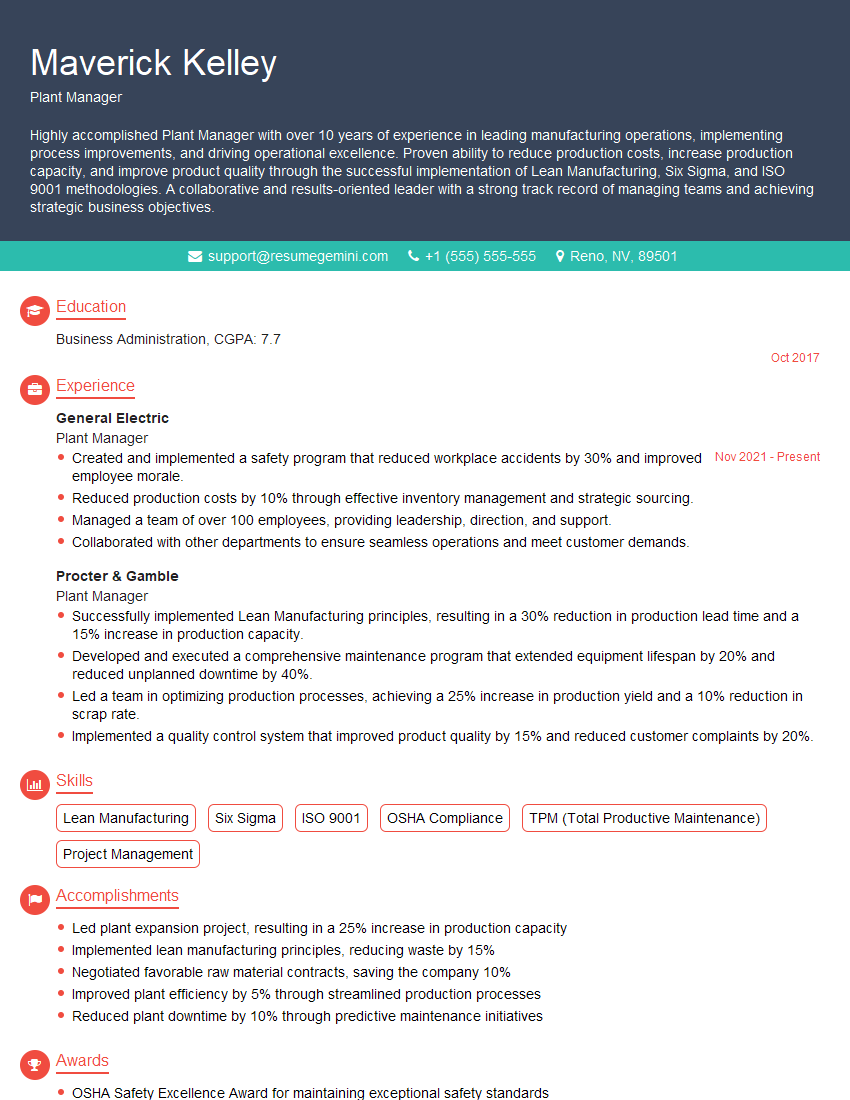
Plant Manager Resume Sample
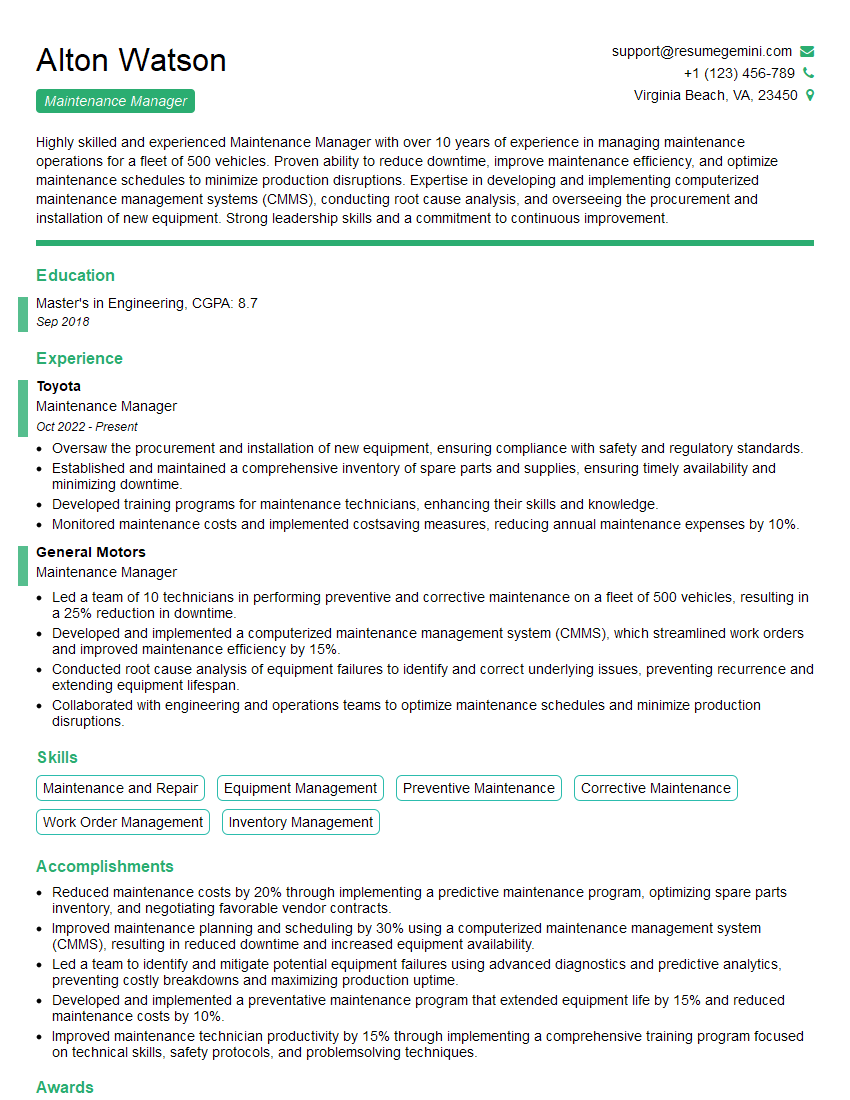
Maintenance Manager Resume Sample
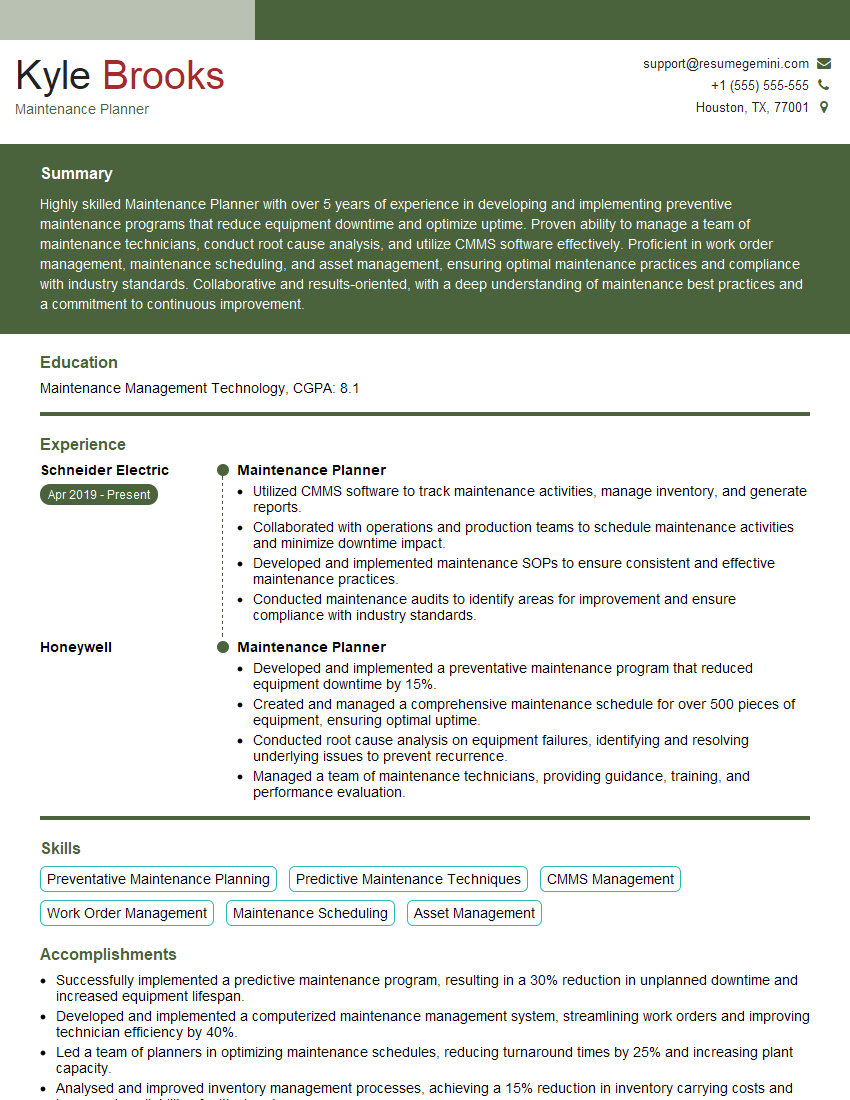
Maintenance Planner Resume Sample
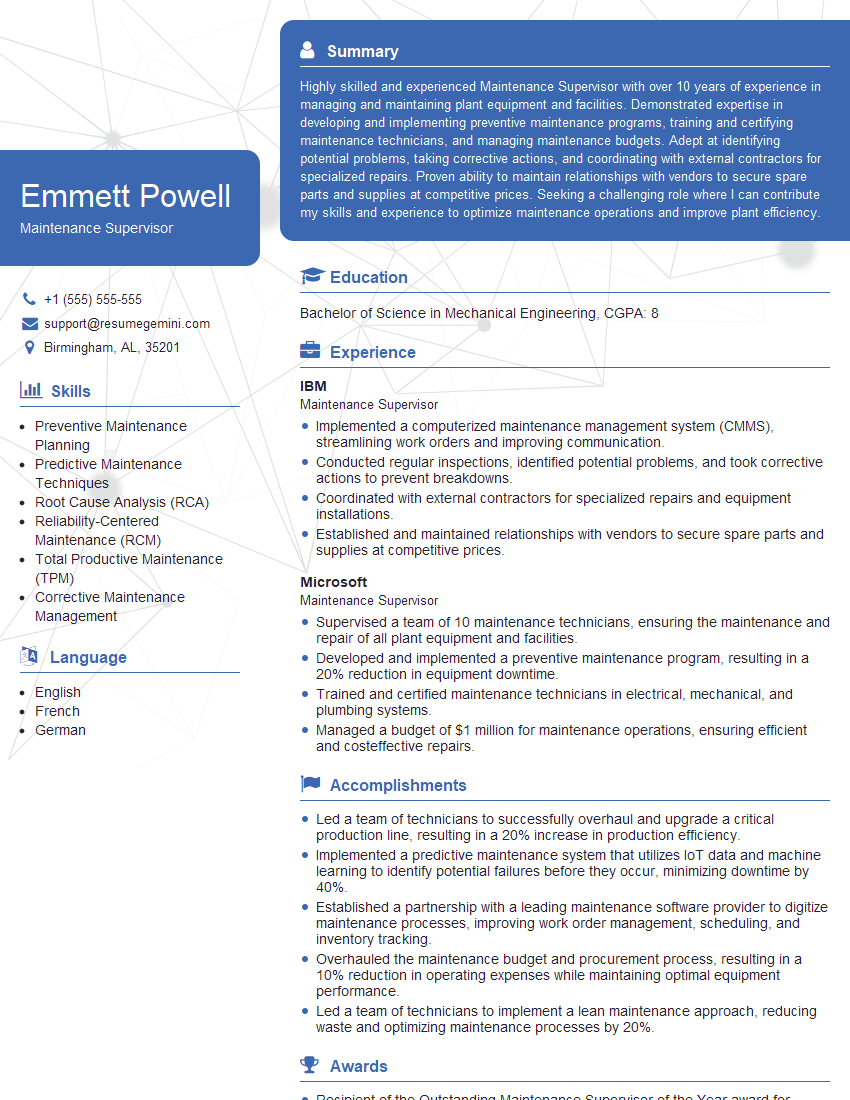
Maintenance Supervisor Resume Sample
Compliance Manager Resume Sample
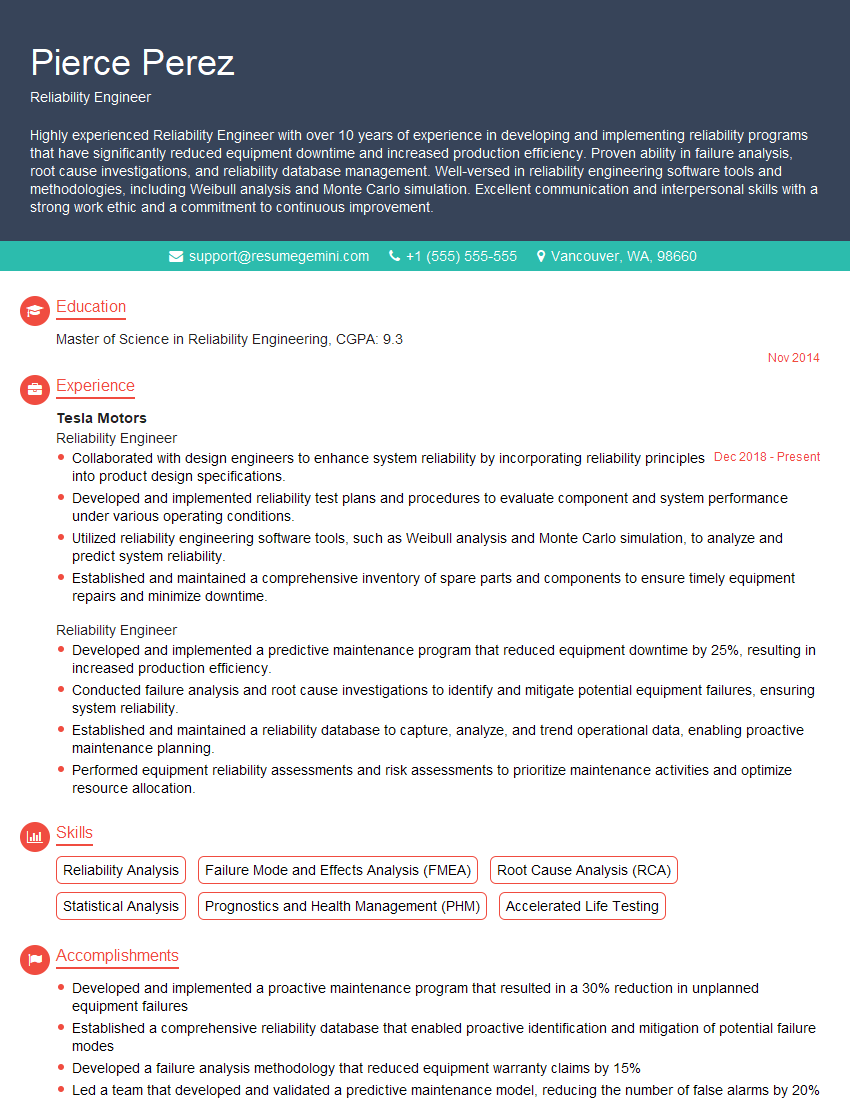
Reliability Engineer Resume Sample
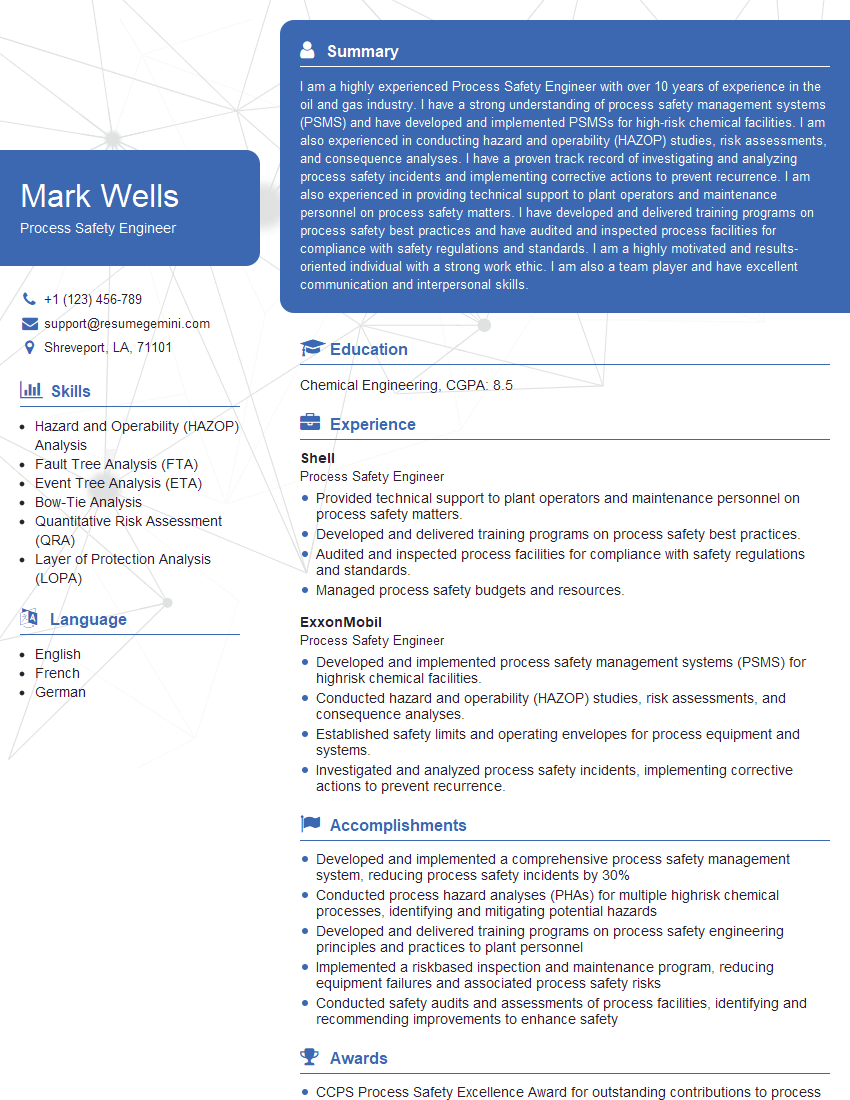
Process Safety Engineer Resume Sample
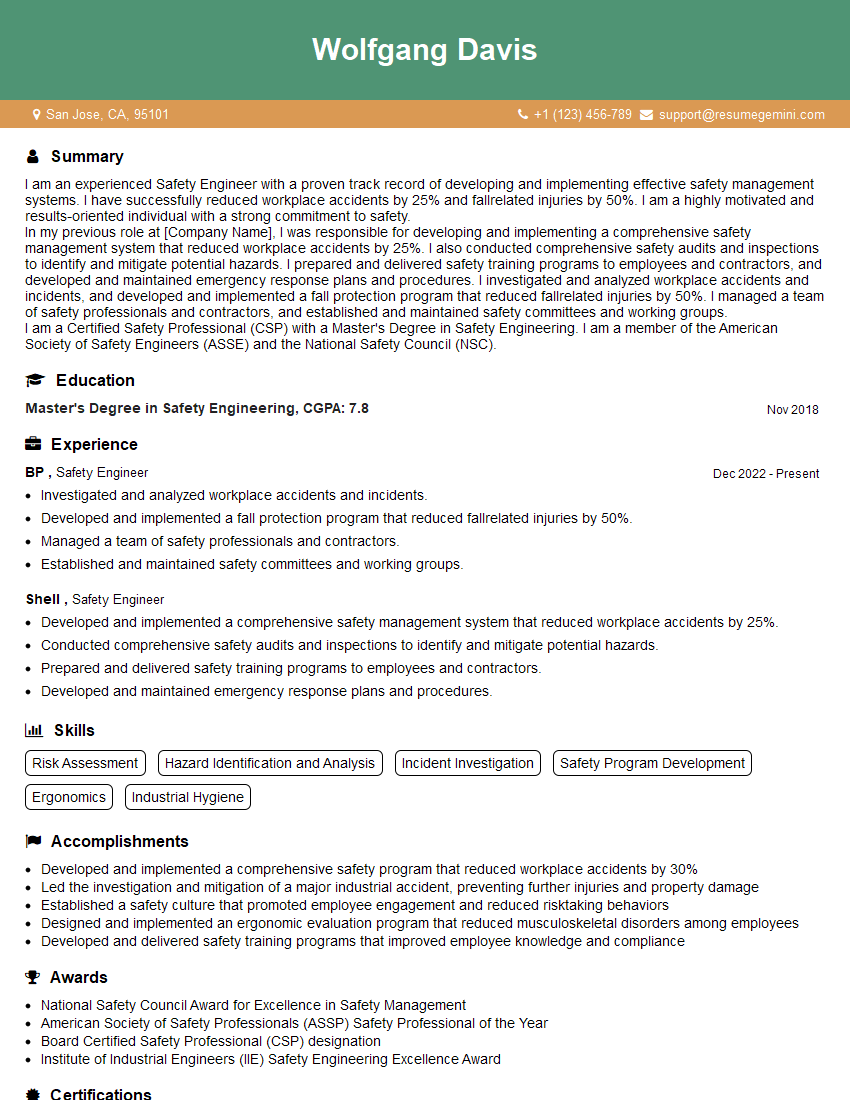
Safety Engineer Resume Sample
Explore more articles
Users Rating of Our Blogs
Share Your Experience
We value your feedback! Please rate our content and share your thoughts (optional).
What Readers Say About Our Blog
To the interviewgemini.com Webmaster.
Very helpful and content specific questions to help prepare me for my interview!
Thank you
To the interviewgemini.com Webmaster.
This was kind of a unique content I found around the specialized skills. Very helpful questions and good detailed answers.
Very Helpful blog, thank you Interviewgemini team.