The thought of an interview can be nerve-wracking, but the right preparation can make all the difference. Explore this comprehensive guide to Operator Maintenance interview questions and gain the confidence you need to showcase your abilities and secure the role.
Questions Asked in Operator Maintenance Interview
Q 1. Describe your experience with preventative maintenance.
Preventative maintenance is the cornerstone of reliable equipment operation. It involves proactively servicing equipment to prevent failures before they occur, reducing downtime and extending the lifespan of machinery. Think of it like regular checkups for your car – you change the oil and inspect the tires to avoid major breakdowns down the road.
- Scheduled Inspections: I meticulously follow manufacturer-recommended schedules for inspections, checking for wear and tear, lubrication levels, and potential issues. For example, I’d inspect conveyor belts for wear and tear, checking for cracks, tears or misalignment, and replace sections before a complete failure.
- Lubrication: Regular lubrication is critical. I ensure that all moving parts receive appropriate lubrication according to the manufacturer’s specifications, preventing friction and extending component life. Incorrect lubrication can lead to premature failure, and I’m meticulous about using the correct type and amount.
- Cleaning: Keeping equipment clean prevents dust and debris buildup, which can cause malfunctions. This includes removing dust, dirt, and other contaminants from critical components. A clean machine operates more efficiently and is less prone to failure.
- Component Replacement: I proactively replace components that show signs of wear before they fail completely. For example, I’d replace worn-out bearings in a motor before they seize up, avoiding costly emergency repairs and potential damage to other parts.
My experience shows that a robust preventative maintenance program significantly reduces unexpected downtime and associated costs. I’ve consistently improved operational efficiency by implementing and managing these procedures across various types of equipment.
Q 2. Explain your troubleshooting process for malfunctioning equipment.
My troubleshooting process is systematic and follows a structured approach. I use a combination of observation, diagnostic tools, and my experience to quickly identify and resolve malfunctions.
- Safety First: Always prioritize safety. Before starting any troubleshooting, I ensure the equipment is properly locked out/tagged out to prevent accidental start-up.
- Gather Information: I start by gathering information about the malfunction. What is the symptom? When did it start? What were the operating conditions at the time? This information helps narrow down the potential causes.
- Visual Inspection: A thorough visual inspection often reveals obvious problems like loose connections, leaks, or damage. I use my senses (sight, sound, smell) to help me identify the problem.
- Diagnostic Tools: I utilize various diagnostic tools such as multimeters, oscilloscopes, and specialized software to pinpoint the exact cause of the malfunction. For example, if a motor is not starting, I will check voltage and current at the motor terminals using a multimeter to isolate the issue.
- Testing and Verification: After identifying the likely cause, I test my hypothesis by making adjustments or replacing components. I verify that the repair has been successful before returning the equipment to service.
- Documentation: I always meticulously document the troubleshooting process, including the problem, the steps taken, and the solution. This helps with future troubleshooting and preventative maintenance.
For example, I once resolved a complex issue with a robotic arm that wouldn’t complete its programmed movements. Through systematic troubleshooting involving a combination of visual inspection and diagnostics, I identified a faulty encoder in the joint, and replacing it resolved the problem.
Q 3. What are your skills in using diagnostic tools?
I’m proficient in using a wide range of diagnostic tools, both mechanical and electronic. My expertise includes:
- Multimeters: For measuring voltage, current, and resistance.
- Oscilloscopes: For analyzing waveforms and identifying electrical problems.
- Infrared (IR) Thermometers: For detecting overheating components.
- Vibration Analyzers: For diagnosing mechanical problems in rotating equipment.
- Specialized Software: For monitoring equipment performance and diagnostics in programmable logic controllers (PLCs) and other systems.
- Pressure Gauges and Leak Detectors: For identifying leaks and pressure issues in pneumatic and hydraulic systems.
I am adept at interpreting the data from these tools to diagnose and resolve equipment malfunctions quickly and efficiently. My ability to select and utilize the right tools for each situation is essential for efficient troubleshooting.
Q 4. How do you prioritize maintenance tasks?
Prioritizing maintenance tasks is crucial for maximizing uptime and minimizing downtime. I use a combination of factors to prioritize:
- Criticality: I prioritize tasks that affect critical systems or processes first. For example, a malfunction in a main power supply would take precedence over a minor issue with a peripheral device.
- Urgency: Tasks with an imminent risk of failure are prioritized over tasks that can be deferred. For instance, a worn-out bearing showing significant wear requires immediate attention.
- Impact: I consider the potential impact of a failure on production or operations. A malfunction causing significant production downtime would be a higher priority.
- Cost: The cost of repair versus the cost of downtime is considered. Some preventative tasks, though seemingly expensive, prevent larger and more costly repairs.
- Scheduled Maintenance: I maintain a schedule for routine maintenance tasks to prevent failures and prolong the life of the equipment.
I often use a system like a weighted scoring system to rank tasks based on these factors, ensuring the most critical maintenance is addressed first.
Q 5. Describe a time you had to solve a complex maintenance issue.
During my time at [Previous Company Name], we experienced a significant failure in our automated packaging line. The line stopped unexpectedly, causing a major backlog and threatening to impact deadlines. The initial diagnosis pointed to a possible motor failure, but replacing the motor didn’t resolve the issue.
Using my systematic troubleshooting approach, I expanded my investigation, leveraging my knowledge of PLC programming. I carefully examined the PLC’s control logic and discovered a software error within the program that caused the motor to stop under specific conditions. This error wasn’t immediately obvious and required careful review of the control logic and system parameters.
I successfully corrected the software error, verified its effectiveness in testing, and restored the packaging line to full operation within a few hours. This prevented significant production losses and demonstrated my ability to troubleshoot complex, multi-faceted issues involving both electrical and software components.
Q 6. What safety procedures do you follow during maintenance?
Safety is paramount in all maintenance activities. I adhere to a strict set of safety procedures, including:
- Lockout/Tagout (LOTO): Before performing any maintenance on equipment, I always implement LOTO procedures to prevent accidental energization or startup. This involves isolating the power source and affixing a lock and tag to prevent unauthorized access.
- Personal Protective Equipment (PPE): I consistently use appropriate PPE, such as safety glasses, gloves, hearing protection, and steel-toe boots, depending on the task.
- Risk Assessment: I perform a thorough risk assessment before each maintenance task to identify potential hazards and develop mitigation strategies. This includes identifying potential hazards and selecting appropriate safety measures.
- Following Safety Regulations: I strictly adhere to all relevant safety regulations and company policies. I am familiar with OSHA (or relevant local) regulations and always follow their requirements.
- Emergency Procedures: I am trained in emergency procedures and know how to respond to various scenarios, such as fires, injuries, or equipment malfunctions.
My commitment to safety ensures a safe working environment for myself and others, minimizing risks and preventing accidents.
Q 7. What is your experience with different types of machinery?
Throughout my career, I’ve gained extensive experience with a wide variety of machinery, including:
- Conveyor Systems: Including belt conveyors, roller conveyors, and chain conveyors. I am experienced in troubleshooting issues such as belt tracking, alignment, and component failures.
- Packaging Machinery: Such as automated filling machines, sealing machines, and labeling machines. I understand the intricate mechanisms and control systems involved in these processes.
- Robotics: I have experience maintaining industrial robots, including troubleshooting issues related to mechanical components, sensors, and control systems.
- HVAC Systems: Including chillers, air handlers, and refrigeration systems. I can identify and repair problems with these systems, ensuring optimal climate control.
- PLC-Controlled Machinery: I’m proficient in troubleshooting and programming PLCs, a critical skill for maintaining modern automated systems.
My experience encompasses both mechanical and electrical systems and allows me to effectively maintain a wide range of industrial equipment.
Q 8. Explain your knowledge of hydraulic and pneumatic systems.
Hydraulic and pneumatic systems are fundamental in many industrial applications, powering everything from heavy machinery to delicate robotic arms. Hydraulic systems use pressurized liquid, typically oil, to transmit power, while pneumatic systems use compressed air or gas. My understanding encompasses both their design and maintenance.
Hydraulic Systems: I’m proficient in diagnosing issues related to pumps, valves, actuators, and fluid contamination. For example, I’ve troubleshot a system where a slow-acting cylinder was due to a partially clogged filter, requiring filter replacement and fluid flushing. I also understand the importance of regular fluid analysis and preventative maintenance to avoid costly failures. Think of it like your car’s braking system – the hydraulic fluid transmits pressure to the brakes, and any contamination compromises performance.
Pneumatic Systems: These systems are often simpler than hydraulic, but still require careful attention. My expertise here includes identifying leaks using soap solutions, understanding air compressor operation and maintenance, and troubleshooting issues with pneumatic valves and actuators. For instance, I once diagnosed a faulty air compressor by listening carefully for unusual noises and checking the pressure gauges, ultimately preventing a production line shutdown.
In both systems, safety is paramount. I’m highly trained in working with high-pressure systems and following lockout/tagout procedures to ensure safe operation and maintenance.
Q 9. How do you document maintenance activities?
Accurate documentation is crucial for effective maintenance. My approach involves a multi-faceted system:
- CMMS Integration: I leverage CMMS (Computerized Maintenance Management Systems) to record all maintenance activities. This includes work orders, preventive maintenance schedules, and detailed reports on completed tasks.
- Detailed Work Orders: Each work order includes specifics: the equipment involved, the problem identified, actions taken, parts used (with part numbers), and time spent. I include before and after photographs when helpful.
- Visual Aids: When applicable, I use diagrams, schematics, or flowcharts to illustrate problem areas and solutions. A picture is worth a thousand words, especially when explaining complex mechanical issues.
- Regular Audits: I periodically review my documentation to ensure accuracy and consistency. This proactive approach helps identify trends, improve efficiency, and facilitate future troubleshooting.
A well-maintained documentation system isn’t just about compliance; it’s a critical tool for continuous improvement. It allows us to analyze past performance, predict potential issues, and optimize maintenance strategies.
Q 10. What are your skills in reading and interpreting technical manuals?
I have extensive experience reading and interpreting technical manuals, schematics, and blueprints. My approach is systematic:
- Understanding the Structure: I start by familiarizing myself with the manual’s table of contents, index, and any diagrams or illustrations.
- Identifying Key Information: I focus on extracting critical information such as safety precautions, operational procedures, troubleshooting guides, and parts lists.
- Practical Application: I don’t just read passively; I actively try to relate the information to real-world scenarios. This helps me to understand the concepts better and retain the information.
- Cross-referencing: If something is unclear, I cross-reference information from different sections or seek clarification from colleagues or technical experts.
For example, I recently used a hydraulic pump schematic to diagnose a pressure issue. By carefully tracing the fluid pathways and comparing them to actual system behavior, I quickly identified a faulty valve. This experience highlights my ability to translate theoretical information into practical solutions.
Q 11. How familiar are you with CMMS (Computerized Maintenance Management Systems)?
I’m highly proficient with CMMS (Computerized Maintenance Management Systems). My experience includes using various CMMS platforms to schedule preventative maintenance, track work orders, manage inventory, and generate reports. I’m familiar with their capabilities for managing assets, generating reports, and tracking key metrics.
Specifically, I’ve used [mention specific CMMS software used, e.g., IBM Maximo, SAP PM] to schedule routine inspections, track repair history, and manage spare parts inventory. I understand how to input data accurately, generate reports on maintenance costs and equipment downtime, and utilize the system to improve overall maintenance efficiency.
Beyond basic data entry, I understand how to configure CMMS systems to tailor them to specific needs, optimize reporting for management, and utilize the system’s analytical capabilities to improve maintenance strategy. A well-configured CMMS is invaluable for proactive, data-driven maintenance.
Q 12. Describe your experience with predictive maintenance techniques.
Predictive maintenance focuses on anticipating equipment failures before they occur, minimizing downtime and maximizing efficiency. My experience encompasses various techniques:
- Vibration Analysis: I’m skilled in using vibration sensors and analyzers to detect imbalances, misalignment, or bearing wear in rotating equipment, preventing catastrophic failures.
- Infrared Thermography: I utilize infrared cameras to identify overheating components, which can indicate impending electrical or mechanical issues. This allows for timely repairs, preventing costly fires or equipment damage.
- Oil Analysis: Regular oil analysis helps detect the presence of contaminants or wear particles, providing insights into the condition of lubricated components. This helps schedule maintenance before critical wear occurs.
- Ultrasonic Testing: This technique allows for the detection of leaks in pressurized systems or worn components without disassembling them, reducing downtime and maintenance costs.
For example, using infrared thermography, I once identified an overheating motor bearing in a conveyor system, allowing for its replacement before a complete failure shut down the entire production line.
Q 13. How do you ensure compliance with safety regulations?
Safety is my top priority. I ensure compliance with safety regulations through a multi-pronged approach:
- Lockout/Tagout Procedures: I strictly adhere to lockout/tagout procedures to prevent accidental energization of equipment during maintenance.
- Personal Protective Equipment (PPE): I consistently use appropriate PPE, including safety glasses, gloves, hearing protection, and steel-toe boots, tailored to the specific task.
- Hazard Identification and Risk Assessment: Before starting any task, I conduct a thorough risk assessment to identify potential hazards and implement control measures.
- Regular Training: I stay updated on the latest safety regulations and best practices through regular training programs and certifications.
- Reporting and Documentation: I meticulously document all safety incidents or near misses to learn from them and prevent future occurrences.
Compliance isn’t just about following rules; it’s about cultivating a safety-conscious mindset, where everyone feels empowered to identify and address potential hazards. I actively participate in safety meetings and contribute to a culture of safety within the team.
Q 14. What is your experience with root cause analysis?
Root cause analysis (RCA) is crucial for preventing recurring equipment failures. My approach typically follows a structured methodology, such as the 5 Whys or Fishbone diagrams.
The 5 Whys: This iterative questioning technique helps uncover the root cause by repeatedly asking “Why?” until the underlying issue is identified. For example, if a pump failed, the process might be:
1. Why did the pump fail? (Bearing failure)
2. Why did the bearing fail? (Insufficient lubrication)
3. Why was there insufficient lubrication? (Faulty lubrication system)
4. Why did the lubrication system fail? (Clogged filter)
5. Why was the filter clogged? (Lack of preventative maintenance).
Fishbone Diagrams (Ishikawa Diagrams): This visual tool helps to brainstorm potential causes categorized by categories like people, materials, methods, machines, and environment. It provides a structured approach to identifying multiple potential root causes and prioritizing them.
Regardless of the methodology, my approach focuses on gathering comprehensive data, interviewing stakeholders, and objectively analyzing the situation to identify the underlying cause. Fixing the symptom isn’t enough; identifying and addressing the root cause is essential for long-term reliability.
Q 15. How do you handle emergency maintenance situations?
Emergency maintenance demands swift, decisive action. My approach is rooted in a structured protocol: Assess, Act, Report.
- Assess: First, I prioritize safety. Is the situation immediately life-threatening or causing significant damage? I’ll isolate the affected area to prevent further issues and assess the extent of the problem. This might involve checking gauges, visually inspecting equipment, and listening for unusual sounds. For example, if a pump suddenly fails, I’d first shut off the power, then check for leaks or obvious damage before attempting any repairs.
- Act: Based on my assessment, I implement immediate corrective actions. This could range from a simple fix like resetting a tripped breaker to performing a temporary repair to prevent further damage while a permanent solution is planned. Safety is paramount – I never attempt a repair if I’m not qualified or if it poses a safety risk. If the situation exceeds my expertise, I immediately notify my supervisor.
- Report: Once the immediate emergency is under control, I meticulously document everything – the problem, actions taken, and any temporary solutions. This includes photos, measurements, and a clear timeline. This detailed report helps in conducting a root-cause analysis later and prevents similar incidents in the future. For example, I might note the specific pump that failed, the time it failed, the actions I took to stop the leak, and photos showing the level of the spilled liquid.
Effective communication is crucial during emergencies. I keep my supervisor updated throughout the process, ensuring clear and concise updates.
Career Expert Tips:
- Ace those interviews! Prepare effectively by reviewing the Top 50 Most Common Interview Questions on ResumeGemini.
- Navigate your job search with confidence! Explore a wide range of Career Tips on ResumeGemini. Learn about common challenges and recommendations to overcome them.
- Craft the perfect resume! Master the Art of Resume Writing with ResumeGemini’s guide. Showcase your unique qualifications and achievements effectively.
- Don’t miss out on holiday savings! Build your dream resume with ResumeGemini’s ATS optimized templates.
Q 16. What is your experience with lubrication techniques?
Lubrication is critical for extending equipment lifespan and ensuring efficient operation. My experience encompasses various techniques, including:
- Grease Lubrication: I’m proficient in using grease guns and selecting the correct grease type based on the manufacturer’s specifications and operating conditions. Knowing the difference between lithium-based, calcium-based, and other greases is crucial for proper equipment care. Over-greasing can be as damaging as under-greasing, so precise application is essential. For example, when lubricating a bearing, I carefully follow the manufacturer’s recommendation for the quantity of grease and the frequency of lubrication.
- Oil Lubrication: I’m experienced in maintaining oil levels in gearboxes, engines, and hydraulic systems. Regular oil changes and filter replacements are crucial, and I understand the importance of selecting the right viscosity oil based on the operating temperature and load. I always properly dispose of used oil following environmental regulations.
- Specialized Lubricants: I’ve worked with specialized lubricants, such as those designed for high-temperature applications or those containing extreme-pressure additives. The choice of lubricant depends greatly on the specific machinery and environmental conditions.
I always ensure proper disposal of used lubricants in an environmentally responsible manner.
Q 17. What are your skills in using hand tools and power tools?
My skills with hand and power tools are extensive and cover a wide range of applications within the field of operator maintenance. I’m proficient in using:
- Hand Tools: Wrenches (adjustable, socket, open-end), screwdrivers (Phillips, flathead, Torx), pliers (needle-nose, slip-joint), hammers, chisels, levels, measuring tapes, and various other hand tools common in maintenance work. I understand the proper techniques for using each tool to avoid damage to equipment or injury to myself. For instance, I always use the correct size wrench to avoid stripping bolt heads.
- Power Tools: Drills (cordless and corded), impact wrenches, grinders (angle grinders, bench grinders), saws (reciprocating saws, circular saws), and other power tools. Safety is always my primary concern when using power tools. I always wear appropriate safety equipment, including eye protection, hearing protection, and gloves.
I regularly maintain and inspect all my tools to ensure they’re in optimal working condition and safe to use.
Q 18. Describe your experience with welding or other fabrication techniques.
While my primary role doesn’t involve extensive welding or fabrication, I possess foundational skills in several techniques. My experience includes:
- MIG Welding: I can perform basic MIG welds for minor repairs, like patching small holes or fixing broken brackets. This is often useful for repairing damaged equipment housings or support structures.
- Arc Welding: I’ve used arc welding for some repair jobs that require more penetration than MIG welding could provide. However, I always prioritize safety first and stick to repairs within my skill set. If a repair requires extensive welding, I’ll consult a qualified welder.
- Cutting and Grinding: I’m skilled in using cutting torches and grinders to prepare metal for welding or other repairs. Precise cutting and grinding techniques are important for ensuring a proper fit during repairs.
My focus is always on safety and proper technique. I understand the importance of using proper safety equipment and following all relevant safety procedures when working with these tools.
Q 19. How do you manage your time effectively during maintenance?
Effective time management during maintenance is crucial for productivity and efficiency. I utilize a combination of strategies:
- Prioritization: I always start by prioritizing tasks based on urgency and importance. Emergency repairs always come first, followed by critical maintenance tasks that could impact production or safety. Less urgent tasks are scheduled accordingly.
- Scheduling and Planning: I meticulously plan my day, allocating specific time blocks for different tasks. I use checklists and work orders to ensure I stay on track and don’t miss anything.
- Organization: Maintaining a well-organized workspace and keeping tools readily available saves valuable time and prevents delays. I ensure that all necessary parts and materials are available before starting a task.
- Multitasking (when appropriate): When possible, I strategically multitask, such as allowing a sealant to cure while performing other tasks. However, I avoid multitasking when it compromises safety or the quality of the work.
Regularly reviewing my schedule and adapting as needed helps me remain efficient and meet deadlines.
Q 20. What are your experience with different types of sensors and instrumentation?
My experience with sensors and instrumentation is extensive and involves understanding their functions, maintenance, and troubleshooting. This includes:
- Temperature Sensors: Thermocouples, RTDs (Resistance Temperature Detectors), and thermistors. I understand how to calibrate and troubleshoot these sensors and interpret their readings to monitor equipment performance.
- Pressure Sensors: I’m familiar with various pressure sensors, including strain gauge and piezoelectric sensors. I can diagnose issues related to pressure readings and ensure accurate measurements for process control.
- Flow Sensors: I’ve worked with various flow sensors, including rotameters, ultrasonic flow meters, and magnetic flow meters. I can identify and resolve issues related to flow measurement accuracy and equipment performance.
- Level Sensors: I have experience with various level sensors used to monitor the level of liquids or solids in tanks or vessels. I can diagnose issues and ensure accurate measurement for safe operation.
I understand the importance of regular calibration and preventative maintenance to ensure the accuracy and reliability of all sensors and instrumentation.
Q 21. How do you ensure the accuracy of maintenance records?
Accurate maintenance records are crucial for tracking equipment history, identifying potential problems, and ensuring compliance with regulations. I ensure accuracy through:
- Detailed Documentation: I meticulously document all maintenance activities, including dates, times, work performed, parts replaced, and any unusual observations. I use clear and concise language, avoiding ambiguity. Using digital records is preferred, as it enables easier searching and reporting.
- Verification and Cross-Checking: Where possible, I cross-check my work and entries with other records or personnel. For example, if replacing a part, I confirm the part number against the work order and the equipment’s maintenance manual.
- Data Integrity: I ensure data integrity through the use of proper data entry procedures and regular audits of the records. This includes checking for inconsistencies or missing information and promptly correcting any errors.
- Digital Systems: I’m proficient in using computerized maintenance management systems (CMMS) to efficiently record and manage maintenance data. These systems offer tools for data validation, reducing the likelihood of errors.
Accurate records provide a valuable history of equipment performance and can prove invaluable in troubleshooting, identifying recurring problems, and predicting future maintenance needs.
Q 22. What are your skills in communicating technical information?
Communicating complex technical information effectively is crucial in operator maintenance. My approach involves simplifying jargon, using clear and concise language, and tailoring my communication style to the audience. For instance, when explaining a complex motor failure to a non-technical manager, I’d focus on the impact on production and the proposed solution, avoiding technical details. However, when discussing the same issue with a fellow engineer, I would delve into the specific root cause analysis, the diagnostic procedures used, and the technical specifications of the replacement part.
I also utilize visual aids like diagrams, schematics, and photos to enhance understanding. During training sessions, I employ interactive methods such as hands-on demonstrations and Q&A sessions to ensure knowledge retention. I actively solicit feedback to confirm comprehension and adjust my communication accordingly.
Q 23. How do you work effectively as part of a team?
Teamwork is essential in operator maintenance, where tasks often require collaboration and expertise from various specialists. I believe in open communication, actively participating in brainstorming sessions, and sharing my knowledge willingly. I value diverse perspectives and am comfortable taking both leadership roles and supporting roles depending on the situation.
For example, during a major equipment overhaul, I worked with electricians, instrumentation technicians, and process engineers to coordinate our tasks, ensuring a smooth and efficient process. We established clear communication channels, daily progress meetings, and a shared task list to track our collective progress. This collaborative approach ensured the project completed on time and within budget. I’m skilled at conflict resolution and focus on finding mutually beneficial solutions during disagreements.
Q 24. Describe your experience with different types of motors and drives.
My experience encompasses a wide range of motors and drives, including AC induction motors, DC motors, servo motors, and stepper motors. I’m proficient in diagnosing issues with motor windings, bearings, and controllers. I’m familiar with different drive technologies such as VFDs (Variable Frequency Drives) and soft starters, and understand their applications in various industrial settings.
For example, I recently troubleshooted a malfunctioning servo motor on a robotic arm in a packaging line. By systematically checking the motor’s power supply, encoder feedback, and drive parameters, I identified a faulty encoder, resulting in a timely repair and minimized production downtime. I also have experience with different motor protection schemes, including thermal overload protection and current limiting.
Q 25. How do you handle challenging or stressful situations during maintenance?
Handling stressful situations during maintenance requires a systematic and calm approach. My strategy involves prioritizing tasks based on urgency and impact, remaining focused on the problem at hand, and seeking assistance when needed. I rely on my problem-solving skills, drawing on past experiences and technical knowledge to identify potential solutions. I also emphasize clear communication with my team to maintain transparency and foster collaboration under pressure.
During an unexpected plant shutdown caused by a major pump failure, I remained calm and systematically assessed the situation. I immediately contacted relevant teams, organized a rapid response team, and efficiently guided the replacement process. Clear communication with management ensured everyone was informed about the status and potential impact. The proactive and organized approach minimized the impact of the unexpected downtime.
Q 26. What are your skills in using PLCs (Programmable Logic Controllers)?
I possess extensive experience with PLCs (Programmable Logic Controllers), including programming, troubleshooting, and maintenance. I’m proficient in various PLC programming languages, such as ladder logic and structured text. I can effectively read, modify, and debug existing PLC programs, as well as develop new programs for automated systems.
For instance, I recently optimized a PLC program controlling a conveyor system, reducing cycle time by 15% through efficient code modifications and improved logic. I’m also experienced in working with different PLC brands and communication protocols, ensuring interoperability between various automation components.
Example Ladder Logic Code: (Illustrative Only)--[Input1]----( )----[Output1]--
Q 27. What are your experience with different types of pumps and valves?
My experience with pumps and valves includes various types, such as centrifugal pumps, positive displacement pumps, control valves, and safety relief valves. I’m familiar with their operating principles, maintenance requirements, and troubleshooting procedures. I can diagnose issues related to leaks, cavitation, and performance degradation, and effectively implement repair or replacement strategies.
For example, I recently resolved a recurring leak in a centrifugal pump by identifying worn seals and implementing a proper replacement procedure, avoiding costly downtime. I’m also experienced in aligning pumps, adjusting valve settings, and performing preventative maintenance to extend their lifespan.
Q 28. How do you stay up-to-date with the latest maintenance technologies?
Staying up-to-date with the latest maintenance technologies is a priority. I regularly attend industry conferences and workshops to learn about new techniques and equipment. I actively participate in professional organizations, subscribe to industry publications, and leverage online resources such as technical journals and manufacturer websites to expand my knowledge. I also encourage continuous learning within my team, sharing new insights and best practices to enhance our collective expertise. This commitment ensures I remain at the forefront of best practices in operator maintenance.
Key Topics to Learn for Operator Maintenance Interview
- Preventive Maintenance Procedures: Understanding and executing scheduled maintenance tasks to minimize equipment downtime and prolong lifespan. Practical application includes developing and adhering to maintenance schedules, using diagnostic tools, and recording maintenance logs accurately.
- Troubleshooting and Diagnostics: Identifying and resolving equipment malfunctions efficiently. This includes using diagnostic software, interpreting error codes, and applying logical problem-solving techniques to pinpoint the root cause of issues.
- Safety Regulations and Procedures: Demonstrating a thorough understanding of safety protocols, lockout/tagout procedures, and hazard identification within an industrial setting. Practical application involves describing how you would ensure a safe work environment and handle emergency situations.
- Equipment Operation and Functionality: Detailed knowledge of the specific machinery or systems you’ll be maintaining. This includes understanding their operational principles, components, and performance indicators. Be prepared to discuss specific equipment you’ve worked with.
- Data Analysis and Reporting: Collecting, analyzing, and reporting on maintenance data to identify trends, predict potential failures, and improve overall maintenance effectiveness. This involves using data to justify maintenance decisions and demonstrate cost savings.
- Technical Documentation and Reporting: Accurately documenting maintenance activities, repairs, and findings. This includes completing work orders, generating reports, and maintaining accurate records.
- Continuous Improvement: Demonstrating a proactive approach to improving maintenance processes, identifying areas for optimization, and suggesting solutions to enhance efficiency and reduce costs.
Next Steps
Mastering Operator Maintenance opens doors to exciting career advancements, offering opportunities for increased responsibility, higher earning potential, and specialized skill development. To stand out in a competitive job market, crafting an ATS-friendly resume is crucial. A well-structured resume will help your application get noticed by recruiters and hiring managers. We strongly recommend using ResumeGemini to build a professional and effective resume that highlights your skills and experience. ResumeGemini provides valuable tools and resources, including examples of resumes tailored to Operator Maintenance, to help you create a winning application.

Operations Manager Resume Sample
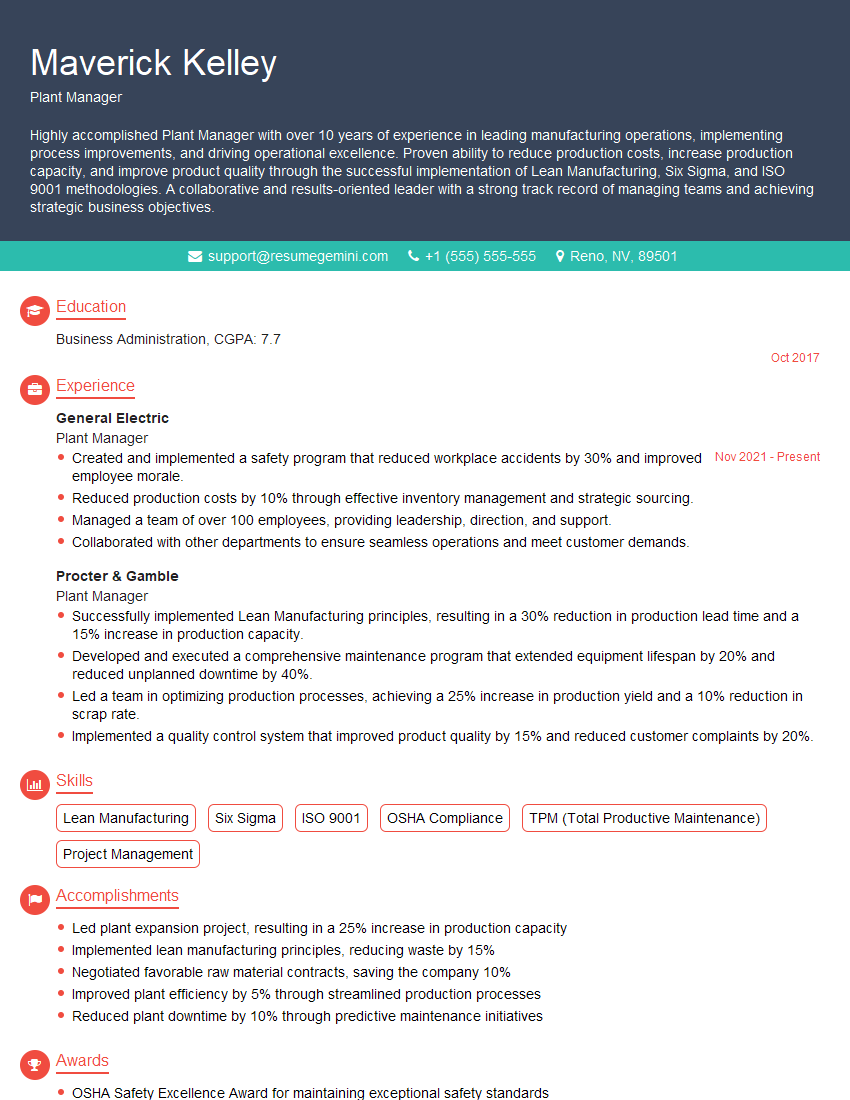
Plant Manager Resume Sample
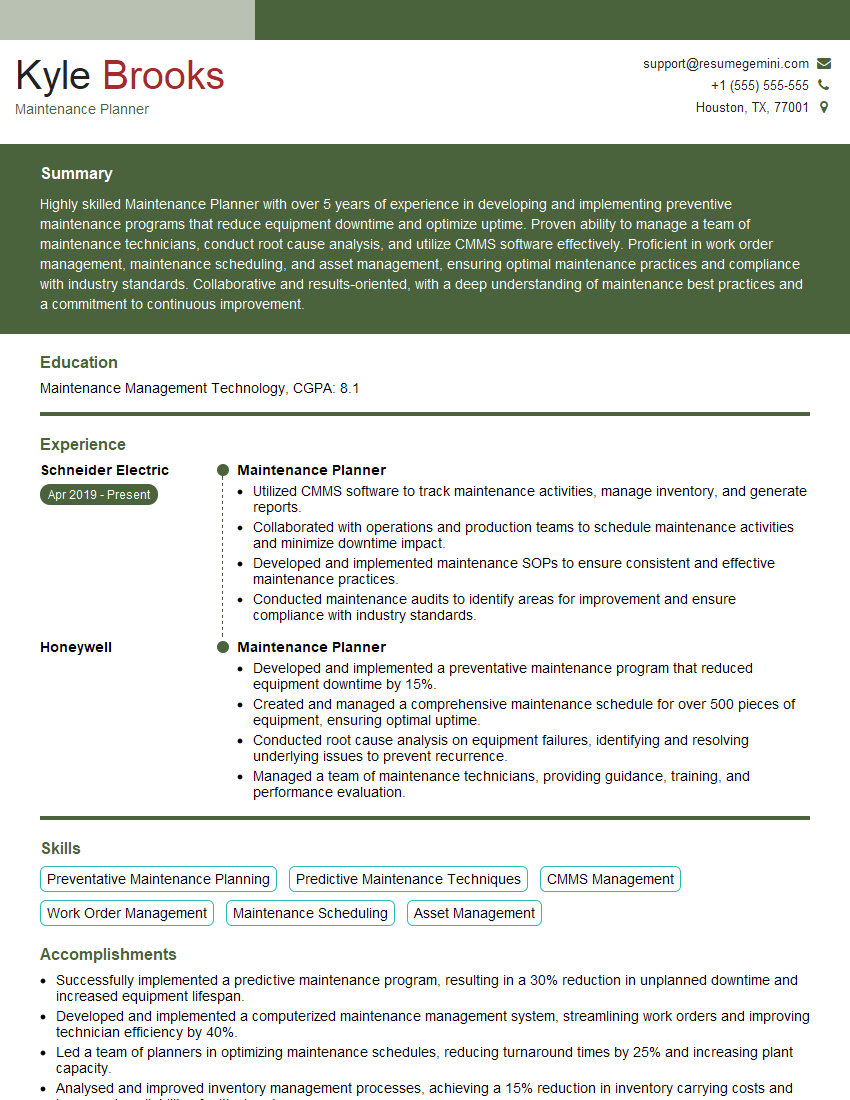
Maintenance Planner Resume Sample
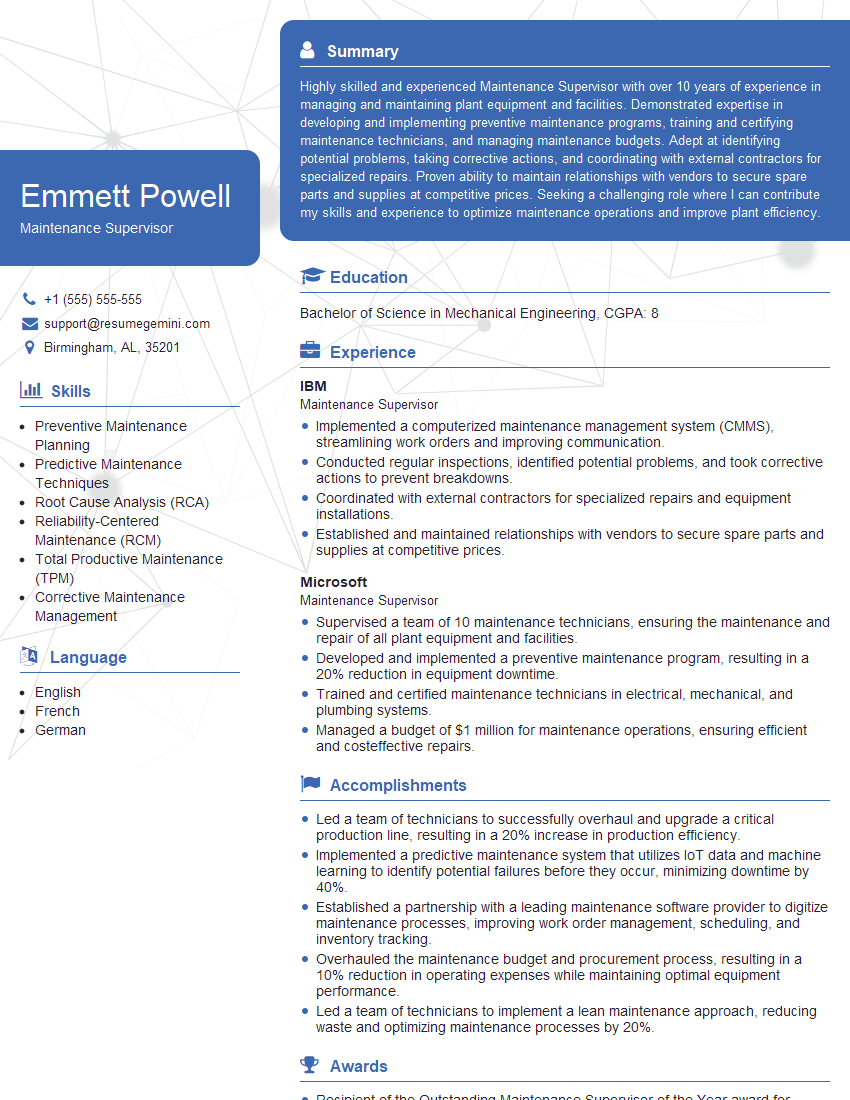
Maintenance Supervisor Resume Sample
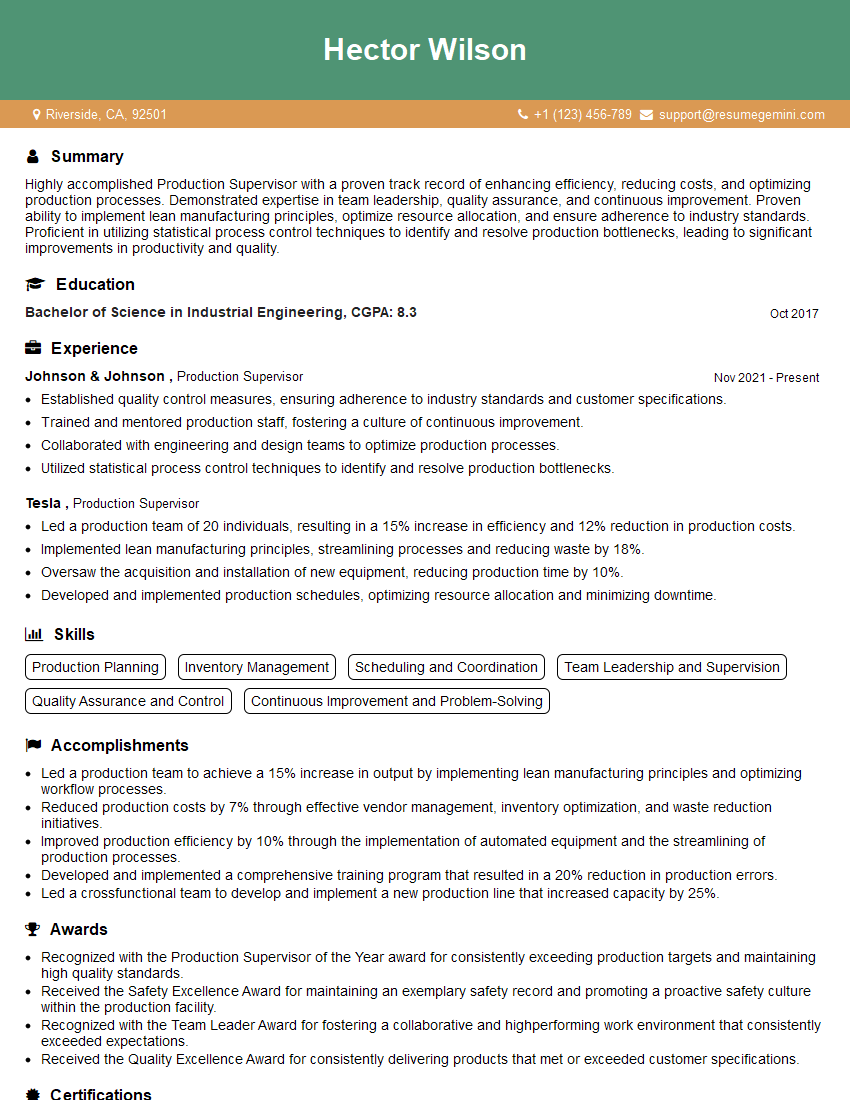
Production Supervisor Resume Sample
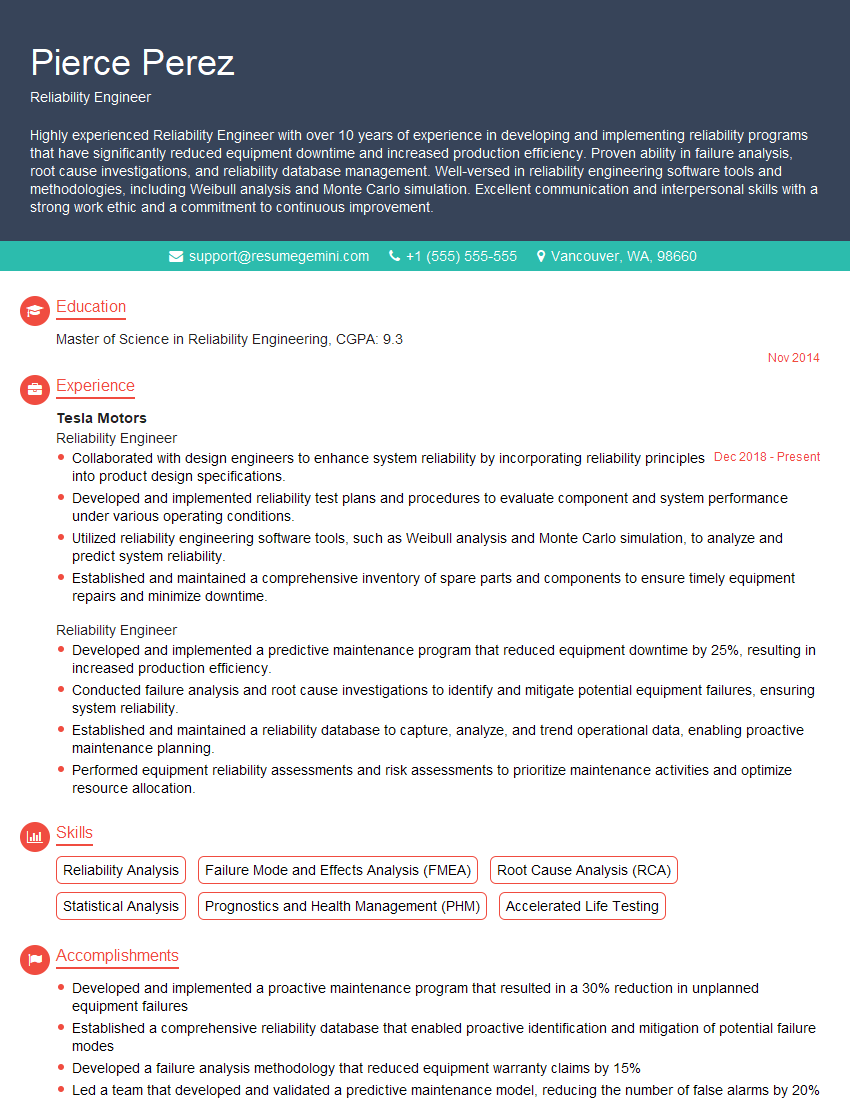
Reliability Engineer Resume Sample
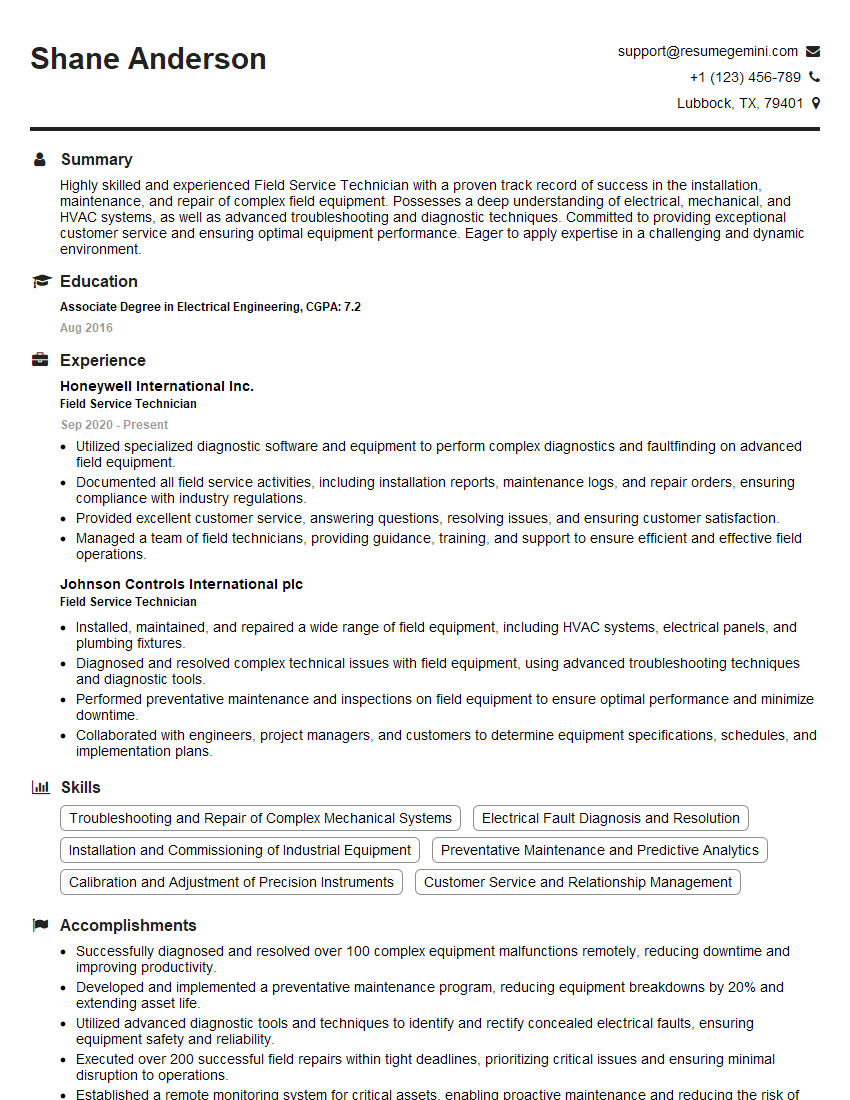
Field Service Technician Resume Sample
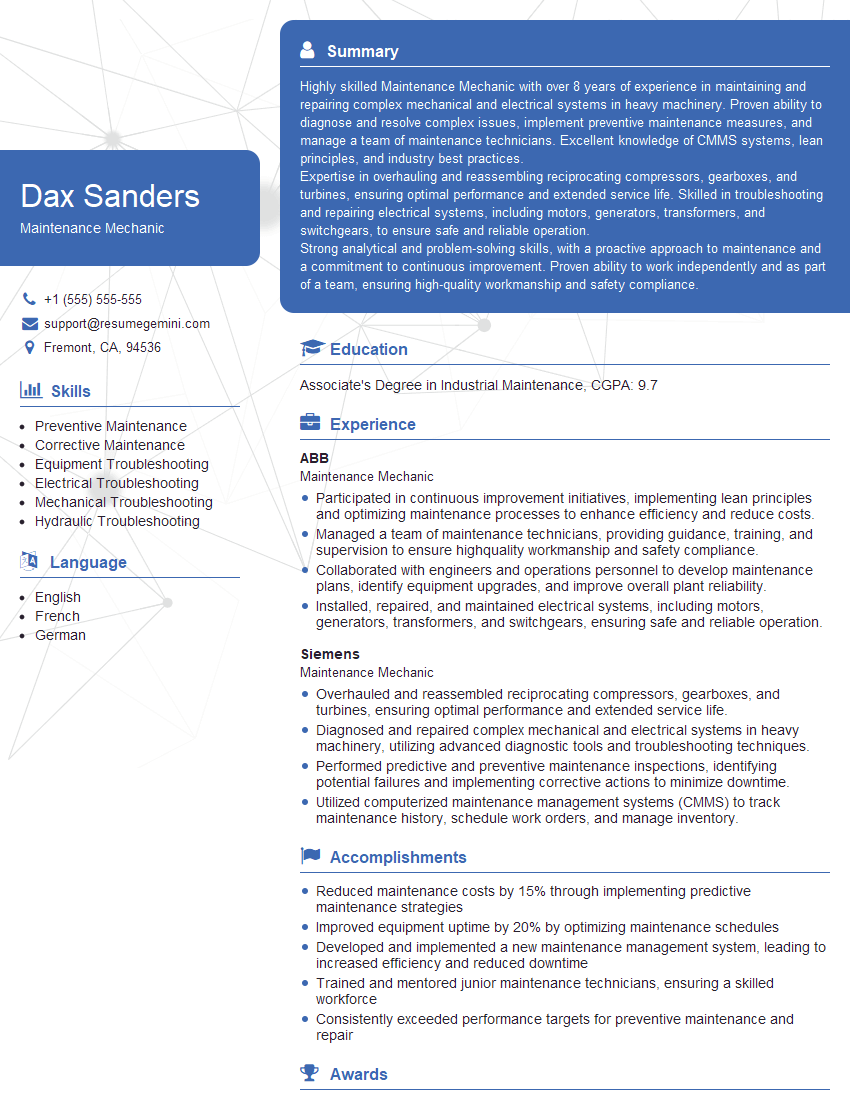
Maintenance Mechanic Resume Sample
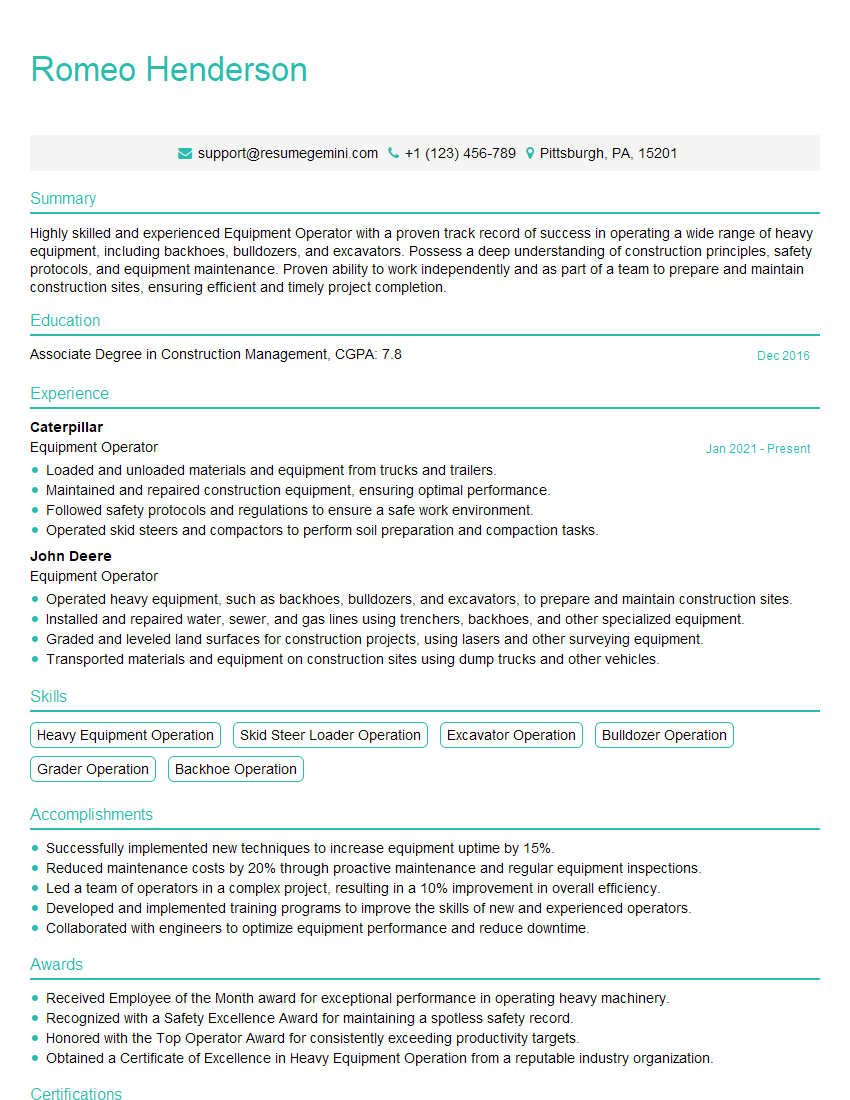
Equipment Operator Resume Sample
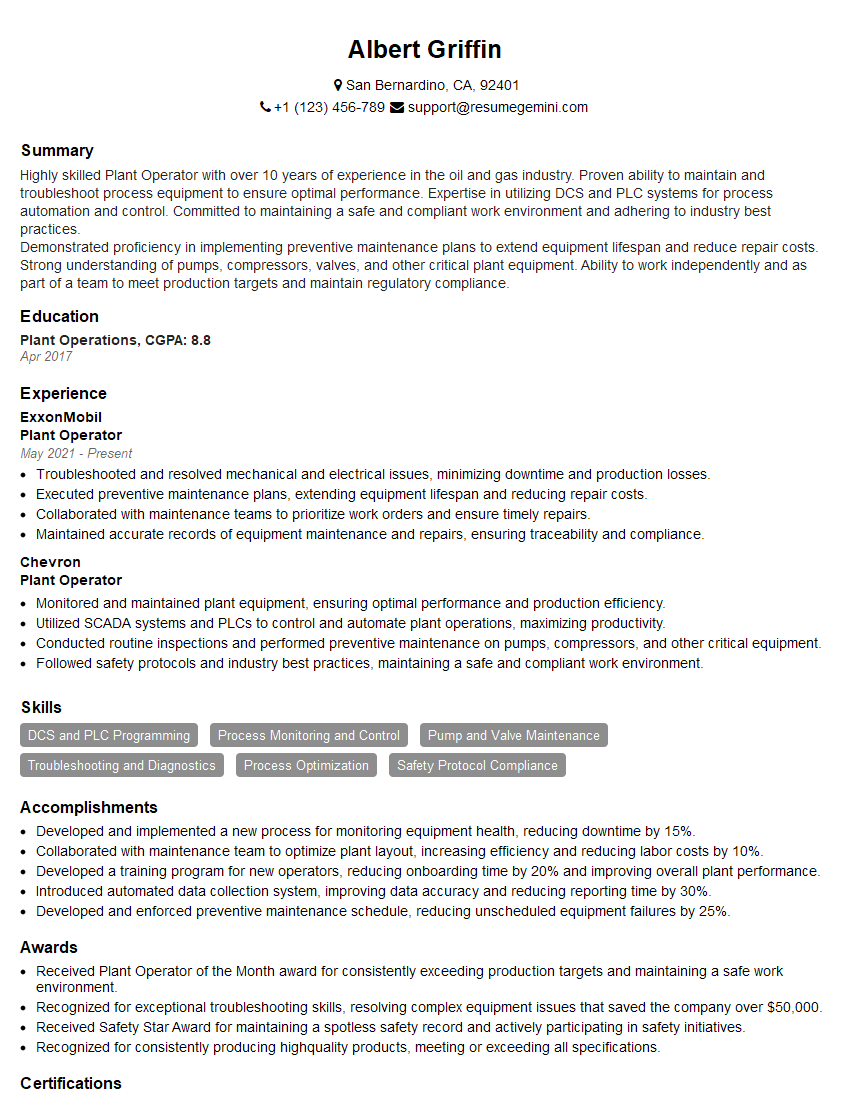
Plant Operator Resume Sample
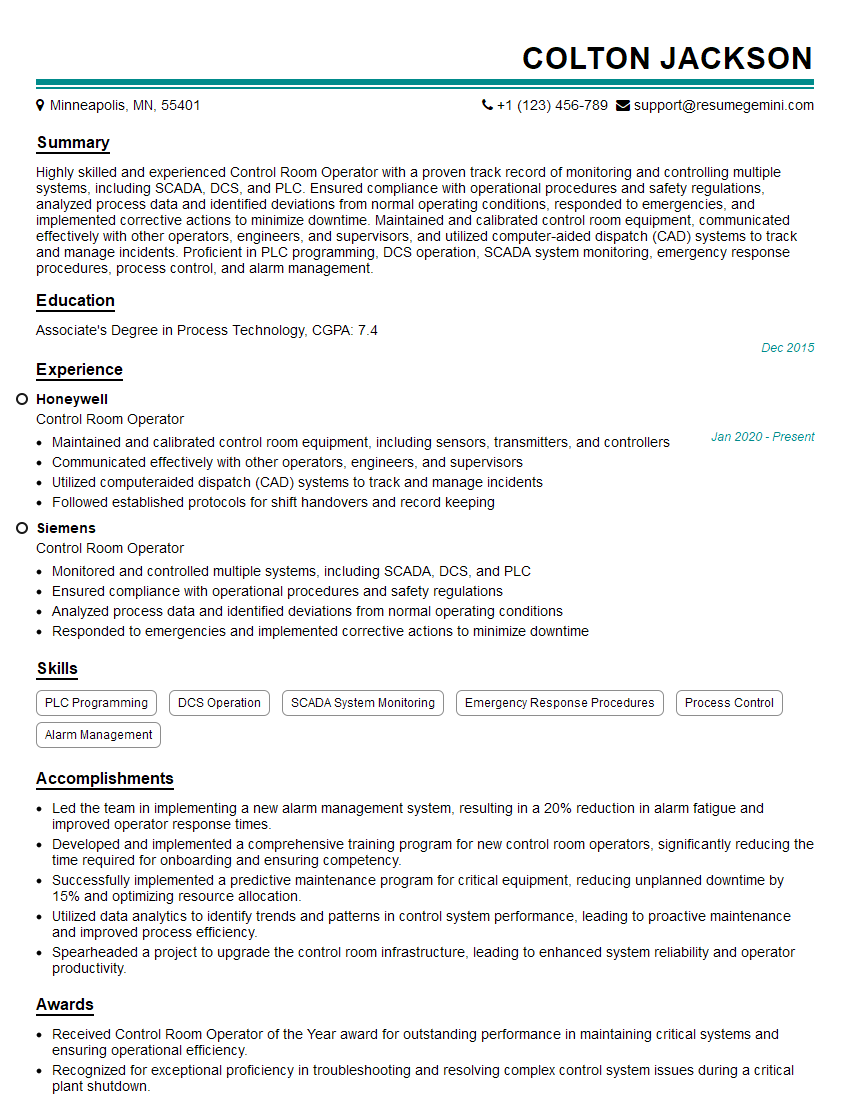
Control Room Operator Resume Sample
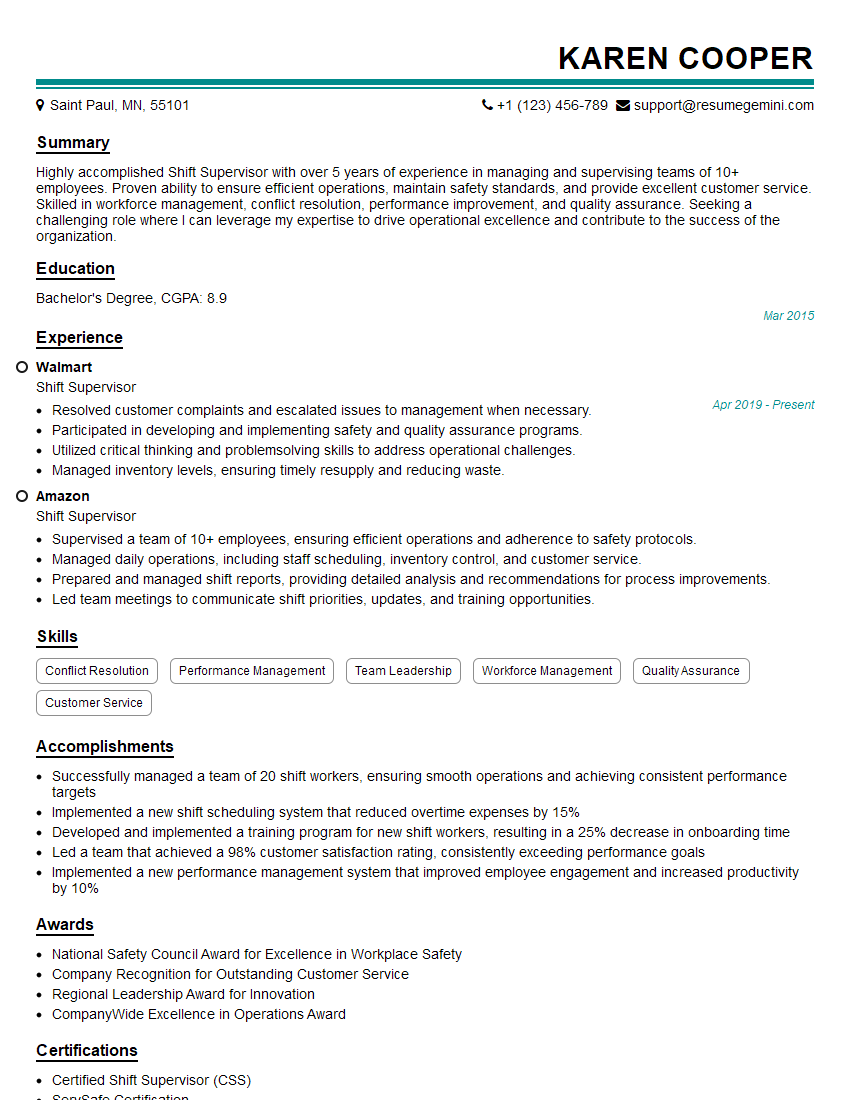
Shift Supervisor Resume Sample
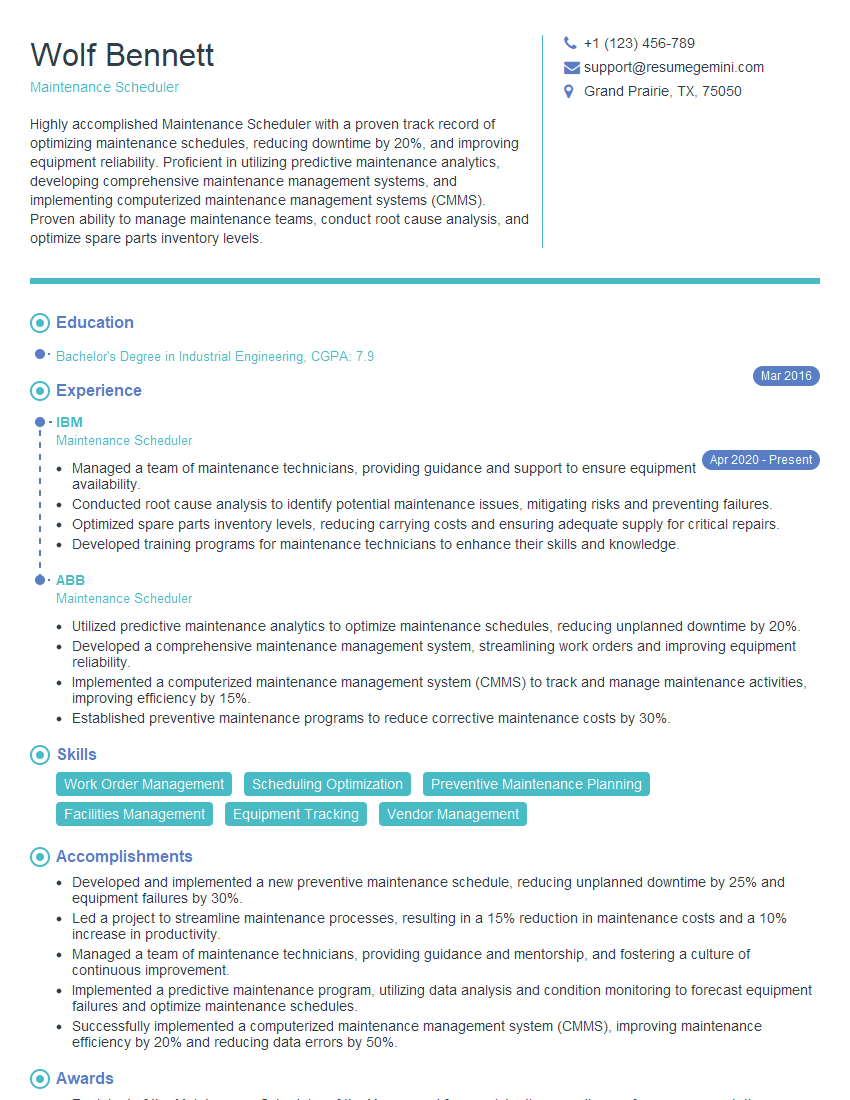
Maintenance Scheduler Resume Sample
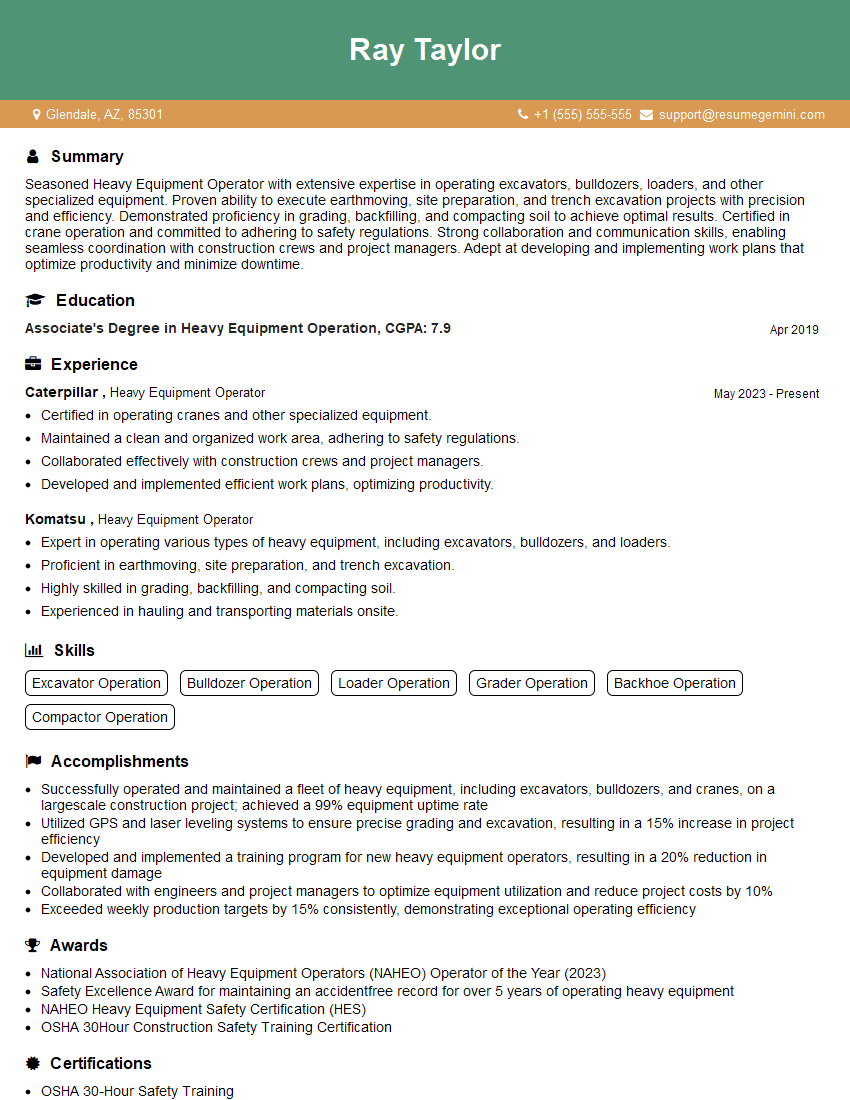
Heavy Equipment Operator Resume Sample
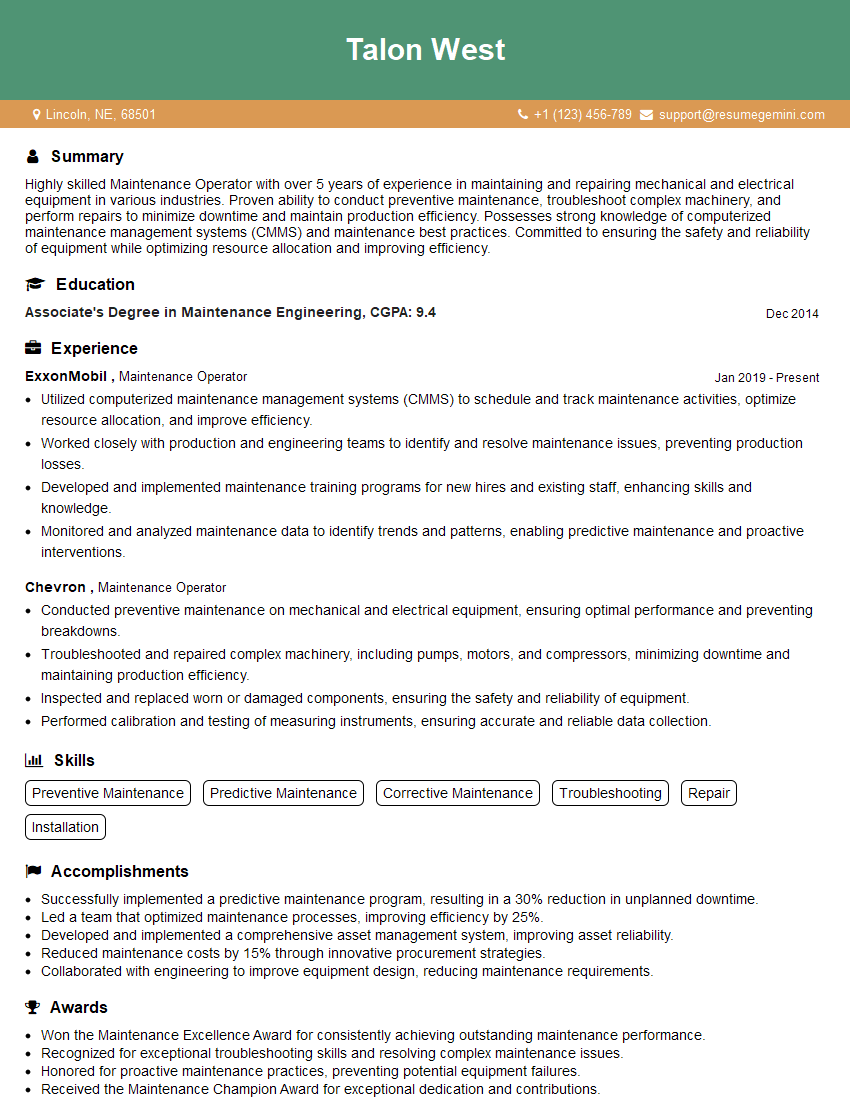
Maintenance Operator Resume Sample
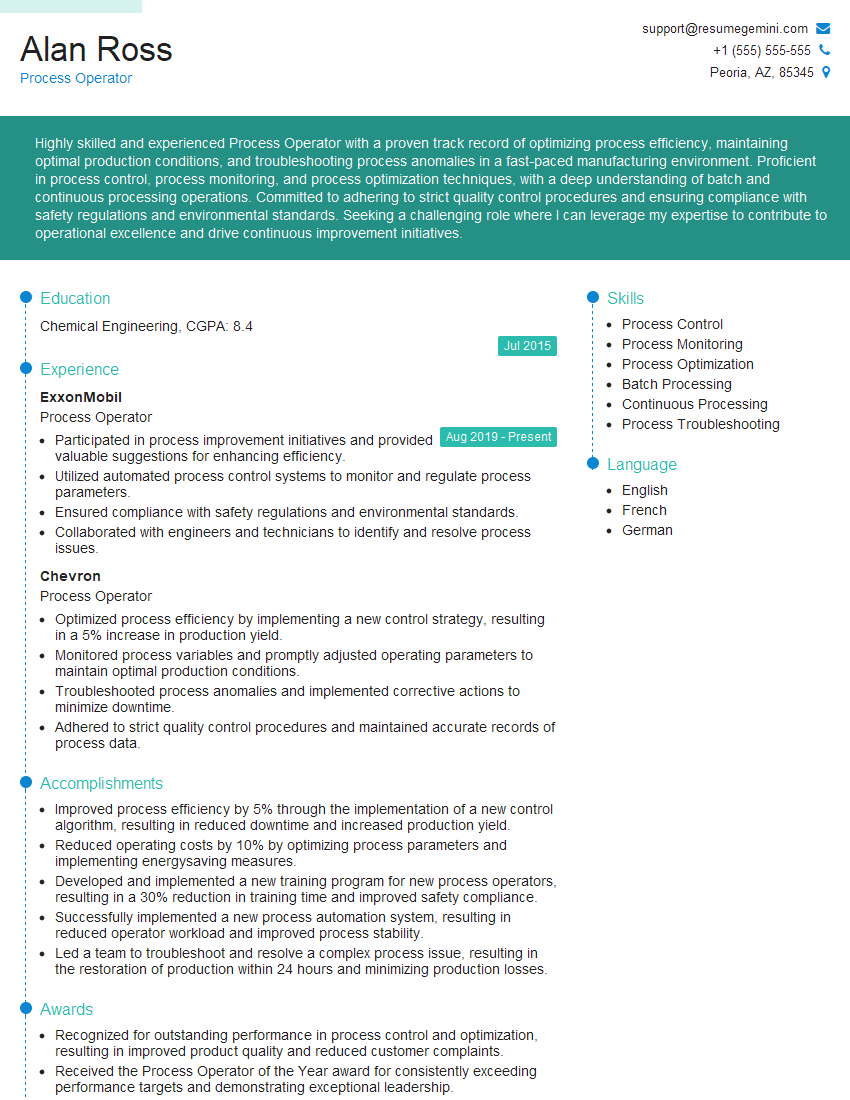
Process Operator Resume Sample
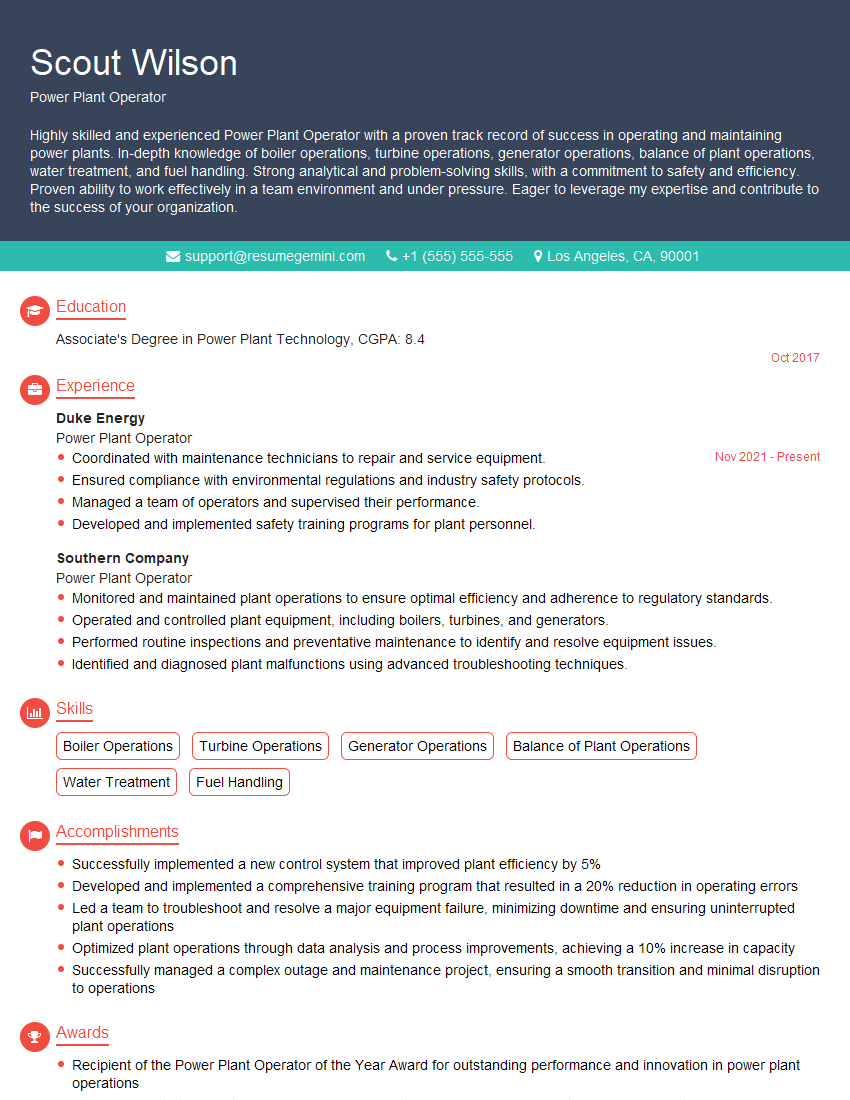
Power Plant Operator Resume Sample
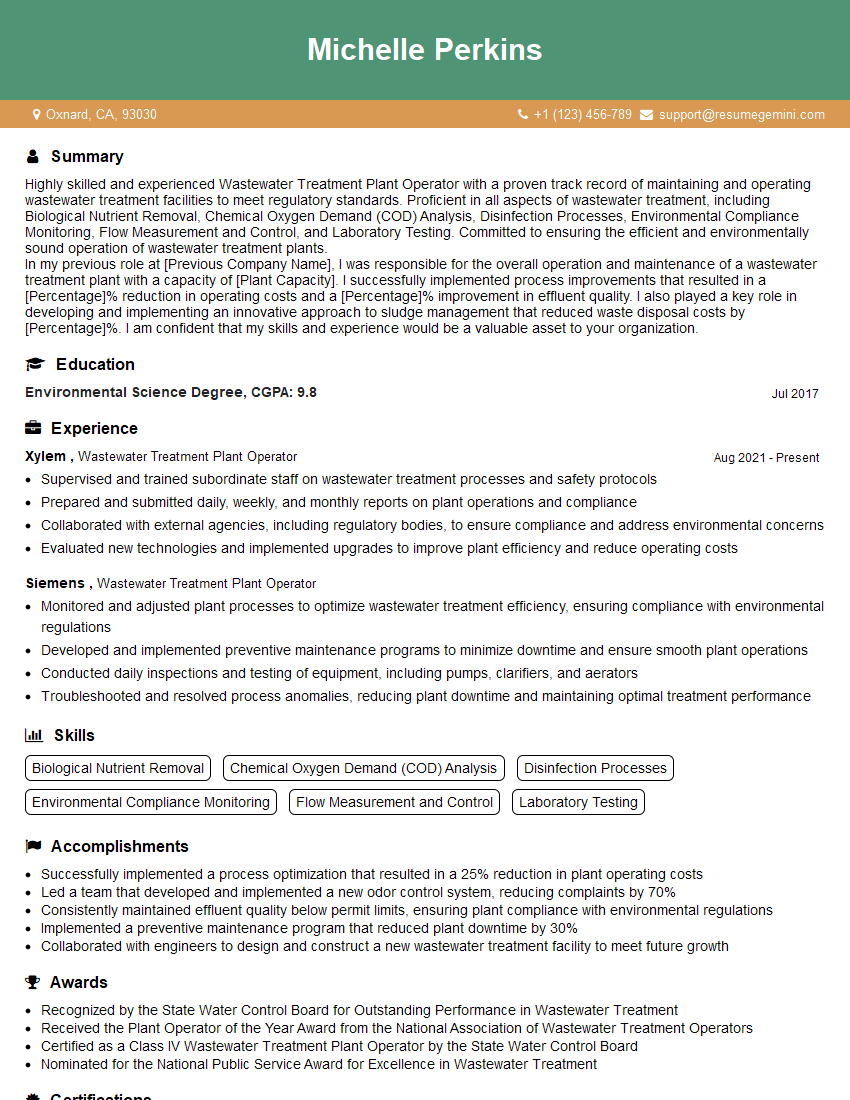
Wastewater Treatment Plant Operator Resume Sample
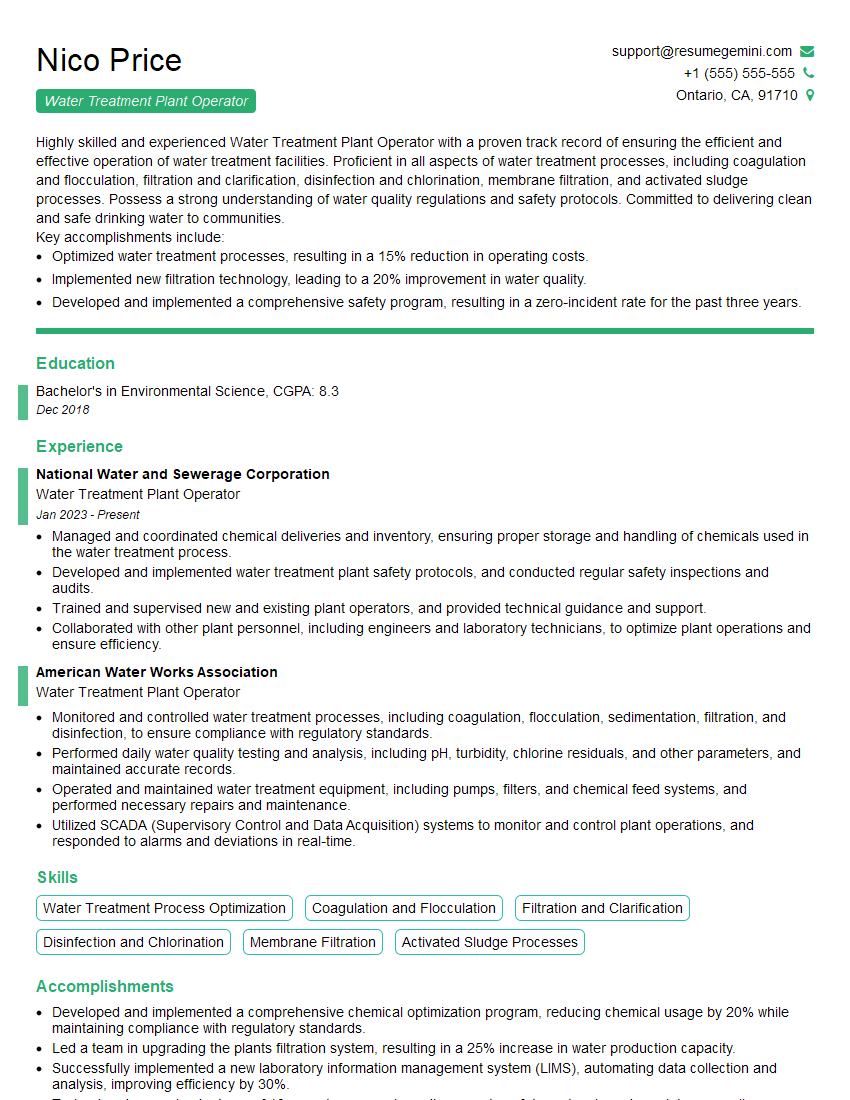
Water Treatment Plant Operator Resume Sample
- Operations Manager
- Plant Manager
- Maintenance Planner
- Maintenance Supervisor
- Production Supervisor
- Reliability Engineer
- Field Service Technician
- Maintenance Mechanic
- Equipment Operator
- Plant Operator
- Control Room Operator
- Shift Supervisor
- Maintenance Scheduler
- Heavy Equipment Operator
- Maintenance Operator
- Process Operator
- Power Plant Operator
- Wastewater Treatment Plant Operator
- Water Treatment Plant Operator
Explore more articles
Users Rating of Our Blogs
Share Your Experience
We value your feedback! Please rate our content and share your thoughts (optional).
What Readers Say About Our Blog
To the interviewgemini.com Webmaster.
Very helpful and content specific questions to help prepare me for my interview!
Thank you
To the interviewgemini.com Webmaster.
This was kind of a unique content I found around the specialized skills. Very helpful questions and good detailed answers.
Very Helpful blog, thank you Interviewgemini team.