The right preparation can turn an interview into an opportunity to showcase your expertise. This guide to Orthotics and Bracing interview questions is your ultimate resource, providing key insights and tips to help you ace your responses and stand out as a top candidate.
Questions Asked in Orthotics and Bracing Interview
Q 1. Explain the difference between a custom and prefabricated orthotic.
The primary difference between custom and prefabricated orthotics lies in their manufacturing process and level of personalization. Custom orthotics are individually crafted for a specific patient based on precise measurements and a detailed assessment of their foot and lower limb biomechanics. This ensures a perfect fit and optimal support. Think of it like a bespoke suit – tailored to your exact measurements. Prefabricated orthotics, on the other hand, are mass-produced in standard sizes. While convenient and often more affordable, they may not provide the same level of personalized support and may not fully address individual needs. Imagine buying off-the-shelf shoes – they might fit reasonably well, but they won’t be as comfortable or supportive as a custom-made pair.
In short: Custom orthotics offer superior personalization and biomechanical correction, while prefabricated orthotics provide a more readily available and cost-effective solution, but with less precise fitting.
Q 2. Describe the process of taking a patient’s measurements for an orthotic.
Taking accurate measurements for an orthotic is crucial for its effectiveness. The process involves several steps, starting with a comprehensive patient history and physical examination to understand the underlying condition. Then, we use specialized equipment like a foam box or pressure-sensitive insoles to capture the patient’s foot shape and weight distribution. This is followed by static measurements, including foot length, width, arch height, and heel alignment. Dynamic measurements are also important, which are usually captured while the patient walks or performs specific movements. These measurements are taken using goniometry (measuring angles of joints), observation of gait, and sometimes video gait analysis. We also assess the patient’s leg length and alignment. All this data is used to create a plaster cast (for custom orthotics) or to select the appropriate prefabricated size. Accuracy is paramount because even small discrepancies can affect the orthotic’s performance.
For example, a patient with plantar fasciitis would require specific measurements focusing on the heel and arch to provide appropriate support and cushioning.
Q 3. What materials are commonly used in orthotic fabrication, and what are their properties?
The choice of materials in orthotic fabrication significantly impacts the device’s functionality, durability, and comfort. Common materials include:
- Polypropylene: A rigid thermoplastic known for its strength, durability, and lightweight nature. It’s frequently used in AFOs and custom foot orthotics for providing structural support.
- EVA (Ethylene-vinyl acetate): A flexible, shock-absorbing material offering cushioning and comfort. It’s often used as a cushioning layer in orthotics.
- Carbon fiber: A high-strength, lightweight composite material providing excellent support and stiffness, particularly useful in high-performance orthotics.
- Leather: A natural material offering breathability and good conformability, though it requires more maintenance than synthetics.
- Silicone: Used for cushioning, pressure relief, and often incorporated into heel cups for plantar fasciitis.
- Cork: A natural material that provides shock absorption and can be molded to the foot shape.
The material selection depends on the patient’s condition, activity level, and the desired level of support and cushioning. For instance, a patient with a severe ankle instability might benefit from a carbon fiber AFO, while someone with mild plantar fasciitis might only need an orthotic with an EVA foam layer.
Q 4. How do you select the appropriate orthotic for a specific patient condition?
Selecting the appropriate orthotic requires a holistic approach, combining thorough assessment and clinical judgment. It begins with a comprehensive patient history, including their medical condition, symptoms, activity level, and footwear preferences. A physical examination follows, assessing gait, range of motion, muscle strength, and any deformities. Diagnostic imaging (X-rays, MRI) might be necessary to rule out other conditions.
Based on this information, we determine the necessary level of support, control, and cushioning. For example, a patient with hallux valgus (bunion) will need an orthotic that addresses the metatarsal alignment, while a patient with drop foot might require an AFO to assist with dorsiflexion.
The type of orthotic (custom or prefabricated), materials, and design features are then chosen to meet the patient’s specific needs. The process often involves trial and error, with adjustments made based on patient feedback and ongoing assessments.
Q 5. Describe your experience with different types of ankle foot orthoses (AFOs).
My experience encompasses various AFO designs, each tailored to specific needs. I’ve worked extensively with:
- Solid AFOs: Providing significant ankle and foot support, often used for patients with significant weakness or instability.
- Articulating AFOs: Allowing controlled ankle motion, beneficial for patients requiring some degree of mobility while still needing support.
- Posterior leaf spring AFOs: Offering plantarflexion assistance, primarily used in drop foot cases to improve gait.
- Dynamic AFOs: Incorporating springs or other mechanisms to enhance energy return during gait, particularly helpful for patients with neurological conditions.
The selection depends on the patient’s specific needs. For example, a patient with spastic cerebral palsy might benefit from an articulating AFO to manage spasticity and improve gait, whereas a patient with drop foot following a stroke might require a posterior leaf spring AFO for dorsiflexion assistance. Each case necessitates a thorough evaluation to determine the most appropriate design.
Q 6. Explain the biomechanics of gait and how orthoses can influence it.
Gait is a complex biomechanical process involving multiple joints and muscle groups. It’s characterized by distinct phases: stance (weight-bearing) and swing (non-weight-bearing). Orthoses can influence gait by altering joint angles, muscle activation patterns, and ground reaction forces. For instance, an AFO can support the ankle during the stance phase, preventing foot drop and improving stability.
During the swing phase, a well-designed AFO can assist with dorsiflexion, facilitating a smoother gait cycle. In patients with plantar fasciitis, a custom orthotic can redistribute weight and reduce stress on the plantar fascia. Orthotics can also modify the timing and duration of gait phases, optimizing energy efficiency and reducing compensatory movements. Ultimately, the goal is to improve gait efficiency, reduce pain, and enhance mobility.
Q 7. How do you address patient concerns and manage expectations regarding orthotic treatment?
Addressing patient concerns and managing expectations is crucial for successful orthotic treatment. This involves open communication, active listening, and a realistic approach. I always start by clearly explaining the purpose of the orthotic, how it will address the patient’s condition, and what to expect in terms of improvement. I emphasize that orthotics are not a cure-all but a tool to manage symptoms and improve function.
I actively address any concerns or anxieties the patient may have, whether it’s related to comfort, cost, or the time needed for adjustment. I provide detailed instructions on orthotic use, care, and maintenance, and schedule follow-up appointments to monitor progress and address any issues that may arise. Building a strong patient-provider relationship based on trust and mutual understanding is key to ensuring patient satisfaction and successful treatment outcomes. It’s important to set realistic expectations. While orthotics can significantly improve mobility and reduce pain, they won’t magically solve every problem.
Q 8. What are the common complications associated with orthotic use, and how do you prevent them?
Complications from orthotic use are thankfully uncommon with proper fitting and patient education, but they can occur. Common issues include skin irritation (pressure sores, redness, blisters), pain, edema (swelling), and neurological issues (paresthesia or numbness). These complications often stem from poor fit, inadequate padding, or incorrect application of the orthotic.
- Prevention: Proper assessment of the patient’s anatomy and condition is crucial. This includes detailed measurements, consideration of the patient’s activity level, and any underlying medical conditions. We take careful measurements and use high-quality, breathable materials to minimize skin irritation. We also educate patients on proper hygiene, providing tips on sock selection and daily inspection of skin for signs of irritation. Regular follow-up appointments are vital to monitor for potential problems and make adjustments as needed. For instance, I had a patient develop mild redness under their ankle orthotic. We addressed this by adding a layer of extra padding in that specific area, resolving the issue within a few days.
- Education: We emphasize the importance of regular breaks from orthotic wear, especially for prolonged use, to promote circulation and reduce pressure. This is especially important for patients with diabetes or compromised circulation. Finally, we discuss signs and symptoms to watch out for, advising patients to contact us immediately if they experience any concerning issues like persistent pain or numbness.
Q 9. Describe your experience with different types of knee orthoses.
My experience with knee orthoses encompasses a wide range of designs, from simple hinged knee braces to complex, custom-fabricated orthoses. I’ve worked extensively with:
- Hinged Knee Braces: These are commonly used for moderate instability and provide support by limiting range of motion. I often prescribe them post-operatively or for patients with osteoarthritis needing stability during activity. The level of support can be adjusted, making them versatile for various needs.
- Unhinged Knee Braces: Offering compression and support without restricting movement as much as hinged options, these are suitable for mild instability or pain management. They’re often preferred by patients seeking more freedom of movement.
- Knee Sleeves: These are simple, often off-the-shelf options that primarily provide compression and warmth, suitable for minor discomfort or for athletes needing additional support.
- Custom Knee Orthoses: These are meticulously crafted to address specific anatomical features and patient needs, offering a high level of precision and support. I use these for complex cases such as ligament injuries or severe instability requiring custom alignment and control.
Selecting the appropriate type depends on the patient’s specific needs, injury, and activity level. A thorough assessment including gait analysis and range of motion testing is essential for determining the right orthosis.
Q 10. How do you assess the effectiveness of an orthotic?
Assessing orthotic effectiveness involves a multi-faceted approach, combining objective and subjective measures.
- Objective Measures: This includes gait analysis (observing walking patterns), range of motion measurements, and strength testing. We use sophisticated tools like pressure mapping systems to analyze pressure distribution under the orthotic, identifying areas of excessive pressure or insufficient support. We also track functional outcomes, such as distance walked or time spent standing, before and after orthotic use.
- Subjective Measures: Patient feedback is crucial. We use standardized outcome measures, such as pain scales and functional questionnaires, to quantify the patient’s perception of improvement in pain, function, and quality of life. Regular follow-up appointments allow us to monitor progress and adjust the orthosis as necessary. For example, a patient with plantar fasciitis might report decreased morning stiffness and improved pain levels after using a custom foot orthotic. We can then objectively verify this through gait analysis and range of motion assessments.
Combining these objective and subjective data provides a comprehensive picture of the orthotic’s efficacy and guides adjustments or modifications.
Q 11. What is your experience with custom-fabricated orthoses versus pre-fabricated orthoses?
Both custom-fabricated and pre-fabricated orthoses have their place, and the choice depends heavily on the individual’s needs.
- Custom-fabricated orthoses offer superior fit and precise control, particularly beneficial for complex conditions or individuals with significant anatomical variations. They’re made from a plaster cast or 3D scan of the patient’s limb, ensuring a personalized design. However, they are more expensive and require a longer turnaround time.
- Pre-fabricated orthoses are readily available, less costly, and require shorter lead times. They are suitable for many common conditions and individuals with less complex needs. However, their off-the-shelf nature may not provide the same level of precise fit and customization as a custom device. An example is a patient needing simple ankle support after a sprain. A pre-fabricated brace might suffice. Conversely, a patient with a severe foot deformity requiring custom adjustments would benefit from a custom-fabricated orthosis.
The decision-making process involves a careful evaluation of the patient’s condition, their functional needs, and their budget. For instance, I might recommend a pre-fabricated knee brace for a patient with mild osteoarthritis, while a custom-fabricated ankle-foot orthosis might be necessary for a patient with drop foot following a stroke.
Q 12. Describe your experience with different casting techniques.
My experience encompasses several casting techniques, each with its advantages and disadvantages:
- Plaster of Paris Casting: This traditional method offers good detail and is relatively inexpensive, but it is time-consuming, can be messy, and may cause discomfort to the patient. It requires specific skills to obtain an accurate and well-fitting cast.
- Foam Casting: Foam casting is faster, more comfortable for the patient, and requires less material. However, the level of detail may be slightly less than with plaster. This is often a preferred method for patients who have sensitive skin or reduced tolerance for traditional plaster casts.
- 3D Scanning: This is a modern technique offering very precise measurements and immediate results, eliminating the need for traditional casting. It provides digital models that can be used for CAD/CAM design and manufacturing of custom orthoses. This method reduces the production time and provides exceptional accuracy.
The choice of casting technique depends on the patient’s individual needs, available resources, and the complexity of the orthotic design. I strive to select the best method to ensure an accurate and comfortable fit for each patient.
Q 13. How do you modify an orthotic to improve its fit and function?
Modifying an orthotic to improve fit and function requires meticulous attention to detail and a thorough understanding of biomechanics. Modifications can range from simple adjustments to more extensive alterations.
- Simple Adjustments: These might involve trimming excess material, adding padding to alleviate pressure points, or adjusting straps for a better fit. I often use heat-moldable materials to fine-tune the orthotic’s shape and contour to the patient’s anatomy.
- More Extensive Modifications: More significant changes might involve altering the orthotic’s structural components, such as adding or removing supports, adjusting the angle of joints, or changing the position of straps. This often requires specialized tools and expertise. For example, I once needed to modify a custom AFO (ankle-foot orthosis) for a patient experiencing excessive plantarflexion. I carefully adjusted the angle of the foot plate, significantly improving their gait pattern and reducing discomfort.
Every modification is carefully documented, and patient feedback is crucial to ensure the changes are effective. Regular follow-up appointments are essential to monitor the effectiveness of the modifications and make further adjustments if needed.
Q 14. Explain the process of ordering and fitting custom orthotics.
Ordering and fitting custom orthotics involves a multi-step process that prioritizes patient-centered care.
- Initial Consultation: This involves a thorough assessment of the patient’s medical history, condition, and functional needs. We discuss their expectations and lifestyle to determine the optimal type of orthosis.
- Casting/Scanning: Appropriate casting or 3D scanning techniques are used to capture accurate measurements of the patient’s limb.
- Prescription: A detailed prescription is sent to the orthotic laboratory, including specific design requirements based on the patient’s needs and the findings of the assessment.
- Fabrication: The orthotic is fabricated at the laboratory using specialized materials and techniques.
- Fitting and Adjustments: Once the orthotic is ready, the patient is scheduled for a fitting appointment. The orthotic is fitted and adjusted to ensure optimal comfort and function. We address any pressure points or areas of discomfort and make necessary modifications. I often use a combination of visual inspection and pressure mapping systems to confirm the fit.
- Patient Education and Follow-up: The patient receives instruction on proper application, care, and maintenance of the orthotic. Follow-up appointments are scheduled to monitor progress, make adjustments if necessary, and ensure optimal long-term outcomes.
This collaborative approach between clinician and patient ensures that the custom orthotic effectively meets the patient’s needs and improves their quality of life.
Q 15. How do you educate patients on the proper use and care of their orthoses?
Educating patients on proper orthotic use and care is crucial for successful treatment and preventing complications. My approach involves a multi-faceted strategy focusing on demonstration, clear instructions, and ongoing support.
- Initial fitting and demonstration: I meticulously demonstrate how to correctly don and doff the orthosis, emphasizing proper alignment and any specific adjustments needed. For example, with an ankle-foot orthosis (AFO), I’ll show the patient how to smoothly slide their foot into the device and secure the straps to the correct tension.
- Written and verbal instructions: I provide patients with clear, concise, written instructions that mirror our verbal discussion. These instructions include details on daily wear time, cleaning procedures, and troubleshooting common issues. I also tailor the instructions to the patient’s individual needs and literacy levels.
- Follow-up appointments and communication: Regular follow-up appointments are essential. These appointments allow me to assess the patient’s progress, answer questions, and address any problems. I encourage patients to contact my office immediately if they experience any discomfort or issues with their orthosis.
- Reinforcement and education materials: I often supplement my instructions with visual aids, such as brochures or videos, and provide contact information for additional support. For instance, a video demonstration of proper AFO care can significantly improve patient understanding.
This comprehensive approach ensures patients are well-equipped to use and maintain their orthoses effectively, maximizing their therapeutic benefit.
Career Expert Tips:
- Ace those interviews! Prepare effectively by reviewing the Top 50 Most Common Interview Questions on ResumeGemini.
- Navigate your job search with confidence! Explore a wide range of Career Tips on ResumeGemini. Learn about common challenges and recommendations to overcome them.
- Craft the perfect resume! Master the Art of Resume Writing with ResumeGemini’s guide. Showcase your unique qualifications and achievements effectively.
- Don’t miss out on holiday savings! Build your dream resume with ResumeGemini’s ATS optimized templates.
Q 16. What are some common causes of orthotic failure, and how do you address them?
Orthotic failure can stem from various sources, often involving a combination of factors. Identifying these causes is crucial for effective intervention.
- Improper fit: An ill-fitting orthosis can lead to discomfort, skin breakdown, and ultimately, non-compliance. We address this through meticulous measurements and adjustments during the initial fitting and throughout the treatment process.
- Material degradation: Exposure to moisture, sweat, or harsh chemicals can degrade the materials, compromising the orthosis’s structural integrity. Proper cleaning and storage instructions, and potentially the selection of more durable materials, are essential. For instance, I might recommend a more water-resistant material for an individual who engages in high-intensity activities.
- Patient non-compliance: Patients may fail to wear their orthoses as prescribed, leading to ineffective treatment. Open communication and addressing the reasons for non-compliance are key. This might involve adjusting the schedule to improve comfort or addressing concerns about the orthosis affecting daily life.
- Underlying medical conditions: Changes in the patient’s medical condition can influence the effectiveness of the orthosis. Regular monitoring and collaboration with the referring physician are crucial to identify and address these changes.
Addressing orthotic failure involves a systematic approach that prioritizes patient communication, careful assessment, and adjustments to the orthosis or treatment plan as needed. It’s often an iterative process that requires flexibility and a collaborative approach.
Q 17. Describe your experience with patients with neurological conditions requiring orthotics.
My experience with patients with neurological conditions requiring orthotics is extensive. These conditions often present unique challenges that necessitate a specialized approach. For example, patients with cerebral palsy may require custom-fabricated orthoses to address spasticity and improve functional mobility. Patients with multiple sclerosis might need orthoses to support weakened muscles and improve gait stability. In these cases, careful assessment of the patient’s specific needs and the type of neuromuscular involvement is critical.
I collaborate closely with physical therapists, occupational therapists, and neurologists to develop a comprehensive treatment plan that integrates orthotic intervention with other therapies. This holistic approach is essential for maximizing functional outcomes and improving the patient’s quality of life. Regular monitoring and adjustments to the orthoses are necessary to accommodate changes in the patient’s condition and ensure continued efficacy.
For instance, a patient with spastic diplegia might require adjustments to their AFOs over time as their muscle tone fluctuates. This necessitates ongoing communication and careful evaluation.
Q 18. How do you manage a patient with skin irritation due to orthotic use?
Skin irritation from orthotic use is a common problem that necessitates prompt attention to prevent further complications. My approach involves a systematic strategy:
- Identify the cause: The first step is to carefully assess the source of the irritation. Is it due to pressure points, friction, poor hygiene, an allergic reaction to the material, or an underlying skin condition? Visual inspection and careful questioning of the patient are crucial.
- Address the underlying cause: Once the cause is identified, I focus on eliminating it. This might involve padding pressure points, modifying the orthosis to reduce friction, improving hygiene practices, recommending a hypoallergenic liner, or referring the patient to a dermatologist if needed. For instance, a simple modification like adding extra padding under a particularly bony area could dramatically reduce irritation.
- Topical treatments: I may recommend topical creams or ointments to soothe the irritated skin. Over-the-counter products like hydrocortisone cream may be effective for mild irritation, but in more severe cases, a prescription from a dermatologist may be necessary.
- Education and prevention: Patient education is crucial to prevent future occurrences. I emphasize the importance of proper hygiene, regular skin checks, and promptly reporting any signs of irritation.
Managing skin irritation involves a careful balance of direct treatment and preventative measures to ensure patient comfort and continued use of the orthosis.
Q 19. Describe your experience working with different types of thermoplastic materials.
My experience encompasses a wide range of thermoplastic materials, each with its unique properties and applications. The choice of material depends on the patient’s specific needs, the type of orthosis, and the desired level of support and flexibility.
- Polyethylene: This is a common material known for its durability and relatively low cost. It’s often used for making knee braces or simple ankle supports.
- Polypropylene: Polypropylene is lighter than polyethylene and offers excellent heat retention, making it ideal for custom-fabricated orthoses. I often use this for AFOs or other devices where light weight and precise shaping are important.
- Carbon fiber: This high-strength, lightweight material is used for more demanding applications where maximum support and minimal weight are critical. We often use it in high-performance orthoses for athletes or patients with significant muscle weakness.
- Other materials: I also have experience working with other materials, such as various blends of plastics and composite materials to meet the specific needs of each patient.
The selection of the right material requires a thorough understanding of the material properties and their implications for the patient. It’s an integral part of creating effective and comfortable orthoses.
Q 20. How do you document orthotic treatment and progress?
Comprehensive documentation is crucial in orthotics. My approach uses a structured system integrating both subjective and objective data.
- Initial evaluation: The initial assessment includes detailed patient history, medical diagnosis, physical examination findings, and measurements. This data forms the basis for the treatment plan.
- Treatment plan: The treatment plan specifies the type of orthosis, the material used, the fabrication process, and the expected treatment outcomes. This documentation supports communication across the healthcare team.
- Progress notes: Follow-up appointments involve documenting the patient’s progress, any adjustments made to the orthosis, and the patient’s response to treatment. This shows how the treatment evolves.
- Photography and imaging: Photographs of the patient’s condition, the orthosis’s fitting, and any skin breakdown are essential for visual reference. Casts and 3D scans provide a more detailed record of the patient’s anatomy.
- Discharge summary: Upon completion of treatment, a discharge summary summarizes the course of treatment, the patient’s progress, and any recommendations for ongoing care.
This detailed documentation system ensures continuity of care, facilitates communication with other healthcare professionals, and provides a comprehensive record of the patient’s treatment journey.
Q 21. How do you communicate effectively with physicians and other healthcare professionals?
Effective communication with physicians and other healthcare professionals is paramount for optimal patient care. My approach emphasizes clarity, accuracy, and collaboration.
- Clear and concise reports: I provide concise, well-organized reports that include the essential details of the patient’s condition, the treatment plan, and progress. This includes objective measurements and observations as well as subjective descriptions of patient response.
- Prompt communication: I respond promptly to inquiries from physicians and other healthcare providers, providing updates on the patient’s progress and addressing any concerns. This ensures timely intervention when issues arise.
- Collaborative approach: I actively participate in team discussions and contribute my expertise to develop holistic treatment plans. This collaborative approach leverages the skills of all team members for the best outcome.
- Appropriate terminology: I use accurate and consistent terminology in my communication, making sure to tailor my language to the audience’s level of understanding. Avoiding jargon is important unless communicating with specialists.
Open communication fosters trust and ensures that all members of the healthcare team are working together to provide the best possible care for the patient.
Q 22. What is your experience with different types of spinal orthoses?
My experience with spinal orthoses encompasses a wide range of devices, from simple thoracolumbosacral orthoses (TLSOs) to complex custom-fabricated orthoses. I’ve worked extensively with various designs, including Boston braces, Jewett braces, and customized three-point pressure systems. My experience includes fitting and adjusting these devices for various spinal pathologies, such as scoliosis, kyphosis, and post-surgical stabilization. I’m also proficient in selecting the appropriate orthosis based on the patient’s specific needs, considering factors such as the severity of the condition, the patient’s age and activity level, and their overall comfort and tolerance.
- TLSOs (Thoracolumbosacral Orthoses): These are commonly used for moderate to severe spinal conditions, providing support to the thoracic, lumbar, and sacral regions.
- Boston Brace: A custom-made TLSO often used for scoliosis management, designed to gently correct spinal curvature.
- Jewett Brace: A TLSO primarily used for managing compression fractures, providing anterior support and limiting flexion.
- Custom-Fabricated Orthoses: These offer highly individualized support tailored to the patient’s unique anatomy and specific needs.
I have a strong understanding of the biomechanical principles underlying the function of each type of orthosis and regularly assess their effectiveness through patient follow-up and gait analysis.
Q 23. Explain your understanding of pressure mapping and its role in orthotic fitting.
Pressure mapping is a crucial technology in orthotic fitting, providing a quantifiable assessment of pressure distribution across the patient’s body surface in contact with the orthosis or footwear. It uses sensors to measure pressure at numerous points, creating a visual representation of high- and low-pressure areas. This information allows for precise adjustments to the orthosis, optimizing comfort, preventing pressure sores (particularly important for patients with diabetes or limited sensation), and ensuring effective biomechanical support.
For example, if a pressure map reveals a high-pressure area under a particular part of a custom-made insole, we can modify the insole’s design by adding padding or adjusting its shape to redistribute the pressure and prevent potential discomfort or injury. In spinal orthoses, pressure mapping can help identify areas of excessive pressure that might cause skin breakdown or discomfort. We can then modify padding, adjust straps, or even modify the orthosis design itself to better accommodate the individual patient’s anatomy.
In short, pressure mapping transforms the orthotic fitting process from a subjective assessment to an objective, data-driven approach, resulting in improved patient comfort and efficacy of the orthotic device.
Q 24. Describe your understanding of the principles of biomechanics relevant to orthotics.
Biomechanics is central to orthotic design and function. Understanding the principles of levers, forces, and moments of force is essential for designing orthoses that effectively correct biomechanical imbalances, improve joint alignment, and reduce pain. For example, knowing the lever arm of a muscle and the forces generated by muscle contractions helps to determine the appropriate level of support needed from an orthosis.
We consider factors such as gait analysis (walking patterns), joint kinematics (movement), and kinetics (forces acting on joints) to design or select orthoses that optimally interact with the musculoskeletal system. For instance, in designing an ankle-foot orthosis (AFO) for a patient with drop foot, we use biomechanical principles to position the foot and ankle to facilitate a normal gait cycle. A thorough understanding of how the body moves and how forces are transmitted through the body allows for the creation of truly effective and functional orthoses.
Furthermore, knowledge of material properties and their impact on stress distribution within an orthosis is also paramount. For example, the stiffness and flexibility of a material will affect how much support it provides. The ultimate goal is to design an orthosis that restores or improves normal movement while minimizing the risk of further injury.
Q 25. What are the ethical considerations related to orthotic provision?
Ethical considerations in orthotic provision are paramount. These considerations revolve around patient autonomy, beneficence (acting in the patient’s best interest), non-maleficence (avoiding harm), and justice (fair and equitable access to care).
- Informed Consent: Patients must fully understand the purpose, benefits, risks, and alternatives to orthotic intervention before agreeing to treatment. This includes a clear explanation of the procedure, expected outcomes, and potential side effects.
- Competence: Providing orthotic care requires appropriate education, training, and ongoing professional development to ensure competent and safe practice. Clinicians must only undertake procedures within their scope of practice.
- Confidentiality: Patient information must be kept strictly confidential, complying with all relevant regulations and professional guidelines.
- Equity and Access: Orthotic care should be accessible to all patients regardless of their socioeconomic status or other demographic factors. Clinicians have a responsibility to advocate for equitable access to appropriate care.
- Evidence-Based Practice: Orthotic treatment decisions should be based on the best available scientific evidence, avoiding the use of unproven or ineffective treatments.
Maintaining the highest ethical standards ensures patient safety and builds trust between the clinician and the patient.
Q 26. Describe your experience with patients who have diabetes and require specialized footwear or orthotics.
Diabetic patients often require specialized footwear and orthotics due to increased risk of foot ulcers, peripheral neuropathy (loss of sensation), and peripheral vascular disease (reduced blood flow). My experience includes working closely with diabetic patients to assess their foot health, identify areas of high pressure or risk, and prescribe appropriate interventions.
This typically involves a thorough assessment of the patient’s feet, including visual inspection, palpation (feeling for abnormalities), and assessment of sensation and circulation. We use pressure mapping to identify high-pressure areas and create custom-made insoles or footwear that redistribute pressure and offload bony prominences, protecting at-risk areas. I also educate patients on proper foot care practices, including daily inspection, hygiene, and the importance of promptly addressing any foot problems.
The goal is to prevent foot ulcers and complications, preserving mobility and quality of life for these patients. This often involves close collaboration with podiatrists, diabetologists, and other members of the healthcare team to ensure comprehensive care.
Q 27. How do you stay current with advancements in orthotic technology and practice?
Staying current with advancements in orthotics requires a multi-faceted approach. I actively participate in continuing education courses and workshops offered by professional organizations such as the American Academy of Orthotists and Prosthetists (AAOP). I regularly read peer-reviewed journals and attend conferences to keep abreast of the latest research and clinical guidelines.
Furthermore, I actively engage with colleagues through professional networks and actively participate in case studies and collaborative discussions to share and learn from various experiences. Staying updated on new materials, technologies (like 3D printing for custom orthoses and advanced pressure mapping systems), and treatment modalities is essential to providing the best possible patient care. Continuous learning allows me to adapt my practice and provide innovative, evidence-based solutions.
Q 28. Describe a challenging case involving orthotic intervention and how you resolved it.
One challenging case involved a young athlete with complex regional pain syndrome (CRPS) following a knee injury. This condition caused significant pain, swelling, and limited range of motion, impacting his ability to participate in sports. Initial orthotic interventions, including a simple hinged knee brace, proved inadequate in managing his pain and restoring function.
The challenge was to find a solution that managed his pain, provided support and stability, yet allowed for a sufficient degree of mobility to facilitate his rehabilitation. We collaborated closely with the patient’s pain management team and physical therapist. The solution involved a custom-fabricated orthosis with targeted pressure relief and adjustable support features. It provided stability for his activities but also allowed for controlled range of motion during therapy. We implemented a staged approach to the orthosis, gradually increasing the load and activity levels to allow for adaptation and progress.
This case highlighted the importance of a multidisciplinary approach and the need for individualized solutions that take into account the complex interplay of pain, function, and patient-specific factors. Ultimately, the patient achieved significant improvement in pain levels, range of motion, and functional ability, returning to his sport at a modified level. The success was due to careful monitoring, frequent adjustments, and ongoing collaboration among the healthcare team.
Key Topics to Learn for Your Orthotics and Bracing Interview
- Biomechanics of the Musculoskeletal System: Understanding joint kinematics, kinetics, and muscle function is crucial for designing effective orthotic and prosthetic devices. Consider how different pathologies affect movement and how your designs can mitigate these effects.
- Material Science in Orthotics and Prosthetics: Familiarize yourself with the properties of common materials used (e.g., plastics, metals, foams) and their suitability for different applications. Be prepared to discuss material selection based on patient needs and clinical context.
- Gait Analysis and Assessment: Mastering gait analysis techniques, including observational and instrumental methods, is vital. Understand how to identify gait deviations and relate them to potential orthotic interventions.
- Custom Orthotic Fabrication Techniques: Demonstrate knowledge of various fabrication methods, from casting and molding to CAD/CAM processes. Discuss the advantages and disadvantages of each approach.
- Prescription and Patient Communication: Effective communication with patients and clinicians is paramount. Understand the process of taking patient measurements, interpreting physician orders, and explaining the purpose and use of prescribed devices.
- Common Orthotic and Prosthetic Devices: Develop a strong understanding of the design, function, and application of various orthotic and prosthetic devices (e.g., ankle-foot orthoses (AFOs), knee orthoses, custom insoles). Be ready to discuss specific examples and their indications.
- Problem-Solving and Case Studies: Practice analyzing clinical scenarios and applying your knowledge to develop solutions. Be prepared to discuss your approach to problem-solving and decision-making in complex cases.
- Ethical Considerations and Legal Aspects: Understand the ethical implications of your work, including patient confidentiality and informed consent. Be aware of relevant legal regulations and standards of practice.
Next Steps
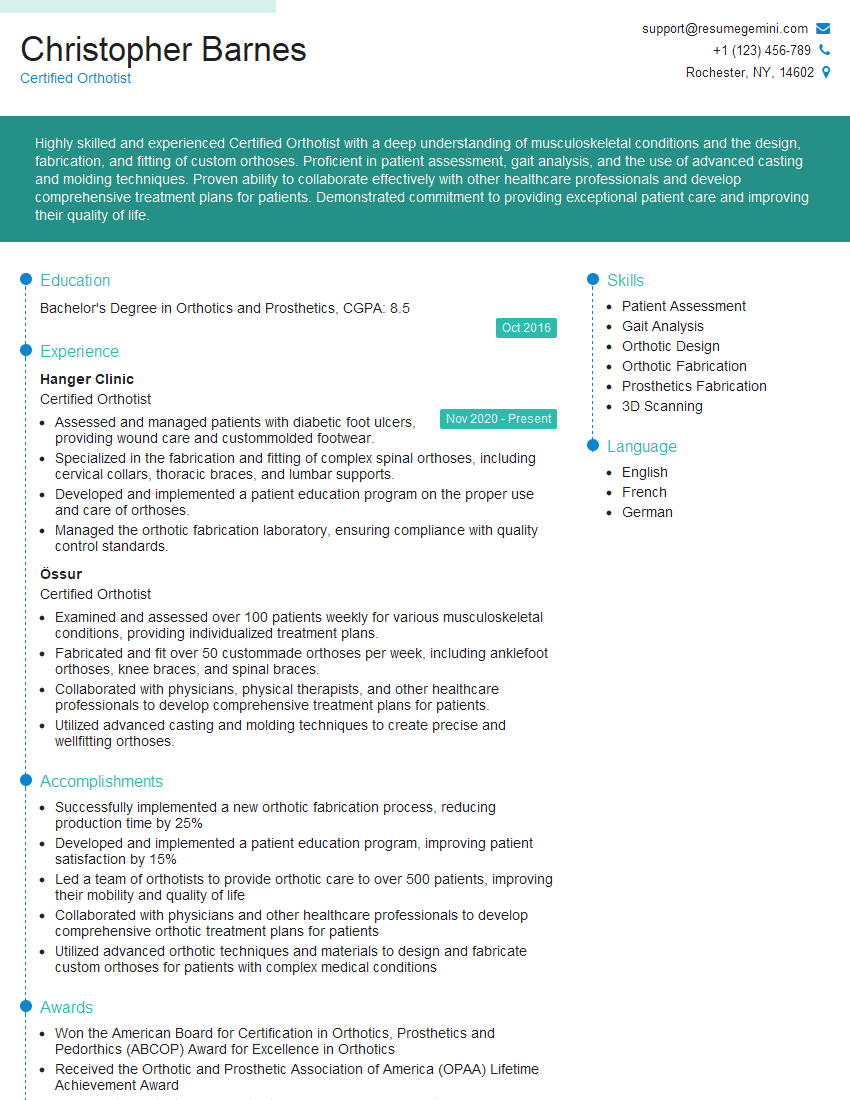
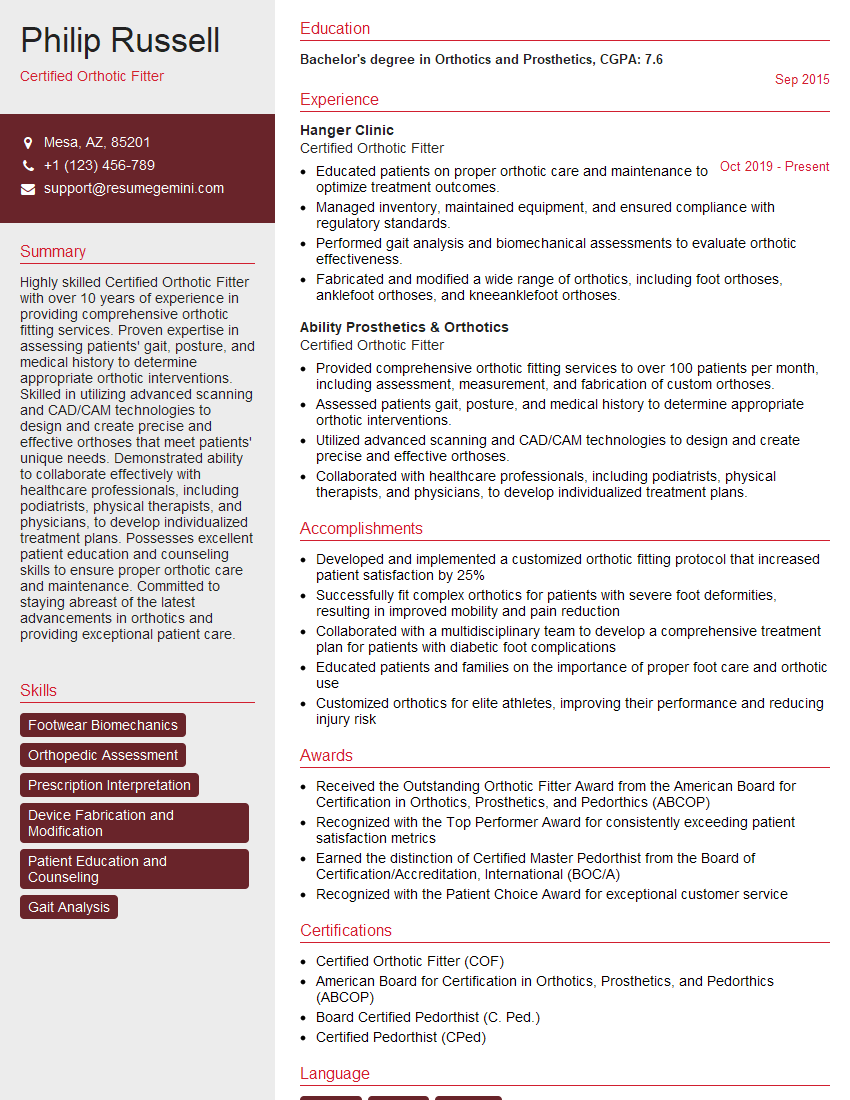
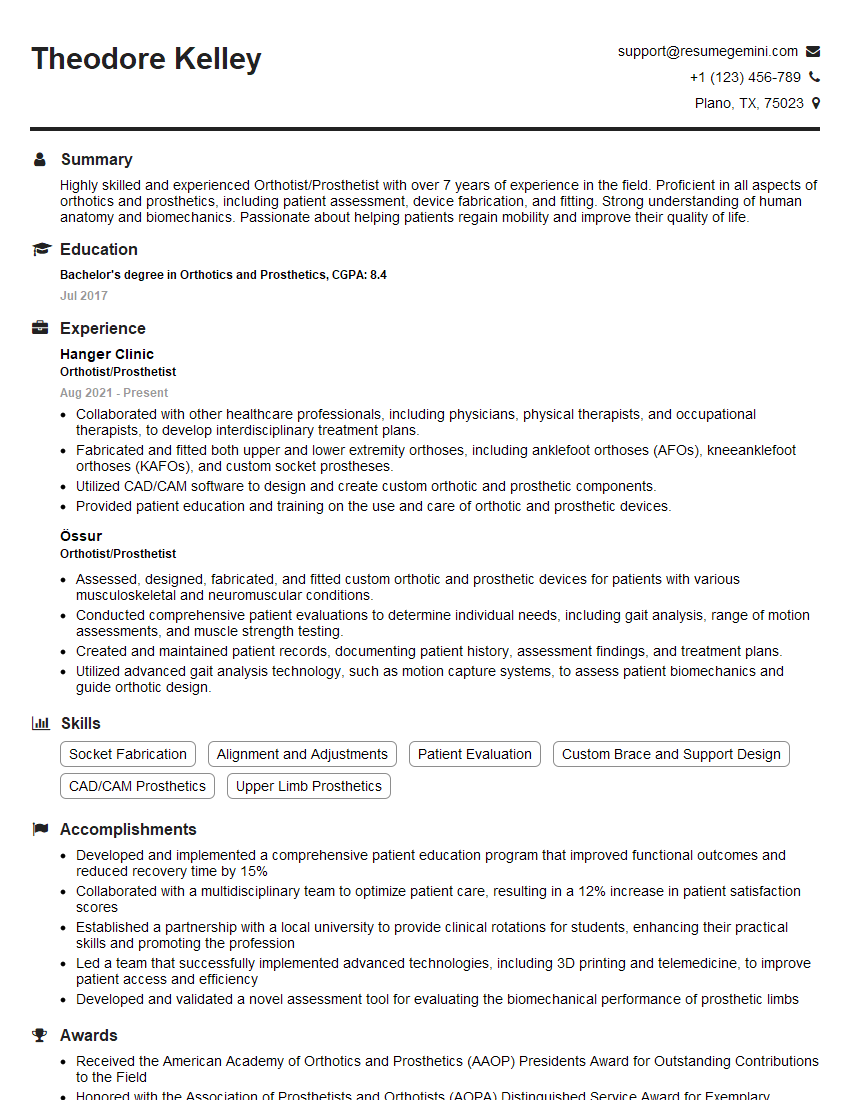
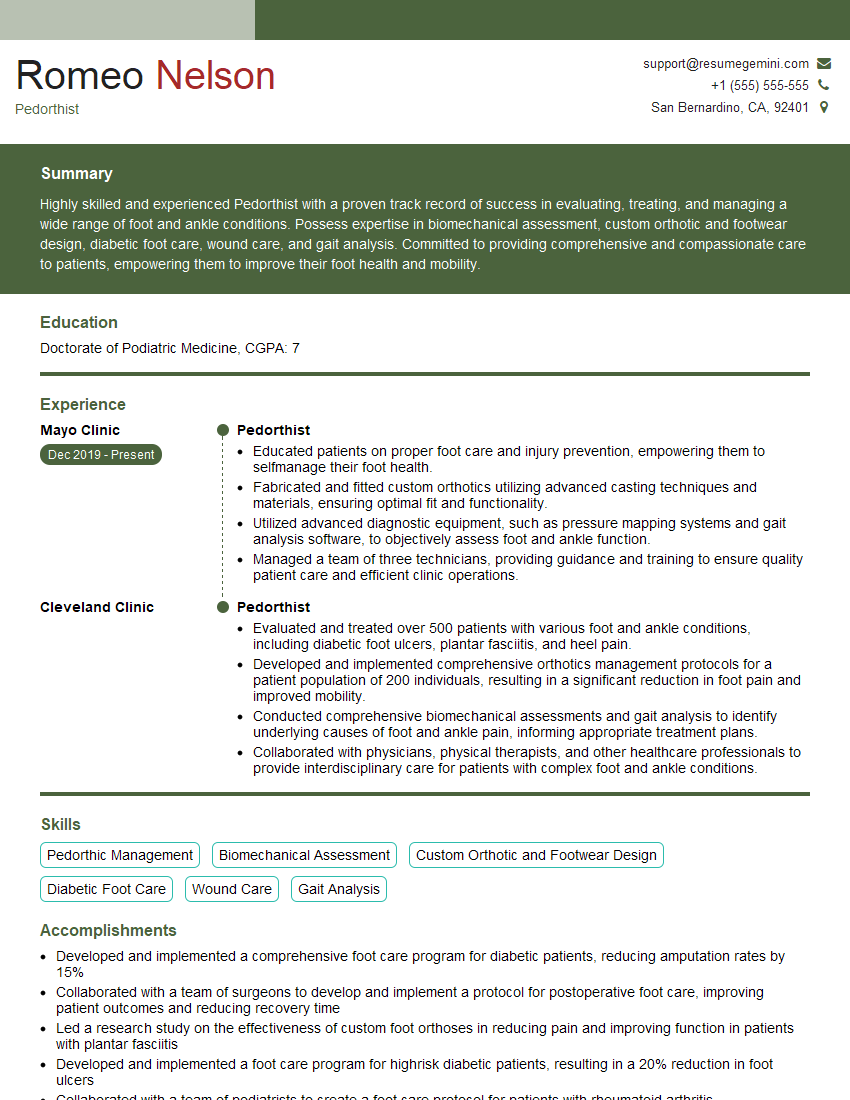
Mastering the principles of Orthotics and Bracing opens doors to a rewarding and impactful career, offering diverse opportunities for professional growth and specialization. To maximize your job prospects, it’s essential to present your skills and experience effectively. Creating an ATS-friendly resume is crucial in today’s competitive job market. ResumeGemini is a trusted resource that can help you craft a compelling and impactful resume that showcases your qualifications. We offer examples of resumes specifically tailored for Orthotics and Bracing professionals to help you get started. Invest the time to create a strong resume – it’s your first impression and a key to unlocking your career aspirations.
Explore more articles
Users Rating of Our Blogs
Share Your Experience
We value your feedback! Please rate our content and share your thoughts (optional).
What Readers Say About Our Blog
To the interviewgemini.com Webmaster.
Very helpful and content specific questions to help prepare me for my interview!
Thank you
To the interviewgemini.com Webmaster.
This was kind of a unique content I found around the specialized skills. Very helpful questions and good detailed answers.
Very Helpful blog, thank you Interviewgemini team.