Are you ready to stand out in your next interview? Understanding and preparing for OSHA 30-Hour Safety interview questions is a game-changer. In this blog, we’ve compiled key questions and expert advice to help you showcase your skills with confidence and precision. Let’s get started on your journey to acing the interview.
Questions Asked in OSHA 30-Hour Safety Interview
Q 1. Explain the role of OSHA in workplace safety.
The Occupational Safety and Health Administration (OSHA) is a U.S. government agency responsible for ensuring safe and healthful working conditions for workers by setting and enforcing standards and providing training, outreach, education and assistance.
Think of OSHA as the workplace safety referee. They establish the rules of the game (safety standards), ensure everyone plays fairly (enforcing standards through inspections), and offer coaching and training to improve workplace safety performance.
OSHA’s role extends beyond simply creating regulations. They also conduct research, offer educational resources, and provide assistance to employers to help them comply with the standards. This might involve providing consultation services to small businesses or developing training materials on specific hazards.
Q 2. Describe the key elements of an OSHA inspection.
An OSHA inspection typically involves several key elements. It begins with an opening conference where the compliance officer introduces themselves, explains the purpose of the inspection, and outlines the scope.
Next, the compliance officer conducts a walkaround inspection, physically examining the workplace to identify potential hazards. This involves checking for compliance with OSHA standards, observing employee work practices, and interviewing employees. They’ll look for things like proper use of PPE, adequate machine guarding, and appropriate emergency procedures.
Following the walkaround, the compliance officer may take samples (e.g., air quality) or conduct tests to confirm the presence of hazards. Then, a closing conference takes place, where the findings are discussed, citations (if any) are issued, and any required corrective actions are explained. Penalties for violations can range from warnings to substantial fines.
The entire process is documented, and the employer is given a chance to respond to the findings. It’s important to remember that OSHA inspections can be triggered by various factors, including employee complaints, fatal accidents, or programmed inspections of high-risk industries.
Q 3. What are the main provisions of the OSHA General Duty Clause?
The OSHA General Duty Clause (Section 5(a)(1)) is a fundamental provision requiring employers to provide a workplace free from recognized hazards that are causing or are likely to cause death or serious physical harm. This is a catch-all clause that covers hazards not specifically addressed by other OSHA standards.
Imagine a scenario where a new chemical is introduced to a workplace, and OSHA hasn’t yet developed a specific standard for it. The General Duty Clause kicks in, obligating the employer to identify and control any hazards posed by this chemical. The employer is expected to do everything reasonably feasible to prevent harm.
The clause emphasizes the employer’s responsibility to proactively assess and mitigate hazards. It’s not simply about reacting to accidents; it’s about preventing them in the first place. Successful application requires employers to stay informed about new technologies and potential hazards, implement comprehensive safety programs, and maintain a proactive safety culture.
Q 4. How do you identify and control workplace hazards?
Identifying and controlling workplace hazards involves a systematic approach. It starts with a hazard identification process. This can involve walkthroughs of the workplace, reviewing incident reports, consulting with employees, and conducting job hazard analyses (JHAs). JHAs systematically examine each step of a job to identify potential hazards.
Once hazards are identified, the next step is hazard control. This involves implementing engineering controls (e.g., machine guarding), administrative controls (e.g., work procedures), and personal protective equipment (PPE) to reduce or eliminate the risk.
For example, if a JHA reveals that a machine lacks guarding, an engineering control (adding a guard) would be the most effective solution. If that’s not feasible, administrative controls, like restricting access to the machine, could be implemented. As a last resort, PPE like safety glasses might be used. A good safety program focuses on eliminating hazards rather than relying solely on PPE.
Q 5. Explain the hierarchy of hazard controls.
The hierarchy of hazard controls prioritizes the most effective control measures, starting with the most protective and moving to less effective options. The order is:
- Elimination: Removing the hazard entirely. For example, replacing a hazardous chemical with a less hazardous one. This is the most effective control.
- Substitution: Replacing a hazardous substance or process with a less hazardous one. For example, using a water-based cutting fluid instead of an oil-based one.
- Engineering Controls: Isolating people from the hazard. Examples include machine guarding, ventilation systems, and enclosed workspaces.
- Administrative Controls: Changing the way work is done. Examples include job rotation, training programs, and work permits.
- Personal Protective Equipment (PPE): Providing employees with equipment to protect themselves from hazards. This is the least effective control and should be considered only after other controls have been implemented. Examples include safety glasses, hard hats, and respirators.
Following this hierarchy ensures that the most effective and sustainable control measures are prioritized, leading to a safer and healthier work environment.
Q 6. What are the requirements for Personal Protective Equipment (PPE)?
OSHA’s PPE requirements dictate that employers must provide appropriate PPE to employees when hazards are present that cannot be eliminated or controlled by other means. The key requirements include:
- Hazard Assessment: Employers must conduct a thorough assessment to identify potential hazards and the appropriate PPE needed.
- Selection: PPE must be selected based on the specific hazard and must meet or exceed relevant standards.
- Training: Employees must be trained on how to properly use, inspect, and maintain the PPE.
- Maintenance and Replacement: Employers are responsible for maintaining and replacing damaged or worn PPE.
- Proper Fit: PPE must fit properly and comfortably to provide adequate protection. Improperly fitting PPE can be ineffective and even dangerous.
For instance, if workers are exposed to falling objects, hard hats are required. If they’re working with chemicals, appropriate respirators and gloves might be necessary. The type of PPE required always depends on the specific hazard involved.
Q 7. Describe the process for reporting workplace injuries and illnesses.
Reporting workplace injuries and illnesses is crucial for tracking hazards and improving workplace safety. OSHA requires employers to maintain records of work-related injuries and illnesses. The reporting process typically involves several steps:
- Immediate Reporting: Employers must report certain serious work-related injuries and illnesses (e.g., fatalities, hospitalizations, amputations) to OSHA immediately (within 24 hours).
- Recordkeeping: Employers are required to maintain detailed records of all work-related injuries and illnesses, regardless of severity, on the OSHA 300 log. This includes information about the injury or illness, the employee involved, and the circumstances surrounding the incident.
- Annual Summary: Employers must post a summary of their injury and illness records (OSHA Form 300A) during February of each year.
Failure to report or maintain accurate records can result in penalties. Accurate reporting helps identify trends, pinpoint high-risk areas, and inform preventive measures to reduce workplace accidents. The process is essential for promoting a safer working environment.
Q 8. What is a Lockout/Tagout procedure and why is it important?
Lockout/Tagout (LOTO) is a safety procedure used to control hazardous energy during maintenance or repair activities. It’s a critical process to prevent accidental energization of equipment, resulting in serious injury or death. The procedure involves isolating energy sources, locking them out to prevent re-energization, and tagging the equipment to indicate that it is being worked on.
Think of it like this: imagine working on a power saw. If the power is not completely shut off and locked out, someone could accidentally turn it on while you’re working on the blade, leading to severe consequences. LOTO ensures that energy sources are completely deactivated and physically locked to prevent this.
- Isolation: Disconnecting the energy source (electricity, hydraulics, pneumatics, etc.).
- Lockout: Applying a personal lock to the energy isolation device.
- Tagout: Attaching a tag indicating the equipment is locked out, who locked it out, and why.
- Verification: Checking to confirm the energy is completely isolated.
- Release: Following a specific procedure to remove the locks and tags once the work is complete.
LOTO is crucial for preventing accidents in many industries, particularly those involving machinery, electrical systems, and hazardous chemicals. It’s a legally mandated procedure in many jurisdictions, and OSHA provides detailed requirements in 29 CFR 1910.147.
Q 9. Explain the importance of Hazard Communication.
Hazard Communication is all about informing employees about the dangers of hazardous chemicals and materials in the workplace. It’s a cornerstone of workplace safety because it empowers employees to work safely by providing them with the knowledge to protect themselves. This includes proper handling, storage, and emergency procedures.
This is achieved through Safety Data Sheets (SDS) and labels. SDSs contain detailed information about a chemical, including its hazards, safe handling practices, and emergency procedures. Labels provide a quick overview of the hazards associated with a chemical. Training is vital to ensure employees can understand and interpret this information. For example, if an employee is working with a corrosive chemical, the hazard communication program will ensure they know the risks (burns), proper PPE (gloves, eye protection), and emergency response (eye wash station).
Without effective hazard communication, employees could be exposed to hazards unknowingly, leading to accidents, injuries, and illnesses. A strong hazard communication program is essential for a safe and healthy work environment and compliance with OSHA’s Hazard Communication Standard (29 CFR 1910.1200).
Q 10. What is a Job Safety Analysis (JSA)?
A Job Safety Analysis (JSA) is a systematic process of identifying and controlling hazards associated with a specific job task. It’s a proactive approach to safety, aiming to prevent accidents before they happen. A JSA breaks down a job into individual steps, identifies potential hazards at each step, and proposes control measures to mitigate these hazards.
Imagine painting a high ceiling. A JSA would identify hazards like falls from height and chemical exposure to paint. Control measures might include the use of scaffolding, harnesses, and respirators. It will also document emergency procedures. The JSA helps to streamline the process, making sure everyone on the job understands the safety requirements and potential dangers.
The process typically involves:
- Selecting a Job Task: Clearly define the task to be analyzed.
- Breaking Down the Task: Divide the task into individual steps.
- Identifying Potential Hazards: List potential hazards at each step.
- Identifying Control Measures: Determine how to mitigate each hazard.
- Documenting the Analysis: Create a written record of the JSA.
JSAs are critical for ensuring consistent safety practices across all job tasks and are used in virtually any job involving potential hazards.
Q 11. How do you conduct a workplace safety audit?
A workplace safety audit is a systematic evaluation of a workplace’s safety performance. It’s a structured process to identify existing and potential hazards, assess the effectiveness of existing safety programs, and determine compliance with safety regulations. The goal is to improve safety performance and prevent accidents.
I’d approach a workplace safety audit systematically:
- Planning: Define the scope of the audit, identify areas to be reviewed, and develop a checklist based on relevant regulations and industry best practices.
- Data Gathering: Gather information through observations, interviews with employees, reviewing safety records (incident reports, training records), and examining equipment and facilities.
- Hazard Identification: Identify hazards through observations, checklists, and interviews, classifying them by severity and likelihood.
- Compliance Assessment: Evaluate compliance with OSHA regulations and other relevant standards.
- Documentation: Document all findings, including identified hazards, compliance issues, and recommendations for improvement.
- Reporting: Prepare a comprehensive report summarizing the audit findings, conclusions, and recommendations. This report should be clearly communicated to management.
- Corrective Actions: Work with management to implement corrective actions to address the identified hazards and non-compliance issues. This often involves establishing timelines and responsibilities for each corrective action.
- Follow-up: Conduct follow-up audits to verify the effectiveness of implemented corrective actions.
The audit process could include reviewing PPE usage, emergency exits, machine guarding, and the overall cleanliness and orderliness of the workplace. A successful audit results in actionable steps to enhance safety and reduce risks.
Q 12. What are the common causes of workplace accidents?
Workplace accidents have numerous causes, but they often boil down to a combination of factors. Some of the most common causes include:
- Unsafe Acts: These are actions taken by employees that violate safety rules or procedures, such as failing to use PPE, ignoring safety warnings, or taking shortcuts. Examples include not wearing a hard hat in a construction area or operating equipment without proper training.
- Unsafe Conditions: These are hazards present in the work environment that increase the risk of accidents, such as poorly maintained equipment, inadequate lighting, cluttered walkways, or exposure to hazardous chemicals. For example, a poorly lit warehouse may increase trip and fall risks.
- Lack of Training: Inadequate or insufficient safety training is a major contributor to accidents. Employees who aren’t trained properly on how to safely perform their job tasks are more likely to be involved in accidents.
- Lack of Supervision: Inadequate supervision can lead to unsafe acts and conditions going unnoticed or uncorrected. Strong supervision plays a crucial role in enforcing safety standards.
- Human Factors: Fatigue, stress, and distractions can all impact an employee’s judgment and reaction time, increasing the likelihood of errors and accidents.
Understanding these common causes is essential for developing effective safety programs focused on both prevention and mitigation.
Q 13. Explain the difference between leading and lagging indicators in safety.
Leading and lagging indicators are two types of metrics used to assess safety performance. They offer different perspectives on safety, helping to understand both current performance and predict future trends.
Lagging indicators measure the results of safety programs – essentially what has already happened. They include metrics such as the number of accidents, injuries, illnesses, or lost-time incidents. They’re reactive, showing the aftermath of events but not necessarily indicating the root causes.
Leading indicators measure the factors that influence safety outcomes – what’s happening *before* an accident. Examples include the number of safety training hours completed, the use of safety equipment, the number of near misses reported, safety observation scores, or the completion rate of JSAs. Leading indicators provide a proactive measure of safety performance, allowing for timely interventions to prevent accidents before they occur.
Think of it this way: lagging indicators are like looking in the rearview mirror – they show you where you’ve been. Leading indicators are like looking through the windshield – they show you where you’re going and what needs attention to avoid potential crashes.
Using both leading and lagging indicators gives a complete picture of safety performance. By monitoring leading indicators, organizations can identify potential problems and take corrective actions *before* they lead to accidents, ultimately reducing lagging indicators (accidents, injuries).
Q 14. Describe your experience with incident investigation.
I have extensive experience in incident investigation, following a structured approach to ensure thoroughness and accuracy. My process typically involves:
- Securing the Scene: The first step is to ensure the scene is safe and secure, preventing further accidents or the destruction of evidence. This may involve shutting down equipment and ensuring the area is appropriately cordoned off.
- Gathering Information: This involves interviewing witnesses, reviewing documentation (e.g., incident reports, training records, maintenance logs), examining the physical evidence, and taking photographs or videos.
- Analyzing the Data: This involves analyzing the collected information to determine the root cause(s) of the incident, identifying contributing factors, and determining if any violations of safety policies or procedures occurred.
- Developing Corrective Actions: Based on the root cause analysis, develop specific and measurable corrective actions to prevent similar incidents from occurring in the future. This might include additional training, improved equipment, revised procedures, or changes to the work environment.
- Implementing Corrective Actions: Implement the corrective actions and ensure that they are effective in preventing future incidents. This involves assigning responsibilities and establishing timelines for implementation.
- Documenting Findings: Thorough documentation of the entire investigation is crucial. This creates a record that can be used for future reference, training, and legal purposes.
In one instance, I investigated a fall from height incident, which resulted in a serious injury. Through a systematic investigation, we discovered a lack of proper fall protection equipment and inadequate training, leading to changes in both equipment provision and employee training programs.
Incident investigation is not about blame; it’s about identifying systemic issues and implementing corrective actions to prevent future accidents. It’s about learning from mistakes and creating a safer workplace for everyone.
Q 15. How do you develop and implement a safety training program?
Developing and implementing a safety training program involves a systematic approach that ensures all employees are equipped with the knowledge and skills to work safely. It begins with a thorough hazard assessment to identify workplace risks. This assessment informs the design of the training program, tailoring content to specific job roles and hazards.
- Needs Assessment: This initial phase involves identifying training gaps through observations, interviews, accident reports, and regulatory requirements. For example, if we identify a high incidence of slips, trips, and falls, the training will heavily focus on that area.
- Curriculum Development: The curriculum should include interactive elements like videos, demonstrations, and hands-on exercises, making learning engaging and memorable. For example, a practical demonstration of lockout/tagout procedures is much more effective than simply reading the procedure.
- Delivery and Training Methods: Consider various training methods to cater to different learning styles. This could include classroom-based instruction, online modules, on-the-job training, and mentorship programs. For example, for operating heavy machinery, hands-on training is crucial.
- Evaluation and Documentation: Use pre- and post-tests, quizzes, and performance observations to evaluate the effectiveness of the training. Maintain accurate records of all training activities, including attendance, materials used, and test scores. This is critical for OSHA compliance.
- Ongoing Reinforcement: Safety training isn’t a one-time event. Regular refreshers, toolbox talks, and updates on new regulations are crucial for maintaining safety awareness. For instance, monthly toolbox talks focusing on specific hazards can help keep safety top of mind.
By following this structured approach, we create a comprehensive safety training program that effectively reduces workplace incidents and promotes a safe working environment.
Career Expert Tips:
- Ace those interviews! Prepare effectively by reviewing the Top 50 Most Common Interview Questions on ResumeGemini.
- Navigate your job search with confidence! Explore a wide range of Career Tips on ResumeGemini. Learn about common challenges and recommendations to overcome them.
- Craft the perfect resume! Master the Art of Resume Writing with ResumeGemini’s guide. Showcase your unique qualifications and achievements effectively.
- Don’t miss out on holiday savings! Build your dream resume with ResumeGemini’s ATS optimized templates.
Q 16. What is your experience with OSHA recordkeeping?
My experience with OSHA recordkeeping is extensive. I am proficient in maintaining OSHA 300, 300A, and 301 logs accurately and comprehensively. This involves recording all work-related injuries and illnesses, classifying them according to OSHA guidelines, and ensuring the logs are accessible to employees and OSHA inspectors.
I understand the importance of accurate recordkeeping not only for compliance but also for identifying trends and implementing preventative measures. For instance, if we notice a spike in back injuries related to lifting, we can analyze the root cause and implement ergonomic improvements or provide additional training on proper lifting techniques. I’m familiar with the specific requirements for different industries and employee numbers and stay updated on any changes to OSHA recordkeeping regulations. Furthermore, I ensure that all records are kept confidentially and securely.
Q 17. How do you manage workplace safety in a high-risk environment?
Managing workplace safety in a high-risk environment demands a proactive and multi-layered approach. It starts with a thorough risk assessment, identifying specific hazards unique to that environment. This assessment should be detailed and regularly updated.
- Enhanced PPE: Providing and enforcing the use of appropriate personal protective equipment (PPE) is paramount. This might include specialized respirators, flame-retardant clothing, or fall protection harnesses, depending on the hazards.
- Stricter Procedures: Implementing stricter operating procedures, regular equipment inspections, and thorough training on emergency response are crucial. For example, in a construction site, rigorous fall protection protocols are essential.
- Increased Monitoring: Implementing more frequent safety inspections and monitoring employee compliance with safety regulations are essential. This might include regular walkthroughs by safety personnel and the use of safety cameras in critical areas.
- Emergency Response Plan: A robust emergency response plan, including regular drills and training, is essential to mitigate the impact of potential accidents. This might involve evacuation procedures, first aid protocols, and communication strategies.
- Communication and Reporting: Establishing clear communication channels and protocols for reporting near misses and incidents is crucial for addressing potential hazards before they escalate into accidents.
Ultimately, managing safety in a high-risk environment requires a commitment to constant vigilance and a willingness to adapt strategies as needed.
Q 18. Describe your experience with safety committees or meetings.
I have extensive experience participating in and leading safety committees and meetings. My role has consistently involved facilitating open communication, encouraging employee participation, and fostering a collaborative problem-solving environment.
In previous roles, I’ve helped safety committees develop and implement safety programs, investigate incidents, and conduct regular inspections. For example, we formed a task force focused on reducing hand injuries in a manufacturing plant. This involved analyzing the root cause of injuries, implementing new safety procedures, and providing additional training. We successfully reduced hand injuries by 40% within six months. I believe in actively involving employees in safety discussions, creating an environment where they feel comfortable reporting hazards and offering suggestions.
Q 19. Explain the importance of emergency preparedness.
Emergency preparedness is vital for minimizing injuries, property damage, and business disruption in the event of an unforeseen incident. A well-developed emergency action plan (EAP) is the cornerstone of effective emergency preparedness.
- EAP Development: The EAP should detail procedures for various emergencies, such as fire, evacuation, chemical spills, and medical emergencies. It should include designated escape routes, assembly points, and communication protocols.
- Regular Drills: Conducting regular drills, including fire drills and evacuation exercises, ensures employees are familiar with procedures and can react effectively in a real emergency. Drills should be documented and analyzed to identify areas for improvement.
- Emergency Supplies: Maintaining adequate emergency supplies, such as first-aid kits, fire extinguishers, and emergency lighting, is crucial. These supplies should be regularly inspected and replenished.
- Communication Systems: Having reliable communication systems, such as emergency alert systems and designated communication personnel, ensures quick and efficient dissemination of information during an emergency.
- Training and Education: Employees must be adequately trained on the EAP, including their roles and responsibilities during an emergency. This training should be repeated periodically.
A robust emergency preparedness program is not just about compliance; it’s a commitment to safeguarding employees’ well-being and protecting the business.
Q 20. What are your strategies for promoting a safety culture?
Promoting a strong safety culture goes beyond simply complying with regulations; it’s about creating a workplace where safety is a shared value and everyone feels responsible for their own safety and the safety of others.
- Leadership Commitment: Visible and active commitment from leadership is crucial. This includes actively participating in safety initiatives, rewarding safe behavior, and addressing safety concerns promptly.
- Open Communication: Creating an open communication channel where employees feel comfortable reporting hazards, near misses, and safety concerns without fear of reprisal is vital.
- Employee Involvement: Actively involving employees in safety planning, inspections, and training creates a sense of ownership and responsibility.
- Recognition and Rewards: Recognizing and rewarding safe behaviors, such as suggesting improvements or identifying hazards, reinforces positive actions.
- Continuous Improvement: Regularly reviewing safety performance, conducting accident investigations, and implementing corrective actions demonstrates a commitment to continuous improvement.
Building a strong safety culture is an ongoing process, but it yields significant benefits, including reduced workplace incidents, increased employee morale, and improved productivity.
Q 21. How do you handle conflicts or disagreements related to safety?
Handling conflicts or disagreements related to safety requires a diplomatic yet firm approach. The goal is to resolve the issue constructively while ensuring that safety remains the priority.
- Active Listening: Begin by actively listening to all parties involved, understanding their perspectives and concerns.
- Facilitation: Facilitate a discussion to identify the root cause of the disagreement and explore potential solutions collaboratively.
- Objective Data: Use objective data and evidence, such as safety regulations, incident reports, or industry best practices, to support decisions and resolutions.
- Mediation: If needed, involve a neutral third party to mediate the discussion and help reach a mutually agreeable solution.
- Documentation: Document the conflict, the steps taken to resolve it, and the outcome. This helps prevent similar issues in the future.
Remember, safety is non-negotiable. While respecting different viewpoints, the final decision should always prioritize the safety and well-being of all employees.
Q 22. What is your experience with fall protection?
My experience with fall protection is extensive, encompassing both theoretical knowledge from my OSHA 30-Hour training and practical application in various construction and industrial settings. I understand the hierarchy of controls, prioritizing elimination, substitution, engineering controls, administrative controls, and finally, personal protective equipment (PPE). This includes selecting appropriate fall protection systems based on the specific task and environment, such as guardrails, safety nets, personal fall arrest systems (PFAS), and fall restraint systems.
For example, I’ve been involved in projects where we had to assess the risks of working at heights and implemented a comprehensive fall protection plan that included the installation of guardrails, the use of harnesses and lifelines, and regular inspections of the equipment. In another instance, I identified a potential fall hazard and successfully advocated for the use of a specialized scaffolding system instead of relying solely on ladders, significantly reducing the risk to workers.
I’m proficient in inspecting and maintaining fall protection equipment, ensuring it meets OSHA standards and is properly stored and used. I’m also familiar with different types of anchors, and understand the importance of proper anchor selection and load capacity. This includes knowing the difference between a leading edge and trailing edge and how that impacts the type of fall protection required. I’m capable of training others on safe fall protection practices.
Q 23. How do you ensure compliance with OSHA regulations?
Ensuring OSHA compliance is a multifaceted process that starts with a thorough understanding of the applicable regulations. This involves regularly reviewing and implementing OSHA standards relevant to the specific workplace. Beyond simply reading the standards, it’s vital to understand the underlying principles and rationale behind them. We create and maintain comprehensive safety programs that include regular inspections, hazard assessments, and employee training. These programs should be documented and regularly updated to reflect any changes in workplace conditions or regulations.
For instance, we develop and implement safety training programs for all employees. We conduct regular job site inspections to identify and correct potential hazards. We also maintain thorough records of all safety training, inspections, and incidents. The key is proactive hazard identification and mitigation rather than a reactive approach. This requires open communication with workers – encouraging them to report hazards without fear of reprisal. Finally, consistent monitoring and record-keeping are crucial for demonstrating compliance to OSHA auditors.
Q 24. What are some common safety violations you’ve encountered?
In my experience, some common safety violations include a lack of proper fall protection in areas with fall hazards (e.g., workers on roofs without harnesses). Inadequate lockout/tagout procedures for machinery maintenance (resulting in near misses and injuries) and lack of proper personal protective equipment (PPE) such as eye protection, hearing protection and appropriate footwear are often observed. Another frequent violation involves insufficient training for employees handling hazardous materials, leading to improper handling and potential exposure.
I’ve also witnessed unsafe use of equipment, with workers operating machinery without proper training or failing to follow established procedures. Poor housekeeping, leaving tools and materials in walkways, leading to trip hazards, is also a recurrent problem. Finally, a lack of clear and readily available safety information and signage contributes significantly to violations. Addressing these requires a combination of stricter enforcement, ongoing training, and improved communication.
Q 25. How do you stay current with OSHA updates and changes in regulations?
Staying current with OSHA updates and regulatory changes requires a multi-pronged approach. I regularly review the OSHA website for updates and alerts concerning new standards, interpretations, and enforcement directives. I subscribe to reputable safety publications and newsletters that provide analysis and updates on OSHA changes. Attending safety conferences and workshops allows me to network with other safety professionals and learn about the latest developments in the field. I also participate in professional development programs specifically designed to keep abreast of the latest OSHA regulations and best practices. This continuous learning is essential for maintaining a high level of competency and ensuring that my safety practices are always up-to-date and compliant.
Q 26. Describe your experience with confined space entry procedures.
My experience with confined space entry procedures is extensive, focusing on the critical aspects of pre-entry planning, atmospheric monitoring, and rescue procedures. Before entering a confined space, a thorough hazard assessment must be completed to identify potential dangers, such as oxygen deficiency, toxic gases, and engulfment hazards. This assessment informs the development of a permit-required confined space program and the specific control measures needed, like proper ventilation and atmospheric monitoring. The program also must clearly define roles and responsibilities, including the attendant and entrants.
I have hands-on experience using gas monitoring equipment and ensuring proper ventilation. I’m familiar with different types of rescue systems and equipment and understand the importance of having a well-defined rescue plan. For instance, I’ve been involved in numerous projects where we developed and implemented permit-required confined space procedures in line with OSHA standards, including detailed pre-entry testing, atmospheric monitoring during the entry, and a comprehensive rescue plan in case of an emergency.
Q 27. What is your experience with hazard assessment and risk management?
Hazard assessment and risk management are integral parts of my safety approach. I utilize established methodologies such as Job Safety Analysis (JSA) and Hazard and Operability Studies (HAZOP) to identify potential hazards and assess the associated risks. My process involves a systematic evaluation of the workplace, equipment, and tasks to pinpoint potential hazards. Once identified, I evaluate the likelihood and severity of each hazard and determine appropriate control measures, prioritizing the hierarchy of controls. This may involve engineering controls, administrative controls, and PPE, as discussed earlier.
For example, during a recent project, we used a JSA to systematically break down the steps involved in a particular task, identify the associated hazards, and implement appropriate controls to mitigate the risk. This approach helped us prevent potential injuries and ensure a safe work environment. Risk assessment isn’t a one-time process; it requires ongoing monitoring and evaluation to adapt to changing conditions and ensure continuous improvement in workplace safety. Documentation is crucial; recording the findings of the risk assessment and the control measures implemented.
Q 28. Explain your understanding of OSHA’s Bloodborne Pathogens Standard.
OSHA’s Bloodborne Pathogens Standard aims to minimize or eliminate employee exposure to bloodborne pathogens in the workplace. This standard mandates the implementation of a comprehensive Exposure Control Plan (ECP). The ECP identifies tasks or procedures that could result in exposure to blood or other potentially infectious materials (OPIM). It outlines specific measures to prevent or reduce exposure, including engineering controls (like sharps containers), work practice controls (like handwashing), and PPE (like gloves and gowns). The standard also addresses employee training, including proper handling and disposal of contaminated materials, and outlines procedures for post-exposure follow-up if an exposure incident occurs.
For example, a healthcare facility must have a clearly defined ECP that specifies how to handle needles and other sharps safely, how to clean up spills of blood or OPIM, and what PPE employees should wear when dealing with potentially infectious materials. Proper employee training and regular updates on the ECP are essential for effective compliance with this crucial standard. This involves not only educating workers about the risks but also empowering them to recognize, report, and avoid potential hazards. Failing to adhere to the standard can lead to serious health consequences for employees and significant legal ramifications for employers.
Key Topics to Learn for OSHA 30-Hour Safety Interview
- Hazard Communication: Understanding SDS sheets, labeling requirements, and employee training procedures. Practical application: Explain how you would handle a spill of an unknown substance in a workplace setting.
- Personal Protective Equipment (PPE): Selecting, using, and maintaining appropriate PPE for various hazards. Practical application: Describe the selection criteria for PPE in a high-noise environment versus a chemical handling environment.
- Fall Protection: Recognizing fall hazards, implementing fall protection systems, and performing rescue procedures. Practical application: Explain the differences between various fall protection systems (e.g., harnesses, guardrails).
- Lockout/Tagout (LOTO): Safe procedures for controlling hazardous energy sources during maintenance and repair. Practical application: Describe the steps involved in properly performing LOTO procedures on a piece of machinery.
- Emergency Action Plans: Developing and implementing effective emergency action plans, including evacuation procedures and emergency response. Practical application: Explain how to create an effective evacuation plan for a multi-level building.
- OSHA Regulations and Standards: Understanding relevant OSHA standards and how they apply to different work environments. Practical application: Explain how to identify and address a potential OSHA violation in your workplace.
- Incident Investigation and Reporting: Investigating workplace incidents, identifying root causes, and implementing corrective actions. Practical application: Describe the steps involved in a thorough incident investigation.
- Hazard Recognition and Control: Identifying potential hazards, assessing risks, and implementing control measures. Practical application: Explain different methods of hazard control (e.g., engineering controls, administrative controls, PPE).
Next Steps
Mastering OSHA 30-Hour Safety demonstrates a strong commitment to workplace safety and significantly enhances your career prospects in numerous industries. This knowledge is highly valued by employers and opens doors to more responsible and higher-paying positions. To maximize your job search success, focus on creating an ATS-friendly resume that highlights your OSHA 30-Hour Safety training and relevant experience. ResumeGemini is a trusted resource to help you build a professional and effective resume that gets noticed. We provide examples of resumes tailored to OSHA 30-Hour Safety to help guide you. Take the next step towards your ideal career today!
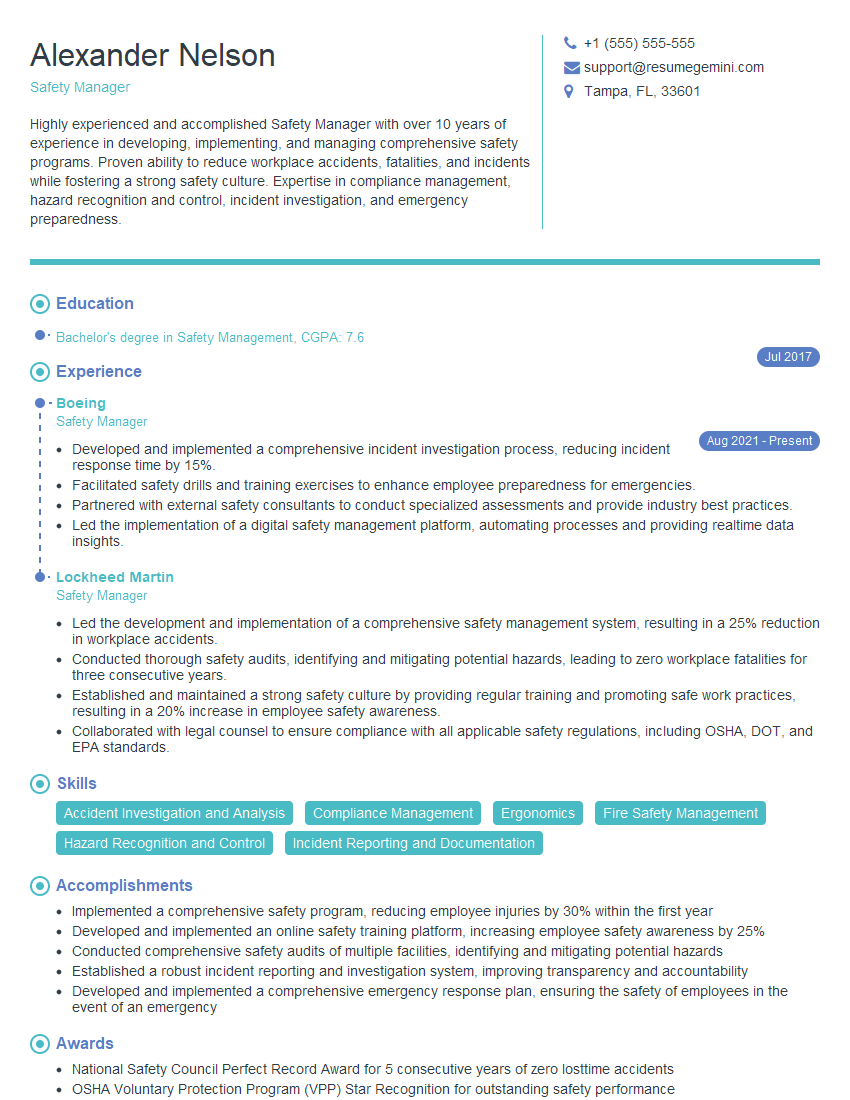
Safety Manager Resume Sample
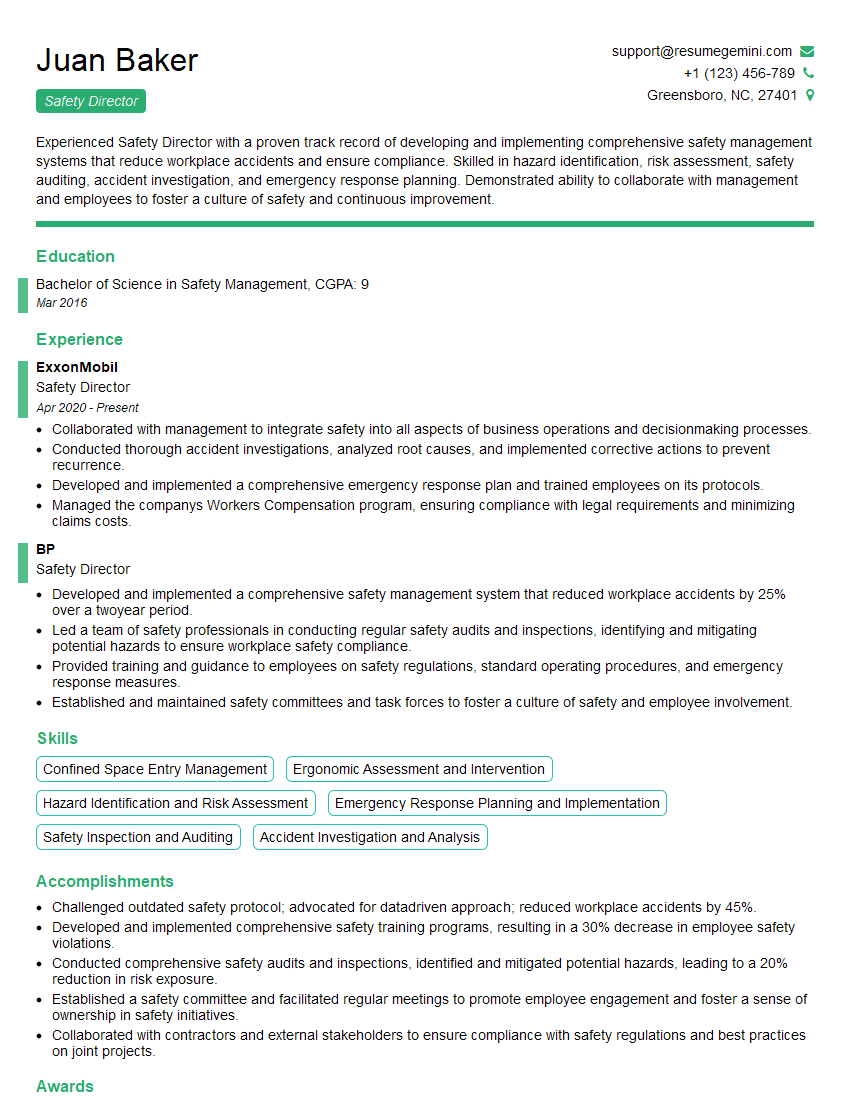
Safety Director Resume Sample
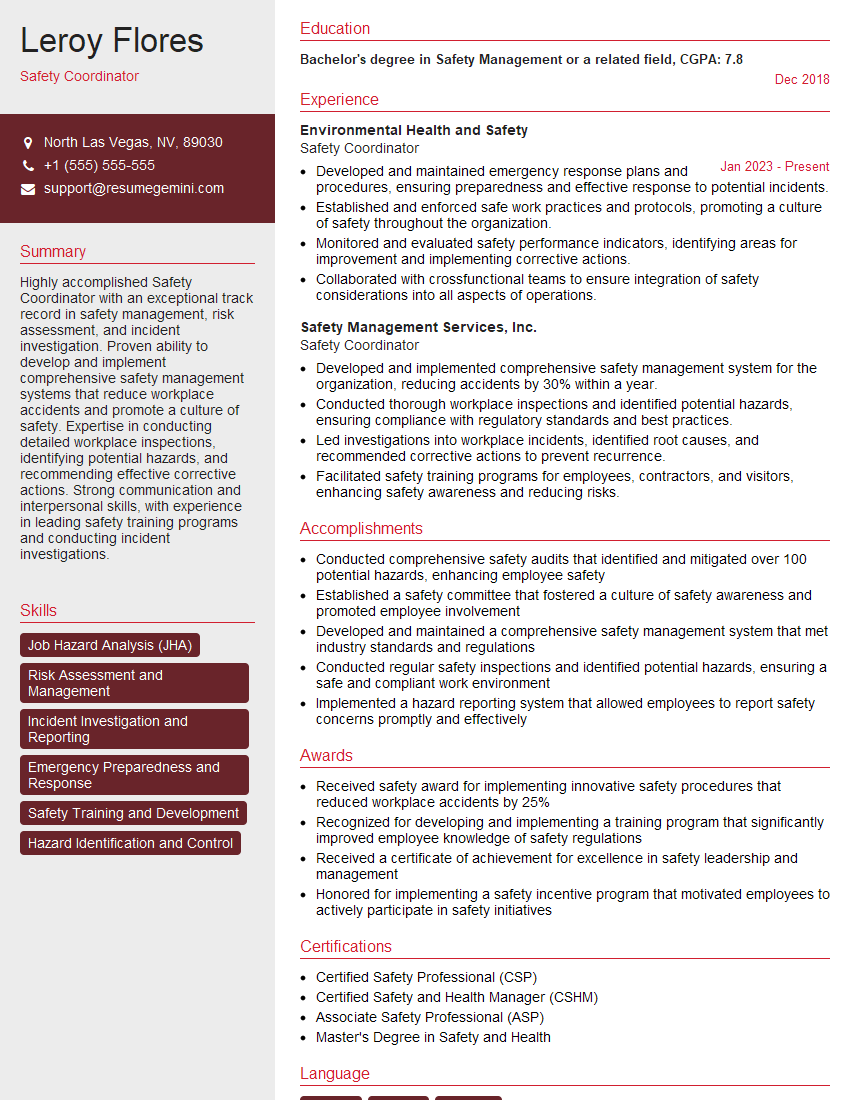
Safety Coordinator Resume Sample

Compliance Officer Resume Sample
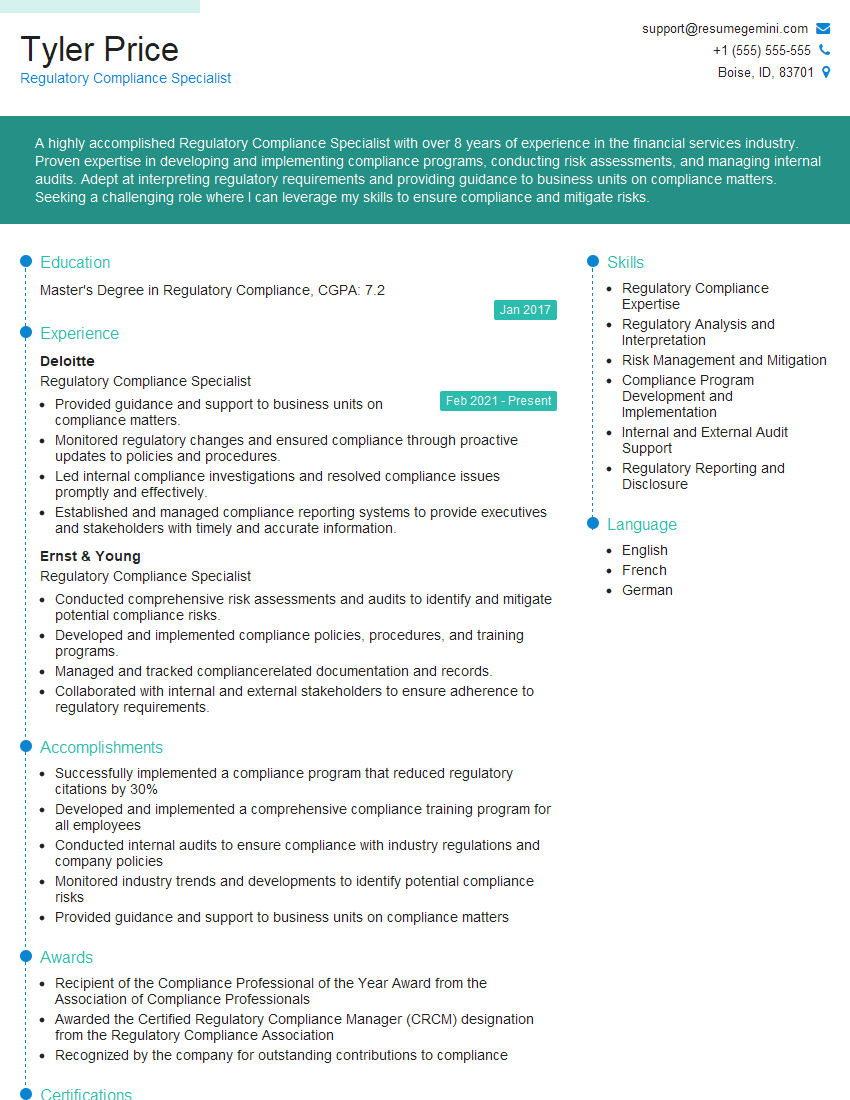
Regulatory Compliance Specialist Resume Sample
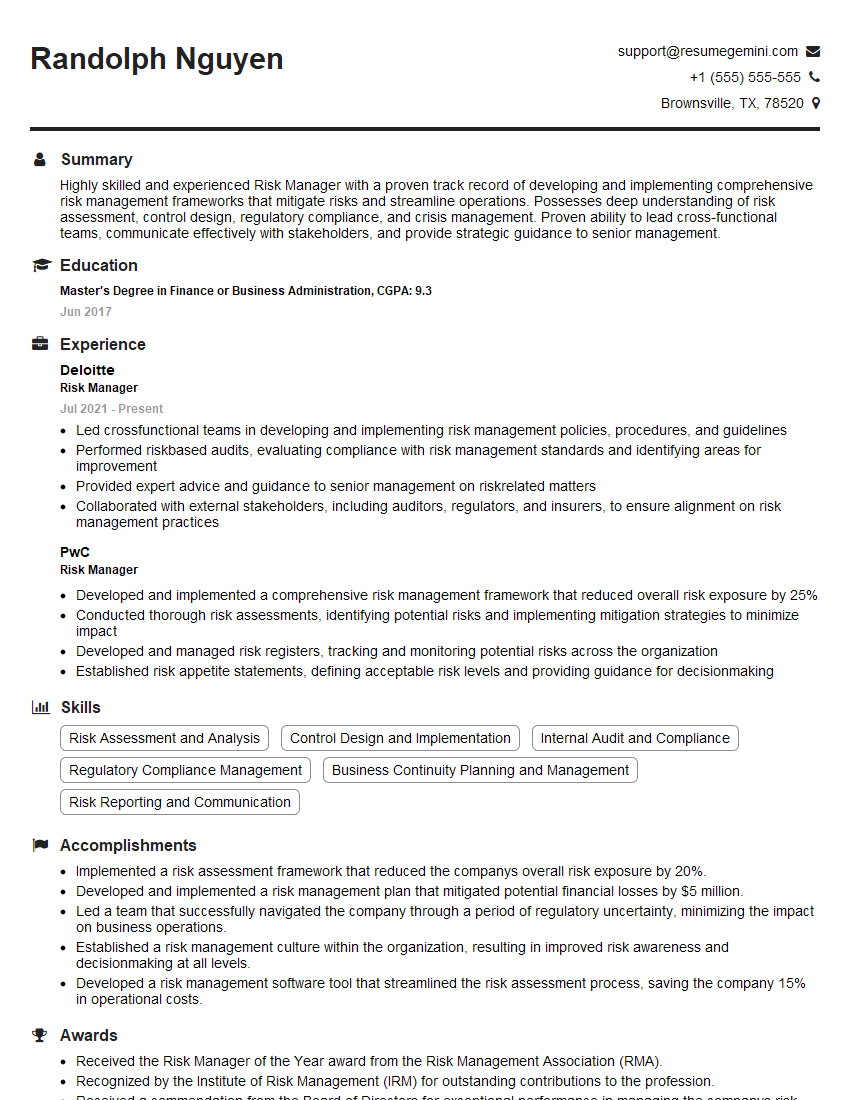
Risk Manager Resume Sample
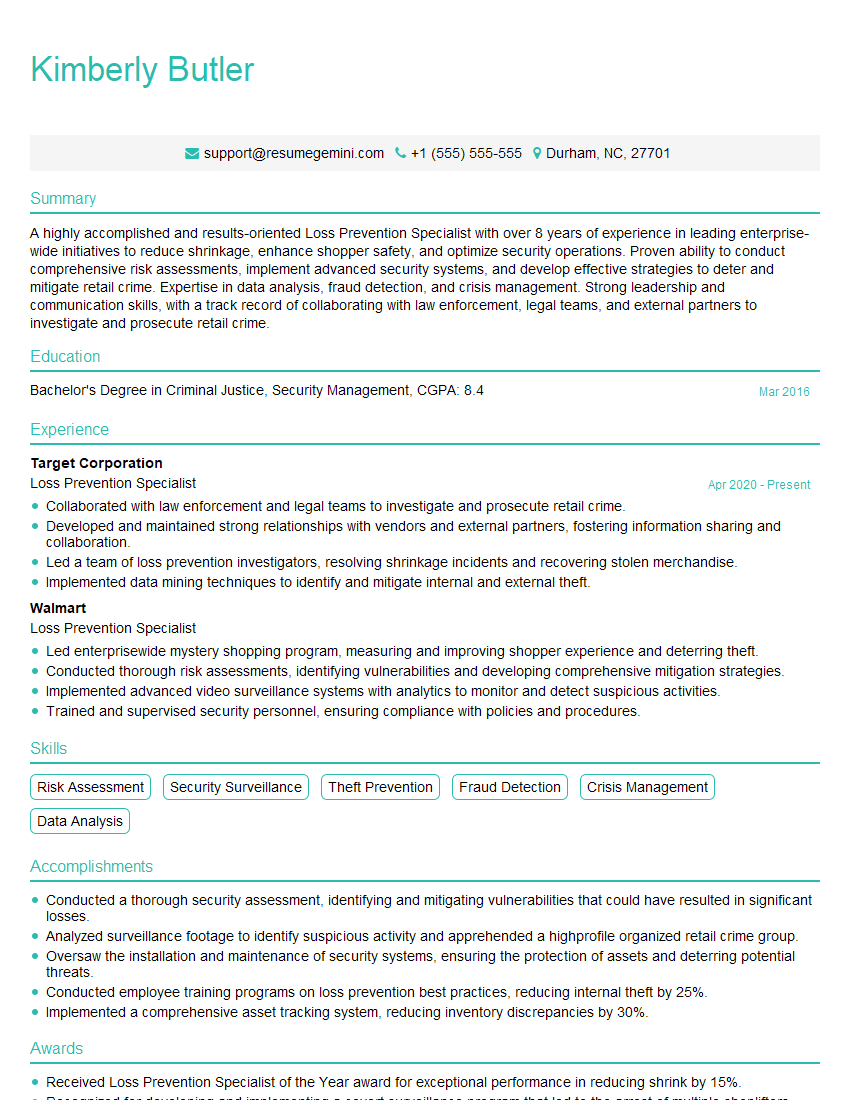
Loss Prevention Specialist Resume Sample
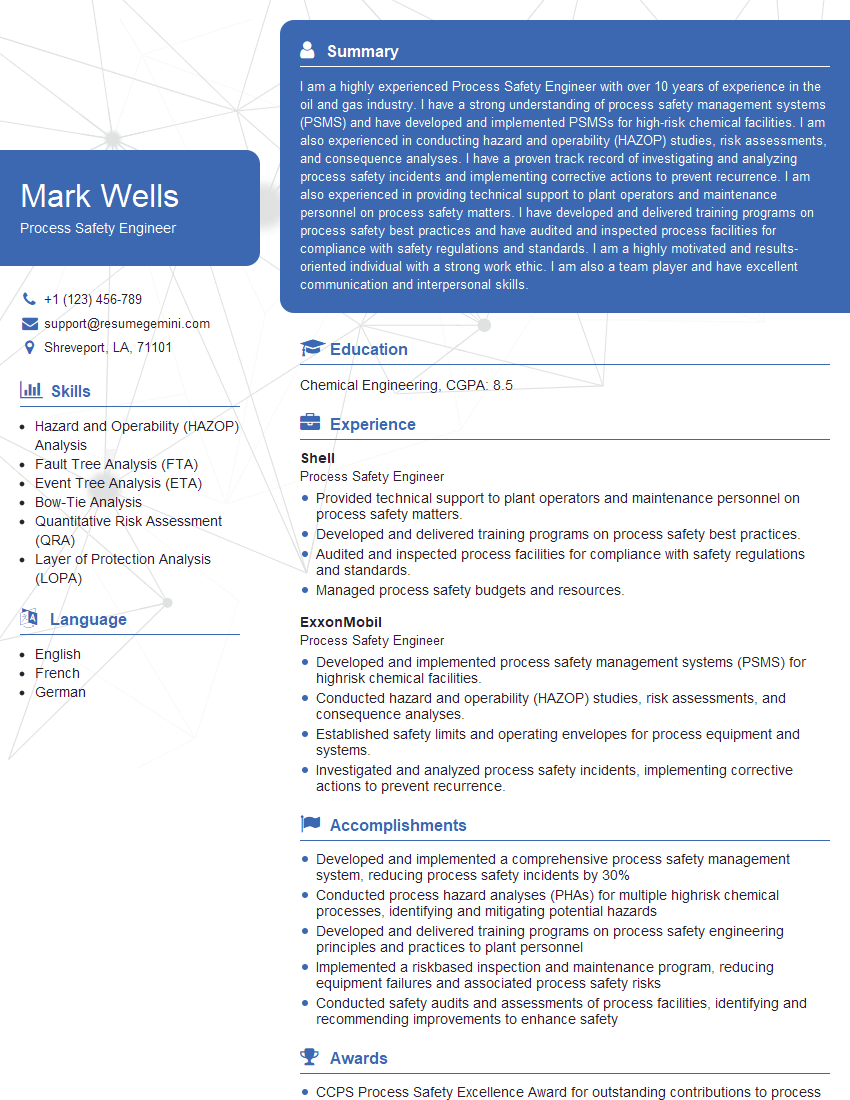
Process Safety Engineer Resume Sample
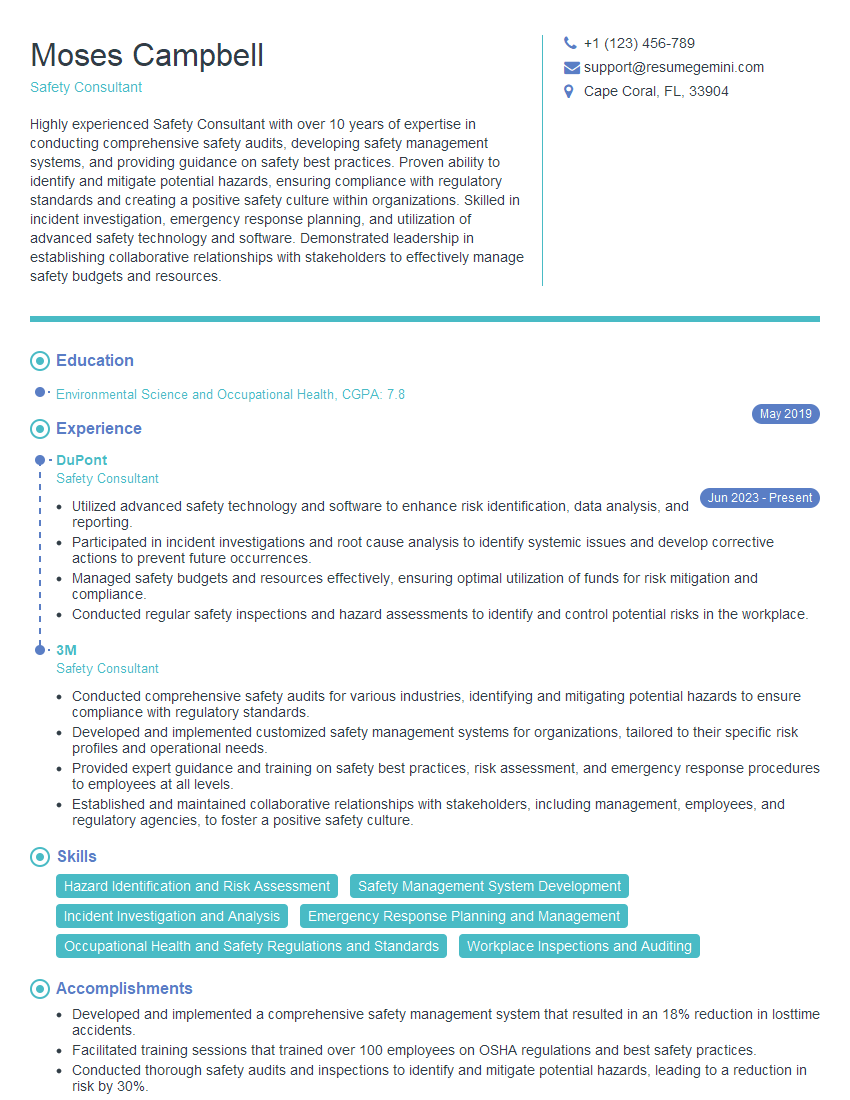
Safety Consultant Resume Sample

Safety Engineer Resume Sample

Safety Inspector Resume Sample
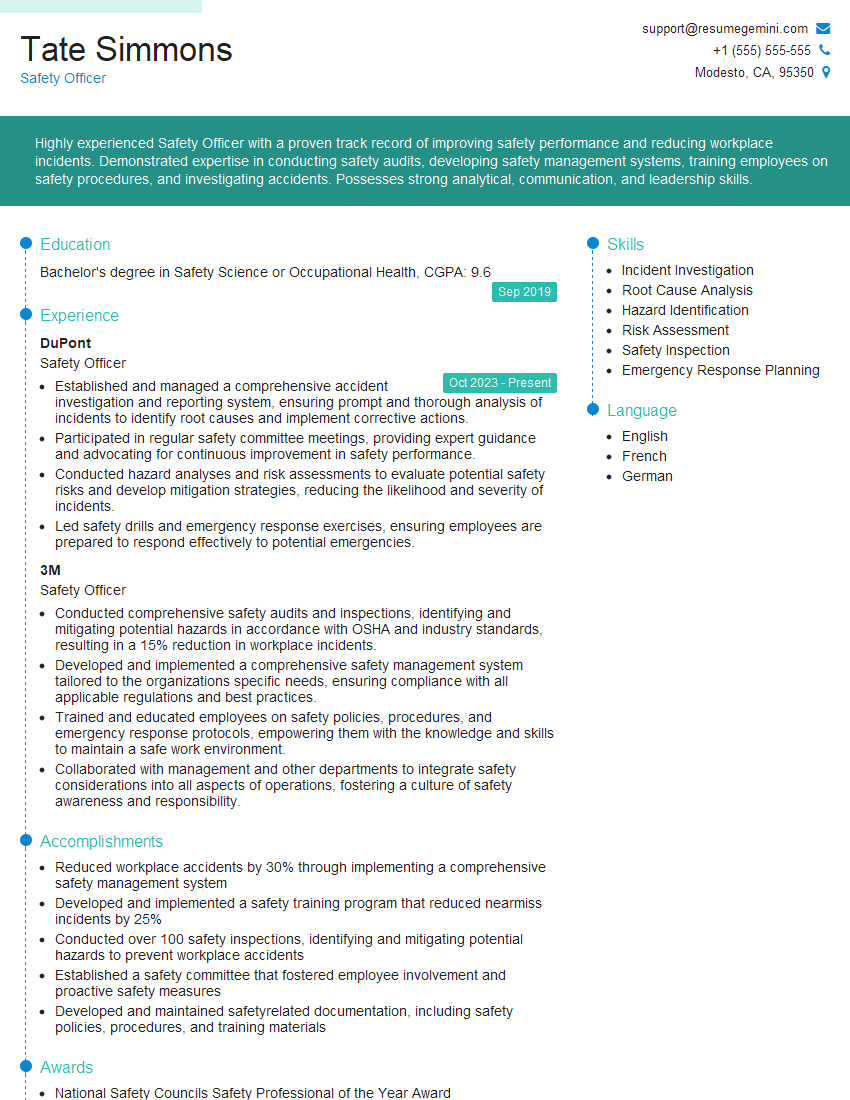
Safety Officer Resume Sample
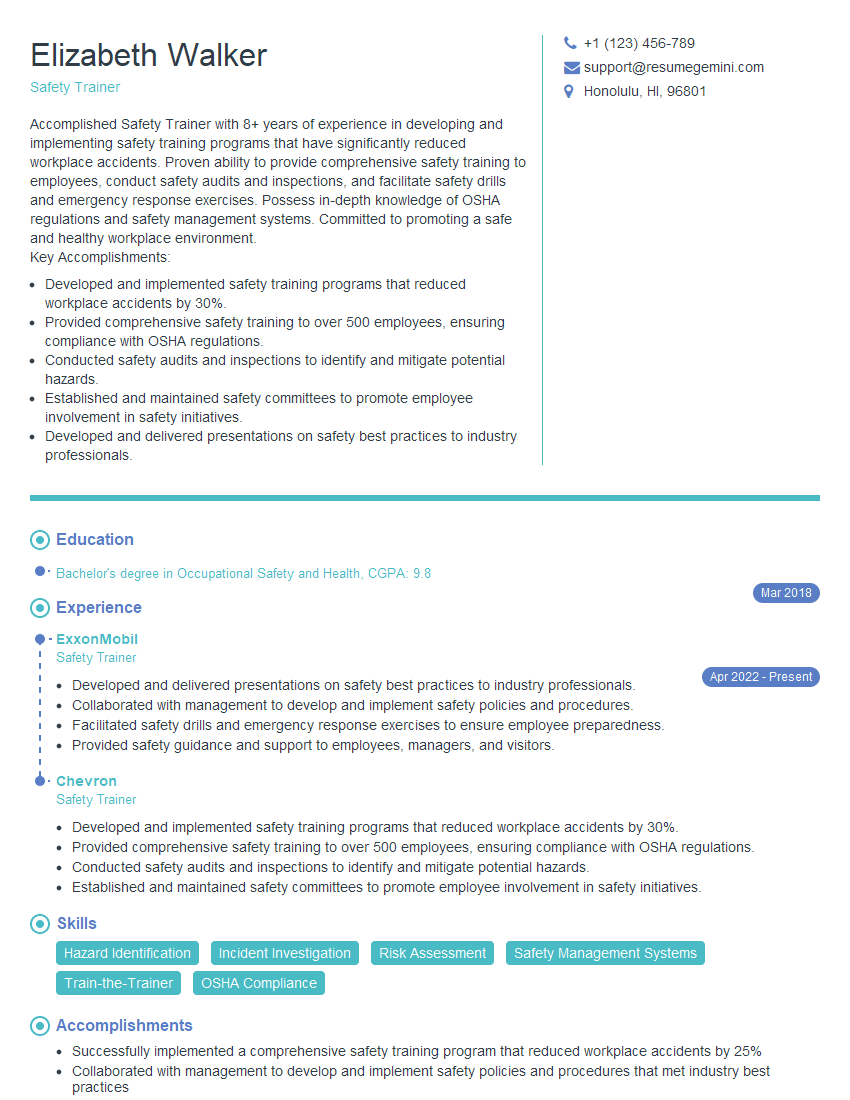
Safety Trainer Resume Sample
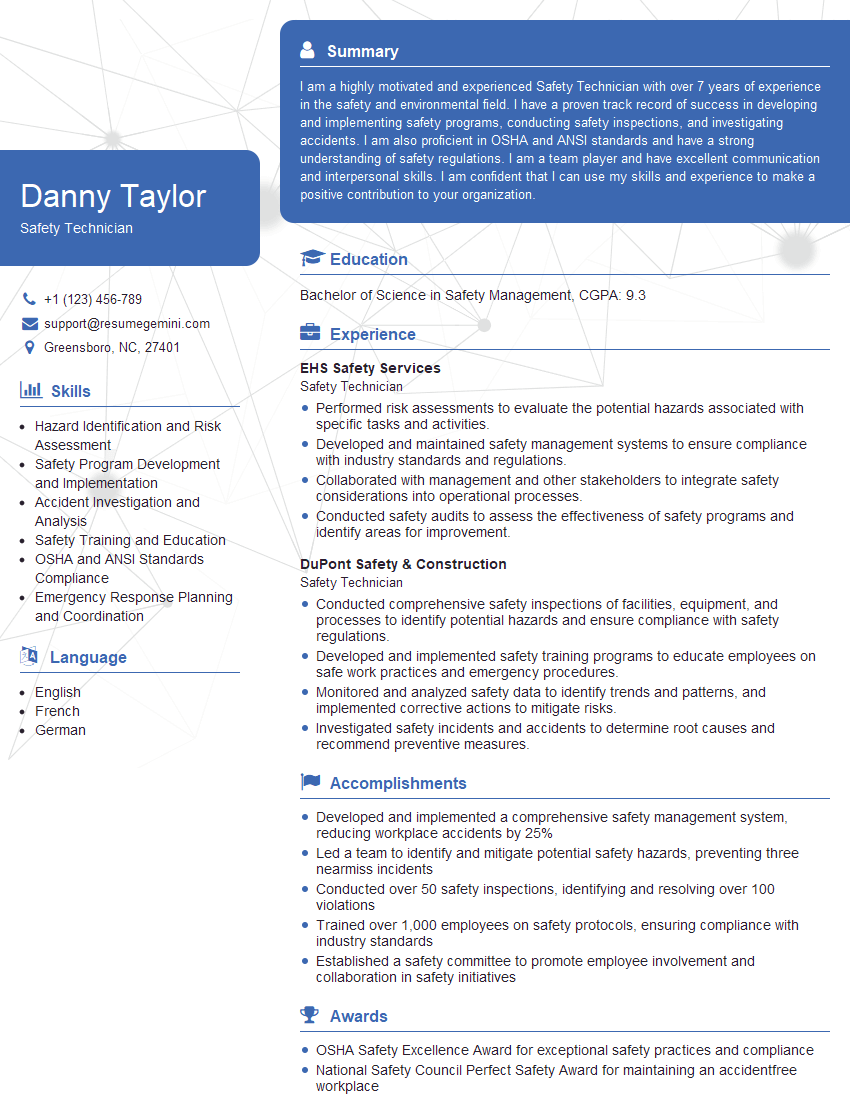
Safety Technician Resume Sample
Explore more articles
Users Rating of Our Blogs
Share Your Experience
We value your feedback! Please rate our content and share your thoughts (optional).
What Readers Say About Our Blog
To the interviewgemini.com Webmaster.
Very helpful and content specific questions to help prepare me for my interview!
Thank you
To the interviewgemini.com Webmaster.
This was kind of a unique content I found around the specialized skills. Very helpful questions and good detailed answers.
Very Helpful blog, thank you Interviewgemini team.