Every successful interview starts with knowing what to expect. In this blog, we’ll take you through the top OSHA Regulations for Construction interview questions, breaking them down with expert tips to help you deliver impactful answers. Step into your next interview fully prepared and ready to succeed.
Questions Asked in OSHA Regulations for Construction Interview
Q 1. Explain the difference between OSHA 10 and OSHA 30 training.
OSHA 10 and OSHA 30 are both training programs designed to educate workers about workplace safety and health hazards, but they differ significantly in length, depth of coverage, and target audience. OSHA 10 is a 10-hour course that provides a general overview of safety and health hazards common in many industries. Think of it as a foundational course, perfect for entry-level workers or those needing a basic understanding. OSHA 30, on the other hand, is a 30-hour course that goes much deeper into specific hazards and regulatory requirements. It’s more comprehensive, covering more detailed information and specific industry standards. It’s often required for supervisors, project managers, and those in leadership roles who are responsible for ensuring workplace safety. Essentially, OSHA 10 is a good starting point, while OSHA 30 provides more in-depth knowledge and supervisory-level training. For example, an entry-level construction worker might take OSHA 10, whereas a construction foreman would be expected to complete OSHA 30.
Q 2. Describe your experience with OSHA Form 300.
OSHA Form 300 is crucial for recordkeeping of work-related injuries and illnesses. My experience includes not only completing the forms accurately but also understanding their implications. I’ve been involved in developing and implementing injury and illness prevention programs, ensuring all incidents are properly documented and analyzed. This includes ensuring accurate recordkeeping of each incident, including the employee’s name, the date, type of injury, and details of the incident. I also have experience with analyzing data from Form 300 to identify trends and hazards that may necessitate changes to safety procedures and practices. This proactive approach to safety is key to mitigating future incidents. For instance, noticing a spike in hand injuries from a particular task would trigger an investigation to understand the root cause and implement appropriate preventative measures, such as better training or improved tooling.
Q 3. How would you implement a comprehensive fall protection plan on a construction site?
Implementing a comprehensive fall protection plan involves a multi-step process. First, a thorough fall hazard assessment is needed to identify all potential fall risks on the construction site. This might involve inspecting scaffolding, roof edges, and open-sided floors. Once hazards are identified, the appropriate fall protection measures must be selected and implemented. This could include guardrails, safety nets, personal fall arrest systems (PFAS), or a combination depending on the specific circumstances. Training is vital – all employees working at heights must receive comprehensive training on the proper use of chosen equipment and procedures. Regular inspections are also critical. Daily inspections should be conducted to ensure that the fall protection system remains intact and functional. Finally, documentation is essential, maintaining records of inspections, training, and any incidents related to falls.
For example, if we identify workers needing to access a roof, we’d likely utilize a PFAS system with a properly anchored lifeline. Before initiating work, we would inspect the anchors, harnesses, and lanyards. Regular inspections would ensure the equipment is not damaged and that the anchor points remain secure.
Q 4. What are the requirements for hazard communication in construction?
Hazard communication in construction requires employers to provide clear and readily accessible information about hazardous chemicals used on the job site. This includes providing Safety Data Sheets (SDSs) for each hazardous chemical, training employees on how to identify and handle these chemicals safely, and labeling containers with appropriate warnings and hazard pictograms. Employers must also establish a system for communicating chemical hazards, such as using clear signage or color-coding systems. Compliance with the Globally Harmonized System of Classification and Labelling of Chemicals (GHS) is essential. This is vital because it ensures workers understand the risks associated with the chemicals they use and how to protect themselves from potential harm. A lack of clear communication can lead to accidental exposure, injuries, and even fatalities.
Q 5. Explain the importance of lockout/tagout procedures.
Lockout/Tagout (LOTO) procedures are critical for preventing accidental start-up or release of energy during maintenance or repair work on machinery. They are designed to prevent injuries caused by unexpected energization, start-up, or release of hazardous energy. The process involves isolating energy sources, applying lockout devices (locks), and attaching tags to warn others not to operate the equipment. It’s a crucial safety measure that ensures workers aren’t exposed to hazardous energy while servicing equipment. Failure to follow LOTO procedures can lead to serious injuries, such as electrocution, burns, or crushing injuries. The procedures must be clearly defined and regularly reviewed and all employees involved in LOTO procedures must receive comprehensive training.
Think of it like this: imagine working on a machine. LOTO ensures that the machine cannot suddenly turn on while you’re making repairs – preventing a potentially fatal accident.
Q 6. How would you respond to a workplace accident?
Responding to a workplace accident requires a swift and organized approach. The first priority is ensuring the safety of everyone involved. This includes providing first aid if necessary and securing the accident site to prevent further incidents. Next, emergency medical services should be contacted immediately if required. Following that, the accident must be thoroughly investigated to determine the root cause. This investigation involves gathering information, interviewing witnesses, and reviewing safety procedures. This information is then used to prepare an accident report that includes all relevant details. Finally, the information learned from the investigation should be used to implement corrective actions to prevent similar accidents from happening in the future. Failure to adequately investigate and address root causes increases the likelihood of a similar accident occurring.
Q 7. What are the OSHA requirements for personal protective equipment (PPE)?
OSHA mandates that employers provide appropriate Personal Protective Equipment (PPE) to their employees when hazards are present that cannot be controlled through engineering controls or administrative controls. The types of PPE required depend on the specific hazards identified. This might include hard hats to protect against falling objects, safety glasses or goggles to protect against eye injuries, hearing protection in loud environments, respirators in hazardous air conditions, safety harnesses and lanyards for fall protection, and safety footwear to prevent foot injuries. Employers must ensure that the PPE is properly fitted, used correctly, and maintained in good condition. Training on the proper selection, use, and care of PPE is also mandatory. Ignoring PPE requirements is a serious OSHA violation and can have significant consequences for both employers and employees.
Q 8. Describe your experience with conducting job safety analyses (JSAs).
Job Safety Analyses (JSAs) are a crucial part of proactive safety management. My experience involves systematically identifying potential hazards in specific tasks, analyzing the risks associated with those hazards, and then developing control measures to mitigate those risks. I’ve conducted numerous JSAs across various construction projects, from small renovations to large-scale commercial builds. This process typically involves a team approach, including workers from the relevant trade, supervisors, and safety professionals. We meticulously break down each task into its individual steps, identifying potential hazards at each stage. For example, in a roofing project, a JSA would include steps like setting up scaffolding, transporting materials, and installing roofing tiles. Each step would be analyzed for potential hazards, such as falls from height, cuts from sharp materials, or slips and trips. Control measures, such as using harnesses, wearing appropriate PPE, and implementing safe material handling techniques, would be outlined to prevent these hazards. The completed JSA becomes a living document, regularly reviewed and updated as needed based on experience and changing conditions on the site.
Q 9. How would you ensure compliance with OSHA’s scaffolding regulations?
Ensuring compliance with OSHA’s scaffolding regulations requires a multifaceted approach. Firstly, all scaffolding must be designed, erected, altered, moved, and dismantled by qualified and trained personnel. This training must encompass the relevant OSHA standards, including understanding the different types of scaffolding (e.g., frame, tube and coupler, system), proper use of components, and identification of potential hazards. Secondly, regular inspections are crucial. Daily inspections are mandatory to check for any damage, deterioration, or improper setup. Documentation of these inspections is essential for record-keeping and accountability. Thirdly, the scaffolding must meet specific requirements concerning stability, load capacity, and fall protection. This includes ensuring proper base plates, bracing, guardrails, and toeboards are in place and correctly installed. Failure to comply with any of these standards can result in serious consequences, including collapse and potential worker fatalities. I always ensure compliance by creating a robust scaffolding safety program, involving thorough training for personnel, establishing a system for regular inspections, and consistently enforcing the use of appropriate PPE.
Q 10. Explain the different types of trenching and excavation hazards and how to mitigate them.
Trenching and excavation present numerous hazards, primarily involving cave-ins, which is the most significant risk. Other hazards include struck-by hazards (falling objects), caught-between hazards (equipment or collapsing soil), and exposure to hazardous atmospheres (methane, hydrogen sulfide). Mitigation strategies vary depending on the specific hazard but generally involve protective systems. For cave-ins, soil classification is crucial. Type A, stable soil, may require minimal protection, whereas Type B and C soils require shoring, sloping, or trench boxes. A competent person must be on-site to assess the soil conditions and design the appropriate protective system. Preventing struck-by hazards involves establishing exclusion zones, ensuring proper material handling practices, and using overhead protection where necessary. For caught-between hazards, adequate space around equipment must be maintained, and machinery should be operated only by trained personnel. Finally, atmospheric hazards are addressed by testing the air quality and providing appropriate respiratory protection when needed. A robust safety plan addressing each of these hazards and soil classification is fundamental to safely executing excavation work.
Q 11. How familiar are you with OSHA’s regulations on confined spaces?
I’m very familiar with OSHA’s confined space regulations (29 CFR 1910.146). These regulations define a confined space as one having limited means of entry or exit, and not designed for continuous occupancy. The regulations emphasize a permit-required confined space program where an employer must implement a thorough procedure to assess the hazards present, such as oxygen deficiency, hazardous atmospheres, engulfment, and other potential dangers. Before entry, the space must be thoroughly tested and ventilated. Trained attendants must be present outside the confined space to monitor conditions and assist entrants. The program also includes rescue plans and procedures, providing for safe entry, work, and exit. I have experience in developing and implementing such programs, ensuring all necessary precautions are taken to protect workers from the hazards associated with confined space entry.
Q 12. Describe your experience with developing and implementing safety programs.
Developing and implementing safety programs requires a systematic approach. It begins with a thorough hazard assessment, identifying all potential hazards on the site. This assessment informs the development of a comprehensive safety plan that outlines specific control measures for each hazard. These measures might include engineering controls (e.g., guarding machinery), administrative controls (e.g., job safety analysis), and personal protective equipment (PPE). The safety program isn’t just a document; it’s a living entity. It requires regular review and updates based on incident investigations, changing site conditions, and new industry best practices. Training is a crucial component. All workers must receive appropriate safety training, which should be tailored to the specific hazards they face. Regular safety meetings and toolbox talks reinforce safe work practices. I have extensive experience in creating and overseeing safety programs, from drafting policies to conducting training and enforcing compliance. I prioritize making the program practical and engaging, fostering a safety-conscious culture on the job site.
Q 13. What are the common causes of construction site accidents?
Common causes of construction site accidents are multifaceted, but some of the most prevalent include falls from heights, struck-by hazards (being hit by falling objects or equipment), caught-between hazards (being crushed or compressed by objects or equipment), electrocutions, and repetitive strain injuries. Falls from heights are frequently the leading cause of fatalities, emphasizing the critical need for fall protection measures. Struck-by hazards are often related to poor housekeeping, inadequate safety signage, and unsafe lifting and handling procedures. Caught-between hazards frequently involve machinery, emphasizing the importance of lockout/tagout procedures and safe work practices around heavy equipment. Electrocutions underscore the significance of proper grounding and isolation of electrical systems. Finally, repetitive strain injuries highlight the importance of ergonomic considerations in task design and the use of appropriate tools and equipment.
Q 14. How would you investigate and report a workplace injury?
Investigating a workplace injury requires a thorough and unbiased approach. The first step is immediate first aid and emergency medical services if needed. Next, the scene should be secured to prevent further injuries and preserve evidence. A detailed investigation follows, involving interviews with witnesses, the injured worker (if possible), and supervisors. Photographs and video footage of the accident scene are crucial, as is collecting any relevant equipment or materials. The investigation aims to identify the root cause of the incident, not just the immediate cause. For instance, a worker falling off scaffolding might be the immediate cause, but the root cause might be inadequate scaffolding inspection or insufficient training. Once the investigation is complete, a detailed report is written, outlining the findings, root causes, and recommendations for preventing similar accidents in the future. This report is then used to inform corrective actions, training, and revisions to safety procedures. The entire process adheres to OSHA’s recordkeeping requirements.
Q 15. Describe your experience with conducting safety inspections.
My experience in conducting safety inspections is extensive, encompassing various construction sites from small residential projects to large-scale commercial developments. I follow a structured approach, starting with a pre-inspection planning phase where I review project plans, identify potential hazards based on the type of work being performed, and familiarize myself with the site layout. The inspection itself involves a thorough walkthrough, meticulously checking for compliance with OSHA standards. I use checklists tailored to specific tasks and hazards, focusing on aspects like fall protection, scaffolding, trenching, electrical safety, and personal protective equipment (PPE) usage. During the inspection, I document all findings, including both compliant and non-compliant items, with photographic evidence whenever possible. Finally, I prepare a detailed report outlining the findings, recommendations for corrective actions, and suggested timelines for implementation. This process ensures a proactive approach to safety and helps mitigate potential risks effectively. For example, during an inspection at a high-rise construction site, I noticed a lack of proper fall protection measures on a particular floor. My report immediately addressed this critical hazard, prompting the contractor to implement immediate corrective actions such as installing guardrails and providing all workers with appropriate harnesses and lanyards.
Career Expert Tips:
- Ace those interviews! Prepare effectively by reviewing the Top 50 Most Common Interview Questions on ResumeGemini.
- Navigate your job search with confidence! Explore a wide range of Career Tips on ResumeGemini. Learn about common challenges and recommendations to overcome them.
- Craft the perfect resume! Master the Art of Resume Writing with ResumeGemini’s guide. Showcase your unique qualifications and achievements effectively.
- Don’t miss out on holiday savings! Build your dream resume with ResumeGemini’s ATS optimized templates.
Q 16. What is your experience with OSHA recordkeeping requirements?
My familiarity with OSHA recordkeeping requirements is comprehensive. I understand the importance of accurate and timely documentation as it’s crucial for demonstrating compliance and proactively managing workplace safety. This involves maintaining OSHA 300 Logs, OSHA 300A Summaries, and OSHA 301 Injury and Illness Incident Reports. I am proficient in using various recordkeeping software and methods, ensuring data accuracy and accessibility for audits. Understanding the nuances of recordkeeping, particularly regarding recordable incidents, is essential. For instance, I understand the difference between a recordable injury and an incident that doesn’t meet the criteria for recordability. I’m also adept at handling the nuances of classifying injuries and illnesses according to OSHA guidelines and ensuring the privacy of employees’ medical information in compliance with HIPAA regulations. Accurate recordkeeping isn’t just about compliance; it’s a powerful tool for identifying trends, preventing future incidents, and continuously improving safety performance. A well-maintained recordkeeping system allows for the identification of recurring hazards, enabling targeted interventions and a reduction in workplace incidents.
Q 17. How would you address employee resistance to safety protocols?
Addressing employee resistance to safety protocols requires a multi-faceted approach that prioritizes communication, education, and collaboration. It’s crucial to understand the root cause of the resistance. Is it due to a lack of understanding, inconvenience, discomfort with PPE, or perhaps a perception that safety procedures hinder productivity? I start by engaging employees in open dialogue, actively listening to their concerns, and explaining the rationale behind the safety protocols in a clear and understandable manner. I emphasize that safety rules are not meant to be restrictive but are designed to protect their well-being. I often use relatable examples of real-world accidents to underscore the importance of adherence. Sometimes, involving employees in the development and implementation of safety measures can foster a sense of ownership and increase buy-in. Providing appropriate training and ensuring that safety equipment is comfortable and functional is also crucial. Finally, consistent reinforcement through positive reinforcement and addressing concerns promptly are essential to build trust and ensure compliance. For example, I have successfully addressed resistance by setting up a suggestion box where employees can openly share their thoughts and concerns regarding safety protocols.
Q 18. Describe your experience with developing and delivering safety training.
I have extensive experience in developing and delivering safety training programs tailored to various construction tasks and hazards. My training sessions are interactive and engaging, utilizing a combination of lectures, demonstrations, hands-on activities, and case studies. I focus on providing practical, job-specific training, ensuring employees understand the risks associated with their work and the proper procedures to mitigate those risks. I always assess employee understanding through quizzes and practical demonstrations. My training programs cover a wide range of topics, including fall protection, hazard communication, lockout/tagout procedures, fire safety, and the proper use of personal protective equipment (PPE). For instance, when training workers on fall protection, I wouldn’t simply lecture on the theory but would conduct hands-on demonstrations of proper harness usage and anchor point selection. I tailor the content and delivery methods to suit the audience, considering their experience levels and literacy levels. Regular refresher training is incorporated to ensure knowledge retention and to address changes in regulations or procedures.
Q 19. How do you stay up-to-date on changes in OSHA regulations?
Staying current with OSHA regulations is a continuous process that demands proactive engagement. I regularly review the OSHA website for updates, subscribing to their alerts and newsletters. I attend industry conferences, workshops, and webinars to learn about the latest changes in regulations and best practices. Furthermore, I actively participate in professional organizations like the Associated Builders and Contractors (ABC) and the Construction Safety Council (CSC) to network with fellow safety professionals and stay abreast of emerging safety concerns. Networking with other safety professionals provides insights and best practices that may not be readily apparent from official sources alone. I also maintain a professional library of current OSHA publications and subscribe to relevant industry journals. This multi-faceted approach helps me ensure my knowledge remains comprehensive and applicable to the ever-evolving construction landscape.
Q 20. What is your experience with emergency action plans?
My experience with emergency action plans (EAPs) encompasses their development, implementation, and regular review. I understand that a well-defined EAP is crucial for ensuring the safety of employees and reducing the impact of emergency situations. I begin by conducting a thorough hazard analysis of the workplace, identifying potential emergencies such as fires, chemical spills, and natural disasters. Based on this analysis, I develop a comprehensive EAP that outlines procedures for evacuation, emergency communication, first aid, and employee responsibilities. I ensure that the EAP is clearly communicated to all employees through training sessions and readily available signage. I conduct regular drills to ensure the plan is understood and functions effectively. In addition to the written plan, I also coordinate with local emergency services to ensure effective communication and collaboration during emergencies. Regular review and updates to the EAP are paramount to address changes in the work environment or new regulatory requirements. The ultimate goal is to create a document that is not just a formality, but a practical, functional guide that facilitates a safe and swift response to any emergency.
Q 21. Explain your understanding of OSHA’s General Duty Clause.
OSHA’s General Duty Clause, Section 5(a)(1), is a fundamental provision requiring employers to provide a workplace free from recognized hazards that are causing or are likely to cause death or serious physical harm to employees. It’s a catch-all clause that covers hazards not specifically addressed by other OSHA standards. It places a broad responsibility on employers to proactively identify and control hazards within their work environments. The clause requires employers to take feasible steps to eliminate or control hazards. This means the employer must identify the hazard, evaluate its severity, and implement reasonable controls, weighing the costs of controls against the benefits of risk reduction. The feasibility consideration is critical; it implies that the employer must consider the economic and technical feasibility of implementing control measures. Simply claiming a control measure is too expensive isn’t a valid excuse if a reasonably feasible solution exists. For instance, if an employer identifies a hazard of falling objects in a workplace, they are obligated under the General Duty Clause to implement feasible control measures, such as providing hard hats, netting, or other protective measures. The General Duty Clause is frequently cited in cases where a specific OSHA standard doesn’t exist for a particular hazard. It’s a powerful tool to ensure workplaces are safe, even in situations where specific, written standards haven’t yet been developed.
Q 22. How would you manage safety on a multi-contractor project?
Managing safety on a multi-contractor project requires a proactive and collaborative approach. Think of it like orchestrating a complex symphony – each contractor is a musician playing their part, but a conductor (the general contractor or project manager) is crucial for harmony. This involves establishing a unified safety culture and communication system.
- Pre-construction planning: A critical first step is developing a comprehensive safety plan that outlines responsibilities, procedures, and emergency protocols. This plan should be jointly developed with all contractors, incorporating their specific expertise and potential hazards. It’s not just a document; it’s a living agreement that we frequently revise.
- Regular safety meetings: These meetings are essential for communication and coordination. We address concerns, review incident reports, share best practices, and ensure everyone’s on the same page. Minutes from these meetings serve as a valuable record for audits and insurance purposes.
- Joint safety inspections: Regular, collaborative inspections help identify potential hazards early, preventing accidents. We use a standardized checklist to ensure thoroughness and consistency across all contractors. Think of it like a car tune-up before a long journey.
- Subcontractor safety performance evaluation: We assess each contractor’s safety performance based on their incident rate, compliance with safety rules, and the implementation of their own safety programs. This not only helps ensure safety but can also be incorporated into performance evaluations.
- Emergency response plan: A well-defined emergency response plan is critical and must be practiced regularly by all contractors. This includes evacuation procedures, first aid protocols, and communication channels. Regular drills ensure everyone is prepared and knows exactly what to do.
For example, on a recent multi-contractor project involving building renovation, we implemented a system where each contractor submitted daily safety reports outlining potential hazards and corrective actions, fostering accountability and transparency.
Q 23. Describe your experience with implementing and monitoring safety performance indicators.
Safety performance indicators (SPIs) are crucial for monitoring and improving safety performance. They act as a dashboard, providing insights into the effectiveness of our safety program. I have extensive experience using a variety of SPIs, including:
- Incident rates (Lost Time Injury Rate, Total Recordable Incident Rate): These metrics measure the frequency and severity of workplace injuries. Tracking trends helps identify areas needing immediate attention.
- Near-miss reporting: Analyzing near-miss incidents helps us proactively address potential hazards before they lead to accidents. We encourage reporting, ensuring no retribution for reporting near misses.
- Safety training participation rates: Tracking participation ensures all workers receive necessary training. Low participation rates signal gaps in training or communication.
- Safety observation scores: Regular safety observations provide a snapshot of workplace conditions. A high number of observations with hazards identified may point to a lack of employee awareness or training.
- Compliance with safety regulations: Monitoring our compliance with OSHA standards and other relevant regulations helps mitigate potential fines and ensures a safe work environment.
For example, on a highway construction project, we implemented a system to track near-miss incidents using a mobile application. This allowed for immediate reporting and analysis, enabling prompt corrective actions to prevent similar events in the future.
Q 24. How do you handle conflicts between productivity and safety requirements?
The conflict between productivity and safety is a common challenge, but it’s a false dichotomy. Safety is not an impediment to productivity; it *is* a key component of productivity. When safety is compromised, productivity suffers due to accidents, delays, and increased costs. The solution lies in finding the optimal balance. Here’s how I approach it:
- Proactive hazard identification and control: By identifying and mitigating hazards proactively, we avoid accidents that would disrupt productivity. This includes thorough planning, risk assessments, and the use of appropriate personal protective equipment (PPE).
- Investing in safety training and technology: Well-trained workers are more efficient and less prone to accidents. Technology such as fall protection systems can significantly improve efficiency while enhancing safety.
- Incentivizing safe work practices: Rewarding safe behaviors, including the timely reporting of hazards, creates a culture that prioritizes safety without compromising productivity. For example, we may offer bonuses for projects completed without lost-time accidents.
- Communication and collaboration: Open communication between management and workers is crucial to address concerns about productivity and find collaborative solutions. A culture of mutual respect is essential.
For example, during a bridge construction project, we explored multiple ways of performing tasks which resulted in a method that improved safety through the use of better fall protection without delaying progress.
Q 25. Explain your understanding of bloodborne pathogens and the related OSHA regulations.
Bloodborne pathogens are infectious microorganisms present in human blood that can cause disease. OSHA’s Bloodborne Pathogens Standard (29 CFR 1910.1030) aims to minimize occupational exposure to these pathogens. The standard requires employers to implement a comprehensive exposure control plan, which includes:
- Exposure determination: Identifying tasks and procedures with potential exposure to blood or other potentially infectious materials (OPIM).
- Exposure control methods: Implementing engineering controls (e.g., sharps disposal containers, self-sheathing needles), work practice controls (e.g., hand hygiene, proper cleaning and disinfection procedures), and personal protective equipment (PPE) such as gloves and eye protection.
- Hepatitis B vaccination: Employers must offer the hepatitis B vaccine free of charge to employees at risk of exposure.
- Post-exposure follow-up: Providing immediate medical evaluation and follow-up for employees exposed to bloodborne pathogens.
- Training: Providing comprehensive training to employees on the hazards of bloodborne pathogens, standard precautions, and the proper use of PPE and exposure control methods.
I have extensive experience in implementing and enforcing these regulations, including developing and implementing exposure control plans, ensuring appropriate PPE is available and used correctly, and managing post-exposure follow-up protocols. A key aspect of this is training, which I prioritize to ensure every employee understands the risks and practices required to stay safe.
Q 26. What is your familiarity with the OSHA hierarchy of hazard controls?
The OSHA hierarchy of hazard controls is a prioritized framework for eliminating or minimizing workplace hazards. It’s a systematic approach to risk management, prioritizing the most effective controls first. The hierarchy is:
- Elimination: Physically removing the hazard entirely. For example, replacing a dangerous chemical with a safer alternative.
- Substitution: Replacing a hazard with a less hazardous alternative. For example, replacing a manual lifting task with a mechanical lift.
- Engineering controls: Implementing physical changes to the workplace to control hazards. Examples include installing machine guards, ventilation systems, or improved lighting.
- Administrative controls: Changes in work practices or procedures to minimize exposure to hazards. Examples include job rotation, training programs, and improved work schedules.
- Personal protective equipment (PPE): The last line of defense, providing protection to workers. Examples include safety glasses, hard hats, and respirators. PPE should only be used when other controls are not feasible or sufficient.
Understanding this hierarchy is crucial because it allows for a more effective and systematic approach to risk management. We prioritize controls higher on the hierarchy because they are often more effective and sustainable than relying solely on PPE.
Q 27. How would you develop a site-specific safety plan?
Developing a site-specific safety plan is crucial for managing risks on a construction project. It’s a detailed document tailored to the unique hazards of that specific site. Think of it as a customized safety roadmap. The process typically involves:
- Site survey and hazard identification: A thorough assessment of the site to identify potential hazards such as excavation work, electrical hazards, fall hazards, etc.
- Risk assessment: Evaluating the identified hazards and determining the likelihood and severity of potential injuries or incidents. This usually involves using a risk matrix to prioritize risks.
- Hazard control measures: Developing and implementing control measures to eliminate or reduce the identified hazards, using the OSHA hierarchy of controls. This includes engineering controls, work practices, administrative controls, and PPE.
- Emergency response plan: Establishing procedures for dealing with emergencies, including evacuation plans, first aid procedures, and communication protocols.
- Training and communication: Providing training to workers on the site-specific hazards and the safety procedures to be followed. Regular communication is crucial to ensure adherence to safety measures.
- Documentation: Maintaining records of the safety plan, risk assessments, safety inspections, training records, and incident reports.
For example, on a high-rise building construction project, our site-specific safety plan included detailed protocols for fall protection, crane operation, and fire prevention, tailored to the unique hazards of working at height.
Q 28. Describe your experience with using a safety management system (SMS).
A safety management system (SMS) is a proactive and systematic approach to managing safety risks. It’s not just a set of documents; it’s a continuous improvement process. My experience with SMS includes:
- Developing and implementing SMS policies and procedures: Creating comprehensive policies and procedures covering all aspects of safety management, from hazard identification to incident investigation and corrective actions. This often involves a formal, documented process.
- Conducting regular safety audits and inspections: Periodically reviewing the effectiveness of the SMS through audits and inspections to ensure ongoing compliance with established procedures and identify areas for improvement.
- Incident investigation and reporting: Thoroughly investigating all incidents to determine root causes and implementing corrective actions to prevent recurrence. This goes beyond simple reporting; we analyze the underlying reasons for incidents.
- Employee training and communication: Providing regular safety training to employees and fostering a culture of safety awareness and reporting. Effective communication is key to engagement.
- Performance monitoring and improvement: Continuously monitoring key safety performance indicators and using the data to identify areas for improvement and adjust the SMS as needed. This process is ongoing; it’s not a one-time effort.
For example, on a large infrastructure project, we implemented an SMS that included regular safety meetings, hazard identification forms, near-miss reporting, and a system for tracking and addressing safety concerns. This system significantly reduced incidents and enhanced the project’s overall safety performance.
Key Topics to Learn for OSHA Regulations for Construction Interview
- Hazard Communication: Understanding the role of Safety Data Sheets (SDS) and the importance of proper labeling and training in a construction setting. Practical application: Explain how to identify and mitigate hazards based on SDS information.
- Fall Protection: Mastering fall protection systems, including guardrails, safety nets, and personal fall arrest systems (PFAS). Practical application: Discuss the selection of appropriate fall protection based on the height and type of work being performed.
- Scaffolding Safety: Understanding the proper erection, use, and dismantling of scaffolding. Practical application: Describe the inspection procedures for ensuring scaffold stability and identifying potential hazards.
- Personal Protective Equipment (PPE): Identifying and correctly using appropriate PPE for various construction tasks. Practical application: Explain the selection criteria for PPE based on specific job hazards.
- Excavation and Trenching: Understanding the regulations surrounding excavation and trenching, including shoring, sloping, and protective systems. Practical application: Describe the procedures for protecting workers from cave-ins.
- Electrical Hazards: Identifying and mitigating electrical hazards on construction sites. Practical application: Explain the lockout/tagout procedures for electrical equipment.
- Emergency Action Plans & Reporting: Developing and implementing emergency action plans and understanding reporting requirements for accidents and injuries. Practical application: Describe the steps to take in the event of a workplace accident.
- Competency and Training: Understanding OSHA’s requirements for worker training and competency in various safety procedures. Practical application: Discuss the documentation required to demonstrate compliance with OSHA’s training standards.
- Inspections and Record Keeping: Understanding OSHA’s recordkeeping requirements and the importance of conducting regular safety inspections. Practical application: Explain how to conduct an effective safety inspection and document findings.
Next Steps
Mastering OSHA Regulations for Construction demonstrates your commitment to safety and significantly enhances your career prospects in the construction industry. It shows employers that you prioritize safety, a crucial aspect of any successful construction project. To improve your chances of landing your dream role, focus on building an ATS-friendly resume that effectively highlights your skills and experience. ResumeGemini is a trusted resource that can help you create a professional and impactful resume. ResumeGemini offers examples of resumes tailored to OSHA Regulations for Construction, providing a valuable template to guide your resume creation.

Construction Superintendent Resume Sample
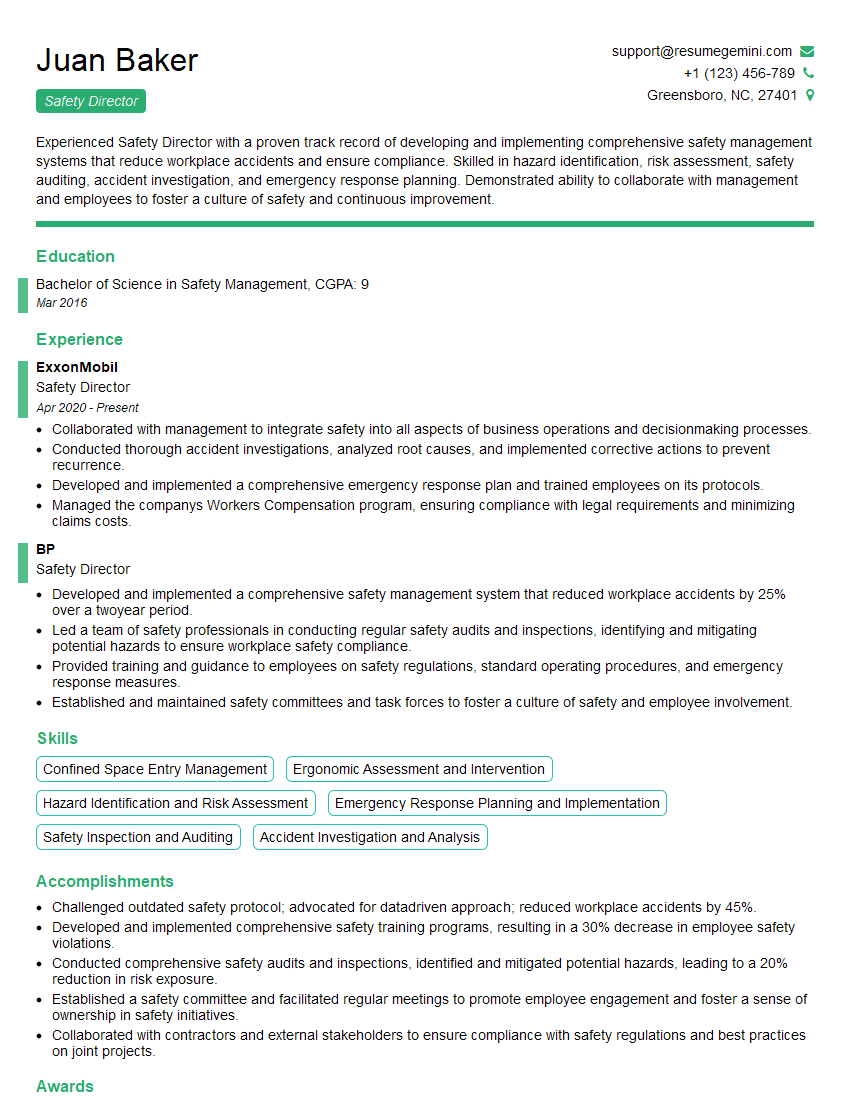
Safety Director Resume Sample
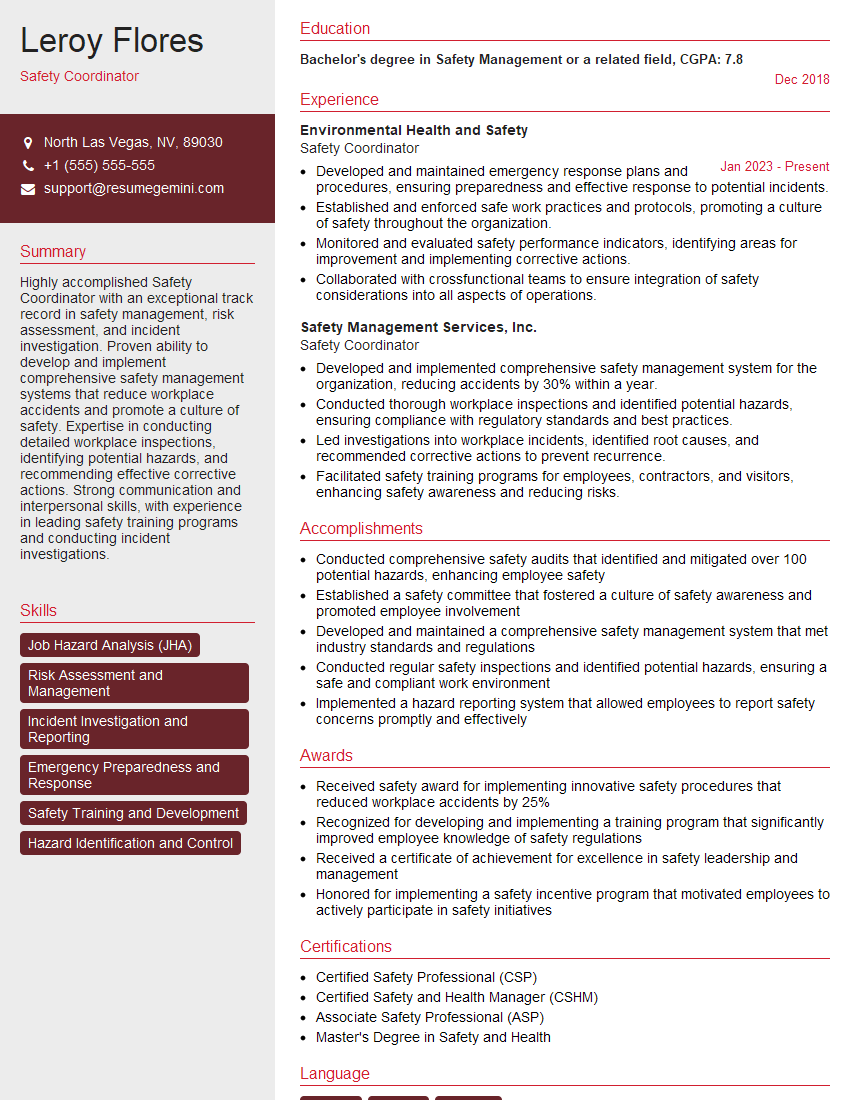
Safety Coordinator Resume Sample
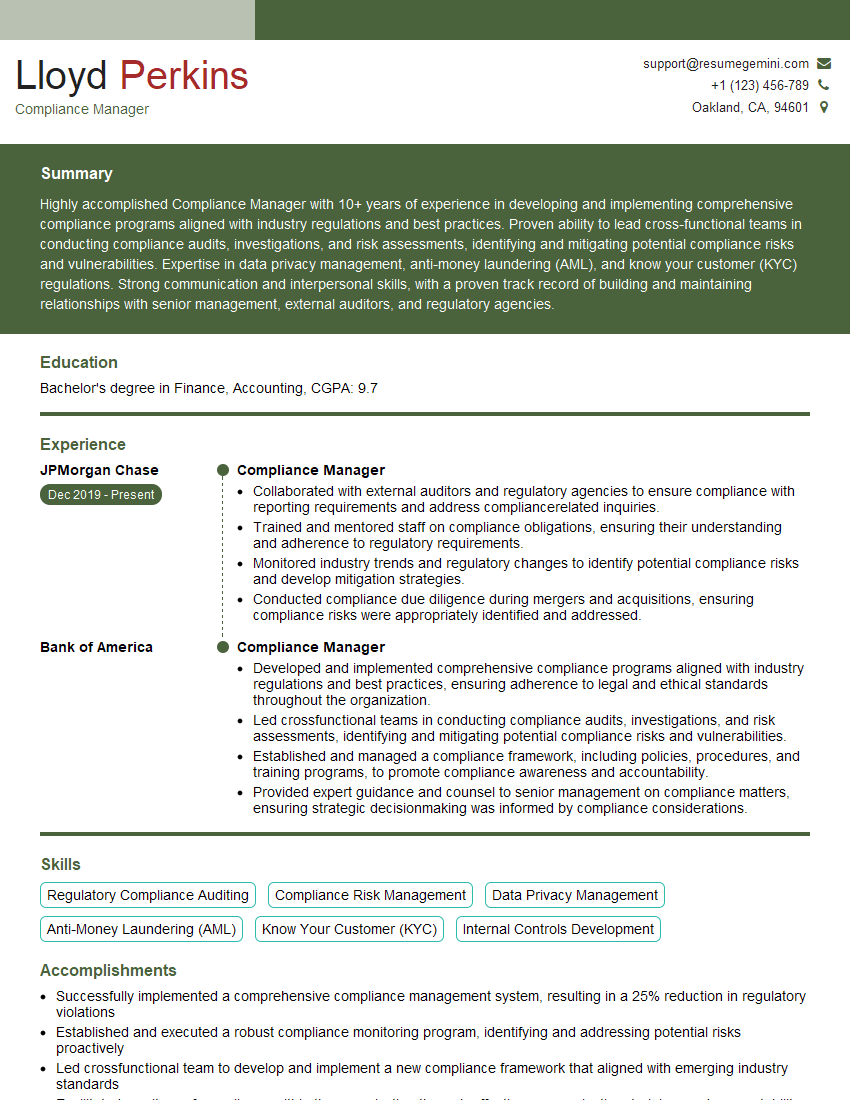
Compliance Manager Resume Sample
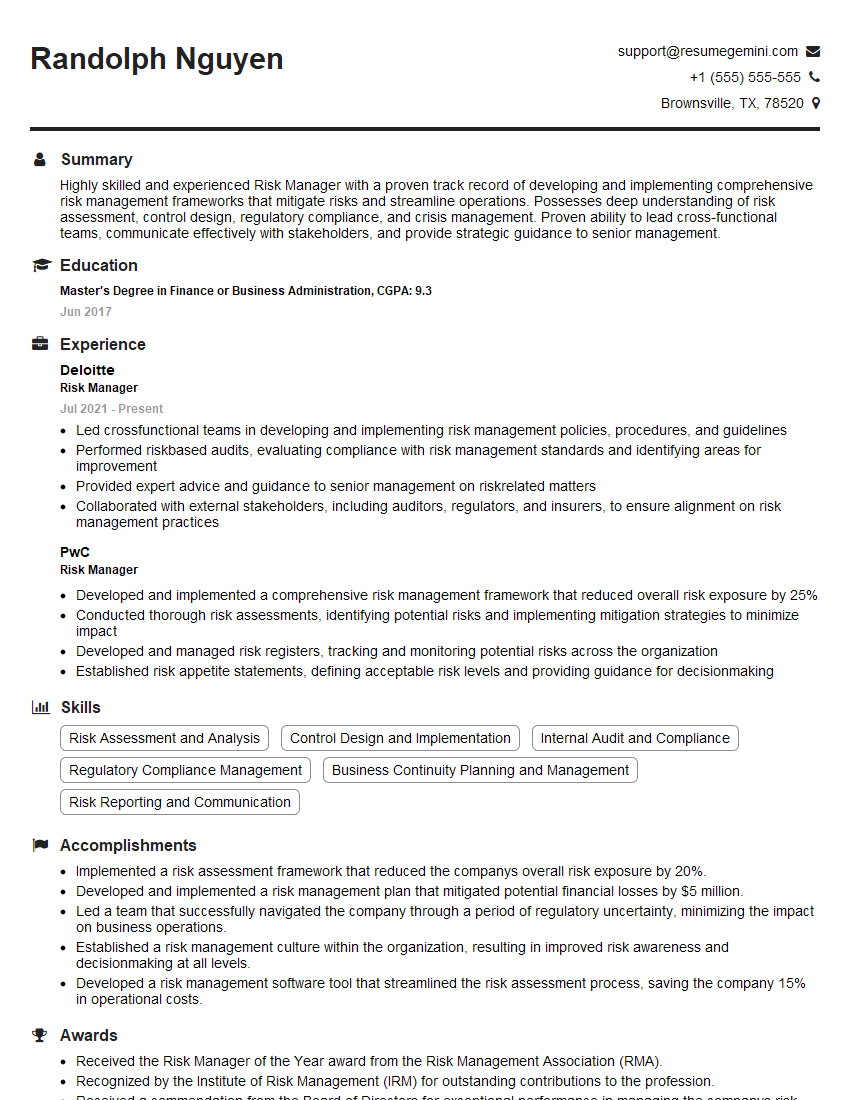
Risk Manager Resume Sample
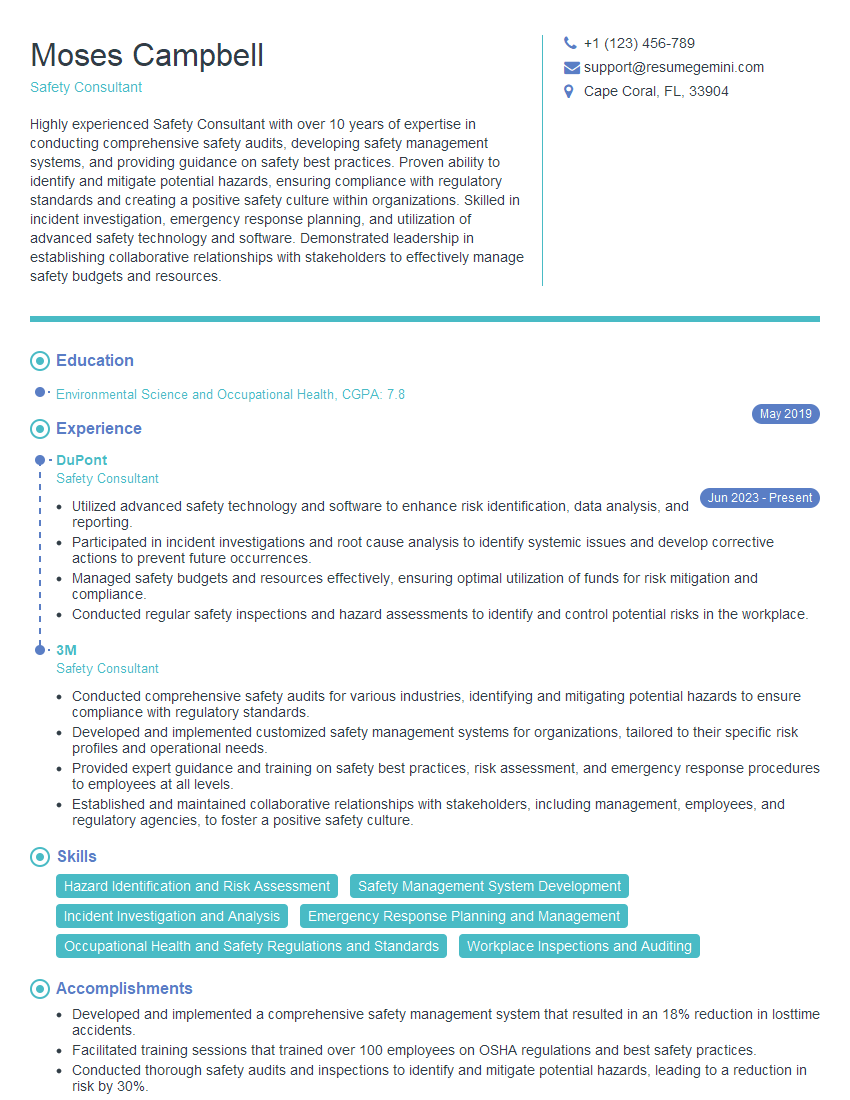
Safety Consultant Resume Sample
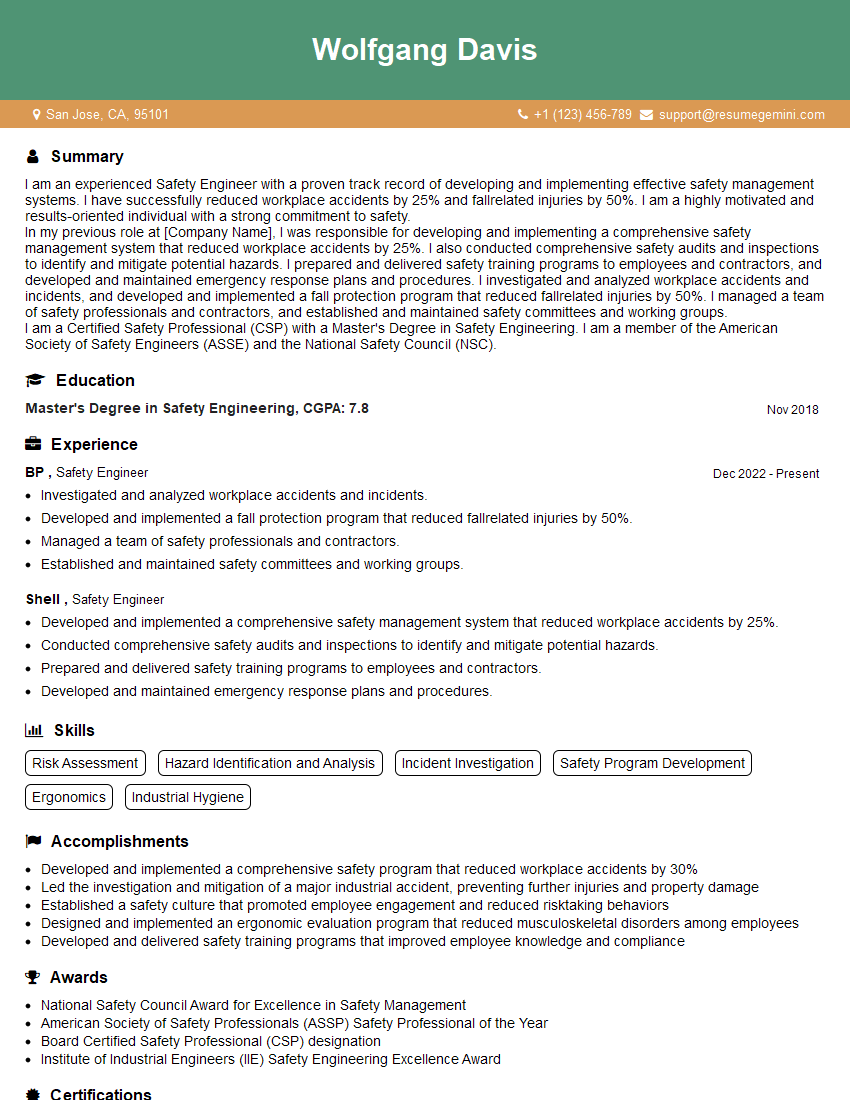
Safety Engineer Resume Sample
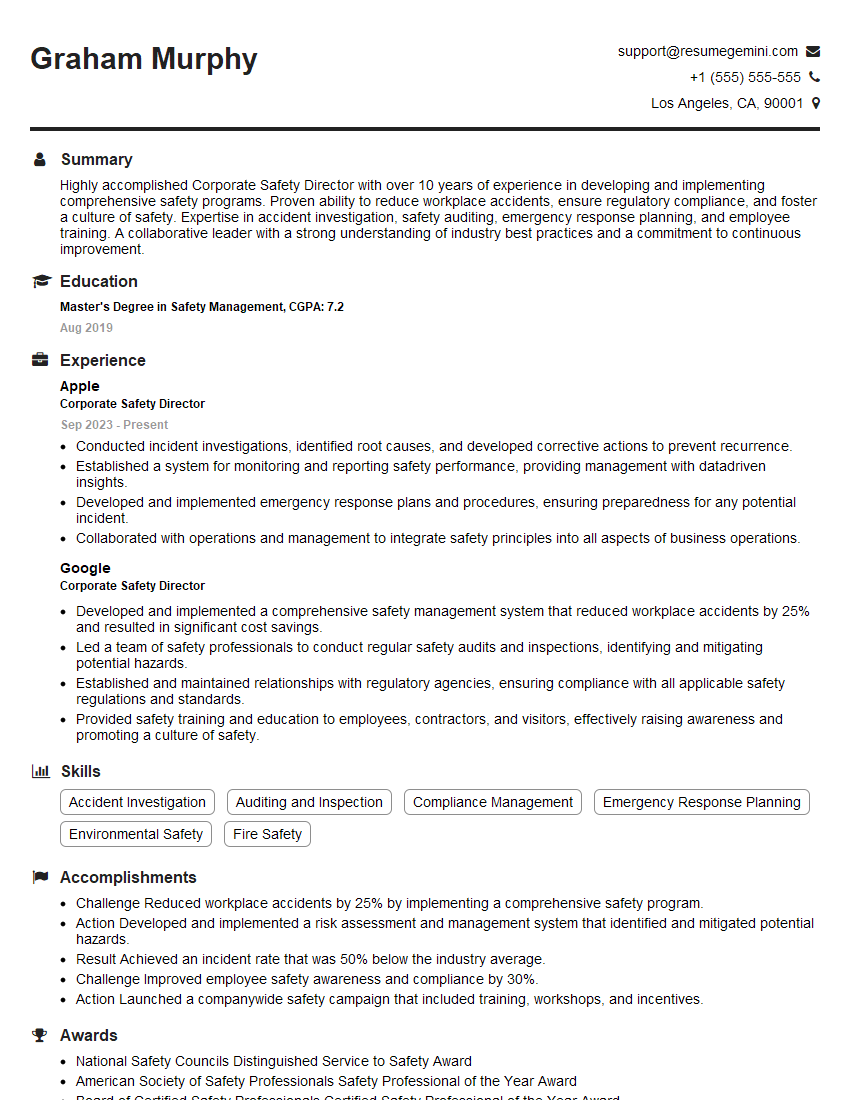
Corporate Safety Director Resume Sample
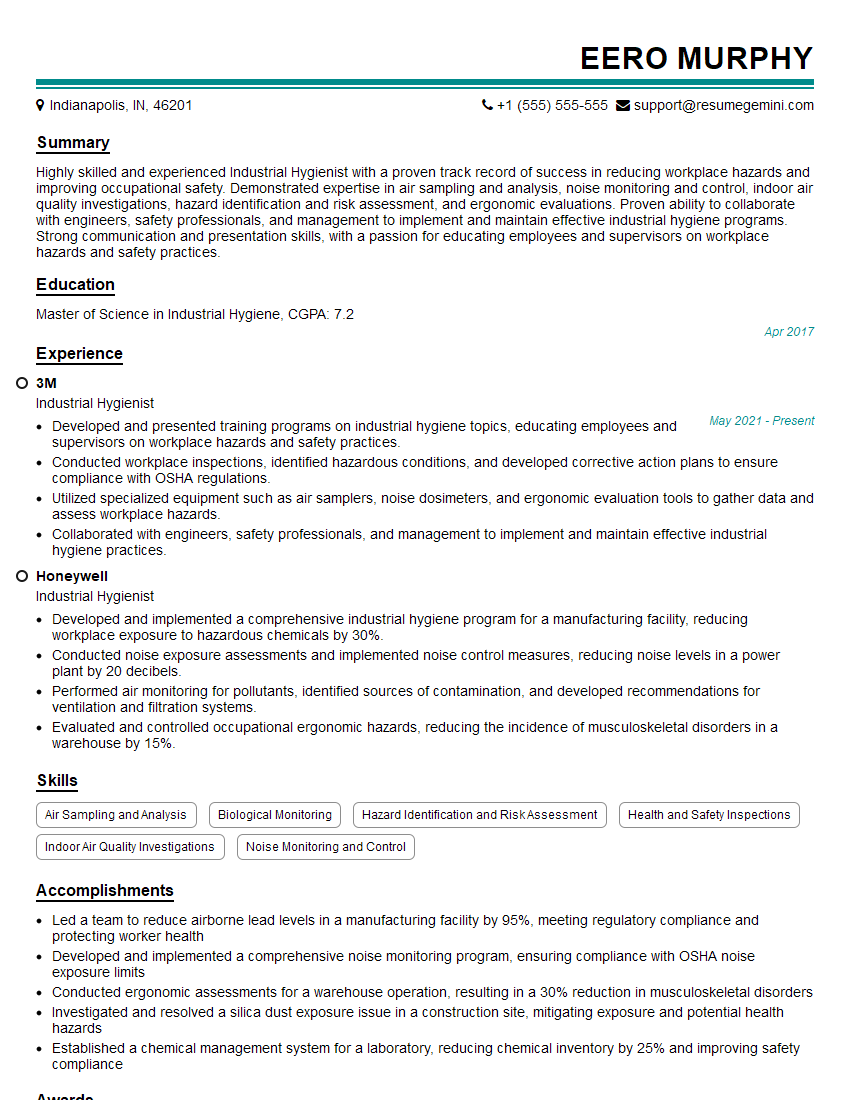
Industrial Hygienist Resume Sample
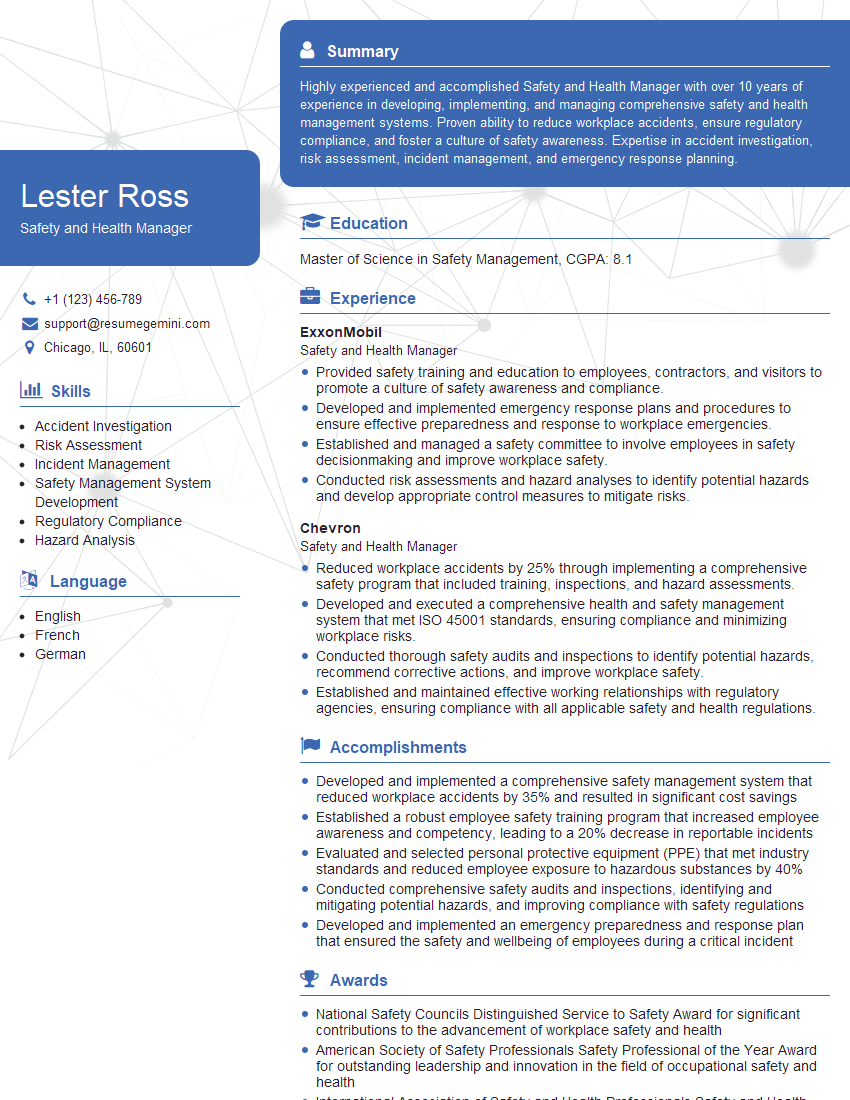
Safety and Health Manager Resume Sample
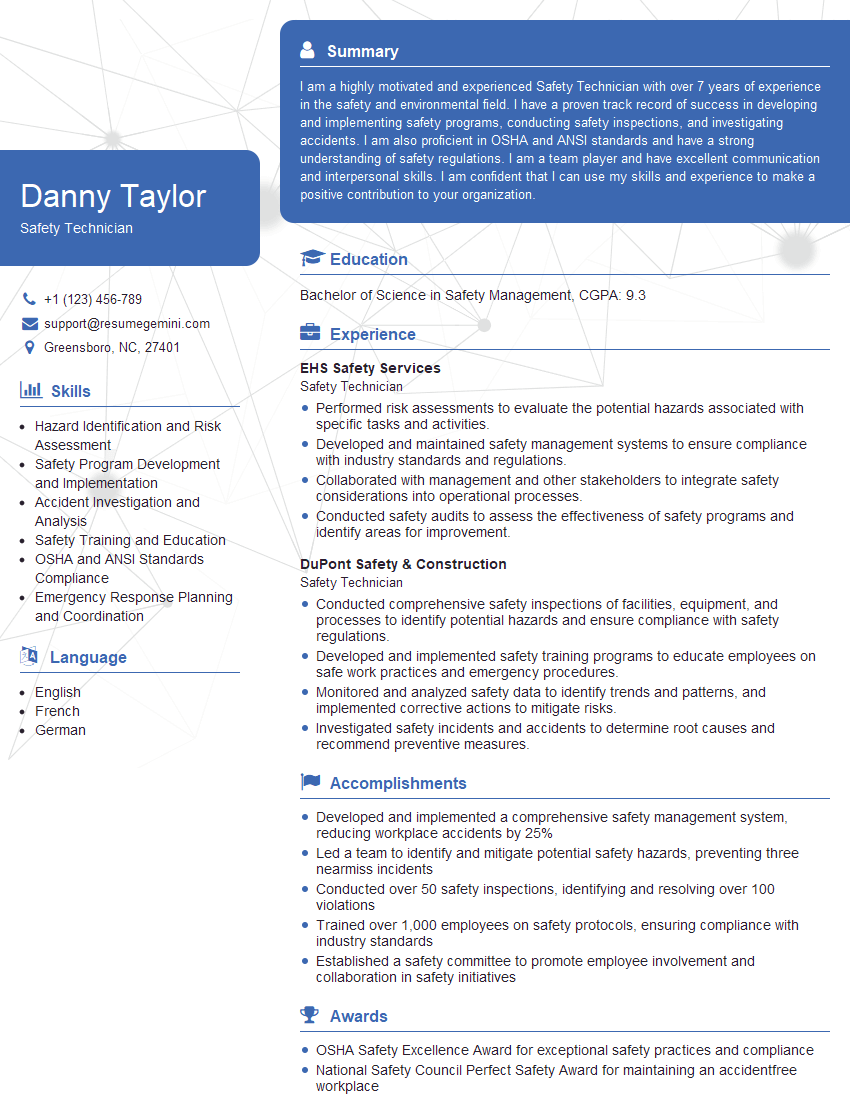
Safety Technician Resume Sample
Explore more articles
Users Rating of Our Blogs
Share Your Experience
We value your feedback! Please rate our content and share your thoughts (optional).
What Readers Say About Our Blog
To the interviewgemini.com Webmaster.
Very helpful and content specific questions to help prepare me for my interview!
Thank you
To the interviewgemini.com Webmaster.
This was kind of a unique content I found around the specialized skills. Very helpful questions and good detailed answers.
Very Helpful blog, thank you Interviewgemini team.