Feeling uncertain about what to expect in your upcoming interview? We’ve got you covered! This blog highlights the most important Pacemaker and ICD Implantation interview questions and provides actionable advice to help you stand out as the ideal candidate. Let’s pave the way for your success.
Questions Asked in Pacemaker and ICD Implantation Interview
Q 1. Describe the different types of pacemakers and their indications.
Pacemakers are small, battery-powered devices implanted under the skin to regulate heartbeat. They’re categorized primarily by their function and features. Single-chamber pacemakers stimulate only one chamber (atrium or ventricle), dual-chamber pacemakers stimulate both, and biventricular pacemakers stimulate both ventricles and often the atrium, improving coordination for heart failure patients.
- Single-chamber pacemakers: Indicated for bradycardia (slow heart rate) affecting only one chamber, often the ventricle. Imagine your heart’s lower chambers are lagging; a single-chamber pacemaker ensures a consistent beat.
- Dual-chamber pacemakers: These are ideal for managing AV block (a delay or blockage in electrical signals between the atria and ventricles), ensuring proper coordination between the upper and lower heart chambers. Think of it as restoring the natural sequence of heart contractions.
- Biventricular pacemakers (Cardiac Resynchronization Therapy – CRT): Used for heart failure patients with reduced ejection fraction and dyssynchrony (poor coordination) between the left ventricle’s contractions. They work to coordinate the contractions, improving the heart’s pumping efficiency. It’s like getting the heart’s chambers to work together in a synchronized team.
Q 2. Explain the process of pacemaker implantation, including pre-procedural, intra-procedural, and post-procedural care.
Pacemaker implantation involves three phases:
- Pre-procedural: This involves a thorough medical history review, physical examination, blood tests, chest X-ray, and electrocardiogram (ECG) to assess the patient’s overall health and identify any potential risks. Patient education on the procedure, recovery, and post-operative care is crucial.
- Intra-procedural: The procedure is typically performed under local anesthesia, and involves a small incision under the collarbone to create a pocket for the pacemaker. A lead or leads are guided through the veins to the heart chambers and attached to the heart wall. X-ray fluoroscopy is used to guide the lead placement. The pacemaker is then connected to the leads and placed in the subcutaneous pocket. The incision is then closed.
- Post-procedural: The patient is monitored for any complications such as bleeding, infection, or lead dislodgement. A chest X-ray is often performed to confirm lead position. Pacemaker programming is adjusted as needed. The patient is educated about activity restrictions, signs and symptoms to watch for and when to seek medical attention. Follow-up appointments are scheduled to monitor pacemaker function.
Q 3. What are the complications associated with pacemaker implantation?
Complications are relatively rare but can be serious. They include:
- Infection: Infection at the implantation site is a significant concern, requiring prompt antibiotic treatment.
- Hematoma: Bleeding at the implantation site can cause pain and swelling.
- Lead dislodgement or fracture: The lead can become dislodged or fracture, requiring revision surgery.
- Pneumothorax: Accidental puncture of the lung during lead insertion is a potential complication.
- Thrombosis: Blood clot formation can occur within the veins.
- Pacemaker malfunction: The pacemaker itself can malfunction, needing replacement.
Q 4. How do you manage pacemaker lead complications?
Management of pacemaker lead complications varies depending on the specific problem. For example, lead dislodgement might involve repositioning the lead under fluoroscopic guidance. A lead fracture may necessitate lead extraction and replacement, often involving a more complex procedure. Infections require prompt antibiotic therapy and, in some cases, surgical removal of the infected material. Careful monitoring and timely intervention are crucial for optimal outcomes.
Q 5. Describe the different types of ICDs and their indications.
Implantable Cardioverter Defibrillators (ICDs) are life-saving devices that detect and treat life-threatening arrhythmias such as ventricular tachycardia (rapid heart rhythm) and ventricular fibrillation (chaotic heart rhythm). They’re categorized based on their functionality:
- ICD: Detects and delivers shocks to terminate life-threatening arrhythmias.
- CRT-D: Combines cardiac resynchronization therapy (CRT) with defibrillation capabilities, treating both heart failure and life-threatening arrhythmias.
- Subcutaneous ICD: The device is implanted under the skin, eliminating the need for transvenous leads, which reduces some risks associated with lead placement but with limitations in arrhythmia detection capabilities.
Indications for ICD implantation include:
- History of cardiac arrest: Patients who have experienced sudden cardiac death are strong candidates for ICDs.
- Life-threatening ventricular arrhythmias: Patients with recurrent ventricular tachycardia or fibrillation are often recommended ICD implantation.
- Significant risk of sudden death: Patients with specific conditions and risk factors such as coronary artery disease and cardiomyopathy may require prophylactic ICD implantation.
Q 6. Explain the process of ICD implantation, including pre-procedural, intra-procedural, and post-procedural care.
ICD implantation is similar to pacemaker implantation in its pre- and post-procedural care. The intra-procedural phase differs as it involves more sophisticated programming and testing to ensure appropriate arrhythmia detection and defibrillation thresholds.
- Pre-procedural: This phase mirrors pacemaker implantation, focusing on a comprehensive assessment of the patient’s condition, identifying any potential risks, and educating the patient on the procedure.
- Intra-procedural: The ICD is implanted similarly to a pacemaker, although the device is larger and more complex. Electrophysiologic studies may be performed to assess the patient’s arrhythmias and optimize the device’s settings. Lead placement is also crucial for optimal detection and defibrillation.
- Post-procedural: Post-operative care is focused on monitoring for bleeding, infection and lead complications, as well as device function. Device programming is often refined based on post-implantation testing, ensuring the device is appropriately tailored to the patient’s specific needs.
Q 7. What are the complications associated with ICD implantation?
Complications of ICD implantation share similarities with pacemaker complications, with some additional risks:
- Lead-related complications: Lead dislodgement, fracture, insulation breaks and infection are major concerns. These complications can significantly compromise the device’s function.
- Device malfunction: The complex electronics of the ICD make it susceptible to malfunctions requiring replacement.
- Bleeding and hematoma: Similar to pacemaker implantation, bleeding is a potential complication requiring prompt intervention.
- Infection: Infection is a major concern that requires aggressive antibiotic therapy, potentially including surgical intervention.
- Shock-related complications: While life-saving, shocks can cause discomfort, fractured ribs, or rarely, other injuries. Appropriate patient education and careful programming are crucial to minimize unnecessary shocks.
Q 8. How do you manage ICD lead complications?
Managing ICD lead complications requires a multi-faceted approach focusing on early detection, appropriate management strategies, and preventative measures. Complications can range from infections at the lead insertion site to lead fractures or insulation breaks, each requiring a different intervention.
- Infection: This is a serious complication requiring prompt antibiotic therapy, sometimes surgical removal of the infected lead. Early recognition through monitoring for signs of infection (redness, swelling, pain, fever) is crucial.
- Lead Fracture or Insulation Break: These often necessitate lead extraction and replacement. This procedure requires specialized expertise and carries its own risks. Regular lead impedance checks during follow-up appointments help identify these problems early.
- Lead Displacement or Migration: This can lead to pacing failure or inappropriate shocks. Often, repositioning can be achieved through fluoroscopy guidance, but sometimes extraction and replacement are necessary.
- Thrombosis: Blood clots can form around the lead, impacting its function. Anticoagulation therapy might be required.
Prevention is key. This includes meticulous sterile technique during implantation, appropriate lead selection based on patient anatomy and needs, and diligent post-implantation monitoring.
Q 9. Differentiate between single-chamber, dual-chamber, and biventricular pacemakers.
Pacemakers are categorized based on the chambers of the heart they stimulate and sense. Think of it like this: each chamber is a room, and the pacemaker is the electricity source.
- Single-chamber pacemaker (e.g., VVI): This paces only one chamber, usually the right ventricle. It’s like having electricity only in one room. Simpler and less invasive, but doesn’t optimize heart function in all situations.
- Dual-chamber pacemaker (e.g., DDD): This paces and senses both the atrium and the ventricle. It’s like having electricity in two rooms, allowing for better coordination between the atria and ventricles, mimicking the natural heart rhythm more closely. This often leads to improved cardiac output and reduced symptoms.
- Biventricular pacemaker (CRT-P or CRT-D): This paces both ventricles and, in many cases, the atrium. Imagine electricity in all rooms plus an additional circuit ensuring coordinated contraction. It’s used primarily in patients with heart failure to synchronize ventricular contraction, improving the efficiency of the heart.
The choice depends on the patient’s specific condition and needs. A cardiologist carefully weighs the benefits and risks of each type before making a recommendation.
Q 10. Explain the programming parameters of a pacemaker.
Pacemaker programming involves setting various parameters to optimize pacing therapy and adapt to the patient’s evolving condition. These parameters control the rate, output, and sensing characteristics of the device.
- Rate: Sets the minimum and maximum heart rates. For example, a lower rate during rest and a higher rate during exercise.
Lower Rate: 60 bpm, Upper Rate: 120 bpm - Output (Amplitude and Pulse Width): Determines the strength and duration of the electrical pulse delivered to stimulate the heart. Higher amplitude might be needed if the heart is less responsive to stimulation.
- Sensitivity: Determines the level of intrinsic cardiac activity that the pacemaker will sense. A higher sensitivity will detect even weak heartbeats, preventing unnecessary pacing.
- AV Delay: In dual-chamber pacemakers, this setting controls the delay between atrial and ventricular pacing, crucial for coordinating atrial and ventricular contractions.
- Activity Detection: Many modern pacemakers adjust their rate based on activity levels.
Programming is done using a specialized programmer that connects to the pacemaker via telemetry. Careful adjustment is essential to avoid unwanted side effects, such as inappropriate pacing or sensing.
Q 11. How do you troubleshoot pacemaker malfunctions?
Troubleshooting pacemaker malfunctions starts with a thorough review of the patient’s symptoms and a detailed interrogation of the device. This is done using a programmer.
- Obtain a comprehensive history: Ask about symptoms like dizziness, syncope (fainting), palpitations, or shortness of breath.
- Perform device interrogation: This provides detailed information on the pacemaker’s function, including pacing rates, sensed events, and any detected malfunctions. Look for error codes and unusual patterns.
- Analyze the interrogation data: Identify any abnormalities. For example, low battery levels, lead problems, or programming issues.
- Check the leads: Electrogram analysis during interrogation can assess lead integrity and function. Impedance measurements detect lead fractures or insulation issues.
- Review pacemaker settings: Determine if adjustments are necessary to the pacemaker’s programming parameters.
- Consider external factors: Electromagnetic interference, or damage to the device or leads, might be the cause.
- Contact a cardiologist or electrophysiologist: If the problem cannot be resolved, a specialist should assess the situation.
Careful analysis of the data combined with clinical symptoms often provides the information to diagnose and solve the problem. If needed, the device may need to be replaced.
Q 12. Explain the function of an ICD’s defibrillation and pacing capabilities.
An implantable cardioverter-defibrillator (ICD) has two main functions: pacing and defibrillation. Think of it as a highly advanced bodyguard for the heart.
- Defibrillation: This is the life-saving function. If the ICD detects a life-threatening arrhythmia (like ventricular fibrillation or tachycardia), it delivers a high-energy shock to reset the heart’s rhythm. This is similar to the shock delivered by a defibrillator used in emergencies.
- Pacing: Similar to a pacemaker, an ICD can also pace the heart if a slow or irregular heart rhythm is detected. This is often a backup function or used to manage bradycardia (slow heart rate).
Some ICDs also have cardioversion capabilities, delivering lower-energy shocks to correct less dangerous rapid heart rhythms. The ability to pace and defibrillate provides comprehensive protection against a wide range of potentially fatal heart rhythm disturbances.
Q 13. How do you interpret pacemaker and ICD interrogation data?
Interpreting pacemaker and ICD interrogation data requires specialized training. The data provided by the device is highly technical and provides a wealth of information.
The process involves:
- Reviewing event markers: These indicate important events such as pacing events, sensed events, and shocks delivered. They help understand the device’s response to the heart’s rhythm.
- Analyzing electrograms: These show the electrical activity of the heart, providing insights into the heart’s rhythm and the effectiveness of the pacing therapy.
- Checking device parameters: Verify if all parameters are within the desired range and identify any abnormalities in the device’s settings.
- Assessing lead impedance: High impedance may indicate lead damage or insulation issues. This value reflects the resistance to current flow in the leads.
- Evaluating battery life: This is essential for planning device replacement.
Software often provides graphical representations and trend analyses to facilitate understanding of the data. Clinicians use their knowledge of cardiac electrophysiology to interpret these data and manage the patient’s therapy accordingly.
Q 14. Describe the principles of cardiac pacing modalities (e.g., VVI, DDD).
Cardiac pacing modalities are described using a three- or five-letter code. Each letter indicates a specific function. Let’s look at some common ones:
- VVI:
Vindicates ventricular pacing,Vindicates ventricular sensing, andIindicates inhibited pacing. The pacemaker senses the heart’s rhythm and only paces if the heart rate is too slow. - DDD:
Dindicates dual-chamber pacing (both atrium and ventricle),Dindicates dual-chamber sensing, andDindicates dual-chamber triggered pacing. The pacemaker paces both chambers and coordinates their activity. - AAT:
Aindicates atrial pacing,Aindicates atrial sensing, andTindicates triggered ventricular pacing. The pacemaker paces the atrium, senses the atrial rhythm and triggers ventricular pacing. - VOO:
Vindicates ventricular pacing,Oindicates no ventricular sensing, andOindicates no inhibition. The pacemaker paces at a fixed rate, regardless of the heart’s rhythm. It’s often used temporarily.
Understanding these codes is crucial for interpreting pacemaker function and troubleshooting issues. Each modality offers different levels of control and synchronization, chosen based on individual patient needs.
Q 15. Discuss the importance of patient education post-implantation.
Patient education following pacemaker or ICD implantation is paramount for successful device management and improved patient outcomes. It empowers patients to actively participate in their care, reducing complications and improving their quality of life. Think of it like learning to drive a new car – you need to understand the controls and limitations to operate it safely and effectively.
A comprehensive education program should cover:
- Device function: Explaining how the device works, what it monitors, and how it helps manage their condition.
- Activity restrictions: Discussing temporary and long-term activity limitations to prevent lead dislodgement or device malfunction. This might include avoiding contact sports or heavy lifting.
- Medication management: Reviewing prescribed medications, their purpose, and potential side effects. Antibiotic prophylaxis before dental procedures is crucial.
- Follow-up appointments: Emphasizing the importance of regular device checks and follow-up appointments with the cardiologist and electrophysiology team.
- Emergency situations: Educating patients on recognizing signs of device malfunction or infection (e.g., swelling, redness, pain at the implant site), and what steps to take.
- Electromagnetic interference (EMI): Explaining potential interference sources like MRI machines and security detectors, and the precautions needed.
Effective patient education involves using clear, concise language, visual aids, and providing written materials for future reference. We often use interactive sessions and encourage patients to ask questions. This collaborative approach ensures the patient truly understands their device and how to manage it effectively.
Career Expert Tips:
- Ace those interviews! Prepare effectively by reviewing the Top 50 Most Common Interview Questions on ResumeGemini.
- Navigate your job search with confidence! Explore a wide range of Career Tips on ResumeGemini. Learn about common challenges and recommendations to overcome them.
- Craft the perfect resume! Master the Art of Resume Writing with ResumeGemini’s guide. Showcase your unique qualifications and achievements effectively.
- Don’t miss out on holiday savings! Build your dream resume with ResumeGemini’s ATS optimized templates.
Q 16. What are the contraindications for pacemaker or ICD implantation?
Contraindications for pacemaker or ICD implantation are factors that increase the risk of complications or make the procedure inadvisable. These are carefully considered on a case-by-case basis. Some examples include:
- Severe bleeding disorders: The risk of bleeding during the procedure is significantly elevated.
- Active infection: Implanting a device into an infected area would lead to a high chance of device infection.
- Severe allergy to materials used: This could result in severe reactions.
- Unrealistic patient expectations: Patients who have unrealistic expectations about the device or are unwilling to follow post-implantation instructions might not benefit.
- Lack of adequate venous access: Difficulty in accessing the veins necessary for lead placement.
- Certain types of cardiac disease: Specific conditions that might make the procedure too risky.
For example, a patient with a severe bleeding disorder like hemophilia might require specialized management to minimize the risk of complications. Similarly, an active infection near the implantation site would necessitate treatment of the infection prior to considering device implantation.
Q 17. Explain the role of fluoroscopy in pacemaker and ICD implantation.
Fluoroscopy plays a crucial role in pacemaker and ICD implantation by providing real-time X-ray imaging during the procedure. Imagine it as a live X-ray movie, guiding the physician as they place the leads and implant the device. It’s essential for precise lead placement, minimizing complications.
Specifically, fluoroscopy allows the physician to:
- Visualize the heart and vessels: Accurately position the leads within the heart chambers or veins.
- Assess lead position: Ensure the leads are correctly placed and not causing any blockages or damage.
- Guide lead advancement: Maneuver the leads through the vessels to reach the target location smoothly.
- Detect complications: Identify any issues like lead perforation or pneumothorax (collapsed lung) during the procedure.
Without fluoroscopy, precise lead placement would be extremely difficult, significantly increasing the risk of complications like lead malfunction or cardiac perforation. It allows for a minimally invasive procedure by ensuring precise lead placement under real-time guidance.
Q 18. How do you select the appropriate lead system for a patient?
Lead system selection is a crucial decision, tailored to the individual patient’s anatomy, clinical needs, and anticipated longevity of the device. The process involves a thorough assessment of several factors:
- Patient anatomy: Venous access, vessel size and characteristics. Some patients may have smaller veins requiring specialized leads.
- Diagnosis and clinical needs: The type of heart condition dictates whether a pacing or defibrillation lead is needed, and the number of leads required. For example, a patient with bradycardia might only need a pacing lead, while someone with tachyarrhythmias may require a defibrillation lead.
- Lead characteristics: The lead’s material, insulation, impedance, and design features are considered. Specific lead designs are better suited for certain venous anatomies and patient needs.
- Durability and longevity: Choosing a lead that is designed to last the expected lifespan of the device. Some leads are designed for longer-term use than others.
- Prior history: Prior implantations, lead complications, or other medical history might dictate lead choice.
For example, a patient with a history of lead dislodgement might benefit from a lead with a different design for improved fixation. Choosing the right lead minimizes the chance of future complications and ensures the long-term effectiveness of the device.
Q 19. Describe the different types of cardiac leads.
Cardiac leads are categorized based on their function and design. The main types are:
- Pacing leads: These leads deliver electrical impulses to stimulate the heart to beat at a normal rate. They are generally less complex in design.
- Defibrillation leads: These leads deliver high-energy shocks to terminate life-threatening arrhythmias. They are typically thicker and more robust.
- Biventricular leads: These leads have multiple electrodes to stimulate both ventricles of the heart, used in cardiac resynchronization therapy (CRT) for heart failure.
- Active fixation leads: These leads use mechanisms (screws or tines) to secure the lead in place, reducing the risk of dislodgement.
- Passive fixation leads: These leads rely on friction and the natural anatomy of the vessel to stay in place.
Each type has different characteristics regarding size, electrode configuration, and material composition. The selection depends entirely on the patient’s specific needs. For example, a patient with atrial fibrillation might need a lead for both pacing and defibrillation.
Q 20. What are the risks and benefits of using different types of leads?
The choice of lead type involves a careful consideration of both risks and benefits. Each lead type comes with its own set of potential complications and advantages.
Active fixation leads:
- Benefit: Reduced risk of lead dislodgement.
- Risk: Increased risk of vascular injury during implantation.
Passive fixation leads:
- Benefit: Lower risk of vascular injury.
- Risk: Higher risk of lead dislodgement.
Thicker leads (defibrillation leads):
- Benefit: Ability to deliver high-energy shocks effectively.
- Risk: Increased risk of vein damage and thrombosis.
Thinner leads (pacing leads):
- Benefit: Lower risk of vein damage.
- Risk: Reduced ability to deliver high energy shocks.
The decision-making process involves weighing the potential benefits of each lead type against the risks for a particular patient. This ensures the optimal balance between effectiveness and safety.
Q 21. How do you manage patients with pacemaker or ICD infections?
Pacemaker and ICD infections are serious complications requiring prompt and aggressive treatment. Early detection is crucial for minimizing long-term consequences. The management strategy is multi-faceted:
- Immediate removal of the infected device: This is typically the first step, as the device itself can act as a source of infection.
- Systemic antibiotics: Broad-spectrum antibiotics are administered intravenously to combat the infection.
- Surgical debridement: Removal of infected tissue around the implant site.
- Wound care: Careful wound management to promote healing and prevent further infection.
- Possible re-implantation: Once the infection is resolved, the patient might be considered for re-implantation of a new device, but this is usually done after a significant delay to allow for complete healing and minimizing the risk of re-infection.
The choice of antibiotics and the duration of treatment depend on the specific pathogen identified through culture and sensitivity testing. Regular blood tests are used to monitor the infection’s response to treatment. Patient monitoring includes close observation for signs of sepsis. Careful management is crucial to save the patient’s life and improve their chances of a successful re-implantation.
Q 22. What are the long-term follow-up considerations for pacemaker and ICD patients?
Long-term follow-up for pacemaker and ICD patients is crucial for ensuring device functionality, detecting complications, and optimizing patient care. It’s a multifaceted process that extends beyond the initial implantation.
Regular Device Checks: Patients typically undergo regular device interrogations, usually annually or as clinically indicated. This involves connecting the device to a programmer to assess battery life, lead integrity, sensing and pacing thresholds, and any recorded events. This allows for early detection of issues such as lead fractures or battery depletion.
Clinical Monitoring: Follow-up appointments involve a thorough clinical examination, including blood pressure, heart rate, and symptom assessment. This helps assess the effectiveness of the device in managing the patient’s underlying condition (e.g., heart failure, arrhythmias). We also look for signs of infection or other complications at the implant site.
Lifestyle Considerations: Patients are educated on lifestyle modifications that can impact device longevity and well-being, such as avoiding strong electromagnetic fields (e.g., MRI machines without appropriate shielding) and adhering to medication regimens. Regular exercise, a healthy diet, and stress management are also emphasized.
Medication Management: Certain medications can interact with pacemaker and ICD function, so regular review of the patient’s medication list is essential. We collaborate with other healthcare professionals to ensure appropriate medication choices and dosages.
Addressing Patient Concerns: Open communication and addressing patient concerns are key throughout the follow-up process. Patients often have questions about their device, lifestyle adjustments, and the long-term outlook. Providing clear, compassionate explanations reassures them and fosters adherence to the follow-up plan.
Q 23. Explain the importance of device surveillance and remote monitoring.
Device surveillance and remote monitoring are essential components of modern pacemaker and ICD care. They improve patient outcomes by enabling proactive identification and management of potential problems.
Early Detection of Issues: Remote monitoring transmits data from the implanted device to a central system, allowing clinicians to identify subtle changes in device function or patient rhythm that might otherwise be missed during routine check-ups. This can lead to earlier intervention and prevent serious complications.
Improved Patient Adherence: Remote monitoring can improve patient adherence to follow-up appointments. By providing timely alerts and feedback, it fosters a more proactive and engaged approach to managing their condition.
Reduced Hospitalizations: By detecting and addressing potential problems early, remote monitoring can significantly reduce the number of hospitalizations needed for device-related issues. This improves patient quality of life and reduces healthcare costs.
Enhanced Patient Communication: Remote monitoring platforms often incorporate patient portals, allowing for more convenient and efficient communication between patients and healthcare providers. Patients can access their device data and ask questions without scheduling an in-person visit.
Example: Imagine a patient with an ICD who experiences a silent episode of ventricular tachycardia that is only detected through remote monitoring. The clinician can then contact the patient, schedule an evaluation, and potentially adjust the device therapy, preventing a life-threatening event.
Q 24. How do you address patient concerns and anxiety related to their device?
Addressing patient concerns and anxiety is a critical aspect of providing comprehensive pacemaker and ICD care. Many patients experience anxiety related to the implant, its function, and its potential impact on their lives.
Empathetic Listening: Begin by actively listening to the patient’s concerns and validating their feelings. Show empathy and understanding, making them feel heard and respected.
Clear and Simple Explanations: Explain the device’s function and purpose in clear, simple terms, avoiding technical jargon. Use analogies and visual aids if necessary to enhance comprehension.
Addressing Misconceptions: Correct any misconceptions the patient may have about the device’s limitations or potential risks. Provide factual information and address fears in a reassuring manner.
Reassurance and Support: Reassure the patient that they are not alone and that the healthcare team is there to support them. Provide contact information for follow-up questions and concerns.
Involving Family and Caregivers: Involving family members or caregivers in the education process can provide additional support and reassurance.
Referral to Mental Health Services: If anxiety is severe or persistent, refer the patient to mental health professionals who can provide specialized support and coping mechanisms.
Q 25. Discuss the ethical considerations related to pacemaker and ICD implantation.
Ethical considerations in pacemaker and ICD implantation are multifaceted and demand careful consideration. Balancing patient autonomy, beneficence, and justice is paramount.
Informed Consent: Ensuring patients provide truly informed consent is crucial. This involves explaining the risks, benefits, and alternatives to implantation in language the patient can understand, allowing them to make an autonomous decision.
Resource Allocation: Pacemakers and ICDs are expensive, raising ethical questions about access and equitable distribution of resources. Decisions regarding implantation must consider both clinical need and societal factors.
End-of-Life Decisions: In patients with advanced disease, discussions regarding end-of-life care and the role of pacemakers and ICDs should be part of the decision-making process. Implantation should not be pursued solely to prolong life artificially if it’s not in line with the patient’s goals and values.
Data Privacy and Security: Remote monitoring involves the collection and transmission of sensitive patient data. Protecting patient privacy and ensuring data security are crucial ethical responsibilities.
Conflicts of Interest: Healthcare professionals must be aware of and avoid any potential conflicts of interest that might compromise their objectivity in recommending pacemaker and ICD implantation.
Q 26. Describe your experience with different pacemaker and ICD brands and models.
My experience encompasses a wide range of pacemaker and ICD brands and models, including Medtronic, Boston Scientific, and Abbott. I’m familiar with their respective strengths and weaknesses, including differences in lead technology, pacing algorithms, and remote monitoring capabilities. For example, I’ve worked extensively with Medtronic’s Micra transcatheter pacing system, appreciating its minimally invasive nature. Conversely, my experience with Boston Scientific’s high-voltage ICDs highlights their suitability for specific patient populations. I always choose the device most appropriate for the individual patient’s needs and clinical presentation, considering factors such as their anatomy, underlying pathology, and lifestyle. This requires an in-depth understanding of the various features and specifications of different models from different manufacturers.
Q 27. Explain the role of advanced therapies like CRT-P and CRT-D.
Cardiac resynchronization therapy (CRT) is a valuable advanced therapy for patients with heart failure and specific conduction abnormalities. CRT-P (pacemaker) and CRT-D (ICD) devices provide synchronized pacing to the left and right ventricles, improving heart function and reducing symptoms.
CRT-P: Used in patients with heart failure and left bundle branch block (LBBB) who do not require defibrillation. It improves cardiac synchrony and reduces symptoms.
CRT-D: Suitable for patients with heart failure, LBBB, and a high risk of life-threatening arrhythmias. It combines the benefits of CRT with defibrillation capabilities, protecting against sudden cardiac death.
Patient Selection: Careful patient selection is essential for optimal CRT outcomes. Not all patients with heart failure and LBBB will benefit from CRT. We assess patient parameters like ejection fraction, QRS duration, and response to medical therapy to determine eligibility.
Implantation Procedure: CRT implantation involves placing leads in the right atrium, right ventricle, and left ventricle. This requires more complex imaging and procedural expertise compared to standard pacemaker or ICD implantation.
Follow-up Care: Follow-up for CRT patients involves regular device interrogations, clinical assessment, and evaluation of response to therapy. Adjustments to pacing parameters may be necessary to optimize outcomes.
Q 28. How do you stay up-to-date with the latest advancements in pacemaker and ICD technology?
Staying current in the rapidly evolving field of pacemaker and ICD technology is crucial for providing optimal patient care. I employ several strategies to remain up-to-date:
Professional Societies: Active membership in professional organizations such as the Heart Rhythm Society and the American College of Cardiology provides access to continuing medical education (CME) activities, scientific journals, and guidelines.
Scientific Publications: Regular review of peer-reviewed journals (e.g., Circulation, Heart Rhythm) allows me to stay informed on the latest research findings and technological advancements.
Industry Meetings and Conferences: Attending national and international conferences and meetings enables direct interaction with leading experts and provides opportunities to learn about cutting-edge technologies.
Collaboration with Colleagues: Engaging in discussions and knowledge sharing with colleagues within our electrophysiology team keeps me abreast of current practices and challenges.
Manufacturer Training: Participating in manufacturer-sponsored training programs provides in-depth knowledge of new devices and technologies.
Continuing Medical Education: Actively pursuing CME courses and online resources to earn necessary continuing education credits and maintain my expertise.
Key Topics to Learn for Pacemaker and ICD Implantation Interview
- Cardiac Electrophysiology Fundamentals: Understanding basic cardiac rhythms, conduction pathways, and arrhythmias is paramount. This forms the foundation for understanding the indications for pacemaker and ICD implantation.
- Pacemaker Function and Programming: Mastering different pacing modes (e.g., VVI, DDD), parameter adjustments, and troubleshooting common pacemaker malfunctions is crucial. Consider practical scenarios involving rate response and sensing issues.
- ICD Function and Therapy Delivery: Learn the various types of ICD therapies (shock, anti-tachycardia pacing), their indications, and the interpretation of ICD interrogation data. Understanding the nuances of different shock therapies is key.
- Implantation Procedures and Techniques: Familiarize yourself with the steps involved in pacemaker and ICD implantation, including lead placement, device programming, and post-implantation care. Focus on understanding the rationale behind various techniques.
- Patient Selection and Management: Understand the indications and contraindications for pacemaker and ICD implantation. This includes assessing patient risk factors, managing complications, and providing appropriate patient education.
- Troubleshooting and Problem Solving: Practice diagnosing common problems encountered during implantation or post-implantation follow-up. This includes understanding lead issues, device malfunctions, and appropriate responses to complications.
- Advanced Concepts (for Senior Roles): Explore topics like cardiac resynchronization therapy (CRT), leadless pacemakers, and the latest advancements in device technology. Consider the advantages and limitations of different approaches.
Next Steps
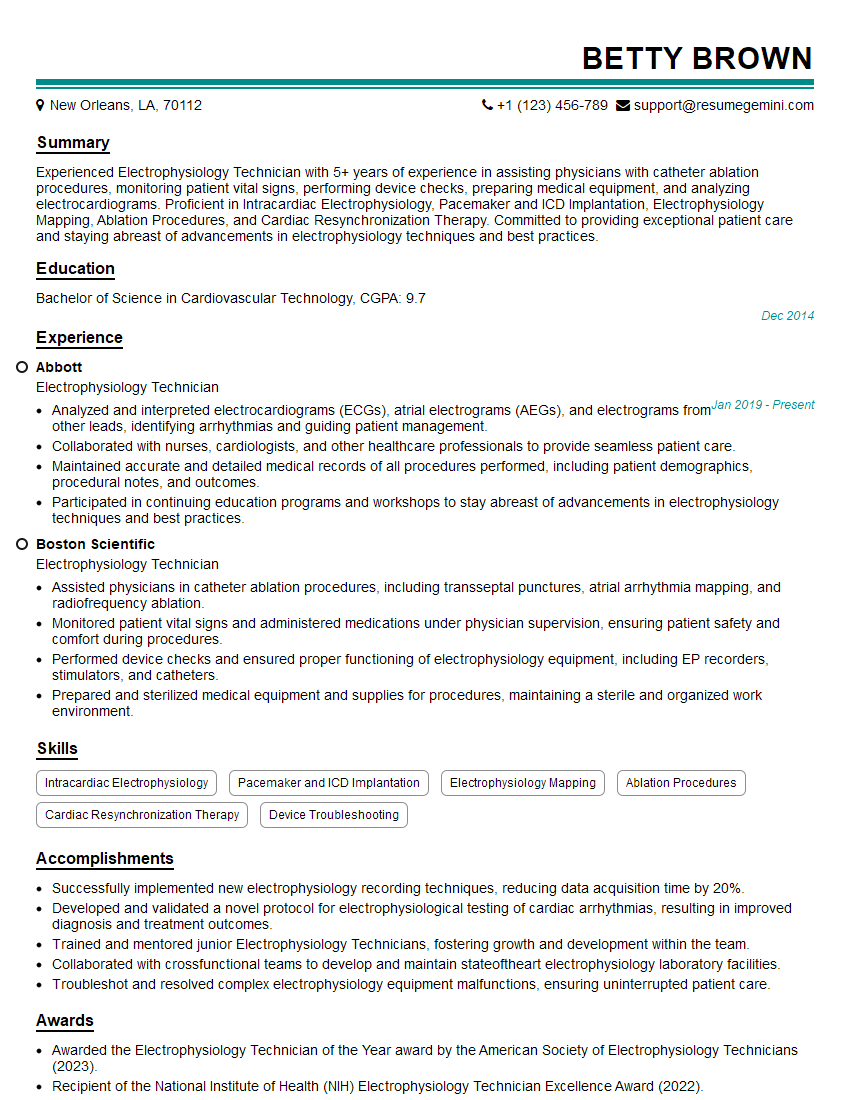
Mastering Pacemaker and ICD Implantation is vital for career advancement in electrophysiology and cardiology. A strong understanding of these devices opens doors to specialized roles and increases your value to any healthcare team. To maximize your job prospects, ensure your resume effectively highlights your skills and experience. Building an ATS-friendly resume is essential for getting your application noticed. ResumeGemini is a trusted resource to help you create a professional and impactful resume. We provide examples of resumes tailored to Pacemaker and ICD Implantation to help you showcase your expertise. Invest the time to craft a resume that accurately reflects your qualifications—it’s your first impression with potential employers.
Explore more articles
Users Rating of Our Blogs
Share Your Experience
We value your feedback! Please rate our content and share your thoughts (optional).
What Readers Say About Our Blog
To the interviewgemini.com Webmaster.
Very helpful and content specific questions to help prepare me for my interview!
Thank you
To the interviewgemini.com Webmaster.
This was kind of a unique content I found around the specialized skills. Very helpful questions and good detailed answers.
Very Helpful blog, thank you Interviewgemini team.