The right preparation can turn an interview into an opportunity to showcase your expertise. This guide to Pathogen identification and characterization interview questions is your ultimate resource, providing key insights and tips to help you ace your responses and stand out as a top candidate.
Questions Asked in Pathogen identification and characterization Interview
Q 1. Describe the process of bacterial identification using MALDI-TOF MS.
Matrix-Assisted Laser Desorption/Ionization Time-of-Flight Mass Spectrometry (MALDI-TOF MS) is a rapid and accurate method for identifying bacteria. It works by analyzing the protein profile of a bacterial colony. Think of it like a fingerprint for each bacterial species. Each bacterium produces a unique set of proteins, and MALDI-TOF MS measures the mass-to-charge ratio of these proteins, creating a spectral ‘fingerprint’.
The process begins with preparing a bacterial sample. A small amount of bacterial colony is mixed with a matrix, a chemical that helps the proteins ionize. This mixture is then spotted onto a target plate and placed in the MALDI-TOF MS instrument. A laser beam ionizes the proteins, and the resulting ions are accelerated through a flight tube. The time it takes for each ion to reach the detector is directly proportional to its mass-to-charge ratio. This data generates a unique mass spectrum for the bacterium. This spectrum is then compared to a database of known bacterial species. If a match is found (usually above a certain confidence score), the bacterium is identified.
For example, if a clinical sample yields a spectrum that matches the Escherichia coli profile in the database with a high confidence score, we can confidently identify the isolate as E. coli. This process is significantly faster than traditional culture methods and can be used to identify a wide range of bacterial species, including those that are difficult to culture.
Q 2. Explain the principles of PCR-based pathogen detection.
Polymerase Chain Reaction (PCR)-based pathogen detection relies on amplifying specific DNA or RNA sequences unique to a particular pathogen. Imagine you have a tiny piece of a puzzle representing the pathogen’s genetic material, and PCR helps you make millions of copies of that piece, making it easily detectable. This technique is extremely sensitive, allowing for the detection of even a few pathogen cells in a sample.
The process involves several steps: first, DNA or RNA is extracted from a sample (e.g., blood, tissue, or environmental sample). Then, specific primers, short DNA sequences complementary to the target pathogen’s genetic material, are added to the sample along with polymerase enzyme, nucleotides, and buffer solution. The mixture is then subjected to repeated cycles of heating and cooling, which allow the polymerase to synthesize new DNA strands complementary to the target sequence. Each cycle doubles the amount of target DNA, resulting in exponential amplification. Finally, the amplified DNA is detected using methods such as gel electrophoresis or fluorescent probes. The presence of the amplified DNA indicates the presence of the target pathogen.
For example, in diagnosing COVID-19, reverse transcription-PCR (RT-PCR) is widely used to detect the presence of SARS-CoV-2 RNA. The RT-PCR process involves reverse transcription of RNA to cDNA, followed by PCR amplification of specific viral genes. A positive result indicates an active infection.
Q 3. What are the limitations of traditional culture methods for pathogen identification?
Traditional culture methods, while foundational in microbiology, have significant limitations. Primarily, they are time-consuming, often requiring several days or even weeks to obtain results. This delay can impact timely treatment, particularly in critical cases. Furthermore, culture methods rely on the pathogen’s ability to grow in a specific culture medium under specific conditions. Many pathogens are fastidious (requiring special growth conditions), slow-growing, or simply cannot be cultured in the lab. This can lead to false-negative results, meaning a pathogen might be present but not detected.
For instance, some bacteria like Mycobacterium tuberculosis (the causative agent of tuberculosis) require specialized media and long incubation times for growth, making culture-based identification slow and challenging. Similarly, viruses, obligate intracellular parasites, cannot be grown on standard culture media and require cell cultures for propagation, a process that’s equally time-consuming.
Another major limitation is the potential for contamination during sample handling and incubation, leading to inaccurate results. The sensitivity of culture methods is also relatively low, requiring a relatively high concentration of the pathogen in the sample for detection. These limitations have fueled the development and adoption of faster and more sensitive molecular diagnostic methods.
Q 4. How do you differentiate between Gram-positive and Gram-negative bacteria?
The Gram stain is a crucial differential staining technique used to categorize bacteria into two major groups: Gram-positive and Gram-negative. This is based on the structural differences in their cell walls. Gram-positive bacteria have a thick peptidoglycan layer in their cell wall, while Gram-negative bacteria have a thin peptidoglycan layer and an outer membrane containing lipopolysaccharide (LPS).
The Gram staining procedure involves applying a crystal violet dye, followed by iodine (mordant), decolorization with alcohol or acetone, and finally, counterstaining with safranin. Gram-positive bacteria retain the crystal violet dye, appearing purple under the microscope, while Gram-negative bacteria lose the crystal violet dye and take up the safranin counterstain, appearing pink or red. The differential staining pattern is due to the varying thickness of the peptidoglycan layer and the presence or absence of the outer membrane.
This simple yet powerful test is essential for guiding initial antibiotic therapy. Gram-positive bacteria respond differently to antibiotics than Gram-negative bacteria, so identifying the Gram stain reaction provides a clue about potential antibiotic choices. For example, penicillin is effective against many Gram-positive bacteria but less so against Gram-negative bacteria because it cannot penetrate the outer membrane efficiently.
Q 5. Explain the role of serological tests in pathogen identification.
Serological tests exploit the interaction between antigens (pathogen-specific molecules) and antibodies (proteins produced by the immune system in response to an infection). These tests help identify the presence of a pathogen either directly (by detecting the pathogen’s antigens) or indirectly (by detecting antibodies against the pathogen). Think of it as a lock-and-key system: antibodies (the keys) specifically bind to their corresponding antigens (the locks).
Various serological tests exist, including enzyme-linked immunosorbent assays (ELISAs), agglutination tests, and immunofluorescence assays. ELISAs are widely used to detect either antigens or antibodies in a sample. Agglutination tests involve observing the clumping of particles (e.g., bacteria or latex beads coated with antigens) in the presence of specific antibodies. Immunofluorescence assays use fluorescently labeled antibodies to visualize pathogens or their antigens in tissues or cells.
For example, an ELISA test can be used to detect antibodies against the measles virus in a patient’s blood serum, indicating past exposure to the virus and possible immunity. Similarly, a rapid diagnostic test for influenza might detect viral antigens directly in a nasal swab sample. Serological tests provide valuable information for diagnosis, epidemiological surveillance, and monitoring the immune response to infection.
Q 6. Describe different methods for viral identification (e.g., ELISA, immunofluorescence, PCR).
Viral identification relies on a variety of techniques, leveraging the virus’s genetic material (nucleic acids) or its interaction with the host’s immune system. PCR, as discussed earlier, is a powerful molecular method for detecting viral nucleic acids. Other techniques like ELISA and immunofluorescence assays are useful for detecting viral antigens or antibodies. Electron microscopy allows for direct visualization of viruses.
ELISA can detect viral antigens in clinical samples or antibodies against the virus in patient sera. Immunofluorescence uses fluorescently labeled antibodies to detect viral antigens within infected cells or tissues; this visualization is often done with microscopy. PCR amplifies viral nucleic acids (DNA or RNA) for detection and can be used to identify specific viral strains. Electron microscopy provides direct visualization of the viral particles, useful for identifying novel or unusual viruses.
For example, rapid influenza diagnostic tests often use ELISA to detect viral antigens directly from a patient sample. Detecting the presence of specific viral RNA sequences using RT-PCR confirms the presence of specific viral pathogens like HIV or influenza. Electron microscopy might be needed for characterizing new viruses or unusual viral morphologies.
Q 7. How do you interpret antibiograms and MIC values?
Antibiograms and minimum inhibitory concentration (MIC) values are crucial for guiding antibiotic therapy. An antibiogram is a report summarizing the susceptibility or resistance of a bacterial isolate to various antibiotics. MIC, on the other hand, represents the lowest concentration of an antibiotic that inhibits the visible growth of a bacterial isolate.
An antibiogram is generated by performing an antibiotic susceptibility test, typically using disk diffusion or broth dilution methods. In disk diffusion, antibiotic disks are placed on an agar plate inoculated with the bacteria. The diameter of the zone of inhibition (the area around the disk where bacterial growth is inhibited) is measured and compared to established standards to determine susceptibility or resistance. Broth dilution involves testing various concentrations of antibiotics to determine the MIC, the lowest concentration that prevents visible bacterial growth. Results are often reported as susceptible (S), intermediate (I), or resistant (R).
For example, an antibiogram might indicate that a particular bacterial isolate is susceptible to penicillin but resistant to methicillin. MIC values would provide the specific concentrations of each antibiotic needed to inhibit bacterial growth. These data are essential in selecting the most appropriate antibiotic for treating a bacterial infection and avoiding the use of ineffective drugs, contributing to the fight against antibiotic resistance.
Q 8. Explain the significance of antimicrobial resistance testing.
Antimicrobial resistance (AMR) testing is crucial for guiding treatment decisions and combating the global health threat of drug-resistant infections. It determines which antibiotics are effective against a specific pathogen, preventing inappropriate antibiotic use and promoting better patient outcomes. Imagine a scenario where a patient presents with a bacterial infection. Standard practice would involve culturing the bacteria and then exposing it to various antibiotics. The results of the AMR test will tell us which antibiotic inhibits or kills the bacteria, enabling us to choose the most effective drug and avoid the use of ineffective ones, contributing to a faster recovery and preventing the spread of resistance.
AMR testing employs various methods, including disk diffusion (Kirby-Bauer test), minimum inhibitory concentration (MIC) determination (e.g., broth microdilution), and more advanced techniques like automated systems that provide rapid results. The data from these tests inform treatment decisions at the individual patient level and contribute to larger epidemiological surveillance efforts tracking the spread of resistance genes within specific pathogens and communities.
Q 9. Discuss the role of whole-genome sequencing in pathogen characterization.
Whole-genome sequencing (WGS) has revolutionized pathogen characterization. It provides a comprehensive blueprint of a pathogen’s genetic material, enabling detailed analysis of its virulence factors, antibiotic resistance genes, and evolutionary relationships. Think of it as a detailed instruction manual for the microbe. This information is invaluable for understanding how pathogens cause disease, tracking outbreaks, and developing new diagnostic tools and therapies. For example, WGS allows us to pinpoint the specific genetic mutations conferring resistance to a particular antibiotic, paving the way for developing new drugs to overcome that resistance or potentially even using targeted therapies against specific gene products that cause pathogenesis.
WGS also allows us to track the transmission of pathogens within a community by identifying shared genetic characteristics between isolates. This data is used in public health to implement effective control measures during outbreaks. Furthermore, phylogenetic analysis of WGS data can uncover the evolutionary history of a pathogen, helping us understand the emergence and spread of new strains.
Q 10. What are the different types of microbial identification software used in clinical laboratories?
Several microbial identification software packages are used in clinical laboratories. These programs analyze various data types, including biochemical test results, MALDI-TOF mass spectrometry data (which measures the unique protein profile of a microbe), and even WGS data. Some commonly used software packages include:
- BioNumerics: A comprehensive system for analyzing various microbiological data including phenotypic and genotypic information, useful for strain typing and outbreak investigation.
- Ridom SeqSphere+: Specifically designed for analysis of whole genome sequencing data, this platform facilitates bacterial identification and characterization through comparative genomics and phylogenetic analysis.
- MicrobeNet: A system that combines various identification methods including biochemical tests and sequence analysis for greater accuracy and efficiency.
- Various MALDI-TOF software platforms: Many manufacturers of MALDI-TOF mass spectrometers provide their own proprietary software for spectral analysis and bacterial identification, often including extensive databases of known microbial species.
The choice of software depends on the laboratory’s needs and resources, as well as the types of tests performed.
Q 11. Explain the principles of phylogenetic analysis in pathogen characterization.
Phylogenetic analysis is a crucial aspect of pathogen characterization that helps us understand the evolutionary relationships between different strains and species. Think of it as constructing a family tree for microbes. This is usually done using sequence data from ribosomal RNA genes (e.g., 16S rRNA for bacteria) or other highly conserved genes. We use algorithms to compare the sequences, quantify the differences, and build a phylogenetic tree that shows the evolutionary relationships and distances between different strains/species.
By analyzing these trees, we can identify clusters of closely related strains, determine the origin of outbreaks, and track the spread of specific clones. For example, analysis of the 16S rRNA gene sequences from various *E. coli* isolates helps to identify potentially pathogenic strains within a broader group and understand their relationships to other *E. coli* lineages. This knowledge is invaluable for epidemiological investigations, diagnostics and prevention strategies.
Q 12. How do you assess the virulence of a newly identified pathogen?
Assessing the virulence of a newly identified pathogen involves a multi-faceted approach. We need to determine its ability to cause disease. This usually involves a combination of in vitro and in vivo studies. In vitro studies, done in the lab, might involve examining the pathogen’s ability to adhere to host cells, produce toxins, or evade the immune system. For example, we might test the pathogen’s ability to form biofilms, which can increase its resistance to antibiotics and the immune system. In vivo studies, done in living organisms (animal models), provide a more realistic assessment of the pathogen’s virulence. We might infect animal models and measure disease severity (mortality rate, organ damage, etc.). We also examine the pathogen’s minimum infectious dose (MID), the smallest number of organisms needed to cause infection in the host model. A lower MID indicates a higher virulence. Ethical considerations are paramount, and the choice of animal model and experimental design must be carefully justified to minimize animal suffering.
Q 13. Describe the steps involved in a complete bacterial characterization.
Complete bacterial characterization is a comprehensive process aiming to fully describe a bacterial isolate. It involves several steps:
- Morphological characterization: Examining the bacteria’s shape, size, arrangement (e.g., cocci, bacilli, spirilla), Gram staining, and other microscopic features.
- Cultural characterization: Growing the bacteria on different media to observe colony morphology (shape, size, color, texture).
- Biochemical characterization: Performing various biochemical tests (discussed in the next question) to determine metabolic capabilities and enzymatic activities.
- Antimicrobial susceptibility testing (AST): Determining the bacteria’s sensitivity to various antibiotics.
- Molecular characterization: Using techniques like 16S rRNA gene sequencing or WGS to identify the species and strain, and to analyze specific genes associated with virulence or antibiotic resistance.
- Genomic analysis (optional): Performing whole-genome sequencing for in-depth characterization, including comparative genomics and phylogenetic analysis.
The combination of these approaches provides a comprehensive understanding of the bacterial isolate, facilitating accurate identification and guiding appropriate treatment strategies.
Q 14. Explain the different types of biochemical tests used to identify bacteria.
Biochemical tests exploit differences in metabolic pathways and enzymatic activities between bacterial species to aid in identification. These tests are often performed using commercially available kits that simplify the process. Some common examples include:
- Catalase test: Detects the presence of the catalase enzyme, which breaks down hydrogen peroxide. Positive results are indicated by bubble formation.
- Oxidase test: Detects the presence of cytochrome c oxidase, an enzyme involved in electron transport. A color change indicates a positive result.
- Coagulase test: Detects the production of coagulase, an enzyme that causes blood plasma to clot. This test is particularly useful for identifying Staphylococcus aureus.
- Indole test: Detects the production of indole from tryptophan. A positive result is indicated by a red color change after adding a reagent.
- Sugar fermentation tests: Assess the ability of a bacterium to ferment various sugars (e.g., glucose, lactose, sucrose). Acid production and gas production are monitored.
The combination of results from various biochemical tests helps create a profile that’s characteristic of a specific bacterial species, allowing for accurate identification. Think of it as a detective using various clues to solve a mystery.
Q 15. What are the key features of biosafety level 3 (BSL-3) laboratory practices?
Biosafety Level 3 (BSL-3) laboratories handle infectious agents that can cause serious or potentially lethal disease through respiratory transmission. Key features emphasize stringent containment to prevent accidental exposure and environmental contamination.
- Physical Containment: This includes features like a self-closing double-door access system, negative air pressure (preventing air from escaping), and dedicated ventilation systems with HEPA filtration to exhaust potentially contaminated air safely.
- Personal Protective Equipment (PPE): BSL-3 work requires the use of specialized PPE, including respirators (e.g., powered air-purifying respirators or PAPRs), protective gowns, gloves, and eye protection. These precautions protect lab personnel from airborne pathogens.
- Operational Procedures: Strict protocols govern all activities, including carefully planned work practices to minimize aerosol generation (e.g., avoiding vigorous shaking or vortexing), proper decontamination procedures for all equipment and surfaces, and rigorous training for all personnel. Regular safety inspections are crucial.
- Biological Safety Cabinets (BSCs): Class II or III BSCs are essential components for manipulating infectious agents, providing protection for personnel and the environment by containing potentially aerosolized infectious materials.
- Emergency Procedures: Comprehensive emergency plans addressing potential spills, equipment malfunctions, and other incidents are crucial, with readily available safety equipment and trained personnel to handle these situations.
For example, a BSL-3 lab might handle Mycobacterium tuberculosis, requiring all these stringent safety measures to prevent the spread of this airborne pathogen.
Career Expert Tips:
- Ace those interviews! Prepare effectively by reviewing the Top 50 Most Common Interview Questions on ResumeGemini.
- Navigate your job search with confidence! Explore a wide range of Career Tips on ResumeGemini. Learn about common challenges and recommendations to overcome them.
- Craft the perfect resume! Master the Art of Resume Writing with ResumeGemini’s guide. Showcase your unique qualifications and achievements effectively.
- Don’t miss out on holiday savings! Build your dream resume with ResumeGemini’s ATS optimized templates.
Q 16. How do you ensure the quality control and quality assurance in microbial identification?
Quality control (QC) and quality assurance (QA) are paramount in microbial identification to ensure accurate and reliable results. It’s like baking a cake; you need the right ingredients and process to get the desired outcome. QC focuses on the individual tests, while QA encompasses the overall system.
- QC in Microbial Identification: This includes using positive and negative controls in each assay. Positive controls (known pathogens) confirm the test is working correctly, while negative controls (sterile samples) ensure there’s no contamination. Regular calibration and maintenance of equipment are also crucial. For example, in a PCR-based identification, including a positive control (DNA from the target pathogen) and a negative control (water) is standard practice.
- QA in Microbial Identification: This focuses on the broader system. It includes regular proficiency testing (external audits), review of laboratory procedures, and adherence to established guidelines such as those provided by CLSI (Clinical and Laboratory Standards Institute). Documentation of all steps, results, and any deviations is essential for traceability and quality improvement. For instance, participating in external proficiency tests helps labs compare their performance with other laboratories, highlighting areas for improvement.
- Data Analysis: Careful analysis of results is also essential, and statistical methods might be employed to assess the accuracy and reliability of the identification. A second, independent review of critical results can improve accuracy.
Failing to maintain rigorous QC/QA can lead to misidentification, impacting patient care, public health responses, and research accuracy. Imagine the consequences of misidentifying a highly pathogenic bacterium due to a contaminated reagent! Therefore, rigorous processes are vital to maintaining the integrity of the results.
Q 17. What are some emerging technologies in pathogen identification and characterization?
The field of pathogen identification and characterization is constantly evolving, driven by technological advancements. These new technologies offer faster, more sensitive, and more comprehensive analysis compared to traditional methods.
- Next-Generation Sequencing (NGS): NGS provides comprehensive genomic information, allowing for rapid identification of pathogens and detailed characterization of their genetic makeup, including antibiotic resistance genes and virulence factors. This is a game changer for outbreak investigations as it allows for quicker identification of the pathogen and understanding its characteristics.
- Mass Spectrometry (MS): MS techniques like MALDI-TOF (Matrix-Assisted Laser Desorption/Ionization-Time Of Flight) enable rapid identification of pathogens based on their unique protein profiles. It’s faster than many traditional methods and requires less specialized expertise.
- Microarrays: Microarrays allow simultaneous detection of multiple pathogens or virulence factors. They are particularly useful for screening large numbers of samples quickly, such as in large-scale epidemiological studies.
- Artificial Intelligence (AI) and Machine Learning (ML): AI and ML algorithms are being used to analyze complex datasets from various sources (e.g., genomic data, clinical data) to improve the accuracy and speed of pathogen identification and prediction of outbreaks.
- Metagenomics: Metagenomics allows researchers to study the entire microbial community in a sample without the need for culturing individual organisms, which is especially useful for complex samples where some pathogens may be difficult to grow in the lab.
These technologies not only improve our ability to identify and characterize known pathogens but also allow us to discover new and emerging pathogens, leading to better disease surveillance, diagnosis, and treatment.
Q 18. How do you interpret results from different molecular diagnostic assays?
Interpreting results from molecular diagnostic assays requires careful consideration of several factors. It’s not just about a positive or negative result; the nuances of the data are critical.
- Assay Specificity and Sensitivity: Understanding the limitations of each assay is crucial. Specificity refers to the assay’s ability to detect only the target pathogen, while sensitivity refers to its ability to detect even small amounts of the pathogen. A highly specific test avoids false positives, while a highly sensitive test minimizes false negatives.
- Cycle Threshold (Ct) Value (for PCR-based assays): The Ct value reflects the number of cycles required to detect a significant amplification signal in PCR-based assays. A lower Ct value generally indicates a higher pathogen load in the sample.
- Sequencing Data Analysis: Analysis of sequencing data involves comparing the obtained sequence to databases of known pathogens to identify the closest match. The percentage of similarity and the presence of specific genetic markers (e.g., virulence factors, antibiotic resistance genes) are important considerations.
- Considering Clinical Context: The results of molecular assays should always be interpreted in the context of the patient’s clinical presentation and other diagnostic findings. A positive result from a highly sensitive test might be a true positive or a false positive depending on the clinical context.
- Reference Ranges and Cut-off Values: Each assay has specific reference ranges and cut-off values for determining positive or negative results. Understanding and correctly using these values is crucial for proper interpretation.
For example, a high Ct value in a PCR test may indicate a low pathogen load or the presence of inhibitors in the sample, requiring further investigation.
Q 19. Discuss the ethical considerations related to pathogen identification and characterization.
Ethical considerations in pathogen identification and characterization are crucial to ensure responsible use of this powerful technology. It’s about balancing the benefits of improved disease surveillance and treatment with potential risks.
- Data Privacy and Confidentiality: Protecting patient information and ensuring confidentiality of sensitive data (e.g., genetic information) is vital. Appropriate data security measures and adherence to relevant privacy regulations are essential.
- Informed Consent: When conducting research or diagnostic testing involving human samples, obtaining informed consent from individuals is essential, explaining the procedures and potential risks.
- Dual Use Research of Concern (DURC): Some pathogen research could have potential for misuse or malicious application. Researchers have an ethical obligation to carefully consider and mitigate any potential risks associated with DURC. Institutional oversight and stringent security measures are often necessary.
- Access to Technology and Resources: Ensuring equitable access to pathogen identification and characterization technologies and resources is vital to address global health challenges effectively. This is particularly relevant in low-resource settings where rapid and accurate diagnosis is crucial but often unavailable.
- Transparency and Communication: Open communication and transparency regarding research findings and public health information are crucial to fostering trust and collaboration. The timely sharing of data between researchers and public health authorities is critical for rapid outbreak responses.
The ethical implications of this field are complex and constantly evolving, requiring careful consideration and proactive measures to ensure responsible conduct.
Q 20. What are the challenges in identifying and characterizing rapidly evolving pathogens?
Rapidly evolving pathogens, such as influenza viruses and coronaviruses, pose significant challenges for identification and characterization. Their ability to change rapidly makes traditional methods less effective.
- Antigenic Shift and Drift: Influenza viruses undergo antigenic shift (major changes) and drift (minor changes), constantly changing their surface proteins, making previous diagnostic tests and vaccines less effective.
- Emergence of Novel Pathogens: New pathogens constantly emerge, requiring the development of new diagnostic tools and strategies to identify and characterize them. Predicting the emergence of novel pathogens is difficult, though genomics and global surveillance are assisting in tracking new and emerging pathogens.
- Rapid Mutation Rates: High mutation rates in certain pathogens (e.g., RNA viruses) lead to the development of drug resistance, requiring ongoing monitoring and adaptation of treatment strategies.
- Difficulty in Culturing: Some rapidly evolving pathogens are difficult to culture in the laboratory, hindering their characterization.
- Lack of Timely Diagnostics: The fast evolution of pathogens might leave the current diagnostic tools outdated. Rapidly developing and implementing new diagnostics and therapeutics is crucial to handle emerging threats.
Overcoming these challenges requires advanced molecular techniques (NGS, metagenomics), sophisticated bioinformatics tools, and global collaborative surveillance networks. Predictive modeling of pathogen evolution is also an active area of research.
Q 21. Describe your experience with outbreak investigations and pathogen tracing.
I have extensive experience in outbreak investigations and pathogen tracing, particularly during a recent outbreak of a novel respiratory virus in a rural community.
Our investigation began with case identification and epidemiological data collection. We employed a multi-faceted approach:
- Sample Collection and Testing: We collected respiratory specimens from affected individuals and used multiple diagnostic methods, including PCR, viral culture, and NGS. NGS provided crucial genomic data, allowing us to characterize the novel virus quickly.
- Phylogenetic Analysis: Phylogenetic analysis of the viral genomes helped us understand the evolutionary relationship of the virus to other known viruses, providing insights into its origins and potential transmission routes.
- Contact Tracing: Comprehensive contact tracing was conducted to identify individuals who may have been exposed to the virus, preventing further spread.
- Environmental Sampling: Environmental samples (e.g., wastewater) were collected to detect the virus in the environment and determine potential sources of contamination.
- Data Analysis and Reporting: All data collected were carefully analyzed to identify risk factors, transmission patterns, and effective control measures. Our findings were communicated to public health officials and the community to inform public health responses.
NGS played a pivotal role in this investigation. The speed at which we could sequence the viral genome and trace its origins and potential transmission routes was critical in containing the outbreak. This experience underscored the importance of interdisciplinary collaboration, rapid diagnostic technologies, and robust data analysis in effective outbreak investigations.
Q 22. How do you differentiate between a true positive and a false positive result in a diagnostic test?
In diagnostic testing, understanding the difference between a true positive and a false positive is crucial for accurate interpretation. A true positive result means the test correctly identifies the presence of a pathogen when it’s actually there. Think of it like this: you have a flu test, you actually have the flu, and the test says you have the flu – that’s a true positive. Conversely, a false positive means the test indicates the presence of a pathogen when, in reality, it’s absent. Using the same flu test example, a false positive would be if the test says you have the flu, but you don’t actually have it. This could be due to various factors like cross-reactivity with other viruses or limitations in the test’s specificity.
The rate of false positives is directly related to the test’s specificity. A highly specific test will have a low rate of false positives, meaning it’s very good at only identifying the target pathogen. Conversely, a low specificity test will yield a high rate of false positives. Understanding these concepts helps us evaluate the reliability of a diagnostic test and guide appropriate clinical management.
Q 23. What are the key elements of effective laboratory record keeping in microbiology?
Effective laboratory record-keeping in microbiology is paramount for maintaining data integrity, ensuring traceability, and supporting accurate diagnosis and treatment. Key elements include:
- Unique Sample Identification: Each sample must have a unique identifier, linking it to the patient and all subsequent test results. This prevents mix-ups and ensures accurate record association.
- Detailed Specimen Information: This includes the type of specimen (e.g., blood, urine, stool), collection date and time, and any relevant patient information (age, sex, relevant medical history). This provides vital context for interpreting results.
- Complete Test Results: Meticulous recording of all tests performed, including methods used, results obtained (qualitative and quantitative), and any observations during testing. Any deviations from standard operating procedures must also be documented.
- Analyst Information: The identity of the individual performing the test must be recorded, ensuring accountability and allowing for traceability in case of query.
- Chain of Custody: For legal and regulatory purposes, detailed documentation of the sample’s movement and handling, from collection to analysis and storage is crucial.
- Quality Control Data: Recording of all quality control measures taken, including positive and negative controls, ensures the reliability and validity of test results.
Maintaining a well-organized and easily accessible electronic or paper-based system adhering to established guidelines is essential. In my experience, using a Laboratory Information System (LIS) significantly improves accuracy and efficiency of record keeping.
Q 24. Explain the importance of proper sample collection and handling in pathogen identification.
Proper sample collection and handling are foundational to accurate pathogen identification. Improper techniques can lead to contamination, degradation of the specimen, or failure to recover the pathogen, resulting in false negative results or misidentification. The process begins with selecting the appropriate collection method – for instance, sterile swabs for throat cultures versus blood collection tubes for blood cultures.
Key aspects include:
- Aseptic Technique: Maintaining sterility during collection minimizes contamination with other microorganisms.
- Appropriate Transport Medium: Certain pathogens require specific transport media to preserve viability and prevent degradation during transport to the laboratory. For example, anaerobic bacteria need anaerobic transport media to survive.
- Rapid Transport: Timely processing of the specimen reduces the likelihood of pathogen degradation or overgrowth of contaminating organisms.
- Proper Storage: Once collected, samples must be stored under appropriate conditions (temperature, etc.) until analysis.
- Accurate Labeling: Clear and unambiguous labeling of samples with patient identifiers prevents errors and ensures correct analysis.
Imagine collecting a stool sample for C. difficile testing. If not collected aseptically and transported quickly in the appropriate anaerobic transport media, the C. difficile may die before reaching the lab, leading to a false negative and delaying appropriate treatment.
Q 25. How would you troubleshoot a failed PCR reaction in pathogen detection?
Troubleshooting a failed PCR reaction requires a systematic approach, eliminating possibilities one by one. Here’s a structured approach:
- Check reagents: Verify the quality and expiry dates of all PCR reagents (DNA polymerase, dNTPs, primers, buffer). Degraded or contaminated reagents are a common cause of failure.
- Primer design and concentration: Check primer sequences for correct design and ensure the concentration is optimal. Inefficient primers can lead to weak or no amplification.
- DNA template quality: Assess the quality and concentration of the DNA template using spectrophotometry or electrophoresis. Poor quality or insufficient DNA can hinder amplification.
- Thermocycler parameters: Verify the accuracy of temperature cycling parameters and ensure the thermocycler is functioning correctly. Incorrect temperatures can disrupt amplification.
- Contamination: Check for contamination by running negative controls (no template DNA). Contamination with other DNA can lead to false positives or non-specific amplification.
- Positive controls: Run positive controls with known template DNA to ensure the reaction is working correctly. Absence of amplification in the positive control points to a general reaction failure.
For example, if the negative control shows amplification, it indicates contamination; while weak or no amplification in the positive control, despite good reagents and template, suggests problems with thermocycler settings or reagents.
Q 26. Describe your experience using various microbiological staining techniques.
I have extensive experience using various microbiological staining techniques, including Gram staining, Acid-fast staining, and special stains like Giemsa and Spore staining.
Gram staining is a fundamental technique for differentiating bacteria into Gram-positive and Gram-negative based on cell wall composition. I regularly use this to identify the morphology and Gram reaction of bacterial isolates, guiding the choice of appropriate antibiotics. For instance, a Gram-positive coccus in clusters suggests Staphylococcus species.
Acid-fast staining is crucial for identifying Mycobacterium species, like M. tuberculosis, responsible for tuberculosis. The technique highlights the waxy cell wall of acid-fast bacteria, which retains the carbolfuchsin stain even after acid treatment.
Special stains like Giemsa are used to visualize intracellular parasites like Plasmodium (malaria) or Trypanosoma (sleeping sickness). Spore staining is used for detecting bacterial endospores, providing insights into bacterial resistance and survival strategies.
My proficiency in these techniques ensures accurate characterization of microorganisms and aids in efficient and effective diagnosis.
Q 27. What is your experience with automated microbiology systems and their data analysis?
I have significant experience with automated microbiology systems, including automated bacterial identification systems (e.g., VITEK, MicroScan) and automated susceptibility testing systems. These systems have significantly increased the speed and efficiency of microbiological analysis in comparison to manual methods.
Automated identification systems analyze the metabolic characteristics of bacteria, providing rapid identification based on their biochemical properties. The data analysis involves comparing the metabolic profile of an unknown isolate to a database of known organisms, generating a probability score for each potential identification. I regularly review these results, considering their probability scores and correlating them with microscopic morphology and clinical information to confirm the identification.
Automated susceptibility testing provides Minimum Inhibitory Concentrations (MICs) for various antibiotics, helping clinicians choose the most effective treatment. Data analysis includes interpreting MIC values according to established breakpoints, generating reports indicating susceptibility or resistance profiles. This helps guide the selection of appropriate antimicrobial therapy.
Furthermore, I’m adept at using the associated software for data management, quality control, and generating reports. These systems integrate with the laboratory information system (LIS), streamlining the workflow and improving the overall turnaround time for results.
Key Topics to Learn for Pathogen Identification and Characterization Interviews
- Microbial Culture Techniques: Mastering various culture methods (broth, agar, selective media) and understanding their applications in isolating and identifying pathogens.
- Microscopic Examination: Proficiency in using light microscopy, including Gram staining, acid-fast staining, and other differential staining techniques for preliminary pathogen identification.
- Biochemical Tests: Understanding and applying various biochemical tests (e.g., oxidase, catalase, carbohydrate fermentation) to differentiate bacterial species.
- Molecular Diagnostics: Knowledge of PCR, sequencing, and other molecular techniques used for rapid and accurate pathogen identification and characterization, including understanding of primer design and interpretation of results.
- Immunological Methods: Familiarity with ELISA, immunofluorescence, and other serological techniques used for pathogen detection and antibody characterization.
- Antimicrobial Susceptibility Testing: Understanding the principles and interpretation of antibiotic susceptibility testing (AST) methods like Kirby-Bauer and MIC determination.
- Data Analysis and Interpretation: Ability to analyze and interpret data from various diagnostic tests, draw conclusions, and communicate findings effectively.
- Biosafety and Laboratory Practices: Understanding and adhering to proper biosafety protocols and laboratory techniques to ensure safety and prevent contamination.
- Emerging Infectious Diseases: Awareness of current trends in infectious diseases and emerging pathogens.
- Problem-solving and critical thinking: Applying knowledge to troubleshoot experimental challenges and interpret ambiguous results in a systematic manner.
Next Steps
Mastering pathogen identification and characterization is crucial for a successful career in microbiology, public health, and infectious disease research. A strong foundation in these techniques opens doors to diverse and impactful roles. To significantly enhance your job prospects, invest time in creating an ATS-friendly resume that effectively highlights your skills and experience. ResumeGemini is a trusted resource that can help you build a professional and compelling resume tailored to the specific requirements of the roles you’re targeting. Examples of resumes tailored to pathogen identification and characterization are available within ResumeGemini to guide you. Take the next step towards your dream career today!
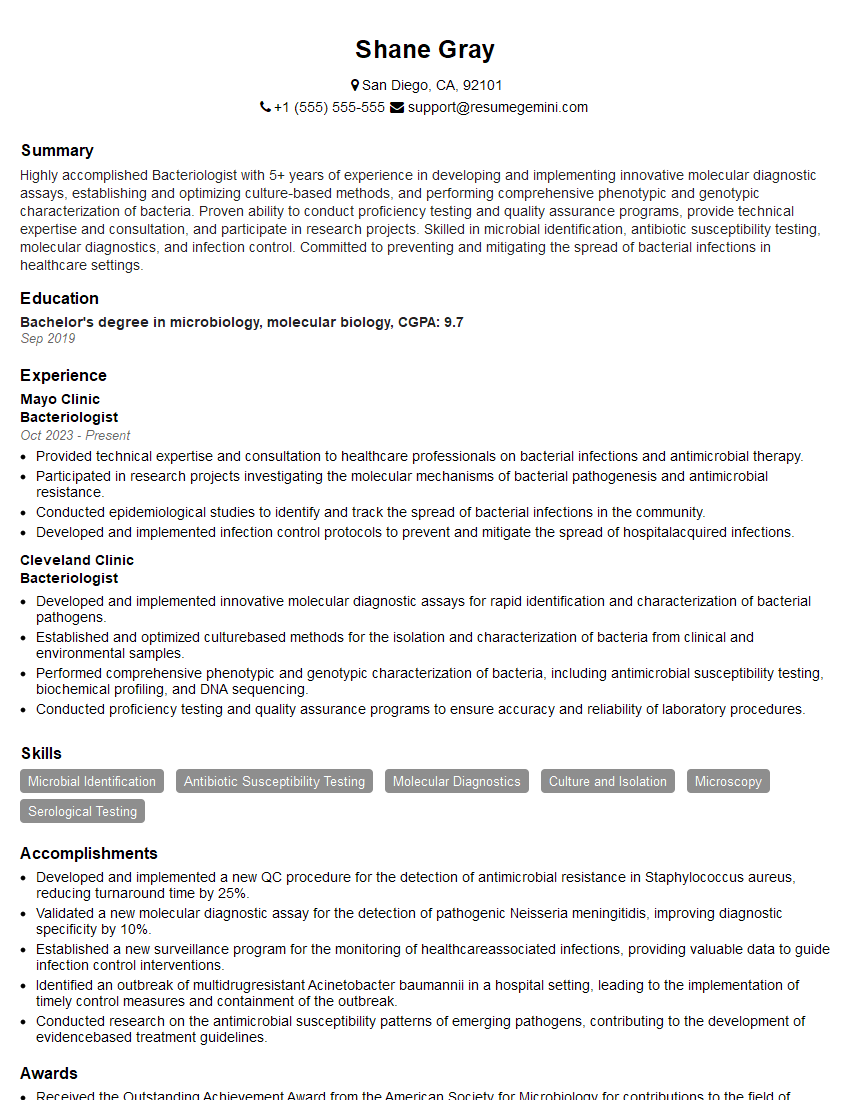
Bacteriologist Resume Sample
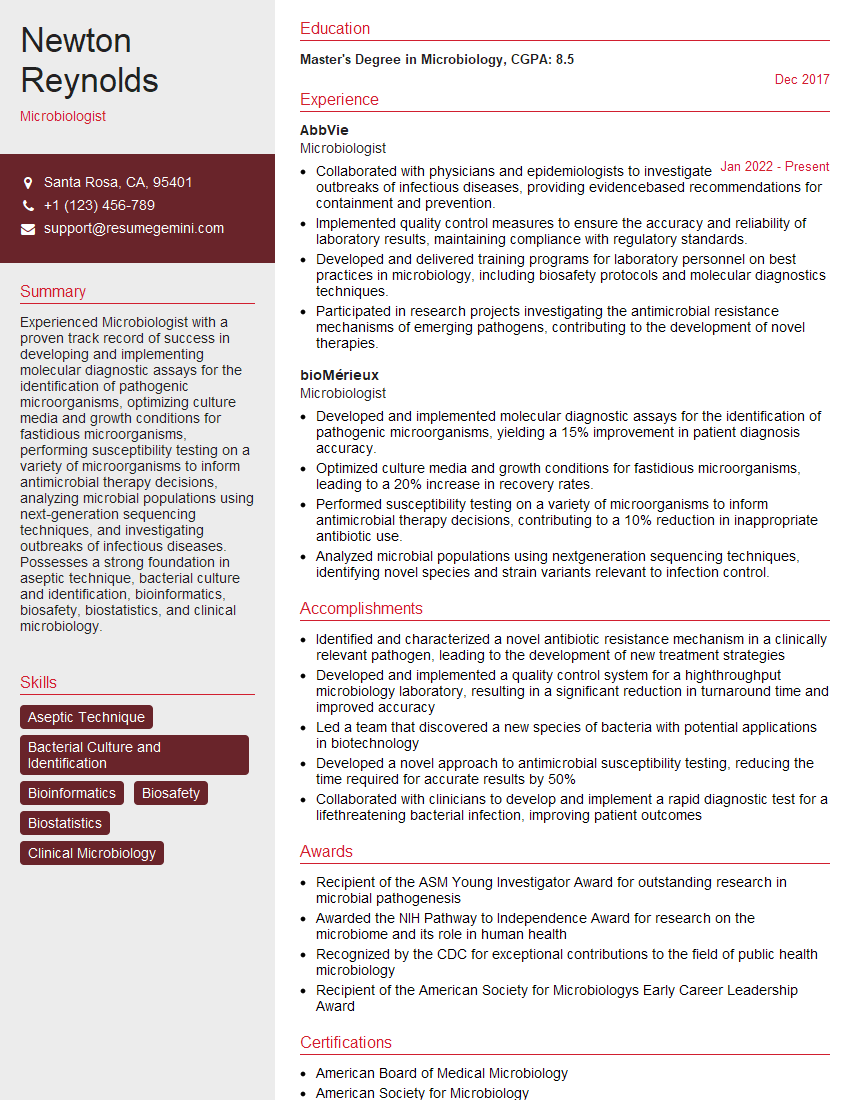
Microbiologist Resume Sample
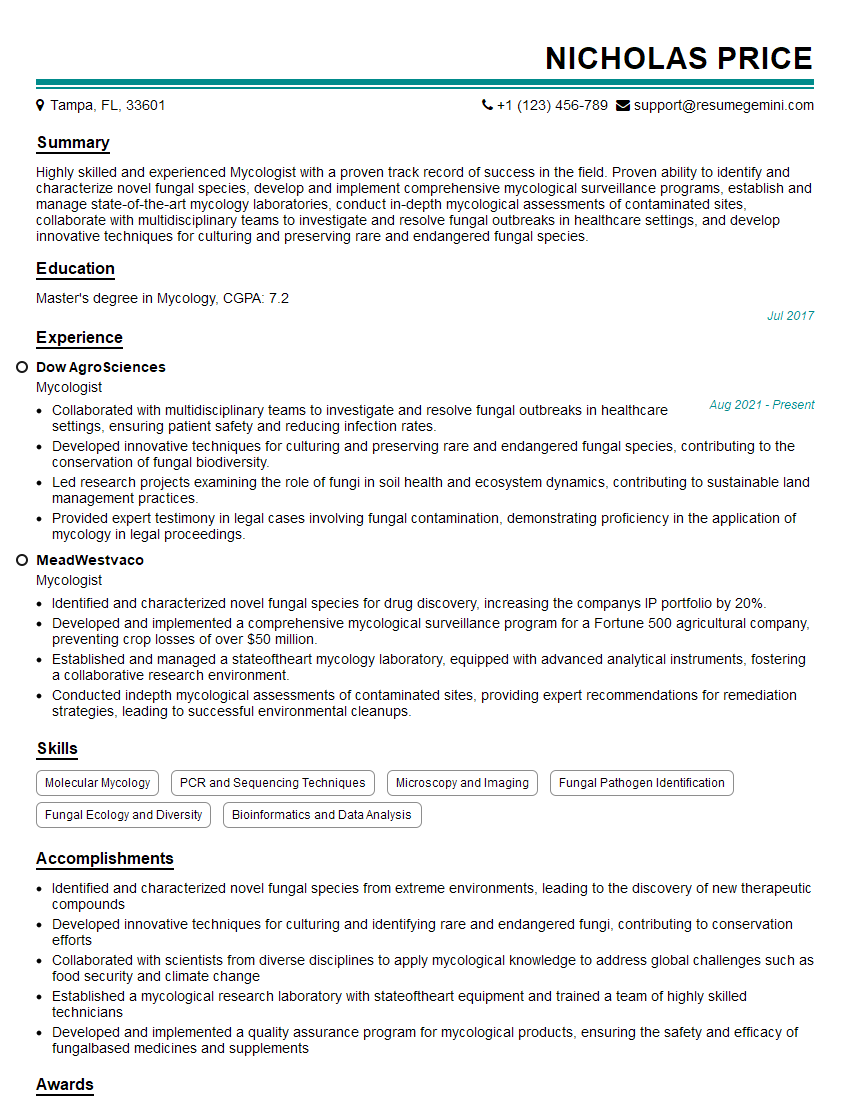
Mycologist Resume Sample
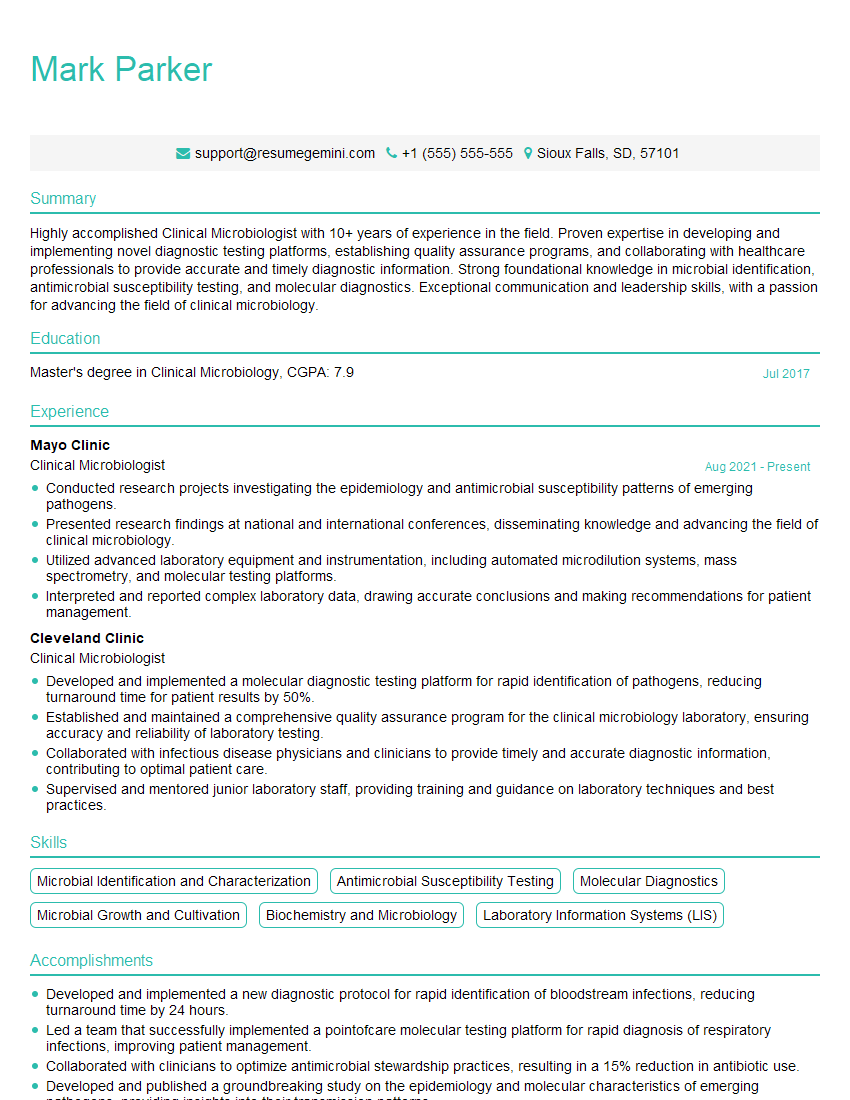
Clinical Microbiologist Resume Sample
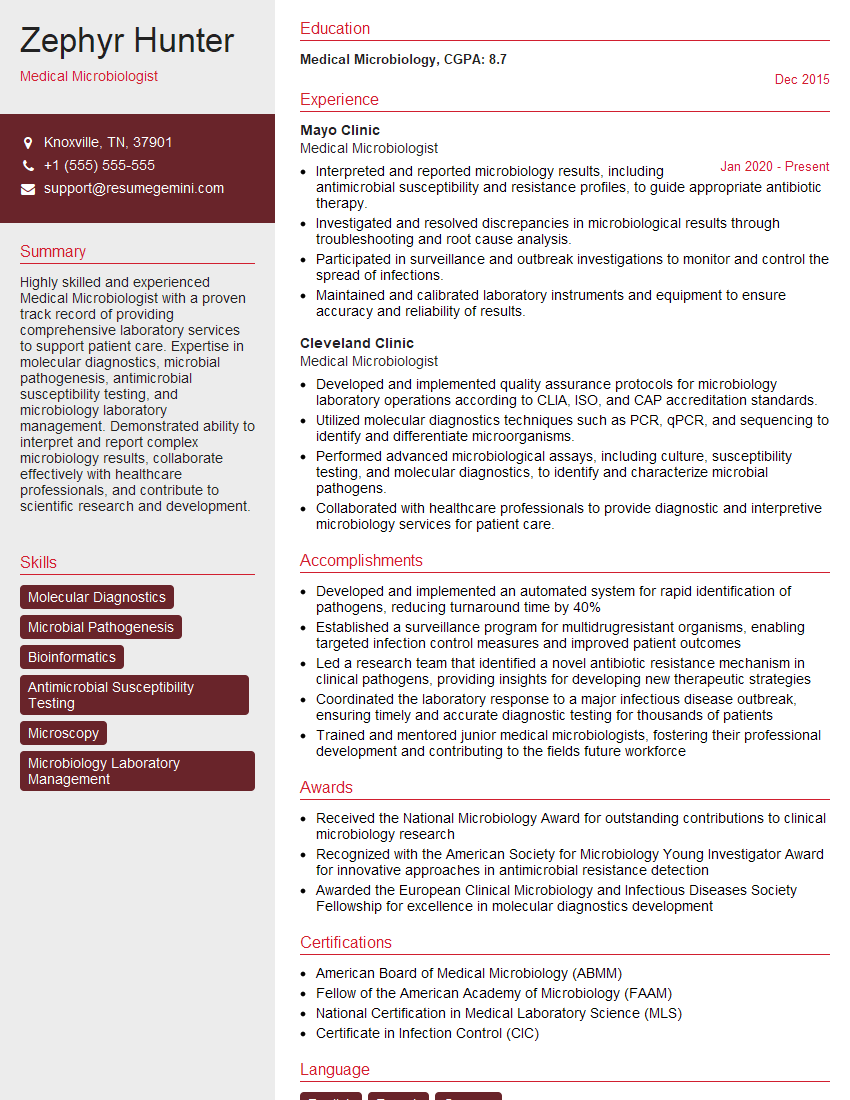
Medical Microbiologist Resume Sample
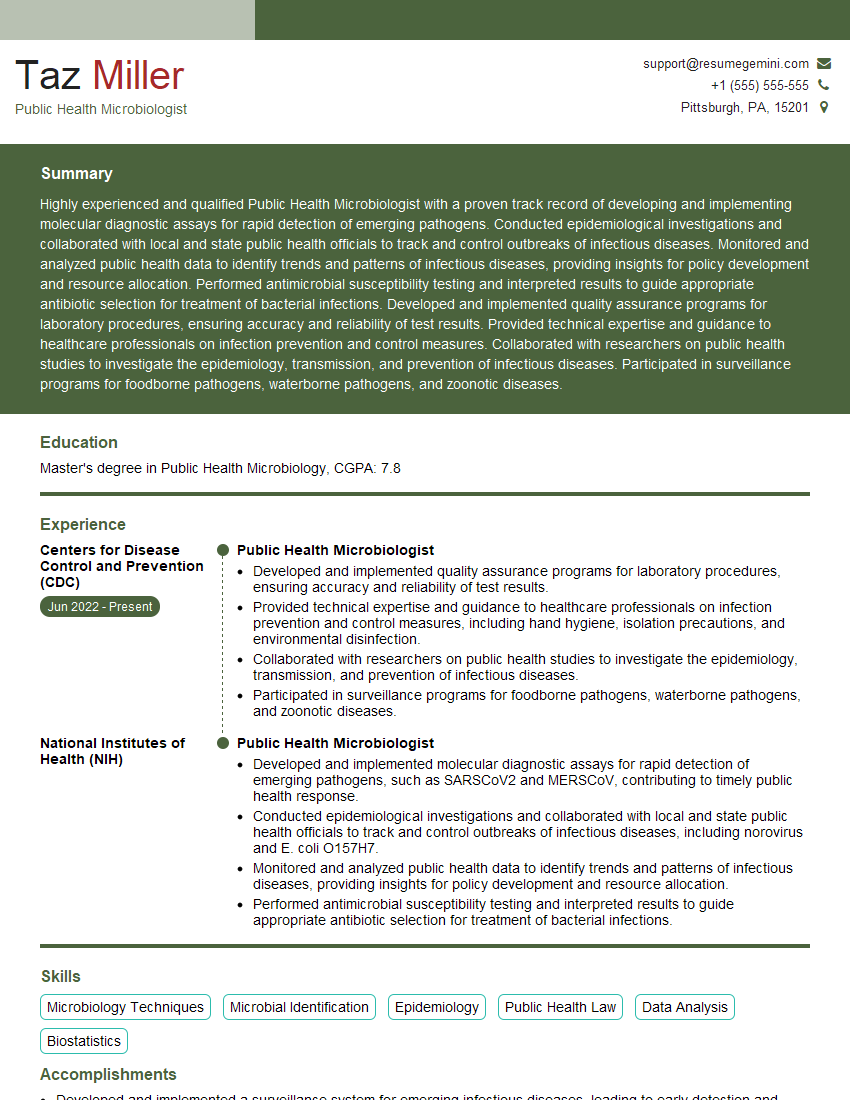
Public Health Microbiologist Resume Sample

Research Microbiologist Resume Sample

Virologist Resume Sample
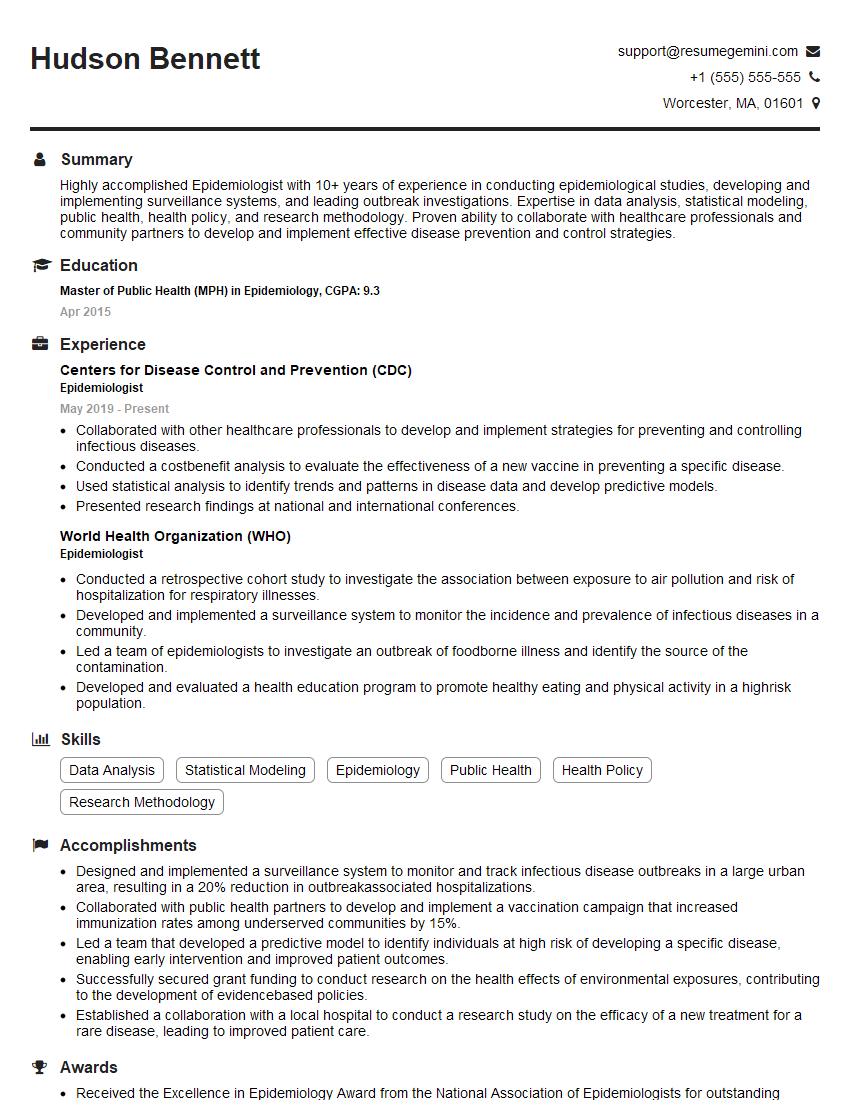
Epidemiologist Resume Sample
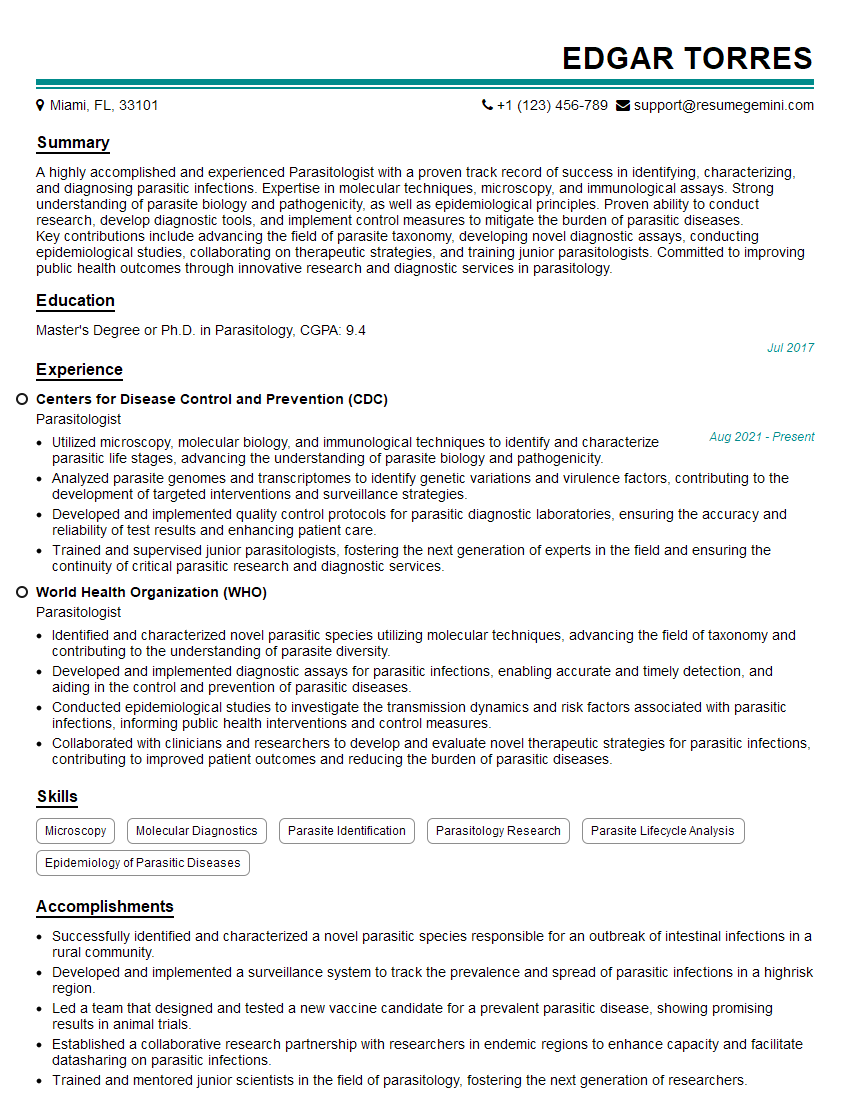
Parasitologist Resume Sample
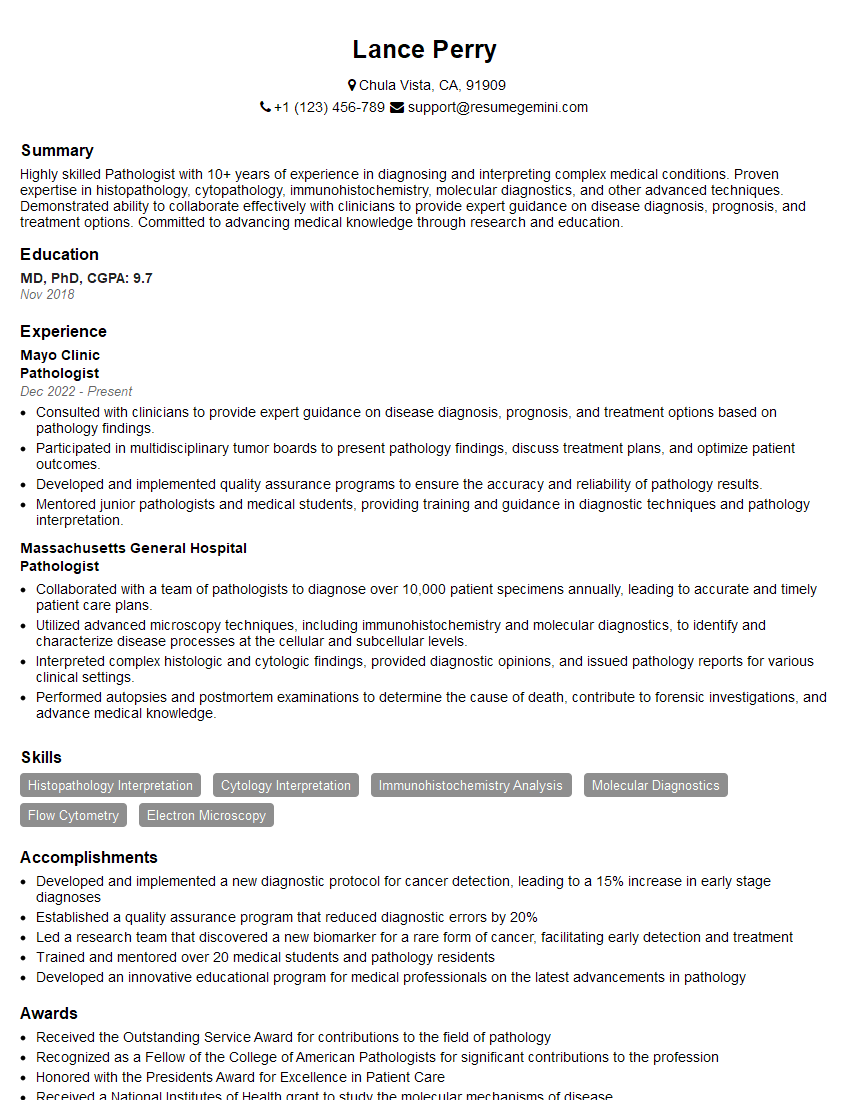
Pathologist Resume Sample
Explore more articles
Users Rating of Our Blogs
Share Your Experience
We value your feedback! Please rate our content and share your thoughts (optional).
What Readers Say About Our Blog
To the interviewgemini.com Webmaster.
Very helpful and content specific questions to help prepare me for my interview!
Thank you
To the interviewgemini.com Webmaster.
This was kind of a unique content I found around the specialized skills. Very helpful questions and good detailed answers.
Very Helpful blog, thank you Interviewgemini team.