The right preparation can turn an interview into an opportunity to showcase your expertise. This guide to Patient History Taking interview questions is your ultimate resource, providing key insights and tips to help you ace your responses and stand out as a top candidate.
Questions Asked in Patient History Taking Interview
Q 1. Describe the process of obtaining a complete patient history.
Obtaining a complete patient history is a crucial first step in providing effective medical care. It’s a systematic process that involves building rapport with the patient, gathering relevant information, and documenting it accurately. Think of it like assembling a puzzle – each piece of information contributes to a clearer picture of the patient’s health.
The process typically begins with introducing yourself and establishing a comfortable and trusting environment. I then proceed through a structured approach, starting with identifying data (name, age, date of birth, etc.), followed by the reason for the visit (chief complaint). Then I delve into the history of the present illness (HPI), exploring the onset, character, location, duration, severity, aggravating and relieving factors of the symptoms. Next, I explore the patient’s past medical history (PMH), surgical history, family history, social history (including lifestyle factors like smoking and alcohol consumption), and finally, their medication and allergy history. Throughout this process, I employ open-ended questions to encourage detailed narratives and follow up with clarifying questions as needed.
- Example: Instead of asking ‘Do you smoke?’, I might ask ‘Can you tell me about your smoking history?’ This encourages a more complete response.
Q 2. What are the key elements of a comprehensive patient history?
A comprehensive patient history encompasses several key elements, each offering a vital piece of the clinical puzzle. Missing even one can significantly hinder diagnosis and treatment.
- Identifying Data: Name, age, gender, contact information.
- Chief Complaint: The primary reason for the patient’s visit, stated in their own words.
- History of Present Illness (HPI): A detailed account of the current illness, including onset, duration, location, character of symptoms, and any aggravating or relieving factors. Think of it as telling the story of the illness.
- Past Medical History (PMH): A record of past illnesses, injuries, hospitalizations, and significant medical events.
- Surgical History: A list of all past surgical procedures and their outcomes.
- Family History: Information about the health status of close relatives, particularly focusing on conditions with genetic predispositions.
- Social History: Details about lifestyle factors, including occupation, marital status, living situation, diet, exercise, smoking, alcohol use, drug use, and sexual history. This is crucial as lifestyle often impacts health.
- Medication History: A complete list of current medications, including over-the-counter drugs, herbal remedies, and supplements.
- Allergies: A record of any known allergies to medications, food, or environmental substances.
- Review of Systems (ROS): A systematic inquiry about the function of various organ systems, even if the patient is not experiencing symptoms related to those systems. This helps uncover hidden issues.
Q 3. How do you handle a patient who is reluctant to provide information?
Handling reluctant patients requires patience, empathy, and a skillful approach. It’s crucial to understand the underlying reasons for their reluctance. This could stem from fear, distrust, embarrassment, or cultural factors.
My approach involves creating a safe and non-judgmental environment. I start by acknowledging their hesitation and validating their feelings. For instance, I might say, ‘I understand this can be difficult to talk about, and I want to assure you that all information shared will be kept confidential.’ I then use open-ended questions that allow them to share at their own pace. I avoid pressuring them and focus on building rapport. If the reluctance persists, I may involve a trusted family member or friend with their consent, or seek advice from a colleague with expertise in sensitive communication.
Example: If a patient is reluctant to disclose their drug use, I might say, ‘Many people struggle with substance use, and it’s important to remember that we’re here to support you, not judge you. Could you tell me a bit about your experience?’
Q 4. Explain the importance of active listening in patient history taking.
Active listening is the cornerstone of effective patient history taking. It’s more than just hearing the words; it’s about understanding the patient’s perspective, emotions, and unspoken concerns. It allows for a deeper understanding of their experience and fosters a strong therapeutic relationship.
Active listening involves several key techniques: maintaining eye contact, using nonverbal cues (nodding, leaning in), summarizing and paraphrasing to confirm understanding, asking clarifying questions, and observing body language. By actively listening, I can identify inconsistencies, detect hidden anxieties, and grasp the true nature of their condition, beyond just their words. Imagine trying to assemble that puzzle mentioned earlier – without truly understanding each piece, the final picture is incomplete.
Example: If a patient says they are ‘stressed,’ active listening would involve asking follow-up questions like ‘What aspects of your life are causing you stress?’ or ‘Can you describe what that stress feels like?’ This helps uncover the root cause and potential impacts on their health.
Q 5. How do you verify the accuracy of patient-reported information?
Verifying the accuracy of patient-reported information is essential to avoid misdiagnosis and ineffective treatment. While patients are generally reliable, errors can occur due to memory lapses, misunderstandings, or deliberate omissions.
I use several methods to verify information: I corroborate details with other sources, such as family members (with the patient’s consent), review medical records from previous visits or other healthcare providers, conduct physical examinations to assess for physical findings consistent with their report, and use objective measures like laboratory tests and imaging studies. I also pay attention to inconsistencies in their narrative or between verbal and nonverbal cues. A discrepancy between a patient’s statement and their physical presentation should always trigger further investigation.
Example: If a patient reports having no allergies, I’ll still review their previous medical records to check for any previous allergic reactions documented. If there’s a discrepancy in the description of their chest pain – for example, their description doesn’t quite align with an ECG finding – further investigation is warranted.
Q 6. Describe your approach to documenting patient history information.
Documenting patient history is critical for continuity of care, legal protection, and efficient communication among healthcare professionals. It should be accurate, clear, concise, and objective, avoiding subjective interpretations or biases.
I use a structured approach to documentation, usually utilizing electronic health records (EHR). I record all key elements of the history using clear and concise language, adhering to medical terminology and avoiding slang or colloquialisms. The documentation is organized chronologically, reflecting the flow of the interview. I use quotation marks to capture the patient’s exact words, particularly for the chief complaint and HPI. Any inconsistencies or conflicting information are clearly noted, along with how they were addressed. I always ensure the documentation is legible, complete, and easily retrievable. Accuracy is paramount; if an error occurs, it must be corrected according to institutional protocols.
Example: Instead of writing ‘Patient feels bad,’ I would write ‘Patient reports experiencing fatigue, shortness of breath, and chest pain for the past three days, described as a pressure-like sensation radiating to the left arm.’ This is objective, specific, and chronologically organized.
Q 7. How do you handle discrepancies in information provided by the patient and their family?
Discrepancies between information provided by the patient and their family members are relatively common and require careful handling. It’s important to respect both perspectives, understanding that each may offer a different viewpoint due to different observations, biases, or even memory discrepancies.
My approach involves exploring the reasons for the discrepancy in a non-confrontational manner. I ask open-ended questions to understand each party’s perspective without placing blame or judgment. If the differences are minor, I might simply note the variations in my documentation. However, for significant discrepancies, I attempt to reconcile the information through further questioning, potentially with the patient and family members together, creating a safe space for open dialogue. If reconciliation remains impossible, I might document the different accounts and make a judgment call based on clinical judgment, supported by physical findings and other objective data.
Example: If a patient denies alcohol use but their family reports heavy drinking, I would explore this gently, asking the patient about their feelings regarding alcohol and whether there might be factors influencing their self-report. This allows for potential clarification and avoids an accusatory tone.
Q 8. How do you prioritize information obtained during patient history taking?
Prioritizing information during patient history taking is crucial for efficient and effective care. I use a hierarchical approach, focusing first on the most urgent and life-threatening information, then progressing to less critical details. Think of it like a triage system in an emergency room – the most critical needs are addressed first.
- Life-threatening conditions: Chest pain, severe shortness of breath, uncontrolled bleeding – these demand immediate attention and overshadow other concerns.
- Symptoms directly related to the chief complaint: For example, if the patient presents with abdominal pain, details about the onset, location, character, radiation, associated symptoms (like nausea or vomiting), timing, exacerbating and relieving factors take precedence.
- Past medical history related to the chief complaint: A history of heart disease is highly relevant if the patient presents with chest pain.
- Other relevant medical history: This includes past illnesses, surgeries, hospitalizations, even if not directly related to the current complaint, as they provide a complete picture.
- Social history, allergies, medications: These aspects provide valuable context and may influence treatment, but are usually prioritized after the more immediate clinical concerns have been addressed.
For example, if a patient presents with sudden onset chest pain and shortness of breath, I would focus on the details of these symptoms, past cardiac history, current medications, and any known allergies before delving into their social history or family history.
Q 9. How do you adapt your questioning techniques for patients with different communication styles?
Adapting questioning techniques to different communication styles is paramount for effective history taking. Patients vary widely in their communication abilities and preferences. Some are verbose and detail-oriented, while others are concise and prefer direct questioning.
- Verbose patients: I use focused, closed-ended questions to guide the conversation and avoid getting lost in tangential information. For example, instead of ‘Tell me about your symptoms’, I might ask ‘When did the pain start?’ or ‘Where is the pain located?’
- Concise patients: I use open-ended questions to encourage them to elaborate and provide more context. I might ask ‘Can you describe your symptoms?’ or ‘What brings you in to see me today?’ and actively listen for cues to follow up.
- Patients with cognitive impairments: I simplify my language, use clear and concise questions, and may need to involve family members or caregivers for clarification. I avoid jargon and use visual aids where appropriate.
- Patients with language barriers: I utilize a qualified interpreter to ensure accurate communication and avoid misunderstandings. Nonverbal cues are also carefully considered.
Imagine interviewing a patient who is highly anxious. A gentle, reassuring approach, coupled with open-ended questions that allow them to express their concerns, is more effective than rapid-fire questioning that could increase their anxiety.
Q 10. Describe your approach to obtaining a social history from a patient.
Obtaining a social history is crucial as it provides context to understand the patient’s health and lifestyle factors that can influence their well-being. I approach this sensitively and with non-judgmental curiosity. I use open-ended questions to encourage the patient to share information at their own pace.
- Occupation and working conditions: Understanding their job can reveal potential occupational hazards or stress factors that affect health.
- Lifestyle: This includes diet, exercise, sleep patterns, substance use (including tobacco, alcohol, and illicit drugs), and any other relevant habits. I use screening tools like CAGE questionnaire for alcohol or AUDIT-C for alcohol misuse.
- Living situation and support system: This encompasses their family structure, social connections, and access to resources that influence their overall health and ability to manage their condition.
- Stress levels and coping mechanisms: Understanding their sources of stress and how they cope can be essential for managing health concerns.
- Intimate partner violence (IPV) and abuse screening: It is critical to screen for IPV using standardized questionnaires or open-ended questions in a safe and confidential setting. A positive response warrants appropriate intervention and referral.
For example, understanding a patient’s living situation could help identify potential environmental hazards or lack of social support impacting their health. Similarly, knowing their dietary habits helps tailor health recommendations to their lifestyle.
Q 11. How do you document a patient’s allergies and medication history accurately?
Accurate documentation of allergies and medication history is critical for patient safety. Any error can have severe consequences. I use a structured approach to minimize errors:
- Allergies: I ask specifically about allergies to medications, foods, environmental factors (like pollen), and insect bites. I record the allergen, the reaction experienced, and the severity of the reaction. For example, instead of ‘allergic to penicillin’, I document ‘Penicillin allergy: anaphylaxis’ to clearly communicate the severity.
- Medications: I inquire about all current medications (prescription, over-the-counter, herbal remedies, supplements). I document the medication name, dose, frequency, route of administration, and reason for use. It’s helpful to ask the patient to bring their medication containers for accurate information.
- Medication reconciliation: When possible, I compare the patient’s reported medication list with information from previous records to identify discrepancies and ensure accuracy.
- Use of standard terminology: Standardized terminologies (like RxNorm) are useful for reducing ambiguity and ensuring interoperability between different systems.
- Clear and concise documentation: Ambiguity must be avoided. Allergies and medications are clearly listed, separating current from past.
For instance, instead of writing ‘allergic to aspirin,’ I’d write, ‘Aspirin allergy: hives, itching’. This detailed approach avoids misinterpretation and ensures patient safety.
Q 12. Explain the importance of using open-ended and closed-ended questions in patient history taking.
Both open-ended and closed-ended questions play vital roles in obtaining a comprehensive patient history. They are complementary, not mutually exclusive.
- Open-ended questions: These encourage narrative responses, allowing patients to freely share their experiences and perspectives. Examples include: ‘Tell me about your symptoms,’ ‘Can you describe your pain?’, ‘How has this affected your daily life?’ These are valuable for initially exploring the patient’s concerns and establishing rapport.
- Closed-ended questions: These elicit specific information, often yes/no or short-answer responses. Examples include: ‘Do you smoke?’, ‘Have you ever had surgery?’, ‘What is your age?’ These questions are valuable for obtaining specific details, clarifying information, and directing the conversation.
A balanced approach is key. I typically begin with open-ended questions to let the patient tell their story and then use closed-ended questions to clarify specific points or fill in any gaps in the information. Think of it like building a house: open-ended questions lay the foundation, while closed-ended questions fill in the details.
Q 13. How do you ensure patient confidentiality while documenting their history?
Ensuring patient confidentiality is paramount and is a cornerstone of the doctor-patient relationship. Several measures are taken to protect patient information:
- HIPAA compliance: All documentation adheres strictly to HIPAA regulations, ensuring that protected health information (PHI) is only accessed by authorized personnel.
- Secure electronic health records (EHRs): EHR systems provide strong password protection, audit trails, and encryption to secure patient data.
- Privacy during conversations: I conduct interviews in private settings, avoiding overheard conversations.
- Limited access to records: Access to patient records is restricted to authorized personnel only.
- Appropriate disposal of paper records: Paper records are shredded securely before disposal to prevent unauthorized access.
- Patient education on privacy policies: I explain the facility’s privacy policies to the patient and answer any questions they may have regarding the handling of their information.
For example, I would never discuss a patient’s information with unauthorized individuals, even colleagues not directly involved in their care. All documentation is stored securely, and I would always follow protocols for securely disposing of any discarded paperwork.
Q 14. What are some common pitfalls to avoid during patient history taking?
Several pitfalls can compromise the quality and accuracy of patient history taking. Awareness of these common mistakes is crucial for improvement.
- Interrupting the patient: Allowing the patient to fully express their concerns without interruption shows respect and ensures you gather a complete picture.
- Leading questions: Questions that suggest a specific answer can bias the patient’s response and lead to inaccurate information. For example, ‘You’ve been feeling anxious lately, haven’t you?’ is leading.
- Jargon and medical terminology: Using complex terms that the patient doesn’t understand can lead to miscommunication and frustration.
- Insufficient probing: Failing to ask follow-up questions to clarify unclear information can result in incomplete or inaccurate history.
- Ignoring nonverbal cues: Patients often communicate nonverbally through body language. Paying attention to these cues provides valuable insights.
- Failure to document thoroughly: Incomplete or poorly documented history can lead to misdiagnosis and errors in care. All information, including negative findings, needs to be clearly documented.
- Bias and assumptions: Assuming things about a patient based on their appearance or demographics can lead to inaccurate assessments.
For instance, assuming a patient’s pain is ‘just stress’ without adequately exploring their concerns could lead to overlooking a serious medical condition. Careful attention to detail and thoughtful questioning can minimize these pitfalls.
Q 15. How do you handle sensitive topics, such as substance abuse or domestic violence, during a patient interview?
Addressing sensitive topics like substance abuse or domestic violence requires a delicate approach. The key is to create a safe and non-judgmental environment where the patient feels comfortable disclosing information. I begin by using open-ended questions, such as “Tell me more about your experience with…” or “Can you describe what’s been happening?” This allows the patient to lead the conversation and share at their own pace. I actively listen, using verbal and nonverbal cues to show empathy and understanding. Body language is crucial; maintaining eye contact (appropriately), leaning slightly forward, and nodding show engagement. I use validating statements like “That sounds incredibly difficult,” or “I can see why that would be upsetting.” If the patient reveals abuse, it is vital to offer support and resources, ensuring they know they’re not alone. I’d explain the available options for help, such as hotlines, shelters, or counseling services, and always document the conversation thoroughly and confidentially, respecting patient privacy. Crucially, I avoid interrupting or pressuring the patient, allowing them to disclose at their own pace and comfort level. This builds trust and allows for a more thorough and accurate assessment.
Career Expert Tips:
- Ace those interviews! Prepare effectively by reviewing the Top 50 Most Common Interview Questions on ResumeGemini.
- Navigate your job search with confidence! Explore a wide range of Career Tips on ResumeGemini. Learn about common challenges and recommendations to overcome them.
- Craft the perfect resume! Master the Art of Resume Writing with ResumeGemini’s guide. Showcase your unique qualifications and achievements effectively.
- Don’t miss out on holiday savings! Build your dream resume with ResumeGemini’s ATS optimized templates.
Q 16. Explain the difference between subjective and objective data in patient history taking.
Subjective data and objective data are two fundamental categories in patient history taking. Subjective data refers to information provided directly by the patient, representing their personal experience and perception of their health. This includes symptoms, feelings, and sensations that only the patient can describe. Examples include pain levels (“my pain is a 7 out of 10”), nausea (“I feel nauseous”), or anxiety (“I’ve been feeling very anxious lately”). Objective data, conversely, are measurable and observable findings obtained during the physical examination or from diagnostic tests. These are verifiable facts. Examples include vital signs (blood pressure, heart rate), results of a physical exam (e.g., rash, edema), and laboratory test results (e.g., blood count, glucose levels). Think of it this way: subjective data is what the patient *tells* you, while objective data is what you *observe* or *measure*.
Q 17. How do you assess a patient’s understanding of their medical condition?
Assessing a patient’s understanding of their medical condition is crucial for effective care. I utilize several strategies. Firstly, I use the “teach-back” method, explaining the condition in plain language, then asking the patient to summarize their understanding in their own words. This helps identify any gaps in comprehension. Secondly, I observe their verbal and nonverbal cues. Are they asking clarifying questions? Do they seem confused or anxious? Nonverbal cues like furrowed brows or hesitant responses can indicate a lack of understanding. Thirdly, I utilize visual aids like diagrams or charts, especially for complex conditions. For instance, showing a diagram of the heart when explaining heart failure makes the explanation clearer. Finally, I tailor my communication style to the patient’s level of health literacy, avoiding medical jargon as much as possible and using simple, clear language. If significant misunderstandings are identified, I adjust my explanation and provide additional resources, such as patient education pamphlets or websites.
Q 18. How do you identify and address potential language barriers during patient history taking?
Language barriers can significantly impede effective patient history taking. My approach involves several steps. First, I identify the language spoken by the patient and attempt to find a qualified medical interpreter. Using family members or friends for translation is generally avoided due to potential inaccuracies and confidentiality concerns. If an interpreter isn’t immediately available, I use simple phrases and gestures, combining them with visual aids like pictures or drawings to communicate basic needs. I make sure to speak slowly and clearly. I confirm understanding by asking the patient to repeat crucial information back to me. I also utilize translation apps with caution, being mindful that these apps might not capture nuances and cultural contexts. The goal is to ensure clear, accurate communication, and using a qualified medical interpreter is the most reliable method to achieve this.
Q 19. Describe your method for reviewing and updating a patient’s medical history.
Reviewing and updating a patient’s medical history is an ongoing process. I begin by accessing existing records from previous encounters, reviewing medications, allergies, previous illnesses, surgeries, and family history. This review happens at the beginning of each encounter. I then gather updated information during the current interview, comparing it with the existing information to identify any discrepancies or changes. I pay close attention to new medications, changes in symptoms, or newly diagnosed conditions. The updated information is carefully documented in the electronic health record (EHR), ensuring all entries are accurate, complete, and concise, following the standards set by the organization. I always double-check for any potential conflicts between the new and existing information, and, if needed, seek clarification from the patient or consult other members of the healthcare team. This systematic review ensures the medical history remains current and accurate, supporting informed clinical decision-making.
Q 20. How do you use the information gathered during patient history taking to inform clinical decision-making?
Information gathered during patient history taking is the cornerstone of clinical decision-making. It forms the basis for formulating a differential diagnosis – a list of possible conditions that could be causing the patient’s symptoms. For example, a patient complaining of chest pain, shortness of breath, and a history of smoking would lead me to consider conditions like coronary artery disease. The history informs the choice of investigations (e.g., ECG, blood tests, imaging studies). It also helps determine the appropriate treatment plan. Understanding the patient’s social history (e.g., living situation, support system) helps tailor the management plan to their specific circumstances. Moreover, the history assists in assessing the patient’s risk factors for various conditions, guiding preventative measures. Essentially, the patient history provides a comprehensive narrative that guides the entire process from initial assessment to treatment and ongoing management. Without a thorough history, diagnosis and treatment are significantly hampered.
Q 21. How do you maintain professionalism and build rapport with patients during interviews?
Maintaining professionalism and building rapport are essential for effective patient history taking. Professionalism begins with appropriate attire and demeanor, showing respect for the patient’s time and privacy. I introduce myself clearly and explain the purpose of the interview. I use active listening techniques – paying close attention to both verbal and nonverbal cues, showing genuine interest in the patient’s story. Using open-ended questions encourages patients to elaborate on their experiences, building trust and creating a collaborative atmosphere. Employing empathy and validating the patient’s feelings helps foster a sense of security and comfort. For example, acknowledging the stress of a new diagnosis with a statement like, “I can only imagine how challenging this must be for you,” shows understanding. Maintaining confidentiality and respecting the patient’s autonomy are paramount. These actions help establish a positive doctor-patient relationship, leading to more honest and open communication, resulting in more accurate and complete patient histories.
Q 22. Explain the significance of documenting the source of information obtained during patient history taking.
Documenting the source of information during patient history taking is crucial for ensuring the accuracy, reliability, and completeness of the medical record. It establishes the credibility of the data and allows for a better understanding of potential biases or limitations.
For instance, information obtained directly from the patient is considered primary. This is denoted in the record as ‘Patient stated…’ However, if the information comes from a family member, caregiver, or other source, this should be explicitly stated, e.g., ‘Reported by spouse…’ or ‘Information obtained from medical records from previous hospital…’ This allows clinicians to assess the reliability and potential biases associated with each source. Failing to document the source can lead to misinterpretations, inconsistencies, and potentially flawed medical decisions.
Furthermore, documenting the source aids in legal and ethical considerations. It protects both the patient and the healthcare provider by providing a clear audit trail of the information gathered. This is particularly important if there are discrepancies or challenges to the accuracy of the data.
Q 23. What is your approach to obtaining a family history from a patient?
Obtaining a thorough family history is essential for identifying potential genetic predispositions and risk factors for various diseases. My approach is systematic and involves a combination of open-ended and specific questions.
- Begin with open-ended questions: I start by asking, ‘Can you tell me about your family’s medical history?’ This allows the patient to volunteer relevant information in their own words. This often reveals significant details that may not be uncovered by a more structured approach.
- Use a standardized family history form (when applicable): These forms provide a structured approach to gathering information on multiple generations, including parents, siblings, grandparents, and children. This helps to ensure consistency and completeness.
- Focus on specific conditions: I then delve into specific conditions relevant to the patient’s presenting complaint or known family history. For example, if the patient presents with hypertension, I’ll specifically ask about hypertension, heart disease, stroke, and kidney disease in family members.
- Visual aids: Creating a simple pedigree chart during the interview can be very useful. This aids both the patient and myself in visualizing the family’s medical history.
- Document details: I document the age of onset, age at death (if applicable), and any significant medical conditions for each family member. I also note any unusual patterns or clusters of diseases.
Remember to maintain sensitivity and confidentiality while discussing potentially sensitive family matters.
Q 24. How do you integrate electronic health records (EHR) into your patient history taking workflow?
Electronic Health Records (EHRs) are indispensable tools in modern patient history taking. I integrate them seamlessly into my workflow by utilizing them for both pre-visit preparation and during the interview itself.
- Pre-visit preparation: Before meeting the patient, I review existing EHR data, including previous medical records, lab results, imaging reports, and medication lists. This helps me formulate targeted questions and tailor the interview to the patient’s specific needs.
- During the interview: I use the EHR to record information in real-time during the patient interview. This ensures accuracy, minimizes the risk of errors, and facilitates efficient documentation. I use structured data entry templates whenever possible to maintain consistency and prevent omissions. I also incorporate scanned documents or images within the EHR as needed.
- Post-interview: After the interview, I review the entire record, ensuring completeness and accuracy. I also flag any discrepancies or areas requiring further clarification.
Using EHRs effectively requires proficiency in using the system’s features, knowledge of privacy regulations, and a focus on maintaining patient confidentiality.
Q 25. How do you handle interruptions during a patient interview?
Interruptions during a patient interview are inevitable, but they can disrupt the flow of communication and potentially compromise the accuracy of the information gathered. My approach involves several strategies:
- Minimize interruptions: Where possible, I communicate with my colleagues and staff in advance to reduce potential distractions. I also set aside dedicated time for patient interviews without scheduling other commitments concurrently.
- Acknowledge and address interruptions gracefully: If an interruption does occur, I briefly acknowledge it to the patient, apologize, and then address the interruption before smoothly returning to the patient interview at a suitable point, summarizing where we left off.
- Note interruptions in the record: I document significant interruptions in the patient’s medical record. This acknowledges potential influence of interruptions on interview accuracy.
- Restart the flow: Once the interruption is dealt with, I use a transition phrase to help guide the patient back into the flow of the interview, such as, ‘Now, where were we? We were discussing…’
The key is to be polite, professional, and respectful of the patient’s time. By minimizing disruptions and managing them effectively, I can maintain a positive and productive interview environment.
Q 26. Describe a challenging situation you faced during patient history taking and how you overcame it.
I once encountered a patient who was highly anxious and reluctant to disclose personal information. This made obtaining a complete history challenging. They were vague in their answers, easily distracted, and seemed to downplay the significance of certain symptoms.
To overcome this, I employed a patient-centered approach. I started by building rapport through active listening and empathy, focusing on validating their feelings and creating a safe space. I used open-ended questions, encouraging them to share information at their own pace. I also used techniques like reflective listening, paraphrasing their responses to ensure understanding and demonstrate my attention. I avoided pressuring them to disclose information they weren’t comfortable sharing. Over time, their trust grew, and they eventually disclosed important details previously omitted. The key was patience, empathy, and a focus on building a therapeutic alliance.
Q 27. How do you ensure the completeness and accuracy of the patient’s history before concluding the interview?
Ensuring the completeness and accuracy of a patient’s history before concluding the interview involves a multi-step process.
- Review and Summarize: At the end of the interview, I summarize the key information obtained to confirm my understanding with the patient and allow them to correct any inaccuracies or omissions. This also allows them to add any details they might have forgotten.
- Address Inconsistencies: If any inconsistencies arise between the patient’s statements or with other sources of information (like previous medical records), I address them directly in a non-judgmental manner to clarify the information.
- Review the System: I make sure I’ve covered all relevant body systems using a systematic approach (e.g., review of systems). This helps ensure I haven’t missed any critical information.
- Document Thoroughly: I meticulously document all the information gathered, including the source of information. This also includes any limitations to the history obtained. For example, I may note: ‘Patient unable to recall specifics due to memory loss’ or ‘History incomplete due to language barrier’.
- Patient Sign-off (where applicable): If the institution allows, a patient sign-off for the history taken can further aid in verification and completeness.
This comprehensive approach helps ensure the patient’s history is as complete and accurate as possible, forming a solid foundation for diagnosis and treatment.
Q 28. What resources do you utilize to enhance your understanding of patient history taking best practices?
To enhance my understanding of patient history-taking best practices, I regularly utilize a variety of resources.
- Medical literature: I stay updated with the latest research and guidelines published in peer-reviewed journals focusing on clinical communication and patient interview techniques. This helps me refine my approach and implement evidence-based practices.
- Professional organizations: I participate in continuing medical education (CME) activities offered by professional organizations focused on primary care and clinical communication. This allows me to network with peers and learn from experts in the field.
- Clinical practice guidelines: I consult clinical practice guidelines for specific conditions to understand the key elements of relevant patient history for accurate diagnosis and management.
- Mentorship and feedback: I seek regular mentorship and feedback from experienced clinicians to refine my skills and identify areas for improvement. This peer review ensures I maintain high standards of professional practice.
- Online courses and workshops: There are many online resources like webinars and interactive courses that offer targeted training in advanced interview techniques and communication skills.
A commitment to lifelong learning is essential for maintaining competence in this crucial aspect of patient care.
Key Topics to Learn for Patient History Taking Interview
- The Importance of Open-Ended Questions: Learn how to effectively use open-ended questions to elicit comprehensive patient information and build rapport. Practice transitioning between open and closed questions to gather both broad and specific details.
- Structuring the Interview: Master the art of a systematic approach to patient history taking, covering key areas such as presenting complaint, history of presenting complaint, past medical history, family history, social history, and review of systems. Understand the importance of chronological order and relevant details.
- Active Listening and Nonverbal Communication: Develop your skills in actively listening to the patient, observing nonverbal cues, and using empathetic communication techniques to build trust and obtain accurate information. Consider how body language and tone impact the interview.
- Identifying Key Information and Red Flags: Practice identifying critical information from patient narratives, recognizing potential red flags, and formulating appropriate follow-up questions. Develop your skills in differentiating between relevant and irrelevant details.
- Documentation and Charting: Understand the importance of accurate and concise documentation. Learn best practices for charting patient information according to relevant guidelines and regulations. Explore different charting methods and their applications.
- Ethical Considerations and Patient Confidentiality: Review ethical guidelines related to patient confidentiality, informed consent, and professional boundaries. Understand the legal implications of patient information disclosure.
- Symptom Analysis and Differential Diagnosis: Explore how to analyze patient symptoms systematically and develop preliminary differential diagnoses based on the gathered information. This requires practice in critical thinking and problem-solving.
Next Steps
Mastering patient history taking is crucial for building a successful career in healthcare. It demonstrates your clinical skills and your ability to connect with patients, leading to better diagnoses and treatment plans. To maximize your job prospects, focus on crafting an ATS-friendly resume that highlights your skills and experience. ResumeGemini is a trusted resource to help you build a professional and impactful resume that will catch the eye of recruiters. We provide examples of resumes tailored specifically to professionals in Patient History Taking to guide you through the process.
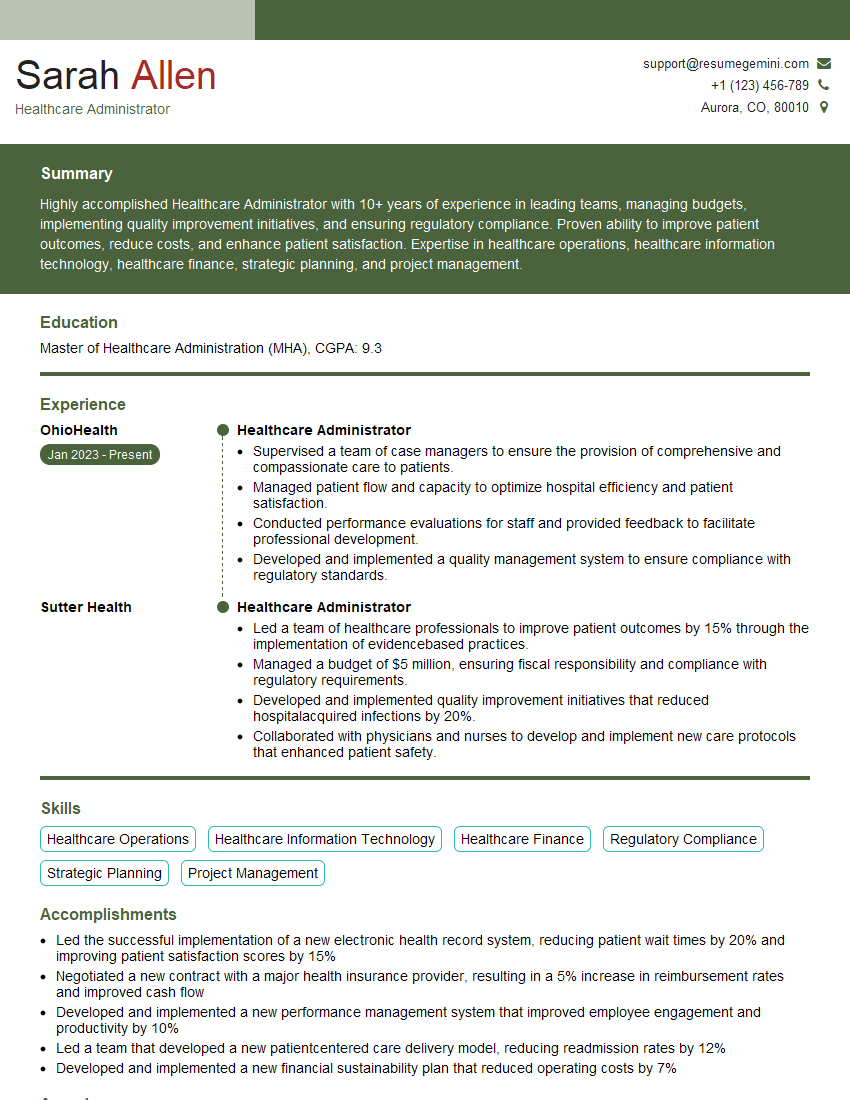
Healthcare Administrator Resume Sample
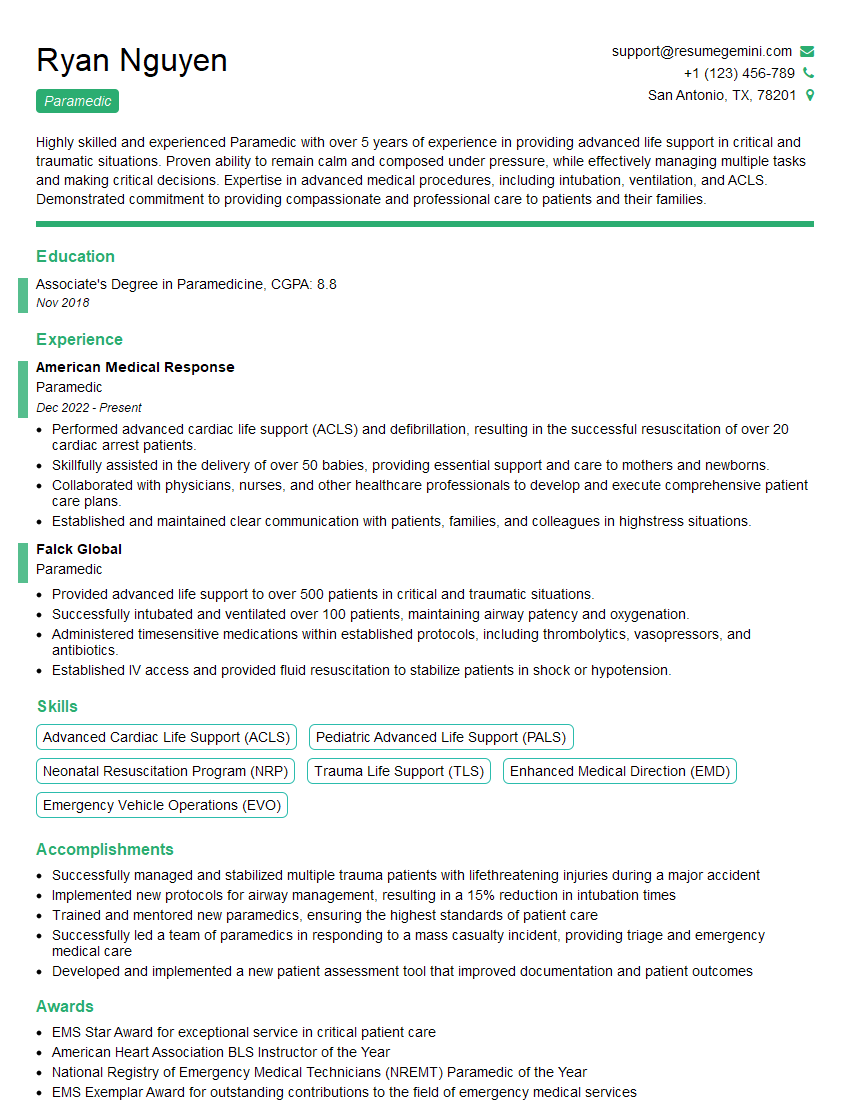
Paramedic Resume Sample
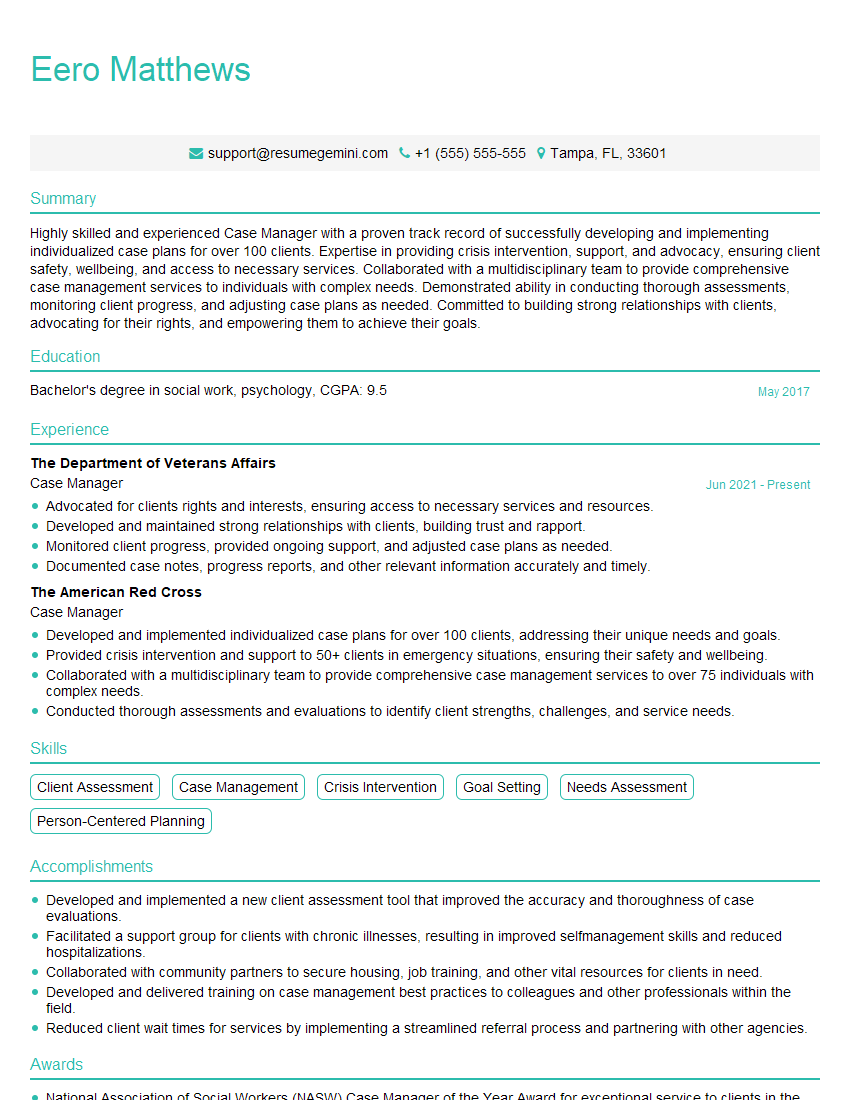
Case Manager Resume Sample
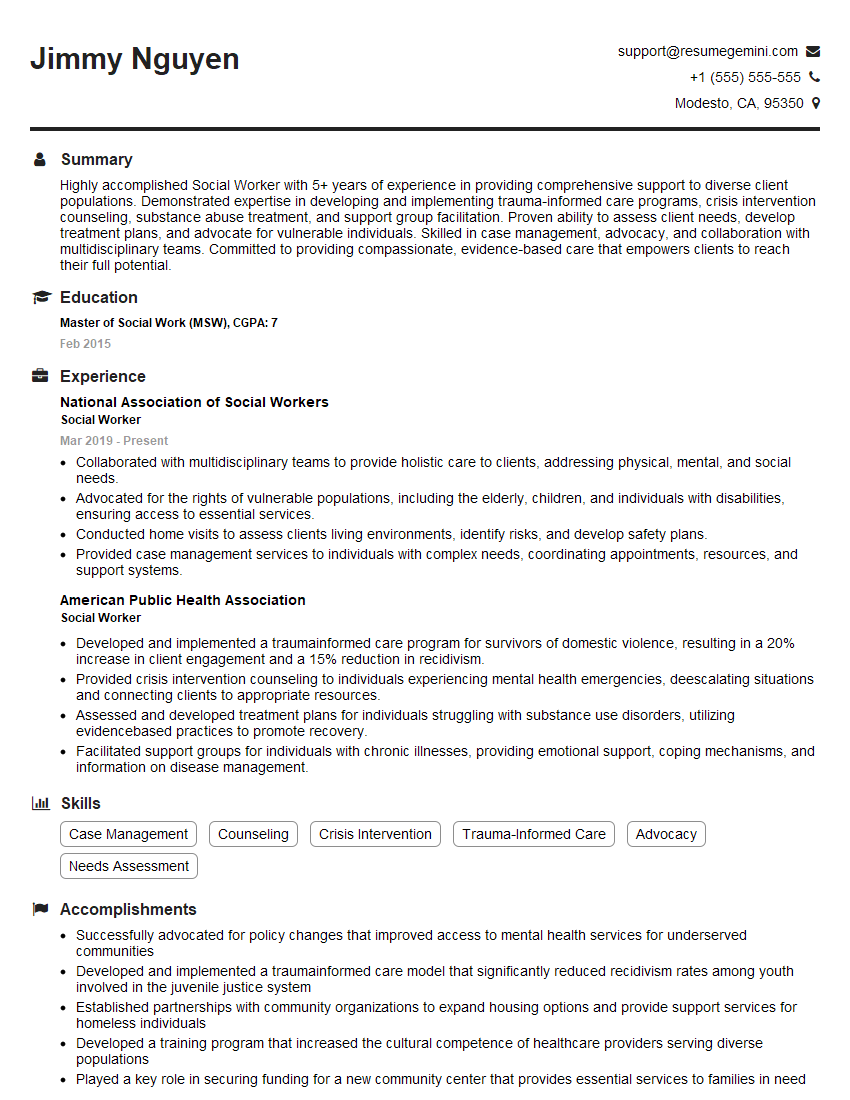
Social Worker Resume Sample
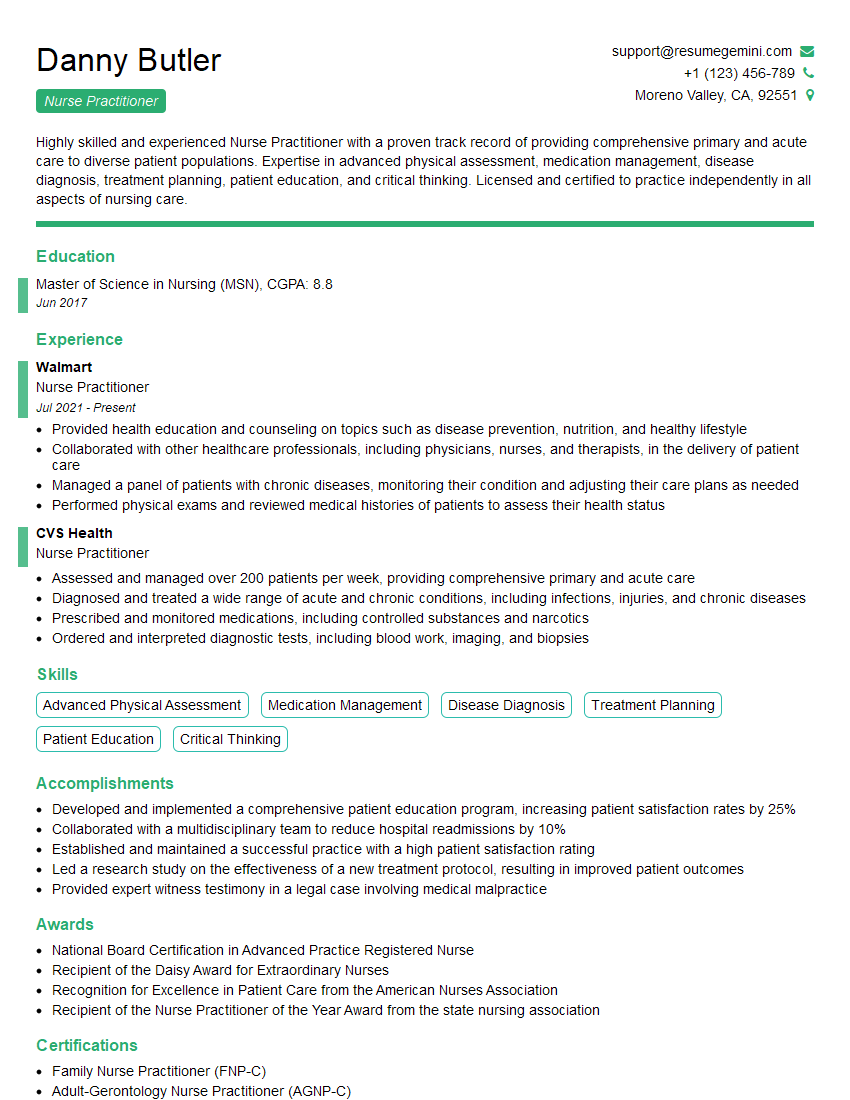
Nurse Practitioner Resume Sample
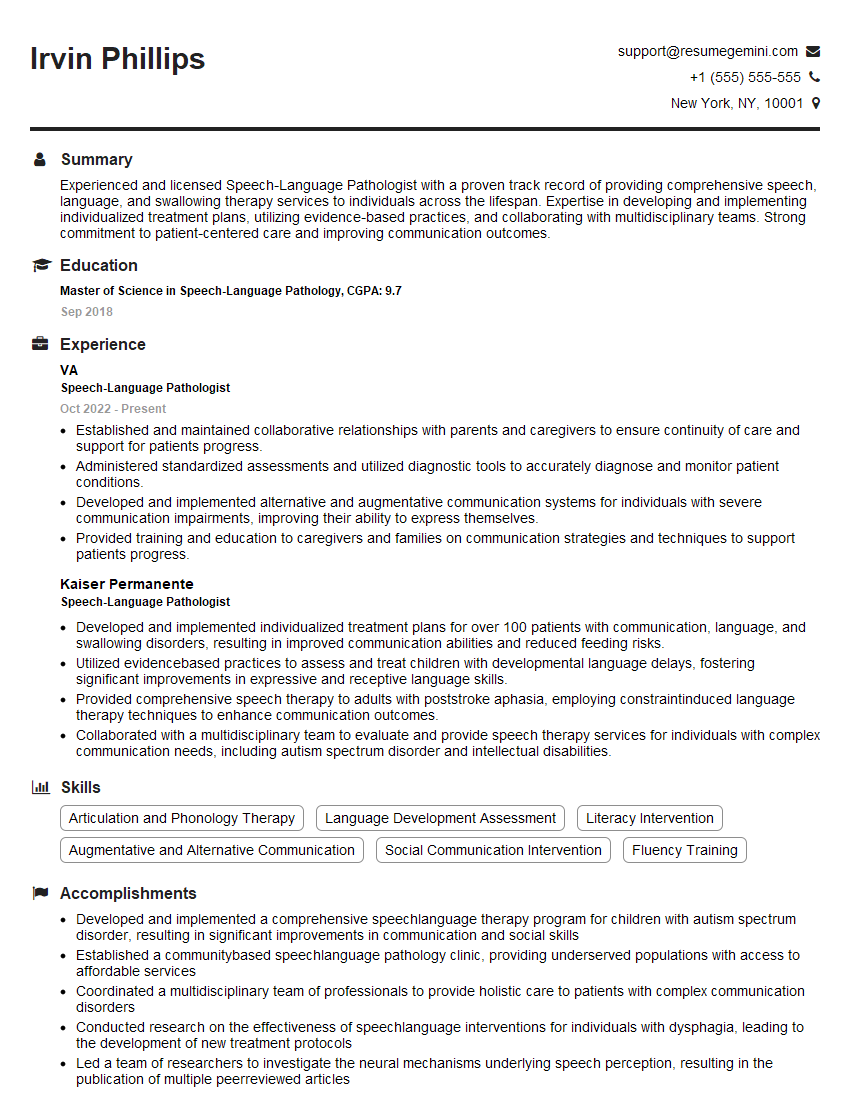
Speech-Language Pathologist Resume Sample
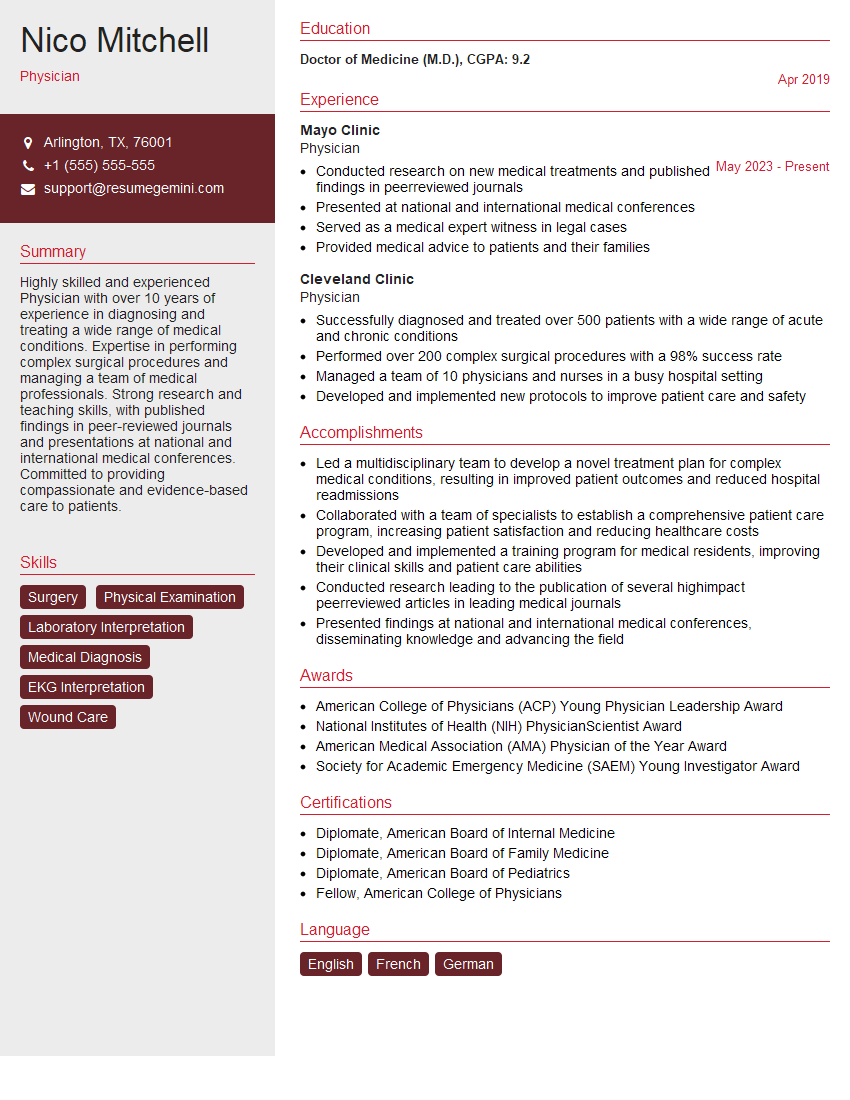
Physician Resume Sample
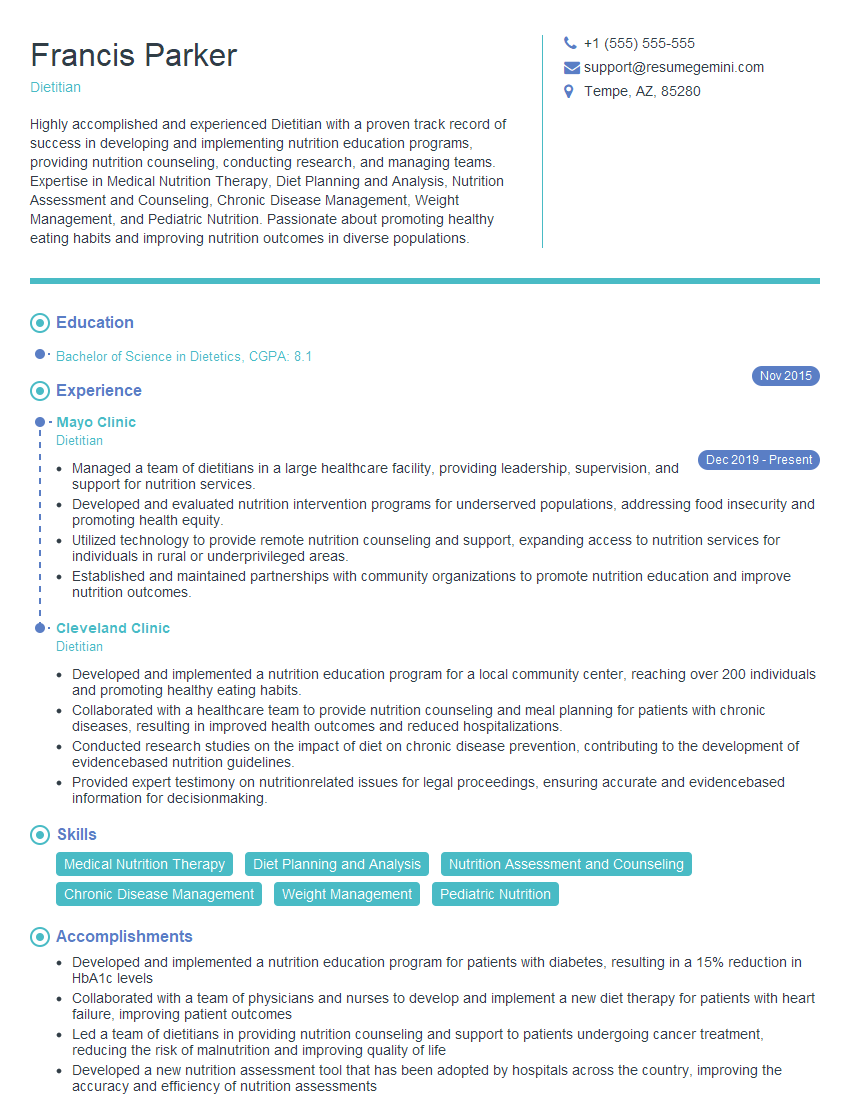
Dietitian Resume Sample
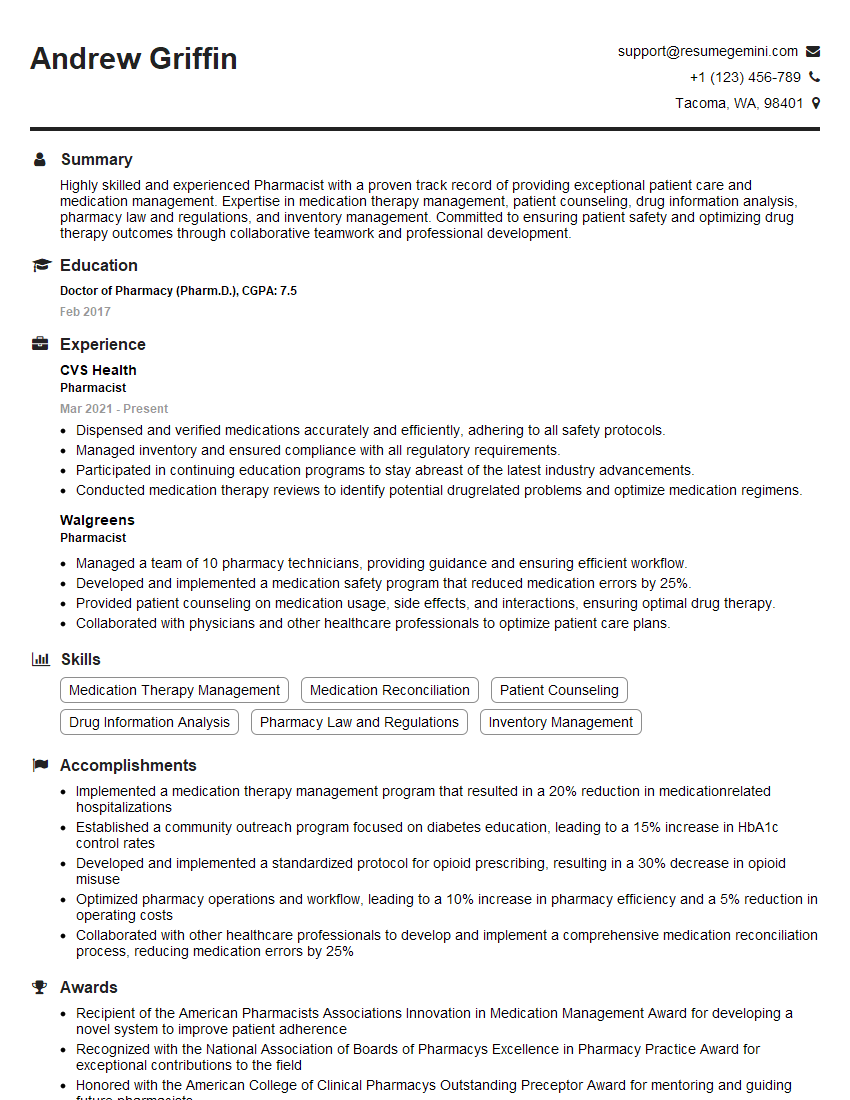
Pharmacist Resume Sample

Physician Assistant Resume Sample
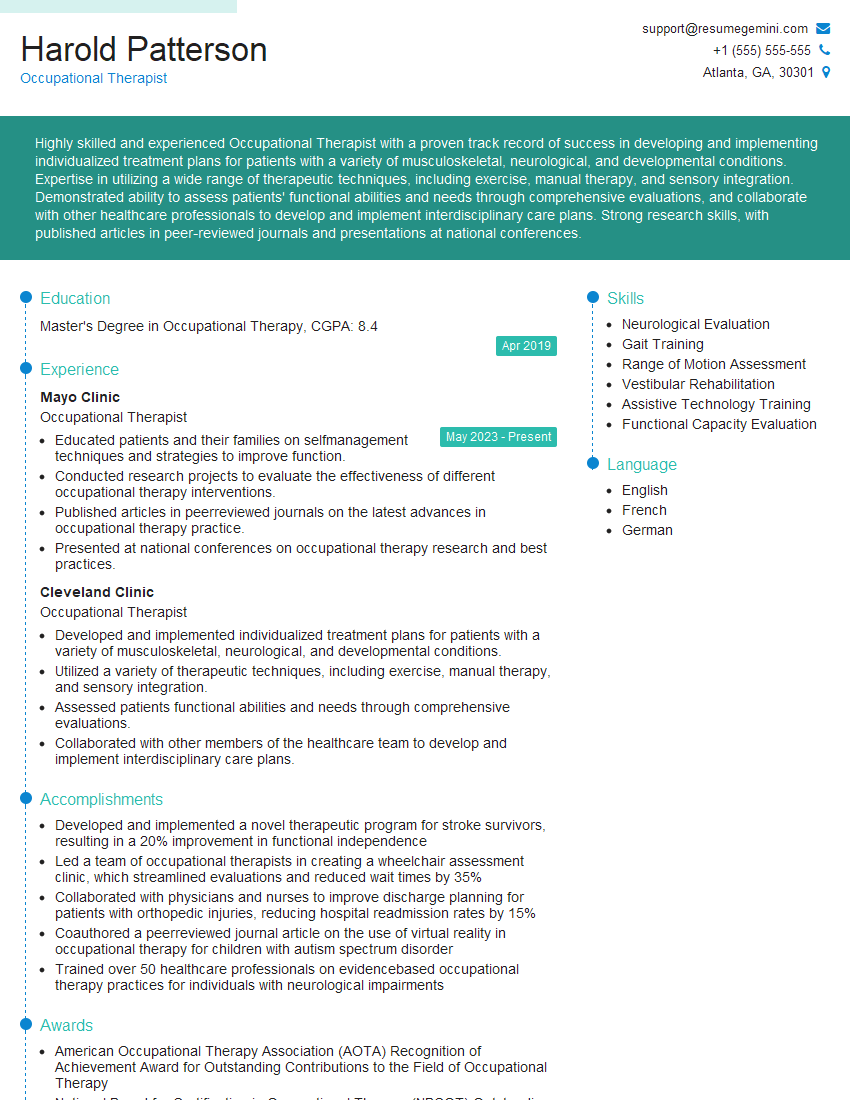
Occupational Therapist Resume Sample
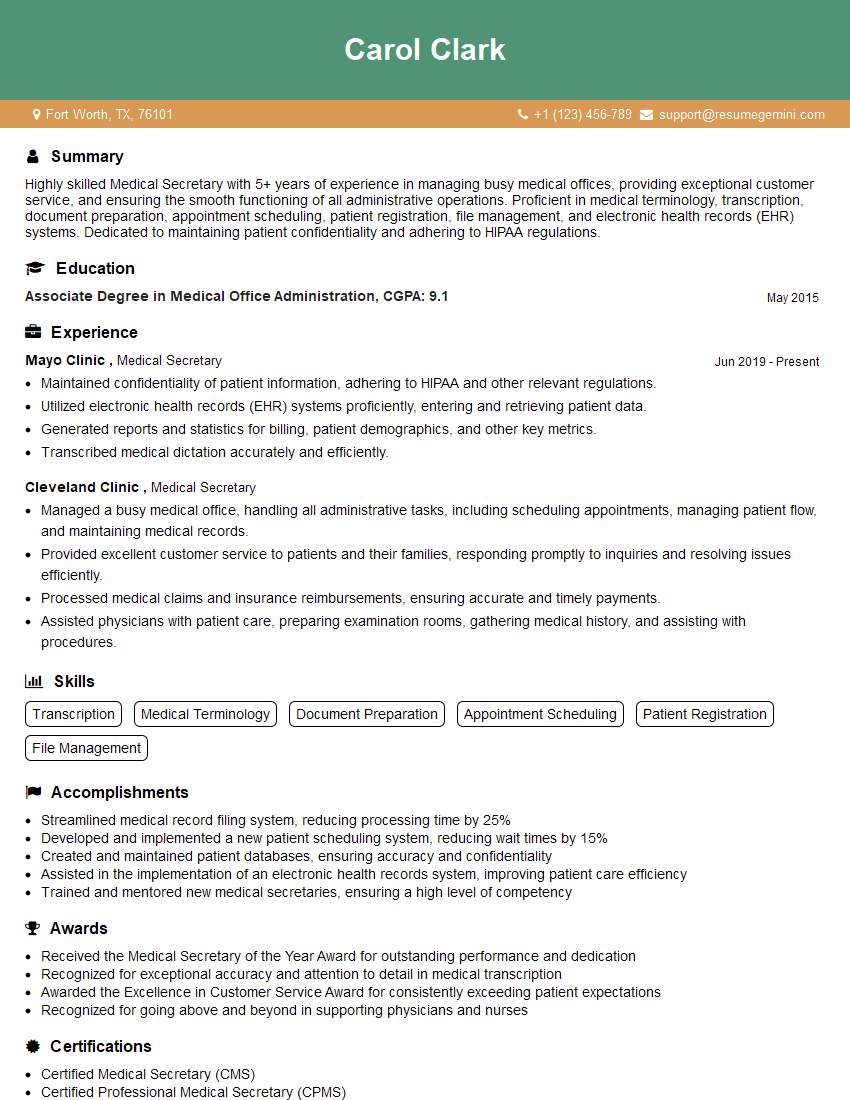
Medical Secretary Resume Sample
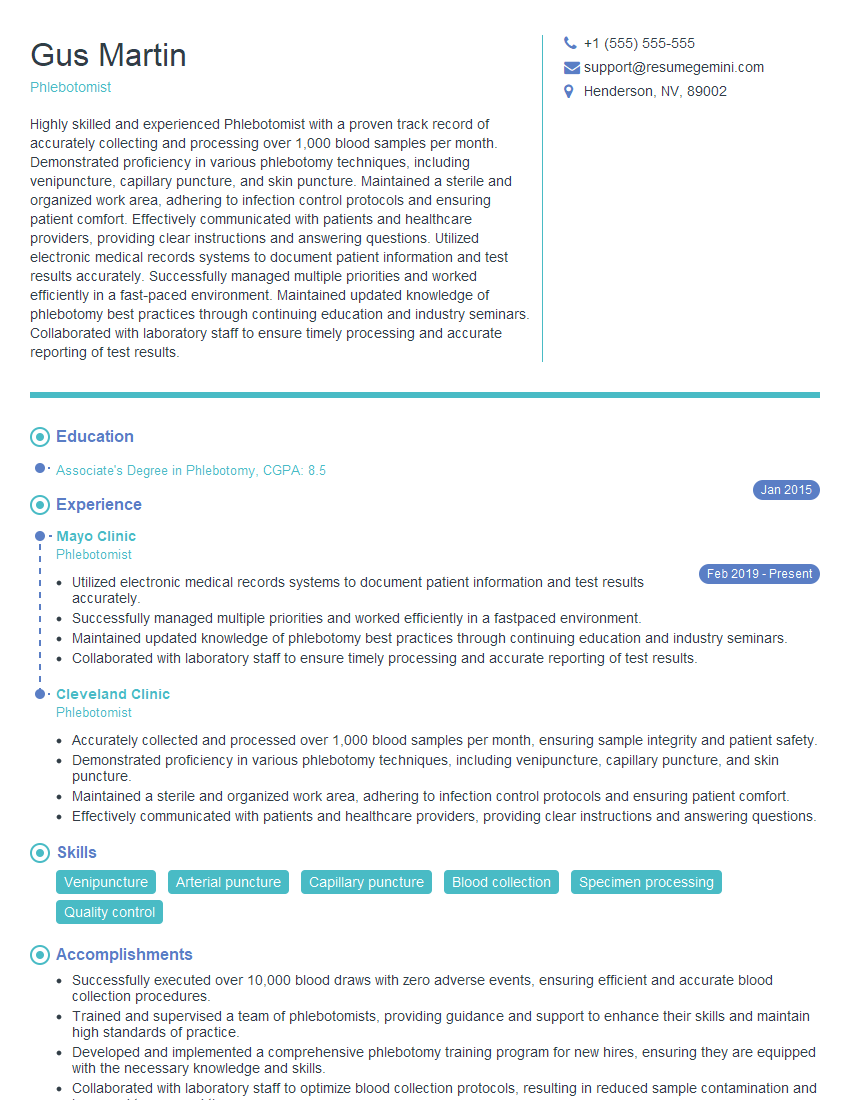
Phlebotomist Resume Sample
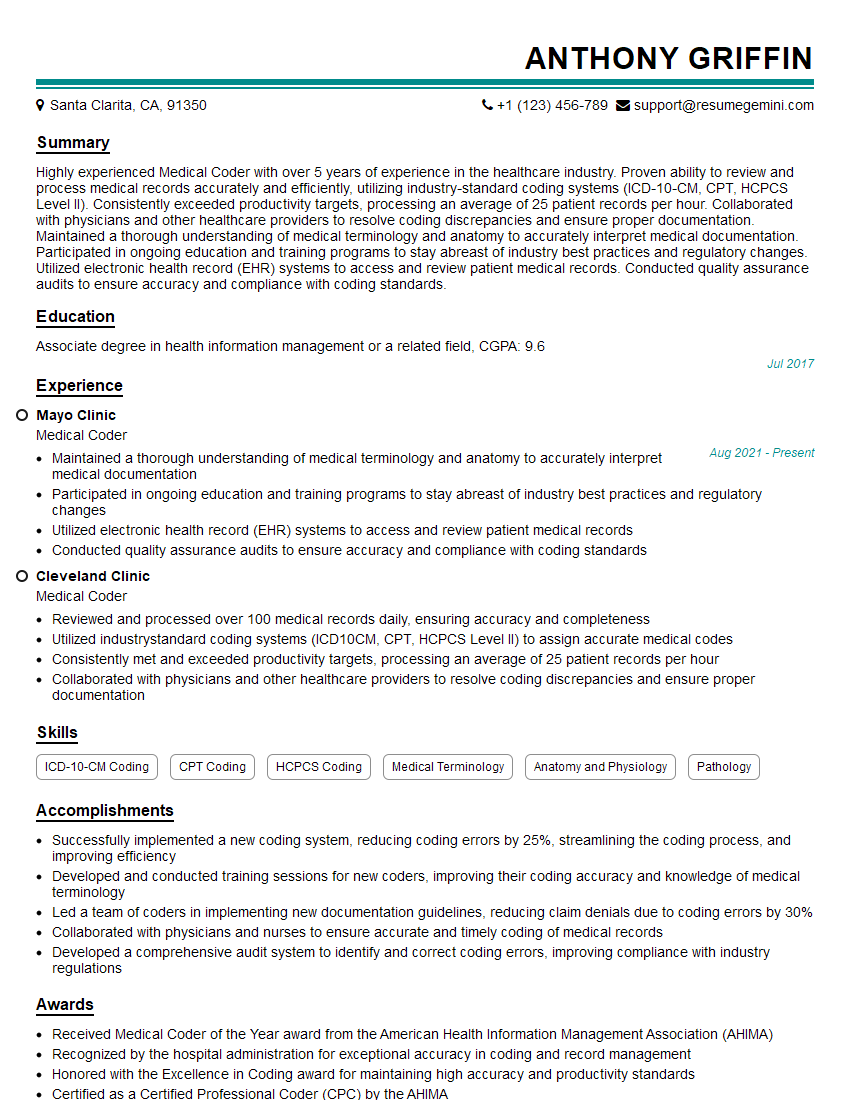
Medical Coder Resume Sample
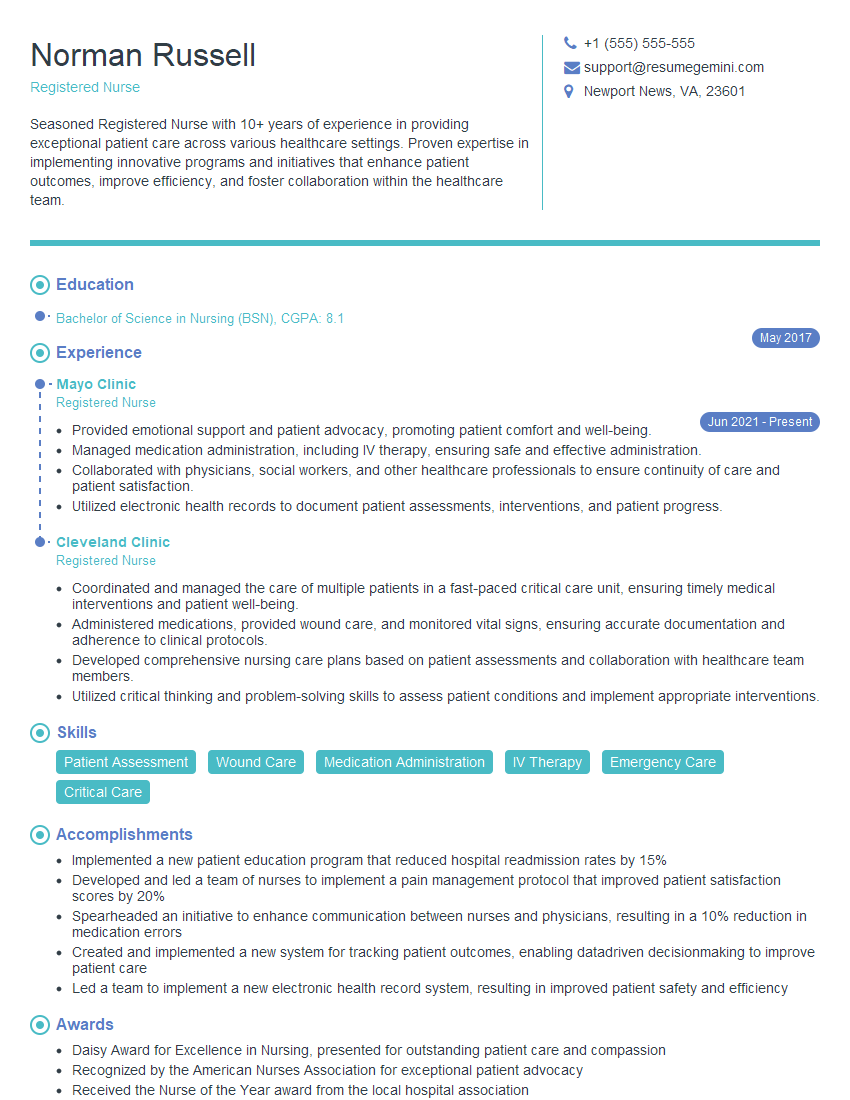
Registered Nurse Resume Sample
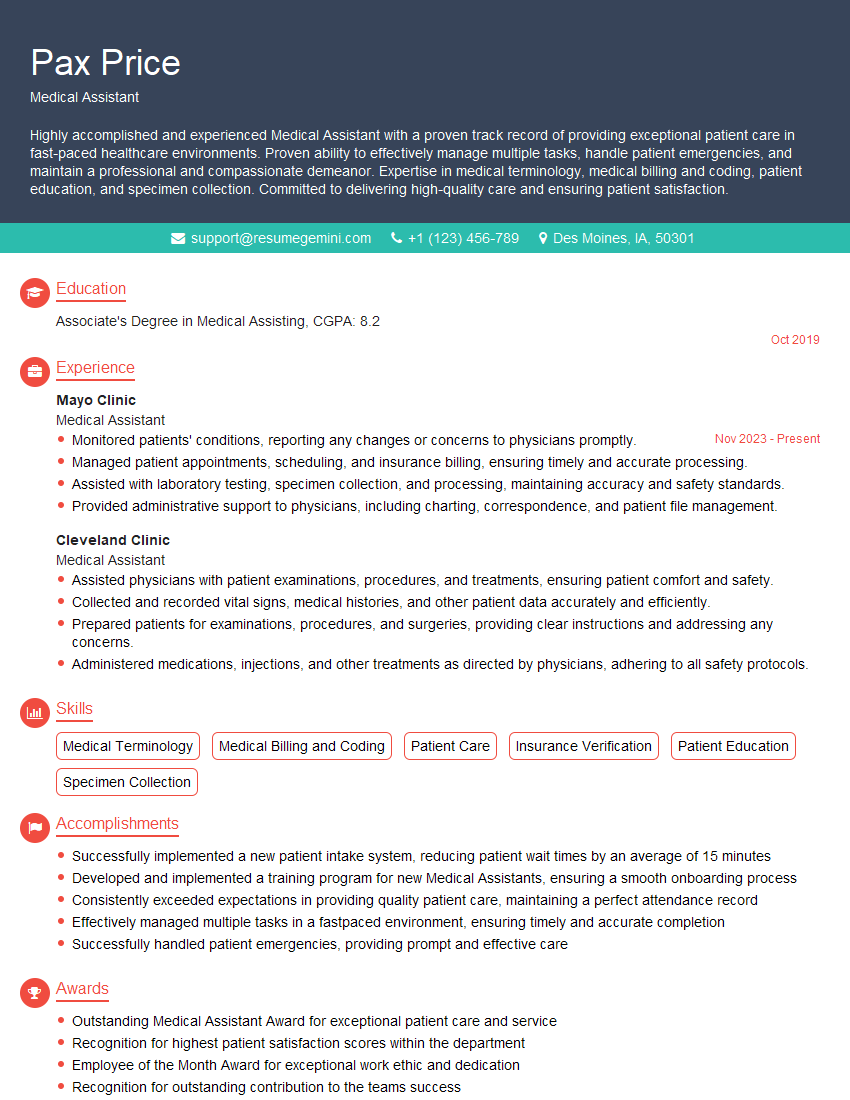
Medical Assistant Resume Sample
Explore more articles
Users Rating of Our Blogs
Share Your Experience
We value your feedback! Please rate our content and share your thoughts (optional).
What Readers Say About Our Blog
To the interviewgemini.com Webmaster.
Very helpful and content specific questions to help prepare me for my interview!
Thank you
To the interviewgemini.com Webmaster.
This was kind of a unique content I found around the specialized skills. Very helpful questions and good detailed answers.
Very Helpful blog, thank you Interviewgemini team.