Interviews are more than just a Q&A session—they’re a chance to prove your worth. This blog dives into essential Pediatric Certified Child Life Specialist interview questions and expert tips to help you align your answers with what hiring managers are looking for. Start preparing to shine!
Questions Asked in Pediatric Certified Child Life Specialist Interview
Q 1. Describe your experience implementing developmentally appropriate play interventions for children undergoing medical procedures.
Developmentally appropriate play interventions are crucial for minimizing a child’s stress and anxiety during medical procedures. My approach centers on understanding the child’s developmental stage and using play to address their specific needs and anxieties. For example, a preschooler might benefit from medical play using dolls or stuffed animals to mimic the procedure, allowing them to process their feelings and gain a sense of control. With older children, I might use art therapy, storytelling, or interactive games to explore their fears and build coping skills. I always adapt my approach based on the child’s individual personality, preferences, and the specific procedure. For instance, a child who loves building might participate in constructing a model of the medical equipment involved, leading to a discussion about what to expect. I also consider the child’s cognitive abilities; a child with cognitive impairments might benefit from simple repetitive actions or sensory activities to calm them. The ultimate goal is to transform a potentially frightening experience into one that empowers the child and fosters a sense of mastery.
Q 2. How do you assess a child’s emotional and developmental needs in a healthcare setting?
Assessing a child’s emotional and developmental needs in a healthcare setting requires a multifaceted approach. I begin by observing the child’s behavior, noting their nonverbal cues like body language and facial expressions. I then engage in open-ended conversations with the child, using age-appropriate language to understand their fears and concerns. For younger children, I might use play to elicit information. A key aspect is collaborating with parents and other healthcare professionals to gain a holistic picture of the child’s developmental history, including any pre-existing conditions or coping mechanisms. I utilize standardized assessment tools when appropriate, such as developmental questionnaires or anxiety scales. Furthermore, I take into account the family’s cultural and linguistic background to ensure culturally sensitive assessment and intervention. For example, understanding a family’s beliefs regarding illness and healthcare can significantly influence how I approach the child. I always document my findings meticulously, informing the care team and adjusting my plan accordingly.
Q 3. Explain your approach to preparing a child for a medical procedure using age-appropriate language and techniques.
Preparing a child for a medical procedure requires careful planning and age-appropriate communication. For toddlers and preschoolers, I use simple, concrete language and visual aids like picture books or puppets to explain the procedure. I avoid medical jargon and focus on the child’s sensory experience, such as the sounds, sights, and feelings they might encounter. For school-aged children, I can incorporate more detailed explanations and encourage them to ask questions. I might use role-playing or storytelling to simulate the procedure. With adolescents, I focus on building a collaborative relationship, acknowledging their autonomy and involving them in decision-making. I’d use accurate medical terminology, allowing for open discussion of potential discomfort. In all cases, I aim to normalize the experience, emphasizing that many children undergo similar procedures and that healthcare professionals are there to support them. For instance, I might show them a video of a similar procedure or introduce them to the medical equipment in a non-threatening way. Positive reinforcement and building trust are key throughout this process.
Q 4. How would you manage a child’s anxiety during a stressful medical event?
Managing a child’s anxiety during a stressful medical event requires a calm and reassuring approach. I begin by acknowledging the child’s feelings, validating their fear and discomfort without minimizing their experience. I utilize a variety of coping techniques tailored to the child’s age and developmental level. These can include deep breathing exercises, progressive muscle relaxation, guided imagery, or distraction techniques such as playing games or watching videos. For younger children, I might offer comfort objects or engage them in play to redirect their attention. With older children, I provide opportunities for self-expression through art, music, or writing. If the anxiety is severe, I collaborate with the medical team to explore the use of pharmacological interventions or other supportive measures, always ensuring the child’s safety and well-being is prioritized. Maintaining a calm demeanor, providing consistent support, and celebrating their bravery are paramount. It’s critical to remember that each child reacts uniquely, necessitating a flexible and adaptable approach.
Q 5. How do you incorporate family-centered care into your practice as a Child Life Specialist?
Family-centered care is fundamental to my practice as a Child Life Specialist. I recognize that the family is the child’s primary support system and actively involve them in every stage of the healthcare process. This involves providing education and support to parents, empowering them to make informed decisions about their child’s care. I ensure open communication, regularly updating parents on the child’s progress and addressing any concerns they may have. I collaborate with families to develop individualized care plans that reflect their values and preferences, respecting their cultural beliefs and practices. I offer resources and support to help families cope with the stress of hospitalization, including emotional support, practical assistance, and information on available community services. For instance, I might help parents find respite care or connect them with support groups. By fostering a strong partnership with families, I help create a healing environment that promotes the child’s physical, emotional, and social well-being.
Q 6. Describe your experience working with diverse families and cultural backgrounds in a healthcare setting.
Working with diverse families and cultural backgrounds is enriching and essential to effective Child Life practice. My approach emphasizes cultural sensitivity and humility. I begin by actively listening to understand each family’s unique beliefs, values, and communication styles. I avoid making assumptions and strive to adapt my interventions to respect their cultural norms. For instance, I may need to modify my communication style, consider language barriers, or incorporate traditional healing practices into my approach, where appropriate. I am mindful of potential cultural differences in expressing emotions and responding to medical procedures. I always collaborate with interpreters or bilingual staff when necessary to ensure effective communication. I continuously seek out training and resources to enhance my cultural competency. Respecting family’s beliefs and customs strengthens the therapeutic relationship and ensures effective, culturally appropriate care.
Q 7. How would you address the emotional needs of siblings of hospitalized children?
Siblings of hospitalized children often experience significant emotional distress, including anxiety, guilt, and fear. Addressing their needs is crucial for the overall family well-being. My approach involves providing age-appropriate information about the hospitalized sibling’s condition, using language and techniques tailored to their developmental level. I offer opportunities for siblings to express their feelings through play, art, or conversation, ensuring a safe space for them to share their concerns without judgment. I provide education on typical sibling reactions to hospitalization and offer coping strategies to help them manage their emotions. I might involve them in age-appropriate activities that help them feel connected to their hospitalized sibling, such as creating cards or artwork. Finally, I facilitate communication between the hospitalized child and their siblings, fostering a sense of connection and support. For example, arranging video calls or bringing back small items from the hospitalized child’s bedside helps to maintain the family bond.
Q 8. What techniques do you use to promote coping mechanisms and resilience in children facing medical challenges?
Promoting coping and resilience in children facing medical challenges requires a multifaceted approach tailored to the child’s developmental stage, personality, and specific situation. We utilize a variety of techniques, focusing on building self-efficacy and a sense of control.
Education and Preparation: Age-appropriate explanations of medical procedures and treatments, using medical play or visual aids like books or videos, help reduce anxiety and increase understanding. For example, a 5-year-old facing surgery might benefit from a doctor’s kit and role-playing the procedure, while a teenager might appreciate detailed explanations and an opportunity to ask questions.
Relaxation Techniques: Deep breathing exercises, progressive muscle relaxation, guided imagery, and mindfulness practices can help manage anxiety and pain. We teach these techniques in a playful and engaging way, often incorporating games or stories.
Creative Expression: Art therapy, music therapy, and storytelling allow children to express their feelings and experiences in a non-threatening way. Drawing, painting, or writing about their fears can be powerful tools for processing emotions.
Positive Reinforcement and Goal Setting: Celebrating small victories and milestones, whether it’s completing a treatment or mastering a new coping skill, builds confidence and motivates children. Setting achievable goals and creating reward systems further enhances this process.
Social Support: Encouraging peer interaction and connecting families with support groups or other families facing similar challenges can create a sense of community and belonging, fostering resilience.
For instance, I worked with a young girl undergoing chemotherapy. Through play therapy, we created a brave knight story where she was the hero fighting the ‘bad guys’ (cancer cells). This helped her understand her treatments and gave her a sense of agency in her journey.
Q 9. Explain your understanding of the ethical considerations related to confidentiality and informed consent in pediatric healthcare.
Ethical considerations regarding confidentiality and informed consent are paramount in pediatric healthcare. Children’s rights and vulnerabilities require a nuanced approach that respects their autonomy while acknowledging parental responsibility.
Confidentiality: While children have a right to confidentiality, it’s not absolute. Exceptions arise when there’s a risk of harm to the child or others (e.g., child abuse or suicidal ideation). Information sharing is carefully considered and discussed with the family, ensuring transparency and understanding.
Informed Consent: Informed consent requires providing age-appropriate information to the child and family about medical procedures, treatments, and potential risks and benefits. The level of detail and participation in decision-making varies based on the child’s developmental maturity. For younger children, the parents make decisions, but we ensure the child’s voice is heard and incorporated whenever possible. With adolescents, we strive for shared decision-making, acknowledging their increasing autonomy.
It’s crucial to navigate these ethical considerations with sensitivity and awareness of the child’s and family’s cultural and personal values. For example, a parent may wish to shield a younger child from certain details, while an older child may desire full information and participation in their care plan. We work collaboratively with the family and medical team to balance these needs while upholding ethical standards.
Q 10. How do you advocate for children’s rights and well-being within the healthcare system?
Advocating for children’s rights and well-being within the healthcare system involves several key actions.
Being a Child’s Voice: We serve as a liaison between the child, family, and healthcare team, ensuring the child’s needs, preferences, and concerns are heard and considered in treatment plans and hospital policies.
Promoting Family-Centered Care: We support family involvement in decisions and emphasize the importance of their presence and participation in the child’s care. We help families navigate the complexities of the healthcare system and advocate for their access to resources and support.
Ensuring Access to Resources: We assist in connecting families with necessary resources, such as financial assistance, social work services, or community support programs.
Raising Awareness: We actively participate in professional development and advocacy initiatives to promote child-friendly healthcare practices and policies.
Collaboration and Communication: We collaborate with other healthcare professionals, hospital administrators, and policymakers to improve the quality of care and advocate for policy changes that support children’s rights.
For example, I once advocated for a child with special needs to receive appropriate adaptive equipment during hospital stays, ensuring they could participate fully in therapies and activities.
Q 11. Describe your experience with non-pharmacological pain management techniques for children.
Non-pharmacological pain management is a crucial aspect of pediatric care, minimizing the need for medication and its potential side effects. We utilize various evidence-based techniques.
Distraction: Engaging the child in activities such as playing games, watching videos, or listening to music can divert their attention from pain.
Relaxation Techniques: As mentioned earlier, deep breathing, guided imagery, and progressive muscle relaxation can help manage pain perception.
Cognitive-Behavioral Techniques: Teaching children about pain and how to cope with it using positive self-talk and reframing negative thoughts can be highly effective.
Positioning and Comfort Measures: Adjusting the child’s position, applying warm or cold compresses, and providing comforting touch can reduce pain and discomfort.
Parent-Child Interaction: Encouraging parental involvement and providing support for caregivers is essential. A parent’s presence and comfort can significantly reduce a child’s pain experience.
For example, I worked with a child undergoing a painful procedure. By employing distraction techniques like interactive storytelling and focusing on the positive aspects of the procedure’s conclusion, we successfully reduced the child’s distress and pain perception.
Q 12. How do you collaborate with other healthcare professionals to ensure comprehensive care for children and families?
Collaboration is essential to providing comprehensive care. We work closely with a multidisciplinary team.
Physicians and Nurses: We discuss treatment plans, procedures, and potential impacts on the child’s emotional well-being. We provide input on the timing and methods of delivering medical information to the child and family.
Social Workers: We collaborate to address psychosocial needs and connect families with resources.
Physical and Occupational Therapists: We coordinate to ensure interventions are child-centered and developmentally appropriate.
Psychologists: We collaborate to address psychological needs and provide appropriate interventions, including coping skills training.
Child Life Specialists: We work as a team to enhance the efficacy of our interventions and support each other.
Effective communication and shared decision-making are crucial. We participate in team meetings, provide regular updates on the child’s emotional and developmental progress, and assist in the development of holistic care plans.
Q 13. How do you assess a child’s readiness for participation in medical procedures?
Assessing a child’s readiness for participation in medical procedures involves considering multiple factors.
Developmental Age: We assess the child’s cognitive, emotional, and social development. Younger children might need more simplified explanations and visual aids, while older children can participate more actively in decision-making.
Previous Experiences: Past experiences with healthcare procedures can significantly influence a child’s readiness. Previous negative experiences require a more sensitive and gradual approach.
Temperament and Personality: A child’s temperament plays a crucial role. Some children are naturally more anxious, while others are more resilient. We tailor our approach to each child’s individual personality.
Medical Condition: The nature and severity of the medical condition can influence a child’s readiness. We assess the level of pain, discomfort, or sedation that may impact their ability to participate.
Parental Involvement: Parent or caregiver involvement is critical. We collaborate with parents to understand their preferences and ensure they’re comfortable with the level of the child’s participation.
We use various assessment tools, observation, and conversations with the child and family to determine their readiness. A child’s nonverbal cues, such as body language and facial expressions, are essential indicators of their emotional state and preparedness.
Q 14. Explain your approach to providing therapeutic play for children with various developmental delays or disabilities.
Therapeutic play is a powerful tool for children with developmental delays or disabilities. The approach is adapted to meet their unique needs and developmental levels.
Individualized Play Plans: We create individualized play plans based on the child’s strengths, interests, and developmental goals. The play is tailored to address specific challenges and promote development in areas like motor skills, language, social interaction, and emotional regulation.
Adaptive Play Materials: We utilize adaptive play materials and techniques to ensure the child can participate meaningfully, regardless of their physical or cognitive limitations. This may include using larger or differently textured toys, modifying games, or using assistive technologies.
Sensory Integration: For children with sensory processing difficulties, we incorporate sensory activities that promote regulation and organization. This might involve using different textures, sounds, or movements to stimulate or calm the child.
Communication and Interaction: We focus on building communication skills through play, using augmentative communication devices or other adaptive methods as needed.
Collaboration: We collaborate closely with therapists and other professionals to ensure play therapy goals align with broader treatment plans.
For example, I worked with a child with autism who struggled with social interaction. Through play therapy, using structured play scenarios and social stories, we improved his ability to engage in pretend play and understand social cues, facilitating improved social interaction.
Q 15. Describe a time you had to adapt your approach to a child based on their individual needs and preferences.
Adapting my approach to a child’s individual needs is paramount in Child Life. It’s about recognizing that each child is unique, with their own personality, developmental stage, coping mechanisms, and preferred communication styles. For example, I once worked with a six-year-old girl undergoing a lengthy series of chemotherapy treatments. Initially, she was withdrawn and refused to participate in any of the play activities I offered. Observing her, I noticed she preferred quiet, solitary activities like coloring. Instead of forcing group play, I sat with her, offering a selection of colored pencils and quiet encouragement. We began to connect through art, and gradually, she opened up, sharing her fears and anxieties through her drawings. Over time, I was able to introduce other play activities, slowly building her comfort level and confidence. This demonstrates how understanding a child’s preferences – in this case, her preference for quiet, solitary art activities – allowed me to build rapport and effectively provide support.
Another instance involved a highly active eight-year-old boy scheduled for surgery. Structured activities were completely ineffective; he needed to burn off energy. Instead of forcing him to sit still, I engaged him in a physical game of tag in the playroom, followed by a preparatory medical play session using toy surgical equipment. This allowed him to expend his excess energy and process his anxieties in a way that was developmentally appropriate and effective for him. This highlights the importance of flexibility and creativity in adapting my approach to the unique needs of each child.
Career Expert Tips:
- Ace those interviews! Prepare effectively by reviewing the Top 50 Most Common Interview Questions on ResumeGemini.
- Navigate your job search with confidence! Explore a wide range of Career Tips on ResumeGemini. Learn about common challenges and recommendations to overcome them.
- Craft the perfect resume! Master the Art of Resume Writing with ResumeGemini’s guide. Showcase your unique qualifications and achievements effectively.
- Don’t miss out on holiday savings! Build your dream resume with ResumeGemini’s ATS optimized templates.
Q 16. How do you document your interventions and interactions with children and families?
Documentation is crucial for continuity of care and is essential for evaluating the effectiveness of interventions. I maintain meticulous records for each child and family I work with. This usually involves a combination of methods including electronic health records (EHR) and a dedicated child life record within the EHR. My documentation includes a thorough description of the child’s medical history, emotional and developmental level, strengths, and challenges relevant to their hospitalization experience. I document every interaction I have with the child and their family, including the specific activities, interventions used, and the child’s and family’s responses. For example, if I conducted a medical play session using a teddy bear and syringe, I would document the type of session, the child’s participation, and their emotional response (e.g., anxiety, curiosity, fear) to the session and materials used. Qualitative observations like body language and verbal responses are also documented as they provide valuable insights into a child’s experience. If I’m working on a collaborative treatment plan with other professionals, this documentation assists in effective communication and holistic care.
Q 17. How do you manage difficult situations or challenging behaviors in children?
Managing challenging behaviors requires a calm, empathetic, and developmentally-appropriate approach. It’s crucial to understand the underlying cause of the behavior before attempting to intervene. This often involves assessing the child’s developmental stage, emotional state, and any underlying medical conditions that could be contributing factors. I use a variety of techniques depending on the situation, including positive reinforcement, redirection, time-out (used appropriately and in accordance with hospital policy), and providing choices when possible. For instance, if a child is having a tantrum, I might try to calm them by offering a comforting object or using a quiet voice to acknowledge their feelings. If the behavior stems from fear or anxiety related to a medical procedure, I might use therapeutic play or distraction techniques to reduce their stress. In cases of aggressive behavior, I employ de-escalation strategies and ensure the safety of both the child and others. The most important factor is to maintain consistency and collaborate closely with the child’s parents and the healthcare team.
Q 18. Describe your knowledge of various child development theories and their application in a healthcare setting.
My understanding of child development theories is deeply integrated into my practice. I draw upon various theories including Piaget’s stages of cognitive development, Erikson’s psychosocial stages, and Vygotsky’s sociocultural theory. Understanding these frameworks helps me to anticipate and address a child’s developmental needs and tailor my interventions accordingly. For instance, a preschooler might benefit from concrete medical play using dolls or stuffed animals, as this aligns with their preoperational stage of cognitive development. An adolescent dealing with body image issues after surgery might require a different approach involving more abstract discussions and peer support groups. I also use attachment theory to understand the child’s relationship with their caregivers and how this impacts their coping strategies in the hospital setting. By incorporating these theories, I’m better equipped to provide developmentally appropriate support and help children cope with the challenges of hospitalization.
Q 19. Explain your understanding of trauma-informed care and how it influences your practice.
Trauma-informed care is central to my practice. It recognizes that many children have experienced adverse childhood experiences (ACEs) that can significantly impact their emotional and behavioral responses to healthcare settings. A trauma-informed approach emphasizes safety, trustworthiness, choice, collaboration, and empowerment. This means creating a safe and predictable environment, giving children choices whenever possible, and actively involving them in their care. It also involves recognizing the signs of trauma and responding with sensitivity and understanding. For example, if a child exhibits anxious or avoidant behaviors, I wouldn’t force interactions but would instead build rapport gradually and respect their boundaries. I would also work closely with the child’s family, ensuring they feel heard and involved in the child’s care. This holistic approach helps create a healing environment that promotes the child’s emotional well-being and reduces the potential for re-traumatization.
Q 20. How do you evaluate the effectiveness of your interventions?
Evaluating the effectiveness of my interventions is an ongoing process. I use a variety of methods, including observing the child’s behavior, engaging in direct feedback with the child and their family, and reviewing my documentation. I assess whether the child’s anxiety levels have decreased, their coping skills have improved, and their overall adjustment to the healthcare setting has enhanced. Quantitative measures, such as standardized anxiety scales or pain assessment tools, can also be utilized when appropriate. Feedback from parents and the healthcare team also plays a vital role in the evaluation process. For example, if a child’s anxiety levels have significantly decreased after a series of medical play sessions, it indicates the effectiveness of the intervention. Regular self-reflection and continuous professional development are essential in refining my approaches and maximizing the impact of my interventions.
Q 21. What are the common emotional and psychological responses of children to hospitalization?
Hospitalization can evoke a wide range of emotional and psychological responses in children, depending on their age, developmental stage, prior experiences, and the nature of their illness. Common responses include:
- Fear and Anxiety: Children may experience fear of the unknown, fear of pain, separation anxiety from their parents or caregivers, or fear of medical procedures.
- Anger and Frustration: Children may feel angry and frustrated due to loss of control, limitations on their activities, or discomfort associated with their illness or treatment.
- Regression: Younger children may exhibit regressive behaviors such as bedwetting, thumb-sucking, or clinging to parents.
- Depression and Withdrawal: Older children and adolescents may experience feelings of sadness, hopelessness, or isolation.
- Guilt and Shame: Children may feel guilty or ashamed about their illness or the impact it has on their family.
It’s important to understand that these responses are normal and developmentally appropriate reactions to a stressful situation. As a Child Life Specialist, my role involves providing support and helping children and families cope with these emotions.
Q 22. How would you address a parent’s concerns regarding their child’s emotional well-being during hospitalization?
Addressing a parent’s concerns about their child’s emotional well-being during hospitalization requires a compassionate and collaborative approach. I begin by actively listening to their concerns, validating their feelings, and creating a safe space for open communication. This involves using reflective listening techniques – repeating back what I hear them saying to ensure understanding and show empathy. For example, if a parent expresses worry about their child’s anxiety, I might say, “It sounds like you’re really concerned about how anxious your child is feeling about the upcoming procedure.”
Next, I assess the child’s emotional state using observation and age-appropriate assessment tools (discussed further in question 5). I explain the child’s behavior in developmentally appropriate terms, framing it within the context of the stressful hospital environment. I then collaborate with the parent to develop coping strategies, possibly incorporating play therapy, relaxation techniques, or distraction methods tailored to the child’s age and personality. For instance, for a younger child, we might use puppets to act out the hospital experience, while an older child might benefit from a coping skills toolbox with relaxation exercises.
Finally, I provide ongoing support and education to the parents, empowering them to actively participate in their child’s care. Regular check-ins and open communication are crucial. I would reassure them that their child’s emotional response is normal given the circumstances and offer resources, such as support groups or websites, if needed. The goal is to build a strong therapeutic alliance with both the child and the parents to navigate the emotional challenges of hospitalization together.
Q 23. How do you maintain your professional competence and stay updated on best practices in Child Life?
Maintaining professional competence in Child Life requires a commitment to ongoing learning and professional development. I actively participate in continuing education opportunities, such as workshops, conferences, and online courses offered by organizations like the Association of Child Life Professionals (ACLP). These opportunities often cover new research, evidence-based practices, and emerging trends in pediatric healthcare. For instance, I recently completed a course on trauma-informed care, significantly impacting my approach to working with children who have experienced adverse events.
I also stay updated by regularly reviewing professional journals and publications, such as the Child Life Journal. This helps me stay abreast of the latest research and best practices in the field. Networking with other Child Life Specialists through professional organizations and online forums fosters the exchange of ideas and experiences, enriching my practice. Regularly reviewing and updating my own knowledge base ensures I’m delivering the highest quality of care.
Furthermore, I actively seek out mentorship and supervision opportunities to reflect on my practice, receive feedback, and refine my skills. Critical self-reflection is crucial to identify areas for growth and improve the effectiveness of my interventions.
Q 24. What strategies do you employ to support the emotional needs of healthcare providers working with seriously ill children?
Supporting the emotional needs of healthcare providers who work with seriously ill children is a vital aspect of my role. These providers often experience significant emotional burden, including compassion fatigue, secondary trauma, and burnout. I create opportunities for informal debriefing and peer support, providing a safe space for them to process their emotions and experiences. This could involve offering short, informal check-ins or organizing more structured support groups where healthcare professionals can share their feelings and learn coping strategies from each other.
I emphasize the importance of self-care and stress management techniques among healthcare providers. I might suggest mindfulness exercises, stress-reduction techniques, or encourage participation in employee assistance programs. Educating healthcare providers on recognizing the signs of compassion fatigue and burnout in themselves and colleagues is crucial. I also work to foster a culture of support and collaboration within the healthcare team, encouraging open communication and mutual respect.
Finally, I advocate for policies and practices that promote the well-being of healthcare providers, such as adequate staffing levels and access to mental health services. Recognizing and addressing the emotional needs of healthcare providers is essential to maintaining a high-quality and compassionate care environment for both children and their families.
Q 25. Describe your experience with grief and loss interventions for children and families.
Grief and loss interventions for children and families are a significant part of my work as a Child Life Specialist. My approach is deeply informed by the understanding that children grieve differently depending on their developmental stage. I utilize developmentally appropriate techniques to help children and families cope with loss, whether it’s the death of a loved one, the loss of a pet, or the diagnosis of a life-threatening illness.
For younger children, I might use play therapy, storytelling, or art to help them express their feelings and understand the concept of death in a way they can comprehend. For older children and adolescents, I might use more cognitive-behavioral techniques, helping them process their grief, understand their emotions, and develop healthy coping mechanisms. I often involve the family in these interventions, providing support and guidance to help them navigate their grief journey together.
Examples of interventions include creating memory boxes, writing letters to deceased loved ones, or participating in memorial ceremonies. I also utilize resources like grief support groups or bereavement programs, tailoring my approach to meet the specific needs of each child and family. A key aspect is helping families understand that grief is a normal process and that there’s no right or wrong way to grieve. Providing a safe and supportive environment for expression and validation is paramount.
Q 26. How do you utilize assessment tools to evaluate a child’s coping mechanisms and emotional state?
Assessing a child’s coping mechanisms and emotional state involves using a combination of observational methods and standardized assessment tools. Observational assessments include watching the child’s behavior during play, interactions with others, and response to medical procedures. I note their nonverbal cues, such as facial expressions, body language, and tone of voice. For example, a child who consistently avoids eye contact and withdraws during play may be exhibiting signs of anxiety or distress.
In addition to observation, I utilize standardized assessment tools, carefully selecting those appropriate for the child’s age and developmental level. These tools provide a more structured approach to assessing specific emotional and behavioral aspects. Examples include the Child Behavior Checklist (CBCL), the Coping Inventory for Children (CIC), and the Spence Children’s Anxiety Scale (SCAS). These tools offer a quantitative measure of a child’s emotional functioning, providing valuable insights to guide interventions.
The selection of an appropriate assessment tool is crucial, and it is dependent upon the specific questions we want to answer. The information gathered from both observation and standardized tools is combined to create a comprehensive picture of the child’s emotional state and resilience, guiding the development of individualized intervention plans.
Q 27. Explain your experience using creative arts therapies as intervention strategies with children.
Creative arts therapies, such as art therapy, music therapy, and play therapy, are integral components of my intervention strategies. These modalities provide non-threatening avenues for children to express their thoughts and feelings, especially when verbal communication is difficult or insufficient. For example, a child who is struggling to articulate their fears about a medical procedure might use drawing or play to express their anxieties.
I use art therapy to help children visualize and process their feelings through drawing, painting, sculpting, or other artistic expressions. Music therapy utilizes music to promote relaxation, self-expression, and emotional regulation. Play therapy, the most common approach in my practice, utilizes the natural language of play to address various emotional and developmental challenges. Through observation of play, I can gain insights into the child’s emotional state and build therapeutic rapport.
For instance, a child struggling with separation anxiety from their parents might use play to reenact their feelings and work through the experience with the aid of a play therapist. The creative process itself can be therapeutic, offering a sense of control, mastery, and self-expression that is empowering, especially in the often-powerless hospital environment. The resulting artwork or play scenario provides valuable insights into the child’s emotional world and can be a springboard for further therapeutic discussions and interventions.
Q 28. Describe your understanding of the role of play in child development and its therapeutic value.
Play is fundamental to a child’s development, serving as the primary means of learning, self-expression, and social interaction. It is not merely entertainment but a crucial process through which children make sense of their world, process emotions, and develop essential skills. The therapeutic value of play lies in its ability to bypass the limitations of verbal communication, allowing children to explore difficult emotions and experiences in a safe and non-threatening way.
In a therapeutic context, play provides a medium for children to express themselves symbolically, to reenact traumatic experiences, and to experiment with different coping mechanisms. Observing a child’s play can reveal their emotional state, their understanding of their illness or situation, and their coping strategies. For example, a child playing aggressively might be expressing anger or frustration, while a child playing passively might be displaying feelings of helplessness or depression.
Through play therapy, the Child Life Specialist can create opportunities for children to master challenges, develop problem-solving skills, and build self-esteem. Play allows for the creation of a therapeutic relationship based on trust and collaboration, helping children to feel safe and empowered to work through their emotional and developmental challenges. It’s a powerful tool for promoting healing and resilience in children facing stressful life events, especially within the hospital setting.
Key Topics to Learn for Pediatric Certified Child Life Specialist Interview
- Child Development: Understanding typical and atypical child development across various age groups, including developmental milestones and potential delays. Practical application: Assessing a child’s developmental stage to tailor interventions and play activities.
- Therapeutic Play: Mastering different play therapy techniques and their application in medical settings. Practical application: Designing play interventions to reduce anxiety, manage pain, or process trauma in hospitalized children.
- Family-Centered Care: Understanding the importance of involving families in the child’s care and developing strong therapeutic relationships with parents and caregivers. Practical application: Collaborating effectively with families to create a supportive and comforting environment.
- Stress Reduction Techniques: Proficiency in various relaxation and coping strategies for children facing medical procedures or stressful situations. Practical application: Implementing evidence-based techniques like deep breathing, guided imagery, or distraction methods.
- Ethical Considerations: Understanding the ethical principles and legal aspects of working with children in healthcare settings, including confidentiality and informed consent. Practical application: Navigating complex ethical dilemmas and making sound judgments in challenging situations.
- Assessment & Intervention Planning: Developing comprehensive assessment plans and creating individualized interventions to meet the unique needs of each child and family. Practical application: Utilizing assessment tools to identify the child’s emotional, social, and developmental needs and designing targeted interventions.
- Grief and Loss: Understanding the complexities of grief and loss in children and providing appropriate support and interventions. Practical application: Supporting children and families through the grieving process following loss, illness, or trauma.
- Communication & Collaboration: Effective communication with children, families, and healthcare professionals. Practical application: Building rapport with patients and their families and collaborating effectively with interdisciplinary healthcare teams.
Next Steps
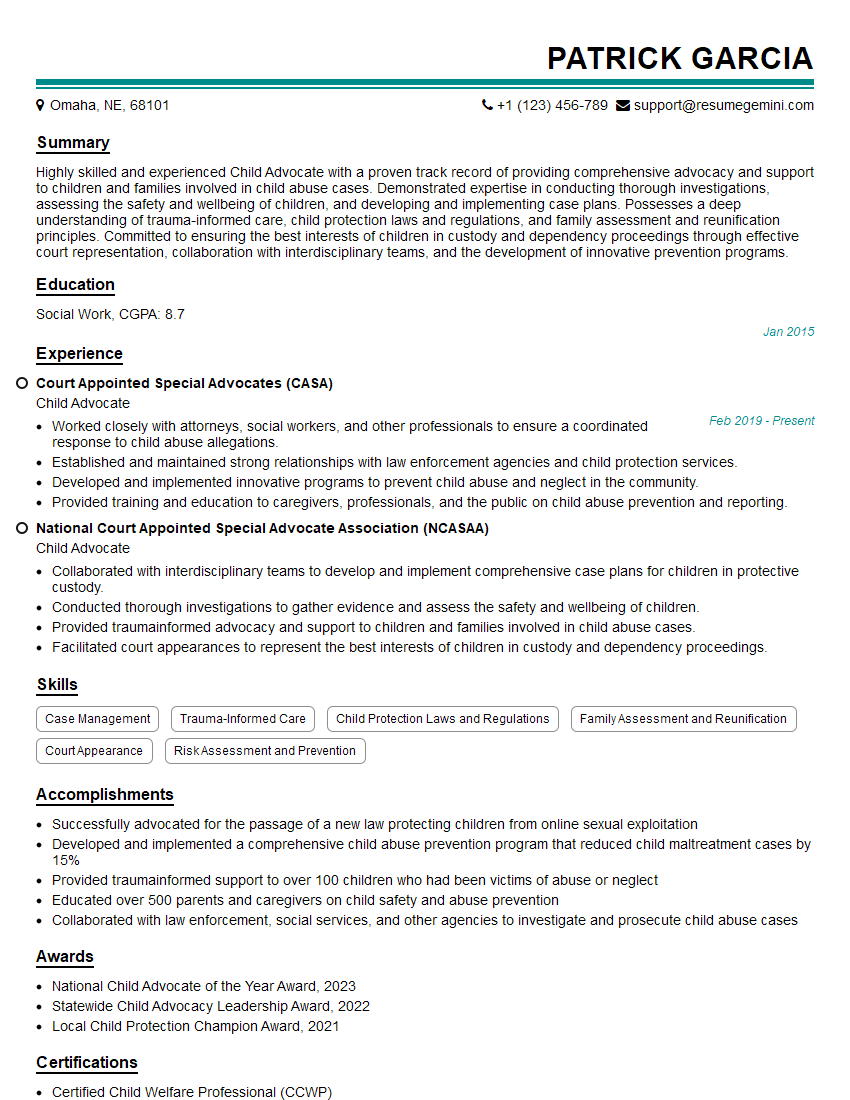
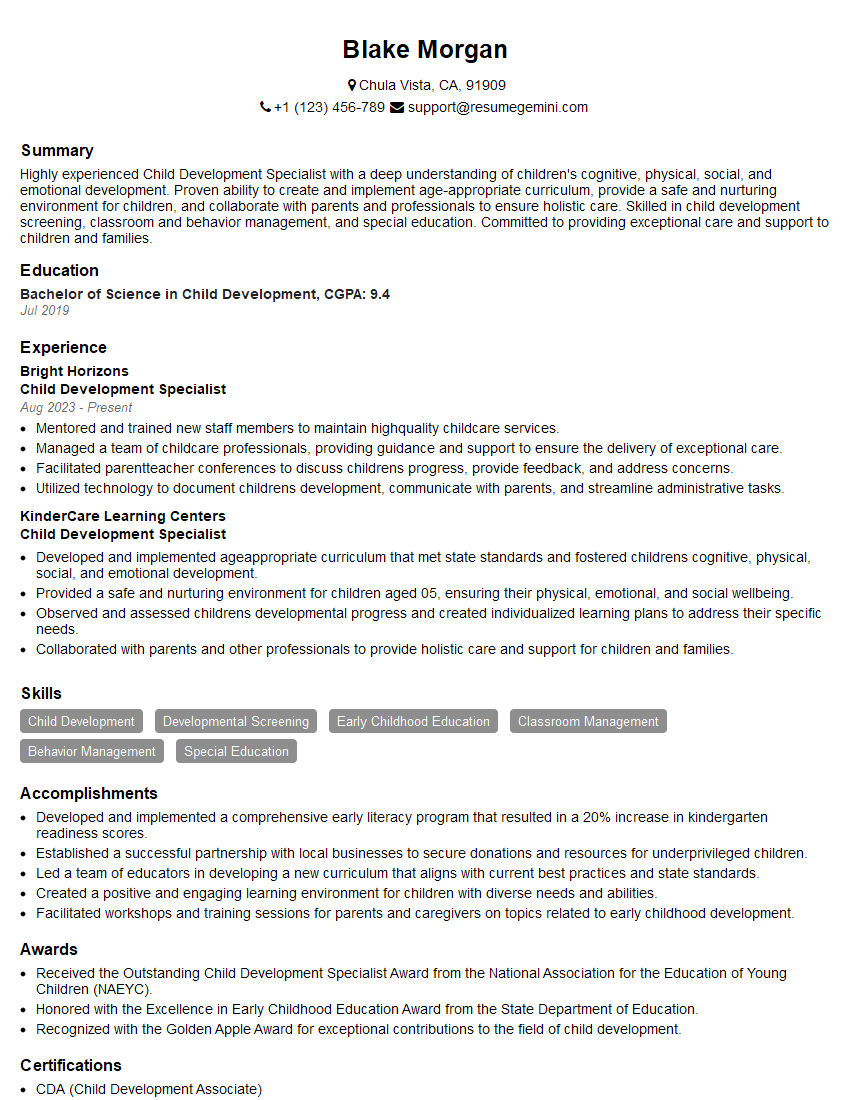
Mastering the knowledge and skills of a Pediatric Certified Child Life Specialist opens doors to a rewarding career focused on improving the well-being of children facing healthcare challenges. To significantly enhance your job prospects, creating a strong, ATS-friendly resume is crucial. ResumeGemini is a trusted resource to help you build a professional and impactful resume that highlights your unique skills and experience. We offer examples of resumes tailored specifically to Pediatric Certified Child Life Specialist positions to help you get started.
Explore more articles
Users Rating of Our Blogs
Share Your Experience
We value your feedback! Please rate our content and share your thoughts (optional).
What Readers Say About Our Blog
To the interviewgemini.com Webmaster.
Very helpful and content specific questions to help prepare me for my interview!
Thank you
To the interviewgemini.com Webmaster.
This was kind of a unique content I found around the specialized skills. Very helpful questions and good detailed answers.
Very Helpful blog, thank you Interviewgemini team.