Interviews are opportunities to demonstrate your expertise, and this guide is here to help you shine. Explore the essential Pediatric Hospital Medicine interview questions that employers frequently ask, paired with strategies for crafting responses that set you apart from the competition.
Questions Asked in Pediatric Hospital Medicine Interview
Q 1. Describe your experience managing pediatric sepsis.
Managing pediatric sepsis is a critical time-sensitive process requiring immediate action. Sepsis, a life-threatening condition, is the body’s overwhelming response to an infection, leading to organ dysfunction. My approach begins with rapid assessment using the qSOFA score (respiratory rate, altered mental status, systolic blood pressure) to quickly identify potential cases. I then focus on immediate stabilization: securing an airway, providing oxygen, and initiating intravenous fluid resuscitation with isotonic crystalloids. Blood cultures are drawn *before* administering antibiotics, ideally from multiple sites. Broad-spectrum antibiotics are started empirically, tailored based on the suspected source and local antibiograms, and adjusted once culture results are available. Continuous monitoring of vital signs, urine output, and oxygen saturation is crucial. I collaborate closely with the ICU team for critical cases needing advanced respiratory support such as mechanical ventilation, and I ensure close communication with families, explaining the severity and the steps we’re taking.
For example, I recently managed a 6-month-old infant presenting with fever, lethargy, and rapid breathing. Her qSOFA was elevated, suggesting sepsis. We immediately initiated IV fluids, drew blood cultures, and administered broad-spectrum antibiotics. She was subsequently diagnosed with bacterial meningitis and responded well to treatment, highlighting the importance of prompt intervention.
Q 2. Explain your approach to diagnosing and treating bronchiolitis.
Bronchiolitis, a common viral lower respiratory tract infection primarily affecting infants, is diagnosed clinically. The hallmark is cough, tachypnea (rapid breathing), and wheezing. We obtain a thorough history including recent exposure to respiratory illnesses, and perform a physical exam focusing on respiratory rate, work of breathing (retractions, nasal flaring), and auscultation for wheezes and crackles. Chest X-rays are generally not routinely indicated unless there are unusual findings or concerns for pneumonia. Treatment is primarily supportive, focusing on nasal suctioning to clear secretions and maintaining adequate hydration and oxygenation. Bronchodilators may be used in some cases, though their effectiveness is debated. Severe cases may require hospitalization for respiratory support, including oxygen therapy and, rarely, mechanical ventilation. Education of caregivers about supportive measures such as hydration and recognizing worsening symptoms is key.
For instance, I recently treated a 2-year-old with bronchiolitis who presented with significant respiratory distress. After nasal suctioning and oxygen administration, his symptoms improved, and he was discharged home with instructions for careful monitoring of his breathing and hydration status.
Q 3. How do you approach the diagnosis and management of pediatric asthma exacerbations?
Managing pediatric asthma exacerbations requires a systematic approach. The initial assessment focuses on the severity of the exacerbation, considering the patient’s usual level of control and the presence of symptoms like wheezing, cough, shortness of breath, and decreased peak expiratory flow (PEF). We utilize standardized asthma severity assessment tools. Mild exacerbations might be managed with increased doses of the patient’s usual controller medication (inhaled corticosteroids) and short-acting beta-agonists (SABAs) as needed. Moderate to severe exacerbations require more aggressive intervention, often involving hospitalization with oxygen therapy, nebulized SABAs, systemic corticosteroids, and possibly intravenous fluids. Continuous monitoring of oxygen saturation, respiratory rate, and PEF is essential. We also address triggers and educate caregivers on how to prevent future exacerbations.
For example, a 10-year-old with poorly controlled asthma presented with increased wheezing and cough. His PEF was significantly reduced. He was admitted, treated with nebulized SABAs and systemic corticosteroids, and his condition improved rapidly. Post-discharge, we worked with him and his family to optimize his inhaler technique and medication regimen and develop a comprehensive asthma action plan.
Q 4. What is your approach to managing pediatric dehydration?
Managing pediatric dehydration involves accurately assessing the severity and promptly addressing fluid deficits. The assessment includes evaluating the history (vomiting, diarrhea, decreased oral intake), physical exam (skin turgor, mucous membranes, capillary refill time, urine output), and, in severe cases, laboratory tests (electrolytes, blood urea nitrogen, creatinine). Mild dehydration can often be managed orally with oral rehydration solutions (ORS). Moderate to severe dehydration requires intravenous fluid resuscitation with isotonic crystalloids. The rate and volume of fluids are tailored to the child’s age, weight, and degree of dehydration. Close monitoring of vital signs, urine output, and electrolyte levels is crucial. In severe cases, hospitalization may be required.
For instance, a toddler with gastroenteritis presented with moderate dehydration, manifested by dry mucous membranes and decreased urine output. She received intravenous fluids, and her condition improved within a few hours. We also provided education to the parents on preventing future dehydration episodes.
Q 5. How do you assess and manage pain in children?
Assessing and managing pain in children requires a multimodal approach, taking into account their developmental stage and communication abilities. We utilize age-appropriate pain scales, such as the FLACC scale for non-verbal infants and the FACES scale for older children, to assess pain intensity. Non-pharmacologic methods, such as distraction, relaxation techniques, and swaddling, can be particularly helpful for younger children. Pharmacologic options include acetaminophen and ibuprofen for mild to moderate pain, and opioids for severe pain, always using the lowest effective dose and considering potential side effects. We need to meticulously document pain levels, interventions, and the child’s response to treatment. Open communication with the child and family is vital in achieving effective pain management.
For example, a child post-surgical required pain management. We started with acetaminophen and used the FACES pain scale to monitor her pain levels. We also implemented distraction techniques and provided comfort measures.
Q 6. Describe your experience with pediatric respiratory distress.
Pediatric respiratory distress encompasses a range of conditions resulting in difficulty breathing. My approach begins with a rapid assessment of the child’s respiratory rate, work of breathing (retractions, nasal flaring, grunting), oxygen saturation, and level of consciousness. This guides immediate interventions, including oxygen administration, positioning, and airway support as needed. We identify the underlying cause, considering conditions like bronchiolitis, pneumonia, asthma exacerbation, foreign body aspiration, and congenital heart disease. Further investigations, such as chest X-rays, arterial blood gas analysis, and possibly echocardiography, may be necessary. Severe cases often necessitate admission to the ICU for respiratory support, including mechanical ventilation and close hemodynamic monitoring.
For instance, a child presented with severe respiratory distress due to epiglottitis. Immediate airway management was critical, including securing an airway and ensuring adequate oxygenation. Prompt recognition and intervention prevented a potentially fatal outcome.
Q 7. Discuss your approach to the management of pediatric pneumonia.
Managing pediatric pneumonia involves a combination of supportive care and targeted antimicrobial therapy. The diagnosis is often clinical, supported by chest X-ray findings. We assess the severity of illness, considering the child’s age, underlying conditions, and the presence of respiratory distress. Supportive care includes oxygen therapy, hydration, and appropriate pain relief. Antibiotic therapy is crucial and should be started promptly, usually empirically based on the suspected pathogen and local antibiograms. The choice of antibiotics depends on the patient’s age, the severity of illness, and the suspected etiology. Regular monitoring of vital signs, oxygen saturation, and clinical improvement is essential. Hospitalization is often required for severe pneumonia or children with underlying conditions.
For example, I treated a 3-year-old with bacterial pneumonia. He received intravenous antibiotics, oxygen therapy, and supportive care. His condition improved over a few days, and he was discharged home after completing a course of antibiotics. Follow-up was arranged to ensure complete resolution of the infection.
Q 8. Explain your understanding of pediatric electrolyte imbalances.
Pediatric electrolyte imbalances occur when the levels of essential minerals like sodium, potassium, calcium, and chloride in a child’s blood are either too high or too low. These imbalances can be life-threatening and are often caused by dehydration, vomiting, diarrhea, kidney disease, or certain medications.
For example, hyponatremia (low sodium) can lead to seizures and coma, while hyperkalemia (high potassium) can disrupt heart rhythm. The severity of an imbalance depends on the extent and the speed of the change in electrolyte levels.
Diagnosis involves blood tests to measure electrolyte concentrations. Treatment focuses on correcting the underlying cause and restoring electrolyte balance, often involving intravenous fluids and medications tailored to the specific imbalance. Accurate assessment of fluid status is crucial, and we use methods like monitoring urine output and assessing skin turgor. It’s critical to remember that treatment is often individualized to the child’s age, weight, and underlying condition.
Q 9. How do you approach the management of pediatric fever of unknown origin?
Fever of unknown origin (FUO) in pediatrics refers to a fever lasting longer than three weeks without an identified source despite thorough investigation. Approaching FUO requires a systematic approach.
- Detailed History: A comprehensive history including travel, exposures, recent illnesses, medications, and family history is paramount. We need to differentiate between FUO in infants (less than 3 months old), where the approach is more urgent, and older children.
- Thorough Physical Examination: A detailed physical examination is essential to identify any clues, like rashes, lymphadenopathy (swollen lymph nodes), or organomegaly (enlarged organs).
- Diagnostic Tests: A stepwise approach to investigations is crucial. We start with complete blood count (CBC), blood cultures, urinalysis, and chest X-ray. Further testing, like serologic tests for infections (viral, bacterial, and parasitic), imaging studies (ultrasound, CT scan), and bone marrow aspiration, might be necessary depending on the clinical suspicion.
- Follow-up and reassessment: FUO management is often a journey requiring repeated assessments and adjustments to the investigations based on the initial findings. Collaboration with specialists like infectious disease doctors and immunologists might be crucial for complex cases.
For example, a child with prolonged fever and a history of recent tick bite might need to be investigated for Lyme disease, while one with recurrent fevers and lymphadenopathy may require investigation for lymphoma. The emphasis is on ruling out serious conditions, particularly infections, and then looking for less common causes.
Q 10. Describe your experience with pediatric cardiac emergencies.
My experience with pediatric cardiac emergencies includes managing various life-threatening situations such as cardiac arrest, bradycardia, tachycardia, and congenital heart disease exacerbations. I am proficient in advanced cardiac life support (ACLS) for children, utilizing techniques specific to the pediatric population.
Managing a cardiac arrest in a child differs significantly from an adult arrest. The focus is on providing high-quality chest compressions, securing an airway, and promptly administering appropriate medications, all tailored to the child’s size and age. We utilize smaller sized equipment and modified techniques to enhance effectiveness.
I’ve been involved in situations ranging from managing a child with a complex congenital heart defect experiencing decompensation to performing resuscitation on a child who suffered cardiac arrest secondary to a severe infection. The emphasis is always on rapid assessment, stabilization, and initiation of life support followed by definitive interventions as needed – often involving transferring the child to a tertiary care center with specialized expertise.
Q 11. Discuss your experience with pediatric trauma.
Pediatric trauma encompasses a wide range of injuries, from minor bruises to life-threatening multi-system trauma. My experience covers the entire spectrum, from initial assessment and stabilization to long-term management. The approach is always systematic and follows established protocols, such as the Advanced Trauma Life Support (ATLS) principles, adapted for the pediatric population.
Initial assessment focuses on airway, breathing, circulation (ABCs), followed by a rapid assessment of neurological status, disability, and exposure (ABCDEs). Age-specific considerations are crucial, as children’s anatomy and physiology differ from adults. For example, a child’s head is proportionally larger, increasing their susceptibility to head injuries.
I’ve managed children with blunt trauma from motor vehicle accidents, falls, and sports injuries, as well as penetrating injuries. Each case requires individualized care, including appropriate imaging, surgical intervention if necessary, and supportive care for multiple injuries. Collaboration with surgeons, orthopedists, neurosurgeons, and other specialists is often crucial for optimal patient outcomes. Post-traumatic care, including pain management and rehabilitation, is a significant part of the process.
Q 12. How do you assess and manage pediatric neurological emergencies?
Assessing and managing pediatric neurological emergencies requires a high degree of clinical acumen and rapid decision-making. Common emergencies include seizures, encephalitis, meningitis, stroke, and traumatic brain injury. A structured approach is essential.
- Rapid Assessment: This includes assessing the child’s level of consciousness (using the Glasgow Coma Scale adapted for children), respiratory status, vital signs, and neurological examination, looking for focal neurological deficits like weakness or sensory loss.
- Imaging: Neuroimaging, typically CT or MRI, is often crucial to identify structural lesions like intracranial hemorrhage or edema. This is prioritized in cases of altered mental status or focal neurological findings.
- Lumbar Puncture: In suspected meningitis or encephalitis, lumbar puncture is essential to obtain cerebrospinal fluid (CSF) for analysis.
- Electroencephalography (EEG): EEG can be helpful in diagnosing seizures and assessing seizure activity.
- Supportive Care: Maintaining airway patency, managing seizures (with appropriate anticonvulsants), and providing respiratory support are crucial.
For instance, a child presenting with sudden onset of altered mental status and focal weakness requires immediate CT scan to rule out a stroke or brain bleed. A child with fever, headache, and stiff neck requires urgent lumbar puncture to diagnose meningitis. Early diagnosis and intervention are critical in these cases to minimize long-term neurological damage.
Q 13. Explain your understanding of pediatric shock.
Pediatric shock is a life-threatening condition characterized by inadequate tissue perfusion, leading to cellular dysfunction and organ damage. Different types of shock exist, including hypovolemic (due to fluid loss), cardiogenic (due to heart failure), septic (due to infection), and anaphylactic (due to allergic reaction).
Recognizing the type of shock is critical as the treatment varies. Hypovolemic shock, for example, necessitates fluid resuscitation. Cardiogenic shock requires support for cardiac function, while septic shock involves aggressive fluid resuscitation and broad-spectrum antibiotics. Anaphylactic shock demands immediate administration of epinephrine.
The initial approach involves securing the airway, providing oxygen, and assessing vital signs, including blood pressure, heart rate, and capillary refill time. Intravenous access is crucial for fluid administration and medication delivery. Continuous monitoring of vital signs and urine output is essential. The child’s age and underlying conditions heavily influence the treatment strategy. Early recognition and prompt intervention are critical in improving the chances of survival and minimizing long-term complications.
Q 14. Discuss your approach to managing pediatric gastrointestinal disorders.
Managing pediatric gastrointestinal disorders requires a holistic approach that considers the child’s age, developmental stage, and the specific nature of the disorder. The common conditions range from simple viral gastroenteritis to complex congenital anomalies.
My approach involves a detailed history focusing on symptoms (vomiting, diarrhea, abdominal pain, changes in bowel habits), dietary intake, recent exposures, and medication use. Physical examination includes assessment of hydration status, abdominal examination, and assessment for signs of dehydration.
Investigations can range from simple tests like stool analysis to more sophisticated procedures such as endoscopy or imaging studies (ultrasound, CT scan) depending on the clinical suspicion. Management varies greatly, depending on the specific diagnosis. For example, viral gastroenteritis mainly involves supportive care, focusing on fluid and electrolyte balance. Inflammatory bowel disease requires long-term management with medications and dietary modifications. Congenital anomalies may necessitate surgical intervention. A significant part of management is also educating the parents about proper hygiene, nutrition, and recognizing warning signs.
Q 15. Describe your experience with pediatric metabolic disorders.
My experience with pediatric metabolic disorders encompasses a wide range of conditions, from common ones like phenylketonuria (PKU) and galactosemia to rarer inborn errors of metabolism. I’m proficient in diagnosing these disorders through newborn screening results, clinical presentation, and specialized metabolic testing. Management involves meticulous dietary control, enzyme replacement therapies, and close monitoring for complications. For instance, I’ve managed several cases of PKU, tailoring dietary protein intake to individual needs and ensuring adequate phenylalanine levels are maintained to prevent neurological damage. Understanding the nuances of each metabolic pathway is critical to developing effective individualized treatment plans, and I regularly collaborate with geneticists and dieticians to achieve optimal patient outcomes.
I have a deep understanding of the long-term implications of these disorders, especially in regards to cognitive development, growth, and overall health. Regular follow-up appointments are key to early detection of complications and adjusting management strategies as needed.
Career Expert Tips:
- Ace those interviews! Prepare effectively by reviewing the Top 50 Most Common Interview Questions on ResumeGemini.
- Navigate your job search with confidence! Explore a wide range of Career Tips on ResumeGemini. Learn about common challenges and recommendations to overcome them.
- Craft the perfect resume! Master the Art of Resume Writing with ResumeGemini’s guide. Showcase your unique qualifications and achievements effectively.
- Don’t miss out on holiday savings! Build your dream resume with ResumeGemini’s ATS optimized templates.
Q 16. Explain your understanding of pediatric endocrine emergencies.
Pediatric endocrine emergencies require rapid assessment and intervention due to their potential for life-threatening consequences. Conditions like diabetic ketoacidosis (DKA), adrenal crisis, and hypoglycemia necessitate immediate stabilization. My approach involves a systematic evaluation of vital signs, blood glucose levels, electrolytes, and assessing for dehydration. In cases of DKA, for example, immediate intravenous fluid resuscitation and insulin administration are crucial. The speed and accuracy of diagnosis and treatment are paramount; delays can have devastating effects. I’ve successfully managed several cases of DKA in children, emphasizing the importance of close monitoring of blood glucose, electrolyte balance, and acid-base status. Similarly, recognizing the signs and symptoms of adrenal crisis, including hypotension and shock, allows for prompt administration of corticosteroids to prevent potentially fatal outcomes.
Understanding the underlying pathophysiology of each endocrine disorder informs the choice of appropriate treatment, with continuous monitoring crucial to ensuring efficacy and adjusting treatment plans as needed.
Q 17. Discuss your approach to managing pediatric hematologic disorders.
Managing pediatric hematologic disorders necessitates a thorough understanding of blood cell formation, function, and the various diseases affecting these systems. My experience includes diagnosing and treating conditions ranging from anemia and thrombocytopenia to leukemia and hemophilia. Diagnosis often relies on a combination of complete blood counts (CBC), peripheral blood smears, and bone marrow biopsies. Treatment varies widely depending on the specific disorder. For example, iron deficiency anemia is treated with iron supplementation, while hemophilia may require factor replacement therapy. In cases of leukemia, the management is complex and involves chemotherapy, radiation therapy, and potentially stem cell transplantation. I work closely with hematology-oncology specialists to provide comprehensive care for these patients.
Patient education and family support are crucial aspects of care, as many of these conditions require ongoing monitoring and management. Understanding the potential complications and long-term implications of each disorder helps tailor a patient-centered plan that promotes optimal health and well-being.
Q 18. How do you approach the management of pediatric infectious diseases?
My approach to managing pediatric infectious diseases is based on a comprehensive assessment of the patient’s symptoms, history, and risk factors. This often involves obtaining a detailed history, performing a thorough physical examination, and ordering appropriate laboratory tests such as blood cultures, urine cultures, and respiratory viral panels. Rapid and accurate diagnosis is critical, as timely treatment can significantly improve outcomes and prevent complications. I utilize the latest evidence-based guidelines to determine the most appropriate antibiotic or antiviral therapy. For example, in bacterial meningitis, immediate administration of broad-spectrum antibiotics is crucial. I also emphasize infection control measures to prevent the spread of infection within the hospital and community.
I frequently consult with infectious disease specialists for complex cases or when unusual pathogens are suspected. Prophylactic antibiotics are considered for at-risk patients, and I carefully weigh the benefits and risks of each treatment option based on individual patient needs. Patient education about hand hygiene and prevention strategies is crucial to reducing the incidence of infectious diseases.
Q 19. Describe your experience with pediatric renal failure.
My experience with pediatric renal failure involves managing acute and chronic kidney diseases in children. This ranges from acute kidney injury (AKI) secondary to dehydration or sepsis to chronic kidney disease (CKD) due to congenital anomalies or underlying systemic disorders. Diagnosis involves careful evaluation of renal function using serum creatinine, glomerular filtration rate (GFR), and urinalysis. Management focuses on treating the underlying cause, supporting renal function, and preventing complications. In AKI, fluid management and supportive care are critical, while CKD often necessitates dialysis or kidney transplantation. I’ve managed children with various stages of CKD, involving close monitoring of electrolyte imbalances, blood pressure, and nutritional status. I collaborate with nephrologists and transplant teams to provide holistic, comprehensive care for these patients.
Long-term management includes meticulous monitoring of growth and development, careful medication management, and regular assessments for complications such as anemia and hypertension. Patient and family education are essential to ensure adherence to treatment plans and improve overall outcomes.
Q 20. Explain your understanding of pediatric immunodeficiency.
Pediatric immunodeficiency encompasses a wide spectrum of disorders that impair the body’s ability to fight infections. These range from primary immunodeficiencies (PIDs) which are congenital, to secondary immunodeficiencies resulting from conditions such as HIV infection or malnutrition. Diagnosis involves a detailed history, physical examination, and comprehensive immunological testing, including evaluating lymphocyte subsets, antibody levels, and complement function. Management depends on the specific type and severity of the immunodeficiency. PIDs may require immunoglobulin replacement therapy, bone marrow transplantation, or gene therapy. Preventing infections is a primary goal, often involving prophylactic antibiotics or antiviral medications.
Close monitoring for infections and prompt treatment are crucial. I emphasize the importance of infection control measures and vaccination strategies to minimize the risk of serious infections in these vulnerable patients. Working collaboratively with immunologists and infectious disease specialists is critical to ensuring optimal patient care.
Q 21. Discuss your experience with pediatric genetic disorders.
My experience with pediatric genetic disorders spans a broad range of conditions, from common chromosomal abnormalities like Down syndrome to rarer single-gene disorders such as cystic fibrosis and muscular dystrophy. Diagnosis often involves genetic testing, including karyotyping, chromosomal microarray analysis, and next-generation sequencing. The approach to management is highly individualized, focusing on early intervention, supportive care, and management of associated complications. For example, in Down syndrome, early intervention programs can significantly improve cognitive and developmental outcomes. In cystic fibrosis, specialized therapies help manage respiratory and digestive symptoms. I often collaborate with geneticists and specialists in various disciplines to provide comprehensive care.
Genetic counseling plays a significant role, providing families with information about inheritance patterns, recurrence risks, and available testing options. I emphasize the importance of providing support and resources to families facing the challenges associated with raising a child with a genetic disorder. The focus is always on maximizing the child’s quality of life and potential.
Q 22. How do you approach the management of pediatric surgical emergencies?
Managing pediatric surgical emergencies requires a rapid, coordinated approach prioritizing the ABCs (Airway, Breathing, Circulation). My approach involves immediate assessment of the child’s vital signs, followed by a focused history from parents or caregivers and a thorough physical examination. This allows for rapid identification of the most urgent threats.
For example, if a child presents with suspected appendicitis, I would immediately assess for signs of peritonitis (abdominal rigidity, guarding, rebound tenderness), obtain labs (CBC, electrolytes), and initiate intravenous fluids to combat dehydration and shock. I would then collaborate closely with the surgical team, providing them with crucial information to facilitate rapid surgical intervention. Depending on the child’s age and condition, pain management and ongoing monitoring are critical aspects of post-surgical care. We’d also communicate transparently with the family throughout this process, ensuring they understand the steps being taken and what to expect.
In cases of trauma, the ATLS (Advanced Trauma Life Support) protocol is fundamental. This systematized approach guides assessment and management of airway, breathing, circulation, disability, and exposure. Each step is crucial and must be performed efficiently and effectively in a team-based approach. Time is of the essence in trauma cases; collaboration with the surgical, radiology, and anesthesia teams is paramount to optimizing outcomes.
Q 23. Describe your understanding of pediatric palliative care.
Pediatric palliative care is a specialized approach focused on improving the quality of life for children with life-limiting or life-threatening conditions. It’s not about hastening death, but rather providing comprehensive support for the child and their family, addressing physical, emotional, and spiritual needs. This includes managing pain and other distressing symptoms, offering psychosocial support, and coordinating care with other specialists.
A key component is proactive communication and shared decision-making with the family, ensuring that their values and wishes are central to the plan of care. We work to establish realistic goals and expectations, helping the family navigate the emotional challenges of their child’s illness. This might involve incorporating spiritual advisors, social workers, or child life specialists into the care team. I believe in offering age-appropriate explanations and support to the child as well, promoting their autonomy and sense of control whenever possible, within their developmental level and comprehension. The overall aim is to ensure the child and family experience the highest possible quality of life during the remaining time.
Q 24. Explain your approach to communicating with families of hospitalized children.
Communicating with families is a cornerstone of effective pediatric hospital medicine. My approach centers around empathy, transparency, and active listening. I always begin by introducing myself clearly and establishing rapport with the parents or guardians. I ensure I’m speaking at their level, avoiding overly technical jargon and using simple, understandable language.
I take time to listen to their concerns and answer their questions thoroughly and honestly. If I don’t know the answer, I’ll say so and find out. I provide them with updated information regularly, keeping them informed of the child’s progress, planned treatments, and any potential risks or complications. I explain medical terminology in simple terms and offer visual aids where appropriate, ensuring understanding and managing expectations. This fosters trust and empowers families to participate actively in their child’s care. Involving the family in decision-making, according to their wishes and the child’s developmental stage, is a crucial aspect of this approach. It fosters a sense of shared responsibility and collaboration. The family is a vital part of the healthcare team.
Q 25. How do you utilize technology to improve patient care in Pediatric Hospital Medicine?
Technology plays an increasingly crucial role in improving patient care in pediatric hospital medicine. We utilize electronic health records (EHRs) for efficient documentation, streamlined medication ordering, and improved communication among the healthcare team. Telemedicine enables remote consultations, increasing access to specialists for children in underserved areas. Wearable sensors can monitor vital signs continuously, alerting clinicians to potential problems before they escalate.
Furthermore, data analytics helps us identify trends in patient populations and optimize care pathways. For example, predictive modeling can identify children at high risk of sepsis, allowing for early intervention and improved outcomes. Point-of-care testing provides rapid results, reducing diagnostic delays. Interactive educational tools are used to support patient and family education. Ultimately, leveraging technology appropriately enhances efficiency, improves communication, and facilitates better decision-making, resulting in safer and more effective patient care.
Q 26. Describe a challenging case you managed and how you resolved it.
One challenging case involved a young child presenting with respiratory distress and a history of previous pneumonia. Initial assessment suggested another pneumonia, but his response to antibiotics was poor. His oxygen saturation remained critically low despite maximal respiratory support. The case became complex because standard diagnostic tests were inconclusive.
My approach involved escalating the level of investigation. We conducted a bronchoscopy, which revealed aspirated foreign body – a small toy piece obstructing his airway. Immediate removal of the foreign body led to a dramatic improvement in his respiratory status. This case highlighted the importance of considering less common diagnoses, even in the face of seemingly straightforward presentations. Thorough physical examination, thoughtful consideration of the patient’s history, and a willingness to perform more invasive procedures when warranted were vital for successful resolution. The teamwork and swift intervention prevented a potentially fatal outcome. This experience emphasized the necessity of remaining vigilant and open-minded when assessing complex pediatric cases.
Q 27. How do you stay up-to-date with the latest advancements in Pediatric Hospital Medicine?
Staying current in pediatric hospital medicine requires a multifaceted approach. I regularly review peer-reviewed journals such as JAMA Pediatrics, Pediatrics, and The New England Journal of Medicine. I actively participate in professional organizations like the American Academy of Pediatrics (AAP), attending conferences and webinars to learn about the latest research and clinical guidelines. Furthermore, I engage in continuing medical education (CME) activities, ensuring compliance with licensing requirements and expanding my knowledge base.
I also actively participate in case conferences and journal clubs within my hospital, allowing for discussion and critical appraisal of current practices. Following influential thought leaders and researchers in the field on social media provides insights into current trends and research developments. Regular self-assessment and seeking feedback from colleagues are vital to identifying areas for professional growth and improvement. This commitment to lifelong learning ensures I provide the highest quality and safest care for my patients.
Q 28. What are your strategies for managing a high-volume patient load in the pediatric hospital setting?
Managing a high-volume patient load requires efficient prioritization and teamwork. My strategies involve utilizing effective time management techniques such as prioritization matrices and scheduling appointments strategically. I employ efficient workflows and leverage technology to streamline administrative tasks, such as utilizing EHRs for documentation and ordering. The use of standardized order sets and protocols streamlines the process and reduces errors.
Effective delegation and communication are essential. I work closely with nurses, respiratory therapists, and other members of the healthcare team, ensuring clear communication and coordinated care. Efficient handoffs and clear documentation are crucial for continuity of care. Regular review of patient lists and prioritization based on acuity is essential. The ability to effectively manage competing demands, prioritize tasks, and remain calm and focused under pressure are key skills needed to manage a high patient load without compromising the quality of care.
Key Topics to Learn for Pediatric Hospital Medicine Interview
- Common Pediatric Illnesses: Understanding the presentation, diagnosis, and management of frequently encountered conditions like pneumonia, bronchiolitis, asthma exacerbations, dehydration, and sepsis in the pediatric population. Consider age-specific variations in symptoms and treatment.
- Neonatal Resuscitation and Stabilization: Familiarize yourself with APGAR scoring, newborn resuscitation techniques, and the management of common neonatal emergencies such as respiratory distress syndrome and hypoglycemia. Practical application includes understanding the role of teamwork and rapid response systems.
- Pediatric Pharmacology: Master the principles of pediatric drug dosing, pharmacokinetics, and pharmacodynamics. Understand common medications used in pediatric hospital medicine and their potential side effects. Be prepared to discuss safe medication practices and error reduction strategies.
- Ethical and Legal Considerations: Review the ethical dilemmas unique to pediatric hospital medicine, such as end-of-life care, parental rights, and informed consent. Understand relevant legal frameworks and child protection laws.
- Communication and Teamwork: Pediatric hospital medicine necessitates excellent communication skills with patients, families, and multidisciplinary teams. Practice articulating complex medical information clearly and empathetically. Explore different models of communication and conflict resolution.
- Data Interpretation and Critical Thinking: Develop your skills in interpreting laboratory results, imaging studies, and vital signs in the context of pediatric illness. Practice formulating differential diagnoses and developing appropriate management plans. Be ready to discuss cases and demonstrate your problem-solving abilities.
- Quality Improvement and Patient Safety: Understand the importance of quality improvement initiatives in pediatric hospital medicine. Be familiar with common quality metrics and patient safety protocols. Be prepared to discuss your experience (if any) in contributing to quality improvement efforts.
Next Steps
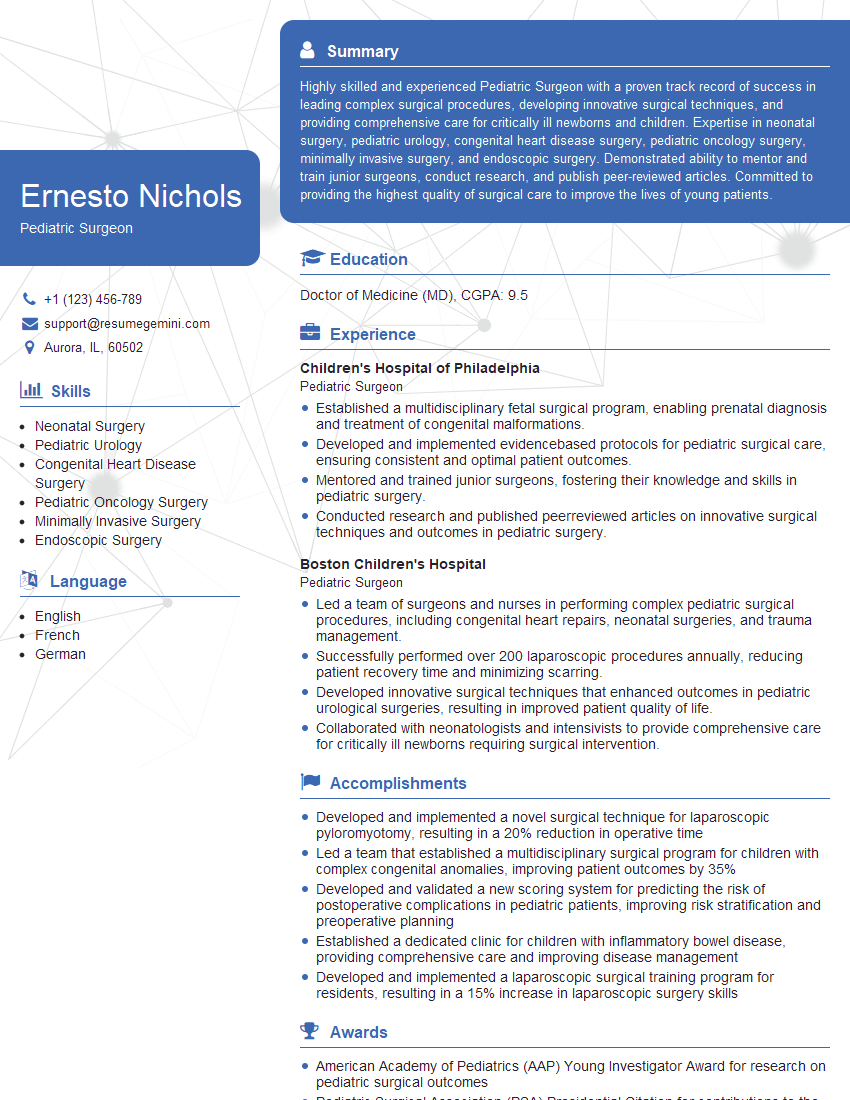
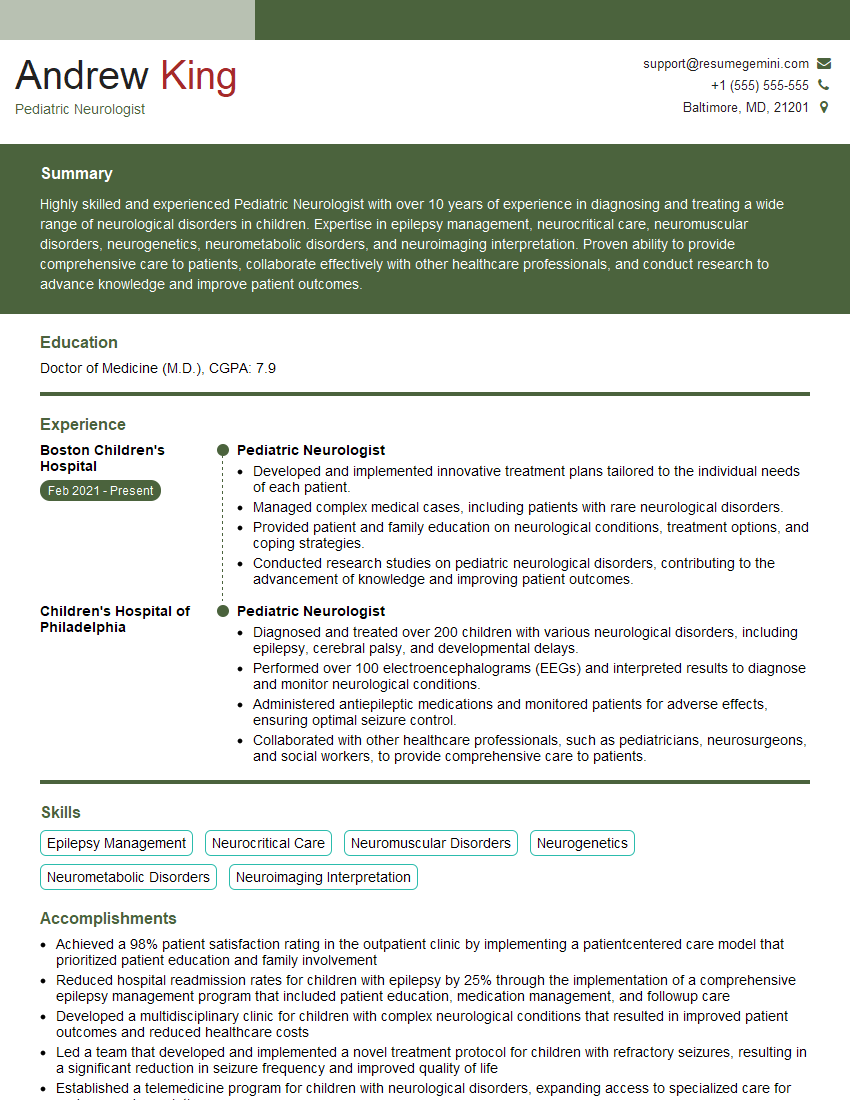
Mastering Pediatric Hospital Medicine opens doors to a rewarding career dedicated to the well-being of young patients. It requires a deep understanding of complex medical concepts and a commitment to compassionate patient care. To maximize your job prospects, it’s crucial to present your skills and experience effectively. An ATS-friendly resume is essential for getting your application noticed. ResumeGemini is a trusted resource to help you craft a professional and impactful resume that highlights your qualifications. Examples of resumes tailored to Pediatric Hospital Medicine are available to guide you.



Explore more articles
Users Rating of Our Blogs
Share Your Experience
We value your feedback! Please rate our content and share your thoughts (optional).
What Readers Say About Our Blog
To the interviewgemini.com Webmaster.
Very helpful and content specific questions to help prepare me for my interview!
Thank you
To the interviewgemini.com Webmaster.
This was kind of a unique content I found around the specialized skills. Very helpful questions and good detailed answers.
Very Helpful blog, thank you Interviewgemini team.