Every successful interview starts with knowing what to expect. In this blog, we’ll take you through the top Pediatric Movement Disorders interview questions, breaking them down with expert tips to help you deliver impactful answers. Step into your next interview fully prepared and ready to succeed.
Questions Asked in Pediatric Movement Disorders Interview
Q 1. Describe the diagnostic criteria for Cerebral Palsy.
Cerebral palsy (CP) is a group of permanent movement disorders that appear in early childhood. Diagnosis isn’t based on a single test but rather a clinical assessment considering various factors. There isn’t one universally accepted set of diagnostic criteria, but generally, a diagnosis of CP involves:
Onset before 1 year of age: CP is a condition present from birth or appearing in early infancy, often manifesting as delays in motor milestones. It’s crucial to remember that not all developmental delays indicate CP.
Non-progressive nature of the disorder: While the symptoms might worsen or change with growth, the underlying brain damage doesn’t progress further. This distinguishes CP from other conditions that progressively worsen over time.
Motor impairments: This includes difficulties with muscle tone, movement, and posture. These impairments can range from mild to severe, and may include spasticity (increased muscle tone), hypotonia (low muscle tone), athetosis (slow, writhing movements), ataxia (problems with balance and coordination), or mixed presentations. A thorough neurological exam is paramount.
Impact on daily functioning: CP’s impact goes beyond just movement; it can affect daily activities like walking, eating, and communication.
Diagnostic tools include neurological examinations, imaging studies (like brain MRI) to identify underlying brain abnormalities, and developmental assessments to track milestones. A multidisciplinary team, including pediatricians, neurologists, physiotherapists, and occupational therapists, is typically involved in reaching a diagnosis and developing a management plan. For instance, a child demonstrating significant delays in sitting, crawling, and walking, coupled with increased muscle tone in their legs, could be a candidate for further evaluation for CP. Early intervention is vital for optimal outcomes.
Q 2. Differentiate between dystonia, athetosis, and chorea.
These are all types of dyskinesias (involuntary movements), but they differ significantly:
Dystonia: This involves sustained muscle contractions, causing twisting and repetitive movements or abnormal postures. Think of a child’s arm involuntarily twisting into a painful and contorted position. Dystonia can be focal (affecting one body part), segmental (affecting adjacent body parts), or generalized (affecting multiple body parts).
Athetosis: Characterized by slow, writhing, involuntary movements that flow from one body part to another. Imagine a slow, continuous stream of involuntary movement, like the hands and fingers making uncontrolled, twisting motions. It’s often associated with fluctuating muscle tone.
Chorea: This involves brief, irregular, and jerky involuntary movements. Unlike the sustained contractions of dystonia or the flowing movements of athetosis, choreic movements are rapid and unpredictable. Think of a child making sudden, flicking movements of the limbs or face.
While they can sometimes co-occur, distinguishing these movement patterns is essential for accurate diagnosis and treatment planning. For example, a child exhibiting predominantly sustained muscle contractions in one limb would suggest dystonia, whereas a child with rapid, jerky, unpredictable movements might be diagnosed with chorea. A proper neurological evaluation is key to making this differentiation.
Q 3. Explain the pathophysiology of Tourette Syndrome.
The exact pathophysiology of Tourette Syndrome (TS) is still unclear, but current research points towards a complex interplay of genetic and environmental factors affecting brain development and neurotransmission. Key areas implicated include:
Dopamine dysregulation: Imbalances in the dopamine system, a neurotransmitter crucial for movement control, are strongly implicated. Increased dopamine activity seems to play a role in the tic development.
Neuroanatomical abnormalities: Studies suggest structural and functional differences in certain brain regions, particularly those involved in motor control, cognitive function, and emotional regulation. These abnormalities could affect the neural circuits responsible for suppressing involuntary movements.
Genetic predisposition: TS shows a strong heritable component, with multiple genes contributing to susceptibility. While specific genes haven’t been fully identified, research continues to pinpoint potential candidates.
Environmental factors: Environmental triggers might influence the expression of the disorder. The exact nature of these factors is still being investigated.
It’s crucial to understand that TS isn’t a single entity but a complex neurodevelopmental disorder with a wide spectrum of symptoms. The interplay of these factors explains the variability seen in the clinical presentation of TS.
Q 4. Outline the management strategies for pediatric dystonia.
Management of pediatric dystonia is a multidisciplinary approach, focusing on symptom control and improving quality of life. Strategies include:
Botulinum toxin injections: These injections temporarily weaken overactive muscles, reducing spasms and improving motor function. It’s a relatively safe and effective treatment for focal dystonias. In cases where medication fails to yield sufficient results, Botulinum Toxin injections could be a beneficial alternative.
Medications: Several medications can help manage dystonia, including muscle relaxants, anticholinergics, and dopamine agonists. The choice of medication depends on the type and severity of dystonia, as well as the child’s overall health. It’s crucial that medications are carefully tailored to the patient and their response, closely monitoring for adverse effects.
Physical and Occupational Therapy: These therapies aim to improve motor skills, flexibility, and strength. Specialized techniques help the child learn adaptive strategies for daily activities.
Surgical interventions: In severe cases unresponsive to other treatments, surgery such as selective dorsal rhizotomy or deep brain stimulation (DBS) may be considered.
Supportive care: This includes psychological support for the child and family to cope with the challenges of living with dystonia. Addressing the emotional and social impact of the condition is essential.
A tailored approach, incorporating these strategies as needed, is often the most effective way to manage pediatric dystonia. Regular follow-up with the medical team is crucial for monitoring progress and adjusting the treatment plan.
Q 5. Discuss the role of deep brain stimulation (DBS) in pediatric movement disorders.
Deep brain stimulation (DBS) is a neurosurgical procedure involving the implantation of electrodes into specific brain regions to deliver electrical stimulation. In pediatric movement disorders, it’s reserved for severe cases refractory to other treatments. While less frequently used in children than in adults due to the complexities of the procedure and potential developmental impacts, its use is growing.
DBS has shown promise in treating various pediatric movement disorders, including dystonia, essential tremor, and Parkinson’s disease. The procedure involves careful pre-surgical planning, including extensive neuropsychological testing, brain imaging (MRI, PET), and often a trial of medication or other interventions to assess treatment responses.
Potential benefits: DBS can significantly reduce the severity of involuntary movements, improve motor function, and enhance quality of life. However, it’s not without risks.
Potential risks: These include surgical complications, infection, bleeding, and potential side effects related to stimulation, like speech or cognitive changes.
The decision to proceed with DBS in a child requires careful consideration of the potential benefits against the risks. It’s crucial that the procedure is performed by an experienced team in a specialized center equipped to handle the unique challenges of pediatric neurosurgery. Long-term follow-up, including regular adjustments of the stimulator settings, is essential to optimize treatment and monitor for potential complications.
Q 6. What are the common genetic causes of movement disorders in children?
Many genetic causes underlie childhood movement disorders. Identifying the specific gene mutation can be crucial for diagnosis, genetic counseling, and understanding disease progression. However, in many cases, the genetic basis remains elusive, and often, multiple genes and environmental factors interact to cause the disorder.
DYT1 dystonia: This is caused by a mutation in the TOR1A gene, resulting in a form of early-onset dystonia.
PKAN (pantothenate kinase-associated neurodegeneration): A rare disorder caused by mutations in the PANK2 gene, leading to neurodegeneration and movement abnormalities.
Wilson’s disease: This is a disorder of copper metabolism causing copper accumulation in the liver and brain, leading to neurological symptoms including movement disorders. A mutation in the ATP7B gene is responsible for Wilson disease.
Huntington’s disease: While less common in childhood onset, this severe genetic condition impacts movement, cognition, and behavior due to an abnormal HTT gene.
Several other genes and syndromes: Numerous other genetic conditions, including various chromosomal abnormalities and syndromic forms of movement disorders, are known to cause movement problems in children. Genetic testing can play a significant role in clarifying the diagnosis.
Genetic counseling is often recommended to families to understand the inheritance patterns and recurrence risk. Advances in genetic technologies continue to expand our understanding of the genetic underpinnings of pediatric movement disorders, leading to more precise diagnoses and tailored interventions.
Q 7. How do you assess motor milestones in infants and young children?
Assessing motor milestones in infants and young children is a crucial part of well-child care and identifying potential developmental delays. A thorough assessment involves observing the child’s spontaneous movements and responses to various stimuli. It combines the physician’s clinical expertise and standardized developmental screening tools. Here’s a structured approach:
Observation: This includes observing the infant’s posture, spontaneous movements, and responses to different positions. For example, head control, rolling over, sitting, crawling, and walking are key developmental markers. Observing how a child interacts with toys helps assess their motor skills and coordination.
Standardized screening tools: These tools provide a structured framework for evaluating motor skills. Examples include the Ages & Stages Questionnaires, Denver Developmental Screening Test II, and Bayley Scales of Infant and Toddler Development. These tools allow for comparison against normative data to identify potential deviations.
Detailed physical examination: This focuses on examining muscle tone, strength, reflexes, and coordination. For example, observing asymmetry in limb movements or reduced muscle tone can signal a potential problem. Measuring the child’s head circumference, length, and weight helps rule out other possible issues.
Parent interview: Parents’ observations and reports are vital. They can provide valuable insights into the child’s development, including any concerns they might have about their child’s progress.
Early identification of motor delays is critical as early intervention services can significantly improve developmental outcomes. Regular monitoring of milestones during well-child visits, coupled with the use of standardized screening tools, allows for timely detection and appropriate referral if needed. For example, a child who consistently fails to meet milestones, such as not sitting unsupported by 9 months or not walking by 15 months, would be referred for further evaluation.
Q 8. Describe the use of the Unified Parkinson’s Disease Rating Scale (UPDRS) in children.
The Unified Parkinson’s Disease Rating Scale (UPDRS) isn’t directly designed for children, as it focuses on adult Parkinson’s disease manifestations. However, adapted versions or specific scales focusing on relevant motor symptoms can be utilized. We often use a modified version of the UPDRS, selecting sections relevant to the child’s symptoms and developmental stage. For instance, we might focus on sections assessing tremor, rigidity, bradykinesia, and postural instability, adapting the scoring system to be age-appropriate and meaningful. Instead of relying on complex instructions, we use observational scales and adapt scoring to a child’s functional ability. For a young child, we might use a simpler rating that focuses on gross motor skills like walking and reaching, whereas with an older child, more intricate aspects like handwriting might be included. The key is to focus on observable behaviors and functional impact to gauge the disease progression or response to treatment, rather than directly employing the adult UPDRS.
Q 9. What are the ethical considerations in treating pediatric movement disorders?
Ethical considerations in treating pediatric movement disorders are paramount. We must prioritize the child’s best interests, which means carefully weighing the potential benefits of treatment against the potential risks and side effects. Informed consent is crucial, involving parents or guardians in decision-making, ensuring they understand the treatment’s purpose, potential benefits, and risks. It’s especially critical to consider the child’s developmental stage and cognitive abilities when obtaining assent from older children. Minimizing potential harms, considering the long-term consequences of medications or interventions, and respecting the child’s autonomy as they mature are all vital aspects of ethical care. A difficult ethical dilemma can arise when a treatment might have significant side effects but offers the potential for substantial improvement in quality of life. In such cases, transparent communication and shared decision-making with the family are essential. For example, deep brain stimulation, while effective, carries the risk of complications. Carefully weighing these factors, considering alternatives, and ongoing monitoring are crucial to ethical treatment.
Q 10. How would you approach a case of unexplained tremors in a child?
Investigating unexplained tremors in a child requires a systematic approach. The initial assessment involves a thorough history, focusing on the tremor’s onset, characteristics (e.g., resting, postural, intention), family history, and any associated symptoms. A comprehensive neurological examination is crucial, assessing other neurological functions beyond the tremors. Then, laboratory tests, including blood work and genetic testing (depending on the suspected etiology), are often necessary to rule out metabolic disorders or inherited conditions. Neuroimaging, such as MRI or EEG, may be needed to look for structural abnormalities or underlying neurological conditions. Differential diagnosis must consider a broad spectrum, from benign essential tremor to more serious conditions like Parkinson’s disease, Wilson’s disease, or other genetic ataxias. The approach must be personalized to the specific characteristics of the child’s tremors, keeping in mind that different diagnoses will necessitate different investigations and management strategies.
For instance, if the tremors are postural, appearing when the child holds their arms outstretched, essential tremor is a possible consideration. If, however, the tremors are present at rest and worsen with movement, and the child presents other symptoms like rigidity or bradykinesia, then a more serious condition might be suspected.
Q 11. Explain your understanding of different types of ataxias in children.
Ataxias in children are a group of disorders characterized by a lack of coordination affecting movement. They’re broadly classified into genetic and acquired ataxias. Genetic ataxias encompass numerous inherited conditions, each with specific genetic mutations affecting different parts of the nervous system. Spinocerebellar ataxias (SCAs) are a large family of these disorders and can manifest at various ages and with varying severity. Friedreich’s ataxia is a prominent example, typically presenting in childhood with progressive gait ataxia, muscle weakness, and speech problems. Ataxia telangiectasia is another example, characterized by ataxia along with immunodeficiency and increased susceptibility to cancers. Acquired ataxias, in contrast, stem from various factors like infections (e.g., encephalitis), toxins, or autoimmune disorders. Understanding the specific type of ataxia is crucial for accurate diagnosis and management, and is often revealed through detailed genetic testing and imaging studies. Management often involves supportive care, physiotherapy to improve motor skills, and addressing any associated symptoms.
Q 12. What are the potential side effects of medication used in pediatric movement disorders?
Medications used in pediatric movement disorders, while often effective, can carry side effects. These vary based on the specific drug and the child’s individual characteristics. For instance, dopamine agonists, sometimes used in conditions like Parkinson’s disease, can cause nausea, vomiting, drowsiness, and impulse control disorders (such as compulsive gambling or hypersexuality). Anticholinergics can lead to dry mouth, constipation, blurred vision, and urinary retention. Benzodiazepines, which are used in tremor management, may cause sedation and cognitive impairment. The potential for side effects necessitates close monitoring, regular clinical assessment, and careful dose adjustment to minimize risks while maximizing therapeutic benefit. For example, we might start with a low dose and carefully observe for side effects, incrementally increasing the dosage as tolerated by the child. We also regularly assess the child’s overall condition, including sleep patterns, appetite, mood, and behavior, as any significant changes can indicate the need for dosage adjustments or alternative treatment strategies.
Q 13. Describe your experience with Botulinum toxin injections in children.
Botulinum toxin injections are a valuable tool in managing certain pediatric movement disorders, particularly those involving dystonia (involuntary muscle contractions) and spasticity. My experience involves using it carefully in children with conditions like cerebral palsy or dystonic syndromes. The procedure involves injecting small amounts of botulinum toxin into specific muscles causing abnormal movements. The effects are localized and temporary, lasting several weeks or months. Careful planning, including assessment of the target muscles and appropriate dose calculation based on the child’s weight and muscle size, is crucial. The procedure is done under careful monitoring, often with sedation or anesthesia, depending on the child’s age and the procedure’s complexity. Post-injection monitoring is essential to observe for any adverse effects, like muscle weakness spreading beyond the targeted area. Success relies on accurate targeting and judicious dosage. It’s crucial to clearly explain to parents and children the potential benefits and risks, such as muscle weakness and the temporary nature of the treatment.
Q 14. How do you differentiate between functional and organic movement disorders?
Differentiating between functional and organic movement disorders in children requires a careful and comprehensive evaluation. Organic movement disorders have a demonstrable neurological or medical basis, identifiable through neurological examination, imaging studies, and laboratory testing, while functional movement disorders lack identifiable neurological pathology. In functional movement disorders, the symptoms are genuine but are not directly caused by a neurological disease. The distinction can be challenging. A thorough history, neurological examination, and investigations to rule out neurological conditions are the first steps. In children, psychological factors, such as anxiety or trauma, can play a role in functional disorders. The symptoms of a functional movement disorder may improve with physiotherapy or psychological interventions. Sometimes, the evaluation requires a multidisciplinary team approach, including neurologists, psychologists, and psychiatrists, particularly if psychological factors are suspected. Features like the variability of the symptoms, the influence of stress, or the presence of non-motor symptoms like chronic fatigue can point to a functional origin. Careful examination and documentation of the symptoms are important, ruling out the more serious organic causes first.
Q 15. What are the key elements of a comprehensive neurological examination for a child with suspected movement disorder?
A comprehensive neurological examination for a child with suspected movement disorders goes beyond simply observing movements. It’s a meticulous process requiring a keen eye for detail and a systematic approach. We start with a detailed history, including family history of neurological conditions, prenatal and perinatal events, developmental milestones, and any associated symptoms like seizures or cognitive difficulties.
The physical exam itself involves several key elements:
- Observation of Posture and Gait: Note any unusual postures, asymmetries, or difficulties with balance and coordination. For instance, a child with cerebral palsy might display spasticity and scissoring of the legs.
- Assessment of Muscle Tone: We assess muscle tone using techniques like passive range of motion, looking for spasticity (increased muscle tone), hypotonia (decreased muscle tone), or rigidity. This helps to differentiate between various movement disorders.
- Examination of Involuntary Movements: This includes carefully observing for tremors, chorea (rapid, jerky movements), athetosis (slow, writhing movements), dystonia (sustained muscle contractions), and tics. We document the frequency, amplitude, and location of these movements.
- Assessment of Motor Skills: We evaluate fine motor skills (e.g., drawing, buttoning) and gross motor skills (e.g., walking, jumping) to assess the impact of the movement disorder on functional abilities.
- Neurological Testing: This may include deep tendon reflex testing, sensory examination, and cranial nerve assessment to rule out other neurological conditions that might mimic a movement disorder.
Finally, we integrate all findings to create a comprehensive picture. This information guides further investigations like brain imaging or genetic testing if necessary. It’s crucial to remember that each child is unique, and the exam should be adapted to their age and developmental level.
Career Expert Tips:
- Ace those interviews! Prepare effectively by reviewing the Top 50 Most Common Interview Questions on ResumeGemini.
- Navigate your job search with confidence! Explore a wide range of Career Tips on ResumeGemini. Learn about common challenges and recommendations to overcome them.
- Craft the perfect resume! Master the Art of Resume Writing with ResumeGemini’s guide. Showcase your unique qualifications and achievements effectively.
- Don’t miss out on holiday savings! Build your dream resume with ResumeGemini’s ATS optimized templates.
Q 16. Describe your experience in managing medication side effects in children with movement disorders.
Managing medication side effects in children with movement disorders is a delicate balance. We must weigh the potential benefits of medication against the risks of adverse effects. Children are particularly vulnerable to side effects, and their responses to medication can be unpredictable.
My approach involves several key strategies:
- Careful Medication Selection: We prioritize medications with a better side-effect profile for children. For example, we may favor medications with less sedating effects or less impact on growth.
- Low-Dose Start and Gradual Titration: We start with the lowest effective dose and gradually increase it as needed, closely monitoring for side effects. This minimizes the risk of severe adverse reactions.
- Close Monitoring: Regular follow-up appointments are crucial. We monitor the child’s response to medication, carefully documenting any side effects – both physical and behavioral. This includes regular assessments of growth, weight, mood, and school performance.
- Collaboration with other specialists: For complex cases, we collaborate closely with pediatricians, psychiatrists, and other specialists. For example, if a child develops significant weight gain with certain medications, we might consult a nutritionist.
- Patient and Family Education: We provide clear information about potential side effects and strategies for managing them. Open communication and shared decision-making are essential.
One example is a child treated for dystonia. While medication controlled the dystonia, it caused significant drowsiness. We adjusted the dosage and timing of medication administration to minimize the drowsiness without compromising the therapeutic effect.
Q 17. How do you assess the impact of movement disorders on a child’s development?
Assessing the impact of movement disorders on a child’s development requires a multifaceted approach. It’s not just about the physical limitations; we must also consider cognitive, social, and emotional development.
Our assessment tools include:
- Developmental Scales: We use standardized developmental scales like the Bayley Scales of Infant and Toddler Development or the Denver Developmental Screening Test to assess motor, cognitive, and language skills.
- Functional Assessments: We assess the child’s ability to perform daily activities, such as eating, dressing, toileting, and playing. These assessments provide valuable insights into the child’s independence and participation in daily life.
- Observations in Natural Settings: We observe the child in their natural environment, such as school or home, to understand how the movement disorder impacts their daily routines and interactions.
- Parent and Teacher Reports: We obtain comprehensive information from parents and teachers regarding the child’s strengths, challenges, and behavioral patterns. Their perspectives are invaluable in providing a holistic view.
- Adaptive Behavior Scales: We may employ scales like the Vineland Adaptive Behavior Scales to assess the child’s ability to adapt to their environment and engage in age-appropriate activities. This is particularly relevant for children with intellectual disabilities often associated with some movement disorders.
For example, a child with cerebral palsy might have delayed gross motor skills, impacting their ability to participate in physical activities with peers. This can lead to social isolation and emotional distress. Understanding this complete picture allows us to develop interventions targeting both the physical limitations and the psychosocial impact.
Q 18. What are the various rehabilitation approaches used in treating children with movement disorders?
Rehabilitation plays a crucial role in managing pediatric movement disorders. A tailored, multidisciplinary approach is essential. The specific interventions depend on the child’s diagnosis, age, and capabilities.
Common rehabilitation approaches include:
- Physical Therapy: Focuses on improving muscle strength, range of motion, balance, coordination, and mobility. This often involves specific exercises tailored to the child’s needs.
- Occupational Therapy: Addresses the child’s ability to perform daily activities and enhance their independence. This might involve adaptive techniques for eating, dressing, or writing.
- Speech Therapy: Helps children with speech and swallowing difficulties often associated with certain movement disorders like cerebral palsy or dystonia.
- Constraint-Induced Movement Therapy (CIMT): This intensive therapy focuses on improving the function of an affected limb by restricting the use of the unaffected limb. It is particularly effective for children with hemiplegia.
- Botulinum Toxin Injections: For children with spasticity or dystonia, botulinum toxin injections can temporarily reduce muscle tone, improving range of motion and reducing pain.
- Assistive Technology: This may include orthotics, wheelchairs, walkers, and adaptive equipment to enhance the child’s mobility and participation.
The key is to integrate these therapies, providing a holistic approach. Regular reassessment and adjustment of treatment plans are important based on the child’s progress and changing needs. For example, a child with cerebral palsy might benefit from a combination of physical therapy, occupational therapy, and assistive devices to improve mobility and independence.
Q 19. What is your experience with using assistive devices in pediatric movement disorders?
Assistive devices are integral to improving the quality of life for children with movement disorders. The choice of assistive device is highly individualized and depends on the specific needs of each child. My experience encompasses a wide range of devices, each selected after careful evaluation of the child’s functional limitations and their impact on daily life.
We consider factors such as:
- Type of Movement Disorder: The type of movement disorder significantly influences the type of assistive device that might be helpful. For example, children with cerebral palsy may benefit from walkers, wheelchairs, or specialized seating systems, whereas children with ataxia might benefit from adaptive utensils.
- Age and Developmental Level: The age and developmental stage of the child dictate the appropriateness and complexity of the assistive device. Younger children may require simpler devices, whereas older children might need more sophisticated technology.
- Functional Limitations: We carefully assess the child’s functional limitations to determine which assistive devices will best address their specific needs and improve their independence.
- Family Preferences and Resources: We involve the family in the decision-making process, considering their preferences and the resources available to them. This includes financial constraints and home environment considerations.
For example, I’ve worked with children using custom-fitted wheelchairs for mobility, specialized splints to improve hand function, and communication devices for children with severe speech impairments. The goal is to empower the child to participate more fully in all aspects of life.
Q 20. How do you manage the psychosocial needs of children and families affected by movement disorders?
Managing the psychosocial needs of children and families affected by movement disorders is an essential aspect of our work. The impact extends beyond the child’s physical challenges, significantly affecting family dynamics, sibling relationships, and the child’s emotional well-being.
Our approach includes:
- Emotional Support: We provide emotional support and guidance to both the child and their family. This may involve helping the child cope with their condition, addressing feelings of frustration or sadness, and promoting self-esteem.
- Family Counseling: We provide family counseling to help families adapt to the challenges of raising a child with a movement disorder. This can help navigate the complexities of caregiving and foster strong family bonds.
- Peer Support Groups: Connecting families with support groups allows them to share experiences, learn coping strategies, and feel less isolated.
- Educational Support: We work closely with schools to ensure that the child receives appropriate educational support, which might involve individualized education programs (IEPs) or modifications to the classroom environment.
- Advocacy: We advocate for the child’s needs and help families navigate the healthcare system, including accessing resources and services.
For instance, I’ve seen families deeply impacted by the diagnosis of their child. Through regular check-ins and access to support groups, we were able to navigate the emotions, adjust expectations, and strengthen their family unit.
Q 21. Explain your understanding of the role of early intervention in pediatric movement disorders.
Early intervention is paramount in pediatric movement disorders. Early identification and intervention can significantly influence the long-term outcome for children, maximizing their developmental potential and improving their quality of life.
The benefits of early intervention include:
- Early Detection of Problems: Early detection allows for timely intervention, preventing further complications and promoting early development.
- Enhanced Plasticity of the Brain: The young brain has remarkable plasticity, making it highly responsive to interventions and therapies during early childhood.
- Improved Functional Outcomes: Early intervention can improve motor skills, cognitive development, and overall functional abilities.
- Reduced Disability: Early interventions may lessen the severity of disability and improve independence.
- Enhanced Family Well-being: Early access to services, support groups, and counseling can help families cope with the challenges and improve their emotional well-being.
For example, early intervention services for a child with cerebral palsy might include physical therapy, occupational therapy, and specialized educational support from an early age. This multidisciplinary approach could significantly improve their motor skills, independence, and participation in school and community activities. Delaying intervention can significantly limit a child’s ability to reach their fullest potential.
Q 22. Describe your experience collaborating with other healthcare professionals in a multidisciplinary team.
My experience collaborating within multidisciplinary teams has been central to my practice. Effective management of pediatric movement disorders demands a holistic approach, integrating expertise from various fields. I routinely collaborate with neurologists, physiatrists, occupational therapists, physical therapists, speech-language pathologists, psychologists, and social workers. For example, in cases of cerebral palsy, our team works together to develop an individualized plan that addresses motor skills, communication, cognitive needs, and emotional well-being. The neurologist may focus on medication management, while the physical therapist focuses on improving mobility and strength. The occupational therapist might work on fine motor skills and adaptive strategies for daily living. This collaborative approach ensures that the child receives comprehensive and coordinated care.
- Regular team meetings: We hold regular meetings to discuss individual patient progress, challenges, and adjustments to treatment plans.
- Shared electronic health records: Utilizing a shared electronic health record system facilitates seamless information exchange among team members.
- Co-treatment sessions: In some cases, we conduct co-treatment sessions where multiple therapists work together with the child simultaneously.
Q 23. What are some of the challenges you’ve encountered in treating children with movement disorders?
Treating children with movement disorders presents unique challenges. One significant hurdle is the difficulty in obtaining a precise diagnosis, particularly in younger children who may not be able to communicate their symptoms effectively. Diagnostic processes can be lengthy and involve multiple assessments and testing. Furthermore, children’s symptoms can be highly variable and influenced by factors like fatigue, developmental stage, and concurrent conditions. Managing medications can also be challenging, as dosages need to be carefully adjusted based on the child’s weight, age, and response to treatment. Finally, explaining complex medical information to families and managing their emotional responses is crucial and can be emotionally taxing.
- Diagnostic ambiguity: Differentiating between various movement disorders can be complex, requiring extensive evaluation.
- Symptom variability: Symptoms can fluctuate significantly, making assessment and treatment challenging.
- Communication barriers: Young children might struggle to describe their symptoms.
- Family dynamics: Emotional support for families is paramount.
Q 24. How do you stay up-to-date with the latest research and advancements in pediatric movement disorders?
Keeping abreast of the latest research and advancements in pediatric movement disorders is paramount. I actively participate in professional organizations like the American Academy of Neurology and the Child Neurology Society. I regularly attend conferences and workshops, and I subscribe to key journals like Movement Disorders and Pediatric Neurology. I also maintain a strong network of colleagues who share research findings and clinical experiences. Furthermore, I actively search online databases like PubMed for relevant studies and clinical trials. Staying updated ensures I can provide my patients with the most effective and evidence-based treatment options.
Q 25. Describe a challenging case of a pediatric movement disorder and how you approached it.
One particularly challenging case involved a young girl presenting with dystonia, characterized by involuntary muscle contractions causing abnormal postures. Initial diagnosis was difficult due to the fluctuating nature of her symptoms and the absence of a clear family history. We conducted extensive investigations including genetic testing, neuroimaging, and detailed neurological examinations. After several months, we arrived at a diagnosis of dopa-responsive dystonia. Treatment involved a medication called levodopa, which dramatically improved her symptoms. However, managing the dosage and side effects, including dyskinesias, required close monitoring and adjustments. This case highlighted the importance of perseverance in diagnostics and the need for a flexible and adaptive treatment approach. We also worked closely with her family, providing ongoing support and education throughout the treatment journey.
Q 26. How do you counsel families regarding the prognosis of their child’s movement disorder?
Counseling families about the prognosis of their child’s movement disorder is a crucial aspect of my role. I always aim for honesty and transparency, avoiding overly optimistic or pessimistic predictions. I explain the condition in age-appropriate language, outlining potential outcomes in realistic terms. We discuss the various treatment options, their benefits, and potential side effects. I emphasize that the prognosis is not static, and that it can evolve based on the child’s response to treatment and their overall development. I also make it clear that ongoing support and involvement from family and caretakers are essential for optimal outcomes. We often utilize visual aids and written materials to facilitate understanding and provide ongoing support resources.
Q 27. Explain your experience with conducting research in pediatric movement disorders.
My research experience centers on the genetic basis of pediatric movement disorders. I have been involved in several studies investigating specific genes associated with different forms of dystonia and ataxia. My research has involved analyzing genetic data from patients, performing statistical analyses, and contributing to the interpretation of findings. This work involves collaborations with other researchers in genetics and neurology and contribute to our understanding of disease mechanisms and potential therapeutic targets. I am currently involved in a collaborative study investigating the efficacy of a novel therapeutic intervention for a specific type of childhood-onset dystonia.
Q 28. What is your approach to managing the expectations of families when dealing with a chronic condition?
Managing expectations is crucial when dealing with chronic conditions in children. Open and honest communication is key. I start by acknowledging the family’s concerns and validating their emotions. I provide realistic expectations about the condition’s progression and potential for improvement, emphasizing that treatment goals are often focused on maximizing functional abilities and improving quality of life rather than a complete cure. I regularly reassess goals and adjust the treatment plan as needed. We set realistic, achievable short-term goals to build confidence and show tangible progress. Regular feedback, open communication, and a collaborative approach are essential to build trust and ensure families feel heard and supported throughout the long-term management of the condition.
Key Topics to Learn for Pediatric Movement Disorders Interview
- Developmental Coordination Disorder (DCD): Understanding diagnostic criteria, differential diagnosis from other movement disorders, and common therapeutic interventions (e.g., occupational therapy, physical therapy).
- Cerebral Palsy (CP): Classifying CP by type and topography, exploring the impact on motor development, and outlining management strategies including medication, surgery, and assistive devices. Practical application: Case study analysis of CP presentations and treatment plans.
- Dystonia in Children: Differentiating various types of dystonia, understanding the role of genetics and environmental factors, and discussing pharmacological and non-pharmacological treatment approaches. Problem-solving approach: Developing a differential diagnosis for a child presenting with dystonic movements.
- Tourette Syndrome and other Tic Disorders: Recognizing the diagnostic criteria, understanding the pathophysiology, and outlining appropriate management strategies, including behavioral therapies and medication. Practical application: Developing a treatment plan for a child with severe tics impacting daily life.
- Genetic Movement Disorders in Children: Familiarity with common genetic syndromes associated with movement disorders (e.g., Huntington’s disease, Wilson’s disease) and their presentations in pediatric populations. Problem-solving approach: Interpreting genetic test results and their implications for treatment.
- Assessment and Evaluation: Mastering techniques for neurological examination in children, interpreting developmental milestones, and utilizing standardized assessment tools for movement disorders. Practical application: Conducting a comprehensive assessment and developing a management plan.
Next Steps
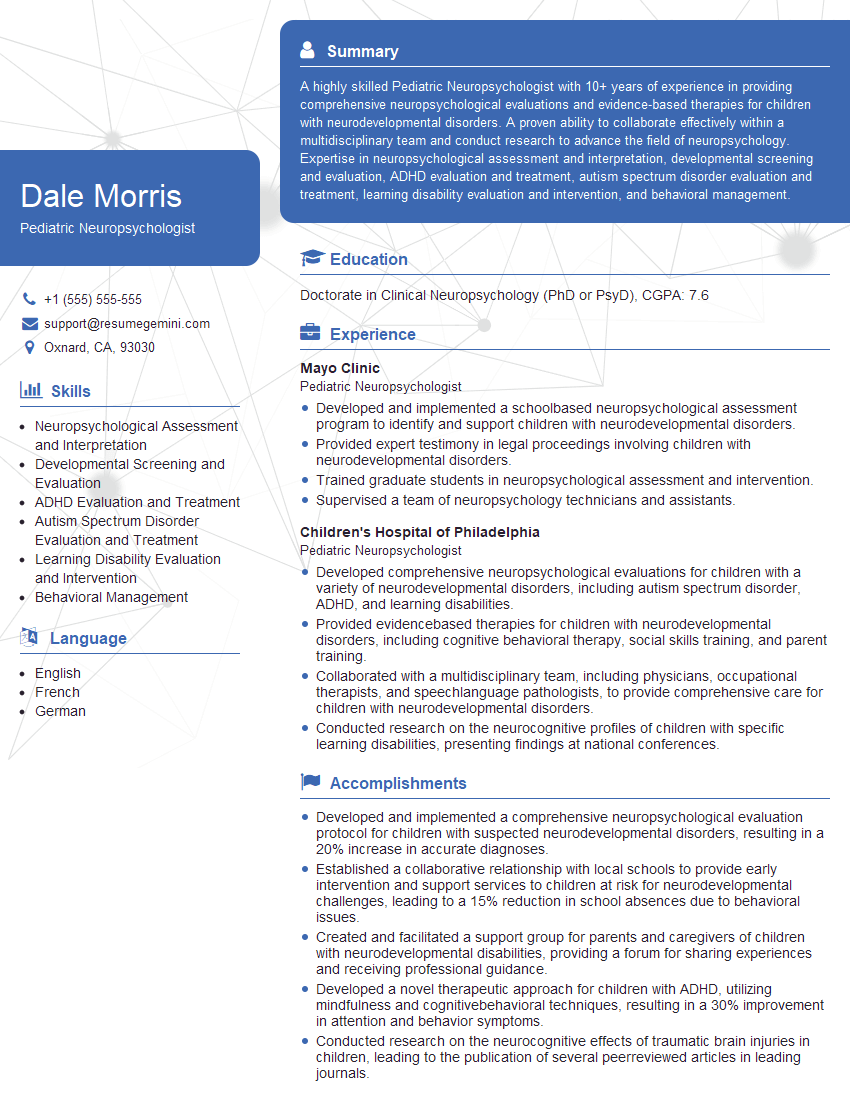
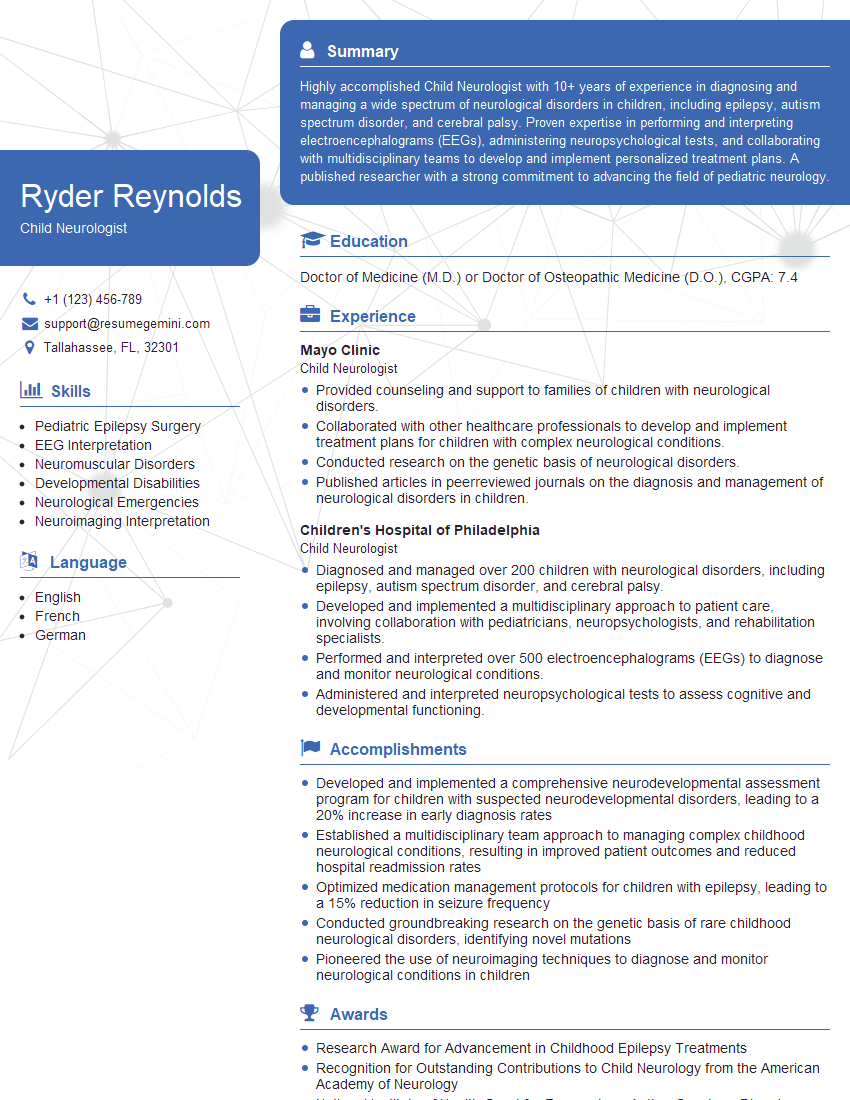
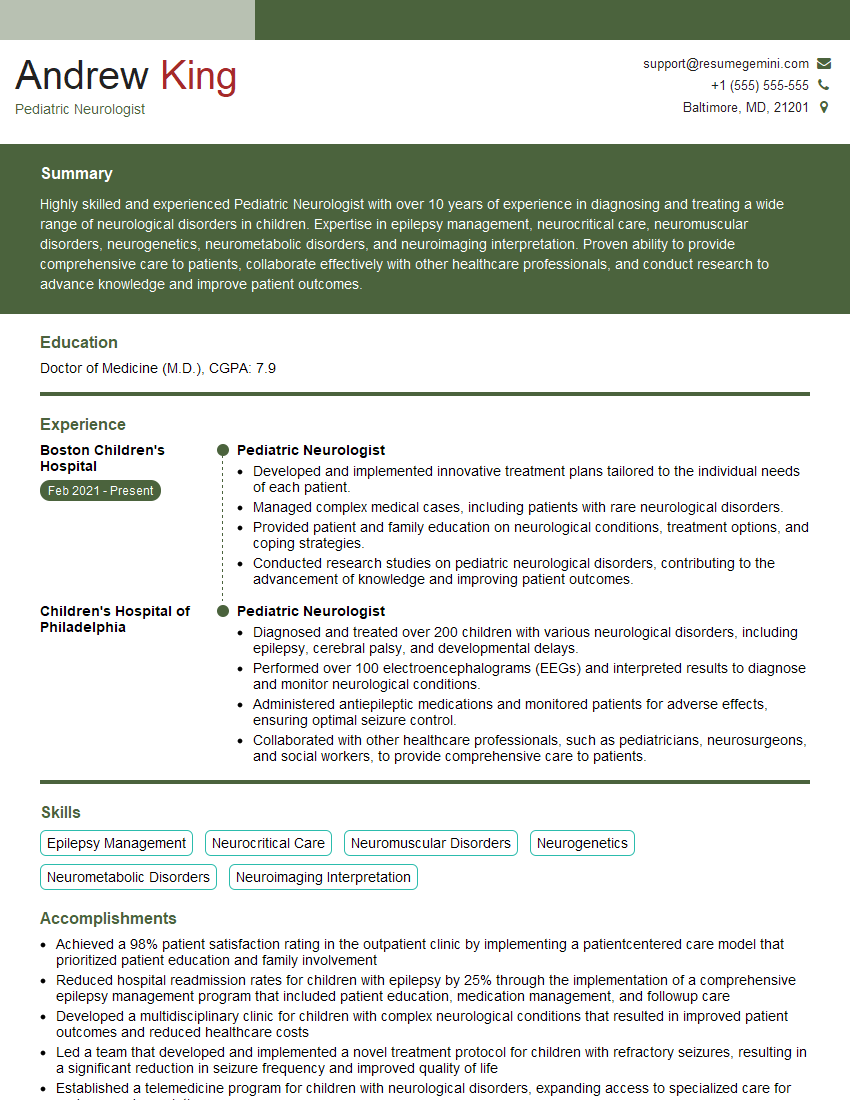
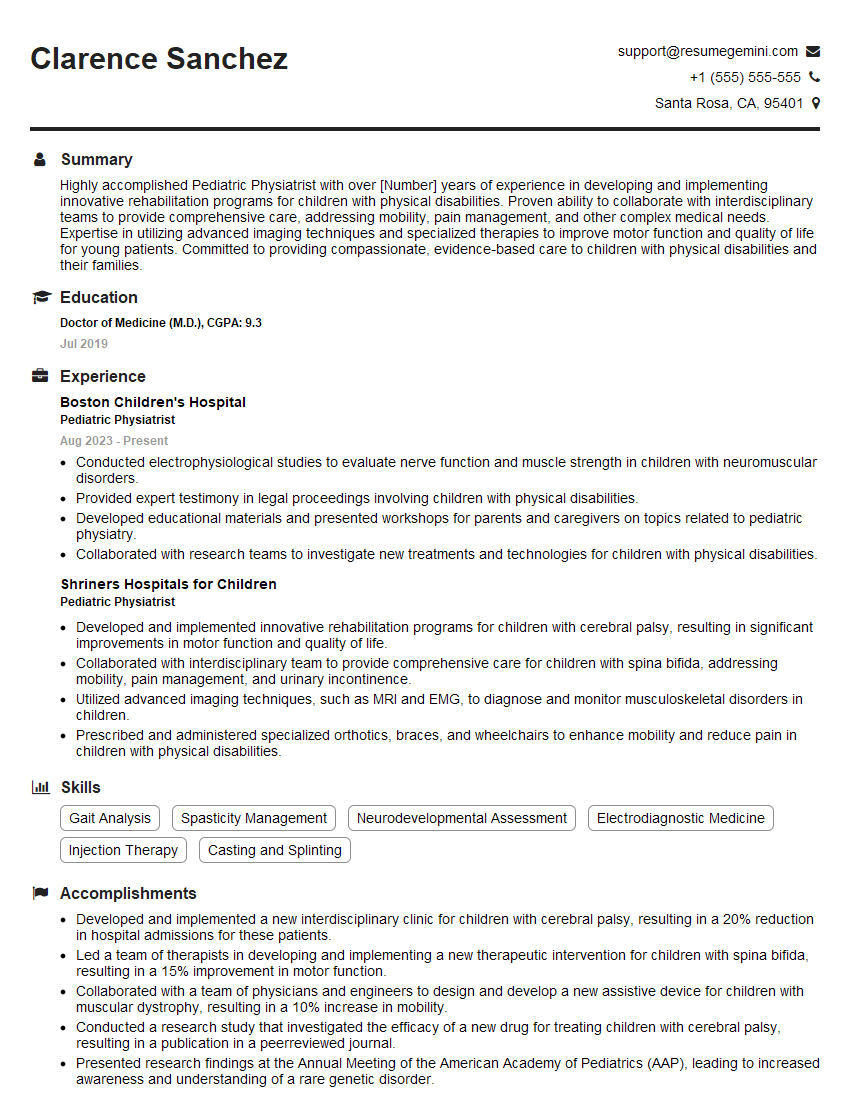
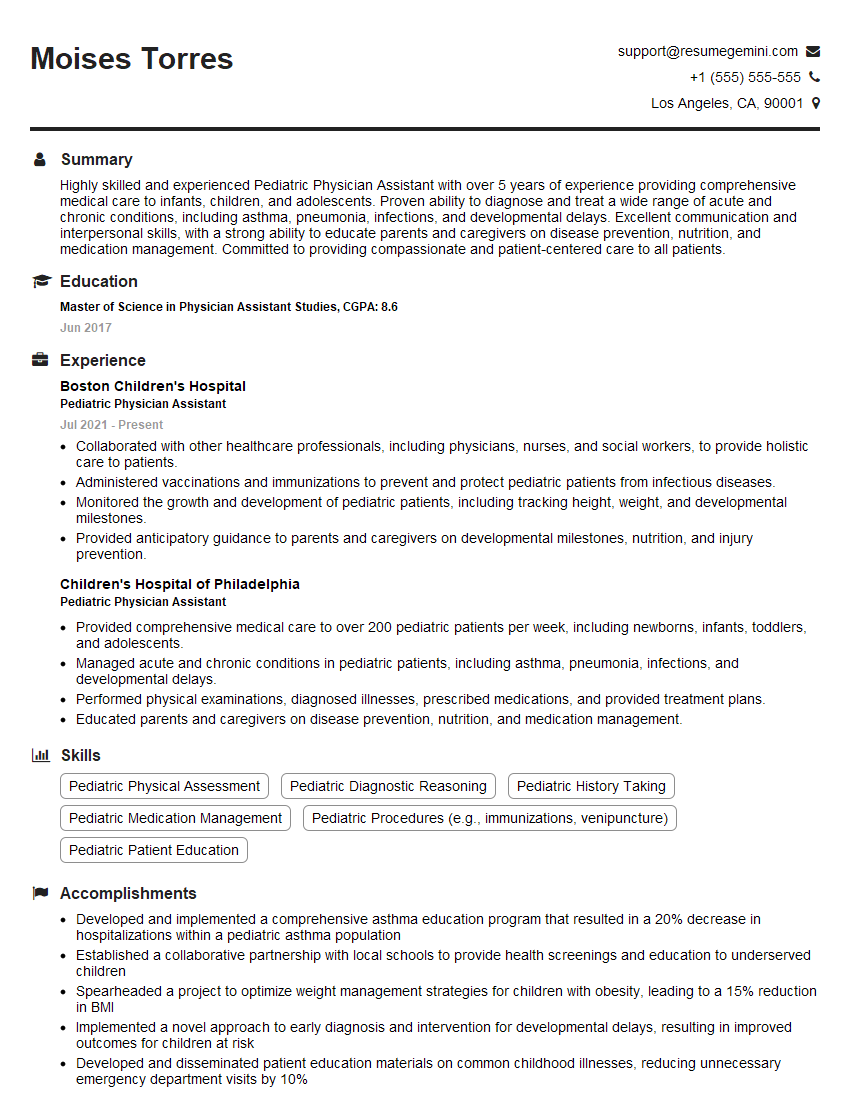
Mastering Pediatric Movement Disorders is crucial for career advancement in this specialized field. A strong understanding of these complex conditions will significantly enhance your clinical skills and research potential. To maximize your job prospects, it’s essential to create a compelling and ATS-friendly resume that highlights your qualifications effectively. We encourage you to leverage the power of ResumeGemini, a trusted resource for building professional resumes that make you stand out. ResumeGemini provides examples of resumes tailored to Pediatric Movement Disorders, helping you present your experience and skills in the most impactful way. Invest time in crafting a strong resume; it’s your first impression on potential employers.

Explore more articles
Users Rating of Our Blogs
Share Your Experience
We value your feedback! Please rate our content and share your thoughts (optional).
What Readers Say About Our Blog
To the interviewgemini.com Webmaster.
Very helpful and content specific questions to help prepare me for my interview!
Thank you
To the interviewgemini.com Webmaster.
This was kind of a unique content I found around the specialized skills. Very helpful questions and good detailed answers.
Very Helpful blog, thank you Interviewgemini team.