The right preparation can turn an interview into an opportunity to showcase your expertise. This guide to Pediatric Neuro-Ophthalmology interview questions is your ultimate resource, providing key insights and tips to help you ace your responses and stand out as a top candidate.
Questions Asked in Pediatric Neuro-Ophthalmology Interview
Q 1. Describe the common causes of nystagmus in infants.
Nystagmus, an involuntary rhythmic oscillation of the eyes, is relatively common in infants. Its causes are diverse, ranging from benign to serious neurological conditions. Understanding the underlying etiology is crucial for appropriate management and prognosis.
- Congenital Nystagmus: Often idiopathic (unknown cause), but can be associated with albinism, achromatopsia (color blindness), and other visual pathway abnormalities. Think of it like the brain trying to compensate for poor vision signals. The nystagmus is often present from birth or early infancy.
- Acquired Nystagmus: This develops after birth and frequently indicates an underlying neurological problem. Common causes include:
- Central Nervous System (CNS) Disorders: Conditions like cerebral palsy, hydrocephalus, and perinatal brain injury can all disrupt the delicate balance of eye movements.
- Optic Pathway Lesions: Problems with the optic nerves or the visual cortex can trigger nystagmus as the brain tries to compensate for impaired vision. Examples include optic atrophy or tumors affecting visual pathways.
- Metabolic Disorders: Some metabolic imbalances can impact brain development and lead to nystagmus.
- Infections: Certain infections, particularly those affecting the brain, can sometimes result in nystagmus.
A thorough neurological examination, including visual acuity assessment, is crucial to determine the cause. Further investigations such as brain imaging (MRI or CT scan) and electroretinography (ERG) may be necessary in certain cases.
Q 2. Explain the differential diagnosis of a child presenting with unilateral ptosis.
Unilateral ptosis, or drooping of one eyelid, in a child necessitates a careful differential diagnosis. The causes range from relatively benign to life-threatening.
- Congenital Ptosis: This can be due to problems with the levator palpebrae superioris muscle (the muscle that lifts the eyelid) or its innervation. It might be simply a mild variant of normal or a sign of more significant conditions.
- Myasthenia Gravis (MG): A rarer but serious autoimmune disease causing fluctuating weakness of the muscles, including the eyelid muscles. A classic sign is worsening ptosis with sustained upward gaze (or repeated blinking).
- Third Nerve Palsy: Damage to the oculomotor nerve (cranial nerve III) can cause ptosis along with other eye movement problems. Causes include trauma, aneurysm, or tumor.
- Horner’s Syndrome: This involves damage to the sympathetic nerve pathway, leading to ptosis, miosis (constricted pupil), and anhidrosis (decreased sweating) on the same side of the face. Causes can include tumors, strokes, or trauma in the neck or chest.
- Trauma: Direct injury to the eyelid or surrounding structures.
The diagnostic approach involves a detailed history, ophthalmological examination (including checking for pupillary responses and eye movements), and potentially neurological investigations like MRI or electromyography (EMG) for conditions like myasthenia gravis.
Q 3. How would you approach the diagnosis and management of optic neuritis in a child?
Optic neuritis, inflammation of the optic nerve, is a serious condition in children, often associated with demyelinating diseases like multiple sclerosis (although less common in childhood). Early diagnosis and management are critical.
Diagnosis:
- Detailed History: Inquire about the onset, duration, and character of visual symptoms (e.g., blurred vision, pain, color vision changes). A history of preceding infections is important.
- Visual Acuity Testing: Assess vision in each eye using age-appropriate methods.
- Visual Field Testing: Determine the extent of any visual field defects using age-appropriate techniques.
- Fundoscopy: Ophthalmoscopic examination may reveal swelling of the optic disc (papillitis) but may be normal in early stages.
- Neuroimaging (MRI): Essential to rule out other neurological lesions and to assess for demyelinating disease.
- Visual Evoked Potentials (VEP): These tests assess the electrical activity of the visual pathway and can detect delays suggestive of optic nerve damage.
Management: Treatment depends on the underlying cause and the severity of the condition. Corticosteroids (such as intravenous methylprednisolone) are often used to reduce inflammation, particularly if there’s significant visual impairment. Supportive care including monitoring visual acuity and addressing any associated symptoms is vital. Regular follow-up is crucial to monitor visual recovery and to detect any signs of recurrence or underlying disease.
Q 4. What are the key signs and symptoms of retinoblastoma?
Retinoblastoma, a malignant tumor of the retina, is a rare but potentially life-threatening childhood cancer. Early detection is critical for successful treatment.
Key Signs and Symptoms:
- Leukocoria (White Pupil): The most classic sign, often noticed in photographs as a white or yellowish reflex in the pupil instead of the typical red reflex. Think of it like a flash reflecting off something abnormal within the eye.
- Strabismus (Squint): The child may develop a squint (eyes not aligned) because of the tumor affecting eye movements.
- Visual Impairment: Decreased vision or loss of vision in the affected eye can occur.
- Pain: Pain is usually a late-stage symptom.
Important Note: Any child presenting with leukocoria warrants an immediate ophthalmologic consultation.
Q 5. Discuss the different types of congenital cataracts and their management.
Congenital cataracts, clouding of the eye’s lens present at birth, can have various causes and presentations. Early diagnosis and management are crucial to prevent amblyopia (lazy eye).
Types:
- Nuclear Cataracts: Opacity affects the center of the lens.
- Cortical Cataracts: Opacity affects the outer layer of the lens, appearing as spokes or wedges.
- Posterior Subcapsular Cataracts: Opacity is at the back of the lens, often affecting vision significantly.
- Zonular Cataracts: The lens fibers are affected, creating a patchy or scattered appearance.
Management: The primary goal is to remove the cataract and prevent amblyopia. Surgical removal (phacoemulsification) is typically performed, followed by the use of corrective lenses or an intraocular lens implant. Early surgery, usually within the first few months of life, is crucial to allow normal visual development.
Q 6. Explain the pathogenesis of amblyopia.
Amblyopia, or ‘lazy eye,’ is a developmental disorder characterized by reduced visual acuity in one eye despite normal ocular structure. It’s not due to a problem with the eye itself, but rather a problem with the brain’s visual cortex. The brain essentially ‘favors’ the better-seeing eye, suppressing the input from the weaker one.
Pathogenesis: The underlying cause lies in abnormal visual input during the critical period of visual development (birth to about age 8). Several factors can disrupt this process:
- Strabismus (Squint): Misalignment of the eyes prevents the brain from fusing the images from both eyes correctly.
- Anisometropia: Significant difference in refractive error between the two eyes (e.g., one eye is highly farsighted, the other nearsighted).
- Pediatric Cataracts: Deprivation of clear visual input to the brain.
- Deprivation Amblyopia: Blockage of vision to one eye (e.g., due to ptosis or a corneal opacity).
Without intervention, amblyopia can lead to permanent vision impairment in the affected eye.
Q 7. Describe the various types of strabismus and their management.
Strabismus, or misalignment of the eyes, is a common pediatric ophthalmological condition. Several types exist:
- Esotropia: Inward turning of the eye (eye turns toward the nose).
- Exotropia: Outward turning of the eye (eye turns toward the temple).
- Hypertropia: Upward deviation of one eye.
- Hypotropia: Downward deviation of one eye.
Management: The approach depends on the type, severity, and age of onset of strabismus. Management may include:
- Eyeglasses: To correct refractive errors.
- Eye muscle surgery (strabismus surgery): To realign the eyes by surgically adjusting the eye muscles. This is often the definitive treatment for strabismus.
- Prism glasses: To help fuse the images from both eyes and reduce double vision.
- Vision therapy: To improve binocular vision (the ability to use both eyes together). This is often used in conjunction with other treatments.
- Botox injections: In specific cases, to temporarily weaken overly strong eye muscles.
Early intervention is crucial to maximize visual development and prevent the development of amblyopia.
Q 8. What are the common causes of sixth nerve palsy in children?
Sixth nerve palsy, also known as abducens palsy, is characterized by the inability to turn the eye outward (lateral rectus muscle weakness). In children, it’s often due to a variety of causes, ranging from benign to life-threatening conditions.
- Infections: Viral infections like meningitis or encephalitis can inflame the nerve, causing temporary palsy. Think of it like a swollen wire disrupting the signal.
- Trauma: Head injuries, even seemingly minor ones, can damage the nerve directly.
- Tumors: Brainstem tumors, particularly those near the brainstem’s pontomedullary junction where the sixth cranial nerve exits, can compress and damage the nerve. Imagine a growing tumor pressing on the nerve, disrupting its function.
- Vascular issues: Rarely, abnormalities in blood supply to the nerve can lead to palsy. Think of it like a power outage to the muscle.
- Congenital causes: In some cases, the sixth nerve palsy is present at birth (congenital) due to developmental abnormalities, though often these resolve spontaneously.
- Increased intracranial pressure: Conditions causing increased pressure inside the skull (like hydrocephalus) can stretch and damage the nerve.
A thorough history, neurological examination, and appropriate imaging (MRI of the brain) are crucial to determine the underlying cause and guide management.
Q 9. How would you manage a child with papilledema?
Papilledema is swelling of the optic disc, the point where the optic nerve enters the eye. It’s a serious sign of increased intracranial pressure (ICP), often indicating a life-threatening condition. Management hinges on identifying and treating the underlying cause of the elevated ICP.
- Immediate Assessment: A thorough neurological exam is crucial to assess the child’s overall neurological status. Look for signs like headaches, vomiting, altered consciousness, or other focal neurological deficits.
- Imaging: An urgent brain MRI with contrast is essential to identify the cause – brain tumor, hydrocephalus, infection, or other mass lesion.
- Lumbar Puncture (LP): This procedure helps measure ICP and analyze cerebrospinal fluid (CSF) to look for infection or other abnormalities. It needs to be carefully considered in the context of elevated ICP as there’s a risk of herniation.
- Treatment of Underlying Cause: This is the most critical aspect. Treatment varies depending on the underlying cause and may include surgery to relieve pressure (e.g., shunt placement for hydrocephalus), medication to reduce inflammation (e.g., steroids for some inflammatory conditions), or other specific treatments for the underlying disease.
- Monitoring: Close monitoring of ICP and neurological status is vital. This might involve repeated neurological exams, repeat imaging studies, and possibly ICP monitoring.
Remember, papilledema is a medical emergency requiring immediate attention.
Q 10. Describe the diagnostic approach to a child with suspected brain tumor presenting with visual symptoms.
Suspecting a brain tumor in a child with visual symptoms requires a systematic approach. Visual symptoms can be quite varied, including blurred vision, double vision (diplopia), visual field cuts, or even complete vision loss, depending on the tumor’s location and size.
- Detailed History and Examination: A comprehensive history focusing on the onset, nature, and progression of visual symptoms is crucial. A thorough neurological and ophthalmological examination follows, paying special attention to visual acuity, visual fields, pupillary responses, and extraocular movements.
- Imaging: Brain MRI with gadolinium contrast is the gold standard imaging modality. It provides excellent visualization of brain structures and helps identify the location, size, and characteristics of the tumor.
- Visual Field Testing: Automated perimetry, or manual confrontation visual fields, help define the extent and nature of any visual field defects, providing valuable information about the tumor’s location.
- Visual Evoked Potentials (VEPs): VEPs are electrophysiological tests assessing the integrity of the visual pathway from the retina to the visual cortex. They can help identify lesions even if not clearly visible on imaging.
- Other Investigations: Depending on the clinical suspicion, additional tests might include CSF analysis (via lumbar puncture), blood tests (to assess overall health), and possibly biopsy of the tumor.
The diagnostic pathway integrates clinical findings with sophisticated imaging and electrophysiological techniques to arrive at a precise diagnosis, enabling tailored and timely treatment.
Q 11. What are the long-term visual implications of prematurity?
Prematurity significantly increases the risk of various eye problems. The longer the gestation period is less than 32 weeks, and the lower the birth weight, the greater the risk.
- Retinopathy of Prematurity (ROP): This is the most significant visual threat. It involves abnormal blood vessel development in the retina, potentially leading to vision loss and blindness.
- Amblyopia (Lazy Eye): Premature infants are at increased risk for amblyopia due to factors like refractive errors, strabismus (misaligned eyes), or visual deprivation.
- Refractive Errors: Premature infants often develop refractive errors (nearsightedness, farsightedness, astigmatism) that can impact their vision development.
- Strabismus: Eye misalignment (strabismus) is more common in premature infants, which can lead to amblyopia if not corrected.
- Optic Nerve Hypoplasia: Underdevelopment of the optic nerve can occur in premature babies, resulting in varying degrees of visual impairment.
Early and regular ophthalmological examination is critical for early detection and management of these conditions. Early intervention, especially for ROP, is vital to prevent permanent vision loss.
Q 12. Explain the management of retinopathy of prematurity (ROP).
Management of retinopathy of prematurity (ROP) relies heavily on early detection and timely intervention. The approach is tailored to the severity and stage of the disease.
- Regular Screening: All premature infants at risk should undergo regular ophthalmological examinations, using specialized cameras to assess the retina.
- Observation: In mild cases, the condition may resolve spontaneously with careful observation and monitoring. Regular screenings are essential to track progression.
- Laser Therapy: For moderate to severe ROP, laser treatment (photocoagulation) is commonly used to create scars in the retina, halting the abnormal blood vessel growth. This aims to prevent retinal detachment and vision loss.
- Anti-VEGF Injections: These injections targeting vascular endothelial growth factor (VEGF) are increasingly used as an alternative or adjunct to laser treatment, particularly in specific types of ROP.
- Surgery: In severe cases with retinal detachment, surgical intervention (e.g., scleral buckle) might be necessary to reattach the retina.
The goal of ROP management is to prevent severe vision loss and improve visual outcomes. Close collaboration between ophthalmologists, neonatologists, and other healthcare professionals is essential for successful management.
Q 13. Discuss the role of visual evoked potentials (VEPs) in pediatric neuro-ophthalmology.
Visual evoked potentials (VEPs) are electrophysiological tests that measure the brain’s electrical response to visual stimuli. They’re a valuable tool in pediatric neuro-ophthalmology, offering objective information about the visual pathway’s integrity.
- Assessing Visual Pathway Integrity: VEPs help assess the function of the retina, optic nerves, optic chiasm, optic tracts, and visual cortex. This is useful in diagnosing conditions affecting these areas, even in non-verbal children.
- Amblyopia Detection: VEPs can help identify amblyopia even when behavioral assessments are unreliable, particularly in younger children.
- Optic Nerve Disorders: VEPs can detect subtle optic nerve damage, as seen in optic neuritis or optic nerve hypoplasia, which might not be readily apparent on routine ophthalmological examination.
- Brain Tumors: VEPs can provide information about the location and extent of brain tumors compressing or damaging the visual pathways.
- Developmental Delays: In infants and young children with suspected developmental delays, VEPs help assess visual pathway maturity and identify potential abnormalities.
VEPs, combined with other clinical and imaging data, contribute significantly to the accurate diagnosis and management of a range of pediatric neuro-ophthalmological conditions. It’s a non-invasive technique adding valuable objective evidence.
Q 14. What are the common causes of visual field defects in children?
Visual field defects in children, like adults, describe areas of vision loss within the visual field. The causes are diverse and depend on where the damage occurs in the visual pathway.
- Brain Tumors: Tumors in the brain, particularly those near the visual pathways (optic chiasm, optic tracts), commonly cause visual field defects. The pattern of the defect often helps localize the tumor.
- Stroke: While less common in children, strokes can damage the visual pathways, resulting in characteristic visual field deficits.
- Chiasmal Syndromes: Conditions affecting the optic chiasm (where optic nerves cross) can lead to bitemporal hemianopia (loss of the outer halves of both visual fields).
- Retinal Disorders: Conditions affecting the retina, such as retinal detachments or retinal vascular occlusions, can cause specific visual field losses.
- Optic Neuritis: Inflammation of the optic nerve can cause a variety of visual field defects, often involving central or arcuate scotomas (blind spots).
- Trauma: Head injuries can lead to visual field defects due to damage to the visual pathways.
Accurate characterization of the visual field defect is essential in pinpointing the location and nature of the underlying pathology. This requires thorough ophthalmological examination, including formal visual field testing. The investigation will need to consider the entire visual pathway, from the retina to the visual cortex.
Q 15. How would you approach the diagnosis and management of a child with cortical blindness?
Cortical blindness, a condition where vision loss stems from damage to the brain’s visual cortex rather than the eyes themselves, presents a unique diagnostic and management challenge in children. Diagnosis begins with a thorough history, including gestational age, birth history, any neonatal complications, and subsequent illnesses or injuries that could affect brain development. We need to differentiate cortical blindness from other causes of visual impairment.
Diagnostic Approach: A comprehensive neurological exam is crucial, looking for other neurological signs. Visual evoked potentials (VEPs) are essential; these tests measure the electrical activity in the brain in response to visual stimuli. Abnormal VEPs strongly suggest cortical involvement. Structural brain imaging, such as MRI, helps identify the location and extent of any brain damage. Careful ophthalmologic examination rules out retinal or optic nerve pathology. We also assess the child’s visual responses, such as light perception, even if they can’t fixate or follow objects.
Management: Management focuses on optimizing the child’s remaining vision and maximizing their functional abilities. This includes early intervention services involving occupational therapists, vision specialists, and educators. Sensory stimulation techniques can sometimes help improve functional vision, while assistive devices and adaptive techniques become critical to compensate for visual limitations. Addressing any underlying neurological or medical conditions causing the cortical blindness is paramount. Regular follow-up and ongoing support are essential for the child and family.
Example: I once had a patient with cortical blindness following a severe hypoxic ischemic encephalopathy at birth. Through early intervention, including specialized sensory stimulation and assistive technologies like a talking calculator, he successfully navigated mainstream schooling.
Career Expert Tips:
- Ace those interviews! Prepare effectively by reviewing the Top 50 Most Common Interview Questions on ResumeGemini.
- Navigate your job search with confidence! Explore a wide range of Career Tips on ResumeGemini. Learn about common challenges and recommendations to overcome them.
- Craft the perfect resume! Master the Art of Resume Writing with ResumeGemini’s guide. Showcase your unique qualifications and achievements effectively.
- Don’t miss out on holiday savings! Build your dream resume with ResumeGemini’s ATS optimized templates.
Q 16. Describe the different types of inherited retinal dystrophies.
Inherited retinal dystrophies (IRDs) encompass a wide range of genetic disorders affecting the retina’s photoreceptor cells (rods and cones) leading to progressive vision loss. They’re classified based on the affected cells and the pattern of inheritance.
- Retinitis Pigmentosa (RP): This is the most common IRD, characterized by night blindness (nyctalopia) and progressive peripheral vision loss. It involves rod photoreceptors initially, with eventual cone involvement. Many genetic mutations cause RP.
- Cone-Rod Dystrophies: These primarily affect cone photoreceptors, leading to daytime vision loss, color vision deficiencies, and eventual night vision loss. They usually manifest earlier in life than RP.
- Stargardt Disease: This is a macular dystrophy, causing central vision loss, affecting the macula, the central part of the retina responsible for sharp vision. It typically begins in childhood.
- Leber Congenital Amaurosis (LCA): This is a severe group of IRDs present at birth or early infancy, characterized by profound vision loss. It’s often associated with additional systemic abnormalities.
- Usher Syndrome: This combines hearing loss with retinitis pigmentosa, highlighting the frequent overlap between genetic conditions impacting different sensory organs.
The classification of IRDs is complex due to the wide range of genes involved and the overlapping clinical presentations.
Q 17. What is the role of genetic testing in pediatric neuro-ophthalmology?
Genetic testing plays an increasingly vital role in pediatric neuro-ophthalmology. It allows us to identify the specific genetic mutation underlying many inherited conditions such as IRDs, optic neuropathies, and other neuro-ophthalmologic disorders.
Benefits: Accurate genetic diagnosis provides:
- Early Intervention: Early identification allows for proactive management, potentially slowing disease progression in some conditions.
- Prognosis: Knowing the specific genetic mutation informs us about the likely disease course and helps manage patient expectations.
- Genetic Counseling: Accurate diagnosis enables appropriate genetic counseling for families, allowing them to make informed reproductive decisions.
- Treatment Guidance: Some IRDs are now amenable to targeted therapies. Genetic diagnosis guides treatment choices and enrollment in clinical trials.
- Differential Diagnosis: Genetic testing can help differentiate between conditions with similar clinical presentations.
Methods: Various techniques like Next-Generation Sequencing (NGS) panels targeting known IRD genes, whole exome sequencing, and whole genome sequencing are used depending on the clinical presentation and availability of resources.
Example: Identifying the specific gene mutation in a child with RP can help predict disease progression and guide the family in their decision-making regarding future pregnancies.
Q 18. Explain the concept of binocular vision and its development in children.
Binocular vision, the ability to use both eyes together to create a single, three-dimensional image, is crucial for depth perception, spatial awareness, and efficient visual processing. Its development is a complex process in children, beginning shortly after birth and maturing throughout early childhood.
Development:
- Early Development: Newborns possess the potential for binocularity, but it’s not immediately functional. They gradually develop the ability to fuse images from both eyes.
- Sensory Fusion: The visual cortex learns to fuse the slightly different images from each eye, creating a single, unified image. This process requires proper alignment of the eyes (orthophoria).
- Motor Fusion: The eye muscles work together to maintain alignment, allowing for comfortable and efficient binocular vision. Developing motor fusion is crucial for maintaining stable binocularity throughout life.
- Stereopsis: This is the ability to perceive depth from the slight differences between the two retinal images, developing around 3-5 years of age. This 3D perception is crucial for daily tasks.
Importance: Proper development of binocular vision is crucial for optimal visual function. Disruptions in this process can lead to amblyopia (‘lazy eye’), strabismus (‘crossed eyes’), and other binocular vision disorders, which can significantly impact a child’s development and quality of life if not identified and treated early.
Q 19. How would you assess the visual acuity of a non-verbal child?
Assessing visual acuity in a non-verbal child requires using alternative methods that don’t rely on verbal responses. We use preferential looking techniques and behavioral tests.
Preferential Looking: This involves presenting the child with two stimuli, one with higher visual acuity (e.g., a striped pattern) and one with lower acuity (e.g., a gray pattern). The examiner observes which stimulus the child looks at longer, indicating their preference for the better acuity. This is repeated with increasing complexity, allowing for an estimate of visual acuity. This is typically used for very young infants.
Behavioral Observation: We observe the child’s response to visual stimuli, noting their ability to follow objects, reach for them, and react to changes in their environment. This gives us an indication of their general visual capabilities. We can assess the level of light detection, whether they can localize light. More sophisticated behavioral tests involving preferential looking techniques with specific acuity charts are designed for older preverbal children.
Example: For an infant, we might use a Teller Acuity Card with different sized stripes, observing the infant’s preferential looking time for each pattern to estimate visual acuity. For an older, non-verbal child, we would observe their response to different sized objects or pictures at various distances.
Q 20. Describe the various methods used to perform ophthalmoscopy in children.
Performing ophthalmoscopy in children requires specialized techniques due to their smaller pupils, limited cooperation, and potential for movement. Several methods are used to optimize visualization:
- Direct Ophthalmoscopy: This traditional method can be challenging in children. We often need to use a smaller, lighter ophthalmoscope, and gain the child’s cooperation (maybe by distraction) to achieve a clear view.
- Indirect Ophthalmoscopy: Using a larger pupil dilating agent may be necessary, and is often easier in children compared to direct ophthalmoscopy. This provides a wider field of view but requires more skill.
- Slit-Lamp Biomicroscopy with Indirect Ophthalmoscopy: This method uses a slit-lamp and a smaller lens system for improved magnification and detail, which is particularly helpful for detailed retinal evaluation. This is best for cooperative children.
- Retinal Imaging: Non-invasive retinal imaging techniques like digital retinal photography or optical coherence tomography (OCT) are increasingly used, especially in uncooperative children. These methods provide detailed images without requiring direct visualization, therefore minimizing stress for the child and making it a faster exam.
Example: For a very young or uncooperative child, we might utilize retinal imaging first to obtain a clear view of the fundus, followed by indirect ophthalmoscopy if further visualization is required.
Q 21. What are the safety considerations when performing ophthalmic procedures on children?
Safety is paramount when performing ophthalmic procedures on children. Several considerations are crucial:
- Anesthesia/Sedation: For procedures requiring prolonged stillness or discomfort, age-appropriate anesthesia or sedation is often necessary. This requires careful assessment of the child’s overall health and risk factors. A pediatric anesthesiologist is often involved.
- Parental Consent: Obtaining informed consent from parents or legal guardians is essential. The procedure, its risks and benefits, and potential alternatives should be thoroughly explained.
- Infection Control: Strict adherence to infection control protocols, including proper sterilization of instruments and hand hygiene, is crucial to minimize the risk of infection.
- Appropriate Instrumentation: Using age-appropriate instruments and techniques is crucial, as small size and delicate structures require gentler approaches.
- Monitoring: Continuous monitoring of the child’s vital signs during and after any procedure is vital. This involves checking heart rate, blood pressure, and oxygen saturation.
- Post-Procedure Care: Post-operative care involves providing clear instructions to parents regarding medication, follow-up appointments, and managing potential complications.
Example: Before performing a strabismus surgery, we’d ensure the child is appropriately sedated, their vital signs are closely monitored, and we have a plan in place for immediate post-operative care.
Q 22. Discuss the ethical considerations related to treatment decisions in pediatric neuro-ophthalmology.
Ethical considerations in pediatric neuro-ophthalmology are paramount, given the vulnerability of young patients and their reliance on guardians for decision-making. These considerations often center around balancing the potential benefits and risks of interventions, respecting patient autonomy (age-appropriately), and ensuring informed consent.
- Balancing Benefits and Risks: Treatments, even seemingly straightforward ones, carry potential side effects. For example, a child with strabismus might benefit from surgery to improve alignment, but the procedure has risks of bleeding, infection, and residual double vision. We must carefully weigh these factors, considering the child’s developmental stage and the potential long-term impact on their vision and quality of life. A detailed risk-benefit analysis is crucial in these discussions.
- Respecting Patient Autonomy: As children mature, their voice in treatment decisions should be increasingly respected. This involves age-appropriate explanations of their condition and treatment options, allowing them to express their preferences and concerns. For younger children, involving parents in decision-making is essential, but we must actively listen to their expressed worries and desires and respect the family dynamics.
- Informed Consent: Obtaining informed consent involves a comprehensive discussion with parents or guardians, explaining the condition, available treatments, their potential benefits and risks, and alternative approaches. This requires clear, jargon-free communication tailored to the individual’s understanding. Documentation of this process is crucial.
- End-of-Life Decisions: In cases with devastating and incurable neuro-ophthalmological conditions, families may confront difficult choices regarding life-sustaining treatment. Providing compassionate support, offering honest prognoses without false hope, and collaborating with palliative care specialists are essential aspects of ethical practice.
Q 23. How would you counsel parents regarding the prognosis of a child with a specific neuro-ophthalmological condition (e.g., optic nerve hypoplasia)?
Counseling parents about a condition like optic nerve hypoplasia requires sensitivity, empathy, and a clear, realistic approach. Optic nerve hypoplasia, where the optic nerve doesn’t fully develop, leads to varying degrees of visual impairment. The prognosis is dependent on the severity of the hypoplasia.
- Assessment and Explanation: I’d begin by clearly explaining the diagnosis in simple terms, avoiding medical jargon. I would use visual aids, such as diagrams, to illustrate the affected optic nerve. I would then explain the potential impact on vision, emphasizing that the visual outcome is variable but likely involves some degree of vision impairment.
- Individualized Prognosis: It’s crucial to avoid generalizations. The prognosis depends on the extent of hypoplasia, the presence of associated conditions, and the child’s response to interventions. I would review the child’s specific findings from the ophthalmic examination, visual evoked potentials, and imaging studies, explaining how these factors influence the likely outcome.
- Rehabilitative Options: I would discuss potential interventions, such as low vision rehabilitation, which can help maximize the child’s remaining vision. This may include strategies like adaptive techniques and assistive technology. Early intervention is critical for optimizing visual development and adaptation.
- Emotional Support: This is a challenging diagnosis for parents. I would address their emotional needs, creating space for questions and concerns. I would offer referrals to support groups and genetic counseling if needed. Regular follow-up appointments would allow for monitoring progress and addressing any concerns as they arise.
- Long-Term Outlook: It’s crucial to discuss the long-term implications, which might include challenges in school, social activities, and daily living. We aim to empower parents to advocate for their child’s needs and access appropriate educational support and therapies.
Q 24. Describe your experience with managing challenging cases in Pediatric Neuro-Ophthalmology.
Throughout my career, I’ve managed several challenging cases. One particularly memorable case involved a child presenting with nystagmus, optic atrophy, and developmental delay. Initial investigations were inconclusive. This required a multidisciplinary approach.
- Diagnosis: We systematically investigated various possibilities, including inherited metabolic disorders, infectious causes, and structural brain anomalies. This involved extensive neurological, genetic, and neuroimaging evaluations. Finally, after genetic testing, the child was diagnosed with a rare mitochondrial disorder causing optic neuropathy.
- Management: Once diagnosed, management involved close monitoring of vision, neurodevelopmental therapies, and supportive care to address the symptoms and complications associated with the mitochondrial disease. We worked closely with neurologists, geneticists, and therapists to devise a comprehensive care plan.
- Collaboration: This highlighted the importance of collaboration in complex cases. Regular multidisciplinary meetings ensured consistent communication and coordination of care, leading to a well-rounded, patient-centered treatment approach.
- Outcome: While we couldn’t reverse the vision loss, the comprehensive management helped improve the child’s quality of life and address developmental challenges. The family was provided ongoing support, demonstrating the long-term commitment needed in managing such rare conditions.
Q 25. What are some common mistakes to avoid when examining a child’s eyes?
Examining a child’s eyes requires patience, understanding, and specialized techniques. Several common mistakes can hinder accurate assessment.
- Insufficient Patience: Children can be restless, making examination challenging. Rushing the process or getting frustrated can lead to inaccurate findings. Building rapport, using distraction techniques (toys, games), and adjusting the exam to the child’s developmental stage are critical.
- Lack of Age-Appropriate Techniques: Using adult examination techniques on young children may yield unreliable results. For example, attempting to perform visual acuity tests with standard charts on a toddler who cannot read may be futile. Age-appropriate methods like preferential looking or Teller acuity cards must be used.
- Ignoring Parental Input: Parents often provide valuable information about their child’s visual development, eye-related concerns, and medical history. Ignoring this input can lead to missed diagnoses. We should actively engage with parents to get a complete picture.
- Inadequate Assessment of Ocular Motility: Precise assessment of eye movements is essential. Failing to identify subtle limitations or abnormal saccades could miss crucial information about neuromuscular function. Proper techniques like assessing for nystagmus, cover testing, and assessing the six cardinal positions of gaze are important.
- Neglecting to examine pupils and optic nerves: These crucial components require close scrutiny to identify signs of neurological issues. Careful pupil examination for size, shape, reactivity and a thorough ophthalmoscopy to assess the health of the optic nerve are critical.
Q 26. How do you stay updated on the latest advances in Pediatric Neuro-Ophthalmology?
Staying updated in Pediatric Neuro-Ophthalmology requires a multi-pronged approach.
- Professional Journals and Publications: I regularly read journals such as the American Journal of Ophthalmology, Ophthalmology, and Journal of Pediatric Ophthalmology and Strabismus, focusing on articles related to pediatric neuro-ophthalmology. I attend lectures and conferences focused on neuro-ophthalmology and pediatrics to stay abreast of the latest research and clinical trials.
- Professional Societies: Active membership in organizations such as the American Academy of Ophthalmology (AAO) and the American Association for Pediatric Ophthalmology and Strabismus (AAPOS) provides access to continuing medical education (CME) opportunities, newsletters, and updates on the latest guidelines and treatment protocols.
- Online Resources and Databases: I utilize online databases like PubMed and Google Scholar to search for relevant articles and research papers. I frequently check the websites of leading institutions and organizations focused on pediatric neuro-ophthalmology for the latest news and updates.
- Collaboration with Colleagues: Discussions with colleagues, participation in journal clubs, and attending case conferences provide exposure to new research findings and challenges faced by other professionals in this field.
- Continuing Medical Education: I participate in regular CME courses and conferences specifically focused on pediatric neuro-ophthalmology to maintain and expand my knowledge.
Q 27. Explain your approach to collaborating with other specialists (e.g., neurologists, neurosurgeons) in managing complex cases.
Collaboration is crucial in managing complex pediatric neuro-ophthalmological cases. My approach emphasizes clear communication, shared decision-making, and mutual respect for each specialist’s expertise.
- Regular Communication: I establish open channels of communication with neurologists, neurosurgeons, geneticists, and other relevant specialists. This includes regular meetings, email correspondence, and shared electronic medical records (EMR) to ensure information is readily available and coordinated.
- Shared Decision-Making: I actively involve other specialists in the decision-making process, valuing their insights and perspectives. We collaboratively develop a comprehensive treatment plan that integrates each specialist’s area of expertise.
- Clear Referral Processes: I have a well-defined process for referring patients to other specialists, providing comprehensive information regarding the patient’s history, findings, and relevant imaging studies. This ensures a smooth transition and avoids duplication of effort.
- Joint Case Reviews: We regularly conduct joint case reviews to discuss the patient’s progress, address any challenges, and modify the treatment plan as needed. This iterative approach helps optimize the care provided.
- Mutual Respect: I recognize that each specialist possesses unique expertise. I foster a collaborative relationship based on respect for each profession and the recognition of collective value towards achieving positive patient outcomes.
Q 28. Describe a time you had to deliver difficult news to a patient’s family related to a visual impairment.
Delivering difficult news requires sensitivity, empathy, and a structured approach. I recall a case where a child was diagnosed with a severe form of Leber’s hereditary optic neuropathy, leading to irreversible vision loss.
- Setting the Stage: I arranged a private meeting with the parents, ensuring a quiet and comfortable environment. I explained my intention to deliver important information and offered them tissues and water.
- Direct and Honest Communication: I began by stating the diagnosis clearly, yet compassionately. I used simple terms, avoiding medical jargon, and explained the implications of the condition on their child’s vision. I ensured they understood the irreversible nature of the vision loss in this instance.
- Empathetic Listening: After delivering the diagnosis, I provided time for questions, allowing the parents to express their emotions freely. I actively listened to their concerns, validated their feelings, and acknowledged the significant impact of this news on their lives. This showed my care and understanding.
- Practical Support: I discussed appropriate management strategies including strategies to maximize remaining vision and provided referrals to support groups, genetic counselors, and other relevant resources to assist the family in coping with this challenging diagnosis. I also scheduled frequent follow-up appointments to offer ongoing emotional and practical support.
- Long-Term Follow-up: Following the initial discussion, I provided multiple opportunities for the parents to discuss their concerns and questions. This consistent communication helped them cope better with the situation and adjust to the new circumstances.
Key Topics to Learn for Pediatric Neuro-Ophthalmology Interview
- Developmental Anatomy and Physiology of the Visual System: Understanding the unique developmental trajectory of the pediatric visual system, including key milestones and potential variations.
- Common Pediatric Neuro-Ophthalmologic Conditions: Mastering the diagnosis and management of conditions like retinopathy of prematurity (ROP), amblyopia, strabismus, optic nerve hypoplasia, and nystagmus. Consider their presentations, differential diagnoses, and treatment strategies.
- Neuroimaging Interpretation in Children: Gaining proficiency in interpreting MRI, CT, and ultrasound findings relevant to pediatric neuro-ophthalmology, focusing on recognizing patterns associated with various conditions.
- Visual Evoked Potentials (VEPs) and Electroretinography (ERG): Understanding the principles, interpretation, and clinical applications of these electrodiagnostic tests in pediatric neuro-ophthalmology.
- Genetic Considerations in Pediatric Neuro-Ophthalmology: Familiarizing yourself with the genetic basis of various conditions and the implications for diagnosis, prognosis, and genetic counseling.
- Ethical and Legal Considerations: Understanding the unique ethical and legal challenges related to pediatric patient care, including informed consent and patient confidentiality.
- Practical Application: Develop your ability to synthesize clinical information from history taking, physical examination, imaging, and electrophysiology to arrive at accurate diagnoses and treatment plans.
- Problem-solving Approach: Practice formulating differential diagnoses, systematically evaluating evidence, and formulating effective management strategies for complex cases.
- Current Research and Advances: Stay updated on the latest research and advancements in the field, demonstrating your commitment to continuous professional development.
Next Steps
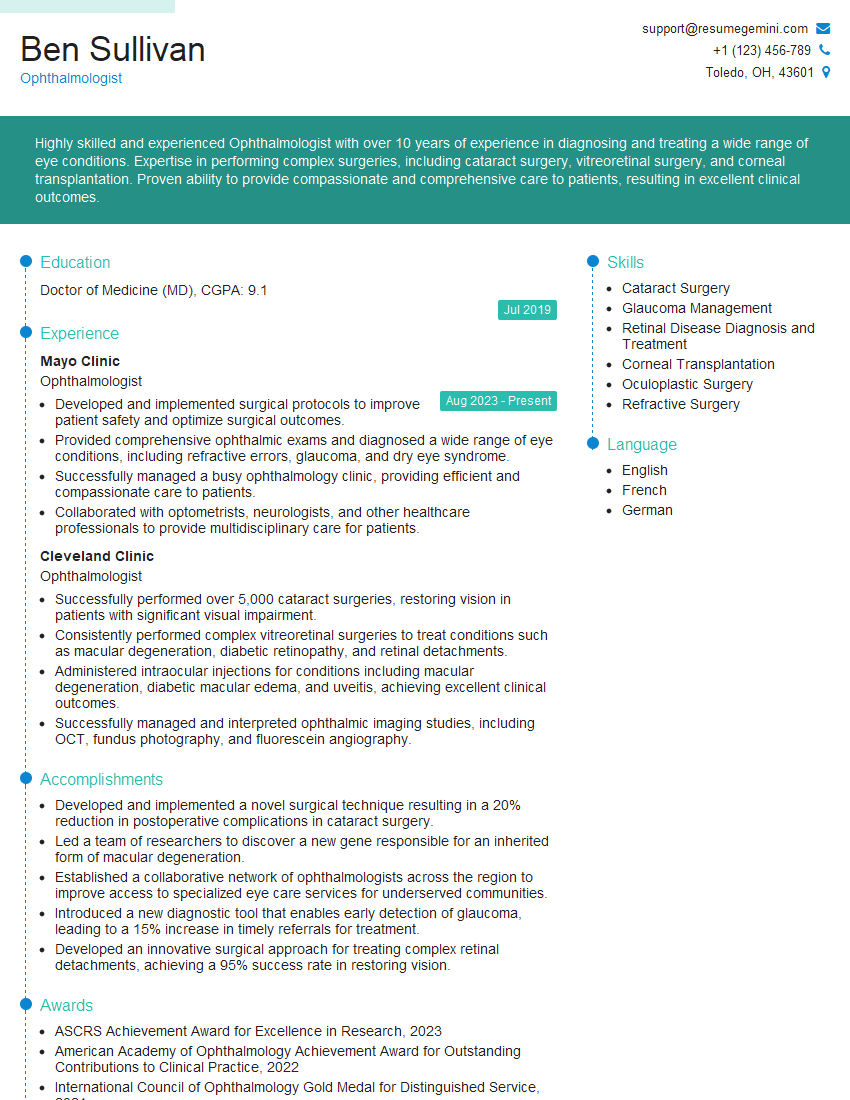
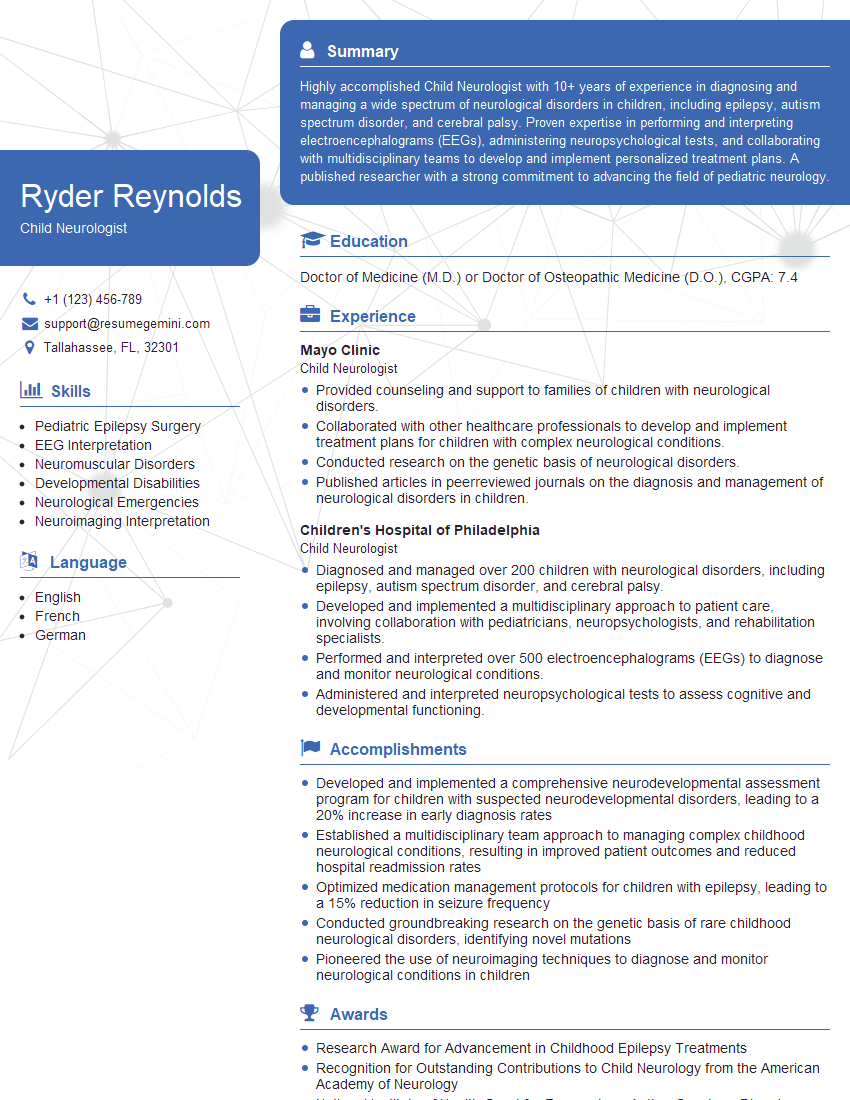
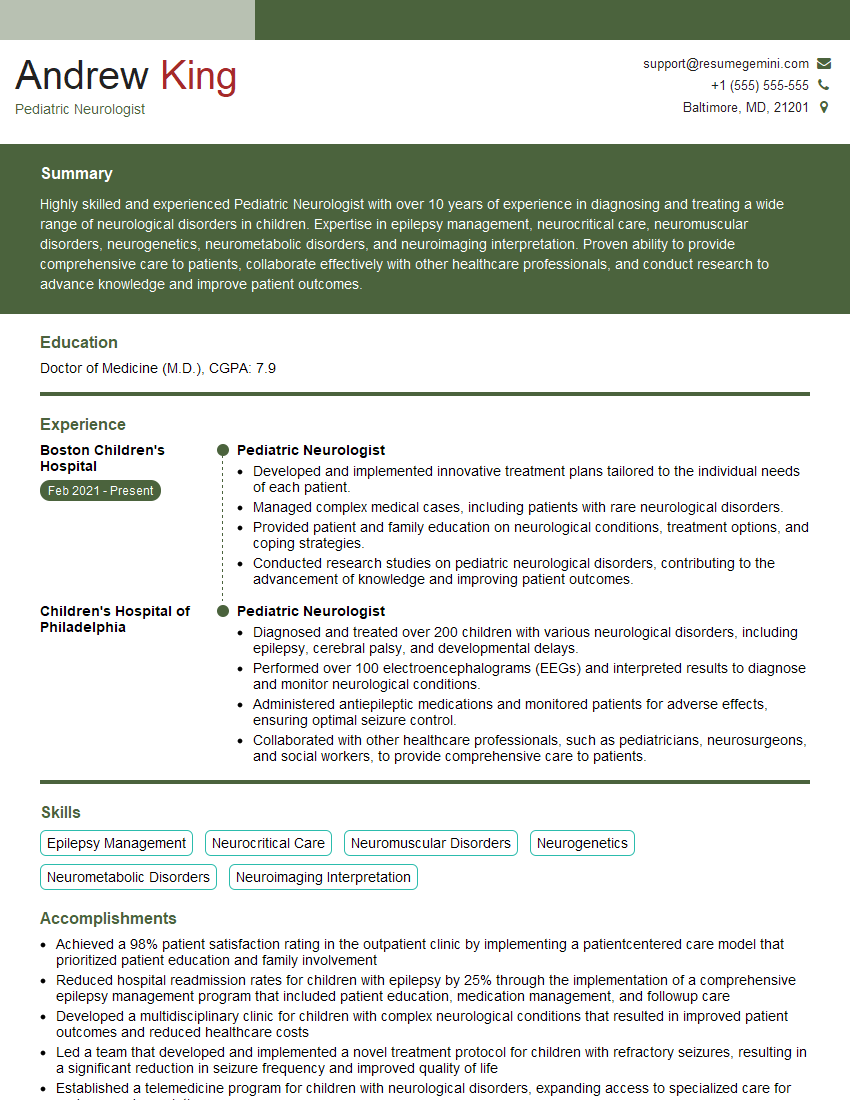
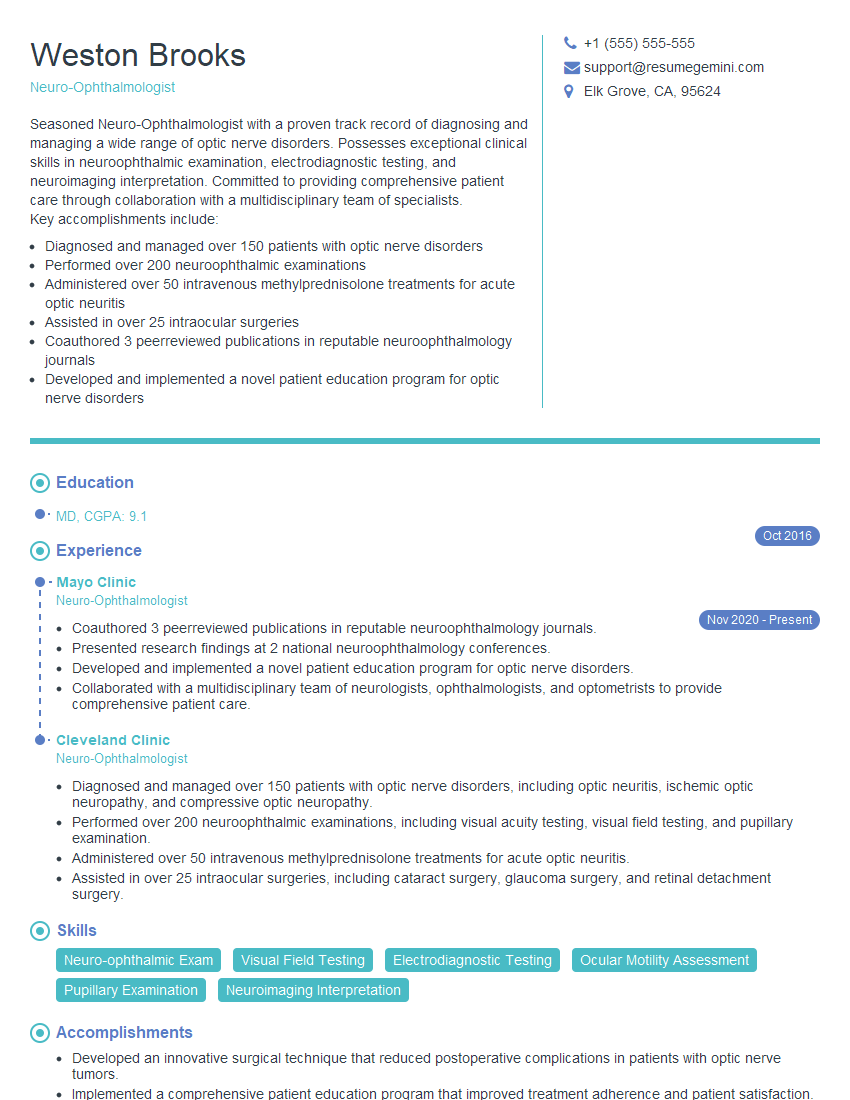
Mastering Pediatric Neuro-Ophthalmology opens doors to a rewarding and impactful career, offering the opportunity to make a significant difference in the lives of young patients. To maximize your job prospects, crafting an ATS-friendly resume is crucial. ResumeGemini is a trusted resource that can help you build a professional resume that highlights your skills and experience effectively. ResumeGemini provides examples of resumes tailored to Pediatric Neuro-Ophthalmology, helping you present yourself in the best possible light to potential employers. Invest time in creating a strong resume – it’s your first impression.
Explore more articles
Users Rating of Our Blogs
Share Your Experience
We value your feedback! Please rate our content and share your thoughts (optional).
What Readers Say About Our Blog
To the interviewgemini.com Webmaster.
Very helpful and content specific questions to help prepare me for my interview!
Thank you
To the interviewgemini.com Webmaster.
This was kind of a unique content I found around the specialized skills. Very helpful questions and good detailed answers.
Very Helpful blog, thank you Interviewgemini team.