Preparation is the key to success in any interview. In this post, we’ll explore crucial Pediatric Neuro-Psychiatry interview questions and equip you with strategies to craft impactful answers. Whether you’re a beginner or a pro, these tips will elevate your preparation.
Questions Asked in Pediatric Neuro-Psychiatry Interview
Q 1. Explain the difference between ADHD and Oppositional Defiant Disorder.
While both ADHD (Attention-Deficit/Hyperactivity Disorder) and Oppositional Defiant Disorder (ODD) are common childhood behavioral disorders, they differ significantly in their core symptoms. ADHD is primarily characterized by inattention, hyperactivity, and impulsivity. Think of a child who struggles to sit still, constantly interrupts, and has difficulty focusing on tasks. ODD, on the other hand, involves a persistent pattern of angry/irritable mood, argumentative/defiant behavior, and vindictiveness. This child might frequently argue with adults, defy rules, and deliberately annoy others. Importantly, a child can have both ADHD and ODD – a common co-occurrence. The key distinction lies in the focus of the disruptive behavior: ADHD is about attentional and behavioral regulation difficulties, while ODD centers on negative and defiant interactions.
Example: A child with ADHD might blurting out answers in class without raising their hand (impulsivity), while a child with ODD might refuse to follow the teacher’s instructions (defiance), even if they are capable of focusing.
Q 2. Describe the diagnostic criteria for Autism Spectrum Disorder.
The diagnostic criteria for Autism Spectrum Disorder (ASD) are defined by the DSM-5 (Diagnostic and Statistical Manual of Mental Disorders, 5th Edition) and encompass persistent deficits in social communication and social interaction across multiple contexts, and restricted, repetitive patterns of behavior, interests, or activities. These criteria are usually evident in early childhood, although they may not become fully manifest until social demands exceed the individual’s limited capacities. The specific symptoms and severity can vary greatly among individuals.
- Persistent deficits in social communication and social interaction: This includes difficulties with social-emotional reciprocity, nonverbal communicative behaviors used for social interaction, and developing, maintaining, and understanding relationships.
- Restricted, repetitive patterns of behavior, interests, or activities: This involves stereotyped or repetitive motor movements, use of objects, or speech; insistence on sameness, inflexible adherence to routines, or ritualized patterns of verbal or nonverbal behavior; highly restricted, fixated interests that are abnormal in intensity or focus; and hyper- or hyporeactivity to sensory input or unusual interest in sensory aspects of the environment.
Diagnosis requires a comprehensive assessment by a qualified professional, considering the individual’s developmental history and current functioning. There is no single test for ASD; diagnosis relies on clinical observation, behavioral assessments, and developmental history.
Q 3. What are the common pharmacological treatments for childhood anxiety?
Pharmacological treatment for childhood anxiety is often a part of a broader treatment plan that includes therapy. The choice of medication depends on factors like the child’s age, the specific anxiety disorder, and other health conditions. Commonly used medications include:
- Selective Serotonin Reuptake Inhibitors (SSRIs): Such as sertraline (Zoloft) and fluoxetine (Prozac), these are first-line treatments for many anxiety disorders. They work by increasing serotonin levels in the brain, which can improve mood and reduce anxiety.
- Serotonin-Norepinephrine Reuptake Inhibitors (SNRIs): Such as venlafaxine (Effexor) and duloxetine (Cymbalta), these can be effective for anxiety with accompanying symptoms like depression.
- Benzodiazepines: Such as alprazolam (Xanax) and clonazepam (Klonopin), these are often used for short-term relief of severe anxiety, but typically are not a long-term solution due to potential for dependence and other side effects. They should be used cautiously in children.
It’s crucial to emphasize that medication should always be prescribed and monitored by a qualified psychiatrist or physician experienced in child and adolescent psychiatry. The decision to use medication involves careful consideration of potential benefits and risks, including side effects, and is tailored to the individual child’s needs.
Q 4. Discuss the ethical considerations of prescribing medication to children.
Prescribing medication to children raises significant ethical considerations. The key principles involve:
- Beneficence and Non-maleficence: The treatment must aim to benefit the child and minimize harm. This requires a thorough assessment of the child’s condition, careful medication selection, close monitoring for side effects, and regular reassessment of the treatment plan. The potential benefits must outweigh the risks.
- Respect for Autonomy: As children mature, their involvement in treatment decisions should increase. This requires age-appropriate communication and consideration of the child’s preferences and concerns, within the context of their developmental stage and capacity for decision-making. Parental consent is essential, but the child’s views should be heard and respected as much as possible.
- Justice: Equitable access to appropriate mental health services, including medication, is crucial. This requires addressing disparities in access based on socioeconomic status, geographic location, insurance coverage and other factors.
- Informed Consent: Parents must provide informed consent, understanding the risks and benefits of medication before it is prescribed. This requires clear and understandable communication from the prescribing physician.
Ethical decision-making in child psychiatry necessitates a balance between parental rights and the child’s well-being, always prioritizing the child’s best interests.
Q 5. How would you approach a case of Tourette’s Syndrome in a 10-year-old?
Approaching a case of Tourette’s Syndrome in a 10-year-old requires a multi-faceted approach. The first step is a thorough assessment to confirm the diagnosis, which includes evaluating the presence and characteristics of motor and phonic tics, their frequency, intensity, and duration. This also includes a comprehensive evaluation of the child’s overall functioning, including academic performance, social relationships, and emotional well-being.
Treatment typically involves a combination of strategies:
- Comprehensive behavioral therapy: Habit reversal training is often effective, teaching the child strategies to identify the premonitory urges of tics and substitute them with competing responses.
- Pharmacological treatment: Medications, such as alpha-adrenergic agonists (like clonidine or guanfacine), or antipsychotics (such as risperidone or haloperidol) might be considered, but typically only if tics are significantly impairing the child’s functioning and after behavioral interventions have been tried. Medication is highly individualized based on the severity and response.
- Psychosocial support: This involves supporting the child and their family in coping with the challenges of living with Tourette’s. This may involve school accommodations, peer support groups, and family therapy to address the impact of tics on family dynamics.
Regular monitoring is critical to assess the effectiveness of treatment and make adjustments as needed. The treatment should be tailored to the specific needs of the child and their family.
Q 6. What are the key components of a comprehensive neurodevelopmental assessment?
A comprehensive neurodevelopmental assessment aims to provide a detailed understanding of a child’s cognitive, social-emotional, and motor development. Key components include:
- Developmental History: A thorough review of prenatal, perinatal, and postnatal history, including milestones, medical conditions, and family history.
- Cognitive Assessment: Using standardized tests like the Wechsler Intelligence Scale for Children (WISC) or other appropriate measures to assess intelligence, memory, processing speed and attention.
- Adaptive Behavior Assessment: Evaluating the child’s ability to function independently in daily life, including self-care, social skills, and communication. Scales like the Vineland Adaptive Behavior Scales are used.
- Language Assessment: Assessing receptive and expressive language skills using standardized tests.
- Motor Skills Assessment: Evaluating fine and gross motor skills to identify delays or difficulties.
- Behavioral Observations: Direct observation of the child’s behavior in various settings to assess attention, social interaction, and emotional regulation.
- Neurological Examination: Assessing reflexes, muscle tone, and coordination to rule out any neurological conditions.
The integration of information from different assessment tools allows for a holistic understanding of the child’s neurodevelopmental profile, informing appropriate interventions and support plans.
Q 7. Explain the role of family therapy in treating pediatric mental health disorders.
Family therapy plays a vital role in treating pediatric mental health disorders. It acknowledges that a child’s mental health is deeply intertwined with the family system. The approach aims to:
- Improve Family Communication and Dynamics: Therapy helps family members learn effective communication strategies, resolve conflicts, and foster a more supportive environment.
- Enhance Parental Skills: Parents receive guidance on managing challenging behaviors, providing consistent discipline, and understanding their child’s specific needs.
- Reduce Family Stress: Therapy addresses stress and burden on families stemming from their child’s mental health condition, offering coping mechanisms and support.
- Increase Family Collaboration: It promotes collaboration in treatment planning and implementation, ensuring consistency in approaches at home and in other settings.
- Address Sibling Dynamics: It helps address the impact of a child’s mental health issues on siblings, ensuring they also receive support and attention.
Different family therapy models, such as structural family therapy or systemic therapy, are utilized based on the family’s needs and the specific challenges presented. Family therapy can be used in conjunction with individual therapy and medication management for a more comprehensive and effective approach to treatment.
Q 8. Describe your experience with different therapeutic modalities used in pediatric neuropsychiatry.
My experience in pediatric neuropsychiatry encompasses a wide range of therapeutic modalities, tailored to the individual needs of each child and family. We utilize a biopsychosocial approach, integrating various therapies to achieve optimal outcomes.
- Pharmacotherapy: This is often a crucial component, particularly for conditions like ADHD, anxiety disorders, and depression. Careful medication selection, dosage adjustments, and monitoring for side effects are essential. For instance, we might use stimulants for ADHD, SSRIs for depression, or anxiolytics for anxiety, always considering the child’s age, developmental stage, and co-morbid conditions.
- Psychotherapy: Different therapeutic approaches are employed, such as Cognitive Behavioral Therapy (CBT), which helps children identify and change negative thought patterns and behaviors. Play therapy is especially valuable for younger children, allowing them to express themselves through play. Family therapy is often included, addressing family dynamics and improving communication.
- Behavioral Interventions: These strategies focus on modifying maladaptive behaviors using techniques like positive reinforcement, reward systems, and consistent discipline. For example, a structured reward chart can be highly effective for improving attention and compliance in children with ADHD.
- Educational Interventions: Close collaboration with schools is essential. We develop Individualized Education Programs (IEPs) or 504 plans to accommodate the child’s learning needs and support their academic success.
- Other modalities: Depending on the specific needs, we may also incorporate other approaches, such as art therapy, music therapy, or neurofeedback.
The selection of therapies is always individualized and evidence-based, with regular assessments to monitor progress and make adjustments as needed.
Q 9. How do you differentiate between organic and functional neurological symptoms in children?
Differentiating between organic and functional neurological symptoms in children requires a thorough and multidisciplinary approach. Organic symptoms have a demonstrable neurological basis, such as a brain lesion or structural abnormality. Functional symptoms, on the other hand, lack clear neurological findings despite the child experiencing genuine distress. The distinction isn’t always easy.
We begin with a detailed history, including developmental milestones, medical history, family history of neurological or psychiatric conditions and a comprehensive neurological exam. Neuroimaging techniques like MRI or EEG can help identify structural or functional abnormalities in the brain, supporting a diagnosis of organic disease. However, even with normal imaging, functional symptoms can still exist.
For example, a child presenting with weakness in one leg could have cerebral palsy (organic) demonstrated by imaging or could have conversion disorder (functional), with normal imaging findings but significant psychological stressors. Careful consideration of the symptom presentation, the child’s overall developmental trajectory, and the presence of psychological distress is crucial in making the correct diagnosis. The use of standardized assessment tools can also be quite helpful.
Sometimes, a collaborative approach with specialists such as neurologists, psychiatrists, and psychologists is necessary to arrive at the most accurate and complete diagnosis.
Q 10. What are some common challenges in diagnosing and treating pediatric depression?
Diagnosing and treating pediatric depression presents unique challenges. Children often express their distress differently than adults, leading to missed or delayed diagnoses.
- Challenges in Diagnosis: Children might exhibit irritability, anger, somatic complaints (stomach aches, headaches), changes in sleep or appetite, or social withdrawal rather than the classic symptoms of sadness and hopelessness seen in adults. This can lead to misdiagnosis as anxiety or other conditions. Furthermore, younger children lack the verbal skills to adequately describe their internal emotional states.
- Comorbidity: Depression often co-occurs with other conditions like anxiety, ADHD, or learning disabilities, making diagnosis and treatment more complex. Addressing these co-occurring conditions is critical for successful management of depression.
- Treatment Challenges: Finding the right medication and dosage can be a process of trial and error. Some antidepressants carry a higher risk of side effects in children. Psychotherapy, often CBT or family therapy, is essential but requires the child’s engagement and cooperation, which can be difficult to achieve, especially in severe cases.
- Reluctance to seek help: Families may be hesitant to seek professional help due to stigma or fear of medication side effects.
Therefore, careful assessment using validated scales and a multidisciplinary approach are crucial for accurate diagnosis and effective treatment. Building a strong therapeutic alliance with the child and family is also paramount.
Q 11. Explain the impact of trauma on the developing brain.
Trauma profoundly impacts the developing brain, affecting its structure and function. The effects vary depending on the type, severity, and duration of trauma, as well as the child’s age, resilience, and support system.
Early childhood trauma can disrupt the normal development of the brain’s stress response system, the hypothalamic-pituitary-adrenal (HPA) axis. This can lead to dysregulation, making children more vulnerable to anxiety, depression, and other mental health problems. The amygdala, involved in processing fear, may become hyperactive, while the hippocampus, crucial for memory and learning, may show structural changes. The prefrontal cortex, involved in executive functions and emotional regulation, may also be affected.
For example, children who experience prolonged neglect or abuse may exhibit difficulties with emotional regulation, social interaction, and impulse control. They might have trouble forming attachments, exhibiting symptoms of PTSD, or developing other neuropsychiatric disorders. The impact on brain development can be long-lasting, but early intervention and trauma-informed care can help mitigate these effects and promote healing.
Q 12. Discuss the role of genetics in pediatric neuropsychiatric disorders.
Genetics play a significant role in pediatric neuropsychiatric disorders. While no single gene typically causes these conditions, variations in multiple genes contribute to an increased vulnerability. These genetic factors can interact with environmental factors, such as trauma or stress, to increase the risk of developing a disorder.
For example, some children may inherit a genetic predisposition to ADHD or autism spectrum disorder. This doesn’t mean they will automatically develop the condition; instead, it means they have a higher likelihood of doing so, especially if they experience environmental stressors. Family and twin studies support the strong genetic influence in many of these disorders.
Understanding the genetic component is crucial for improving diagnostic accuracy, identifying high-risk individuals, and developing personalized treatment approaches. Genetic testing is not always routine but can be helpful in certain situations, especially if there is a strong family history of the disorder.
Q 13. What are the potential side effects of stimulant medication in children with ADHD?
Stimulant medications, commonly used to treat ADHD, can have potential side effects in children, although these vary in frequency and severity.
- Appetite suppression: This is a common side effect, leading to weight loss or difficulty maintaining a healthy weight. Careful monitoring of growth parameters is vital.
- Sleep disturbances: Insomnia or difficulty falling asleep can occur, particularly if the medication is taken too late in the day. Adjusting the timing of medication administration can help.
- Increased heart rate and blood pressure: These effects are generally mild but should be monitored, especially in children with pre-existing cardiovascular conditions.
- Headaches, stomachaches, and other gastrointestinal issues: These side effects are relatively common and usually resolve with time or dose adjustment.
- Tics or worsening of pre-existing tics: This is a less frequent but important consideration. A careful history of tics is needed before starting treatment and close monitoring is required during treatment.
- Rebound effects: After the medication wears off, some children may experience increased symptoms of ADHD, highlighting the importance of consistent dosing.
It’s important to emphasize that not all children experience these side effects, and many find the benefits of improved attention and focus outweigh the potential drawbacks. Regular monitoring and open communication with the child and family are essential for managing any side effects that do arise.
Q 14. How do you manage the medication side effects in children?
Managing medication side effects in children requires a proactive and individualized approach.
- Careful Monitoring: Regular follow-up appointments are crucial to assess the child’s response to medication and monitor for any side effects. This includes monitoring weight, height, heart rate, blood pressure, and sleep patterns.
- Dose Adjustment: If side effects occur, the dose may need to be adjusted, or the medication may need to be changed entirely. This is a collaborative process involving the child, family, and healthcare professionals.
- Timing of Medication: Adjusting the time of medication administration can help minimize certain side effects. For example, taking stimulant medication earlier in the day may help reduce sleep disturbances.
- Non-Pharmacological Strategies: Behavioral interventions, such as implementing a consistent sleep schedule, providing healthy meal options, and encouraging physical activity, can help mitigate some side effects. For example, if a child has decreased appetite, we might encourage small, frequent, high-calorie snacks throughout the day.
- Addressing Psychological Concerns: Some side effects, such as anxiety or irritability, may require additional support through therapy or counseling.
- Open Communication: Maintaining open communication with the child and family about potential side effects and their management is crucial. Parents should be empowered to report any changes in their child’s behavior or well-being.
A collaborative and individualized approach is crucial for effective management of medication side effects. The goal is to find the optimal balance between achieving therapeutic benefits and minimizing any adverse effects.
Q 15. How would you approach a child exhibiting self-harm behaviors?
Addressing self-harm in children requires a multifaceted approach prioritizing safety and understanding the underlying cause. It’s crucial to remember that self-harm is a symptom, not a diagnosis.
My initial steps involve a thorough assessment, including a detailed history from the child, parents, and other relevant caregivers. This assessment explores potential triggers (stress, trauma, relationship difficulties, etc.), the frequency and severity of self-harm behaviors, and the child’s coping mechanisms.
Next, I would collaborate with the family to develop a safety plan, which might include removing access to harmful objects, establishing communication strategies (e.g., check-in calls), and identifying safe individuals the child can contact during times of crisis.
Depending on the severity and underlying issues, I may recommend evidence-based interventions such as Dialectical Behavior Therapy (DBT) for adolescents, Cognitive Behavioral Therapy (CBT) for younger children, or trauma-focused therapy. Medication may also be considered in conjunction with therapy, particularly if underlying conditions like depression or anxiety are identified. Regular monitoring and ongoing support are crucial for sustained improvement.
For instance, I once worked with a 14-year-old girl who was cutting herself. Through therapy, we discovered underlying trauma and taught her coping skills to manage intense emotions. The combination of therapy, a strong safety plan with her family, and medication helped her significantly reduce self-harm behaviors.
Career Expert Tips:
- Ace those interviews! Prepare effectively by reviewing the Top 50 Most Common Interview Questions on ResumeGemini.
- Navigate your job search with confidence! Explore a wide range of Career Tips on ResumeGemini. Learn about common challenges and recommendations to overcome them.
- Craft the perfect resume! Master the Art of Resume Writing with ResumeGemini’s guide. Showcase your unique qualifications and achievements effectively.
- Don’t miss out on holiday savings! Build your dream resume with ResumeGemini’s ATS optimized templates.
Q 16. What are your strategies for managing disruptive behavior in a clinical setting?
Managing disruptive behavior in a clinical setting demands a proactive, structured approach that balances safety with therapeutic goals. My strategy emphasizes positive reinforcement and clear expectations.
Before any session, I clearly explain the rules and expectations, using age-appropriate language and positive framing. Consistent application of these rules is key. I utilize visual aids, such as charts or timers, to support young children’s understanding.
When disruptive behavior occurs, I address it calmly and firmly. I avoid power struggles and instead try to understand the underlying reason for the behavior. Techniques like brief time-outs or redirection may be implemented, always focusing on de-escalation.
Positive reinforcement is vital. Praising appropriate behavior and offering rewards for positive actions reinforces desired conduct. Involving parents in establishing and maintaining consistent expectations both in and out of the clinical setting ensures continuity and enhances the effectiveness of interventions. For example, a reward system for attending therapy sessions and staying focused helps engage children in their treatment.
Q 17. Describe your experience with working with children with intellectual disabilities.
My experience with children with intellectual disabilities involves understanding that their needs are unique and require tailored approaches.
Assessment involves careful evaluation of their cognitive abilities, adaptive functioning, and communication skills, considering the wide spectrum of intellectual disabilities. Communication strategies are adapted to meet the child’s individual needs, which may include augmentative and alternative communication (AAC) techniques.
Therapeutic interventions often focus on functional skills training, targeting areas like self-care, social skills, and communication. Behavior modification techniques are frequently employed to address challenging behaviors. Family involvement is crucial, ensuring consistent support and a home environment that fosters the child’s growth and development.
For instance, I worked with a young boy diagnosed with Down syndrome who struggled with emotional regulation. By collaborating with his family and using visual schedules and positive reinforcement techniques, we successfully helped him manage his frustration and improve his social interactions.
Q 18. How do you work with families to support their child’s mental health?
Working with families is foundational to a child’s mental health success. I believe in fostering a collaborative relationship based on mutual respect, empathy, and shared decision-making.
I start by building rapport, actively listening to the family’s concerns and perspectives. I provide clear explanations of diagnoses, treatment options, and prognosis in accessible language.
I empower families to actively participate in their child’s care by teaching them coping skills and strategies they can use at home. I might utilize parent training or family therapy to address family dynamics that contribute to the child’s challenges. Regular communication and feedback loops are crucial to ensure the treatment plan is effective and adjusted as needed.
For example, I worked with a family whose child was struggling with anxiety. We implemented a family-based CBT approach, teaching parents how to support their child and manage their anxiety at home, resulting in significant improvements in the child’s symptoms and family relationships.
Q 19. What is your approach to assessing and treating co-occurring disorders in children?
Co-occurring disorders (comorbidity) are common in children. My approach involves a comprehensive assessment to identify all potential conditions. This involves reviewing the child’s medical history, conducting a detailed clinical interview with the child and their parents, and potentially using standardized assessment tools.
Once identified, the treatment plan addresses all disorders simultaneously, recognizing the interplay between them. This may involve a combination of medication, psychotherapy (CBT, family therapy, etc.), and other interventions. For example, a child with ADHD might also experience anxiety; the treatment would address both conditions, perhaps using medication for ADHD symptoms and CBT to manage anxiety.
Regular monitoring is crucial to evaluate the effectiveness of treatment and make necessary adjustments. Collaboration with other specialists, such as pediatricians and other therapists, is frequently vital in providing holistic care.
Q 20. Explain your understanding of evidence-based practices in pediatric neuropsychiatry.
Evidence-based practices (EBPs) in pediatric neuropsychiatry refer to interventions supported by robust scientific research demonstrating their effectiveness and safety. My practice relies heavily on EBPs, constantly updating my knowledge of the latest research to ensure I provide the most effective and appropriate care.
Examples of EBPs include Cognitive Behavioral Therapy (CBT) for anxiety and depression, Dialectical Behavior Therapy (DBT) for self-harm and emotional dysregulation, and various medication treatments guided by clinical trials.
I incorporate EBPs by using standardized assessment tools, selecting interventions based on empirical evidence, and regularly evaluating outcomes to determine treatment efficacy. The constant review of literature and professional development are essential to stay abreast of new and evolving EBPs in this rapidly advancing field.
Q 21. How do you ensure cultural sensitivity in your practice?
Cultural sensitivity is paramount in my practice. I recognize that cultural backgrounds significantly influence a child’s behavior, family dynamics, and help-seeking behaviors.
I begin by acknowledging and respecting the family’s cultural beliefs and practices. I avoid making assumptions and actively seek to understand their perspectives. This involves asking open-ended questions and actively listening to their experiences and concerns.
I adapt my communication style and therapeutic approaches to be culturally appropriate. This might include using interpreters, modifying assessment tools, and collaborating with culturally competent colleagues. I am also mindful of potential cultural barriers to care and work to address them proactively. For example, I ensure that my office materials are available in multiple languages and that my communication style reflects sensitivity and understanding of diverse cultural norms.
Q 22. Describe a challenging case and how you overcame the obstacles.
One particularly challenging case involved a 10-year-old boy presenting with severe anxiety, social withdrawal, and significant academic underachievement. Initial assessments suggested possible autism spectrum disorder (ASD), but his symptoms didn’t fully align with the diagnostic criteria. He also exhibited obsessive-compulsive behaviors and episodes of intense anger. The challenge lay in differentiating between ASD, obsessive-compulsive disorder (OCD), and anxiety disorders, as these conditions often overlap in children.
To overcome this, I employed a multi-faceted approach. We started with comprehensive diagnostic assessments, including standardized tests like the Autism Diagnostic Observation Schedule (ADOS) and the Yale-Brown Obsessive Compulsive Scale (Y-BOCS), alongside detailed clinical interviews with the boy and his parents. We also incorporated projective techniques like drawing and play therapy to gain insights into his emotional world, as he struggled to verbalize his feelings. We discovered that his anxiety stemmed from a traumatic event that he had difficulty processing. This understanding was crucial in tailoring the treatment plan.
We developed a tailored intervention plan that incorporated cognitive behavioral therapy (CBT) to address anxiety and OCD symptoms, play therapy to process the trauma, and social skills training to improve his interactions with peers. Regular progress monitoring was essential. Over six months, we saw significant improvements in his anxiety levels, obsessive-compulsive behaviors decreased, and he showed increased engagement in school. This case highlighted the importance of a thorough diagnostic process and a flexible approach, tailoring treatment to the individual’s unique needs and developmental stage.
Q 23. How do you maintain confidentiality when working with minors?
Maintaining confidentiality with minors is paramount. It’s ethically and legally crucial. I adhere strictly to HIPAA regulations and relevant state laws. This means securing all records, both electronic and paper-based, using password protection and secure storage. I only share information with other professionals directly involved in the child’s care, obtaining parental consent (or court-ordered consent if applicable) before doing so.
When discussing the child’s case with parents, I use language they can understand, avoiding complex jargon. I also empower the child by explaining the process and giving them a voice in what information they are comfortable sharing. For older adolescents who possess a mature understanding, I might discuss the limits of confidentiality with them directly, emphasizing circumstances where I would be obligated to break confidentiality (e.g., threats of self-harm or harm to others). This open and honest communication builds trust and fosters a collaborative therapeutic relationship.
Q 24. What are your professional development goals in pediatric neuropsychiatry?
My professional development goals focus on enhancing my expertise in the neurobiological underpinnings of childhood psychiatric disorders. I’m particularly interested in furthering my knowledge of advanced neuroimaging techniques like fMRI and EEG in assessing and monitoring treatment response in children with ADHD and autism. I also aim to deepen my understanding of trauma-informed care, and to become proficient in evidence-based interventions such as mindfulness-based therapies and neurofeedback.
Furthermore, I aspire to contribute to research in pediatric neuropsychiatry, perhaps focusing on early intervention strategies for at-risk populations. I believe ongoing professional development is essential to provide the highest quality care to the children and families I serve.
Q 25. How do you stay updated with the latest advancements in the field?
Staying abreast of the latest advancements in pediatric neuropsychiatry involves a multifaceted approach. I actively participate in professional organizations like the American Academy of Child and Adolescent Psychiatry (AACAP), attending conferences and workshops to learn about the newest research findings and treatment modalities. I subscribe to several leading journals in the field, such as the Journal of the American Academy of Child & Adolescent Psychiatry and the Journal of Child Psychology and Psychiatry, regularly reviewing articles and studies.
Additionally, I utilize online resources, such as reputable medical databases like PubMed and Medline, to access research articles and clinical guidelines. I also engage in continuing medical education (CME) activities, including online courses and webinars, to maintain my licensure and broaden my knowledge base. Staying connected with colleagues through professional networks facilitates the exchange of information and experience.
Q 26. Describe your experience with different assessment tools used in pediatric neuropsychiatry.
My experience encompasses a wide range of assessment tools used in pediatric neuropsychiatry. These tools are crucial for accurate diagnosis and treatment planning. For example, in assessing ADHD, I frequently use the Conners’ Rating Scales and the ADHD Rating Scale-IV (ARS-IV). These provide both parent and teacher perspectives, offering a comprehensive understanding of the child’s behavior across different settings.
For autism spectrum disorder (ASD), the Autism Diagnostic Observation Schedule (ADOS) and the Autism Diagnostic Interview-Revised (ADI-R) are indispensable. These are semi-structured assessments that allow for detailed observation and interviews, aiding in the diagnostic process. When evaluating anxiety and depression, I utilize tools like the Children’s Depression Inventory (CDI) and the Spence Children’s Anxiety Scale (SCAS). The selection of the appropriate assessment tool depends heavily on the child’s age, developmental level, and suspected diagnosis, always keeping in mind the importance of using culturally sensitive tools and approaches.
Q 27. How do you incorporate developmental milestones into your clinical assessments?
Developmental milestones are fundamental to my clinical assessments. Understanding a child’s developmental trajectory is crucial in interpreting their behaviors and symptoms. I routinely use standardized developmental screening tools, such as the Ages and Stages Questionnaires (ASQ), to assess developmental progress in areas like language, motor skills, social skills, and cognitive abilities. This helps me establish a baseline and identify any significant delays or deviations from expected norms.
For example, if a child is significantly behind in language development, this could contribute to social difficulties and lead to anxiety. Understanding this developmental context informs my assessment and guides my treatment recommendations. I also consider the child’s developmental age when choosing appropriate assessment tools and interpreting their results. A 5-year-old’s behavior will be assessed and understood differently than that of a 12-year-old, even if they are presenting with similar symptoms.
Q 28. What are your views on the integration of technology in pediatric neuropsychiatric care?
Technology holds immense potential for transforming pediatric neuropsychiatric care. Telehealth, for example, has expanded access to mental health services, particularly beneficial for children in rural or underserved areas. This allows me to conduct virtual assessments and therapy sessions, eliminating geographical barriers. Furthermore, technology assists in data collection and analysis, making it easier to monitor progress and evaluate treatment effectiveness.
However, there are also challenges. Ensuring the security and privacy of sensitive patient data is crucial, and we must be mindful of the digital divide and ensure equitable access to technology. The use of technology also requires careful consideration of its impact on the therapeutic relationship, and it’s important to prioritize the human connection in therapeutic encounters. The judicious integration of technology, while balancing its benefits with its potential drawbacks, can create a more comprehensive and effective approach to patient care.
Key Topics to Learn for Pediatric Neuro-Psychiatry Interview
- Neurodevelopmental Disorders: Understanding the diagnostic criteria, clinical presentations, and management strategies for conditions like Autism Spectrum Disorder, ADHD, and intellectual disabilities. Consider the impact of these conditions on the child’s development and family dynamics.
- Developmental Trauma: Explore the effects of trauma on a child’s brain development and mental health. Focus on assessment techniques, therapeutic interventions, and the importance of a trauma-informed approach.
- Psychopharmacology in Children and Adolescents: Familiarize yourself with commonly prescribed medications for pediatric neuropsychiatric conditions, including their mechanisms of action, side effects, and appropriate dosing. Understand the ethical considerations of medication management in this population.
- Assessment and Diagnosis: Master the skills involved in conducting comprehensive assessments, including interviews with children, parents, and other caregivers. Understand the importance of using standardized assessment tools and interpreting diagnostic criteria.
- Therapeutic Interventions: Become familiar with various therapeutic approaches used in Pediatric Neuro-Psychiatry, such as Cognitive Behavioral Therapy (CBT), play therapy, and family therapy. Understand their applications and limitations in different clinical settings.
- Ethical and Legal Considerations: Understand the ethical dilemmas encountered in Pediatric Neuro-Psychiatry, such as confidentiality, informed consent, and managing challenging family dynamics. Be aware of relevant laws and regulations.
- Co-occurring Disorders: Recognize the prevalence of co-occurring medical and psychiatric conditions in children and adolescents. Develop an understanding of how to effectively manage these complex cases.
Next Steps
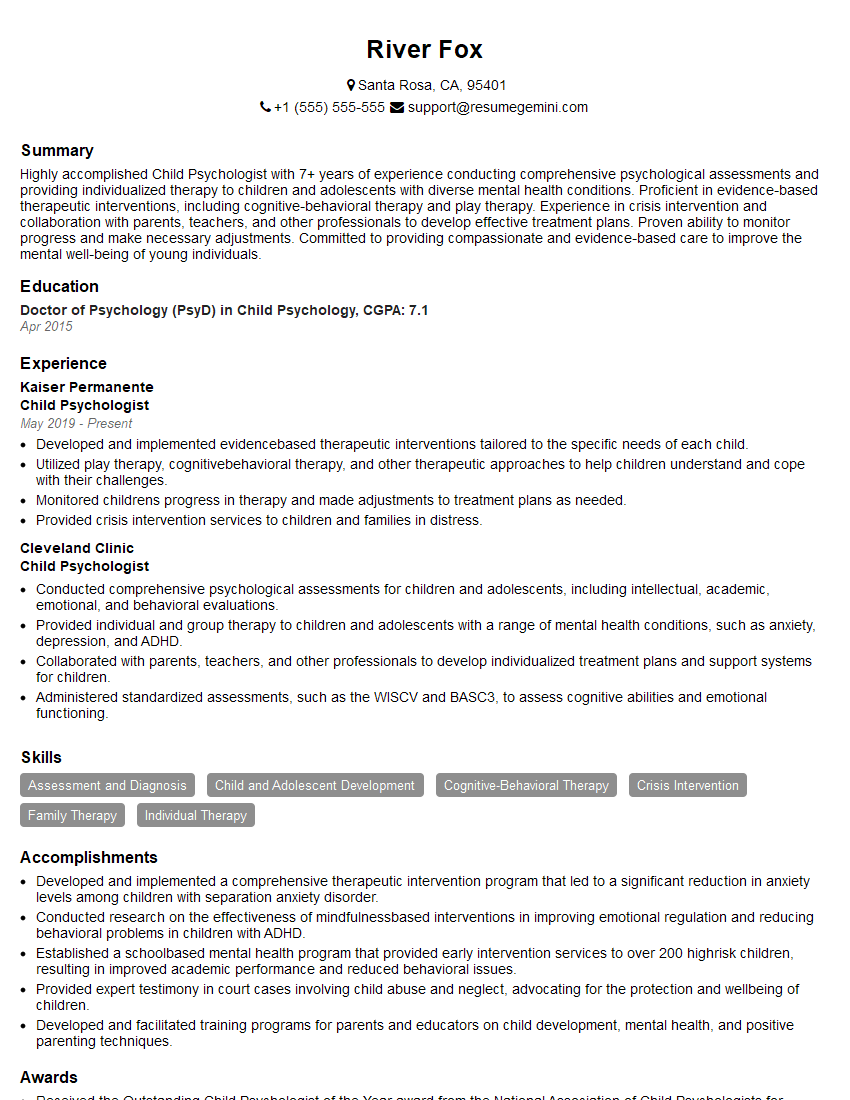
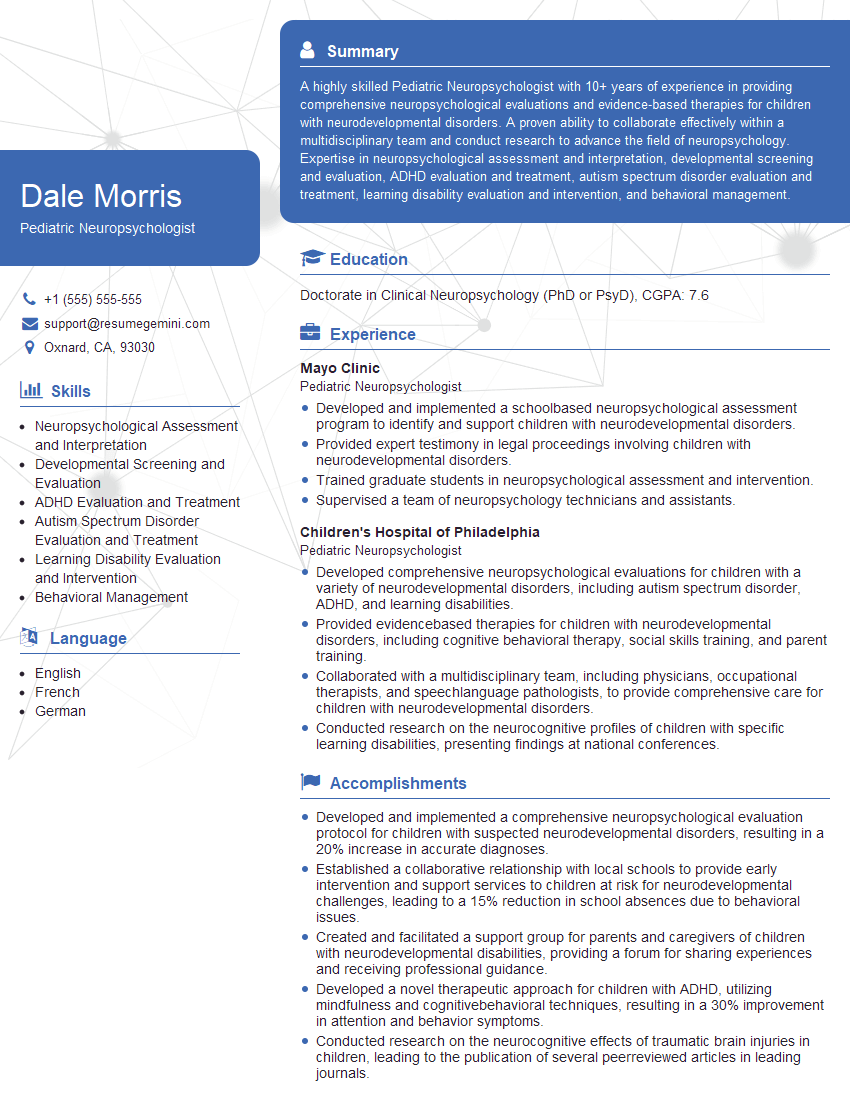
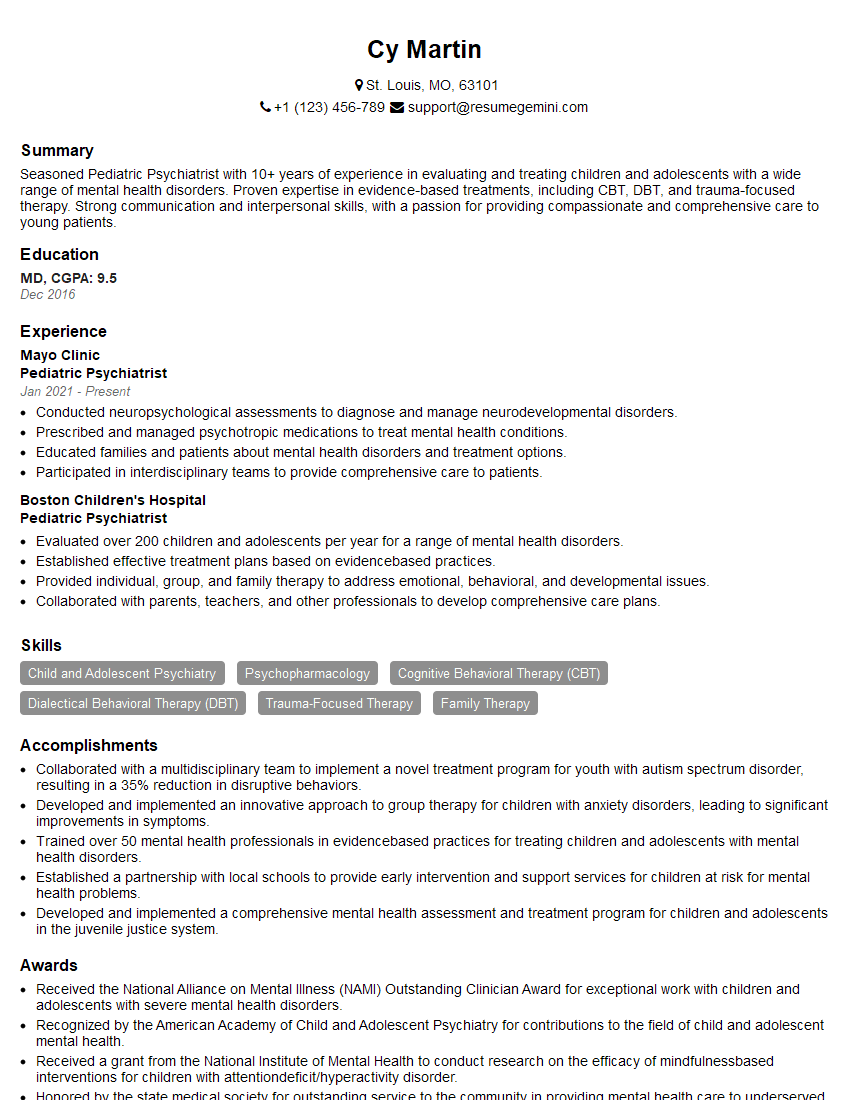
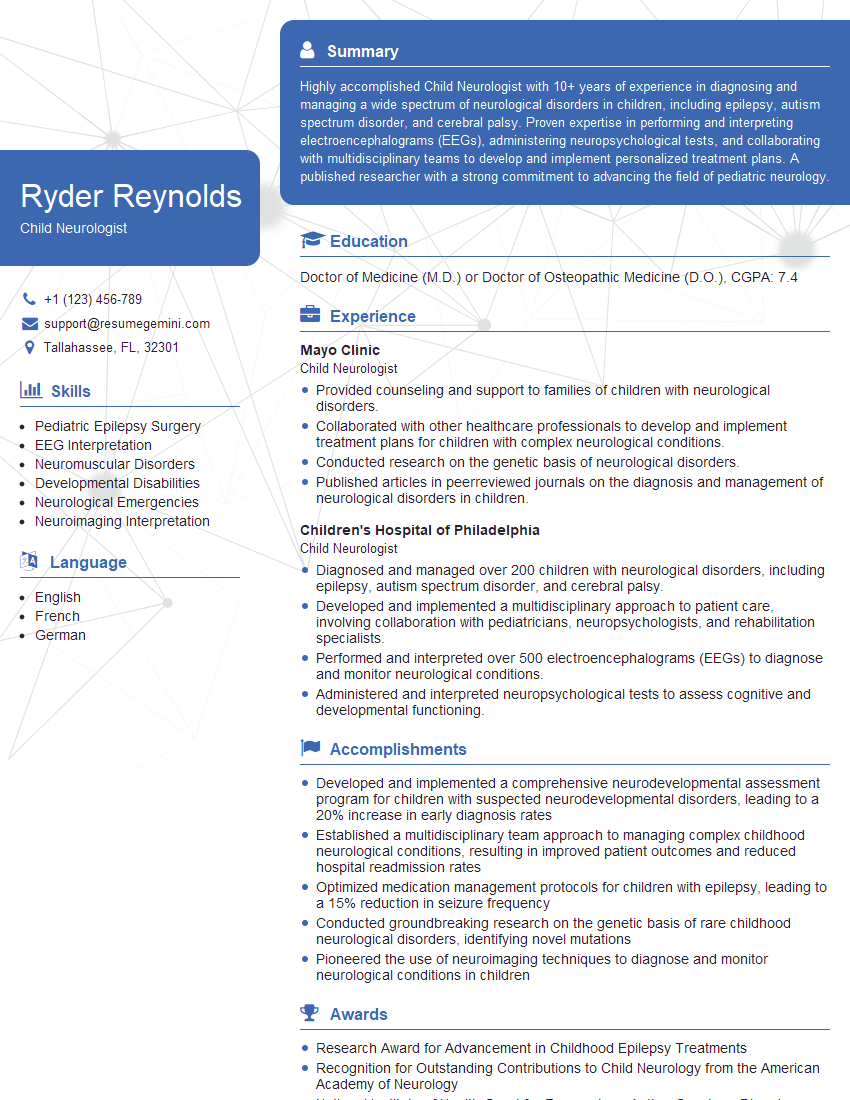
Mastering Pediatric Neuro-Psychiatry opens doors to a rewarding career impacting the lives of vulnerable children and their families. A strong foundation in this specialized field significantly enhances your career prospects. To make the most of your job search, crafting an ATS-friendly resume is crucial. ResumeGemini is a trusted resource that can help you build a professional and effective resume, significantly improving your chances of landing your dream job. Examples of resumes tailored specifically to Pediatric Neuro-Psychiatry are available to guide you through this process.
Explore more articles
Users Rating of Our Blogs
Share Your Experience
We value your feedback! Please rate our content and share your thoughts (optional).
What Readers Say About Our Blog
To the interviewgemini.com Webmaster.
Very helpful and content specific questions to help prepare me for my interview!
Thank you
To the interviewgemini.com Webmaster.
This was kind of a unique content I found around the specialized skills. Very helpful questions and good detailed answers.
Very Helpful blog, thank you Interviewgemini team.