Feeling uncertain about what to expect in your upcoming interview? We’ve got you covered! This blog highlights the most important Pediatric Physical Examination interview questions and provides actionable advice to help you stand out as the ideal candidate. Let’s pave the way for your success.
Questions Asked in Pediatric Physical Examination Interview
Q 1. Describe the sequence of a typical well-child physical examination for a 2-year-old.
A well-child exam for a 2-year-old follows a general approach prioritizing the child’s comfort and minimizing distress. It’s crucial to build rapport before starting the physical examination. We begin by observing the child’s general behavior, noting their alertness, interactions, and mood.
- Measurements: We start with weight, length/height, and head circumference, plotting these on growth charts to track development and identify potential issues.
- Vital Signs: Temperature, pulse, respiratory rate, and blood pressure are recorded. The method used for temperature measurement depends on the child’s age and cooperation (tympanic, axillary, or rectal).
- Head and Neck: We examine the head for shape, size, symmetry, and fontanelles (if still open). We inspect the ears, eyes, and nose, checking for any abnormalities. The neck is palpated for any masses or lymphadenopathy.
- Heart and Lungs: We listen to the heart sounds for any murmurs or irregularities. Lung sounds are auscultated to detect wheezing, crackles, or other abnormalities.
- Abdomen: The abdomen is inspected for distension, palpated gently for tenderness, and auscultated for bowel sounds.
- Genitourinary: A brief genital exam is performed, appropriate to the child’s age and gender.
- Musculoskeletal: We assess range of motion in the joints, looking for any limitations or deformities. We also evaluate gait and posture.
- Skin: A thorough skin assessment checks for rashes, birthmarks, or other lesions.
- Neurological: A basic neurological assessment, including gross motor skills and reflexes, is performed.
Throughout the exam, we engage the child with toys, games, or friendly conversation to keep them calm and cooperative. Remember, flexibility is key – the sequence might need to be adjusted based on the child’s behavior and cooperation.
Q 2. How do you assess for developmental milestones during a pediatric physical exam?
Assessing developmental milestones is an integral part of a pediatric physical exam. We use age-appropriate tools and observations to gauge progress across different domains.
- Gross Motor Skills: We observe the child’s ability to walk, run, jump, climb stairs, and perform other large muscle movements. For example, a 2-year-old should be able to walk up and down stairs with help.
- Fine Motor Skills: We assess their hand-eye coordination, dexterity, and manipulation of objects. For instance, a 2-year-old should be able to build a tower of 4-6 blocks.
- Language Development: We evaluate their receptive and expressive language skills, noting vocabulary, sentence structure, and ability to follow instructions. At age 2, children typically use 2-word phrases and understand simple sentences.
- Social and Emotional Development: We observe their social interactions, emotional regulation, and play behaviors. A 2-year-old should begin to engage in parallel play and show signs of independence.
- Cognitive Development: We assess problem-solving skills, memory, and understanding of concepts. For example, we might ask them to identify body parts or follow simple commands.
Developmental screening tools, such as the Denver Developmental Screening Test II (DDST-II), are often used to help standardize the assessment and identify potential delays or concerns. Remember, this is a screening tool, not a definitive diagnostic test. Any concerns identified should prompt further evaluation.
Q 3. Explain the technique for performing an otoscopic examination in a child.
Otoscopic examination in children requires a gentle and patient approach. We use a smaller otoscope with a wider, shorter speculum for better visibility and comfort.
- Positioning: The child should be lying down or seated securely. For infants, a parent’s lap can provide support and comfort.
- Stabilization: For toddlers and young children, one hand may gently stabilize the head. For infants, the parent can help stabilize the child’s head.
- Pulling the Pinna: The way we pull the pinna (outer ear) depends on the child’s age: In infants, the pinna is pulled gently downwards and backward; in older children, it is pulled upward and backward to straighten the ear canal.
- Inserting the Speculum: The otoscope is inserted slowly and gently into the ear canal. Avoid excessive pressure. Observe for any cerumen (earwax), inflammation, or foreign bodies.
- Visualization: Once the tympanic membrane (eardrum) is visualized, we observe its color, shape, and landmarks.
Important note: If the child is resisting or crying excessively, it’s essential to postpone the exam to another time. Forcing an examination will cause discomfort and anxiety for the child, negatively impacting their experience.
Q 4. Describe the appropriate techniques for assessing heart sounds and lung sounds in infants and children.
Assessing heart and lung sounds in infants and children differs slightly from adults due to their smaller size and sometimes less predictable behavior.
- Heart Sounds: We use a smaller diaphragm of the stethoscope. Infants may need to be examined while asleep or held in a parent’s arms. Auscultation is performed at various locations on the chest, listening for rate, rhythm, and any murmurs. Murmurs are described based on their timing, intensity, location, quality, and radiation.
- Lung Sounds: We again utilize the smaller diaphragm. Infants and young children may breathe irregularly. We should listen at the anterior and posterior chest, assessing breath sounds for their clarity and presence of adventitious sounds like wheezes, crackles, or rhonchi. We must pay attention to the quality of the breath sounds, noting their intensity and duration.
If a murmur or abnormal lung sounds are detected, further investigation may be needed. The child’s position can impact auscultation—for example, turning a child to their left side can sometimes better highlight certain heart sounds.
Q 5. How would you assess for abdominal distension and tenderness in a pediatric patient?
Assessing abdominal distension and tenderness in children requires a gentle approach. We want to minimize discomfort and accurately determine the underlying cause.
- Inspection: We first observe the abdomen’s shape, noting any distension or asymmetry. We assess the contour and the presence of scars, masses, or visible peristalsis.
- Auscultation: We listen for bowel sounds, noting their frequency and character. Absent or hypoactive bowel sounds may suggest ileus or other problems.
- Palpation: We begin with light palpation, assessing for tenderness and muscle guarding. Deep palpation is performed only if indicated and tolerated, with the child’s comfort paramount. We may palpate for masses or organomegaly. We assess for rebound tenderness, a sign of peritoneal irritation.
If there is marked tenderness or distension, further investigations like imaging studies might be indicated. The child’s age and cooperation will greatly influence the amount of examination that can be performed safely and effectively.
Q 6. Explain how to assess for hip dysplasia in a newborn.
Assessing for hip dysplasia in a newborn involves a thorough physical examination using specific maneuvers.
- Barlow Maneuver: This test assesses for instability of the hip. With the infant supine and hips and knees flexed, the examiner gently adducts the hips and applies downward pressure. A palpable click or sensation of the hip dislocating may suggest dysplasia.
- Ortolani Maneuver: This assesses for reducibility of a dislocated hip. With the hips and knees flexed, the examiner gently abducts the hips while applying upward pressure. A palpable click or sensation of the hip reducing may indicate dysplasia.
- Allis Test (Galeazzi Sign): This compares leg lengths. With the infant supine and hips and knees flexed, the examiner compares the height of the knees. A difference in knee height may suggest hip dysplasia.
- Asymmetry of Gluteal Folds: Asymmetrical skin folds in the buttocks might be a clue, but this alone is not diagnostic.
If any of these maneuvers reveal positive findings, further evaluation, such as ultrasound or radiography, may be necessary to confirm the diagnosis. Early detection and intervention are crucial for optimal outcomes.
Q 7. What are the key components of a neurological assessment in a child?
A neurological assessment in a child includes an evaluation of several key areas, adapted to the child’s age and developmental stage.
- Level of Consciousness: We assess alertness, responsiveness, and orientation.
- Cranial Nerves: We test cranial nerves relevant to the child’s age and any specific concerns. For younger children, this might focus on visual acuity, pupillary response, and facial movements.
- Motor Function: We assess strength, tone, coordination, and bulk of muscles. We look for symmetry in movements and presence of any involuntary movements.
- Sensory Function: We test sensation, focusing on areas relevant to potential problems. For example, we might check for pain or temperature sensation in older children.
- Reflexes: We assess deep tendon reflexes (e.g., biceps, triceps, knee, ankle), as well as superficial reflexes (e.g., plantar reflex). The absence or presence of abnormal reflexes can indicate neurological problems.
- Mental Status: Appropriate to the age, we assess cognitive function, language, and behavior.
The approach to neurological examination varies greatly based on age; newborn assessments focus primarily on reflexes, while older children can participate in more complex examinations. Any abnormalities detected may require a more comprehensive neurological workup.
Q 8. How do you differentiate between physiological and pathological murmurs in children?
Differentiating between physiological and pathological murmurs in children requires a careful and systematic approach. Physiological murmurs are usually innocent, meaning they are not associated with any underlying heart disease. Pathological murmurs, on the other hand, indicate a structural or functional abnormality of the heart.
Key Differences:
- Timing and Grade: Physiological murmurs are typically grade 1-2/6 in intensity, meaning they are soft and easily missed. They often occur during systole (the contraction phase of the heart) and are often musical or vibratory in quality. Pathological murmurs can vary widely in intensity and timing, potentially being present in diastole (the relaxation phase) as well, and often are louder and harsher.
- Location and Radiation: Physiological murmurs are usually heard best in certain locations, such as along the left sternal border. Pathological murmurs may radiate to different areas, depending on the underlying cardiac defect.
- Change with Posture or Respiration: Innocent murmurs often change in intensity with changes in posture or respiration (e.g., becoming softer when the child sits up). Pathological murmurs may not change significantly or may change in unexpected ways.
- Associated Findings: The absence of other cardiac findings like a thrill (a palpable vibration), abnormal heart sounds (clicks or rubs), or signs of cardiac failure strongly suggests a benign murmur. Pathological murmurs often accompany other signs of heart disease.
Example: A 5-year-old presents with a grade 1/6 systolic murmur heard best at the left sternal border that disappears when the child sits up. This is highly suggestive of a benign murmur. Conversely, a harsh, grade 4/6 systolic murmur radiating to the back along with a palpable thrill suggests a more serious condition requiring further investigation.
Important Note: It is crucial to remember that only a thorough evaluation by a cardiologist can definitively distinguish between physiological and pathological murmurs. Detailed history, physical examination, and potentially echocardiography are necessary for a conclusive diagnosis.
Q 9. What are the signs and symptoms of respiratory distress in infants?
Respiratory distress in infants is a serious condition requiring immediate attention. It manifests as the body’s struggle to obtain adequate oxygen. The signs can be subtle or overt, depending on the severity.
Signs and Symptoms:
- Increased Respiratory Rate (Tachypnea): A rapid breathing rate is a primary indicator. Normal breathing rates vary with age, but significant elevation above the normal range is a red flag.
- Grunting: A characteristic sound made during expiration, as the infant tries to keep the alveoli open.
- Nasal Flaring: Widening of the nostrils during inspiration, indicating increased effort to breathe.
- Retractions: The inward pulling of the skin around the ribs or sternum during inspiration. This reflects the increased negative pressure needed to draw air into the lungs.
- Cyanosis: Bluish discoloration of the skin, especially around the lips and extremities, due to low blood oxygen levels. Late sign.
- Head Bobbing: The rhythmic bobbing of the head with each breath, indicative of significant respiratory distress.
- Wheezing or Stridor: Whistling sounds (wheezing) during expiration or high-pitched sounds (stridor) during inspiration suggest airway narrowing.
- Lethargy or Irritability: Infants may appear unusually tired or unusually agitated because of respiratory distress.
Example: An infant with a rapid respiratory rate, nasal flaring, and grunting is exhibiting clear signs of respiratory distress and needs immediate medical attention. The presence of cyanosis indicates severe distress.
Important Note: The presence of any combination of these signs warrants immediate medical evaluation to determine the underlying cause and provide appropriate management.
Q 10. Describe the techniques for performing a musculoskeletal exam in a child.
A musculoskeletal exam in a child requires a gentle, age-appropriate approach. The examiner needs to be mindful of the child’s developmental stage and ability to cooperate. The examination should be performed systematically, focusing on symmetry and range of motion.
Techniques:
- Inspection: Start by visually assessing the child’s posture, gait (if applicable), and limb alignment. Look for any asymmetries, swelling, deformities, or unusual muscle bulk.
- Palpation: Gently feel the bones, joints, and muscles for tenderness, warmth, swelling, or crepitus (a crackling sensation).
- Range of Motion (ROM): Passively move the joints through their full range of motion, noting any limitations or pain. For infants and young children, this is primarily passive movement, while older children can be encouraged to participate.
- Muscle Strength Assessment: For older children, muscle strength can be assessed by having them perform specific movements against resistance. For younger children, observing their spontaneous movements and ability to hold positions provides insight.
- Special Tests: Depending on the suspected problem, specific tests may be performed, such as checking for ligament stability or assessing for developmental dysplasia of the hip (DDH) in infants.
Age-Specific Considerations:
- Infants: Focus on assessment of hips (checking for DDH), spine, and overall symmetry.
- Toddlers: Observe gait and look for any limping or difficulties with walking.
- Older Children: Assess posture, evaluate muscle strength more formally and engage them in active ROM assessment.
Example: Assessing for developmental dysplasia of the hip in a newborn involves performing the Ortolani and Barlow maneuvers. In an older child with a limp, careful palpation of the hip and assessment of range of motion are crucial steps in determining the cause.
Important Note: A thorough musculoskeletal exam often requires a combination of observation, palpation, and functional assessment tailored to the age and developmental capabilities of the child. Always consider the child’s comfort and cooperation during the examination.
Q 11. How do you assess for dehydration in a child?
Assessing for dehydration in a child involves evaluating several clinical signs and symptoms. The severity of dehydration can range from mild to severe, and the assessment methods vary slightly depending on the age and overall condition of the child.
Assessment Methods:
- History: Ask about the child’s fluid intake and output (e.g., number of wet diapers). Inquire about vomiting, diarrhea, or fever, which are common causes of dehydration.
- Physical Examination:
- General Appearance: Assess the child’s alertness, activity level, and overall mood. Lethargy or irritability may be signs of dehydration.
- Skin Turgor: Gently pinch the skin on the abdomen or inner thigh. Delayed return to its normal position (tenting) is indicative of dehydration.
- Mucous Membranes: Check the dryness of the mouth and lips. Dry mucous membranes are a sign of dehydration.
- Tears: Observe whether the child produces tears when crying. Absence of tears is a warning sign.
- Fontanelles (in infants): Sunken fontanelles can be a sign of dehydration, particularly in infants.
- Pulse and Blood Pressure: A rapid and weak pulse, along with decreased blood pressure, suggests a significant fluid deficit.
Classification of Dehydration:
- Mild Dehydration: May show slightly dry mucous membranes and decreased skin turgor but is still alert and active.
- Moderate Dehydration: Shows more significant signs like dry mucous membranes, decreased skin turgor, sunken eyes, and possible irritability.
- Severe Dehydration: Characterized by extreme lethargy, dry mucous membranes, sunken eyes, delayed capillary refill time, and possibly altered mental status. This requires immediate medical intervention.
Example: A young child with diarrhea and decreased urine output, exhibiting dry mouth, decreased skin turgor, and lethargy, is presenting with moderate dehydration and requires prompt treatment with oral or intravenous fluids.
Important Note: Accurate assessment of dehydration requires a combination of history and physical examination. The assessment should be tailored to the child’s age and overall clinical picture. If there is any concern for significant dehydration, immediate medical attention is necessary.
Q 12. What are the common causes of abdominal pain in children, and how would you approach the diagnosis?
Abdominal pain is a common complaint in children, and the causes can be diverse. The diagnostic approach requires a careful history, thorough physical examination, and often additional investigations.
Common Causes:
- Gastrointestinal Issues: Constipation, gastroenteritis (viral or bacterial infections), appendicitis, intussusception (telescoping of a bowel segment), inflammatory bowel disease.
- Urinary Tract Infections (UTIs): Often present with lower abdominal pain, especially in girls.
- Genitourinary Issues: Testicular torsion, ovarian cysts.
- Musculoskeletal Problems: Abdominal muscle strain, costochondritis (rib cartilage inflammation).
- Constitutional Conditions: Sickle cell disease, porphyria.
Diagnostic Approach:
- Detailed History: This includes the location, onset, character (sharp, cramping, etc.), duration, and associated symptoms (vomiting, diarrhea, fever, frequency of urination). Ask about recent illnesses or trauma.
- Physical Examination: Focus on the abdomen—assess for tenderness, guarding, rigidity, distension, masses, or organomegaly. Evaluate for fever, dehydration, and other pertinent findings.
- Laboratory Investigations: Depending on the clinical suspicion, tests may include complete blood count, urinalysis, blood cultures, stool studies, and imaging studies.
- Imaging Studies: Ultrasound, CT scan, or X-ray may be indicated to visualize internal organs and identify abnormalities.
Example: A child with sudden onset of severe right lower quadrant pain, fever, and vomiting suggests appendicitis, requiring urgent surgical evaluation. A child with recurrent abdominal pain, constipation, and normal physical examination findings may benefit from a trial of increased dietary fiber and stool softeners.
Important Note: A detailed history and physical examination are crucial for guiding the diagnostic approach. The appropriate investigation depends on the clinical suspicion, and any concerning findings warrant prompt medical attention.
Q 13. Describe the appropriate approach to examining a child with suspected abuse or neglect.
Examining a child with suspected abuse or neglect requires a sensitive and systematic approach. The goal is to gather evidence while minimizing further trauma to the child. This process often involves a multidisciplinary team.
Approach:
- Establish a Safe and Comfortable Environment: Create a calm and reassuring atmosphere to build rapport with the child and encourage open communication. Privacy is important.
- Obtain a Detailed History: Gather information from all relevant sources, including the child (if age-appropriate), parents/caregivers, and other witnesses. Avoid leading questions and focus on open-ended inquiries.
- Thorough Physical Examination: A comprehensive examination, including a detailed documentation of any injuries, is essential. Photographs may be taken with parental consent. Pay attention to the distribution, age, and type of injuries, as this can provide clues to the mechanism of injury.
- Documentation: Meticulous documentation is crucial. Record all findings precisely, including the child’s statements, any inconsistencies in the history, and observations of the physical examination. Photographs and drawings can be valuable adjuncts to documentation.
- Multidisciplinary Collaboration: Work with a team of professionals, including social workers, child protective services, law enforcement, and possibly forensic specialists. This team approach is crucial for providing holistic care and ensuring the child’s safety.
Specific Considerations:
- Child’s Age and Developmental Stage: Adapt your communication and examination techniques to the child’s age and understanding.
- Cultural Sensitivity: Be aware of cultural differences that might influence the interpretation of findings.
- Legal Aspects: Understand the legal requirements and protocols for reporting suspected child abuse or neglect.
Example: A child presenting with multiple bruises at different stages of healing, along with inconsistent explanations from the caregivers, raises strong suspicion for child abuse, requiring a detailed investigation and intervention by child protective services.
Important Note: Suspected child abuse or neglect requires immediate reporting to the appropriate authorities. The well-being and safety of the child are paramount.
Q 14. How would you manage a child presenting with a febrile seizure?
Febrile seizures are frightening events for parents, but they are usually benign and self-limiting. Proper management focuses on supportive care and identifying underlying causes of fever.
Management:
- Protect the Child from Injury: Ensure the child is lying on their side to prevent aspiration of vomit. Remove any potentially dangerous objects from the immediate vicinity.
- Time the Seizure: Observe and record the duration of the seizure. Seizures lasting longer than 5 minutes require emergency medical attention.
- Monitor Vital Signs: After the seizure, monitor the child’s temperature, breathing, heart rate, and level of consciousness.
- Cool the Child (If Fever is High): Tepid sponging with lukewarm water can help reduce the fever, but avoid cold water or ice baths.
- Do Not Attempt to Restrain the Child: Do not try to stop the seizure or restrain the child, as this can cause injury.
- Seek Medical Attention: Call for emergency medical assistance if the seizure lasts longer than 5 minutes, if the child has difficulty breathing, if there are repeated seizures, or if the child is unresponsive after the seizure.
- Identify and Treat Underlying Cause of Fever: Once the seizure has ended, thorough evaluation is necessary to determine the underlying cause of the fever and initiate appropriate treatment.
Example: A 2-year-old experiences a brief generalized seizure lasting less than 2 minutes, associated with a high fever. The child recovers fully without any neurological deficits. After the seizure, blood and urine cultures are obtained to rule out bacterial infections. If the fever subsides with treatment, no further intervention may be required.
Important Note: While most febrile seizures are benign, prompt medical evaluation is essential to identify and address any underlying cause of the fever and to rule out serious neurological conditions. Parental reassurance and education are crucial aspects of management.
Q 15. What are the key features of common childhood rashes?
Childhood rashes are a common presentation in pediatric practice, and accurate identification is crucial for appropriate management. Key features to consider include the rash’s distribution (e.g., localized vs. generalized), morphology (e.g., macules, papules, vesicles, pustules), color, presence of scaling or crusting, and any associated symptoms like fever, itching, or malaise.
- Measles (Rubeola): Presents with Koplik’s spots (small white spots in the mouth) followed by a maculopapular rash that spreads from the head downwards.
- Rubella (German Measles): Characterized by a fine, pink rash, often starting on the face and spreading to the body. Usually accompanied by mild fever and lymphadenopathy (swollen lymph nodes).
- Roseola Infantum (Sixth Disease): High fever followed by a characteristic rose-pink rash that appears as the fever subsides. The rash typically starts on the trunk and spreads to the extremities.
- Chickenpox (Varicella): Begins with a few itchy spots that rapidly evolve into fluid-filled vesicles, then crust over. The rash is widespread and affects the scalp, face, and trunk.
- Scarlet Fever: A sandpaper-like rash that accompanies a strep throat infection. It starts on the neck and chest, sparing the palms and soles.
Remember that these are just examples, and a thorough history, physical examination, and sometimes laboratory tests are needed for accurate diagnosis.
Career Expert Tips:
- Ace those interviews! Prepare effectively by reviewing the Top 50 Most Common Interview Questions on ResumeGemini.
- Navigate your job search with confidence! Explore a wide range of Career Tips on ResumeGemini. Learn about common challenges and recommendations to overcome them.
- Craft the perfect resume! Master the Art of Resume Writing with ResumeGemini’s guide. Showcase your unique qualifications and achievements effectively.
- Don’t miss out on holiday savings! Build your dream resume with ResumeGemini’s ATS optimized templates.
Q 16. How do you assess for strabismus and amblyopia in a child?
Assessing for strabismus (misalignment of the eyes) and amblyopia (lazy eye) requires a systematic approach. Strabismus is often apparent through observation; however, a cover test is essential for confirmation. The cover test involves covering one eye and observing the uncovered eye for movement. If the uncovered eye moves to fixate on the object, it indicates strabismus. Amblyopia is often associated with strabismus but can occur independently. It involves reduced visual acuity in one eye due to abnormal visual development. Assessing for amblyopia involves performing a visual acuity test in each eye separately, using age-appropriate methods like the Allen picture cards or Snellen chart. A child’s visual acuity should be assessed early, ideally starting around 3 years of age.
Example: Imagine a 4-year-old child. During observation, you note that one eye often drifts outwards. Performing the cover test confirms the outward deviation (exotropia). Further testing reveals significantly reduced visual acuity in that eye, suggesting amblyopia. This child needs referral to an ophthalmologist for further evaluation and management, which may include patching therapy or other interventions.
Q 17. What are the common causes of failure to thrive in children?
Failure to thrive (FTT) refers to a child’s weight or height significantly below the expected growth percentiles for their age. It’s a complex issue with multiple potential causes, broadly categorized as organic or non-organic.
- Organic causes involve underlying medical conditions such as gastrointestinal disorders (e.g., celiac disease, cystic fibrosis), congenital heart defects, metabolic disorders, or infections. These conditions directly impact nutrient absorption or energy metabolism.
- Non-organic causes often involve psychosocial factors such as inadequate caloric intake due to poverty, parental neglect, feeding difficulties, or emotional deprivation.
Investigating FTT: A thorough assessment is needed, including a detailed history of the child’s feeding habits, family history, developmental milestones, and any associated symptoms. Physical examination helps rule out any organic causes. Further investigations, like blood tests, stool analysis, and imaging studies (e.g., abdominal ultrasound), may be needed based on clinical suspicion.
Example: A 6-month-old infant presents with weight consistently below the 3rd percentile. History reveals inconsistent feeding practices and a stressful home environment. Initial investigations rule out any organic causes. This suggests a likely diagnosis of non-organic FTT requiring psychosocial intervention, nutritional counseling, and close monitoring.
Q 18. Explain your approach to managing a child with asthma exacerbation.
Managing an asthma exacerbation in a child requires prompt and appropriate intervention to prevent serious complications. The initial steps involve assessing the severity of the exacerbation, using tools like the severity assessment score. This involves determining the child’s respiratory rate, heart rate, level of distress, and oxygen saturation. Based on the assessment, appropriate interventions are taken.
Mild to moderate exacerbation: May involve increasing the frequency of short-acting beta-agonist inhalers (e.g., albuterol). The child’s respiratory status is closely monitored. If symptoms do not improve or worsen, escalation of treatment is warranted.
Severe exacerbation: Requires immediate hospitalization. Treatment includes high-flow oxygen therapy, intravenous fluids, nebulized bronchodilators, and systemic corticosteroids. Continuous monitoring of vital signs and arterial blood gases is crucial.
Example: A 7-year-old child presents with wheezing, coughing, and increased respiratory rate. Oxygen saturation is 90%. This is a moderate exacerbation requiring increased use of albuterol and close monitoring. If symptoms worsen despite this intervention, or if the child demonstrates signs of respiratory distress, hospitalization and more intensive therapy would be necessary.
Q 19. Describe the appropriate use of pain assessment scales in children.
Choosing the right pain assessment scale depends on the child’s age and developmental stage. Infants (0-12 months) and young children who cannot self-report may require the use of behavioral pain scales such as the FLACC (Face, Legs, Activity, Cry, Consolability) scale. This observational scale measures five behavioral indicators of pain. Older children and adolescents who can verbally express pain can utilize self-report scales like the numeric rating scale (NRS) or the visual analog scale (VAS). The NRS involves rating pain on a 0-10 scale, whereas the VAS uses a line to indicate pain intensity.
Example: For a 6-month-old infant post-surgery, the FLACC scale would be appropriate. For a 10-year-old child with a broken arm, the NRS would be a suitable option. It’s important to ensure the child understands the scale being used. Remember to consider other factors such as the child’s medical history, temperament, and cultural background during the pain assessment.
Q 20. How would you counsel parents about childhood immunizations?
Counseling parents about childhood immunizations involves providing accurate, evidence-based information to address their concerns and encourage vaccination. This should be a collaborative process, answering parent’s questions honestly and openly.
Key points to cover: Explain the benefits of vaccination in preventing vaccine-preventable diseases, address common misconceptions, and highlight the safety profile of vaccines. Provide information on the recommended immunization schedule and discuss any potential side effects. Emphasize the importance of herd immunity to protect those who can’t be vaccinated. Provide resources and address individual concerns based on the child’s medical history and family circumstances.
Example: A parent expresses concern about the potential side effects of the MMR vaccine. The healthcare provider calmly explains the rare occurrence of serious side effects, comparing the risk of the vaccine with the risk of contracting measles, mumps, or rubella. They provide information about the benefits and answer any additional questions honestly.
Q 21. What are the red flags that warrant immediate referral during a pediatric physical examination?
Several red flags during a pediatric physical examination warrant immediate referral. These are signs of serious underlying conditions that require prompt medical attention.
- Poor feeding or refusal to feed in infants: Could indicate serious underlying illness.
- Lethargy or altered mental status: Suggests potential neurological problem, sepsis, or metabolic disorder.
- High fever, especially in infants: May indicate severe infection, such as sepsis or meningitis.
- Respiratory distress: Could indicate pneumonia, bronchiolitis, or other respiratory emergencies.
- Dehydration: Indicative of severe illness, gastroenteritis, or other fluid loss issues.
- Jaundice in a newborn: May suggest serious liver problems or hemolysis.
- Any abnormal vital signs: Including tachycardia, bradycardia, hypotension, or tachypnea warranting immediate evaluation.
- Significant pallor: Can indicate anemia, hemorrhage or shock.
- Suspected child abuse or neglect: Requires immediate action and collaboration with child protection services.
Immediate Referral: Any findings that raise suspicion of serious conditions necessitate immediate referral to an emergency department or appropriate specialist for further evaluation and management.
Q 22. How would you explain a diagnosis to a child and their parents?
Explaining a diagnosis to a child and their parents requires a delicate balance of medical accuracy and emotional sensitivity. I always start by assessing the child’s developmental stage. For younger children, I use simple, age-appropriate language and analogies. For example, if a child has an ear infection, I might say, “It looks like there’s a little bug in your ear that’s causing some pain, and we’re going to give you some medicine to help it go away.”
With older children, I can be more direct, but I still ensure the language is understandable and avoids overly technical terms. I always allow time for questions and address any concerns openly and honestly.
When speaking with parents, I provide a clear and concise explanation of the diagnosis, including its cause, symptoms, and prognosis. I use plain language and avoid medical jargon. I also explain the treatment plan in detail, answering any questions they may have. I make sure to involve them in the decision-making process, respecting their values and preferences. I find that providing written materials summarizing the diagnosis and treatment plan can be incredibly helpful, reinforcing the information and providing a reference for later.
Ultimately, the goal is to empower both the child and the parents with information and understanding, fostering a collaborative approach to care.
Q 23. Describe your experience with documenting findings from a pediatric physical exam.
Documenting findings from a pediatric physical exam is crucial for providing high-quality care and ensuring continuity of care. My documentation follows a structured format, typically using a standardized electronic health record (EHR) system. I always include the date, time, and the child’s demographic information.
The physical exam itself is documented systematically, beginning with a general assessment (e.g., general appearance, vital signs, weight, height). Then I document each body system systematically, noting any abnormalities. For example, if there is a respiratory issue, I will document the respiratory rate, effort, auscultation findings (e.g., wheezes, crackles), and any cough characteristics. I pay particular attention to developmental milestones and developmental concerns in my documentation. For example, documenting a child’s ability to walk, speak, or interact with the environment provides an objective record to track progress or regression over time. I always make a note of any assessment tools used, such as a developmental screening tool.
Finally, I record my assessment, plan, and any relevant instructions given to parents, including follow-up appointments and medication instructions. Accurate, concise, and clear documentation is paramount to ensure that all healthcare professionals involved in the child’s care are aware of the findings and plan.
Q 24. Explain the importance of anticipatory guidance in pediatric care.
Anticipatory guidance is a cornerstone of pediatric care. It involves providing parents and caregivers with information and advice about age-appropriate health promotion, disease prevention, and developmental expectations, proactively preparing them for future challenges and milestones.
For example, during a well-child visit for a six-month-old, anticipatory guidance would include discussing appropriate introduction of solid foods, sleep safety practices (such as safe sleep surfaces and avoiding loose bedding), and beginning to address stranger anxiety. With a teenager, anticipatory guidance might focus on safe driving practices, healthy relationships, substance abuse prevention, and mental health awareness. The information is always tailored to the child’s developmental stage and the family’s specific circumstances and culture.
The benefits of anticipatory guidance are significant. It empowers parents to make informed decisions about their child’s health, promotes healthy behaviors, helps detect potential problems early on, improves parental confidence, and builds a strong doctor-patient relationship based on trust and partnership.
Q 25. How do you incorporate cultural sensitivity in your approach to pediatric physical examinations?
Incorporating cultural sensitivity is paramount in pediatric care. I begin by acknowledging that families hold diverse beliefs, practices, and values regarding health and healthcare. I start each encounter by asking the family about their preferences and expectations. This includes understanding their communication styles, their comfort levels with physical touch, and their beliefs about illness and treatment.
For example, I might ask a family about their preferred language or if they have any religious or cultural practices that could influence their healthcare decisions. I might also seek to understand their perspectives on parenting styles or discipline methods. I ensure I use appropriate interpreters if needed. I actively listen to their concerns and tailor my explanations to their understanding. I never impose my own beliefs on the family.
Being culturally sensitive leads to a stronger doctor-patient relationship, improves patient adherence to treatment plans, and helps provide more equitable and effective healthcare.
Q 26. What are the ethical considerations when performing a pediatric physical examination?
Ethical considerations in pediatric physical examinations are crucial. The primary ethical principle is always the child’s best interest. This includes obtaining informed consent from parents or legal guardians whenever possible. However, in situations where a child’s health or safety is at immediate risk, a physician may be justified in providing treatment without parental consent.
Maintaining confidentiality is also key, although there are exceptions. For example, information about child abuse or neglect must be reported to the appropriate authorities. It is important to balance the child’s right to privacy with the legal and ethical obligations to protect their well-being. The examination must always be conducted in a way that respects the child’s dignity and minimizes any discomfort or distress. This includes ensuring privacy and employing appropriate age-appropriate communication techniques. When dealing with sensitive issues like sexual abuse, I have a protocol in place that emphasizes gentle and empathetic questioning, and immediate collaboration with social services as necessary.
Q 27. Describe a challenging case you encountered during a pediatric physical examination and how you managed it.
One challenging case involved a two-year-old presenting with inconsolable crying and fever. Initial assessment revealed no obvious source of infection, and the child was resisting any attempts at examination. The parents were understandably distressed and anxious. My first step was to create a safe and comfortable environment, trying to minimize external stimuli. I knelt down to their level, engaging the child with soft toys to gently distract and build trust. After engaging the child’s attention with a small toy, I could do a brief exam. Once I found evidence of an inflamed throat, I realized this might be the source of their discomfort.
I explained my findings to the parents in simple terms, assuring them that the discomfort could likely be treated with a course of antibiotics. I explained the importance of following the prescribed course thoroughly. Regular follow-up was crucial. I made sure the family felt comfortable expressing their concerns and understood the potential course of the illness and treatment. The key was using a collaborative approach, involving the parents in decision-making and keeping the child’s welfare at the forefront of all my actions. The trust I built allowed us to effectively manage a potentially complicated situation.
Key Topics to Learn for Pediatric Physical Examination Interview
- Growth and Development Assessment: Understanding normal growth charts, developmental milestones, and recognizing deviations from expected patterns. Practical application: Interpreting growth charts and formulating differential diagnoses based on developmental delays.
- Vital Signs Measurement in Pediatrics: Mastering accurate techniques for measuring temperature, heart rate, respiratory rate, and blood pressure in children of different age groups. Practical application: Addressing challenges like obtaining accurate readings in a crying infant or a fearful toddler.
- General Appearance and Physical Examination Techniques: Assessing general appearance (e.g., level of consciousness, nutritional status), employing age-appropriate techniques for examination (e.g., distraction methods for young children). Practical application: Systematically documenting observations and findings using standardized terminology.
- Cardiovascular and Respiratory Systems: Performing auscultation of heart sounds and lung sounds in children, identifying common pediatric heart murmurs and respiratory sounds. Practical application: Differentiating normal findings from those suggestive of congenital heart disease or respiratory infections.
- Neurological Examination: Adapting neurological examination techniques to assess developmental reflexes, cranial nerves, and motor function in children of various ages. Practical application: Identifying early signs of neurological disorders or developmental delays.
- Abdominal Examination: Performing palpation, percussion, and auscultation of the abdomen in children, and recognizing common abdominal findings. Practical application: Differentiating between normal bowel sounds and those indicative of constipation or obstruction.
- Skin Assessment: Identifying common skin conditions in children (e.g., rashes, eczema, infections) and differentiating them from other potential causes. Practical application: Performing a thorough skin assessment, noting distribution, texture, and other characteristics.
- Musculoskeletal System Examination: Assessing posture, range of motion, and muscle strength in children. Practical application: Recognizing signs of congenital anomalies or musculoskeletal injuries.
- Documentation and Communication: Maintaining clear, concise, and accurate documentation of the physical examination findings. Practical application: Communicating effectively with parents and other healthcare professionals.
Next Steps
Mastering Pediatric Physical Examination is crucial for building a successful career in pediatrics, demonstrating your clinical skills and patient care abilities to prospective employers. To enhance your job prospects, focus on creating an ATS-friendly resume that effectively highlights your qualifications. ResumeGemini is a trusted resource that can help you build a professional and impactful resume. Examples of resumes tailored to Pediatric Physical Examination are available to guide you. Invest in your future – create a resume that gets noticed!
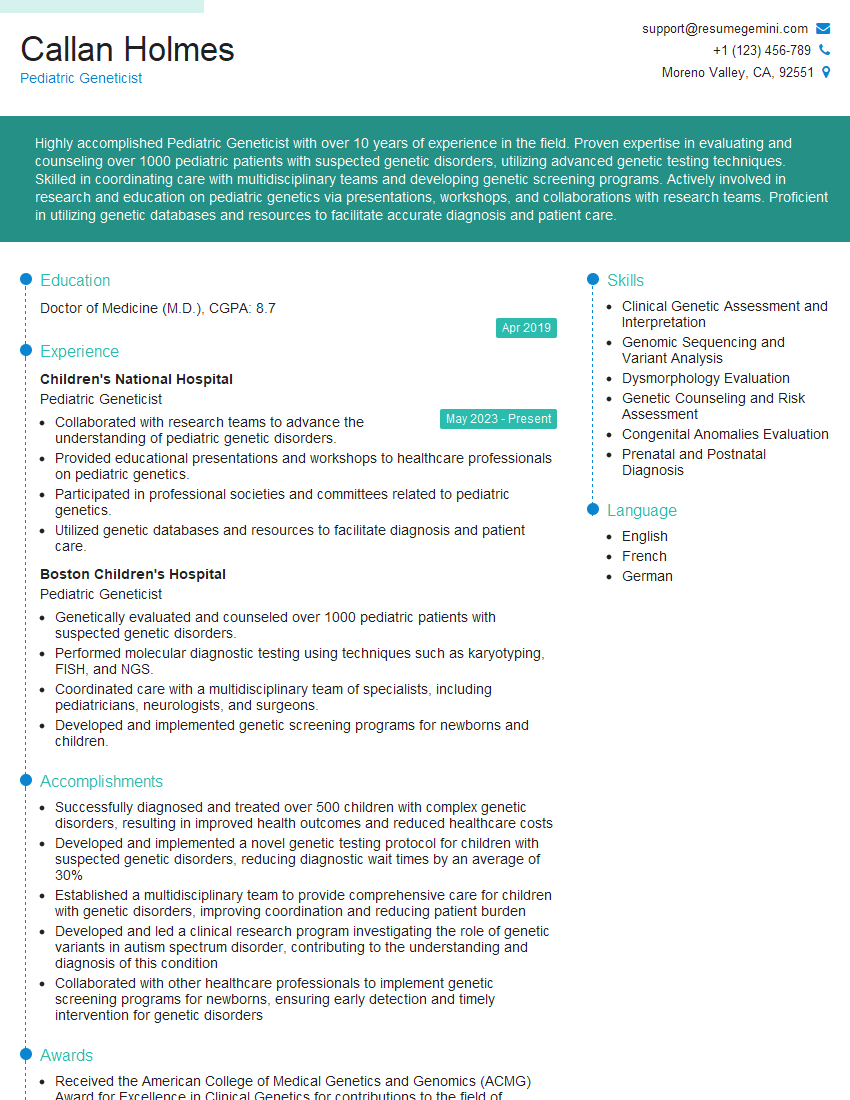
Pediatric Geneticist Resume Sample

Child Development Specialist Resume Sample
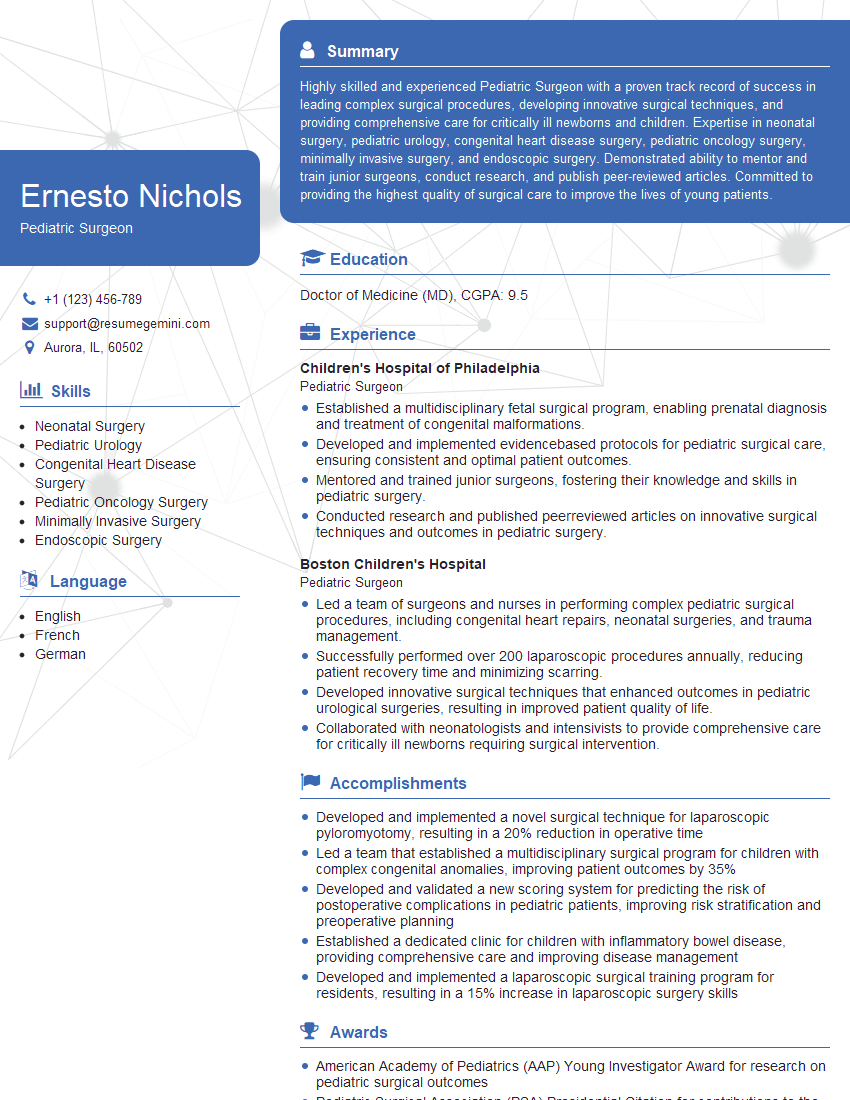
Pediatric Surgeon Resume Sample

Neonatologist Resume Sample
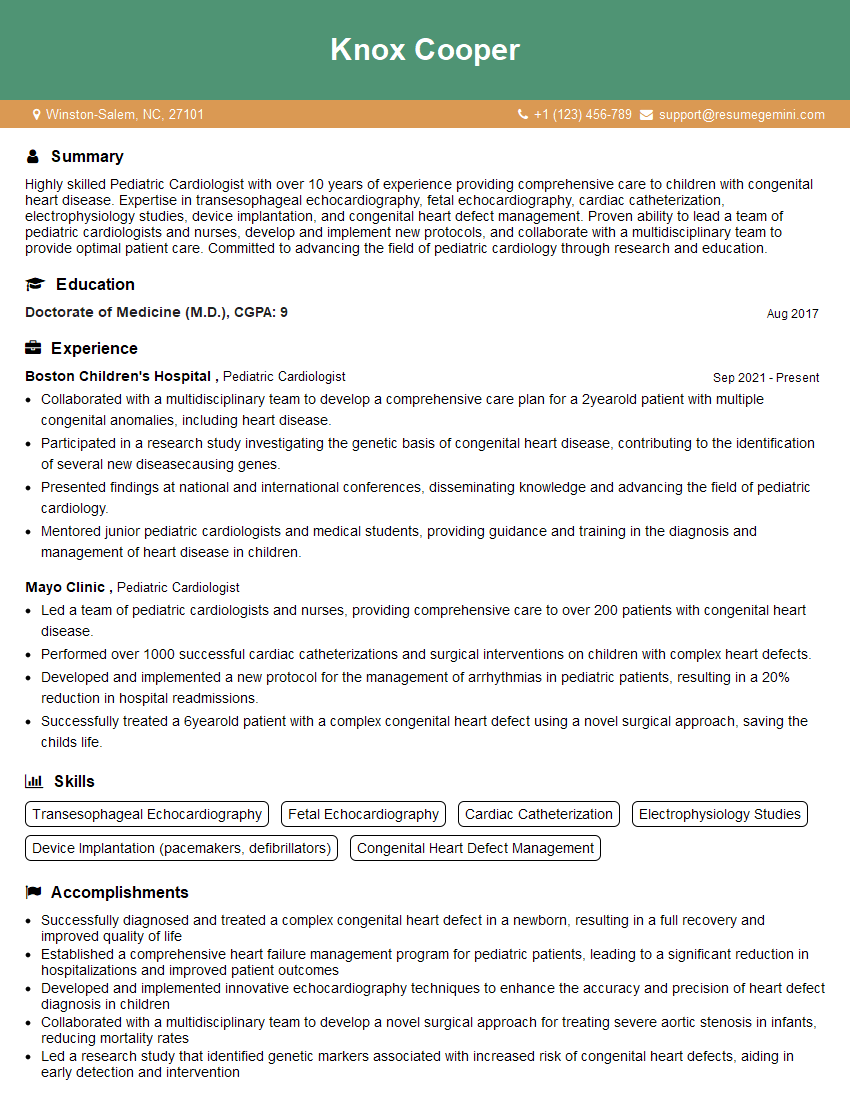
Pediatric Cardiologist Resume Sample
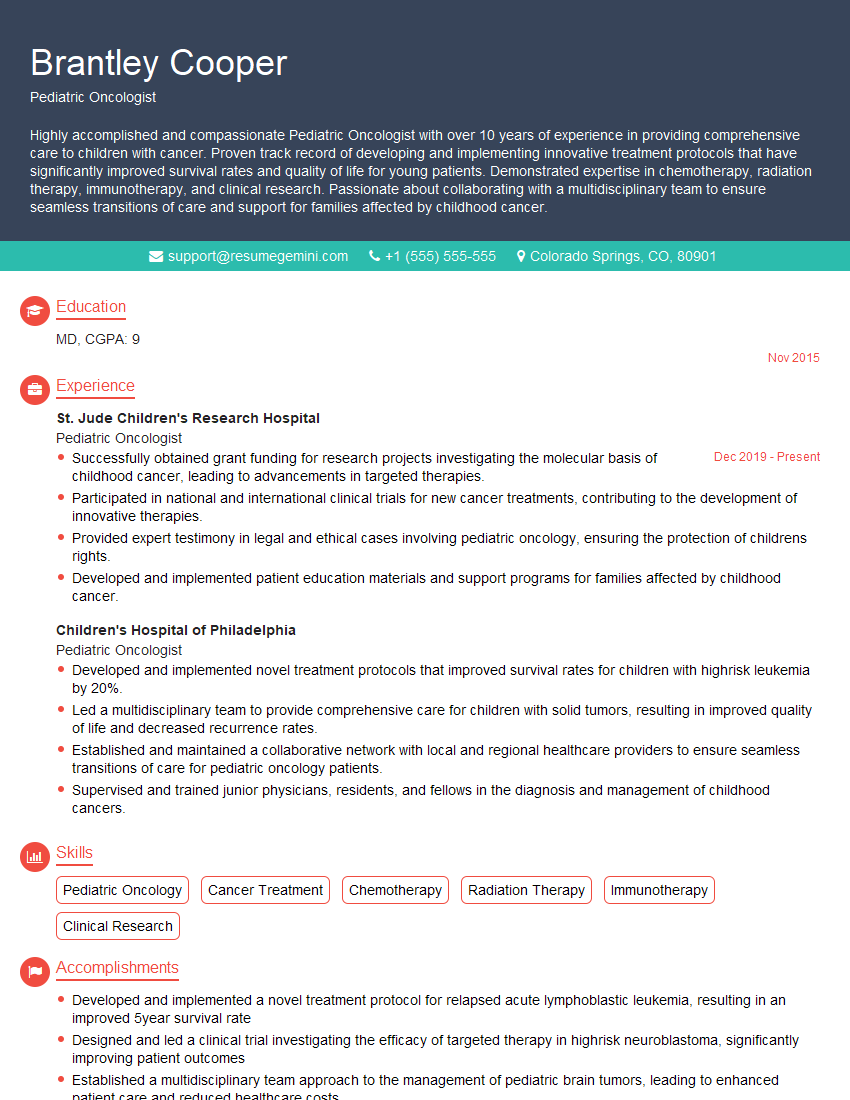
Pediatric Oncologist Resume Sample
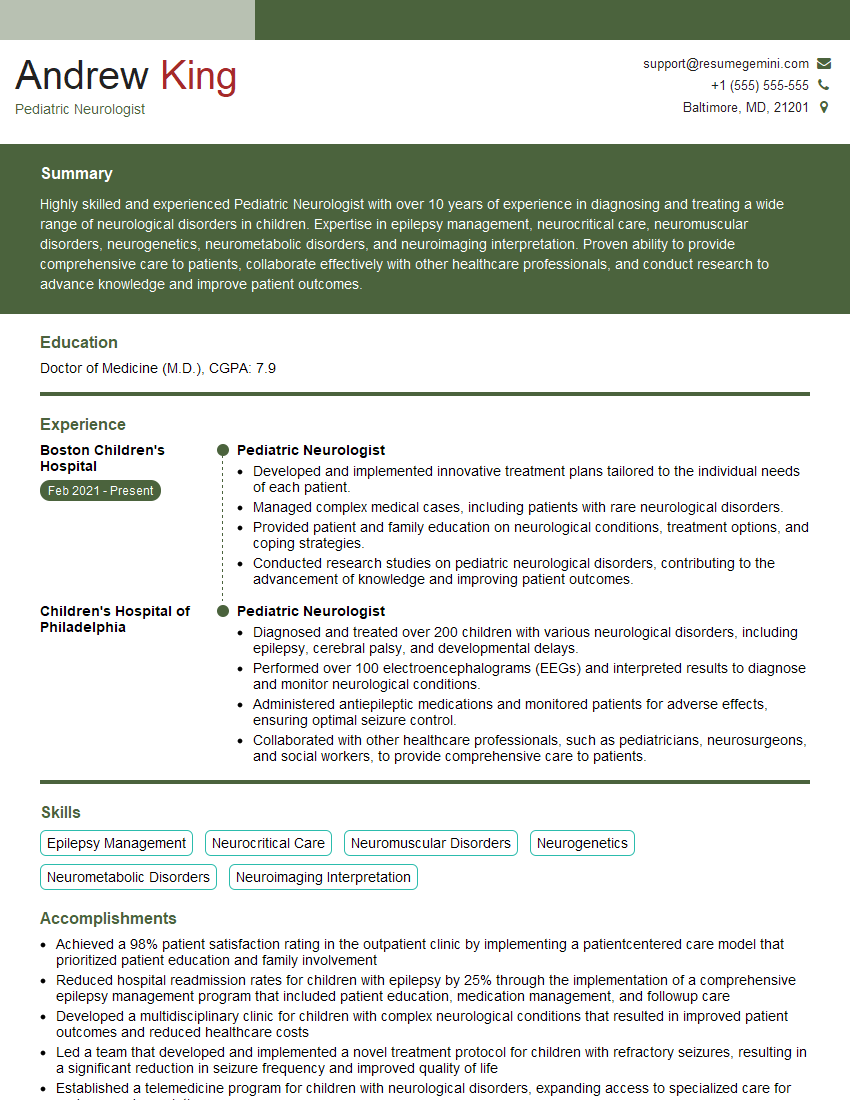
Pediatric Neurologist Resume Sample

Pediatric Radiologist Resume Sample
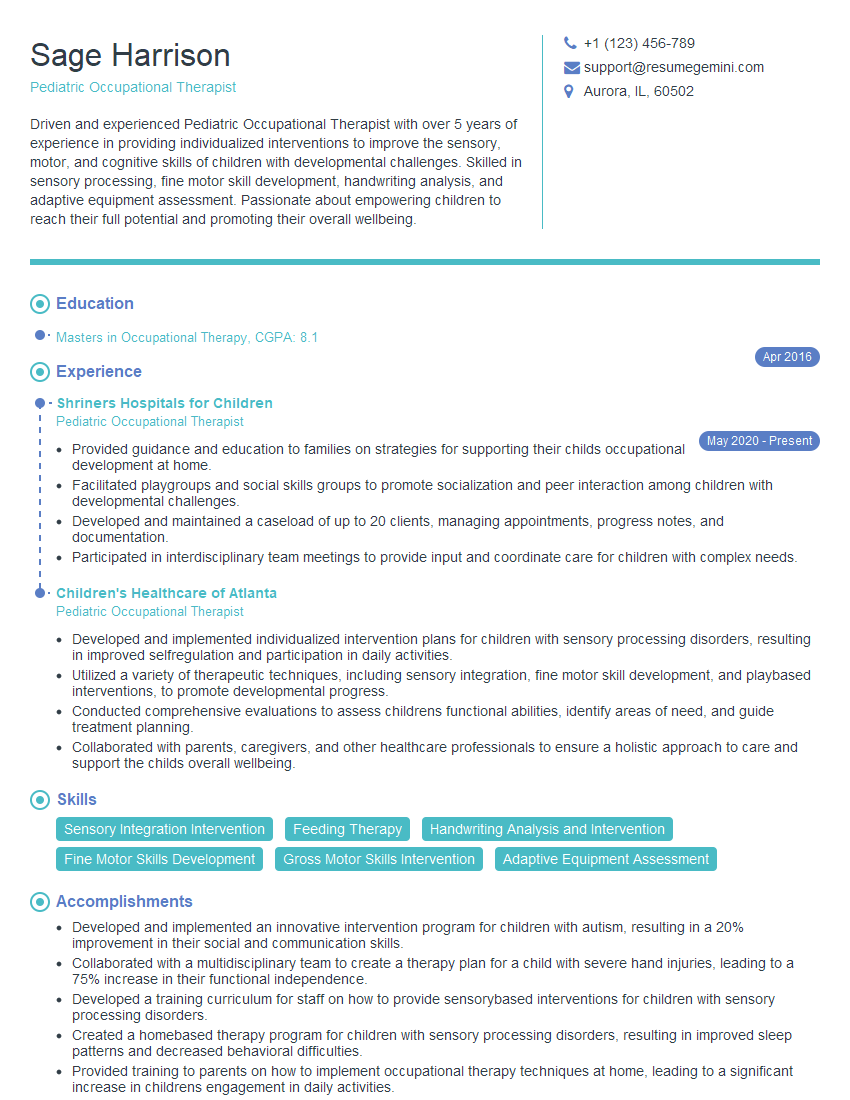
Pediatric Occupational Therapist Resume Sample

Pediatric Physical Therapist Resume Sample
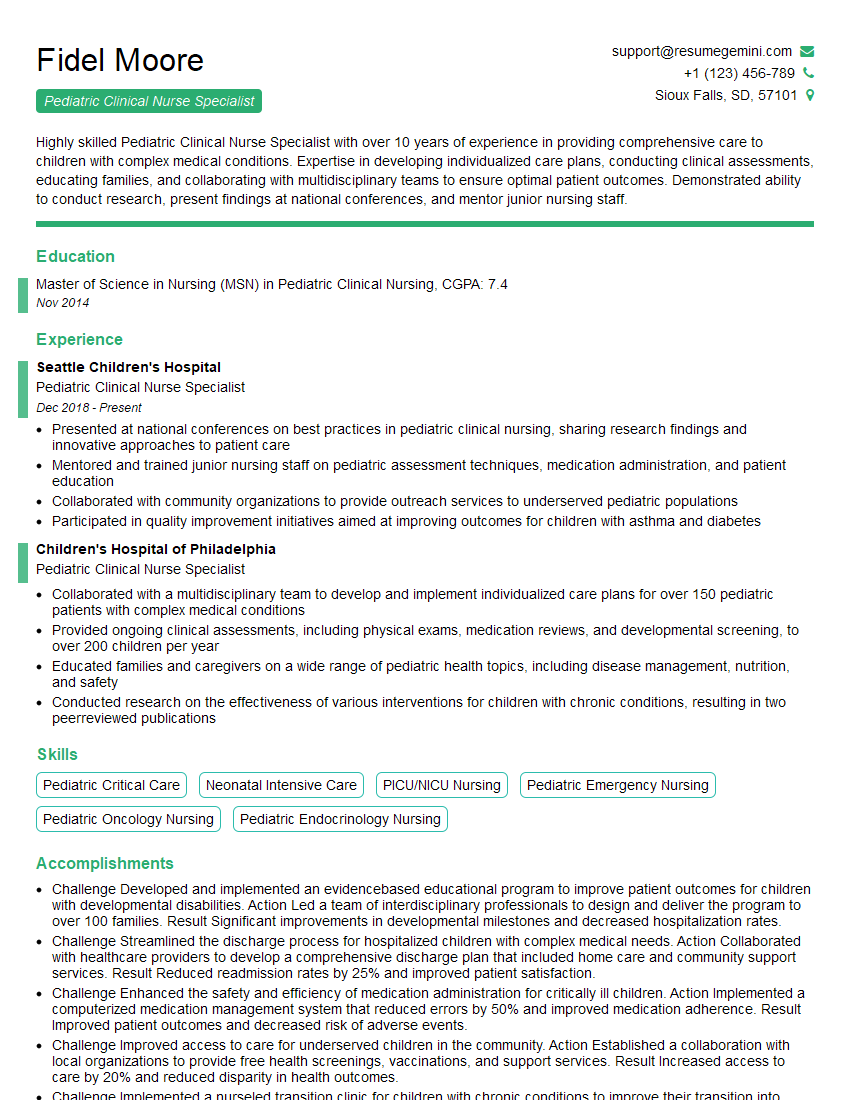
Pediatric Clinical Nurse Specialist Resume Sample

Neonatal Nurse Practitioner Resume Sample

Pediatric Nurse Practitioner Resume Sample
- Pediatric Geneticist
- Child Development Specialist
- Pediatric Surgeon
- Neonatologist
- Pediatric Cardiologist
- Pediatric Oncologist
- Pediatric Neurologist
- Pediatric Radiologist
- Pediatric Occupational Therapist
- Pediatric Physical Therapist
- Pediatric Clinical Nurse Specialist
- Neonatal Nurse Practitioner
- Pediatric Nurse Practitioner
Explore more articles
Users Rating of Our Blogs
Share Your Experience
We value your feedback! Please rate our content and share your thoughts (optional).
What Readers Say About Our Blog
To the interviewgemini.com Webmaster.
Very helpful and content specific questions to help prepare me for my interview!
Thank you
To the interviewgemini.com Webmaster.
This was kind of a unique content I found around the specialized skills. Very helpful questions and good detailed answers.
Very Helpful blog, thank you Interviewgemini team.