The right preparation can turn an interview into an opportunity to showcase your expertise. This guide to Pediatric Primary Care interview questions is your ultimate resource, providing key insights and tips to help you ace your responses and stand out as a top candidate.
Questions Asked in Pediatric Primary Care Interview
Q 1. Describe your approach to managing childhood obesity.
Managing childhood obesity requires a holistic, family-centered approach. It’s not just about weight loss, but about fostering healthy habits for life. My approach involves a comprehensive assessment of the child’s diet, physical activity levels, and sleep patterns. I collaborate closely with the family to set realistic, achievable goals.
- Dietary Assessment and Counseling: We explore the child’s current diet, identifying areas for improvement. This might involve reducing sugary drinks, increasing fruit and vegetable intake, and promoting portion control. We don’t advocate for restrictive diets, but rather focus on sustainable changes. For example, instead of eliminating all sweets, we might suggest limiting them to special occasions.
- Physical Activity Promotion: We encourage at least 60 minutes of moderate-to-vigorous physical activity daily, focusing on fun activities the child enjoys. This could be anything from team sports to biking, swimming, or even dancing. The goal is to make exercise a regular part of the child’s routine, not a chore.
- Behavioral Therapy (if needed): For some children, addressing underlying behavioral issues related to eating may be necessary. This might involve working with a therapist specializing in childhood eating disorders or behavioral modification techniques.
- Regular Monitoring and Follow-up: Regular weigh-ins and check-ins with the family are crucial to track progress, adjust strategies as needed, and provide ongoing support and encouragement. The family becomes an integral part of the treatment team.
- Referral to Specialists (if necessary): In some cases, referral to a registered dietitian, psychologist, or endocrinologist may be necessary to address specific needs or co-morbidities.
For instance, I recently worked with a family whose child was significantly overweight. We collaborated on creating a meal plan that included more fruits and vegetables and less processed foods. We also incorporated regular family walks into their routine. The family’s active involvement was key to the child’s progress, and they reported feeling empowered by the collaborative nature of the process.
Q 2. Explain the immunization schedule for children in your state.
The immunization schedule varies slightly depending on the specific state, but generally follows the recommendations of the Centers for Disease Control and Prevention (CDC). It’s crucial to consult the state’s health department website for the most up-to-date and accurate schedule. However, the schedule typically includes vaccinations against diseases such as polio, measles, mumps, rubella, diphtheria, tetanus, pertussis, haemophilus influenzae type b (Hib), hepatitis B, varicella (chickenpox), and influenza. The schedule is age-based, with some vaccines given in a series of doses.
A comprehensive record is maintained for each child’s immunizations. Parents are provided with detailed information sheets about each vaccine, including its purpose, potential side effects, and benefits. We emphasize the importance of adhering to the recommended schedule to provide optimal protection against preventable diseases. We address any parental concerns or questions with evidence-based information and resources.
Q 3. How do you counsel parents about childhood behavioral issues?
Counseling parents about childhood behavioral issues requires a compassionate and collaborative approach. I start by actively listening to their concerns, validating their feelings, and gathering a comprehensive history of the child’s behavior. This includes understanding the context of the behavior (e.g., home, school, social settings), frequency, severity, and any potential triggers.
- Developmental Assessment: It’s crucial to consider the child’s developmental stage, as certain behaviors are typical for certain ages. For example, temper tantrums are common in toddlers, but if they persist into older childhood, it may warrant further investigation.
- Positive Reinforcement Strategies: We focus on strategies that reinforce positive behaviors rather than solely punishing negative ones. This might involve reward charts, praise, and consistent routines.
- Parent Training: I often provide parent training on techniques such as positive parenting, setting clear limits, and consistent discipline. For example, teaching parents how to use time-outs effectively is a common strategy.
- Referral to Specialists (if needed): If the behavior is severe, persistent, or significantly impacting the child’s development or social functioning, a referral to a child psychologist, psychiatrist, or behavioral therapist may be necessary.
One example is a family who sought help for their child’s disruptive classroom behavior. After assessing the situation, we implemented a reward system at home and school for appropriate behavior. We also collaborated with the teacher to develop strategies for managing disruptive episodes in the classroom. We emphasized the importance of consistency and patience in managing the child’s behavior.
Q 4. What are common signs and symptoms of asthma in children?
Asthma in children can present with a wide range of symptoms, which can vary in severity and frequency. Common signs and symptoms include:
- Wheezing: A high-pitched whistling sound during breathing, often heard more clearly during exhalation.
- Coughing: A persistent cough, especially at night or after exercise.
- Shortness of Breath: Difficulty breathing or feeling out of breath.
- Chest Tightness: A feeling of pressure or tightness in the chest.
- Rapid Breathing: Increased respiratory rate.
- Fatigue: Feeling unusually tired.
It’s important to note that some children may experience only mild symptoms, while others may have severe symptoms requiring urgent medical attention. The severity of symptoms can also fluctuate over time. For instance, some children may experience worsening symptoms during cold weather or after exposure to allergens.
Q 5. How do you diagnose and treat strep throat in children?
Strep throat (streptococcal pharyngitis) is diagnosed primarily through a clinical examination and rapid antigen detection test (RADT). The RADT is a quick swab test performed in the office. A positive RADT provides a quick diagnosis. If the RADT is negative but the clinical picture is highly suggestive of strep throat, a throat culture might be ordered for definitive confirmation.
Treatment typically involves antibiotics, usually penicillin or amoxicillin, given for 10 days. It’s crucial to complete the full course of antibiotics to prevent complications like rheumatic fever. I always discuss the importance of medication adherence with parents. In case of penicillin allergy, alternative antibiotics are prescribed. Symptomatic treatment might include throat lozenges, increased fluid intake, and rest to alleviate discomfort. I also provide education on preventing the spread of infection through good hygiene practices.
Q 6. What are your strategies for managing a child’s ear infection?
Managing a child’s ear infection (otitis media) depends on the severity and the child’s overall health. For mild cases, watchful waiting may be an option, closely monitoring the child’s symptoms. Pain relief is paramount, using age-appropriate pain relievers like acetaminophen or ibuprofen. Warm compresses can also help soothe discomfort.
If the infection is moderate to severe, or if symptoms worsen, antibiotics are often prescribed. The choice of antibiotic depends on factors such as the child’s age, the severity of the infection, and potential allergies. It’s crucial to complete the entire course of antibiotics, even if symptoms improve before the medication is finished. Fluid management and proper hygiene are also important aspects of treatment. For recurrent ear infections, we may discuss the possibility of tympanostomy tubes (pressure equalization tubes).
A thorough examination of the ear is crucial to assess the extent of the infection and rule out other causes of ear pain. Follow-up appointments are necessary to monitor the child’s progress and ensure the infection is resolving.
Q 7. How do you address parental concerns about vaccinations?
Addressing parental concerns about vaccinations requires a patient, empathetic, and evidence-based approach. I begin by acknowledging and validating their concerns, creating a safe space for open communication. I then provide accurate and up-to-date information about vaccine safety and efficacy, using clear and understandable language, avoiding technical jargon. I offer credible sources, such as the CDC and the American Academy of Pediatrics (AAP), to support my explanations.
- Addressing Misconceptions: I directly address specific concerns and misconceptions, providing evidence-based refutations. For example, I might explain that there is no link between vaccines and autism.
- Individualized Approach: I tailor my approach to each parent’s specific concerns, understanding that the reasons behind vaccine hesitancy can vary.
- Shared Decision-Making: I encourage a shared decision-making process, emphasizing the importance of informed choices. I don’t pressure parents but strive to empower them with the knowledge needed to make the best decisions for their child’s health.
- Addressing Fears: I directly address fears about vaccine side effects, explaining that while side effects are possible, they are usually mild and temporary.
For instance, a parent might express concern about the potential side effects of a particular vaccine. I would discuss the frequency and severity of these side effects, comparing them to the risks of contracting the disease the vaccine prevents. I’d explain that the benefits of vaccination far outweigh the risks of side effects.
Q 8. Discuss the appropriate management of a child with fever.
Fever in children is a common concern, but managing it effectively requires a calm and systematic approach. The first step is always to assess the child’s overall condition. Is the child lethargic, irritable, or showing signs of dehydration? What is their age? A fever itself isn’t the problem; it’s a symptom of an underlying illness.
Management focuses on symptom relief and identifying the cause. For children over 3 months old with a temperature under 102°F (39°C), focusing on comfort is key. This includes providing plenty of fluids, using age-appropriate pain relievers like acetaminophen or ibuprofen (always following the dosage instructions carefully!), and dressing the child in lightweight clothing. Cool baths are generally discouraged as they can be uncomfortable and don’t significantly lower fever.
However, if the child is younger than 3 months old, or if they have a temperature above 102°F (39°C), or if they are exhibiting other concerning symptoms like difficulty breathing, rash, stiff neck, or persistent vomiting, immediate medical attention is crucial. These could be signs of a serious infection requiring prompt diagnosis and treatment. Early intervention is key to preventing serious complications. Parents should be thoroughly educated on recognizing warning signs and when to seek professional help.
For older children (over 3 months) with milder fevers, regular monitoring of temperature and overall wellbeing is recommended. If the fever persists for more than 3-5 days, or if new symptoms develop, a doctor’s visit is recommended to rule out serious infections.
Q 9. How do you differentiate between viral and bacterial infections in children?
Differentiating between viral and bacterial infections in children can be challenging because the symptoms often overlap. There’s no single test that definitively tells us the cause. Instead, we rely on a combination of clinical findings and sometimes laboratory tests.
- Viral infections often present with more gradual onset of symptoms, milder symptoms such as runny nose, cough, sore throat, and often a mild to moderate fever. They usually resolve on their own within a week or two.
- Bacterial infections can have a more abrupt onset, potentially with higher fever, more severe symptoms, and potentially more localized symptoms like ear pain (otitis media) or a severe cough (pneumonia). They may require antibiotic treatment.
However, this is a generalization. Some viral infections can be quite severe, and some bacterial infections can present mildly. We consider factors like the child’s age, overall health, the duration and severity of symptoms, and the presence of any localizing signs (e.g., a localized area of redness, swelling, and pain). Laboratory tests, such as a blood test (complete blood count, CBC) or cultures (e.g., throat culture, urine culture), might be needed in specific cases to help us determine the specific pathogen and guide treatment.
For instance, a child with a high fever, severe ear pain, and bulging eardrum is much more likely to have a bacterial ear infection than a child with a mild fever, runny nose, and cough. However, it’s essential to remember that clinical judgment is crucial and we don’t rely on symptoms alone to diagnose and treat.
Q 10. What is your approach to diagnosing and treating ADHD in children?
Diagnosing and treating ADHD involves a multi-step process. It begins with a thorough evaluation, including a detailed history from the parents and teachers, behavioural observations, and often psychological testing. A comprehensive assessment helps differentiate ADHD from other conditions that might present with similar symptoms.
The diagnosis relies on the presence of inattention, hyperactivity, and impulsivity, impacting multiple aspects of the child’s life. We use standardized diagnostic criteria (DSM-5 or ICD-11) to guide this assessment. In addition to this, we also must consider the developmental stage of the child and rule out other possible causes.
Treatment approaches are individualized and often involve a combination of strategies:
- Behavioral therapy, including parent training and school-based interventions, teaches coping skills and strategies for managing symptoms. This is often the first-line intervention.
- Medication, such as stimulants (e.g., methylphenidate, amphetamine) or non-stimulants (e.g., atomoxetine), is considered when behavioral therapy alone is insufficient. The decision to prescribe medication is made on a case-by-case basis, carefully weighing the potential benefits and risks.
- Educational support is crucial, often involving collaboration with teachers to create an optimal learning environment for the child.
Regular monitoring is essential to assess the effectiveness of treatment and make adjustments as needed. The goal is to improve the child’s academic performance, social skills, and overall functioning. It’s also important to keep parents informed and involved in the treatment process, encouraging open communication and a collaborative approach.
Q 11. Describe your experience with managing children with chronic conditions (e.g., diabetes, allergies).
Managing children with chronic conditions like diabetes or allergies requires a long-term, comprehensive approach. It’s not just about treating acute episodes; it’s about empowering the child and family to effectively manage their condition on a daily basis.
For children with diabetes, this involves education on blood glucose monitoring, insulin administration (if needed), diet management, exercise, and recognizing and managing hypoglycemia and hyperglycemia. Regular follow-up appointments are crucial for monitoring their health, adjusting medication as needed, and addressing any concerns.
With allergies, it’s about identifying triggers, avoidance strategies, emergency preparedness (e.g., epinephrine auto-injectors), and educating the child, family, and school personnel about managing allergic reactions. This often involves collaboration with allergists and other specialists.
In both cases, a strong doctor-patient-family relationship is essential. I emphasize shared decision-making, empowering families to take an active role in their child’s care, and providing ongoing support and education. I also strongly utilize technology – patient portals and digital tools – to facilitate communication and remote monitoring where appropriate.
For example, with a child with Type 1 diabetes, I would work closely with their family to establish a consistent routine for blood glucose monitoring, insulin administration, and carbohydrate counting. We’d use resources, and establish clear communication channels so that they feel supported and informed.
Q 12. Explain your methods for communicating complex medical information to parents.
Communicating complex medical information to parents requires clear, concise, and empathetic communication. I use a “teach-back” method to ensure understanding.
First, I assess their existing knowledge and understanding of the child’s condition. Then, I explain the information in simple, non-medical terms, using analogies and visual aids when appropriate. I break down complex concepts into smaller, manageable pieces.
Next, I actively check for understanding by asking the parents to summarize the information in their own words. This “teach-back” method allows me to clarify any misunderstandings and ensure that information is retained. I use plain language and avoid medical jargon whenever possible.
Finally, I provide written materials, such as handouts or brochures, to reinforce the information shared during the appointment. I encourage parents to ask questions and create a safe and supportive environment for them to voice their concerns and anxieties. I also consider the parents’ emotional state, ensuring that they have the support they need to understand and cope with the situation.
For example, when discussing a complex diagnosis, I might use a whiteboard to draw diagrams or illustrations to aid comprehension, and I always summarize at the end and confirm their understanding. This multi-pronged approach helps me to ensure the parents feel supported and that they completely understand the information given.
Q 13. How do you handle difficult or challenging patient families?
Handling challenging patient families requires patience, empathy, and strong communication skills. I prioritize building a positive and collaborative relationship with the family, even when faced with difficult situations.
First, I actively listen to their concerns and perspectives, showing respect and validation, even if I disagree with their views. I try to understand their concerns, and avoid making assumptions. Then, I clearly explain my recommendations, providing evidence-based reasoning for my approach.
Second, I involve the family in the decision-making process, ensuring they feel heard and respected. This involves collaborative goal setting, with strategies tailored to the family’s beliefs and values.
Third, I set clear expectations and boundaries while maintaining a respectful demeanor. If there are disagreements, I try to find common ground and explore alternative solutions.
Finally, in very challenging situations, I might seek support from colleagues, supervisors, or other members of the healthcare team, to ensure the best possible outcome for the child and family. For instance, if there’s a disagreement on treatment plans, I might involve a social worker to mediate the discussions.
Q 14. Describe your experience working within a multidisciplinary team.
Working within a multidisciplinary team is essential in pediatric primary care. I’ve had extensive experience collaborating with specialists such as allergists, neurologists, developmental pediatricians, nurses, social workers, and physical therapists.
Collaboration improves patient care. Sharing information seamlessly with these professionals ensures comprehensive care. For example, I might refer a child with suspected ADHD to a psychologist for testing and collaborate on the treatment plan. Or, I might work with a social worker to address family dynamics that may affect a child’s health.
Efficient communication is crucial, using electronic health records and regular team meetings for smooth coordination. Regular case conferences allow for the sharing of knowledge, improving the overall quality of care.
My role in these teams involves actively contributing to case discussions, sharing my expertise in primary care, and ensuring that the family’s perspective is always considered. I value diverse perspectives and believe this approach leads to better patient outcomes.
Q 15. What are some common developmental milestones for children aged 0-5 years?
Developmental milestones are key indicators of a child’s progress in various areas. Tracking these milestones helps identify potential developmental delays early, allowing for timely intervention. Milestones vary, but here’s a glimpse of common ones in children aged 0-5 years, broadly categorized:
- Gross Motor Skills (Movement):
- 0-3 months: Lifts head, pushes up with arms.
- 6-12 months: Sits without support, crawls, pulls to stand.
- 12-18 months: Walks independently.
- 18-24 months: Runs, kicks a ball.
- 2-5 years: Hops, jumps, climbs stairs alternating feet.
- Fine Motor Skills (Dexterity):
- 0-3 months: Grasps objects reflexively.
- 6-12 months: Transfers objects between hands, pincer grasp (thumb and index finger).
- 12-18 months: Scribbles, stacks blocks.
- 18-24 months: Turns pages, builds towers of blocks.
- 2-5 years: Uses utensils, draws simple shapes.
- Language Development:
- 0-6 months: Cooing, babbling.
- 6-12 months: Responds to own name, uses simple gestures.
- 12-18 months: Says first words.
- 18-24 months: Uses two-word phrases.
- 2-5 years: Speaks in sentences, understands simple instructions.
- Social-Emotional Development:
- 0-6 months: Smiles, shows social responses.
- 6-12 months: Stranger anxiety.
- 12-18 months: Plays simple games, engages in parallel play.
- 18-24 months: Shows independence, begins to understand sharing.
- 2-5 years: Engages in cooperative play, shows empathy.
Remember, these are averages. Each child develops at their own pace. Significant delays warrant a thorough evaluation by a pediatrician.
Career Expert Tips:
- Ace those interviews! Prepare effectively by reviewing the Top 50 Most Common Interview Questions on ResumeGemini.
- Navigate your job search with confidence! Explore a wide range of Career Tips on ResumeGemini. Learn about common challenges and recommendations to overcome them.
- Craft the perfect resume! Master the Art of Resume Writing with ResumeGemini’s guide. Showcase your unique qualifications and achievements effectively.
- Don’t miss out on holiday savings! Build your dream resume with ResumeGemini’s ATS optimized templates.
Q 16. How do you conduct a well-child exam?
A well-child exam is a comprehensive assessment of a child’s physical, developmental, and emotional well-being. It’s a proactive approach to health maintenance, not just addressing illness. The process typically involves:
- Measurements: Weight, height, head circumference (especially in infants), and blood pressure (age-appropriate).
- Physical Exam: Assessing vital signs, examining head-to-toe, checking for any abnormalities, listening to the heart and lungs.
- Developmental Assessment: Evaluating gross motor, fine motor, language, and social-emotional development using age-appropriate tools and observation. I often use standardized developmental screening tools.
- Immunizations: Administering age-appropriate vaccines according to the recommended schedule, ensuring optimal protection against infectious diseases.
- Health Counseling: Addressing parental concerns, providing anticipatory guidance about nutrition, sleep, safety, and injury prevention. This includes discussing healthy eating habits, sleep routines, and safety measures within the home environment, such as childproofing and car seat usage.
- Risk Assessment: Identifying and addressing potential risks to the child’s health, such as family history, genetic predispositions, and environmental factors.
- Documentation: Thoroughly recording the findings in the electronic health record (EHR) for future reference and continuity of care.
For example, with a 2-year-old, I’d assess their ability to walk, talk, follow simple instructions, and interact socially. I’d also discuss sleep patterns, potty training progress, and diet with the parents. Each visit is tailored to the child’s age and developmental stage.
Q 17. What are the potential complications of childhood illnesses such as chicken pox or measles?
Childhood illnesses like chicken pox (varicella) and measles can have serious complications, although rare with readily available vaccines. Complications depend on several factors, including the child’s overall health and the severity of the infection:
- Chickenpox (Varicella):
- Bacterial Skin Infections: Secondary bacterial infections of the skin lesions are common if the child scratches them.
- Pneumonia: A serious lung infection, particularly in infants, immunocompromised children, or those with underlying lung conditions.
- Encephalitis: Rare but potentially life-threatening inflammation of the brain.
- Reye’s Syndrome: A rare but serious condition affecting the brain and liver, often associated with aspirin use during varicella infection. (This is why aspirin is avoided in children with chicken pox).
- Measles (Rubeola):
- Pneumonia: A common and sometimes severe complication.
- Encephalitis: Inflammation of the brain, leading to seizures and neurological damage.
- Otitis Media (Ear Infections): Frequently associated with measles.
- Subacute Sclerosing Panencephalitis (SSPE): A rare, progressive, and fatal brain disease that can occur years after measles infection.
Prevention through vaccination is the best strategy to minimize these risks. Early diagnosis and appropriate management of the illness significantly reduce the chance of complications.
Q 18. Explain your understanding of childhood trauma and its impact on health.
Childhood trauma encompasses adverse experiences that significantly affect a child’s development and well-being. These experiences can range from physical abuse and neglect to witnessing domestic violence, parental substance abuse, or experiencing natural disasters. The impact of trauma is far-reaching and can manifest in various ways:
- Mental Health Issues: Increased risk of anxiety disorders, depression, PTSD, and other mental health challenges.
- Behavioral Problems: Difficulty regulating emotions, aggression, acting out, hyperactivity, or withdrawal.
- Physical Health Problems: Increased susceptibility to chronic illnesses like cardiovascular disease, autoimmune disorders, and obesity in later life. This is linked to the chronic stress response impacting the body.
- Cognitive Difficulties: Problems with learning, attention, and memory.
- Attachment Issues: Challenges forming healthy relationships due to disrupted attachment in early childhood.
As a pediatrician, I screen for trauma using appropriate questionnaires and observations. Addressing trauma requires a multidisciplinary approach, often involving therapy, social work support, and close collaboration with families. Early identification and intervention are crucial to mitigate the long-term consequences of childhood trauma.
For example, a child who has experienced neglect may present with developmental delays and emotional withdrawal, while a child exposed to domestic violence may display anxiety and aggressive behaviors. It’s vital to create a safe and supportive environment where children feel comfortable disclosing their experiences and receiving appropriate support.
Q 19. Describe your familiarity with the use of electronic health records (EHRs) in pediatric practice.
Electronic health records (EHRs) are indispensable in modern pediatric practice. My familiarity with EHRs extends beyond basic data entry; I proficiently utilize them for:
- Patient Record Management: Securely storing and managing complete patient information including medical history, immunization records, lab results, and progress notes.
- Clinical Decision Support: Accessing clinical guidelines, order sets, and decision support tools, aiding in efficient and evidence-based decision-making. For example, the system might alert me to a missed immunization or suggest further investigations based on a child’s symptoms.
- Communication and Collaboration: Securely sharing information with other healthcare providers, specialists, and parents through secure messaging and portals.
- Population Health Management: Identifying at-risk patients and implementing preventive strategies, like sending reminders for well-child visits or screenings.
- Quality Improvement and Reporting: Utilizing EHR data for performance monitoring and quality improvement initiatives, helping to assess outcomes and improve care.
I am comfortable using various EHR systems, and I always prioritize data security and patient confidentiality when using these tools.
Q 20. How do you prioritize patient care in a busy clinical setting?
Prioritizing patient care in a busy clinical setting requires a systematic approach. I utilize several strategies:
- Triaging Patients: Assessing each patient’s urgency, ensuring that those with immediate needs are seen first. This includes understanding the severity of symptoms and potential risks to the patient’s health.
- Time Management: Efficiently scheduling appointments, utilizing time slots effectively, and minimizing interruptions. Using a well-organized schedule and delegating tasks appropriately contribute to time management.
- Effective Communication: Clear and concise communication with patients and families helps manage expectations and reduces delays. Clearly communicating estimated wait times and explaining procedures helps to ease patient anxiety.
- Prioritization Framework: I use a combination of clinical urgency (life-threatening conditions first) and patient acuity (severity of illness) to create a flexible framework for prioritization. This approach combines the critical elements of an acute illness with the individual needs of the patient.
- Teamwork: Collaborating with nurses, medical assistants, and other staff to streamline workflows and enhance efficiency. Effective teamwork is a critical element for optimizing a busy clinic environment. Efficient delegation and clear communication between team members are essential.
For example, a child with severe respiratory distress would always take precedence over a child with a minor rash. But even among less urgent cases, careful prioritization ensures that all patients receive timely and appropriate care.
Q 21. What is your approach to preventative care in pediatric primary care?
Preventative care is paramount in pediatric primary care. My approach involves a multi-faceted strategy:
- Well-Child Visits: Regular well-child checkups provide opportunities for growth monitoring, developmental assessments, immunizations, anticipatory guidance, and early detection of potential problems. It provides a mechanism for personalized health recommendations based on the individual needs of the child.
- Immunizations: Staying up-to-date on recommended vaccines is crucial in protecting children from preventable diseases. Ensuring that patients adhere to the vaccination schedule is critical.
- Screenings: Performing age-appropriate screenings for conditions like lead poisoning, vision and hearing impairments, and developmental delays. Early identification helps in prompt interventions and positive long-term outcomes.
- Education and Counseling: Providing education to parents on topics such as nutrition, sleep, safety (including car seat safety and injury prevention), oral health, and mental health. Educating parents is paramount in preventing adverse health events.
- Health Promotion: Encouraging healthy lifestyle choices, such as physical activity and a balanced diet. Encouraging the adoption of healthy lifestyle choices from a young age assists with healthy habits during adolescence and adulthood.
- Risk Factor Assessment: Identifying and addressing potential risks to the child’s health, such as family history of chronic diseases or environmental hazards. Addressing these risks through preventive strategies is crucial in mitigating long-term health complications.
By proactively addressing these aspects of preventative care, we strive to maintain the health and well-being of our young patients, preventing illness and promoting healthy development throughout their lives.
Q 22. Describe your experience with managing pediatric emergencies.
Managing pediatric emergencies requires rapid assessment, decisive action, and a calm demeanor. My experience encompasses a wide range of situations, from managing febrile seizures and respiratory distress to treating minor traumas and allergic reactions. I’ve worked in settings with varying levels of resources, from well-equipped urban hospitals to more resource-limited clinics. My approach is always systematic, starting with ABCs (Airway, Breathing, Circulation) to quickly identify and address life-threatening issues.
For example, I once managed a child presenting with severe croup. My immediate actions included assessing the airway, providing supplemental oxygen, and initiating racemic epinephrine nebulization. Continuously monitoring vital signs and communicating effectively with the family and other medical personnel was crucial. This experience reinforced the importance of rapid assessment, decisive treatment based on established protocols, and ongoing monitoring. Beyond immediate life-saving measures, I prioritize post-emergency care, including appropriate referrals and follow-up to ensure complete recovery.
Another example involved a child who had fallen and sustained a head injury. Following established trauma protocols, I assessed the child’s level of consciousness, checked for signs of bleeding or deformity, and meticulously documented findings. This case highlighted the need for thorough neurological assessment and timely imaging to rule out intracranial injuries. The calm and reassuring communication with the child’s distraught parents was as important as the medical management.
Q 23. How do you ensure cultural competency in your interactions with patients and families?
Cultural competency is paramount in pediatric primary care. It’s about understanding and respecting the unique beliefs, values, and practices of each family. This involves actively listening to their concerns, acknowledging their perspectives, and adapting my communication style accordingly. I strive to understand how cultural backgrounds might influence health beliefs, treatment decisions, and family dynamics.
For instance, I’ve learned to be sensitive to the dietary restrictions and traditions within certain cultural groups when creating a child’s wellness plan. I also recognize that communication styles can vary greatly. In some cultures, direct eye contact may be seen as disrespectful, whereas in others, it is expected. I adapt my approach to reflect the family’s cultural norms. I might utilize interpreters when necessary, particularly if there’s a language barrier.
Building rapport with families from diverse backgrounds hinges on genuine empathy and respect. It means making a conscious effort to learn about different cultures and integrating this knowledge into my clinical practice. I regularly seek out resources and educational opportunities to deepen my cultural competence and continue to refine my approach to care.
Q 24. What are your strategies for promoting health and wellness in children and families?
Promoting health and wellness in children and families is a holistic endeavor encompassing preventive care, education, and empowering families to make healthy choices. My strategies focus on anticipatory guidance, age-appropriate health screenings, and encouraging healthy lifestyle behaviors.
- Anticipatory Guidance: This involves proactively advising families on age-specific developmental milestones, common health concerns, and preventative measures. For example, I discuss safe sleep practices with new parents, address concerns regarding nutrition during toddlerhood, and counsel families about the importance of vaccinations at each well-child visit.
- Health Screenings: I perform regular health screenings relevant to the child’s age, including developmental screenings, blood pressure checks, vision and hearing tests, and age-appropriate lab work. Early identification of potential issues allows for prompt intervention.
- Lifestyle Counseling: This is key to encouraging healthy habits. I counsel families about the importance of balanced nutrition, regular physical activity, healthy sleep patterns, and limiting screen time. I create individualized plans that consider their specific circumstances and preferences. I also address issues like smoking cessation, alcohol misuse and substance abuse if they are relevant.
Furthermore, I actively connect families with community resources like nutrition programs, parenting support groups, and mental health services, when appropriate, emphasizing the interconnectedness of physical and mental wellbeing.
Q 25. Describe a challenging case you have managed and the lessons learned.
One challenging case involved a young child with recurrent abdominal pain. Initial assessments were unremarkable, and common causes like gastroenteritis or constipation were ruled out. The child’s pain was persistent, impacting their daily life and causing significant family distress.
The challenge was differentiating between functional abdominal pain (a common diagnosis) and more serious underlying conditions. I systematically investigated various possibilities, ordering additional lab tests and collaborating with specialists in gastroenterology. After extensive testing, the diagnosis turned out to be irritable bowel syndrome, which required a multidisciplinary approach involving dietary modifications and stress management techniques for the child and the family.
The lessons learned from this case highlighted the importance of:
- Thorough History Taking and Physical Exam: While initial assessments may appear unremarkable, it is vital to remain open to considering various etiologies.
- Collaboration and Communication: Consulting with specialists when necessary is crucial in complex cases.
- Patience and Persistence: Managing chronic conditions often requires time and ongoing monitoring.
- Family-centered Approach: Involving the family in the decision-making process, providing education and support, is fundamental.
Q 26. How do you stay current with advances in pediatric medicine and primary care?
Staying current in pediatric medicine and primary care is an ongoing commitment. I utilize several strategies to ensure my knowledge remains up-to-date.
- Continuing Medical Education (CME): I actively participate in CME courses, conferences, and workshops focused on recent advances in pediatric care. This often involves online courses and webinars in addition to in-person events.
- Professional Organizations: Membership in professional organizations like the American Academy of Pediatrics (AAP) provides access to journals, guidelines, and updates on best practices.
- Peer Review and Collaboration: Regular discussions with colleagues, attending medical grand rounds, and case conferences offer valuable learning opportunities. Sharing knowledge with peers promotes a collaborative environment and keeps us all updated.
- Professional Journals and Publications: I regularly review leading pediatric journals and relevant medical literature to stay abreast of new research findings and clinical trials.
- Online Resources: Reliable online resources, such as the AAP website and UpToDate, are invaluable sources of current evidence-based information.
This multi-faceted approach allows me to integrate the latest evidence and best practices into my clinical decision-making, ultimately improving the quality of care provided to my patients.
Q 27. Explain your experience in identifying and addressing child abuse or neglect.
Identifying and addressing child abuse or neglect is a crucial aspect of pediatric primary care. It requires a high index of suspicion, meticulous documentation, and a clear understanding of mandatory reporting laws. My approach involves careful observation during routine examinations, paying close attention to the child’s physical and emotional state.
Any inconsistencies in the history provided by caregivers, unexplained injuries, or signs of neglect trigger further investigation. I am trained to recognize the subtle signs of abuse and neglect, including bruises, burns, fractures, and behavioral indicators. When I have a concern, I conduct thorough assessments, carefully documenting all findings, including photographs if appropriate and medically necessary.
I understand the legal requirements for mandatory reporting. In situations where I suspect abuse or neglect, I immediately initiate the mandated reporting process through the relevant child protective services agency. This involves providing a detailed report of my findings to ensure the child’s safety and well-being. The emotional and ethical aspects of these cases are never underestimated; careful communication with families and other agencies is crucial while prioritizing child protection.
Q 28. How do you integrate patient preferences and values into care decisions?
Integrating patient preferences and values into care decisions is fundamental to providing patient-centered care. This requires open communication, active listening, and shared decision-making. I begin by exploring the family’s understanding of the child’s health condition, their goals for treatment, and their concerns about potential risks and benefits.
For example, when discussing vaccination schedules, I explain the benefits and risks of each vaccine, then carefully listen to the parents’ concerns and perspectives. If parents have reservations, I try to address their concerns with evidence-based information and respect their right to make informed choices. In situations where parents have differing views, I facilitate open dialogue to help reach a mutually agreeable plan. The emphasis is always on empowering families to make decisions aligned with their values and beliefs while ensuring the child receives optimal care.
This approach fosters trust and enhances the therapeutic relationship. It acknowledges that the family is the ultimate decision-maker in many aspects of their child’s health care. This shared decision-making model ensures that the care provided is both medically sound and aligned with the family’s unique circumstances and beliefs.
Key Topics to Learn for Pediatric Primary Care Interview
- Growth and Development: Understand key milestones across different age groups, recognizing deviations and potential underlying issues. Practical application: Analyzing a child’s developmental progress during a well-child visit and identifying areas needing further assessment.
- Common Childhood Illnesses: Master the diagnosis and management of frequently encountered conditions like respiratory infections, otitis media, and gastroenteritis. Practical application: Developing a differential diagnosis based on presenting symptoms and formulating appropriate treatment plans.
- Immunizations: Be proficient in recommended immunization schedules, contraindications, and potential adverse reactions. Practical application: Counseling parents on vaccine safety and efficacy, addressing common concerns and misconceptions.
- Preventive Care: Understand the importance of screening tests, anticipatory guidance, and health promotion strategies throughout childhood. Practical application: Developing a personalized preventive care plan for a child based on age, risk factors, and family history.
- Behavioral Health: Familiarize yourself with common childhood behavioral challenges and approaches to early intervention. Practical application: Addressing parental concerns about sleep problems, tantrums, or other behavioral issues.
- Child Abuse and Neglect: Understand the signs, symptoms, and reporting requirements related to child maltreatment. Practical application: Knowing when and how to report suspected abuse or neglect, ensuring child safety.
- Chronic Disease Management: Gain familiarity with managing common chronic conditions such as asthma, diabetes, and ADHD in children. Practical application: Formulating a comprehensive care plan for a child with a chronic illness, coordinating care with specialists when necessary.
- Communication and Counseling Skills: Develop effective strategies for communicating with children and their families, building rapport and addressing their concerns empathetically. Practical application: Providing clear, concise, and age-appropriate explanations of diagnoses and treatment plans.
Next Steps
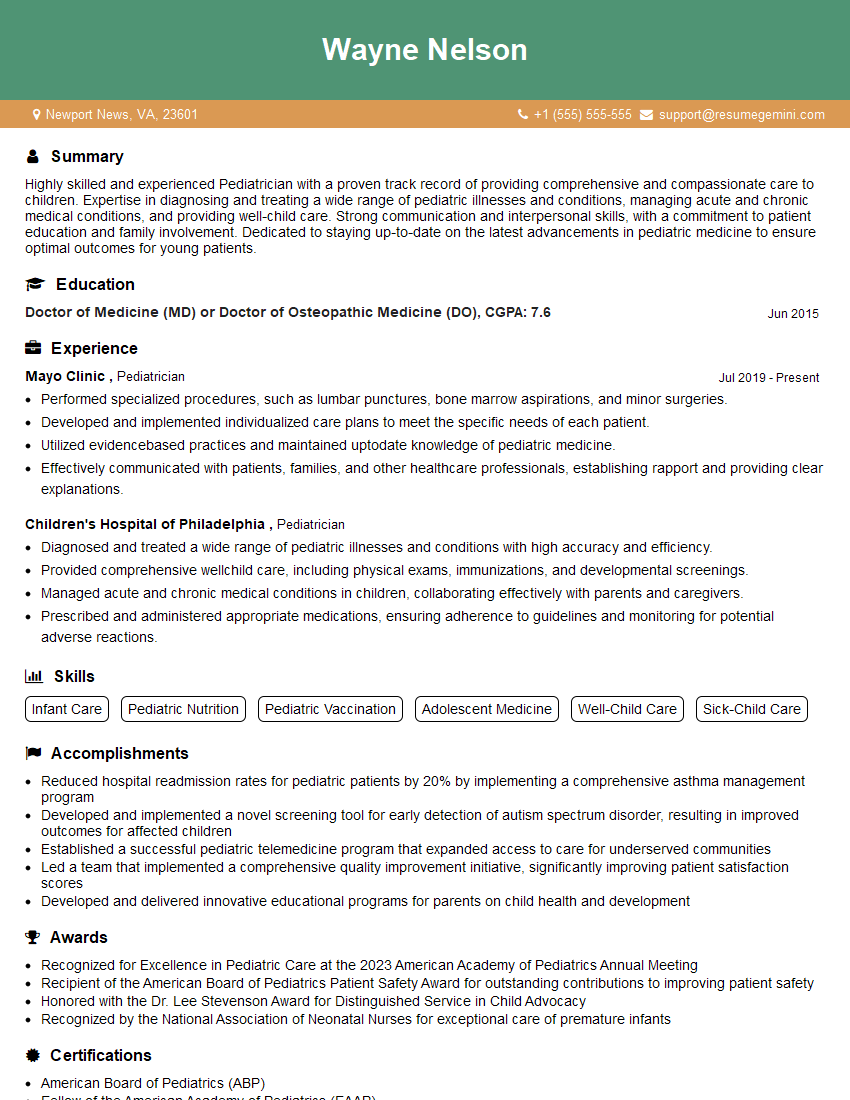
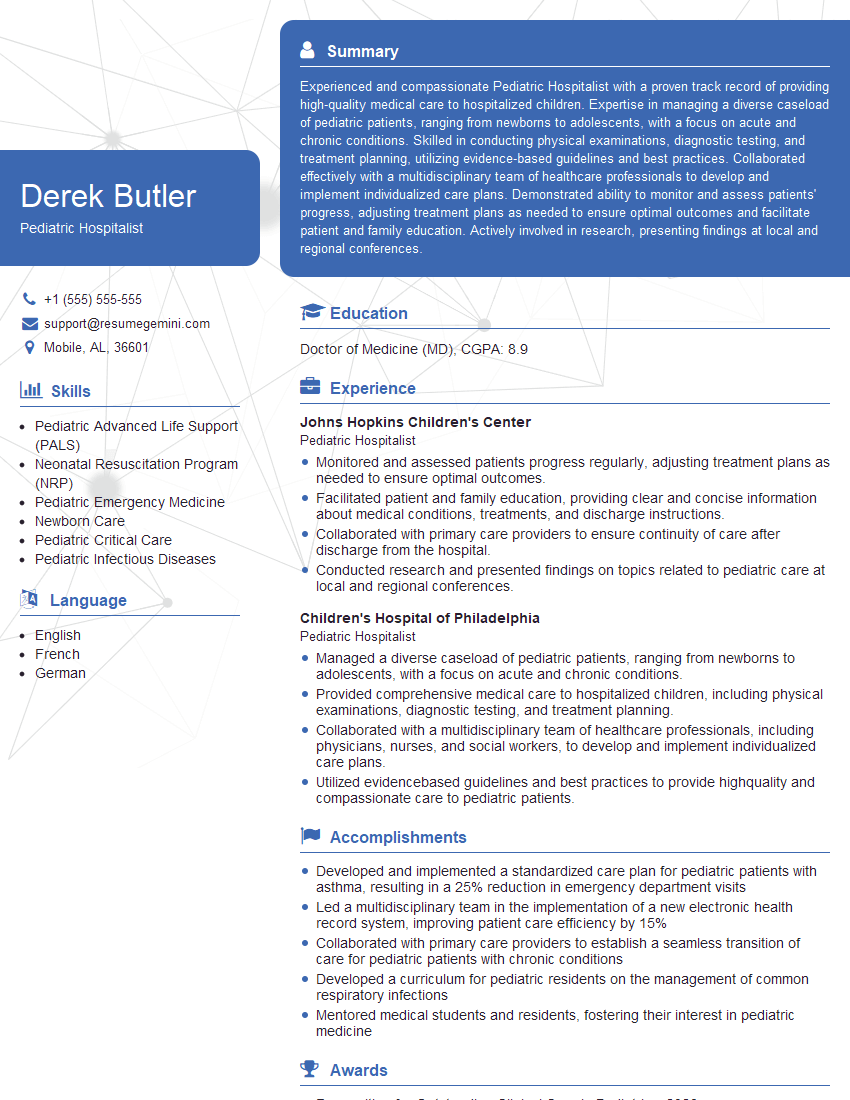
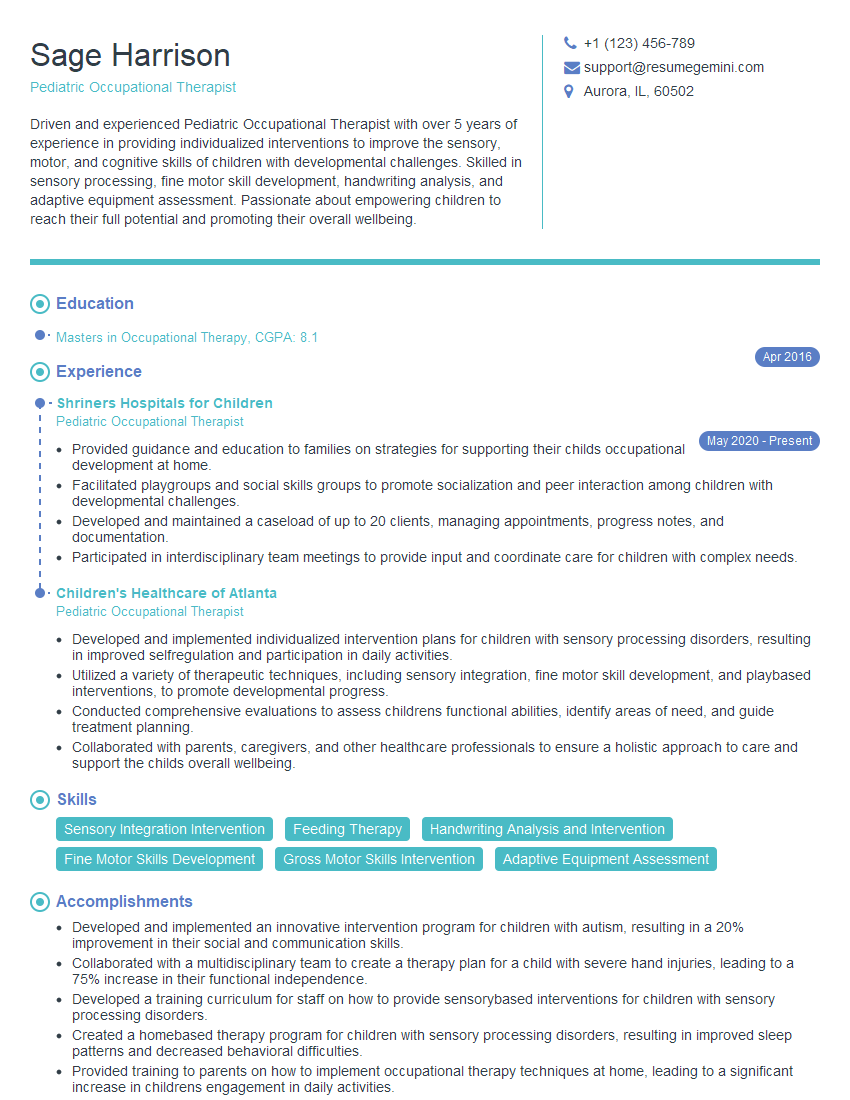
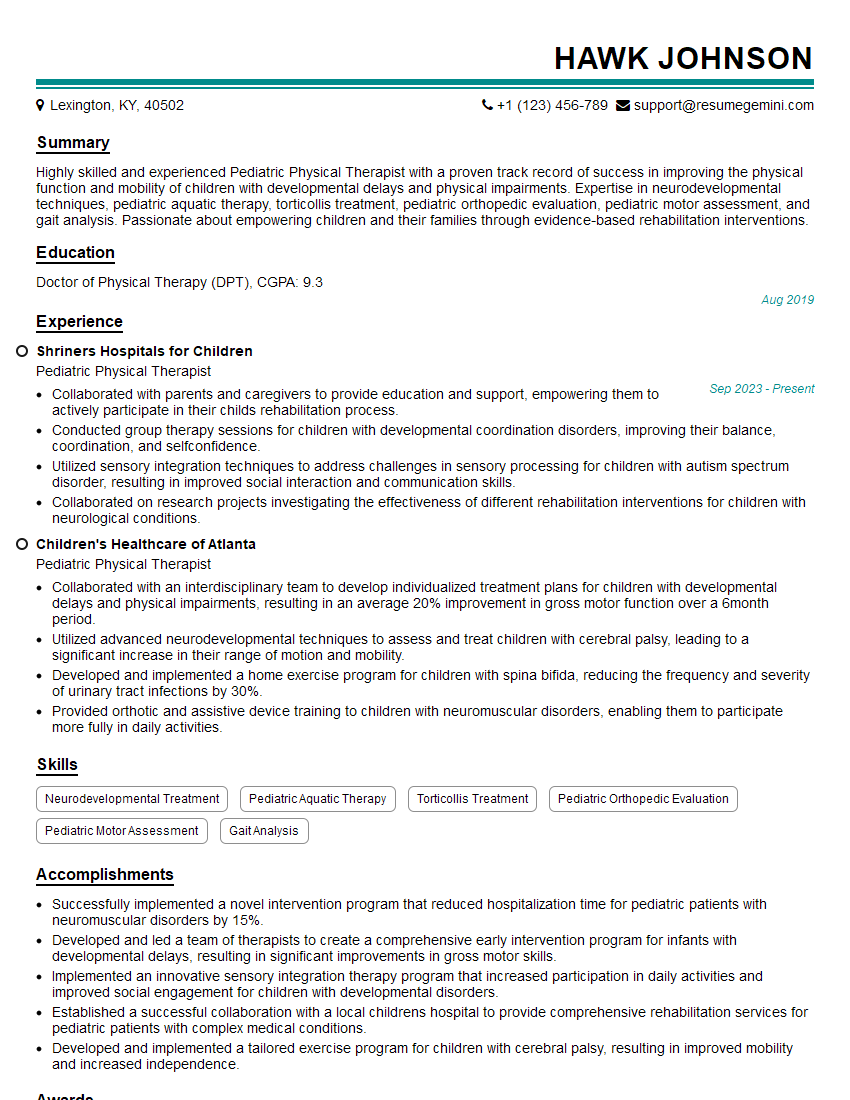
Mastering Pediatric Primary Care is crucial for a fulfilling and impactful career, opening doors to diverse opportunities and allowing you to make a real difference in the lives of young patients and their families. To significantly boost your job prospects, creating an Applicant Tracking System (ATS)-friendly resume is paramount. ResumeGemini offers a trusted platform to build a professional and effective resume that showcases your skills and experience effectively. Leverage their expertise and resources to craft a compelling narrative; examples of resumes tailored to Pediatric Primary Care are available to guide your process.
Explore more articles
Users Rating of Our Blogs
Share Your Experience
We value your feedback! Please rate our content and share your thoughts (optional).
What Readers Say About Our Blog
To the interviewgemini.com Webmaster.
Very helpful and content specific questions to help prepare me for my interview!
Thank you
To the interviewgemini.com Webmaster.
This was kind of a unique content I found around the specialized skills. Very helpful questions and good detailed answers.
Very Helpful blog, thank you Interviewgemini team.