Unlock your full potential by mastering the most common Pediatric Speech-Language Therapy interview questions. This blog offers a deep dive into the critical topics, ensuring you’re not only prepared to answer but to excel. With these insights, you’ll approach your interview with clarity and confidence.
Questions Asked in Pediatric Speech-Language Therapy Interview
Q 1. Describe your experience with different assessment tools for pediatric speech-language disorders.
My experience with assessment tools for pediatric speech-language disorders is extensive and encompasses a wide range of standardized and informal measures. The choice of assessment depends heavily on the child’s age, suspected disorder, and overall developmental level. For example, with younger children (preschool), I frequently use play-based assessments like the Preschool Language Scale - 5 (PLS-5), which allows for natural language sampling within a familiar context. This contrasts with older children (school-age), where I might utilize more formal tests like the Clinical Evaluation of Language Fundamentals - 5 (CELF-5), which provides specific scores across various language domains. For articulation, I rely on tools such as the Goldman-Fristoe Test of Articulation - 3 (GFTA-3) to identify phoneme errors. Beyond standardized tests, I also heavily incorporate informal assessments, such as language samples during play, to observe communicative intent, pragmatic skills, and overall language use in context. I always tailor my assessment approach to the individual child’s needs, ensuring the process is engaging and informative.
In addition to these specific tests, I also consider the child’s developmental history, medical background, and family concerns. A comprehensive picture necessitates a multi-faceted assessment rather than relying on a single tool. For instance, if a child shows difficulty with narratives, I might also administer a test focusing specifically on narrative skills, like the Test of Narrative Language, to better understand the nature of their difficulties. This holistic approach helps to create a detailed and accurate profile of the child’s communication abilities and challenges, guiding the most effective intervention plan.
Q 2. Explain your approach to diagnosing childhood apraxia of speech.
Diagnosing Childhood Apraxia of Speech (CAS) requires a thorough and multi-faceted approach. It’s crucial to rule out other potential diagnoses first, such as dysarthria (weakness in the muscles used for speech). My approach begins with a comprehensive case history, including developmental milestones and family history. Next, I conduct a detailed speech assessment focusing on several key indicators: inconsistent errors on the same sounds, difficulty with sequencing sounds and syllables, groping behaviors during speech attempts, and slow progress in therapy. For example, a child might correctly produce /p/ in one instance, then substitute it with /b/ in another, even within the same word repetition. This inconsistency is a hallmark of CAS. Additionally, I assess the child’s oral motor skills to check for any structural or neurological limitations, observing their ability to move their tongue and lips independently. I also pay close attention to their ability to imitate sounds and words and note any difficulties with prosody (rhythm and intonation). While there is no single diagnostic test for CAS, the combination of these observations, coupled with careful consideration of the child’s overall development, allows me to make an informed diagnosis. Often, collaboration with other professionals, like pediatricians or neurologists, is essential for a complete evaluation.
Q 3. How do you differentiate between articulation disorders and phonological disorders in children?
Articulation and phonological disorders both affect speech sound production, but they differ in their underlying cause. Think of it like this: articulation is the how, and phonology is the why. An articulation disorder involves difficulty producing specific speech sounds due to problems with the motor planning or execution of those sounds. For example, a child might consistently substitute a /th/ sound with a /t/ sound, because their tongue isn’t positioning correctly. They may understand the sound and its function in words, just struggle with the motor skill of producing it correctly. In contrast, a phonological disorder involves a deeper-seated problem with the underlying sound system of the language. The child may have difficulty understanding and using the rules that govern sounds and their combinations within a language (phonological processes). A common example is ‘final consonant deletion,’ where a child consistently omits the final sound of words (e.g., saying ‘ca’ instead of ‘cat’). This isn’t a motor problem; it’s a rule-based pattern. Differentiating between them requires a comprehensive evaluation including assessing sound production in different contexts, identifying patterns of errors, and observing the child’s ability to discriminate between sounds.
Q 4. What strategies do you use to assess and treat childhood fluency disorders?
Assessing and treating childhood fluency disorders, such as stuttering, requires a sensitive and individualized approach. Assessment involves gathering a detailed case history, observing the child’s speech in different contexts (play, conversation, reading), and using standardized measures like the Stuttering Severity Instrument - 4 (SSI-4). This allows us to identify the frequency, type, and severity of disfluencies. Beyond quantifying disfluencies, I also assess the child’s emotional responses to their speech and their overall communication confidence. Treatment focuses on a range of strategies tailored to the individual child, their age, and the severity of their stuttering. For young children, playful activities focusing on reducing speech rate and promoting easy speech are frequently used. This might involve incorporating singing, rhythmic speech, or using visual cues to slow down speech. For older children, more sophisticated techniques, such as self-monitoring strategies, fluency shaping techniques, and cognitive behavioral therapy approaches, may be incorporated. The overall goal is to reduce the frequency and severity of stuttering while simultaneously promoting the child’s self-confidence and overall communication well-being. The parent’s role in supporting these strategies is essential to treatment success.
Q 5. Discuss your experience with augmentative and alternative communication (AAC) systems.
My experience with Augmentative and Alternative Communication (AAC) systems is significant. I’ve worked with children utilizing various AAC modalities, including picture exchange systems (PECS), speech-generating devices (SGD), and low-tech options like sign language. The selection of the most appropriate AAC system depends on the child’s individual needs, communication abilities, cognitive skills, and physical capabilities. For example, a child with limited motor skills might benefit from an eye-gaze system or a switch-activated device, while a child with good cognitive skills but limited speech might thrive with a SGD. The process begins with a thorough assessment of the child’s communication skills and their overall needs, including their strengths and limitations. My work involves not only teaching the child how to use the AAC system but also training the family and caregivers on its effective use to ensure consistent communication across environments. AAC is not a replacement for speech but a supportive tool to foster communication and participation, thereby promoting language development. Successful implementation often requires collaboration with educators, therapists, and families to provide comprehensive support and integration within the child’s daily life. Often, we gradually fade AAC usage as the child’s spoken language skills improve.
Q 6. How do you incorporate play-based therapy into your sessions with young children?
Play is the natural language of young children, and I wholeheartedly incorporate it into my therapy sessions. Play-based therapy allows me to assess and treat communication skills in a fun and engaging way, reducing anxiety and increasing motivation. For example, during a session focused on expanding vocabulary, we might engage in pretend play where we build a house with blocks and use descriptive language to describe the different features. Or, we could play a simple game like ‘I spy’ to encourage the use of specific vocabulary words. During play, I can naturally model correct language forms and facilitate interactions that encourage spontaneous communication. It’s not simply about using toys; it’s about strategically selecting activities that target specific communication goals. I might use puppets to help children practice social skills, or create story scenarios to work on narrative development. Play also provides valuable opportunities to observe the child’s interaction style, pragmatic language skills, and overall communication effectiveness within a context that feels less like a ‘test’ and more like a shared experience. The playful environment fosters a positive therapeutic relationship, making the learning process enjoyable and effective.
Q 7. Describe your approach to working with children who have receptive language impairments.
Children with receptive language impairments have difficulty understanding language. My approach to working with these children is multi-faceted and focuses on improving their comprehension skills across various modalities. I start by conducting a thorough assessment to identify the specific areas of difficulty, whether it’s understanding simple instructions, following multi-step directions, or comprehending complex sentences. I might use standardized tests like the Receptive One-Word Picture Vocabulary Test - 4 (ROWPVT-4) as part of this assessment. Then, I tailor the intervention to their specific needs. This could involve working on auditory processing skills, improving visual comprehension through picture cards and other visual supports, and practicing comprehension in various contexts (following instructions, answering questions, participating in conversations). Strategies include using clear and concise language, reducing background noise, and incorporating visual cues such as gestures, pictures, or objects. We often work on building their vocabulary and understanding of grammatical structures through interactive activities that make learning fun and engaging. For instance, I might use picture books, simple songs, or games to reinforce concepts. It’s crucial to remember that receptive language improvement often leads to improved expressive language skills as well, establishing a cyclical and impactful therapeutic trajectory.
Q 8. Explain your experience with family-centered intervention in pediatric speech therapy.
Family-centered intervention is the cornerstone of my pediatric speech therapy practice. It’s not just about treating the child; it’s about empowering the entire family to support their child’s communication development. This approach recognizes that parents and caregivers are the child’s primary teachers and are essential partners in therapy.
- Collaboration: I begin by actively listening to the family’s concerns, goals, and experiences. We collaboratively establish realistic, achievable goals that align with their values and priorities.
- Shared Decision-Making: Treatment plans are developed in consultation with the family, involving them in choosing activities, strategies, and home practice routines. I explain the rationale behind each technique clearly and answer their questions thoroughly.
- Education and Support: I provide families with the knowledge and skills they need to support their child’s progress at home. This may include specific strategies for practicing speech sounds, expanding vocabulary, or improving social interaction, as well as resources for further support.
- Flexibility and Adaptation: I understand that family life is complex. I adapt treatment plans to accommodate family schedules, needs, and preferences, ensuring that therapy fits seamlessly into their daily routines.
For example, I worked with a family whose child had difficulty with articulation. We collaboratively decided on a home practice routine that involved playful activities using the child’s favorite toys. The parents were actively engaged, creating a supportive and motivating environment, and the child’s progress was significantly faster because of their involvement.
Q 9. How do you address the social communication challenges faced by children with autism spectrum disorder?
Addressing social communication challenges in children with Autism Spectrum Disorder (ASD) requires a multifaceted approach that focuses on improving social understanding, pragmatics (appropriate language use), and interaction skills. I use evidence-based strategies tailored to the child’s specific needs and developmental level.
- Social Skills Groups: Structured group sessions help children learn and practice social skills in a peer-to-peer context. Activities include role-playing, practicing turn-taking, and learning to interpret social cues.
- Visual Supports: Visual schedules, social stories, and comic strip conversations help children understand social situations and expectations. These tools provide predictability and structure, which can reduce anxiety and improve communication.
- Play-Based Therapy: Play is a natural vehicle for social interaction. We utilize play to teach joint attention (sharing focus on a common object or activity), turn-taking, and understanding nonverbal communication.
- Augmentative and Alternative Communication (AAC): For children who have difficulty with verbal communication, AAC systems, such as picture exchange systems (PECS) or speech-generating devices, can provide alternative ways to express themselves and engage socially.
- Parent Training: Parents are crucial in supporting the child’s social communication skills at home. I provide training on specific strategies and how to integrate them into everyday routines.
For instance, with one child, we used social stories to help him understand the concept of taking turns in conversations. These stories depicted various scenarios and provided step-by-step instructions for appropriate behavior. This strategy significantly improved his conversational skills and social interactions.
Q 10. Describe your methods for assessing and treating pediatric feeding and swallowing disorders.
Assessment and treatment of pediatric feeding and swallowing disorders require a thorough and multi-disciplinary approach. It’s crucial to rule out any underlying medical conditions, then address feeding challenges.
- Comprehensive Assessment: This involves a detailed case history, review of medical records, oral-motor examination (assessing lip, tongue, jaw movement), and observation of feeding behavior. In some cases, a videofluoroscopic swallowing study (VFSS) or fiberoptic endoscopic evaluation of swallowing (FEES) may be necessary to visualize the swallowing process.
- Treatment Strategies: These are highly individualized and may include strategies such as postural adjustments, sensory modifications (e.g., changing food temperature or texture), oral-motor exercises, and behavioral techniques to improve mealtime routines and reduce mealtime anxieties. We use techniques like positive reinforcement to make eating a positive experience.
- Adaptive Equipment: Specialized feeding equipment, such as specialized bottles, sippy cups, or adaptive utensils, may be used to facilitate safe and efficient feeding.
- Nutritional Management: Collaboration with a registered dietitian or other healthcare professionals may be necessary to address nutritional deficiencies and develop appropriate dietary plans.
I recall a child with severe oral-motor difficulties who had significant challenges with food textures. We employed a systematic desensitization approach, gradually introducing new textures starting from very pureed foods and slowly progressing to more complex textures. By using positive reinforcement and breaking down the process into small steps, the child was able to expand their diet significantly.
Q 11. What are your strategies for collaborating with other professionals, such as teachers and parents?
Collaboration is key to successful outcomes in pediatric speech therapy. I believe in a strong team approach, working closely with various professionals and parents to ensure a cohesive and effective intervention plan.
- Regular Communication: I maintain open and consistent communication with teachers, parents, and other relevant professionals (e.g., occupational therapists, physical therapists) through regular meetings, phone calls, email, or progress reports.
- Shared Goals: We collaboratively define clear, shared goals for the child, ensuring that intervention strategies align across different settings (school, home, therapy).
- Information Sharing: I provide teachers and parents with information about the child’s progress, strategies used in therapy, and recommendations for home practice.
- Joint Planning: We work together to develop and implement individualized education programs (IEPs) or other plans that address the child’s communication needs in the school setting.
For example, in one case, I worked closely with a child’s teacher to adapt classroom strategies to support his language development. We implemented visual supports in the classroom and established a consistent communication system that helped him navigate classroom routines and participate in learning activities more effectively.
Q 12. How do you adapt your therapy approaches to meet the individual needs of diverse learners?
Adapting therapy approaches to meet the diverse needs of learners is crucial for maximizing their progress. I use several strategies to tailor therapy to individual learning styles, cultural backgrounds, and developmental levels.
- Differentiated Instruction: I adjust the complexity, pace, and method of instruction based on the child’s individual needs and learning preferences. This might involve using different teaching methods (visual, auditory, kinesthetic), varying the level of support provided, or adapting activities to the child’s interests.
- Culturally Responsive Practices: I strive to understand and incorporate the child’s cultural background into the therapy process. This includes using culturally relevant materials, respecting family values, and tailoring communication styles accordingly.
- Multisensory Approaches: Using multiple sensory modalities (visual, auditory, tactile, kinesthetic) can enhance learning and engagement, particularly for children with sensory processing differences or learning disabilities.
- Technology Integration: I utilize technology effectively, employing apps, games, and other digital resources to make therapy more engaging and accessible.
For instance, with a child who struggled with auditory processing, I incorporated visual cues and tactile activities to enhance comprehension. We used flashcards and manipulatives to make the therapy session more concrete and engaging. This multi-sensory approach resulted in significant improvements in the child’s language skills.
Q 13. How do you measure the progress of your pediatric clients and adjust your treatment plans accordingly?
Measuring progress and adjusting treatment plans are essential for ensuring effective therapy. I use a combination of formal and informal assessments to monitor progress and make data-driven decisions.
- Standardized Assessments: Formal assessments, such as standardized language tests, provide objective measures of a child’s language skills and allow for tracking progress over time.
- Informal Assessments: Observations during therapy sessions, language samples, and work samples provide valuable insights into a child’s progress in real-world communication contexts.
- Goal Attainment Scaling (GAS): This method allows us to establish individualized goals and quantitatively measure progress towards those goals. The family is heavily involved in this process.
- Data Collection and Analysis: I meticulously document the child’s progress using various methods, including detailed session notes, data sheets, and graphs. This data is regularly reviewed and analyzed to determine the effectiveness of the therapy plan.
- Plan Adjustment: Based on the collected data, I regularly adjust the treatment plan to optimize the child’s progress. This may involve changing activities, modifying strategies, or setting new goals.
For example, if a child isn’t progressing as expected on a specific goal, I’ll analyze the data to identify potential barriers (e.g., lack of engagement, difficulty with a specific skill) and adjust my approach accordingly. Perhaps a different teaching strategy, a change in materials, or a modified practice schedule is needed.
Q 14. Describe your experience using data-driven decision making in your therapy practice.
Data-driven decision making is fundamental to my practice. It ensures that therapy is evidence-based, efficient, and personalized to each child’s needs.
- Data Collection: I collect data on various aspects of the child’s performance, such as the accuracy of speech sounds, vocabulary size, social interaction skills, and feeding behaviors. This data may be collected through standardized assessments, informal observations, or direct measurement of specific behaviors.
- Data Analysis: I analyze the collected data regularly to monitor progress and identify trends. This involves creating graphs, charts, and other visual representations of the data to easily identify patterns and areas where intervention is needed. This data is shared with parents.
- Treatment Modification: Based on the data analysis, I make informed decisions about modifications to the treatment plan. If a particular strategy is not effective, I may try a different approach or adjust the intensity of the intervention.
- Program Evaluation: I use data to evaluate the overall effectiveness of my therapy programs. This helps identify areas for improvement in my clinical practice and ensures I am delivering high-quality, evidence-based care.
For instance, by tracking a child’s progress on articulation goals using a graph, I quickly noticed a plateau in their performance. This prompted me to re-evaluate the intervention strategy and introduce new activities to address the identified difficulty. The data clearly showed the effectiveness of the modification, leading to renewed progress.
Q 15. What is your understanding of evidence-based practices in pediatric speech-language pathology?
Evidence-based practice (EBP) in pediatric speech-language pathology means integrating the best available research evidence with clinical expertise and client values to make informed decisions about assessment and intervention. It’s not just about following the latest trends; it’s a systematic approach to ensuring that our therapies are effective and ethical.
This involves a three-legged stool: research evidence (e.g., randomized controlled trials, meta-analyses), clinical expertise (my experience and professional judgment), and client values (the child’s and family’s preferences, cultural considerations, and goals). For example, if a child struggles with articulation, I wouldn’t just choose a therapy technique based on personal preference. I’d look at research on the efficacy of different techniques for that specific articulation error, consider the child’s age and cognitive abilities, and discuss the family’s priorities to develop a customized plan.
EBP ensures that we are providing the most effective and efficient services, leading to improved outcomes for our young clients.
Career Expert Tips:
- Ace those interviews! Prepare effectively by reviewing the Top 50 Most Common Interview Questions on ResumeGemini.
- Navigate your job search with confidence! Explore a wide range of Career Tips on ResumeGemini. Learn about common challenges and recommendations to overcome them.
- Craft the perfect resume! Master the Art of Resume Writing with ResumeGemini’s guide. Showcase your unique qualifications and achievements effectively.
- Don’t miss out on holiday savings! Build your dream resume with ResumeGemini’s ATS optimized templates.
Q 16. Explain your experience with different types of intervention strategies for language delays.
My experience encompasses a variety of intervention strategies tailored to the individual needs of children with language delays. These strategies often combine different approaches for maximum impact.
- Play-Based Therapy: I utilize play to make learning fun and engaging. For example, I might use a pretend grocery store to work on vocabulary and sentence structure with a preschooler.
- Structured Language Intervention: This involves using more direct instruction techniques, such as drill and practice or computer-assisted activities, focusing on specific language targets. This might involve targeting specific grammatical structures through sentence completion tasks.
- Augmentative and Alternative Communication (AAC): For children with significant communication challenges, AAC systems, like picture exchange systems (PECS) or speech-generating devices, are invaluable. I work with families to determine the most appropriate system and teach them how to effectively use it.
- Social Communication Intervention: This addresses social pragmatic difficulties, using role-playing, social stories, and video modeling to improve social interactions and communication skills. This is crucial for children on the autism spectrum or those with social communication disorders.
- Narrative Therapy: Encouraging children to retell stories and create their own narratives can improve language comprehension, fluency, and vocabulary.
The selection of strategies is always individualized and guided by the child’s specific diagnosis, developmental level, learning style, and family’s preferences. I regularly monitor progress and adjust the strategies as needed.
Q 17. How do you handle challenging behaviors in pediatric speech therapy sessions?
Challenging behaviors in therapy are often communication attempts, albeit ineffective ones. I address them by first identifying the function of the behavior – what the child is trying to communicate. Is it a need for attention, a desire to escape a task, or frustration with the activity?
Once the function is understood, we can implement strategies that address the underlying need. This might involve:
- Positive Behavior Support (PBS): Focusing on rewarding positive behaviors rather than solely punishing negative ones. For instance, praising a child’s efforts even if the task isn’t perfectly completed.
- Environmental modifications: Altering the therapy setting to minimize triggers or distractions. This could include providing a quiet space or structuring the session with frequent breaks.
- Functional Communication Training (FCT): Teaching the child alternative, more appropriate communication strategies to express their needs. If a child throws toys to get attention, we teach them to ask for attention verbally or with a gesture.
- Collaboration with parents and other professionals: Working with the family and other therapists (e.g., occupational therapist, psychologist) to develop a consistent approach to behavior management across settings.
I always prioritize the child’s safety and well-being while working collaboratively with the family to create a positive and successful therapy experience.
Q 18. Describe your approach to documentation and record-keeping for pediatric clients.
Thorough and accurate documentation is crucial for ethical and legal reasons. My approach involves detailed and precise recording of each session. I use a standardized format that includes:
- Client demographics and background information: This ensures consistency in record-keeping.
- Assessment data: A detailed summary of the assessment results, including strengths and weaknesses.
- Goals and objectives: Clearly stated, measurable, achievable, relevant, and time-bound (SMART) goals.
- Session notes: A description of the session’s activities, the client’s performance, and any observations related to behavior, communication, or social interaction. I might write: “Client engaged in 15 minutes of conversational speech with minimal prompting, demonstrating improved fluency.”
- Progress reports: Regular updates to parents and other professionals, highlighting progress toward goals and any adjustments made to the therapy plan.
- Discharge summaries: A comprehensive report summarizing the client’s progress, recommendations for continued support, and referral information if needed.
I maintain secure electronic records using HIPAA-compliant software, ensuring client confidentiality and easy access to information.
Q 19. What are your strategies for promoting generalization of skills learned in therapy to real-world settings?
Generalization of skills means transferring what’s learned in therapy to real-world situations. This is a critical aspect of successful intervention. I employ several strategies to promote this:
- Incorporate real-world materials and contexts: Using toys, books, and activities that are relevant to the child’s daily life.
- Practice in multiple settings: Working with the family to implement therapy techniques at home, school, or other relevant environments. I might provide home programs to practice targeted skills in the child’s natural environment.
- Collaborate with caregivers and educators: Teaching parents and teachers specific strategies and techniques to reinforce the skills learned in therapy.
- Reinforce skills in various ways: Using a variety of activities and approaches to practice the same skill, which increases the likelihood of generalization.
- Target functional skills: Focusing on skills that are directly relevant to the child’s daily communication needs.
- Use natural consequences: Allowing the child to experience the natural consequences of using (or not using) their newly acquired skills.
Regular monitoring and feedback are essential to ensure that the strategies are effective and that the skills are consistently being utilized outside of the therapy room.
Q 20. How do you ensure culturally sensitive and appropriate intervention for your diverse clients?
Culturally sensitive intervention is crucial for effective therapy. It involves acknowledging and respecting the cultural backgrounds, beliefs, and practices of the families I work with. My approach includes:
- Understanding cultural differences in communication styles: Recognizing that different cultures may have different ways of interacting, expressing emotions, and using language. Some cultures may value direct communication, while others prioritize indirect communication.
- Using culturally relevant materials: Selecting toys, books, and activities that reflect the child’s cultural background. This ensures engagement and makes therapy more relevant to the child.
- Collaborating with interpreters or translators: If there is a language barrier, working with qualified professionals to ensure effective communication with the family.
- Involving the family in decision-making: Respecting the family’s values, beliefs, and preferences in developing the therapy plan.
- Educating myself on cultural differences: Continuously learning about different cultures and their communication practices.
By creating a culturally safe and inclusive environment, I can build trust with families, foster better collaboration, and ultimately improve the effectiveness of therapy.
Q 21. Explain your understanding of the impact of social and emotional factors on speech and language development.
Social and emotional factors significantly influence speech and language development. A child’s emotional state, social interactions, and overall well-being can profoundly impact their ability to communicate effectively. For example:
- Attachment issues: Children with insecure attachments may have difficulties engaging in social interactions and developing language skills.
- Trauma: Experiencing trauma can lead to various communication difficulties, including selective mutism or expressive language delays.
- Social anxiety: Children who are anxious in social situations may struggle to initiate or participate in conversations.
- Mental health conditions: Conditions such as depression or autism spectrum disorder can significantly impact communication abilities.
I address these factors by:
- Creating a safe and supportive therapeutic environment: Building rapport with the child and family and fostering a sense of trust and comfort.
- Collaborating with other professionals: Working closely with psychologists, psychiatrists, or other relevant professionals to address any underlying social or emotional challenges.
- Incorporating social-emotional learning activities: Integrating activities that promote self-awareness, self-regulation, and social skills into the therapy sessions.
- Educating families: Providing support and guidance to families on how to address social-emotional factors at home.
By addressing both the linguistic and social-emotional aspects of a child’s development, I can achieve more holistic and effective outcomes.
Q 22. Describe your experience with telepractice in pediatric speech-language pathology.
My experience with telepractice in pediatric speech-language pathology has been overwhelmingly positive. It’s allowed me to reach children and families who might otherwise lack access to services due to geographical limitations, transportation challenges, or scheduling conflicts. I’ve found that with the right technology and a well-structured session, the effectiveness of teletherapy is comparable to in-person treatment. For example, I’ve successfully used telepractice to work with a child in a rural area who had significant articulation difficulties. We used a combination of video conferencing, interactive online games, and shared digital materials to make the sessions engaging and effective. The key to successful telepractice lies in establishing a strong therapeutic rapport, ensuring reliable technology, and adapting strategies to the virtual environment.
I’ve utilized platforms like Zoom and Google Meet, supplementing them with interactive apps and digital resources designed to enhance engagement. A crucial aspect is parent/caregiver involvement, as they play a vital role in carrying over therapy techniques into the home environment. Regular check-ins and open communication with parents are critical to success in the virtual setting.
Q 23. How do you incorporate technology into your pediatric speech therapy sessions?
Technology plays a crucial role in modern pediatric speech therapy. I use a variety of tools to make sessions engaging and effective. For example, I use interactive apps like Articulation Station and Speech Therapy Games to target specific speech sound goals in a fun and motivating way. Visual supports are also incredibly helpful, and I frequently utilize digital slideshows, videos, and interactive whiteboards to present information and model target language. For children with receptive language difficulties, I employ visual schedules to promote organization and predictability. Furthermore, I use digital recording tools to allow children to hear themselves and track their progress over time.
I also leverage telehealth platforms to provide remote therapy services, which has proven to be incredibly beneficial for both accessibility and engagement, particularly in rural settings. Data tracking software helps monitor progress and allows for effective communication with parents and other professionals involved in the child’s care. It’s important to carefully select and implement technology in a way that is appropriate to the child’s age, developmental level, and specific needs. We always prioritize the safety and well-being of the child, making sure all digital content is age-appropriate and screened for harmful content.
Q 24. What are the ethical considerations related to confidentiality and informed consent in your practice?
Ethical considerations regarding confidentiality and informed consent are paramount in my practice. I adhere strictly to HIPAA regulations and maintain the strictest confidentiality regarding all client information. Before initiating any treatment, I obtain informed consent from the parent or legal guardian, ensuring they fully understand the nature of the services, the potential risks and benefits, and their rights regarding their child’s information. This process includes a detailed explanation of how client information will be stored, used, and protected. I use secure electronic health record systems, password-protected devices, and encrypted communication channels to protect sensitive data. When using technology in sessions, I make sure to respect the child’s privacy by utilizing age-appropriate platforms and ensuring that the session is conducted in a private space.
Open and honest communication is key. Parents are kept fully informed about their child’s progress, challenges, and the rationale behind any treatment decisions. I always encourage questions and strive to empower families to participate actively in their child’s therapeutic journey. Situations requiring disclosure of confidential information (e.g., suspected abuse) are handled according to legal and ethical mandates.
Q 25. Explain your understanding of the different developmental milestones for speech and language in children.
Understanding developmental milestones for speech and language is foundational to my work. Children develop at different rates, but there are general expectations for different age ranges. For instance, by 12 months, most children begin to say their first words, babbling evolves into more complex sounds. By age 2, they typically have a vocabulary of 50 or more words and begin putting words together in simple phrases. By age 3, they usually speak in simple sentences and their language comprehension expands significantly. By age 5, they should be able to tell stories, use more complex grammar, and understand more nuanced conversations.
These are just broad guidelines. Deviations from these norms don’t always signify a problem, but they can point to areas that might require further evaluation. Factors like prematurity, hearing impairment, or specific genetic conditions can influence development. Therefore, thorough assessment of each child is vital to create individualized therapy plans. Early identification of developmental delays is crucial, as early intervention can greatly impact a child’s long-term communication outcomes. It is important to remember this is a guideline and that variability is normal and should be considered within the context of the child’s individual developmental trajectory.
Q 26. Describe your experience with working in a multidisciplinary team.
Collaboration within a multidisciplinary team is essential for providing comprehensive care to children with communication disorders. I regularly work with other professionals including pediatricians, occupational therapists, psychologists, and educators. This team approach ensures a holistic perspective on the child’s needs, and allows for better coordination of services. For example, I worked with a child diagnosed with autism spectrum disorder. The team, which included myself, an occupational therapist, and a psychologist, met regularly to share information, coordinate treatment goals, and ensure consistency across interventions. This collaborative approach helped maximize the child’s progress.
Effective teamwork relies on clear communication, shared goals, and mutual respect. Regular meetings, shared documentation, and a commitment to integrated care are key components. The collaborative approach ensures the child receives the most appropriate and comprehensive care possible and facilitates a unified approach that benefits the child and the family.
Q 27. How do you maintain professional development and stay up-to-date with current best practices?
Maintaining professional development is a continuous process. I actively participate in continuing education courses, workshops, and conferences to stay abreast of the latest research, best practices, and technological advances in the field. I regularly review professional journals and publications like Language, Speech, and Hearing Services in Schools and American Journal of Speech-Language Pathology. I am also a member of professional organizations such as the American Speech-Language-Hearing Association (ASHA), where I can access resources, participate in online communities, and stay informed about emerging trends.
Furthermore, I actively seek out mentorship opportunities from experienced colleagues. Networking and collaboration with other professionals allow for sharing of best practices and addressing challenges collectively. A commitment to lifelong learning is crucial to providing high-quality and evidence-based care.
Q 28. Describe a situation where you had to adapt your therapy plan due to unforeseen circumstances.
I once had a young client who was making excellent progress with articulation therapy. However, he unexpectedly developed a severe ear infection that significantly impacted his hearing. This unforeseen circumstance required immediate adaptation of his therapy plan. Initially, I had to reduce the intensity and duration of our sessions to avoid overstimulating his already compromised hearing. I also adjusted the therapy goals to focus on activities that were less auditory and more visual. We incorporated more visual aids and hands-on activities to support communication. Close collaboration with his pediatrician and audiologist was crucial in determining when it was safe to resume normal therapy.
This experience highlighted the importance of flexibility and adaptability in therapy planning. It reinforced my commitment to collaborating with other healthcare professionals and regularly monitoring a child’s overall health status to anticipate and address potential setbacks.
Key Topics to Learn for Pediatric Speech-Language Therapy Interview
- Developmental Milestones: Understanding typical speech and language development across different age groups (infancy, preschool, school-age) and recognizing developmental delays.
- Assessment and Diagnosis: Familiarize yourself with various assessment tools and methods used to evaluate speech, language, and feeding/swallowing disorders in children. Practice explaining your approach to diagnostic decision-making.
- Intervention Strategies: Mastering a range of therapeutic techniques for articulation disorders, language delays, fluency disorders (stuttering), social communication difficulties (e.g., autism spectrum disorder), and feeding/swallowing challenges. Be prepared to discuss your preferred approaches and rationale.
- Treatment Planning and Goal Setting: Demonstrate your ability to develop individualized treatment plans based on assessment results, incorporating measurable goals and objectives aligned with the child’s needs and family preferences.
- Collaboration and Communication: Highlight your experience (or preparedness) in collaborating effectively with parents, teachers, other therapists, and medical professionals. Emphasize your communication skills in conveying complex information clearly and compassionately.
- Ethical Considerations: Demonstrate awareness of ethical considerations specific to pediatric speech-language therapy, such as confidentiality, informed consent, and cultural sensitivity.
- Evidence-Based Practice: Discuss your understanding of evidence-based practice and your ability to utilize research findings to inform your clinical decisions.
- Technology in Pediatric SLP: Explore the role of technology in assessment and intervention (e.g., augmentative and alternative communication (AAC) devices, telehealth).
- Case Management and Documentation: Showcase your skills in maintaining accurate and comprehensive clinical records, including progress notes and treatment reports.
Next Steps
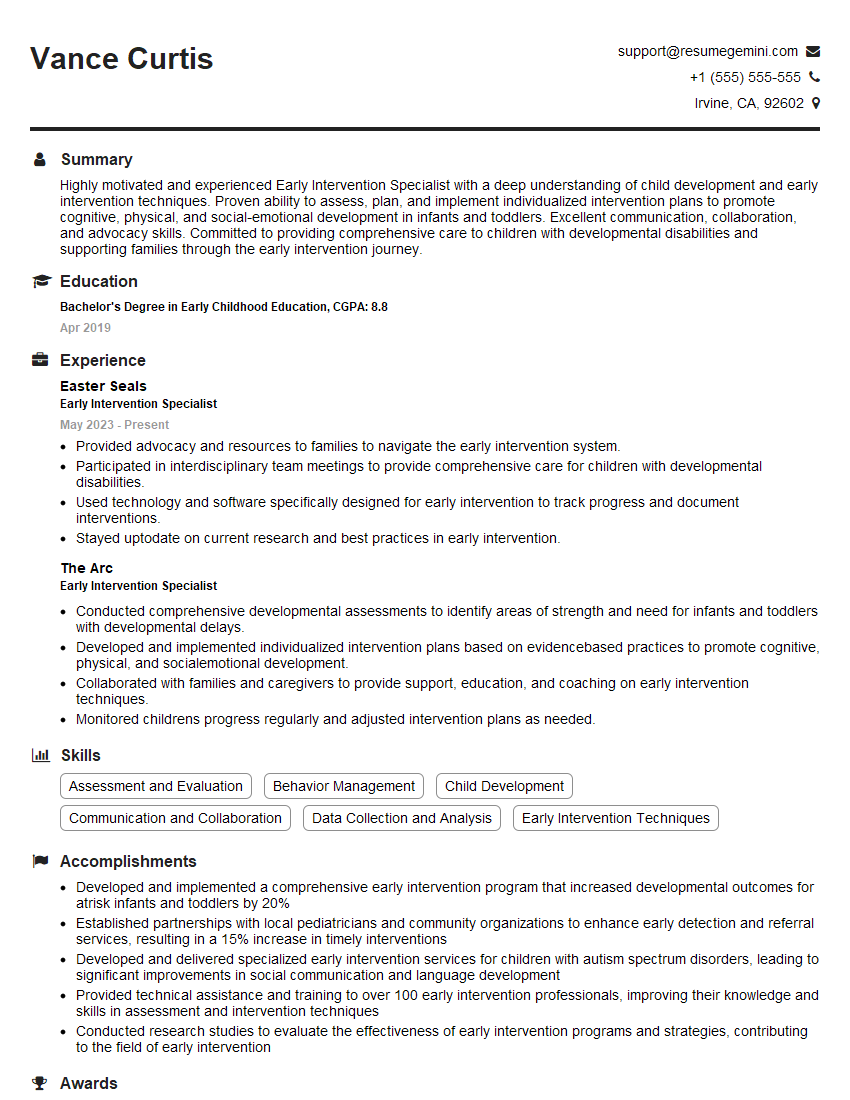
Mastering pediatric speech-language therapy opens doors to a rewarding career with significant growth potential. You can specialize in various areas, work in diverse settings (schools, hospitals, private practices), and make a profound impact on the lives of children and their families. To maximize your job prospects, creating a strong, ATS-friendly resume is crucial. ResumeGemini is a trusted resource that can help you build a professional and effective resume that highlights your skills and experience. Examples of resumes tailored to Pediatric Speech-Language Therapy are available to guide you.
Explore more articles
Users Rating of Our Blogs
Share Your Experience
We value your feedback! Please rate our content and share your thoughts (optional).
What Readers Say About Our Blog
To the interviewgemini.com Webmaster.
Very helpful and content specific questions to help prepare me for my interview!
Thank you
To the interviewgemini.com Webmaster.
This was kind of a unique content I found around the specialized skills. Very helpful questions and good detailed answers.
Very Helpful blog, thank you Interviewgemini team.