The right preparation can turn an interview into an opportunity to showcase your expertise. This guide to Pelvic Pain Management interview questions is your ultimate resource, providing key insights and tips to help you ace your responses and stand out as a top candidate.
Questions Asked in Pelvic Pain Management Interview
Q 1. Describe your experience in diagnosing and managing various types of pelvic pain.
Diagnosing and managing pelvic pain requires a holistic approach, considering the intricate interplay of musculoskeletal, visceral, and neurological systems. My experience involves a thorough history taking, focusing on the patient’s pain characteristics (location, intensity, duration, triggers), menstrual cycle, bowel and bladder habits, and sexual function. This is followed by a comprehensive physical examination including a detailed assessment of the pelvic floor muscles, abdomen, spine, and sacroiliac joints. I utilize various diagnostic tools (discussed in question 3) to pinpoint the source of pain and rule out serious conditions. Management strategies are individualized, encompassing manual therapy, exercise prescription tailored to pelvic floor dysfunction, patient education, and, when necessary, referral to other specialists like gastroenterologists or gynecologists. For example, a patient presenting with chronic lower pelvic pain and dyspareunia (painful intercourse) might necessitate a combined approach of internal pelvic floor examination, manual therapy to address muscle tightness, and pelvic floor physical therapy to strengthen weak muscles and improve coordination.
Q 2. Explain the different types of pelvic floor muscle dysfunction and their associated symptoms.
Pelvic floor muscle dysfunction encompasses a spectrum of conditions affecting the muscles supporting the pelvic organs. These muscles play a vital role in continence, sexual function, and stability. Dysfunction can manifest as:
- Hypertonicity (overactive muscles): This presents with symptoms like persistent pelvic pain, painful intercourse (dyspareunia), urinary urgency/frequency, constipation, and pelvic floor tightness. Imagine a constantly clenched fist – this is similar to the feeling of muscles perpetually contracted.
- Hypotonicity (weak muscles): Characterized by symptoms like urinary incontinence (leakage), fecal incontinence, pelvic organ prolapse (organs dropping into the vagina or rectum), and sexual dysfunction. Think of a deflated balloon, unable to maintain its shape or function effectively.
- Coordination dysfunction: This involves impaired muscle coordination and timing, leading to symptoms similar to both hypertonicity and hypotonicity. Patients may have difficulty relaxing and engaging their pelvic floor muscles appropriately.
It’s crucial to remember that these conditions frequently overlap, meaning a patient could experience a combination of symptoms and muscle dysfunction types.
Q 3. What are the common diagnostic tools used to assess pelvic pain?
Accurate diagnosis is paramount. Common diagnostic tools include:
- Thorough history and physical examination: This forms the cornerstone of diagnosis, providing crucial insights into symptoms, lifestyle factors, and potential contributing factors.
- Internal and external pelvic floor muscle examination: This allows assessment of muscle tone, tenderness, trigger points, and coordination.
- Imaging studies (ultrasound, MRI): Useful for identifying anatomical abnormalities like endometriosis, prolapse, or hernias, or to assess the musculoskeletal structures.
- Urodynamic studies: Assess bladder function for patients with urinary symptoms.
- Defecography: Evaluates bowel function for patients with bowel issues.
- Neurological examination: Identifies any nerve involvement that may contribute to the pain.
The choice of tests depends on the patient’s specific symptoms and clinical presentation. Often, a combination of approaches is required to reach a precise diagnosis.
Q 4. Detail your experience with manual therapy techniques for pelvic pain.
My experience with manual therapy in pelvic pain management focuses on gentle and precise techniques to address muscle imbalances and restrictions. This includes:
- Myofascial release: Gentle stretching and manipulation of the soft tissues, aiming to relieve tension and improve tissue mobility. This can be particularly helpful for addressing trigger points and myofascial restrictions.
- Visceral manipulation: Addresses restrictions in the mobility of internal organs to alleviate pain and improve function. This might be employed when visceral pain sources are suspected.
- Joint mobilization: Gentle manipulation of the sacroiliac joints and other pelvic joints to improve their range of motion and reduce pain. This is particularly useful for patients with sacroiliac joint dysfunction or other pelvic joint issues.
- Trigger point release: Targeted pressure applied to specific muscle points to alleviate localized pain and muscle spasms.
The approach is always individualized, based on the patient’s diagnosis, pain level, and overall health. It is essential that any manual therapy be performed by someone with specialized training in pelvic floor anatomy and pathology.
Q 5. How do you differentiate between musculoskeletal and visceral sources of pelvic pain?
Differentiating between musculoskeletal and visceral sources of pelvic pain can be challenging as they often overlap. The process involves meticulous history taking and physical examination. Musculoskeletal sources typically present with pain that is localized, aggravated by movement, and improves with rest. Palpation might reveal muscle tenderness or joint restrictions. Visceral sources, on the other hand, often present with poorly localized pain, referred pain (pain felt in a different location than the source), and may be associated with gastrointestinal or gynecological symptoms. For instance, endometriosis might present with deep, aching pelvic pain unrelated to movement, while sacroiliac joint dysfunction typically causes pain that worsens with weight-bearing activities. Imaging studies like ultrasound or MRI can help confirm the location of the pain source and provide further insight.
Q 6. What are the contraindications for manual therapy in pelvic pain patients?
Contraindications for manual therapy in pelvic pain patients include:
- Acute infection: Manual therapy should be postponed until the infection has resolved.
- Malignancy: Manual therapy is contraindicated in the presence of pelvic malignancy.
- Active bleeding: Avoid manual therapy if there is active bleeding.
- Recent surgery: Appropriate timing is crucial; post-surgical healing should be well underway before considering manual therapy.
- Certain medical conditions: Conditions like osteoporosis, advanced arthritis, or certain cardiovascular problems might necessitate precautions or contraindications.
- Patient refusal or discomfort: The patient’s comfort and consent are paramount. Treatment should never proceed if the patient feels uncomfortable or unsafe.
A thorough review of the patient’s medical history and a careful examination are crucial before initiating any manual therapy technique.
Q 7. Describe your approach to patient education regarding pelvic floor health.
Patient education forms a cornerstone of successful pelvic pain management. My approach incorporates several strategies:
- Anatomy and physiology education: Explaining the pelvic floor muscles’ function and how dysfunction can lead to pain. Visual aids and models can enhance understanding.
- Pain education: Helping patients understand the nature of their pain, differentiating between acute and chronic pain, and debunking misconceptions about pelvic pain.
- Self-management strategies: Teaching patients exercises (such as pelvic floor muscle training – Kegels – proper breathing techniques) and lifestyle modifications (e.g., posture correction, stress management) to manage their symptoms effectively.
- Body awareness: Encouraging patients to become more attuned to their bodies through mindful movement and relaxation exercises.
- Realistic expectations: Openly discussing the treatment timeline, potential challenges, and realistic goals of therapy.
- Resources and support: Connecting patients with relevant resources, support groups, and other healthcare professionals as needed.
Empowering patients with knowledge and self-management skills significantly improves their chances of long-term success in managing their pelvic pain.
Q 8. How do you integrate patient-reported outcomes into your treatment plans?
Integrating patient-reported outcomes (PROs) is fundamental to effective pelvic pain management. PROs, such as pain intensity scores using scales like the Visual Analog Scale (VAS) or Numeric Rating Scale (NRS), functional limitations assessed using questionnaires like the Pelvic Pain and Disability Index (PPDI), and measures of quality of life, provide a crucial subjective perspective that complements objective clinical findings. I utilize PROs at every stage: initially to understand the patient’s experience and baseline, throughout treatment to track progress and identify areas needing adjustment, and finally, to evaluate long-term outcomes. For example, if a patient reports consistent high pain scores despite medication, this prompts a re-evaluation of the treatment plan, potentially involving additional modalities or referral to a specialist. Regular tracking of PROs empowers the patient, making them an active participant in their care and fostering a stronger therapeutic alliance.
I often use electronic health record (EHR) systems with integrated PRO measurement tools to streamline data collection and analysis. The data allows for personalized treatment adjustments and demonstrates the effectiveness of the interventions implemented. This data driven approach is also critical for research and quality improvement initiatives. Visualizing changes in PROs over time (e.g., using graphs) helps both the patient and I understand the trajectory of the condition.
Q 9. What are your preferred non-pharmacological treatment modalities for chronic pelvic pain?
My preferred non-pharmacological approaches for chronic pelvic pain are multifaceted and tailored to the individual. They often include:
- Physical Therapy: This is often the cornerstone. Pelvic floor physical therapy addresses muscle imbalances, trigger points, and promotes improved pelvic floor function. Techniques include manual therapy, biofeedback, and exercises focusing on strengthening, stretching, and relaxation.
- Mindfulness and Relaxation Techniques: Stress and anxiety significantly influence pain perception. Mindfulness-based stress reduction (MBSR), meditation, and deep breathing exercises can be incredibly beneficial in managing pain and improving overall well-being.
- Cognitive Behavioral Therapy (CBT): CBT helps patients identify and modify negative thought patterns and behaviors related to their pain. This is especially relevant for chronic pain conditions where psychological factors play a significant role.
- Lifestyle Modifications: This encompasses dietary adjustments (e.g., avoiding trigger foods for IBS), regular exercise (adapted to the individual’s capabilities), and improving sleep hygiene.
- Aquatherapy (Water Therapy): The buoyancy of water can reduce pain and facilitate movement, allowing for targeted exercise without excessive strain.
The specific combination of these modalities is carefully selected based on a thorough assessment of the patient’s condition, preferences, and goals. A collaborative approach ensures that the patient feels empowered and actively involved in their recovery.
Q 10. Explain your experience prescribing and managing medication for pelvic pain.
Medication management for pelvic pain is a complex area requiring careful consideration of the patient’s specific condition, pain characteristics, and overall health. My approach is guided by current clinical guidelines, prioritizing a stepwise approach starting with less potent medications and progressing as needed. I generally begin with over-the-counter analgesics (e.g., NSAIDs) and/or topical pain relievers. If pain persists, I may prescribe medications such as gabapentinoids (for neuropathic pain), antidepressants (some have analgesic properties), or muscle relaxants. For severe or intractable pain, I might consider opioid analgesics, but only with very careful monitoring due to the risk of dependence and adverse effects. I always engage in shared decision-making with patients, clearly explaining the benefits and risks of each medication and involving them in choosing the optimal treatment plan. Regular follow-up appointments are crucial to monitor efficacy, adjust dosages, and address any side effects.
A key aspect is educating patients about potential side effects and strategies for managing them. For example, for patients on antidepressants, we discuss potential changes in mood and strategies to cope. I also frequently collaborate with other specialists, such as gastroenterologists for IBS or gynecologists for endometriosis, to ensure a holistic approach to medication management.
Q 11. Describe your experience with biofeedback and its application in pelvic pain management.
Biofeedback is a valuable tool in my practice, particularly for patients with pelvic floor dysfunction contributing to their pain. Biofeedback uses sensors to measure physiological signals such as muscle tension, heart rate, and skin conductance, providing the patient with real-time feedback about their body’s responses. This allows them to learn techniques to control and modify these responses, particularly in the pelvic floor muscles. For example, a patient with pelvic floor muscle tension might use biofeedback to learn how to relax those muscles consciously, reducing pain and improving function.
I use biofeedback in conjunction with physical therapy, often integrating it into the treatment sessions. It empowers patients to actively participate in their recovery by giving them the tools to self-manage their symptoms. The success of biofeedback often hinges on patient engagement and motivation, so I emphasize education and positive reinforcement throughout the process. Success is often measured by the patient’s ability to successfully reproduce learned relaxation techniques independently and improvements in their pain scores and functional limitations, reflected in PROs.
Q 12. How do you address psychological factors contributing to chronic pelvic pain?
Chronic pelvic pain often has a significant psychological component. Stress, anxiety, depression, and catastrophizing thoughts can all exacerbate pain and interfere with recovery. I address these psychological factors by:
- Collaboration with Mental Health Professionals: I often refer patients to psychologists or psychiatrists specializing in chronic pain management. They can provide therapy like CBT or other evidence-based approaches to address underlying mental health conditions and develop coping strategies for pain.
- Psychoeducation: I provide patients with information about the mind-body connection in pain, dispelling common misconceptions and emphasizing the role of psychological factors.
- Relaxation and Mindfulness Techniques: As mentioned earlier, these techniques are invaluable in managing stress and anxiety, which are common triggers for pain flare-ups.
- Support Groups: Connecting patients with support groups can foster a sense of community and reduce feelings of isolation often associated with chronic pain.
A collaborative approach involving both medical and psychological interventions is usually the most effective way to manage the complex interplay between psychological and physical factors in chronic pelvic pain.
Q 13. How do you manage patients with pelvic pain and comorbid conditions such as endometriosis or irritable bowel syndrome?
Managing pelvic pain in the context of comorbid conditions like endometriosis or irritable bowel syndrome (IBS) requires a holistic and coordinated approach. I work closely with specialists in gynecology (for endometriosis) or gastroenterology (for IBS) to develop a comprehensive treatment plan addressing all aspects of the patient’s condition. For instance, a patient with endometriosis and pelvic pain might require medication to manage both conditions, possibly including hormonal therapies for endometriosis and pain management strategies specific to the pelvic pain.
Effective communication and coordination among healthcare providers are critical to avoid conflicting treatments and ensure optimal patient care. Treatment often involves a multi-modal approach combining medication, physical therapy, lifestyle modifications, and psychological interventions tailored to both the primary condition (e.g. endometriosis) and its symptoms, such as pelvic pain. Regular monitoring of symptoms and adjustments to the treatment plan based on PROs are essential to ensure long-term pain management and improved quality of life.
Q 14. What are the current guidelines for managing postpartum pelvic pain?
Postpartum pelvic pain management is guided by several key factors, including the type of pain (e.g., musculoskeletal, neuropathic), its severity, and the presence of any other postpartum complications. Current guidelines emphasize a multidisciplinary approach that prioritizes non-pharmacological interventions whenever possible.
- Early Intervention: Prompt identification and management of postpartum pelvic pain are crucial to prevent chronicity. Postpartum assessments should specifically assess pelvic floor muscle function and identify potential contributing factors.
- Pelvic Floor Physical Therapy: This is frequently the first-line treatment, focusing on addressing muscle imbalances, promoting relaxation techniques, and improving functional mobility.
- Pain Management Strategies: This may include over-the-counter analgesics, topical pain relief, and other conservative treatments, always considering breastfeeding if applicable.
- Lifestyle Modifications: Strategies such as avoiding heavy lifting, proper posture, and gradual exercise progression are essential.
- Referral to Specialists: If conservative management fails, referral to specialists such as urogynecologists or pain management specialists might be necessary.
The postpartum period is a sensitive time, and communication with the patient about managing pain while balancing their new parental roles is paramount. A supportive and empathetic approach is crucial in this context. Shared decision making between the patient and physician ensures that treatment aligns with the patient’s circumstances and priorities.
Q 15. Describe your understanding of the pelvic floor’s role in urinary and bowel continence.
The pelvic floor is a complex group of muscles, ligaments, and fascia forming the base of the pelvis. Its crucial role in urinary and bowel continence is often underestimated. Imagine it as a hammock supporting your bladder and bowel. These muscles contract and relax rhythmically, creating a sphincteric mechanism that prevents leakage. For urinary continence, the pelvic floor muscles work with the urethral sphincter to control the flow of urine. When we need to urinate, these muscles relax, allowing urine to pass. Similarly, for bowel continence, the pelvic floor muscles work with the anal sphincter to control the passage of stool. Weakness or dysfunction in these muscles can lead to urinary incontinence (leaking urine), fecal incontinence (leaking stool), urgency, and frequency. For example, after childbirth, many women experience some degree of pelvic floor weakness leading to stress incontinence, where urine leaks with exertion like coughing or sneezing. Conversely, overly tight pelvic floor muscles can also cause problems, leading to painful intercourse, constipation, and urinary retention.
Career Expert Tips:
- Ace those interviews! Prepare effectively by reviewing the Top 50 Most Common Interview Questions on ResumeGemini.
- Navigate your job search with confidence! Explore a wide range of Career Tips on ResumeGemini. Learn about common challenges and recommendations to overcome them.
- Craft the perfect resume! Master the Art of Resume Writing with ResumeGemini’s guide. Showcase your unique qualifications and achievements effectively.
- Don’t miss out on holiday savings! Build your dream resume with ResumeGemini’s ATS optimized templates.
Q 16. What are the key considerations when treating male patients with pelvic pain?
Treating male patients with pelvic pain requires a multifaceted approach, understanding that the causes are often diverse and may include prostatitis, chronic pelvic pain syndrome (CPPS), or musculoskeletal issues. Key considerations include a thorough history taking to pinpoint potential sources like sexual activity, bowel habits, and urological symptoms. A digital rectal exam is crucial for assessing muscle tension and identifying any abnormalities in the prostate or other pelvic organs. It’s essential to differentiate between somatic pain (originating from muscles, ligaments, or fascia) and visceral pain (originating from internal organs). Psychological factors, such as stress and anxiety, frequently contribute to pelvic pain and must be acknowledged. Treatment might involve pelvic floor physical therapy to address muscle imbalances, medications for pain management or inflammation, and potentially referral to a urologist or psychologist depending on the underlying cause. We must approach these men with empathy, acknowledging that pelvic pain is often sensitive and emotionally challenging to discuss.
Q 17. How do you assess the effectiveness of your interventions in pelvic pain patients?
Assessing intervention effectiveness involves a combination of objective and subjective measures. Subjective measures include patient-reported outcome measures (PROMs), such as pain scales (e.g., visual analogue scale or numerical rating scale) and questionnaires assessing quality of life and symptom severity. These offer a patient-centric perspective on their improvement. Objective measures might include physical examinations to assess muscle strength and tone, assessment of bowel and bladder function (e.g., diaries tracking frequency and urgency), and if appropriate, imaging studies to monitor anatomical changes. Improvements in PROMs alongside objective findings are crucial for establishing effectiveness. For instance, if a patient reports reduced pain scores and increased bowel regularity after physical therapy, we can confirm the intervention’s success. Regular follow-up appointments are essential for monitoring progress and adjusting treatment as needed.
Q 18. What are the potential risks and complications associated with pelvic floor muscle dysfunction?
Pelvic floor muscle dysfunction, whether hypertonicity (overly tight muscles) or hypotonia (weak muscles), carries several potential risks and complications. Hypertonicity can lead to chronic pelvic pain, painful intercourse (dyspareunia), urinary retention, constipation, and even pelvic organ prolapse. Hypotonia, conversely, can result in urinary incontinence, fecal incontinence, pelvic organ prolapse, and sexual dysfunction. In severe cases, these issues can significantly impact quality of life, leading to depression and anxiety. Furthermore, untreated pelvic floor dysfunction can exacerbate existing conditions, leading to a vicious cycle of pain and dysfunction. For example, untreated stress incontinence may progress to urge incontinence, making management more challenging. Early intervention and tailored treatment plans are critical to mitigate these risks and improve patient outcomes. Addressing comorbidities such as anxiety and depression is crucial for achieving long-term success.
Q 19. Describe your experience with various surgical options for pelvic pain management.
My experience encompasses a range of surgical options for pelvic pain management, always remembering that surgery should be considered only after conservative treatments have been exhausted. These surgical options vary depending on the specific cause and location of the pain. For example, nerve decompression procedures, such as pudendal nerve decompression, may be employed for neuropathic pain. Sacral neuromodulation can be considered for patients with chronic pelvic pain unresponsive to other modalities, offering a way to modulate nerve signals to reduce pain perception. Other options include laparoscopic procedures addressing endometriosis, or surgeries to repair pelvic organ prolapse. The choice of surgery is highly individualized, considering the patient’s overall health, the severity and nature of their pain, and the potential benefits and risks associated with each procedure. Pre and post-surgical rehabilitation, often including pelvic floor physical therapy, is critical to optimizing outcomes.
Q 20. How do you approach treatment-resistant chronic pelvic pain?
Managing treatment-resistant chronic pelvic pain often requires a multidisciplinary approach and a high degree of collaboration. When standard treatments fail, we consider advanced therapies. This might involve a referral to a pain specialist for more invasive procedures like nerve blocks or spinal cord stimulation. We often re-evaluate the initial diagnosis to explore any missed or evolving conditions. Psychological interventions, such as cognitive behavioral therapy (CBT) and mindfulness techniques, can be crucial in managing the emotional impact of chronic pain. A thorough assessment of medication interactions and potential side effects is necessary. We might also consider exploring alternative therapies, such as acupuncture or visceral manipulation, but always with careful consideration of evidence and patient preferences. Regular monitoring of the patient’s mental and physical well-being is essential, ensuring they are supported during this challenging phase. Open communication and a supportive care team are paramount in these challenging cases.
Q 21. What is your experience with nerve blocks or other interventional pain management techniques?
I have extensive experience utilizing nerve blocks and other interventional pain management techniques in carefully selected pelvic pain patients. These interventions can provide temporary or prolonged pain relief and aid in diagnosis. For instance, pudendal nerve blocks can help confirm whether pudendal neuralgia is contributing to a patient’s pelvic pain. Sacral plexus blocks can similarly help diagnose the origin of pain. Trigger point injections in hypertonic pelvic floor muscles can provide temporary pain relief and facilitate physical therapy. However, it’s crucial to remember that these are not curative measures but rather tools to manage pain and improve function. Careful patient selection is essential; procedures are not suitable for all patients. Risks and benefits of each technique must be thoroughly explained and discussed with the patient before undertaking any interventional procedure.
Q 22. Describe your understanding of the different types of pelvic organ prolapse and their management.
Pelvic organ prolapse (POP) occurs when pelvic floor muscles and ligaments weaken, allowing organs such as the bladder, uterus, or rectum to descend into the vagina. Different types of POP are classified based on the affected organ and the degree of prolapse.
- Cystocele: Prolapse of the bladder into the vagina. Imagine a balloon (bladder) bulging down into a bag (vagina).
- Uterine prolapse: The uterus descends into the vagina. Think of the uterus falling downward.
- Rectocele: Prolapse of the rectum into the vagina. Similar to a cystocele, but with the rectum.
- Enterocele: Prolapse of the small bowel into the vagina.
- Apical prolapse: Prolapse of the top of the vagina (uterine cervix or vaginal vault).
Management depends on the severity of symptoms and the patient’s preferences. Options range from conservative treatments, such as pelvic floor muscle training (Kegel exercises), pessaries (vaginal devices offering support), and lifestyle modifications, to surgical interventions, such as sacrocolpopexy or vaginal hysterectomy, depending on the type and severity of the prolapse. The choice is personalized to each patient’s needs and wishes after a thorough evaluation.
Q 23. How do you counsel patients about lifestyle modifications to improve pelvic health?
Counseling patients on lifestyle modifications for improved pelvic health is a crucial aspect of my practice. I approach this through a patient-centered conversation, focusing on achievable, sustainable changes.
- Dietary Advice: We discuss the importance of maintaining a healthy weight to reduce strain on the pelvic floor. Constipation can significantly worsen POP symptoms, so I advise on high-fiber diets and adequate hydration.
- Exercise Recommendations: I advocate for regular exercise but emphasize low-impact activities like swimming, walking, or yoga, which strengthen the core muscles without putting undue stress on the pelvic floor. I advise against high-impact activities like running or weightlifting that could aggravate the condition. I carefully craft an exercise plan based on their individual condition and fitness level, often referring them to a pelvic floor physical therapist.
- Lifestyle Habits: Avoiding prolonged straining during bowel movements, lifting heavy objects, and chronic coughing are essential. Smoking cessation is important due to its impact on connective tissues.
- Postural Guidance: Correct posture can significantly reduce strain on the pelvic floor. I guide them on maintaining good posture during activities and teach them proper lifting techniques.
I provide detailed written materials and schedule follow-up appointments to review their progress and address any concerns or challenges. The ultimate goal is to empower patients to actively participate in their recovery.
Q 24. What are your preferred methods for documenting patient progress and treatment outcomes?
Accurate and comprehensive documentation is paramount. I use an electronic health record (EHR) system that allows for detailed charting of patient history, physical examination findings, diagnostic tests, treatment plans, and progress notes. I use a standardized system for quantifying pelvic floor dysfunction including validated questionnaires like the Pelvic Floor Distress Inventory (PFDI) and Pelvic Floor Impact Questionnaire (PFIQ).
Regarding treatment outcomes, I track key metrics such as pain scores, improvement in prolapse symptoms (using standardized scales such as POP-Q for prolapse quantification), patient satisfaction, and functional improvements. Regular follow-up appointments provide opportunities to reassess the patient’s condition, adjust the treatment plan as needed, and document progress. I utilize visual aids like photographs or video recordings (with informed consent) to help me accurately measure and track prolapse over time. For example, I use standardized pelvic floor muscle strength testing and document the changes quantitatively. This ensures that patient progress is well documented and allows for analysis of the effectiveness of different treatments.
Q 25. What is your familiarity with different imaging modalities used in diagnosing pelvic pain?
Imaging modalities play a vital role in diagnosing pelvic pain. The choice of imaging depends on the suspected cause of pain.
- Transvaginal Ultrasound (TVUS): A common and valuable tool for evaluating pelvic organ prolapse, assessing the uterus and ovaries, and identifying endometriosis.
- Magnetic Resonance Imaging (MRI): Provides detailed anatomical images and is useful for detecting conditions such as endometriosis, adenomyosis, pelvic floor muscle abnormalities, and nerve entrapment.
- Computed Tomography (CT): Less frequently used in routine pelvic pain evaluation but can be valuable in cases involving suspected bony abnormalities or visceral pathology.
- Cystoscopy and/or Colonoscopy: Used to directly visualize the bladder and rectum respectively, providing detailed information regarding bladder pathology or bowel disorders.
- Pelvic Floor MRI with dynamic imaging sequences: Provides additional information about pelvic floor muscle function, assisting in the diagnosis of pelvic floor dysfunction.
Interpreting these images requires expertise and is often done in collaboration with radiologists. The combination of imaging and clinical findings is crucial for accurate diagnosis.
Q 26. How do you incorporate evidence-based practices into your pelvic pain management approach?
Evidence-based practice is the cornerstone of my approach. I stay updated on the latest research findings published in peer-reviewed journals and attend continuing medical education courses to enhance my knowledge and skills. I regularly consult reputable guidelines and clinical practice recommendations from organizations such as the American College of Obstetricians and Gynecologists (ACOG).
For instance, when recommending pelvic floor physical therapy, I adhere to established protocols for exercise prescription and progression, ensuring patient safety and efficacy. When considering surgery for POP, I carefully evaluate the patient’s situation against established surgical success rates and complication risks for different surgical techniques. I clearly communicate this evidence to patients so they can make informed decisions about their care. Furthermore, I track the outcomes of the treatments that I provide, analyzing patient data to help me improve the efficiency and efficacy of my treatment plans.
Q 27. Describe your approach to working collaboratively with other healthcare professionals in managing pelvic pain.
Collaborative care is essential in managing pelvic pain. I frequently work with various healthcare professionals, including:
- Pelvic floor physical therapists: They provide targeted exercises and manual therapy to improve pelvic floor muscle function and reduce pain.
- Urologists: Consultation is vital for patients with bladder or urinary problems.
- Gastroenterologists: Necessary for patients with bowel dysfunction or pelvic pain related to the gastrointestinal tract.
- Psychologists or psychiatrists: Address the psychological impact of chronic pelvic pain, providing coping mechanisms and stress management techniques.
- Pain specialists: Offer advanced pain management strategies for patients with complex or refractory pain.
I facilitate communication and coordinate care through regular consultations, shared medical records, and joint treatment planning. This multidisciplinary approach ensures comprehensive patient care, optimizing treatment outcomes and improving quality of life.
Q 28. Explain your understanding of the role of physical activity in managing pelvic pain.
Physical activity plays a vital, albeit nuanced, role in pelvic pain management. The key is to choose the right type and intensity of exercise. Inappropriate exercise could exacerbate the condition.
Benefits: Targeted exercises, such as those prescribed by a pelvic floor physical therapist, strengthen the pelvic floor muscles, improving support for pelvic organs and reducing prolapse symptoms. Regular aerobic exercise can enhance overall fitness, reduce stress and improve mood, and positively impact pain perception.
Cautions: High-impact activities or exercises that excessively strain the pelvic floor should be avoided, especially in the acute phase of pain or with significant prolapse. Incorrect exercise technique can worsen symptoms. It is crucial to work with healthcare professionals to design a safe and effective exercise program that aligns with the patient’s condition. I often recommend low-impact exercises such as walking, swimming, yoga, or Pilates, emphasizing proper form and gradually increasing intensity. If appropriate, I refer patients to a pelvic health physical therapist for individually tailored exercise plans.
Key Topics to Learn for Pelvic Pain Management Interview
- Anatomy and Physiology of the Pelvic Region: Understanding the intricate musculoskeletal, neurological, and visceral structures involved in pelvic pain is fundamental. This includes thorough knowledge of pelvic floor muscles, nerves, and organs.
- Differential Diagnosis of Pelvic Pain: Mastering the ability to differentiate between various causes of pelvic pain, such as endometriosis, interstitial cystitis, pudendal neuralgia, and musculoskeletal issues, is crucial for effective treatment planning.
- Assessment and Examination Techniques: Develop proficiency in performing comprehensive patient histories, physical examinations (including pelvic floor examinations), and interpreting relevant diagnostic imaging (e.g., MRI, ultrasound).
- Non-Surgical Management Strategies: Become familiar with conservative approaches to pelvic pain management, including pelvic floor physical therapy, medication management (analgesics, anti-inflammatories, etc.), and lifestyle modifications.
- Surgical Management Options: Understand the indications, techniques, and potential complications of surgical interventions for pelvic pain, such as laparoscopy, nerve blocks, and other procedures. Focus on patient selection criteria.
- Interdisciplinary Collaboration: Pelvic pain management often involves a multidisciplinary approach. Highlight your understanding of working effectively with other healthcare professionals, such as physical therapists, urologists, gynecologists, and psychologists.
- Patient Communication and Counseling: Demonstrate your ability to effectively communicate complex medical information to patients, build rapport, and provide empathetic support throughout the treatment process.
- Evidence-Based Practice and Research: Stay up-to-date on the latest research and evidence-based guidelines in pelvic pain management. Be prepared to discuss current research trends and their clinical implications.
Next Steps
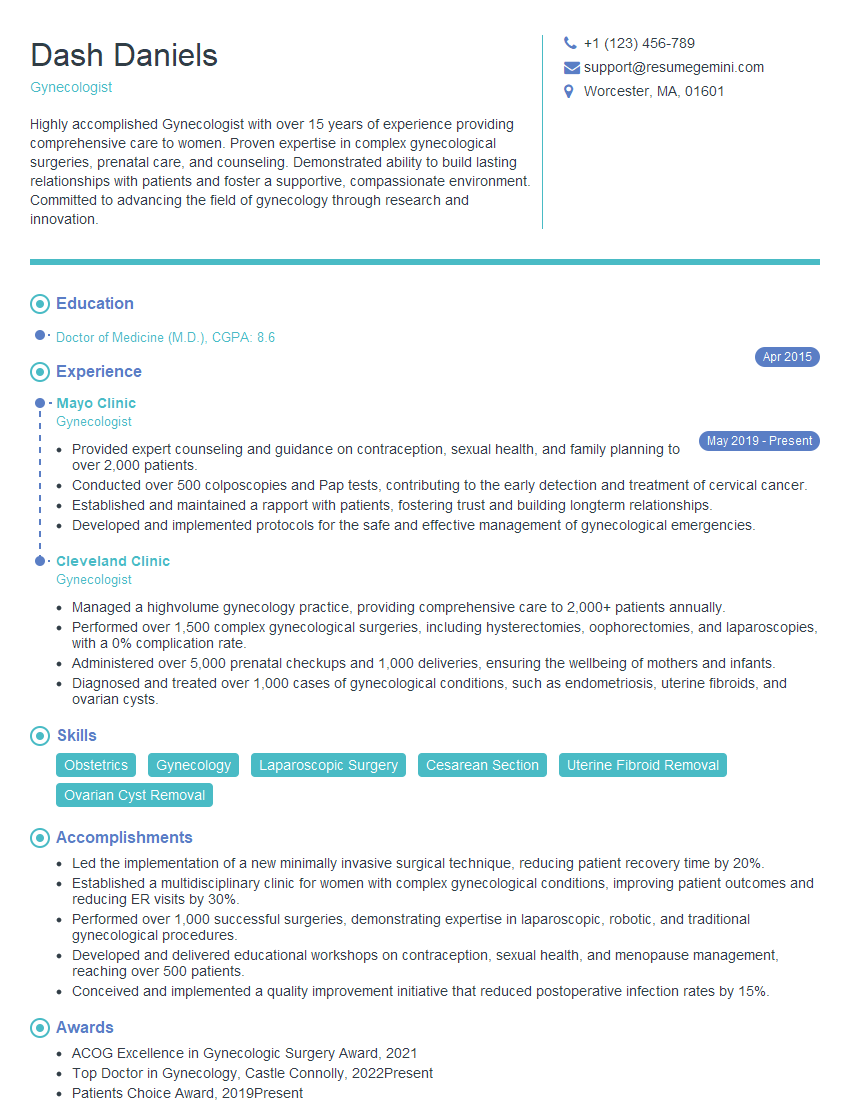
Mastering Pelvic Pain Management significantly enhances your career prospects, opening doors to specialized roles and advanced opportunities within the healthcare field. To maximize your job search success, crafting an ATS-friendly resume is essential. ResumeGemini can help you build a professional and impactful resume that highlights your skills and experience effectively. ResumeGemini provides examples of resumes tailored to Pelvic Pain Management professionals, giving you a head start in showcasing your qualifications. Invest the time to create a resume that truly reflects your expertise and helps you land your dream job.
Explore more articles
Users Rating of Our Blogs
Share Your Experience
We value your feedback! Please rate our content and share your thoughts (optional).
What Readers Say About Our Blog
To the interviewgemini.com Webmaster.
Very helpful and content specific questions to help prepare me for my interview!
Thank you
To the interviewgemini.com Webmaster.
This was kind of a unique content I found around the specialized skills. Very helpful questions and good detailed answers.
Very Helpful blog, thank you Interviewgemini team.