Cracking a skill-specific interview, like one for Petroleum Safety Management, requires understanding the nuances of the role. In this blog, we present the questions you’re most likely to encounter, along with insights into how to answer them effectively. Let’s ensure you’re ready to make a strong impression.
Questions Asked in Petroleum Safety Management Interview
Q 1. Describe your experience with HAZOP studies.
HAZOP, or Hazard and Operability study, is a systematic, proactive technique used to identify potential hazards and operability problems in a process or system before it’s built or implemented. It involves a multidisciplinary team brainstorming deviations from intended design and operating parameters, exploring their consequences, and recommending safeguards.
In my experience, I’ve led and participated in numerous HAZOP studies across various petroleum projects, from offshore platform modifications to onshore refinery upgrades. One notable example involved a HAZOP on a new pipeline installation. The team identified a potential hazard where a third-party excavation could damage the pipeline, leading to a release of hydrocarbons. Through the HAZOP, we identified several mitigations: improved pre-excavation surveys, enhanced communication protocols with contractors, and the installation of a sophisticated pipeline monitoring system. This proactive approach prevented a potentially catastrophic incident.
My contribution typically includes leading the session, facilitating discussions, documenting the findings (HAZOP report), and ensuring effective implementation of the recommended safeguards. I’m proficient in using HAZOP software to manage the process and track identified hazards and their corresponding risk levels.
Q 2. Explain the importance of a Safety Management System (SMS).
A Safety Management System (SMS) is a holistic, proactive approach to managing safety risks within an organization. It’s not just about reacting to incidents but about creating a culture of safety where risks are systematically identified, assessed, controlled, and monitored. Think of it as a comprehensive framework for ensuring safety is integrated into every aspect of the organization’s operations.
The importance of an SMS is paramount in the petroleum industry, where the potential consequences of failures can be devastating. A robust SMS helps to minimize these risks by providing a structured approach to identifying hazards (like explosions, fires, spills), assessing their risks, and implementing control measures. It also fosters a culture where reporting near misses and incidents is encouraged, leading to continuous improvement in safety performance. This is crucial for preventing future accidents, protecting personnel, and safeguarding the environment.
In practical terms, an effective SMS leads to reduced accident rates, improved compliance with regulations, enhanced public image, and ultimately, increased profitability by minimizing the costs associated with incidents and downtime.
Q 3. What are the key elements of a Permit-to-Work system?
A Permit-to-Work (PTW) system is a formal procedure used to control potentially hazardous work. It ensures that all necessary precautions are in place before high-risk tasks are commenced. It’s like a checklist and authorization process that prevents accidental initiation of hazardous work.
Key elements of a robust PTW system include:
- Detailed Work Description: Clearly defining the scope of work, including specific tasks and locations.
- Risk Assessment: Identifying hazards and assessing the associated risks.
- Control Measures: Defining the necessary precautions to mitigate identified risks, including isolation procedures, lockout/tagout, and personal protective equipment (PPE).
- Authorizations: Obtaining approvals from multiple stakeholders, ensuring everyone is aware and agrees the precautions are adequate.
- Supervision: Monitoring the work to ensure that procedures are being followed and precautions are effective.
- Closure: Formally recording the completion of the work and verification that all precautions have been removed safely.
Without a proper PTW system, the risk of accidents involving serious injuries or fatalities is dramatically increased. For example, without a PTW for hot work (welding, cutting) in a hydrocarbon processing area, an ignition source could easily initiate a fire or explosion.
Q 4. How do you conduct a risk assessment?
A risk assessment is a systematic process of identifying hazards, analyzing their potential consequences, and evaluating the likelihood of those consequences occurring. It’s a critical step in managing safety risks. It’s like a detective investigation where we uncover potential dangers.
My approach to conducting a risk assessment usually follows these steps:
- Hazard Identification: Identifying all potential hazards associated with the activity or process. This may involve brainstorming, checklists, HAZOP studies, or reviewing historical data.
- Risk Analysis: Evaluating the likelihood and severity of each identified hazard. This often involves using a risk matrix, assigning numerical scores to likelihood and severity, and then multiplying them to obtain a risk score.
- Risk Evaluation: Assessing the overall risk based on the analysis. This determines whether the risk is acceptable, needs further control measures, or requires the task to be avoided altogether.
- Risk Control: Implementing control measures to mitigate the risks. These controls may include engineering controls (e.g., guarding machinery), administrative controls (e.g., procedures and training), or personal protective equipment (PPE).
- Monitoring and Review: Regularly reviewing and updating the risk assessment to reflect changes in the process, procedures, or risk factors.
For example, in assessing the risk of a confined space entry, I would identify hazards like oxygen deficiency, toxic gases, and engulfment. Then I’d analyze the likelihood of these hazards occurring and the severity of the potential consequences. Based on this, I’d recommend control measures like atmospheric testing, gas detection monitoring, and providing appropriate PPE and rescue plans.
Q 5. What are the common hazards associated with drilling operations?
Drilling operations in the petroleum industry present numerous inherent hazards. These can be broadly categorized into:
- Well Control: Loss of well control is arguably the most serious hazard, potentially leading to blowouts, uncontrolled releases of hydrocarbons, fires, and explosions. This requires highly skilled personnel and sophisticated equipment to prevent.
- H2S (Hydrogen Sulfide) Poisoning: H2S is a toxic gas often present in oil and gas reservoirs. Exposure can lead to serious health consequences, including death. Strict monitoring and safety protocols are necessary.
- Fire and Explosion: Flammable hydrocarbons and ignition sources (electrical sparks, hot work) present a significant fire and explosion risk, requiring strict fire prevention and suppression measures.
- Equipment Failure: Malfunction of drilling equipment (derricks, drawworks, mud pumps) can cause injuries and environmental damage. Regular inspections and maintenance are crucial.
- Falling Objects: Working at heights on drilling rigs presents a risk of falling objects, requiring the use of appropriate fall protection measures and safe working practices.
- Exposure to hazardous substances: Contact with drilling fluids, chemicals, and other substances can cause health problems. Proper PPE and handling procedures are vital.
Each of these hazards requires specific risk mitigation strategies, from engineering controls to comprehensive safety procedures and operator training.
Q 6. Describe your experience with incident investigation and reporting.
Incident investigation and reporting are crucial for learning from mistakes and preventing future occurrences. My experience encompasses all stages, from initial response to generating the final report with recommendations for improvement.
I follow a structured approach, typically using a ‘5 Whys’ analysis to determine the root cause. This involves repeatedly asking ‘why’ to drill down to the underlying reasons behind the incident. For instance, if a worker was injured due to falling from a height, we’d investigate why they fell (lack of fall protection), why the fall protection wasn’t used (lack of training), why training wasn’t provided (inadequate safety procedures), and so on until we reach the root cause.
Beyond root cause analysis, I also consider contributing factors, such as human error, equipment malfunction, and inadequate supervision. The investigation reports I create include comprehensive details of the incident, root causes, contributing factors, and concrete recommendations for preventing similar incidents. This detailed analysis is vital for improving safety procedures and providing training necessary to prevent future incidents. I ensure that all reports are compiled promptly and disseminated effectively to relevant stakeholders.
Q 7. Explain your understanding of Bow Tie analysis.
Bow Tie analysis is a risk assessment and management tool that visually represents the potential consequences of a hazard (the ‘threat’) and the preventative and mitigating measures in place (the ‘defences’). It’s like a butterfly with the hazard in the middle – the ‘bow’ part – and the consequences on one side and preventative/mitigating measures on the other. The ‘tie’ represents the different levels of defense.
It provides a clear and concise overview of the potential impacts of a hazard and the effectiveness of the safeguards designed to prevent or mitigate them. This visual representation makes it easy to identify weaknesses in the safety controls and to prioritize improvements. For instance, a Bow Tie analysis for a potential gas leak in a refinery would clearly show the various consequences (fire, explosion, environmental damage, personnel injury) on one side and the various preventative and mitigating measures (leak detection systems, emergency shutdown systems, regular inspections, emergency response plans) on the other. Any gaps or weaknesses in the defences would be readily apparent.
The key advantage is its simplicity in communicating complex risk information to a wide audience, including non-technical personnel. It fosters a collaborative approach to risk management, helping organizations to improve their overall safety performance.
Q 8. What are the key regulations governing petroleum safety in your region?
Petroleum safety regulations vary by region, but generally encompass a multi-layered approach. In many jurisdictions, these regulations are a blend of national and international standards, and often incorporate specific legislation for the petroleum industry. Key aspects usually include:
- Permitting and Licensing: Operations require permits and licenses demonstrating compliance with safety and environmental regulations. This ensures proper oversight from the regulatory bodies.
- Operational Standards: Specific standards exist for various operations like drilling, production, refining, transportation, and storage. These standards dictate safe practices and equipment requirements, often based on best practices.
- Emergency Response Planning: Regulations typically mandate detailed emergency response plans, including prevention, preparedness, response, and recovery procedures for various scenarios (e.g., spills, fires, explosions).
- Worker Safety and Training: Comprehensive worker safety programs are compulsory, focusing on hazard identification, risk assessment, worker training, and safe work procedures. Regular safety training and competency assessment are key.
- Environmental Protection: Regulations encompass strict environmental protection measures to prevent pollution from air emissions, water discharges, and soil contamination.
For example, in many countries, OSHA (Occupational Safety and Health Administration)-type regulations would apply, as well as specific environmental protection acts and petroleum industry-specific codes. The specific details would depend on the geographic region and type of operation.
Q 9. How do you manage contractor safety on a project site?
Managing contractor safety on a project site is critical. It’s a multi-step process that begins even before the contract is awarded. We ensure contractor selection includes a thorough vetting of their safety records and demonstrated commitment to safety management systems. This often includes reviewing their safety manuals, insurance certificates, and previous incident reports.
- Pre-Job Safety Briefing: Mandatory pre-job safety briefings are conducted with all contractor personnel. These briefings cover specific site hazards, emergency procedures, and relevant safety rules. Each contractor is required to have a designated site safety representative.
- Joint Safety Inspections: Regular joint safety inspections are carried out with contractors to identify and address hazards promptly. This collaborative approach fosters a strong safety culture.
- Safety Performance Monitoring: We actively monitor contractor safety performance through regular reporting, incident investigation, and performance reviews. This helps identify areas for improvement and ensures accountability.
- Safety Training: We often provide supplemental training to contractor personnel to address any site-specific hazards or requirements. This could include training on specific equipment or emergency response procedures.
- Incident Investigation and Reporting: A rigorous incident investigation process is applied to all incidents, regardless of the contractor involved. This allows for corrective actions to prevent recurrence. Transparent incident reporting is crucial.
Think of it like a partnership – our success depends on the safety of everyone on site, and that includes contractors. We treat them as extensions of our own team.
Q 10. Describe your experience with emergency response planning and drills.
Emergency response planning is paramount in the petroleum industry. It’s not just a document; it’s a living, breathing system.
My experience encompasses developing comprehensive emergency response plans that address various scenarios, including fires, explosions, spills, and equipment failures. These plans involve identifying potential hazards, establishing communication protocols, defining roles and responsibilities, and outlining procedures for evacuation, containment, and cleanup.
Regular emergency response drills and exercises are crucial to test the effectiveness of the plan and ensure personnel are well-trained. We conduct both table-top exercises (simulated scenarios discussed in a meeting) and full-scale drills (simulated emergencies with personnel participating in real-world actions) to cover a wide range of situations. Following each drill, a detailed post-incident analysis is conducted to identify areas for improvement, update procedures, and enhance overall preparedness.
For instance, I’ve been involved in scenarios involving simulated pipeline ruptures, where we practiced shutting down the pipeline, containing the spilled oil, and coordinating with external agencies such as emergency services and environmental regulators. The debriefing after these exercises often reveals vital information about communication bottlenecks or inadequate training, which we then use to improve the plan.
Q 11. What are the different types of personal protective equipment (PPE) used in the petroleum industry?
Personal Protective Equipment (PPE) is crucial for protecting workers from hazards in the petroleum industry. The specific PPE used depends on the task and the associated risks.
- Head Protection: Hard hats are mandatory to protect against falling objects.
- Eye Protection: Safety glasses, goggles, or face shields protect against flying debris, chemicals, and radiation.
- Hearing Protection: Earplugs or earmuffs protect against noise-induced hearing loss, especially in noisy environments like drilling rigs or refineries.
- Respiratory Protection: Respirators are necessary when working with hazardous substances or in areas with poor air quality. The type of respirator depends on the specific hazard.
- Hand Protection: Gloves protect against cuts, abrasions, chemicals, and thermal burns. Different types of gloves are suitable for specific hazards.
- Foot Protection: Steel-toe boots protect feet from falling objects and crushing hazards.
- Body Protection: Flame-resistant clothing, including jackets, coveralls, and pants, is essential in areas where fire hazards exist.
- Fall Protection: Harnesses, lanyards, and safety nets are used to prevent falls from heights.
Choosing the right PPE is as important as wearing it. A risk assessment guides the selection of appropriate PPE for each specific job, and regular inspection and maintenance of the equipment is vital.
Q 12. How do you ensure compliance with safety regulations?
Ensuring compliance with safety regulations is a continuous process, not a one-time event. It requires a multifaceted approach.
- Proactive Safety Culture: A strong safety culture starts from the top and permeates throughout the organization. Leaders must visibly champion safety, and employees must feel empowered to report hazards without fear of reprisal.
- Regular Inspections and Audits: Planned inspections and audits, both internal and external, are conducted to identify areas of non-compliance. These audits should be comprehensive, focusing on all aspects of safety management, from documentation to employee practices.
- Training and Competency Assessment: Regular training and competency assessments ensure that all personnel understand and follow safety procedures. Training records should be meticulously maintained.
- Incident Investigation and Reporting: A thorough incident investigation process is critical. This process should identify root causes, corrective actions, and preventive measures to reduce the likelihood of future incidents. All incidents, near misses, and observations must be reported and analyzed.
- Management Systems: Implementing a robust safety management system (SMS), such as ISO 45001 or equivalent, helps to structure and streamline safety management processes.
- Documentation and Record Keeping: Complete and accurate record keeping is vital to demonstrate compliance. Documentation should include permits, training records, inspection reports, incident reports, and any other relevant safety information.
Compliance isn’t simply about avoiding penalties; it’s about creating a safe work environment that protects workers and the environment.
Q 13. Explain your understanding of Layer of Protection Analysis (LOPA).
Layer of Protection Analysis (LOPA) is a hazard analysis technique used to assess the risk associated with hazardous events and determine the necessary layers of protection to mitigate those risks to an acceptable level. It focuses on the probability of hazardous events occurring and the effectiveness of various safeguards.
LOPA is particularly useful in high-hazard industries like petroleum, where a single failure can have catastrophic consequences. It’s a qualitative or semi-quantitative method, unlike quantitative risk assessment, that allows for the identification of critical safety functions (CSFs) and the layers of protection needed to protect against their failures.
The process typically involves:
- Identifying hazardous scenarios: What events could lead to a major incident?
- Identifying independent protection layers (IPLs): What safeguards are in place to prevent the scenario from occurring or to mitigate its consequences?
- Estimating the frequency of initiating events: How often do these events occur?
- Estimating the effectiveness of each IPL: How well does each safeguard prevent the event from leading to a major incident?
- Calculating the risk reduction provided by each IPL: How much does each layer reduce the risk?
- Determining the overall risk after all IPLs are considered: Is the overall risk acceptable?
- Identifying additional safeguards if necessary: Are more safeguards needed to bring the risk to an acceptable level?
LOPA helps in prioritizing risk reduction strategies and ensures that appropriate safeguards are in place to protect against the most serious hazards. It is a critical tool for designing safe and reliable petroleum operations.
Q 14. What is your experience with safety audits and inspections?
I have extensive experience with safety audits and inspections, both conducting them and participating in them. My approach is always objective, thorough, and focused on continuous improvement.
During safety audits, I meticulously review safety management systems, policies, procedures, training programs, and documentation to assess their effectiveness and compliance with regulations. This includes reviewing incident reports to identify trends and areas needing attention. I then conduct site visits to observe work practices and equipment conditions and verify that procedures are being followed correctly.
Inspections are more focused on specific aspects of an operation or equipment. I’ve conducted inspections on various petroleum facilities, including pipelines, refineries, storage tanks, and drilling rigs. Inspections involve detailed checks of equipment, identifying potential hazards, verifying compliance with safety standards, and checking for proper maintenance and documentation. I typically use checklists to guide my inspections, making sure to document all findings thoroughly.
My reports always include detailed findings, recommendations for corrective actions, and follow-up measures to ensure that identified issues are addressed effectively. It’s not just about finding problems; it’s about contributing to creating a safer work environment.
Q 15. How do you identify and mitigate potential safety risks?
Identifying and mitigating potential safety risks in the petroleum industry requires a proactive and systematic approach. It begins with a comprehensive hazard identification process, utilizing techniques like HAZOP (Hazard and Operability Study), What-If analysis, and fault tree analysis. These methods systematically examine processes, equipment, and procedures to identify potential hazards and their causes.
Once hazards are identified, we assess their risk using a risk matrix that considers the likelihood of the hazard occurring and the severity of its consequences. This allows us to prioritize risks. For example, a high-likelihood, high-severity risk, like a potential well blowout, demands immediate attention and robust mitigation strategies. Lower-risk scenarios might warrant less immediate action but should still be documented and addressed over time.
Mitigation strategies are tailored to the specific risk. This might involve engineering controls (e.g., installing safety relief valves), administrative controls (e.g., implementing stricter operating procedures), or personal protective equipment (PPE, e.g., providing specialized fire-resistant clothing). Regular safety inspections, audits, and emergency response drills are crucial to ensure the effectiveness of these mitigations and to identify any gaps.
For instance, during a HAZOP study on a new offshore platform, we identified a risk of fire due to a potential leak in a high-pressure gas line. Mitigation involved designing a redundant gas detection system with automatic shutdown capabilities, installing fire suppression systems, and implementing rigorous pre-start-up checks. This multi-layered approach significantly reduced the risk.
Career Expert Tips:
- Ace those interviews! Prepare effectively by reviewing the Top 50 Most Common Interview Questions on ResumeGemini.
- Navigate your job search with confidence! Explore a wide range of Career Tips on ResumeGemini. Learn about common challenges and recommendations to overcome them.
- Craft the perfect resume! Master the Art of Resume Writing with ResumeGemini’s guide. Showcase your unique qualifications and achievements effectively.
- Don’t miss out on holiday savings! Build your dream resume with ResumeGemini’s ATS optimized templates.
Q 16. Explain the concept of consequence modeling.
Consequence modeling is a critical process in risk assessment that helps us understand the potential impact of an accident. It involves predicting the likely consequences of a hazardous event, such as a fire, explosion, or spill, considering factors like the quantity and type of material released, environmental conditions, and proximity to populated areas. The goal is to quantify the potential damage – both environmental and human – to inform safety decisions.
We use various techniques for consequence modeling, including dispersion models (to predict the spread of pollutants), fire and explosion models (to estimate the blast radius and thermal effects), and toxicological models (to estimate the health impacts of exposure to hazardous substances). These models typically require input data such as the release rate, wind speed, and terrain characteristics.
The output of a consequence model might be a map showing the potential affected area, estimates of the number of people potentially exposed, or predictions of the environmental damage, like the size of an oil spill. This information is vital for designing emergency response plans, implementing risk mitigation measures, and justifying investments in safety improvements.
For example, during the planning of a new refinery, we used consequence modeling to predict the potential impact of a major fire. The model showed that a certain wind direction could significantly increase the risk to a nearby residential area. This led us to adjust the layout of the refinery and implement additional fire protection measures in that specific direction.
Q 17. What is your experience with developing and delivering safety training?
I have extensive experience in developing and delivering safety training programs for personnel at all levels, from field operators to senior management. My approach focuses on a combination of classroom instruction, hands-on simulations, and practical exercises to ensure effective learning and retention.
I’ve developed and delivered training on topics such as hazard identification, risk assessment, emergency response procedures, use of personal protective equipment (PPE), and safe work practices. I utilize a variety of training methods, including interactive presentations, case studies, videos, and practical demonstrations. To ensure the training is effective, I incorporate regular quizzes and assessments to monitor understanding and identify areas for improvement.
For example, I recently developed a comprehensive training program on the safe operation of high-pressure equipment for our offshore drilling team. This included both classroom instruction and a realistic simulator session where participants practiced emergency shutdown procedures in a safe environment. Post-training assessments showed a significant improvement in the team’s knowledge and skills.
Q 18. Describe your experience with managing safety data and statistics.
Managing safety data and statistics is crucial for identifying trends, measuring the effectiveness of safety initiatives, and continuously improving safety performance. I am proficient in using various software and tools to collect, analyze, and interpret safety data, including incident reports, near-miss reports, inspection findings, and safety performance indicators (KPIs).
My experience includes developing and maintaining safety databases, creating reports and dashboards to visualize safety trends, and conducting statistical analysis to identify root causes of incidents. I understand the importance of data quality and have established processes to ensure data accuracy and completeness. I also have experience using statistical methods to identify leading indicators of potential incidents, allowing for proactive intervention.
For instance, I used statistical analysis to identify a correlation between a specific type of equipment failure and the occurrence of near-miss incidents. This analysis led to the implementation of a preventative maintenance program, reducing the likelihood of future incidents involving this equipment.
Q 19. How do you handle conflicting priorities between safety and production?
Balancing safety and production is a constant challenge in the petroleum industry. It’s not a matter of choosing one over the other; rather, it’s about finding a way to achieve both safely and efficiently. My approach centers on the principle that safety is not a constraint but a prerequisite for successful and sustainable production. Compromising safety to boost production is never acceptable.
When conflicting priorities arise, I advocate for a collaborative approach involving all stakeholders – operations, engineering, and management. We work together to identify solutions that minimize risk without unduly impacting production. This often involves prioritizing the most critical safety aspects, using risk assessment to justify resource allocation, and finding innovative solutions that improve both safety and efficiency. Transparent communication is crucial to ensure everyone understands the rationale behind the decisions.
For example, if a production enhancement proposal presented a significant safety risk, we might explore alternative solutions, implement stricter safety protocols, or invest in additional safety equipment to mitigate the risk. The goal is always to find a solution that meets both the production targets and the highest safety standards.
Q 20. Explain your understanding of human factors in safety.
Human factors are a significant contributor to incidents in the petroleum industry. Understanding human factors means recognizing that human error is inevitable, and focusing on designing systems and procedures that minimize the likelihood of errors having catastrophic consequences. It’s about understanding the limitations of human capabilities and designing a system that supports human performance.
This involves analyzing human performance in a specific context considering factors like fatigue, stress, workload, training, communication, and organizational culture. For example, fatigue can lead to errors; therefore, we need to establish appropriate rest periods and work schedules. Poor communication can result in misunderstandings and accidents; hence, clear communication protocols and training are vital.
Applying human factors principles involves using techniques like human-machine interface design (improving the usability of equipment), job design (optimizing tasks to reduce workload and error), and training programs focused on human performance enhancement. It’s crucial to create a safety culture where employees feel empowered to report errors and near-misses without fear of reprisal.
Q 21. Describe your experience with managing change in a safety-critical environment.
Managing change in a safety-critical environment like the petroleum industry requires a structured and meticulous approach. Any change, no matter how small, has the potential to introduce new risks. My experience involves implementing change management processes that prioritize safety throughout the entire lifecycle of a project.
This typically involves a thorough risk assessment of the proposed change, identifying potential hazards and developing mitigation strategies. We use a phased approach, implementing changes incrementally and monitoring their impact closely. Effective communication is key; ensuring all affected personnel are informed and trained on the new procedures or equipment is essential. It is crucial to thoroughly test the change in a controlled environment before full implementation.
For instance, implementing a new drilling technology requires a comprehensive change management plan involving risk assessments, training programs for the drilling crew, and a pilot project to test the new technology before widespread deployment. Post-implementation monitoring is critical to assess the effectiveness of the change and to identify any unforeseen consequences.
Q 22. What is your approach to promoting a strong safety culture?
Promoting a strong safety culture isn’t about rules; it’s about fostering a shared belief that safety is everyone’s responsibility. My approach is multifaceted and focuses on leadership commitment, open communication, and continuous improvement.
- Leadership Commitment: Safety must be championed from the top down. Leaders need to visibly demonstrate their commitment by actively participating in safety meetings, leading by example, and holding themselves and others accountable. I’ve found that actively engaging leadership in safety audits and incident investigations sends a powerful message.
- Open Communication: Creating a culture where everyone feels comfortable reporting hazards, near misses, and incidents without fear of retribution is crucial. This requires establishing clear reporting procedures, providing regular safety training, and creating channels for anonymous feedback. For example, I’ve successfully implemented suggestion boxes and anonymous online reporting systems to empower workers.
- Continuous Improvement: Regular safety audits, hazard identification processes (like Job Safety Analyses – JSAs), and proactive risk assessments help identify weaknesses and prevent incidents. Following each incident, a thorough investigation is crucial, not to assign blame, but to identify root causes and implement corrective actions. This cycle of learning and improvement is essential for a strong safety culture.
- Recognition and Reward: Celebrating safe work practices and rewarding employees for their contributions to safety significantly boosts morale and reinforces positive behavior. I have seen this work effectively through incentive programs and public acknowledgement of individuals and teams demonstrating exemplary safety practices.
Q 23. How do you effectively communicate safety information to workers?
Effective communication is the cornerstone of safety. My approach uses a multi-channel strategy tailored to the audience and the message’s complexity. I avoid jargon and focus on clarity.
- Toolbox Talks: Short, informal discussions at the start of shifts covering specific hazards or recent incidents. These are highly effective for immediate, targeted communication.
- Formal Training: Comprehensive training programs tailored to job roles, covering relevant safety procedures, regulations, and emergency response. This includes both classroom sessions and practical demonstrations.
- Visual Aids: Using posters, videos, and infographics to communicate complex information in an accessible and engaging way. Pictures speak louder than words, particularly when demonstrating procedures or identifying hazards.
- Technology: Leveraging technology such as mobile apps, SMS alerts, and online portals to disseminate important safety information instantly and efficiently. This is especially useful for urgent updates or reminders.
- Feedback Mechanisms: Establishing feedback loops to assess comprehension and address any questions or concerns employees might have. Regular safety surveys and feedback sessions ensure the information resonates and is understood.
Q 24. Explain your understanding of Quantitative Risk Assessment (QRA).
Quantitative Risk Assessment (QRA) is a systematic method used to numerically estimate the likelihood and consequences of potential hazards. It involves identifying hazards, estimating their frequencies, analyzing potential consequences (like environmental damage or personnel injury), and calculating the overall risk.
The process typically uses a combination of data analysis, engineering judgment, and probabilistic models. This allows decision-makers to prioritize safety measures based on the level of risk, allocating resources efficiently.
For example, in the context of a pipeline, QRA might assess the probability of a pipeline failure due to corrosion, the potential release volume of hydrocarbons, and the consequences based on proximity to populated areas or sensitive ecosystems. This analysis can then inform decisions regarding pipeline integrity management plans, emergency response plans, and the need for additional safety measures.
Different QRA methodologies exist, including fault tree analysis (FTA), event tree analysis (ETA), and bow-tie analysis. The choice of methodology depends on the specific application and the available data. The ultimate goal is to gain a clear picture of the risks involved and inform decision-making to effectively mitigate those risks.
Q 25. Describe your experience with process safety management (PSM) principles.
Process Safety Management (PSM) is a structured approach to managing chemical process hazards. My experience encompasses all aspects of PSM, including hazard identification, risk assessment, process safety information management, operating procedures, training, and emergency planning.
- Hazard Identification: I have extensive experience using various methods like HAZOP (Hazard and Operability Study), What-If analysis, and Failure Modes and Effects Analysis (FMEA) to identify potential hazards in process units.
- Risk Assessment: I’ve led numerous risk assessments, using both qualitative and quantitative methods to evaluate the severity and likelihood of identified hazards, culminating in risk matrices used for prioritization.
- Process Safety Information: I am proficient in managing and maintaining critical process safety information, including process flow diagrams (PFDs), piping and instrumentation diagrams (P&IDs), safety data sheets (SDSs), and operating procedures.
- Training: I have designed and delivered training programs on various PSM elements, ensuring operators and maintenance personnel are adequately trained to operate and maintain process equipment safely.
- Emergency Planning: I have developed and tested emergency response plans, including procedures for incidents, emergency shutdowns, and evacuation procedures.
In practice, I’ve applied PSM principles to various projects, ranging from refinery upgrades to the commissioning of new offshore platforms, always ensuring compliance with relevant regulations and industry best practices.
Q 26. How do you ensure the effectiveness of safety procedures?
Ensuring the effectiveness of safety procedures requires a systematic approach that combines rigorous development, regular review, and effective implementation.
- Clear and Concise Procedures: Safety procedures must be written in clear, concise language, avoiding jargon and using visual aids where possible to ensure everyone understands them. They should be easily accessible to all relevant personnel.
- Regular Reviews and Updates: Procedures should be reviewed and updated at least annually, or more frequently if there are changes in processes, equipment, or regulations. This is essential to ensure they remain relevant and effective.
- Training and Competency Assessment: Personnel should receive comprehensive training on all relevant safety procedures and their competency should be regularly assessed to ensure they are capable of performing their tasks safely.
- Observation and Audits: Regular observation of work practices and safety audits help identify areas where procedures are not being followed or where improvements are needed. Feedback and corrective actions should follow from these assessments.
- Incident Investigations: Thorough incident investigations play a critical role in identifying failures in procedures or training deficiencies. These investigations should lead to improved procedures and enhanced training.
- Feedback Mechanisms: Creating channels for employees to provide feedback on procedures helps identify areas for improvement and build a culture of continuous improvement.
For instance, a procedure for lockout/tagout (LOTO) on a pump must be clear, simple to follow, and regularly practiced during training and drills. Regular audits and observations will confirm its proper implementation.
Q 27. Explain your experience with the investigation of near misses.
Near misses, while not resulting in injuries or damage, provide invaluable insights into potential hazards and weaknesses in safety systems. My approach to investigating near misses is thorough and proactive, focusing on identifying root causes and preventing future incidents.
- Prompt Investigation: Near misses should be reported promptly and investigated thoroughly. This prevents them from being dismissed or forgotten, as they often contain critical information about latent failures.
- Root Cause Analysis: A structured approach, such as the ‘5 Whys’ technique or fault tree analysis, should be used to determine the underlying causes of the near miss, going beyond the immediate events.
- Corrective Actions: Once the root causes are identified, corrective actions should be implemented to prevent similar events from occurring. This may involve improving procedures, providing additional training, modifying equipment, or implementing engineering controls.
- Communication: Findings from near-miss investigations should be communicated to relevant personnel to increase awareness and prevent future occurrences. Lessons learned should be shared broadly.
- Follow-up: It’s critical to follow up on implemented corrective actions to ensure their effectiveness. This may involve further observations, audits, or data analysis to verify that the problem has been resolved.
For example, a near miss involving a worker almost tripping over a loose cable highlights the need for better cable management and potentially more stringent housekeeping procedures. Proper investigation could prevent a future incident resulting in injury.
Q 28. What are your strategies for continuous improvement in petroleum safety?
Continuous improvement in petroleum safety is an ongoing process, not a destination. My strategies focus on data-driven decision-making, proactive risk management, and fostering a culture of continuous learning.
- Data Analysis: Regularly analyzing safety data (incident reports, near misses, audit findings) to identify trends and patterns. This data can highlight areas requiring attention and inform targeted interventions. Key performance indicators (KPIs) are crucial in tracking progress.
- Proactive Risk Management: Implementing proactive hazard identification and risk assessment techniques, such as HAZOP studies and process hazard analyses, to identify potential hazards before they result in incidents.
- Benchmarking: Comparing safety performance against industry best practices and leading companies to identify areas for improvement and adopt best-in-class solutions. Sharing lessons learned across the industry is beneficial.
- Technology Integration: Leveraging technology to enhance safety, such as implementing advanced process control systems, using predictive maintenance techniques, and employing wearable safety technologies.
- Training and Development: Providing ongoing training and development opportunities for employees to enhance their safety knowledge and skills. This includes both technical skills and behavioral training focused on safety leadership and communication.
- Safety Audits and Inspections: Conducting regular safety audits and inspections to ensure that safety procedures are being followed and to identify areas for improvement.
Continuous improvement isn’t just about reacting to incidents; it’s about constantly seeking better ways to prevent them. It requires a commitment to learning from both successes and failures and a relentless pursuit of excellence in safety performance.
Key Topics to Learn for Petroleum Safety Management Interview
- Hazard Identification and Risk Assessment: Understanding methodologies like HAZOP, What-If analysis, and bow-tie diagrams, and their practical application in identifying and mitigating potential hazards across the petroleum lifecycle.
- Emergency Response Planning and Management: Developing and implementing effective emergency response plans, including incident command systems, emergency drills, and post-incident investigations. Practical application includes understanding and complying with relevant regulations and standards.
- Safety Management Systems (SMS): Deep understanding of the principles of SMS, including its elements (policy, procedures, training, audits etc.), and its role in establishing a strong safety culture within a petroleum operation. Practical application includes knowledge of ISO standards relevant to SMS.
- Process Safety: Understanding process hazards, inherently safer design principles, and the application of safety instrumented systems (SIS) to prevent and mitigate process-related accidents. Practical application involves analyzing Process Hazard Analyses (PHA).
- Legislation and Regulations: Familiarity with relevant national and international regulations and standards pertaining to petroleum safety, including environmental protection and worker safety legislation. Practical application involves demonstrating knowledge of compliance requirements.
- Human Factors in Safety: Understanding the impact of human behavior on safety performance, including factors like fatigue, stress, and human error. Practical application includes knowledge of techniques for improving human reliability and safety culture.
- Incident Investigation and Reporting: Thorough understanding of root cause analysis techniques used in investigating incidents, including reporting requirements and learning from past events to prevent recurrence. Practical application involves understanding different investigation methodologies.
- Permit-to-Work Systems: Knowledge of implementing and managing permit-to-work systems to control potentially hazardous work activities. Practical application involves understanding the key elements of a robust permit-to-work system.
Next Steps
Mastering Petroleum Safety Management is crucial for career advancement in this vital industry. A strong understanding of these principles demonstrates commitment to safety and opens doors to leadership roles and higher earning potential. To maximize your job prospects, create an ATS-friendly resume that highlights your skills and experience effectively. ResumeGemini is a trusted resource that can help you build a professional and impactful resume. Take advantage of their expertise and access examples of resumes tailored to Petroleum Safety Management positions to enhance your application.
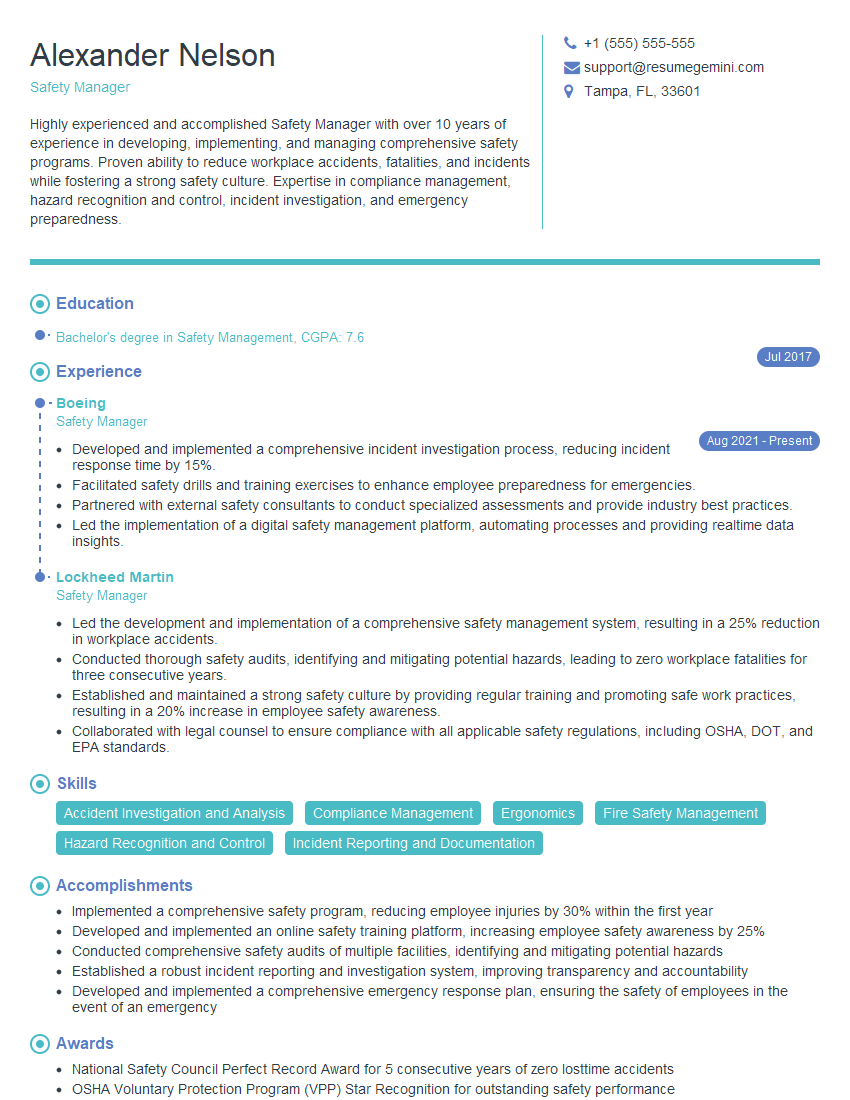
Safety Manager Resume Sample

Compliance Officer Resume Sample
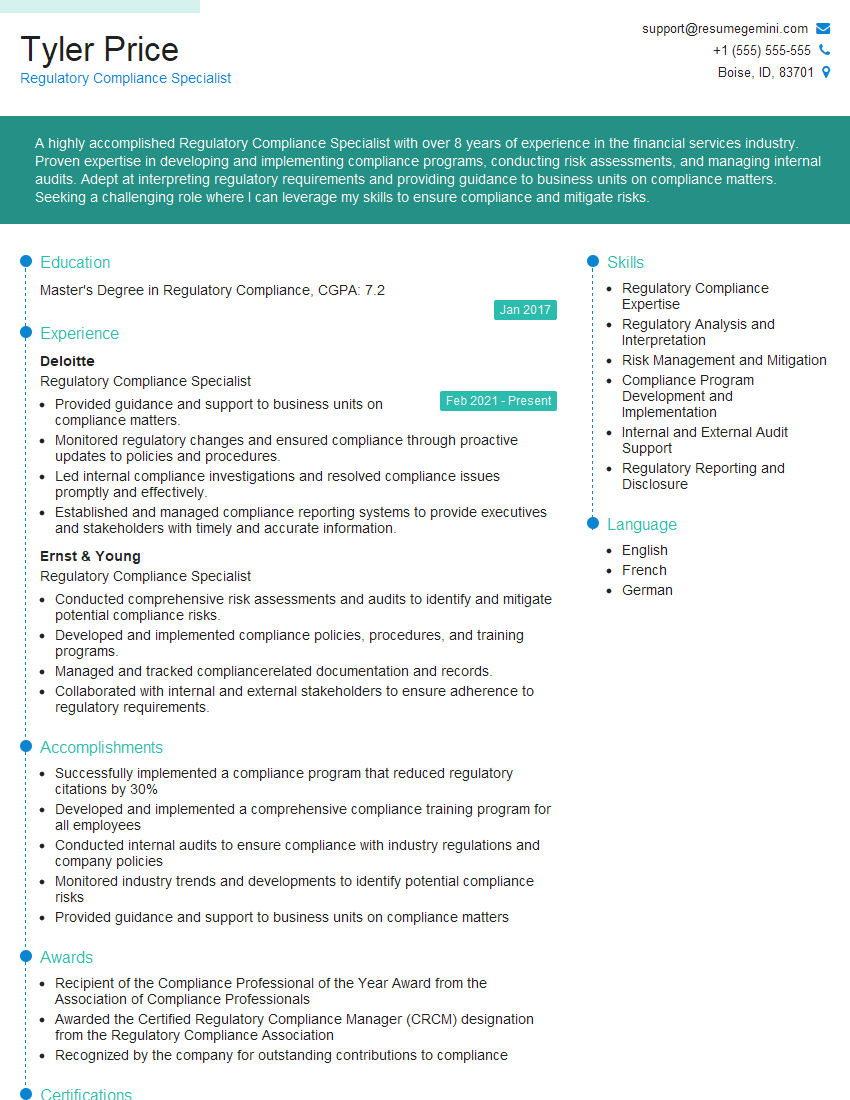
Regulatory Compliance Specialist Resume Sample
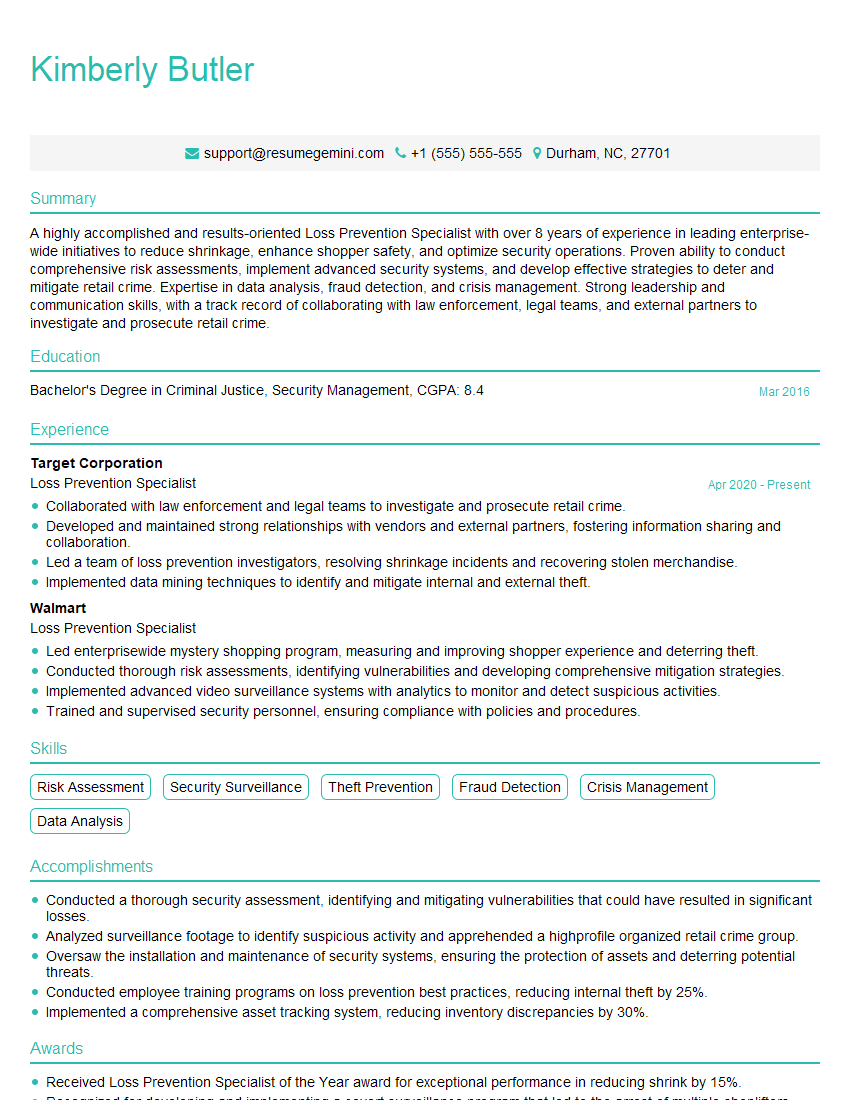
Loss Prevention Specialist Resume Sample

Risk Management Specialist Resume Sample

Fire Protection Engineer Resume Sample
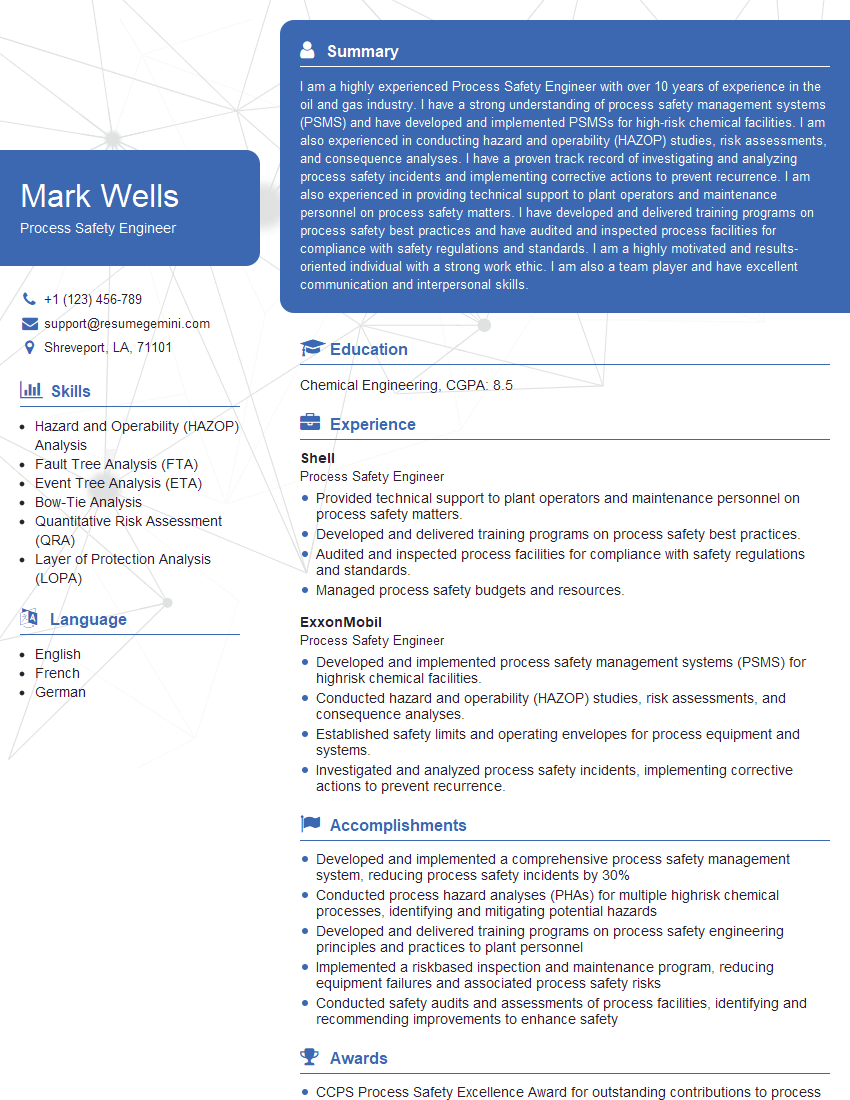
Process Safety Engineer Resume Sample
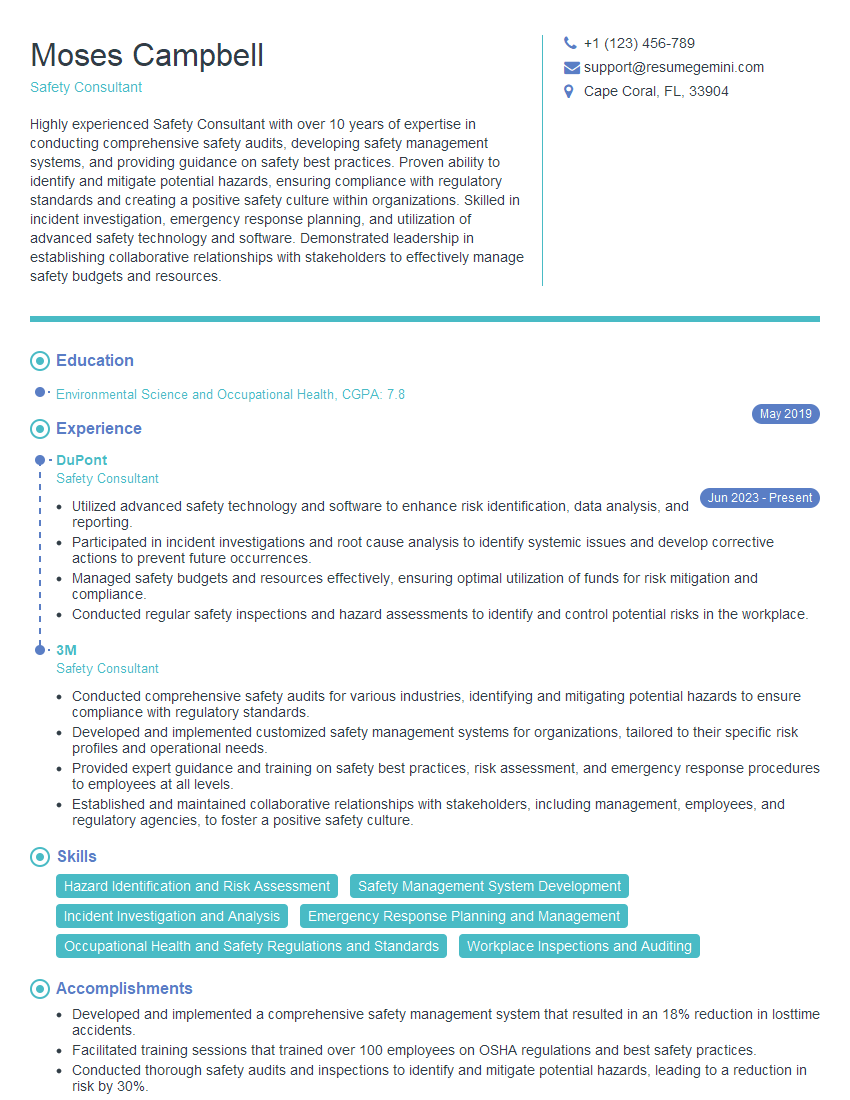
Safety Consultant Resume Sample
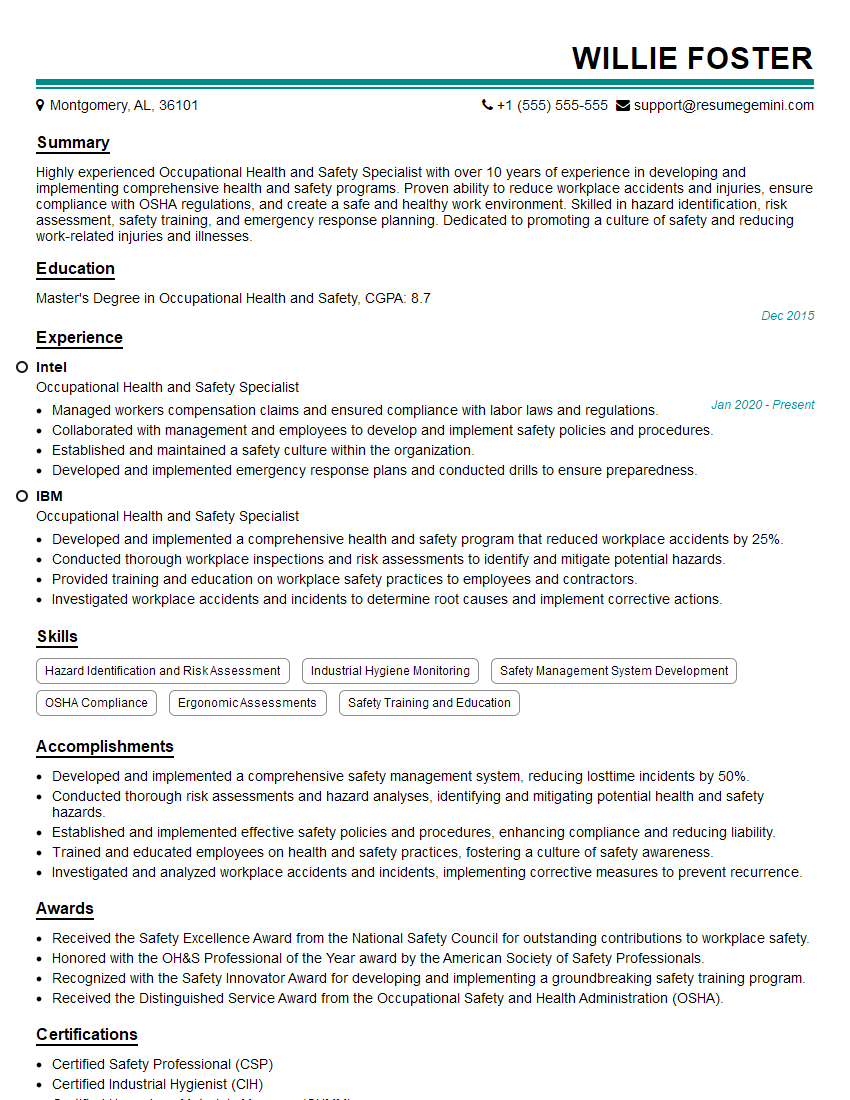
Occupational Health and Safety Specialist Resume Sample
Explore more articles
Users Rating of Our Blogs
Share Your Experience
We value your feedback! Please rate our content and share your thoughts (optional).
What Readers Say About Our Blog
To the interviewgemini.com Webmaster.
Very helpful and content specific questions to help prepare me for my interview!
Thank you
To the interviewgemini.com Webmaster.
This was kind of a unique content I found around the specialized skills. Very helpful questions and good detailed answers.
Very Helpful blog, thank you Interviewgemini team.