Feeling uncertain about what to expect in your upcoming interview? We’ve got you covered! This blog highlights the most important Phase I and Phase II Environmental Site Assessments interview questions and provides actionable advice to help you stand out as the ideal candidate. Let’s pave the way for your success.
Questions Asked in Phase I and Phase II Environmental Site Assessments Interview
Q 1. Define Phase I and Phase II Environmental Site Assessments.
Phase I and Phase II Environmental Site Assessments (ESAs) are crucial steps in determining the environmental condition of a property. A Phase I ESA is a non-invasive investigation focusing on identifying potential or known environmental contamination. Think of it as a thorough historical review of the property. A Phase II ESA, on the other hand, is an invasive investigation involving sampling and laboratory analysis to confirm the presence and extent of contamination identified during the Phase I.
Imagine buying a house: a Phase I is like a thorough home inspection, checking records for potential problems. If the inspection reveals potential issues (e.g., old oil tanks), a Phase II is like bringing in specialists to physically test for contamination in the soil or groundwater.
Q 2. What are the key components of a Phase I Environmental Site Assessment according to ASTM E1527?
According to ASTM E1527-13 (Standard Practice for Environmental Site Assessments: Phase I Environmental Site Assessment Process), a Phase I ESA comprises several key components:
- Review of historical records: This involves searching for information about past activities on the property and surrounding areas, including previous owners, uses, and any reported environmental incidents.
- Site reconnaissance: A visual inspection of the property to identify any obvious signs of contamination, such as leaking underground storage tanks (USTs), stained soil, or unusual vegetation.
- Interviews with stakeholders: Talking to current and former owners, occupants, and neighbors to gather information about past activities.
- Regulatory agency inquiries: Checking with environmental regulatory agencies to determine if any environmental concerns are known or recorded.
- Report preparation: A comprehensive report documenting the findings of the investigation, including an assessment of the environmental condition of the property.
The goal is to identify Recognized Environmental Conditions (RECs). These are conditions indicative of a release or threatened release of hazardous substances. The report will also identify any Data Gaps and the need for further assessment (Phase II).
Q 3. Explain the All Appropriate Inquiries (AAI) process.
All Appropriate Inquiries (AAI) is a process mandated by the Comprehensive Environmental Response, Compensation, and Liability Act (CERCLA) to protect buyers and lenders from liability for pre-existing contamination. Essentially, it outlines the steps a party must take to investigate the environmental condition of a property before purchasing it. Successfully completing AAI demonstrates ‘due diligence’ and reduces liability for subsequent contamination issues. Following ASTM E1527-13 is a common way to satisfy AAI requirements.
The AAI process generally involves conducting a Phase I ESA as described above. It’s crucial to understand that AAI is not just about performing a Phase I – it’s about conducting that Phase I in a way that meets the legal requirements outlined in CERCLA, ensuring all the steps outlined in the standard are diligently followed and documented. Failure to do so can leave a purchaser potentially liable for pre-existing contamination.
Q 4. Describe the limitations of a Phase I ESA.
A Phase I ESA has limitations; it’s non-invasive and doesn’t directly detect subsurface contamination. Think of it as a preliminary screening. It relies heavily on historical data and visual observations, which can be incomplete or inaccurate. It cannot detect hidden contaminants or those buried deep beneath the surface. The assessment is also limited to the information available at the time of the investigation; future events or new discoveries could affect the property’s environmental condition.
For example, a buried drum of hazardous waste might not be visible during the site reconnaissance, or a past owner may not remember or accurately report all previous activities on the site. The report clearly states its limitations.
Q 5. What are the triggers that necessitate a Phase II ESA?
Several triggers can necessitate a Phase II ESA. The most common are the identification of Recognized Environmental Conditions (RECs) during a Phase I ESA. These RECs indicate a potential release of hazardous substances, requiring further investigation. Examples include:
- Presence of USTs: Leaking or suspected leaking underground storage tanks.
- Soil staining: Discoloration of soil suggesting the presence of contaminants.
- Presence of hazardous waste: Discovery of drums, containers, or other materials containing hazardous substances.
- Historical records indicating contamination: Documents indicating past releases of hazardous substances.
- Unusual vegetation: Vegetation that’s unexpected for the area could indicate contamination.
Regulatory agencies may also mandate a Phase II ESA if they have concerns about potential contamination.
Q 6. What sampling methods are commonly used in Phase II ESAs?
Various sampling methods are used in Phase II ESAs, depending on the suspected contaminants and the site’s conditions. Common methods include:
- Soil sampling: Soil samples are collected using techniques such as hand augering, drilling, or direct push technology. Samples are collected at various depths to assess the vertical extent of contamination.
- Groundwater sampling: Groundwater is sampled using wells or monitoring wells. The location and depth of the wells are strategically chosen to capture representative samples.
- Air sampling: Air samples are collected to assess the presence of volatile organic compounds (VOCs) in the vapor phase.
- Surface water sampling: Samples are taken from streams, rivers, or other surface water bodies to determine if contaminants have migrated.
The specific sampling methodology is planned based on the findings of the Phase I ESA and the nature of the suspected contaminants.
Q 7. How do you interpret analytical results from a Phase II ESA?
Interpreting analytical results from a Phase II ESA requires careful consideration and comparison to regulatory standards. The process typically involves:
- Reviewing laboratory reports: Checking for completeness and accuracy of the laboratory data, ensuring appropriate quality control and quality assurance procedures were followed.
- Comparing results to regulatory standards: Comparing contaminant concentrations to applicable regulatory standards, such as those established by the Environmental Protection Agency (EPA) or state environmental agencies.
- Evaluating the spatial extent of contamination: Mapping the distribution and concentrations of contaminants to determine the horizontal and vertical extent of the plume.
- Assessing potential risks: Evaluating the potential risks to human health and the environment based on the identified contamination levels and pathways.
- Making recommendations for remediation: Based on the risk assessment, recommending appropriate actions for addressing the identified contamination, such as soil excavation, groundwater pumping and treatment, or other remedial strategies.
An experienced environmental professional is crucial in this interpretation, as regulatory standards are complex and vary by location and contaminant.
Q 8. Explain the process of developing a remedial investigation work plan.
Developing a Remedial Investigation (RI) Work Plan is a crucial step in cleaning up contaminated sites. It’s essentially a detailed roadmap outlining how we’ll investigate the nature and extent of contamination. Think of it as a blueprint for a complex scientific investigation.
The process usually starts with a thorough review of the Phase II ESA data, identifying areas of concern and prioritizing investigation targets. We then define specific objectives, such as determining the vertical and lateral extent of contamination, identifying the responsible parties, and characterizing the types and concentrations of contaminants. Next, we detail the methodologies to be used – this includes specifying the types of sampling (soil, groundwater, vapor), the number and location of sampling points, the analytical methods used in the laboratory, and quality assurance/quality control (QA/QC) procedures to ensure data reliability.
The plan also includes a detailed health and safety plan, a project schedule, a budget, and a data management plan. It’s important to consider regulatory requirements (e.g., compliance with state and federal regulations like CERCLA or RCRA), which will influence the sampling design and analytical methods. For example, if we suspect the presence of volatile organic compounds (VOCs), we’ll need to incorporate appropriate sampling and analysis techniques to prevent their loss during handling. Finally, the work plan is reviewed and approved by the regulatory agencies before fieldwork begins.
- Review Phase II Data: Analyze existing data to identify areas of concern.
- Define Objectives: Clearly state the goals of the investigation.
- Methodology: Detail sampling, analysis, and QA/QC procedures.
- Health & Safety: Outline safety protocols for fieldwork.
- Schedule & Budget: Develop realistic timelines and cost estimates.
- Regulatory Compliance: Ensure compliance with all applicable regulations.
Q 9. What are the common environmental contaminants encountered in Phase II ESAs?
Phase II ESAs often uncover a wide range of contaminants, depending on the site’s history. Common culprits include:
- Petroleum Hydrocarbons (PHCs): These are prevalent at former gas stations, industrial sites, and areas with leaking underground storage tanks (USTs). Examples include benzene, toluene, ethylbenzene, and xylenes (BTEX).
- Volatile Organic Compounds (VOCs): These readily evaporate and can contaminate soil, groundwater, and air. Common VOCs include trichloroethylene (TCE), tetrachloroethylene (PCE), and chloromethane.
- Semivolatile Organic Compounds (SVOCs): Less volatile than VOCs, these include polycyclic aromatic hydrocarbons (PAHs), found in creosote and coal tar, and pesticides like DDT.
- Heavy Metals: These include lead, arsenic, mercury, and chromium, often found at industrial sites, former smelters, or areas with past mining activities.
- Inorganic Contaminants: These can include nitrates, chlorides, and other dissolved ions that can affect groundwater quality.
- Radioactive Materials: Although less common, these can be found at sites with past nuclear activities or use of radioactive materials.
The specific contaminants found will depend heavily on the site’s past use and activities.
Q 10. How do you determine the extent of contamination?
Determining the extent of contamination is a crucial step in Phase II ESAs, requiring a systematic and scientifically rigorous approach. We use a combination of techniques to map the ‘plume’ of contamination – its spread both horizontally and vertically.
We start by analyzing the initial sample data from the Phase II assessment, identifying ‘hot spots’ of high concentration. Then, we develop a sampling plan, often using a grid or transect pattern, extending beyond the initial areas of contamination to delineate the boundaries. The density of sampling points will depend on the variability of contamination and the site’s geology.
Various techniques are used depending on the type of contamination and the medium (soil, groundwater, etc.). For example, we might use soil borings and groundwater monitoring wells for subsurface investigations. Geophysical methods like ground-penetrating radar (GPR) can provide a preliminary assessment of subsurface conditions, helping to optimize sampling locations. Data analysis includes statistical methods to interpret the results and develop a conceptual site model that illustrates the nature and extent of contamination. This model guides further investigations and remediation efforts.
A crucial aspect is the consideration of regulatory guidelines and cleanup levels. We need to determine if the levels of contamination exceed these standards, which will dictate the need for remediation. For example, if we find that the groundwater is contaminated beyond drinking water standards, a more extensive investigation and remediation would be required.
Q 11. What are the different types of remediation technologies?
Remediation technologies are chosen based on the specific contaminants, the site conditions, and regulatory requirements. There’s no one-size-fits-all solution. Technologies range from relatively simple methods to complex, engineered solutions.
- Excavation and Disposal: Digging up and removing contaminated soil or sediment, often the most straightforward approach.
- Pump and Treat: Extracting groundwater, treating it to remove contaminants, and then reinjecting the cleaned water.
- Soil Vapor Extraction (SVE): Removing volatile contaminants from the soil by vacuuming them out.
- Bioremediation: Using microorganisms to break down contaminants. This can be in situ (in place) or ex situ (removed from the site for treatment).
- Air Sparging: Injecting air into groundwater to increase the volatilization of contaminants.
- Chemical Oxidation/Reduction: Using chemicals to chemically change contaminants into less harmful substances.
- Phytoremediation: Using plants to absorb or break down contaminants.
- Solidification/Stabilization: Treating the contaminated soil to reduce its mobility and prevent leaching.
The selection of the most appropriate technology involves careful consideration of cost, effectiveness, environmental impact, and feasibility. We often employ a combination of methods, a phased approach or a hybrid strategy for optimal results.
Q 12. Explain the role of risk assessment in environmental site assessments.
Risk assessment is the cornerstone of environmental site assessments. It’s the process of evaluating the potential adverse human health and environmental effects associated with exposure to site contamination. Think of it as determining the probability and severity of potential harm.
A risk assessment typically involves four steps:
- Hazard Identification: Identifying the contaminants present and their potential health effects.
- Exposure Assessment: Determining the pathways and extent of exposure to contaminants (e.g., ingestion of contaminated soil, inhalation of vapors).
- Toxicity Assessment: Determining the relationship between exposure to the contaminants and the potential adverse health effects.
- Risk Characterization: Combining the hazard, exposure, and toxicity assessments to estimate the overall risk.
The results of the risk assessment are critical in determining whether remediation is necessary and what level of cleanup is required. If the risk is deemed acceptable, remediation might not be necessary. If the risk is unacceptable, the risk assessment will guide the selection of appropriate remediation technologies and will help to justify the choices to regulatory authorities.
Q 13. How do you manage data collected during Phase I and Phase II ESAs?
Data management is paramount in environmental site assessments. The volume and complexity of data collected during Phase I and Phase II ESAs can be significant, requiring a structured and organized approach.
We begin by establishing a clear data management plan at the start of the project, specifying how data will be collected, stored, managed, and ultimately archived. This plan should include procedures for data validation, quality control, and data security. We utilize various software and databases to manage data efficiently. Geographic Information Systems (GIS) software is invaluable for visualizing and analyzing spatial data, mapping the locations of sampling points, and visualizing the extent of contamination.
Data collected is meticulously documented, including chain-of-custody documentation to ensure the integrity of samples, laboratory reports, field logs, and all other relevant information. This detailed record-keeping allows for traceability and assists in defending the conclusions of the assessment. We adhere to strict data security protocols and ensure data is accessible to authorized personnel only. After the project, data is typically archived in a secure and accessible location for future reference.
Regular data quality checks throughout the process are critical to ensure accuracy and reliability of results. Any discrepancies or issues are addressed promptly to maintain data integrity. The final data deliverables often include comprehensive reports that summarize the findings, including maps, tables, and figures that illustrate the key results.
Q 14. Describe your experience with environmental regulations (e.g., CERCLA, RCRA).
Throughout my career, I’ve gained extensive experience navigating the complexities of environmental regulations, primarily focusing on CERCLA (Comprehensive Environmental Response, Compensation, and Liability Act) and RCRA (Resource Conservation and Recovery Act).
CERCLA, also known as Superfund, governs the cleanup of hazardous waste sites. My experience includes conducting All Appropriate Inquiries (AAIs) to comply with CERCLA’s innocent landowner defense, interpreting CERCLA liability provisions, and participating in site investigations and remediation projects under CERCLA oversight. I have a deep understanding of the National Contingency Plan (NCP) and how it guides the selection of remediation technologies.
RCRA regulates the generation, transportation, treatment, storage, and disposal of hazardous waste. My experience includes evaluating sites for RCRA compliance, preparing RCRA Part A and Part B permit applications, and conducting audits to ensure compliance with RCRA requirements. I understand the different hazardous waste categories and the specific requirements for managing each.
I’ve also worked with various state-specific regulations, which often mirror federal guidelines but may have additional requirements. Navigating the regulatory landscape and ensuring compliance is a critical aspect of my work, requiring a deep understanding of the legal frameworks and a proactive approach to minimizing potential liabilities.
Q 15. How do you prioritize and manage multiple environmental projects?
Prioritizing and managing multiple environmental projects requires a structured approach. I utilize project management methodologies, such as Agile or Kanban, to effectively juggle competing deadlines and resource constraints. This involves clearly defining project scope, timelines, and deliverables for each assessment. I then create a prioritized list based on factors like regulatory deadlines, potential environmental risks, and client priorities. For example, a project involving a suspected imminent release of hazardous materials would understandably take precedence over a routine Phase I assessment. I regularly track progress using project management software, holding regular client check-ins, and proactively identifying and mitigating potential roadblocks. Effective communication with all stakeholders—clients, subcontractors, and regulatory agencies—is paramount to ensure efficient and coordinated project execution.
Career Expert Tips:
- Ace those interviews! Prepare effectively by reviewing the Top 50 Most Common Interview Questions on ResumeGemini.
- Navigate your job search with confidence! Explore a wide range of Career Tips on ResumeGemini. Learn about common challenges and recommendations to overcome them.
- Craft the perfect resume! Master the Art of Resume Writing with ResumeGemini’s guide. Showcase your unique qualifications and achievements effectively.
- Don’t miss out on holiday savings! Build your dream resume with ResumeGemini’s ATS optimized templates.
Q 16. What are the ethical considerations in conducting environmental site assessments?
Ethical considerations in environmental site assessments are critical. My work is guided by principles of honesty, objectivity, and scientific integrity. This includes accurately representing data, avoiding conflicts of interest, and maintaining client confidentiality. For instance, if I uncover data suggesting a higher level of contamination than initially anticipated, I have an ethical obligation to report this information transparently to the client, even if it means additional remediation costs. Similarly, I would refuse any work that involves manipulating data to benefit a particular outcome, adhering to the highest standards of professional conduct set by organizations like the American Academy of Environmental Engineers and Scientists (AAEES). My commitment to ethical conduct ensures the integrity of environmental assessments and promotes responsible environmental stewardship.
Q 17. How do you communicate complex technical information to non-technical audiences?
Communicating complex technical information to non-technical audiences requires clear, concise, and relatable language. I avoid jargon and technical terms whenever possible, instead opting for analogies and visual aids. For example, instead of saying ‘the soil exhibits elevated levels of TPH,’ I might explain, ‘We found higher than normal levels of petroleum hydrocarbons in the soil, which are essentially remnants of oil or gas.’ I often use charts, graphs, and maps to illustrate data, making it easier to understand. I tailor my communication style to the audience, adjusting the level of detail based on their background and knowledge. In presentations, I utilize storytelling techniques, relating technical findings to real-world consequences and solutions. The ultimate goal is to empower the audience with a clear understanding of the assessment’s findings and their implications.
Q 18. Describe your experience with report writing and data presentation.
I have extensive experience in report writing and data presentation, having authored numerous Phase I and Phase II Environmental Site Assessments reports. My reports follow a standardized format that includes a clear executive summary, methodology section, detailed findings, conclusions, and recommendations. I utilize tables, graphs, and maps to present data effectively, visually highlighting key findings. I ensure that all data is accurately represented and supported by evidence, adhering to established reporting standards and guidelines. For example, when presenting soil sample results, I use clear and concise tables that include sample locations, analytical methods, and detected concentrations of contaminants. I’m proficient in utilizing various software programs for data analysis and report generation, ensuring efficient and professional report production.
Q 19. Explain your familiarity with GIS software and its application in site assessments.
I’m proficient in using Geographic Information System (GIS) software, such as ArcGIS and QGIS. In site assessments, GIS is invaluable for visualizing site data, identifying potential environmental concerns, and creating maps illustrating contamination plumes or other environmental hazards. I use GIS to integrate data from various sources, including historical aerial photographs, site plans, and environmental sampling data. For example, I might overlay soil sampling results onto a site map to visualize the spatial distribution of contaminants. This allows for better understanding of the extent of contamination and assists in developing targeted remediation strategies. GIS also facilitates the creation of high-quality maps and figures for inclusion in reports, enhancing their clarity and effectiveness.
Q 20. How do you handle unexpected findings during a site assessment?
Unexpected findings during a site assessment are not uncommon. My approach involves a systematic response, beginning with careful verification of the finding. This might involve re-analyzing samples, conducting additional field investigations, or consulting with other experts. If the unexpected finding represents a significant environmental concern, I immediately notify the client and relevant regulatory agencies. I then work collaboratively with the client to develop a plan to address the issue, which might involve further investigation, remediation, or risk management strategies. Documentation of the unexpected finding, the investigative steps taken, and the resulting actions is crucial for maintaining transparency and accountability. This approach ensures prompt and responsible management of any unforeseen circumstances encountered during an assessment.
Q 21. What is your experience with environmental databases (e.g., Envirofacts)?
I have extensive experience utilizing environmental databases like Envirofacts, which is a valuable resource for accessing historical environmental data. I use Envirofacts to research the history of a site, including past environmental incidents, permits, and enforcement actions. This information is critical for conducting thorough Phase I assessments, as it helps identify potential environmental liabilities. For example, Envirofacts can reveal past spills, illegal dumping activities, or other events that might have impacted the site’s environmental condition. By incorporating data from Envirofacts, I can provide more comprehensive and informed assessments, minimizing potential risks and ensuring client awareness of potential environmental liabilities.
Q 22. Describe your experience with different types of soil and groundwater sampling techniques.
Soil and groundwater sampling is crucial for accurate site assessments. The techniques employed depend heavily on the suspected contaminants, the geology of the site, and the project goals. For soil, I’ve extensive experience with various methods, including:
- Direct Push Sampling: This uses a probe to collect samples relatively quickly and cost-effectively. It’s ideal for initial screening and reconnaissance efforts, especially in areas with shallow contamination. For example, I used direct push to assess a former gas station for petroleum hydrocarbons.
- Auger Sampling: A hollow auger is used to collect soil samples from various depths. This method is suitable for both shallow and deeper sampling, but it can be less efficient in rocky or gravelly soils. We’ve employed this extensively on sites where we needed more detailed stratigraphy.
- Hand Auger Sampling: A simple and cost-effective method for shallow sampling, ideal for initial screening of the topsoil layer. This can be used for preliminary investigations or where access is limited.
- Split-Spoon Sampling: A standard penetration test (SPT) is conducted along with split-spoon sampling. This provides both in-situ soil density information and a sample for lab analysis.
Groundwater sampling requires careful planning and execution to prevent cross-contamination. My experience includes using various methods such as:
- Monitoring Wells: These are strategically placed wells that provide access to groundwater for sampling at different depths. The design and installation are critical for ensuring representative samples. I’ve overseen the installation and sampling of numerous monitoring wells, following strict protocols to avoid compromising sample integrity.
- Peeper Wells: These are simpler, shallower wells, often used for rapid assessment of shallow groundwater.
- Direct-push groundwater sampling tools: These allow for the collection of groundwater samples without the need for drilling a traditional well. This method is increasingly being used for its cost-effectiveness and speed.
The choice of method is always site-specific and depends on the project objectives, budget, and regulatory requirements.
Q 23. How do you ensure data quality and validity during a site assessment?
Data quality and validity are paramount. Ensuring this involves a multi-faceted approach starting with meticulous planning and continuing through to data reporting and validation. Key aspects include:
- Chain of Custody: Maintaining a rigorous chain of custody document, meticulously tracking every sample from collection to laboratory analysis, ensuring its integrity throughout.
- Field Blanks and Trip Blanks: Using field blanks (uncontaminated samples processed in the field) and trip blanks (uncontaminated samples transported with the field samples) to detect any contamination during sampling or transportation.
- Duplicate Samples: Collecting duplicate samples and analyzing them independently to assess the precision and accuracy of the analytical results. Any significant discrepancy would flag issues needing investigation.
- Quality Assurance/Quality Control (QA/QC): Employing appropriate QA/QC measures at all stages, including laboratory analysis, to ensure accurate and reliable results. This involves using certified labs and reviewing their QA/QC data.
- Data Validation: Thorough review and validation of all data, including checking for outliers and inconsistencies before interpretation and reporting.
- Proper Equipment Calibration and Maintenance: Ensuring all equipment is properly calibrated and maintained to guarantee accuracy.
For instance, in a recent project involving volatile organic compounds (VOCs), we employed headspace vials to collect and preserve the samples before sending them to the lab. Strict adherence to QA/QC protocols ensured the data used for the assessment was exceptionally reliable.
Q 24. Explain your understanding of liability and risk associated with contaminated sites.
Liability and risk associated with contaminated sites are complex issues involving legal and financial responsibilities. The potential liability falls on current and past landowners, operators, and even potentially responsible parties (PRPs) that may have contributed to the contamination. The extent of the liability depends on several factors including:
- Extent of Contamination: The size and nature of the contamination influence the remediation costs and associated liability.
- Type of Contaminant: Some contaminants are more harmful and expensive to remediate than others.
- Applicable Regulations: Federal, state, and local regulations determine cleanup standards and liability.
- Historical Land Use: Understanding the past use of the property to identify potential sources of contamination is crucial.
Risk assessment involves evaluating the potential for human health and environmental impacts from the contamination. It considers factors such as exposure pathways, toxicity of contaminants, and the potential for migration. For example, a site with high concentrations of heavy metals posing a threat to groundwater could result in significant remediation costs and potential legal action.
A thorough Phase I Environmental Site Assessment is often the first step to understanding the risks. It can help establish the potential for liability and inform decisions about future use of the property.
Q 25. What is your experience with cost estimation for remediation projects?
Cost estimation for remediation projects is a critical element of the process. It requires a detailed understanding of the extent of contamination, the chosen remediation technology, and the regulatory requirements. My approach involves:
- Site Characterization Data: Analyzing data from the Phase I and II ESAs, including the extent and nature of contamination and the soil and groundwater conditions.
- Remediation Technology Selection: Evaluating various remediation technologies, considering their effectiveness, cost, and time frame. For example, options could range from excavation and disposal to in-situ bioremediation.
- Labor and Equipment Costs: Estimating labor, equipment rental or purchase, and disposal costs based on the chosen remediation strategy and the project’s scale. This includes mobilizing and demobilizing equipment.
- Contingency Planning: Incorporating a contingency factor to cover unforeseen issues, such as encountering unexpected subsurface conditions or the need for additional sampling.
- Regulatory Compliance Costs: Including costs associated with permits, reporting requirements, and regulatory oversight.
- Project Management Costs: Allocating funds for project management and administrative tasks.
I often use specialized cost estimation software and databases containing historical remediation costs for various scenarios. Accuracy is vital because underestimation can lead to project delays and cost overruns, while overestimation might discourage potential buyers or developers. A detailed, well-justified cost estimate is essential for securing project funding and managing client expectations.
Q 26. How do you manage client expectations and communication throughout a project?
Managing client expectations and communication is crucial for successful project completion. This requires proactive and consistent engagement from the project’s outset. My approach includes:
- Initial Project Scoping Meetings: Establishing clear project goals, deliverables, timelines, and budget expectations with the client. I present this as a collaboratively created work plan.
- Regular Progress Updates: Providing regular updates on the project’s progress, including any challenges or changes in scope, to keep the client informed.
- Open Communication Channels: Maintaining open communication channels, making myself readily accessible to answer questions or address concerns, using emails, phone calls, and meetings as necessary.
- Transparent Reporting: Providing clear, concise, and easy-to-understand reports summarizing data findings and recommendations. I also use visualizations such as maps and graphs to aid understanding.
- Realistic Expectations: Setting realistic expectations regarding timelines, costs, and project outcomes, acknowledging the inherent uncertainties involved in environmental projects. This preempts potential disappointments.
For example, in a recent project involving a large industrial site, I held weekly meetings with the client to discuss progress, and presented monthly comprehensive reports. This ensured transparency and allowed for early problem-solving, resulting in a highly satisfied client.
Q 27. How do you ensure compliance with relevant environmental regulations and standards?
Compliance with environmental regulations and standards is mandatory. This involves thorough familiarity with federal, state, and local regulations, as well as industry best practices. My approach includes:
- Identifying Applicable Regulations: Identifying all applicable environmental regulations at the start of a project, including federal laws like CERCLA (Comprehensive Environmental Response, Compensation, and Liability Act) and state-specific environmental regulations.
- Permitting: Assisting with the acquisition of necessary permits from regulatory agencies to ensure that all work is conducted legally and in accordance with regulations.
- Sampling and Analysis Methods: Using sampling and analytical methods that comply with regulatory requirements, ensuring the accuracy and reliability of collected data.
- Reporting and Documentation: Preparing reports and other documentation that meet regulatory requirements, including data tables, maps, and interpretations adhering to strict formatting needs.
- Staying Updated: Continuously staying updated on changes to regulations and best practices through professional development, industry publications, and participation in relevant conferences and workshops.
Failure to comply with environmental regulations can lead to significant penalties, including fines, legal actions, and project delays. Therefore, I meticulously incorporate regulatory requirements into every stage of a project.
Q 28. Describe your experience with working with regulatory agencies.
I have extensive experience working with various regulatory agencies, including the Environmental Protection Agency (EPA), state environmental agencies, and local environmental health departments. This includes:
- Submitting Reports: Preparing and submitting accurate, comprehensive, and timely reports to regulatory agencies, fulfilling all reporting obligations.
- Participating in Meetings: Participating in meetings with regulatory agencies to discuss project plans, findings, and remediation strategies, maintaining open communication.
- Negotiating Remedial Actions: Negotiating acceptable remediation plans with regulatory agencies, considering both technical feasibility and compliance requirements. This can involve presenting alternative scenarios for consideration.
- Addressing Regulatory Concerns: Addressing any concerns or questions raised by regulatory agencies promptly and professionally, ensuring compliance with any directives. This includes resolving minor discrepancies or misunderstandings swiftly.
- Understanding Regulatory Guidance: Staying current on updates and changes in regulatory guidance to ensure compliance with the latest rules.
Successful collaboration with regulatory agencies is critical for efficient project completion. My experience allows me to anticipate potential challenges, and develop solutions in alignment with their requirements.
Key Topics to Learn for Phase I and Phase II Environmental Site Assessments Interview
- Phase I ESA: All About the History and Records Review: Understanding the scope of work, historical property use, regulatory requirements, and the process of researching historical records (sanborn maps, deeds, etc.) to identify potential environmental concerns.
- Phase I ESA: Site Reconnaissance and Reporting: Conducting a visual inspection of the property, identifying potential Recognized Environmental Conditions (RECs), and accurately documenting findings in a comprehensive Phase I report. Practical application includes understanding ASTM E1527-13 and its implications.
- Phase II ESA: Sampling Strategies and Methodology: Designing appropriate sampling plans based on Phase I findings, selecting appropriate sampling methods (soil, groundwater, etc.), and understanding chain of custody procedures for sample integrity.
- Phase II ESA: Data Analysis and Interpretation: Analyzing laboratory data, interpreting results in the context of regulatory standards, and preparing a comprehensive report summarizing findings and recommendations for remediation, if necessary. This includes understanding different soil and groundwater contaminants and their behavior.
- Regulatory Compliance: Familiarity with relevant environmental regulations (CERCLA, RCRA, state-specific regulations) and their impact on Phase I and Phase II assessments. Understanding the implications of different regulatory agencies and their reporting requirements.
- Risk Assessment and Management: Applying risk assessment principles to evaluate potential human health and environmental risks associated with identified contamination. Understanding the concepts of risk assessment, including pathways, exposure, and dose-response relationships.
- Remediation Technologies: While not the focus of Phase I/II, a general understanding of common remediation technologies (e.g., excavation, in-situ treatment) demonstrates a broader environmental knowledge base.
Next Steps
Mastering Phase I and Phase II Environmental Site Assessments is crucial for career advancement in environmental consulting, engineering, and related fields. Demonstrating a strong understanding of these assessments significantly improves your job prospects. To maximize your chances, create an ATS-friendly resume that showcases your skills and experience effectively. ResumeGemini is a trusted resource for building professional and impactful resumes. They provide examples of resumes tailored specifically to Phase I and Phase II Environmental Site Assessment roles, helping you present your qualifications in the best possible light.
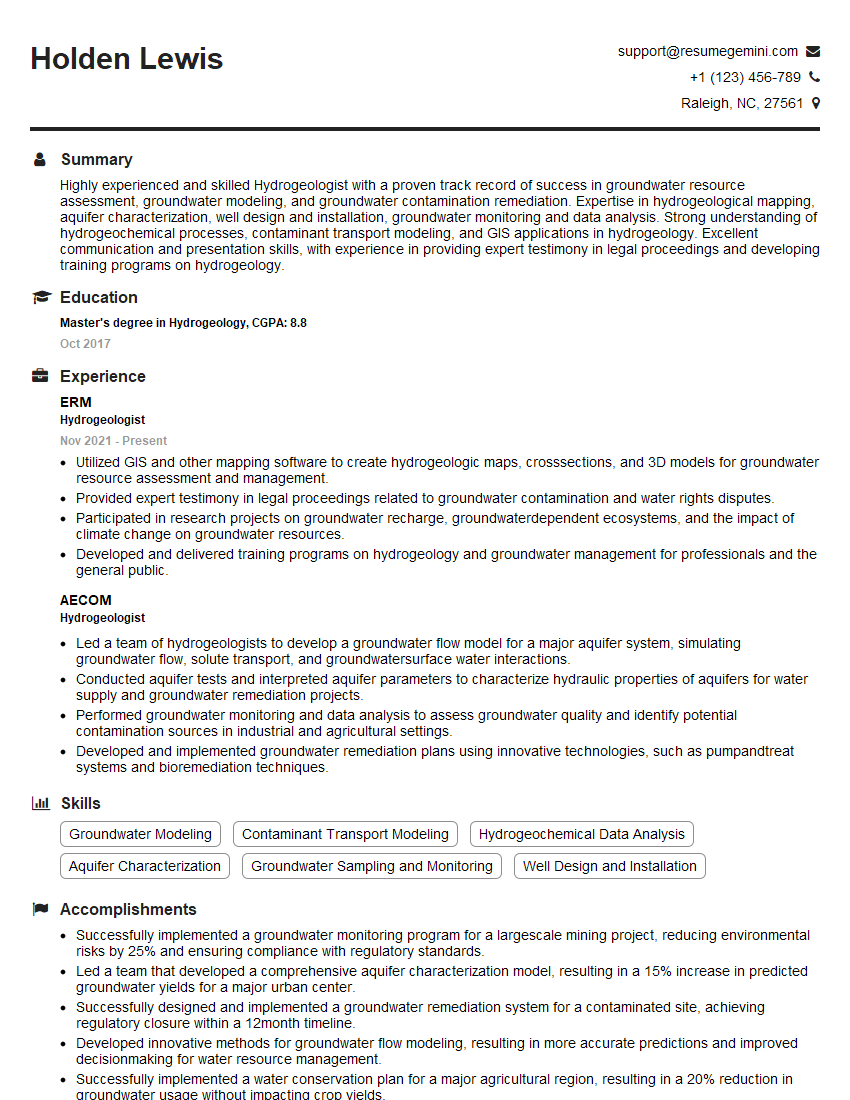
Hydrogeologist Resume Sample
Regulatory Compliance Specialist Resume Sample
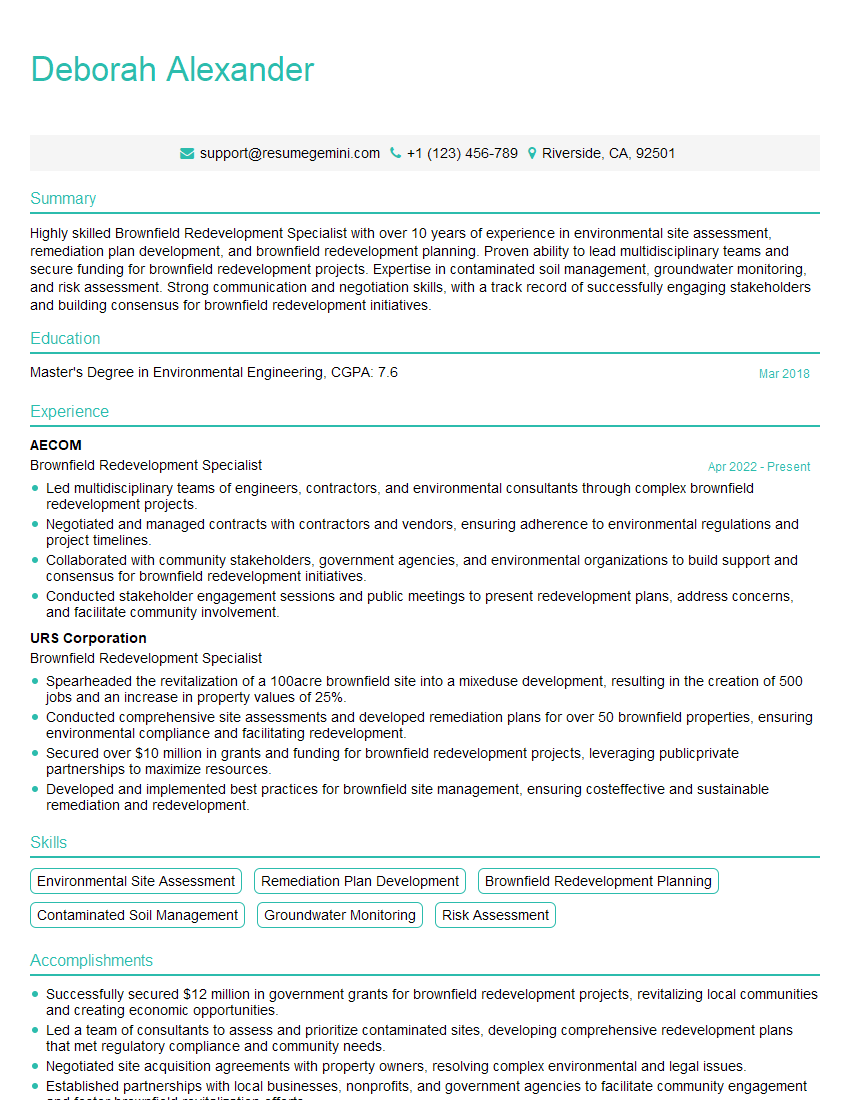
Brownfield Redevelopment Specialist Resume Sample
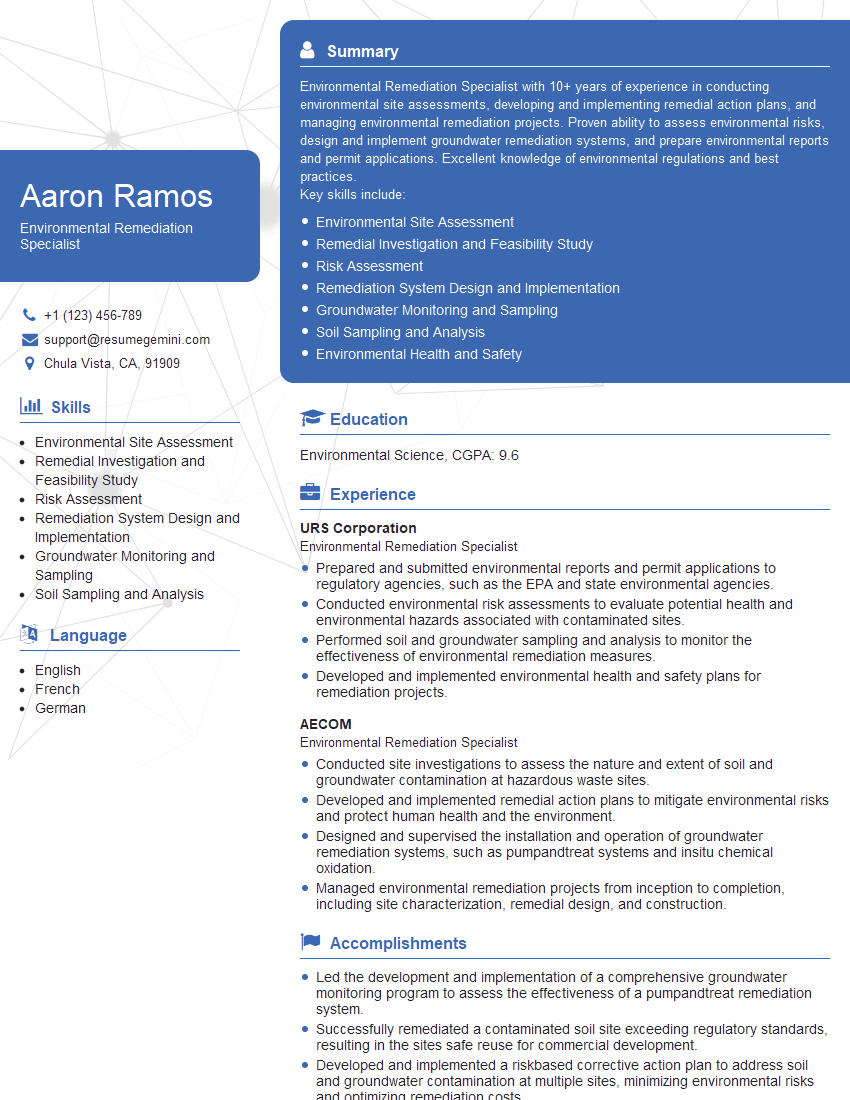
Environmental Remediation Specialist Resume Sample
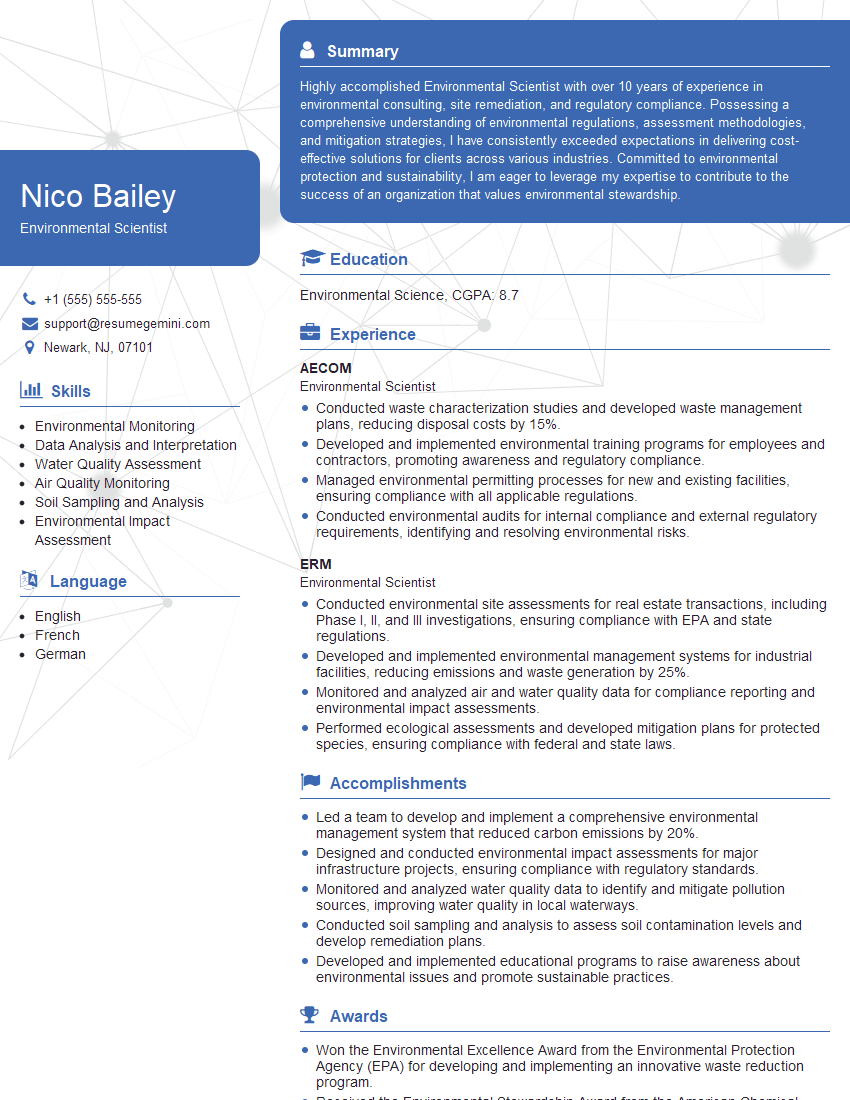
Environmental Scientist Resume Sample

Sustainability Consultant Resume Sample
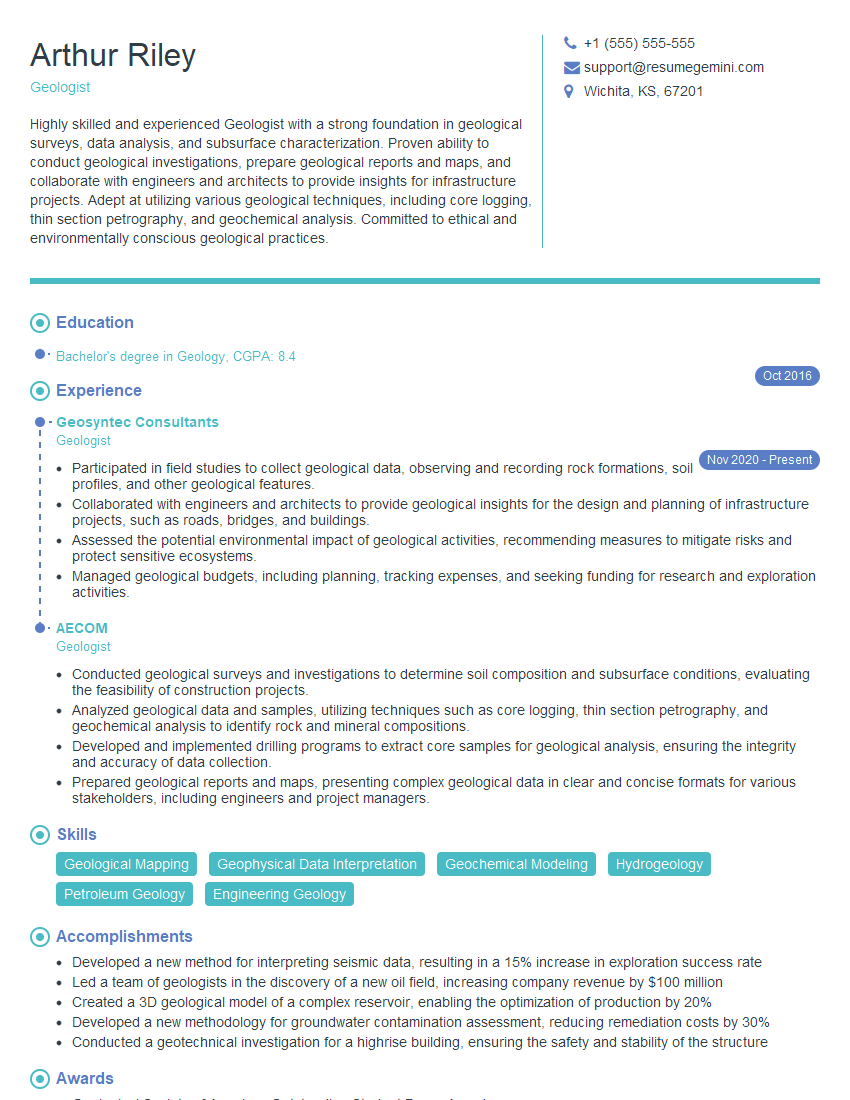
Geologist Resume Sample
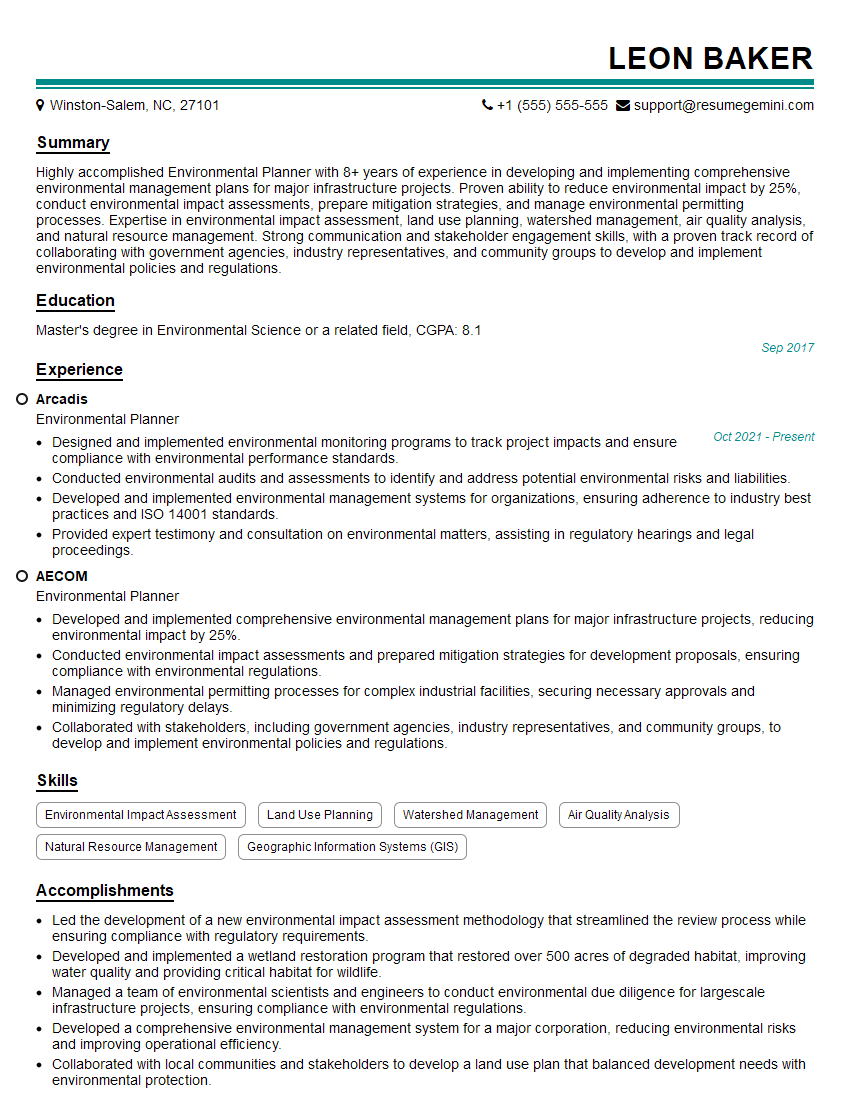
Environmental Planner Resume Sample
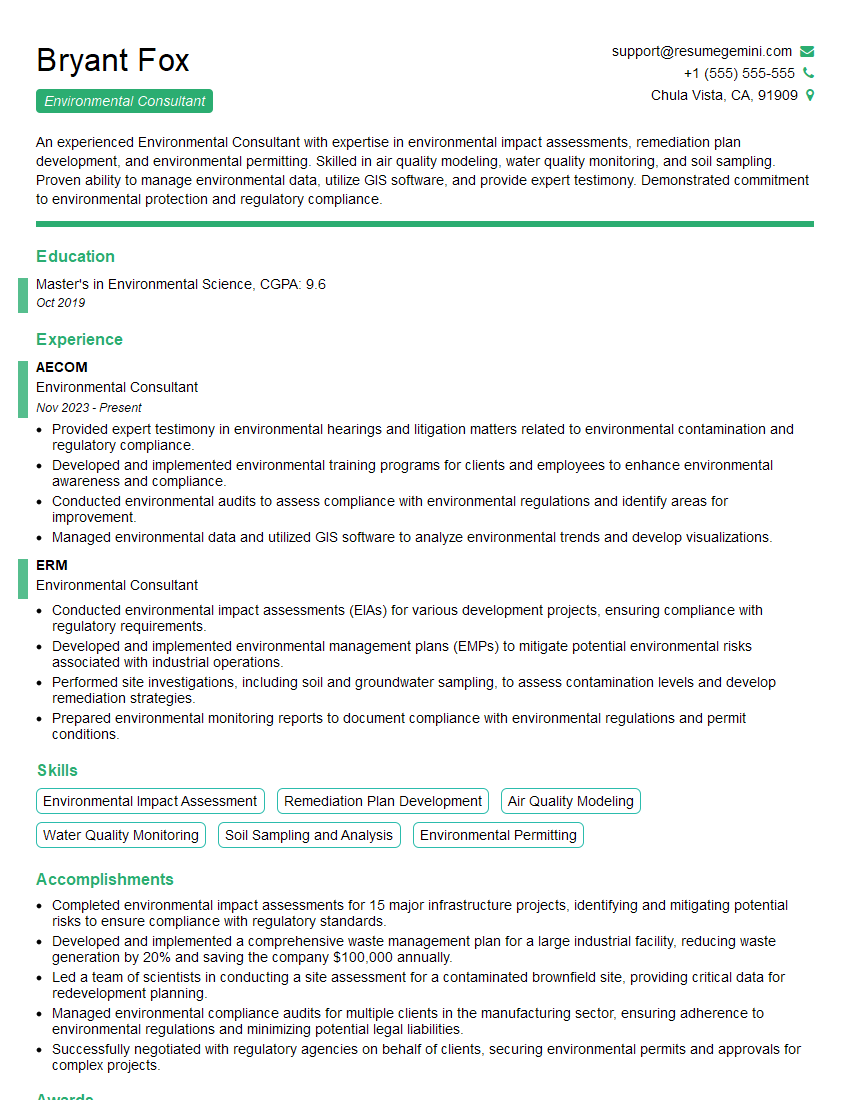
Environmental Consultant Resume Sample
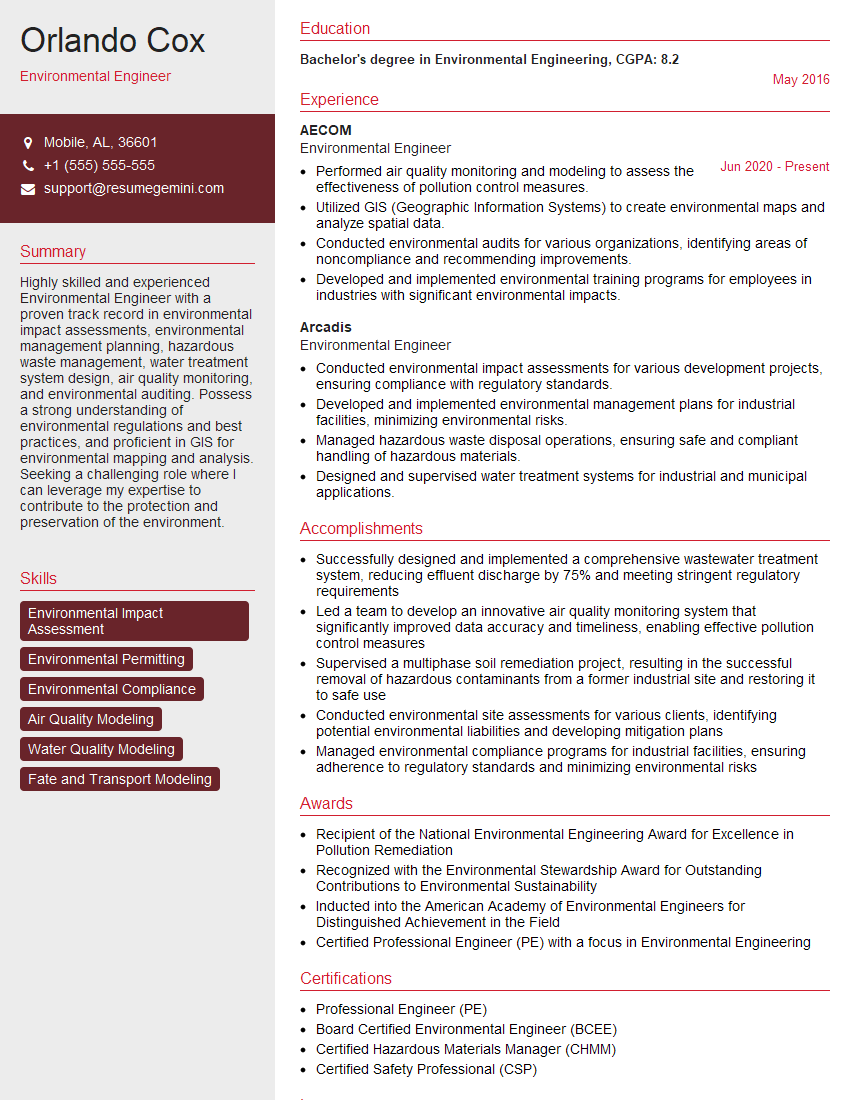
Environmental Engineer Resume Sample
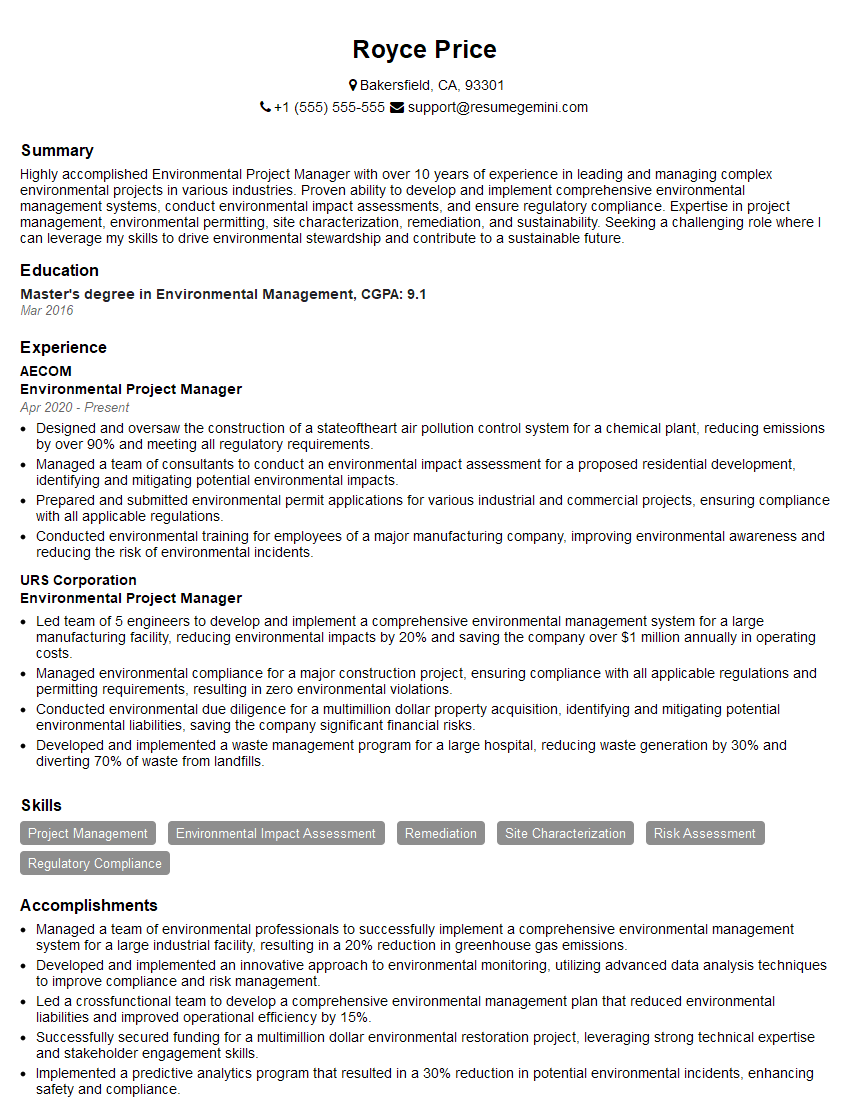
Environmental Project Manager Resume Sample
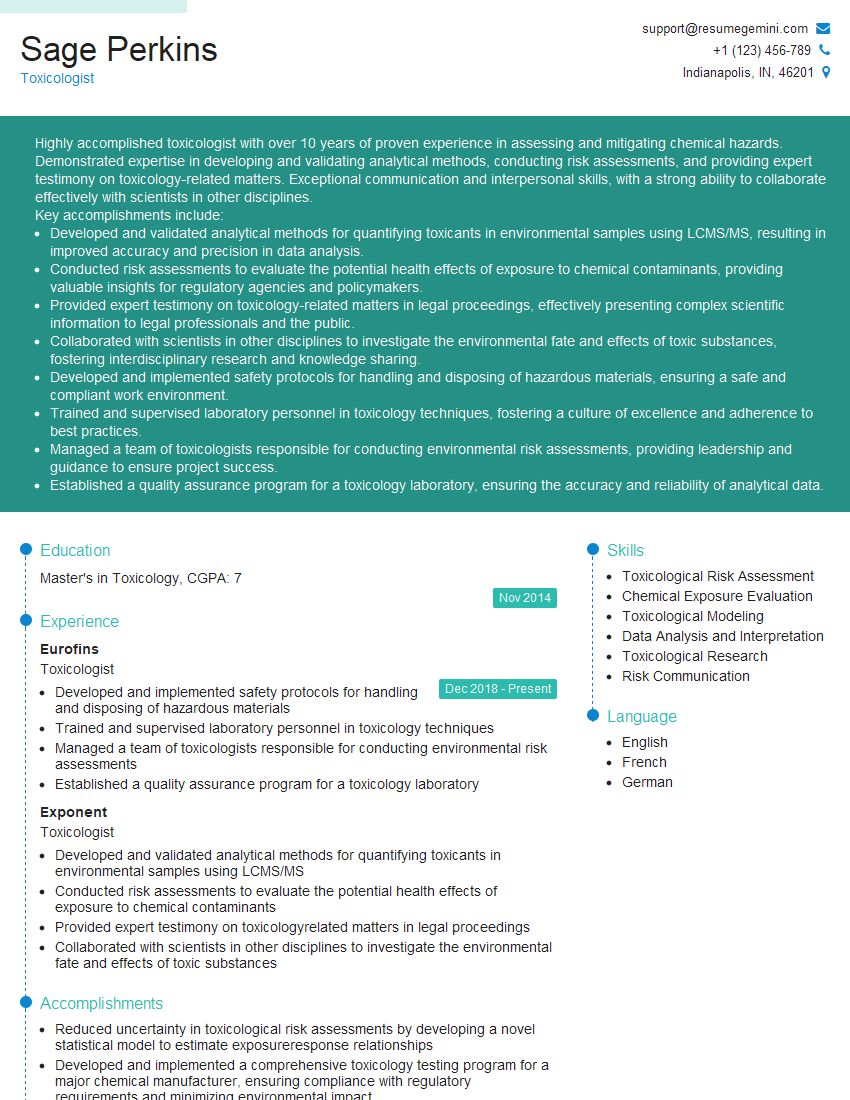
Toxicologist Resume Sample
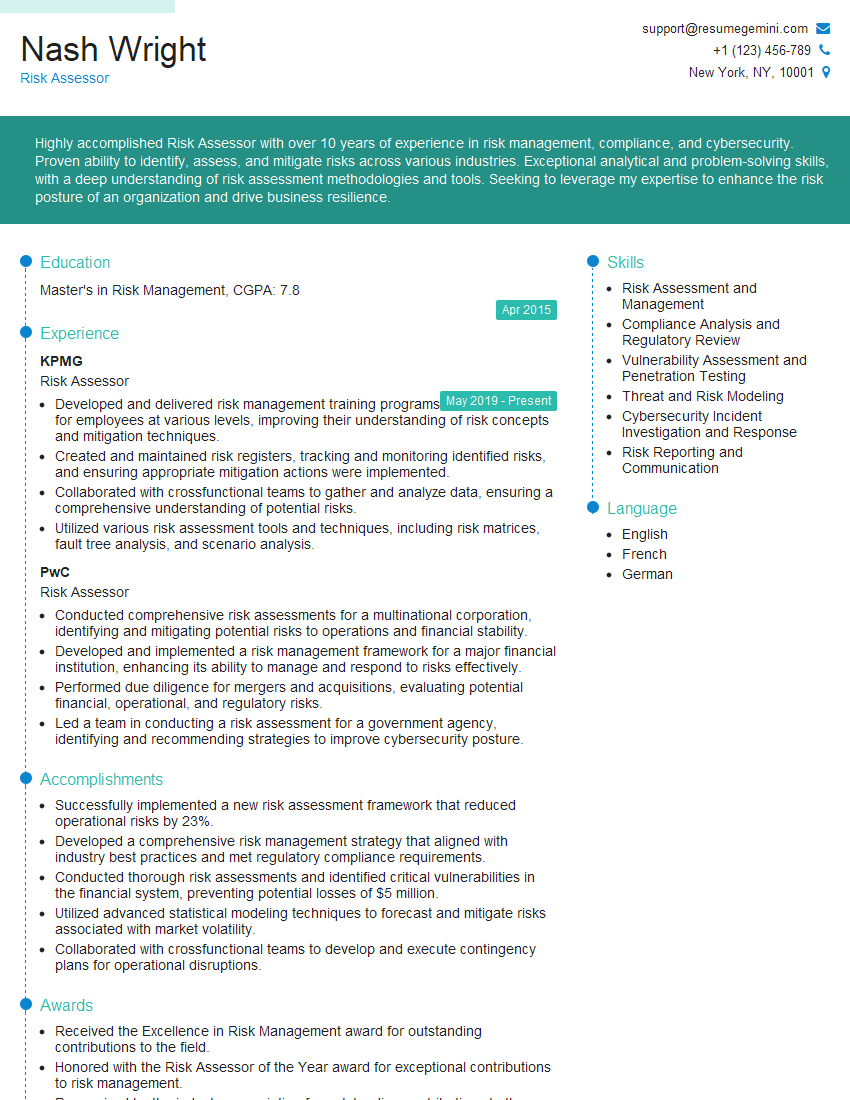
Risk Assessor Resume Sample
- Hydrogeologist
- Regulatory Compliance Specialist
- Brownfield Redevelopment Specialist
- Environmental Remediation Specialist
- Environmental Scientist
- Sustainability Consultant
- Geologist
- Environmental Planner
- Environmental Consultant
- Environmental Engineer
- Environmental Project Manager
- Toxicologist
- Risk Assessor
Explore more articles
Users Rating of Our Blogs
Share Your Experience
We value your feedback! Please rate our content and share your thoughts (optional).
What Readers Say About Our Blog
To the interviewgemini.com Webmaster.
Very helpful and content specific questions to help prepare me for my interview!
Thank you
To the interviewgemini.com Webmaster.
This was kind of a unique content I found around the specialized skills. Very helpful questions and good detailed answers.
Very Helpful blog, thank you Interviewgemini team.