Feeling uncertain about what to expect in your upcoming interview? We’ve got you covered! This blog highlights the most important Planning and Organization Skills interview questions and provides actionable advice to help you stand out as the ideal candidate. Let’s pave the way for your success.
Questions Asked in Planning and Organization Skills Interview
Q 1. Describe your approach to prioritizing tasks in a high-pressure environment.
Prioritizing tasks under pressure requires a structured approach. I use a combination of methods, starting with a clear understanding of deadlines and dependencies. I employ the Eisenhower Matrix (Urgent/Important), categorizing tasks into four quadrants: Do, Decide, Delegate, and Delete. This helps me focus on high-impact, time-sensitive tasks first. For instance, if I’m managing a product launch, ensuring the core functionality is ready before the marketing campaign goes live would be a high priority ‘Do’ task. I also utilize tools like task management software to visually represent task dependencies and urgency levels, which aids in making informed prioritization choices. Finally, I regularly review and adjust my priorities based on changing circumstances and new information. This iterative process ensures I’m always working on the most critical tasks.
Q 2. How do you handle unexpected challenges that disrupt your plans?
Unexpected challenges are inevitable. My response involves a three-step process: Assess, Adapt, and Communicate. First, I assess the impact of the challenge on the overall project goals and timeline. This might involve identifying the root cause and potential risks. Then, I adapt by identifying alternative solutions or contingency plans. This might involve re-prioritizing tasks, seeking additional resources, or adjusting the project scope. Finally, I communicate clearly and transparently with stakeholders about the challenge, proposed solutions, and any potential impact on the project’s timeline or deliverables. For example, if a key supplier experiences a delay, I’d immediately assess the impact on my project timeline, explore alternative suppliers, and inform my team and clients about the potential delay and the steps I’m taking to mitigate it.
Q 3. Explain your method for creating and managing project timelines.
Creating and managing project timelines is crucial for successful project delivery. I typically utilize Gantt charts or project management software to visualize the project timeline. These tools allow me to break down the project into smaller, manageable tasks, assign durations, and identify dependencies between tasks. I factor in buffer time to account for unexpected delays and regularly review and update the timeline as the project progresses. This visual representation helps me and my team understand the project’s critical path, potential bottlenecks, and upcoming deadlines. For example, using a Gantt chart, I can clearly see that Task B is dependent on Task A’s completion, allowing for proactive planning and resource allocation.
Q 4. How do you delegate tasks effectively to ensure project completion?
Effective delegation is about assigning the right tasks to the right people. I consider each individual’s skills, experience, and workload when delegating. I clearly define the task, expected outcomes, deadlines, and resources available. I also provide adequate support and guidance throughout the process and ensure regular check-ins to monitor progress and provide feedback. I avoid micromanagement and empower team members to take ownership of their tasks. For example, instead of assigning a large coding project to a junior developer, I might delegate smaller, well-defined modules, allowing them to develop their skills while ensuring project quality. This empowers the team and increases efficiency.
Q 5. What tools or techniques do you use for time management?
Time management is a critical skill. I use a combination of tools and techniques. I utilize task management software (like Asana or Trello) to track tasks, deadlines, and progress. I also employ the Pomodoro Technique, working in focused bursts with short breaks, to maintain concentration and avoid burnout. Regular time blocking helps me allocate specific time slots for focused work on important tasks. Finally, I regularly review my schedule and prioritize tasks to ensure I’m using my time effectively. This combination of technology and proven techniques allows me to maximize my productivity and meet deadlines consistently.
Q 6. How do you stay organized when managing multiple projects simultaneously?
Managing multiple projects requires a highly organized approach. I use a combination of project management software and personal organizational systems. I create separate project folders for each project, keeping all related documents, communication, and files organized. I prioritize tasks across projects based on deadlines and importance, using a system like the Eisenhower Matrix to ensure I’m focusing on the most critical tasks across all projects. Regular review meetings help me stay on top of all projects and identify any potential conflicts or delays. This combination of tools and strategies allows me to maintain clarity and control even when managing complex and competing priorities.
Q 7. Describe a situation where you had to revise a plan due to unforeseen circumstances.
In a previous project involving the development of a mobile application, we encountered unforeseen delays due to compatibility issues with a third-party API. Our initial plan assumed seamless integration. When the issues arose, I immediately convened a meeting with the development team to assess the problem’s severity and impact on the launch date. We explored various solutions, including modifying our approach to data handling and evaluating alternative APIs. After careful analysis, we decided to implement a workaround solution, which involved modifying a portion of the app’s functionality. This required revising the project timeline and communicating the changes to stakeholders. Though the launch was slightly delayed, the modified plan ensured the app’s successful release without compromising core features. This experience reinforced the importance of flexibility and clear communication in project management.
Q 8. How do you ensure all team members are aligned on project goals and deadlines?
Ensuring team alignment on project goals and deadlines is paramount for success. I employ a multi-pronged approach that begins with a clear and concise project kickoff meeting. This meeting isn’t just about announcing the project; it’s about fostering a shared understanding. I use visual aids like Gantt charts or Kanban boards to visually represent the project timeline and individual responsibilities. This ensures everyone sees the bigger picture and understands their contribution.
Following the kickoff, regular check-in meetings – daily stand-ups for agile projects or weekly meetings for larger projects – are crucial. These meetings aren’t just for reporting progress; they’re for open communication and problem-solving. Each team member has the opportunity to voice concerns, ask clarifying questions, and ensure they’re on track. Furthermore, I utilize collaborative project management software (discussed further in a later answer) to maintain transparency and ensure everyone has access to the latest updates, deadlines, and documentation.
Finally, I encourage open communication outside of formal meetings. A team communication channel, whether it’s Slack, Microsoft Teams, or email, provides a space for quick questions, updates, and informal discussions, fostering a sense of community and shared understanding. Think of it like a team sport: everyone needs to understand the play and their role in executing it successfully.
Q 9. How do you handle conflicting priorities?
Conflicting priorities are an inevitable part of project management. My approach involves a structured prioritization process. First, I gather all competing priorities and assess their urgency and importance using a matrix. Urgency focuses on immediate deadlines, while importance aligns with the overall project goals. This allows me to visually categorize tasks, making it easier to make informed decisions. For example, a task might be urgent but not important in the larger context, allowing it to be delegated or rescheduled.
Once priorities are established, I openly communicate the rationale to the team. Transparency is crucial; it prevents frustration and keeps everyone informed. Sometimes, negotiation and compromise are necessary. This might involve adjusting deadlines, re-allocating resources, or even re-evaluating project scope. However, my primary goal is to maintain a balance between meeting crucial deadlines and ensuring the overall project objectives are achieved. It’s about finding the path of least resistance while still reaching the destination.
Q 10. Describe your experience with project management software.
I have extensive experience with various project management software, including Asana, Jira, Trello, and Microsoft Project. My choice of software depends on the project’s size, complexity, and the team’s familiarity with specific platforms. For instance, Asana’s intuitive interface and robust task management features make it ideal for smaller teams or projects requiring simple task tracking. Jira, on the other hand, is a powerful tool for Agile development teams, providing features like sprint boards, issue tracking, and workflow automation.
My proficiency extends beyond simple task management. I’m adept at customizing workflows, creating insightful dashboards to track key metrics, and utilizing reporting features to monitor project progress and identify potential bottlenecks. I’m also comfortable training team members on the chosen software, ensuring everyone can utilize its features effectively. Software is just a tool; it’s my ability to leverage its features effectively that truly matters.
Q 11. How do you measure the success of your planning efforts?
Measuring the success of planning efforts goes beyond simply completing a project on time and within budget. I use a multi-faceted approach, incorporating both quantitative and qualitative measures. Quantitative measures might include on-time and within-budget completion, adherence to the project scope, and key performance indicators (KPIs) defined during the project initiation phase. These are easy to track and provide objective data.
However, equally important are qualitative measures, such as team satisfaction, stakeholder engagement, and the overall impact of the project. I gather feedback through surveys, informal conversations, and post-project reviews. This allows me to assess the effectiveness of the planning process and identify areas for improvement. Did the planning process effectively address potential risks? Did it promote collaboration and teamwork? This holistic approach ensures I’m assessing not just outcomes, but also the process itself.
Q 12. What strategies do you use to prevent project delays?
Preventing project delays requires a proactive approach focusing on risk management, clear communication, and efficient resource allocation. First, thorough planning is essential. This includes realistic estimations of task durations, identification of potential dependencies, and buffer time to account for unforeseen circumstances. We’ve all experienced those unexpected roadblocks— think of them as potholes on the road to project completion. The key is to have a plan to navigate them.
Regular monitoring of progress against the plan is equally critical. This involves tracking key milestones, identifying potential deviations early on, and implementing corrective actions promptly. Proactive communication with the team and stakeholders allows for swift responses to any emerging issues. Finally, having contingency plans helps ensure that minor issues don’t escalate into major delays. These plans act as detours, allowing us to swiftly adjust the course when roadblocks appear.
Q 13. How do you proactively identify potential risks in a project?
Proactive risk identification is a crucial aspect of effective planning. I typically use a combination of techniques including brainstorming sessions with the team, SWOT analysis (Strengths, Weaknesses, Opportunities, Threats), and reviewing past project experiences. The team’s collective knowledge and experience often surface potential risks that might be overlooked by a single individual. Think of it as a group puzzle where each piece contributes to the complete picture.
Once potential risks are identified, we assess their likelihood and potential impact. This helps us prioritize which risks require more attention. We then develop mitigation strategies for each identified risk. This might involve creating contingency plans, allocating additional resources, or implementing risk-reducing measures. This systematic approach ensures that we are prepared to handle potential problems before they derail the project.
Q 14. How do you communicate project updates to stakeholders?
Communicating project updates to stakeholders is vital for maintaining transparency and ensuring their continued support. My communication strategy is tailored to the specific needs and preferences of each stakeholder group. This might involve regular email updates, formal presentations, project management software dashboards, or informal one-on-one meetings. The key is to choose the right medium and frequency.
I prioritize clear, concise, and accurate information in all communications. Reports should highlight key achievements, upcoming milestones, and any potential challenges. Visual aids like charts and graphs are extremely useful for conveying complex information effectively. Regular feedback loops are also crucial; they provide stakeholders with an opportunity to ask questions and provide input, allowing for a collaborative approach to project management.
Q 15. Describe your approach to problem-solving when facing organizational challenges.
My approach to problem-solving in organizational challenges is systematic and data-driven. I begin by clearly defining the problem, separating symptoms from root causes. This often involves gathering information from various sources – team members, data analysis, and relevant documentation. I then brainstorm potential solutions, evaluating each based on feasibility, impact, and potential risks. This isn’t a purely individual process; I strongly believe in collaborative problem-solving and actively solicit input from colleagues. Once a solution is chosen, I develop a detailed action plan with clear timelines, responsibilities, and key performance indicators (KPIs) to track progress and measure success. Finally, I regularly review the implementation, making adjustments as needed based on data and feedback.
For example, when facing project delays, I wouldn’t just focus on accelerating the remaining tasks. I’d investigate the root cause – was it a resource constraint, an unforeseen technical challenge, or a lack of clarity in initial requirements? Addressing the root cause ensures a more sustainable solution than simply applying superficial fixes. This systematic approach, combined with a proactive mindset, allows me to effectively navigate organizational challenges.
Career Expert Tips:
- Ace those interviews! Prepare effectively by reviewing the Top 50 Most Common Interview Questions on ResumeGemini.
- Navigate your job search with confidence! Explore a wide range of Career Tips on ResumeGemini. Learn about common challenges and recommendations to overcome them.
- Craft the perfect resume! Master the Art of Resume Writing with ResumeGemini’s guide. Showcase your unique qualifications and achievements effectively.
- Don’t miss out on holiday savings! Build your dream resume with ResumeGemini’s ATS optimized templates.
Q 16. What is your preferred method for documenting project plans and progress?
My preferred method for documenting project plans and progress uses a combination of tools tailored to the project’s complexity and team size. For smaller projects, a simple project management tool like Trello or Asana, which allows for visual task management and progress tracking, is sufficient. For larger, more complex projects, I leverage project management software like Microsoft Project or Jira, which offer more robust features such as Gantt charts for visualizing timelines, resource allocation capabilities, and risk management tools. Regardless of the tool, the core elements of my documentation always include a clear project scope, defined deliverables, a detailed work breakdown structure (WBS), a Gantt chart or similar timeline visualization, risk assessments, and a system for tracking progress against milestones.
Crucially, the documentation is not a static document. It’s a living document that is updated regularly to reflect changes and progress, keeping everyone informed. This ensures transparency and facilitates effective collaboration.
Q 17. How do you ensure accuracy and completeness in your planning processes?
Ensuring accuracy and completeness in planning involves a multi-faceted approach. First, I focus on thorough needs assessment and requirements gathering, ensuring I have a comprehensive understanding of the project goals and constraints. This involves actively listening to stakeholders, clarifying ambiguities, and validating assumptions. Second, I use checklists and templates to standardize processes, minimizing the risk of overlooking crucial steps. Third, I employ techniques like peer reviews and cross-checking to identify errors and omissions. Finally, I regularly validate the plan against actual progress, using data and feedback to refine the approach and identify any areas requiring adjustments.
For example, before initiating a marketing campaign, I wouldn’t simply assume the target audience’s preferences; instead, I’d conduct market research to validate those assumptions. This data-driven approach minimizes the risk of costly mistakes and ensures the plan’s alignment with reality.
Q 18. How do you handle feedback and make adjustments to your plans?
I view feedback as an invaluable tool for improvement and actively seek it throughout the planning and execution phases. I create a safe and open environment where team members feel comfortable sharing their concerns and suggestions. I analyze feedback objectively, differentiating between constructive criticism and personal opinions. Then, I assess the feasibility of incorporating the feedback into the existing plan. If adjustments are necessary, I communicate the changes clearly to the team, explaining the rationale behind the decisions. This collaborative approach fosters ownership and buy-in, making the adjustments smoother and more effective.
A recent example involved a client suggesting a significant change midway through a project. Instead of dismissing the feedback, I actively engaged the client, analyzed the impact of the change on the timeline and budget, and presented various options for implementation. This collaborative approach led to a revised plan that satisfied both the client and maintained project integrity.
Q 19. What is your experience with budgeting and resource allocation?
My experience with budgeting and resource allocation is extensive. I am proficient in developing detailed budgets, forecasting costs, and tracking expenditures. I’m familiar with various budgeting methods, including zero-based budgeting and incremental budgeting, and select the appropriate method based on the project’s nature and organizational context. Resource allocation involves carefully analyzing the project’s requirements, identifying available resources, and assigning them efficiently to tasks and team members, considering individual skill sets and workloads. I use tools like spreadsheets or dedicated project management software to monitor resource utilization and identify potential bottlenecks or resource conflicts.
For example, in a previous project, I used a combination of time-tracking software and resource allocation within project management software to identify a potential staffing shortage before it impacted the project timeline. This early identification allowed us to proactively address the issue by securing additional resources and adjusting the project schedule accordingly, avoiding major setbacks.
Q 20. How do you stay organized while working remotely?
Maintaining organization while working remotely requires a proactive approach to time management and digital organization. I establish a dedicated workspace, free from distractions, to create a clear separation between work and personal life. I utilize digital tools effectively – calendar apps for scheduling, task management software for tracking progress, and cloud-based storage for document organization. Regular communication with my team is key, leveraging video conferencing and instant messaging tools to stay connected and avoid misunderstandings. I also set clear boundaries around my working hours to prevent burnout and maintain a healthy work-life balance.
Specifically, I use a combination of Google Calendar, Asana, and Google Drive to manage my schedule, tasks, and files, creating a centralized system easily accessible from any device. This helps to keep me on track and reduces the risk of losing important information.
Q 21. How do you utilize data and analytics in your planning process?
Data and analytics play a critical role in my planning process. I use data to inform every stage, from initial needs assessment to post-project evaluation. During the planning phase, I analyze historical data to identify trends, predict potential challenges, and inform resource allocation decisions. During execution, I use real-time data to monitor progress, identify deviations from the plan, and make necessary adjustments. Post-project, I analyze the data to evaluate the project’s success, identify areas for improvement, and inform future planning efforts. This data-driven approach ensures continuous improvement and enhances the effectiveness of my planning processes.
For instance, when planning a marketing campaign, I wouldn’t rely solely on intuition. I’d analyze past campaign performance data, customer segmentation data, and market trends to inform my strategies and optimize resource allocation for maximum impact. This data-driven approach ensures a more targeted and effective campaign.
Q 22. Describe a time you had to improve efficiency in a project.
Improving project efficiency often involves identifying bottlenecks and optimizing workflows. In a previous project managing the launch of a new software application, we faced delays due to inefficient testing procedures. Initially, testing was performed sequentially by different teams. This created significant wait times and prolonged the overall timeline.
To address this, I implemented a parallel testing strategy. We divided the application into modules and assigned different teams to test simultaneously. This significantly reduced the overall testing time. Furthermore, I introduced a centralized bug tracking system, using Jira, to improve communication and collaboration between teams. This allowed for quicker identification and resolution of bugs, preventing cascading delays. The result was a 30% reduction in the overall project timeline without compromising quality.
Q 23. Explain your understanding of different project management methodologies (e.g., Agile, Waterfall).
Project management methodologies are frameworks that guide the planning, execution, and completion of projects. Two common approaches are Waterfall and Agile.
- Waterfall is a linear, sequential approach where each phase (requirements, design, implementation, testing, deployment, maintenance) must be completed before the next begins. It’s suitable for projects with clearly defined requirements and minimal anticipated changes. Think of building a house – you wouldn’t start painting before the foundation is laid.
- Agile, conversely, is iterative and incremental. Projects are broken down into smaller, manageable iterations (sprints) typically lasting 2-4 weeks. Each sprint delivers a working increment of the product, allowing for flexibility and adaptation to changing requirements. It’s ideal for projects where flexibility and quick response to feedback are crucial, like developing a mobile app.
Other methodologies include Scrum (a specific Agile framework), Kanban (focuses on visualizing workflow), and Lean (emphasizes eliminating waste). The choice of methodology depends heavily on project characteristics, team size, and client expectations.
Q 24. How do you adapt your planning approach to different types of projects?
My planning approach adapts depending on project type. For instance, a large-scale construction project requires detailed planning with a strong emphasis on resource allocation and risk management, utilizing Gantt charts and critical path analysis. The timeline is typically longer, and changes are less frequent. A detailed work breakdown structure (WBS) is crucial.
In contrast, a short-term marketing campaign requires a more flexible and iterative approach. Agile methodologies work well here, with a focus on rapid prototyping and quick iterations based on market response. Prioritization and swift decision-making are key. I might use Kanban boards to manage tasks and track progress visually.
Essentially, I tailor my approach to match the project’s complexity, duration, and the level of uncertainty involved. The core principles of planning – clear objectives, defined scope, resource allocation, and risk assessment – remain constant, but the tools and techniques used vary.
Q 25. Describe your experience with risk management in project planning.
Risk management is a crucial aspect of effective project planning. It involves identifying potential risks, assessing their likelihood and impact, and developing mitigation strategies. My approach typically involves a structured process:
- Risk Identification: Brainstorming sessions with the team, reviewing past project experiences, and analyzing project documentation to identify potential problems (e.g., technical challenges, resource constraints, stakeholder conflicts).
- Risk Assessment: Evaluating the probability and severity of each identified risk. This often uses a risk matrix to categorize risks based on their likelihood and potential impact.
- Risk Response Planning: Developing strategies to mitigate, avoid, transfer, or accept each risk. For example, securing additional resources to mitigate a potential resource constraint or purchasing insurance to transfer financial risk.
- Risk Monitoring and Control: Regularly tracking and monitoring identified risks throughout the project lifecycle, adapting plans as needed. This involves regular review meetings and updates to the risk register.
In a past project, we identified the risk of supplier delays impacting delivery timelines. Our mitigation strategy involved establishing multiple sourcing options and building buffer time into the schedule. This proactive approach allowed us to successfully navigate the supplier delay without impacting project completion.
Q 26. How do you ensure your plans are realistic and achievable?
Ensuring realistic and achievable plans involves a combination of factors. I begin with a thorough understanding of project scope, objectives, and constraints. This involves detailed discussions with stakeholders to clearly define expectations and deliverables.
I then break down the project into smaller, manageable tasks, estimating the time and resources required for each. These estimates are grounded in historical data, expert judgment, and best-practice benchmarks. I use tools like critical path analysis to identify dependencies between tasks and pinpoint potential bottlenecks. Regular progress tracking and adjustments based on actual performance are essential to keep the plan on track.
Finally, contingency planning is crucial. Building buffer time into the schedule and allocating additional resources can accommodate unforeseen challenges and maintain realism. It’s better to be slightly over-prepared than to fall behind schedule due to unrealistic estimations.
Q 27. How do you utilize technology to enhance your organizational skills?
Technology plays a significant role in enhancing my organizational skills. I leverage various tools to streamline tasks and improve efficiency. For example:
- Project Management Software: Tools like Asana, Trello, or Microsoft Project facilitate task management, collaboration, and progress tracking. They provide a centralized platform for team members to access information and update their progress.
- Communication Platforms: Slack, Microsoft Teams, or email are used for effective communication and information sharing, ensuring everyone is aligned and informed.
- Cloud Storage: Services like Google Drive or Dropbox provide centralized access to project documents, eliminating version control issues and ensuring consistent access for team members.
- Data Analysis Tools: Spreadsheet software and data visualization tools enable efficient data analysis to track progress, identify trends, and make data-driven decisions.
Using these tools effectively not only improves organization but also fosters better collaboration and communication within project teams.
Q 28. How do you maintain a positive attitude when facing setbacks in a project?
Maintaining a positive attitude during project setbacks is crucial for successful project delivery. My approach focuses on several key aspects:
- Problem-solving rather than blame: Instead of focusing on who caused the setback, I encourage the team to identify the root cause and develop solutions collaboratively.
- Open communication: Transparency about challenges and potential delays helps maintain team morale and keeps everyone informed. It also allows for early identification of potential issues before they escalate.
- Focus on learning from mistakes: Setbacks are valuable learning opportunities. Conducting post-project reviews helps identify areas for improvement and prevents similar issues in the future.
- Celebrate small wins: Acknowledging and celebrating achievements, even small ones, helps maintain motivation and build momentum towards project completion.
- Seek support when needed: Don’t hesitate to reach out to mentors, colleagues, or supervisors for guidance and support during challenging times. A fresh perspective can be extremely valuable.
By focusing on solutions, fostering open communication, and learning from experiences, I ensure that setbacks become opportunities for growth and improvement, maintaining a positive and productive team environment.
Key Topics to Learn for Planning and Organization Skills Interview
- Time Management Techniques: Explore various methods like time blocking, Pomodoro Technique, and Eisenhower Matrix. Understand how to prioritize tasks effectively and allocate time realistically.
- Prioritization and Delegation: Learn to identify high-impact tasks, delegate effectively when appropriate, and utilize tools like Kanban boards for project visualization and workflow management.
- Goal Setting and SMART Objectives: Master the art of setting Specific, Measurable, Achievable, Relevant, and Time-bound goals. Practice translating broad objectives into actionable steps.
- Project Planning & Execution: Understand different project management methodologies (Agile, Waterfall) and how to apply them to various scenarios. Discuss experience with project tracking and reporting.
- Risk Management & Contingency Planning: Learn to anticipate potential roadblocks, develop mitigation strategies, and build resilience into your plans. Demonstrate proactive problem-solving abilities.
- Communication & Collaboration: Highlight your ability to clearly communicate plans, collaborate effectively with teams, and manage stakeholder expectations. Showcase experience using collaborative tools.
- Problem-Solving & Decision-Making: Practice structuring your approach to problem-solving, outlining your decision-making process, and demonstrating critical thinking skills.
- Adaptability & Flexibility: Discuss your ability to adjust plans based on changing priorities and unexpected circumstances. Showcase instances where you’ve successfully navigated unforeseen challenges.
Next Steps
Mastering planning and organization skills is crucial for career advancement. These skills demonstrate your ability to manage workloads effectively, meet deadlines consistently, and contribute meaningfully to team success. To significantly enhance your job prospects, building an ATS-friendly resume is essential. This ensures your application gets noticed by recruiters and hiring managers. We strongly recommend utilizing ResumeGemini, a trusted resource, to craft a professional and impactful resume that showcases your planning and organization abilities. Examples of resumes tailored to highlight these skills are available within ResumeGemini to help guide you.
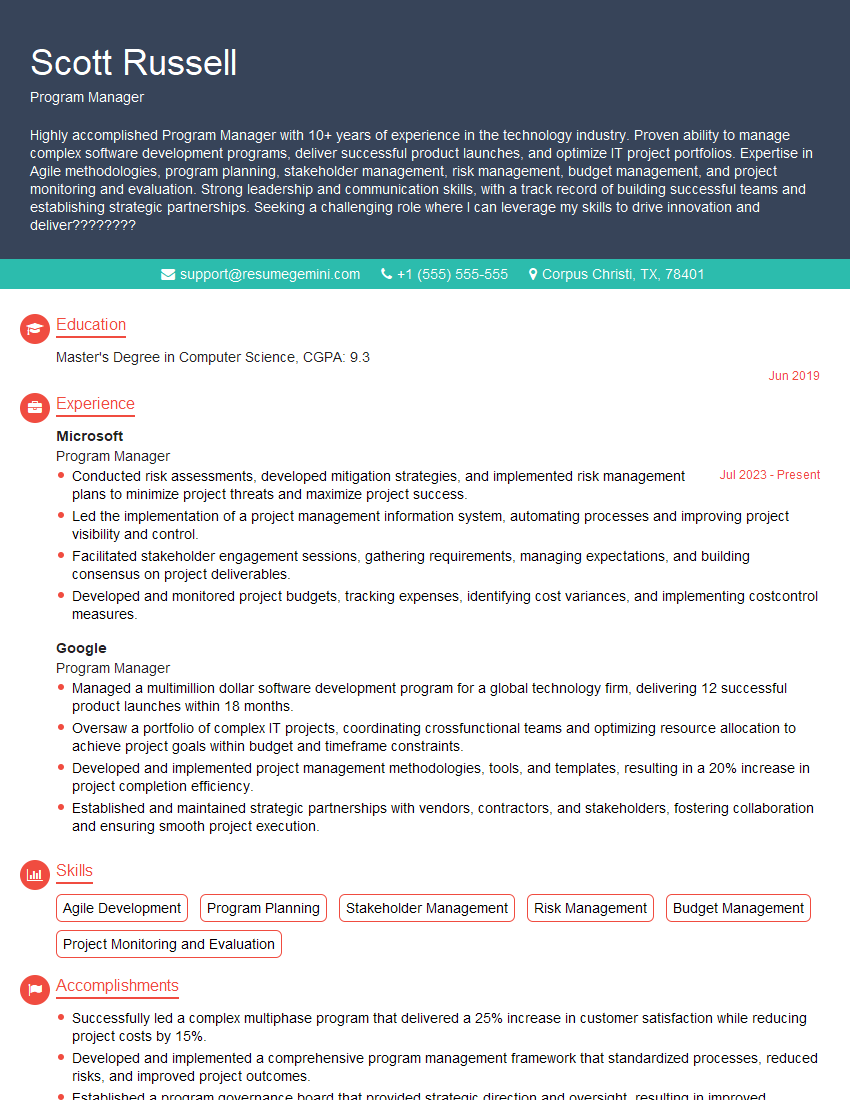
Program Manager Resume Sample
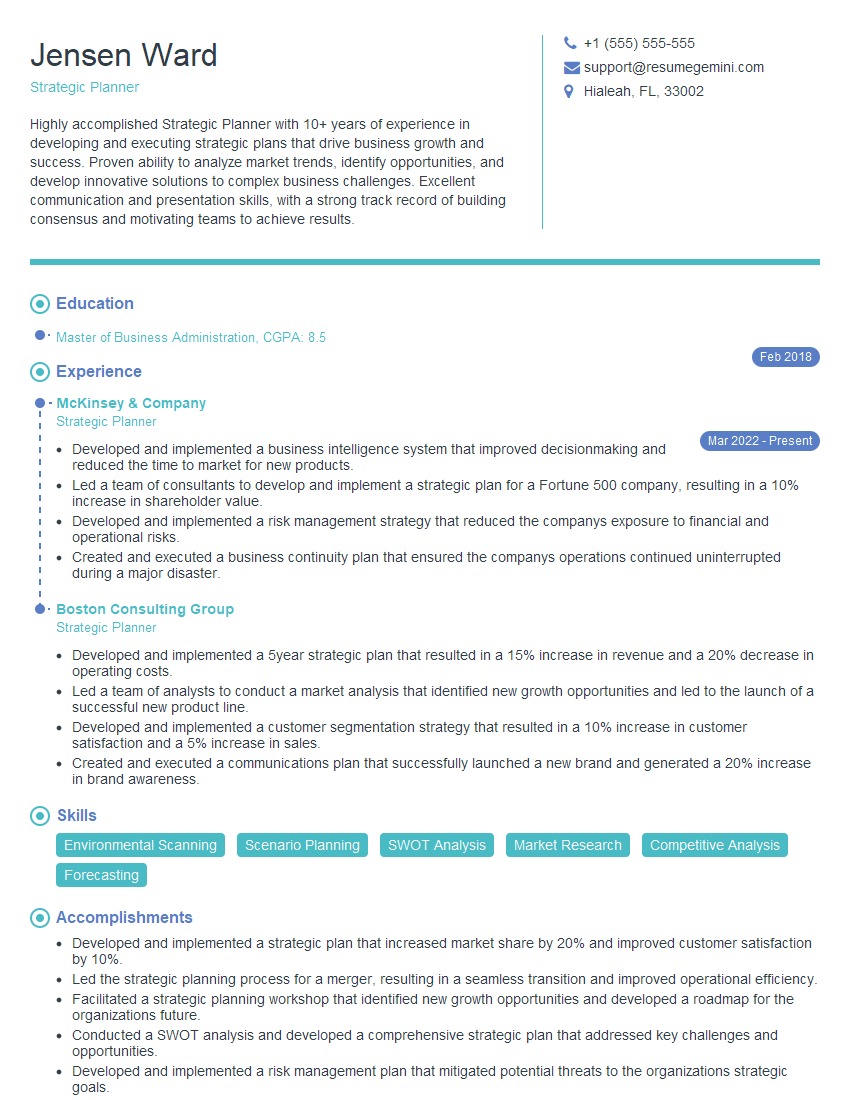
Strategic Planner Resume Sample
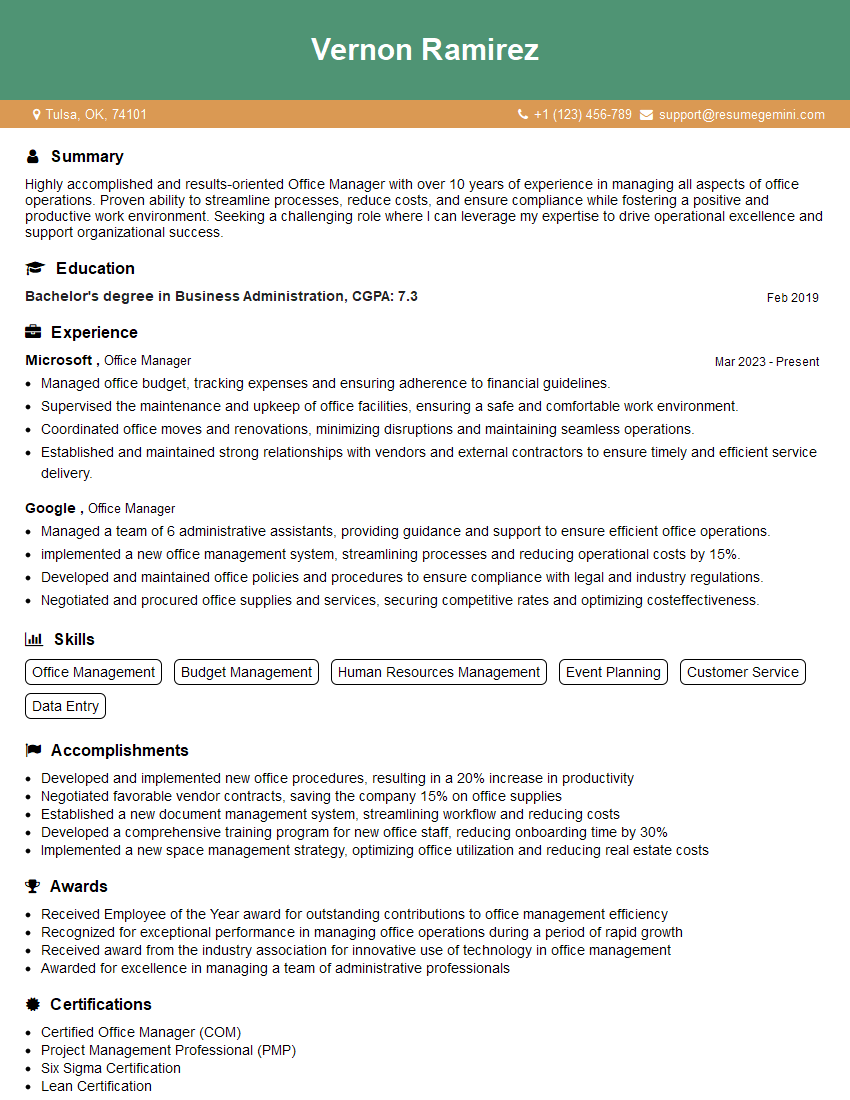
Office Manager Resume Sample
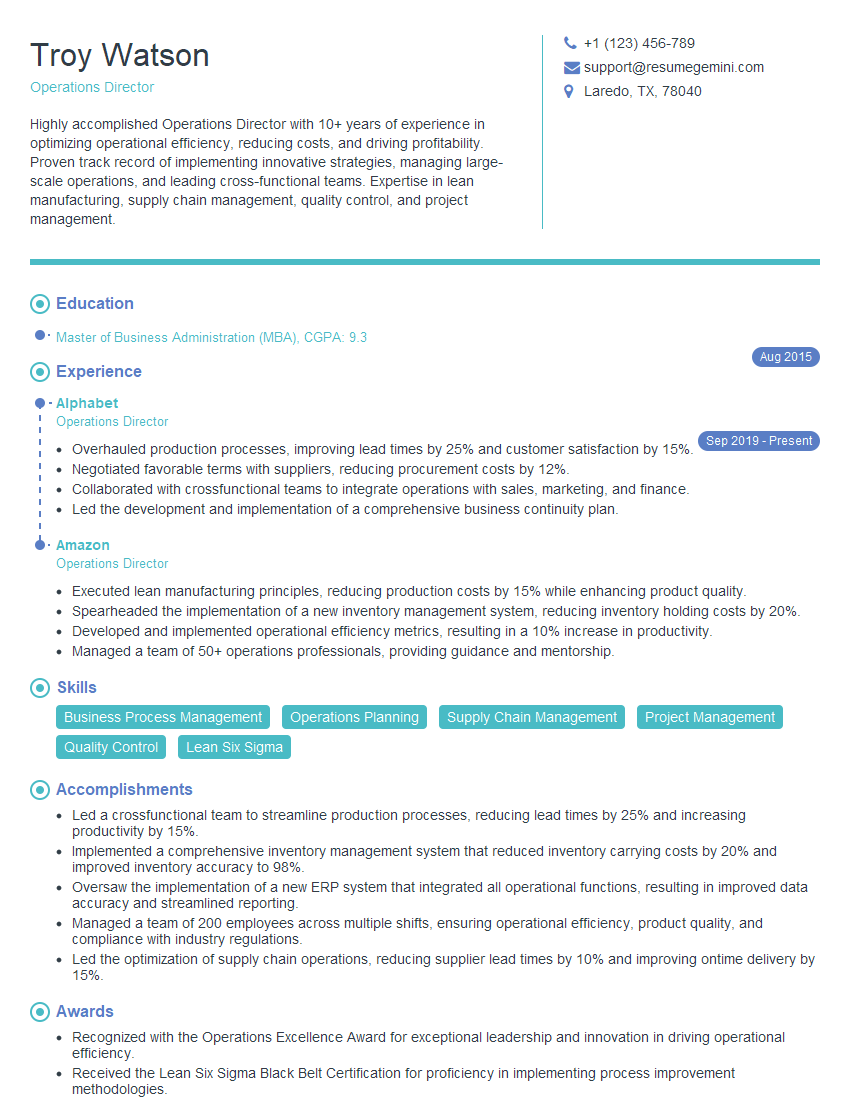
Operations Director Resume Sample

Operations Manager Resume Sample
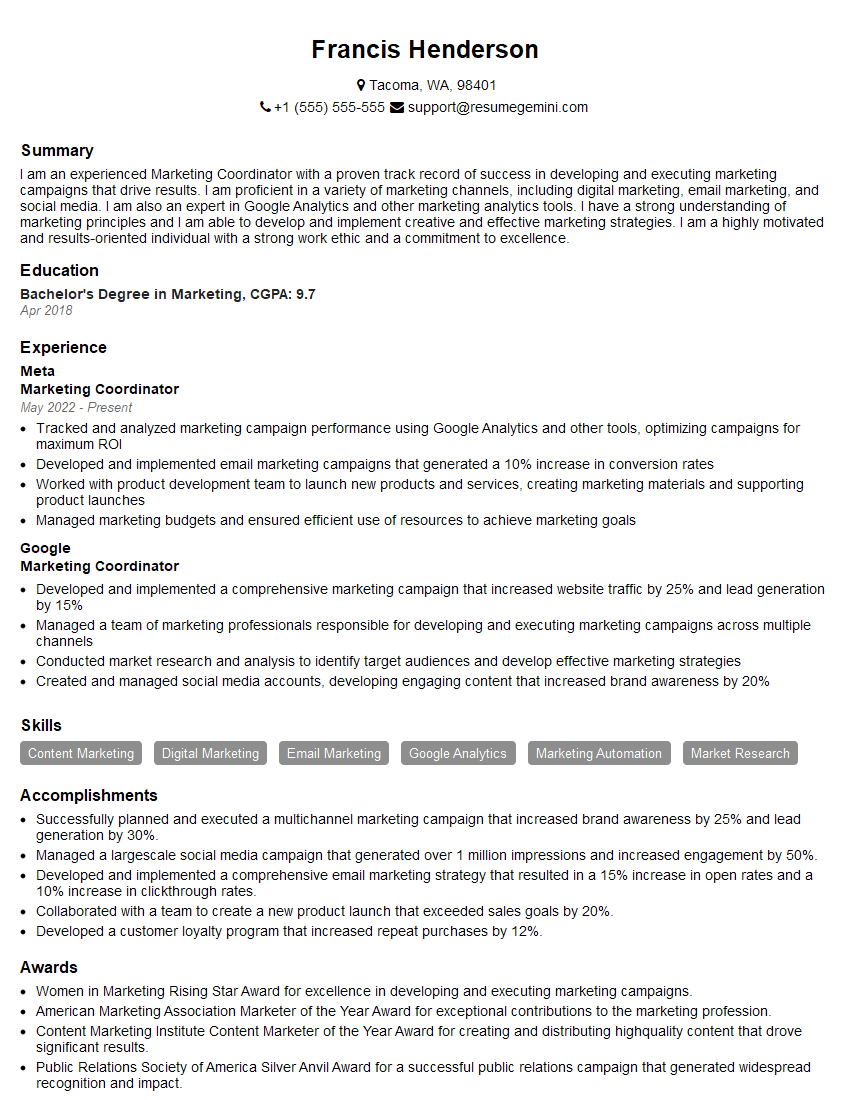
Marketing Coordinator Resume Sample
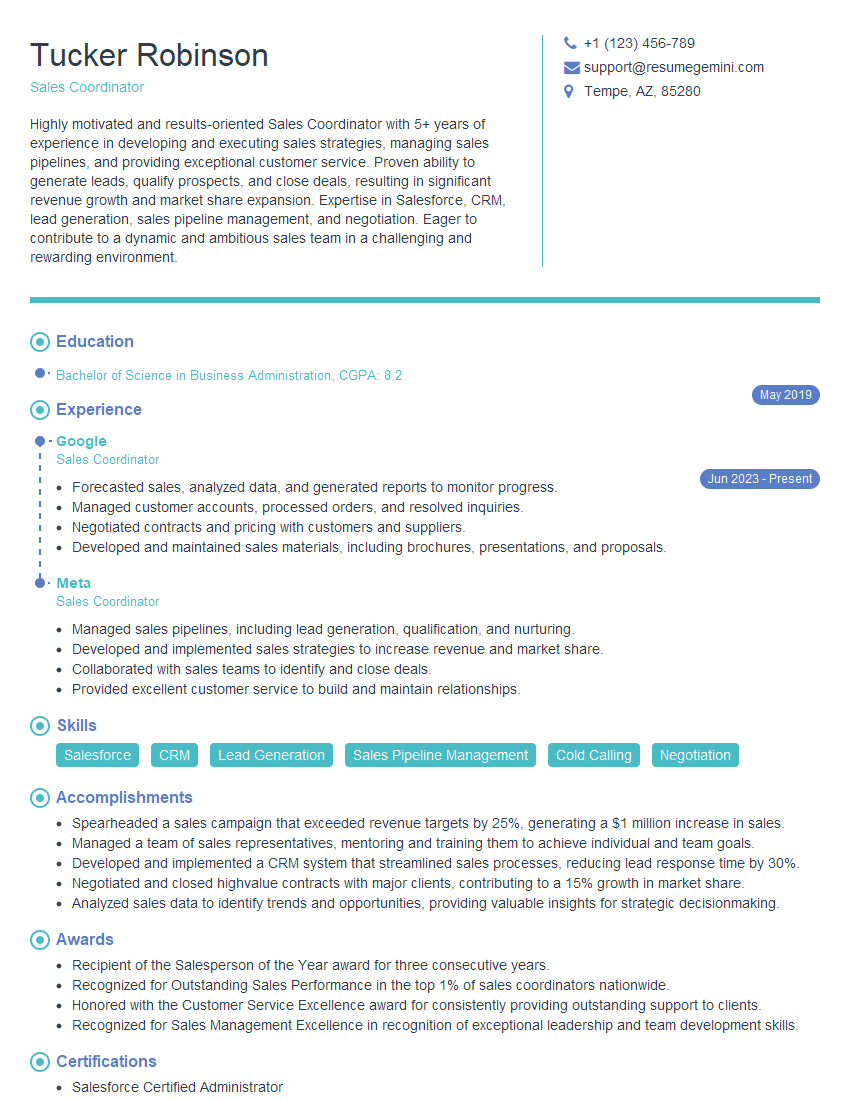
Sales Coordinator Resume Sample

Customer Service Manager Resume Sample
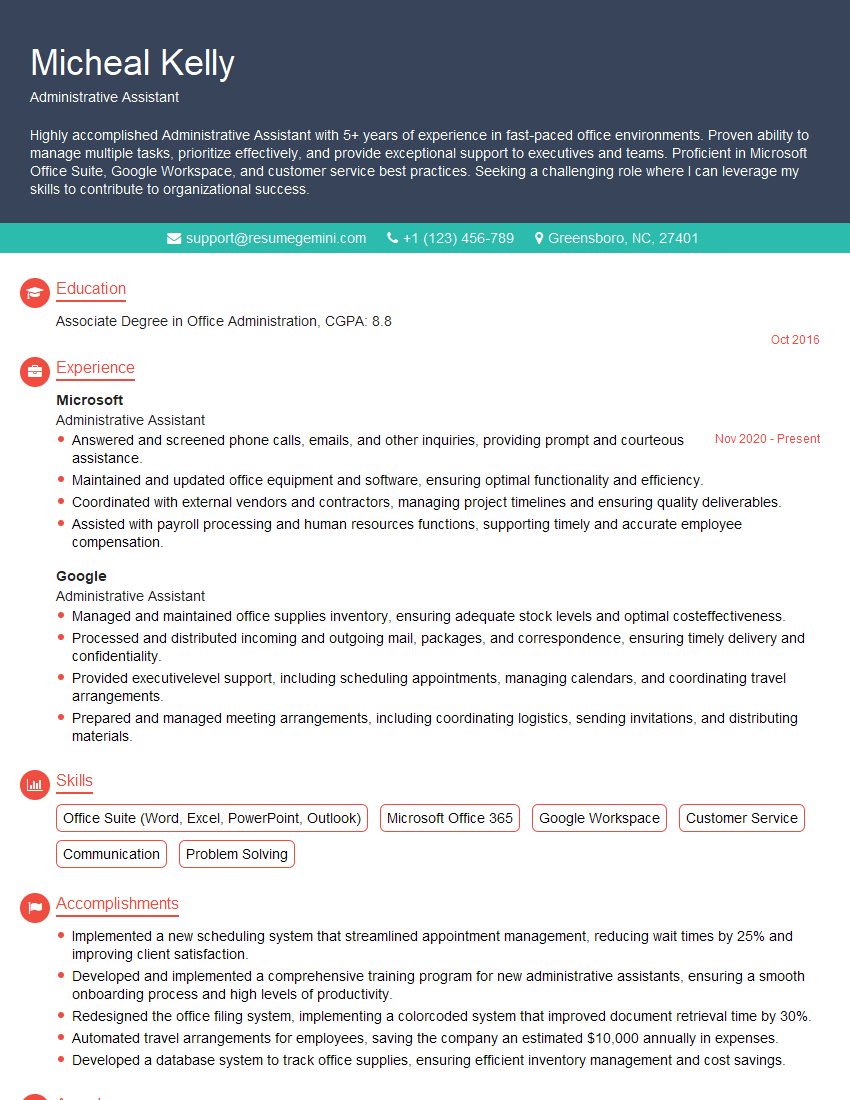
Administrative Assistant Resume Sample
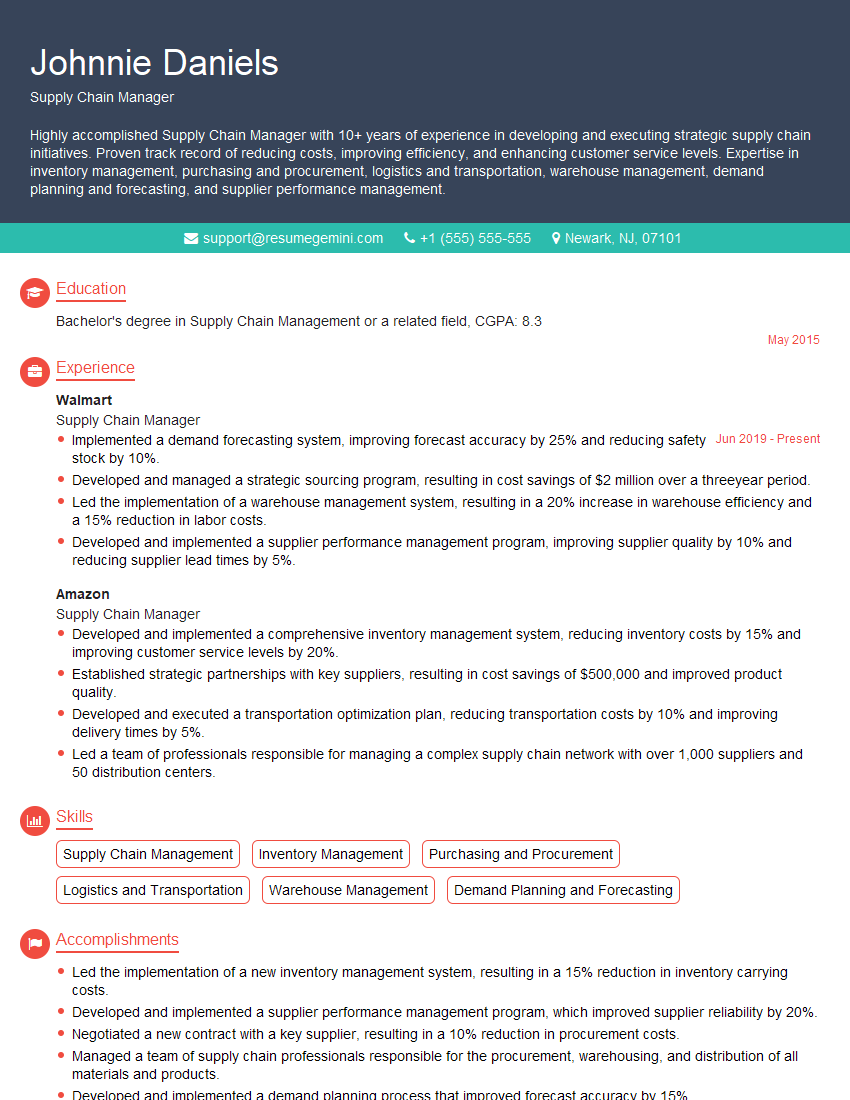
Supply Chain Manager Resume Sample
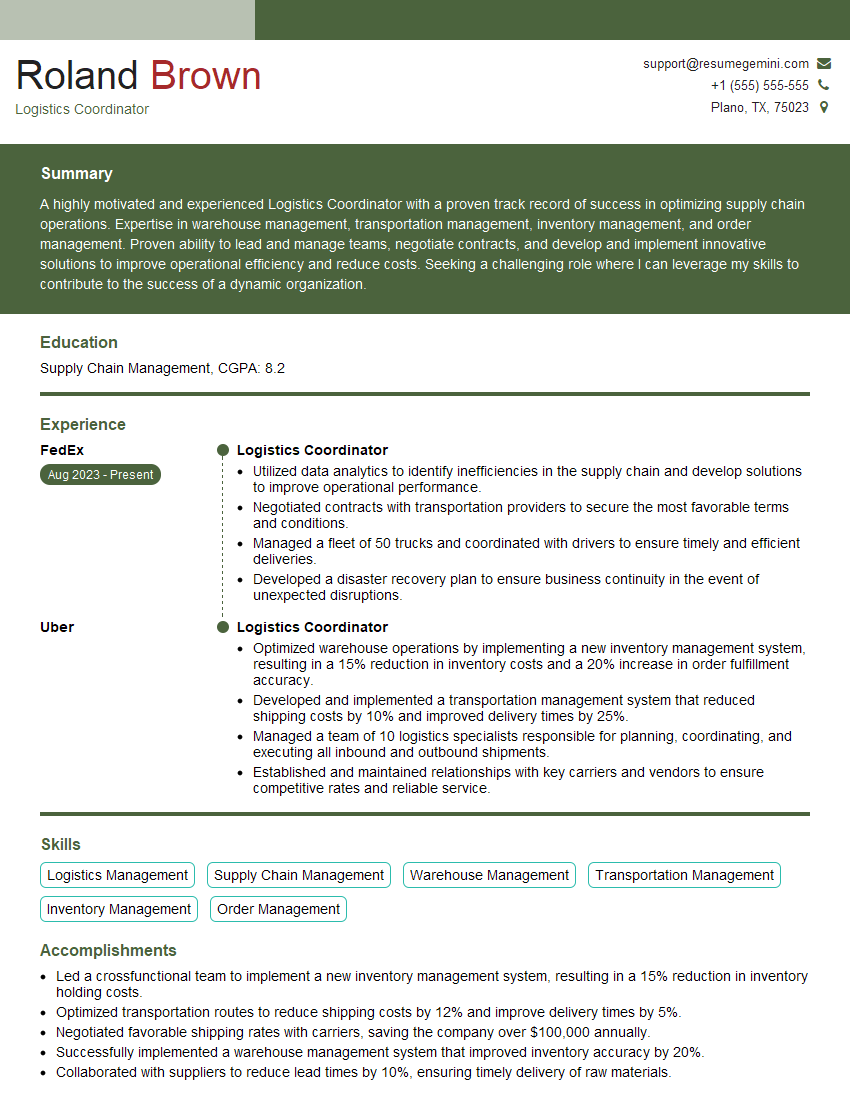
Logistics Coordinator Resume Sample
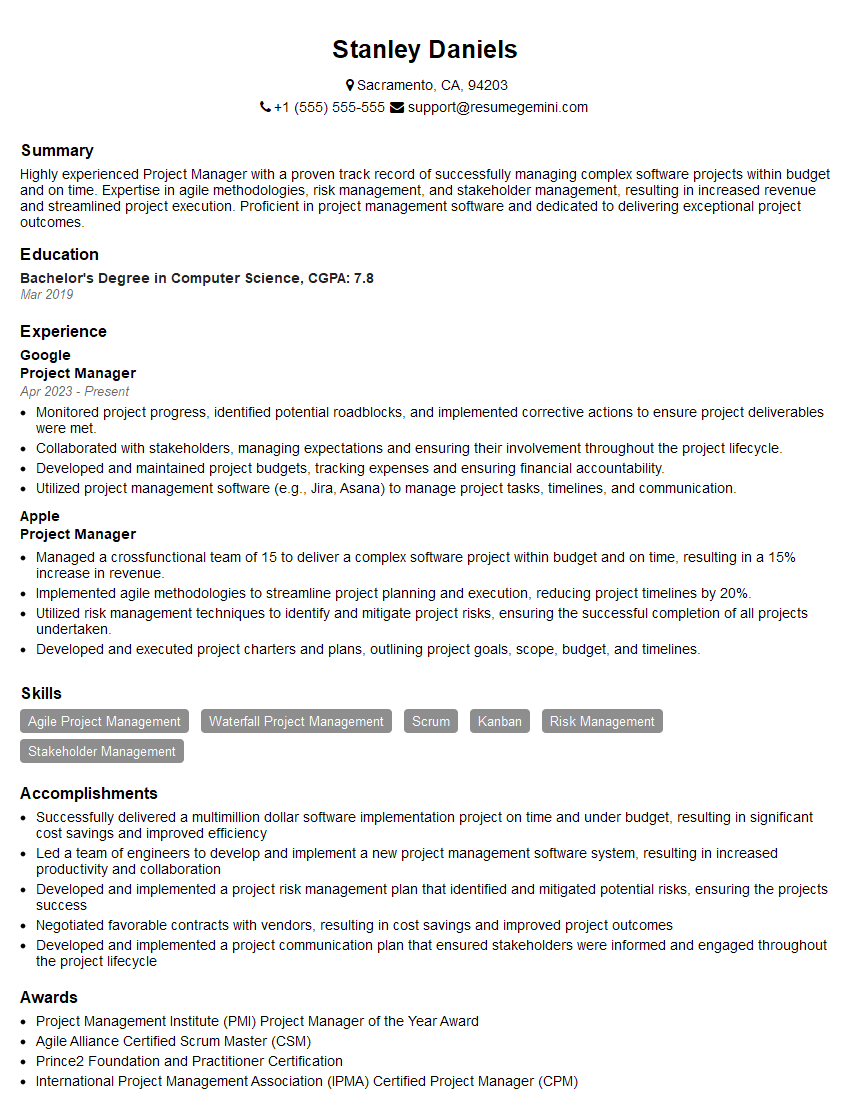
Project Manager Resume Sample
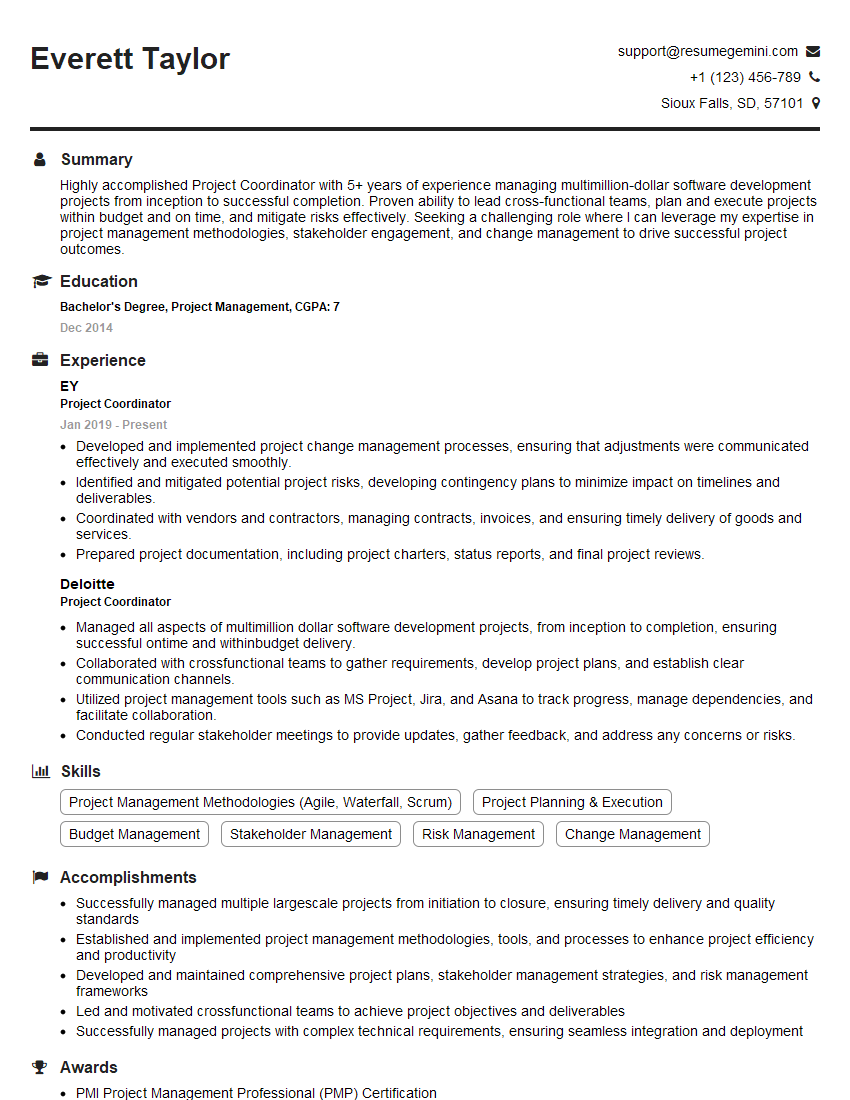
Project Coordinator Resume Sample

Chief of Staff Resume Sample
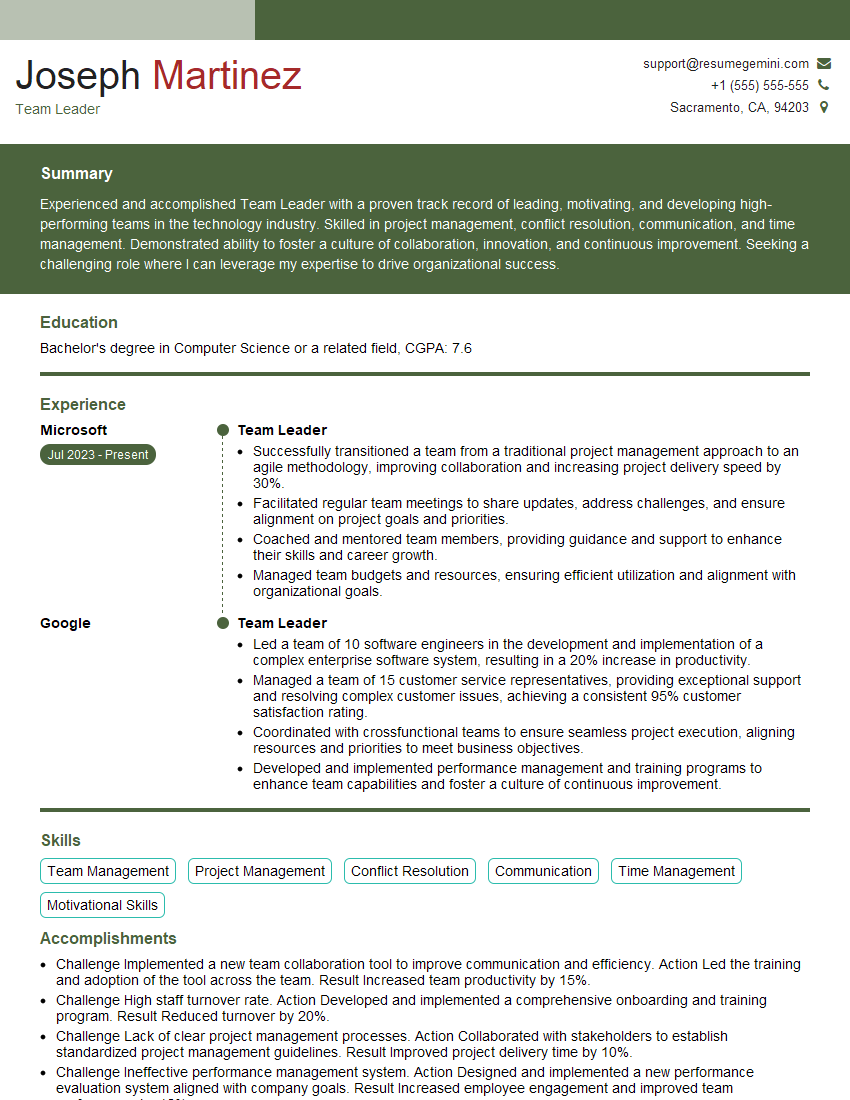
Team Leader Resume Sample
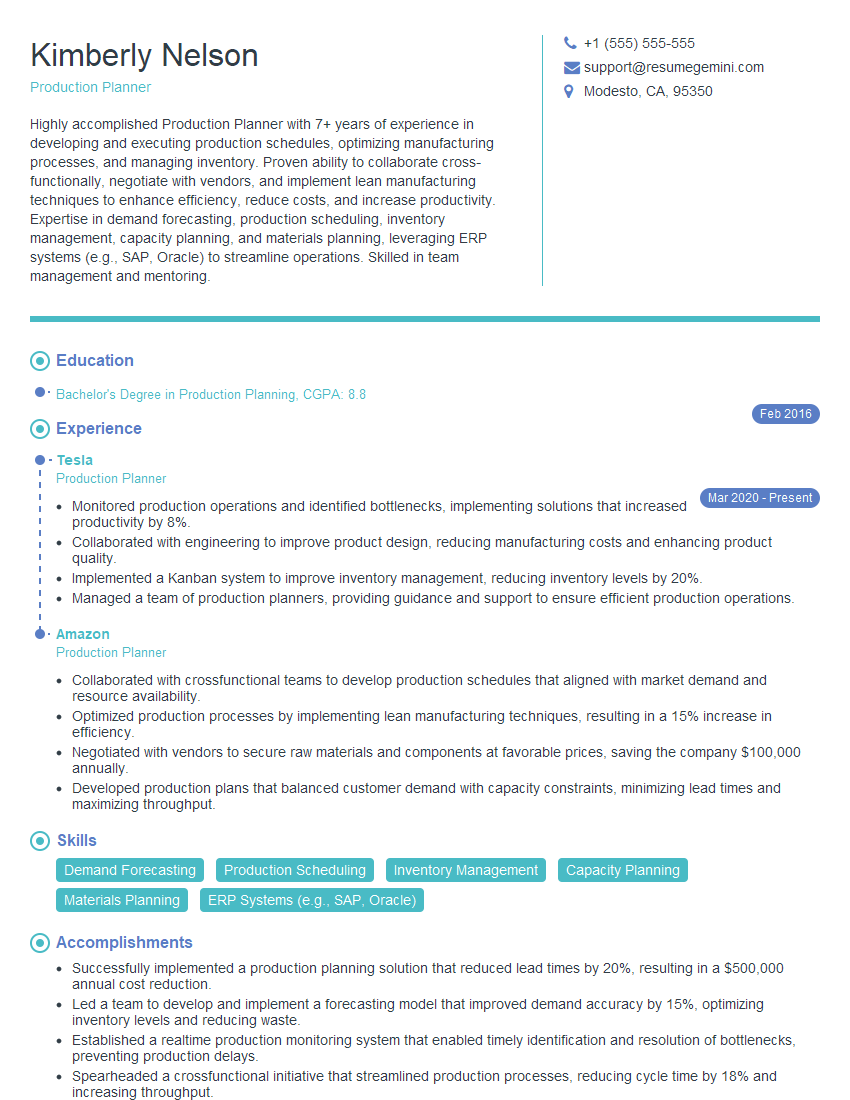
Production Planner Resume Sample
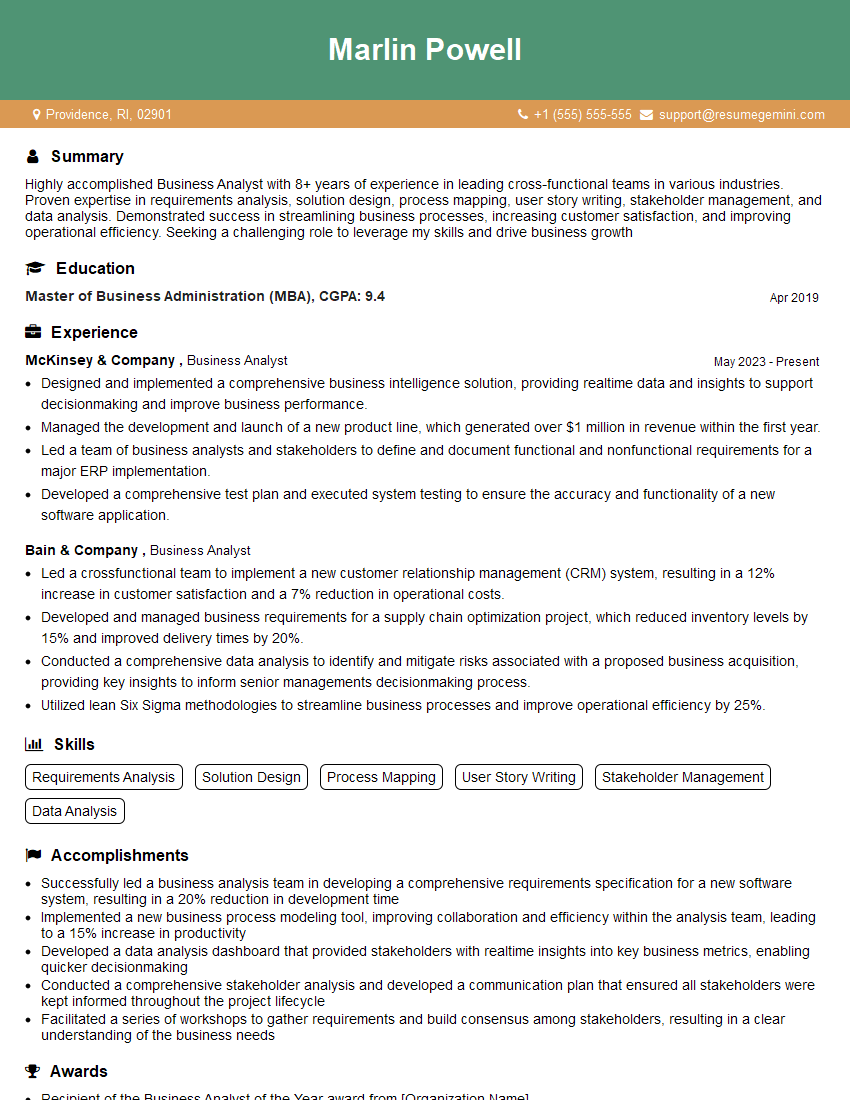
Business Analyst Resume Sample
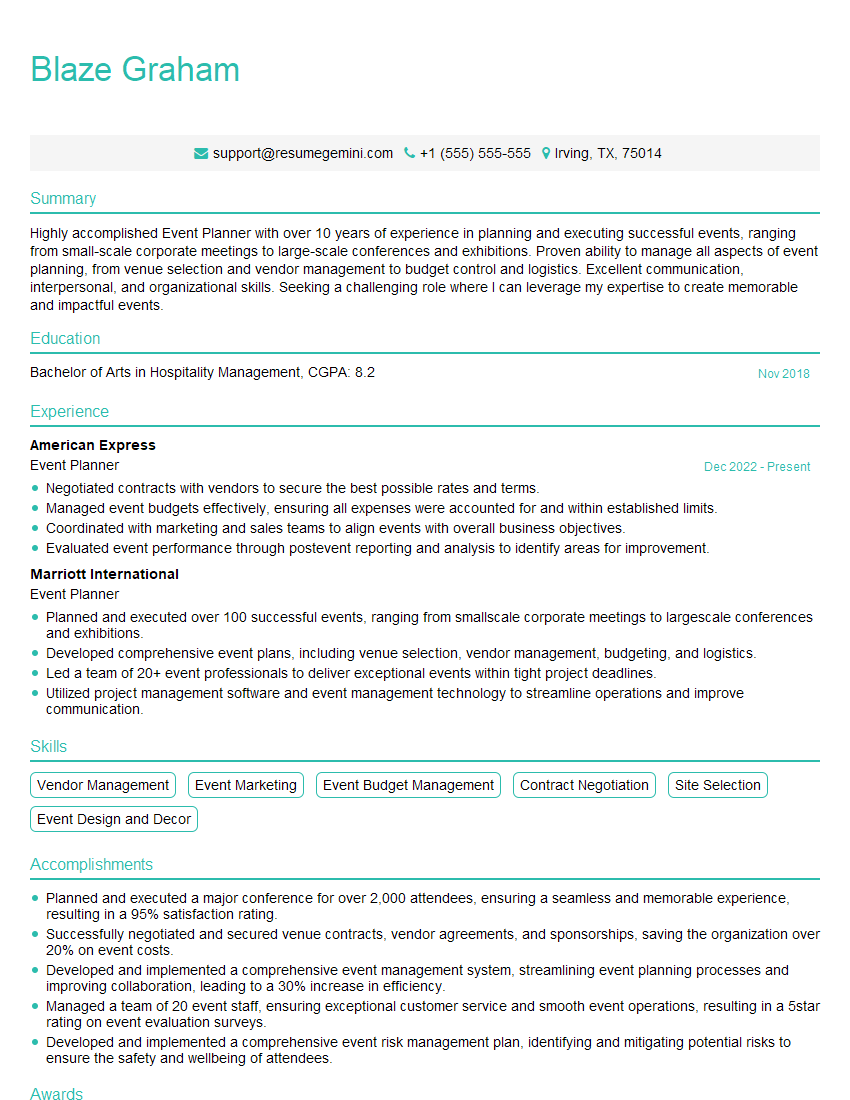
Event Planner Resume Sample

Scheduling Coordinator Resume Sample
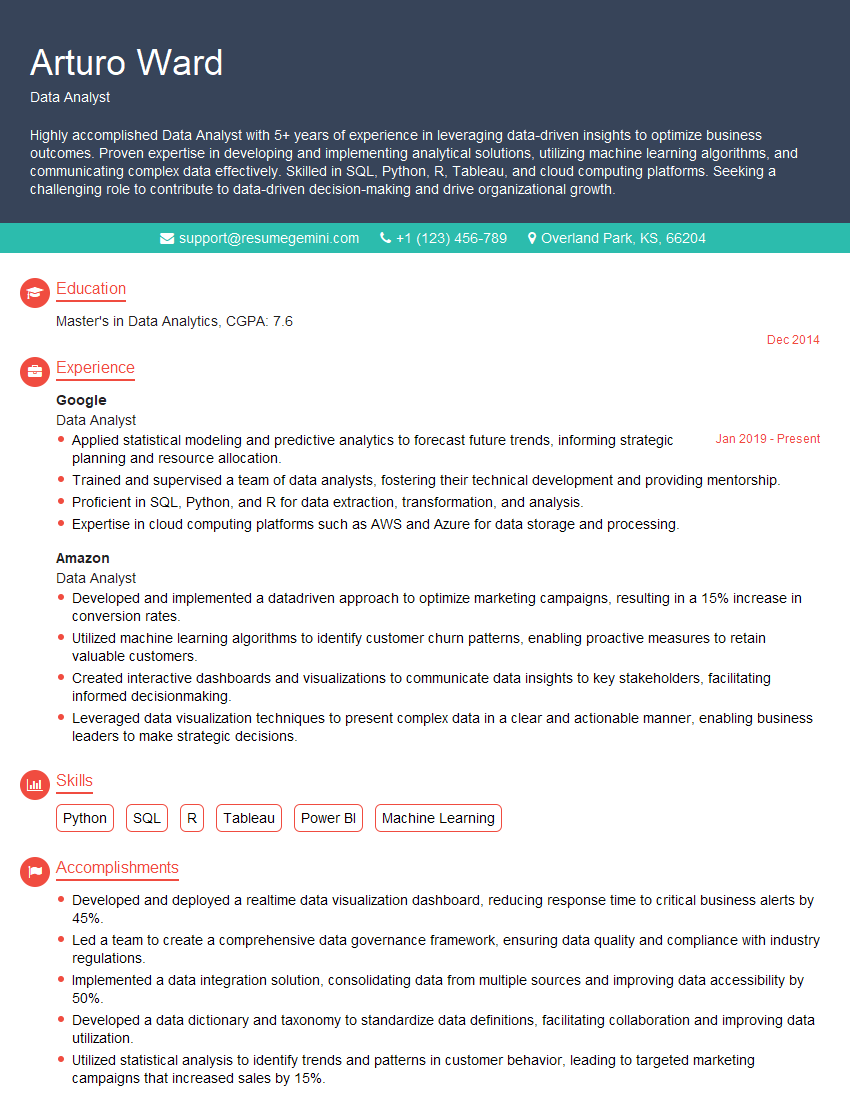
Data Analyst Resume Sample
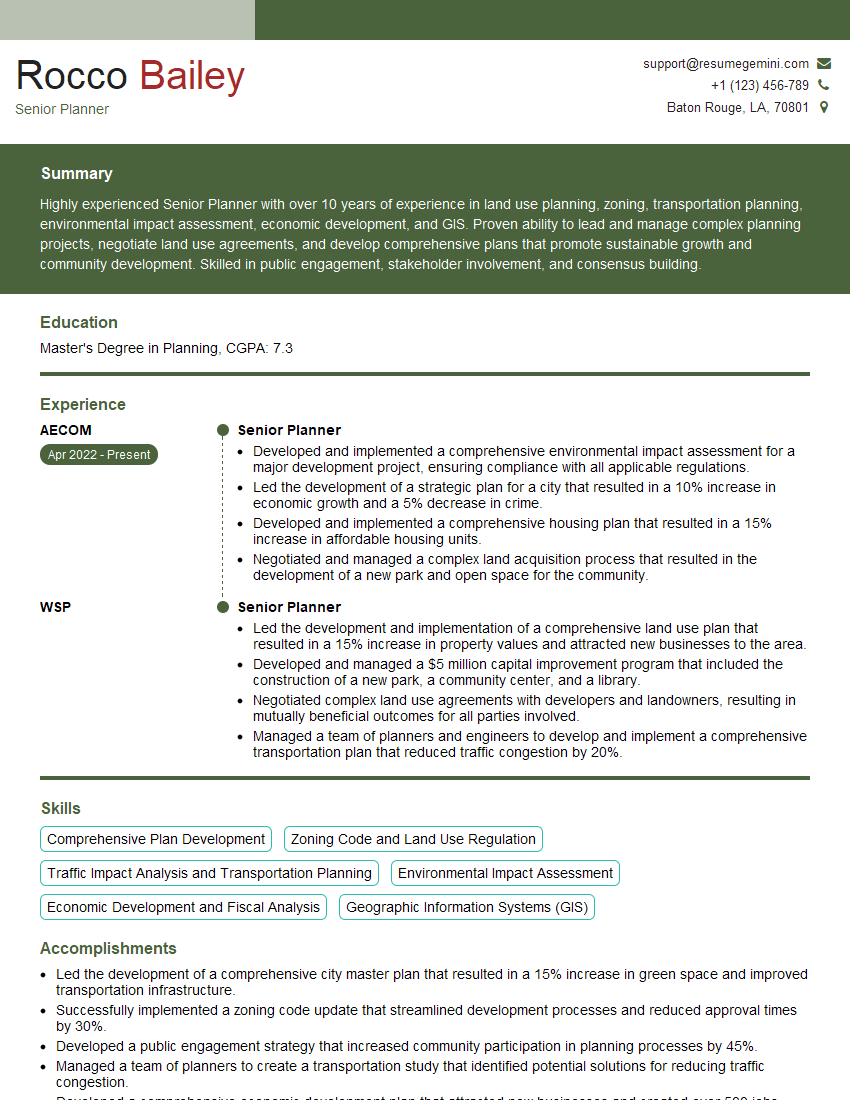
Senior Planner Resume Sample
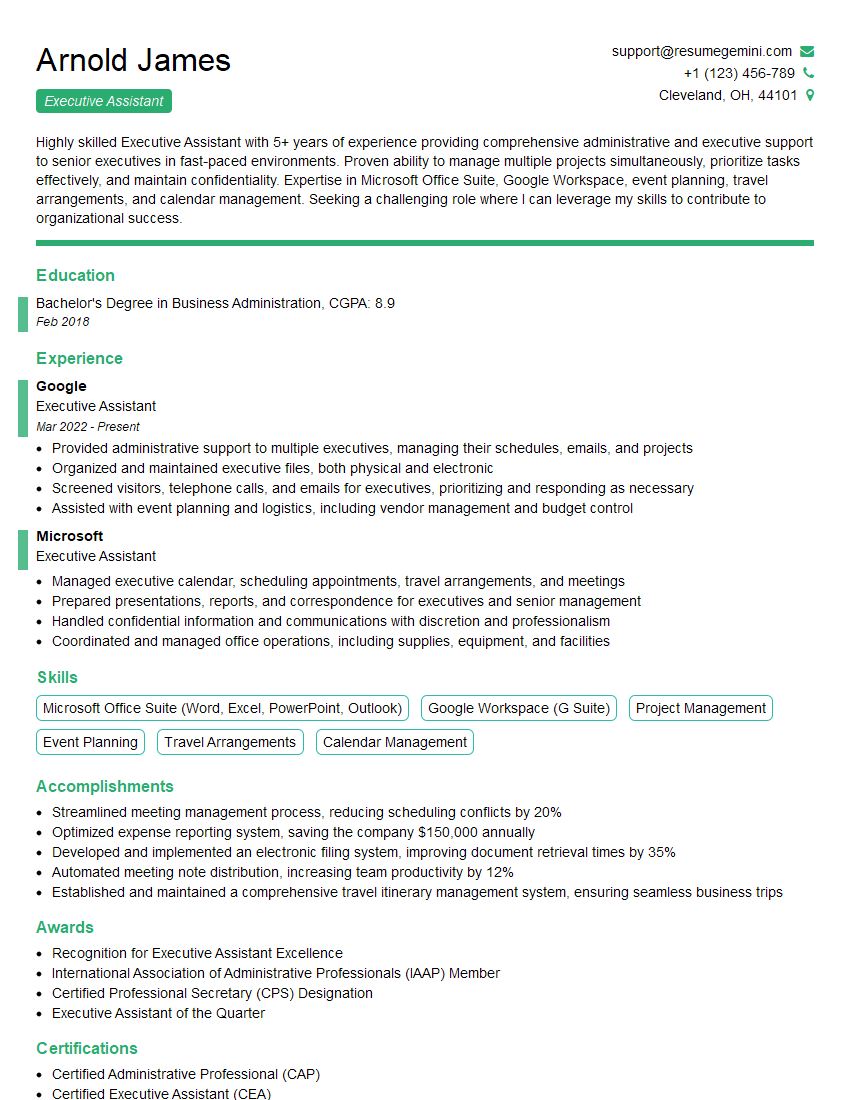
Executive Assistant Resume Sample
- Program Manager
- Strategic Planner
- Office Manager
- Operations Director
- Operations Manager
- Marketing Coordinator
- Sales Coordinator
- Customer Service Manager
- Administrative Assistant
- Supply Chain Manager
- Logistics Coordinator
- Project Manager
- Project Coordinator
- Chief of Staff
- Team Leader
- Production Planner
- Business Analyst
- Event Planner
- Scheduling Coordinator
- Data Analyst
- Senior Planner
- Executive Assistant
Explore more articles
Users Rating of Our Blogs
Share Your Experience
We value your feedback! Please rate our content and share your thoughts (optional).
What Readers Say About Our Blog
To the interviewgemini.com Webmaster.
Very helpful and content specific questions to help prepare me for my interview!
Thank you
To the interviewgemini.com Webmaster.
This was kind of a unique content I found around the specialized skills. Very helpful questions and good detailed answers.
Very Helpful blog, thank you Interviewgemini team.