Every successful interview starts with knowing what to expect. In this blog, we’ll take you through the top Planting and Harvesting Operations interview questions, breaking them down with expert tips to help you deliver impactful answers. Step into your next interview fully prepared and ready to succeed.
Questions Asked in Planting and Harvesting Operations Interview
Q 1. Describe your experience with different planting methods (e.g., direct seeding, transplanting).
Planting methods significantly impact crop yield and efficiency. I have extensive experience with both direct seeding and transplanting, each with its own set of advantages and disadvantages.
Direct seeding involves sowing seeds directly into the prepared soil. This method is cost-effective and less labor-intensive, especially for large-scale operations. For example, I’ve used direct seeding successfully for crops like wheat and corn, utilizing precision drills to ensure uniform seed distribution and depth. However, it’s crucial to have optimal soil conditions, as germination can be affected by poor moisture retention or compaction.
Transplanting, on the other hand, involves raising seedlings in a nursery and then transferring them to the field. This method is beneficial for crops that require more careful germination management or are sensitive to environmental conditions. I’ve used this technique extensively with vegetable crops like tomatoes and peppers, achieving higher survival rates compared to direct seeding in certain environments. The initial investment in time and resources is higher but usually results in a stronger, more uniform crop.
My choice of method always depends on the specific crop, soil conditions, available resources, and desired yield.
Q 2. What are the key factors to consider when selecting planting dates?
Selecting the right planting date is critical for maximizing yield and minimizing risks. Several factors influence this decision, and careful consideration is vital. Think of it like baking a cake – you need the right temperature and timing for the best results!
- Climate: The average last frost date is paramount. Planting too early risks frost damage; planting too late may lead to shorter growing seasons and reduced yields. I meticulously track historical weather data and use predictive models to minimize this risk.
- Soil Temperature: Many seeds require a minimum soil temperature for germination. Using a soil thermometer ensures optimal conditions are met. For instance, corn requires warmer soil temperatures than lettuce.
- Crop-Specific Requirements: Different crops have different growth cycles and requirements. Knowing the ideal growing duration for the selected crop is essential to determine the planting date for optimal harvest time. Planning ahead helps ensure I don’t miss crucial stages in the plant’s lifecycle.
- Pest and Disease Pressure: Understanding the seasonal patterns of prevalent pests and diseases in the region allows for planting at a time that minimizes their impact.
By carefully considering these factors, I develop a planting schedule that optimizes the chances of a successful harvest.
Q 3. Explain your understanding of soil preparation techniques for optimal planting.
Proper soil preparation is fundamental for successful planting. It’s the foundation upon which the entire crop relies. I employ a multi-step approach, focusing on three main aspects:
- Tillage: This involves loosening the soil to improve aeration, water infiltration, and root penetration. The type of tillage – conventional, no-till, or conservation tillage – depends on the soil type, crop, and environmental considerations. For example, no-till farming is beneficial for soil health in erosion-prone areas.
- Fertilization: Soil testing helps determine nutrient deficiencies. Applying the right type and amount of fertilizer before planting ensures healthy growth. I use a combination of organic and inorganic fertilizers, adjusting the mix based on the crop’s specific needs and soil analysis results.
- Weed Control: Pre-emergent herbicides can significantly reduce weed competition, ensuring that the crop gets the necessary resources to thrive. Weeding before and after planting is equally important, especially for hand-weeded crops.
By meticulously preparing the soil, I create an ideal environment for seed germination and plant growth.
Q 4. How do you ensure proper seed spacing and depth during planting?
Achieving proper seed spacing and depth is essential for uniform germination and plant growth. Think of it as arranging soldiers in a formation – each needs enough space and resources to perform optimally.
Seed Spacing: This varies depending on the crop and its growth habit. For instance, corn requires wider spacing than lettuce. We use various tools like seed drills, planters, and even manual methods to ensure accurate spacing, often guided by crop recommendations or past experience. Maintaining even spacing maximizes light penetration and nutrient uptake.
Seed Depth: This also depends on the seed size and soil type. Planting seeds too shallow exposes them to desiccation, while planting them too deep can hinder germination. Precision drills and planters allow for precise depth control. We often use seed depth markers and regularly monitor planting depth for consistent results.
Accurate seed spacing and depth are critical for optimal crop establishment and yield.
Q 5. Describe your experience with various harvesting equipment and techniques.
Harvesting techniques and equipment vary dramatically depending on the crop. My experience encompasses a range of methods and machinery, from simple hand-harvesting to sophisticated automated systems.
Equipment: I’ve worked with various combines for grain harvesting, potato harvesters, cotton pickers, and specialized equipment for delicate crops like berries. The choice of equipment always hinges on the crop’s characteristics, field size, and economic considerations. For instance, a small-scale farm might rely on manual harvesting, while a large-scale operation needs mechanized equipment for efficiency.
Techniques: Harvesting techniques must ensure minimal crop damage and preserve quality. This includes adjusting combine settings to avoid grain shattering, using appropriate harvesting speeds, and properly handling post-harvest materials. For example, gentle handling during fruit harvest minimizes bruising.
I stay updated on the latest technology and choose the most appropriate techniques and equipment to maximize harvest efficiency and minimize losses.
Q 6. What are the key indicators of crop maturity for harvesting?
Determining crop maturity is crucial for maximizing yield and quality. Several indicators signal the optimal harvest time, and I employ a multi-faceted approach to assessment.
- Visual Indicators: Changes in color, size, and texture often indicate maturity. For example, the color change in tomatoes from green to red signals ripeness.
- Moisture Content: Many crops need to reach a specific moisture level for optimal processing or storage. Moisture meters help determine this accurately. For instance, grain crops have optimal moisture levels before harvesting.
- Physiological Maturity: This refers to the stage where the plant has completed its reproductive cycle and the seeds or fruits have reached their full potential. For example, this can be determined by seed hardness or sugar content in fruits.
Combining visual cues with moisture content testing and physiological checks ensures I harvest at the peak of quality and yield, minimizing losses.
Q 7. How do you manage post-harvest handling to minimize losses?
Post-harvest handling is critical for minimizing losses and maintaining quality. A significant portion of crop losses can occur after harvest if not handled properly. I focus on several key aspects:
- Timely Harvesting: Quick and efficient harvesting minimizes exposure to adverse weather conditions and reduces losses from spoilage or damage.
- Proper Cleaning and Sorting: Removing debris, damaged produce, and foreign materials extends shelf life and improves market value.
- Storage Conditions: Appropriate temperature, humidity, and ventilation are essential for preserving the crop’s quality during storage. Different crops have different storage requirements which need to be carefully considered.
- Transportation: Careful handling during transportation minimizes bruising and damage. Choosing the right containers and transport methods are vital here.
By meticulously managing each stage of post-harvest handling, I can ensure minimal losses and maintain the highest quality product possible.
Q 8. Explain your understanding of yield optimization strategies.
Yield optimization is all about maximizing the amount of crop produced per unit of land. It’s like baking the biggest, most delicious cake with the same amount of ingredients! It involves a holistic approach, integrating various strategies across the entire growing season.
Improved Genetics: Utilizing high-yielding crop varieties adapted to local conditions is foundational. For example, selecting drought-resistant corn varieties for arid regions significantly boosts yields.
Precision Agriculture: Technologies like GPS-guided machinery, variable-rate fertilization, and remote sensing allow for targeted resource application, ensuring optimal nutrient and water delivery where needed, reducing waste and maximizing efficiency.
Integrated Pest Management (IPM): A balanced approach combining biological, cultural, and chemical methods minimizes pest and disease damage, preserving crop health and potential.
Optimal Planting Density: Correct spacing maximizes sunlight capture and resource utilization. Too many plants compete for resources, while too few leave valuable land unused. The ideal density varies depending on the crop and environmental factors.
Effective Water Management: Efficient irrigation techniques like drip irrigation, coupled with soil moisture monitoring, provide the right amount of water at the right time, reducing water stress and improving yields.
Q 9. How do you monitor crop health and identify potential issues during the growing season?
Monitoring crop health is crucial for early detection of problems. Think of it as giving your plants a regular checkup! We employ a multi-pronged approach:
Visual Inspection: Regular walks through the fields allow for observation of plant growth, color, and signs of stress or disease. Changes in leaf color or wilting can be early indicators of problems.
Remote Sensing: Drones equipped with multispectral cameras capture images providing insights into plant health metrics such as chlorophyll content and Normalized Difference Vegetation Index (NDVI). NDVI values help assess plant vigor and identify areas needing attention.
Soil Testing: Regular soil analysis reveals nutrient levels, pH, and potential deficiencies that impact crop health. This guides fertilizer application and soil amendment strategies.
Tissue Analysis: Plant tissue samples are analyzed in a laboratory to determine nutrient levels within the plants themselves, helping to diagnose nutrient deficiencies or toxicities.
Q 10. What are your methods for controlling pests and diseases in crops?
Pest and disease control is paramount. We prioritize an Integrated Pest Management (IPM) strategy, a holistic approach that aims to minimize reliance on chemical pesticides while effectively controlling pests and diseases.
Biological Control: Introducing beneficial insects or microorganisms that prey on pests, such as using ladybugs to control aphids. This reduces the need for chemical interventions and protects biodiversity.
Cultural Practices: Employing methods like crop rotation, proper sanitation, and timely harvesting can disrupt pest life cycles and reduce disease pressure. For example, rotating crops prevents the buildup of specific pests in the soil.
Chemical Control: Used judiciously as a last resort, carefully selecting pesticides based on target pests and following label instructions precisely to minimize environmental impact and ensure worker safety. Targeted application methods, like spot spraying, are preferred over broad-spectrum treatments.
Q 11. Describe your experience with irrigation techniques and water management.
Irrigation is critical, especially in arid or semi-arid regions. We strive for efficient water use while ensuring adequate crop hydration.
Drip Irrigation: Delivers water directly to the plant roots, minimizing water loss through evaporation and runoff. This is particularly effective in water-scarce regions.
Sprinkler Irrigation: Suitable for larger fields, but can lead to higher water loss through evaporation. Choosing the right nozzle type and optimizing pressure are key to efficiency.
Water Management Systems: Integrating soil moisture sensors, weather data, and evapotranspiration models allows for precise irrigation scheduling, delivering water only when and where it’s needed. This optimizes water use and avoids overwatering or underwatering.
Q 12. How do you manage fertilizer application to maximize yields and minimize environmental impact?
Fertilizer application must balance yield maximization with environmental responsibility. We aim for precision application, minimizing waste and environmental impact.
Soil Testing: Provides a baseline understanding of existing nutrient levels, guiding precise fertilizer recommendations tailored to specific crop needs and soil conditions.
Variable-Rate Fertilization: Using GPS-guided equipment to apply different fertilizer rates across a field based on variable soil conditions and crop needs. This ensures optimal nutrient delivery, reduces fertilizer overuse, and minimizes environmental pollution.
Nutrient Management Plans: Developing detailed plans that consider crop nutrient requirements, soil conditions, and environmental factors. This ensures efficient nutrient utilization and prevents nutrient runoff into waterways.
Organic Fertilizers: Utilizing composted materials and other organic sources to improve soil health and provide nutrients in a sustainable manner. This method improves soil structure and reduces reliance on synthetic fertilizers.
Q 13. Explain your experience with precision agriculture technologies.
Precision agriculture technologies are transforming farming practices. It’s like having a high-tech assistant managing your field!
GPS-guided machinery: Enables precise planting, spraying, and harvesting, optimizing resource utilization and minimizing overlaps.
Remote Sensing: Drones and satellites provide valuable data on crop health, allowing for early detection of problems and informed decision-making.
Variable-Rate Technology: Enables the application of inputs (fertilizers, pesticides, water) based on real-time data and precise location. This optimizes resource use and reduces waste.
Yield Monitoring Systems: Collect data on yield variations across the field, providing insights for improving practices in subsequent seasons. Understanding these variations helps identify areas needing improvement.
Q 14. How do you ensure worker safety during planting and harvesting operations?
Worker safety is paramount. We treat it as a core value, implementing robust safety protocols.
Training and Education: Providing comprehensive training on safe operating procedures for all equipment and machinery. Regular refresher courses ensure best practices are followed.
Personal Protective Equipment (PPE): Providing and enforcing the use of appropriate PPE, including safety glasses, gloves, hearing protection, and specialized clothing to protect workers from hazards.
Regular Equipment Maintenance: Ensuring all equipment is properly maintained and regularly inspected to prevent breakdowns and accidents. Well-maintained machinery is less likely to malfunction.
Emergency Response Plan: Developing and regularly practicing an emergency response plan to deal with potential accidents or injuries. This includes first-aid training and access to emergency medical services.
Safe Work Practices: Implementing clear and concise safe work practices covering all aspects of planting and harvesting operations. This involves routine checks of machinery and work areas.
Q 15. Describe your experience with record-keeping and data analysis in agriculture.
Record-keeping and data analysis are fundamental to optimizing planting and harvesting operations. I’ve extensively utilized various methods, from traditional spreadsheets to sophisticated farm management software, to track everything from seed planting dates and fertilizer application rates to harvest yields and post-harvest storage conditions. This data isn’t just collected; it’s analyzed to identify trends, pinpoint inefficiencies, and make informed decisions for future seasons.
For instance, using a combination of GPS-enabled machinery and yield monitoring sensors, I once identified a consistent decrease in yield in a specific area of a field. By analyzing the data alongside soil tests from that region, we discovered a nutrient deficiency that was addressed through targeted fertilization, resulting in a significant yield improvement the following year. Such detailed analysis allows for precision agriculture, maximizing efficiency and minimizing waste.
My experience also includes utilizing software that generates comprehensive reports on key performance indicators (KPIs) such as cost per unit produced, labor efficiency, and overall profitability. This helps in budget planning, resource allocation, and identifying areas needing further improvement. The use of data-driven decision-making is critical for success in modern agriculture.
Career Expert Tips:
- Ace those interviews! Prepare effectively by reviewing the Top 50 Most Common Interview Questions on ResumeGemini.
- Navigate your job search with confidence! Explore a wide range of Career Tips on ResumeGemini. Learn about common challenges and recommendations to overcome them.
- Craft the perfect resume! Master the Art of Resume Writing with ResumeGemini’s guide. Showcase your unique qualifications and achievements effectively.
- Don’t miss out on holiday savings! Build your dream resume with ResumeGemini’s ATS optimized templates.
Q 16. How do you handle unexpected weather events during planting or harvesting?
Unexpected weather events, such as droughts, floods, or early frosts, pose significant challenges to planting and harvesting operations. My approach is multi-faceted and involves proactive planning, real-time monitoring, and swift adaptation.
- Proactive Planning: This includes selecting weather-resistant crop varieties, implementing irrigation systems (drip, sprinkler, etc.), and having contingency plans in place (e.g., alternative planting dates, supplemental irrigation resources). For example, during periods of predicted drought, we prioritize the use of drought-tolerant seeds and optimize irrigation scheduling based on weather forecasts.
- Real-time Monitoring: I utilize weather forecasting tools and in-field sensors to monitor conditions closely. This allows for timely interventions, such as adjusting irrigation schedules based on actual evapotranspiration rates or applying protective measures against frost.
- Swift Adaptation: When unexpected weather strikes, the key is quick action. This could involve deploying protective coverings, adjusting harvesting schedules to minimize losses, or even making strategic decisions to re-plant or switch to alternative crops. Adaptability and the ability to respond effectively to changing conditions are crucial.
Q 17. Explain your approach to managing labor resources during peak seasons.
Managing labor resources during peak seasons requires careful planning and effective communication. I approach this by combining strategic workforce planning with efficient task allocation and motivating team members.
- Strategic Workforce Planning: This includes estimating labor needs based on the size of the operation, planting/harvesting schedules, and anticipated yields. We often collaborate with local staffing agencies to supplement our permanent workforce during peak times, ensuring we have enough hands on deck.
- Efficient Task Allocation: I utilize tools like task management software to assign tasks efficiently, taking into account individual skills and experience levels. Clear communication channels ensure that everyone understands their roles and responsibilities.
- Motivating Team Members: Maintaining a positive and productive work environment is key. This involves providing fair compensation, offering opportunities for skill development, and recognizing outstanding contributions. A well-motivated team is significantly more efficient and productive.
In one instance, we successfully utilized a combination of temporary and permanent staff, coordinating their efforts through daily briefings and clear task assignments. This resulted in a smooth and efficient harvest, even during a particularly busy season.
Q 18. What are the common challenges faced in planting and harvesting operations, and how do you address them?
Planting and harvesting operations present numerous challenges. These range from weather-related issues and labor shortages to pest and disease outbreaks and equipment malfunctions.
- Weather: As mentioned, unpredictable weather necessitates proactive planning and adaptability.
- Labor: Finding and retaining skilled labor, especially during peak seasons, can be difficult. This is addressed through competitive wages, employee benefits, and training programs.
- Pests & Diseases: Regular crop monitoring and the implementation of integrated pest management (IPM) strategies are crucial for preventing or mitigating damage. This often involves biological control methods, along with the judicious use of pesticides when necessary.
- Equipment Malfunctions: Regular equipment maintenance and timely repairs are vital to avoid downtime during crucial periods. We also have backup equipment available to minimize disruptions.
- Soil Health: Maintaining soil health is paramount. This requires regular soil testing, appropriate fertilization, and the adoption of conservation tillage practices.
Addressing these challenges effectively requires a combination of planning, resource management, technological solutions, and a proactive approach to problem-solving.
Q 19. Describe your experience with crop rotation and its benefits.
Crop rotation is a crucial practice that involves planting different crops in a planned sequence on the same land over several years. It’s a cornerstone of sustainable agriculture.
My experience with crop rotation has shown significant benefits:
- Improved Soil Health: Different crops have varying nutrient requirements and root systems. Rotating crops helps to improve soil structure, fertility, and water retention. For example, planting legumes (like alfalfa) in rotation helps to fix nitrogen in the soil, reducing the need for synthetic fertilizers.
- Pest and Disease Management: Crop rotation disrupts the life cycles of many pests and diseases, reducing their populations and minimizing crop damage.
- Weed Control: Rotating crops with different weed control strategies can reduce weed pressure and the reliance on herbicides.
- Increased Yields: By improving soil health and reducing pest and disease pressure, crop rotation ultimately leads to more consistent and higher yields.
For instance, in a previous role, we implemented a four-year rotation involving corn, soybeans, wheat, and alfalfa. This significantly reduced our reliance on chemical inputs, improved soil health, and increased overall farm productivity.
Q 20. How do you ensure quality control throughout the planting and harvesting process?
Quality control is maintained throughout the entire planting and harvesting process, from seed selection to post-harvest storage. This involves implementing rigorous checks and procedures at each stage.
- Seed Selection: We carefully select high-quality seeds with good germination rates and disease resistance.
- Planting: Precise planting techniques ensure uniform spacing and depth, promoting healthy plant growth. We also monitor planting progress to address any issues promptly.
- Crop Monitoring: Regular field inspections are conducted to detect and address pest, disease, or nutrient deficiencies early on.
- Harvesting: We use appropriate harvesting machinery and techniques to minimize damage and maintain the quality of the harvested crop.
- Post-Harvest Handling: Proper cleaning, sorting, storage, and transportation methods are critical to maintain quality and prevent spoilage.
- Record Keeping: Meticulous record-keeping tracks all aspects of the process, helping to identify areas for improvement and maintain quality standards.
In practice, this often involves using quality control checklists, implementing standardized operating procedures (SOPs), and conducting regular quality audits. This ensures that the final product meets the required standards of quality and safety.
Q 21. What are your methods for assessing soil health and fertility?
Assessing soil health and fertility is crucial for optimizing crop yields and ensuring sustainable agriculture. My methods involve a combination of visual observation, soil sampling, and laboratory analysis.
- Visual Observation: This involves examining the soil structure, color, and texture to get a preliminary assessment of its health. Indicators such as soil compaction, erosion, or the presence of excessive weeds can point to potential issues.
- Soil Sampling: Systematic soil sampling is conducted at various locations within the field to obtain representative samples. The samples are sent to a certified laboratory for analysis.
- Laboratory Analysis: This determines several key parameters, including pH, nutrient levels (nitrogen, phosphorus, potassium, etc.), organic matter content, and soil texture. This data is used to create a detailed soil fertility map, guiding fertilization strategies.
Beyond basic nutrient analysis, I often utilize more advanced techniques such as biological tests to assess the presence and activity of beneficial soil microorganisms. This information provides a comprehensive understanding of soil health, allowing for tailored management practices to ensure optimal crop production and environmental sustainability.
Q 22. Explain your experience with different types of harvesting machinery.
My experience with harvesting machinery spans a wide range of equipment, tailored to different crops and scales of operation. I’m proficient with combine harvesters, crucial for grains like wheat, barley, and soybeans. These machines simultaneously reap, thresh, and clean the grain, significantly speeding up the process compared to manual harvesting. I’ve also worked extensively with potato harvesters, which utilize various methods – from digging and separating to cleaning and conveying – depending on the soil type and desired level of processing. For fruits and vegetables, I’ve used specialized equipment like grape harvesters (with their gentle shaking mechanisms to protect the fruit) and various types of mechanical harvesters for produce like tomatoes or peppers. In addition, I have experience operating smaller machinery like forage harvesters for silage production and cotton pickers. My understanding encompasses not only operation but also maintenance and troubleshooting, ensuring optimal performance and minimizing downtime.
- Combine Harvesters: Experience with different header types (e.g., draper, platform) for varying crop conditions.
- Potato Harvesters: Expertise in adapting harvesting techniques based on soil conditions and potato variety.
- Specialized Harvesters: Proficiency in using equipment designed for delicate fruits (e.g., grapes, berries) and more robust vegetables.
Q 23. How do you optimize the efficiency of planting and harvesting operations?
Optimizing planting and harvesting efficiency requires a multifaceted approach, starting with meticulous planning. This includes selecting appropriate machinery based on field size, crop type, and soil conditions. For example, using GPS-guided planters ensures precise seed placement, maximizing yield and minimizing wasted resources. Similarly, choosing the right combine harvester header for a particular field’s crop density directly impacts harvesting speed and grain loss. Beyond equipment, optimizing field operations is crucial. This involves efficient field layouts to minimize turning time, employing precision agriculture techniques like variable rate technology to adjust planting density or fertilizer application based on soil variability, and implementing effective labor management to minimize bottlenecks. Regular machine maintenance is also paramount; proactive servicing prevents costly downtime during peak seasons. Data analysis plays a vital role; tracking key metrics like harvesting speed, yield per hectare, and fuel consumption allows for identifying areas for improvement and making data-driven decisions. Finally, effective communication and coordination among all team members are essential for a smooth and efficient operation. Think of it like an orchestra; each section (planting, harvesting, logistics) must play in harmony to achieve optimal efficiency.
Q 24. What is your experience with different types of crops and their specific planting and harvesting requirements?
My experience encompasses a broad spectrum of crops, each with unique planting and harvesting demands. With grains like wheat and corn, I’m familiar with optimal planting depths, row spacing, and fertilization strategies. The harvesting process, utilizing combine harvesters, requires adjustments based on factors such as crop maturity and moisture content. For row crops like potatoes and soybeans, I understand the importance of precise planting for even growth and efficient harvesting. Potato harvesting needs careful consideration of soil conditions to minimize damage to the tubers. With fruits like grapes, delicate handling is paramount during harvesting to preserve quality. I’ve worked with various types of specialized harvesting equipment for different crops, understanding the appropriate techniques and settings for each, whether it’s picking tomatoes, harvesting apples, or gathering leafy greens. This knowledge extends to understanding the crop’s sensitivity to weather conditions and the importance of timely harvesting to maximize yield and quality.
Q 25. Describe your experience with using GPS and GIS technologies in agricultural operations.
GPS and GIS technologies are indispensable for modern agricultural operations. I’ve extensively used GPS-guided machinery for precision planting and harvesting, resulting in reduced overlap, minimized input waste (fertilizers, seeds, pesticides), and improved yield uniformity. GIS (Geographic Information Systems) allows for visualizing field data, including soil maps, elevation data, and yield variations, creating detailed maps for informed decision-making. For example, using GIS to analyze previous yield data can identify areas needing improved drainage or soil amendment, optimizing planting strategies in subsequent seasons. Furthermore, GPS tracking of machinery allows for real-time monitoring of equipment location and operation, enhancing efficiency and security. I’m also experienced using software integrating GPS and GIS data for detailed analysis and reporting, crucial for optimizing farm operations and complying with regulatory requirements.
Q 26. How do you manage inventory and storage of harvested crops?
Managing harvested crop inventory and storage is critical for minimizing post-harvest losses and maintaining product quality. This involves meticulous record-keeping of quantities harvested, variety, and quality parameters (e.g., moisture content, damage). Proper storage conditions are crucial, dependent on the crop type. Grains, for example, require dry, well-ventilated storage to prevent spoilage and pest infestations. Fruits and vegetables often need controlled-atmosphere storage to extend shelf life. I’m experienced in using various storage facilities, from grain bins and silos to refrigerated warehouses, selecting the appropriate storage method based on crop characteristics and expected storage duration. Inventory management includes tracking stock levels, forecasting demand, and coordinating with transportation and processing facilities to ensure efficient flow of goods. Utilizing inventory management software greatly enhances accuracy and reduces errors in stock tracking. Regular quality checks are implemented throughout the storage period to identify and address any deterioration or damage.
Q 27. Explain your understanding of sustainable agricultural practices.
Sustainable agricultural practices are fundamental to the long-term viability of farming. My approach integrates various principles to minimize environmental impact while maximizing efficiency. This includes employing precision agriculture techniques to reduce fertilizer and pesticide usage, optimizing irrigation systems to conserve water, and implementing crop rotation to improve soil health and reduce pest pressure. I’m committed to soil conservation practices like no-till farming or cover cropping, preserving soil structure and reducing erosion. Furthermore, I advocate for integrated pest management (IPM) strategies, prioritizing biological controls and other less-intensive methods. Implementing biodiversity measures, such as planting hedgerows or maintaining buffer strips, helps to enhance ecosystem services and protect wildlife. Tracking carbon footprint and actively pursuing opportunities to reduce greenhouse gas emissions are crucial aspects of my commitment to sustainable agriculture. It’s about leaving the land better than we found it – a responsible stewardship for future generations.
Q 28. How do you adapt to changes in market demands and pricing?
Adapting to changing market demands and pricing requires a proactive and flexible approach. Closely monitoring market trends, commodity prices, and consumer preferences is vital. This involves networking with buyers, attending industry events, and staying informed through market analysis reports. Developing a diversified portfolio of crops helps to mitigate risks associated with fluctuating prices for specific commodities. Being adaptable in production strategies, including switching crops or adjusting planting schedules as needed, is crucial. Efficient logistics and storage management become even more important to respond effectively to sudden shifts in demand. Building strong relationships with buyers and developing flexible contracts can help to secure favorable pricing and minimize losses during periods of market volatility. Data analysis plays a crucial role in identifying areas for improvement in efficiency and cost reduction, helping to navigate the challenges of fluctuating prices and market demands.
Key Topics to Learn for Planting and Harvesting Operations Interview
- Crop Selection and Planning: Understanding factors influencing crop choice (soil type, climate, market demand), and developing efficient planting schedules.
- Soil Preparation and Management: Practical application of soil testing, fertilization techniques, irrigation strategies, and weed control methods. Consider the impact of different tillage practices.
- Planting Techniques and Equipment: Familiarity with various planting methods (direct seeding, transplanting), operating and maintaining planting machinery, and understanding precision agriculture technologies.
- Crop Monitoring and Management: Implementing pest and disease management strategies, identifying nutrient deficiencies, and utilizing data-driven approaches for optimizing crop health throughout the growing season.
- Harvesting Techniques and Equipment: Knowledge of different harvesting methods (manual, mechanical), operating and maintaining harvesting machinery, and optimizing yield and quality during harvest.
- Post-Harvest Handling and Storage: Understanding proper handling, cleaning, grading, and storage techniques to minimize losses and maintain product quality.
- Safety and Regulations: Adherence to safety protocols, compliance with relevant regulations (e.g., pesticide use, environmental protection), and risk management in planting and harvesting operations.
- Yield Optimization and Cost Management: Analyzing production data to identify areas for improvement in efficiency and profitability, implementing strategies for reducing costs while maximizing yields.
- Problem-Solving and Troubleshooting: Demonstrating the ability to identify and resolve issues related to equipment malfunctions, crop diseases, and unexpected weather events.
- Sustainability and Environmental Impact: Understanding sustainable agricultural practices, minimizing environmental impact, and implementing environmentally friendly techniques in planting and harvesting operations.
Next Steps
Mastering Planting and Harvesting Operations is crucial for career advancement in the agricultural sector, opening doors to specialized roles and leadership positions. A well-crafted resume is your key to unlocking these opportunities. An ATS-friendly resume ensures your qualifications are recognized by Applicant Tracking Systems, significantly increasing your chances of landing an interview. We strongly recommend using ResumeGemini to build a professional and impactful resume that highlights your skills and experience in this field. ResumeGemini offers examples of resumes tailored to Planting and Harvesting Operations to help you create a compelling application that stands out.
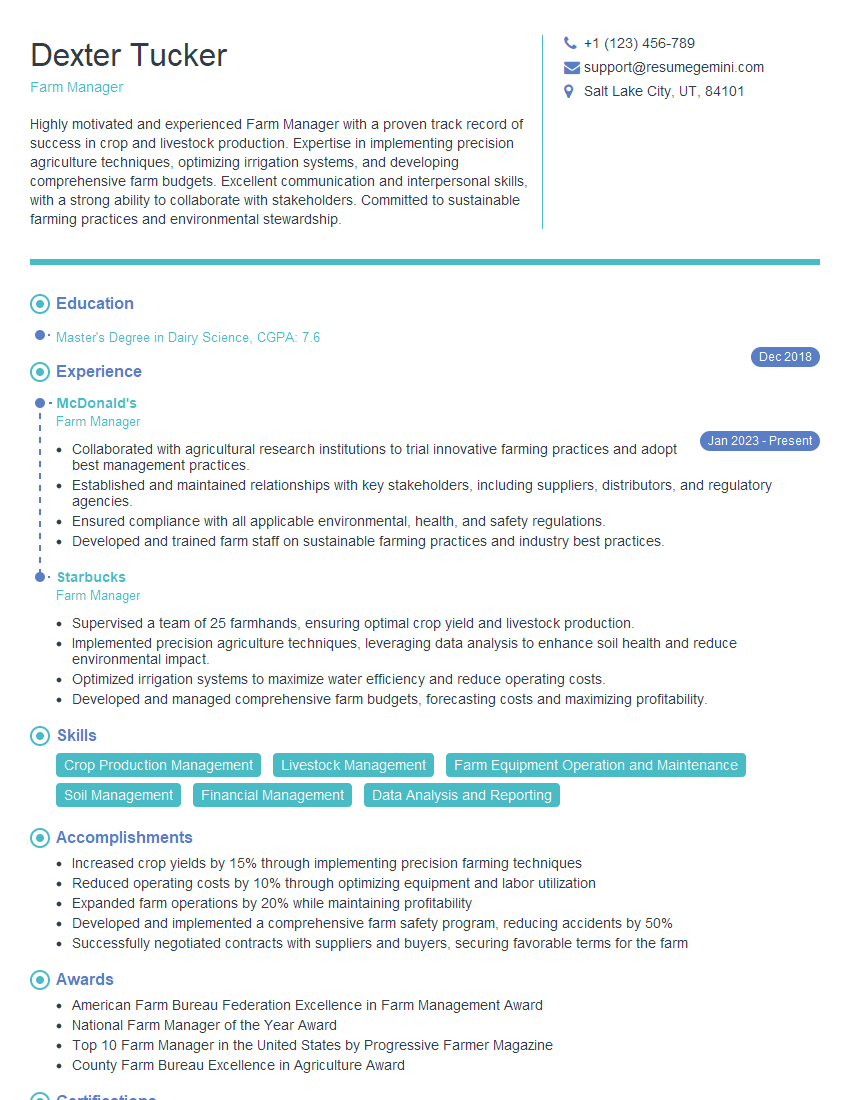
Farm Manager Resume Sample
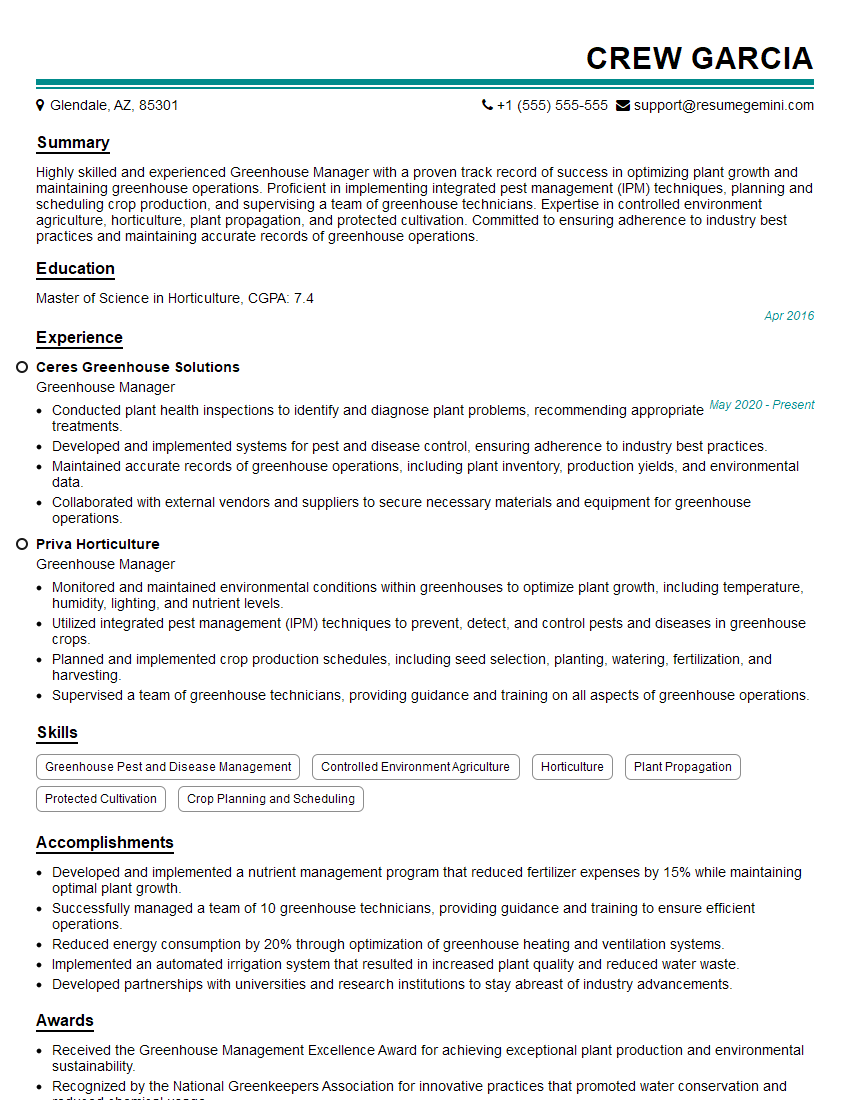
Greenhouse Manager Resume Sample
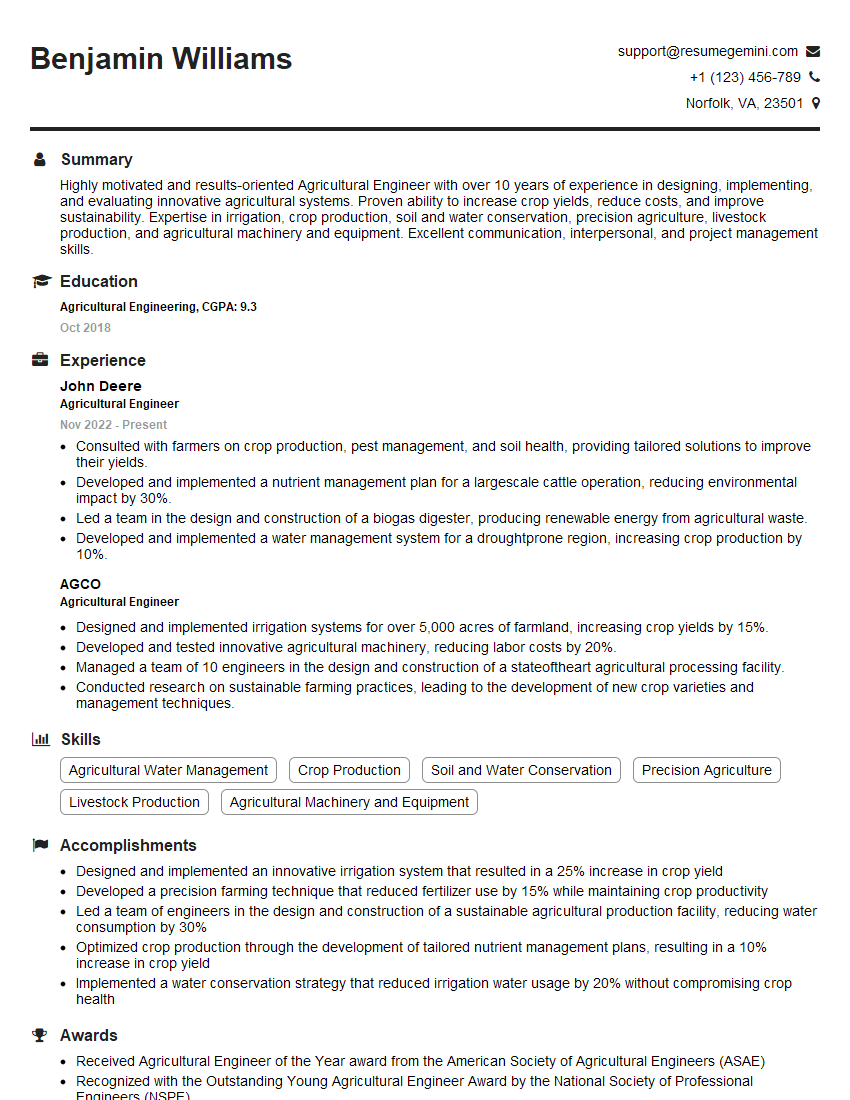
Agricultural Engineer Resume Sample

Soil Scientist Resume Sample
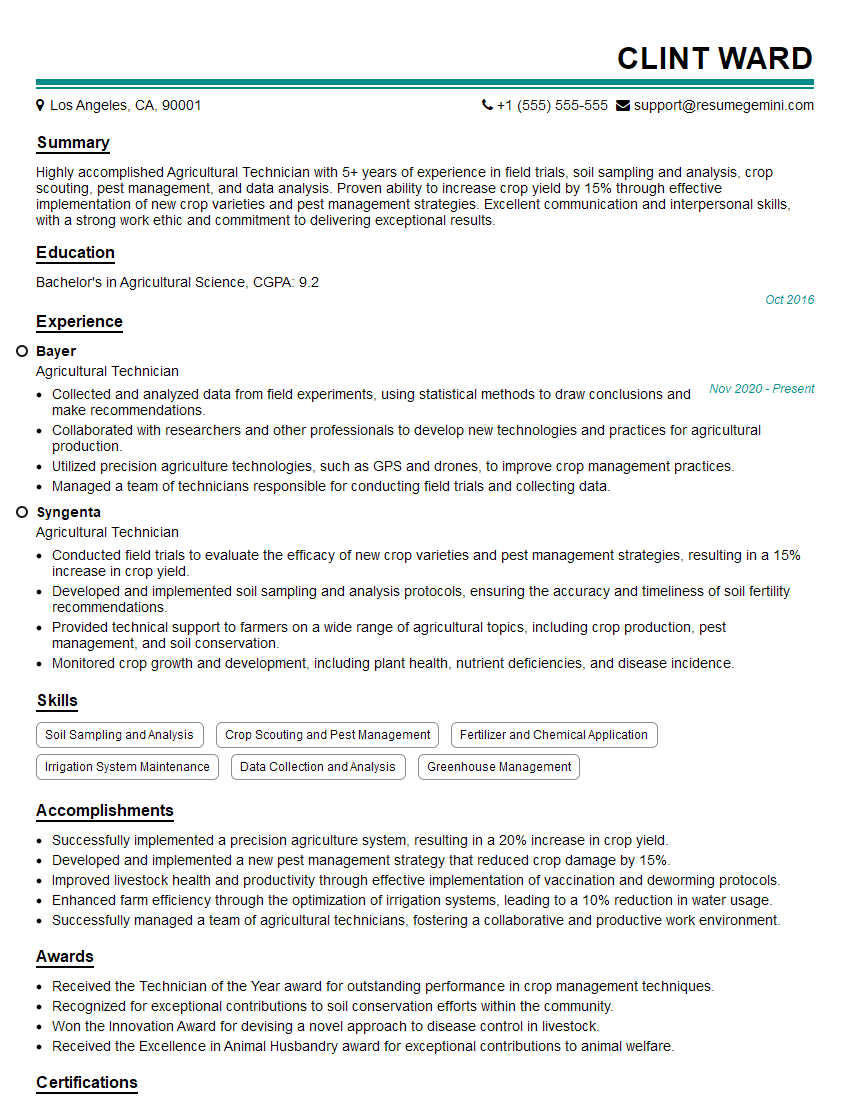
Agricultural Technician Resume Sample
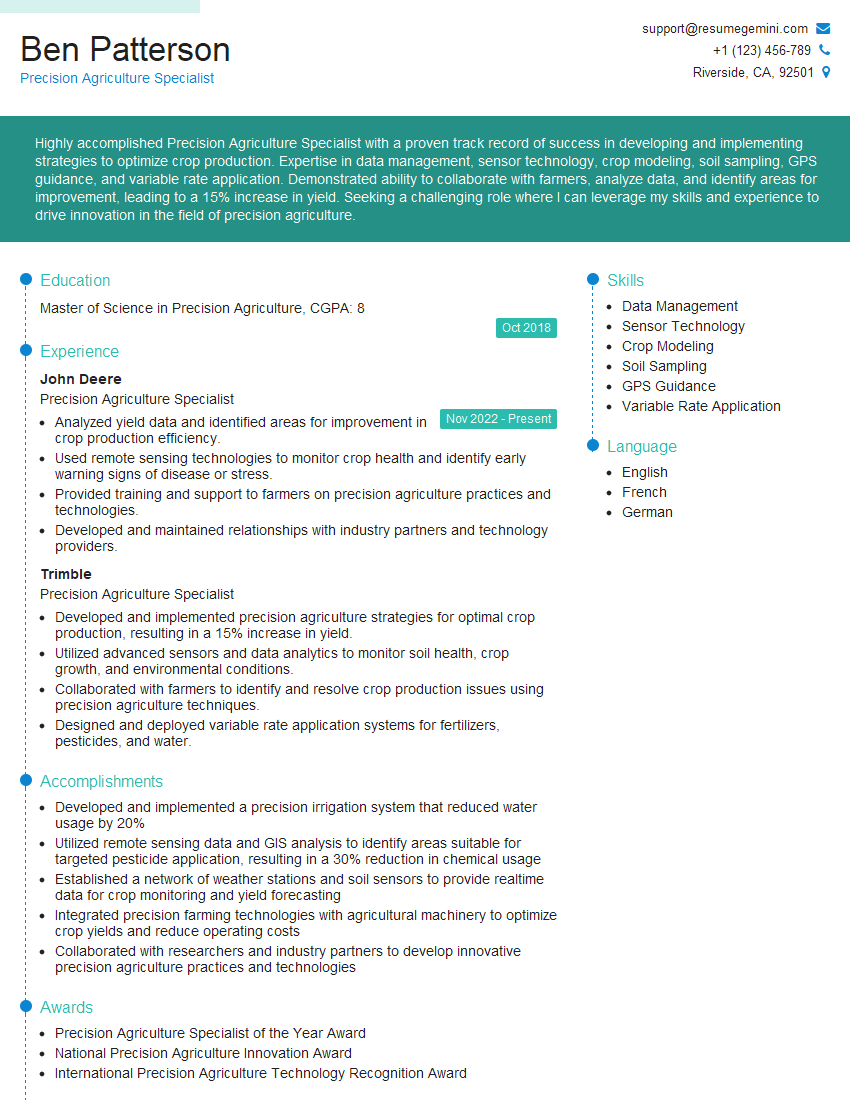
Precision Agriculture Specialist Resume Sample
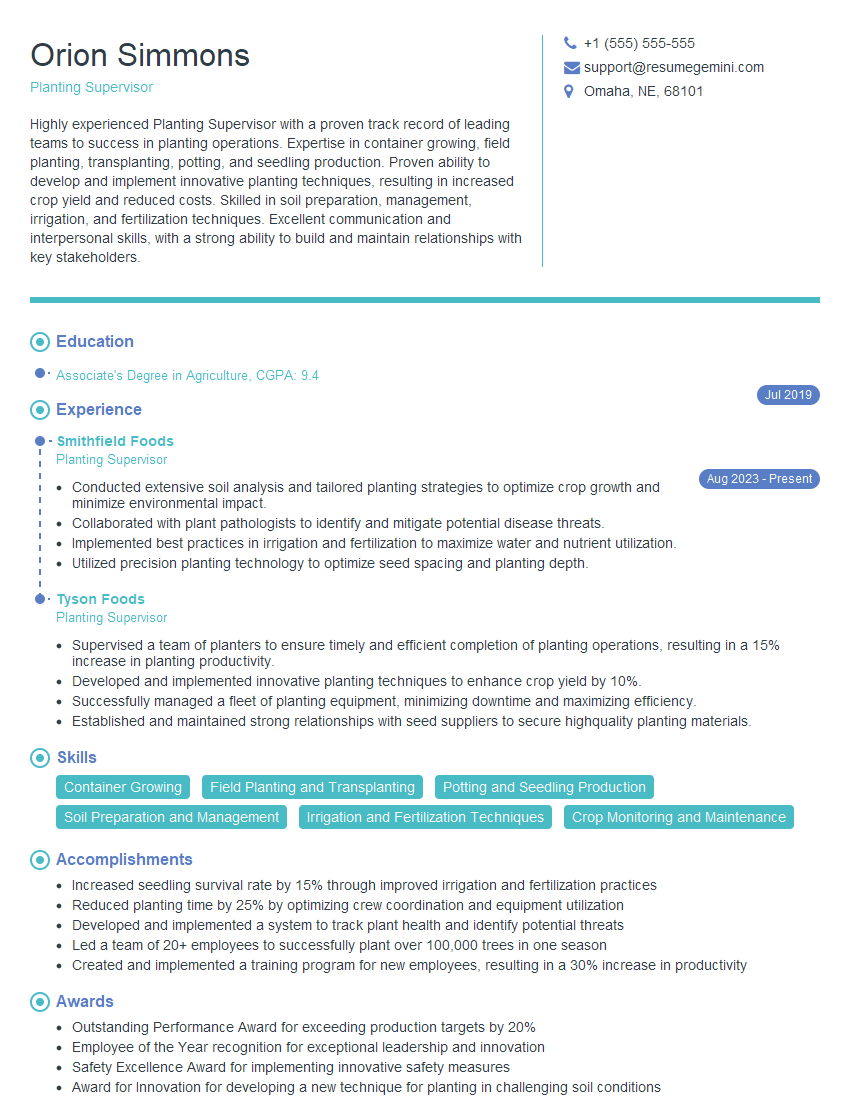
Planting Supervisor Resume Sample
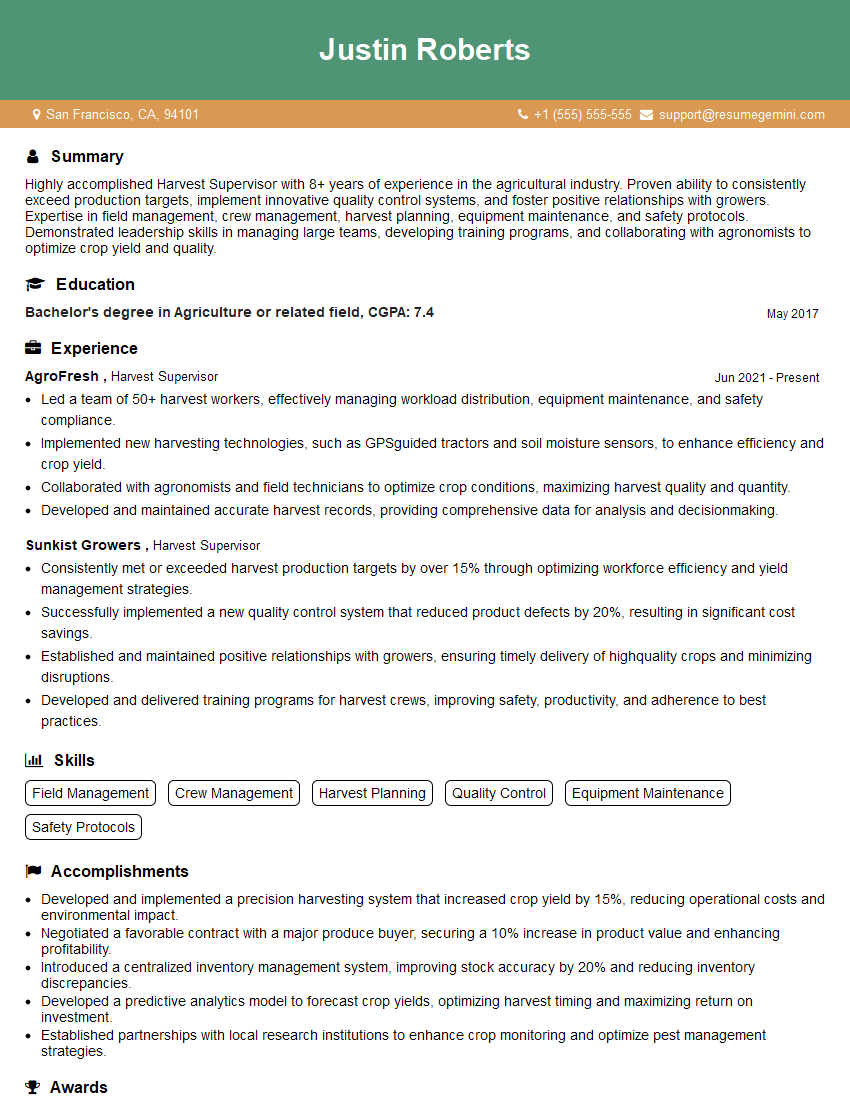
Harvest Supervisor Resume Sample
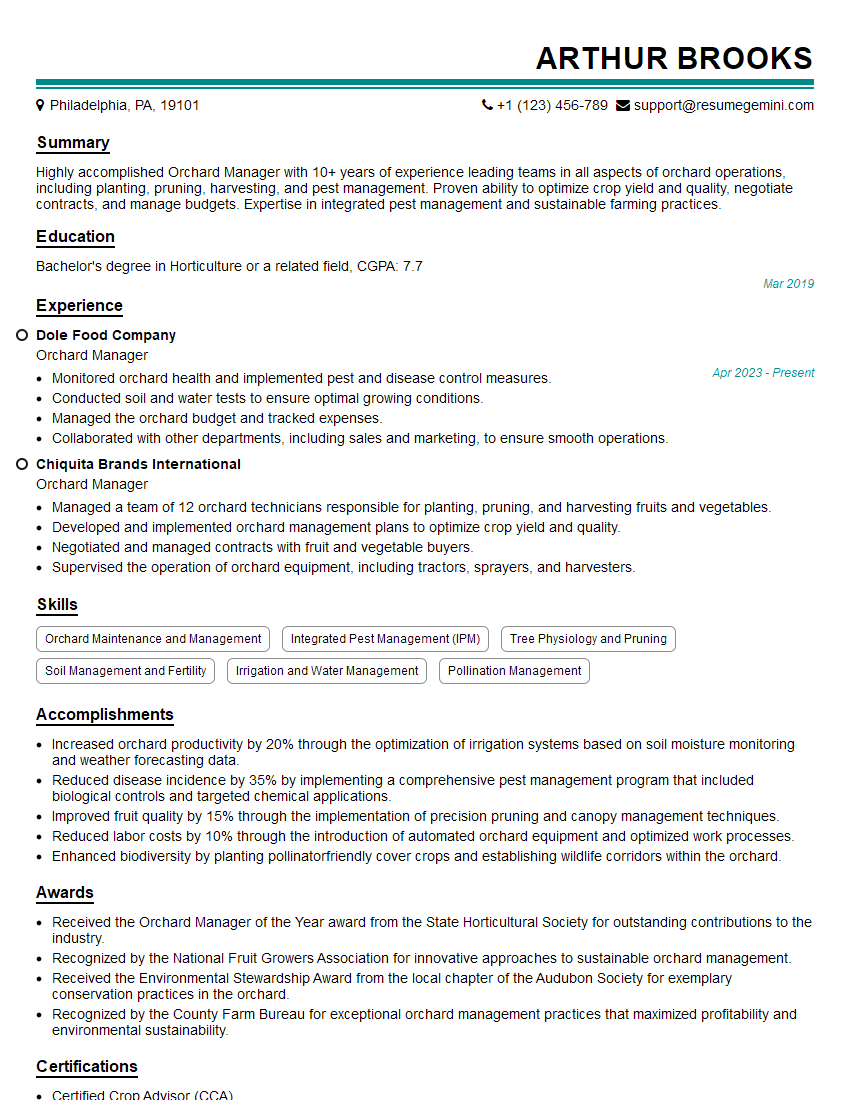
Orchard Manager Resume Sample
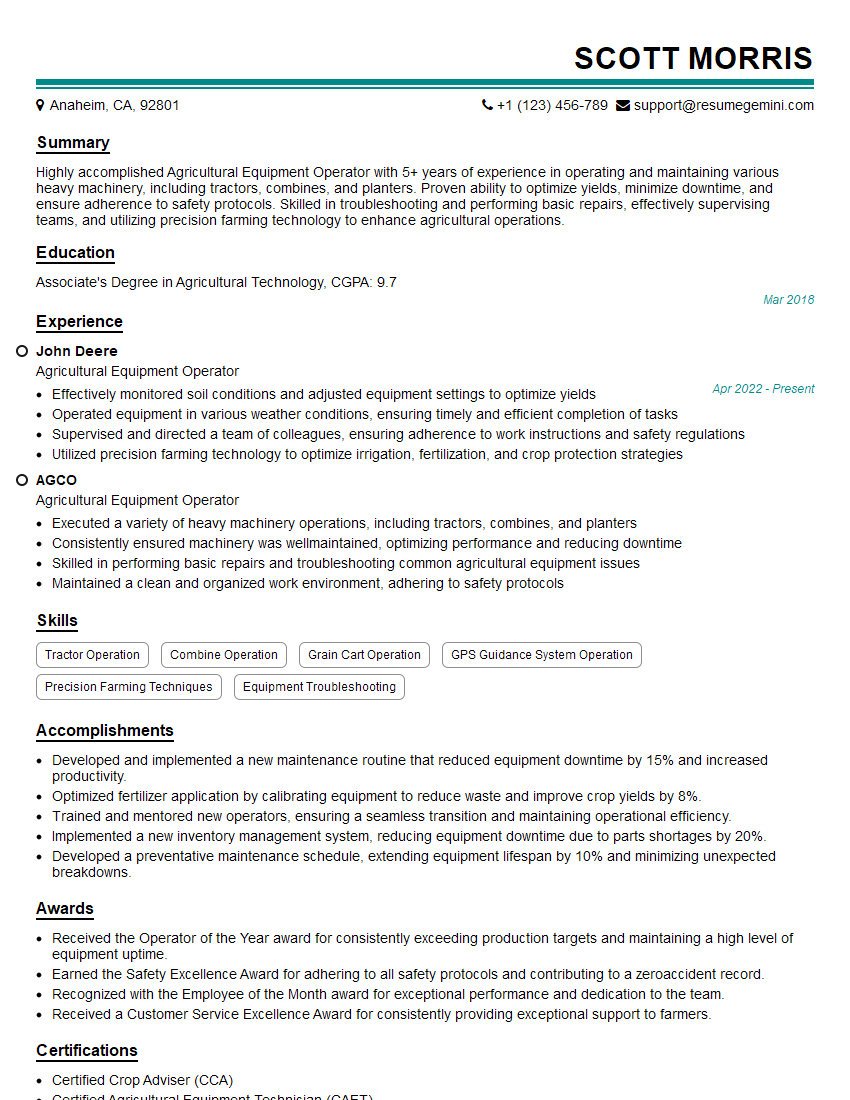
Agricultural Equipment Operator Resume Sample
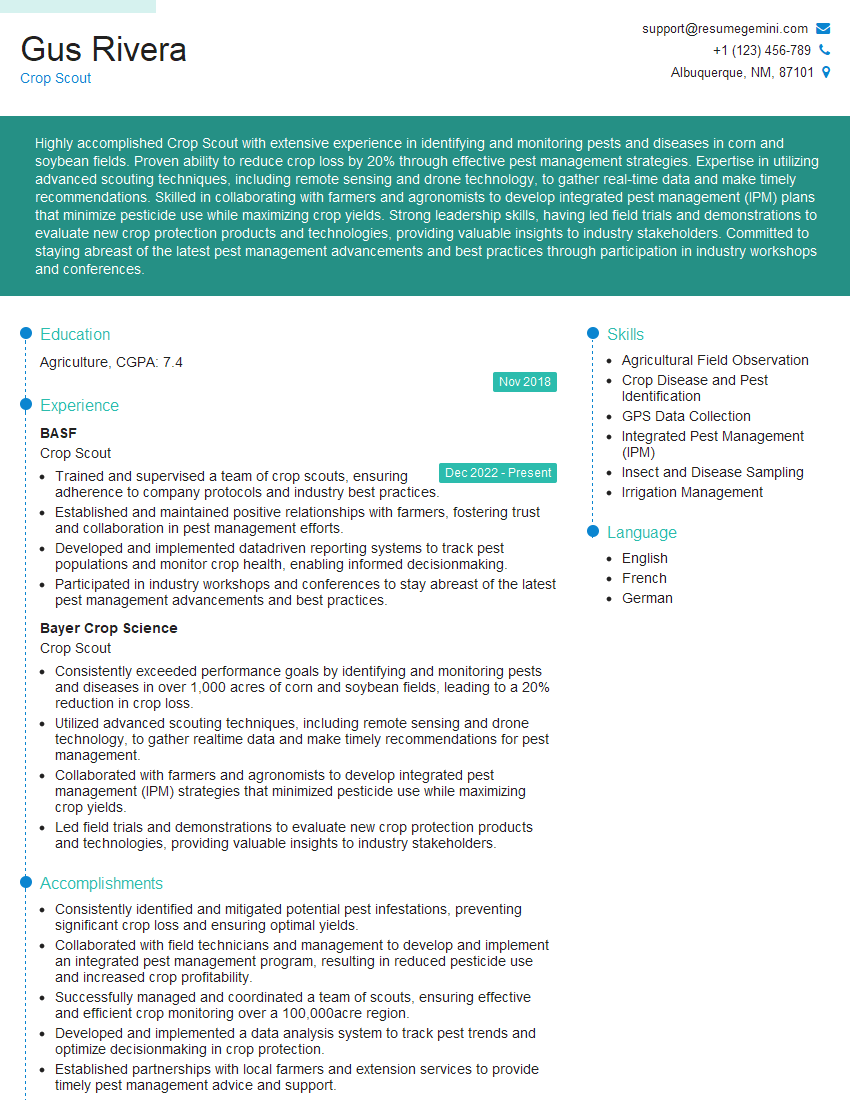
Crop Scout Resume Sample
Explore more articles
Users Rating of Our Blogs
Share Your Experience
We value your feedback! Please rate our content and share your thoughts (optional).
What Readers Say About Our Blog
To the interviewgemini.com Webmaster.
Very helpful and content specific questions to help prepare me for my interview!
Thank you
To the interviewgemini.com Webmaster.
This was kind of a unique content I found around the specialized skills. Very helpful questions and good detailed answers.
Very Helpful blog, thank you Interviewgemini team.