The thought of an interview can be nerve-wracking, but the right preparation can make all the difference. Explore this comprehensive guide to Plate Fixation interview questions and gain the confidence you need to showcase your abilities and secure the role.
Questions Asked in Plate Fixation Interview
Q 1. Describe the different types of bone plates used in fracture fixation.
Bone plates come in a variety of types, each designed for specific fracture patterns and bone qualities. The choice depends on factors like fracture location, bone density, and the surgeon’s preference.
- Compression plates: These plates utilize screws to compress the fracture fragments together, promoting healing. They are generally used for stable fractures.
- Reconstruction plates: Designed for complex fractures requiring significant bone reconstruction, often involving larger fragments or comminuted (shattered) bones. They often have a wider profile and more screw holes.
- Locking plates: These plates have screws that lock into the plate itself, allowing for fixation even in osteoporotic (weak) bone where traditional screw purchase might be insufficient. They provide more stability and are frequently used in challenging situations.
- Butress plates: These plates provide support and buttressing to the bone fragment, especially useful in areas with significant forces, such as the knee or ankle. They’re often used in conjunction with other plate types or techniques.
- Neutralization plates: These are used to stabilize a fracture that’s already been reduced (put back in place) by another method, such as intramedullary nailing. They act to prevent any movement and assist healing.
Think of it like this: Choosing a plate is like choosing the right tool for a job. A small screwdriver won’t fix a large screw, and a reconstruction plate wouldn’t be suitable for a simple, stable fracture.
Q 2. Explain the principles of biomechanics relevant to plate fixation.
Biomechanics plays a crucial role in successful plate fixation. The goal is to restore the bone’s mechanical integrity, enabling weight-bearing and normal function. Key principles include:
- Stable Fixation: The plate and screws must provide sufficient stability to prevent micromotion (small movements at the fracture site) which can hinder healing.
- Load Sharing: The plate and bone should share the loads appropriately. Over-reliance on the plate can lead to delayed union or non-union (failure of the fracture to heal).
- Stress Shielding: Excessive stress shielding, where the plate bears most of the load, can weaken the bone and lead to problems. The goal is to allow the bone to gradually resume its normal function.
- Fracture Anatomy: Understanding the fracture pattern and the forces acting on the bone is crucial in choosing the appropriate plate and screw placement to optimize stability and healing.
Imagine a bridge: The plate is like the supporting structure, but the bone is what needs to ultimately carry the weight again. We need to design the supporting structure to allow the bridge (bone) to regain its strength over time.
Q 3. What are the indications and contraindications for using plate fixation?
Plate fixation is indicated for a wide range of fractures, particularly those that are:
- Comminuted: Multiple bone fragments.
- Segmental: Bone broken into multiple segments.
- Open: The bone is broken and protrudes through the skin.
- Unstable: Fractures likely to displace without fixation.
- Articular: Fractures involving a joint surface.
Contraindications are situations where plate fixation might be inappropriate, such as:
- Severe soft tissue injury: Compromised soft tissue around the fracture may make plate fixation challenging or increase the risk of infection.
- Severe osteoporosis: Very weak bone might not provide enough purchase for screws.
- Patient factors: Conditions like diabetes or poor overall health can increase the risk of complications.
- Alternatives available: In some cases, other fixation methods, such as intramedullary nails or external fixation, may be better suited.
The decision is always made on a case-by-case basis, considering the specific circumstances and weighing the benefits and risks.
Q 4. Compare and contrast different plate fixation techniques (e.g., dynamic compression plating, locking compression plating).
Dynamic Compression Plating (DCP): This technique uses a plate with angled screws to achieve compression at the fracture site. The compression stimulates bone healing. It relies on the bone fragments to compress together.
Locking Compression Plating (LCP): This uses screws that lock into the plate, bypassing the need for compression of bone fragments directly. This makes it particularly useful in osteoporotic bone or challenging fracture patterns. Locking screws provide more stability even if screw purchase in bone is limited.
Comparison: DCP relies on bone compression for stability and is suitable for stronger bones. LCP is more forgiving of poor bone quality and offers greater versatility for complex fractures. Think of it like this: DCP is like using a clamp to firmly hold two pieces of wood together; LCP is like using screws that directly secure both parts of wood to a separate metal structure, negating the need for them to firmly hold each other.
Q 5. How do you select the appropriate plate and screw size for a specific fracture?
Plate and screw selection is critical for successful fixation. The surgeon considers several factors:
- Bone size and quality: Larger bones require larger plates and screws. Osteoporotic bone requires screws with a larger diameter to achieve secure fixation.
- Fracture pattern: Complex fractures may need larger plates and more screws.
- Loading forces: Areas under high stress require plates with greater strength.
- Surgical approach: The chosen surgical approach can influence plate and screw selection.
Precise measurements are taken before surgery, and appropriate plate and screw sizes are selected to ensure the bone fragments are held securely and stably, preventing micromotion. Often, preoperative imaging is used to aid in planning and selection of the appropriate hardware.
Q 6. Describe the surgical steps involved in applying a plate and screws.
The surgical steps involved in plate fixation are generally as follows (this is a simplified overview, variations exist):
- Exposure: A surgical incision is made to expose the fracture site.
- Reduction: The fractured bone fragments are carefully manipulated back into their anatomical position.
- Plate placement: The chosen plate is positioned along the bone, ensuring appropriate anatomical alignment.
- Screw placement: Screws are carefully drilled and inserted into the bone and the plate, providing fixation.
- Wound closure: Once adequate fixation is achieved, the wound is meticulously closed in layers.
- Postoperative care: Appropriate immobilization, pain management, and rehabilitation are essential for healing.
Each step requires precision and expertise to avoid complications. The use of image intensifiers (fluoroscopy) is routinely employed to monitor the position of the plate and screws intraoperatively.
Q 7. What are the potential complications associated with plate fixation?
Potential complications associated with plate fixation include:
- Infection: A significant risk, especially with open fractures or compromised soft tissue.
- Nonunion or malunion: Failure of the fracture to heal properly or healing in an incorrect position.
- Implant failure: The plate or screws may break or loosen.
- Nerve or vessel injury: Potential damage to nearby nerves or blood vessels during surgery.
- Hardware irritation: The plate or screws may irritate the surrounding tissues.
- Delayed union: Slow fracture healing.
Careful surgical technique, meticulous postoperative care, and diligent monitoring are crucial in minimizing these risks. Careful patient selection is also paramount. Post-operative imaging and clinical follow-up are essential aspects of managing potential complications.
Q 8. How do you manage intraoperative complications during plate fixation?
Managing intraoperative complications during plate fixation requires a combination of meticulous surgical technique, careful planning, and prompt response to unforeseen events. Think of it like building a precise structure – a slight error can have significant consequences.
Common complications include bleeding, nerve injury, improper plate placement, and difficulties in screw insertion. Bleeding is usually managed with meticulous haemostasis, often using various techniques like bone wax or cautery. Nerve injuries, if identified, may require immediate repair or further surgical intervention. For example, if a screw is incorrectly placed, we might need to remove it and reposition it for optimal stability and avoid damage to adjacent structures. If a fracture is more complex than initially assessed, we might need to adjust our surgical approach, potentially incorporating additional fixation methods or bone grafts.
Proactive measures are crucial. This includes pre-operative planning, such as thorough imaging review and patient assessment to identify potential risks. Intra-operative fluoroscopy (real-time X-ray imaging) is essential to ensure accurate plate and screw placement. A well-equipped operating room and experienced surgical team are also key to effective complication management.
Q 9. Explain the postoperative care and rehabilitation protocols for patients undergoing plate fixation.
Postoperative care after plate fixation focuses on pain management, infection prevention, and fracture healing. It’s a multi-stage process, similar to nurturing a plant after planting it. Early postoperative care includes regular monitoring of vital signs, pain control with analgesics, and wound inspection for signs of infection. Early mobilization is generally encouraged, although the extent depends on the fracture and patient’s overall health. We guide patients through exercises to promote range of motion and reduce stiffness, beginning with gentle movements within the comfort level.
Rehabilitation plays a crucial role in regaining function. This could involve physiotherapy to restore strength and range of motion, and occupational therapy to assist with activities of daily living. Weight-bearing restrictions are usually dictated by the fracture pattern, plate type, and the patient’s response to healing. For instance, a simple fracture of the tibia might allow for partial weight-bearing sooner than a complex fracture of the femur.
Regular follow-up appointments are scheduled for monitoring fracture healing, wound healing, and overall progress. Radiographic imaging is performed at intervals to assess the healing process. The duration of rehabilitation can vary significantly, depending on the individual case and patient compliance with the rehabilitation program.
Q 10. Describe different types of screws used in plate fixation and their applications.
Various screws are used in plate fixation, each with specific properties and applications. Imagine them as different tools in a toolbox, each designed for a particular job.
- Cortical Screws: These are strong, self-tapping screws suitable for dense cortical bone. They provide excellent fixation in areas with strong bone, like the shaft of long bones (e.g., femur, tibia). They are often used in conjunction with plates.
- Cancellous Screws: These screws have a larger diameter and thread design optimized for less dense cancellous bone (spongy bone found at the ends of long bones). They provide good purchase in softer bone and are often used in areas like the vertebral body or metaphysis.
- Locking Screws: These screws have a threaded head that locks into a plate with a corresponding hole, offering enhanced stability and pull-out strength. This is particularly useful for osteoporotic bones or comminuted (fragmented) fractures where traditional screws might fail. They improve resistance to bending, especially in situations involving poor bone quality.
- Combination Screws: These screws combine cortical and cancellous threads, providing versatility for areas with varying bone density within a single bone. They help in situations where you have both cortical and cancellous bone components in the fracture site.
Q 11. What imaging techniques are used to assess fracture healing after plate fixation?
Imaging plays a vital role in assessing fracture healing after plate fixation. It’s like using a magnifying glass to check the progress of the healing process.
X-rays are the mainstay, providing clear visualization of the fracture site, plate position, and callus formation (new bone growth). Serial X-rays at regular intervals allow us to monitor the healing progress over time. We often look for features like bridging of the fracture line and progressive bony union.
Computed Tomography (CT) scans offer higher resolution images, particularly useful for complex fractures or assessing the screws and plate accurately. They can reveal subtle details of fracture healing and bone density which are not always apparent on a standard X-ray.
Magnetic Resonance Imaging (MRI) is less frequently used for routine follow-up but can be valuable for evaluating soft tissue healing, bone marrow edema, and identifying potential complications like non-union or infection, offering a more detailed tissue-level assessment.
Q 12. How do you address infection related to plate fixation?
Infection is a serious complication of plate fixation. It’s similar to a pest infestation in a building – requiring immediate and decisive action. The initial step is recognizing and diagnosing the infection through clinical signs (e.g., pain, swelling, redness, purulent drainage) and imaging findings. Blood cultures and wound cultures are essential to identify the causative bacteria and guide antibiotic selection.
Treatment involves aggressive debridement (surgical removal of infected tissue), appropriate antibiotic therapy based on culture results, and possibly plate removal if the infection persists despite antibiotic therapy. In some cases, a staged approach might be used, initially focusing on debridement and then later deciding on plate removal. The decision of whether or not to remove the plate depends on the severity and location of the infection, as well as the overall health of the patient and quality of bone.
Prophylactic antibiotics are often used before surgery to minimize the risk of infection. Meticulous surgical technique and sterile practices in the operating room play a crucial role in prevention. Post-operative care includes careful wound care and monitoring for signs of infection.
Q 13. Discuss the role of bone grafting in plate fixation.
Bone grafting is often used in plate fixation to augment bone healing in situations where there’s a large bone defect, poor bone quality, or non-union (failure of the fracture to heal). It’s like adding extra support to help build a stronger structure.
Bone grafts provide structural support and osteogenic cells (cells that form new bone), thereby promoting bone regeneration at the fracture site. The type of bone graft used depends on several factors, including the size of the defect and the patient’s overall health. Options include autografts (bone from the patient), allografts (bone from a donor), or synthetic bone substitutes. The surgeon carefully selects the most appropriate bone grafting technique and material based on individual needs and the specific circumstances of the fracture.
For example, in a severely comminuted fracture with significant bone loss, a bone graft might be essential to ensure complete fracture healing. The graft fills the bone defect and acts as a scaffold for new bone formation, supported by the plate and screws providing stability.
Q 14. What are the advantages and disadvantages of plate fixation compared to other fracture fixation methods?
Plate fixation offers several advantages and disadvantages compared to other methods like intramedullary nailing or external fixation.
Advantages:
- Anatomic Reduction: Plates allow for precise anatomical reduction (restoration of the bone fragments to their normal alignment), leading to better functional outcomes.
- Early Stability: They provide immediate stability to the fracture, allowing for earlier mobilization and weight-bearing in many cases.
- Versatility: Suitable for a wide range of fractures and bone types.
- Compression Capability: Some plate designs allow for compression of the fracture fragments, aiding in bone healing.
Disadvantages:
- Increased Invasiveness: Requires a larger incision compared to intramedullary nailing.
- Hardware Prominence: The plates can be prominent under the skin, potentially causing discomfort or irritation.
- Potential for Complications: Like all surgical procedures, it carries risks of infection, nerve or vessel injury, and non-union.
- Cost: Plate fixation may be more expensive than some other fracture fixation methods.
The choice of fixation method depends on various factors, including fracture type, bone quality, patient characteristics, and surgeon preference. A comprehensive assessment is crucial before selecting the most appropriate option for each individual patient.
Q 15. Explain the concept of load sharing in plate fixation.
Load sharing in plate fixation refers to the distribution of forces between the bone and the plate-screw construct. Ideally, the plate and screws provide enough support to prevent fracture motion, allowing the bone to heal gradually while bearing only a portion of the stress. Think of it like a bridge supporting a road; the bridge (plate and screws) takes some weight, and the road surface (the bone) bears the rest. This prevents overloading the fracture site, promoting healing and avoiding complications.
In practice, we strive for a balanced load-sharing scenario. Too much stress on the fracture site can lead to delayed union or non-union, while too much stress on the plate-screw construct risks implant failure. This balance depends on several factors, including the type of fracture, bone quality, patient factors, and the design of the plate and screws.
Career Expert Tips:
- Ace those interviews! Prepare effectively by reviewing the Top 50 Most Common Interview Questions on ResumeGemini.
- Navigate your job search with confidence! Explore a wide range of Career Tips on ResumeGemini. Learn about common challenges and recommendations to overcome them.
- Craft the perfect resume! Master the Art of Resume Writing with ResumeGemini’s guide. Showcase your unique qualifications and achievements effectively.
- Don’t miss out on holiday savings! Build your dream resume with ResumeGemini’s ATS optimized templates.
Q 16. How do you manage malunion or nonunion after plate fixation?
Managing malunion (incorrect healing) or nonunion (failure to heal) after plate fixation requires a multi-faceted approach. It’s crucial to first establish the cause of the complication. Imaging studies (X-rays, CT scans) are vital to assess the healing status.
- Malunion: This often necessitates a corrective osteotomy, where the bone is surgically cut and realigned. Sometimes, a second plate may be required for stabilization. Post-operative rehabilitation is crucial for regaining function.
- Nonunion: This is a more complex problem. Treatment options include bone grafting (adding bone tissue to stimulate healing), electrical stimulation, and sometimes, removal of the initial plate and a revision surgery with bone grafting and internal fixation using a different approach.
In either case, meticulous patient monitoring and follow-up are critical. The decision on the best course of action often involves collaboration with other specialists, such as physical therapists and rehabilitation experts.
Q 17. Describe the different types of plate materials and their properties.
Plate materials are chosen based on their biocompatibility, strength, and stiffness. Common materials include:
- Stainless Steel: A strong, durable, and cost-effective option. It’s relatively stiff, which can be beneficial in some cases but might impede bone healing in others.
- Titanium: Lighter and more biocompatible than stainless steel. Its higher corrosion resistance and lower stiffness are advantages for certain fracture patterns. Titanium plates are often preferred in situations where bone healing is expected to be challenging.
- Titanium Alloys: These alloys offer further improvements in strength and biocompatibility compared to pure titanium.
The choice of material is a nuanced decision, dependent on the individual patient, fracture characteristics, and the surgeon’s experience. For instance, a patient with a high-demand activity might benefit more from the strength of stainless steel, whereas a patient with osteoporotic bone might require the lower stiffness of titanium.
Q 18. What are the factors that influence the healing time after plate fixation?
Healing time after plate fixation is influenced by several factors:
- Fracture type: Simple fractures heal faster than complex or comminuted (shattered) fractures.
- Bone quality: Osteoporosis or other bone diseases can significantly delay healing.
- Patient factors: Age, nutrition, smoking, and overall health status greatly influence healing.
- Implant factors: The type of plate, its stability, and the quality of screw placement play a role. A poorly placed plate or screw can lead to delayed healing or complications.
- Surgical technique: Precise reduction (alignment) of the fracture fragments is essential for prompt healing.
Imagine trying to mend a broken twig; a clean break mends easily, while a splintered one needs more care and time. Similarly, the complexity of a fracture and the overall health of the patient impact healing.
Q 19. How do you assess the stability of plate fixation?
Assessing the stability of plate fixation involves a combination of clinical examination and imaging.
- Clinical Examination: This includes palpating the fracture site for tenderness, assessing range of motion, and evaluating for any signs of instability or deformity.
- Imaging: X-rays are the primary method to visualize the fracture and implant. They can show the alignment of the fragments, the position of the plate and screws, and any signs of stress shielding or loosening.
We also consider the biomechanical principles involved – is the construct adequately strong enough to withstand the forces placed upon it by the patient’s activities? A stable fixation minimizes motion at the fracture site, promoting faster and more reliable healing.
Q 20. Explain the importance of proper implant placement in plate fixation.
Proper implant placement is paramount in plate fixation surgery because it directly impacts the stability of the construct and consequently, the success of bone healing.
- Accurate fracture reduction: The plate must be positioned to achieve optimal anatomical alignment of the fracture fragments. Incorrect alignment can lead to malunion or nonunion.
- Sufficient screw purchase: Screws need to be adequately inserted into the bone to provide sufficient stability. Insufficient screw purchase can result in implant failure or loosening.
- Avoiding critical structures: Careful surgical technique is essential to prevent damage to nerves, blood vessels, or other important structures. Inadvertent injury can have significant consequences.
Think of it like building a house; a poorly laid foundation leads to structural problems. Similarly, improper implant placement compromises the integrity of the entire construct.
Q 21. How do you deal with screw breakage during plate fixation?
Screw breakage during plate fixation is a serious complication that requires immediate attention. The management strategy depends on the location and extent of the breakage.
- Minor breakage: If a small portion of the screw breaks off and doesn’t compromise the stability of the construct, it may be left in place, especially if the risk of removing it is high. Close monitoring is necessary.
- Significant breakage: If a significant portion of the screw is broken or the construct is unstable, revision surgery might be necessary. This would involve removing the broken screw and potentially replacing it with a new one, or even revising the entire plate.
Prevention is key. Proper screw selection, accurate drilling technique, and avoidance of excessive torque are vital to minimize the risk of screw breakage. Careful intraoperative assessment and imaging are crucial for identifying potential problems early on.
Q 22. Discuss the use of bioabsorbable plates and screws.
Bioabsorbable plates and screws represent a significant advancement in fracture fixation. Unlike traditional stainless steel or titanium implants, these devices are designed to gradually dissolve and be absorbed by the body over time, eliminating the need for a second surgery to remove them. This is particularly beneficial for patients where implant removal poses challenges, such as those with fragile bones or underlying health conditions.
The materials commonly used are polymers like polylactic acid (PLA) and polyglycolic acid (PGA), or a combination of both (PLGA). These materials are biocompatible and degrade predictably, usually over a period of 6 to 24 months depending on the material and implant design. The degradation process is accompanied by a gradual loss of mechanical strength, which needs to be carefully considered when selecting an implant for a specific fracture pattern and patient profile.
Advantages: Reduced risk of implant-related complications (e.g., infection, loosening, breakage), elimination of a second surgical procedure, improved patient comfort and reduced recovery time.
Disadvantages: Higher initial cost compared to traditional implants, potential for slower bone healing in certain cases, limited strength and rigidity compared to metal implants, requiring careful patient and fracture selection.
For example, a bioabsorbable plate might be a suitable option for a stable fracture in a younger, healthy patient with a good bone healing potential in a less-demanding bone such as a radius or fibula. However, a high-impact fracture in a weight-bearing bone like the femur would likely still require a traditional metal plate for robust fixation.
Q 23. What are the advancements in plate fixation technology?
Advancements in plate fixation technology are constantly improving patient outcomes. Key innovations include:
- Bioabsorbable Implants: As discussed previously, these offer a significant step forward.
- Locking Plate Systems: These plates have screws that lock into the plate, providing more rigid fixation and better control over screw placement, especially in osteoporotic bone. They reduce the risk of screw pullout and allow for less precise bone preparation.
- Less Invasive Techniques: Minimally invasive plate osteosynthesis (MIPO) techniques use smaller incisions and specialized instruments to reduce surgical trauma and improve cosmetic results. This requires specialized training and equipment.
- Computer-Assisted Surgery (CAS): CAS uses 3D imaging and software to aid in pre-operative planning and intra-operative guidance, enhancing accuracy and reducing surgical time. This leads to better fracture reduction and implant placement.
- Plate Design Improvements: Plates are now designed with improved biomechanics, incorporating features like variable thickness and contouring to better match the anatomy of the bone.
- New Materials: Research continues into new biocompatible materials with improved strength, bioactivity, and degradation profiles.
These advancements translate to better fracture healing rates, reduced complications, less surgical trauma, and improved patient satisfaction.
Q 24. How do you counsel patients about the risks and benefits of plate fixation?
Counseling patients about plate fixation involves a clear and compassionate explanation of the procedure’s benefits and risks. I use a simple, step-by-step approach.
- Explain the fracture: I start by clearly explaining the nature and severity of the fracture using simple language and illustrations.
- Describe the procedure: I explain what plate fixation involves, including the surgical technique (open or minimally invasive), anesthesia, hospital stay, and potential complications.
- Discuss benefits: I highlight the benefits – stable fracture fixation, pain relief, improved mobility, faster recovery, and restoration of function.
- Outline risks: I thoroughly discuss potential complications such as infection, nerve or blood vessel damage, non-union (failure of the bone to heal), malunion (healing in an incorrect position), implant failure, and pain. I explain the likelihood of each complication based on the patient’s specific situation and the fracture’s characteristics.
- Answer questions: I encourage the patient to ask questions and address any concerns.
- Provide realistic expectations: I set realistic expectations about the recovery process, emphasizing that it is individualized and may take time.
- Alternative treatments: I discuss alternative treatments (if any are applicable) such as casting or external fixation, and their respective pros and cons.
I always obtain informed consent from the patient, ensuring they fully understand the procedure before proceeding.
Q 25. Describe your experience with different plate fixation systems.
My experience encompasses a wide range of plate fixation systems, including various locking and non-locking plates from different manufacturers. I am proficient in using plates for fractures of long bones (femur, tibia, humerus), forearm bones (radius, ulna), and various other locations. My experience includes working with plates designed for specific anatomical regions and fracture patterns, such as those for distal radius fractures or tibial plateau fractures. I am familiar with the nuances of different plate designs and their suitability for different patient and fracture characteristics. This involves understanding factors like the stiffness of the plate, its shape and contour, the type of screw heads, and the biomechanical implications of the plate-bone construct.
I regularly evaluate the advantages and disadvantages of different systems based on factors like fracture stability, bone quality, patient age and comorbidities, and the surgeon’s preference. For example, I may choose a locking plate for an osteoporotic patient with a comminuted fracture, as the increased rigidity and secure screw fixation minimize the risk of implant failure.
Q 26. Explain how you would manage a patient with a complex fracture requiring plate fixation.
Managing a patient with a complex fracture requiring plate fixation involves a multi-step approach:
- Pre-operative planning: This includes thorough clinical examination, advanced imaging (CT scan, X-ray), and 3D reconstruction (if necessary) to fully understand the fracture pattern and plan the surgical approach.
- Surgical technique selection: Based on the fracture complexity, patient factors, and available resources, I choose the optimal surgical approach, including open reduction and internal fixation (ORIF) or minimally invasive techniques. I select the appropriate plate and screws, considering the fracture pattern, bone quality, and the location of vital structures.
- Intraoperative fracture reduction: Careful reduction of the fracture fragments is crucial to ensure anatomical alignment. This may involve the use of various reduction maneuvers, including distraction, compression, and rotation techniques. I might also use temporary fixation like Kirschner wires (K-wires) for stability during the procedure.
- Implant placement: Precise plate placement is vital. I ensure the plate is correctly contoured to fit the bone anatomy and the screws are appropriately placed to achieve optimal fracture fixation. I use image intensifier (fluoroscopy) to verify the placement of the plate and screws.
- Post-operative care: Post-operative care includes pain management, early mobilization as tolerated, regular follow-up assessments, and radiographic monitoring of fracture healing. I adjust the treatment plan based on the patient’s progress and any complications that may arise.
In cases of severe comminution or significant soft tissue injury, additional techniques like bone grafting or external fixation may be necessary to supplement plate fixation.
Q 27. How do you ensure proper surgical asepsis during plate fixation?
Maintaining surgical asepsis during plate fixation is paramount to prevent surgical site infection (SSI), a serious complication. We adhere strictly to established protocols:
- Preoperative preparation: This includes thorough skin cleansing and disinfection with appropriate antiseptic solutions. The surgical site is prepared using a sterile drape to create a sterile field.
- Gowning and gloving: The surgical team adheres to strict protocols for sterile gowning and gloving. Surgical attire and technique is carefully monitored throughout the operation.
- Instrument sterilization: All surgical instruments and implants are sterilized using appropriate methods, typically steam sterilization or gas sterilization (ethylene oxide), ensuring they are free from microbes.
- Maintenance of sterile field: Throughout the procedure, careful attention is paid to maintaining the sterility of the surgical field. Movement is minimized within the field, and any contaminated instruments or materials are immediately removed.
- Aseptic technique: Surgeons and surgical assistants utilize meticulous aseptic techniques during all aspects of the procedure, from incision to wound closure.
- Antibiotic prophylaxis: Prophylactic antibiotics are typically administered prior to the incision to reduce the risk of infection. Post-operative antibiotic coverage is also considered according to individual patient needs and institutional guidelines.
Regular audits and quality control measures help to ensure consistent adherence to these protocols.
Q 28. What are your preferred techniques for minimizing surgical trauma during plate fixation?
Minimizing surgical trauma is crucial for faster recovery and improved patient outcomes. This involves:
- Minimally Invasive Techniques (MIPO): Employing MIPO whenever feasible reduces tissue damage and results in smaller incisions, less pain, and faster rehabilitation.
- Careful soft tissue handling: Gentle handling of soft tissues reduces inflammation, bleeding, and risk of complications. Careful dissection with sharp instruments minimizes tissue damage. The use of appropriate retractors minimizes unnecessary stretching of tissues.
- Precise fracture reduction: Achieving accurate anatomical fracture reduction reduces the need for extensive bone manipulation and minimizes the risk of further damage.
- Appropriate implant selection: Choosing implants that are appropriately sized and designed for the specific fracture and patient reduces stress on the bone and tissues.
- Efficient surgical technique: A well-planned and efficient surgical technique, using the least invasive methods available reduces overall operating time and stress on tissues.
- Post-operative pain management: Effective pain management strategies, including regional nerve blocks and multimodal analgesia, reduce post-operative pain and promote patient comfort and early mobilization.
These measures collectively contribute to a less invasive and more patient-centered approach, maximizing recovery and reducing the overall burden on the patient.
Key Topics to Learn for Plate Fixation Interview
- Anatomy and Physiology of Bone Healing: Understanding the biological processes involved in fracture repair is crucial for selecting appropriate plate fixation techniques.
- Plate and Screw Selection: Learn the criteria for choosing the right plate and screw size, type, and configuration based on fracture characteristics and patient anatomy. Consider factors like bone quality and fracture stability.
- Surgical Techniques: Familiarize yourself with different approaches to plate fixation, including open reduction and internal fixation (ORIF). Understanding the steps involved in surgical planning and execution is key.
- Biomechanics of Plate Fixation: Grasp the principles of fracture stability and how different plate designs and screw placements influence load-sharing and stress distribution.
- Complications and Troubleshooting: Be prepared to discuss potential complications associated with plate fixation, such as infection, nonunion, malunion, and hardware failure. Knowing how to troubleshoot these issues is vital.
- Imaging Interpretation: Develop proficiency in interpreting radiographs, CT scans, and other imaging modalities to assess fracture healing and identify potential complications.
- Post-Operative Management: Understand the importance of post-operative care, including pain management, mobilization, and weight-bearing restrictions.
- Advanced Techniques: Explore advanced plate fixation techniques, such as locking plates, bridging plates, and minimally invasive approaches.
Next Steps
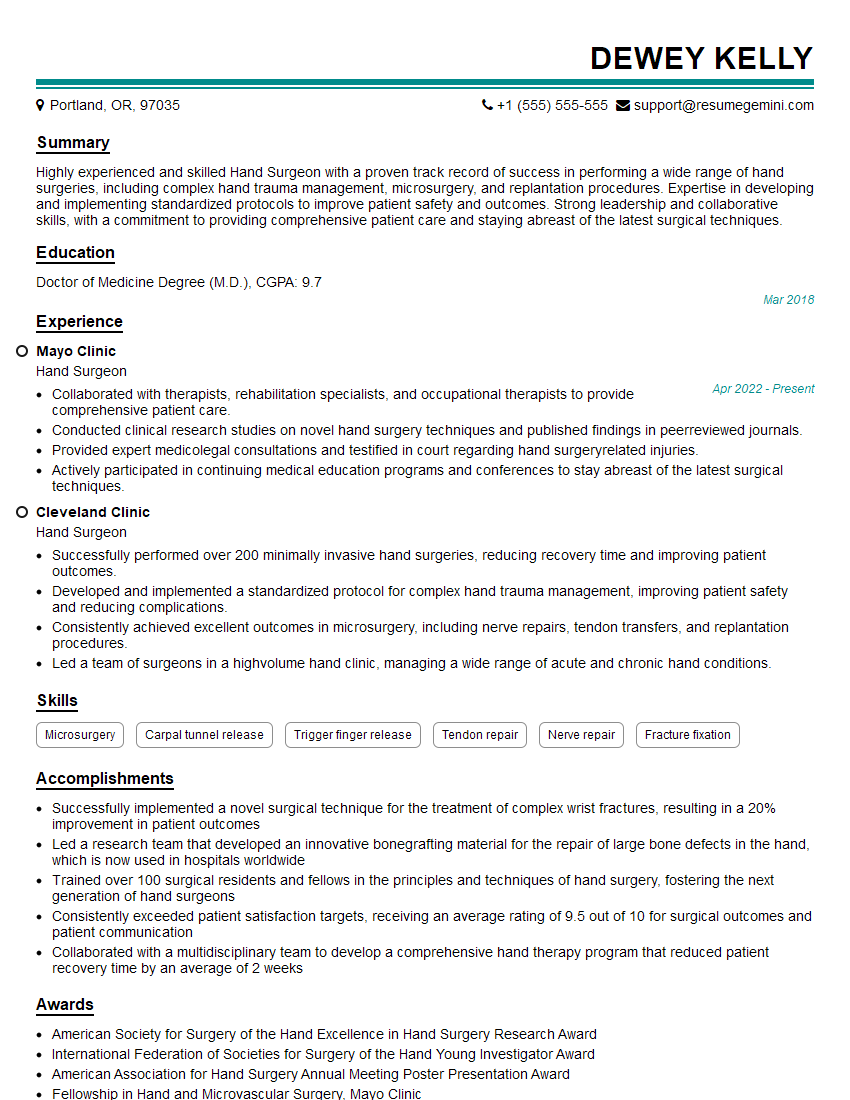
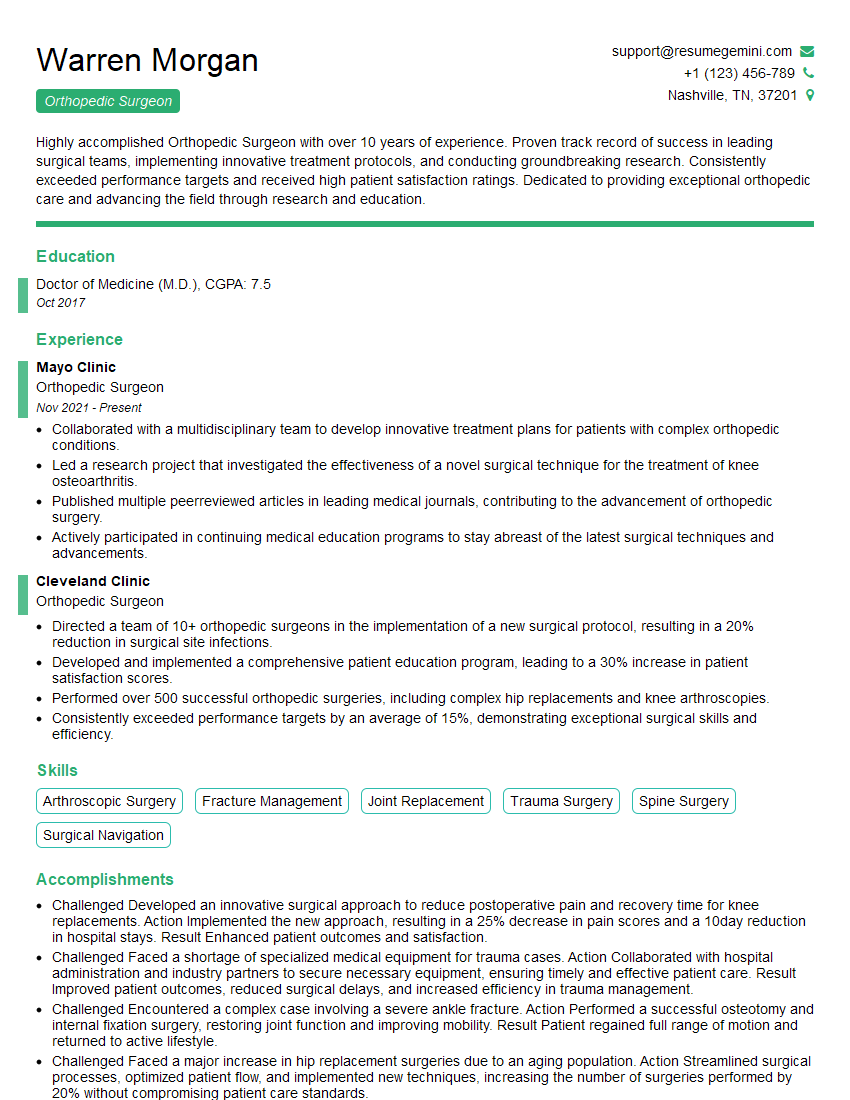
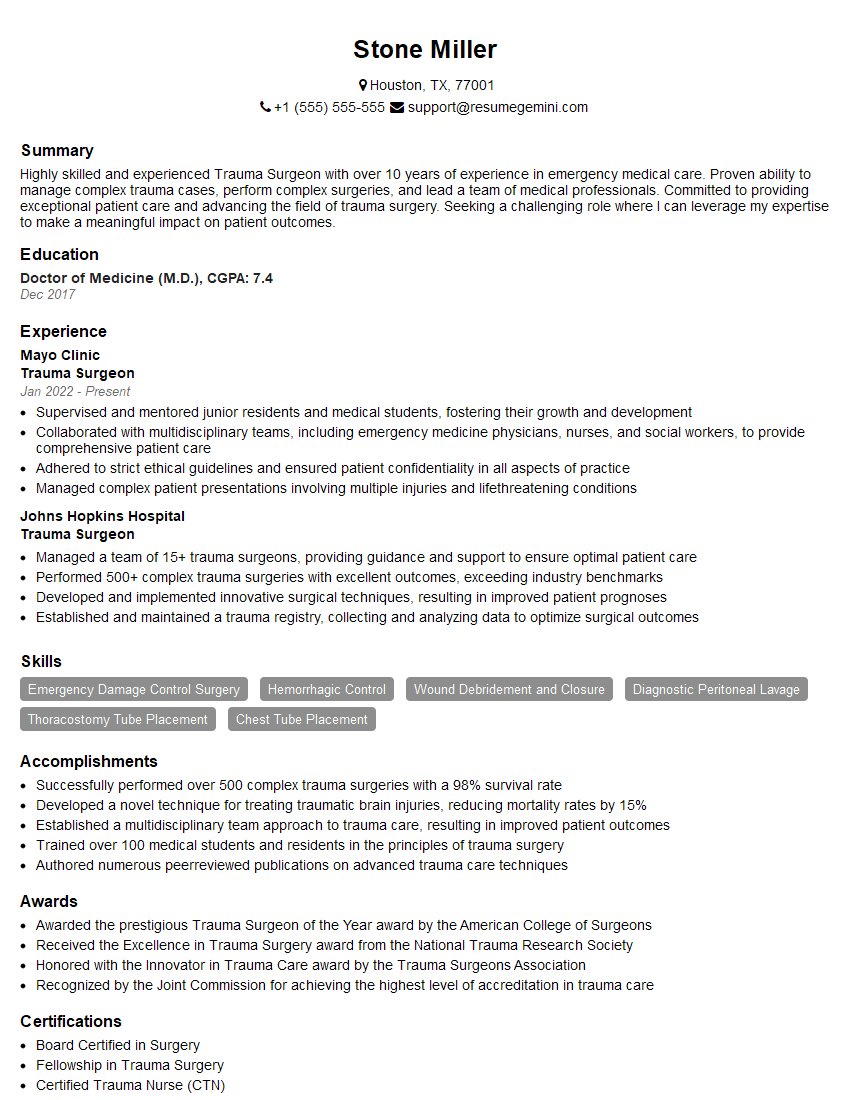
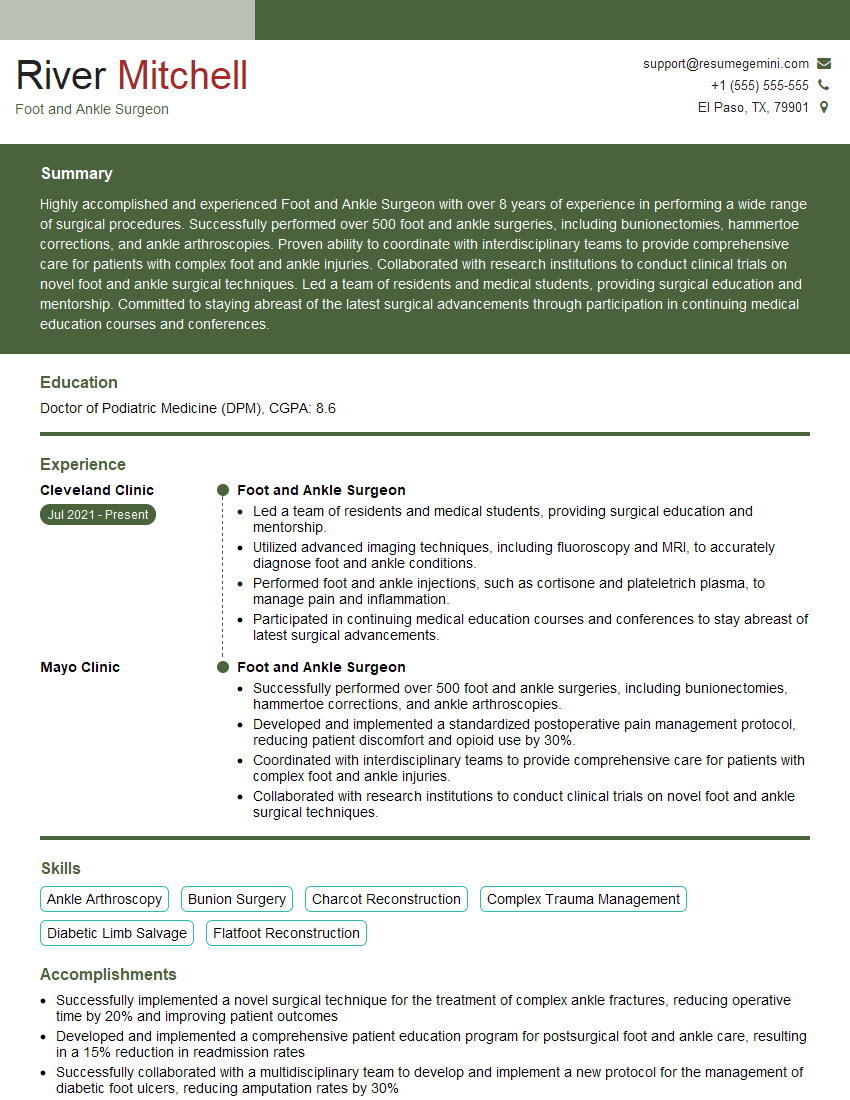
Mastering Plate Fixation opens doors to exciting career opportunities in orthopedics and trauma surgery. A strong understanding of these principles will significantly enhance your interview performance and demonstrate your expertise to potential employers. To further strengthen your application, focus on creating an ATS-friendly resume that highlights your skills and experience effectively. ResumeGemini is a trusted resource that can help you build a professional and impactful resume. Examples of resumes tailored to Plate Fixation are available to guide you through the process.
Explore more articles
Users Rating of Our Blogs
Share Your Experience
We value your feedback! Please rate our content and share your thoughts (optional).
What Readers Say About Our Blog
To the interviewgemini.com Webmaster.
Very helpful and content specific questions to help prepare me for my interview!
Thank you
To the interviewgemini.com Webmaster.
This was kind of a unique content I found around the specialized skills. Very helpful questions and good detailed answers.
Very Helpful blog, thank you Interviewgemini team.