The thought of an interview can be nerve-wracking, but the right preparation can make all the difference. Explore this comprehensive guide to Possess excellent communication and interpersonal skills interview questions and gain the confidence you need to showcase your abilities and secure the role.
Questions Asked in Possess excellent communication and interpersonal skills Interview
Q 1. Describe a time you had to explain a complex concept to someone with limited technical knowledge.
Explaining complex technical concepts to non-technical audiences requires a shift from jargon to plain language and relatable analogies. I once had to explain the intricacies of database normalization to a group of marketing executives who were unfamiliar with relational databases. Instead of using technical terms like ‘functional dependency’ or ‘third normal form,’ I started with a simple analogy: imagine a spreadsheet with redundant information – customer names repeated across multiple columns. Normalization, I explained, is like organizing that spreadsheet efficiently, eliminating redundancy to save space and prevent inconsistencies. I then used a visual aid, a simplified diagram showing how data is organized in normalized and unnormalized forms. I broke down the process into digestible steps, focusing on the *benefits* of normalization, such as improved data integrity and easier data management, rather than delving into the technicalities. Finally, I used real-world examples from their marketing campaigns, illustrating how clean, well-organized data directly impacted their work and improved the accuracy of their reports.
Q 2. How do you adapt your communication style to different audiences or personalities?
Adapting communication style is crucial for effective interaction. My approach depends on the audience’s technical proficiency, their personality, and the context of the communication. For instance, when presenting to a technical team, I can use more technical terminology and delve deeper into details, perhaps even including code snippets to illustrate a point. Example: Here's how the algorithm works... Conversely, when communicating with senior management, I focus on the high-level impact and business outcomes, using concise, non-technical language. With introverted individuals, I prefer a more structured, one-on-one approach, allowing for thoughtful responses. With extroverts, I encourage open discussion and brainstorming. I also adapt my tone; I maintain a formal and professional tone during presentations, but a more informal and collaborative tone during team meetings.
Q 3. Share an example where you successfully resolved a conflict through effective communication.
During a project involving a cross-functional team, a disagreement arose regarding the best approach to implement a specific feature. The developers favored a complex, custom solution, while the design team preferred a simpler, off-the-shelf solution. The conflict stemmed from differing priorities: development time versus user experience. To resolve this, I facilitated a collaborative meeting where each side presented their arguments clearly and respectfully. I actively listened to each perspective, highlighting the valid points of both sides. We then brainstormed potential compromises, exploring hybrid approaches that incorporated elements from both solutions. The result was a solution that satisfied both the development and design constraints, delivering a feature that met both technical and usability requirements. Open communication, empathy, and a focus on finding a win-win solution were crucial in resolving the conflict.
Q 4. How do you handle criticism or negative feedback constructively?
I view criticism and negative feedback as valuable opportunities for growth and improvement. My approach involves actively listening to the feedback, seeking clarification if needed, and separating the emotion from the content. I analyze the feedback objectively, identifying specific areas for improvement. For example, if I receive feedback on a presentation being too technical, I’ll reflect on whether the content was tailored appropriately for the audience. I would then adjust my future presentations, ensuring the material is relevant and easy to understand. I document the feedback and create an action plan to address the specific concerns. Finally, I follow up with the person who provided the feedback, demonstrating that I’ve listened, understood, and taken action. This proactive approach turns negative feedback into a catalyst for positive change.
Q 5. Describe your approach to active listening.
Active listening goes beyond simply hearing; it involves fully understanding and engaging with the speaker. My approach involves maintaining eye contact, showing nonverbal cues like nodding to indicate understanding, and avoiding interruptions. I focus on comprehending not just the words, but also the speaker’s emotions and underlying message. I frequently summarize or paraphrase what the speaker says to confirm my understanding. For instance, I might say, “So, if I understand correctly, you’re saying…” This ensures clarity and allows the speaker to correct any misinterpretations. Asking clarifying questions demonstrates engagement and helps to delve deeper into the topic. Active listening creates a safe space for open communication and fosters stronger relationships, ensuring all perspectives are considered and respected.
Q 6. How do you prioritize tasks and manage your time effectively when working on multiple projects?
Managing multiple projects effectively involves a structured approach to prioritization and time management. I utilize a combination of techniques such as creating detailed to-do lists, utilizing project management software, and employing time-blocking techniques. I prioritize tasks based on urgency and importance, using frameworks like the Eisenhower Matrix (urgent/important). This helps to identify and focus on the most critical tasks first. Time-blocking involves allocating specific time slots for particular tasks, creating a structured schedule and reducing context switching. I also regularly review my progress and adjust my priorities as needed. For example, if an unexpected high-priority task arises, I may need to reschedule less urgent tasks to ensure timely completion of critical deliverables. Regular communication with stakeholders keeps them informed of progress and allows for adjustments in priorities based on changing needs.
Q 7. Give an example of a time you had to deliver bad news; how did you handle it?
Delivering bad news requires sensitivity, empathy, and a clear, direct approach. I once had to inform a team that their project proposal had been rejected due to budget constraints. I scheduled a private meeting to deliver the news, ensuring privacy and avoiding public announcements. I started by acknowledging the team’s hard work and effort on the proposal, validating their contributions before delivering the news directly and concisely. I explained the reasons for the rejection clearly, focusing on the objective reasons (budget limitations) rather than assigning blame. I then opened the floor for questions and allowed them to express their emotions and concerns. I offered support and guidance, suggesting alternative approaches or future opportunities. While delivering bad news is never easy, a compassionate and transparent approach helps mitigate negative reactions and fosters trust and understanding.
Q 8. How do you build rapport and trust with new colleagues or clients?
Building rapport and trust is foundational to any successful professional relationship. It’s about creating a genuine connection based on mutual respect and understanding. My approach involves a multi-faceted strategy focusing on active listening, empathy, and demonstrating competence.
Active Listening: I pay close attention to what others are saying, both verbally and nonverbally. I ask clarifying questions to ensure I understand their perspective completely, showing genuine interest in their thoughts and feelings. For instance, when meeting a new colleague, I’ll ask about their experience and their role within the team, actively listening to their responses and showing genuine curiosity.
Empathy and Understanding: I strive to see things from the other person’s perspective, acknowledging their feelings and validating their experiences. This helps to build trust and shows that I care about their well-being. If a client is frustrated with a delay, I empathize with their frustration and offer clear solutions rather than becoming defensive.
Demonstrating Competence: I consistently deliver on my promises and showcase my expertise. This builds confidence in my abilities and reinforces the trust I’m building. Successfully completing projects, offering insightful solutions, and being reliable are all crucial to this aspect.
By combining these elements, I create an atmosphere of openness and collaboration where individuals feel comfortable sharing their ideas and concerns. This fosters a strong foundation for productive and positive working relationships.
Q 9. Explain your approach to providing constructive feedback to a team member.
Constructive feedback is about helping team members improve their performance, not about criticizing them. My approach focuses on providing specific, actionable, and timely feedback within a supportive and respectful environment. I use the SBI (Situation-Behavior-Impact) model.
Situation: I describe the specific situation where the behavior occurred. For example, ‘During the recent project presentation…’
Behavior: I objectively describe the behavior I observed. For example, ‘…your presentation lacked sufficient data to support your key claims.’ I avoid using subjective or judgmental language.
Impact: I clearly explain the impact of the behavior on the team or the project. For example, ‘…this led to some confusion among the audience and ultimately weakened our proposal.’
After describing the situation, behavior, and impact, I offer specific, actionable suggestions for improvement. For instance, ‘I suggest spending more time on data analysis before future presentations. Perhaps we could review some effective data visualization techniques together?’
Finally, I end the feedback session by reaffirming my belief in the team member’s ability to improve and offering my support. The whole process is designed to be collaborative, aiming at growth and development.
Q 10. How do you handle disagreements within a team?
Disagreements are inevitable in team environments, but they can be productive if managed effectively. My approach centers on respectful communication, active listening, and collaborative problem-solving.
Active Listening and Understanding: I ensure everyone has a chance to express their perspective without interruption. I try to understand the reasoning behind differing viewpoints.
Focus on Shared Goals: I remind the team of the shared goals and objectives, emphasizing that resolving the disagreement will help achieve those goals. This helps to maintain a positive and constructive environment.
Collaborative Problem Solving: Instead of focusing on who is right or wrong, we brainstorm solutions together. We explore various options, weigh the pros and cons, and select the best approach through consensus.
Mediation if Needed: If the disagreement is particularly intense or involves multiple parties, I may suggest seeking mediation from a neutral third party to help facilitate a resolution.
It’s important to remember that disagreements aren’t necessarily negative; they can highlight different perspectives and lead to innovative solutions if handled constructively.
Q 11. How do you ensure clear and concise communication in written communication (emails, reports)?
Clear and concise communication is vital, especially in written formats like emails and reports. My approach focuses on structure, clarity, and conciseness.
Structure: I use a clear structure with a concise subject line, brief introduction outlining the main points, organized body paragraphs, and a succinct conclusion. For reports, I typically use headings and subheadings to improve readability.
Clarity: I use simple, direct language, avoiding jargon or overly technical terms unless the audience is familiar with them. I define any necessary technical terms.
Conciseness: I avoid unnecessary words or phrases. I edit carefully to remove any redundancy, ensuring that every sentence contributes to the overall message. I use bullet points or numbered lists whenever possible to highlight key information.
Proofreading: Finally, I always proofread carefully for grammatical errors and typos before sending any written communication.
By adhering to these principles, I ensure that my written communication is easily understood and achieves its intended purpose.
Q 12. Describe a situation where you had to persuade someone to see your point of view.
In a previous project, I had to persuade a senior stakeholder to adopt a new project management methodology. Initially, they were resistant to change, preferring the established, but less efficient, method.
My approach involved demonstrating the benefits of the new methodology through data and real-world examples. I prepared a presentation showcasing how other teams had successfully implemented this methodology, resulting in improved efficiency and reduced project timelines. I highlighted the specific benefits relevant to their concerns, such as improved transparency and risk mitigation. I also actively listened to their concerns and addressed them directly, acknowledging their experience and expertise while showing how the new methodology could complement their existing skills.
By presenting concrete evidence and addressing their concerns, I successfully persuaded them to adopt the new methodology, which resulted in significant improvements in project delivery.
Q 13. How do you manage communication in a remote work environment?
Managing communication in a remote work environment requires a proactive and multi-channel approach.
Establish Clear Communication Channels: We define preferred communication methods for different purposes (e.g., email for formal updates, instant messaging for quick questions, video conferencing for meetings).
Regular Check-ins: I schedule regular team meetings, both formal and informal, to maintain connections and address any issues promptly. This can include daily stand-ups or weekly progress meetings.
Utilize Collaboration Tools: We leverage project management software, shared document platforms, and video conferencing tools to enhance collaboration and transparency. This ensures everyone has access to the same information and can track progress easily.
Over-Communicate: It’s better to over-communicate than under-communicate in a remote setting. I provide regular updates and proactively seek feedback to ensure everyone is on the same page.
Promote a Culture of Open Communication: Fostering an inclusive and approachable environment is vital. This helps team members feel comfortable sharing their ideas, concerns, and challenges.
By implementing these strategies, we can ensure seamless communication and maintain a strong sense of team cohesion even when working remotely.
Q 14. How would you handle a situation where a team member is not communicating effectively?
If a team member is not communicating effectively, my initial approach is to address the situation privately and constructively.
Private Conversation: I would schedule a one-on-one meeting with the team member to discuss my observations. I would focus on specific instances of ineffective communication, providing examples without being accusatory. For example, ‘I noticed in the last meeting you didn’t provide an update on your task, and that caused some uncertainty about the project timeline.’
Understanding the Root Cause: I would try to understand the reason for the ineffective communication. Are there language barriers? Are they feeling overwhelmed or uncomfortable? Are there technical issues hindering communication?
Collaborative Solutions: Together, we would explore solutions that address the underlying cause of the problem. This might involve providing additional training, adjusting communication processes, or offering support and resources.
Ongoing Monitoring: After implementing solutions, I would monitor the situation to ensure that communication improves. If problems persist, I may involve management or seek additional support.
The goal is to provide support and guidance to help the team member improve their communication skills and contribute effectively to the team.
Q 15. How do you stay organized and manage information efficiently?
Staying organized and managing information efficiently is crucial for productivity and minimizing stress. My approach is multifaceted, combining digital tools with established organizational principles.
- Digital Tools: I heavily rely on project management software like Asana or Trello to track tasks, deadlines, and project progress. For note-taking and document management, I use Evernote and Google Drive, leveraging their tagging and search capabilities for easy retrieval. My calendar is meticulously maintained, blocking out specific times for focused work and meetings.
- File Management System: I employ a consistent file-naming convention and folder structure. This ensures quick and effortless location of documents. For example, project-related files are organized by project name and sub-folders for specific deliverables (e.g., ‘Project Alpha/Design/Mockups’).
- Prioritization Techniques: I use the Eisenhower Matrix (urgent/important) to prioritize tasks, ensuring that critical items receive immediate attention. I also break down large projects into smaller, manageable tasks, making progress feel less daunting.
- Regular Review and Decluttering: I dedicate time each week to review my tasks, files, and calendar, eliminating outdated information and reorganizing as needed. This prevents information overload and keeps everything streamlined.
This structured approach ensures that I am always on top of my workload, allowing me to dedicate my energy to the most important tasks and efficiently manage the flow of information.
Career Expert Tips:
- Ace those interviews! Prepare effectively by reviewing the Top 50 Most Common Interview Questions on ResumeGemini.
- Navigate your job search with confidence! Explore a wide range of Career Tips on ResumeGemini. Learn about common challenges and recommendations to overcome them.
- Craft the perfect resume! Master the Art of Resume Writing with ResumeGemini’s guide. Showcase your unique qualifications and achievements effectively.
- Don’t miss out on holiday savings! Build your dream resume with ResumeGemini’s ATS optimized templates.
Q 16. Describe your preferred methods for collaborating with others on projects.
Collaboration is key to successful project completion, and my preferred methods involve open communication, clear expectations, and leveraging the strengths of each team member.
- Regular Check-ins: I believe in frequent, concise check-ins, whether via quick stand-up meetings or scheduled video calls. These allow for quick updates, early identification of roadblocks, and proactive problem-solving.
- Shared Workspaces: Utilizing collaborative platforms like Google Docs, Sheets, and Slides ensures that everyone can access and contribute to documents in real-time. This fosters transparency and reduces version control issues.
- Clearly Defined Roles and Responsibilities: Before starting a project, I ensure that roles and responsibilities are clearly defined and communicated to each team member, preventing confusion and duplication of effort.
- Constructive Feedback: I encourage open and honest feedback within the team. I foster a culture of mutual respect where feedback is given and received constructively, leading to continuous improvement.
- Communication Protocols: Establishing clear communication protocols, such as specifying response times and preferred methods of contact, keeps the team aligned and promotes efficiency.
For example, during a recent project involving website redesign, we used Slack for daily updates, Asana for task management, and Google Docs for collaborative content creation. This integrated approach facilitated seamless teamwork and ensured timely delivery.
Q 17. How do you measure the effectiveness of your communication efforts?
Measuring the effectiveness of communication is crucial for continuous improvement. I use a combination of quantitative and qualitative methods to assess my communication impact.
- Quantitative Measures: These include tracking metrics such as response rates to emails, meeting attendance, and the number of questions answered during presentations. Website analytics can also be used to measure the reach and impact of online communications.
- Qualitative Measures: Gathering feedback through surveys, informal conversations, or post-meeting debriefs provides invaluable insights into audience understanding and engagement. Observing nonverbal cues during presentations or meetings also helps gauge audience reception.
- Goal Setting: Before embarking on any communication initiative, I establish clear, measurable goals. For instance, the goal might be to achieve a 90% response rate to a specific email campaign or to ensure that 80% of the audience understands a key message following a presentation. These pre-set goals provide a benchmark against which to measure success.
By combining quantitative and qualitative feedback, I gain a holistic understanding of the impact of my communication efforts and can identify areas for refinement.
Q 18. How do you handle interruptions and maintain focus during important conversations?
Handling interruptions and maintaining focus during important conversations requires a proactive and strategic approach.
- Scheduling Dedicated Focus Time: I set aside specific times in my day for focused work and important conversations, minimizing the likelihood of interruptions. This often involves turning off notifications, closing unnecessary tabs, and communicating my availability to colleagues.
- Communicating Expectations: I clearly communicate my need for uninterrupted time to colleagues and clients. This sets expectations and reduces the frequency of interruptions during critical tasks or conversations.
- Utilizing Technology: Tools like ‘Do Not Disturb’ modes on communication platforms and calendar scheduling features help limit interruptions. I also use noise-canceling headphones when necessary to create a more focused environment.
- Politely Managing Interruptions: When an interruption occurs, I politely acknowledge the request but firmly reiterate my need to complete the current task before addressing the interruption. This ensures that I can return to the conversation or task without losing momentum.
- Mindfulness and Focus Techniques: Practicing mindfulness or employing simple focusing exercises can help regain focus after an interruption. Taking a few deep breaths or quickly jotting down the interruption for later can help bring the mind back to the present task.
By adopting these strategies, I effectively manage interruptions and maintain focus, ensuring the quality and productivity of my important conversations.
Q 19. Describe a time you had to negotiate a compromise. What was the outcome?
In a past project, a disagreement arose between the design and development teams regarding the feasibility of a particular feature. The design team envisioned a complex, visually appealing feature, while the development team expressed concerns about its technical complexity and potential delays.
Negotiation Process: I facilitated a meeting where each team presented their perspectives and concerns. I actively listened to both sides, clarifying misunderstandings and identifying common ground. We then explored alternative solutions, brainstorming simpler versions of the feature that would still meet the core design objectives while being more manageable for development. This involved compromises on both sides – the design team slightly adjusted their vision, and the development team committed to finding a more efficient implementation strategy.
Outcome: Through collaborative negotiation, we reached a mutually acceptable compromise. The revised feature was both visually appealing and technically feasible. The project remained on schedule and avoided costly delays. This experience highlighted the importance of active listening, understanding diverse perspectives, and finding creative solutions to address conflicting interests.
Q 20. How do you adapt your communication to different communication channels (email, phone, in-person)?
Adapting communication to different channels is crucial for effective messaging. My approach centers on understanding the strengths and limitations of each channel and tailoring my message accordingly.
- Email: Emails are best suited for formal communication, detailed information sharing, and asynchronous interactions. I use clear subject lines, concise language, and proper formatting to ensure readability and avoid misinterpretations. I also avoid overly emotional language and ensure the tone is professional and respectful.
- Phone: Phone calls are ideal for quick updates, discussions requiring immediate feedback, and situations demanding a more personal touch. I strive for clear and concise language, ensuring the tone is friendly and engaging. I pay attention to active listening and ensure the conversation is efficient and productive.
- In-Person: In-person communication is invaluable for building relationships, fostering collaboration, and resolving complex issues requiring nuanced understanding. I utilize nonverbal cues, adjust my language to the audience’s understanding, and actively engage in a conversation to ensure effective communication.
For example, I might use email to formally distribute meeting minutes, a phone call to quickly address a technical issue with a colleague, and an in-person meeting to discuss a sensitive matter with a client. The choice of channel always depends on the message, the audience, and the desired outcome.
Q 21. How do you handle difficult conversations with stakeholders?
Handling difficult conversations with stakeholders requires tact, empathy, and a structured approach.
- Preparation: Before the conversation, I carefully consider the stakeholder’s perspective, anticipate potential objections, and plan my approach. I gather all relevant information and formulate clear, concise messaging.
- Active Listening: I actively listen to the stakeholder’s concerns, demonstrating empathy and understanding. I avoid interrupting and allow them to express their views fully.
- Clear and Direct Communication: I communicate my message clearly and directly, avoiding jargon and using language that the stakeholder can easily understand. I focus on facts and avoid making emotional statements.
- Finding Common Ground: I seek to identify common goals and areas of agreement to build a foundation for constructive dialogue. This involves focusing on shared objectives and highlighting mutual benefits.
- Problem-Solving: I collaborate with the stakeholder to brainstorm solutions, considering their input and finding mutually acceptable outcomes. This requires flexibility and a willingness to compromise.
- Follow-Up: After the conversation, I follow up with a summary of the discussion, agreed-upon actions, and next steps. This ensures clarity and reinforces the commitment to addressing the issue.
For instance, when addressing a client’s concern regarding a project delay, I would first acknowledge their frustration, then explain the reasons for the delay transparently, present a revised timeline, and propose mitigation strategies to regain their trust. This structured approach aims to transform a potentially contentious situation into a collaborative problem-solving exercise.
Q 22. How do you use nonverbal communication to enhance your message?
Nonverbal communication significantly impacts how a message is received, often more powerfully than the words themselves. It encompasses body language, facial expressions, tone of voice, and even the use of silence. I actively use these elements to enhance my message by ensuring consistency between my verbal and nonverbal cues. For example, maintaining eye contact demonstrates engagement and sincerity, while an open posture (uncrossing arms and legs) conveys approachability and receptiveness. A confident tone of voice adds weight to my words, while varying my tone prevents monotony and keeps the audience engaged. I also use pauses strategically for emphasis and to allow information to sink in. In a recent presentation to a potential client, I used deliberate hand gestures to emphasize key points in my proposal, and maintained a warm, inviting smile to ease any anxieties they might have had. The positive feedback I received confirmed the effectiveness of this approach.
Q 23. How do you build consensus within a team?
Building consensus within a team requires fostering collaboration, understanding diverse perspectives, and finding common ground. My approach involves several key steps. First, I ensure everyone feels heard and respected by creating a safe space for open dialogue. This might involve actively soliciting input from quieter team members or reframing disagreements constructively. Next, I facilitate a structured discussion where we identify common goals and potential obstacles. I often use visual aids like mind maps or shared documents to help clarify ideas and track progress. Then, I encourage brainstorming and the exploration of various solutions, actively guiding the team towards identifying options that address everyone’s concerns. Finally, I ensure that the agreed-upon solution is clearly documented and that everyone understands their roles and responsibilities in implementing it. During a recent project with conflicting deadlines, we used a collaborative Gantt chart to visualize dependencies and negotiate a mutually acceptable schedule, ultimately delivering the project on time and exceeding expectations.
Q 24. Describe your experience with public speaking or presentations.
I have extensive experience with public speaking and presentations, both formal and informal. I’ve presented at industry conferences, internal team meetings, and client workshops. My presentations are always carefully structured with a clear beginning, middle, and end. I start by captivating the audience with a compelling hook and then clearly articulate my key messages, using visual aids like slides or demos to enhance understanding. I believe in tailoring the language and content to the audience’s expertise level. To avoid overwhelming the audience, I break down complex information into digestible chunks and incorporate interactive elements like Q&A sessions or polls to ensure active participation. For example, during a recent conference presentation on a complex technical subject, I used real-world examples and analogies to make the topic more relatable and less intimidating for the non-technical attendees. The positive reception and the follow-up questions demonstrated the success of my approach. I consistently solicit feedback after every presentation to identify areas for improvement.
Q 25. How do you ensure clarity and accuracy in your communication?
Clarity and accuracy are paramount in communication. I achieve this through meticulous planning and execution. Before any communication, I clearly define my objective and my intended audience. I then craft my message using simple, precise language, avoiding jargon unless absolutely necessary. I always strive to be concise and avoid ambiguity, ensuring that my meaning is unambiguous. After crafting the message, I review it carefully for clarity and accuracy, often using tools like grammar checkers and getting feedback from others. In a recent technical report, I meticulously checked all data and formulas for accuracy, ensuring the information was presented in a manner that would be easily understood by both technical and non-technical stakeholders. My approach minimizes the possibility of misinterpretations or errors.
Q 26. How do you proactively identify and address potential communication barriers?
Proactively identifying and addressing communication barriers is crucial for effective communication. I begin by understanding the context of the communication – the audience, the setting, and the potential challenges. This includes considering cultural differences, language barriers, and technological limitations. For example, when communicating with a global team, I ensure that meeting times accommodate various time zones and I utilize communication channels that support multilingual capabilities. I also anticipate potential misunderstandings and proactively address them. If the topic is complex, I provide supplementary materials like FAQs or detailed explanations. If the audience might have emotional reactions, I incorporate empathy and address potential concerns head-on. During a recent project involving a diverse international team, I proactively scheduled cross-cultural training sessions to minimize potential misunderstandings, which significantly improved the team’s collaboration and productivity.
Q 27. How do you tailor your message to resonate with different personality types?
Tailoring my message to different personality types involves understanding individual communication preferences and adapting my style accordingly. I assess personality types based on their communication style – are they direct or indirect? Do they prefer detail or summary? Are they analytical or intuitive? Once I identify these preferences, I adapt my approach. For instance, I would use a direct, data-driven approach with analytical personalities and a more collaborative, storytelling approach with intuitive personalities. I adjust my language, tone, and the level of detail to ensure the message resonates. Recently, while presenting a new software application, I noticed the audience included both detail-oriented engineers and high-level managers. I structured my presentation to offer a high-level overview for managers, while simultaneously including a more technical Q&A session for the engineers, ensuring both groups felt engaged and valued.
Key Topics to Learn for Possess excellent communication and interpersonal skills Interview
- Active Listening: Understanding the nuances of verbal and nonverbal cues. Practical application: Reflecting back what you’ve heard to ensure understanding, asking clarifying questions.
- Clear and Concise Communication: Structuring your thoughts logically and delivering them effectively, both verbally and in writing. Practical application: Practicing concisely explaining complex ideas, tailoring your message to your audience.
- Nonverbal Communication: Mastering body language, maintaining eye contact, and projecting confidence. Practical application: Being aware of your posture, hand gestures, and facial expressions during conversations.
- Empathy and Emotional Intelligence: Understanding and responding appropriately to others’ emotions. Practical application: Identifying and addressing emotional needs in a professional setting, resolving conflicts constructively.
- Building Rapport: Establishing trust and connection with others. Practical application: Finding common ground, showing genuine interest, and actively engaging in conversation.
- Adaptability in Communication Styles: Adjusting your communication approach based on the audience and context. Practical application: Tailoring your language and tone to different individuals and situations.
- Conflict Resolution: Handling disagreements professionally and finding mutually agreeable solutions. Practical application: Employing active listening, compromise, and collaborative problem-solving techniques.
- Teamwork and Collaboration: Effectively working with others to achieve shared goals. Practical application: Contributing positively to group discussions, sharing ideas openly, and supporting team members.
Next Steps
Mastering excellent communication and interpersonal skills is crucial for career advancement. These skills are highly valued across all industries and significantly impact your ability to build strong relationships, lead teams, and navigate workplace challenges effectively. To maximize your job prospects, create an ATS-friendly resume that highlights these abilities. ResumeGemini is a trusted resource to help you build a professional resume that showcases your strengths. Examples of resumes tailored to highlight excellent communication and interpersonal skills are available within ResumeGemini. Invest time in crafting a compelling resume – it’s your first impression on potential employers.
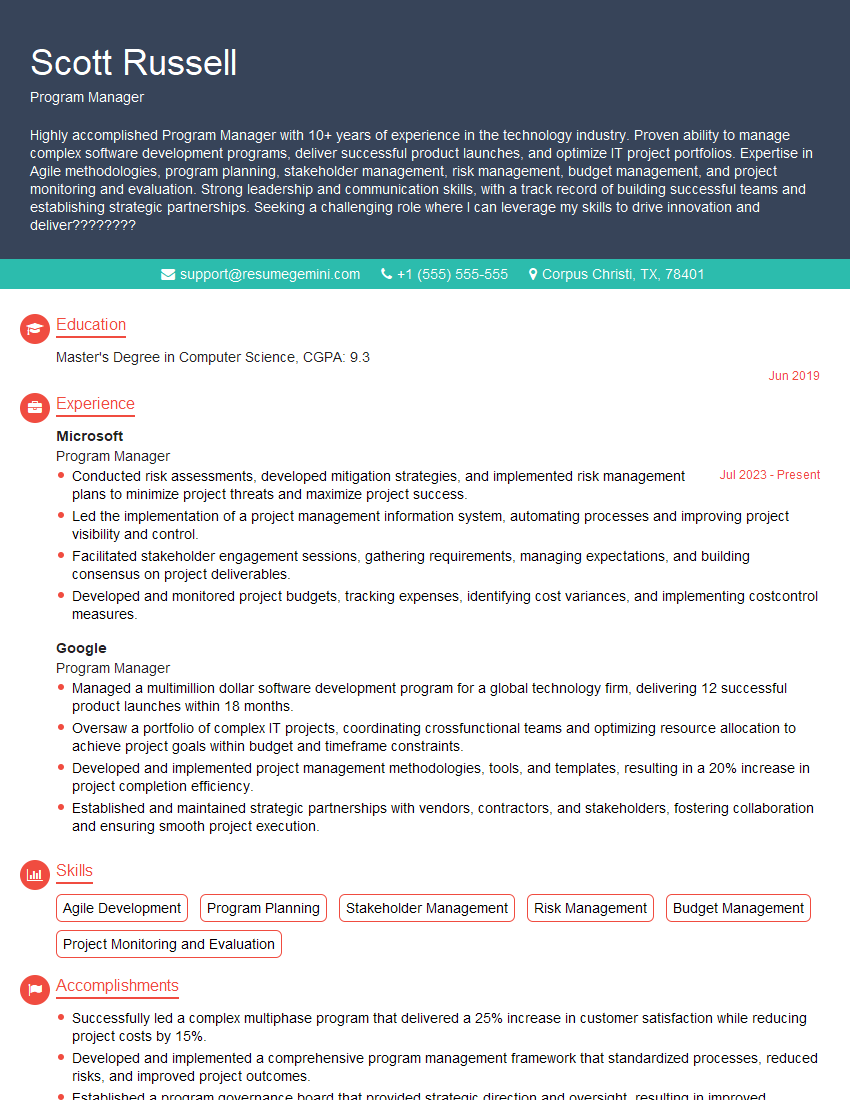
Program Manager Resume Sample
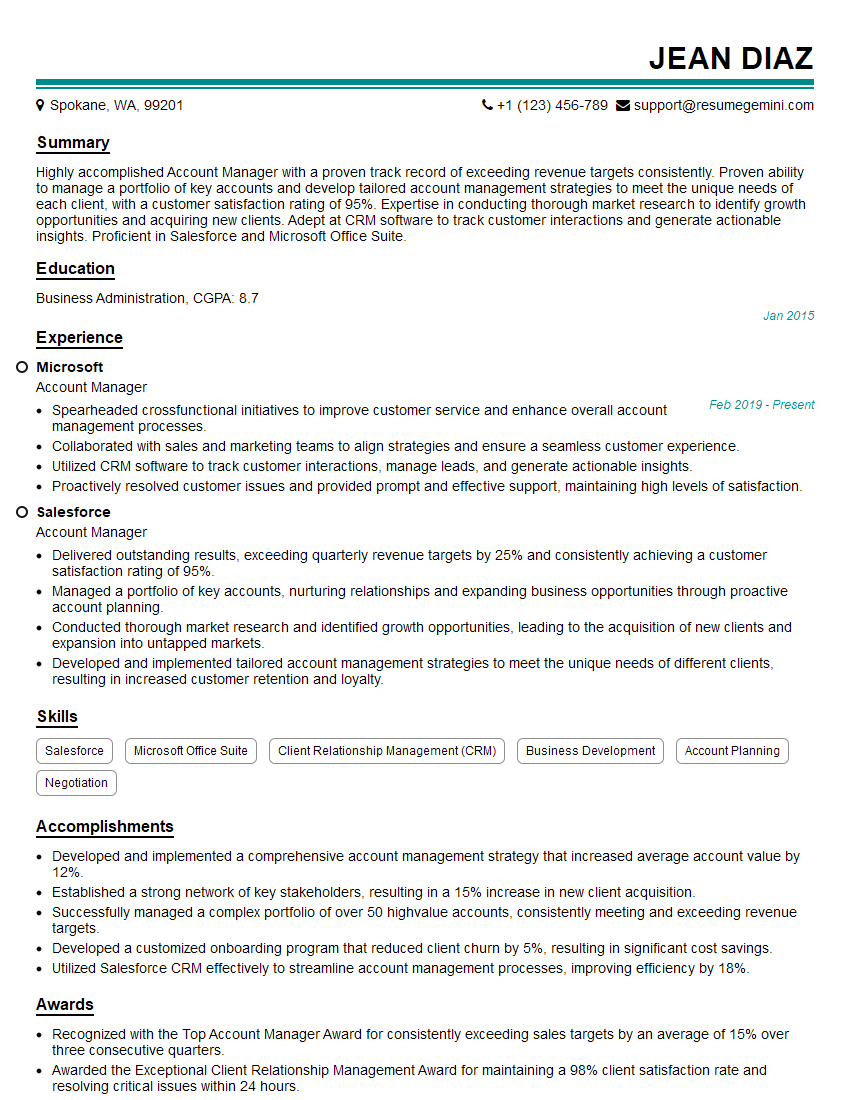
Account Manager Resume Sample
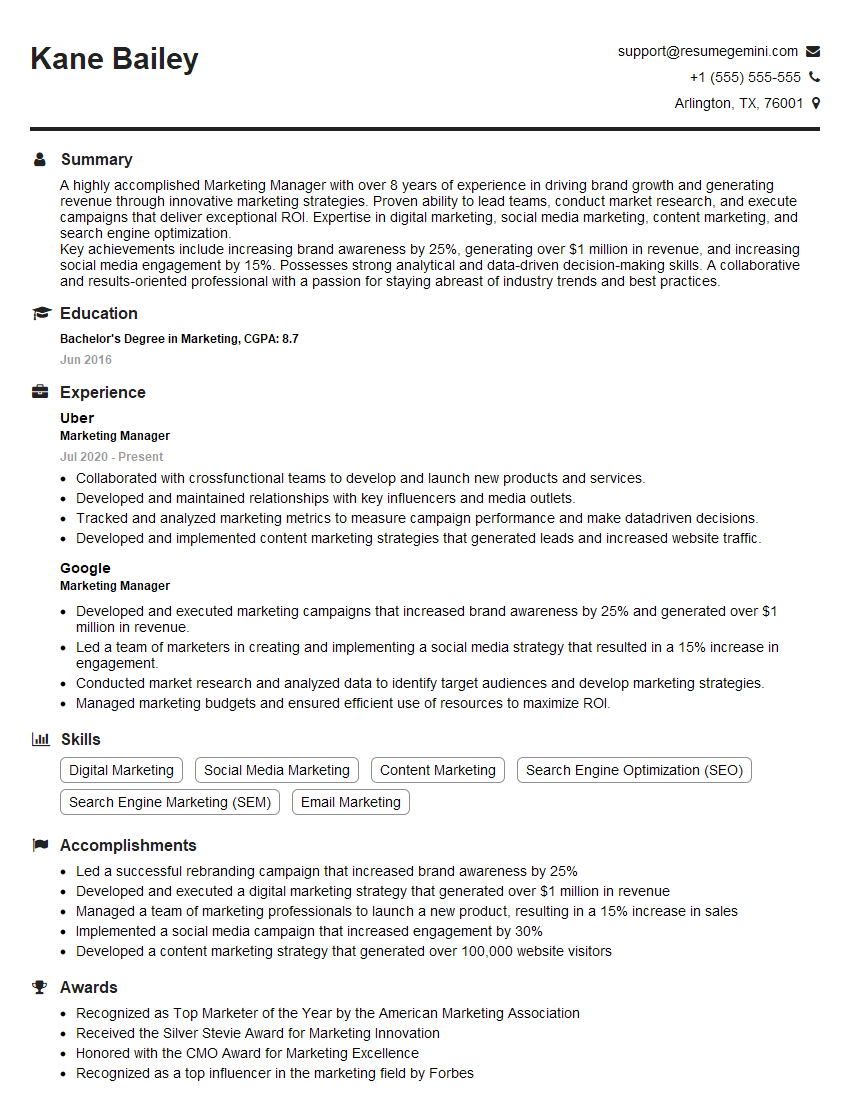
Marketing Manager Resume Sample
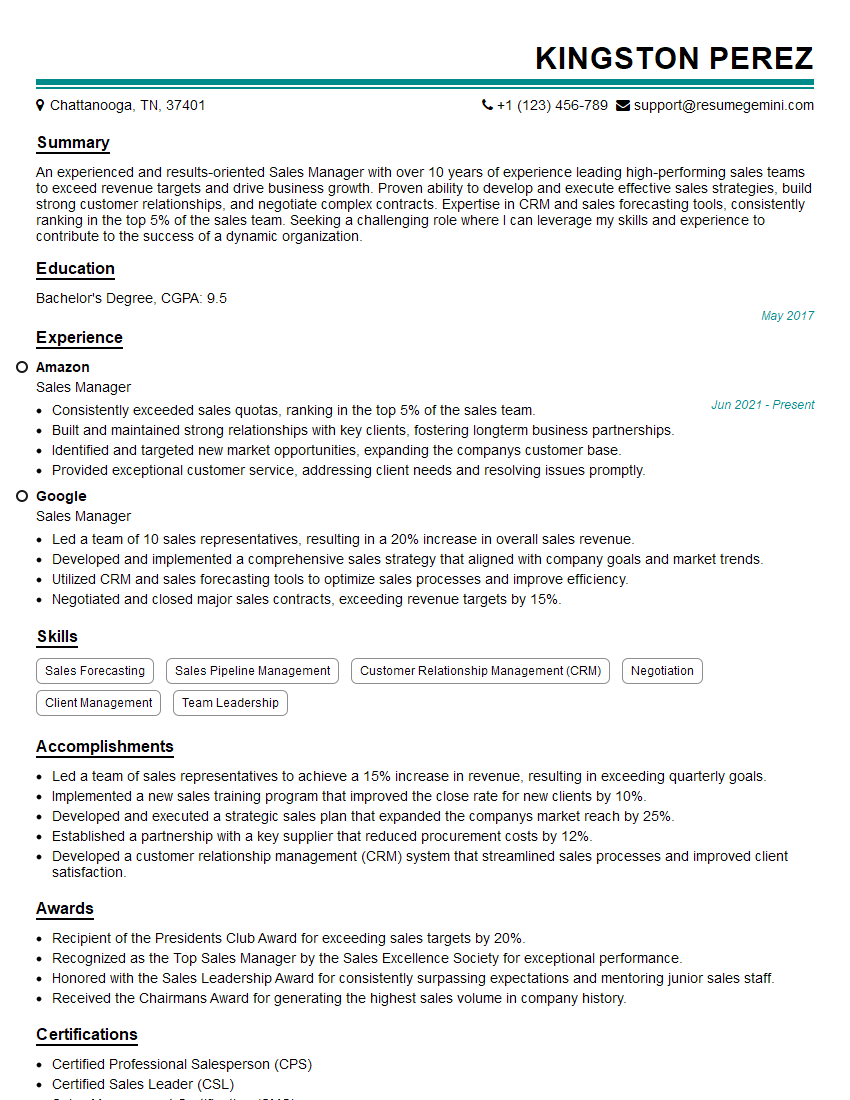
Sales Manager Resume Sample
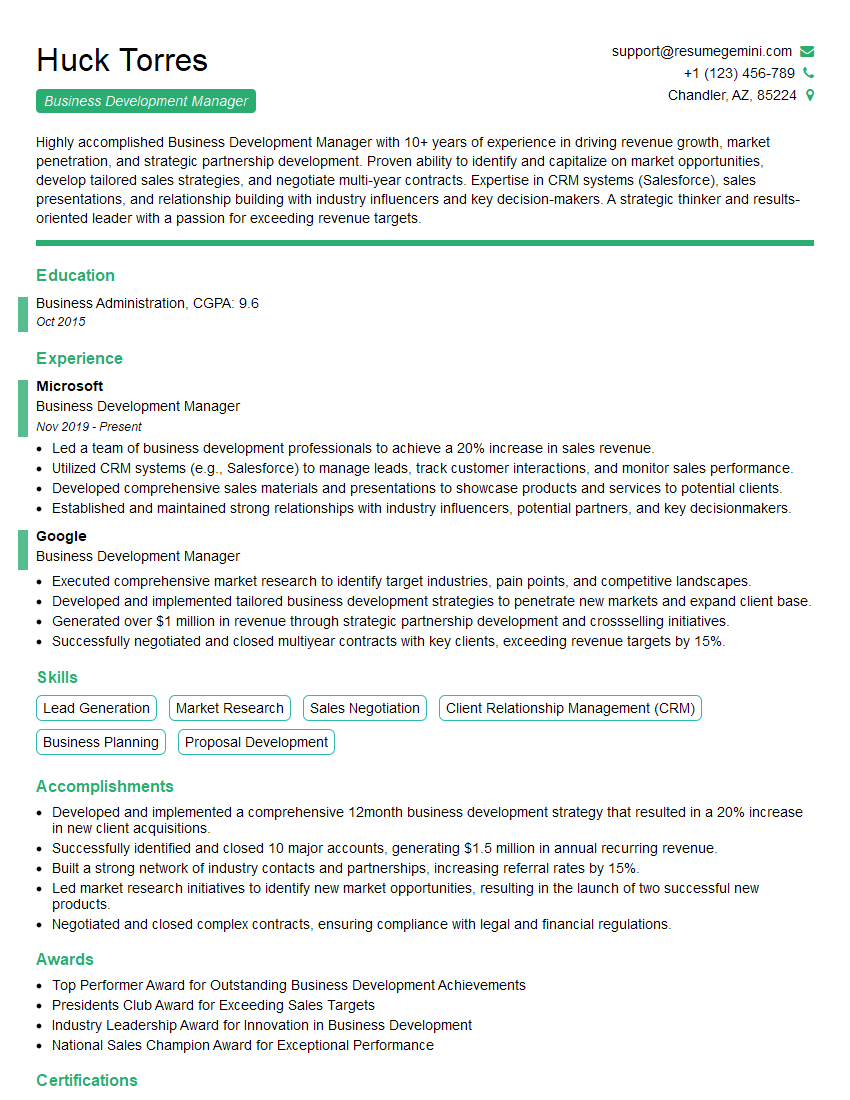
Business Development Manager Resume Sample
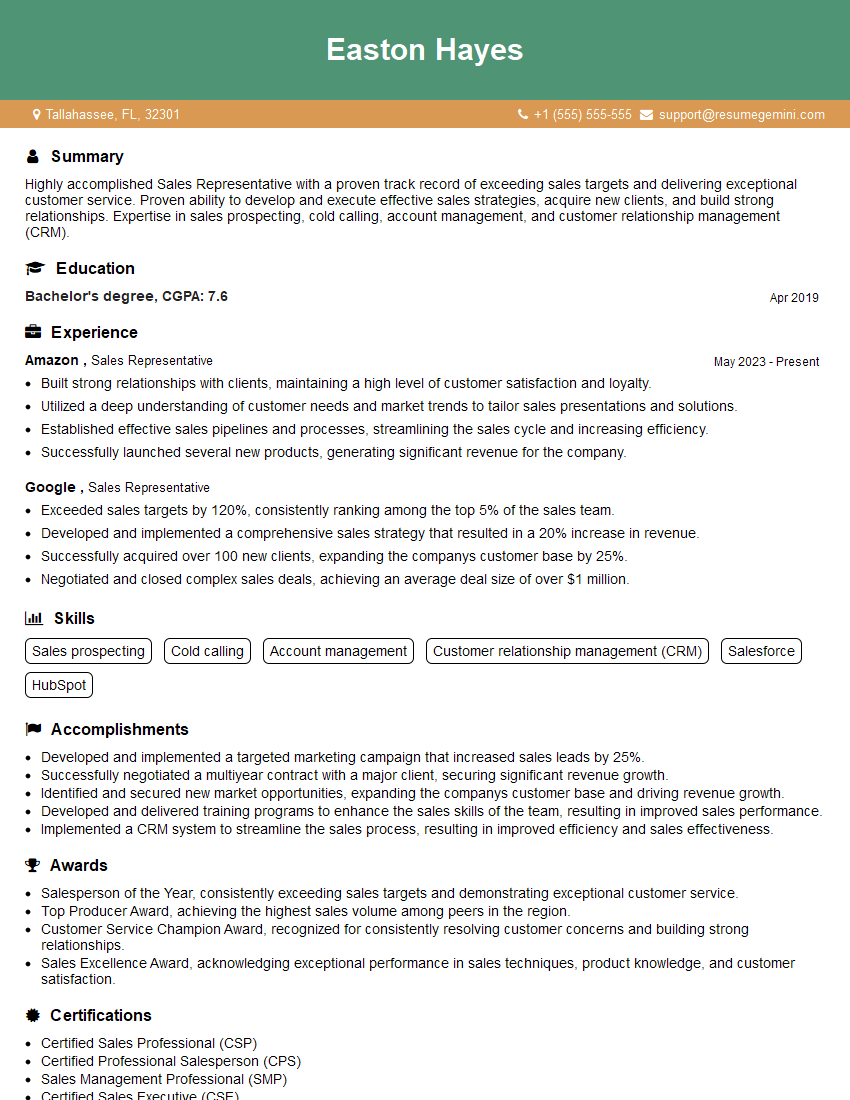
Sales Representative Resume Sample

Communications Manager Resume Sample

Customer Service Manager Resume Sample
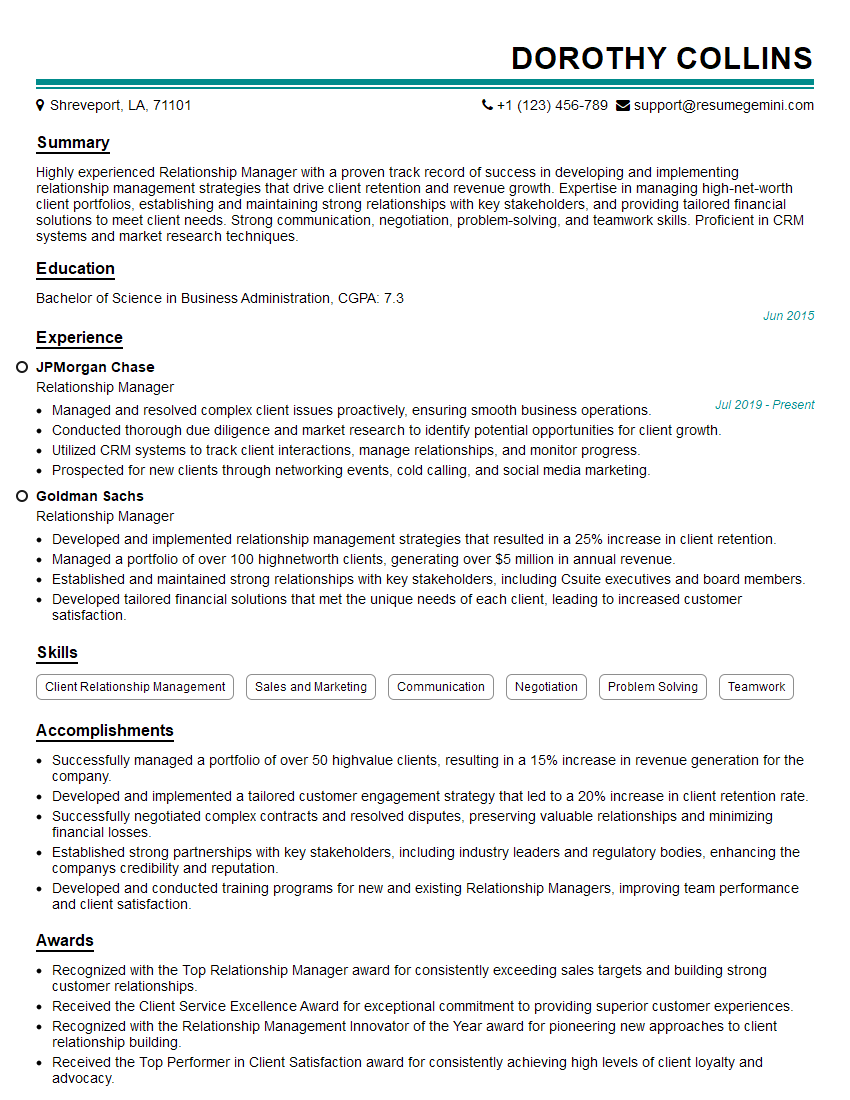
Relationship Manager Resume Sample
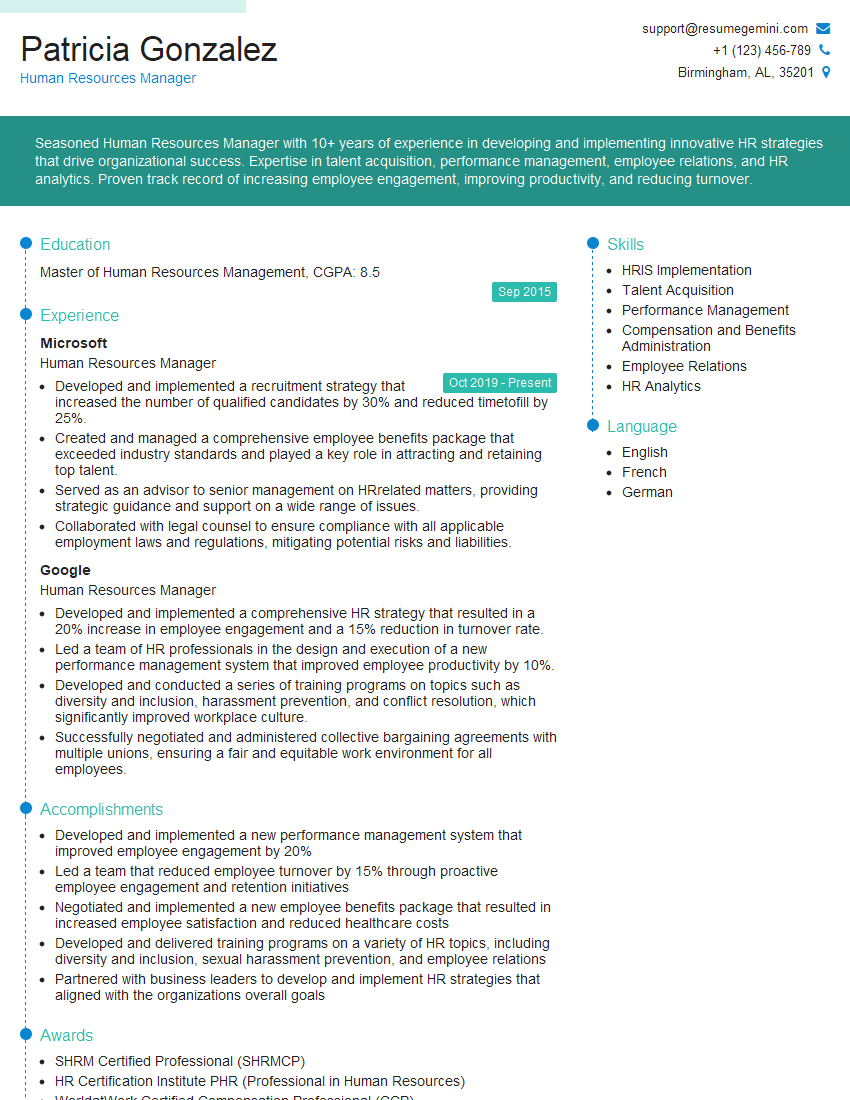
Human Resources Manager Resume Sample
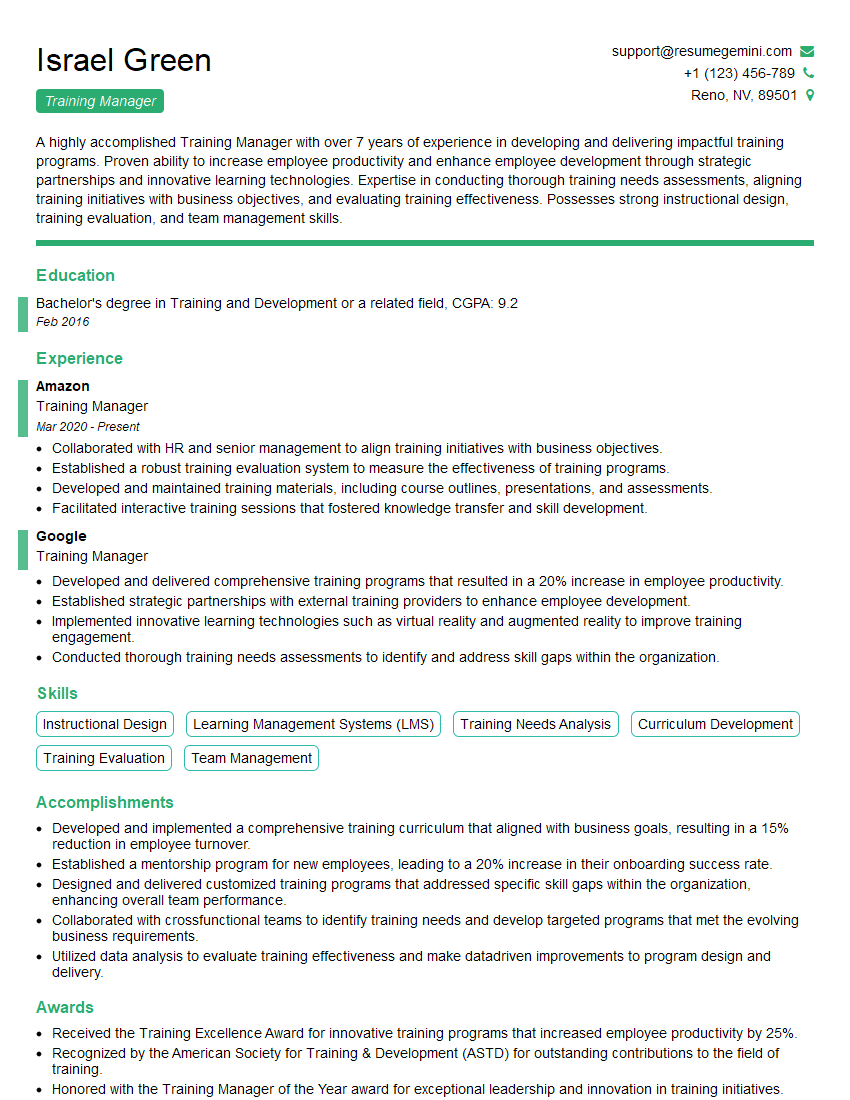
Training Manager Resume Sample
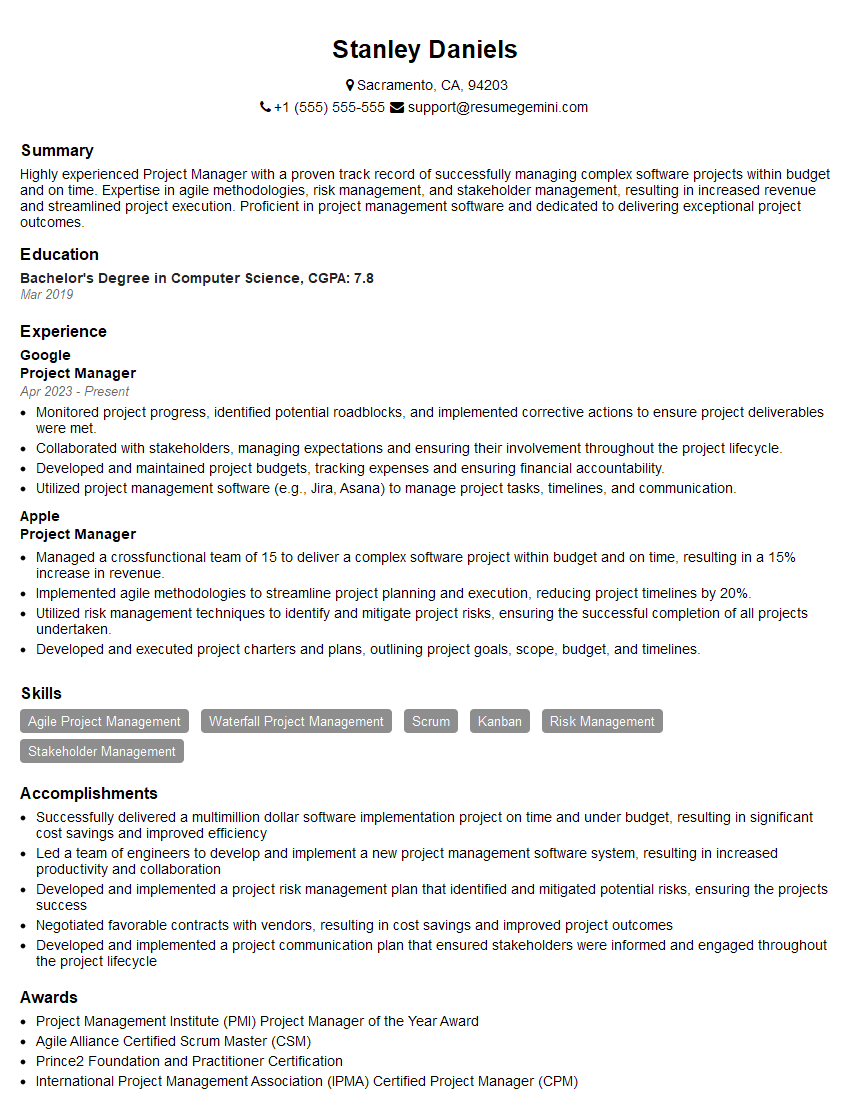
Project Manager Resume Sample
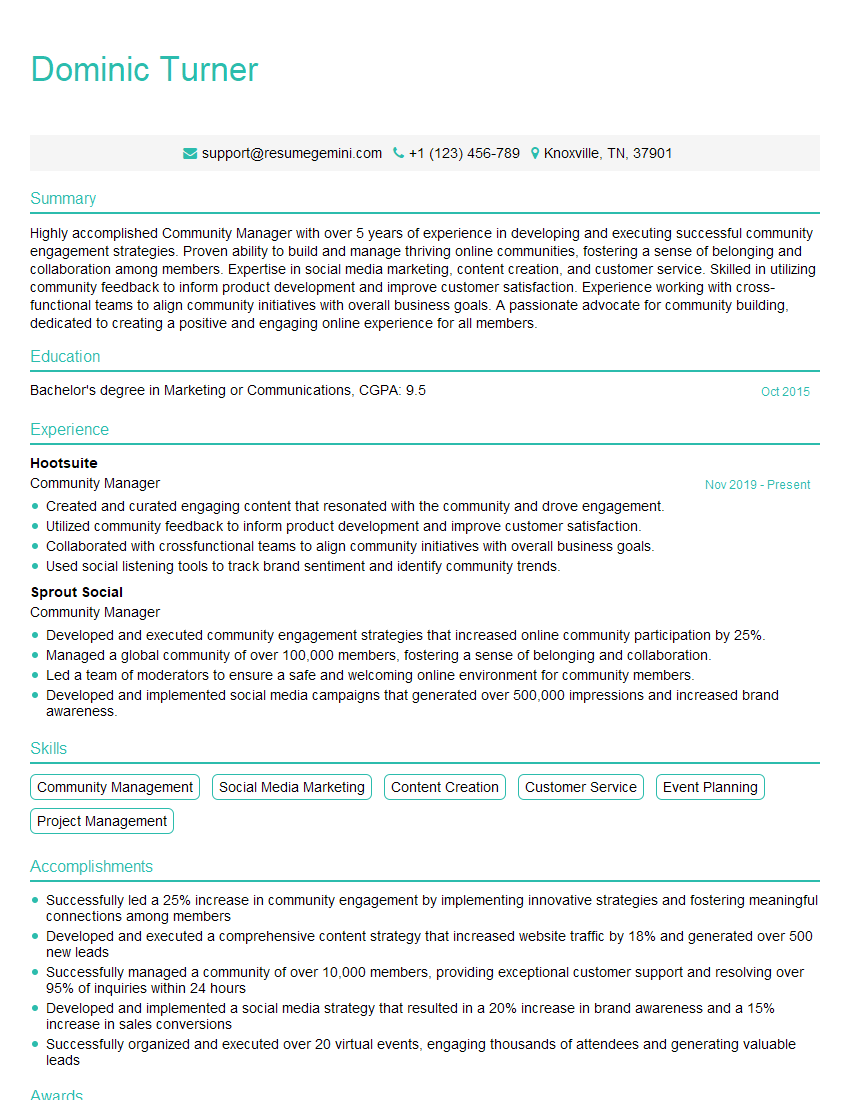
Community Manager Resume Sample
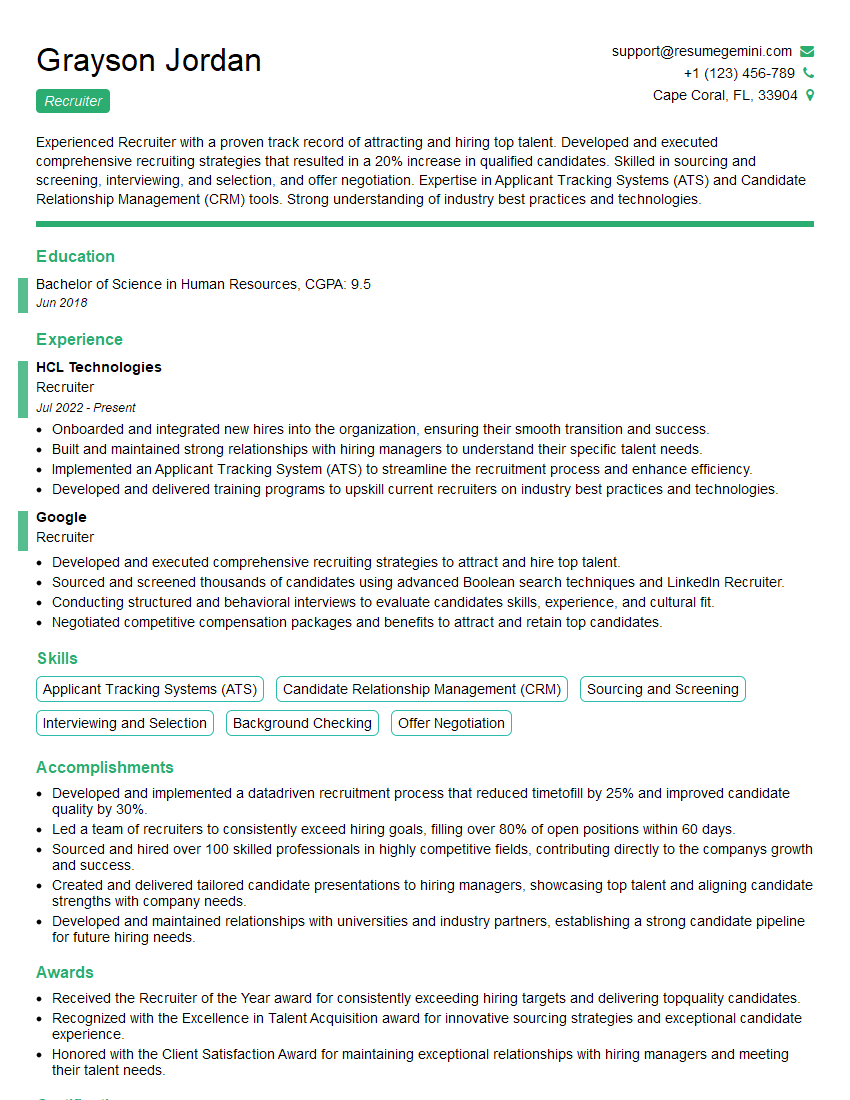
Recruiter Resume Sample
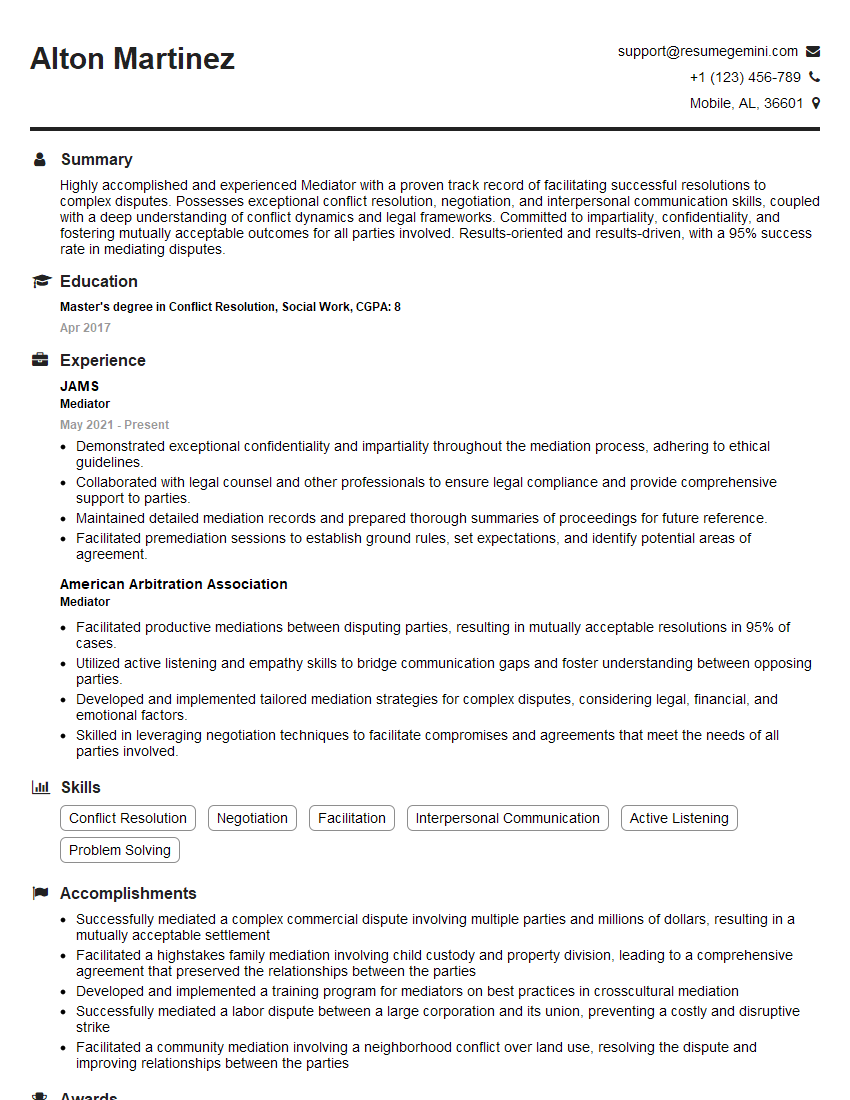
Mediator Resume Sample
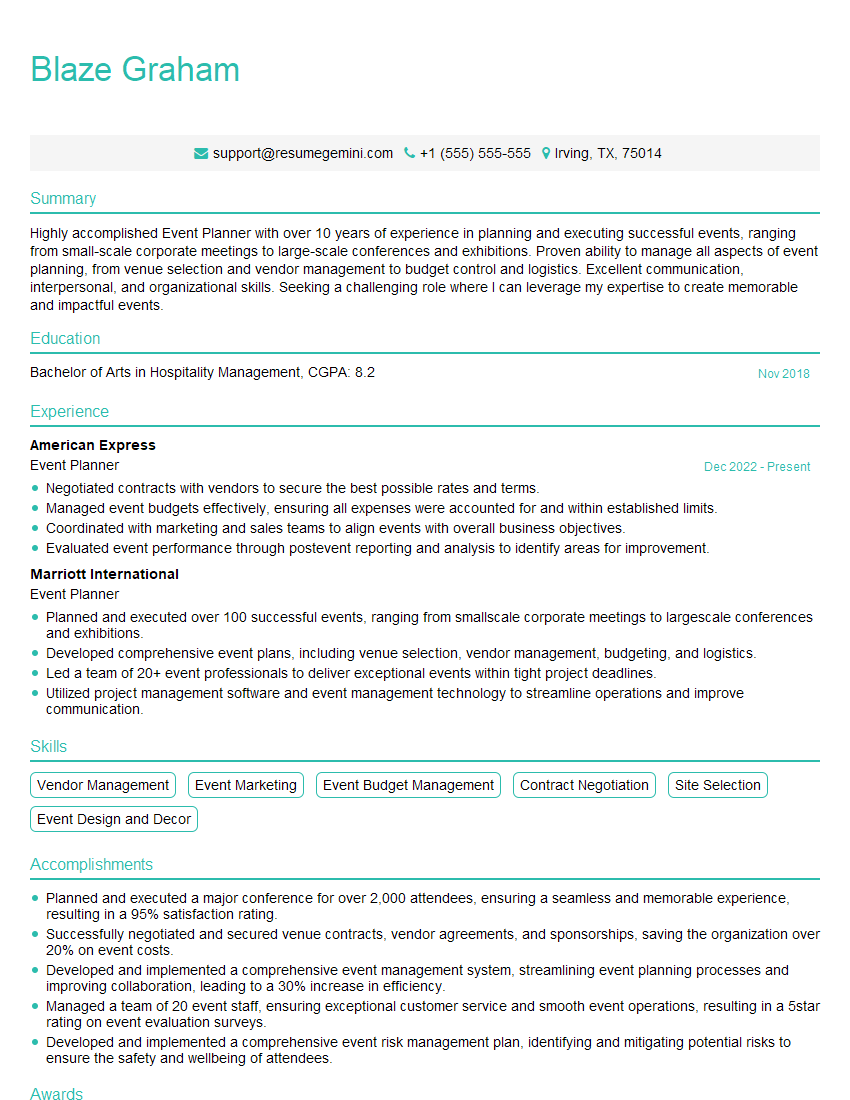
Event Planner Resume Sample

Social Media Manager Resume Sample
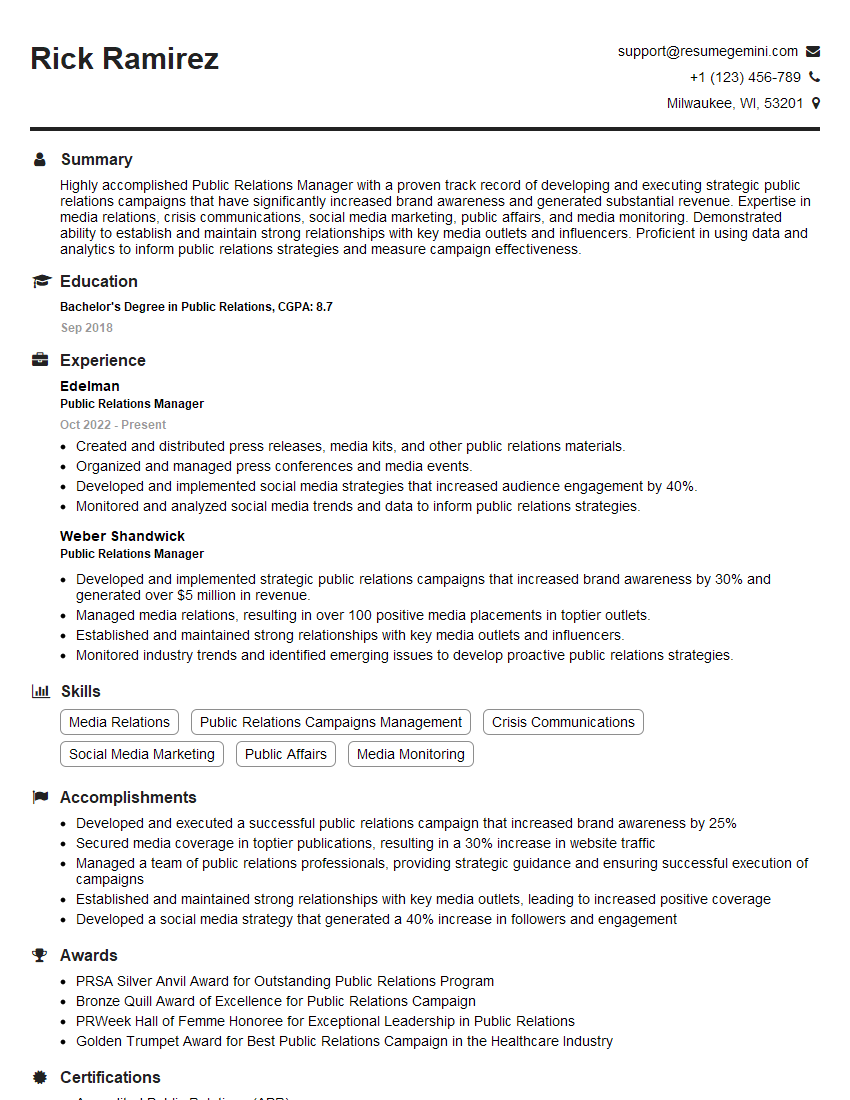
Public Relations Manager Resume Sample
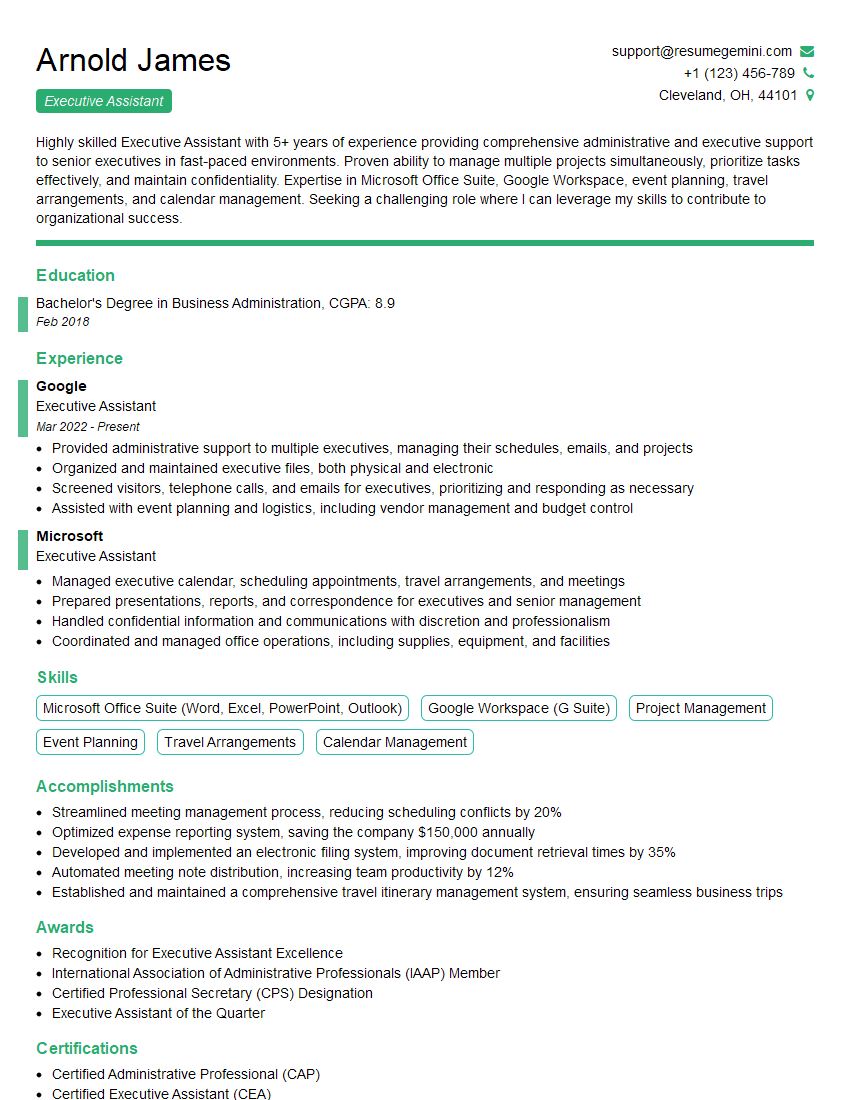
Executive Assistant Resume Sample
- Program Manager
- Account Manager
- Marketing Manager
- Sales Manager
- Business Development Manager
- Sales Representative
- Communications Manager
- Customer Service Manager
- Relationship Manager
- Human Resources Manager
- Training Manager
- Project Manager
- Community Manager
- Recruiter
- Mediator
- Event Planner
- Social Media Manager
- Public Relations Manager
- Executive Assistant
Explore more articles
Users Rating of Our Blogs
Share Your Experience
We value your feedback! Please rate our content and share your thoughts (optional).
What Readers Say About Our Blog
To the interviewgemini.com Webmaster.
Very helpful and content specific questions to help prepare me for my interview!
Thank you
To the interviewgemini.com Webmaster.
This was kind of a unique content I found around the specialized skills. Very helpful questions and good detailed answers.
Very Helpful blog, thank you Interviewgemini team.