Interviews are opportunities to demonstrate your expertise, and this guide is here to help you shine. Explore the essential Prehospital Trauma Care (PHTLS) interview questions that employers frequently ask, paired with strategies for crafting responses that set you apart from the competition.
Questions Asked in Prehospital Trauma Care (PHTLS) Interview
Q 1. Describe the primary assessment in a trauma patient.
The primary assessment in trauma is a rapid, systematic approach to identify and manage immediately life-threatening injuries. Think of it as a quick triage to prioritize interventions. It follows the ABCDE approach:
- A – Airway and Cervical Spine Control: Ensure a patent airway while protecting the cervical spine. This may involve manual stabilization of the head and neck, or, if necessary, advanced airway management like an endotracheal tube. Imagine someone involved in a car crash – maintaining their airway is top priority.
- B – Breathing: Assess respiratory rate, rhythm, and depth. Look for chest rise and fall, listen for breath sounds, and feel for air movement. Treat any breathing compromise, such as pneumothorax or flail chest, immediately.
- C – Circulation: Check for pulse, skin color, and capillary refill time. Control any significant external bleeding. This is crucial because uncontrolled bleeding can rapidly lead to shock. Think of a massive leg laceration – immediate pressure is paramount.
- D – Disability (Neurological Status): Briefly assess the patient’s level of consciousness using the Glasgow Coma Scale (GCS). This helps determine the severity of brain injury.
- E – Exposure/Environmental Control: Completely expose the patient to identify all injuries but prevent hypothermia by using blankets and warming measures. A seemingly minor abrasion could hide a deeper wound.
The primary assessment is a rapid process, often completed within minutes, to stabilize the patient before proceeding to a more detailed secondary assessment.
Q 2. Explain the components of the secondary assessment in a trauma patient.
The secondary assessment is a more detailed, head-to-toe examination performed after stabilizing the immediate life threats identified during the primary assessment. It involves a systematic approach:
- Full-body Examination: A systematic head-to-toe examination, looking for any injuries not found during the primary assessment. This includes palpation for tenderness, deformities, and crepitus (a crackling sound indicating bone fracture).
- Vital Signs Monitoring: Continuous monitoring of blood pressure, heart rate, respiratory rate, oxygen saturation, and temperature is crucial to track the patient’s status and response to treatment.
- Detailed History: Obtaining a detailed history of the mechanism of injury (MOI) is essential. How did the injury occur? This helps predict potential injuries. A high-speed motor vehicle crash will necessitate a different approach than a fall from a ladder.
- Adjuncts: This includes things like EKG monitoring, pulse oximetry, and obtaining blood samples for laboratory testing. The results of these will guide your treatment and hospital management.
Remember, the secondary assessment is iterative. You might find new injuries that require re-assessment and adjustments to the treatment plan. It’s an ongoing process that evolves as the patient’s situation changes.
Q 3. How do you manage airway compromise in a trauma patient?
Airway compromise is a life-threatening emergency. Management depends on the cause and severity. The steps typically include:
- Open the Airway: Use the jaw-thrust maneuver to open the airway without moving the neck (crucial in suspected spinal injury). Consider an oropharyngeal or nasopharyngeal airway if needed.
- Suctioning: Remove any blood, vomitus, or foreign bodies obstructing the airway.
- Supplemental Oxygen: Administer high-flow oxygen via a non-rebreather mask or bag-valve mask (BVM).
- Advanced Airway Management: If other methods fail, advanced airway techniques, such as endotracheal intubation, are necessary to secure the airway. This requires specialized training.
Consider a scenario where a patient is found unconscious with blood in their mouth. Immediate airway management with suctioning and possibly an advanced airway is crucial before any further assessment.
Q 4. What are the key elements of effective CPR in a trauma setting?
Effective CPR in a trauma setting emphasizes high-quality chest compressions, rapid defibrillation (if indicated), and teamwork. Key elements include:
- High-quality Chest Compressions: A compression rate of 100-120/minute, a depth of at least 2 inches, and minimal interruption of compressions are crucial. Allowing complete chest recoil is important to allow adequate blood flow.
- Team Dynamics: Clear communication and roles within the team (compressions, ventilation, monitoring, etc.) are essential for efficient CPR. Designated roles reduce confusion and improve CPR effectiveness.
- Rapid Defibrillation: If the patient is in cardiac arrest and a shockable rhythm (ventricular fibrillation or pulseless ventricular tachycardia) is identified, immediate defibrillation is vital. Time is of the essence in these situations.
- Post-Resuscitation Care: Once a rhythm is restored, post-resuscitation care focuses on supporting breathing and circulation, and managing other injuries. Temperature control is very important.
Imagine a trauma patient in cardiac arrest after a severe car accident. The combination of high-quality compressions, rapid defibrillation, and efficient teamwork significantly impacts the chances of survival.
Q 5. Discuss the principles of shock management in trauma.
Shock management in trauma focuses on controlling the underlying cause and supporting the circulatory system. Principles include:
- Identify and Control the Cause: Address the cause of shock, such as hemorrhage, tension pneumothorax, or cardiac tamponade. This is the most critical step. For example, controlling a major bleed is the first priority in hemorrhagic shock.
- Maintain Airway and Breathing: Ensuring adequate oxygenation is crucial to prevent further tissue damage.
- Fluid Resuscitation: Administering intravenous fluids (crystalloids or colloids) helps restore blood volume and improve tissue perfusion. The rate and type of fluid depend on the specific type and severity of shock.
- Blood Transfusion: In cases of significant blood loss, blood transfusion is necessary to replace red blood cells and clotting factors. This is often guided by blood tests.
- Monitor Vital Signs: Continuous monitoring of vital signs (blood pressure, heart rate, etc.) helps assess the effectiveness of treatment and detect any deterioration.
Think of shock as a cascade of events. Early identification and aggressive management are crucial to prevent organ failure and death. Early fluid resuscitation is crucial but needs to be done appropriately.
Q 6. Explain your approach to controlling external hemorrhage.
Controlling external hemorrhage is a crucial life-saving skill in trauma. The approach is based on the principle of direct pressure:
- Direct Pressure: Apply direct pressure to the bleeding wound using a clean dressing. This is the most effective way to stop most bleeding.
- Elevation: If possible, elevate the injured limb above the heart to reduce blood flow to the area. Gravity can help slow the bleeding.
- Pressure Points: If direct pressure is ineffective, apply pressure to pressure points proximal to the bleeding wound. This includes the brachial artery (upper arm) and femoral artery (groin).
- Tourniquet: As a last resort, a tourniquet may be applied to the limb proximal to the bleeding site. This is a high-risk intervention and requires appropriate training. Proper application and documentation are critical.
Always remember to assess the effectiveness of your interventions. If bleeding continues, reassess and apply more pressure, reposition or add more dressing material, or consider a tourniquet (appropriately trained). Time is of the essence.
Q 7. How do you assess and manage a patient with a suspected spinal injury?
Suspected spinal injury requires a high index of suspicion and careful management to prevent further neurological damage. The approach includes:
- Maintain Spinal Immobilization: This is crucial to prevent movement of the spine and potential worsening of neurological damage. Manual in-line stabilization of the head and neck must be maintained from the initial assessment.
- Log Roll Maneuver: If the patient needs to be moved, use the log roll maneuver to ensure spinal alignment during transportation. This requires multiple rescuers coordinating movements.
- Neurological Assessment: Regularly assess neurological function (motor strength, sensation, reflexes) to monitor for any changes. Changes in neurological status indicate potential deterioration.
- C-Collar and Spinal Board: Once stabilized and ready for transport, application of a cervical collar and a long spine board is essential.
- Monitor Vital Signs: Continuously monitor vital signs for any changes indicating potential complications, like shock or respiratory distress.
Imagine a patient involved in a diving accident. Maintaining spinal immobilization from the initial moment of contact to transport is absolutely essential in this case. Even subtle movements can cause significant neurological damage.
Q 8. Describe the indications for rapid sequence intubation (RSI).
Rapid Sequence Intubation (RSI) is a technique used to rapidly secure an airway in patients who are critically ill or injured and require immediate ventilation. Its goal is to quickly and safely intubate the trachea, minimizing the risk of aspiration and providing controlled ventilation. The indications for RSI are generally situations where patients are unable to protect their own airway and require immediate intervention. This includes patients who are:
- Apneic (not breathing)
- Hypoxic (low blood oxygen levels)
- Experiencing respiratory failure or impending respiratory failure
- Unconscious or severely obtunded (decreased level of consciousness)
- Suspected or confirmed cervical spine injury (requiring careful airway management to avoid further injury)
- Experiencing significant upper airway edema (swelling that obstructs the airway)
Essentially, if a patient needs immediate airway intervention, and there is a high likelihood of aspiration, RSI is indicated. For example, a patient found unconscious after a motor vehicle accident with a suspected head injury might be a prime candidate for RSI.
Q 9. What are the contraindications for RSI?
Contraindications to RSI are situations where the benefits don’t outweigh the risks, or where alternative airway management techniques are safer and more appropriate. These include:
- Full stomach: The risk of aspiration is significantly increased in patients with a full stomach, making RSI potentially dangerous. Alternative techniques, such as cricothyroidotomy, might be considered.
- Inability to properly position the patient: RSI requires proper positioning of the neck and head to facilitate intubation. If this is impossible due to injury or other factors, other methods are preferred.
- Pre-existing airway pathology: Patients with conditions such as severe cervical spine stenosis or tracheal stenosis may be unsuitable for RSI due to anatomical limitations.
- Lack of adequate personnel or equipment: RSI requires a skilled team and proper equipment. Attempting RSI without these can lead to complications.
- Patient’s anatomy: Certain anatomical variations can make intubation difficult, necessitating alternative approaches.
Remember, the decision to perform RSI should always be based on a careful assessment of the patient’s condition and the available resources. It’s crucial to consider the risks and benefits in each case.
Q 10. How do you manage a patient with a tension pneumothorax?
A tension pneumothorax is a life-threatening condition where air accumulates in the pleural space, compressing the lung and great vessels. This causes a mediastinal shift, further compromising cardiopulmonary function. Immediate intervention is crucial. Management involves:
- Immediate needle decompression: This is the most critical initial step. Insert a large-bore (at least 14-gauge) needle or catheter into the second intercostal space, mid-clavicular line, on the affected side. Air will escape, relieving the pressure.
- Chest tube insertion: This is a definitive treatment. A chest tube is inserted into the pleural space to evacuate the air and allow the lung to re-expand.
- Supportive care: This includes administering supplemental oxygen, monitoring vital signs, and providing fluid resuscitation if necessary. The patient needs rapid transport to definitive care.
Think of it like this: a tension pneumothorax is like a blocked pipe – the needle decompression is like creating a small hole to release the pressure, while the chest tube is like fully unclogging the pipe.
Q 11. Explain the management of an open chest wound.
An open chest wound, or penetrating chest trauma, allows air to enter the pleural space. Management focuses on preventing further air entry and treating the associated injuries:
- Occlusive dressing: Apply a three-sided occlusive dressing (tape on three sides to allow air to escape) over the wound to create a one-way valve. This prevents air from entering the chest cavity while allowing air to escape. This is crucial to prevent a tension pneumothorax.
- Assessment of other injuries: Check for other injuries like pneumothorax, hemothorax, or cardiac tamponade.
- Rapid transport: Immediate transport to a trauma center is essential for definitive management, which may involve surgical intervention.
The three-sided dressing acts as a temporary seal, preventing further air entry while allowing air already in the pleural space to escape. It’s like applying a bandage to a punctured tire to slow down the leakage until professional repair is possible.
Q 12. How do you assess and manage a patient with a flail chest?
A flail chest is a life-threatening injury involving two or more adjacent ribs fractured in two or more places, creating a segment of chest wall that moves paradoxically during breathing (inward during inspiration, outward during expiration). Assessment involves observing the chest wall for paradoxical movement during respiration. The patient will likely be in pain and may have respiratory distress. Management includes:
- Pain management: Adequate analgesia is crucial to improve respiratory mechanics and reduce the patient’s discomfort. Opioids are often used, but careful monitoring of respiratory rate and oxygen saturation is essential.
- Positive pressure ventilation: This may be necessary to help support ventilation and prevent hypoxemia. Often, this is initiated via bag-valve mask until definitive airway management is established.
- Supplemental oxygen: High-flow oxygen is administered to maintain adequate oxygen saturation.
- Definitive airway management: Intubation may be necessary if the patient develops respiratory failure.
- Fluid resuscitation: Hypotension should be treated aggressively with fluid resuscitation.
- Surgical intervention: Surgical stabilization of the flail segment may be required in severe cases.
Early pain control and supportive ventilation are key in managing a flail chest; imagine the chest wall as a broken window that needs support and protection until it can be repaired.
Q 13. Describe the treatment of hypovolemic shock.
Hypovolemic shock results from significant blood or fluid loss, leading to inadequate tissue perfusion. Treatment focuses on controlling bleeding, restoring fluid volume, and supporting vital organ function:
- Control bleeding: Direct pressure on external bleeding sites is paramount. Tourniquets may be used for extremity injuries that cannot be controlled with direct pressure.
- Fluid resuscitation: Intravenous (IV) fluids, such as crystalloids (e.g., lactated Ringer’s solution, normal saline), are administered to restore intravascular volume. Blood products (packed red blood cells, fresh frozen plasma) may be necessary for significant blood loss.
- Monitoring vital signs: Continuous monitoring of heart rate, blood pressure, respiratory rate, and oxygen saturation is essential to assess the effectiveness of treatment.
- Oxygen therapy: Supplemental oxygen helps to improve tissue oxygenation.
- Transport to definitive care: Rapid transport to a trauma center is vital for advanced interventions.
Think of it like this: hypovolemic shock is like a leaky bucket – you need to stop the leak (control bleeding) and refill the bucket (fluid resuscitation) to restore its functionality.
Q 14. Explain the importance of cervical spine immobilization.
Cervical spine immobilization (CSI) is crucial to prevent further injury to the spinal cord in patients with suspected or confirmed cervical spine injury. The spinal cord is highly sensitive to even minor movements, and improper handling can result in permanent neurological damage. CSI involves maintaining the neck in a neutral, inline position to minimize spinal cord movement. Techniques include:
- Manual stabilization: This involves manually stabilizing the head and neck to prevent movement while the patient is being assessed and moved.
- Hard cervical collar: A rigid collar is placed around the neck to provide support and limit movement.
- Long spine board: The patient is secured to a long spine board to immobilize the entire spine.
- Head immobilization devices: These devices, such as head blocks and straps, are used to further secure the head and prevent movement.
It’s imperative to remember that CSI is a temporary measure until definitive imaging (such as CT scan) can confirm the absence of spinal injury. However, the assumption is always that a spinal injury exists until proven otherwise.
Q 15. Discuss the use of a long backboard.
The long backboard, or spine board, is a crucial piece of equipment in prehospital trauma care. Its primary purpose is to immobilize the patient’s spine, reducing the risk of further injury to the cervical spine, thoracic spine, and lumbar spine. However, its use has evolved. While once considered the standard of care for any suspected spinal injury, current best practices emphasize a more nuanced approach. We now prioritize the patient’s overall condition and use the long backboard selectively.
When to use a long backboard: We use a long backboard when a patient has a suspected spinal injury AND requires additional immobilization for safe extrication or transport. For instance, a patient trapped in a vehicle who needs to be carefully removed might need backboard immobilization during this process. However, if a patient is already stable and able to be moved safely without a long backboard, we would avoid using it, as unnecessary immobilization can have negative consequences.
Important Considerations: Proper technique is essential. Improper use can worsen existing injuries. We use proper spinal motion restriction techniques, ensuring the head, neck, and torso are aligned and properly secured. We’re also mindful of potential complications like pressure sores from prolonged immobilization.
Alternative approaches: In many cases, a vacuum mattress or Kendrick Extrication Device (KED) offers a more appropriate and comfortable alternative to the long backboard, especially if the patient’s spinal injury risk is low or the patient doesn’t require extrication.
Career Expert Tips:
- Ace those interviews! Prepare effectively by reviewing the Top 50 Most Common Interview Questions on ResumeGemini.
- Navigate your job search with confidence! Explore a wide range of Career Tips on ResumeGemini. Learn about common challenges and recommendations to overcome them.
- Craft the perfect resume! Master the Art of Resume Writing with ResumeGemini’s guide. Showcase your unique qualifications and achievements effectively.
- Don’t miss out on holiday savings! Build your dream resume with ResumeGemini’s ATS optimized templates.
Q 16. What are the signs and symptoms of a traumatic brain injury?
Traumatic brain injuries (TBIs) encompass a wide spectrum of severity, from mild concussions to severe, life-threatening injuries. Recognizing the signs and symptoms is critical for timely intervention.
- Signs and Symptoms: These can range from subtle to dramatic.
- Mild TBI (concussion): May include headache, dizziness, confusion, brief loss of consciousness, nausea, vomiting, and sensitivity to light or noise.
- Moderate to Severe TBI: Can manifest as loss of consciousness, amnesia, seizures, unequal pupil size, abnormal breathing patterns, posturing (decorticate or decerebrate), and deterioration in level of consciousness.
Important Note: The absence of readily apparent signs doesn’t rule out a TBI. A seemingly minor injury can have significant underlying damage. A high index of suspicion is paramount, especially following significant trauma mechanisms such as falls from height, motor vehicle collisions, or penetrating injuries.
Q 17. How do you manage a patient with a suspected intracranial hemorrhage?
Suspected intracranial hemorrhage is a critical situation requiring immediate attention. The management is focused on ABCs (Airway, Breathing, Circulation), maintaining cerebral perfusion pressure, and preventing secondary brain injury.
- ABCs: Secure the airway, assist breathing if necessary (consider high-flow oxygen), and control any external bleeding.
- Cerebral Perfusion Pressure (CPP): Maintaining adequate CPP is vital. This involves managing blood pressure to ensure sufficient blood flow to the brain. However, overly aggressive blood pressure management can be detrimental.
- Preventing Secondary Injury: This involves minimizing hypoxia (low oxygen), hypercapnia (high carbon dioxide), and hypotension (low blood pressure). We administer high-flow oxygen and consider advanced airway management if necessary.
- Rapid Transport: Immediate transport to a trauma center capable of neurosurgical intervention is crucial.
Example: A patient involved in a high-speed motor vehicle collision presents with altered mental status, decreasing level of consciousness, and unilateral pupillary dilation. This scenario warrants a high suspicion of intracranial hemorrhage and necessitates immediate intervention and rapid transport to a trauma center.
Q 18. Describe your approach to assessing and managing a patient with abdominal trauma.
Assessing and managing abdominal trauma involves a systematic approach to identify and treat life-threatening injuries. The primary goal is to detect and manage internal bleeding and visceral damage.
- Assessment: This starts with a rapid primary survey to identify any immediate threats to life (ABCDE). The secondary survey involves a thorough assessment of the abdomen, including inspection for wounds, palpation for tenderness and rigidity, and auscultation for bowel sounds. We also assess for signs of shock (tachycardia, hypotension, pallor).
- Management: Treatment hinges on the severity and type of injury. This could include fluid resuscitation to combat shock, pain management, and surgical intervention for internal bleeding or organ damage. We monitor vital signs closely and provide supportive care. Immobilization of pelvic fractures is crucial to reduce further bleeding.
Example: A patient involved in a motorcycle accident presents with abdominal tenderness, guarding, and hypotension. This highly suggests significant abdominal trauma and the need for aggressive fluid resuscitation, pain management, and rapid transport to a trauma center for surgical intervention.
Q 19. Explain the management of a patient with a pelvic fracture.
Pelvic fractures can be life-threatening due to the potential for significant blood loss. Management focuses on controlling hemorrhage and preventing further injury.
- Assessment: We assess for signs of instability by gently palpating the pelvis. Pain, tenderness, and instability are key indicators of a fracture. We look for signs of shock, as significant blood loss can occur with pelvic fractures.
- Management: Our primary goal is to control bleeding. This may involve applying pelvic binders to stabilize the pelvis and compress bleeding vessels. Fluid resuscitation is vital to combat shock. Pain management is also essential. We ensure careful handling during transport to minimize movement and further injury.
Important Note: Pelvic binders should be applied carefully to avoid compromising respiration or causing additional injury. Their use is not without potential complications. We would avoid application if it compromises breathing or cardiovascular status.
Q 20. How do you manage a patient with multiple injuries?
Managing patients with multiple injuries requires a systematic approach prioritizing life-threatening conditions using the ATLS (Advanced Trauma Life Support) principles. This is not simply treating each injury in isolation; it’s a prioritized, holistic approach.
- Prioritization: We use the primary survey (ABCDE) to identify and address immediate life threats first. Airway management takes precedence, followed by breathing, circulation, disability (neurological assessment), and exposure/environmental control.
- Resuscitation: Once immediate threats are addressed, we focus on resuscitation, including fluid replacement, blood transfusion (if necessary), and pain management.
- Secondary Survey: After stabilizing the patient, we perform a more detailed secondary survey, looking for less immediately life-threatening injuries, which could be orthopedic injuries, head injuries, or abdominal injuries.
- Teamwork: Effective management of multiple injuries requires a coordinated team approach, involving paramedics, emergency physicians, and other specialists, especially during transfer to a trauma center.
Example: A patient involved in a car crash might present with a head injury, a fractured femur, and internal bleeding. We would address the airway and breathing first, then control the bleeding, and subsequently address the fractured femur. The head injury would be managed throughout the process, while ensuring appropriate transport to a level one trauma center.
Q 21. Describe the process of transferring a trauma patient to a higher level of care.
Transferring a trauma patient to a higher level of care is a critical step in ensuring optimal treatment. Effective transfer requires careful planning and coordination.
- Assessment & Stabilization: Before transfer, the patient needs to be fully assessed and stabilized as much as possible. This includes managing airway, breathing, circulation, and addressing immediate life-threatening injuries.
- Communication: Clear and concise communication with the receiving facility is essential. This includes providing a comprehensive report detailing the patient’s injuries, interventions, vital signs, and current status. We often use standardized communication tools.
- Transportation: The choice of transportation mode depends on factors such as distance, weather conditions, and the patient’s stability. This might involve ground or air ambulance, each with its own advantages and disadvantages. Air ambulances can offer a more rapid response and are beneficial when time is critical, such as with a severe TBI.
- Documentation: Detailed and accurate documentation is vital, including a record of all interventions performed, vital signs, and responses to treatment. This ensures continuity of care.
Example: A patient with a severe penetrating chest injury requiring immediate surgical intervention would be transferred to a trauma center via air ambulance, with continuous monitoring and vital signs reported to the receiving facility throughout transport. A detailed handover would be provided upon arrival.
Q 22. What are the legal and ethical considerations in Prehospital Trauma Care?
Legal and ethical considerations in Prehospital Trauma Care are paramount. They guide our actions, ensuring patient safety and upholding professional standards. Legally, we must adhere to state and local regulations regarding emergency medical services, patient confidentiality (HIPAA), and the scope of practice defined by our certifications and licensing. This includes obtaining informed consent whenever possible, documenting all interventions accurately and completely, and understanding the implications of refusing treatment or transporting a patient against their will (unless legally mandated). Ethically, we are bound by principles of beneficence (acting in the patient’s best interest), non-maleficence (avoiding harm), justice (fair and equitable treatment), and respect for autonomy (honoring patient choices). A critical ethical challenge often arises in resource allocation during mass casualty incidents (MCIs), where we must prioritize patients based on their likelihood of survival and the resources available. For example, if we have limited ventilators, we might prioritize patients with the highest probability of survival with ventilation versus those with less severe injuries. We must always maintain patient privacy and dignity, even in the most chaotic situations.
Q 23. Explain your understanding of triage in a mass casualty incident (MCI).
Triage in a Mass Casualty Incident (MCI) is a systematic process of rapidly assessing patients to prioritize treatment based on the severity of their injuries and their likelihood of survival. It’s about maximizing the number of lives saved given limited resources. The most widely used system is START (Simple Triage and Rapid Treatment). START categorizes patients into four priority levels: Immediate (red), Delayed (yellow), Minimal (green), and Expectant (black). Immediate patients have life-threatening injuries requiring immediate attention (e.g., airway compromise, uncontrolled bleeding). Delayed patients have serious injuries but are stable enough to wait for treatment. Minimal patients have minor injuries and can wait for care. Expectant patients are unlikely to survive given the severity of their injuries and limited resources. In practice, triage is a dynamic process. Initial triage may need revision based on changes in patient condition or the availability of resources. Imagine a building collapse – the initial assessment might involve assessing respirations, perfusion, and mental status. Those unable to walk would be evaluated further and placed into the appropriate triage category. Effective communication among triage personnel is crucial for a smooth and efficient process.
Q 24. How do you communicate effectively with patients, family members, and other healthcare professionals during a trauma event?
Effective communication is the cornerstone of successful trauma care. With patients, we use clear, concise language, explaining procedures and reassuring them. We need to be sensitive to their emotional state, especially since trauma is often highly stressful. With family members, our communication is equally critical. We provide updates about the patient’s condition, answer their questions honestly and empathetically (acknowledging what we don’t know), and offer support during a distressing time. With other healthcare professionals, clear and concise radio reports (following a standardized format, such as SBAR – Situation, Background, Assessment, Recommendation) are crucial for efficient handoffs. We must ensure all critical information is transmitted accurately and completely, particularly regarding patient vital signs, injuries sustained, and interventions performed. For example, clear communication at the scene will allow the receiving hospital to prepare properly for arrival.
Q 25. Describe your experience with different types of trauma equipment.
My experience encompasses a wide range of trauma equipment, from basic airway management tools (like oropharyngeal airways, endotracheal tubes, and bag-valve masks) to advanced life support equipment (like cardiac monitors, defibrillators, and infusion pumps). I’m proficient in using various types of dressings and bandages for wound management, including hemorrhage control techniques such as tourniquets and packing. I have experience with spinal immobilization devices, including backboards and cervical collars. I’m also familiar with extrication equipment (like hydraulic cutters and spreaders) and various types of transport equipment (ambulances, helicopters). Beyond this, I’m experienced with using advanced airway adjuncts such as laryngeal mask airways (LMAs) and Combitube. Regular maintenance and inspection of all equipment is paramount to ensuring patient safety and reliability in the field.
Q 26. Explain your understanding of the PHTLS principles.
PHTLS (Prehospital Trauma Life Support) principles center around a systematic approach to trauma management. It emphasizes a rapid assessment, focusing on identifying and treating life-threatening conditions first. This follows the ABCDE approach: Airway, Breathing, Circulation, Disability (neurological status), and Exposure/Environmental control. We prioritize the immediate life threats (e.g., uncontrolled hemorrhage, airway obstruction, tension pneumothorax) before moving to less urgent issues. PHTLS stresses the importance of teamwork, efficient communication, and continuous reassessment of the patient. It advocates a thorough scene assessment, ensuring safety for both the patient and the rescue team before approaching the injured person. It incorporates evidence-based practice and emphasizes the importance of ongoing education and skill development. This holistic approach helps ensure that the best possible care is provided in the often-chaotic and high-pressure environment of prehospital trauma care. The focus is on efficient patient care and transfer to the most appropriate facility.
Q 27. Discuss a challenging trauma case you encountered and how you managed it.
One challenging case involved a motor vehicle collision with multiple patients. One patient suffered a severe head injury with a depressed skull fracture and significant intracranial bleeding. Managing this patient required rapid assessment, airway management (endotracheal intubation), and hemorrhage control. The scene was chaotic, with several other injured people requiring immediate attention. The limited resources available forced us to prioritize. My team worked together seamlessly, focusing on rapid triage and immediate life-saving interventions for all patients, while balancing the immediate care needed for the patient with the severe head injury. We efficiently stabilized the head injury patient with careful cervical spine immobilization before initiating rapid transport to the nearest trauma center, while simultaneously coordinating care for the other patients involved. This situation underscored the importance of teamwork, prioritization, and effective communication under immense pressure, while still maintaining a focus on patient-centered care.
Q 28. Describe your approach to continuing education and professional development in PHTLS.
Continuing education is critical for maintaining competency in PHTLS. I actively participate in regular continuing medical education (CME) courses, focusing on updates in trauma management and advanced life support techniques. This includes attending conferences, workshops, and online learning modules. I regularly review and update my knowledge of the latest treatment guidelines and protocols. I actively participate in continuing education to stay abreast of the most recent research and technological advancements. I also engage in regular skills practice, including simulated scenarios and drills, to maintain proficiency in critical skills such as airway management, hemorrhage control, and trauma resuscitation. The goal is to maintain my skills at the highest levels possible to ensure patient safety. Staying current with best practices is not simply an expectation of the role but rather a commitment to delivering optimal care.
Key Topics to Learn for Prehospital Trauma Care (PHTLS) Interview
- Initial Assessment and Scene Safety: Mastering the systematic approach to patient assessment, prioritizing scene safety, and understanding the importance of rapid scene size-up.
- Airway Management: Practical application of airway adjuncts, including oropharyngeal and nasopharyngeal airways, and the management of difficult airways. Understanding indications and contraindications for advanced airway techniques.
- Breathing and Ventilation: Recognizing and managing various respiratory compromise scenarios, including tension pneumothorax, flail chest, and pulmonary contusion. Practical application of positive pressure ventilation techniques.
- Circulation and Hemorrhage Control: Mastering techniques for controlling external and internal hemorrhage, including the use of tourniquets, packing, and pressure dressings. Understanding the assessment and management of shock.
- Disability (Neurological Assessment): Performing a rapid neurological assessment, including Glasgow Coma Scale (GCS) scoring and recognition of neurological deficits. Understanding the implications of head injuries.
- Exposure and Environmental Control: Properly managing patient exposure while maintaining patient warmth and preventing hypothermia. Understanding the importance of environmental considerations.
- Trauma Patient Packaging and Transport: Safe and efficient patient packaging and transport techniques, considering spinal immobilization and appropriate patient handling.
- Team Dynamics and Communication: Effective communication within the prehospital care team, including clear and concise reporting to receiving facilities.
- Trauma Resuscitation Principles: Understanding the principles of trauma resuscitation, including the application of the ABCDE approach and the importance of early intervention.
- PHTLS Principles and Algorithms: Thorough understanding of the PHTLS principles and algorithms, and their application to various trauma scenarios. Consider problem-solving approaches to complex cases.
Next Steps
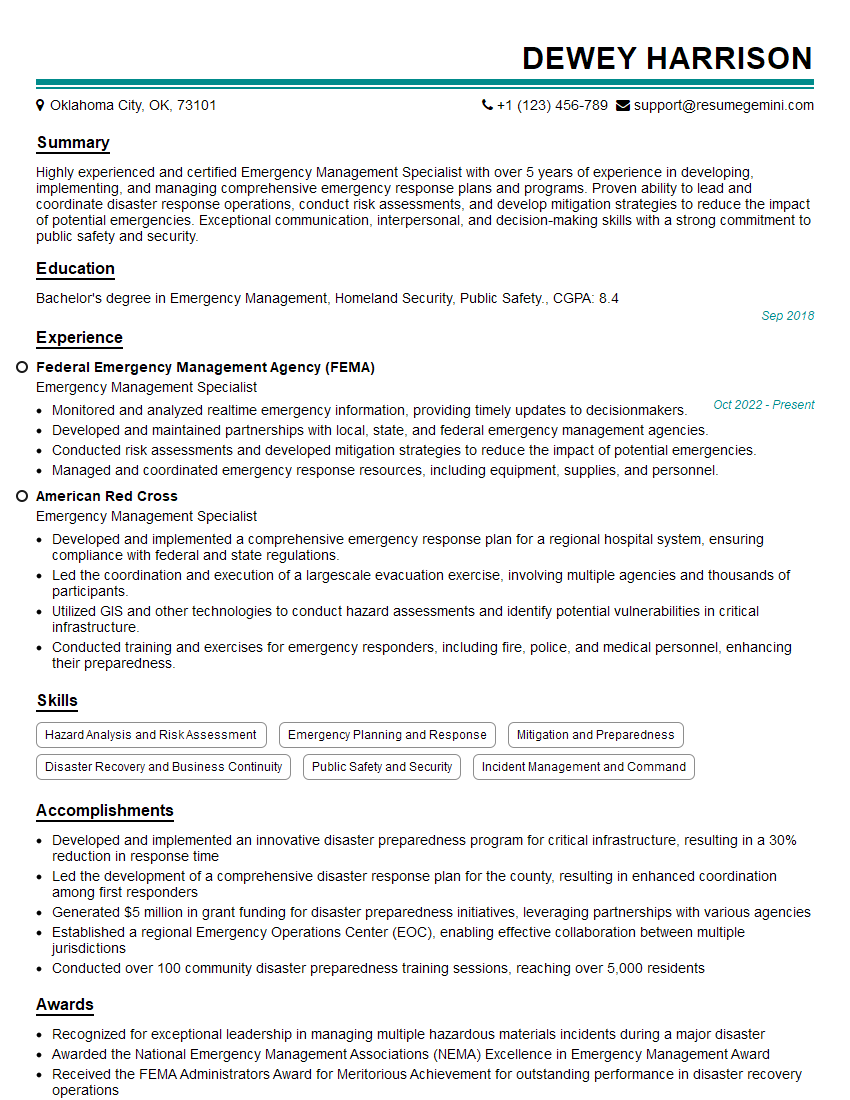
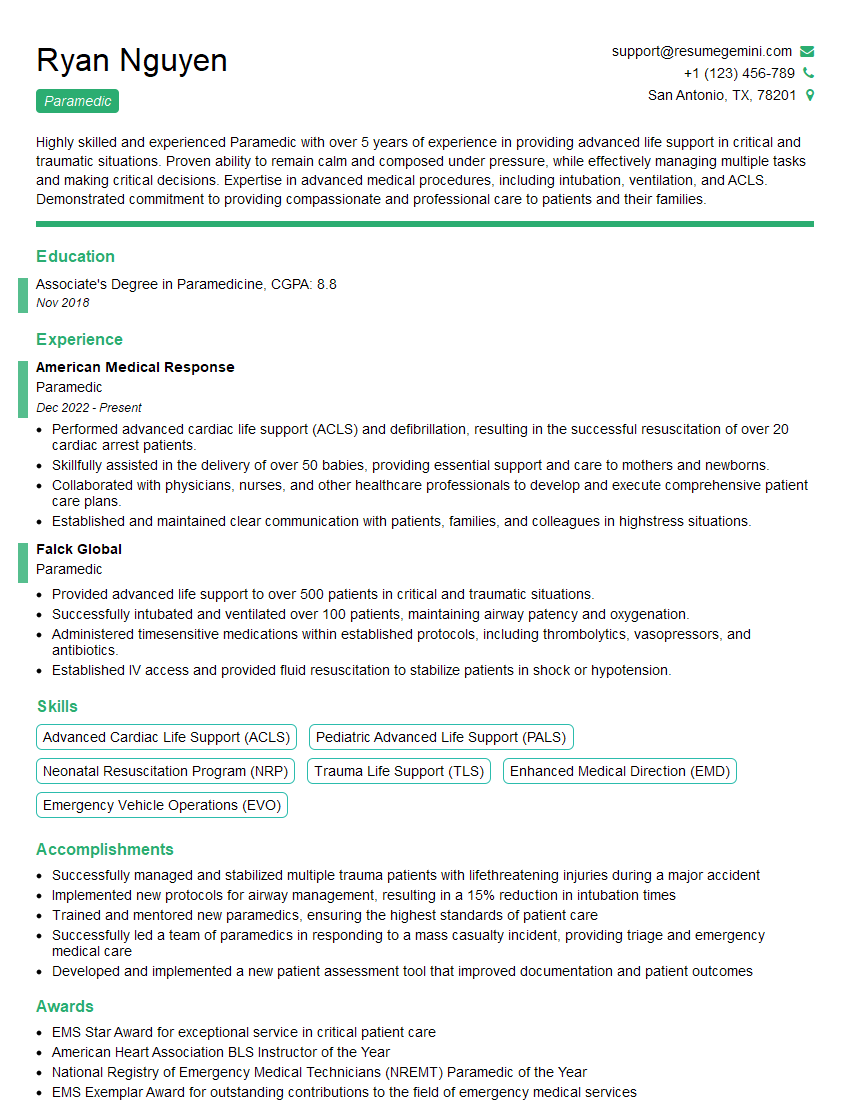
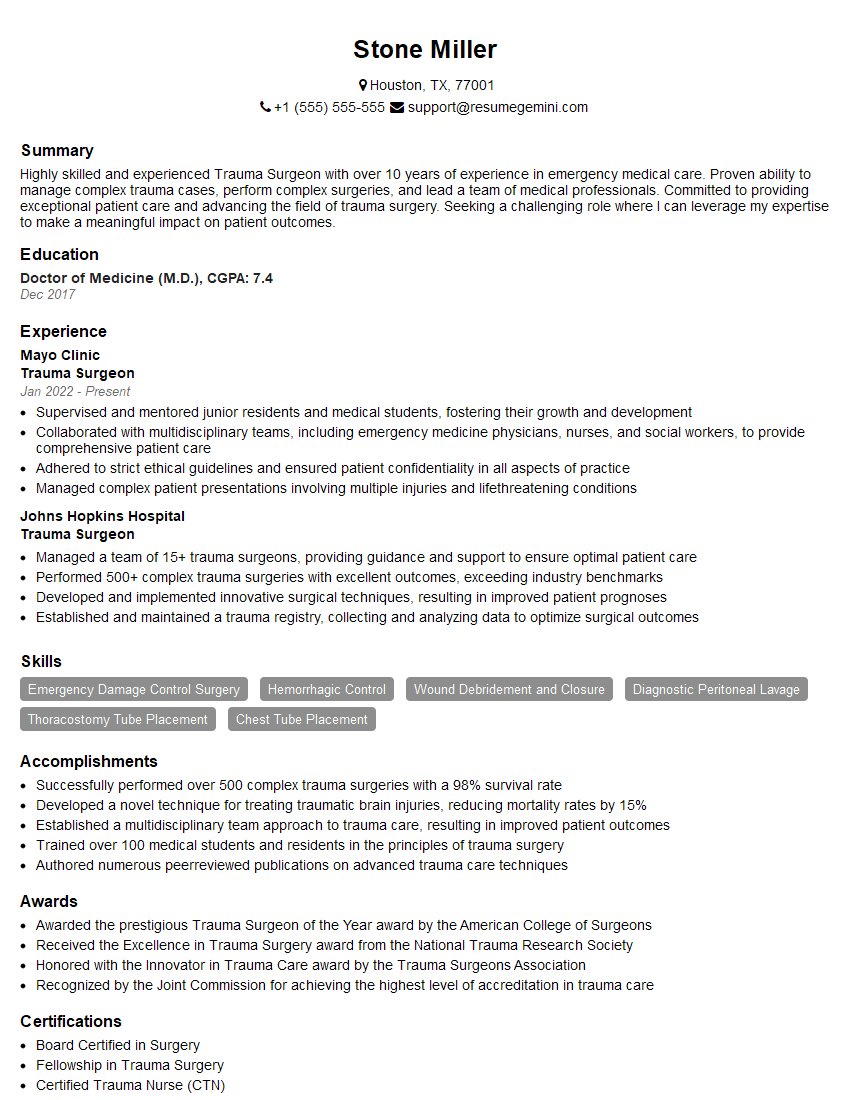
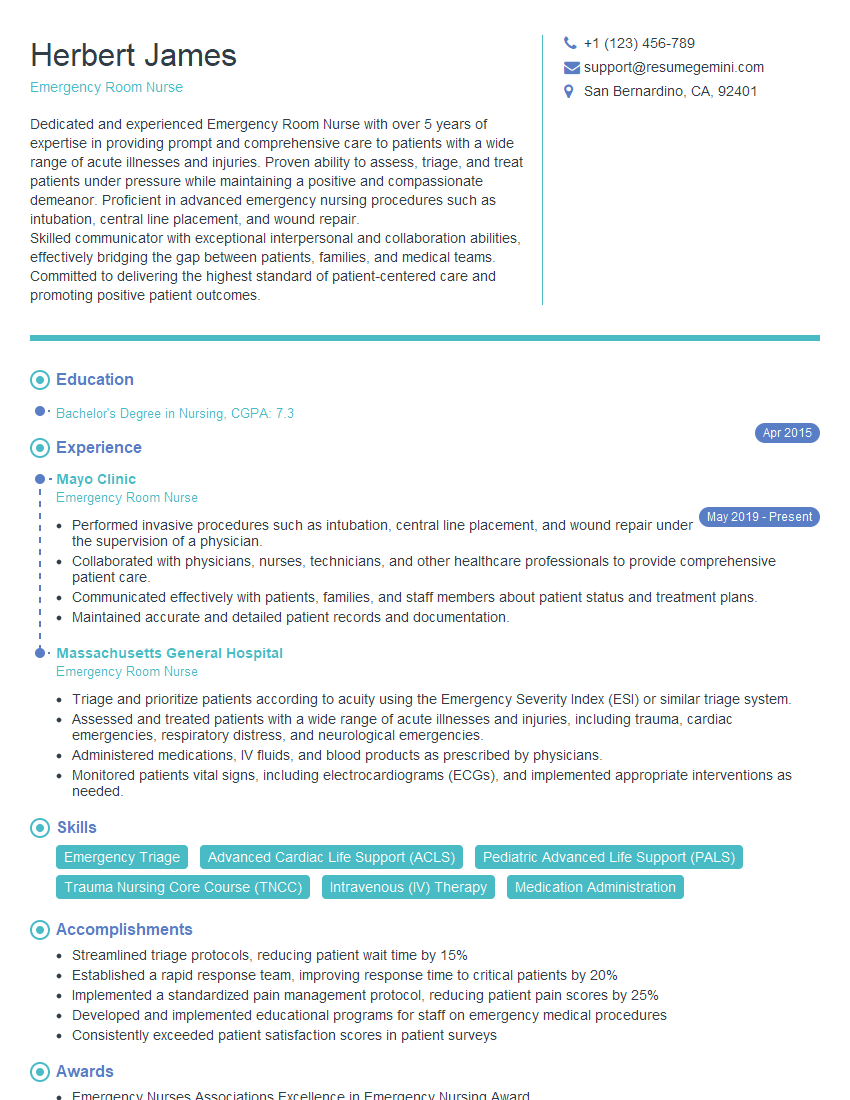
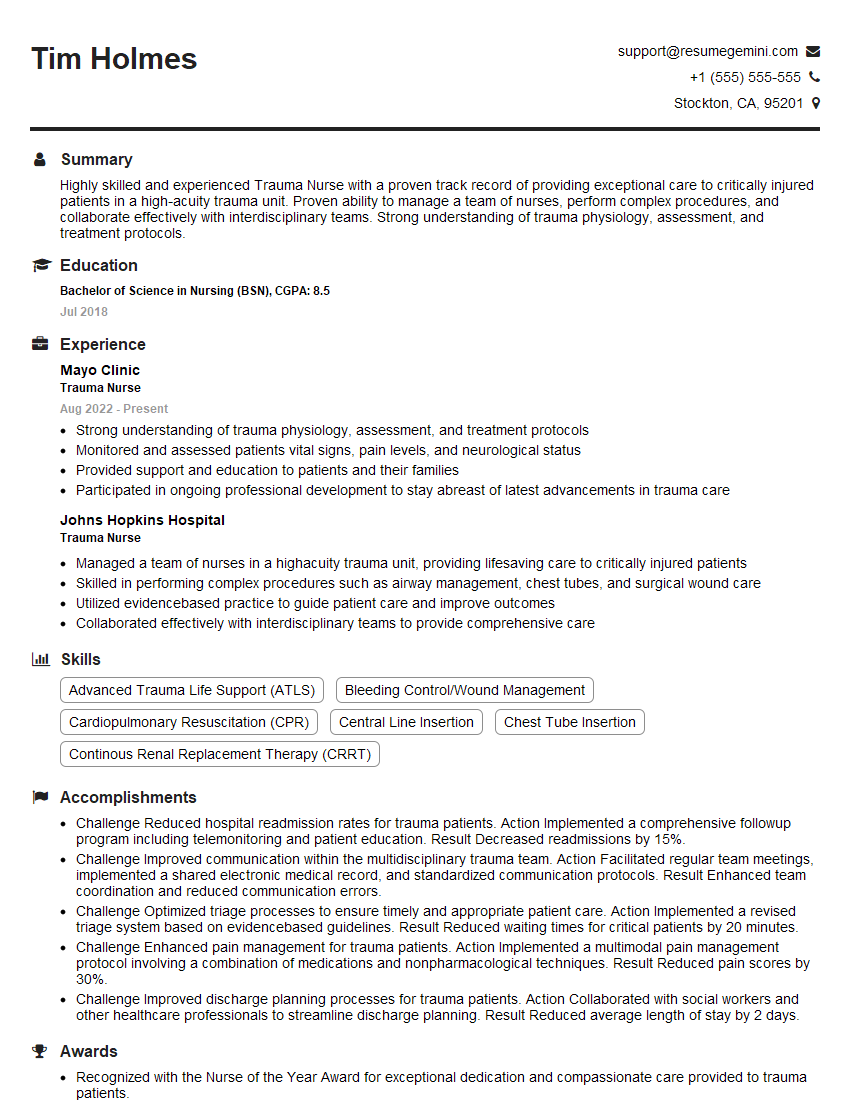
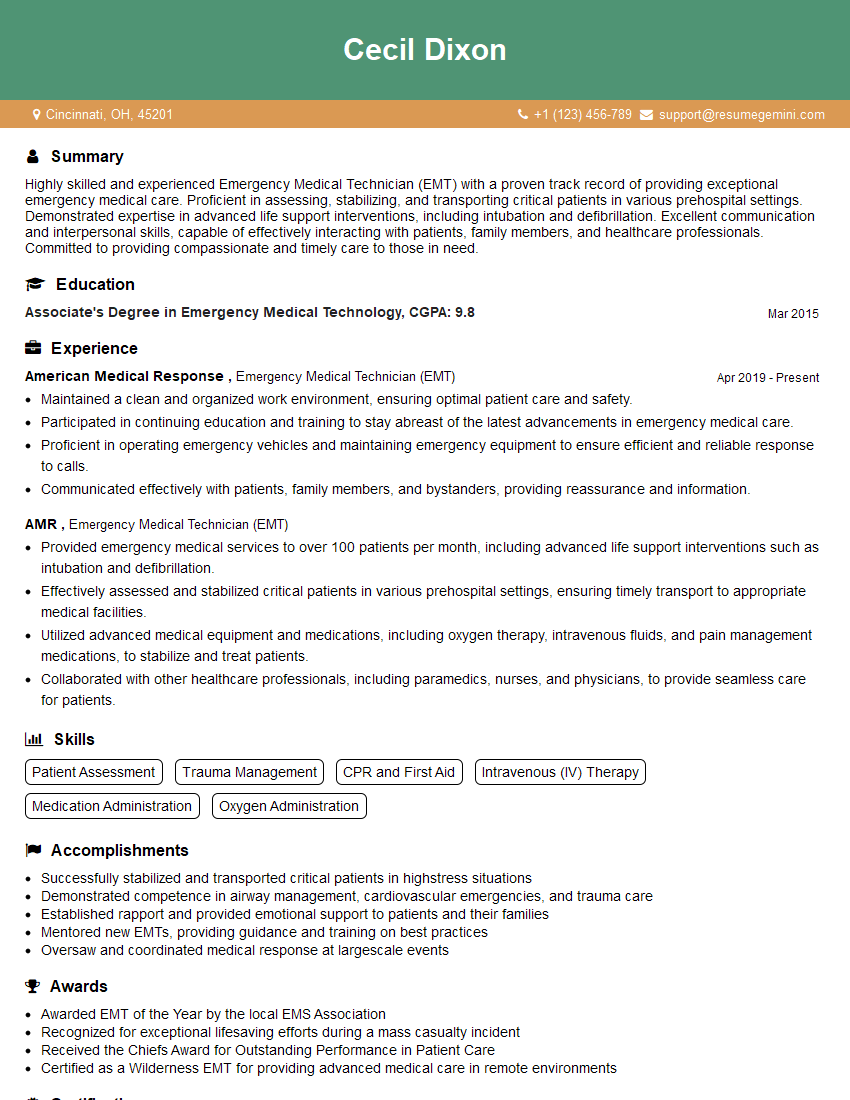
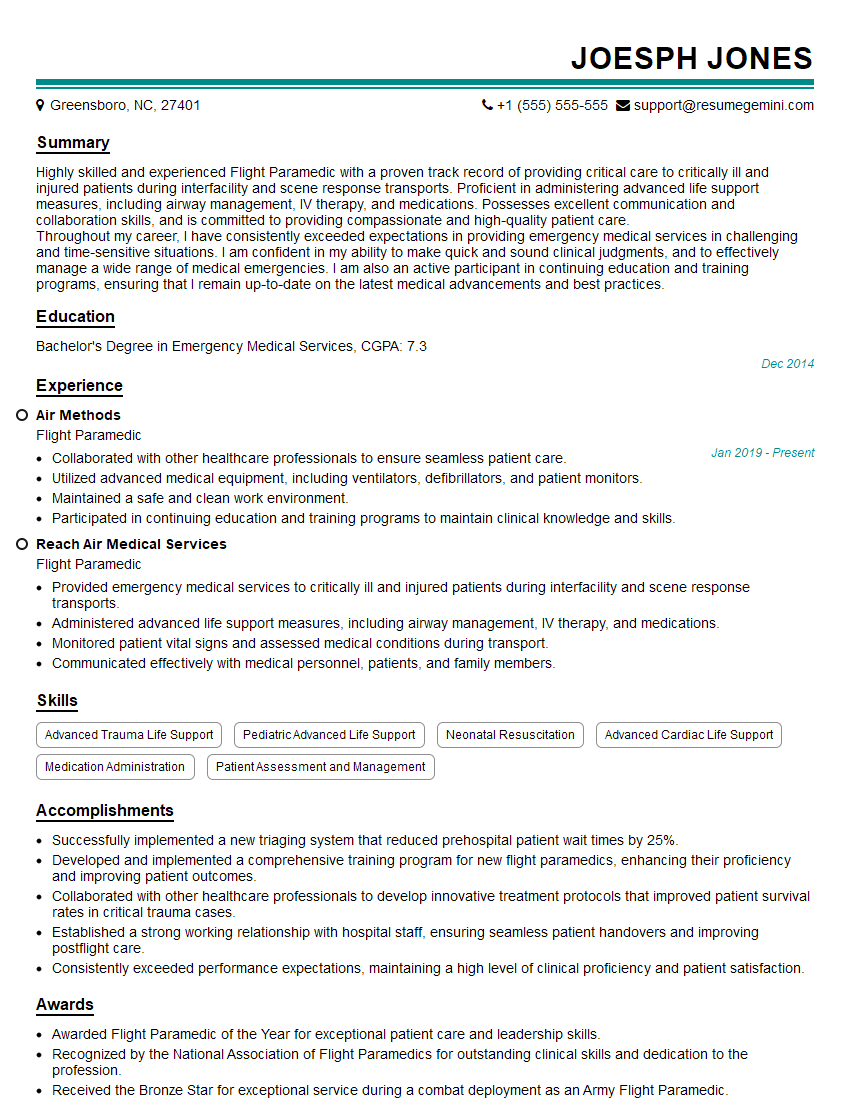
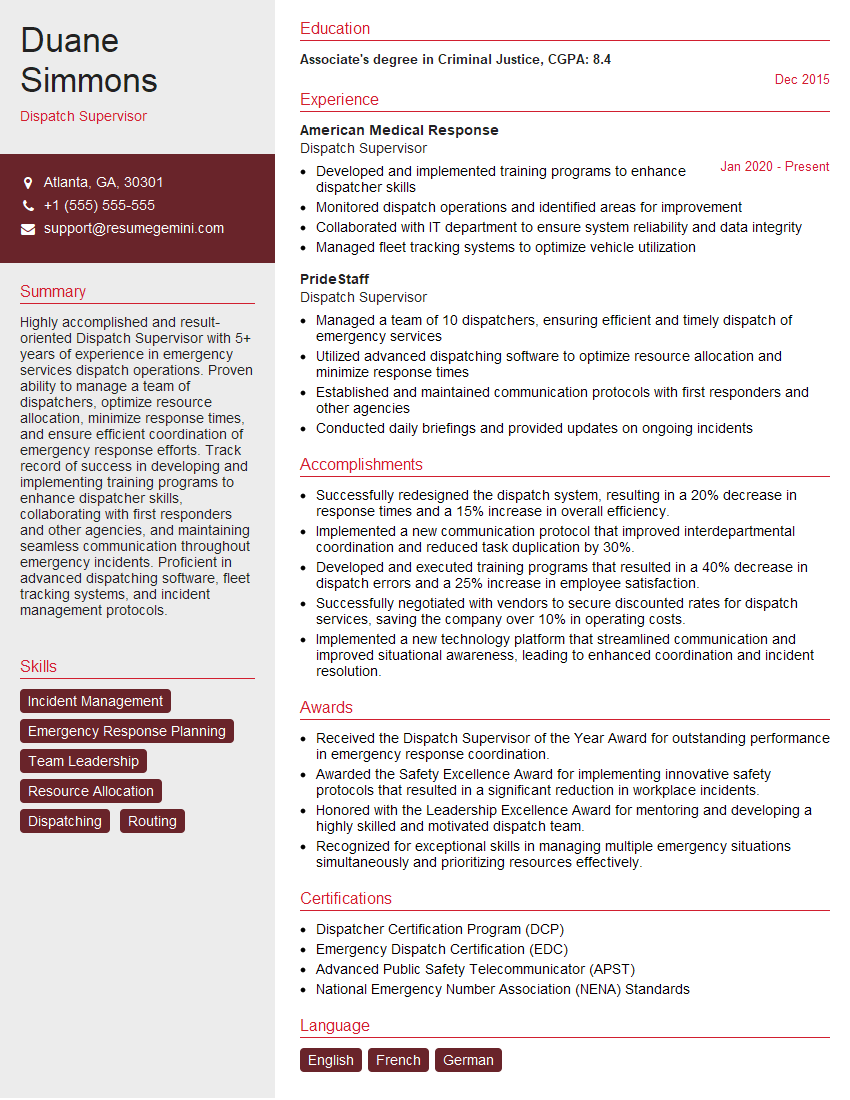
Mastering Prehospital Trauma Care (PHTLS) is crucial for career advancement in emergency medical services. Demonstrating a strong understanding of these principles is vital for securing your desired position. To significantly improve your job prospects, create an Applicant Tracking System (ATS)-friendly resume that highlights your skills and experience effectively. ResumeGemini is a trusted resource for building professional, impactful resumes. They provide examples of resumes tailored to Prehospital Trauma Care (PHTLS) professionals, helping you present your qualifications in the best possible light. Take the next step towards your dream career today!
Explore more articles
Users Rating of Our Blogs
Share Your Experience
We value your feedback! Please rate our content and share your thoughts (optional).
What Readers Say About Our Blog
To the interviewgemini.com Webmaster.
Very helpful and content specific questions to help prepare me for my interview!
Thank you
To the interviewgemini.com Webmaster.
This was kind of a unique content I found around the specialized skills. Very helpful questions and good detailed answers.
Very Helpful blog, thank you Interviewgemini team.