The thought of an interview can be nerve-wracking, but the right preparation can make all the difference. Explore this comprehensive guide to Prenatal Consultation interview questions and gain the confidence you need to showcase your abilities and secure the role.
Questions Asked in Prenatal Consultation Interview
Q 1. Describe your experience providing prenatal education to expectant parents.
Prenatal education is a cornerstone of my practice. I believe in empowering expectant parents with knowledge and confidence to navigate this incredible journey. My approach is highly individualized, tailoring the education to the unique needs and concerns of each couple. This often includes a mix of interactive sessions, handouts, and access to trusted online resources.
For example, I’ll discuss topics like fetal development, common discomforts of pregnancy (morning sickness, back pain), labor and delivery options, newborn care, and postpartum recovery. I also incorporate interactive elements, like demonstrations of breastfeeding techniques or discussions of pain management options during labor. I’ve found that providing a comfortable and judgment-free space is crucial, allowing parents to ask even the most basic questions without feeling embarrassed.
I recently worked with a first-time mother who was terrified of childbirth. By providing detailed information about pain management techniques, different birthing positions, and the support she could expect from her medical team, we successfully allayed much of her anxiety. She even opted for a water birth after learning about its pain-relieving benefits!
Q 2. How do you assess a pregnant woman’s risk factors for complications during pregnancy?
Assessing risk factors is a crucial step in prenatal care. It involves a comprehensive review of the patient’s medical history, lifestyle, and current health status. This includes reviewing past pregnancies, family history of genetic disorders or complications, current weight and Body Mass Index (BMI), blood pressure, and any existing medical conditions such as diabetes or hypertension.
- Medical History: Past pregnancies, miscarriages, or preterm deliveries can indicate increased risk.
- Family History: Genetic predispositions to conditions such as neural tube defects or chromosomal abnormalities need to be considered.
- Lifestyle Factors: Smoking, alcohol or drug use, poor diet, lack of exercise, and stress are significant risk factors.
- Current Health: Existing medical conditions like hypertension or diabetes require careful monitoring.
- Age: Women over 35 have an increased risk of certain complications.
Using this information, I can identify potential risks and implement appropriate monitoring and interventions, ensuring the best possible outcome for mother and baby. For example, a patient with a history of gestational diabetes will require more frequent blood sugar monitoring throughout her pregnancy.
Q 3. Explain your approach to addressing common concerns of pregnant women, such as morning sickness or anxiety.
Addressing common concerns is a priority. I use a combination of education, reassurance, and evidence-based interventions. For morning sickness, I recommend lifestyle modifications like eating small, frequent meals, avoiding trigger foods, and staying hydrated. I also discuss over-the-counter remedies and prescription medications if necessary, always emphasizing safety for both mother and baby.
Anxiety during pregnancy is common. I employ a holistic approach, combining education about pregnancy-related changes, stress-reduction techniques like deep breathing exercises and mindfulness, and referral to mental health professionals if needed. In some cases, I might recommend low-impact exercise or relaxation therapies.
For instance, a patient experiencing severe anxiety might benefit from cognitive behavioral therapy (CBT) to manage her worries. A support group for expectant mothers can also provide emotional support and a sense of community.
Q 4. What nutritional guidance do you provide to pregnant women to ensure optimal fetal development?
Nutritional guidance is paramount for optimal fetal development. I emphasize the importance of a balanced diet rich in fruits, vegetables, whole grains, lean protein, and healthy fats. I discuss the critical role of folic acid in preventing neural tube defects, iron to prevent anemia, and calcium for bone development. I also advise on safe food choices to minimize the risk of foodborne illnesses.
I often use visual aids like food pyramids or sample meal plans to illustrate healthy eating patterns. Additionally, I consider individual dietary restrictions, preferences, and cultural backgrounds when tailoring recommendations. For example, I might help a vegetarian patient plan a diet that meets her increased nutrient requirements.
I routinely screen for deficiencies and recommend supplementation when necessary, always closely monitoring for any adverse effects. I also strongly encourage limiting caffeine and sugary drinks.
Q 5. How do you counsel pregnant women on the importance of regular prenatal check-ups?
I emphasize the importance of regular prenatal check-ups by highlighting their role in early detection and management of potential complications. I explain how these visits allow for monitoring fetal growth and development, blood pressure, weight gain, and assessing the overall health of the mother. I illustrate how early identification of problems, like preeclampsia or gestational diabetes, can lead to timely intervention and improve outcomes.
I provide a clear schedule of visits and explain the purpose of each test or procedure, answering any questions or concerns the patient may have. I also address any transportation or financial barriers to ensure access to care. Regular check-ups are not just about monitoring; it’s about building a trusting relationship and providing ongoing support.
Q 6. Describe your understanding of gestational diabetes and its management.
Gestational diabetes is a form of diabetes that develops during pregnancy. It’s characterized by high blood glucose levels, which can lead to complications for both mother and baby, including macrosomia (large baby), birth trauma, and increased risk of type 2 diabetes later in life.
Management involves lifestyle modifications, including a healthy diet and regular exercise. Frequent blood glucose monitoring is crucial, and in many cases, insulin therapy or oral medications might be necessary to maintain blood sugar levels within the target range. Regular prenatal check-ups are essential to monitor both maternal and fetal well-being. I work closely with the patient and a registered dietitian to create an individualized nutrition plan and monitor the effectiveness of the treatment plan.
Q 7. How do you educate pregnant women about the benefits of breastfeeding?
I educate expectant mothers about the numerous benefits of breastfeeding for both the baby and the mother. For the baby, breastfeeding provides optimal nutrition, protection against infections, and strengthens the bond between mother and child. For the mother, it promotes uterine involution, reduces postpartum bleeding, and may lower the risk of certain cancers.
I discuss breastfeeding techniques, latch, positioning, and how to manage common challenges such as sore nipples or milk supply issues. I also offer information on resources and support groups for breastfeeding mothers. I make sure that mothers understand that breastfeeding is a personal choice and support their decision regardless of their feeding method. I’ll provide information on alternative feeding options and emphasize the importance of creating a supportive and positive experience.
Q 8. What are the common signs and symptoms of preeclampsia, and how do you address them?
Preeclampsia, also known as toxemia, is a serious condition characterized by high blood pressure and protein in the urine after 20 weeks of pregnancy. It can manifest in several ways, and early recognition is crucial.
- High Blood Pressure: A sudden or gradual increase in blood pressure (typically above 140/90 mmHg) is a key indicator. Think of it like a car engine running too hot – the body’s circulatory system is under stress.
- Proteinuria: Protein leaking into the urine. This is usually detected through a urine test during prenatal checkups.
- Edema: Swelling, often in the face, hands, and feet. This is because fluid is accumulating in the body’s tissues.
- Severe Headaches: Persistent and intense headaches, often described as unlike anything experienced before.
- Vision Changes: Blurred vision, spots, or flashes of light – these signal potential problems with blood flow to the eyes.
- Upper Abdominal Pain: Pain just below the ribs, often accompanied by nausea and vomiting.
Addressing Preeclampsia: Management involves careful monitoring, often requiring hospitalization. Treatment may include medication to lower blood pressure, bed rest, and in severe cases, early delivery of the baby to protect both the mother and child. The approach is highly individualized based on the severity of symptoms and gestational age.
For example, a pregnant woman experiencing severe headaches and vision changes would be immediately hospitalized for close monitoring and treatment, possibly including magnesium sulfate to prevent seizures.
Q 9. How do you incorporate cultural sensitivity and diversity into your prenatal consultations?
Cultural sensitivity is paramount in prenatal care. My approach involves understanding and respecting the diverse beliefs, practices, and preferences of my patients. This includes understanding different communication styles, dietary restrictions (e.g., religious or cultural food preferences), family dynamics (e.g., extended family involvement in decision-making), and traditional birth practices.
- Open Communication: I start each consultation by asking about cultural and personal preferences related to pregnancy and childbirth.
- Respectful Language: I use inclusive and person-centered language, avoiding jargon and ensuring that patients feel heard and understood.
- Collaboration: I work collaboratively with patients to create a birth plan that respects their values and beliefs while ensuring the safety of both mother and baby. This could include incorporating traditional remedies (when safe) into a western medical approach.
- Cultural Resources: I provide access to culturally appropriate resources and support networks, if needed. For example, if a patient is primarily Spanish-speaking, I’ll ensure Spanish-speaking materials and possibly an interpreter are available.
For instance, if a patient expresses a preference for a home birth within their cultural traditions, I discuss the safety implications and explore ways to integrate this preference into a safe birthing plan, perhaps in collaboration with a midwife experienced in home births.
Q 10. Explain your knowledge of different birthing methods and how you support expectant parents’ choices.
I support a wide range of birthing methods, recognizing that each woman’s journey is unique. My role is to provide education and empower expectant parents to make informed choices. These options can include:
- Vaginal Birth: The most common and natural way to give birth, often involving various positions and pain management techniques (epidural, breathing techniques etc.).
- Cesarean Section (C-section): A surgical procedure necessary in certain circumstances, such as fetal distress or breech presentation.
- Water Birth: Giving birth in a warm water tub, which can provide pain relief and relaxation.
- Home Birth: Delivering the baby at home, often with the assistance of a midwife.
Regardless of the chosen method, I provide comprehensive education on the advantages, disadvantages, and potential risks associated with each option. I actively listen to the couple’s preferences, answer their questions thoroughly, and address any concerns they may have. The decision-making process is collaborative; my role is to guide and support them, not dictate their choices.
For example, if a couple expresses interest in a water birth, I’ll thoroughly discuss the necessary safety protocols, potential risks, and ensure they’re aware that a transfer to the hospital might be necessary if complications arise.
Q 11. How do you handle a situation where a pregnant woman is experiencing significant emotional distress?
Emotional distress during pregnancy is common. My approach is to create a safe and supportive environment where the pregnant woman feels comfortable expressing her feelings. I start by actively listening and validating her emotions.
- Active Listening: I create a non-judgmental space, using empathetic responses to demonstrate understanding.
- Identify the Root Cause: I work to understand the source of the distress, whether it’s related to anxiety about labor, relationship issues, financial worries, or past trauma.
- Provide Support & Resources: I connect the woman with appropriate resources, such as therapists, support groups, or social workers. In cases of severe depression or anxiety, I refer her to a psychiatrist or mental health professional.
- Collaborate with Other Healthcare Providers: I work closely with the patient’s primary care physician or obstetrician to coordinate care and ensure a holistic approach to her well-being.
For instance, if a woman is experiencing significant anxiety related to the upcoming birth, I might suggest relaxation techniques like prenatal yoga, meditation, or breathing exercises, and refer her to a perinatal mental health specialist for additional support.
Q 12. What resources do you recommend to pregnant women for support and additional information?
I recommend a variety of resources to support pregnant women, tailoring my suggestions to their individual needs and preferences.
- Reliable Online Resources: Organizations like the March of Dimes and the American College of Obstetricians and Gynecologists (ACOG) provide evidence-based information on pregnancy, labor, and postpartum care.
- Prenatal Classes: These classes offer education on various aspects of pregnancy, childbirth, and newborn care.
- Support Groups: Connecting with other pregnant women and new mothers can provide emotional support and practical advice.
- Lamaze or other Childbirth Education: These classes provide valuable information and techniques for managing labor and delivery.
- Healthcare Professionals: Regular consultations with obstetricians, midwives, and other healthcare providers ensure ongoing monitoring and address any concerns.
I also encourage women to utilize local community resources, such as libraries and health departments, which often provide additional support services and educational materials. I always emphasize the importance of consulting their healthcare provider for personalized recommendations and advice.
Q 13. How do you maintain confidentiality and privacy in your consultations?
Confidentiality and privacy are cornerstones of my practice. I adhere strictly to professional ethical guidelines and legal regulations to protect patient information.
- HIPAA Compliance: I am fully compliant with the Health Insurance Portability and Accountability Act (HIPAA), ensuring patient data is securely stored and only accessed by authorized personnel.
- Informed Consent: Before sharing any information, I obtain explicit informed consent from the patient. I explain how the information will be used and who will have access.
- Secure Communication: I use secure electronic medical record systems and avoid discussing sensitive information in public places.
- Limited Information Sharing: I only share information with other healthcare providers involved in the patient’s care on a need-to-know basis, and only with appropriate authorization.
For example, I would never disclose a patient’s pregnancy status to anyone without their explicit permission, even to family members. I carefully maintain the confidentiality of all medical records and ensure all communication channels are secure and private.
Q 14. Describe your understanding of fetal development during each trimester.
Fetal development is a remarkable process that unfolds in distinct stages across three trimesters.
- First Trimester (Weeks 1-12): This is a period of rapid cell division and organogenesis (organ formation). The embryo develops its major organ systems, including the heart, brain, and spinal cord. By the end of the first trimester, the fetus is about 3 inches long and its features are starting to become more defined.
- Second Trimester (Weeks 13-28): Significant growth occurs, with the fetus developing more refined features. The mother may start to feel fetal movements (quickening). The lungs begin to mature, and the circulatory system continues to develop. The fetus weighs about 1 pound by the end of this trimester.
- Third Trimester (Weeks 29-40): This is a period of rapid weight gain and continued organ maturation. The lungs finish developing, preparing the fetus for breathing air. The brain continues to grow and develop, and the fetus typically assumes a head-down position in preparation for birth. By the end of this trimester, the fetus is fully developed and ready for birth.
Understanding the stages of fetal development allows for appropriate monitoring and intervention during prenatal care, ensuring the best possible outcome for the pregnancy.
Q 15. What is your approach to discussing genetic screening options with expectant parents?
My approach to discussing genetic screening options begins with a thorough understanding of the expectant parents’ background, including family history, ethnicity, and personal preferences. I avoid overwhelming them with information upfront. Instead, I start by explaining the purpose of genetic screening – to identify potential chromosomal abnormalities or genetic conditions that could affect the pregnancy or the baby’s health. I then present the various options available, such as non-invasive prenatal testing (NIPT), ultrasound scans, and carrier screening, explaining the benefits, limitations, and risks associated with each test in clear, simple language. I use analogies to help them understand complex concepts; for instance, I might compare NIPT to a blood test that checks for specific markers instead of directly examining the fetus’s chromosomes. Crucially, I emphasize that these tests are only tools to provide information and that the decision on whether or not to proceed with testing remains entirely theirs. I encourage them to ask questions, express concerns, and take time to consider their choices. I also provide them with reliable information sources and schedule a follow-up appointment to review the results and discuss next steps together.
- Example: For a couple concerned about Down syndrome, I might explain that NIPT is a highly accurate blood test that detects the presence of extra chromosome 21 with a high degree of accuracy, but it doesn’t diagnose all genetic conditions.
- Example: For a couple of Ashkenazi Jewish descent, I’d emphasize the importance of carrier screening for Tay-Sachs disease and other common recessive conditions in their community.
Career Expert Tips:
- Ace those interviews! Prepare effectively by reviewing the Top 50 Most Common Interview Questions on ResumeGemini.
- Navigate your job search with confidence! Explore a wide range of Career Tips on ResumeGemini. Learn about common challenges and recommendations to overcome them.
- Craft the perfect resume! Master the Art of Resume Writing with ResumeGemini’s guide. Showcase your unique qualifications and achievements effectively.
- Don’t miss out on holiday savings! Build your dream resume with ResumeGemini’s ATS optimized templates.
Q 16. How do you educate patients about the importance of prenatal vitamins and supplements?
Educating patients about prenatal vitamins and supplements is a cornerstone of my practice. I explain that these are not optional but essential for the healthy development of the baby. I begin by emphasizing the role of folic acid in preventing neural tube defects, a serious birth defect that affects the brain and spinal cord. I then discuss the importance of other vital nutrients such as iron to prevent anemia, calcium for bone development, and vitamin D for calcium absorption. I address any misconceptions about supplement intake, such as the fear of potential side effects or the belief that a healthy diet alone is sufficient. I explain that even with a balanced diet, it’s difficult to consistently obtain optimal levels of all essential nutrients. I emphasize the need for a personalized approach, considering individual dietary habits and any existing medical conditions. I always recommend a prenatal vitamin containing at least 400 mcg of folic acid and discuss with the patient about the various brands and formulations available. I also stress the importance of regular blood tests to monitor vitamin levels and adjust supplementation as needed. I often provide educational materials such as pamphlets or website links for further information.
Q 17. Describe your experience counseling expectant parents about potential birth complications.
Counseling expectant parents about potential birth complications is a delicate yet crucial aspect of prenatal care. My approach is based on open and honest communication, acknowledging both the risks and the positive aspects of pregnancy and childbirth. I begin by assessing the patient’s level of anxiety and knowledge about potential complications. I then explain common complications such as preeclampsia, gestational diabetes, preterm labor, and placental abruption, using clear, non-medical language and avoiding excessive technical jargon. I emphasize that the occurrence of these complications is not necessarily indicative of poor health or lack of care. I illustrate the importance of regular monitoring and prompt management. I involve the patient in developing a management plan, emphasizing the options available and the potential implications of each choice. I collaborate with specialists when needed and always ensure the patient feels empowered to ask questions and voice their concerns. I provide personalized information and resources based on their specific circumstances. One of my key strategies is to equip patients with knowledge that enables them to actively participate in managing their pregnancy and childbirth journey. It’s about creating a space for them to express their fears, and together, we develop strategies for coping with uncertainty and potential challenges.
- Example: For a patient with a history of gestational diabetes in a previous pregnancy, I discuss risk factors, monitoring techniques, and management strategies, including diet and lifestyle modifications and potentially medication.
Q 18. How do you tailor your communication style to meet the needs of diverse patient populations?
Tailoring communication to diverse patient populations is paramount. I achieve this through active listening, cultural sensitivity, and a flexible approach. I begin by recognizing that each patient has unique experiences, beliefs, and communication styles. I assess their preferred mode of communication – verbal, visual, or written – and adapt accordingly. For example, for patients with limited English proficiency, I utilize interpreter services and visual aids. I also consider cultural differences regarding family involvement in healthcare decisions, and I ensure that all family members involved feel comfortable participating in discussions. I avoid using medical jargon, opting instead for straightforward and respectful language. I show empathy and understanding, and I actively acknowledge and address any health literacy barriers. I make it a point to understand their health beliefs and incorporate them into the care plan whenever possible. Building trust and rapport is key to ensuring effective communication and patient satisfaction. I also ensure access to culturally appropriate resources and support networks.
Q 19. What is your approach to managing difficult or challenging patients?
Managing difficult or challenging patients requires patience, empathy, and clear communication. I strive to understand the root cause of their challenging behavior, which could stem from anxiety, fear, misinformation, or unresolved issues. I create a safe space where they feel heard and understood. I actively listen to their concerns without judgment. I validate their feelings while maintaining professional boundaries. If miscommunication or misunderstandings are the issue, I clarify information using different methods, such as diagrams or written explanations. If the patient displays aggressive behavior, I remain calm, set clear boundaries, and prioritize safety. In such cases, I might involve colleagues or security personnel if necessary. I document all interactions meticulously. I consistently focus on building rapport, demonstrating respect, and clarifying expectations. Ultimately, my goal is to de-escalate the situation and achieve a mutually respectful therapeutic alliance. I strive for collaborative decision-making whenever feasible, thereby allowing the patient to feel ownership over their care.
Q 20. Explain your understanding of the ethical considerations in prenatal care.
Ethical considerations in prenatal care are central to my practice. Informed consent is paramount; ensuring that patients fully understand the benefits, risks, and alternatives of any procedures or treatments before making decisions is crucial. Patient autonomy, the right of individuals to make their own healthcare choices, is respected at all times. Confidentiality is strictly maintained, and all patient information is protected according to legal and ethical guidelines. I am mindful of potential conflicts of interest and ensure that my recommendations are always in the best interests of the patient. Non-discrimination is a core principle, with equitable care provided to all individuals regardless of race, ethnicity, religion, sexual orientation, or socioeconomic status. I address complex ethical dilemmas, such as genetic testing decisions and the management of high-risk pregnancies, with careful consideration of relevant ethical frameworks and professional guidelines, often consulting with colleagues or ethics committees when needed. I am committed to continuous learning and professional development in this ever-evolving field of medicine.
Q 21. Describe your experience with electronic health records (EHRs) in a prenatal setting.
My experience with electronic health records (EHRs) in a prenatal setting has been largely positive. EHRs significantly improve the efficiency and organization of patient care. They allow for seamless access to a comprehensive patient record, encompassing medical history, lab results, imaging studies, and prenatal visit notes. This facilitates informed decision-making and minimizes the risk of medical errors. EHRs also facilitate effective communication among healthcare providers, improving coordination of care. The ability to schedule appointments, send reminders, and transmit lab results electronically streamlines the workflow. However, there are challenges. Maintaining data security and patient privacy is paramount, and I ensure adherence to all relevant regulations. The time required for data entry can sometimes detract from direct patient interaction, a balance that needs to be carefully managed. Finally, the constant evolution of EHR systems demands continuous professional development to maximize their benefits and mitigate their limitations. Overall, the advantages of EHRs in enhancing the quality, safety, and efficiency of prenatal care significantly outweigh the challenges.
Q 22. How do you collaborate effectively with other healthcare professionals in providing prenatal care?
Effective prenatal care relies heavily on collaboration. I believe in a team-based approach, fostering open communication and shared decision-making with other healthcare professionals. This includes regular communication with obstetricians, midwives, nurses, and potentially specialists like geneticists or dieticians, depending on the patient’s needs.
- Regular Case Conferences: We hold regular case conferences to discuss complex pregnancies, sharing relevant information and strategizing management plans. For example, if a patient presents with gestational diabetes, I’ll collaborate with a dietician to create a personalized dietary plan and monitor the patient’s blood sugar levels alongside the obstetrician.
- Electronic Health Records (EHR): Utilizing EHR systems ensures seamless information sharing among team members. This allows for efficient tracking of vital signs, test results, and treatment progress, contributing to better care coordination.
- Referral System: I establish a smooth referral system. If a patient requires specialized care, I ensure prompt and clear referrals to the appropriate specialist, providing them with all necessary patient information beforehand. For instance, a patient experiencing severe morning sickness might be referred to a gastroenterologist.
This collaborative approach ensures comprehensive and holistic prenatal care, leading to improved pregnancy outcomes and a better patient experience.
Q 23. How do you stay current with the latest advancements and best practices in prenatal care?
Staying current in prenatal care is crucial. I achieve this through a multifaceted approach that combines continuous learning with practical application.
- Professional Organizations: I actively participate in professional organizations like the American College of Obstetricians and Gynecologists (ACOG) and attend their conferences and workshops to stay updated on the latest research and guidelines. These events provide opportunities to learn about new diagnostic tools, therapeutic advancements, and evidence-based practices.
- Peer-Reviewed Journals: I regularly review peer-reviewed medical journals, focusing on publications relevant to obstetrics and maternal-fetal medicine. This allows me to critically appraise new research and integrate relevant findings into my practice.
- Continuing Medical Education (CME): I dedicate time to completing continuing medical education courses to maintain and enhance my professional skills and knowledge. This includes online modules, webinars, and in-person training focused on areas such as fetal monitoring, genetic counseling, and managing pregnancy complications.
- Networking: Networking with colleagues through professional groups and attending conferences helps me stay informed about the latest techniques and best practices in prenatal care.
By continually updating my knowledge, I can provide my patients with the most effective, evidence-based care available.
Q 24. What is your approach to risk assessment and management during prenatal consultations?
Risk assessment is fundamental to prenatal care. My approach involves a thorough evaluation of various factors that could impact pregnancy outcomes, starting from the initial consultation.
- Comprehensive History: I begin with a detailed medical history, focusing on past pregnancies, chronic illnesses (such as diabetes or hypertension), family history of genetic disorders, and current lifestyle factors (smoking, alcohol use, drug use).
- Physical Examination: A thorough physical examination helps identify potential risks. This includes assessing blood pressure, weight, and any physical signs that might indicate underlying health issues.
- Laboratory Tests: I order relevant laboratory tests such as blood type, complete blood count, urine analysis, and screening tests for infections like rubella and toxoplasmosis. Genetic screening is offered based on individual risk factors and preferences.
- Risk Stratification: Based on the collected information, I stratify the patient’s risk for complications. This allows me to personalize the care plan and recommend appropriate interventions. For instance, a patient with a history of preeclampsia would require more frequent monitoring and potentially medication.
- Risk Management: Risk management involves implementing strategies to mitigate identified risks. This may involve lifestyle modifications (diet, exercise, smoking cessation), medication, or referral to specialists. For example, a patient with a high risk of gestational diabetes might be advised on dietary changes and given regular glucose monitoring.
This systematic approach allows for early identification and management of potential risks, enhancing the chances of a positive pregnancy outcome.
Q 25. Explain your understanding of the impact of stress on pregnancy outcomes.
Stress significantly impacts pregnancy outcomes. Chronic stress can negatively affect both the mother and the developing fetus. The mechanisms aren’t fully understood, but we know elevated cortisol levels (a stress hormone) can be associated with complications.
- Preterm Labor: Chronic stress increases the risk of preterm labor and low birth weight. The stress hormones can trigger uterine contractions prematurely.
- Birth Defects: Some studies suggest a link between maternal stress and an increased risk of certain birth defects.
- Postpartum Depression: Stress during pregnancy can increase the risk of postpartum depression, affecting both maternal and infant well-being.
- Gestational Hypertension: Stress can contribute to the development of gestational hypertension, a condition that can lead to severe complications.
During prenatal consultations, I assess stress levels through direct questioning and validated questionnaires. If significant stress is identified, I offer support and interventions, such as relaxation techniques, stress management counseling, or referral to a mental health professional. Creating a supportive and understanding environment is critical to help manage maternal stress and improve pregnancy outcomes.
Q 26. How do you assess and address a pregnant woman’s physical activity needs?
Physical activity is beneficial during pregnancy for both maternal and fetal health, but it needs to be tailored to the individual’s fitness level and any existing medical conditions.
- Assessment: I assess the patient’s current activity level, medical history, and any limitations. This might involve asking about their usual exercise routine, any discomfort during movement, and the presence of medical conditions that could affect exercise tolerance (like heart disease or joint problems).
- Recommendations: Based on the assessment, I provide personalized recommendations. Generally, moderate-intensity exercise (like brisk walking, swimming, or low-impact aerobics) for at least 150 minutes per week is recommended. I emphasize the importance of listening to their bodies and avoiding strenuous activities. Specific exercises to avoid or modify depending on the stage of pregnancy and individual needs will be communicated.
- Safety Precautions: I also advise on safety precautions such as proper hydration, wearing comfortable clothing and supportive footwear, avoiding overheating, and monitoring fetal movement after exercise.
- Red Flags: I educate patients on the importance of recognizing and reporting any red flags, such as vaginal bleeding, shortness of breath, dizziness, or decreased fetal movement, which necessitate a cessation of exercise and immediate medical attention.
It’s important to remember that physical activity during pregnancy should be safe and enjoyable, promoting both physical and mental well-being.
Q 27. Describe your experience with various methods of communicating with patients (e.g., phone, email, video conferencing).
Effective communication is paramount in prenatal care. I utilize various methods to connect with my patients, tailoring my approach to their preferences and needs.
- In-Person Consultations: I value the importance of in-person consultations for building rapport and addressing concerns directly. This allows for a thorough assessment and personal interaction.
- Telephone Communication: I use phone calls for follow-ups, answering quick questions, and providing immediate support. This is particularly helpful for addressing urgent concerns or providing timely updates.
- Email Communication: Email serves as a convenient method for sharing educational materials, test results, and appointment reminders. I ensure that sensitive information is handled securely and in compliance with privacy regulations (HIPAA).
- Video Conferencing: Video conferencing platforms are used for remote consultations, providing flexibility and convenience for patients who may have geographical limitations or mobility issues. This allows for remote monitoring and reduces the need for unnecessary in-person visits.
I ensure clear and concise communication across all methods, employing plain language and avoiding medical jargon whenever possible. I actively encourage patients to ask questions and express their concerns.
Q 28. How do you handle situations involving unexpected pregnancy complications or emergencies?
Unexpected complications during pregnancy require prompt and decisive action. My approach prioritizes immediate assessment and stabilization of the patient and the fetus.
- Immediate Assessment: I perform a thorough assessment of the patient’s condition, focusing on vital signs, fetal heart rate, and any symptoms they are experiencing. This involves utilizing the appropriate monitoring equipment.
- Stabilization: My immediate goal is to stabilize the patient and the fetus. This may involve administering oxygen, intravenous fluids, or medication as needed. I will often consult with other healthcare professionals at this time to ensure the appropriate plan of care.
- Referral & Transfer: If the situation requires specialized care, I facilitate a prompt referral to a hospital or specialized unit. This will often involve coordinating the transfer process to ensure safe transport for the patient.
- Communication: Maintaining clear and open communication with the patient and their family throughout the entire process is crucial. Explaining the situation in simple, understandable terms and answering their questions is essential to managing their stress.
- Documentation: Detailed and accurate documentation of the event, including the assessment findings, interventions, and the referral process is vital for continuity of care and future medical record reference.
Managing unexpected complications requires quick thinking, decisive action, and excellent teamwork to ensure the best possible outcome for both mother and baby.
Key Topics to Learn for Prenatal Consultation Interview
- Patient History & Risk Assessment: Understanding how to thoroughly collect and analyze patient medical history, identifying potential risks and complications throughout pregnancy.
- Prenatal Testing & Screening: Knowledge of various prenatal tests (e.g., ultrasound, blood tests), their purpose, interpretation of results, and counseling patients on their options.
- Nutritional Counseling: Advising patients on maintaining a healthy diet during pregnancy, addressing common nutritional deficiencies, and promoting healthy weight gain.
- Physical & Emotional Well-being: Addressing the physical and emotional changes experienced during pregnancy, providing support and resources for managing common discomforts and anxieties.
- Education & Communication: Effectively communicating complex medical information to patients in a clear and understandable manner, answering questions, and providing ongoing support.
- Common Pregnancy Complications: Recognizing and managing common complications such as gestational diabetes, preeclampsia, and preterm labor, knowing when to refer patients to specialists.
- Legal and Ethical Considerations: Understanding patient confidentiality, informed consent, and ethical dilemmas related to prenatal care.
- Practical Application: Role-playing scenarios involving patient interactions, demonstrating effective communication and problem-solving skills in various prenatal situations.
- Problem-Solving Approach: Analyzing case studies involving complex pregnancy scenarios, identifying potential problems, and developing appropriate management plans.
Next Steps
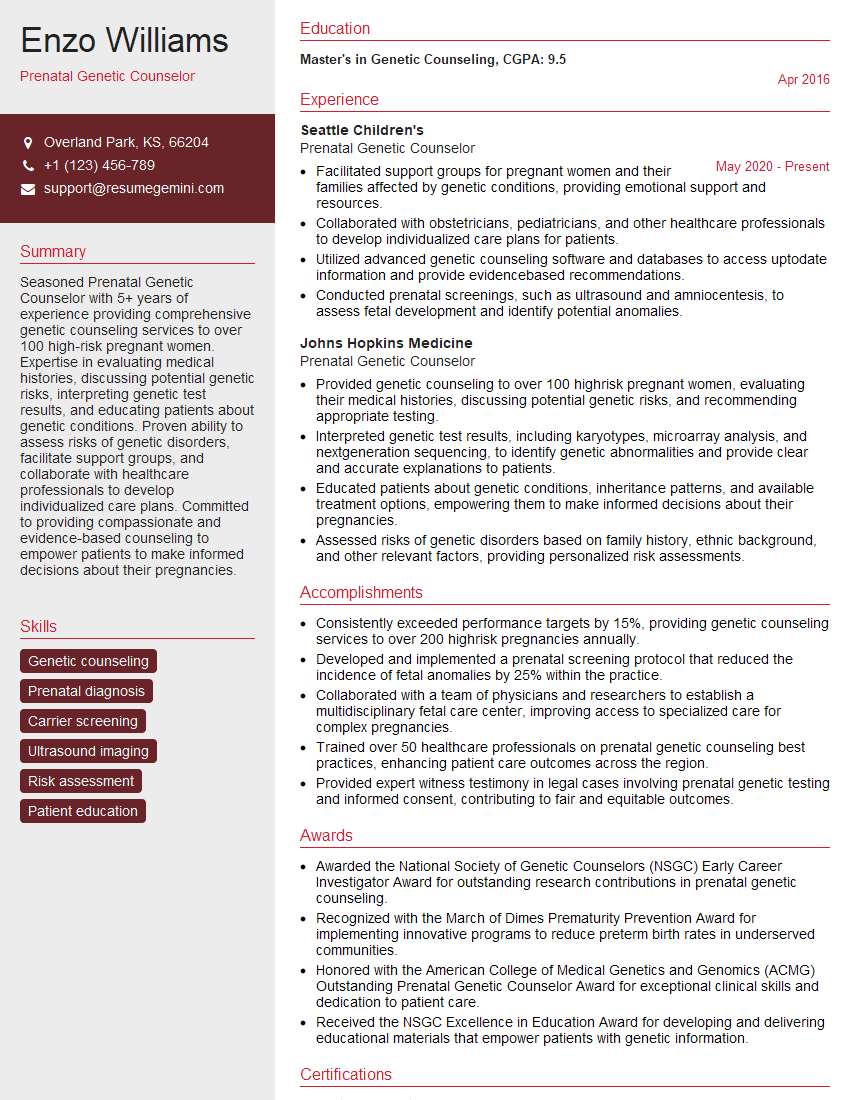
Mastering prenatal consultation skills is crucial for career advancement in healthcare. A strong understanding of these key areas will significantly improve your chances of securing your dream role. To stand out, create an ATS-friendly resume that effectively highlights your qualifications. ResumeGemini is a trusted resource that can help you build a professional and impactful resume, ensuring your application gets noticed. Examples of resumes tailored specifically to Prenatal Consultation are available within ResumeGemini to guide you.
Explore more articles
Users Rating of Our Blogs
Share Your Experience
We value your feedback! Please rate our content and share your thoughts (optional).
What Readers Say About Our Blog
To the interviewgemini.com Webmaster.
Very helpful and content specific questions to help prepare me for my interview!
Thank you
To the interviewgemini.com Webmaster.
This was kind of a unique content I found around the specialized skills. Very helpful questions and good detailed answers.
Very Helpful blog, thank you Interviewgemini team.