Unlock your full potential by mastering the most common Proficiency with Power Tools and Equipment interview questions. This blog offers a deep dive into the critical topics, ensuring you’re not only prepared to answer but to excel. With these insights, you’ll approach your interview with clarity and confidence.
Questions Asked in Proficiency with Power Tools and Equipment Interview
Q 1. What safety precautions do you take when using a circular saw?
Safety is paramount when using a circular saw. Before even turning it on, I always ensure the area is clear of obstructions and bystanders. Think of it like this: you wouldn’t drive a car without checking your surroundings, right? The same principle applies here.
- Proper Blade Selection: I choose the correct blade for the material I’m cutting. Using the wrong blade is like trying to cut a steak with a butter knife – inefficient and dangerous.
- Appropriate Personal Protective Equipment (PPE): Safety glasses or a face shield are non-negotiable. Hearing protection is also crucial, as circular saws are quite loud. I’ll also always wear work gloves and sturdy closed-toe shoes.
- Secure Workpiece: The material being cut needs to be firmly secured, using clamps or a vise if necessary. A moving workpiece is a recipe for disaster.
- Two-Handed Operation: I maintain a firm grip on both handles of the saw, keeping my body balanced and away from the blade. This prevents kickback and improves control.
- Controlled Cuts: I start the saw before making contact with the material and gradually lower the blade. I always let the saw do the work, avoiding forcing it.
- Regular Maintenance: I keep the blade sharp and clean. A dull blade requires more force, increasing the risk of kickback and accidents. I also regularly check the saw for any damage or loose parts.
For example, once I was cutting a thick piece of hardwood. I made sure to use a high-quality blade designed for hardwood, firmly clamped the wood, and made slow, controlled cuts. The result was a precise cut made safely and efficiently.
Q 2. Explain the proper techniques for using a drill press.
Using a drill press properly involves more than just pushing a button. It’s about precision, safety, and understanding the machine’s capabilities.
- Secure the Workpiece: This is crucial! Use a vise or clamps to hold the workpiece firmly in place. A moving workpiece can lead to injury and inaccurate drilling.
- Adjust the Speed: Different materials require different speeds. Harder materials necessitate slower speeds, while softer materials can tolerate higher speeds. Think of it like drilling through rock versus drilling through wood – you’d use a different approach for each.
- Correct Bit Selection: Choose a bit that’s appropriate for the material and hole size. Using the wrong bit can lead to breakage or poor quality holes.
- Proper Depth Setting: Adjust the depth stop to control the depth of the hole. This prevents going too deep and damaging the workpiece or the drill bit itself.
- Steady Pressure: Apply even pressure while drilling. Avoid excessive force, as this can cause the bit to bind or break.
- Safety Gear: Always wear safety glasses to protect your eyes from flying debris.
For instance, when drilling precise holes in a metal plate, I’d use a metal drill bit, set the appropriate speed for the metal, and firmly clamp the plate in place. I’d also use a center punch to make a small indentation before drilling to guide the bit and prevent it from wandering.
Q 3. How do you maintain a chainsaw for optimal performance and safety?
Maintaining a chainsaw is vital for both performance and safety. A neglected chainsaw is a dangerous chainsaw. Regular maintenance is like regular check-ups for your car – preventative care saves you trouble down the line.
- Regular Sharpening: A sharp chain cuts cleanly and efficiently, reducing the risk of kickback. Dull chains require more force, increasing the likelihood of accidents. I sharpen the chain frequently using a file or a sharpening tool.
- Chain Tension: Proper chain tension is essential. Too loose, and the chain will slip; too tight, and it could break. I check and adjust the tension regularly.
- Bar and Chain Lubrication: Lubrication keeps the chain cool and prevents wear and tear. I use the appropriate chain lubricant regularly, especially during prolonged use.
- Air Filter Cleaning: A clean air filter allows the engine to breathe properly and run efficiently. I clean or replace the air filter as needed.
- Spark Plug Maintenance: A well-maintained spark plug ensures proper ignition and engine performance. I check and replace the spark plug as recommended by the manufacturer.
- Regular Inspections: Before each use, I inspect the entire chainsaw for any damage or loose parts, much like a pre-flight check for an airplane.
For example, I remember once encountering a situation where a chainsaw was struggling to cut. A quick inspection revealed a significantly clogged air filter. A simple cleaning solved the problem, preventing a potential hazard and improving cutting efficiency.
Q 4. Describe your experience with different types of welding equipment.
My experience encompasses various welding techniques and equipment. I’m proficient with both stick welding (SMAW), MIG welding (GMAW), and TIG welding (GTAW). Each has its own strengths and applications.
- Stick Welding (SMAW): I’m comfortable using different electrode types (6010, 7018, etc.) for various materials and positions. Stick welding is versatile but requires more skill to master.
- MIG Welding (GMAW): I’m experienced with using both solid wire and flux-cored wire, adapting techniques for different metal thicknesses and applications. MIG is faster and produces a cleaner weld in many cases.
- TIG Welding (GTAW): This requires precision and control, and I’m proficient in using it for thinner materials and applications requiring a high-quality, aesthetically pleasing weld. TIG welding is ideal for detailed work.
In my previous role, I used MIG welding extensively for fabricating large steel structures. For more intricate parts requiring a flawless finish, I would use TIG welding. I always select the appropriate welding process and equipment based on the project’s requirements.
Q 5. What are the safety regulations for operating a forklift?
Forklift safety is critical. The potential for serious injury or property damage is high if proper procedures aren’t followed. This isn’t just a matter of safety regulations – it’s a matter of responsible operation.
- Pre-Operational Inspection: Before operating, I always conduct a thorough inspection, checking the tires, brakes, lights, and other critical components for damage. This is similar to a pilot’s pre-flight checklist – critical for safe operation.
- Proper Training and Certification: I’m properly trained and certified to operate a forklift. This includes understanding load capacity limitations, safe operating procedures, and emergency protocols.
- Load Capacity: I never exceed the forklift’s rated load capacity. Overloading a forklift is incredibly dangerous.
- Safe Operation: I follow all safe operating procedures, including maintaining a safe speed, avoiding sharp turns, and being mindful of pedestrians and other obstacles.
- Personal Protective Equipment (PPE): I always wear the necessary PPE, including safety glasses, gloves, and sometimes a hard hat.
- Awareness of Surroundings: I’m constantly aware of my surroundings. This includes checking blind spots, using the horn appropriately, and maintaining clear communication with others on the worksite.
For example, I once noticed a forklift operator approaching an intersection without slowing down or checking for pedestrians. I immediately intervened, highlighting the risk and reminding him of the importance of cautious operation. Prevention is always better than cure.
Q 6. How do you troubleshoot a malfunctioning power tool?
Troubleshooting a malfunctioning power tool involves a systematic approach. Jumping to conclusions can waste time and potentially exacerbate the problem. It’s like diagnosing a car problem – you need a methodical approach.
- Safety First: Always disconnect the power tool from the power source before attempting any troubleshooting.
- Visual Inspection: Check for any obvious problems, such as damaged cords, loose connections, or broken parts.
- Check Power Source: Make sure the power outlet is working correctly.
- Test Different Outlets: If possible, test the tool in another outlet to rule out a problem with the outlet.
- Check Brushes (for motors): In tools with brushed motors, worn-out brushes are a common cause of failure. These need to be checked and possibly replaced.
- Inspect Switches and Controls: Make sure switches and controls are functioning properly.
- Consult Manuals: Refer to the owner’s manual for troubleshooting guides or diagrams.
- Seek Professional Help: If the problem persists, it’s best to seek professional help from a qualified technician. Attempting complex repairs without the necessary knowledge can be dangerous.
For example, I once encountered a drill that wasn’t spinning. A simple visual check revealed a loose power cord connection. After tightening it, the drill worked perfectly. A quick and easy fix prevented a larger problem.
Q 7. What are the different types of woodworking joints and when would you use each?
Woodworking joints are the foundation of any quality woodworking project. Understanding the different types and their applications is essential. It’s like choosing the right tool for the job – the wrong joint can compromise the project’s strength and aesthetics.
- Butt Joint: The simplest joint, where two pieces of wood meet end to end. It’s generally weak unless reinforced with glue and screws or dowels. Suitable for simple frames where strength isn’t critical.
- Lap Joint: Two pieces of wood overlap, increasing strength and stability. Good for shelves and drawers where strength is needed.
- Miter Joint: Two pieces of wood are cut at an angle and joined together. Often used for picture frames and decorative trim. Strength depends on the angle and glue.
- Dovetail Joint: Interlocking finger-like projections create an extremely strong and attractive joint. Ideal for drawers and fine furniture.
- Mortise and Tenon Joint: A tenon (projection) fits into a mortise (hole). A very strong and versatile joint used in many applications, from chairs to cabinets.
For instance, I would use dovetail joints for building a high-quality wooden drawer because of their superior strength and attractive appearance. For a simple picture frame, a miter joint, reinforced with glue, would suffice. The choice always depends on the project’s requirements.
Q 8. Explain the difference between various types of wood and their applications.
Different wood types possess unique properties impacting their suitability for specific applications. Hardness, grain pattern, durability, and workability all vary significantly.
- Hardwoods: These come from deciduous trees (trees that lose their leaves annually) and are generally denser, stronger, and more durable than softwoods. Examples include oak (used for furniture, flooring, and boat building due to its strength and water resistance), maple (popular for cabinetry and flooring for its hardness and beautiful grain), and mahogany (valued for its rich color and used in fine furniture and musical instruments).
- Softwoods: These are from coniferous trees (cone-bearing trees) and are typically softer, less durable, and easier to work with. Examples include pine (commonly used for construction framing due to its affordability and straight grain), fir (often used for interior trim and doors), and cedar (known for its aromatic scent and resistance to rot, making it suitable for outdoor applications like fencing and siding).
- Plywood and Engineered Wood: These are manufactured wood products, offering consistency and stability. Plywood, composed of thin layers of wood veneer glued together, is strong and versatile, used in furniture, construction, and cabinetry. Engineered woods like MDF (medium-density fiberboard) and particleboard are cheaper and easier to work with, though less durable, often used for furniture components and less demanding applications.
Choosing the right wood depends entirely on the project’s requirements. A strong hardwood like oak is unsuitable for a quick, inexpensive project where a softwood like pine would suffice. Similarly, the moisture resistance of cedar is critical for outdoor projects, while the consistent properties of plywood are essential for projects requiring precise dimensions.
Q 9. Describe your experience with hand tools and their applications.
My experience with hand tools spans over [Number] years, encompassing a wide range of applications from basic carpentry to intricate woodworking. I am proficient in using tools like chisels, planes, saws (hand saws, coping saws, backsaws), hammers, screwdrivers, and various measuring tools such as rulers, squares, and calipers.
For instance, I’ve used chisels to carve intricate details in wood, planes to smooth surfaces and create specific profiles, and hand saws for precise cuts where power tools would be too aggressive. My experience includes sharpening and maintaining these tools, a crucial aspect of ensuring accuracy and efficiency. I understand the importance of selecting the right tool for the job; a fine-toothed saw is perfect for delicate work while a coarser one is better suited for rough cuts. Proper tool selection significantly impacts both the quality and speed of the project.
One project that highlighted the value of hand tools involved restoring an antique wooden chair. The delicacy of the work required the precision only hand tools could provide, ensuring that the restoration was both accurate and sympathetic to the original craftsmanship.
Q 10. How do you ensure the proper use of personal protective equipment (PPE)?
Ensuring proper PPE use is paramount to safety. It’s not just about wearing the equipment; it’s about understanding why and how each piece is used. My approach involves a multi-step process:
- Assessment: I start by assessing the task at hand. Different tasks demand different types of PPE. For example, working with power tools requires eye protection, hearing protection, and dust masks, while working with chemicals might require gloves and respirators.
- Selection: I select the appropriate PPE based on the assessment. I ensure the PPE is in good condition, properly sized, and fits comfortably without hindering my work.
- Donning and Use: I properly don the PPE before starting the task and ensure it remains in place throughout the entire process. This includes checking for any damage or adjustments needed during the task.
- Maintenance and Storage: Proper maintenance and storage of PPE extend its life and effectiveness. This includes cleaning and inspecting the PPE after each use, storing it in a clean, dry place, and replacing it as needed.
- Training and Communication: I also believe in ongoing training and communication regarding PPE use. Sharing best practices and staying up-to-date on safety regulations is crucial to fostering a safe working environment.
Ignoring PPE is unacceptable. I view it as a fundamental aspect of professionalism and responsibility, ensuring my safety and the safety of those around me.
Q 11. What is your experience with hydraulic systems?
My experience with hydraulic systems is primarily focused on their application in power tools and machinery. This includes understanding the principles of hydraulic pressure, fluid dynamics, and the components of a hydraulic system such as pumps, cylinders, valves, and hoses. I am comfortable troubleshooting basic hydraulic issues like leaks, low pressure, and component failures.
I’ve worked with hydraulic systems in various contexts: operating equipment powered by hydraulics (such as excavators or lifts), maintaining and repairing such equipment, and understanding the safety protocols involved with handling high-pressure hydraulic fluids. I understand the importance of regular maintenance to prevent failures and ensure safe operation. A common issue I’ve encountered is identifying and repairing hydraulic leaks, often requiring careful inspection of hoses, seals, and connections.
For example, while working on a construction site, I had to diagnose a problem with a hydraulic jack. By systematically checking each component, I pinpointed a faulty seal causing a leak, which I promptly replaced restoring the jack’s functionality. This prevented delays and potential accidents.
Q 12. What are the different types of fasteners and their applications?
Fasteners are crucial for joining materials, and various types exist, each suited to different needs.
- Nails: Common for wood, offering quick and easy joining. Various types exist, such as common nails, finishing nails (for less visible joints), and brads (small nails for finer work).
- Screws: Provide stronger and more secure joints than nails, especially in hardwoods. Different types include wood screws (various heads and threads for different applications), machine screws (used with nuts and washers for metal), and self-tapping screws (create their own threads in the material).
- Bolts: Often used with nuts for high-strength applications, especially in metal work. They’re preferred for applications demanding strength and easy disassembly.
- Rivets: Permanent fasteners joining materials through a permanent deformation process. They are strong and resistant to vibration but cannot be easily removed.
- Welding: While not strictly a fastener, welding permanently joins materials by melting and fusing them together. This offers superior strength and is commonly used in metal fabrication.
The choice of fastener depends on several factors: the materials being joined, the required strength of the joint, the need for easy disassembly, and the aesthetic requirements of the project. For instance, I would use screws for furniture assembly where strength and the ability to disassemble is crucial, while nails might suffice for basic framing work where speed is prioritized.
Q 13. How do you measure and cut materials accurately?
Accurate measurement and cutting are fundamental. My process involves several key steps:
- Accurate Measurement: I always double-check measurements using multiple measuring tools (tape measure, ruler, square) to minimize errors. I carefully mark the cutting lines with a pencil or marking knife to ensure precision.
- Choosing the Right Tool: The choice of cutting tool depends on the material and the desired cut. For wood, I might use a hand saw, circular saw, or miter saw, depending on the type of cut. For metal, I’d use a hacksaw, band saw, or cutting torch.
- Proper Tool Technique: Correct technique is crucial for accurate cuts. This includes maintaining a steady hand, using proper saw guides, and avoiding forcing the tool. Safety precautions, such as using clamps to secure the material, are paramount.
- Double-checking before Cutting: Before making any final cuts, I always double-check my measurements and markings to avoid costly mistakes. It is always better to measure twice and cut once.
- Using Jigs and Guides: Whenever possible, I use jigs and guides to ensure consistent and accurate cuts, especially for repetitive cuts or complex angles.
For example, when building a cabinet, using a miter saw with a miter box to create precise 45-degree angles is essential for clean, strong joints. Precise measurements and cuts, coupled with proper joinery techniques, are vital in achieving a high-quality result.
Q 14. Describe your experience working with different types of metals.
My experience with different types of metals spans several applications, from construction to fabrication. I’m familiar with the properties and working characteristics of various metals:
- Steel: A strong and versatile metal, frequently used in construction and fabrication. Different grades of steel offer various strength and ductility characteristics.
- Aluminum: Lighter and more corrosion-resistant than steel, used in aerospace, automotive, and building industries. It’s easier to work with than steel but less strong.
- Stainless Steel: Highly resistant to corrosion, making it ideal for applications exposed to the elements or chemicals. It’s commonly used in kitchen appliances and industrial equipment.
- Copper: Excellent electrical and thermal conductivity, making it a popular choice for wiring and plumbing. It’s also relatively easy to work with.
- Brass: An alloy of copper and zinc, known for its corrosion resistance and attractive appearance. It’s often used in decorative items and plumbing fixtures.
Working with metals requires appropriate tools and techniques, including cutting, bending, welding, and finishing. The specific methods depend heavily on the type of metal and the desired outcome. For example, welding stainless steel requires specialized techniques and equipment compared to welding mild steel. Safety is crucial when working with metals; using proper PPE and following safe practices is non-negotiable.
Q 15. What is your experience with pneumatic tools?
Pneumatic tools are powered by compressed air, offering advantages like lightweight design, high power-to-weight ratio, and reduced vibration compared to electric or hydraulic counterparts. My experience spans a wide range, including using nail guns, impact wrenches, sanders, and air compressors in various construction and woodworking projects. For example, I’ve used a framing nailer to efficiently construct walls, significantly speeding up the process compared to manual nailing. I’m also proficient in troubleshooting pneumatic systems, understanding how to identify and resolve issues like air leaks, regulator malfunctions, and hose blockages. I’m familiar with different air pressure settings and their impact on tool performance and safety, always prioritizing safe operating procedures.
I understand the importance of proper maintenance, including regularly lubricating moving parts and checking for wear and tear. This ensures the tools remain efficient and safe. My experience also includes working with various pneumatic tool manufacturers and their specific maintenance requirements.
Career Expert Tips:
- Ace those interviews! Prepare effectively by reviewing the Top 50 Most Common Interview Questions on ResumeGemini.
- Navigate your job search with confidence! Explore a wide range of Career Tips on ResumeGemini. Learn about common challenges and recommendations to overcome them.
- Craft the perfect resume! Master the Art of Resume Writing with ResumeGemini’s guide. Showcase your unique qualifications and achievements effectively.
- Don’t miss out on holiday savings! Build your dream resume with ResumeGemini’s ATS optimized templates.
Q 16. How do you identify and address potential hazards in a workshop?
Identifying and addressing workshop hazards is paramount. My approach is proactive, encompassing a regular risk assessment of the entire workspace. This includes checking for things like loose cords, trip hazards like tools or debris left on the floor, and ensuring proper ventilation to prevent the buildup of harmful fumes or dust. I also regularly inspect power tools for damage before use, paying close attention to cords, switches, and any moving parts.
Specific hazards are addressed with appropriate control measures. For example, using proper eye and ear protection when operating loud or potentially hazardous machinery, like angle grinders. I ensure that all materials are stored correctly to prevent falls or accidents. When working with chemicals, I always adhere to safety data sheets and use proper protective gear. Furthermore, I’m trained in fire safety procedures and know how to use fire extinguishers appropriately.
Beyond individual safety, I maintain a culture of safety in my work environment, proactively communicating hazards to my team and enforcing safety regulations.
Q 17. Describe your experience with blueprint reading and technical drawings.
Blueprint reading and interpreting technical drawings are crucial skills for any proficient tradesperson. I’m adept at deciphering various types of drawings, including architectural plans, mechanical schematics, and electrical diagrams. My experience includes understanding symbols, scales, dimensions, and annotations. For example, I can accurately interpret elevations, sections, and details to understand the overall structure and individual components of a project.
I can translate the information from drawings into practical steps during construction or fabrication. I’m comfortable working with both 2D and 3D drawings, and I’m proficient with CAD software, enabling me to understand and create detailed drawings independently. I regularly check my understanding with the drawing against the actual workpiece to ensure accuracy and to spot any potential discrepancies early in the project lifecycle.
Q 18. How do you maintain a clean and organized workspace?
Maintaining a clean and organized workspace is essential for both safety and efficiency. My approach is based on a system of 5S methodology: Sort – removing unnecessary items, Set in Order – arranging tools and materials logically, Shine – regular cleaning, Standardize – establishing consistent procedures, and Sustain – maintaining the system. This methodical approach enables me to locate tools quickly, minimizing wasted time and improving productivity.
Specific practices I employ include using designated storage for tools, materials, and equipment. Tools are cleaned and stored properly after each use. Regular cleaning sweeps remove debris from the floor and working areas, reducing slip and fall hazards. Furthermore, I implement a system for managing waste and disposal of materials, adhering to all environmental regulations.
Q 19. Describe your experience with different types of adhesives and sealants.
My experience encompasses a range of adhesives and sealants, including epoxies, cyanoacrylates (super glues), polyurethane, silicones, and acrylics. I understand their individual properties, such as their curing times, strengths, and suitability for different materials and applications. For example, I know that epoxy is ideal for strong structural bonds, while silicone is better suited for sealing and weatherproofing.
I understand the importance of proper surface preparation before applying any adhesive or sealant, ensuring surfaces are clean, dry, and properly prepared for optimal adhesion. I’m familiar with various application techniques, including using caulking guns, dispensing syringes, and specialized trowels, depending on the type of adhesive and the specific application. Safety considerations, such as appropriate ventilation and handling precautions, are always prioritized.
Q 20. How do you handle unexpected equipment malfunctions?
Handling unexpected equipment malfunctions requires a calm and methodical approach. My first step is to immediately shut down the equipment and assess the situation, ensuring the safety of myself and others in the vicinity. Then, I carefully identify the nature of the malfunction, listening for unusual sounds, checking for visible damage, and considering recent use or maintenance.
If the problem is minor and I’m equipped to fix it, I proceed with the repair. For example, if a power tool has a tripped breaker, I simply reset it. However, if the issue is more complex, such as a motor malfunction in a more complex machine, I immediately report the problem to a supervisor or qualified technician and avoid attempting repairs without proper expertise. Preventing further damage and ensuring safety are always paramount.
Q 21. Explain your understanding of torque specifications and their importance.
Torque specifications are crucial for ensuring the correct tightening of fasteners. They represent the amount of rotational force applied to a bolt or screw. Understanding torque specifications is critical for preventing damage to components or ensuring proper functionality. Under-tightening can lead to loose connections, while over-tightening can strip threads, break bolts, or damage the material being fastened.
I use torque wrenches regularly to ensure fasteners are tightened to the manufacturer’s specifications, ensuring the integrity of the assembly. The specifications are usually found in the project blueprints or equipment manuals. Different materials, bolt sizes, and applications require varying torque values, and I’m knowledgeable about referring to the appropriate charts and guidelines. Accurate torque application is crucial for ensuring the safety and reliability of any project.
Q 22. What are the different types of cutting tools and their applications?
Cutting tools are incredibly diverse, each designed for specific materials and applications. Think of them like specialized kitchen knives – you wouldn’t use a butter knife to carve a roast!
- Saws: These create cuts by a series of teeth. We have circular saws (for ripping and cross-cutting lumber), reciprocating saws (for demolition and cutting curves), jigsaws (for intricate cuts in wood, metal, and plastic), and hand saws (for more precise, manual work).
- Routers: These use rotating bits to shape and carve materials. They’re essential for creating intricate designs in wood, plastics, and even some metals. Think decorative edges on furniture or precise cuts for joinery.
- Shears/Snips: Used for cutting sheet metal, plastics, and other relatively thin materials. Aviation snips, for instance, allow for different cutting angles.
- Chisels: Hand tools used for shaping wood, stone, or metal by striking them with a mallet. They’re crucial for fine woodworking and carving.
- Lathes: These power tools rotate a workpiece against a cutting tool, enabling the creation of cylindrical shapes. They are widely used in wood turning and metalworking.
The choice of cutting tool depends heavily on the material’s hardness, thickness, and the desired cut. For instance, a circular saw is excellent for cutting through lumber quickly, while a jigsaw is better suited for detailed curves in plywood. A carbide-tipped blade is necessary for cutting harder materials like metal.
Q 23. What is your experience with grinding and polishing tools?
My experience with grinding and polishing tools spans various applications and materials. I’m proficient with both bench grinders (for sharpening tools and removing metal) and angle grinders (for more aggressive material removal and surface preparation). I also have extensive experience with various polishing tools, from rotary buffers for automotive detailing to handheld polishing tools for fine finishes on metal and wood.
I’ve used grinding tools to sharpen chisels and plane blades, ensuring their efficiency and safety. I’ve also employed angle grinders with specialized cutting and grinding discs for tasks like cutting rebar, removing rust and paint from metal surfaces, and shaping various materials. Polishing, on the other hand, requires a different approach; selecting the right abrasive compound and speed is crucial to achieve the desired level of shine without damaging the surface.
For example, I once used a bench grinder to sharpen a dull set of wood chisels, significantly improving their cutting performance. Another time, I used an angle grinder with a wire brush attachment to remove years of accumulated paint from a rusty metal gate, preparing it for repainting.
Q 24. How do you select the appropriate tool for a specific task?
Selecting the right tool is paramount for efficiency, safety, and achieving the desired result. My process involves considering several factors:
- Material: What am I working with? Wood, metal, plastic, concrete each require different tools.
- Task: Am I cutting, grinding, drilling, or polishing? This dictates the tool type.
- Precision: How accurate does the cut or finish need to be? A hand saw might suffice for rough cuts, but a jigsaw is needed for intricate curves.
- Power Requirements: Is a corded or cordless tool suitable? High-powered tools are needed for heavy-duty tasks.
- Safety: Does the tool have the necessary safety features (guards, dust collection) for the task?
For example, if I need to drill a series of precise holes in a piece of hardwood, I’d select a drill press for accuracy and stability over a handheld drill. If I’m cutting a large sheet of plywood, a circular saw would be much more efficient than a jigsaw.
Q 25. Describe your experience with preventative maintenance of power tools.
Preventative maintenance is essential for ensuring the longevity and safe operation of power tools. My routine includes:
- Regular Cleaning: Removing dust, debris, and chips from the tool after each use. This prevents buildup that can affect performance and cause damage.
- Blade/Bit Inspection: Regularly checking for sharpness, wear, and damage. Dull or damaged blades can cause inaccurate cuts and increase the risk of kickback.
- Lubrication: Applying lubricant to moving parts as recommended by the manufacturer. This reduces friction and extends tool life.
- Cord Inspection (for corded tools): Regularly inspecting the cord for fraying, cuts, or damage. A damaged cord poses a serious electrical hazard.
- Storage: Storing tools in a dry, clean environment to prevent rust and corrosion.
Ignoring preventative maintenance can lead to premature wear, costly repairs, and potentially dangerous situations. A simple routine, however, can drastically extend the life of a power tool and prevent accidents.
Q 26. Explain your understanding of OSHA safety regulations concerning power tools.
OSHA regulations regarding power tools emphasize safety above all else. My understanding includes:
- Proper Training: Operators must receive proper training before using any power tool.
- Personal Protective Equipment (PPE): Always wear appropriate PPE, including safety glasses, hearing protection, and dust masks as needed.
- Tool Condition: Only use tools in good working condition with appropriate guards and safety features in place.
- Safe Operating Procedures: Following all manufacturer’s instructions and adhering to safe operating procedures.
- Lockout/Tagout Procedures: Following proper lockout/tagout procedures when performing maintenance or repairs on power tools.
- Emergency Procedures: Understanding emergency procedures in case of accidents or injuries.
OSHA’s emphasis on training and adherence to safety procedures are critical. Ignoring these guidelines can lead to serious injury or death. I’ve always prioritized safety and made sure to follow these regulations in my work.
Q 27. What is your experience with various types of measuring instruments?
My experience includes proficiency with various measuring instruments, each serving a specific purpose:
- Tape Measures: For quick linear measurements.
- Steel Rules: For more precise linear measurements, often used in conjunction with a square or combination square.
- Calipers (Vernier and Digital): For precise measurements of internal and external dimensions, crucial for accurate machining and woodworking.
- Levels: To ensure surfaces are perfectly level and plumb.
- Squares (Try Squares, Combination Squares): To check angles and ensure accuracy in cuts.
Choosing the right measuring instrument is key. For instance, a tape measure is suitable for general construction measurements, while calipers are essential for precision work on intricate components.
Q 28. How would you handle a situation where a coworker is using power tools unsafely?
Witnessing unsafe power tool use requires immediate and decisive action. My approach involves:
- Direct Approach: I’d approach the coworker privately and calmly, expressing my concern about the unsafe practice. I would point out the specific unsafe behavior and explain the potential risks involved.
- Explain Correct Procedure: I’d explain the correct procedure for using the tool, referencing manufacturer instructions and safety regulations.
- Offer Assistance: If necessary, I would offer to demonstrate the safe use of the tool.
- Report to Supervisor: If the unsafe behavior persists despite my intervention, I would report the issue to my supervisor. This ensures that the situation is addressed appropriately and prevents potential accidents.
Safety is a shared responsibility. Addressing unsafe practices promptly protects everyone on the job site.
Key Topics to Learn for Proficiency with Power Tools and Equipment Interview
- Safety Procedures and Regulations: Understanding and adhering to all relevant safety protocols, including personal protective equipment (PPE) usage and emergency procedures. Practical application: Describe your experience with risk assessments and safe operating procedures for various power tools.
- Tool Selection and Operation: Knowing which tool is appropriate for a specific task and operating each tool correctly and efficiently. Practical application: Explain your experience choosing the right tool for a specific material or project and the techniques used to achieve optimal results.
- Maintenance and Repair: Proficiency in routine maintenance, troubleshooting minor issues, and knowing when professional repair is necessary. Practical application: Describe your experience in maintaining power tools, identifying potential problems, and performing basic repairs.
- Material Knowledge: Understanding the properties of different materials (wood, metal, plastics) and how to work with them effectively using power tools. Practical application: Explain how material properties influence your tool selection and operational techniques.
- Project Planning and Execution: Ability to plan a project, sequence tasks efficiently, and execute the plan safely and effectively using power tools. Practical application: Describe your experience planning and executing a project involving the use of power tools, including problem-solving approaches.
- Troubleshooting and Problem Solving: Identifying and resolving problems encountered during the use of power tools. Practical application: Detail your approach to troubleshooting common problems with power tools and describe a specific instance where you solved a challenging issue.
Next Steps
Mastering proficiency with power tools and equipment is crucial for career advancement in many skilled trades. A strong understanding of safety, operation, and maintenance demonstrates competence and commitment to excellence, opening doors to higher-paying roles and increased responsibilities. To significantly boost your job prospects, it’s vital to create an ATS-friendly resume that highlights your skills effectively. ResumeGemini is a trusted resource to help you build a professional and impactful resume that gets noticed by potential employers. Examples of resumes tailored to Proficiency with Power Tools and Equipment are available to guide you in showcasing your expertise.

Maintenance Technician Resume Sample

Robotics Technician Resume Sample

Machinist Resume Sample

Furniture Maker Resume Sample
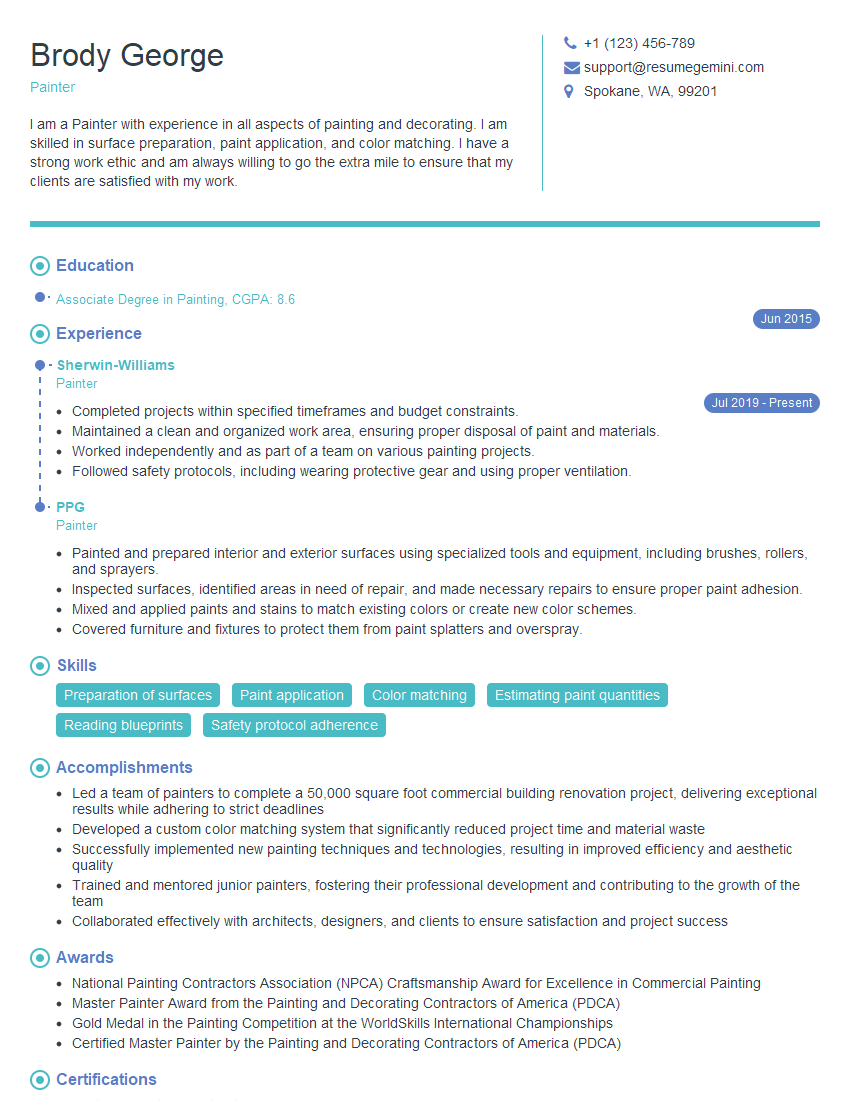
Painter Resume Sample
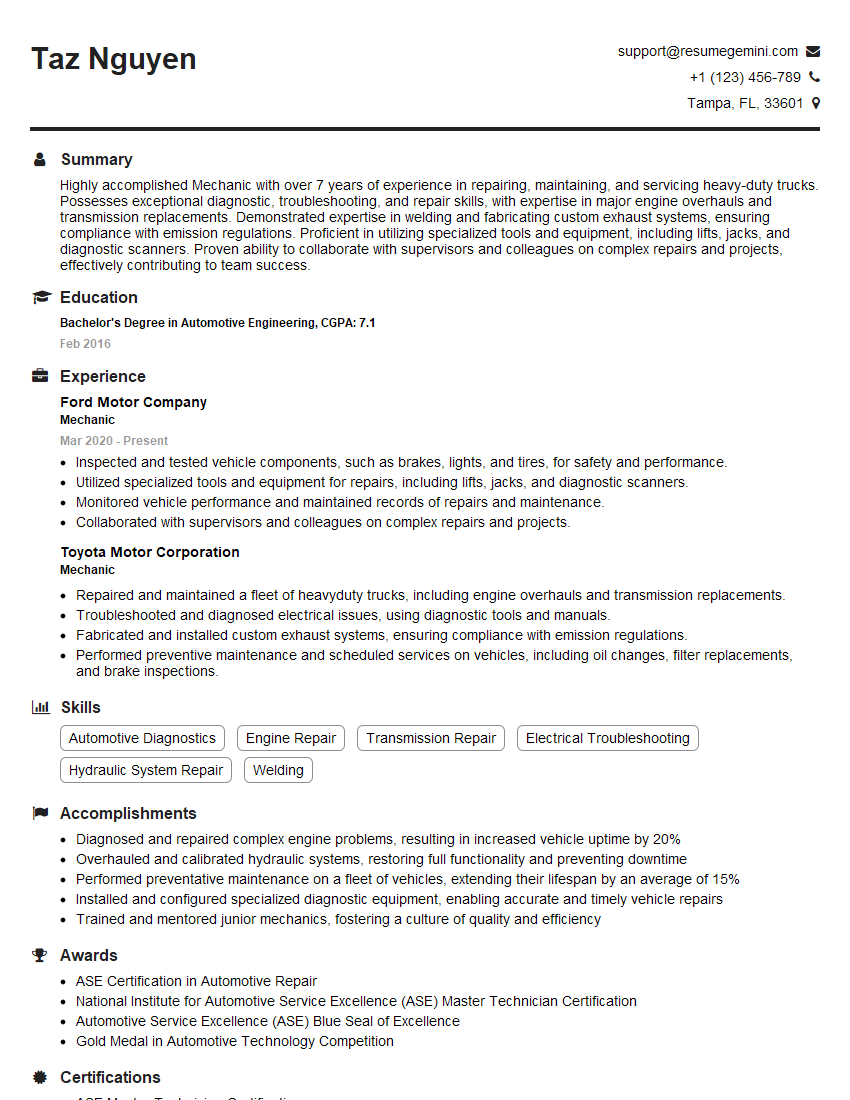
Mechanic Resume Sample
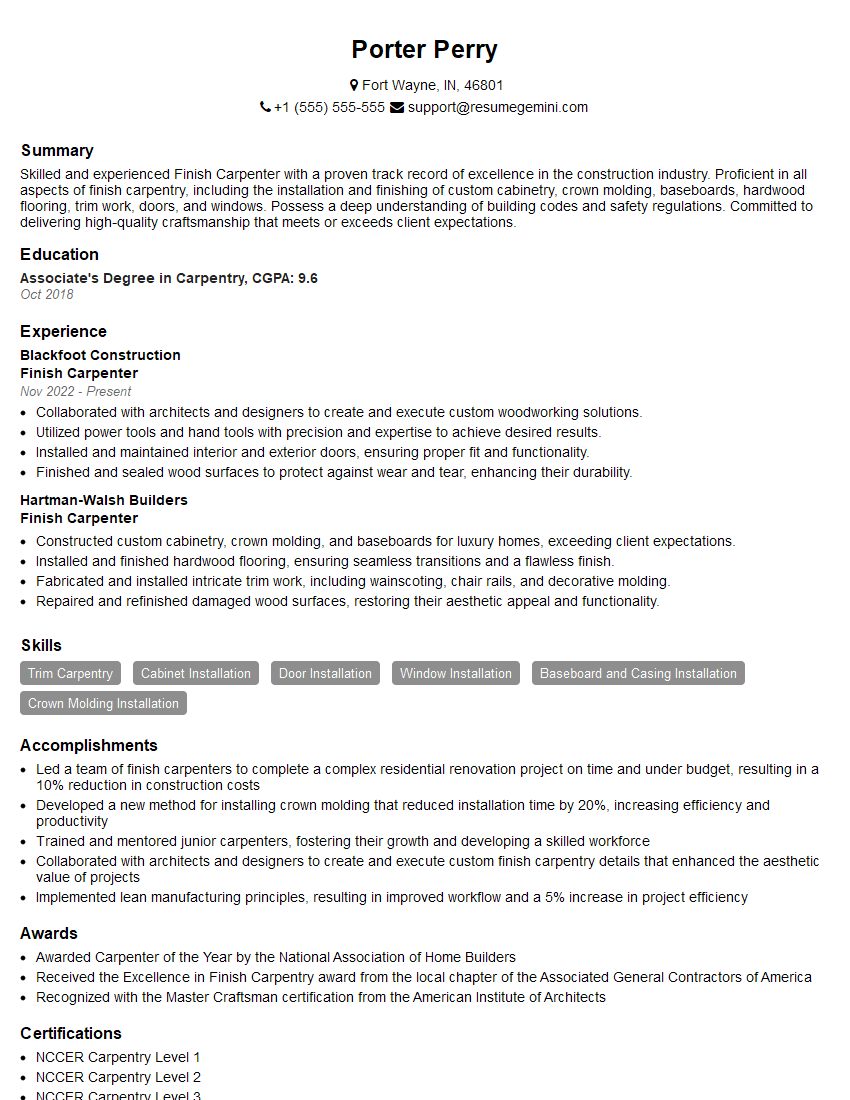
Finish Carpenter Resume Sample
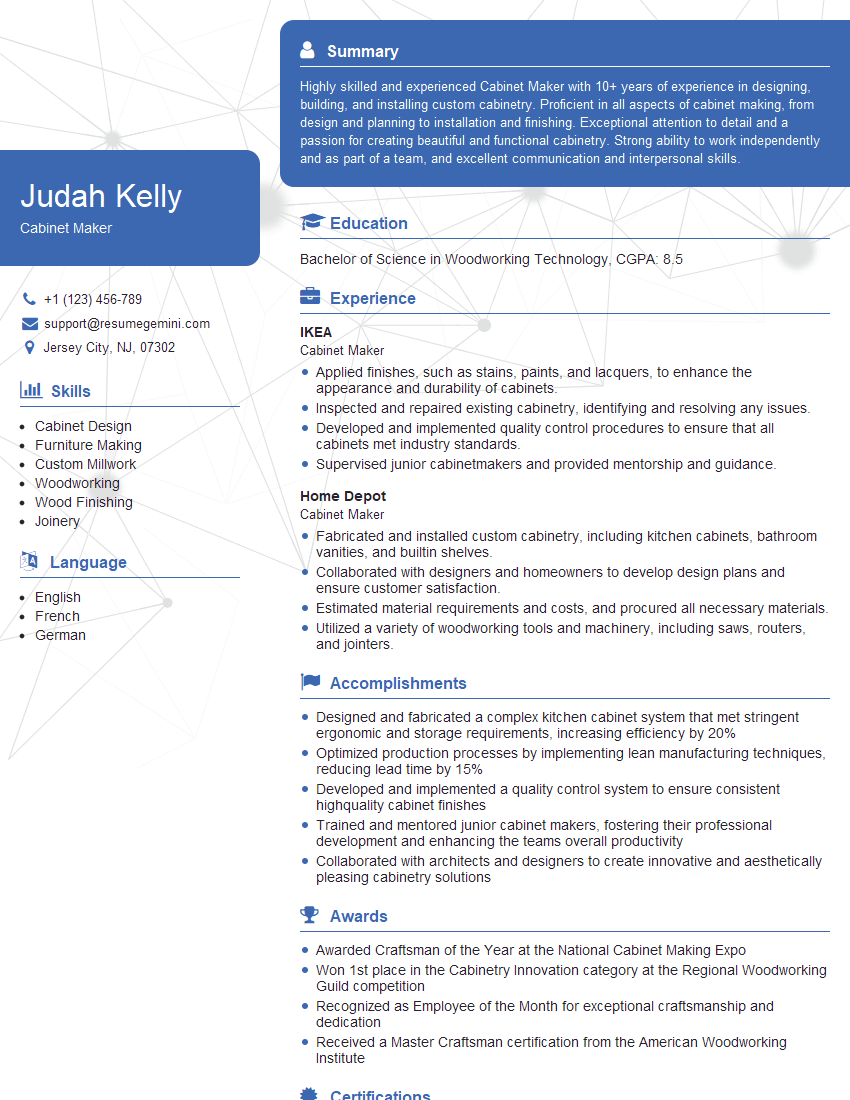
Cabinet Maker Resume Sample
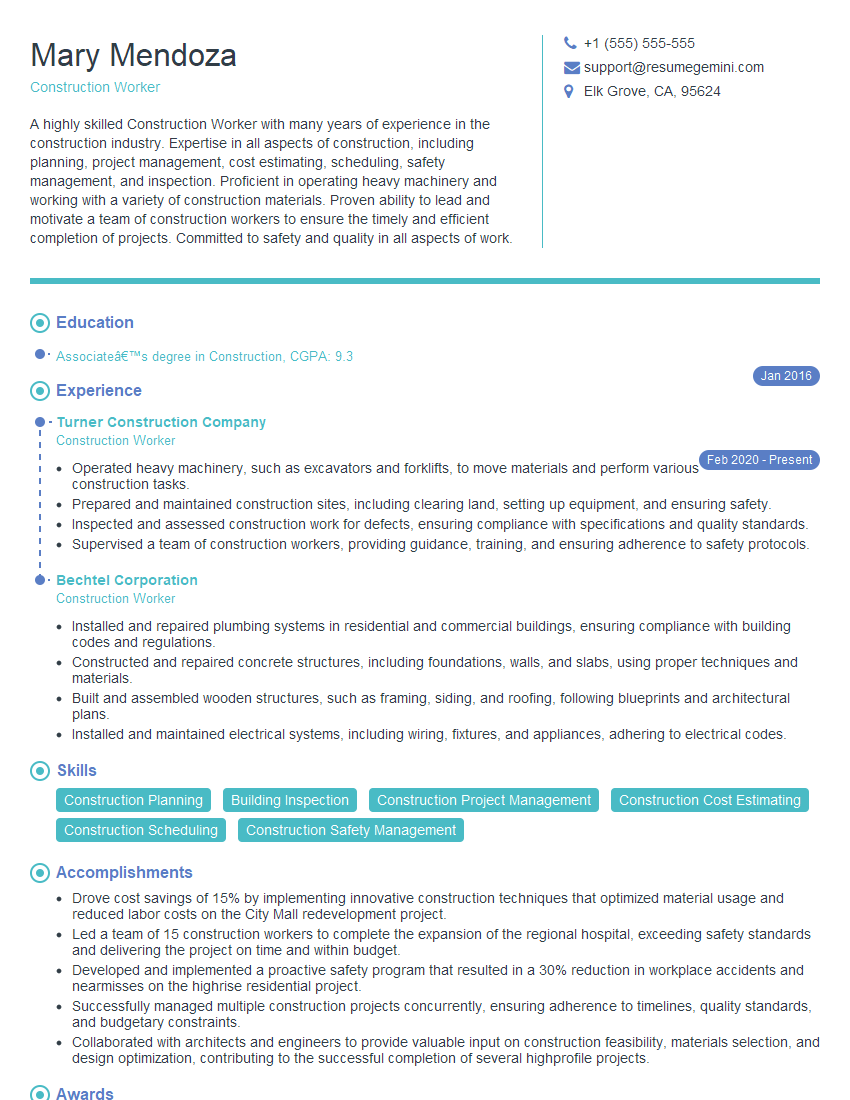
Construction Worker Resume Sample
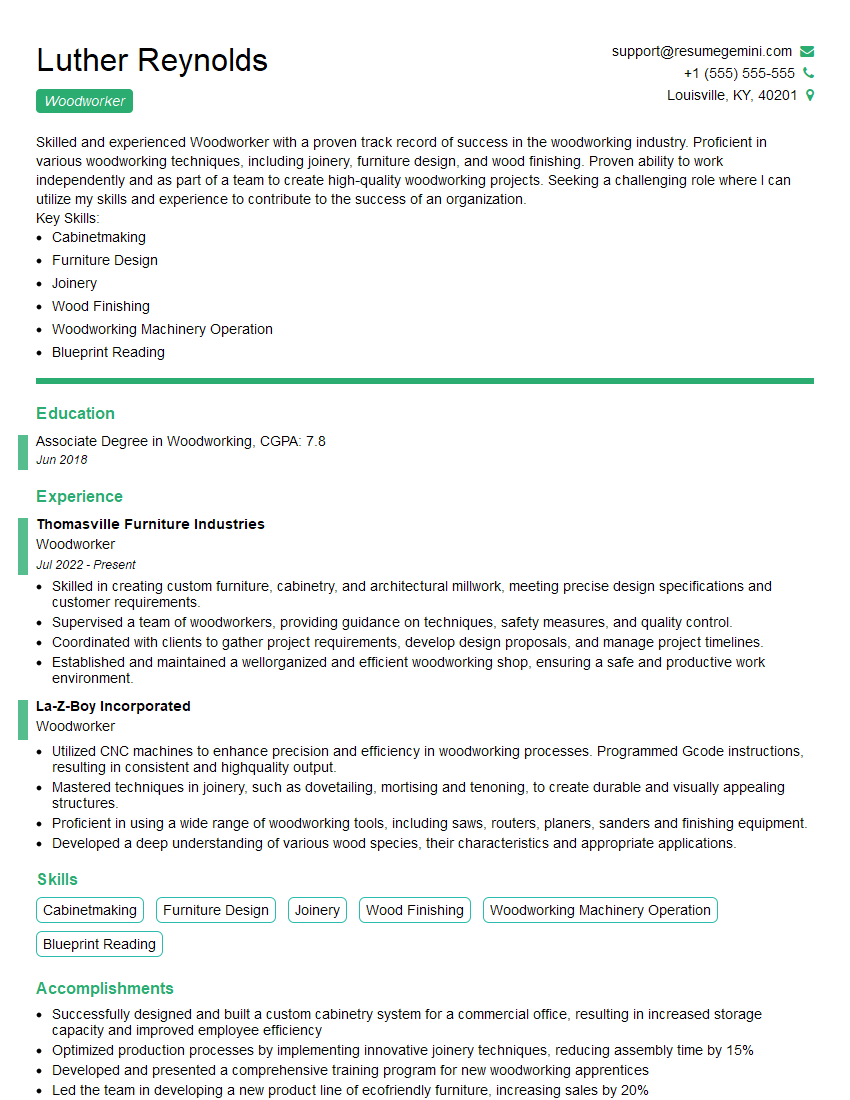
Woodworker Resume Sample

Carpenter Resume Sample
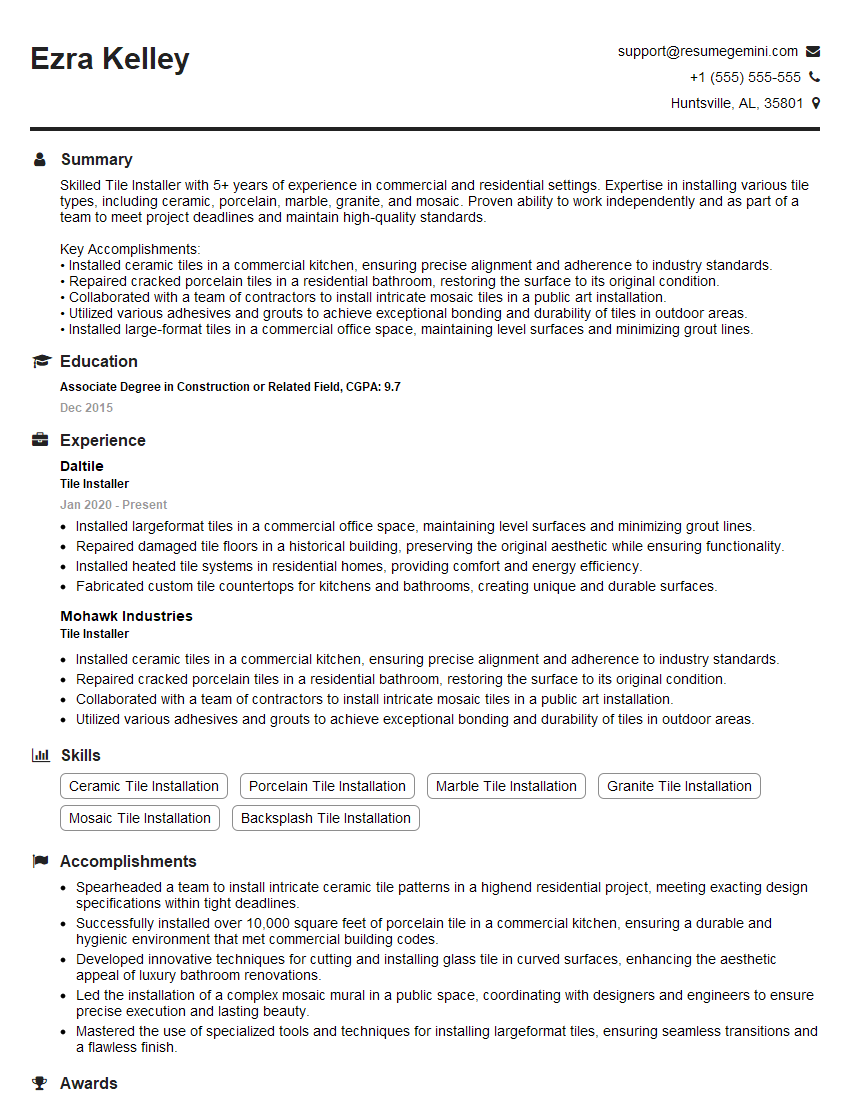
Tile Installer Resume Sample
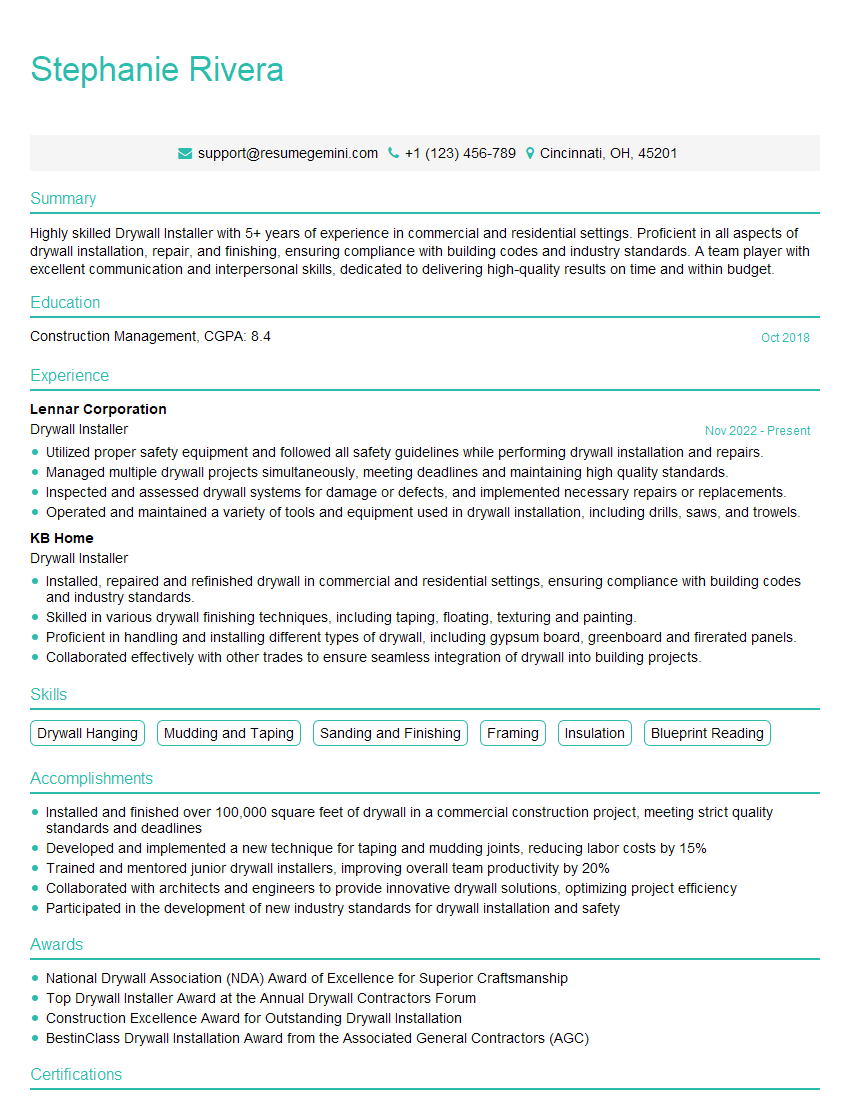
Drywall Installer Resume Sample
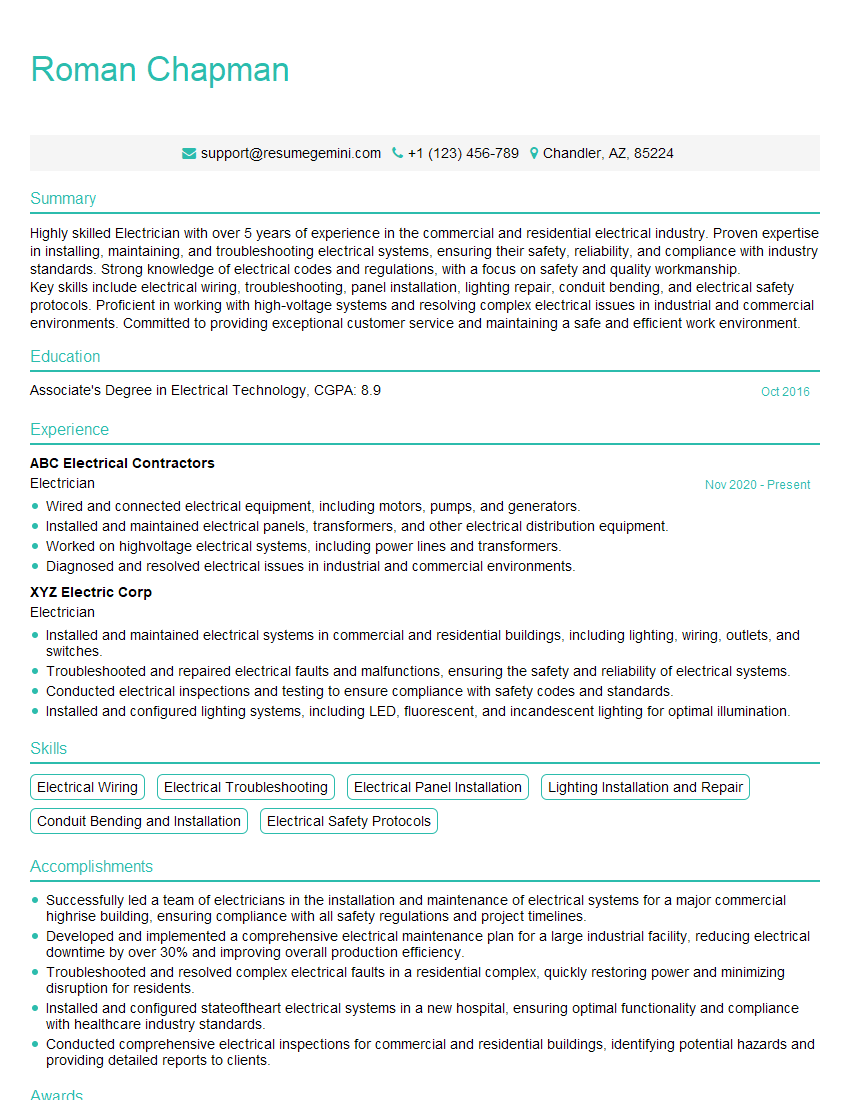
Electrician Resume Sample

Plumber Resume Sample
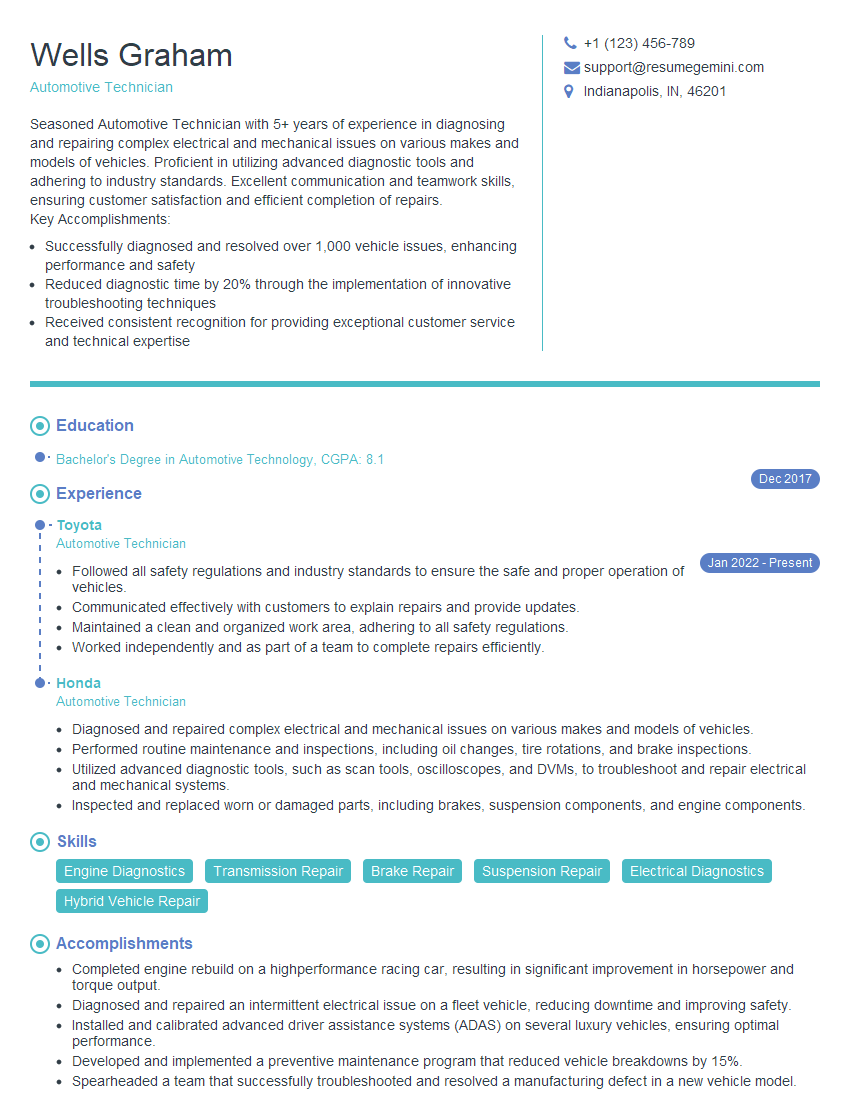
Automotive Technician Resume Sample
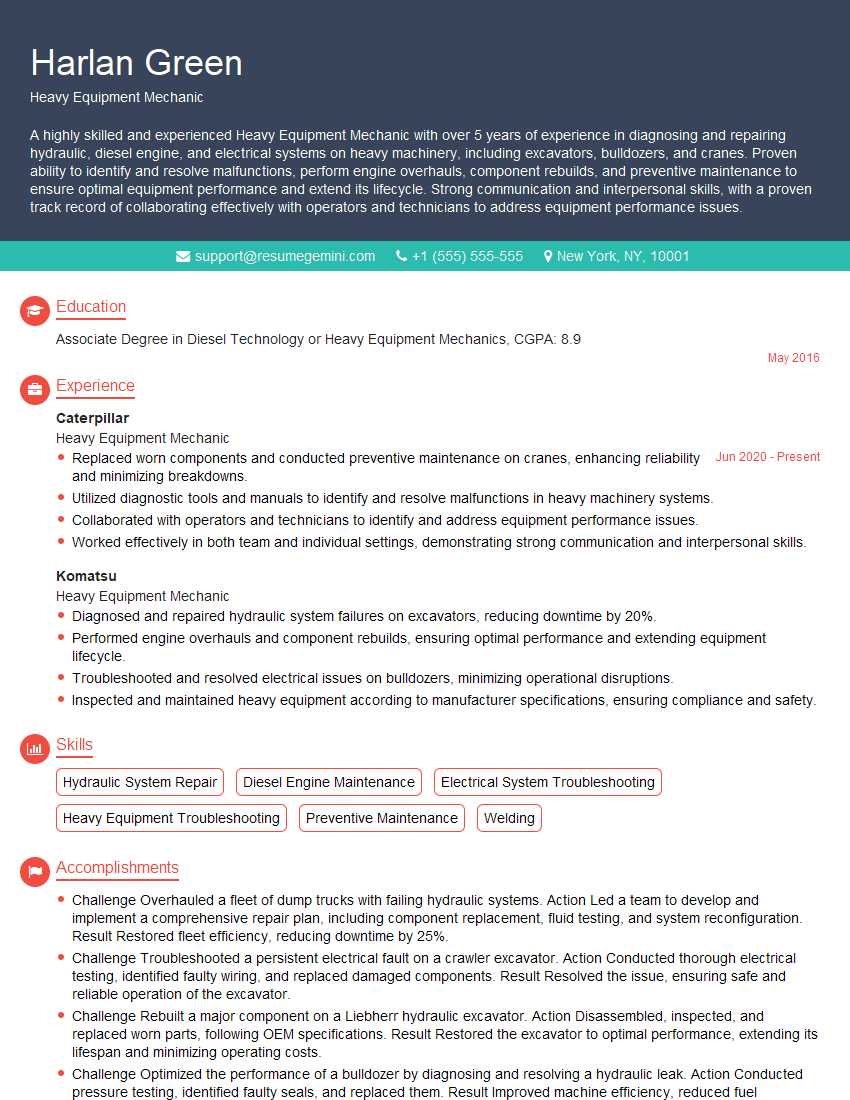
Heavy Equipment Mechanic Resume Sample

Welder Resume Sample

Industrial Mechanic Resume Sample

Millwright Resume Sample
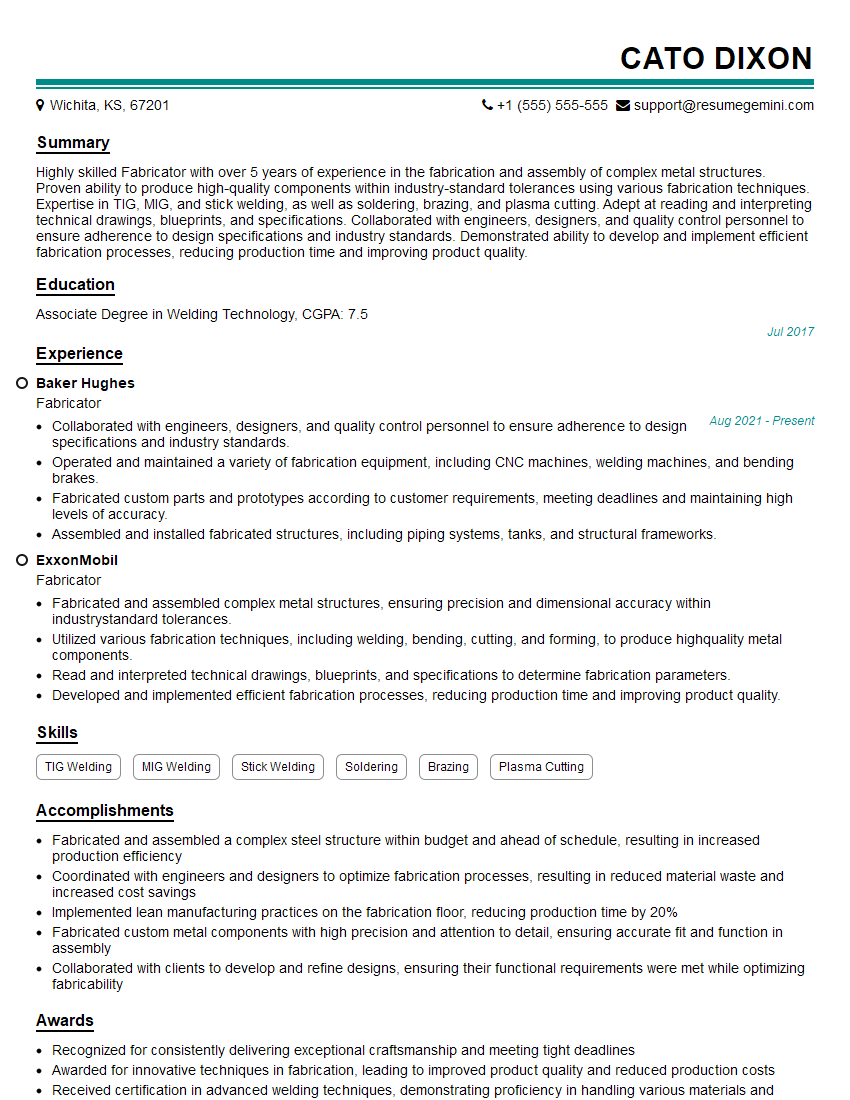
Fabricator Resume Sample
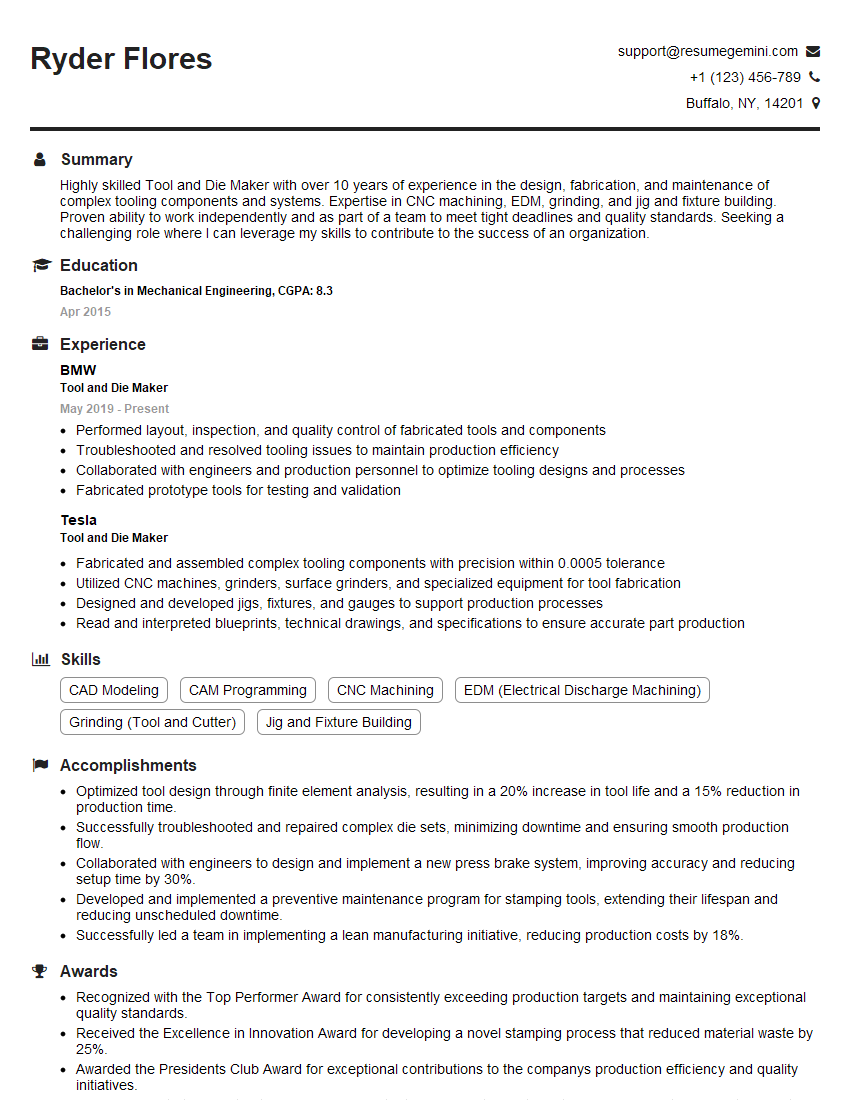
Tool and Die Maker Resume Sample

HVAC Technician Resume Sample
- Maintenance Technician
- Robotics Technician
- Machinist
- Furniture Maker
- Painter
- Mechanic
- Finish Carpenter
- Cabinet Maker
- Construction Worker
- Woodworker
- Carpenter
- Tile Installer
- Drywall Installer
- Electrician
- Plumber
- Automotive Technician
- Heavy Equipment Mechanic
- Welder
- Industrial Mechanic
- Millwright
- Fabricator
- Tool and Die Maker
- HVAC Technician
Explore more articles
Users Rating of Our Blogs
Share Your Experience
We value your feedback! Please rate our content and share your thoughts (optional).
What Readers Say About Our Blog
To the interviewgemini.com Webmaster.
Very helpful and content specific questions to help prepare me for my interview!
Thank you
To the interviewgemini.com Webmaster.
This was kind of a unique content I found around the specialized skills. Very helpful questions and good detailed answers.
Very Helpful blog, thank you Interviewgemini team.