The right preparation can turn an interview into an opportunity to showcase your expertise. This guide to Proficient in Lifting Materials interview questions is your ultimate resource, providing key insights and tips to help you ace your responses and stand out as a top candidate.
Questions Asked in Proficient in Lifting Materials Interview
Q 1. What are the different types of lifting techniques you are familiar with?
Lifting techniques vary greatly depending on the object’s weight, size, and shape, as well as the environment. My expertise encompasses a range of methods, categorized broadly as manual lifting and mechanical lifting.
- Manual Lifting Techniques: These involve using your body’s strength to lift, and require strict adherence to proper body mechanics. Specific techniques include the ‘power lift’ (using legs and core), ‘stoop lift’ (for objects closer to the ground), and ‘golf grip’ (for awkward shapes). The chosen technique depends entirely on the object and its position.
- Mechanical Lifting Techniques: These involve using machinery to lift and move materials, significantly reducing the risk of injury. Examples include using forklifts, cranes, hoists, pallet jacks, and hand trucks. Each piece of equipment has its own safe operating procedure that I’m thoroughly trained on.
Selecting the appropriate technique is crucial for safety and efficiency. I always prioritize using mechanical means whenever possible, especially for heavy or bulky items. Only when the job is impossible with equipment do I turn to manual lifting, and even then I always assess the weight and risk first.
Q 2. Describe your experience using different types of lifting equipment (e.g., forklifts, pallet jacks).
I have extensive experience operating various lifting equipment, including forklifts, pallet jacks, and hand trucks. My forklift certification is current and includes both sit-down and stand-up models. I’m proficient in pre-operation checks, safe operation within confined spaces, and adherence to load capacity limits. I regularly use pallet jacks to move heavy pallets efficiently and safely, ensuring proper placement of the forks under the pallet and controlling the movement to prevent tipping or damage.
For example, in a previous role, I frequently used forklifts to load and unload trucks, carefully maneuvering the equipment around other workers and obstacles. My experience with pallet jacks includes moving large, heavy pallets of construction materials—always checking the load for stability and avoiding sudden stops or starts.
Hand trucks are used for lighter, less bulky items when a forklift isn’t necessary or practical. Safe handling includes distributing the weight evenly, maintaining a stable posture, and understanding the truck’s weight limits.
Q 3. How do you assess the weight of an object before lifting?
Assessing the weight of an object before lifting is paramount. I never guess; I use several methods to get an accurate estimate. Methods include:
- Visual Inspection: Size and the type of material provide a reasonable estimate. For example, a small, metal box likely weighs more than a large cardboard box.
- Physical Assessment: If possible, I try to gently push or pull the object to get a feel for its weight. Does it move easily or require considerable force? This gives a valuable indication of the weight range.
- Weighing Scales: Using a weighing scale provides the most accurate assessment, particularly for heavier or valuable items.
- Consult Material Safety Data Sheets (MSDS): For packaged materials, the MSDS often lists the weight. Knowing this beforehand eliminates guesswork.
When unsure, I always err on the side of caution and seek assistance rather than attempt to lift an object I might not safely handle.
Q 4. Explain the importance of proper body mechanics when lifting heavy objects.
Proper body mechanics are crucial for preventing lifting injuries. Improper techniques strain muscles, joints, and ligaments, leading to back pain, hernias, and other serious problems. The correct approach uses leg strength, rather than back muscles, to lift.
- Keep the load close: The closer the object is to your body, the less strain is placed on your back.
- Bend your knees: Squat down to lift the object, avoiding bending at your waist. Maintain a straight back.
- Use your legs: Use your leg muscles to lift the weight, keeping your back straight.
- Lift smoothly: Avoid jerky movements. Lift in a slow, controlled manner.
- Maintain a stable base: Keep your feet shoulder-width apart for a strong stance.
- Turn with your feet: Avoid twisting your body while lifting. Rotate your whole body when changing direction.
Imagine trying to lift a heavy suitcase by bending at the waist – your back will likely suffer. In contrast, bending your knees, keeping the suitcase close, and lifting with your legs significantly reduces back strain.
Q 5. What safety precautions do you take when lifting materials?
Safety is my top priority. My safety precautions include:
- Assessment: Carefully assess the weight, size, shape, and stability of the object before lifting.
- Equipment: Utilize appropriate lifting equipment whenever possible.
- Assistance: Seek help for heavy or awkward objects. Never attempt a lift beyond your capabilities.
- Personal Protective Equipment (PPE): Wear appropriate PPE, such as gloves and safety shoes, to protect myself from injury.
- Clear Path: Ensure a clear and unobstructed path to prevent trips or falls.
- Proper Lifting Techniques: Always follow proper body mechanics to minimize strain.
- Communicate: Verbally communicate with colleagues to ensure everyone’s safety during lifting operations.
- Report Hazards: Immediately report any unsafe conditions or equipment malfunctions.
These precautions are not just suggestions; they are essential habits that safeguard my well-being and prevent accidents.
Q 6. Describe a situation where you had to lift a heavy or awkwardly shaped object. How did you handle it?
In a previous role, we needed to move an unusually shaped and heavy piece of machinery. It was a large metal component, approximately 500 pounds, with an awkward, non-uniform shape. A simple pallet jack wouldn’t work.
We first assessed the weight (using a scale) and shape, and realized manual lifting was far too risky. We then utilized a combination of methods: a hand truck was used to leverage one section of the object, and then a small forklift carefully lifted and maneuvered the component to its new location. This required two skilled operators who communicated constantly. At all times, we maintained a safe distance from the moving equipment. This collaborative effort avoided injury and completed the task efficiently.
This highlights the importance of careful assessment and choosing the right equipment and techniques for challenging situations.
Q 7. What are the common causes of lifting injuries?
Lifting injuries are commonly caused by a combination of factors:
- Improper Lifting Techniques: Bending at the waist, twisting the body, lifting with your back instead of your legs, are common culprits.
- Overexertion: Attempting to lift an object that is too heavy for the individual or exceeding their physical capacity.
- Poor Physical Condition: Individuals with poor physical fitness are at a greater risk of injury.
- Lack of Training: Inadequate training on proper lifting techniques and safe equipment operation.
- Unsafe Work Environment: Obstacles, slippery surfaces, poor lighting, and inadequate equipment can significantly increase the risk.
- Sudden or Jerky Movements: Avoid starting or stopping abruptly; maintain a slow and controlled motion.
Addressing these issues through training, risk assessments, and proper equipment provision can significantly reduce the occurrence of lifting injuries.
Q 8. How do you identify potential hazards related to material handling?
Identifying potential hazards in material handling is crucial for preventing accidents. It involves a systematic approach, combining visual inspection with knowledge of potential risks.
- Visual Inspection: I meticulously examine the work area for obstacles like uneven surfaces, slippery floors, poorly lit areas, and obstructions that could impede movement or create tripping hazards. I also check the condition of equipment, such as forklifts, cranes, and slings, for any damage or wear and tear.
- Material Assessment: I assess the materials themselves, noting their weight, size, shape, fragility, and center of gravity. Understanding these characteristics helps determine the appropriate lifting equipment and techniques. For instance, a heavy, oddly-shaped object requires more careful handling than a smaller, uniformly shaped one.
- Environmental Factors: Weather conditions – like rain or snow making surfaces slippery – and ambient temperatures impacting material strength are also considered. High winds could also affect crane operation.
- Personnel Factors: I evaluate whether workers are adequately trained, have the necessary PPE, and understand the specific risks involved in the task at hand. Fatigue and distractions can also dramatically increase the risk of accidents.
For example, during a recent project involving the lifting of large concrete slabs, I noticed a build-up of ice on the loading area. This was immediately flagged as a hazard, and work was halted until the ice had been removed to prevent slips and falls.
Q 9. What are your experiences with different types of slings and their safe use?
I have extensive experience with various types of slings, each suited for specific lifting tasks. Understanding their limitations and safe usage is paramount.
- Nylon Web Slings: These are versatile and relatively lightweight, ideal for handling a wide variety of materials. However, they can be susceptible to damage from sharp edges, UV exposure, and chemicals. Regular inspections are essential, looking for cuts, fraying, or discoloration.
- Chain Slings: Chain slings are durable and robust, suitable for heavy-duty lifting. They’re resistant to many harsh environments but can be damaged by overloading or improper use. Regular lubrication and inspections for elongation, kinks, or broken links are critical.
- Wire Rope Slings: Wire rope slings offer high strength and are suitable for heavier loads and challenging conditions. However, they require more meticulous inspection, checking for broken wires, kinks, or corrosion. Proper lubrication extends their lifespan.
- Synthetic Fiber Rope Slings: This type of sling is light-weight, yet strong, resistant to some chemicals, and requires less maintenance than metal slings. However, they can be susceptible to abrasions, UV degradation, and acids.
In all cases, I always ensure the sling’s capacity exceeds the load weight, and I follow the manufacturer’s guidelines for proper attachment and handling. Using the wrong sling, or a damaged one, can lead to catastrophic equipment failure.
Q 10. What is your understanding of load capacity and weight limits?
Load capacity and weight limits are fundamentally important for safe material handling. They represent the maximum weight a piece of equipment or sling can safely handle without failing.
Understanding these limits is non-negotiable. Exceeding them can lead to equipment failure, potential injury, or even fatality. I always check the weight of the load using calibrated scales or weight indicators. This information is then compared to the rated capacity of the lifting equipment being used, ensuring that a safety margin is maintained.
For instance, when using a forklift, I never exceed its stated weight capacity. Similarly, every sling has a clearly marked weight limit, which I always verify before use. A factor of safety is typically applied; this means using a sling with a capacity substantially higher than the weight of the load to account for unexpected factors.
Q 11. Explain the importance of using appropriate personal protective equipment (PPE) when lifting materials.
Using appropriate PPE is non-negotiable for material handling. It’s a critical part of risk mitigation, protecting workers from potential hazards.
- Hard Hats: Protecting against falling objects.
- Safety Glasses/Goggles: Shielding eyes from flying debris or chemicals.
- Gloves: Protecting hands from cuts, abrasions, and chemical burns.
- Safety Boots: Protecting feet from crushing injuries and punctures.
- High-Visibility Clothing: Enhancing visibility in areas with moving equipment.
- Hearing Protection: Reducing noise exposure from machinery.
For example, during the lifting of steel beams, I always wear safety glasses to protect my eyes from sparks and flying metal chips. I also insist on appropriate safety boots to protect against dropped materials. A proactive approach to PPE is integral to maintaining a safe working environment.
Q 12. How do you ensure the stability of stacked materials?
Ensuring the stability of stacked materials is paramount to preventing collapses. It requires careful planning and execution.
- Proper Base: The base must be level and capable of supporting the weight of the stack. Uneven surfaces or weak foundations can lead to instability.
- Uniformity: Stacking should be uniform, avoiding overhangs or gaps that could compromise structural integrity. Heavier items should be placed at the bottom of the stack.
- Interlocking: Materials should be interlocked, if possible, to create a more stable structure. This helps distribute the weight more evenly.
- Tiering: For tall stacks, consider using tiered supports to prevent the stack from toppling. Regular inspections are crucial to detect and address any developing instability.
- Material Properties: Consider the properties of the materials being stacked. Fragile items require careful handling and may necessitate specialized supports.
Imagine stacking bricks: a perfectly uniform, level base is crucial. If you start with an uneven base, the entire structure will be unstable and prone to collapse. This principle applies to all materials.
Q 13. Describe your experience with using overhead cranes or hoists.
I have significant experience operating overhead cranes and hoists, adhering strictly to safety protocols.
Before operation, I always conduct a thorough inspection of the equipment, checking for any damage or malfunction. I ensure that all safety mechanisms are functioning correctly, and that the load is properly secured. The load chart for the crane is always consulted to ensure that the weight of the material is well within the crane’s capacity. I understand the importance of load charts and never exceed the stated limits.
During operation, I maintain constant vigilance, observing the load’s movement and surrounding environment. I communicate clearly with ground personnel, ensuring safe passage and avoiding any collisions. I always perform regular maintenance checks on overhead cranes and hoists as per company regulations.
For example, I’ve successfully used an overhead crane to lift and position heavy machinery in a factory setting, adhering to all safety guidelines, resulting in a smooth and accident-free operation. Safety and precision are my top priorities when using such equipment.
Q 14. How do you handle lifting materials in confined spaces?
Lifting materials in confined spaces presents unique challenges, demanding careful planning and precise execution.
- Space Assessment: Thoroughly assess the space available for movement, considering both the load’s dimensions and the maneuverability of the equipment.
- Equipment Selection: Select appropriately sized and maneuverable equipment, such as smaller hoists or manually operated lifting devices, to avoid collisions.
- Clearance: Ensure sufficient clearance around the load to avoid collisions with walls, pipes, or other obstructions.
- Communication: Clear and concise communication with other personnel is critical to ensure safety in tight spaces.
- Manual Handling: In some cases, manual handling may be necessary. This requires additional caution to ensure appropriate lifting techniques are employed and the limits of physical capabilities are never exceeded.
Imagine lifting a large piece of equipment into a narrow elevator shaft. Careful planning, precise maneuvers, and clear communication are essential to avoid accidents. The use of smaller, more controlled lifting equipment is likely necessary in this type of situation.
Q 15. What are your experiences with manual handling techniques?
Manual handling techniques are crucial for preventing injuries and ensuring efficient material movement. My experience encompasses a wide range of techniques, from proper lifting posture – maintaining a straight back, bending at the knees, and keeping the load close to the body – to utilizing leverage and teamwork for heavier items. I’ve extensively practiced techniques for lifting awkward shapes and using appropriate equipment like lifting straps and slings where necessary. For instance, when lifting a heavy box, I always assess its weight and stability first, ensuring a firm grip and a clear path before initiating the lift. If the load is too heavy for one person, I’ll always coordinate with a team to utilize a two-person lift, ensuring a shared understanding and synchronized movements to avoid strain and accidents.
Career Expert Tips:
- Ace those interviews! Prepare effectively by reviewing the Top 50 Most Common Interview Questions on ResumeGemini.
- Navigate your job search with confidence! Explore a wide range of Career Tips on ResumeGemini. Learn about common challenges and recommendations to overcome them.
- Craft the perfect resume! Master the Art of Resume Writing with ResumeGemini’s guide. Showcase your unique qualifications and achievements effectively.
- Don’t miss out on holiday savings! Build your dream resume with ResumeGemini’s ATS optimized templates.
Q 16. How do you communicate lifting tasks effectively to your team?
Effective communication is paramount in team lifting tasks. I use a clear and concise approach, starting with a pre-lift briefing. This involves specifying the weight, dimensions, and any potential hazards of the load. I clearly demonstrate the planned lifting technique, ensuring everyone understands their role and responsibilities. I encourage questions and address any concerns before we begin. During the lift, I use clear verbal cues and hand signals to coordinate movements, maintaining constant communication throughout the entire process. For example, when moving large equipment, I might use hand signals to indicate direction and pace to the team. Post-lift, I’ll conduct a brief check to ensure no one has sustained injury or damage to equipment.
Q 17. How do you handle lifting materials in adverse weather conditions?
Adverse weather significantly impacts material handling safety. In rain, I ensure the lifting area is free of excess water to avoid slips and falls. I use appropriate footwear with good grip and ensure the load is properly secured to prevent it from shifting due to wind or rain. In snow or ice, I prioritize using anti-slip materials and may require additional support from team members to maintain balance and control. If conditions are excessively dangerous, I advocate for halting the task until conditions improve. For example, during a snowstorm, I would avoid lifting tasks altogether, prioritizing safety over productivity. If a lift must proceed in rain, I would use non-slip mats to create secure footing for all involved.
Q 18. What are your experiences with different types of hand trucks and dollies?
My experience includes various hand trucks and dollies, including two-wheel, four-wheel, and specialized models for different loads. I’m proficient in selecting the appropriate equipment based on the weight, size, and shape of the load. For instance, a two-wheel hand truck is ideal for lighter, manageable loads, while a four-wheel dolly is better suited for heavier, bulkier items. I also understand the importance of securing the load properly to the dolly to prevent tipping or shifting. I’m familiar with pallet jacks for moving palletized goods, and specialized dollies designed for moving specific items like furniture or machinery. Selecting the right equipment minimizes strain and increases safety.
Q 19. What are the different types of lifting gear you have worked with?
I’ve worked with a range of lifting gear, including chain slings, webbing slings, and wire rope slings. I understand the importance of regularly inspecting these for any signs of wear and tear and adhering to safe working load limits (SWL) printed on each piece of equipment. I’m familiar with the use of different types of hooks, shackles, and clamps, and how to properly attach them to the load and lifting equipment. I also have experience using overhead cranes and forklifts under proper supervision and following all safety regulations. Using the correct lifting gear for the load and the job is critical to avoiding accidents.
Q 20. What is your understanding of load securing techniques?
Load securing is crucial for preventing accidents during transportation. My understanding involves using appropriate methods to ensure the load remains stable and secure throughout the journey. This includes using proper straps, chains, or nets to secure the load to the vehicle or pallet. I’m familiar with techniques for lashing and securing different types of loads, considering factors like weight, size, and the type of transportation involved. The method of securing varies based on load type, transport, and environment. Incorrect load securing may lead to damage or injury during transportation; therefore, thorough and correct securing is critical.
Q 21. How do you ensure the safety of others while lifting materials?
Ensuring the safety of others is my top priority. Before any lifting operation, I assess the area for potential hazards and clear the pathway. I communicate clearly with others in the vicinity, using warning signs or verbal announcements if necessary. I maintain a safe distance from others during the lift to prevent accidents. I always prioritize proper lifting techniques to avoid injuring myself and others. If the load is particularly heavy or awkward, I’ll seek assistance to ensure it’s moved safely and efficiently, following all relevant safety protocols. Always remembering that collective safety comes first.
Q 22. Describe a time you had to improvise a lifting solution due to equipment failure.
During a large-scale construction project, our primary crane malfunctioned mid-lift, leaving a heavy steel beam precariously suspended. Improvisation was key. We immediately secured the area, ensuring no personnel were in the danger zone. Then, we assessed the situation, recognizing the beam’s weight and precarious position. Instead of panicking, we utilized a combination of smaller, available cranes and a system of sturdy scaffolding and strong ropes, carefully and methodically counterbalancing the load. We divided the lift into smaller, more manageable stages, employing additional support at each stage. This collaborative effort, fueled by clear communication and risk mitigation, allowed us to safely lower the beam. This experience highlighted the importance of resourcefulness, teamwork, and a systematic approach to problem-solving in high-pressure situations. The success depended on rapid, accurate assessment and the ability to think outside the box using available resources.
Q 23. What is your understanding of risk assessments related to material handling?
Risk assessment in material handling involves identifying potential hazards and evaluating their likelihood and severity. This process is crucial for preventing injuries and property damage. A thorough risk assessment considers various factors including the weight and size of the load, the lifting equipment used, the environmental conditions (e.g., weather, uneven ground), and the training and experience of the personnel involved. It often involves a systematic process such as a HAZOP (Hazard and Operability) study or a similar structured method. For example, lifting a heavy object with an insufficiently rated crane poses a high risk of equipment failure and potential injury. Conversely, lifting a light object with appropriate equipment in a controlled environment presents a low risk. The results of a risk assessment inform the implementation of appropriate control measures, such as the use of Personal Protective Equipment (PPE), choosing the right equipment, and implementing specific work procedures. It’s a continuous process, regularly reviewed and updated as conditions change.
Q 24. How do you report near misses or incidents related to lifting materials?
Near misses and incidents are reported immediately using our company’s established incident reporting system. This usually involves an online form detailing the circumstances, location, date, time, personnel involved, and any potential contributing factors. The form includes sections for describing the event, the actions taken to rectify the situation, and recommendations for preventing future occurrences. A key part is accurately describing what happened, including what went wrong, what nearly went wrong, and any contributing factors like equipment malfunction, weather conditions, or human error. Photos or videos, if available, are valuable additions to the report. Upon submission, the report is reviewed by safety personnel who then investigate, possibly conducting interviews and analyzing the incident to determine root causes and implement corrective actions. The entire process prioritizes learning from mistakes and reinforcing safe work practices.
Q 25. How familiar are you with relevant safety regulations and standards for lifting materials?
I am very familiar with relevant safety regulations and standards for lifting materials. My knowledge includes OSHA regulations (in the US context), as well as international standards like ISO standards related to material handling equipment and safe operating procedures. I understand the importance of load capacity ratings, safe lifting techniques, pre-lift checks, regular equipment inspections, and the role of proper training and certification. For example, I am knowledgeable about the requirements for crane operator licensing and certification, and the importance of adhering to weight limits and load charts. I’m also up-to-date on regulations pertaining to the use of slings, chains, and other lifting accessories; understanding their limitations and inspection requirements is paramount to safe operation. Staying current on these regulations is ongoing, involving regular review of updates and participating in continuing education opportunities.
Q 26. How would you handle a situation where a coworker is using unsafe lifting practices?
If I observe a coworker using unsafe lifting practices, my first step is a direct and friendly approach. I would address them privately and respectfully, explaining the potential hazards of their actions, referencing specific safety regulations or guidelines as needed. I’d focus on the potential consequences, not on criticizing their actions. For example, if someone is attempting to lift a load exceeding their capabilities, I would suggest alternative methods such as using a lifting aid or requesting assistance. If the unsafe practice continues or if there is a significant risk, I would report it to my supervisor immediately, documenting the incident with as much detail as possible. The safety of my coworkers is a top priority, and addressing unsafe behaviors is part of maintaining a secure work environment for everyone.
Q 27. Describe your experience with using lifting aids or assistive devices.
I have extensive experience using a variety of lifting aids and assistive devices, including lever hoists, come-alongs, pallet jacks, hand trucks, and specialized lifting equipment depending on the task and load. My experience ranges from using simple tools like straps and ramps for lighter objects to operating more complex systems such as vacuum lifters for large, delicate items and overhead cranes for heavy loads. I’m proficient in selecting the appropriate device based on factors like the weight, shape, and fragility of the load, as well as the environmental conditions. Before using any lifting device, I always conduct a thorough pre-use inspection to ensure its operational safety and proper function. Safety is always my primary focus, and my understanding of these devices and their proper application is a crucial aspect of my skills.
Q 28. What are your strategies for maintaining efficiency while prioritizing safety during material handling tasks?
Maintaining efficiency while prioritizing safety requires a balanced and proactive approach. It starts with proper planning and preparation. This includes accurately assessing the task, selecting the right equipment, and developing a safe work procedure. Clear communication among team members is also crucial. Teamwork and coordination ensure that everyone understands their roles and responsibilities. Using appropriate lifting aids and assistive devices minimizes physical strain and reduces the risk of injury. Regularly scheduled maintenance on equipment helps to prevent unexpected failures. Finally, respecting breaks and avoiding rushing are essential for preventing fatigue and maintaining concentration. By consistently implementing these strategies, we can perform tasks efficiently and ensure a safe working environment for all involved. It’s about working smarter, not harder, by utilizing the right tools and techniques.
Key Topics to Learn for Proficient in Lifting Materials Interview
- Safety Regulations and Procedures: Understanding and applying relevant safety regulations, including OSHA guidelines, for various lifting techniques and equipment. This includes recognizing potential hazards and implementing preventative measures.
- Lifting Techniques and Ergonomics: Mastering proper lifting techniques to minimize risk of injury to both yourself and others. This includes understanding principles of leverage, body mechanics, and the use of assistive devices.
- Equipment Operation and Maintenance: Demonstrating familiarity with different types of lifting equipment (forklifts, cranes, hoists, etc.), their safe operation, and basic maintenance procedures. This also encompasses understanding load capacity limits and safety checks.
- Material Handling Best Practices: Applying best practices for handling different types of materials, considering factors like weight, size, fragility, and environmental conditions. This includes understanding proper storage and transportation methods.
- Problem-Solving and Troubleshooting: Demonstrating the ability to identify and resolve issues related to lifting materials, such as equipment malfunctions or unexpected challenges during the lifting process. This includes effective communication and decision-making skills in potentially stressful situations.
- Load Securing and Transportation: Understanding and applying techniques for securely fastening and transporting materials to prevent damage or accidents during transit. This includes knowledge of appropriate strapping, bracing, and securing methods.
Next Steps
Proficiency in lifting materials is a highly valuable skill, significantly enhancing your career prospects in various industries. Mastering these techniques demonstrates your commitment to safety, efficiency, and responsible work practices – qualities highly sought after by employers. To increase your chances of landing your dream job, create a strong, ATS-friendly resume that highlights your skills and experience. ResumeGemini is a trusted resource to help you build a professional and impactful resume. We provide examples of resumes tailored to “Proficient in Lifting Materials” to guide you in crafting the perfect application. Take the next step towards your career success today!
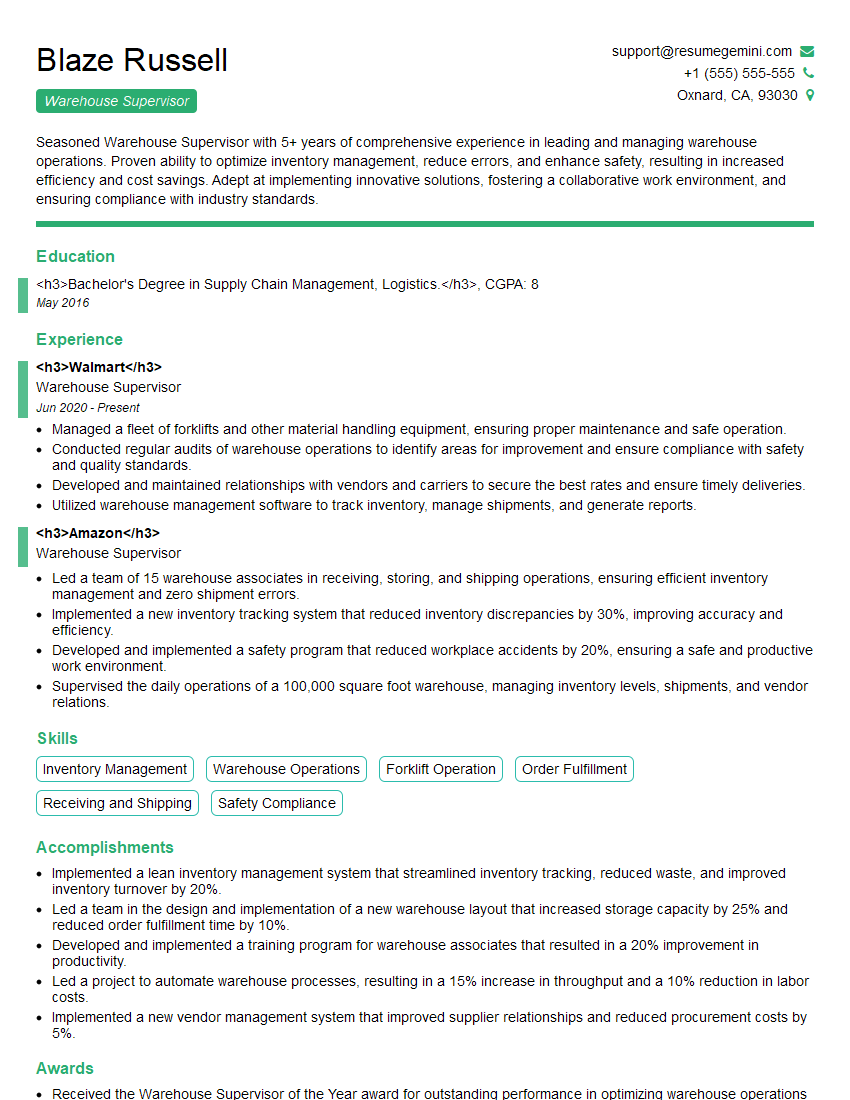
Warehouse Supervisor Resume Sample
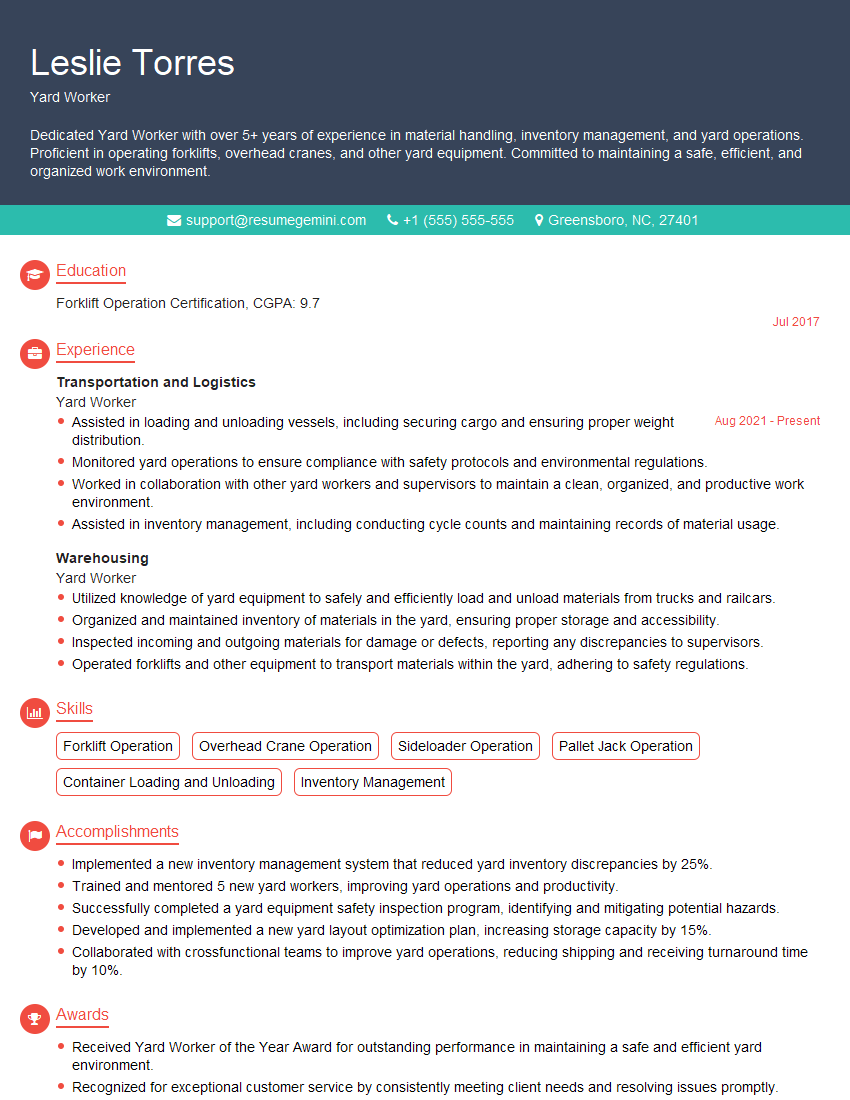
Yard Worker Resume Sample

Crane Operator Resume Sample

Inventory Control Specialist Resume Sample

Shipping and Receiving Clerk Resume Sample
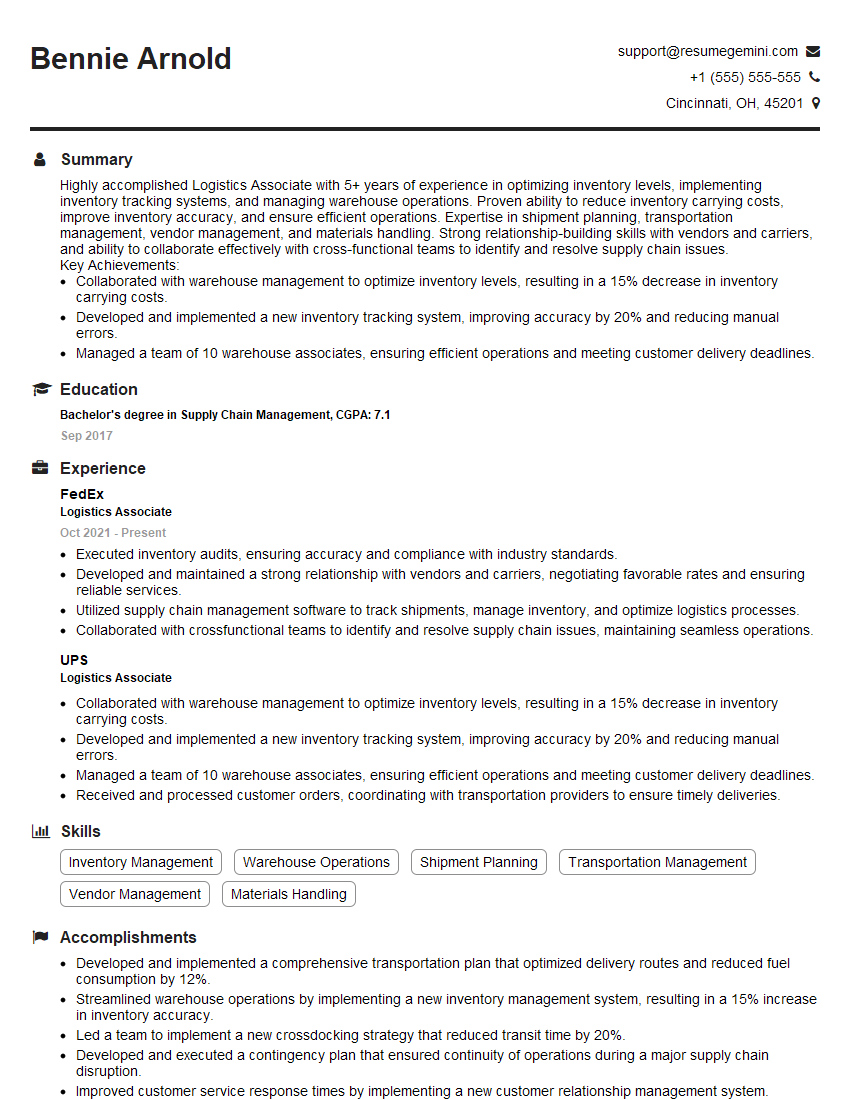
Logistics Associate Resume Sample
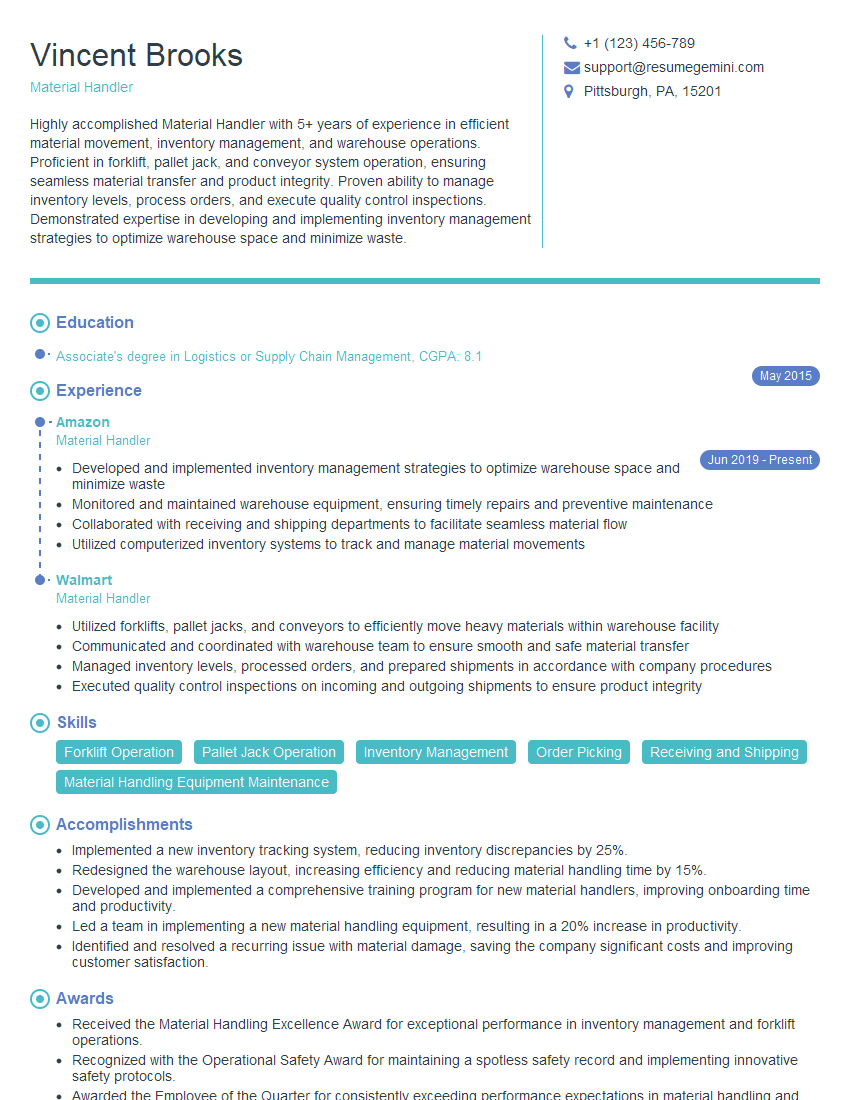
Material Handler Resume Sample
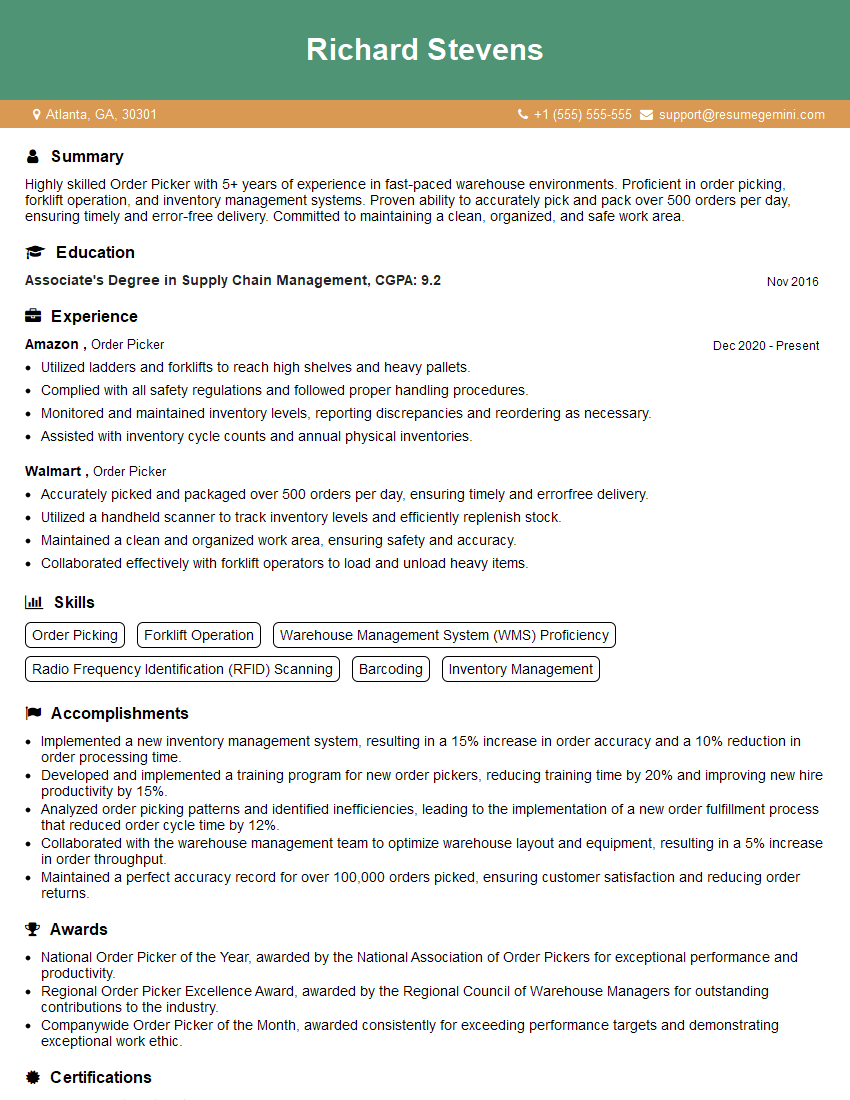
Order Picker Resume Sample
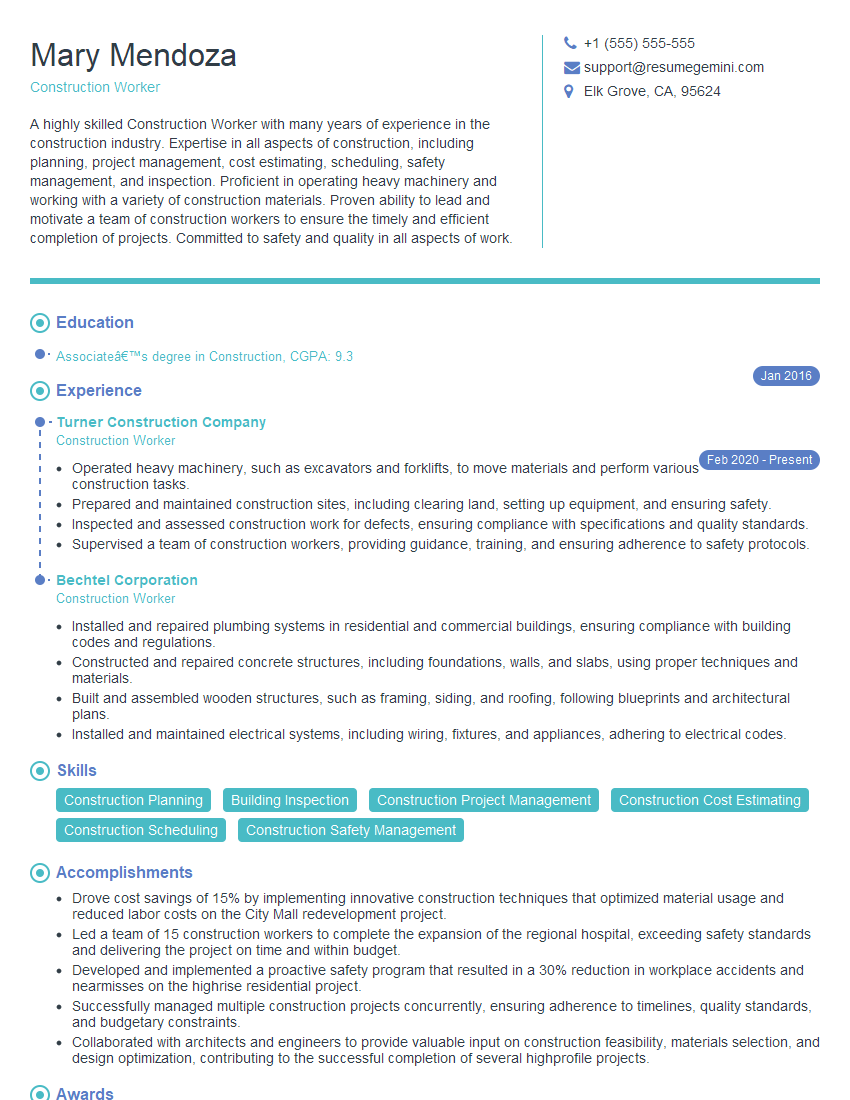
Construction Worker Resume Sample

Heavy Equipment Operator Resume Sample
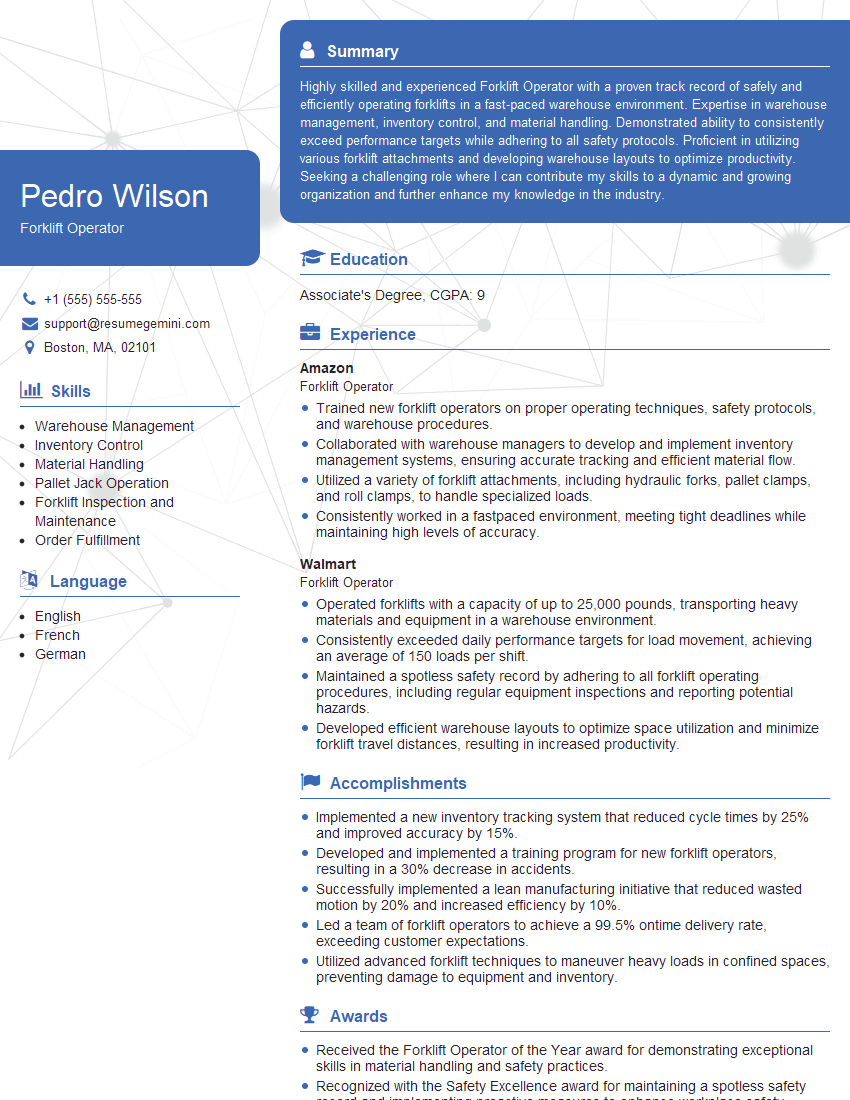
Forklift Operator Resume Sample
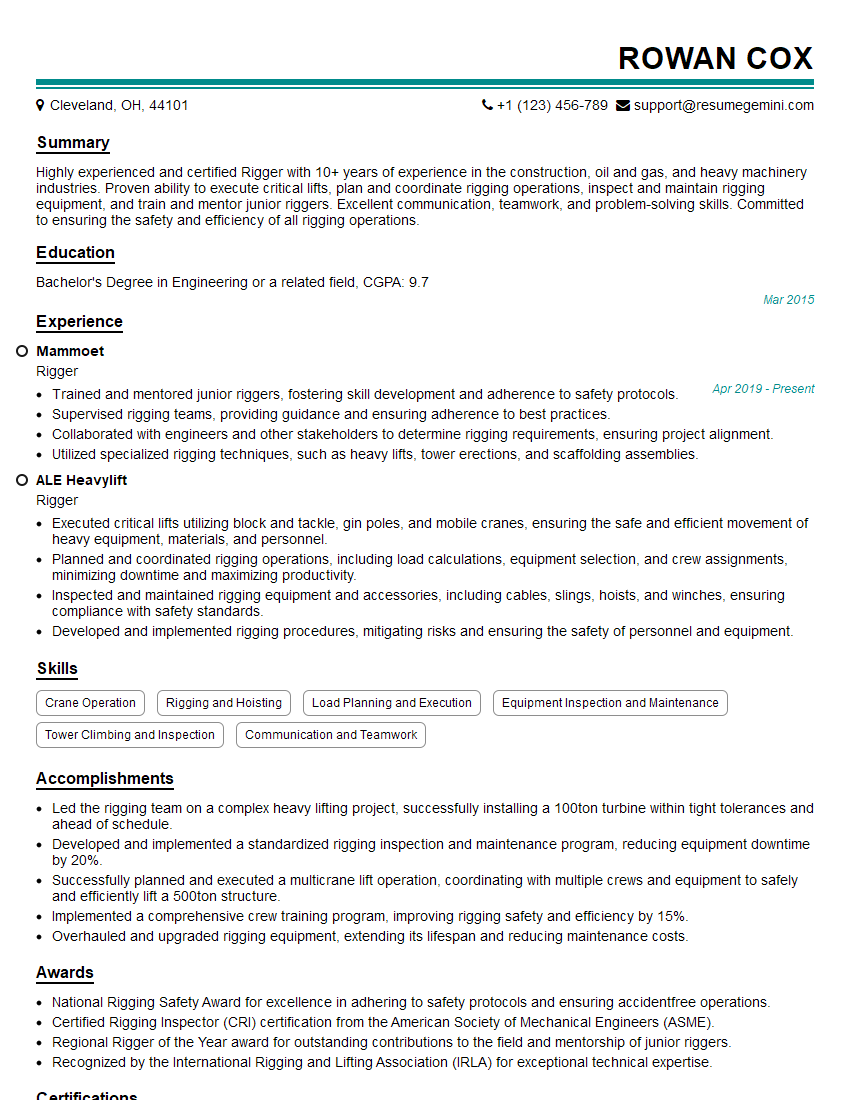
Rigger Resume Sample
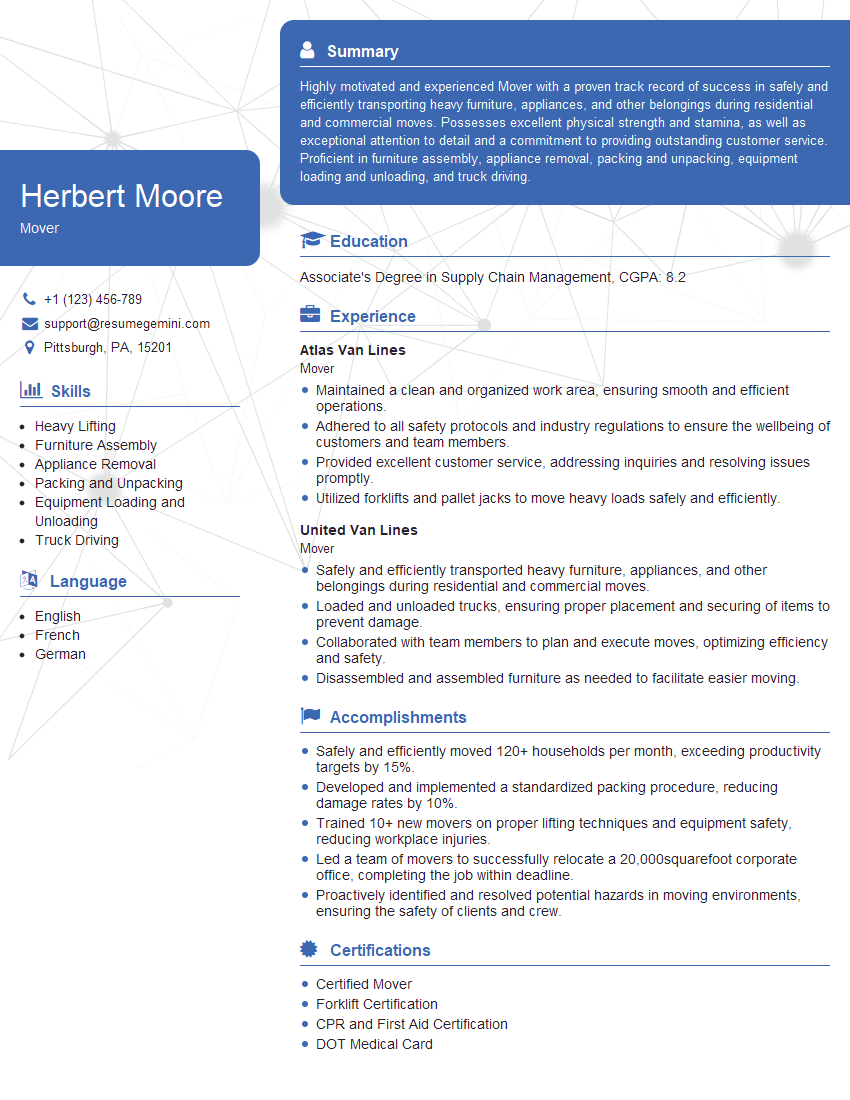
Mover Resume Sample

Packager Resume Sample
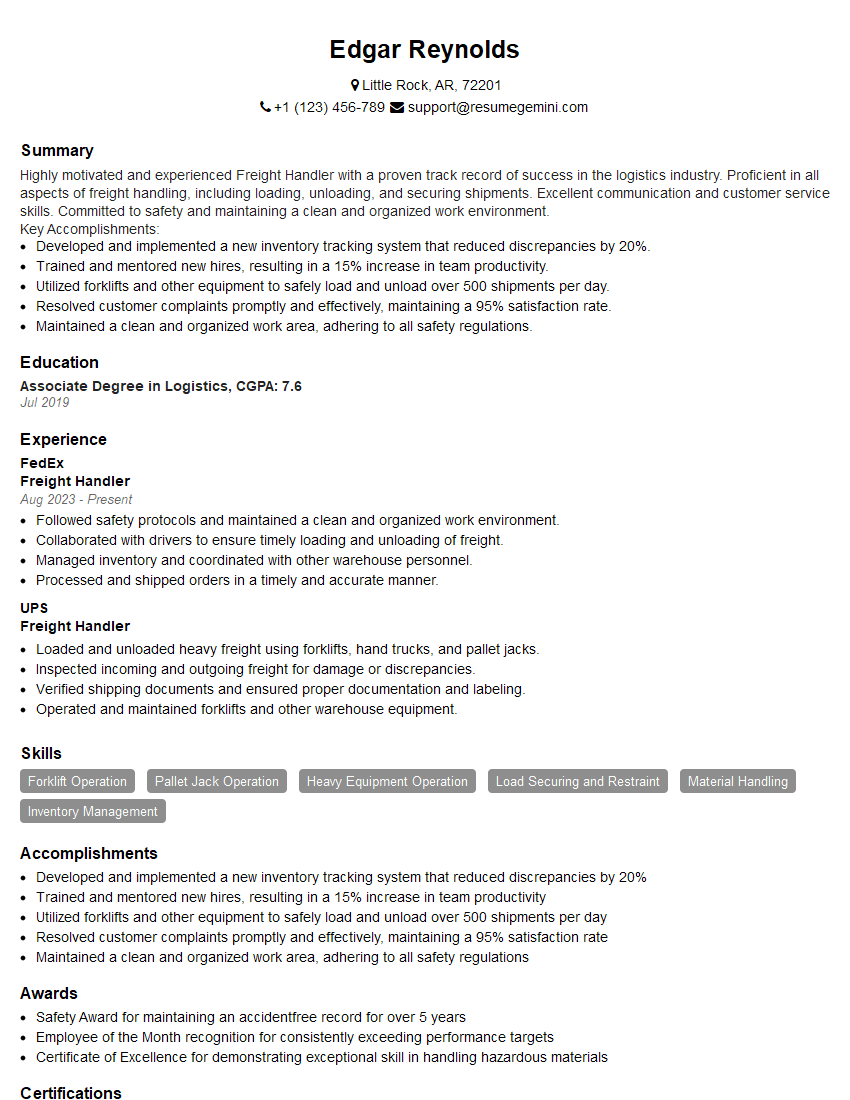
Freight Handler Resume Sample
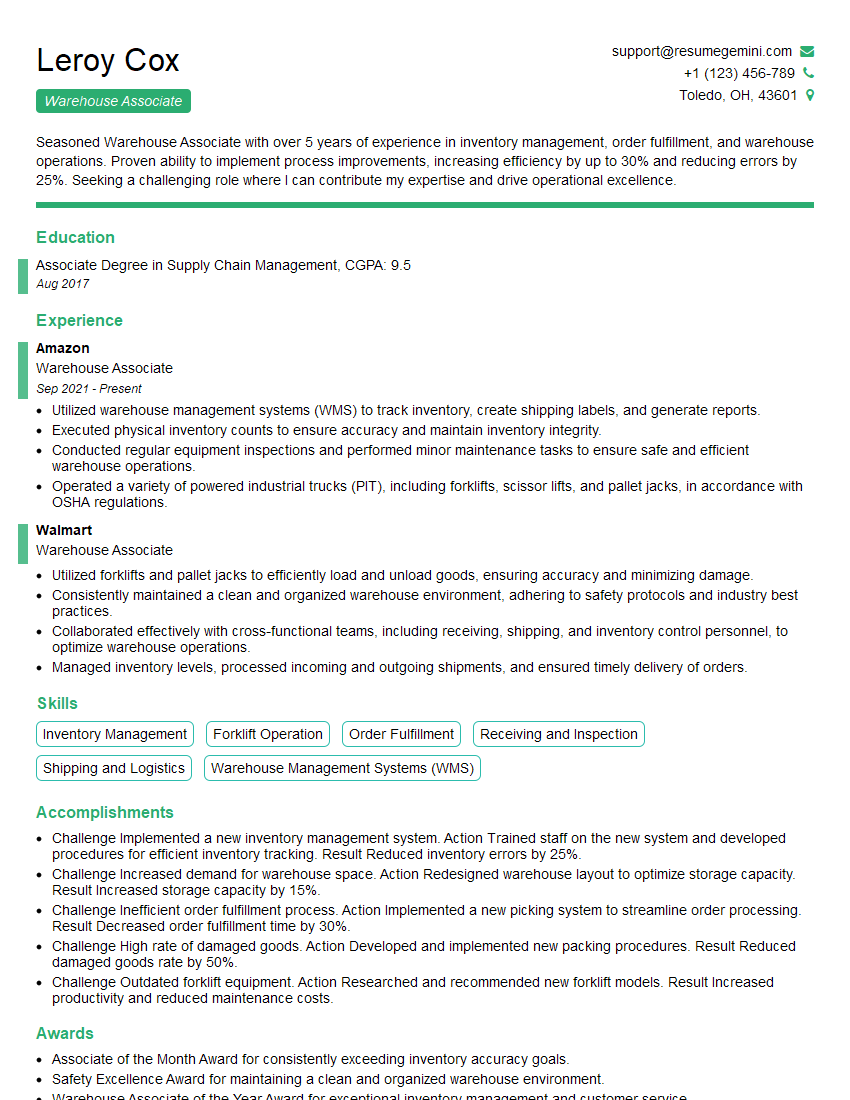
Warehouse Associate Resume Sample
Explore more articles
Users Rating of Our Blogs
Share Your Experience
We value your feedback! Please rate our content and share your thoughts (optional).
What Readers Say About Our Blog
To the interviewgemini.com Webmaster.
Very helpful and content specific questions to help prepare me for my interview!
Thank you
To the interviewgemini.com Webmaster.
This was kind of a unique content I found around the specialized skills. Very helpful questions and good detailed answers.
Very Helpful blog, thank you Interviewgemini team.