Interviews are more than just a Q&A session—they’re a chance to prove your worth. This blog dives into essential Proposal Writing and Funding Acquisition interview questions and expert tips to help you align your answers with what hiring managers are looking for. Start preparing to shine!
Questions Asked in Proposal Writing and Funding Acquisition Interview
Q 1. Describe your experience crafting compelling narratives for grant proposals.
Crafting a compelling narrative for a grant proposal is crucial; it’s about weaving a story that resonates with the funder, demonstrating the project’s importance and your team’s ability to deliver. It’s not just about listing facts; it’s about creating an emotional connection.
My approach begins with understanding the funder’s mission and priorities. Then, I develop a clear problem statement, highlighting the urgency and impact of the issue. I meticulously craft a solution that demonstrates innovation and feasibility, using strong evidence and data to support claims. Finally, I conclude with a powerful call to action, emphasizing the transformative potential of the project and its alignment with the funder’s goals.
For example, in a proposal for a community garden project, instead of simply stating the need for fresh produce, I might weave a narrative around the community’s struggles with food insecurity, illustrating its impact on families and highlighting how the garden will foster social connection and empower residents. I would emphasize how this aligns with the funder’s interest in promoting community health and wellbeing.
Q 2. How do you identify suitable funding opportunities for a given project?
Identifying suitable funding opportunities requires a strategic and systematic approach. It’s like searching for the perfect puzzle piece to fit your project.
I begin by thoroughly researching various funding organizations, using databases like GrantWatch, Foundation Center (now Candid), and government websites. I carefully review each organization’s mission statement, funding priorities, past grants awarded, and application guidelines. Keywords are crucial; I analyze the project’s objectives and identify relevant keywords to refine my search. I also network with colleagues and attend grant-writing workshops to discover hidden opportunities.
For example, if my project focuses on sustainable agriculture, I’d focus my search on foundations and government agencies with programs focused on environmental conservation, food security, or rural development. I’d tailor my search using these keywords, significantly improving the efficiency of my search process.
Q 3. Explain your process for researching and understanding funder priorities.
Understanding funder priorities is paramount. It’s like learning the language of the funder to speak to their needs effectively.
My research process is multifaceted. I start by carefully reviewing the funder’s website, paying close attention to their mission statement, program guidelines, annual reports, and past grant awards. I look for patterns and themes to decipher their preferences. I also examine their publications and social media presence to understand their current focus areas. If possible, I contact program officers directly to clarify any uncertainties and gain insights into their priorities. This direct engagement often provides invaluable information.
For instance, a funder focused on youth development might prioritize projects that demonstrate measurable outcomes in terms of improved academic performance or reduced youth delinquency. Understanding this allows me to tailor the proposal to showcase those specific outcomes and demonstrate alignment with their objectives.
Q 4. What strategies do you employ to maximize the chances of a successful proposal submission?
Maximizing the chances of a successful proposal submission involves a combination of strategic planning, meticulous execution, and attention to detail. It’s about presenting a compelling case that stands out from the crowd.
- Strong Narrative: Crafting a clear, concise, and compelling narrative that resonates with the funder’s priorities.
- Meticulous Proofreading: Ensuring the proposal is free of grammatical errors and typos, showcasing professionalism and attention to detail.
- Adherence to Guidelines: Strictly following the funder’s guidelines on formatting, submission requirements, and deadlines.
- Strong Budget Justification: Presenting a detailed and realistic budget that justifies every expenditure and clearly demonstrates cost-effectiveness.
- Compelling Data & Evidence: Supporting all claims with strong evidence, data, and relevant research to add credibility.
- Seeking Feedback: Obtaining feedback from colleagues and mentors to improve the proposal before submission.
For example, thoroughly researching the funder’s past grant awards helps understand what they’ve funded before and what aspects they value, enabling a stronger proposal alignment.
Q 5. How do you manage multiple proposals simultaneously while maintaining quality?
Managing multiple proposals simultaneously while maintaining quality requires robust organizational skills and a well-defined workflow. It’s like juggling multiple projects, each demanding unique attention.
I utilize project management tools to track deadlines, tasks, and progress for each proposal. I create individual folders for each grant application, meticulously organizing all relevant documents, including research, drafts, and communications. I allocate specific time blocks for each proposal, prioritizing tasks based on deadlines and importance. This organized approach ensures that each proposal receives the attention it deserves and maintains the quality expected.
Templates and checklists are crucial; these standardize certain sections to improve efficiency and ensure consistency across different proposals. Regular progress reviews are equally important to stay on track and identify any potential roadblocks early on.
Q 6. Describe your experience with budget development for grant proposals.
Budget development is a critical aspect of grant proposal writing; it reflects the project’s financial viability and its alignment with the funder’s priorities. It’s a detailed roadmap of the project’s finances.
I begin by thoroughly understanding the project’s scope and activities. Then, I meticulously estimate the costs associated with each activity, including personnel, materials, equipment, travel, and indirect costs. I justify every expenditure with clear explanations, ensuring the budget is both realistic and defensible. I often include a narrative budget to explain each line item, thereby demonstrating the rationale behind each cost.
For example, when budgeting for personnel costs, I would clearly state the roles, responsibilities, and time commitment of each individual involved, justifying their salary or hourly rate based on their experience and qualifications. This level of detail adds credibility to the budget and demonstrates a thoughtful approach to resource allocation.
Q 7. How do you tailor a proposal to meet the specific requirements of a funder?
Tailoring a proposal to meet a funder’s specific requirements is crucial for securing funding; it demonstrates a thorough understanding of the funder’s priorities and their expectations.
My process involves a careful analysis of the funder’s Request for Proposals (RFP) or guidelines. I pay close attention to the funder’s specific priorities, eligibility criteria, and reporting requirements. I customize the proposal’s language, content, and structure to match the funder’s preferences. I use keywords from the RFP to ensure the proposal aligns perfectly with their goals and interests. I also adjust the budget to align with the funder’s guidelines and ensure adherence to their reporting requirements.
For example, if a funder prioritizes projects with community engagement components, I would highlight the community involvement strategies extensively throughout the proposal. I would demonstrate community support through letters of support, participation plans, and clearly stated strategies for community outreach and participation. This tailored approach makes the proposal more compelling and demonstrates a clear understanding of what the funder seeks.
Q 8. What metrics do you use to measure the success of a funding acquisition strategy?
Measuring the success of a funding acquisition strategy goes beyond simply securing funding. It involves a multifaceted approach that tracks both the quantitative and qualitative aspects of the process. Key metrics include:
- Funding Success Rate: This is the percentage of proposals submitted that resulted in funding. A high success rate indicates an effective strategy. For example, securing 6 out of 10 grants submitted translates to a 60% success rate.
- Funding Amount Secured: This measures the total amount of funding acquired. It’s important to not just focus on the number of grants but also on the amount obtained, as larger grants can significantly impact an organization’s goals.
- Time to Funding: Tracking how long it takes from proposal submission to funding approval helps assess the efficiency of the process. A shorter time-to-funding indicates a streamlined strategy.
- Cost per Proposal: This metric calculates the average cost associated with creating and submitting a proposal. A low cost per proposal suggests efficient resource allocation.
- Relationship with Funders: This qualitative metric assesses the strength and longevity of relationships built with funders. Strong relationships can lead to repeat funding opportunities and increased success rates.
- Alignment with Strategic Goals: This measures how well the acquired funding supports the organization’s overall strategic objectives. Funding success isn’t just about the money; it’s about its effective use.
By analyzing these metrics, we can identify areas for improvement and refine the funding acquisition strategy for better results.
Q 9. How do you handle rejections or unsuccessful grant applications?
Handling rejections is a crucial part of the grant writing process. It’s rarely a reflection of your capabilities but often a result of factors such as increased competition, slight misalignment with funder priorities, or even just unfortunate timing. My approach involves:
- Reviewing Feedback: Carefully analyzing rejection letters for constructive criticism and areas for improvement. Often, they contain invaluable insights into what worked well and where the proposal could have been stronger.
- Self-Reflection: Examining the proposal’s strengths and weaknesses, identifying areas needing revision or refinement. This is a chance to learn and grow.
- Connecting with Program Officers: If possible, following up with the program officer to understand the reasons for rejection, even if the response doesn’t reveal much. This helps build relationships for future submissions.
- Adapting the Strategy: Adjusting the proposal’s narrative, focusing on different funder priorities, or tailoring the project to better align with future funding opportunities.
- Documenting Lessons Learned: Keeping a record of the successes and failures to inform future proposals. This detailed record provides valuable data for improving future submissions.
Remember, rejection is a part of the process. It’s an opportunity to refine your strategy and come back stronger with future submissions.
Q 10. Explain your understanding of different types of funding sources (e.g., grants, contracts, sponsorships).
Funding sources differ significantly in their application process, reporting requirements, and overall purpose. Understanding these nuances is critical for success. Here’s a breakdown:
- Grants: These are typically awarded based on merit, often supporting research, community programs, or non-profit initiatives. Grants are usually competitive, requiring compelling proposals that clearly demonstrate the project’s value and feasibility. They generally don’t require matching funds, unlike some other funding sources.
- Contracts: These involve a formal agreement where a funder commissions a specific product or service. Unlike grants, contracts are generally more transactional, with clearly defined deliverables and milestones. Payment is usually tied to project completion, and there is less flexibility than with grants.
- Sponsorships: These are often used by businesses or organizations to promote their brand through association with an event, project, or organization. Sponsorships provide financial support in exchange for brand visibility and recognition. These are less about the project’s merit and more about aligning the sponsor’s interests with the organization’s mission.
Choosing the right funding source depends heavily on the project’s goals, the organization’s capacity, and the available funding opportunities. Careful consideration of each type of funding is paramount for successful fundraising.
Q 11. Describe your experience with proposal review and editing processes.
My experience with proposal review and editing encompasses all aspects of the process, from initial brainstorming to final submission. I’ve developed a rigorous and systematic approach:
- Initial Review: This involves assessing the clarity, coherence, and overall impact of the proposal, ensuring it aligns with the funder’s guidelines.
- Structural Editing: This focuses on the proposal’s organization and flow, ensuring a logical structure that enhances readability and persuasiveness. This includes improving the narrative arc and ensuring transitions between sections are smooth.
- Copyediting: This rigorous process involves checking for grammar, spelling, punctuation, and style inconsistencies, ensuring impeccable writing quality.
- Fact-checking: Verifying the accuracy of all data, statistics, and claims made within the proposal. This is crucial for maintaining credibility and trustworthiness.
- Style and Tone Adjustments: Tailoring the proposal’s style and tone to match the funder’s expectations and preferences. Different funders have different preferences and requirements.
- Collaboration and Feedback: Working closely with the project team to incorporate feedback and ensure the proposal reflects their collective expertise and vision.
I use a collaborative, iterative approach, utilizing checklists and templates to ensure consistency and thoroughness. This rigorous process has led to a significant increase in the success rate of the proposals I’ve worked on.
Q 12. How familiar are you with various grant writing software and databases?
I’m proficient with several grant writing software and databases, including:
- Grant databases: I’m familiar with using various grant-searching platforms to identify suitable funding opportunities based on project requirements and funder priorities. This includes platforms that provide information on grant deadlines, eligibility criteria, and funder preferences.
- Proposal writing software: I’m experienced with software that streamlines proposal creation, such as those with collaboration tools, budget templates, and progress tracking capabilities.
- Reference management software: I’m adept at using programs to manage citations and build a comprehensive bibliography within proposals. This ensures consistency and prevents plagiarism.
My proficiency in these tools significantly accelerates the proposal writing process, ensuring efficiency and accuracy in searching, writing, and submitting applications.
Q 13. What is your approach to building and maintaining relationships with funders?
Building and maintaining relationships with funders is a cornerstone of successful funding acquisition. My approach is based on:
- Networking: Actively engaging with funders through conferences, workshops, and online platforms to build connections and establish rapport.
- Informational Interviews: Conducting preliminary conversations with funders to understand their priorities, preferences, and potential funding opportunities. This helps tailor proposals to their specific interests.
- Follow-up Communication: Maintaining regular contact with funders, even after submitting proposals, to build a lasting relationship and provide updates on project progress.
- Expressing Gratitude: Showing appreciation for their time and consideration, whether the outcome is successful or not. This fosters a positive and reciprocal relationship.
- Providing Updates: Sharing regular updates on funded projects, highlighting successes and challenges. This transparency demonstrates accountability and strengthens trust.
Strong relationships are invaluable; they offer access to insider knowledge, early notification of funding opportunities, and often lead to increased success rates over time. It’s not just about the immediate funding; it’s about building long-term partnerships.
Q 14. How do you ensure compliance with funder guidelines and reporting requirements?
Ensuring compliance with funder guidelines and reporting requirements is paramount for maintaining credibility and securing future funding. My approach involves:
- Thorough Review of Guidelines: Carefully reviewing all funder guidelines and requirements before starting the proposal writing process, ensuring complete understanding of expectations.
- Budgetary Compliance: Developing detailed and accurate budgets that align with funder guidelines, ensuring all expenses are justified and align with the project scope.
- Regular Reporting: Developing a reporting plan that details the frequency and type of reports to be submitted to the funder, ensuring timely and accurate submission.
- Data Tracking and Management: Implementing systems for tracking project progress and collecting data required for reporting, facilitating accurate and efficient reporting.
- Compliance Documentation: Maintaining comprehensive documentation of all project activities, financial transactions, and reporting submitted to the funder. This ensures transparency and accountability.
- Regular Audits: Conducting regular internal audits of financial records and project activities to ensure compliance and identify potential areas of concern early.
Compliance is not just a legal requirement; it’s a demonstration of professionalism, trustworthiness, and commitment to fulfilling the terms of the funding agreement.
Q 15. How do you integrate fundraising strategies into broader organizational goals?
Integrating fundraising strategies with broader organizational goals is crucial for sustainable growth. It’s not just about securing funds; it’s about aligning fundraising efforts with the organization’s mission, vision, and strategic plan. This ensures that the acquired funds directly support the organization’s objectives and contribute to its overall success.
My approach involves a multi-step process:
- Strategic Alignment: I begin by thoroughly understanding the organization’s strategic plan, identifying key priorities and long-term goals. This might involve reviewing strategic documents, conducting interviews with key stakeholders, and analyzing past performance data.
- Needs Assessment: Once the strategic goals are clear, I conduct a needs assessment to determine the resources required to achieve those goals. This helps define the specific fundraising targets and objectives.
- Fundraising Plan Development: I develop a comprehensive fundraising plan that outlines specific strategies (e.g., grant writing, individual giving, corporate sponsorships, crowdfunding) to reach the identified funding needs. The plan includes timelines, target amounts, and responsible parties.
- Resource Allocation: Effective resource allocation is key. I ensure that fundraising efforts are prioritized based on their potential impact on the organization’s strategic goals and available resources. This might involve focusing on high-impact grants or cultivating relationships with major donors.
- Monitoring and Evaluation: Finally, regular monitoring and evaluation are critical. I track progress against the fundraising plan, adapt strategies as needed, and report back to stakeholders on the overall effectiveness of fundraising activities. This ensures continuous improvement and alignment with the organization’s strategic direction.
For example, in a previous role with a non-profit focused on environmental conservation, we aligned our fundraising with their strategic goal of restoring a specific wetland. We successfully secured grants specifically targeting wetland restoration, thus directly supporting the organization’s overarching mission.
Career Expert Tips:
- Ace those interviews! Prepare effectively by reviewing the Top 50 Most Common Interview Questions on ResumeGemini.
- Navigate your job search with confidence! Explore a wide range of Career Tips on ResumeGemini. Learn about common challenges and recommendations to overcome them.
- Craft the perfect resume! Master the Art of Resume Writing with ResumeGemini’s guide. Showcase your unique qualifications and achievements effectively.
- Don’t miss out on holiday savings! Build your dream resume with ResumeGemini’s ATS optimized templates.
Q 16. Describe your experience with grant reporting and performance evaluation.
Grant reporting and performance evaluation are essential for demonstrating accountability and securing future funding. They require meticulous record-keeping, accurate data analysis, and clear communication of results. My experience encompasses all aspects of this process, from designing robust monitoring and evaluation plans to creating compelling final reports.
My process typically includes:
- Developing a Monitoring and Evaluation Plan: Before project implementation, I work with the project team to design a comprehensive plan that outlines key performance indicators (KPIs), data collection methods, and reporting timelines. This plan clearly defines how success will be measured and reported.
- Data Collection and Analysis: Throughout the project lifecycle, I meticulously track progress against the KPIs using appropriate data collection tools (e.g., surveys, databases, progress reports). Regular data analysis ensures that any deviations from the plan are identified and addressed proactively.
- Report Writing: I prepare detailed and compelling reports that clearly articulate the project’s achievements, challenges, and lessons learned. These reports are tailored to the specific requirements of each funding agency, often including narrative descriptions, data visualizations, and financial statements.
- Dissemination and Feedback: Finally, I ensure that reports are submitted on time and effectively disseminated to relevant stakeholders. I also solicit feedback from funders and other stakeholders to continuously improve our reporting and evaluation practices.
In one instance, I developed a detailed monitoring and evaluation plan for a community development project funded by a foundation. By consistently tracking project progress and sharing data with the foundation through regular reports, we demonstrated successful implementation and secured continued funding for subsequent phases.
Q 17. How do you adapt your proposal writing style to different audiences?
Adapting proposal writing style to different audiences is paramount for securing funding. Different funders have varying priorities, preferences, and expectations. Understanding their specific needs and communicating effectively is key.
My approach involves:
- Audience Research: Before writing, I thoroughly research the funder. This includes reviewing past grants awarded, understanding their mission and priorities, and analyzing their preferred proposal format and style. This ensures my proposal resonates with their specific goals.
- Tailored Language and Tone: I adjust my language and tone to match the funder’s style and expectations. A proposal for a scientific research grant requires a different tone and level of detail than one for a community development project.
- Emphasis on Key Priorities: I highlight aspects of the project that align with the funder’s priorities and demonstrate how the project will address their specific interests. This shows that the proposal is not a generic template but a carefully tailored response to the funder’s call.
- Clear and Concise Communication: Regardless of the audience, clear and concise writing is essential. I focus on delivering key information in a straightforward and easily digestible manner.
For example, when writing a proposal for a corporate foundation, I would emphasize the project’s potential for social impact and alignment with the company’s CSR goals. Conversely, a proposal for a government agency would focus on measurable outcomes, detailed budgets, and compliance with specific regulations.
Q 18. How do you track your progress towards funding goals?
Tracking progress toward funding goals requires a systematic and organized approach. I utilize a variety of tools and strategies to monitor progress and ensure accountability.
My methods include:
- Setting Measurable Goals: I start by setting specific, measurable, achievable, relevant, and time-bound (SMART) goals for fundraising. This might include securing a certain amount of funding within a specific timeframe or achieving a certain number of grant submissions.
- Developing a Funding Pipeline: I maintain a detailed funding pipeline that tracks all potential funding opportunities, their deadlines, and the status of each proposal. This provides a clear overview of the fundraising progress.
- Utilizing CRM Software: I leverage Customer Relationship Management (CRM) software to manage donor relationships, track communication, and monitor fundraising activities. This allows me to easily analyze progress and identify areas for improvement.
- Regular Reporting and Reviews: I provide regular reports to stakeholders summarizing progress against funding goals and highlighting any challenges or opportunities. This ensures transparency and facilitates timely adjustments to the fundraising strategy.
- Data Visualization: I utilize data visualization techniques to present fundraising progress in a clear and understandable manner. This allows for easy identification of trends and areas needing attention.
For instance, I often use spreadsheets or project management software to create dashboards that visually represent the funding pipeline, progress towards goals, and key metrics.
Q 19. What is your process for developing a project budget and justifying expenses?
Developing a project budget and justifying expenses requires a thorough understanding of the project’s needs and the funder’s requirements. It’s a crucial step in securing funding.
My process involves:
- Detailed Project Plan: I begin by developing a detailed project plan outlining all activities, timelines, and resources required. This forms the basis for the budget.
- Cost Estimation: I carefully estimate all project costs, including personnel costs, materials, equipment, travel, and other indirect expenses. I use realistic cost estimates based on market research and past experience.
- Budget Justification: Each budget line item is thoroughly justified, explaining its necessity and how it contributes to the project’s success. I ensure that the budget is aligned with the project goals and activities.
- Budget Formatting: The budget is presented in a clear and organized format that aligns with the funder’s guidelines. This usually includes a summary budget and detailed budget breakdown.
- Contingency Planning: I always include a contingency fund to account for unforeseen expenses or delays. This demonstrates responsible financial planning.
For example, when justifying personnel costs, I provide details on the qualifications, experience, and roles of each team member, and the number of hours dedicated to the project. For equipment, I include quotes from vendors, showing competitive pricing.
Q 20. How do you address potential risks and challenges in grant proposals?
Addressing potential risks and challenges in grant proposals demonstrates foresight and strengthens the proposal’s credibility. It shows the funder that you’ve considered potential obstacles and have mitigation strategies in place.
My approach includes:
- Risk Identification: I systematically identify potential risks and challenges that could affect project implementation. This includes risks related to project management, funding, personnel, and external factors.
- Risk Assessment: I assess the likelihood and potential impact of each risk, prioritizing those that pose the greatest threat to the project’s success.
- Mitigation Strategies: For each identified risk, I develop specific mitigation strategies to reduce its likelihood or impact. These strategies are clearly outlined in the proposal.
- Contingency Planning: I include contingency plans to address unforeseen circumstances. This might involve alternative approaches or backup resources.
- Transparent Communication: I openly communicate potential risks and challenges to the funder, demonstrating transparency and a proactive approach to problem-solving.
For instance, in a proposal for a community-based project, I might identify risks related to community engagement and develop mitigation strategies such as building partnerships with local leaders and implementing communication plans to engage community members effectively.
Q 21. How familiar are you with different grant proposal formats and styles?
I am highly familiar with diverse grant proposal formats and styles. My experience encompasses various funders, from government agencies and foundations to corporate sponsors and individual donors. This extensive exposure allows me to tailor proposals to meet specific requirements and maximize the chances of success.
My familiarity extends to:
- Government Grant Proposals: I am well-versed in the specific requirements and formats of government grant proposals, including detailed budgets, compliance with regulations, and performance reporting.
- Foundation Grant Proposals: I understand the varied styles and preferences of different foundations, focusing on their missions and priorities when crafting proposals.
- Corporate Grant Proposals: I adapt my writing to align with the corporate social responsibility (CSR) goals of corporations, emphasizing measurable impact and alignment with their business objectives.
- Private Grant Proposals: I have experience working with individual donors, tailoring proposals to their philanthropic interests and priorities.
- Different Proposal Structures: I am proficient in various proposal structures, including narrative, problem-solving, and logic model approaches, adapting my style to best present the project and its merits.
This adaptability allows me to create proposals that are not only well-written but also strategically aligned with the funder’s specific needs and expectations, significantly increasing the likelihood of securing funding.
Q 22. Describe your experience with collaborating with colleagues and stakeholders on funding acquisition.
Collaboration is the cornerstone of successful funding acquisition. It’s not just about writing a compelling proposal; it’s about building a strong team and effectively communicating the project’s value to various stakeholders. My experience involves working closely with principal investigators (PIs), researchers, program managers, and even external consultants to ensure a unified vision and a cohesive proposal.
For example, in a recent project focused on developing sustainable agriculture practices, I worked with a team of agricultural scientists, economists, and community outreach specialists. My role involved not only crafting the proposal narrative but also facilitating communication between the different specialists, ensuring their contributions aligned with the overall goals and the funder’s priorities. This involved regular meetings, shared document editing using collaborative platforms like Google Docs, and consistent feedback loops to ensure everyone was on the same page.
Another key aspect is stakeholder management. This entails understanding the needs and expectations of potential funders and tailoring the proposal to resonate with their specific interests and funding priorities. This might involve presenting project updates to a grant review committee, proactively addressing their questions and concerns, and building rapport to increase the likelihood of securing funding.
Q 23. Explain your understanding of the ethical considerations in grant writing.
Ethical considerations in grant writing are paramount. It’s about ensuring transparency, honesty, and integrity throughout the entire process. This begins with accurately representing the project’s goals, methodology, and expected outcomes. Exaggerating results, misrepresenting data, or omitting crucial information are serious ethical breaches that can undermine credibility and lead to funding revocation.
Furthermore, proper attribution of sources and intellectual property is crucial. Plagiarism, even unintentional, is unacceptable and can have severe consequences. It’s essential to meticulously cite all sources and ensure that all contributions are properly acknowledged. Similarly, conflicts of interest must be declared upfront, ensuring transparency and preventing potential bias in the project’s execution.
Finally, ethical considerations extend beyond the proposal itself. The project’s implementation should adhere to the highest ethical standards, prioritizing responsible research practices and equitable outcomes. This involves obtaining informed consent from participants, protecting sensitive data, and ensuring the project’s benefits are distributed fairly and transparently.
Q 24. How do you prioritize competing funding opportunities?
Prioritizing funding opportunities requires a strategic approach that balances potential impact with feasibility. I use a multi-faceted framework. First, I assess the funder’s alignment with my project’s goals. Is the funder’s mission compatible with the project’s objectives? Second, I evaluate the likelihood of success. This involves analyzing past funding rates, reviewing the funder’s requirements, and assessing the strength of the project’s proposal. Third, I consider the resource constraints, including time, personnel, and available budget for proposal development.
Imagine you have three opportunities: a high-impact grant with a low success rate, a moderate-impact grant with a high success rate, and a low-impact grant with a moderate success rate. My prioritization would involve creating a weighted scoring system incorporating impact, likelihood of success, and resource requirements. This allows for a data-driven approach, rather than relying solely on gut feeling.
The final prioritization would depend on the overall strategy of the organization. If the organization is risk-averse, the high success rate grant might be prioritized, while a more ambitious organization might prioritize the high-impact grant, accepting the higher risk.
Q 25. How do you stay updated on current trends and best practices in funding acquisition?
Staying updated is critical in the dynamic world of funding acquisition. I use a multi-pronged approach: I subscribe to relevant newsletters and journals focusing on grant writing and funding opportunities in my field. This includes publications like the Chronicle of Philanthropy or sector-specific journals. I actively participate in professional networks and attend conferences and webinars. These events offer invaluable opportunities to learn from experts, network with colleagues, and discover emerging trends. Furthermore, I regularly review funding announcements from major granting organizations and government agencies to stay informed about changes in funding priorities and eligibility criteria.
A valuable tool is using online search engines to look for relevant keywords, and leveraging the power of social media to participate in relevant discussions and track industry developments. Networking through professional organizations helps you tap into the knowledge and experiences of others.
Q 26. How would you approach securing funding for a novel or innovative project?
Securing funding for a novel or innovative project requires a different approach compared to traditional projects. The key is to clearly articulate the project’s unique value proposition and demonstrate its potential to create significant impact. This requires meticulous research into funding sources that explicitly support high-risk, high-reward projects. Often, these might be found through venture capital firms, philanthropic organizations focused on innovation, or government agencies with specific initiatives for technological advancement.
The proposal itself needs to highlight the project’s novelty, emphasizing its potential to address an unmet need or solve a significant problem. A strong emphasis on the potential impact and clear, well-defined metrics for measuring success are crucial. A detailed risk assessment outlining potential challenges and mitigation strategies is also important to demonstrate a thoughtful and realistic approach. For example, you might need to present a detailed plan for intellectual property protection, especially if commercialization is a potential outcome.
It’s also crucial to demonstrate a strong team with the necessary expertise and experience to bring the innovative project to fruition. This often involves showcasing the team’s previous successes and highlighting any relevant partnerships.
Q 27. Describe a time you had to overcome a challenge in securing funding. What was the outcome?
In one instance, I was working on a proposal for a large-scale environmental restoration project. We had strong scientific evidence and a compelling narrative, but the initial proposal was rejected due to concerns about the project’s sustainability beyond the initial funding period. The feedback highlighted the need for a stronger plan for long-term financial viability. This was a significant challenge because creating a solid long-term financial model for a project of this scale was complex.
To overcome this, we spent several weeks developing a comprehensive sustainability plan that included a detailed financial model incorporating diverse revenue streams, such as partnerships with private companies, carbon credit initiatives, and potential government grants for maintenance. We also created a detailed communication plan to demonstrate our outreach efforts and build strong community support. We resubmitted the revised proposal incorporating this feedback, addressing each concern thoroughly. The result was a successful funding award, highlighting the importance of proactive adaptation and responsiveness to reviewer feedback.
Q 28. How do you leverage data and analytics to inform your funding acquisition strategy?
Data and analytics play a crucial role in informing my funding acquisition strategy. I use data to understand funding trends, identify potential funding sources, and assess the likelihood of success. This includes analyzing past funding rates for similar projects, studying the demographic characteristics of successful applicants, and examining the keywords used in successful grant proposals. For instance, I might use keyword analysis tools to optimize proposal language for better searchability within the funder’s database.
Furthermore, data analytics helps refine our project’s impact assessment. By using data visualization techniques, we can demonstrate the potential impact of the project in a clear and compelling manner. This includes projecting the expected outcomes using statistical models and presenting this information visually with charts and graphs. This provides a strong evidence base to support the project’s goals and justify the requested funding.
Finally, data helps track the performance of our funding acquisition efforts. By monitoring key metrics such as proposal submission rates, funding success rates, and time to funding, we can assess the effectiveness of our strategy and make necessary adjustments to improve our outcomes. This iterative approach allows for continuous learning and refinement of our funding acquisition strategies.
Key Topics to Learn for Proposal Writing and Funding Acquisition Interview
- Understanding Funding Landscape: Explore various funding sources (grants, private investment, corporate sponsorships), their eligibility criteria, and application processes. This includes understanding the differences between grant writing and proposal writing for private sector clients.
- Needs Assessment & Problem Definition: Master the art of identifying and articulating a compelling need or problem that your proposed project addresses. Practice framing problems in a way that resonates with funders and highlights the potential impact of your solution.
- Developing a Compelling Narrative: Learn to craft a persuasive story that showcases your project’s value proposition, highlighting its innovation, feasibility, and impact. Practice structuring your narrative for maximum impact, understanding different audiences and their priorities.
- Budget Development & Justification: Develop a detailed and justifiable budget that aligns with the project scope and demonstrates responsible financial management. Be prepared to defend your budget choices and demonstrate cost-effectiveness.
- Project Management & Evaluation: Understand the principles of project management and demonstrate your ability to plan, execute, and evaluate projects effectively. Show familiarity with different project management methodologies and their application to grant-funded projects.
- Proposal Writing Style & Structure: Master the art of clear, concise, and persuasive writing tailored to different funding agencies and organizations. Practice adhering to specific formatting guidelines and submission requirements.
- Compliance & Reporting: Understand the reporting requirements associated with funding acquisition and demonstrate your ability to maintain compliance with relevant regulations and guidelines. This includes understanding post-award reporting and grant management.
- Networking & Relationship Building: Discuss your strategies for building and maintaining relationships with potential funders, highlighting your ability to communicate effectively and build trust.
Next Steps
Mastering Proposal Writing and Funding Acquisition significantly enhances your career prospects, opening doors to diverse and impactful roles across various sectors. A strong foundation in these skills is highly sought after, leading to increased earning potential and career advancement. To maximize your chances of landing your dream job, creating an ATS-friendly resume is crucial. ResumeGemini is a trusted resource that can help you build a professional and effective resume tailored to highlight your expertise in this field. Examples of resumes tailored to Proposal Writing and Funding Acquisition are available to help guide you.
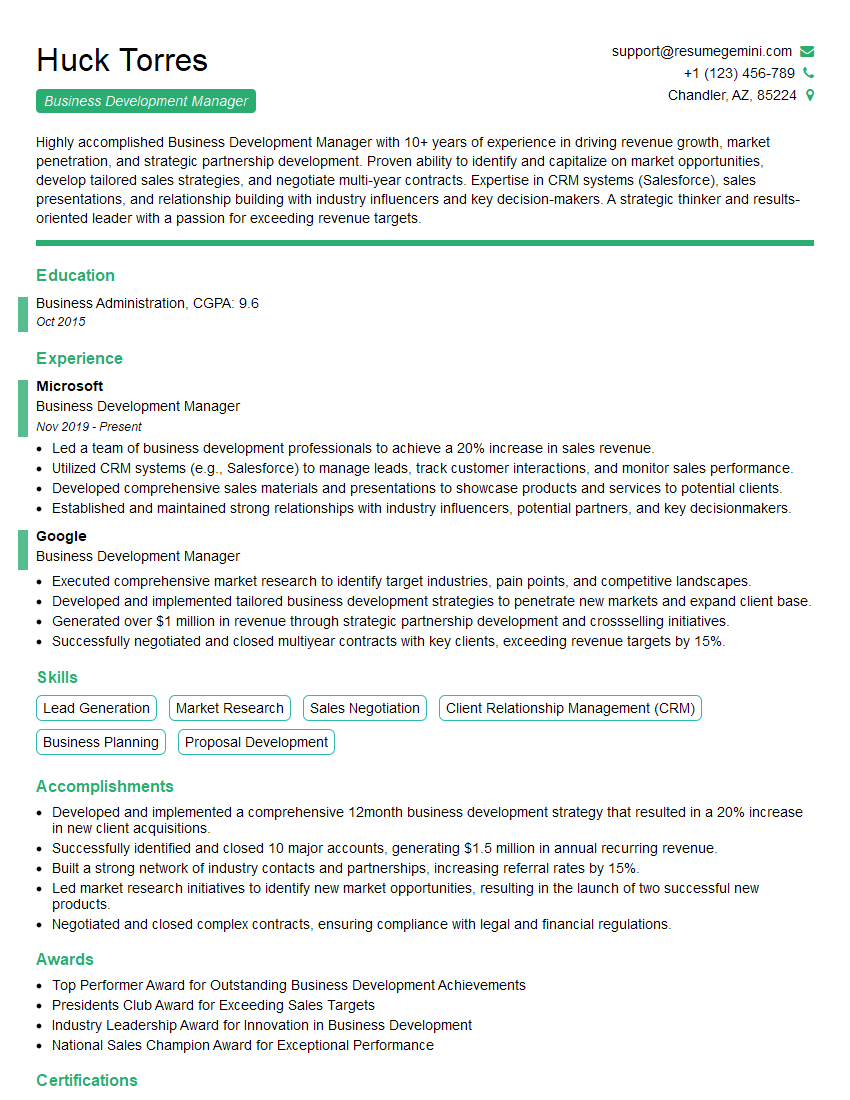
Business Development Manager Resume Sample
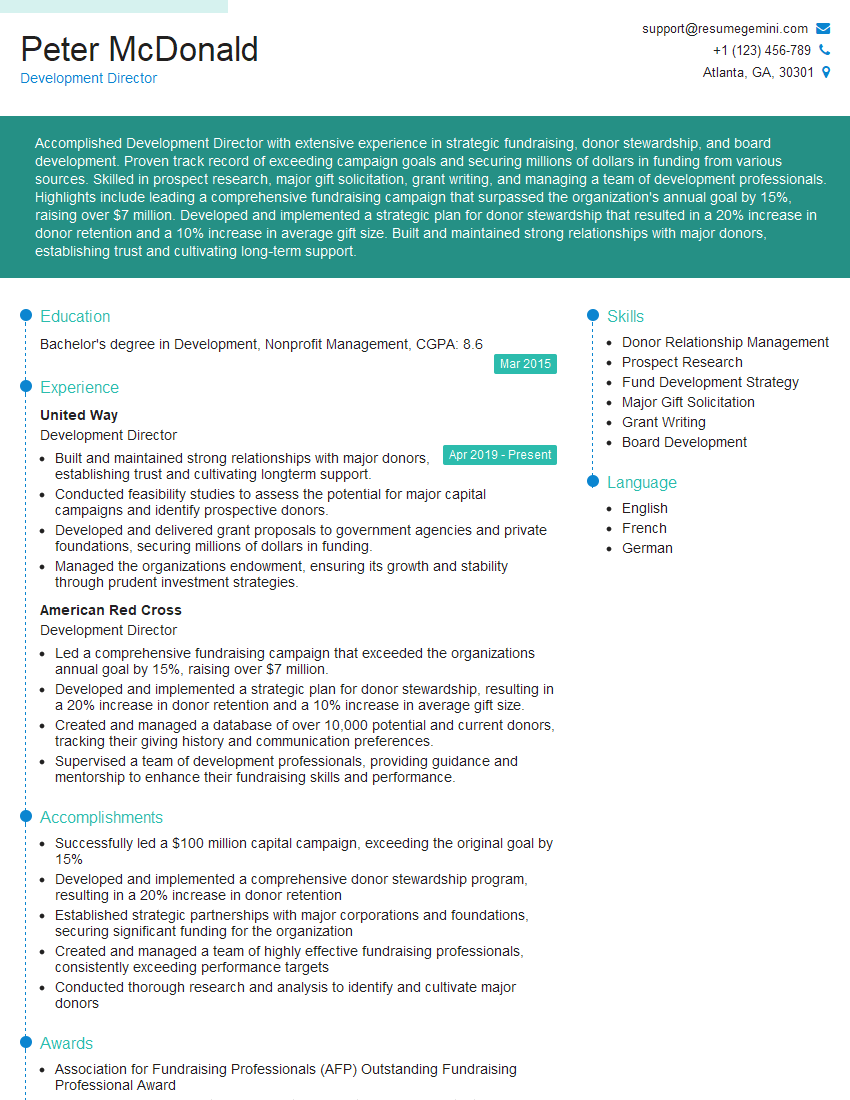
Development Director Resume Sample
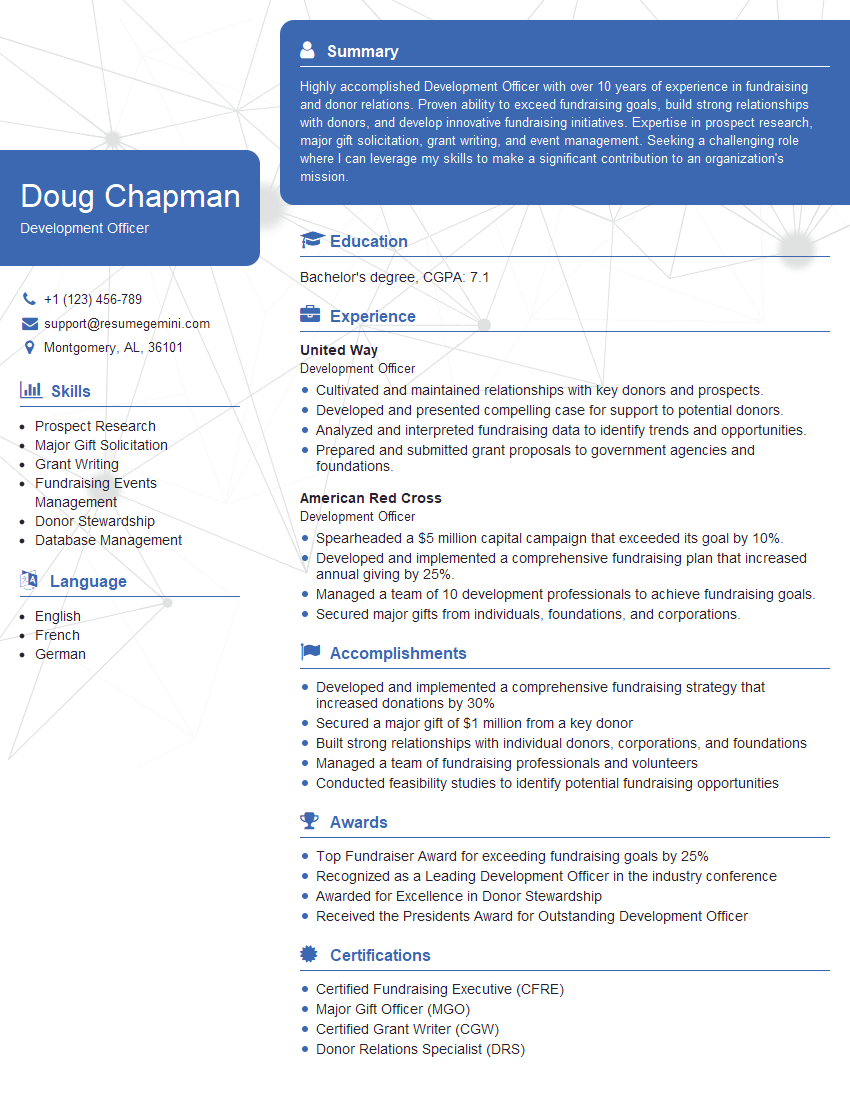
Development Officer Resume Sample
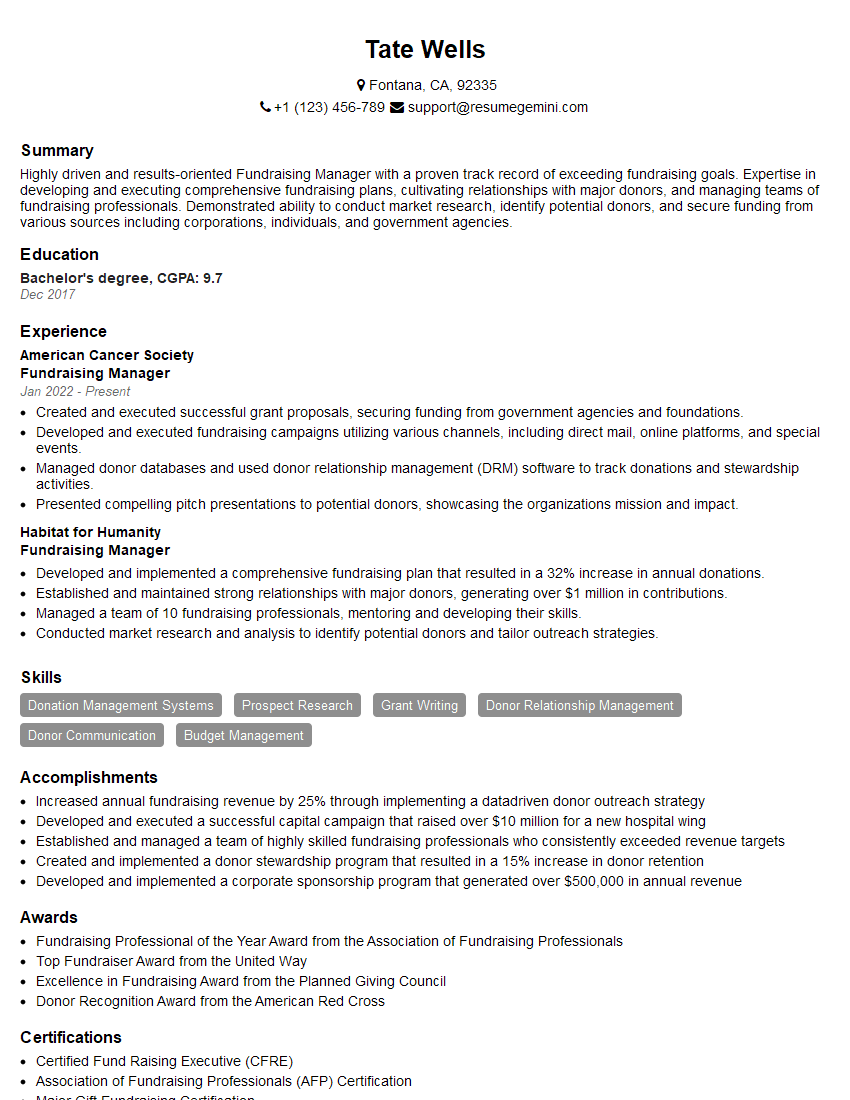
Fundraising Manager Resume Sample
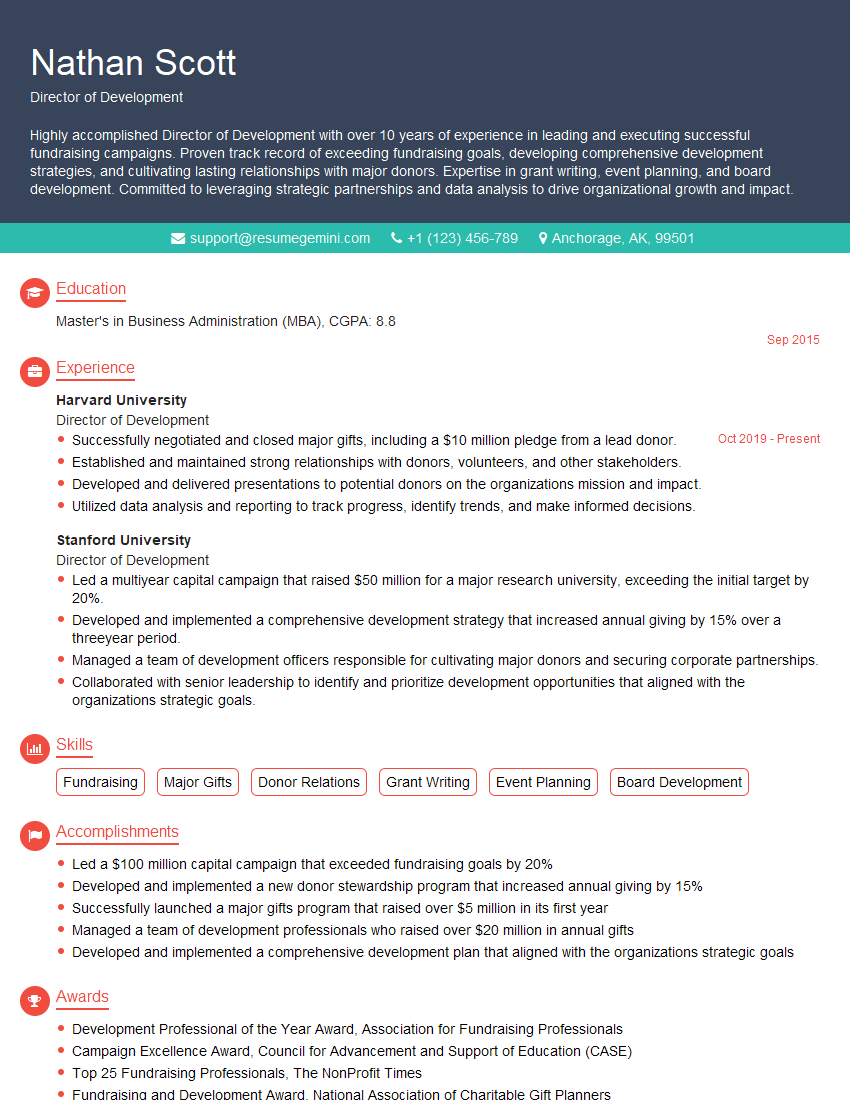
Director of Development Resume Sample
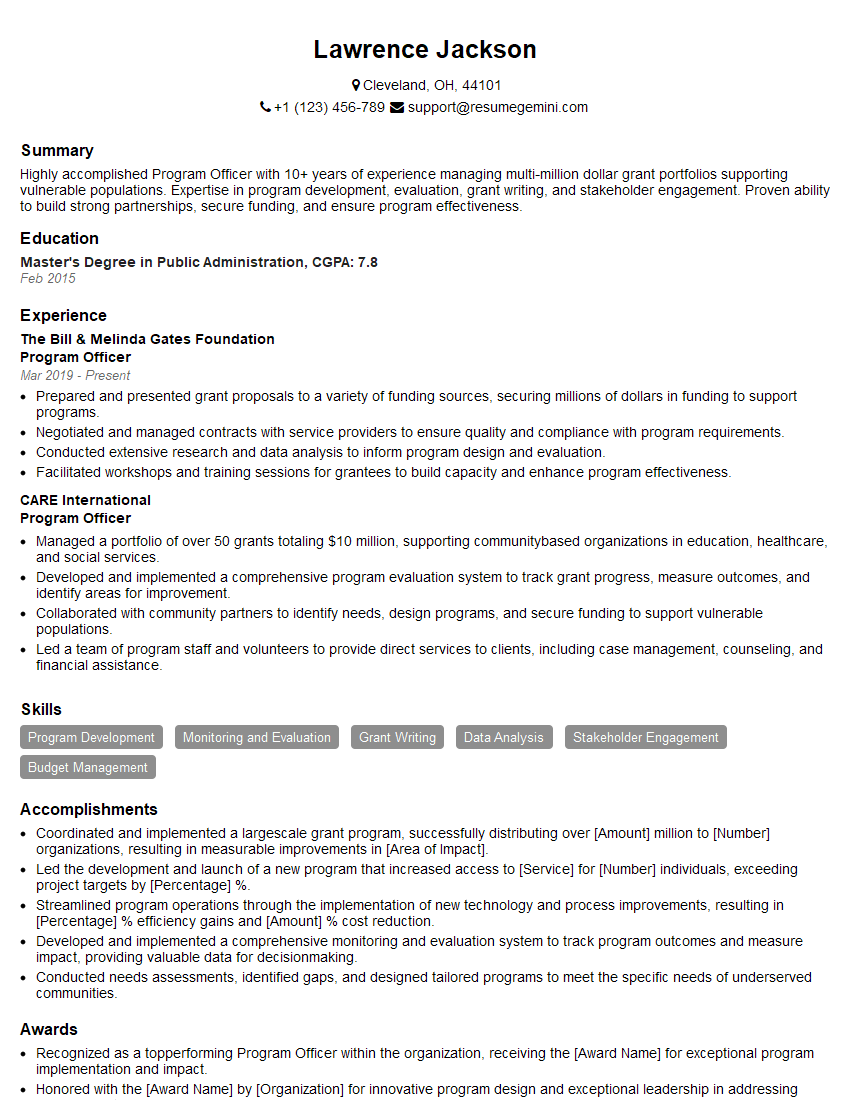
Program Officer Resume Sample
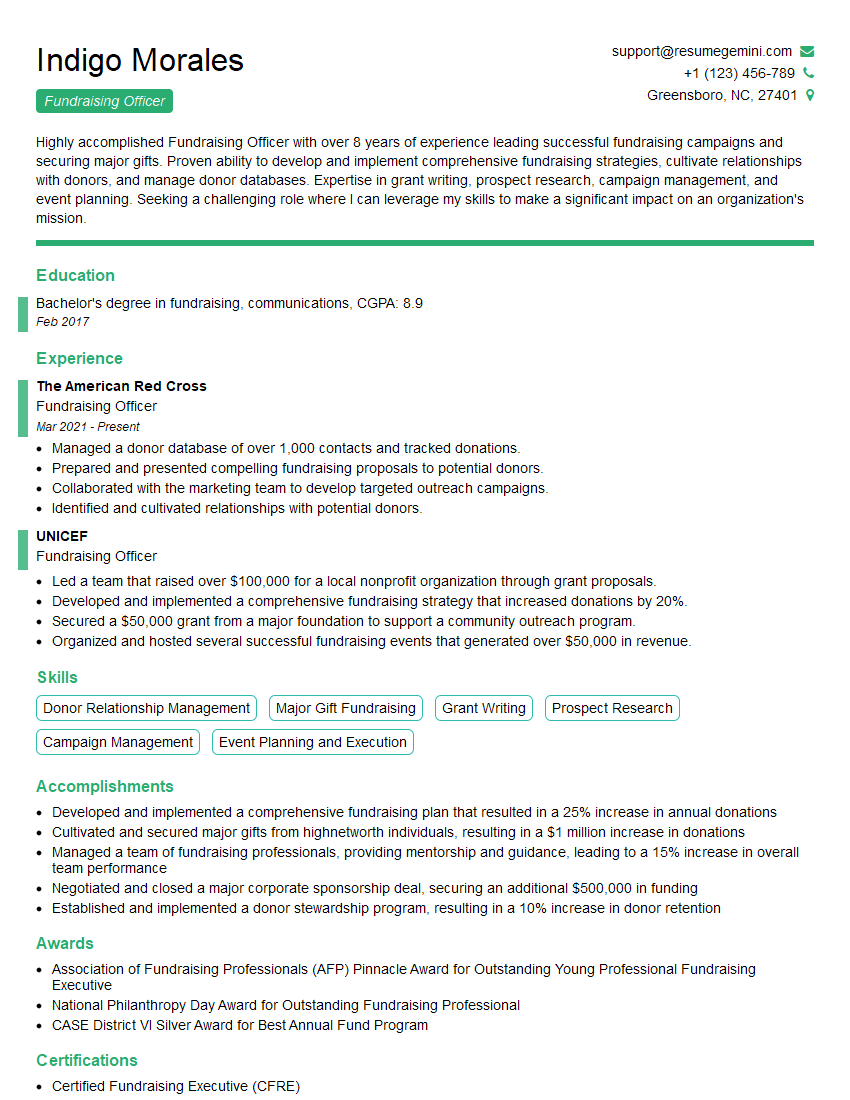
Fundraising Officer Resume Sample
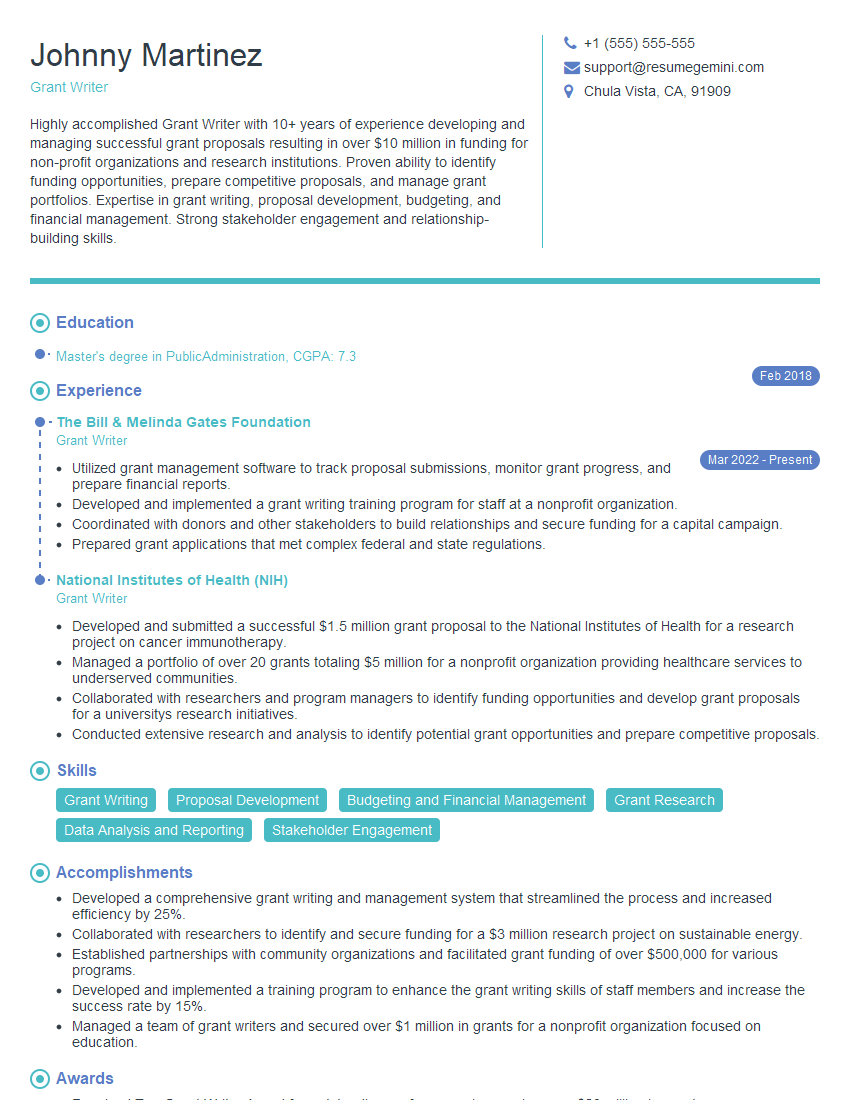
Grant Writer Resume Sample
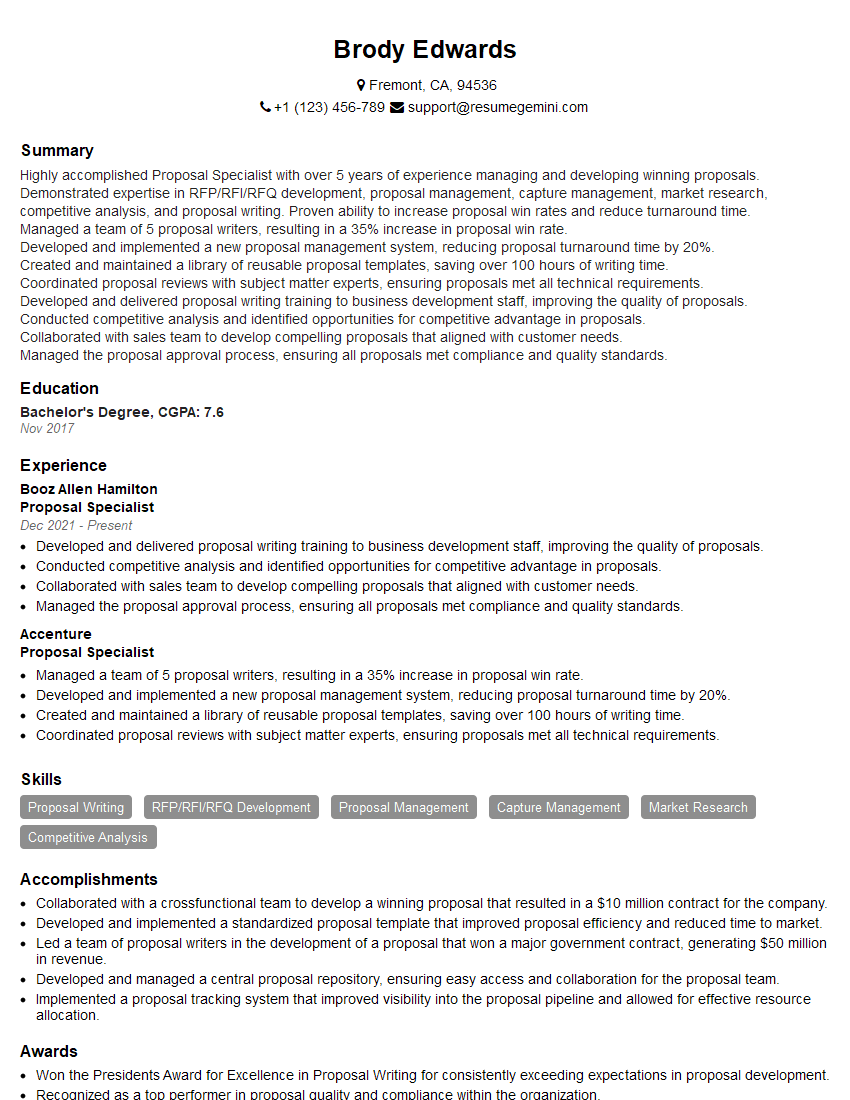
Proposal Specialist Resume Sample
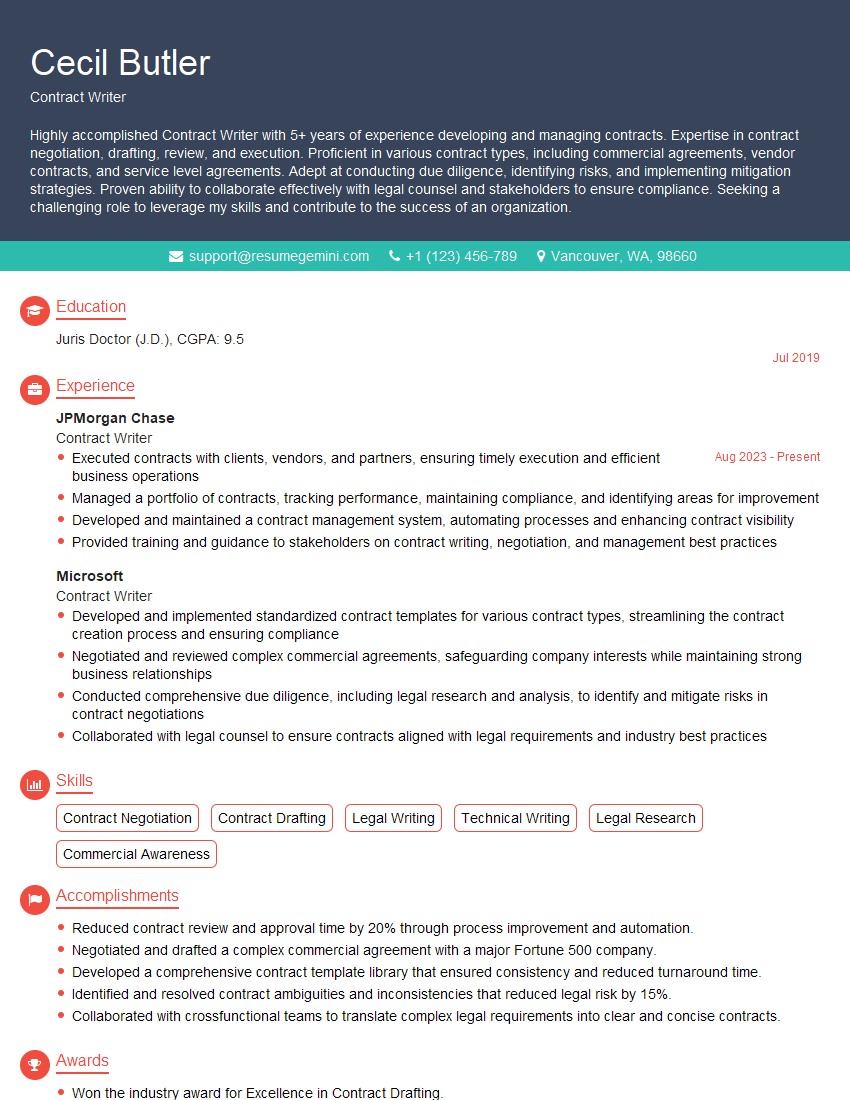
Contract Writer Resume Sample
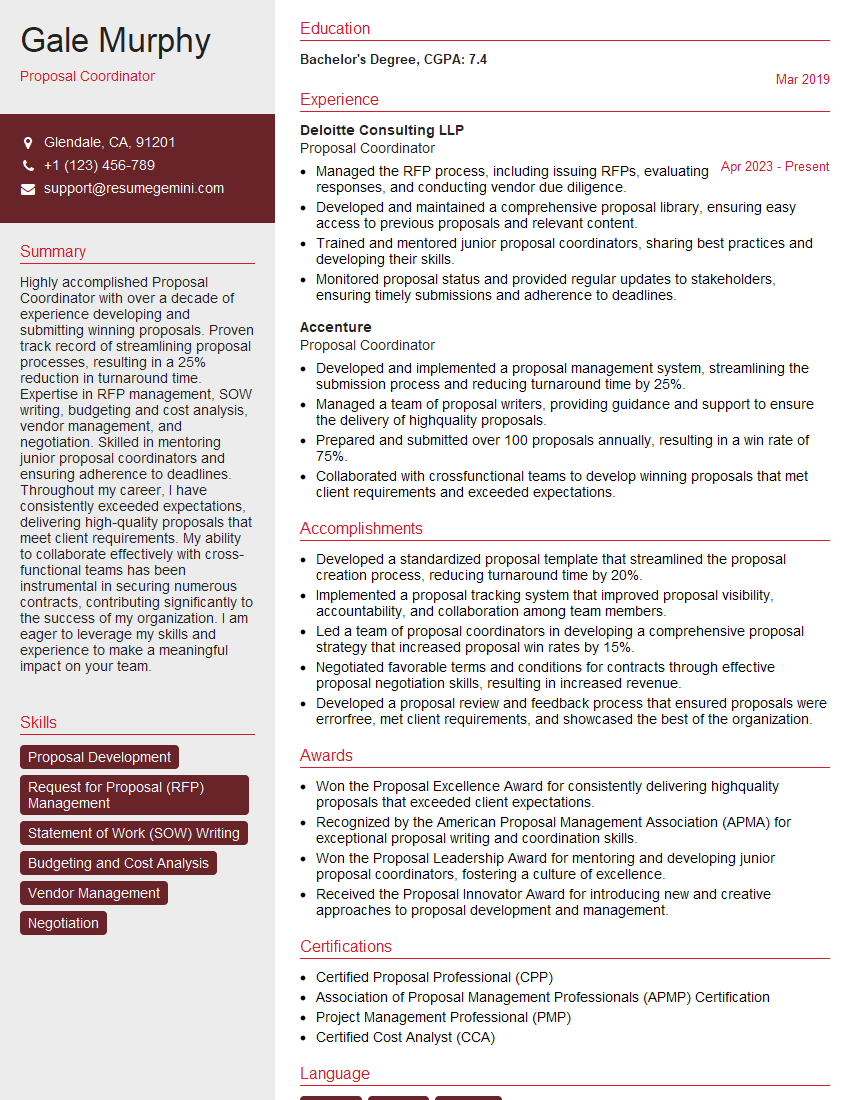
Proposal Coordinator Resume Sample
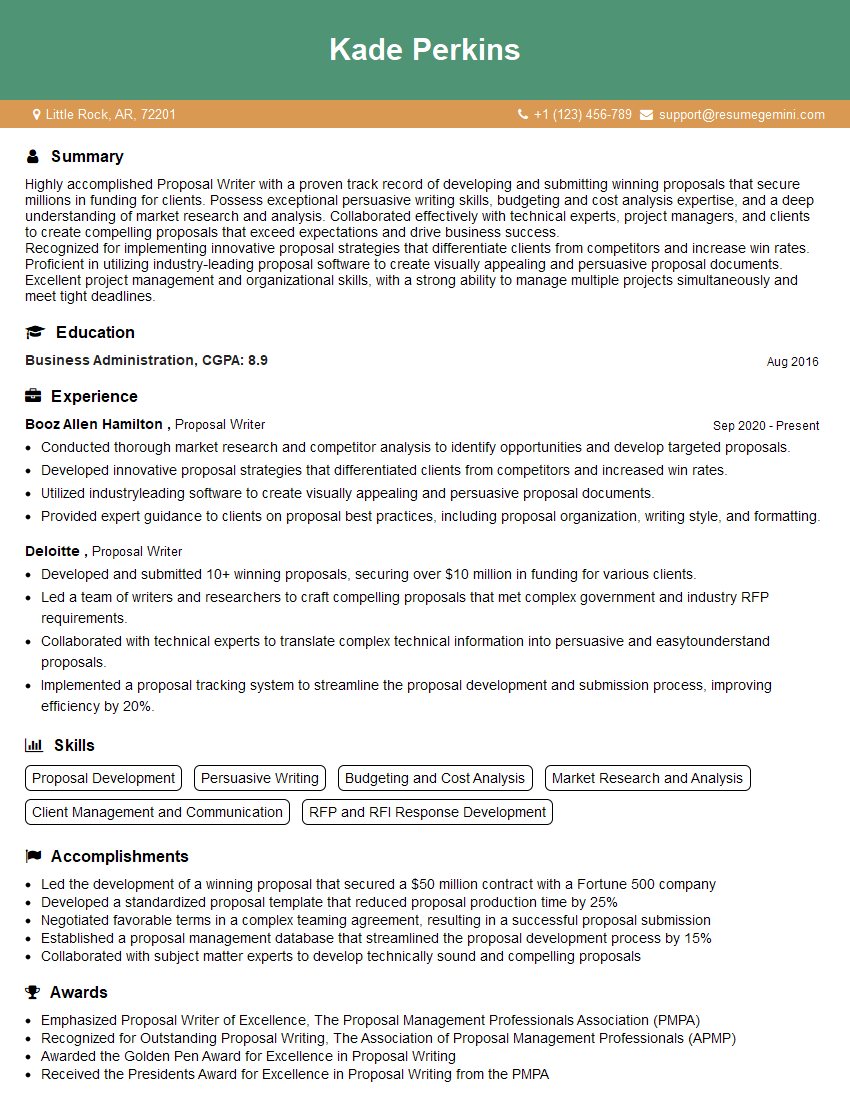
Proposal Writer Resume Sample
Explore more articles
Users Rating of Our Blogs
Share Your Experience
We value your feedback! Please rate our content and share your thoughts (optional).
What Readers Say About Our Blog
To the interviewgemini.com Webmaster.
Very helpful and content specific questions to help prepare me for my interview!
Thank you
To the interviewgemini.com Webmaster.
This was kind of a unique content I found around the specialized skills. Very helpful questions and good detailed answers.
Very Helpful blog, thank you Interviewgemini team.