Interviews are opportunities to demonstrate your expertise, and this guide is here to help you shine. Explore the essential Providing Individual and Family Support interview questions that employers frequently ask, paired with strategies for crafting responses that set you apart from the competition.
Questions Asked in Providing Individual and Family Support Interview
Q 1. Describe your experience working with diverse family structures.
My experience spans a wide range of family structures, from traditional nuclear families to single-parent households, blended families, extended families, and families with LGBTQ+ parents. I’ve worked with families facing diverse challenges, including poverty, illness, disability, substance abuse, and immigration issues. I believe in a strength-based approach, focusing on the family’s inherent resilience and resources rather than solely on their problems.
For example, I recently worked with a blended family where the children struggled to adapt to the new family dynamic. By facilitating family meetings and employing collaborative problem-solving techniques, we developed strategies for effective communication and conflict resolution. This involved creating a family contract outlining expectations and responsibilities for each member, fostering a sense of shared purpose and belonging.
Another example involved a single mother struggling with financial insecurity. We worked together to identify local resources, like food banks and housing assistance programs, empowering her to overcome financial obstacles and create a stable environment for her children.
Q 2. Explain your approach to crisis intervention with families.
My approach to crisis intervention is grounded in a calm, empathetic, and collaborative manner. The initial priority is to ensure the safety and well-being of all family members. This involves actively listening to understand the immediate situation and identifying the individuals’ immediate needs. Once a sense of safety and stability is established, I work with the family to develop a coping strategy that addresses the crisis. This often involves connecting the family with necessary resources, providing emotional support, and collaboratively developing a crisis plan to prevent future occurrences.
For instance, I once worked with a family whose home was severely damaged by a fire. The immediate concern was securing temporary housing, clothing, and food. Once those basic needs were met, we focused on emotional support, helping them process their trauma and navigate insurance claims. We also worked together on creating a long-term plan for rebuilding their lives.
Q 3. How do you assess the needs of individuals and families?
Needs assessment is a crucial first step in providing effective support. My approach involves utilizing a multi-faceted assessment process, including interviews, observations, and review of relevant documents (medical records, school reports). This comprehensive approach helps build a holistic understanding of the family’s strengths, challenges, and resources.
The assessment process often begins with open-ended questions to understand the family’s concerns and perspectives. I then employ standardized tools, such as family functioning scales, to gain objective data. Observations during home visits provide valuable insights into the family’s dynamics and environment. For example, observing parent-child interactions or household organization can reveal crucial information about the family’s functioning. Finally, I collaborate with the family to create a prioritized list of needs, ensuring their active involvement in the process.
Q 4. Describe your experience developing and implementing support plans.
Developing and implementing support plans is a collaborative process, ensuring the family’s active participation in every step. The plan is tailored to the specific needs identified during the assessment phase, and it outlines measurable goals and strategies to achieve them. Plans are regularly reviewed and updated based on progress and evolving needs. A good support plan incorporates both short-term and long-term objectives, creating a roadmap for positive change.
For example, a support plan for a family facing challenges with child behavior might include behavioral modification techniques, parent training workshops, and referrals to relevant professionals. Regular meetings allow for monitoring progress, adjusting strategies as needed, and celebrating successes along the way. Documentation is essential, meticulously recording progress, challenges, and modifications made to the support plan. The family’s feedback is actively sought to ensure the plan remains relevant and effective.
Q 5. How do you build rapport and trust with clients?
Building rapport and trust is fundamental to effective support work. I prioritize active listening, empathy, and genuine respect for the client’s experiences and perspectives. It’s essential to create a safe and non-judgmental space where clients feel comfortable sharing their concerns without fear of criticism. This includes respecting their cultural background and beliefs, tailoring my approach to their individual preferences.
For example, I might begin a session by engaging in casual conversation to build a connection before delving into more sensitive topics. I also maintain consistent communication, keeping the family informed of progress and any changes to the support plan. Celebrating small victories along the way further strengthens the relationship and builds confidence in the process. Transparency and honesty are vital; I clearly explain the process and my role in it.
Q 6. How do you handle conflict between family members?
Conflict resolution is a key skill in family support. My approach involves creating a safe and structured environment where family members can express their feelings and concerns openly, without interruption. I facilitate communication by using active listening techniques, helping each member understand other perspectives. I employ conflict resolution strategies such as mediation, negotiation, and compromise to help find mutually agreeable solutions. The goal isn’t to take sides, but rather to help family members develop their communication and problem-solving skills.
For instance, in a situation involving sibling conflict, I might use role-playing to practice effective communication techniques. Or, if the conflict is between parents, I might help them identify the root causes of their disagreement and work towards creating a shared understanding of their concerns. Following the conflict resolution process, I help create a plan to avoid future conflicts.
Q 7. Explain your understanding of confidentiality and client privacy.
Confidentiality and client privacy are paramount in my work. I adhere strictly to professional ethical guidelines and legal requirements regarding the protection of sensitive information. This means only disclosing information with the client’s informed consent, unless legally obligated to do otherwise, such as in cases of suspected child abuse or neglect. I utilize secure methods for storing and transmitting client information and ensure that all staff are fully trained on confidentiality protocols.
For example, I would never discuss a client’s case with anyone outside of my professional team unless absolutely necessary and with appropriate authorization. Client records are kept in secure locations, and electronic records are protected with strong passwords and encryption. Clients are fully informed of my confidentiality policies at the outset of our work together, empowering them to make informed decisions about sharing information.
Q 8. How do you identify and address safety concerns for individuals and families?
Identifying and addressing safety concerns is paramount in individual and family support. It’s a proactive and ongoing process involving careful observation, open communication, and a thorough understanding of potential risks.
My approach involves several key steps:
- Risk Assessment: I begin by conducting a comprehensive assessment, considering factors like the individual’s or family’s living situation, health conditions (physical and mental), relationships, access to resources, and any potential threats or vulnerabilities. This might involve using standardized risk assessment tools or creating a personalized checklist based on the specific needs of the individual or family.
- Collaboration: I actively involve the individual and family in the safety planning process. Their input is crucial to ensure the plan is realistic and effective. I also collaborate with other professionals, such as social workers, law enforcement, or healthcare providers, as needed.
- Safety Planning: Based on the risk assessment, we collaboratively develop a detailed safety plan outlining potential hazards, mitigation strategies, and emergency contacts. This plan might include steps to address domestic violence, substance abuse, financial exploitation, or other relevant risks.
- Ongoing Monitoring and Review: The safety plan is not static. I regularly review and update it based on changes in the individual’s or family’s circumstances or emerging risks. This involves regular check-ins and open communication to ensure the plan continues to be relevant and effective.
Example: I once worked with a family experiencing domestic violence. Through a thorough assessment, we identified several safety concerns. Our collaboratively created safety plan involved developing a code word for emergencies, identifying safe places to go, and establishing a communication plan with local support services. Regular check-ins helped to address emerging issues and adapt the plan as needed.
Q 9. Describe your experience working with individuals with disabilities.
I have extensive experience supporting individuals with a wide range of disabilities, including physical, cognitive, developmental, and sensory disabilities. My approach is centered on person-first language and recognizing each individual’s unique strengths and challenges.
My work in this area has included:
- Individualized Support Plans: Developing and implementing individualized support plans that address the specific needs and goals of each person. This involves careful assessment of their abilities, limitations, and desired outcomes.
- Advocacy: Advocating for access to appropriate services and resources, such as assistive technologies, specialized education, or accessible transportation.
- Skill Development: Supporting individuals in developing life skills such as self-care, communication, and social interaction. This might involve teaching practical skills or connecting them to relevant training programs.
- Community Integration: Facilitating community integration by helping individuals participate in community activities and connect with social networks. This can foster independence and enhance their quality of life.
Example: I worked with a young adult with autism who needed support in transitioning to independent living. We developed a plan that included teaching him essential life skills like budgeting, meal preparation, and transportation, while also advocating for access to assistive technology that would enhance his daily functioning. We focused on his individual strengths and interests, leading to successful integration into his community.
Q 10. How do you collaborate with other professionals to provide comprehensive support?
Collaboration is the cornerstone of effective individual and family support. I believe in a multidisciplinary approach, actively engaging with other professionals to create a comprehensive support network.
My collaboration strategies include:
- Regular Meetings: Participating in regular case conferences and meetings with relevant professionals, such as therapists, doctors, educators, and social workers, to share information, coordinate services, and ensure a cohesive approach to care.
- Information Sharing: Utilizing secure and confidential methods to share relevant information with other professionals. This might involve electronic health records, secure messaging platforms, or written reports.
- Joint Assessments: Conducting joint assessments with other professionals to gain a holistic understanding of the client’s needs and develop an integrated care plan.
- Coordinated Services: Working collaboratively to ensure that services are seamlessly coordinated and avoid duplication or gaps in care.
Example: I collaborated with a therapist, a psychiatrist, and a case manager to develop a comprehensive support plan for a client struggling with severe depression. The therapist provided individual therapy, the psychiatrist managed medication, and the case manager coordinated access to social support services. Through regular communication and joint meetings, we were able to effectively monitor the client’s progress and adjust the plan accordingly.
Q 11. How do you advocate for the rights and needs of your clients?
Advocacy is a crucial aspect of my role. I am committed to ensuring that my clients have access to the services, resources, and support they need to live fulfilling lives.
My advocacy strategies include:
- Educating Clients: Providing clients with information about their rights and options, empowering them to advocate for themselves.
- Liaising with Agencies: Contacting and working with government agencies, healthcare providers, and other organizations to ensure clients receive appropriate services and benefits. This often involves navigating complex bureaucratic processes.
- Representing Clients: Representing clients’ interests in meetings, hearings, and other settings where their rights or needs are being considered.
- Challenging Injustice: Challenging discriminatory practices or systems that negatively impact my clients.
Example: I recently advocated for a client with a disability who was denied access to necessary assistive technology due to bureaucratic delays. I contacted the relevant agency, presented a compelling case based on the client’s needs, and successfully obtained the necessary approvals.
Q 12. Explain your experience working with individuals experiencing mental health challenges.
I have extensive experience supporting individuals experiencing a variety of mental health challenges, including depression, anxiety, bipolar disorder, schizophrenia, and PTSD. My approach is based on principles of recovery-oriented care, emphasizing empowerment, self-determination, and building resilience.
My work in this area has involved:
- Crisis Intervention: Providing support and intervention during times of mental health crisis. This might involve collaborating with emergency services or providing immediate support to prevent self-harm or harm to others.
- Connecting to Resources: Connecting individuals with appropriate mental health services, including therapy, medication management, and support groups.
- Developing Coping Mechanisms: Assisting individuals in developing coping mechanisms to manage their symptoms and improve their overall well-being.
- Promoting Self-Management: Empowering individuals to take an active role in managing their own mental health, including medication adherence, self-care practices, and stress management techniques.
Example: I worked with a client struggling with severe anxiety who was unable to leave their home. Through collaborative goal setting and gradual exposure therapy techniques, along with access to appropriate mental healthcare providers, we worked together to enable them to regain their independence and confidently return to work and social situations.
Q 13. How do you monitor and evaluate the effectiveness of support plans?
Monitoring and evaluating the effectiveness of support plans is crucial to ensure they are meeting the individual’s needs and achieving desired outcomes. This is an ongoing process involving regular review, data collection, and adjustments based on feedback and progress.
My evaluation methods include:
- Regular Check-ins: Conducting regular check-ins with the individual and family to discuss progress, challenges, and any needed modifications to the plan.
- Data Collection: Collecting data on various outcome measures, such as improvements in well-being, skill development, or goal attainment. This may involve tracking progress towards goals outlined in the support plan.
- Feedback Mechanisms: Implementing feedback mechanisms, such as surveys or informal conversations, to gather input from the individual, family, and other professionals involved.
- Plan Revisions: Revising and updating the support plan as needed, based on the evaluation data and feedback received. This is a cyclical process, ensuring the plan remains relevant and effective.
Example: When working with a family, I tracked their progress toward specific goals related to conflict resolution, household management, and child development. Regular check-ins and data collection helped us to identify what interventions were effective, and allowed for adjustments to the plan as needed to help them overcome challenges and achieve long-term positive outcomes.
Q 14. Describe your experience documenting client progress and interactions.
Accurate and thorough documentation is essential for effective individual and family support. It provides a comprehensive record of client progress, interactions, and service delivery. This information is vital for continuity of care, informing future interventions, and ensuring accountability.
My documentation practices include:
- Detailed Notes: Maintaining detailed and accurate notes of all interactions with clients, including conversations, observations, and assessments. This includes using person-first language and avoiding subjective judgment.
- Progress Reports: Preparing regular progress reports that summarize client progress towards goals, highlighting successes, challenges, and areas requiring further support.
- Incident Reporting: Documenting any significant incidents or changes in the client’s condition or circumstances. This adheres to relevant reporting requirements and protocols.
- Confidentiality: Maintaining strict confidentiality in all documentation, complying with all relevant privacy regulations and ethical standards.
Example: Following a client’s session, I carefully document our discussion and observations using clear, concise language and focusing on observable behaviors and measurable goals. This ensures that the information is both detailed and easy for others to access and understand, while protecting the client’s confidentiality.
Q 15. How do you maintain professional boundaries while providing support?
Maintaining professional boundaries is crucial in individual and family support to ensure ethical practice and the client’s well-being. It involves establishing clear limits on the relationship, avoiding dual relationships (e.g., becoming friends or engaging in personal relationships), and respecting client confidentiality.
- Clear Communication: From the outset, I clearly articulate the professional nature of our relationship, outlining roles and responsibilities. I explain the limits of my support, such as avoiding personal opinions on non-relevant matters.
- Time Boundaries: I strictly adhere to scheduled meeting times and avoid extending sessions beyond the agreed duration. This prevents blurring lines and ensures I can dedicate appropriate time to each client.
- Emotional Detachment: While empathy is essential, I maintain a professional distance, avoiding emotional entanglement. This involves actively managing my own emotional responses and seeking supervision when needed to process difficult cases.
- Confidentiality: I consistently adhere to strict confidentiality protocols, only sharing information with authorized individuals or agencies as mandated by law. I obtain informed consent before sharing any client information.
- Referral Appropriateness: If a client’s needs extend beyond my expertise, I ensure a seamless referral to an appropriate professional. This ensures the client receives the best possible care while respecting boundaries.
For example, if a client asks me for personal advice unrelated to their support plan, I would politely redirect them back to the goals of our sessions and suggest alternative resources if necessary.
Career Expert Tips:
- Ace those interviews! Prepare effectively by reviewing the Top 50 Most Common Interview Questions on ResumeGemini.
- Navigate your job search with confidence! Explore a wide range of Career Tips on ResumeGemini. Learn about common challenges and recommendations to overcome them.
- Craft the perfect resume! Master the Art of Resume Writing with ResumeGemini’s guide. Showcase your unique qualifications and achievements effectively.
- Don’t miss out on holiday savings! Build your dream resume with ResumeGemini’s ATS optimized templates.
Q 16. How do you adapt your support strategies to meet the unique needs of each client?
Adapting support strategies necessitates a comprehensive assessment of each client’s unique circumstances, needs, and strengths. This is achieved through active listening, careful observation, and utilizing various assessment tools.
- Individualized Plans: I collaboratively develop personalized support plans with clients, tailoring interventions to their specific goals and challenges. This may involve a focus on practical skills, emotional well-being, or accessing community resources.
- Strengths-Based Approach: I identify and build upon client strengths, fostering self-efficacy and empowerment. This shifts the focus from deficits to possibilities, promoting resilience.
- Flexibility & Adaptability: I remain flexible and adjust my approach as needed based on the client’s progress and changing circumstances. Regular review meetings allow us to reassess and refine the support plan.
- Collaboration & Teamwork: I often collaborate with other professionals, such as therapists, medical practitioners, or social workers, to ensure a holistic and coordinated approach to client care. This is crucial for addressing complex needs.
- Cultural Considerations: Understanding a client’s cultural background significantly influences my approach to support. Cultural sensitivity ensures that interventions are relevant, appropriate, and respectful of their values and beliefs.
For instance, a client struggling with substance abuse might require a different approach than a client navigating relationship difficulties. The support plan would vary based on their specific context, including their personal history, support network, and preferred coping mechanisms.
Q 17. Describe your experience working with families experiencing poverty or homelessness.
My experience working with families experiencing poverty or homelessness has highlighted the pervasive impact of systemic inequalities and the incredible resilience of individuals facing significant hardship. These families often require multifaceted support, encompassing practical assistance, emotional support, and advocacy.
- Practical Needs: I’ve assisted families in securing housing, accessing food banks, obtaining healthcare, and navigating bureaucratic processes. This involves directly connecting them with relevant services and advocating on their behalf.
- Financial Literacy: I’ve provided financial literacy workshops and individual guidance to help families budget effectively, manage debt, and plan for future financial stability.
- Trauma-Informed Care: Recognizing that poverty and homelessness are often associated with trauma, I prioritize a trauma-informed approach. This involves creating a safe and supportive environment, validating their experiences, and avoiding retraumatization.
- Empowerment & Self-Advocacy: I work to empower families to become active participants in their own care. This involves teaching problem-solving skills, enhancing self-advocacy capabilities, and connecting them to community resources that promote empowerment.
- Collaboration: Effective intervention requires collaboration with other agencies such as housing authorities, social service organizations, and healthcare providers. A coordinated response is crucial to achieving sustainable improvements in their lives.
One family I supported experienced homelessness due to a job loss. We worked collaboratively to find transitional housing, access food assistance programs, and navigate the process of applying for rental assistance. Through ongoing support and advocacy, the family successfully secured stable housing and started rebuilding their lives.
Q 18. Explain your knowledge of relevant legislation and regulations.
My knowledge of relevant legislation and regulations is essential to ensure I provide ethical and compliant support. I am familiar with laws and regulations pertaining to child protection, data privacy, confidentiality, and anti-discrimination.
- Child Protection Laws: I am well-versed in mandatory reporting requirements for child abuse and neglect, ensuring the safety and well-being of children within my care.
- Data Privacy Regulations: I strictly adhere to data privacy regulations such as HIPAA (in the US) or GDPR (in Europe), ensuring the confidentiality and security of client information.
- Confidentiality Laws: I understand the importance of maintaining client confidentiality, adhering to legal and ethical guidelines regarding the disclosure of information.
- Anti-discrimination Laws: I am aware of anti-discrimination laws and ensure that all clients are treated with respect and dignity, regardless of their race, ethnicity, religion, gender, sexual orientation, or disability.
- Other Relevant Legislation: I stay updated on any changes in relevant legislation to ensure compliance with all current requirements and best practices.
Understanding these legal frameworks is crucial for responsible practice. For example, knowing mandatory reporting procedures for child abuse allows for timely intervention and protection of vulnerable children. Similarly, understanding data privacy regulations prevents breaches of confidentiality and protects client rights.
Q 19. How do you ensure cultural sensitivity in your work with diverse families?
Cultural sensitivity is paramount in my work with diverse families. It involves recognizing and respecting the unique cultural values, beliefs, and practices of each family, ensuring that my approach is appropriate and effective.
- Cultural Awareness Training: I have undertaken cultural awareness training to enhance my understanding of diverse cultural practices and potential barriers to effective communication.
- Active Listening & Observation: I actively listen to understand a family’s unique perspective, paying attention to both verbal and nonverbal cues. Observation helps me adapt my communication style and approach.
- Respect for Cultural Differences: I show respect for cultural differences, avoiding assumptions or imposing my own cultural values. I acknowledge and adapt to variations in communication styles, family structures, and decision-making processes.
- Culturally Appropriate Interventions: I ensure that my interventions are culturally appropriate, taking into account a family’s beliefs and practices. I may need to adjust my methods or strategies to ensure effectiveness and cultural congruence.
- Community Resources: I connect families with culturally appropriate community resources and support networks, ensuring they can access services that are relevant and sensitive to their needs.
For example, when working with a family from a collectivist culture, I would emphasize the importance of family involvement and decision-making, ensuring that family members participate actively in the support plan development and implementation.
Q 20. How do you manage your workload and prioritize competing demands?
Managing workload and prioritizing competing demands is crucial for effective support provision. I employ several strategies to ensure I can effectively serve my clients while maintaining my own well-being.
- Prioritization: I prioritize tasks based on urgency and importance, focusing on tasks with immediate deadlines or those directly impacting client well-being.
- Time Management Techniques: I utilize time management techniques such as time blocking, task scheduling, and setting realistic goals. This ensures I dedicate sufficient time to each task without feeling overwhelmed.
- Delegation: Where appropriate, I delegate tasks to other team members or colleagues, allowing me to focus on my core responsibilities.
- Regular Review & Adjustment: I regularly review my workload and adjust my schedule as needed. This helps maintain flexibility and ensure I can accommodate unforeseen events.
- Self-Care: I prioritize self-care to avoid burnout, engaging in activities that promote mental and physical well-being. This allows me to maintain focus and work effectively.
For example, if I have multiple urgent tasks, I might use a prioritization matrix to identify the most critical tasks requiring immediate attention. This allows me to address the most pressing issues efficiently while still making progress on other tasks.
Q 21. Describe a time you had to make a difficult decision regarding a client’s care.
I once faced a difficult decision regarding a client’s care involving a young mother struggling with severe postpartum depression and neglecting her child. My role required balancing the mother’s need for support with the child’s safety.
Initially, I focused on building rapport with the mother and providing immediate emotional support. Simultaneously, I subtly assessed the child’s well-being, carefully observing signs of neglect or abuse.
After several sessions, it became clear that the mother’s depression was severely impacting her ability to care for her child. This led to a difficult but necessary decision: reporting my concerns to child protective services. This decision was not taken lightly, as I understood the potential disruption it could cause to the mother and her family. However, I felt it was essential to ensure the child’s safety and well-being.
The situation highlighted the importance of balancing advocacy for clients with responsibility for safeguarding vulnerable individuals. It also reinforced the need for collaboration with other professionals, as the child protective services, alongside mental health specialists, were able to provide comprehensive support to the mother and her child. The outcome was positive as the mother received appropriate treatment and the child was placed in a safe environment.
Q 22. How do you deal with burnout in this demanding field?
Burnout is a very real risk in this field, given the emotional intensity and often demanding nature of the work. My approach is multifaceted and focuses on proactive self-care rather than reactive crisis management.
- Maintaining Boundaries: I strictly adhere to my work schedule, avoiding the tendency to constantly check emails or messages outside of work hours. I prioritize my personal time to recharge and engage in activities unrelated to work.
- Seeking Supervision and Peer Support: Regular supervision sessions provide a safe space to process challenging cases and gain valuable feedback. Connecting with colleagues allows for shared experiences and the feeling of not being alone in facing difficulties.
- Self-Care Practices: I prioritize exercise, healthy eating, and sufficient sleep. Mindfulness and meditation techniques help me manage stress and maintain emotional equilibrium. I also engage in hobbies that bring me joy and help me disconnect from work.
- Recognizing My Limits: It’s crucial to acknowledge when I’m feeling overwhelmed. I don’t hesitate to seek additional support or adjust my workload when necessary, prioritizing my own well-being to effectively continue serving clients.
For example, recently, I felt myself becoming emotionally drained after a particularly difficult case. I proactively scheduled extra time for self-care that week, including a long hike and a relaxing evening with friends, and also discussed my feelings with my supervisor. This helped prevent burnout and allowed me to return to work feeling refreshed and ready to support my clients effectively.
Q 23. What are your strengths and weaknesses as a support worker?
My strengths lie in my empathy, patience, and strong communication skills. I excel at building rapport with individuals and families, creating a safe and trusting environment where they feel comfortable sharing their experiences and concerns. I’m also highly organized and adept at managing multiple tasks simultaneously while maintaining attention to detail. I’m proactive in seeking solutions and am comfortable working independently and as part of a team.
One area I’m actively working on is assertiveness. While I’m comfortable communicating, I’m striving to be more direct and confident in advocating for my clients’ needs. I’m currently taking a workshop to develop these skills further. This is a weakness not because of a lack of skill or intention but simply because it is an area needing continued development, which I actively pursue.
Q 24. Describe your experience with utilizing community resources.
I have extensive experience utilizing various community resources, ranging from mental health services and substance abuse treatment programs to financial assistance initiatives and educational support groups. My approach involves a thorough assessment of the client’s needs and matching them with the most appropriate resources. This includes understanding eligibility criteria, application processes, and potential limitations of each resource.
For example, I recently worked with a family facing financial hardship. I helped them navigate the process of applying for food stamps and housing assistance. This involved researching local programs, assisting with the application forms, and providing emotional support throughout the often lengthy and frustrating process. Connecting families with appropriate resources is a crucial component of providing holistic support.
Q 25. How do you engage families in their own support planning?
Engaging families in their own support planning is crucial for achieving positive and sustainable outcomes. My approach emphasizes collaborative partnership, where the family is viewed as the expert in their own lives. I utilize a strengths-based approach, focusing on the family’s existing resources, skills, and resilience.
- Active Listening: I prioritize careful listening to understand the family’s concerns, goals, and preferences.
- Shared Decision-Making: We collaboratively establish goals and develop a personalized action plan tailored to the family’s unique needs and circumstances.
- Empowerment: I support the family in identifying and utilizing their own strengths to achieve their goals.
- Regular Check-ins: We engage in regular meetings to monitor progress, adjust the plan as needed, and celebrate successes.
For instance, with a family struggling with a child’s behavioral issues, I facilitated a family meeting where we collaboratively identified the challenges, the child’s strengths, and the family’s resources. Together, we developed a behavior management plan that the family felt ownership of and actively participated in implementing.
Q 26. What is your approach to educating families about available resources?
Educating families about available resources is an ongoing process that requires clear, concise, and accessible information. My approach involves tailoring the information to the family’s specific needs and understanding their level of familiarity with the system.
- Individualized Information: I provide information in a manner that’s easy to understand, avoiding jargon and technical terms. I often use visual aids, handouts, and real-life examples.
- Community Referrals: I connect families directly with relevant organizations and professionals. This may involve accompanying them to appointments or providing transportation assistance.
- Ongoing Support: I provide ongoing support and guidance to families as they navigate the resource system. This includes assistance with applications, paperwork, and follow-up appointments.
For example, I developed a simple, illustrated brochure explaining the different types of mental health support available within the community. This was particularly helpful for families who may have limited literacy or experience with the mental health system. This proactive approach increases the likelihood of families accessing the support they need.
Q 27. How do you handle situations where clients resist your recommendations?
Client resistance is often a sign of underlying concerns or unmet needs. My approach prioritizes understanding the reasons for resistance before attempting to persuade the client. It’s about building trust and collaboration rather than imposing solutions.
- Empathetic Listening: I actively listen to understand the client’s perspective and concerns.
- Validating Feelings: I validate the client’s feelings, even if I don’t necessarily agree with their perspective.
- Collaborative Problem-Solving: I work collaboratively with the client to identify alternative solutions that address their concerns and meet their needs.
- Flexibility: I am flexible in my approach, adapting my recommendations to fit the client’s preferences and circumstances. Sometimes, adjusting the timing or the approach is essential to foster collaboration.
For example, a client initially refused to participate in therapy. After listening to her concerns about past negative experiences, we explored alternative support methods, like peer support groups, until she felt ready to explore traditional therapy. Building trust and understanding is key to overcoming resistance.
Q 28. Describe your experience with trauma-informed care.
Trauma-informed care is central to my practice. It recognizes that many individuals and families have experienced trauma that significantly impacts their lives and behaviors. My approach focuses on creating a safe and supportive environment that avoids re-traumatization.
- Safety and Trust: I prioritize creating a safe and trusting environment where clients feel respected and understood. This includes being mindful of language and respecting personal boundaries.
- Empowerment: I empower clients by promoting self-determination and giving them a voice in decision-making.
- Collaboration: I work collaboratively with clients, focusing on their strengths and resilience.
- Avoiding Re-traumatization: I avoid using language or practices that might trigger past trauma. For instance, I avoid using coercive or controlling techniques.
For example, when working with a survivor of domestic violence, I made sure to create a calm and predictable environment, and I only asked questions related to her current situation, avoiding any pressure to discuss traumatic past experiences until she felt comfortable and ready.
Key Topics to Learn for Providing Individual and Family Support Interview
- Understanding Client Needs: Assessing individual and family needs through effective communication and observation, considering cultural sensitivity and diverse backgrounds.
- Developing Support Plans: Creating personalized support plans based on assessed needs, incorporating realistic goals and measurable outcomes. This includes collaborating with clients and relevant professionals.
- Implementing Support Strategies: Applying practical skills in various support areas, such as daily living assistance, emotional support, advocacy, and community resource navigation. This requires adaptability and problem-solving skills.
- Crisis Intervention and De-escalation: Recognizing and responding appropriately to crisis situations, employing effective de-escalation techniques to ensure client safety and well-being.
- Ethical Considerations and Boundaries: Understanding and upholding professional ethics, maintaining appropriate boundaries, and adhering to relevant legislation and regulations (e.g., confidentiality, data protection).
- Documentation and Record Keeping: Maintaining accurate and detailed records of client interactions, support provided, and progress towards goals. This includes utilizing electronic health records (EHR) systems when applicable.
- Collaboration and Teamwork: Working effectively with multidisciplinary teams, including social workers, healthcare professionals, and other support staff to ensure holistic client care.
- Self-Care and Resilience: Recognizing the emotional demands of the role and implementing strategies for maintaining personal well-being and resilience. Understanding the importance of stress management and seeking support when needed.
Next Steps
Mastering the skills of Providing Individual and Family Support opens doors to a rewarding career with significant opportunities for growth and specialization. To maximize your job prospects, crafting a strong, ATS-friendly resume is crucial. ResumeGemini is a trusted resource that can help you build a professional resume that effectively highlights your skills and experience. ResumeGemini provides examples of resumes tailored to Providing Individual and Family Support, enabling you to create a compelling application that showcases your capabilities and secures you an interview.
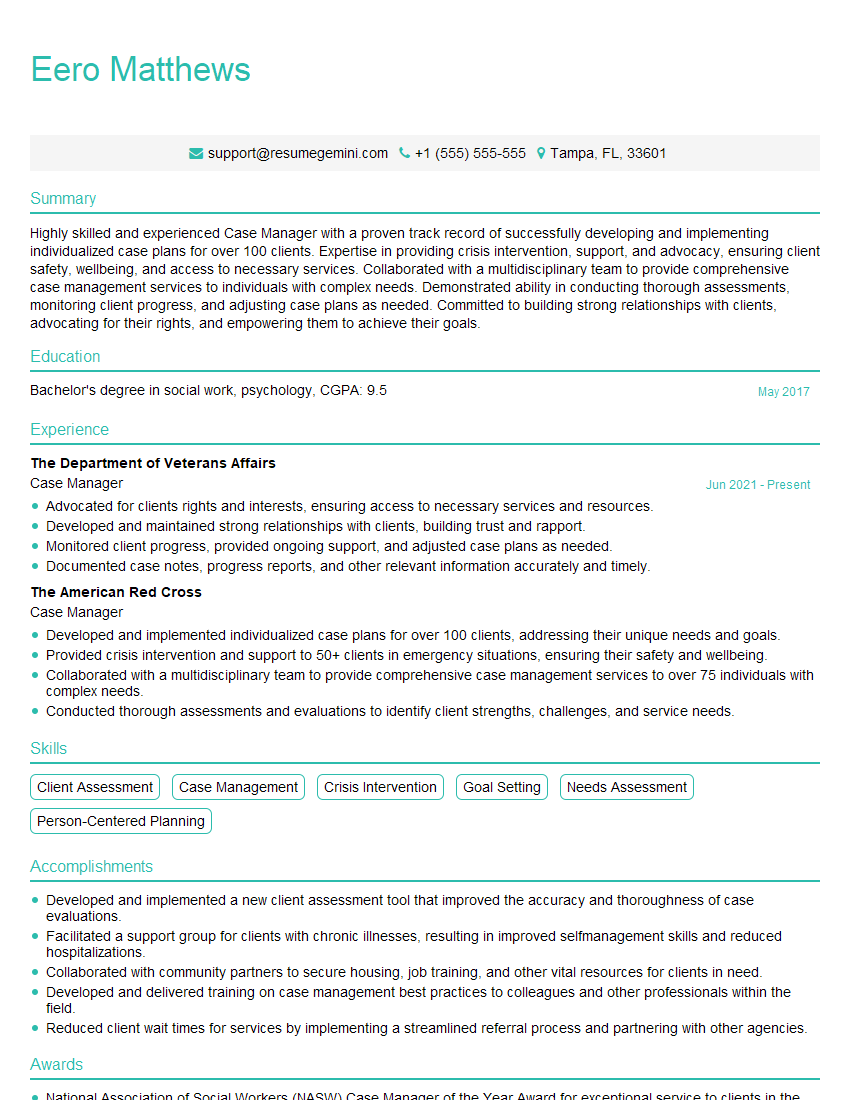
Case Manager Resume Sample
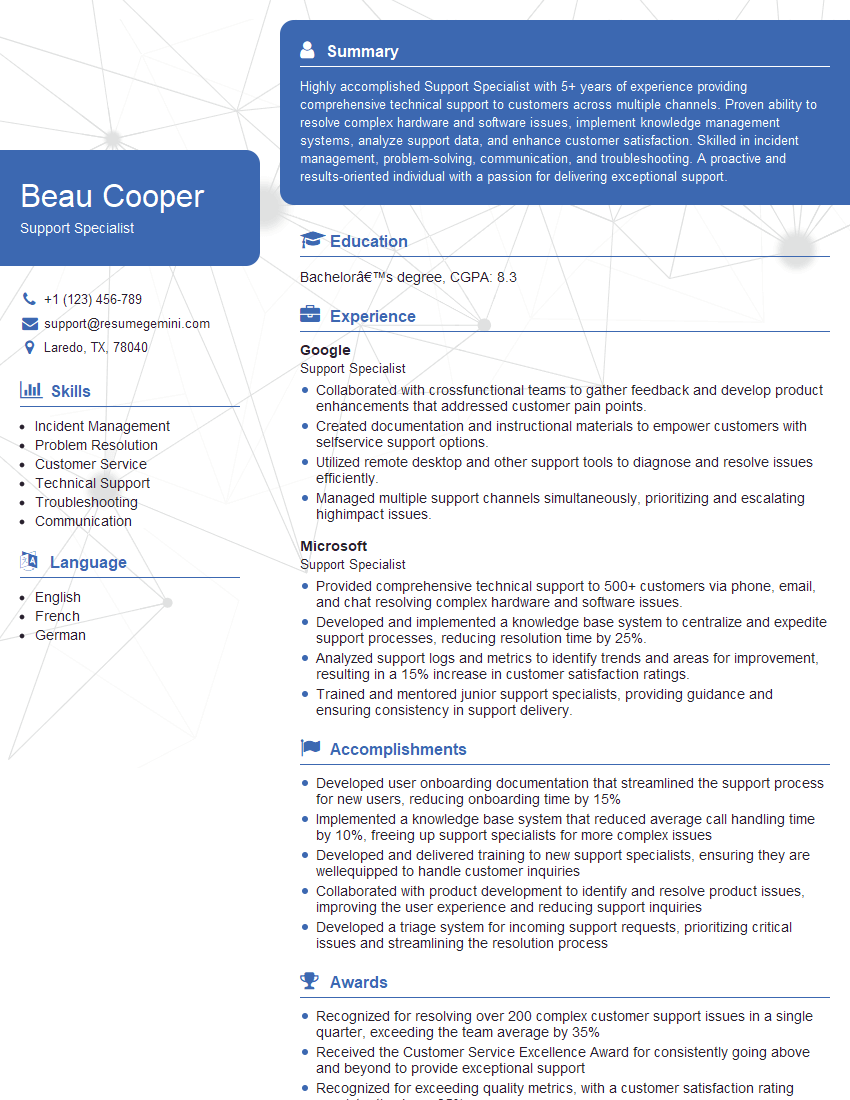
Support Specialist Resume Sample
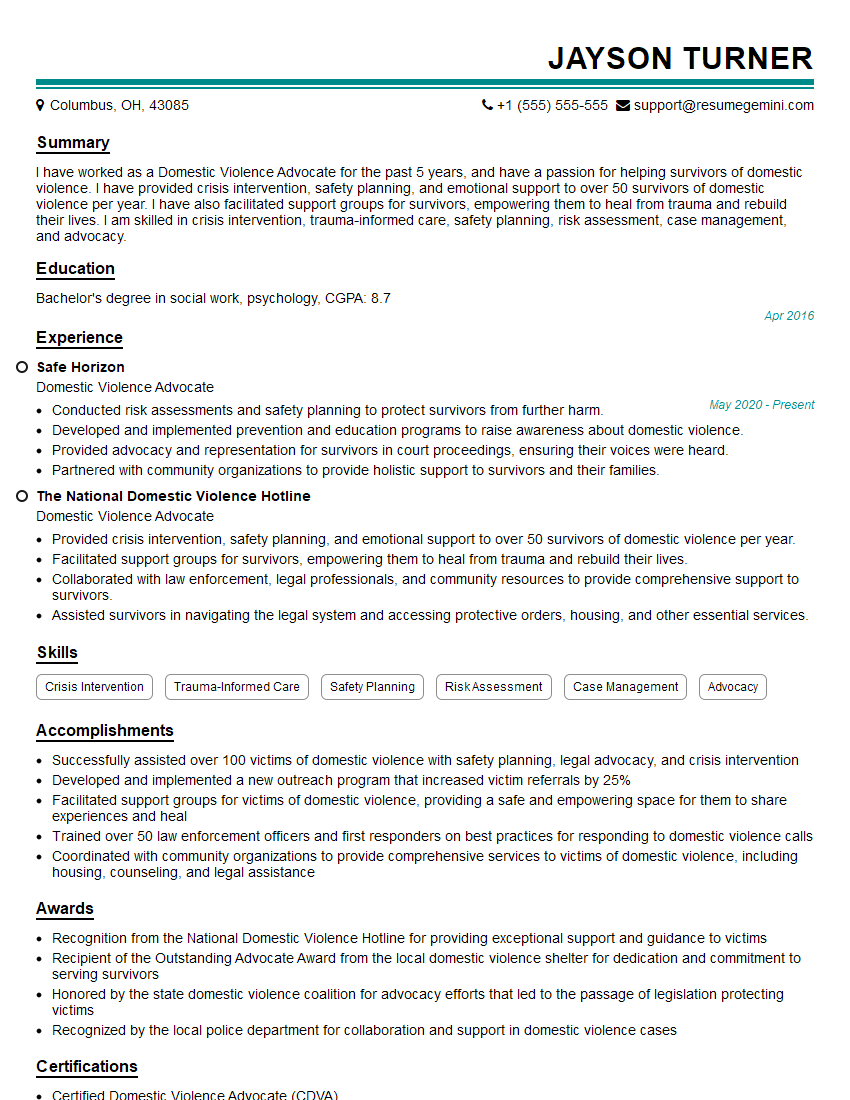
Domestic Violence Advocate Resume Sample
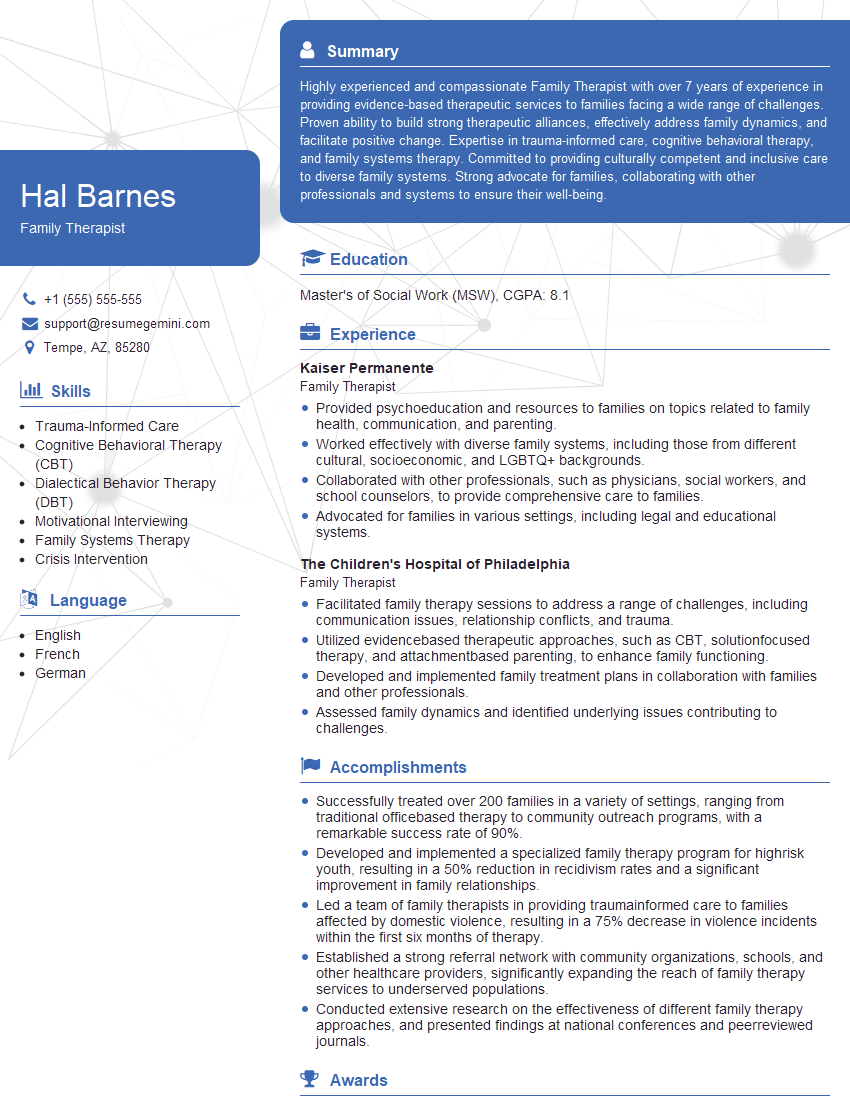
Family Therapist Resume Sample
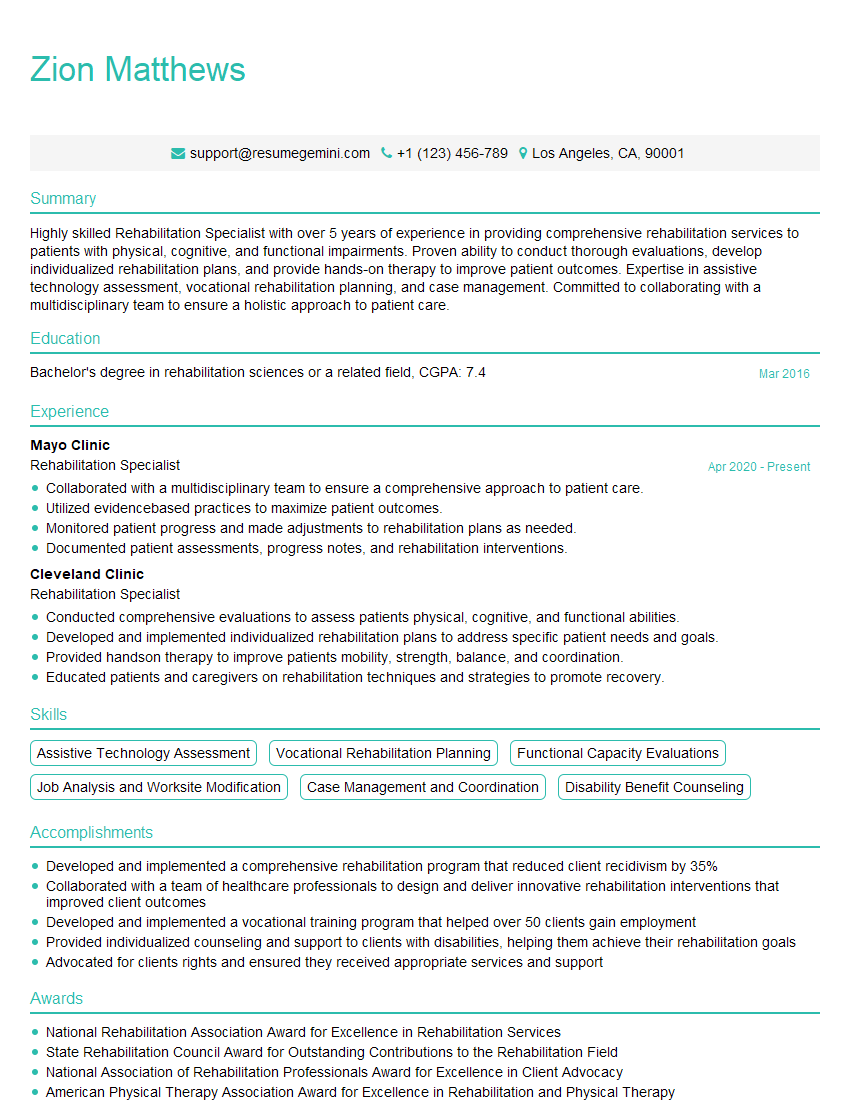
Rehabilitation Specialist Resume Sample
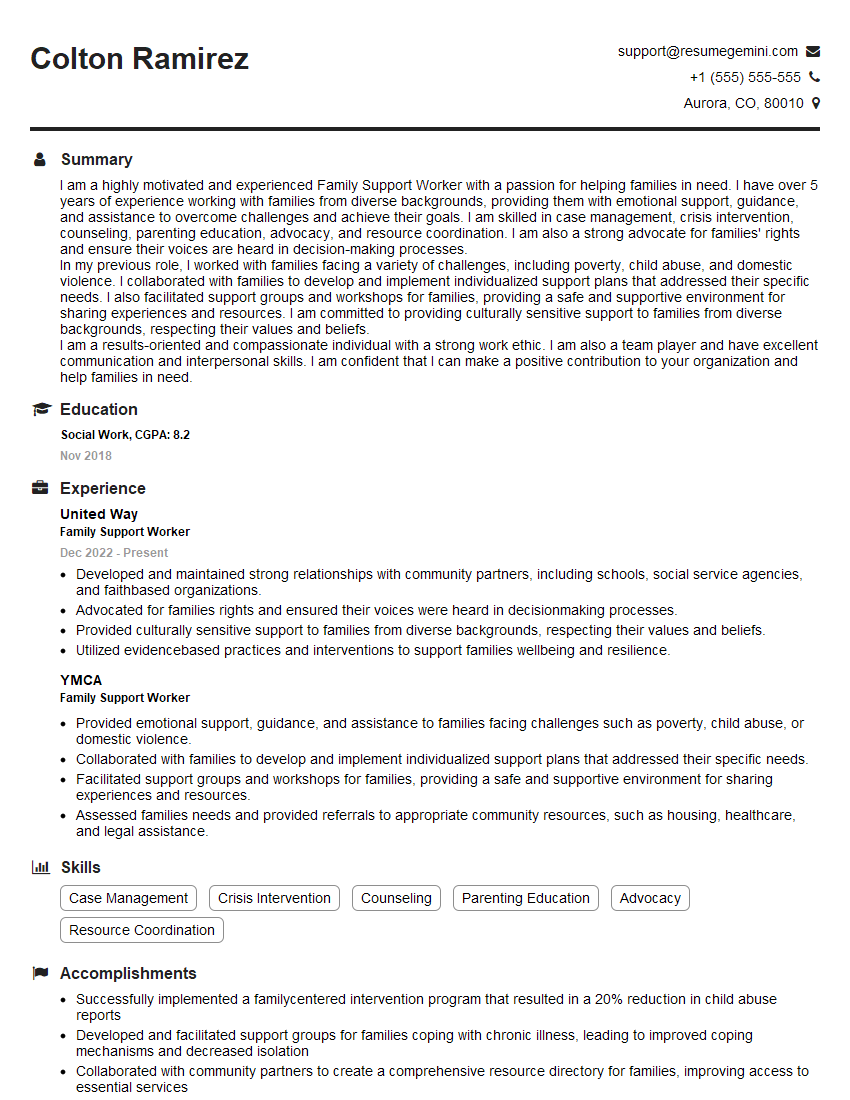
Family Support Worker Resume Sample
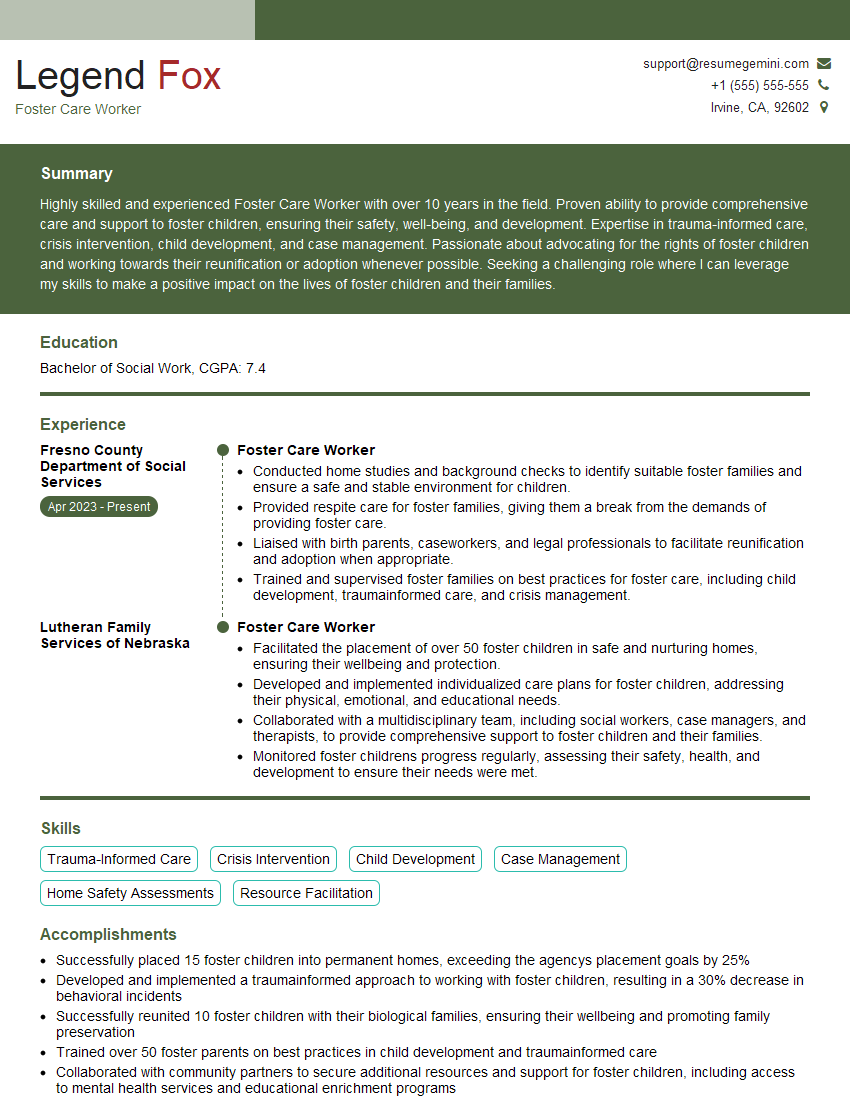
Foster Care Worker Resume Sample
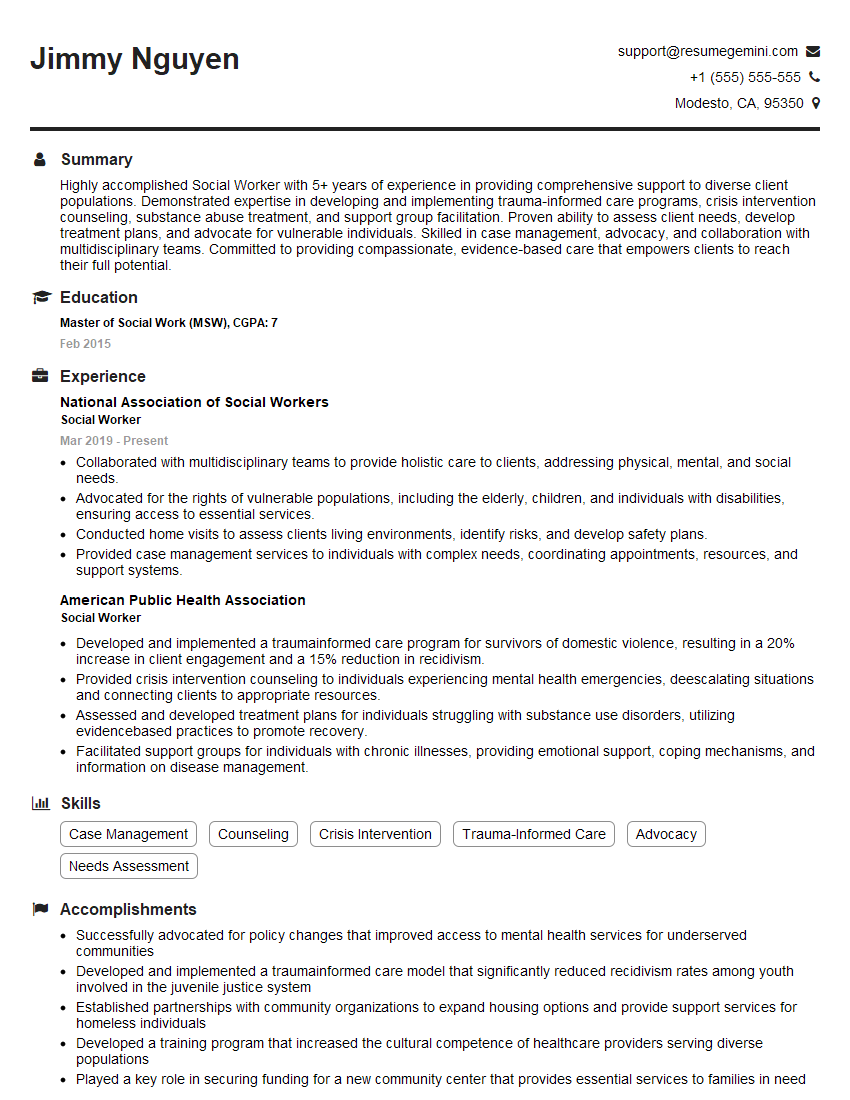
Social Worker Resume Sample
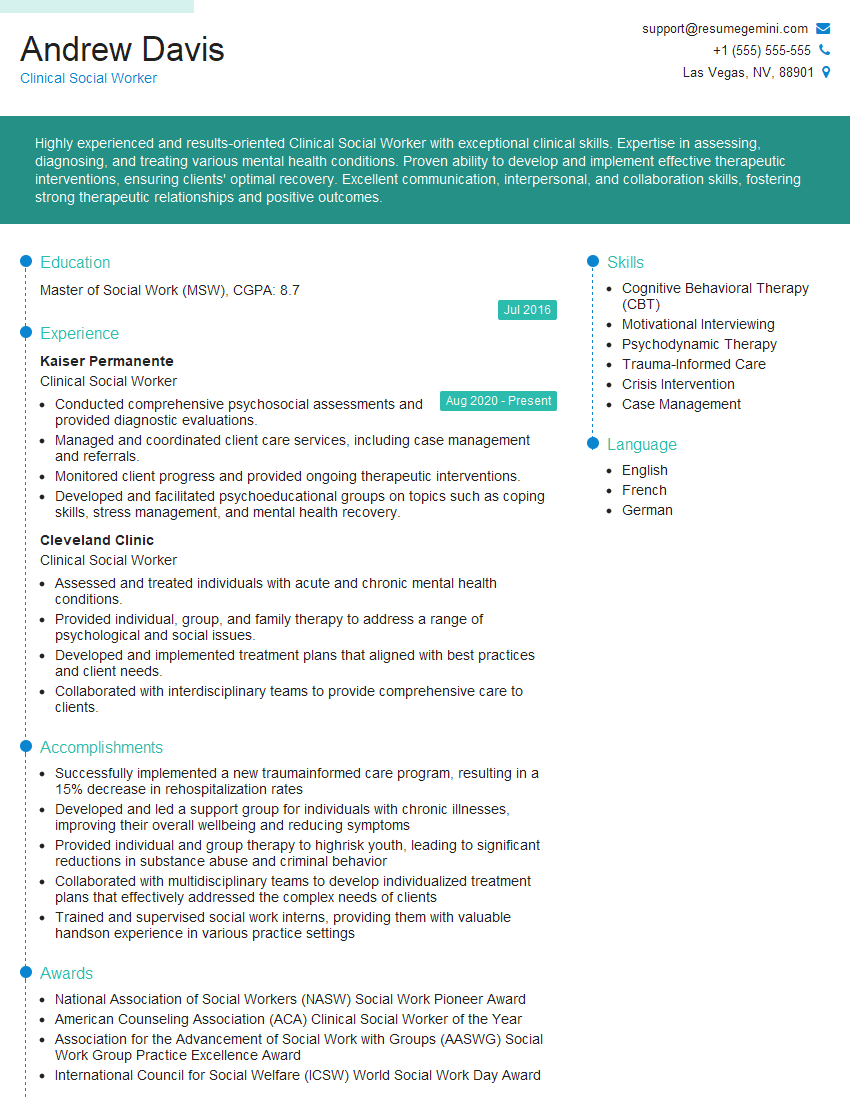
Clinical Social Worker Resume Sample
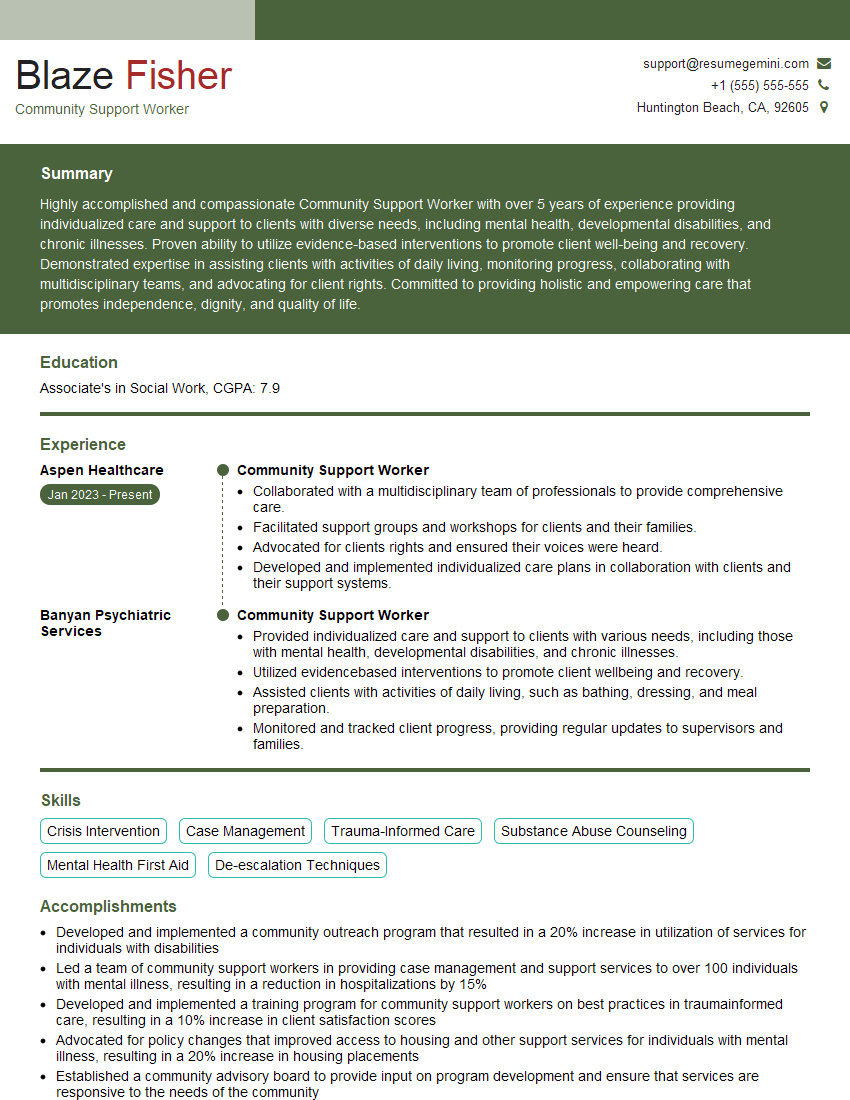
Community Support Worker Resume Sample

Crisis Intervention Specialist Resume Sample
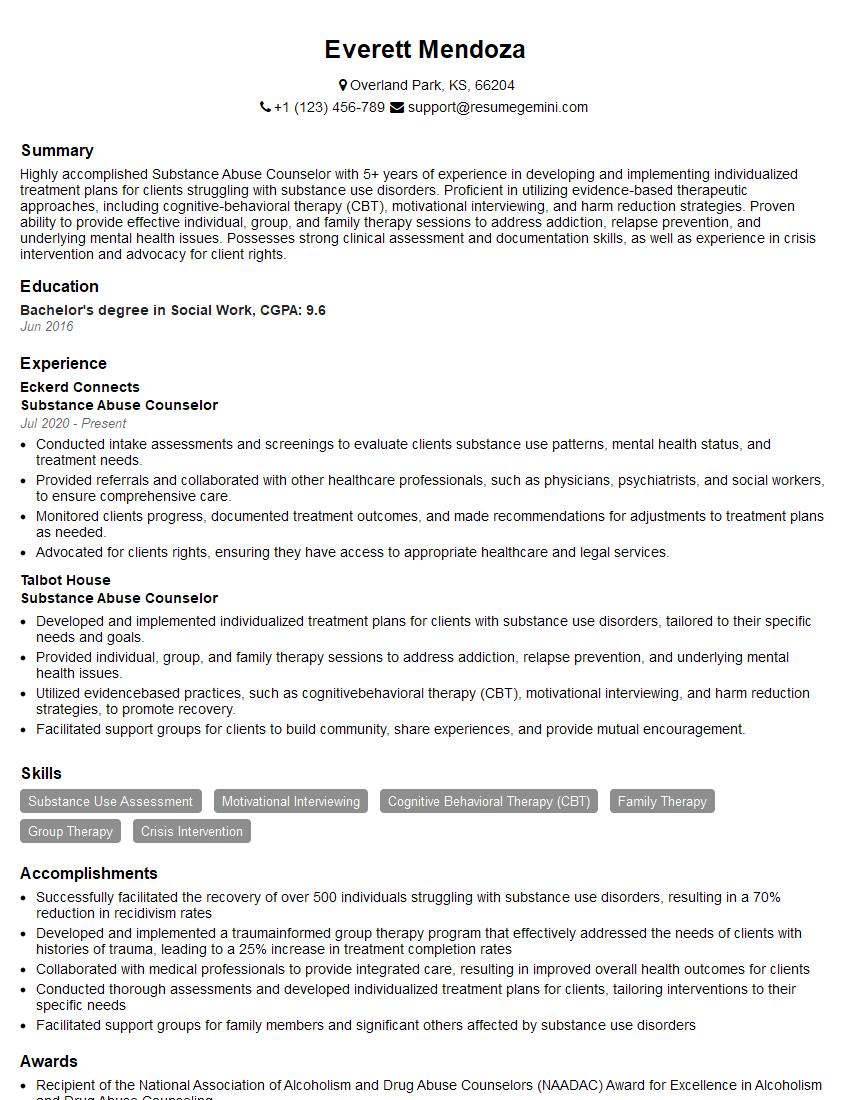
Substance Abuse Counselor Resume Sample
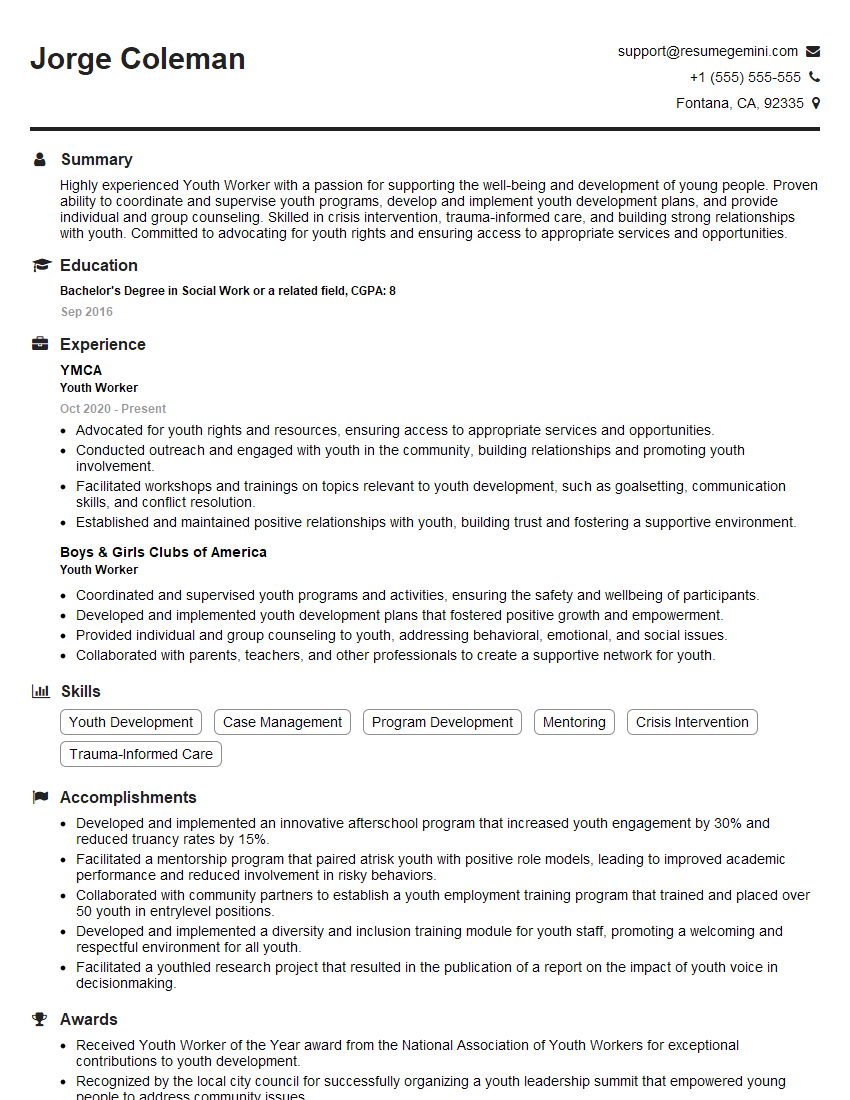
Youth Worker Resume Sample
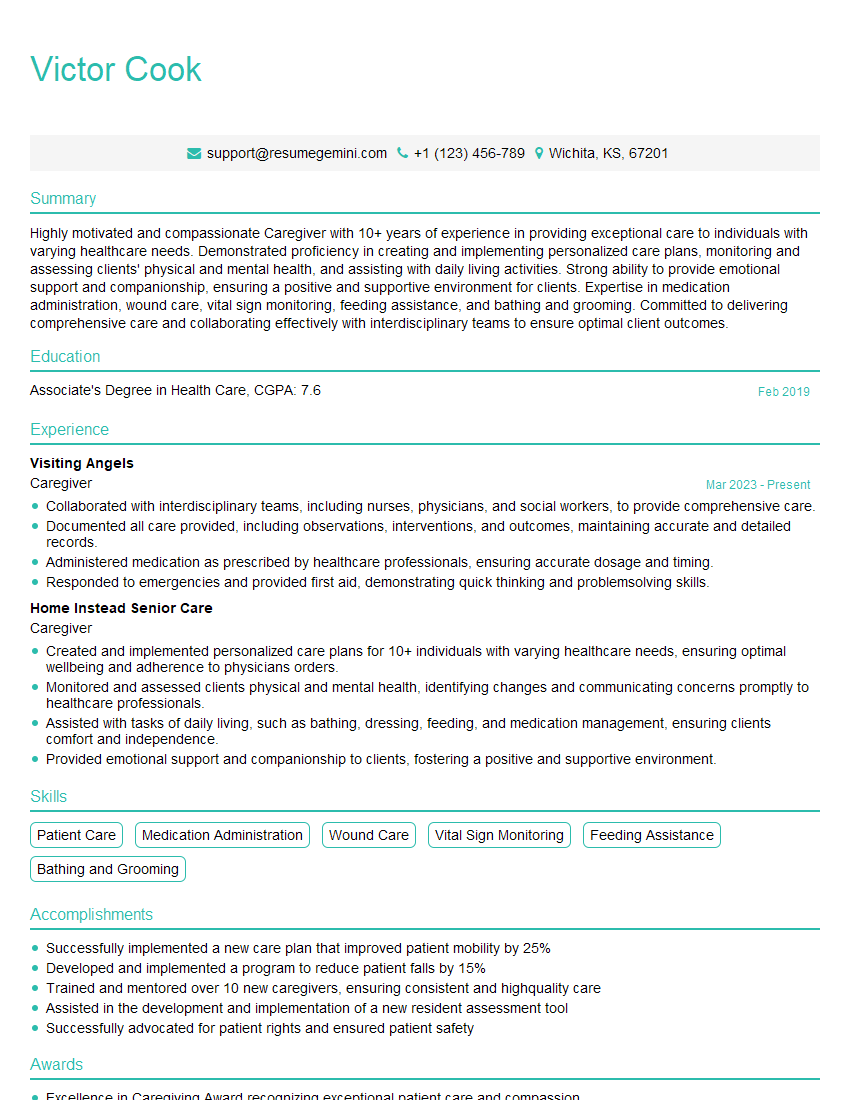
Caregiver Resume Sample
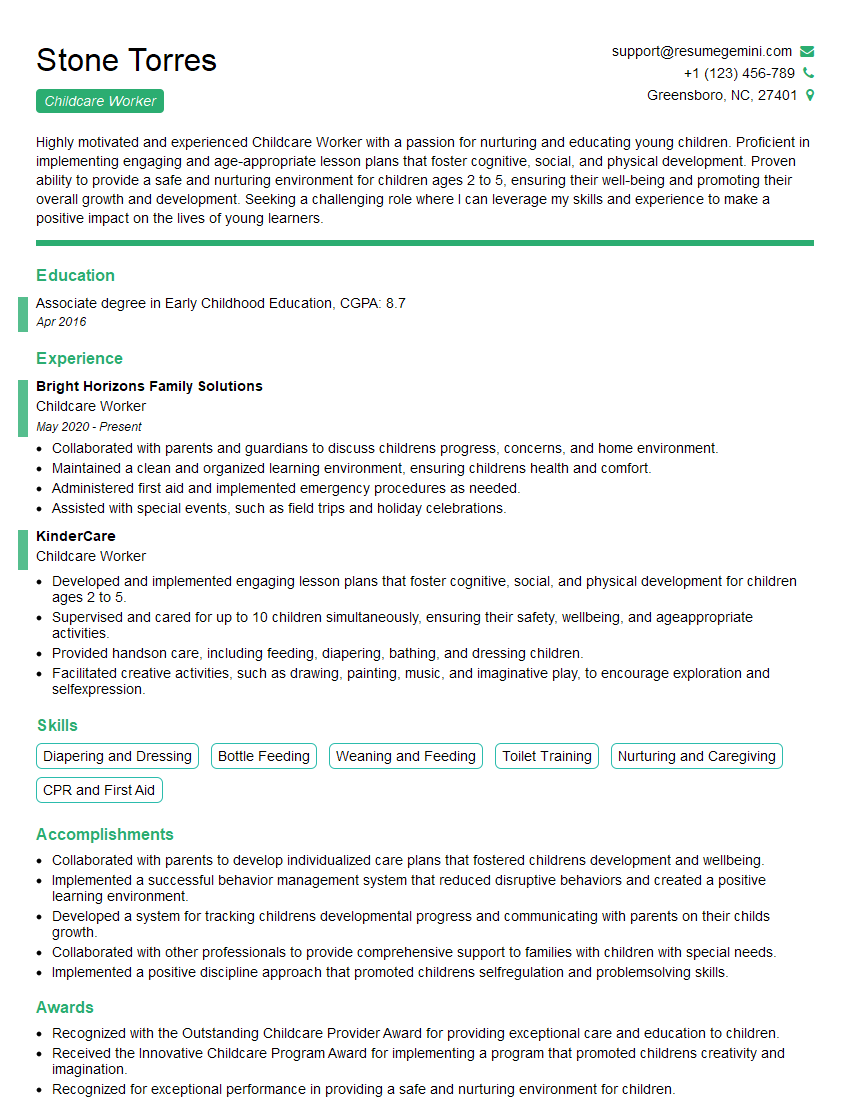
Childcare Worker Resume Sample
- Case Manager
- Support Specialist
- Domestic Violence Advocate
- Family Therapist
- Rehabilitation Specialist
- Family Support Worker
- Foster Care Worker
- Social Worker
- Clinical Social Worker
- Community Support Worker
- Crisis Intervention Specialist
- Substance Abuse Counselor
- Youth Worker
- Caregiver
- Childcare Worker
Explore more articles
Users Rating of Our Blogs
Share Your Experience
We value your feedback! Please rate our content and share your thoughts (optional).
What Readers Say About Our Blog
To the interviewgemini.com Webmaster.
Very helpful and content specific questions to help prepare me for my interview!
Thank you
To the interviewgemini.com Webmaster.
This was kind of a unique content I found around the specialized skills. Very helpful questions and good detailed answers.
Very Helpful blog, thank you Interviewgemini team.