Interviews are opportunities to demonstrate your expertise, and this guide is here to help you shine. Explore the essential Psychoeducational and Counseling Techniques interview questions that employers frequently ask, paired with strategies for crafting responses that set you apart from the competition.
Questions Asked in Psychoeducational and Counseling Techniques Interview
Q 1. Describe your experience implementing evidence-based psychoeducational interventions.
Evidence-based psychoeducational interventions are approaches to teaching and counseling that rely on scientific research to ensure effectiveness. My experience involves utilizing various techniques proven to improve clients’ understanding of their condition, enhance coping skills, and improve overall well-being. For instance, I’ve extensively used Cognitive Behavioral Therapy (CBT) techniques to help clients with anxiety disorders understand the connection between their thoughts, feelings, and behaviors. This involves identifying and challenging negative thought patterns and practicing relaxation techniques. I’ve also implemented mindfulness-based stress reduction (MBSR) programs for clients struggling with stress and depression, teaching them techniques like meditation and body scan meditations to manage their symptoms. In working with children with ADHD, I’ve used behavior modification strategies based on operant conditioning principles to improve focus and reduce impulsive behavior. The success of these interventions is consistently monitored and adjusted based on client progress and the latest research findings.
Q 2. Explain the difference between cognitive behavioral therapy (CBT) and dialectical behavior therapy (DBT).
While both CBT and DBT are evidence-based therapies focusing on changing maladaptive thoughts and behaviors, they differ significantly in their approach and target populations. CBT primarily focuses on identifying and modifying unhelpful thought patterns and behaviors. It’s a structured approach often used for anxiety, depression, and phobias. Think of CBT as a toolbox filled with techniques to help you dismantle negative thought cycles and build more adaptive ones. DBT, on the other hand, is designed to help individuals with borderline personality disorder (BPD) and other conditions characterized by emotional dysregulation and impulsive behaviors. It emphasizes acceptance and validation alongside behavioral change, adding mindfulness and distress tolerance skills to the CBT toolkit. Imagine CBT as focusing on fixing a broken tool, while DBT focuses on both fixing the tool and teaching you to work with it more skillfully even when it’s not perfect.
Q 3. How do you assess a client’s learning style and adapt your approach accordingly?
Assessing learning styles is crucial for tailoring interventions to individual needs. I typically use a combination of methods. Firstly, I conduct informal observations during sessions – noting how clients respond to different teaching styles, whether they prefer visual aids, auditory explanations, or hands-on activities. I might also use standardized questionnaires or inventories designed to identify preferred learning modalities, like the VARK questionnaire (Visual, Auditory, Reading/Writing, Kinesthetic). Based on the assessment, I adjust my approach. For instance, a visual learner might benefit from diagrams and flowcharts illustrating concepts, while a kinesthetic learner might prefer role-playing or experiential exercises. Adaptability is key—I don’t strictly adhere to one method but blend approaches to optimize learning for each client.
Q 4. What are the key components of a comprehensive psychoeducational assessment?
A comprehensive psychoeducational assessment is multifaceted, going beyond simple testing. Key components include a thorough clinical interview to gather a detailed history of the client’s presenting concerns, developmental milestones, medical history, family dynamics, and social context. This interview is augmented by standardized psychological testing (e.g., intelligence tests, achievement tests, personality inventories) to objectively measure cognitive abilities, academic performance, and personality traits. Observations of the client’s behavior in various settings (e.g., classroom, play setting) are incorporated, offering valuable contextual information. Finally, information is gathered from collateral sources such as parents, teachers, or other professionals who interact with the client. This holistic approach builds a robust understanding to inform the development of an appropriate treatment plan.
Q 5. Describe your approach to working with families in a counseling setting.
My approach to family counseling is collaborative and systems-oriented. I view the family as a dynamic system where individual problems are often interwoven with family dynamics. I begin by establishing a safe and respectful environment where family members feel comfortable expressing their perspectives. I use techniques like genograms (visual representations of family history and relationships) to help families understand patterns of interaction and communication. I actively involve all family members in the process, facilitating open communication, identifying strengths and challenges, and collaboratively developing strategies for change. The focus is on enhancing family cohesion, improving communication, and empowering family members to support each other. I emphasize building healthy boundaries and conflict-resolution skills. The ultimate goal is to foster resilience and empower the family system to function more effectively.
Q 6. How do you handle ethical dilemmas in counseling?
Ethical dilemmas in counseling are inevitable. When facing such situations, my first step is to carefully consider the ethical codes and guidelines of my profession. I consult relevant literature and seek supervision or consultation from experienced colleagues. This helps me analyze the ethical dimensions of the dilemma, identifying the potential consequences of various courses of action. I also prioritize the client’s well-being while adhering to legal and professional standards. If the dilemma involves a conflict of interest, I would address it transparently with the client, potentially referring them to another professional if necessary. Maintaining thorough documentation of all relevant information is crucial for accountability and self-reflection. The goal is to make decisions that are ethically sound, legally compliant, and ultimately benefit the client.
Q 7. Explain your understanding of trauma-informed care.
Trauma-informed care recognizes the profound and pervasive impact of trauma on individuals’ lives. It’s an approach that shifts the focus from ‘what’s wrong with you?’ to ‘what happened to you?’. It’s based on the understanding that trauma can affect all aspects of a person’s functioning – physically, emotionally, and cognitively. In my practice, this means creating a safe and supportive environment free from retraumatization. I emphasize collaboration and empowerment, involving clients in the treatment planning process and respecting their autonomy. I avoid triggering behaviors or language, focusing on building trust and rapport. Safety is paramount, and I ensure that clients feel heard, understood, and validated. The use of mindfulness and somatic techniques can help clients regulate their emotions and manage difficult memories. Crucially, trauma-informed care involves ongoing self-reflection and professional development to ensure I am continually developing my competence in working with trauma survivors.
Q 8. Describe your experience with crisis intervention.
Crisis intervention is a short-term, goal-oriented approach focused on stabilizing individuals experiencing acute distress. My experience involves utilizing a range of techniques to de-escalate situations, assess immediate risks, and connect individuals with necessary resources. This includes using active listening to understand the client’s immediate needs, validating their feelings, and collaboratively developing a safety plan.
For example, I once worked with a young man experiencing a severe panic attack following a car accident. My immediate focus was on reducing his physiological arousal through calming breathing techniques and grounding exercises. Once his anxiety lessened, we worked together to identify immediate safety needs (like contacting family) and develop a plan for managing future anxiety triggers. This involved connecting him with a therapist for longer-term support.
Another instance involved a client experiencing suicidal ideation. Following a thorough risk assessment, I employed collaborative safety planning, ensuring immediate access to a crisis hotline and arranging an emergency psychiatric evaluation. This highlights the importance of prioritizing safety and accessing available resources during crisis situations.
Q 9. How do you build rapport and trust with clients?
Building rapport and trust is foundational to effective counseling. It’s about creating a safe and empathetic space where clients feel comfortable sharing their vulnerabilities. This involves demonstrating genuine warmth, empathy, and respect from the outset. Active listening, reflecting back their feelings and concerns, and using validating language are key elements.
I start by focusing on creating a comfortable environment, making clear the therapeutic boundaries and confidentiality. I always begin sessions by asking the client how they’re doing and attentively listening to their response. I make sure to be mindful of my nonverbal communication, maintaining eye contact (appropriately), and exhibiting a relaxed yet attentive posture.
For instance, with a client struggling with social anxiety, I might start by acknowledging the difficulty of sharing personal experiences and assuring them that their feelings are understandable. Gradually, building upon their trust through consistent reliability and demonstrating empathy, allows them to open up more.
Q 10. What is your approach to setting realistic goals with clients?
Setting realistic goals is crucial for successful therapy. It’s a collaborative process involving the client and myself, aiming to establish achievable objectives that align with their values and capabilities. We start by exploring their concerns and identifying specific areas they wish to address. We then break down these broader goals into smaller, manageable steps, ensuring these are measurable and time-bound.
For example, instead of setting a vague goal like ‘improve my self-esteem’, we might aim for ‘increase positive self-talk by two instances daily’ or ‘participate in one social activity per week’. This step-by-step approach prevents feelings of overwhelm and allows for consistent progress, promoting client motivation and self-efficacy. Regular review and adjustment of goals ensure they remain relevant and attainable throughout the therapeutic journey. A constant feedback loop is crucial.
Q 11. How do you monitor client progress and make necessary adjustments to the treatment plan?
Monitoring client progress and adjusting the treatment plan involves a multifaceted approach. Regular sessions provide opportunities to assess their emotional state, behavioral changes, and progress toward stated goals. We utilize various methods, including subjective feedback from the client, objective measures like standardized assessments, and observable changes in their behavior.
For instance, if a client’s depression scores on a standardized assessment remain high despite using a specific technique, we might collaboratively explore alternative approaches or adjust the frequency of sessions. If a client expresses feeling stuck or unmotivated, we might revisit the goals and refine the plan to reflect their current needs and capabilities. Flexibility and a willingness to adapt are essential to the ongoing therapeutic process.
Q 12. Describe your experience with different counseling modalities.
My experience encompasses a variety of counseling modalities. I am proficient in Cognitive Behavioral Therapy (CBT), which helps clients identify and modify unhelpful thought patterns and behaviors. I also utilize Solution-Focused Brief Therapy (SFBT), focusing on identifying strengths and collaboratively developing solutions for present concerns. Furthermore, I have experience with person-centered therapy, emphasizing empathy and unconditional positive regard to facilitate self-discovery and personal growth.
Depending on the client’s needs and presenting problems, I might integrate elements from different modalities into a tailored approach. For example, I might use CBT techniques to address anxiety symptoms while incorporating person-centered techniques to foster a strong therapeutic relationship and facilitate self-acceptance.
Q 13. How do you address cultural considerations in counseling?
Cultural considerations are paramount in counseling. Understanding and respecting the client’s cultural background, values, beliefs, and experiences is essential for building trust and providing culturally sensitive care. This requires ongoing self-reflection on my own biases and an openness to learning about diverse cultural perspectives.
For example, I might adjust my communication style to be more direct or indirect depending on the client’s cultural norms. I am careful to avoid making assumptions based on stereotypes and to actively seek clarification when unsure about cultural nuances. I prioritize using culturally sensitive assessment tools and adapting therapeutic techniques to resonate with the client’s unique background. If I lack specific knowledge of a client’s culture, I will openly acknowledge that and seek consultation or resources to better understand their needs.
Q 14. How do you manage difficult client behaviors?
Managing difficult client behaviors requires a combination of understanding, empathy, and assertive interventions. It is important to first attempt to understand the underlying reasons for the behavior. Is it related to their mental health condition, past trauma, or a reaction to the therapeutic process?
Depending on the specific behavior, strategies might include setting clear boundaries, calmly communicating expectations, and collaboratively problem-solving. In situations involving safety concerns for the client or myself, I would not hesitate to seek consultation with colleagues or supervisors, or to involve other professionals as needed. I might also adapt the therapeutic approach to better address the client’s needs, possibly adjusting the pace, focus, or techniques employed. Open communication and empathy are crucial; even when addressing challenging behaviors, maintaining a therapeutic relationship is paramount.
Q 15. Explain your understanding of the stages of grief and loss.
Understanding the stages of grief and loss is crucial in providing effective counseling. While the experience is highly individual, the Kübler-Ross model provides a helpful framework, though it’s important to remember that individuals don’t necessarily progress through these stages linearly or experience all of them.
- Denial: This is a protective mechanism where the reality of the loss is initially rejected. For example, a person might refuse to believe their loved one has passed away.
- Anger: Frustration and rage often follow, directed at oneself, others, or even a higher power. This could manifest as irritability or lashing out.
- Bargaining: Attempts to negotiate with a higher power or fate are common. ‘If only I had…’, or ‘I’ll do anything if…’ are typical expressions during this stage.
- Depression: A period of profound sadness, hopelessness, and withdrawal is experienced. This isn’t necessarily clinical depression, but a natural response to loss.
- Acceptance: This isn’t necessarily happiness, but a gradual coming to terms with the reality of the loss, allowing for a shift towards healing and moving forward. This doesn’t mean forgetting, but integrating the loss into one’s life narrative.
It’s vital to remember this is a model, and grief is deeply personal. Some individuals may experience these stages intensely, while others may experience them subtly or in a different order. My approach involves validating the client’s unique experience and offering support tailored to their individual needs.
Career Expert Tips:
- Ace those interviews! Prepare effectively by reviewing the Top 50 Most Common Interview Questions on ResumeGemini.
- Navigate your job search with confidence! Explore a wide range of Career Tips on ResumeGemini. Learn about common challenges and recommendations to overcome them.
- Craft the perfect resume! Master the Art of Resume Writing with ResumeGemini’s guide. Showcase your unique qualifications and achievements effectively.
- Don’t miss out on holiday savings! Build your dream resume with ResumeGemini’s ATS optimized templates.
Q 16. How do you work with clients experiencing anxiety or depression?
Working with clients experiencing anxiety or depression requires a multifaceted approach. I utilize evidence-based therapies like Cognitive Behavioral Therapy (CBT) and Dialectical Behavior Therapy (DBT), tailored to the individual’s specific needs and presenting symptoms.
CBT focuses on identifying and challenging negative thought patterns and behaviors that contribute to anxiety or depression. For instance, a client with social anxiety might avoid social situations. Through CBT, we’d identify this avoidance as a maladaptive behavior, explore the underlying negative thoughts (‘I’ll be judged,’ ‘I’ll embarrass myself’), and develop strategies to challenge and modify these thoughts and behaviors, gradually increasing exposure to social situations.
DBT emphasizes mindfulness, distress tolerance, emotion regulation, and interpersonal effectiveness. It’s particularly helpful for clients struggling with intense emotions and self-harm behaviors. For a client experiencing intense emotional lability, we might use mindfulness exercises to help them become more aware of their emotions without judgment, and develop coping skills to manage overwhelming feelings.
In addition to these therapies, I incorporate relaxation techniques like deep breathing and progressive muscle relaxation, and work collaboratively with the client to develop a personalized self-care plan.
Q 17. Describe your experience with group therapy.
My experience with group therapy has been extensive and rewarding. I’ve facilitated groups focusing on various issues, including grief and loss, anxiety, depression, and relationship difficulties. The group setting provides a unique opportunity for clients to learn from each other’s experiences, gain support, and practice new skills in a safe and contained environment.
I structure group sessions to foster a sense of community and mutual respect. We establish clear group guidelines, emphasizing confidentiality and respectful communication. I utilize a variety of techniques, including role-playing, guided imagery, and discussions to promote self-reflection and personal growth. For example, in a grief group, members might share their experiences, offering validation and empathy to each other. In an anxiety group, members might practice relaxation techniques and share coping strategies.
A key aspect of my approach is careful group composition, ensuring a balance of personalities and experiences to create a supportive and productive dynamic. I also actively manage the group dynamics, addressing conflict constructively and providing individual support when needed. The benefits of group therapy are numerous, including increased social support, improved self-esteem, and the development of valuable coping skills.
Q 18. How do you ensure confidentiality and maintain client privacy?
Confidentiality and client privacy are paramount in my practice. I adhere strictly to ethical guidelines and legal regulations, ensuring all client information is protected. This includes obtaining informed consent before initiating therapy, explaining the limits of confidentiality (e.g., mandated reporting of child abuse or imminent harm), and securely storing all client records, both physical and electronic.
I utilize HIPAA-compliant electronic health records (EHR) and follow strict password protection protocols. My office space is private and secure, minimizing the risk of unauthorized access to client information. In group therapy, I emphasize the importance of confidentiality within the group, clarifying that what is shared in the group should remain within the group. I always emphasize the importance of respecting boundaries and not sharing personal information outside of the therapy setting.
Regular professional development keeps me updated on privacy regulations and best practices. I am committed to maintaining the highest standards of confidentiality and protecting the privacy of my clients.
Q 19. Explain your understanding of the role of documentation in counseling.
Documentation in counseling is crucial for several reasons: it ensures continuity of care, facilitates communication among professionals, and provides legal protection. Accurate and thorough documentation is essential for effective treatment planning and monitoring progress.
My documentation includes a comprehensive intake assessment, detailed session notes, treatment plans, progress notes, and any relevant assessment results. Session notes accurately reflect the client’s presentation, the therapeutic interventions utilized, and the client’s response to treatment. Progress notes summarize the client’s progress towards their goals, identifying challenges and adjustments to the treatment plan as needed.
I utilize a standardized format for documentation, ensuring clarity and consistency. My notes are objective, factual, and avoid subjective interpretations or personal opinions. They focus on observable behaviors and the client’s own words whenever possible. For example, instead of writing ‘Client was very sad,’ I might write ‘Client reported feeling overwhelmed with sadness and described feeling hopeless about the future.’ This level of detail ensures accurate record-keeping and facilitates effective communication with other healthcare professionals if needed.
Q 20. Describe your experience with different assessment tools.
My experience encompasses a wide range of assessment tools, selected based on the client’s specific needs and the presenting problem. I utilize both standardized and informal assessment methods.
Standardized assessments include measures like the Beck Depression Inventory (BDI) for assessing depression severity, the State-Trait Anxiety Inventory (STAI) for assessing anxiety levels, and intelligence tests (e.g., Wechsler Adult Intelligence Scale – WAIS) to evaluate cognitive abilities. These tools provide objective data and allow for comparison to normative data.
Informal assessments include observational data gathered during sessions, client self-reports, and collateral information obtained from family members or other professionals when appropriate and with the client’s consent. For instance, I might observe a client’s nonverbal communication during sessions to gather additional information. Combining standardized and informal assessments offers a comprehensive understanding of the client’s functioning.
The selection of assessment tools is always driven by ethical considerations and the need to obtain informed consent from the client. The results of assessments are interpreted cautiously, considering individual factors and contextual information, and are always used to inform treatment planning and monitor progress.
Q 21. How do you address countertransference in therapy?
Countertransference, the therapist’s unconscious emotional reactions to the client, is a complex issue that requires careful attention. It’s a natural phenomenon, but unchecked countertransference can impede effective therapy. Recognizing and managing it is crucial for maintaining professional boundaries and providing ethical care.
My approach involves regular self-reflection and supervision. I engage in ongoing personal therapy to enhance my self-awareness and address any personal issues that might interfere with my work. Supervision with a qualified professional provides an invaluable opportunity to discuss challenging cases, process countertransference reactions, and receive guidance on how to address them in a healthy and ethical manner.
For example, if I find myself becoming overly involved or emotionally invested in a client’s life, I might recognize this as countertransference. This might involve exploring my own personal experiences or unresolved issues that trigger this reaction. Through supervision, I can develop strategies to establish healthier boundaries and ensure that my emotional responses don’t compromise the client’s well-being or the therapeutic process. Maintaining a strong ethical compass and a commitment to self-care are key components of preventing and managing countertransference effectively.
Q 22. Explain your understanding of the ethical considerations surrounding technology use in counseling.
Ethical considerations surrounding technology use in counseling are paramount. We must prioritize client confidentiality, data security, and informed consent above all else. This means carefully selecting platforms that offer robust security features, such as HIPAA-compliant telehealth platforms. It also means obtaining explicit consent from clients regarding the use of technology, clearly explaining the risks and benefits, and ensuring they understand how their data will be stored and protected. For example, I always discuss my telehealth platform’s security measures, including encryption and data backup procedures, with clients before our first virtual session. Another critical ethical concern is the potential for technology to blur professional boundaries. Maintaining appropriate professional distance is vital, even in a virtual setting. This includes setting clear boundaries regarding communication outside of scheduled sessions and avoiding overly casual interactions.
- Confidentiality: Using encrypted communication channels and secure storage for client data.
- Informed Consent: Obtaining explicit consent before using any technology for counseling.
- Competence: Ensuring proficiency in using technology for counseling purposes.
- Boundaries: Maintaining appropriate professional boundaries in all online interactions.
Q 23. How do you handle situations where a client is at risk of harming themselves or others?
If a client expresses thoughts of self-harm or harming others, my priority is their safety and the safety of others. My immediate response involves a thorough risk assessment, carefully listening to their concerns and exploring the specific details. This includes determining the immediacy and severity of the risk. If there is an immediate danger, I have a duty to warn and will take steps to ensure their safety, such as contacting emergency services (911 or equivalent) or a crisis intervention team. If the risk isn’t immediate but still significant, I would develop a safety plan with the client, including strategies for coping with distressing thoughts and feelings, identifying support systems, and creating a plan to manage triggers. Depending on the circumstances, I may also need to consult with other professionals like their physician or psychiatrist, or their family members with their informed consent. Documenting all communications, risk assessments, and interventions is crucial for ethical and legal reasons. Throughout this process, I emphasize a collaborative and empathetic approach, making the client feel safe and understood.
Q 24. Describe your experience with collaborating with other professionals (e.g., teachers, doctors).
Collaboration is essential in psychoeducational counseling. I frequently work with teachers, doctors, and other professionals to create a holistic support system for my clients. For example, I regularly communicate with teachers to understand a student’s academic performance, classroom behavior, and learning challenges. This collaborative approach ensures a consistent and comprehensive understanding of the student’s needs. I also collaborate with medical professionals when addressing clients’ physical or mental health concerns, for example when a student’s anxiety affects their sleep and a referral to a physician is appropriate. This collaboration involves sharing relevant information and working together to develop a coordinated treatment plan, always respecting client confidentiality. I use secure communication methods to ensure that all communications remain confidential and within ethical guidelines. A strong professional network built on mutual respect and trust allows for effective communication and a comprehensive approach to client care.
Q 25. How do you stay current with the latest research and best practices in the field?
Staying current in this rapidly evolving field requires ongoing professional development. I regularly attend conferences and workshops, participate in continuing education courses, and actively engage in peer supervision. I also dedicate time to reviewing relevant journals, such as the Journal of Counseling Psychology and the Journal of Educational Psychology, to stay abreast of the latest research and evidence-based practices. I’m also a member of professional organizations, such as the American Counseling Association, which provides access to resources, publications, and networking opportunities. Critically evaluating research findings and integrating them into my practice is a key component of my approach, ensuring I’m using the most effective and up-to-date techniques.
Q 26. How do you manage your own stress and maintain your well-being as a counselor?
Self-care is not a luxury, but a necessity for counselors. Burnout is a significant risk in our profession, and I actively prioritize my well-being. This includes maintaining a healthy work-life balance, engaging in regular exercise, and practicing mindfulness techniques such as meditation or yoga. I also prioritize spending time with loved ones and engaging in hobbies that bring me joy. Regular supervision with a trusted colleague provides a supportive space to process challenging cases and maintain a balanced perspective. Openly acknowledging and addressing my emotional needs, seeking support when necessary, is a vital element of my self-care strategy. It is vital for me to ensure I can remain empathetic, attentive and present for my clients.
Q 27. What are your strengths and weaknesses as a psychoeducational counselor?
My strengths lie in building rapport with clients quickly, active listening, and tailoring my approach to meet individual needs. I’m comfortable using a variety of therapeutic techniques, adapting my style to the client’s preferences and the specific challenges they face. I’m also a strong advocate for my clients and adept at collaborating with other professionals. A weakness I’m working on is occasionally taking on too much, which can lead to burnout. I’m addressing this by implementing better time management techniques and utilizing my support system more effectively. It’s vital for me to manage workload efficiently so that I can provide quality care for every client.
Q 28. Describe a challenging case and how you successfully navigated it.
I once worked with a young adolescent who was experiencing severe anxiety and social isolation, impacting his academic performance significantly. He was reluctant to participate in therapy and displayed significant resistance. My initial approach focused on building rapport, utilizing motivational interviewing techniques to understand his perspectives and goals. I collaborated with his teachers and parents, who provided invaluable insights into his behavior patterns. We worked collaboratively on strategies to manage his anxiety using cognitive-behavioral techniques such as relaxation exercises and cognitive restructuring. We also explored strategies to improve his social skills and enhance communication, involving role-playing and social skills training. Through patience, consistency, and a collaborative approach, I witnessed gradual improvements in his academic performance and social interaction. The successful navigation of this case highlighted the importance of building trust, tailoring interventions to individual needs, and the significance of collaboration with relevant stakeholders.
Key Topics to Learn for Psychoeducational and Counseling Techniques Interview
- Theoretical Frameworks: Understanding key theoretical models underpinning psychoeducational and counseling practices (e.g., Cognitive Behavioral Therapy (CBT), Person-Centered Therapy, Solution-Focused Brief Therapy). Consider their strengths, limitations, and appropriate application scenarios.
- Assessment and Diagnosis: Mastering techniques for accurately assessing clients’ needs, including conducting interviews, administering psychological tests, and interpreting results to inform appropriate interventions.
- Intervention Strategies: Developing a strong understanding of various therapeutic techniques and their practical application in different settings (e.g., individual, group, family therapy). Focus on the ability to tailor approaches to diverse client populations and presenting issues.
- Ethical Considerations: Demonstrate a thorough grasp of ethical principles and professional guidelines relevant to psychoeducational and counseling practice, including confidentiality, informed consent, and boundaries.
- Crisis Intervention and Management: Explore effective strategies for managing crises and providing immediate support to clients experiencing acute distress or mental health emergencies. Be prepared to discuss de-escalation techniques and crisis prevention.
- Collaboration and Case Management: Highlight your understanding of effective communication and collaboration with other professionals (e.g., teachers, doctors, social workers) within a multidisciplinary team setting. Discuss effective case management approaches.
- Cultural Competence: Demonstrate awareness of cultural factors influencing mental health and well-being, and the ability to adapt counseling approaches to meet the unique needs of diverse client populations.
- Documentation and Record Keeping: Understanding the importance of accurate and thorough record keeping, complying with legal and ethical requirements for documentation.
Next Steps
Mastering psychoeducational and counseling techniques is crucial for career advancement in this field. A strong foundation in these areas opens doors to diverse opportunities and allows you to provide effective and compassionate care. To maximize your job prospects, it’s essential to create a compelling and ATS-friendly resume that highlights your skills and experience. ResumeGemini is a trusted resource to help you build a professional resume that stands out. They offer examples of resumes tailored to the specific requirements of Psychoeducational and Counseling Techniques positions, making your job search more efficient and effective.
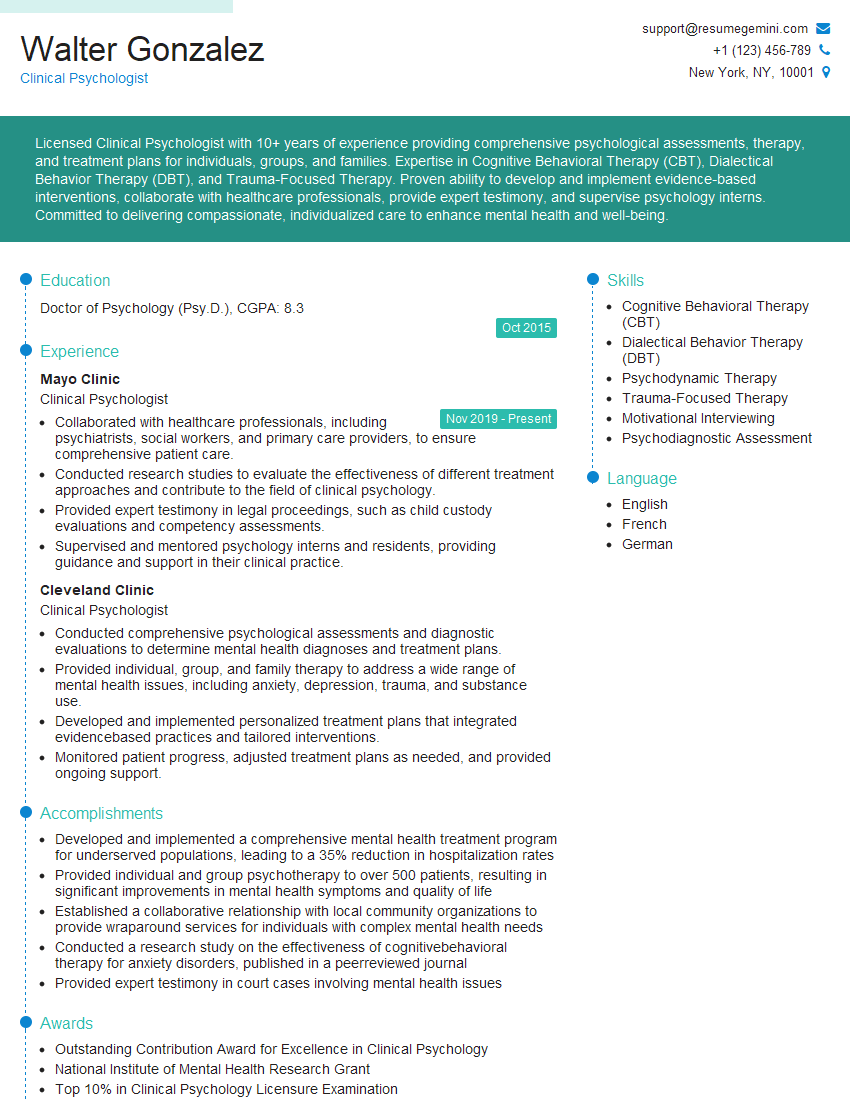
Clinical Psychologist Resume Sample
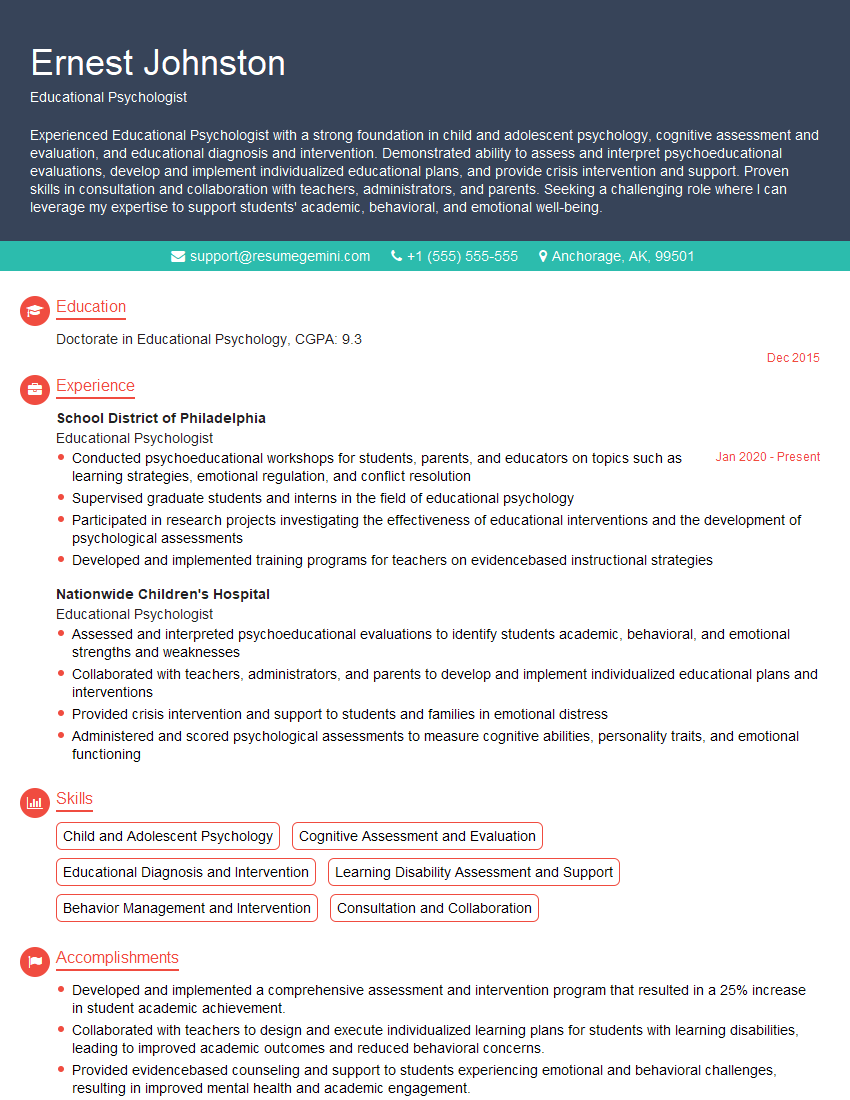
Educational Psychologist Resume Sample
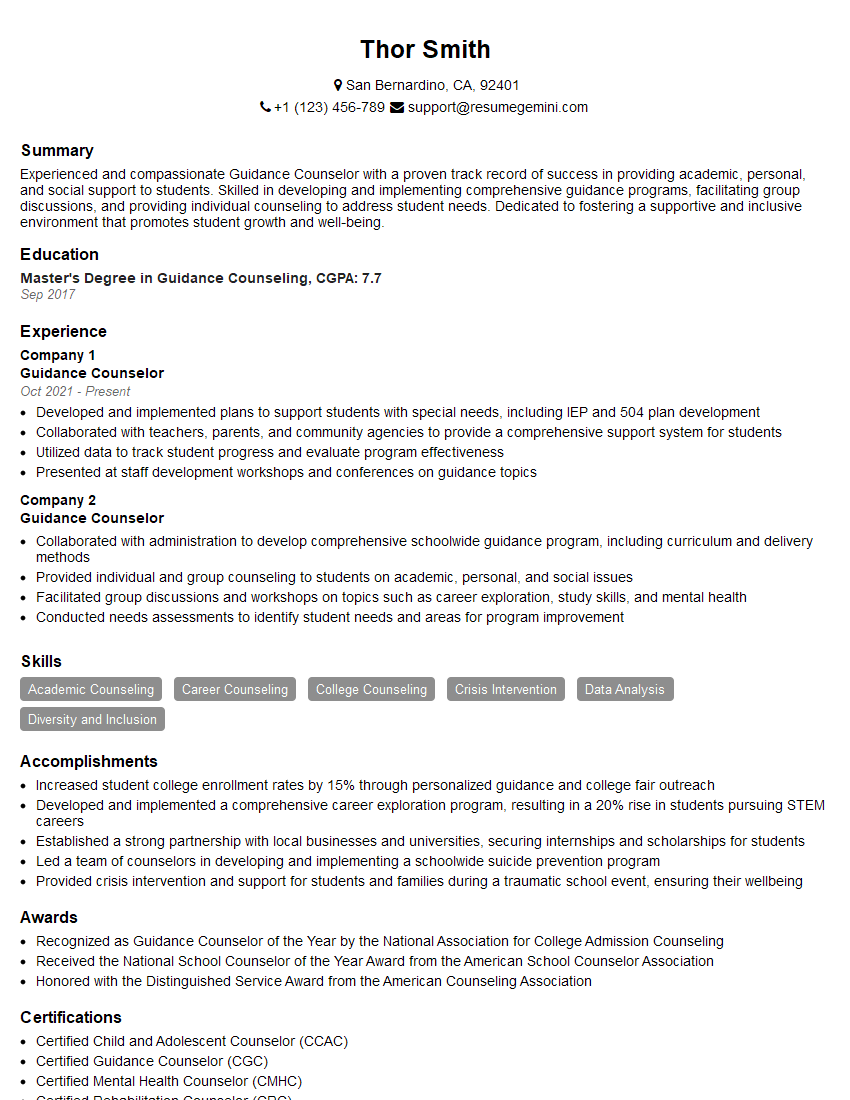
Guidance Counselor Resume Sample
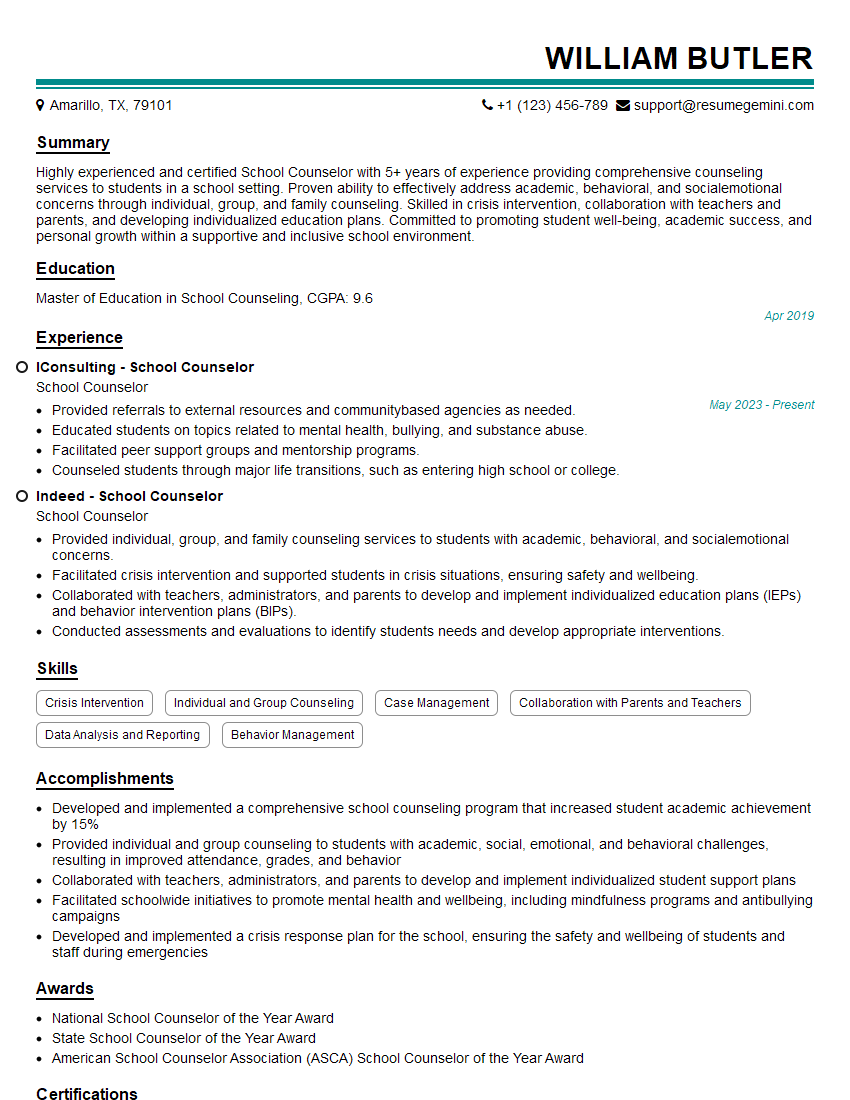
School Counselor Resume Sample
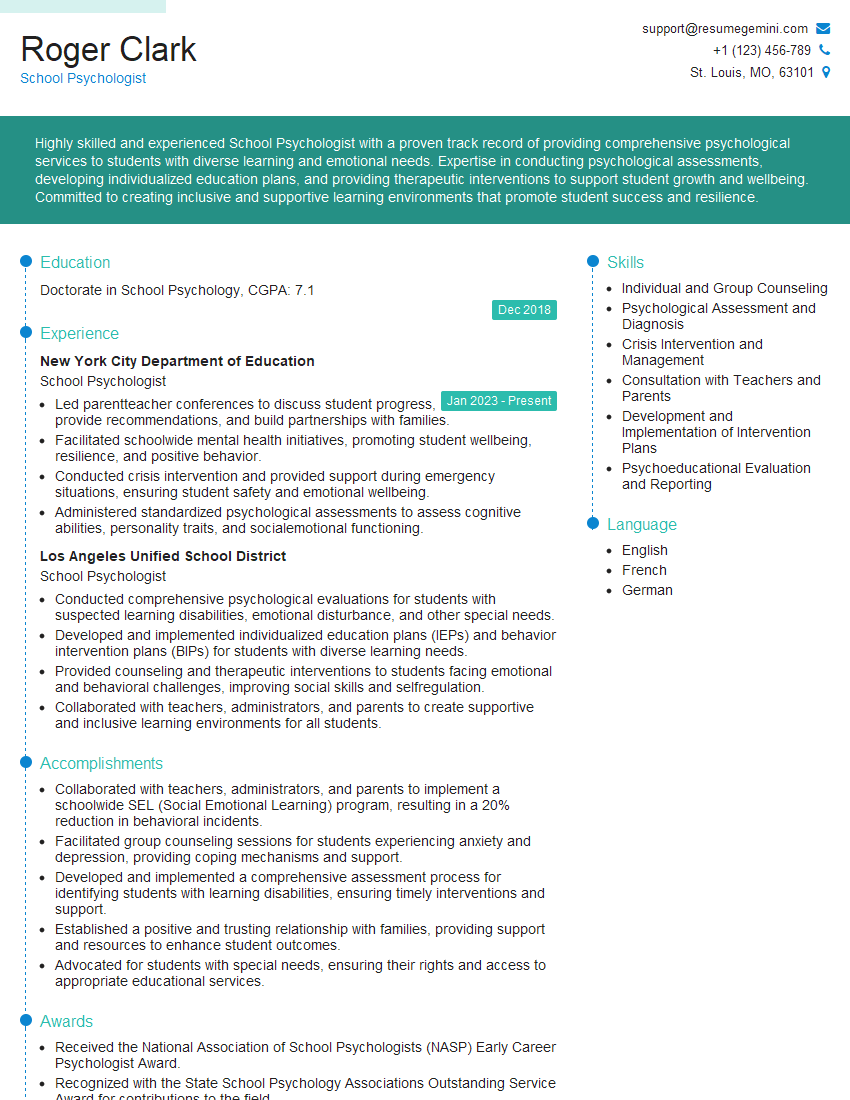
School Psychologist Resume Sample
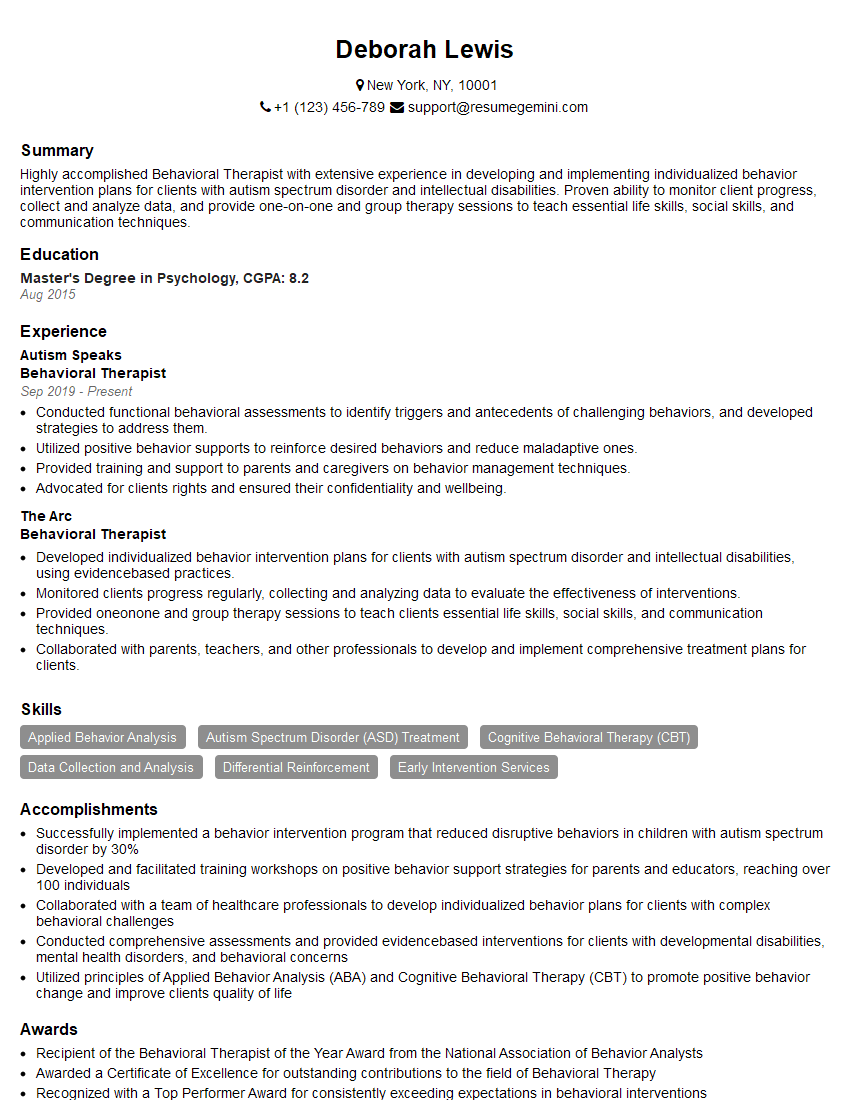
Behavioral Therapist Resume Sample
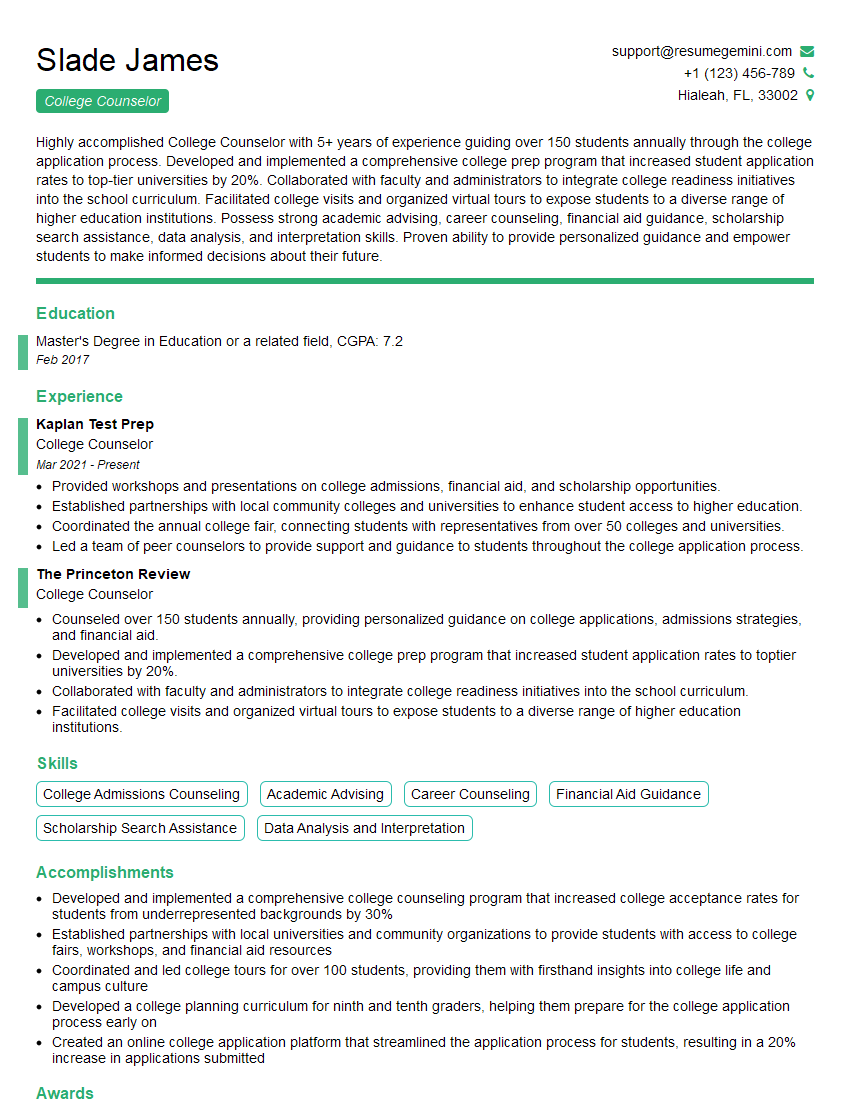
College Counselor Resume Sample
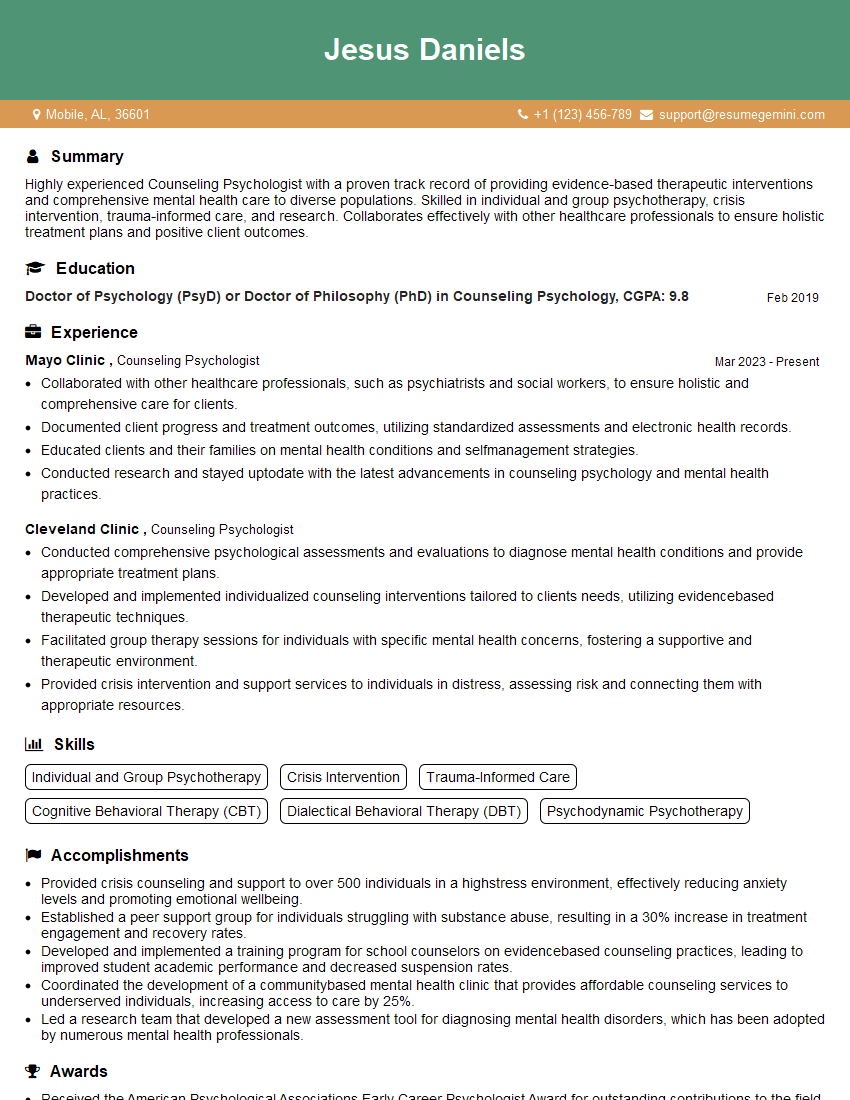
Counseling Psychologist Resume Sample
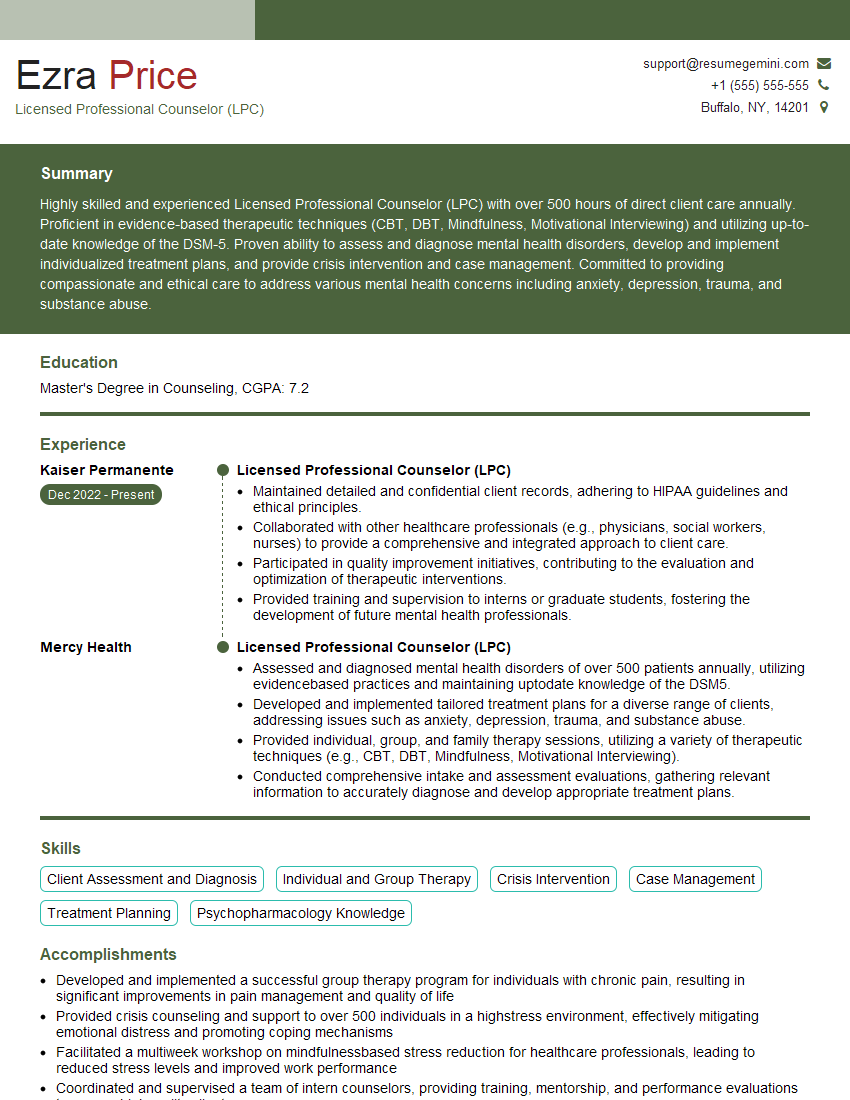
Licensed Professional Counselor (LPC) Resume Sample
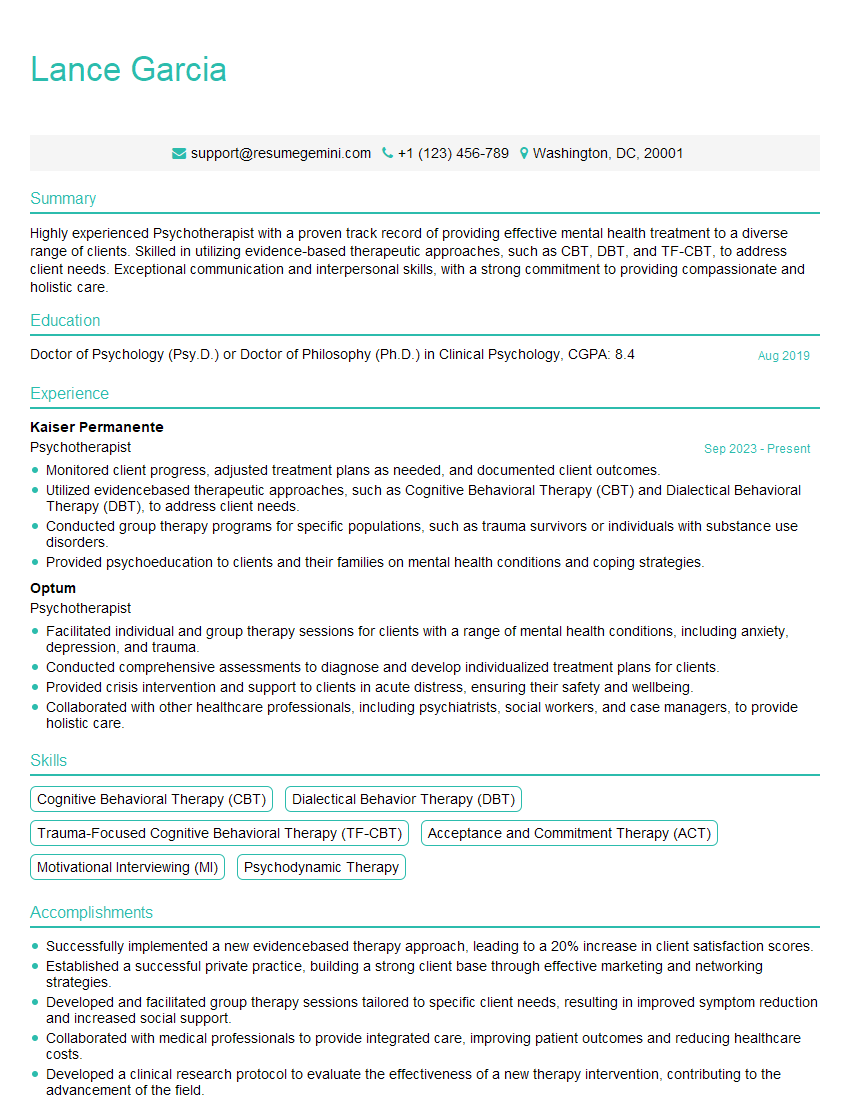
Psychotherapist Resume Sample
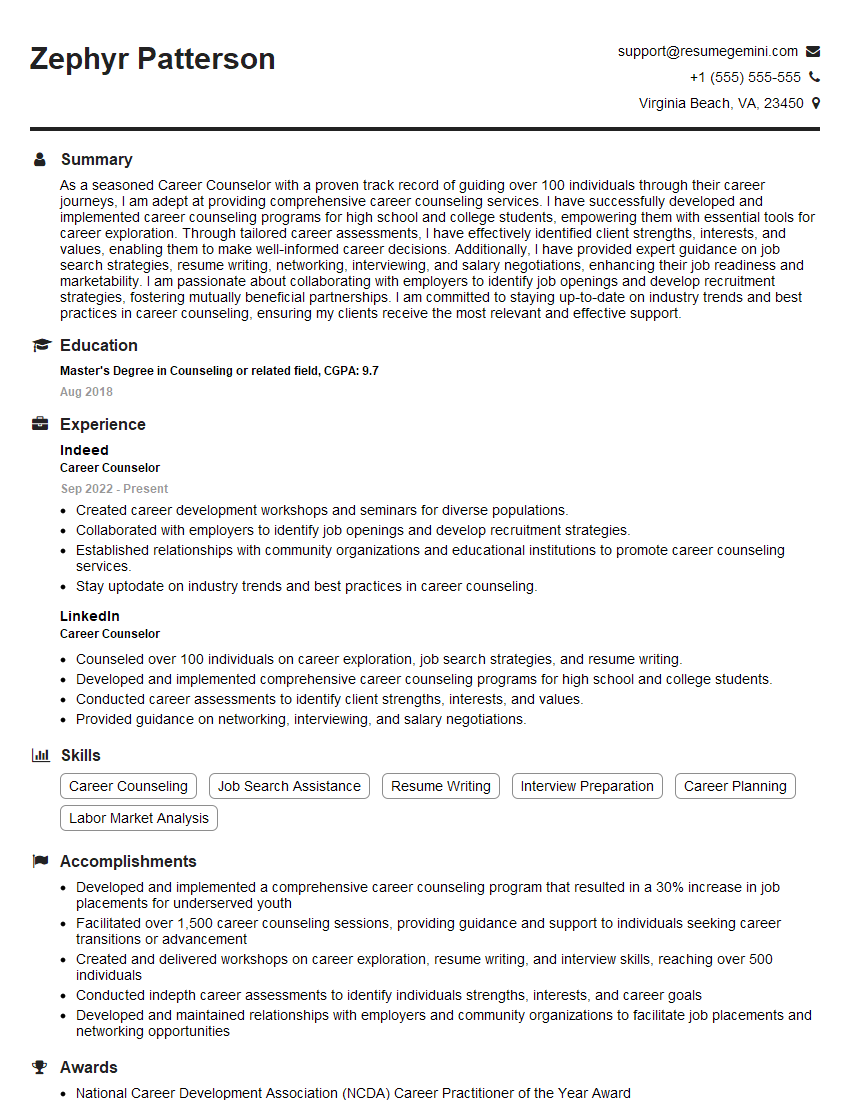
Career Counselor Resume Sample

Mental Health Counselor Resume Sample
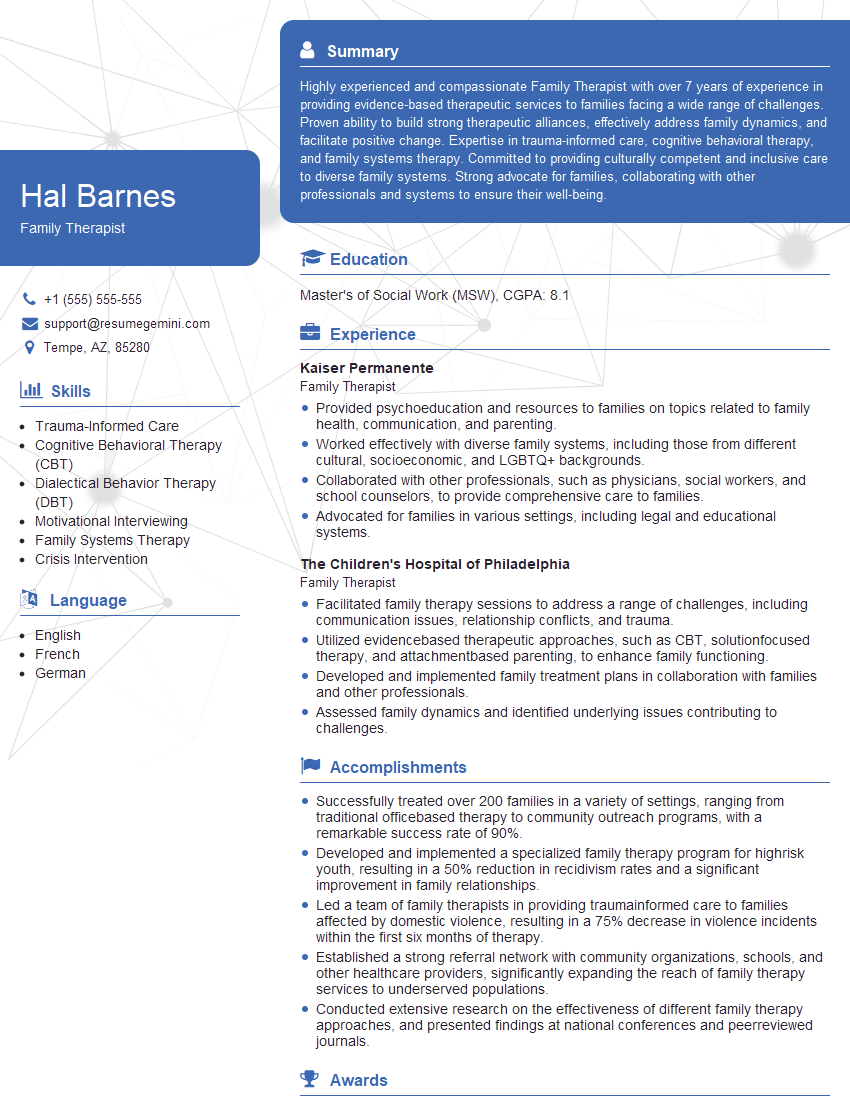
Family Therapist Resume Sample
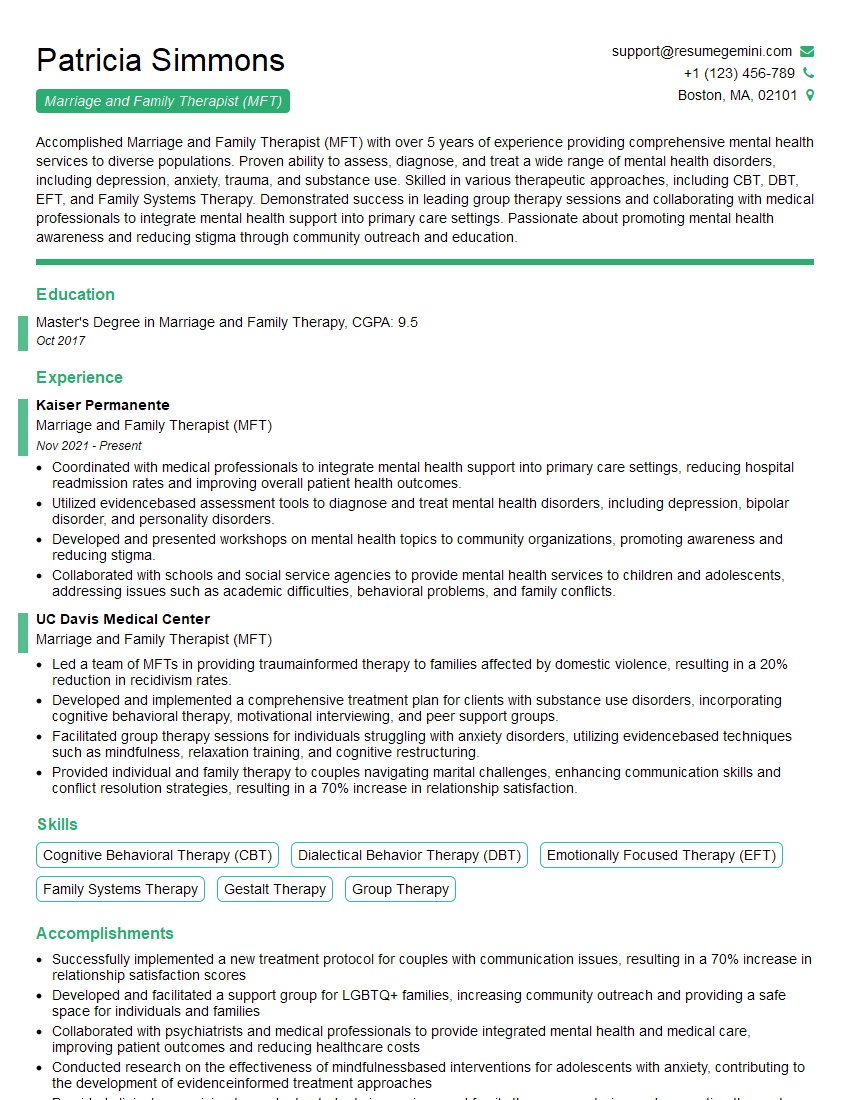
Marriage and Family Therapist (MFT) Resume Sample

Rehabilitation Counselor Resume Sample
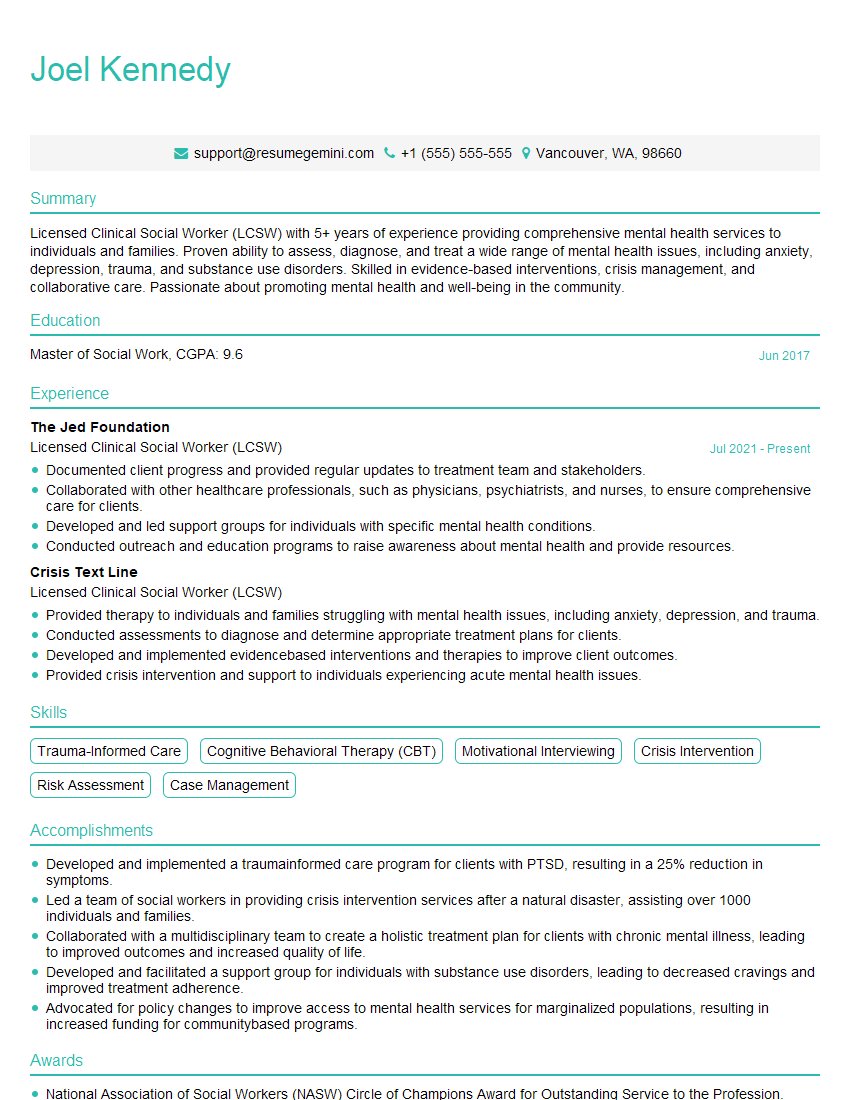
Licensed Clinical Social Worker (LCSW) Resume Sample
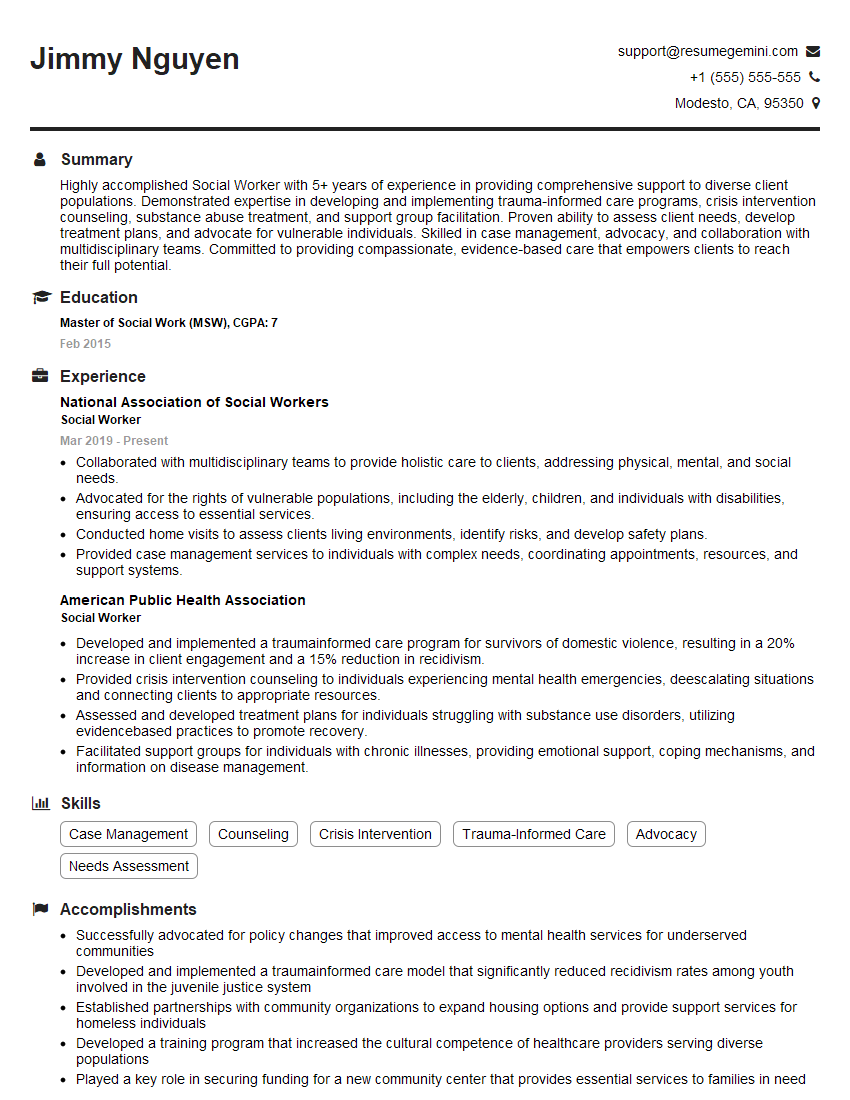
Social Worker Resume Sample
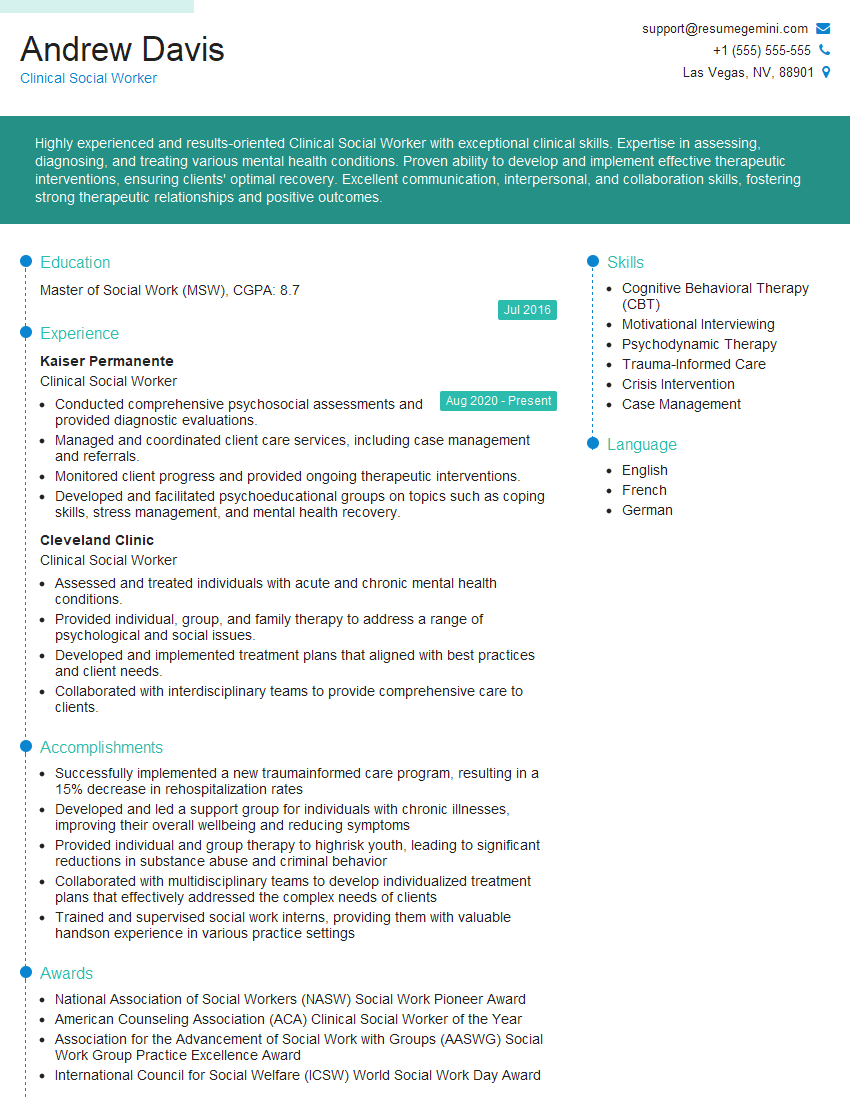
Clinical Social Worker Resume Sample
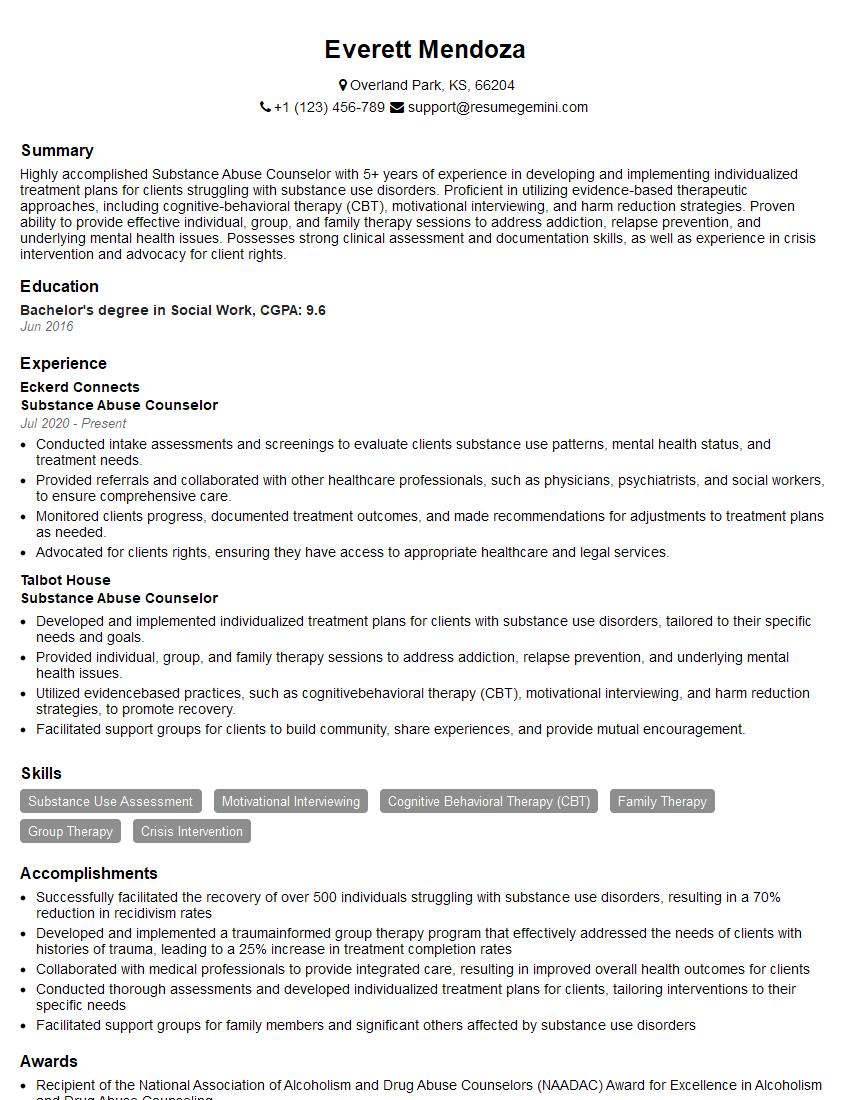
Substance Abuse Counselor Resume Sample
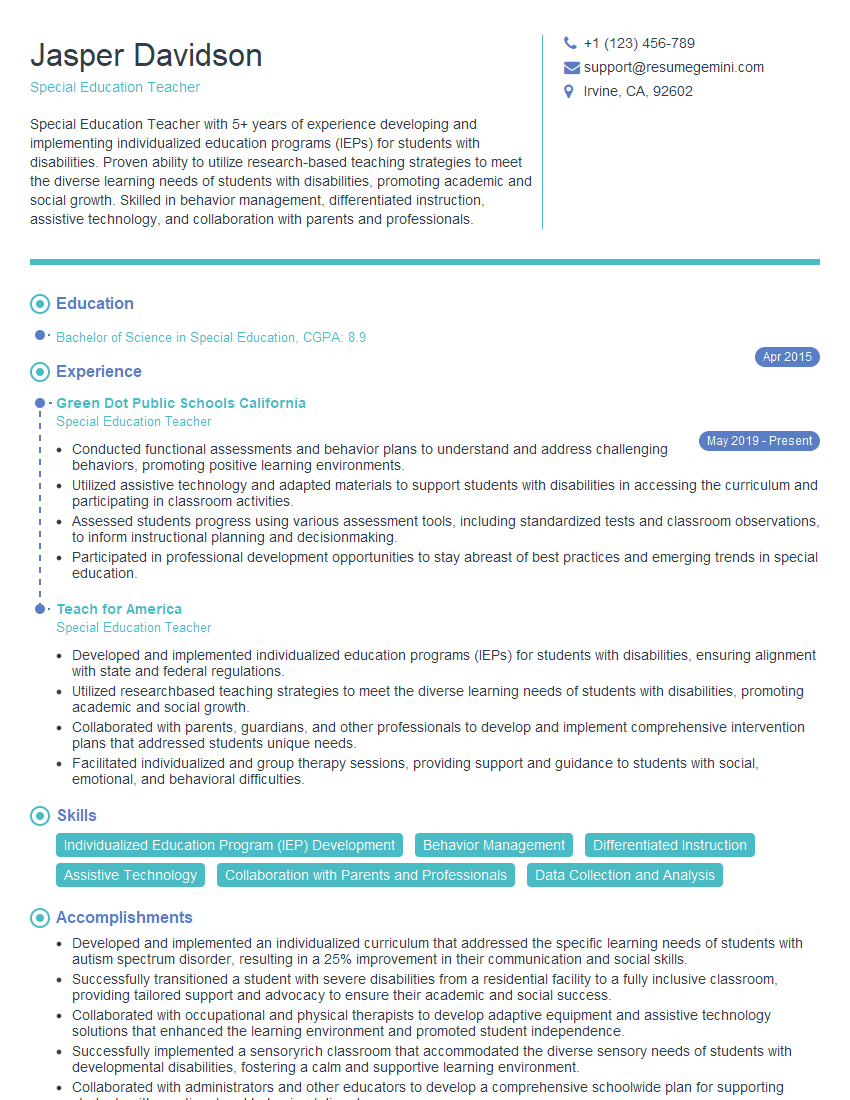
Special Education Teacher Resume Sample
- Clinical Psychologist
- Educational Psychologist
- Guidance Counselor
- School Counselor
- School Psychologist
- Behavioral Therapist
- College Counselor
- Counseling Psychologist
- Licensed Professional Counselor (LPC)
- Psychotherapist
- Career Counselor
- Mental Health Counselor
- Family Therapist
- Marriage and Family Therapist (MFT)
- Rehabilitation Counselor
- Licensed Clinical Social Worker (LCSW)
- Social Worker
- Clinical Social Worker
- Substance Abuse Counselor
- Special Education Teacher
Explore more articles
Users Rating of Our Blogs
Share Your Experience
We value your feedback! Please rate our content and share your thoughts (optional).
What Readers Say About Our Blog
To the interviewgemini.com Webmaster.
Very helpful and content specific questions to help prepare me for my interview!
Thank you
To the interviewgemini.com Webmaster.
This was kind of a unique content I found around the specialized skills. Very helpful questions and good detailed answers.
Very Helpful blog, thank you Interviewgemini team.