Preparation is the key to success in any interview. In this post, we’ll explore crucial Psychotherapy (Individual, Group, and Family) interview questions and equip you with strategies to craft impactful answers. Whether you’re a beginner or a pro, these tips will elevate your preparation.
Questions Asked in Psychotherapy (Individual, Group, and Family) Interview
Q 1. Explain the differences between psychodynamic, cognitive-behavioral, and humanistic therapies.
These three therapeutic approaches differ significantly in their focus and methods. Psychodynamic therapy, rooted in Freudian theory, explores unconscious patterns, past experiences, and the impact of early relationships on current behavior. It emphasizes interpreting dreams, exploring defense mechanisms, and uncovering repressed emotions to gain insight into the root causes of psychological distress. Think of it like excavating buried treasure – we dig deep into the past to understand the present. Cognitive-Behavioral Therapy (CBT), on the other hand, is more present-focused. It targets maladaptive thoughts and behaviors, teaching clients to identify and modify negative thinking patterns and develop healthier coping mechanisms. It’s like rewiring a faulty circuit – we identify and change the negative thought patterns causing problems. Humanistic therapy, including person-centered therapy, emphasizes self-actualization and personal growth. It focuses on the client’s inherent capacity for self-understanding and positive change, providing a supportive and empathetic environment for exploration and self-discovery. This approach is like nurturing a plant – providing the right conditions for the individual to grow and flourish.
- Psychodynamic: Focuses on unconscious processes, past experiences, and interpretation of dreams.
- CBT: Focuses on present-day thoughts, feelings, and behaviors; uses techniques like cognitive restructuring and exposure therapy.
- Humanistic: Focuses on self-actualization, personal growth, and unconditional positive regard.
Q 2. Describe your approach to treating anxiety disorders.
My approach to treating anxiety disorders is integrative, drawing on elements of CBT and mindfulness-based techniques. I begin by thoroughly assessing the client’s specific anxieties, identifying triggers, and understanding the nature and severity of their symptoms. This includes exploring the client’s history, current stressors, and any relevant medical conditions. Then, we collaboratively develop a treatment plan tailored to their individual needs. This often involves:
- Cognitive Restructuring: Identifying and challenging negative or catastrophic thoughts.
- Exposure Therapy: Gradually exposing the client to feared situations or objects in a safe and controlled manner.
- Relaxation Techniques: Teaching techniques like deep breathing, progressive muscle relaxation, and mindfulness meditation to manage physical symptoms of anxiety.
- Behavioral Experiments: Testing out negative beliefs in real-life situations to demonstrate their inaccuracy.
For example, a client with social anxiety might engage in gradual exposure to social situations, starting with small interactions and progressively working towards larger groups. Simultaneously, we’d work on challenging negative self-talk, like “I’m going to embarrass myself,” replacing it with more realistic and balanced thoughts.
Q 3. How do you manage a client experiencing a severe panic attack during a session?
Managing a severe panic attack during a session requires a calm and reassuring approach prioritizing the client’s safety and well-being. My immediate actions would focus on helping the client ground themselves and manage the physiological symptoms. This includes:
- Creating a safe space: Ensuring the client feels secure and supported.
- Breathing techniques: Guiding the client through slow, deep breaths, focusing on the rhythm of their breath.
- Grounding techniques: Encouraging the client to focus on their immediate physical sensations – what they see, hear, feel, smell, and taste. This helps bring them back to the present moment.
- Physical comfort: Offering water, a comfortable position, and allowing them to move as needed.
- Validation and empathy: Acknowledging their distress and validating their experience.
- Post-attack processing: Once the attack subsides, we’d discuss what triggered it and develop strategies to prevent future occurrences.
If the panic attack is severe or prolonged, and the client’s safety is at risk, I would not hesitate to contact emergency medical services.
Q 4. What are the ethical considerations when working with minors?
Ethical considerations when working with minors are paramount and involve several key elements:
- Informed consent: Obtaining consent from both the minor (to the extent possible given their developmental level) and their legal guardian.
- Confidentiality: Understanding the limits of confidentiality, particularly regarding mandated reporting (e.g., child abuse or neglect).
- Child’s best interest: Prioritizing the child’s well-being above all else in all decisions.
- Cultural sensitivity: Recognizing and respecting the child’s cultural background and family values.
- Appropriate boundaries: Maintaining professional boundaries and avoiding dual relationships.
For example, if a minor discloses information suggesting abuse or neglect, I have a legal and ethical obligation to report it to the appropriate authorities, even if the minor requests me not to. This often involves a careful balancing act between protecting the child and upholding confidentiality as much as possible within the legal framework.
Q 5. Explain the importance of maintaining client confidentiality.
Maintaining client confidentiality is fundamental to the therapeutic relationship and is essential for building trust and fostering open communication. It’s crucial for clients to feel safe and comfortable sharing personal information without fear of judgment or disclosure. This is protected by ethical guidelines and, in many jurisdictions, by law. There are limited exceptions, such as when there’s a risk of harm to self or others, or in cases of mandated reporting (as discussed previously). Even when discussing cases in supervision or with colleagues, identifiers should be changed to ensure the client’s anonymity.
Imagine how difficult it would be for a client to open up if they feared their most private thoughts and feelings could be revealed to others. Confidentiality protects this vulnerability and is a cornerstone of effective psychotherapy.
Q 6. How do you handle transference and countertransference in therapy?
Transference refers to the client’s unconscious redirection of feelings from one person to another, often from past relationships onto the therapist. Countertransference is the therapist’s emotional reaction to the client, which can be influenced by the client’s transference or the therapist’s own unresolved issues. Both are normal occurrences in therapy but require careful management to prevent them from hindering the therapeutic process.
I handle transference and countertransference by maintaining self-awareness, engaging in regular supervision, and using these phenomena as opportunities for therapeutic exploration. For instance, if a client consistently exhibits anger towards me, reflecting unresolved anger from a past relationship, we explore the patterns of their anger in their relationships and work towards healthier ways of managing those feelings. Similarly, if I experience strong emotional reactions towards a client, I’d reflect on these reactions in supervision to ensure they’re not interfering with my objectivity and professional judgment.
Q 7. Describe your experience with different family therapy models (e.g., structural, systemic).
My experience encompasses various family therapy models, including structural and systemic approaches. Structural family therapy focuses on the organization and structure of the family system, including hierarchies, boundaries, and alliances. It aims to restructure dysfunctional family patterns by modifying the family’s organizational structure. For instance, if a family demonstrates enmeshed boundaries (overly close relationships), interventions might focus on promoting more clear and healthy individual autonomy. Systemic family therapy takes a broader perspective, viewing the family as a complex system where each member’s behavior influences and is influenced by others. It emphasizes circular causality (the idea that problems are maintained by reciprocal interactions), and interventions are often designed to interrupt these circular patterns. For example, we might focus on changing communication patterns or introducing new ways of interacting that break a cycle of conflict.
I adapt my approach depending on the family’s specific needs and dynamics. Sometimes, a combination of these models is used, tailored to address the presenting problem effectively. The goal is always to improve family communication, relationships, and overall functioning.
Q 8. How do you facilitate effective communication within a family system?
Facilitating effective communication within a family system requires understanding the intricate dynamics at play. It’s not just about individuals talking; it’s about understanding how their interactions create patterns and influence each other. I begin by creating a safe and non-judgmental space where each family member feels comfortable expressing themselves.
My approach involves several key strategies. First, I employ active listening, reflecting back what I hear to ensure understanding. For instance, if a parent says, “I feel ignored,” I might respond, “So you feel unheard and overlooked in the family’s daily life?” This helps to validate their feelings and encourages deeper exploration.
Second, I help family members identify their communication patterns – are they direct or indirect? Do they interrupt each other frequently? Understanding these patterns is crucial to changing them. We may use visual tools like genograms to map family relationships and history, helping to highlight recurring patterns and understand the origins of conflict.
Third, I focus on teaching healthy communication skills, such as using “I” statements to express feelings without blaming, and active listening techniques. We practice these skills during sessions, role-playing various scenarios to build confidence and make the skills more practical. For example, a child might practice saying, “I feel frustrated when my homework isn’t finished before dinner” instead of, “You always make me late for dinner.” Finally, I help the family identify their strengths and build on those to create a more positive and functional communication system.
Q 9. What are the key challenges in group therapy, and how do you address them?
Group therapy, while incredibly powerful, presents unique challenges. One major hurdle is managing the dynamics within the group itself. Power imbalances, cliques, or conflict between members can disrupt the therapeutic process. Another challenge lies in individual needs conflicting with the group’s overall goals. Some participants might dominate the conversation, while others might remain silent, hindering their own progress and the group’s cohesion.
Addressing these issues requires proactive intervention. I establish clear group guidelines from the outset, emphasizing respect, confidentiality (within ethical boundaries), and active participation. I actively monitor group interactions, intervening when necessary to address power imbalances, resolve conflict constructively, and encourage shy members to participate.
For example, if one member consistently dominates the discussion, I might gently guide the conversation towards others, using phrases like, “I’d like to hear from others about their experience with this.” If conflict arises, I facilitate a structured discussion, helping members understand each other’s perspectives. I also provide individual support, offering outside sessions if needed to address specific challenges that might hinder their participation or progress within the group.
Q 10. How do you create a safe and supportive environment in a group therapy setting?
Creating a safe and supportive environment is paramount in group therapy. It’s about fostering a sense of trust, acceptance, and mutual respect. This begins with clearly establishing ground rules, ensuring everyone understands confidentiality (within ethical limits) and the expectations for respectful communication. The physical space should also be conducive to this; a comfortable and private setting is ideal.
My role involves consistently modeling respectful behavior and demonstrating empathy towards each member. I actively listen to their experiences, validating their feelings and creating a space where they feel comfortable sharing even the most vulnerable aspects of themselves, without fear of judgment. I focus on building a sense of community, encouraging members to support each other and fostering a sense of shared experience.
For example, I might begin sessions by having members share something positive that happened in their week, promoting a sense of connection and positive reinforcement. I also utilize techniques like universalization, where I point out that similar experiences are common, helping to reduce feelings of isolation. Throughout the process, I continuously monitor the group’s dynamics, intervening when necessary to ensure everyone feels safe and respected.
Q 11. Describe your experience working with diverse populations.
Throughout my career, I’ve worked with a diverse range of populations, including individuals from various cultural backgrounds, socioeconomic statuses, and sexual orientations. This has been enriching and has taught me the vital importance of cultural competence and sensitivity in my practice.
I approach each client with an understanding that their experiences and perspectives are shaped by their unique cultural and social contexts. I avoid making assumptions and actively listen to understand their individual needs and beliefs. For instance, I’ve learned the importance of considering cultural nuances in communication styles and family dynamics.
With clients from marginalized communities, I’m especially attuned to potential systemic barriers they might face, such as access to healthcare or discrimination. I strive to create a therapeutic relationship built on trust and mutual respect, where clients feel empowered to express themselves authentically. I regularly engage in continuing education and consult with colleagues to ensure I am up-to-date on best practices for working with diverse populations.
Q 12. How do you assess a client’s risk of self-harm or harm to others?
Assessing a client’s risk of self-harm or harm to others is a crucial aspect of clinical practice and requires a comprehensive approach. It involves a combination of direct questioning, behavioral observation, and review of their history. I start by building rapport, making the client feel safe to share potentially sensitive information.
I use standardized risk assessment tools when appropriate. These tools help structure the interview, ensuring I cover key areas like suicidal ideation, access to means, and previous attempts. I assess the client’s mood, their level of hopelessness, and their ability to cope with distress. Behavioral observations, like changes in sleep, appetite, or social withdrawal, can also provide valuable insights.
The client’s history is also crucial; prior instances of self-harm or violence, substance abuse, or a history of trauma are all significant risk factors. In addition to direct questions, I explore the client’s support system and their capacity to engage in safety planning. The final assessment involves a judgment based on all the collected data, and it’s crucial to remember that risk is dynamic and can change over time.
Q 13. Explain your crisis intervention protocol.
My crisis intervention protocol follows a structured approach emphasizing immediate safety and stabilization. The first step is ensuring the client’s immediate safety. This might involve hospital admission, if necessary, or working with family members to ensure the client is in a safe environment.
Once safety is established, I work to de-escalate the situation. This involves using calming techniques, active listening, and validating the client’s distress. I avoid judgmental or confrontational language, focusing on creating a sense of calm and control.
The next phase involves problem-solving and developing a safety plan. This might include identifying warning signs, developing coping strategies, and establishing a support network. The final step is providing referrals for ongoing support, including mental health services, substance abuse treatment, or other relevant resources. Collaboration with other professionals, such as emergency services or psychiatric colleagues, is essential in many crisis situations.
Q 14. How do you manage difficult or challenging clients?
Managing difficult or challenging clients requires patience, empathy, and a strong understanding of therapeutic boundaries. It’s important to remember that challenging behaviors often stem from underlying emotional pain or distress.
My approach involves setting clear expectations and maintaining consistent boundaries. This includes defining the parameters of our therapeutic relationship, such as session times and communication outside of sessions. When a client displays challenging behavior, I address it directly but calmly, focusing on the impact of the behavior rather than making personal judgments.
For instance, if a client becomes verbally abusive, I might say, “I understand you’re feeling angry, but I can’t continue this session if you’re speaking to me this way.” I also regularly consult with supervisors or colleagues to gain support and perspective, ensuring I’m maintaining ethical and effective practice. If the behavior is persistently disruptive or poses a risk to the therapeutic process or others, further intervention, such as referring the client to a different therapist, may be necessary.
Q 15. Describe your approach to case management and documentation.
My approach to case management and documentation is meticulous and adheres to ethical and legal guidelines. It’s built on a foundation of clear, concise, and accurate record-keeping. This ensures continuity of care, facilitates effective collaboration with colleagues, and protects both the client and myself legally.
- Intake and Assessment: I begin with a comprehensive intake process, documenting the client’s presenting problem, history, and relevant social and family details. This includes a thorough assessment of their strengths and resources.
- Session Notes: Following each session, I write detailed notes summarizing the key themes discussed, the client’s emotional state, interventions used, and any progress observed. I use a SOAP note format (Subjective, Objective, Assessment, Plan) to structure my notes for clarity and completeness.
- Progress Notes: Regular progress notes are created to track the client’s journey, highlighting significant milestones, challenges, and treatment modifications. These notes are essential for demonstrating the efficacy of the treatment plan and identifying areas needing adjustment.
- Case Closure: Upon termination of therapy, I create a summary report documenting the client’s progress, outcomes, and recommendations for future care. This ensures a smooth transition if the client chooses to seek further support.
- Confidentiality and Security: All client information is stored securely, adhering to HIPAA regulations and other relevant privacy laws. I utilize encrypted electronic health records and maintain physical security of paper files.
For example, in working with a client struggling with anxiety, my notes might detail the techniques we’ve employed (e.g., relaxation exercises, cognitive restructuring), the client’s response to those techniques, and any changes observed in their anxiety levels over time. This ensures a clear picture of their progress, allowing for both informed decision-making and accountability.
Career Expert Tips:
- Ace those interviews! Prepare effectively by reviewing the Top 50 Most Common Interview Questions on ResumeGemini.
- Navigate your job search with confidence! Explore a wide range of Career Tips on ResumeGemini. Learn about common challenges and recommendations to overcome them.
- Craft the perfect resume! Master the Art of Resume Writing with ResumeGemini’s guide. Showcase your unique qualifications and achievements effectively.
- Don’t miss out on holiday savings! Build your dream resume with ResumeGemini’s ATS optimized templates.
Q 16. How do you utilize evidence-based practices in your therapeutic approach?
Evidence-based practice (EBP) is central to my therapeutic approach. I integrate research-supported methods to ensure I am providing the most effective and ethical care possible. This involves a three-pronged approach:
- Best Research Evidence: I stay current with the latest research findings in psychotherapy through professional journals, conferences, and continuing education. This allows me to adapt my techniques to the specific needs of my clients and select interventions that have demonstrated efficacy.
- Clinical Expertise: I combine my understanding of research with my professional judgment and experience. Each client is unique, and I tailor my treatment to their individual circumstances, personality, and cultural background. EBP is not about rigid adherence to protocols but about informed decision-making.
- Client Values and Preferences: The client’s values, preferences, and treatment goals are paramount. I collaborate with clients to develop treatment plans that align with their needs and perspectives. EBP emphasizes shared decision-making and client autonomy.
For instance, if a client is experiencing depression, I might utilize Cognitive Behavioral Therapy (CBT) techniques because extensive research supports its effectiveness in treating this condition. However, I would also incorporate elements of other approaches, based on the client’s individual needs and preferences, ensuring a personalized treatment plan.
Q 17. What are your strategies for working with resistant clients?
Working with resistant clients requires patience, empathy, and a collaborative approach. Resistance isn’t necessarily a sign of defiance, but rather a reflection of the client’s discomfort or uncertainty. My strategies focus on building a strong therapeutic alliance and addressing the root causes of resistance.
- Understanding the Resistance: I begin by exploring the reasons behind the resistance. Is it fear, mistrust, a lack of motivation, or something else? Open communication is crucial.
- Collaborative Goal Setting: Instead of imposing a treatment plan, I work with the client to establish mutually agreed-upon goals. This gives them a sense of ownership and control over the process.
- Building Rapport: Strengthening the therapeutic relationship is essential. This involves active listening, empathy, and demonstrating genuine care for the client’s well-being.
- Adjusting Techniques: If certain techniques aren’t working, I’m flexible and willing to adjust my approach. This might involve trying different therapeutic modalities or exploring alternative ways to address the client’s concerns.
- Motivational Interviewing: This technique focuses on guiding the client toward self-discovery and motivation for change, rather than directly confronting their resistance.
For example, a client initially resistant to exploring their childhood trauma might gradually open up after establishing trust and feeling safe in the therapeutic relationship. By validating their feelings and collaboratively developing a pace that feels comfortable for them, I can gently guide them toward healing.
Q 18. How do you integrate cultural considerations into your therapeutic work?
Cultural considerations are crucial in providing effective and ethical therapy. Ignoring cultural factors can lead to misunderstandings and hinder progress. My approach involves:
- Cultural Humility: I acknowledge my own cultural biases and limitations, recognizing that I cannot fully understand every client’s unique cultural background. I approach each interaction with humility and a willingness to learn.
- Culturally Sensitive Assessment: I use assessment tools and techniques that are appropriate and valid for the client’s cultural background. I avoid using instruments that might perpetuate biases or stereotypes.
- Understanding Cultural Values: I actively seek to understand how cultural values, beliefs, and practices influence the client’s experiences, perspectives, and coping mechanisms.
- Adapting Therapeutic Techniques: I tailor my therapeutic techniques to be culturally congruent. This might involve adjusting communication styles, incorporating culturally relevant metaphors or stories, and working within the client’s preferred framework of understanding.
- Seeking Consultation: If I encounter significant cultural challenges, I seek consultation from colleagues or cultural experts to ensure I provide culturally sensitive and appropriate care.
For example, when working with a client from a collectivist culture, I would pay attention to the importance of family and community, and may involve family members in the treatment process with the client’s consent. Conversely, when working with a client from an individualistic culture, I might focus more on individual goals and autonomy.
Q 19. Describe your experience working with trauma survivors.
I have extensive experience working with trauma survivors. My approach is trauma-informed, meaning I prioritize safety, trust, and collaboration. I understand that trauma can significantly impact a person’s life, and my focus is on empowering survivors to heal and reclaim their lives.
- Trauma-Focused Therapies: I utilize evidence-based trauma-focused therapies such as Eye Movement Desensitization and Reprocessing (EMDR), Prolonged Exposure (PE), and Cognitive Processing Therapy (CPT), adapting them to each individual’s unique needs.
- Building Trust and Safety: Creating a safe and supportive therapeutic environment is paramount. This involves establishing clear boundaries, respecting the client’s pace, and validating their experiences.
- Collaboration and Empowerment: I work collaboratively with the client, empowering them to take an active role in their healing process. This means respecting their choices and acknowledging their strengths.
- Addressing Co-occurring Conditions: Trauma often co-occurs with other mental health conditions such as depression, anxiety, or substance abuse. I address these co-occurring conditions using an integrated approach.
- Self-Care and Support: I emphasize the importance of self-care and provide resources and support for managing stress and coping with difficult emotions.
For instance, a client might initially feel overwhelmed by discussing their trauma. In such cases, I would prioritize building a strong therapeutic relationship, allowing the client to share at their own pace and focusing on developing coping skills before directly addressing the traumatic memories. This approach minimizes retraumatization and fosters a sense of safety.
Q 20. Explain your understanding of the DSM-5 and its applications in clinical practice.
The Diagnostic and Statistical Manual of Mental Disorders, 5th Edition (DSM-5) is a widely used classification system for mental disorders. It provides a common language and framework for clinicians to diagnose and understand various mental health conditions. However, it’s crucial to remember that the DSM-5 is a tool, not a definitive guide. I use it cautiously and critically in my clinical practice.
- Diagnostic Assessment: I use the DSM-5 criteria as a guide during the diagnostic process, carefully evaluating the client’s symptoms, history, and functioning to arrive at a comprehensive diagnosis.
- Understanding the Context: I avoid relying solely on the DSM-5 diagnosis. I consider the broader context of the client’s life, including cultural background, social circumstances, and personal history, to gain a more holistic understanding.
- Treatment Planning: The DSM-5 diagnosis can inform the development of a treatment plan, but it doesn’t dictate it. My treatment plans are individualized and adapted to the client’s specific needs and preferences.
- Limitations of the DSM-5: I acknowledge the limitations of the DSM-5, such as its potential for overdiagnosis, the impact of cultural bias, and the fluidity of mental health conditions. It’s essential to use the DSM-5 in conjunction with clinical judgment and a person-centered approach.
- Communication and Collaboration: I use the DSM-5 diagnostic information for clear communication with clients, colleagues, and other healthcare providers. A shared understanding of the diagnosis facilitates effective collaboration.
For example, while a DSM-5 diagnosis of Major Depressive Disorder might inform my understanding of a client’s condition, I also consider the client’s individual story, coping mechanisms, and strengths to develop a treatment plan that addresses their unique needs and goals beyond the diagnostic label.
Q 21. How do you build rapport and trust with your clients?
Building rapport and trust with clients is the cornerstone of effective therapy. It’s a process that unfolds over time and requires genuine effort and empathy. My approach involves:
- Active Listening: I pay close attention to both the verbal and nonverbal cues of my clients, demonstrating that I am genuinely interested in their experiences. This involves making eye contact, nodding, and reflecting their emotions.
- Empathy and Validation: I strive to understand the client’s perspective, even if I don’t necessarily agree with it. I validate their feelings and experiences, making them feel heard and understood.
- Authenticity and Transparency: I am open and honest with my clients, establishing a genuine and trustworthy relationship. This includes clearly outlining the therapeutic process, setting appropriate boundaries, and acknowledging my limitations.
- Collaborative Relationship: I emphasize collaboration and shared decision-making, empowering clients to participate actively in their treatment. This ensures that the therapy is tailored to their specific needs and preferences.
- Respect and Confidentiality: I maintain strict confidentiality and treat each client with respect and dignity, creating a safe and supportive therapeutic space.
For example, I might start a session by asking the client about their week, showing interest in their life outside of therapy. This seemingly small gesture demonstrates that I care about them as a person, fostering a connection and building the foundation for a trusting relationship.
Q 22. Describe your process for setting therapeutic goals with clients.
Setting therapeutic goals is a collaborative process, crucial for successful therapy. It’s not about my goals for the client, but rather, goals we co-create, reflecting the client’s aspirations and needs. I begin by actively listening during initial sessions to understand their presenting problem, understanding their subjective experience of their difficulties. We then explore their strengths, resources, and values to identify areas for growth and change.
This collaborative process typically involves:
- Identifying the presenting problem: Clearly defining what brings the client to therapy – e.g., anxiety, depression, relationship difficulties.
- Exploring the client’s perspective: Understanding their hopes, expectations, and desired outcomes. This might involve asking questions like, “What would life look like if things were better?” or “What are your biggest challenges right now?”
- Establishing measurable and achievable goals: We collaboratively establish specific, measurable, achievable, relevant, and time-bound (SMART) goals. For instance, instead of “reduce anxiety,” a SMART goal might be “reduce anxiety scores on the GAD-7 by 5 points within 8 weeks.”
- Regular review and adjustment: Goals are not static. We regularly review progress and adjust goals as needed, acknowledging the dynamic nature of therapy and the client’s evolving needs. This might involve adjusting the timeline, altering strategies, or refining the goal itself.
Example: A client presents with depression and social isolation. Together, we might set a goal to increase social interaction by attending one social event per week for the next month, and to increase their self-reported mood score on a standardized scale by two points within the same timeframe.
Q 23. How do you measure the effectiveness of your therapeutic interventions?
Measuring the effectiveness of therapeutic interventions involves a multi-faceted approach, integrating both quantitative and qualitative data. It’s not just about the client feeling ‘better,’ but about demonstrable progress towards agreed-upon goals.
- Self-report measures: These include standardized questionnaires and scales assessing symptoms (e.g., Beck Depression Inventory, GAD-7), quality of life, and functional capacity. These provide quantifiable data tracking progress over time.
- Clinical observation: I carefully observe changes in the client’s verbal and nonverbal behavior, noting improvements in mood, affect, and engagement throughout the sessions.
- Session recordings (with client consent): Analyzing session recordings can offer valuable insights into therapeutic progress and identify areas for refinement.
- Goal attainment scaling (GAS): This method involves rating the client’s progress towards goals on a numerical scale at regular intervals, providing a clear measure of success.
- Feedback from collateral sources (with consent): In some cases, such as family therapy, input from family members can provide a broader perspective on the client’s progress.
Example: If a client’s goal was to reduce anxiety related to public speaking, we could track their anxiety levels through self-report measures before and after therapy, along with their actual engagement in public speaking events. A reduction in self-reported anxiety scores coupled with successful participation in public speaking would be strong indicators of effective intervention.
Q 24. What are your professional development goals?
My professional development goals are centered around maintaining excellence in clinical practice and expanding my expertise. This includes ongoing learning and refinement in several key areas:
- Advanced training in specific therapeutic modalities: I aim to deepen my skills in evidence-based treatments such as Dialectical Behavior Therapy (DBT) and Acceptance and Commitment Therapy (ACT) to better serve diverse client populations.
- Continuing education in trauma-informed care: I’m committed to expanding my understanding of trauma’s impact and incorporating trauma-informed principles into all aspects of my practice.
- Supervision and consultation: I regularly seek supervision and consultation from experienced colleagues to ensure the highest level of ethical and clinical competence. Peer review and reflective practice are vital components of my ongoing professional growth.
- Research and literature review: Staying abreast of the latest research findings in psychotherapy is crucial to inform my practice and ensure I’m using evidence-based approaches.
Ultimately, my professional development goals aim to enhance my effectiveness as a therapist, helping me to provide the most compassionate and effective care possible to my clients.
Q 25. Describe a situation where you had to work collaboratively with other professionals.
I frequently collaborate with other professionals to provide holistic and comprehensive care for my clients. One example involved a client struggling with both depression and substance abuse.
In this instance, I worked closely with a psychiatrist to manage the client’s medication, a crucial element in addressing the depressive symptoms. The psychiatrist provided regular updates on medication effectiveness and any potential side effects, which informed my therapeutic approach. I also collaborated with a substance abuse counselor who specialized in addiction treatment, providing the client with additional support and strategies for managing substance use. Regular case conferences with these professionals allowed us to coordinate our interventions, ensuring a consistent and supportive approach for the client. Open communication and shared decision-making were fundamental to this collaborative process, prioritizing the client’s well-being above all else.
Q 26. How do you handle ethical dilemmas in your clinical practice?
Ethical dilemmas are inevitable in clinical practice. My approach to handling them involves a systematic process emphasizing ethical principles and legal guidelines.
- Identify the dilemma: Clearly define the ethical conflict and the involved parties.
- Consult ethical codes and relevant laws: Review the ethical guidelines of my professional organization (e.g., APA, ACA) and relevant state and federal laws to guide decision-making.
- Seek consultation: Discuss the dilemma with experienced colleagues, supervisors, or ethics committees to gain diverse perspectives and identify potential solutions.
- Consider all stakeholders: Assess the potential impact of different actions on the client, myself, and other relevant parties.
- Document thoroughly: Meticulous documentation of the dilemma, the decision-making process, and the actions taken is essential for legal and ethical protection.
Example: If a client reveals they are considering harming themselves or others, I have a legal and ethical obligation to take appropriate steps, which may include mandated reporting and ensuring their safety. This involves navigating complex legal requirements while prioritizing the client’s safety and well-being. This requires careful consideration of potential confidentiality breaches balanced with the urgent need to protect life.
Q 27. Explain your approach to termination of therapy.
Termination of therapy is a significant phase, requiring careful planning and sensitivity. It’s not simply ending sessions, but a process of consolidating gains and preparing the client for independent functioning.
My approach emphasizes:
- Discussing termination early: We begin discussing the eventual termination of therapy early in the process, setting a realistic timeframe and ensuring the client is prepared for this transition.
- Reviewing progress and accomplishments: We collaboratively review the client’s progress towards their goals, celebrating successes and acknowledging challenges overcome.
- Developing relapse prevention strategies: We collaboratively develop strategies to help the client manage potential future difficulties and maintain their progress after therapy ends. This often involves practicing coping skills and identifying support systems.
- Gradual reduction of sessions: We typically reduce the frequency of sessions gradually to ease the transition and avoid abrupt cessation.
- Referral if needed: If additional support is needed after therapy ends, I provide appropriate referrals to other professionals or resources.
- Follow-up contact: In some instances, I offer a brief follow-up session after termination to check in on the client’s well-being and provide additional support if necessary.
The process is individualized, ensuring the client feels supported and prepared to continue their journey towards well-being independently.
Key Topics to Learn for Psychotherapy (Individual, Group, and Family) Interview
- Individual Psychotherapy:
- Therapeutic approaches (e.g., psychodynamic, cognitive-behavioral, humanistic): Understanding their theoretical underpinnings and practical applications in different clinical settings.
- Assessment and diagnosis using DSM-5 criteria: Developing strong skills in accurately identifying and classifying mental health disorders.
- Case conceptualization and treatment planning: Demonstrating the ability to formulate a comprehensive understanding of a client’s issues and develop a tailored treatment plan.
- Ethical considerations in individual therapy: Highlighting awareness of confidentiality, boundaries, and ethical dilemmas.
- Group Psychotherapy:
- Group dynamics and process: Understanding the interplay of group members and how to facilitate productive interaction.
- Different group therapy models (e.g., psychodynamic, cognitive-behavioral, support groups): Showcasing familiarity with various approaches and their suitability for different populations.
- Co-leadership and collaboration: Demonstrating skills in working effectively with other therapists in a group setting.
- Managing challenging group behaviors: Highlighting experience in handling conflict and difficult dynamics within a group context.
- Family Therapy:
- Systems theory and its application to family dynamics: Demonstrating a strong understanding of family systems and their impact on individual members.
- Common family therapy approaches (e.g., structural, strategic, Bowenian): Illustrating familiarity with different theoretical frameworks and their practical application.
- Assessment of family structure and function: Showcasing skills in understanding and assessing the complexities of family relationships.
- Working with diverse family structures and cultural contexts: Demonstrating sensitivity and adaptability in working with families from different backgrounds.
- Common Threads Across Modalities:
- Crisis intervention and risk assessment: Highlighting skills in managing crises and assessing risk factors.
- Cultural competence and sensitivity: Demonstrating awareness of cultural differences and their impact on mental health.
- Documentation and record-keeping: Showing attention to detail and proper documentation practices.
- Self-care and professional boundaries: Emphasizing the importance of maintaining well-being and setting healthy professional boundaries.
Next Steps
Mastering these areas will significantly enhance your career prospects in Psychotherapy. A well-crafted, ATS-friendly resume is crucial for getting your application noticed. ResumeGemini is a trusted resource that can help you build a professional and impactful resume. Examples of resumes tailored specifically to Psychotherapy (Individual, Group, and Family) positions are available to help guide you.
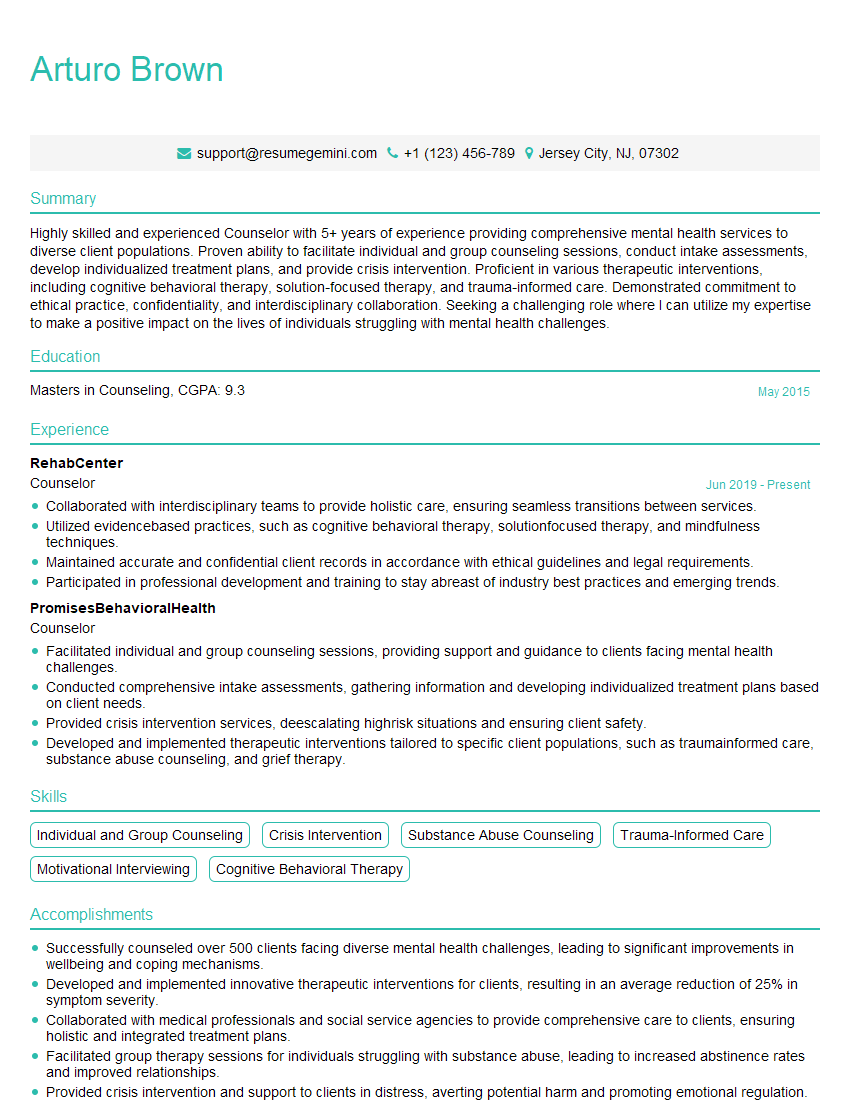
Counselor Resume Sample
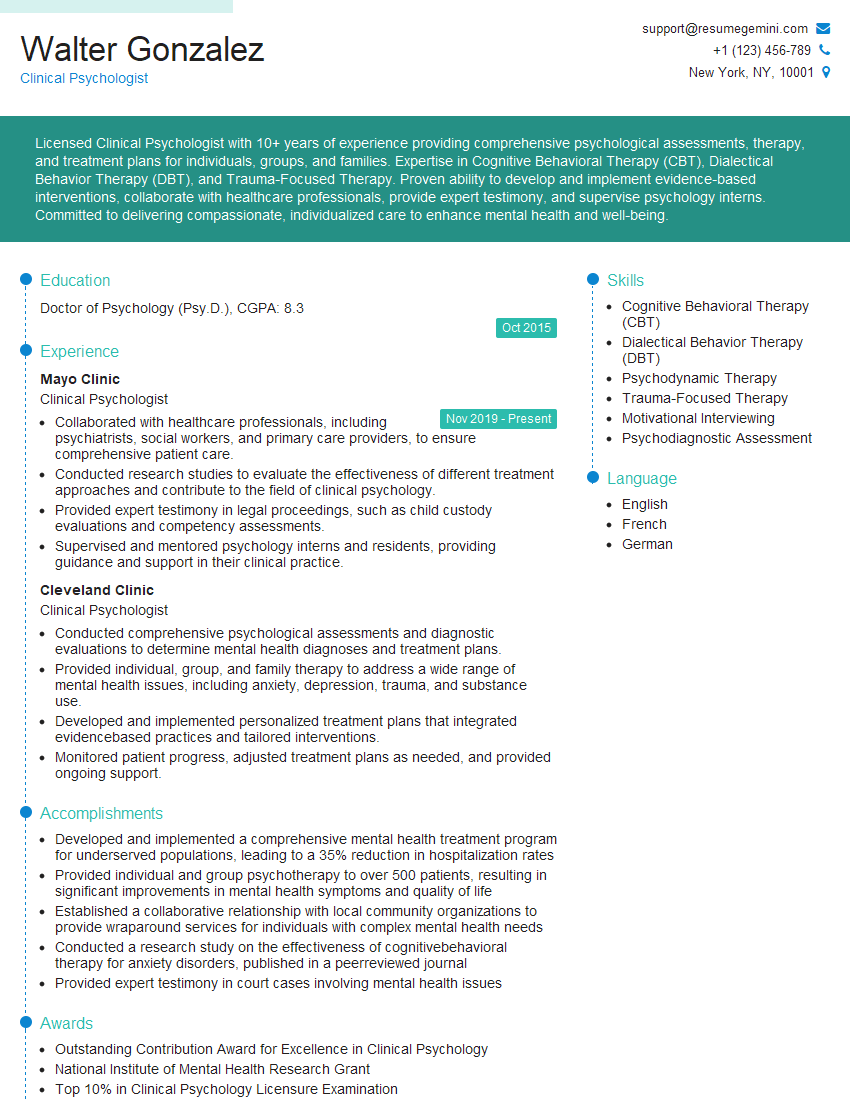
Clinical Psychologist Resume Sample
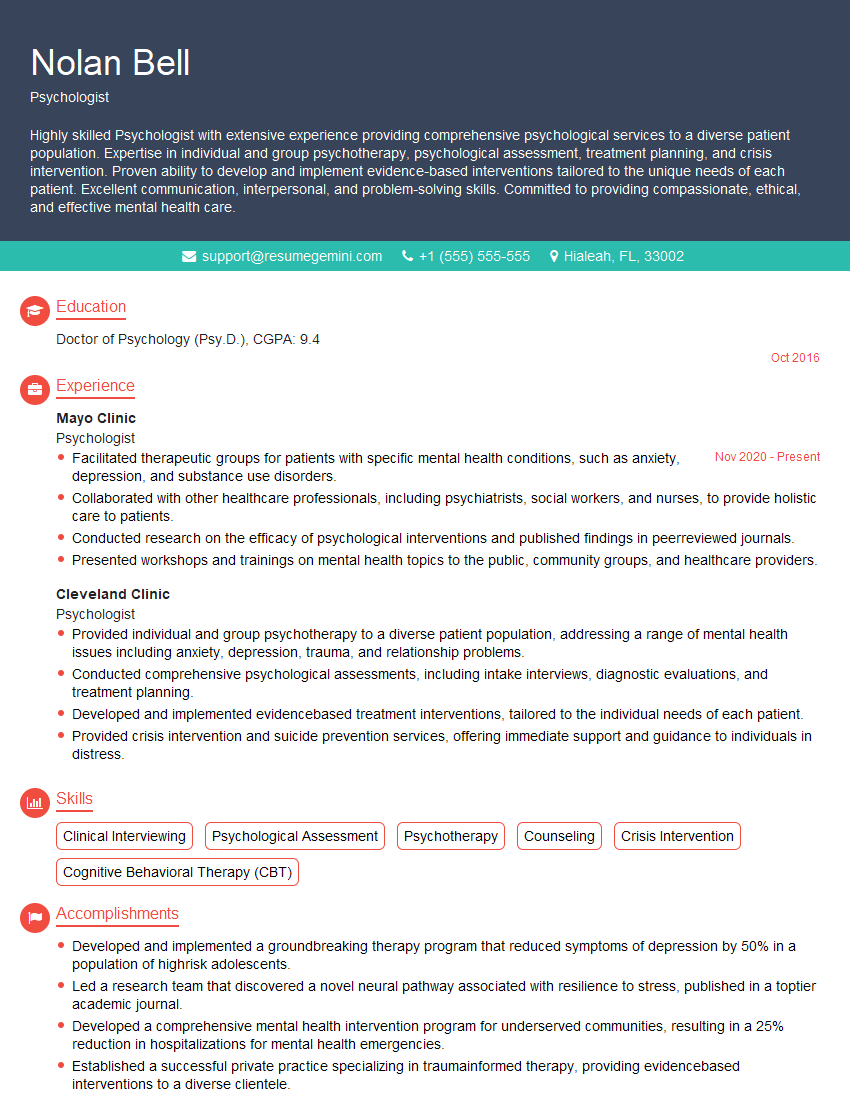
Psychologist Resume Sample
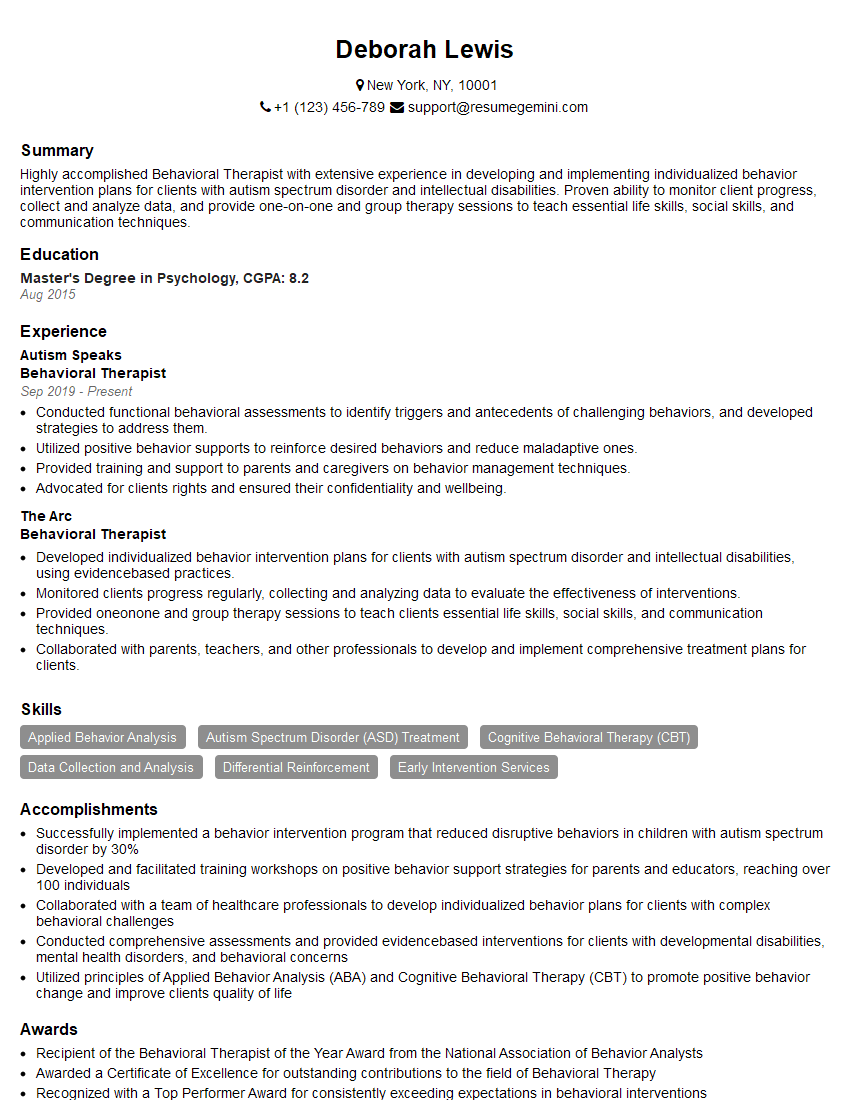
Behavioral Therapist Resume Sample
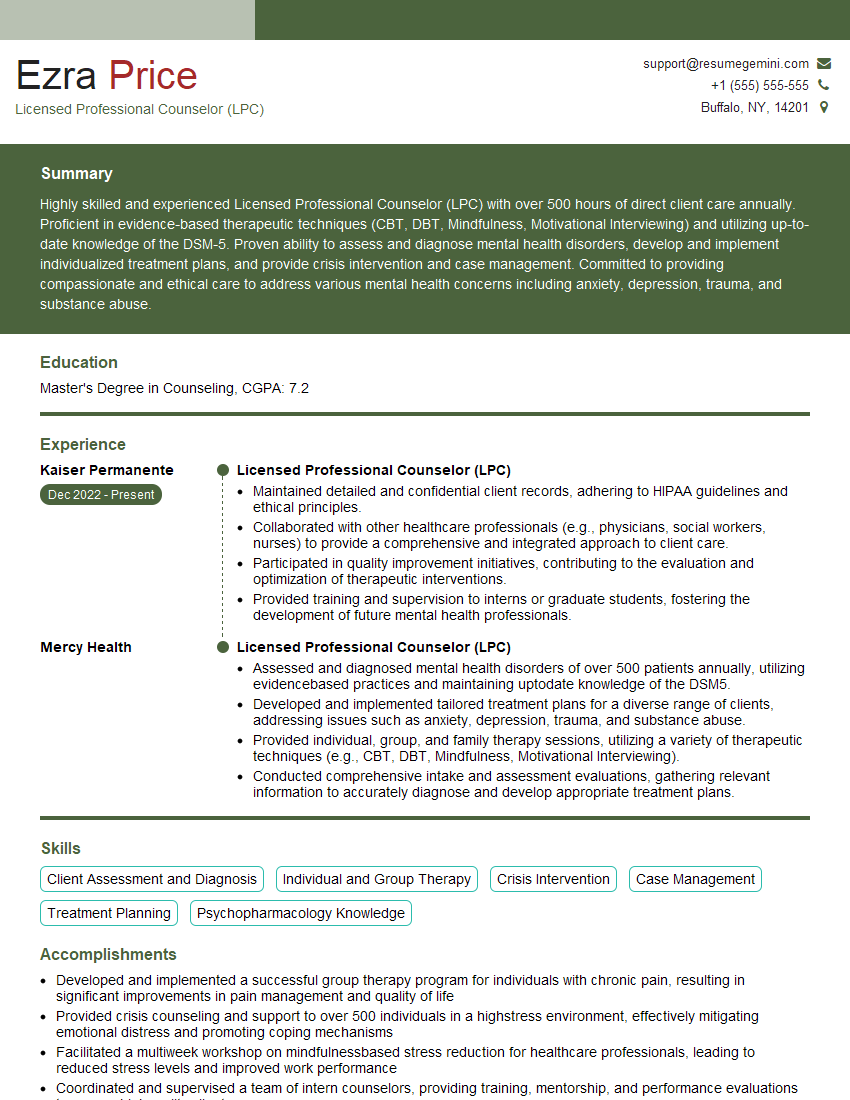
Licensed Professional Counselor (LPC) Resume Sample
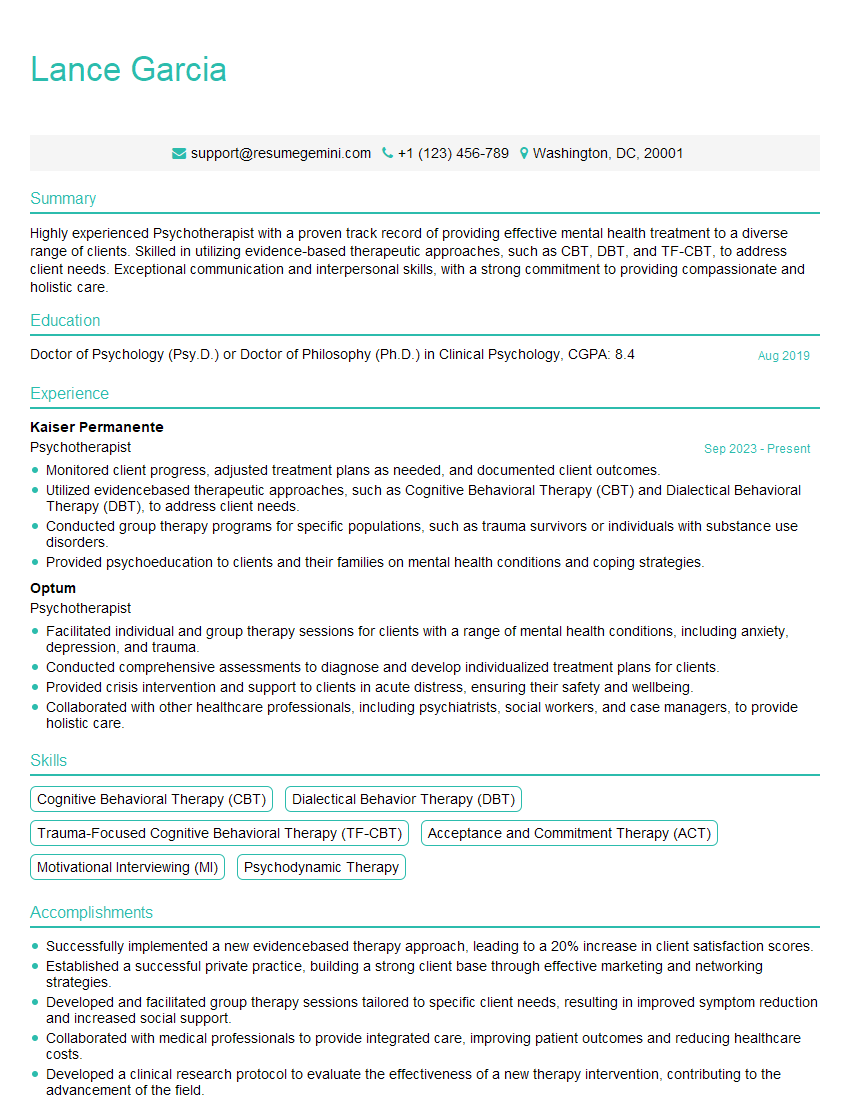
Psychotherapist Resume Sample
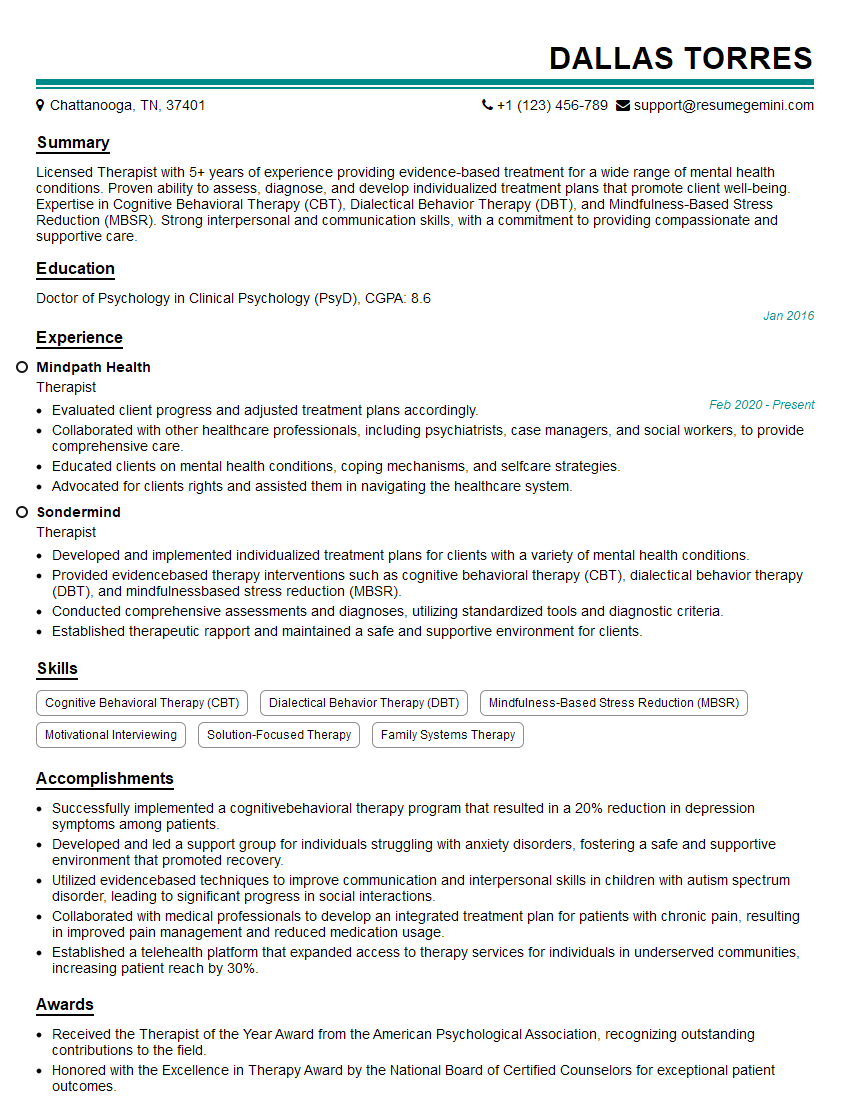
Therapist Resume Sample
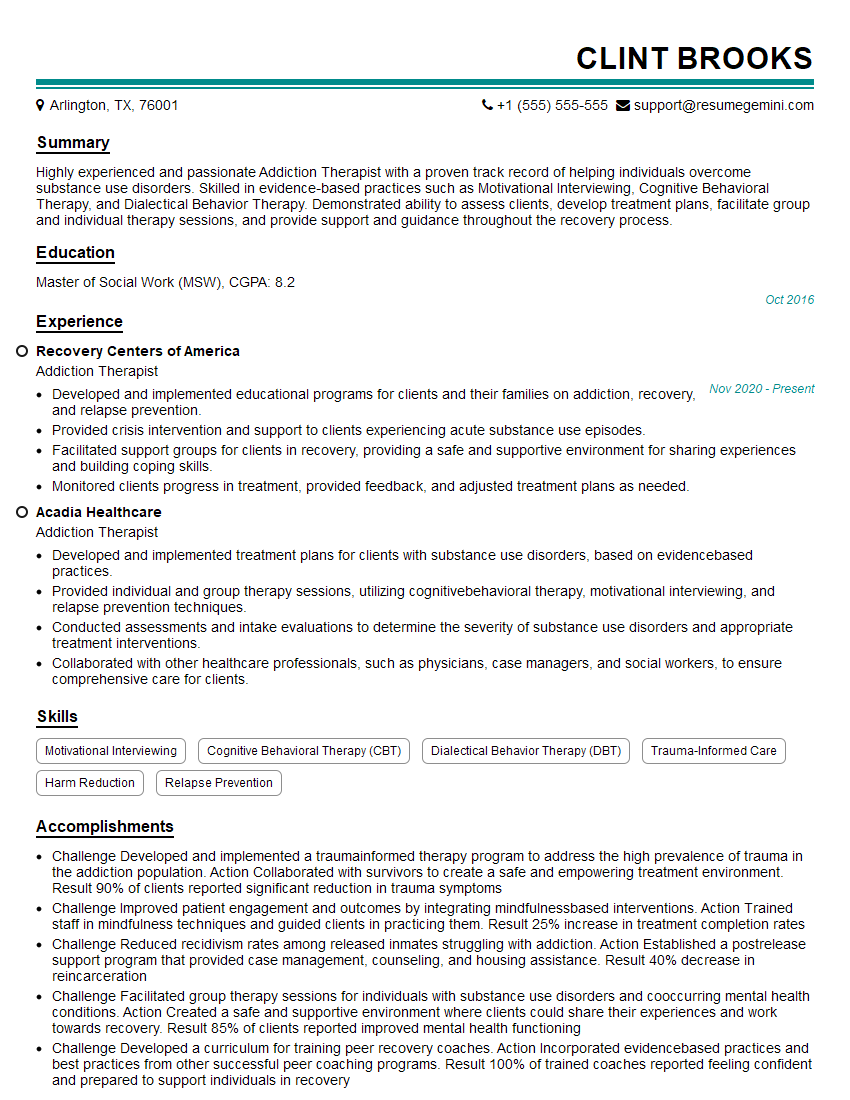
Addiction Therapist Resume Sample
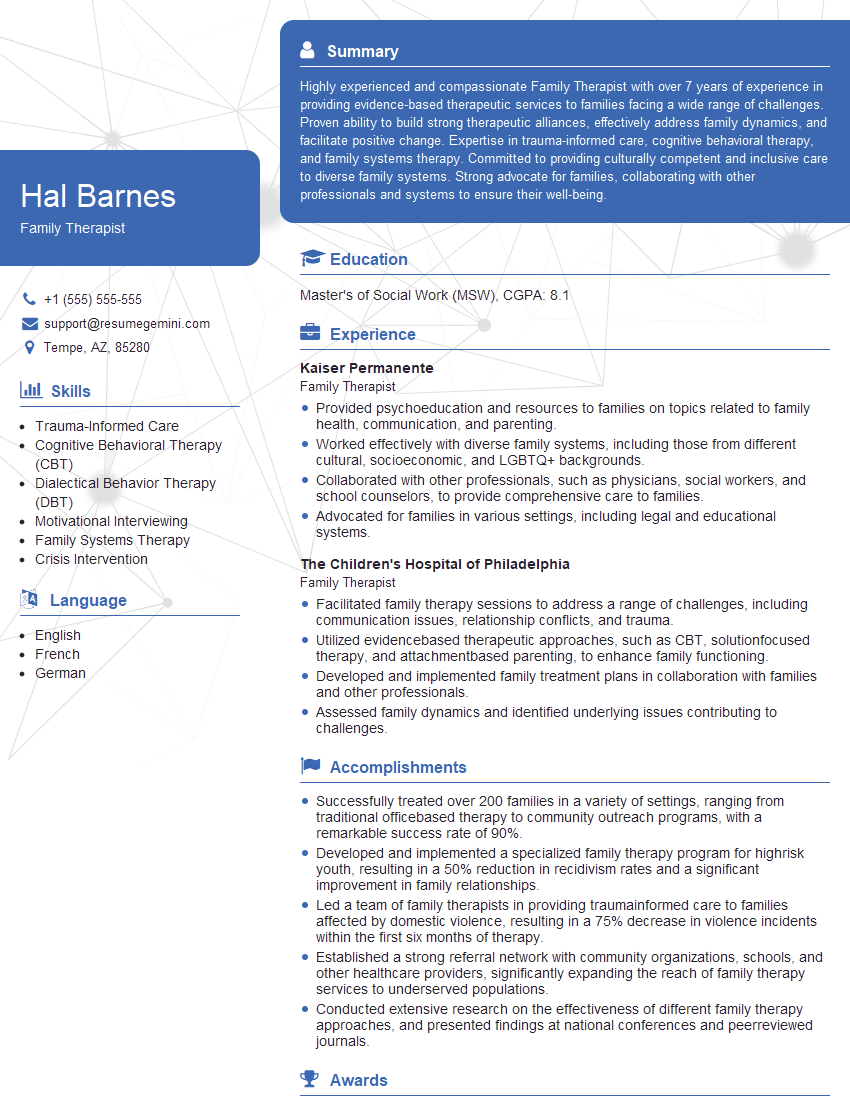
Family Therapist Resume Sample
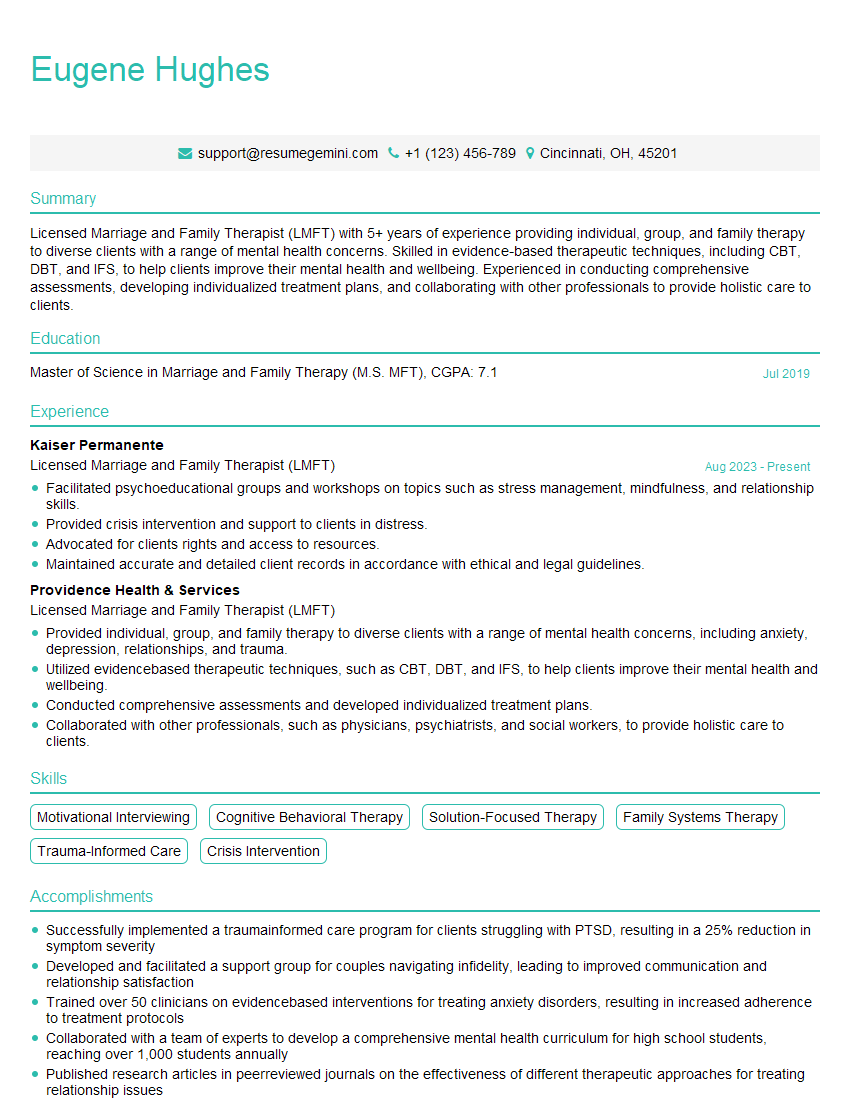
Licensed Marriage and Family Therapist (LMFT) Resume Sample
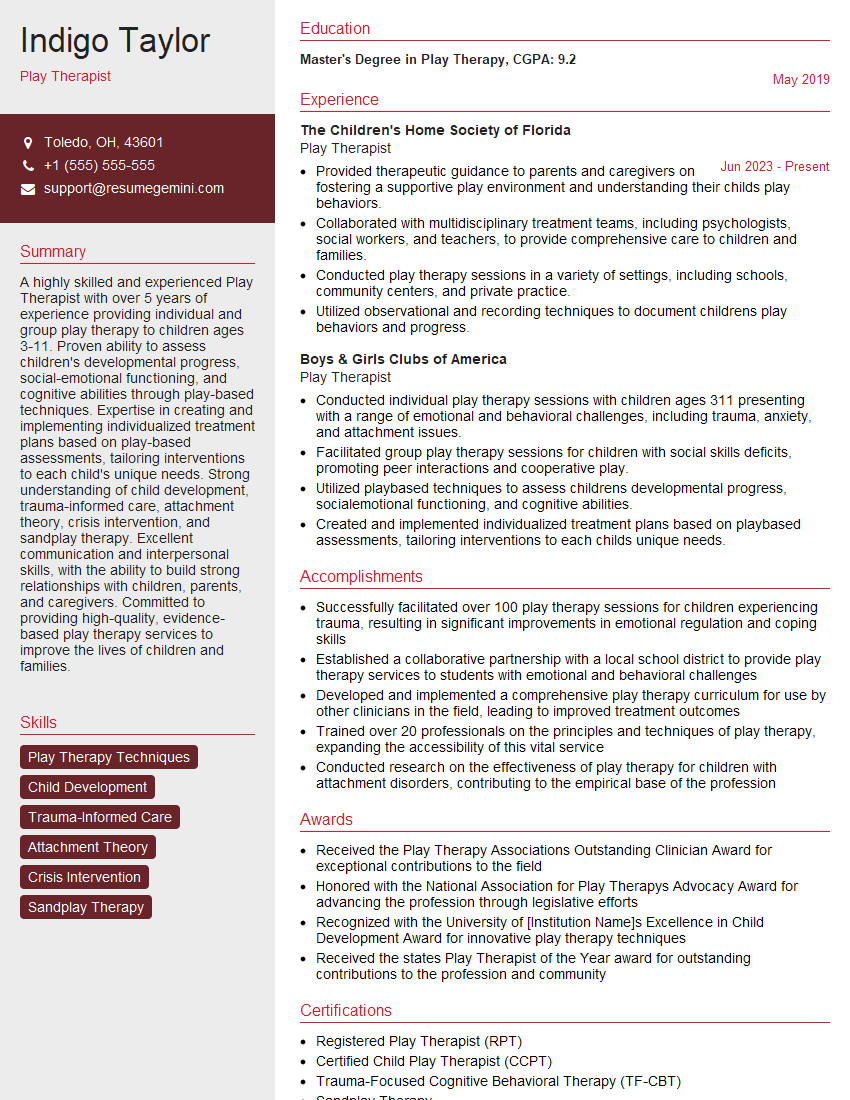
Play Therapist Resume Sample
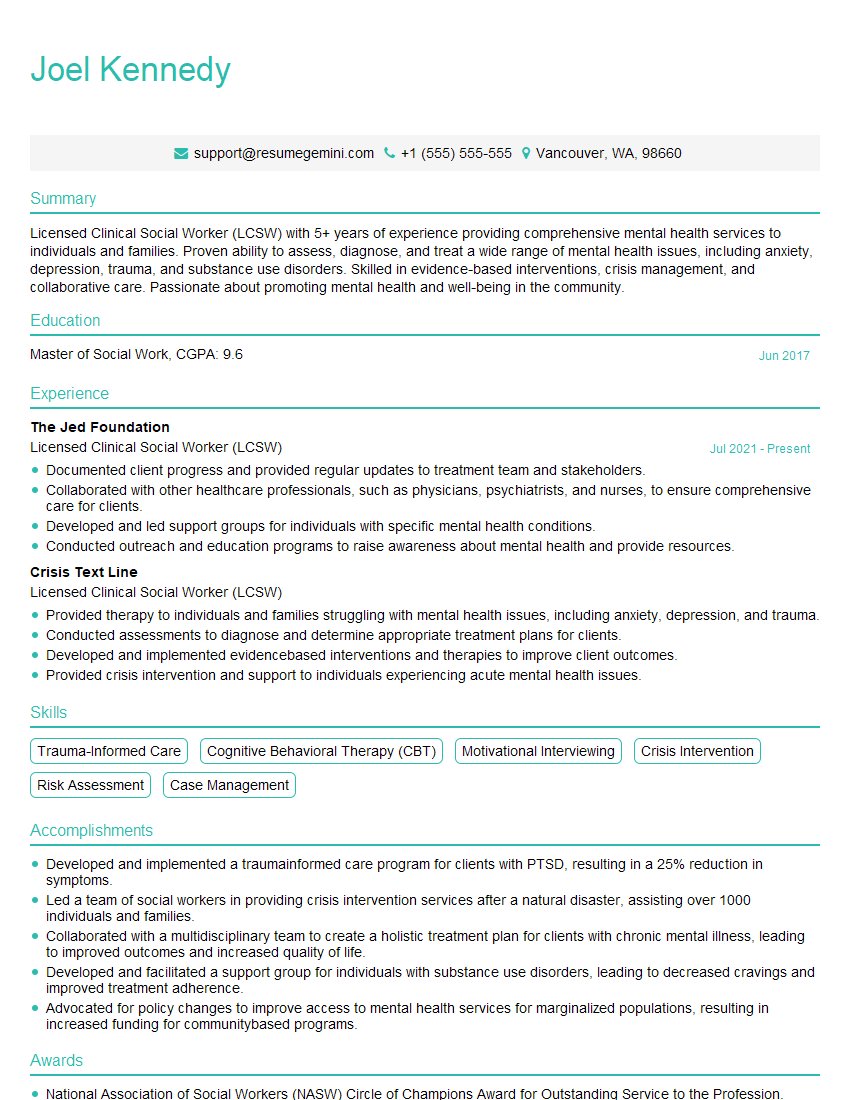
Licensed Clinical Social Worker (LCSW) Resume Sample
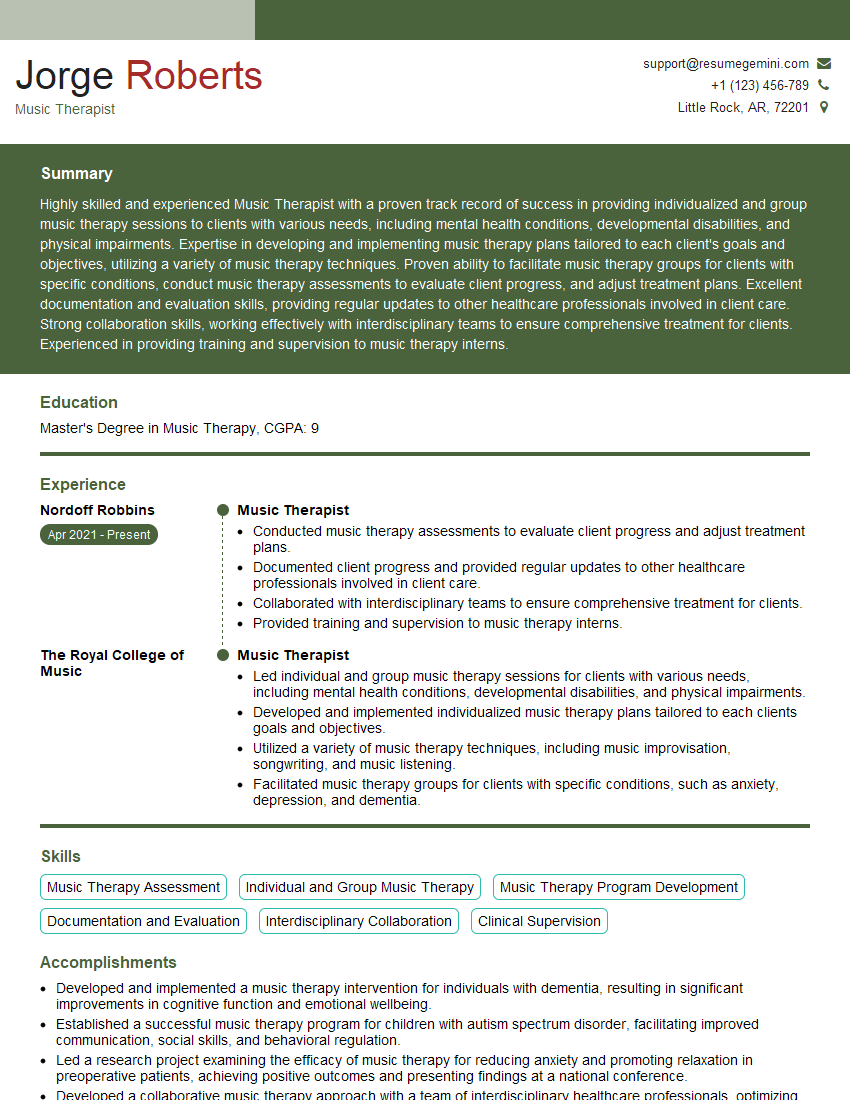
Music Therapist Resume Sample
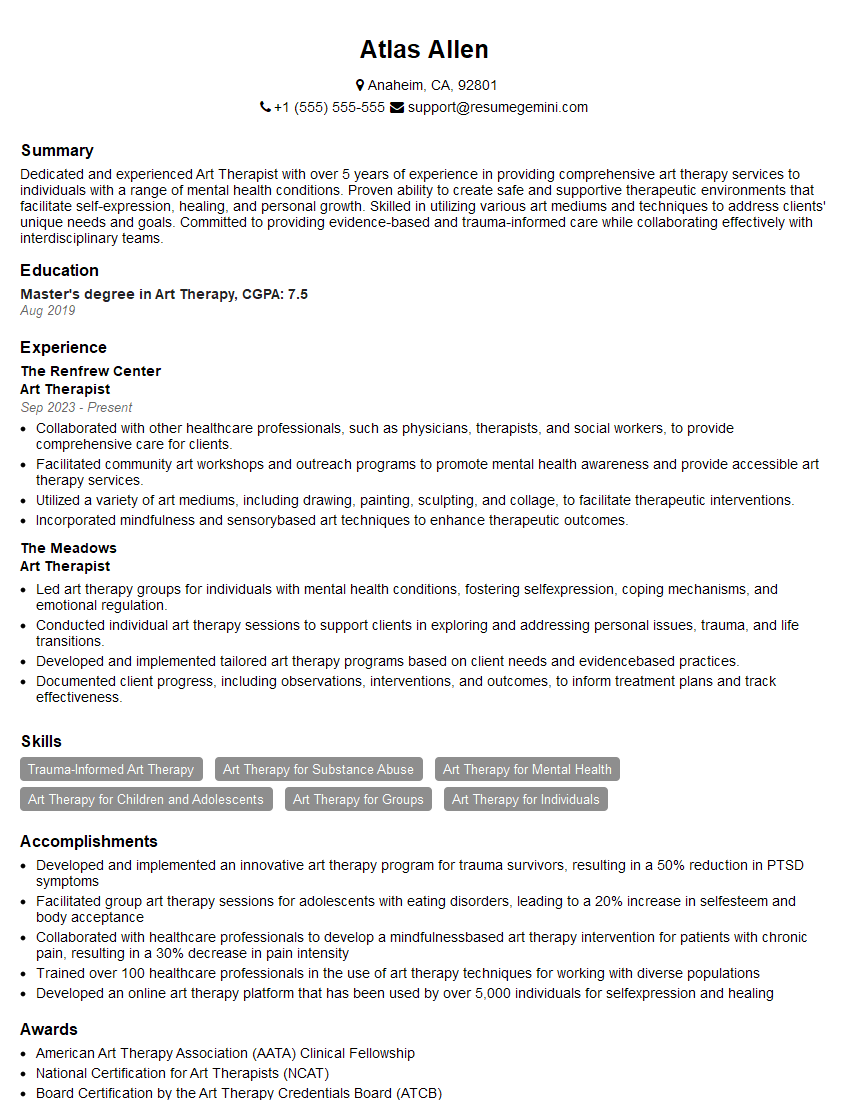
Art Therapist Resume Sample
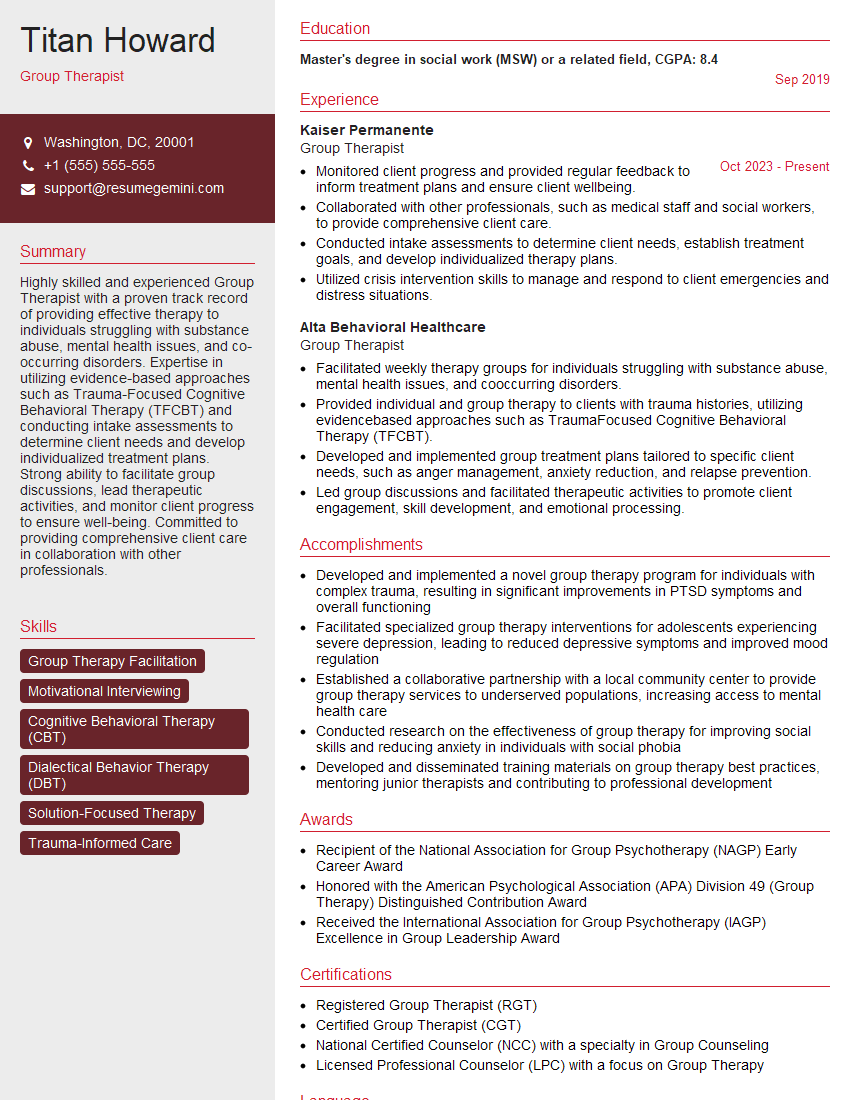
Group Therapist Resume Sample
- Counselor
- Clinical Psychologist
- Psychologist
- Behavioral Therapist
- Licensed Professional Counselor (LPC)
- Psychotherapist
- Therapist
- Addiction Therapist
- Family Therapist
- Licensed Marriage and Family Therapist (LMFT)
- Play Therapist
- Licensed Clinical Social Worker (LCSW)
- Music Therapist
- Art Therapist
- Group Therapist
Explore more articles
Users Rating of Our Blogs
Share Your Experience
We value your feedback! Please rate our content and share your thoughts (optional).
What Readers Say About Our Blog
To the interviewgemini.com Webmaster.
Very helpful and content specific questions to help prepare me for my interview!
Thank you
To the interviewgemini.com Webmaster.
This was kind of a unique content I found around the specialized skills. Very helpful questions and good detailed answers.
Very Helpful blog, thank you Interviewgemini team.