Interviews are more than just a Q&A session—they’re a chance to prove your worth. This blog dives into essential Psychotherapy with Children and Adolescents interview questions and expert tips to help you align your answers with what hiring managers are looking for. Start preparing to shine!
Questions Asked in Psychotherapy with Children and Adolescents Interview
Q 1. Describe your experience using evidence-based therapeutic approaches with children and adolescents.
My therapeutic approach with children and adolescents is firmly grounded in evidence-based practices. I regularly utilize Cognitive Behavioral Therapy (CBT), Dialectical Behavior Therapy (DBT) adapted for younger clients, and Play Therapy, tailoring my techniques to the individual’s age, developmental stage, and presenting issues. For instance, with an adolescent struggling with anxiety, I might employ CBT techniques like cognitive restructuring to challenge negative thought patterns and develop coping mechanisms. With a younger child experiencing emotional regulation difficulties, I would likely incorporate play therapy to process emotions in a safe and engaging way. My experience also includes utilizing Trauma-Focused Cognitive Behavioral Therapy (TF-CBT) for children who have experienced trauma, which I’ll discuss further in a later response.
The success of these approaches hinges on building a strong therapeutic alliance – a trusting relationship based on empathy and collaboration. I continuously monitor the effectiveness of my interventions and adjust my strategies as needed, ensuring the therapy remains relevant and beneficial for the child or adolescent.
Q 2. How do you assess the developmental stage of a child or adolescent during the initial assessment?
Assessing a child or adolescent’s developmental stage is crucial for tailoring effective interventions. I use a multifaceted approach that integrates several methods: observation, parent/guardian interviews, standardized assessments, and review of relevant records. Observation focuses on the child’s behavior, communication skills, and interaction style during the session. Interviews with parents/guardians provide valuable insights into the child’s developmental history, milestones achieved, and any potential challenges.
Standardized assessments, such as age-appropriate cognitive and developmental tests, help quantify certain aspects of development. Reviewing school records, medical history, and previous therapy notes can provide a comprehensive picture. I don’t rely on any single method but rather synthesize information from all sources to construct a holistic understanding of the child’s developmental trajectory and potential areas of concern. For example, a child’s language development compared to age-based norms, their social interaction style, and their emotional regulation abilities all contribute to the assessment of their developmental stage.
Q 3. Explain your approach to working with children who exhibit oppositional defiant disorder.
Working with children exhibiting Oppositional Defiant Disorder (ODD) requires a strategic and patient approach. My strategy focuses on building a collaborative relationship, teaching effective communication and problem-solving skills, and collaborating with parents/caregivers to create a consistent and supportive home environment. I employ techniques from CBT, focusing on identifying triggers for oppositional behaviors and developing alternative responses. This involves helping the child recognize the consequences of their actions and learn to express their feelings in more constructive ways.
Parent training is an integral part of this process. I work with parents to help them understand ODD and implement consistent discipline strategies that reinforce positive behaviors and minimize negative attention. Reward systems for positive behaviors, coupled with clear and consistent boundaries, often prove effective. The goal is not to ‘break’ the child’s will, but to equip them with the skills to regulate their emotions and behaviors appropriately. It’s important to remember that each child responds differently, making individualized treatment plans critical for success.
Q 4. What are the key differences in therapeutic approaches for children versus adolescents?
Therapeutic approaches differ significantly between children and adolescents due to their varying cognitive, emotional, and social developmental stages. With children, play therapy often forms a cornerstone of treatment. The use of toys, games, and creative activities provides a non-threatening medium to express emotions, process experiences, and work through conflicts. Language and communication skills in young children may still be developing, influencing how therapy is conducted.
Adolescents, on the other hand, benefit from more verbally-oriented therapies like CBT and DBT. Their increased cognitive abilities allow for deeper self-reflection and engagement in cognitive restructuring techniques. They are more capable of understanding abstract concepts and engaging in discussions around their thoughts, feelings, and behaviors. However, the adolescent’s desire for autonomy needs to be respected while navigating the therapeutic relationship. Collaboration and shared decision-making are crucial components of successful therapy with adolescents.
Q 5. How do you incorporate play therapy techniques into your sessions?
Play therapy is a powerful tool in my practice, offering a safe and engaging way for children to express themselves. The process involves observing the child’s play, providing a non-judgmental space, and interpreting the symbolic meanings within their play. For example, a child repeatedly building a tower and then knocking it down might be expressing feelings of frustration and powerlessness. The therapist helps the child explore these feelings through dialogue and supportive interactions, guiding them toward developing coping strategies.
I utilize various play therapy techniques, including art therapy, sand tray therapy, and dramatic play. These techniques allow children to access and process their emotions, experiences, and anxieties in ways that are developmentally appropriate and often less intimidating than direct verbal communication. The therapeutic relationship is crucial; it needs to be built on trust, empathy, and unconditional positive regard to facilitate the child’s self-expression and healing process.
Q 6. Describe your experience working with children who have experienced trauma.
Working with children who have experienced trauma requires a specialized and sensitive approach. My experience includes utilizing Trauma-Focused Cognitive Behavioral Therapy (TF-CBT), a well-researched and effective model that combines elements of CBT, play therapy, and family therapy. TF-CBT helps children understand, process, and manage the impact of trauma, focusing on building coping mechanisms and enhancing safety. It is paramount to ensure the child feels safe and empowered, establishing a strong therapeutic alliance founded on trust.
A key aspect of working with traumatized children is creating a safe and predictable therapeutic environment. This includes establishing clear boundaries and routines, while being mindful of the child’s sensory needs and potential triggers. Collaboration with parents or guardians is crucial, providing them with psychoeducation, coping strategies, and support. The pace of therapy is adjusted based on the child’s needs and progress. It’s a gradual process that involves careful desensitization, gradual exposure to trauma-related material (only when the child is ready), and the development of adaptive coping skills.
Q 7. How do you manage disruptive behaviors during therapy sessions?
Managing disruptive behaviors during therapy sessions requires proactive strategies and a calm, consistent approach. First, it’s important to understand the underlying reason for the disruptive behavior. This often involves exploring the child’s emotional state and assessing potential triggers. Is the behavior a manifestation of anxiety, frustration, or a need for attention? Once the underlying cause is understood, appropriate interventions can be implemented.
Strategies include redirecting the child’s attention to a more appropriate activity, taking short breaks if needed, using positive reinforcement to encourage appropriate behaviors, and collaboratively developing a plan with the child to address specific triggers and behaviors. It’s crucial to avoid punishment or shaming, as these can further escalate the situation and damage the therapeutic relationship. The goal is to maintain a therapeutic environment while helping the child develop self-regulation skills. If behaviors become severely disruptive, it might be necessary to involve parents/guardians or collaborate with other professionals to develop a comprehensive support plan.
Q 8. How do you establish rapport with children and adolescents from diverse backgrounds?
Building rapport with children and adolescents from diverse backgrounds requires cultural sensitivity and humility. It’s about understanding that each child brings their unique experiences, values, and communication styles to therapy. I begin by actively listening, observing their nonverbal cues, and adapting my communication style to match theirs.
For example, I might adjust my language to be more age-appropriate, or use metaphors and analogies relevant to their cultural background. I avoid making assumptions about their family structure, beliefs, or experiences. Instead, I ask open-ended questions to understand their perspectives. With adolescents, I might engage in more informal conversations to build trust and comfort. I ensure the therapy environment feels safe and inclusive, free from judgment. I might incorporate elements of their culture into our sessions, if appropriate and with their consent. This could be acknowledging a significant cultural holiday or using culturally relevant examples in our discussions.
A key part of building rapport is demonstrating genuine care and respect. This means validating their feelings, respecting their autonomy, and empowering them to be active participants in their therapy.
Q 9. What ethical considerations are paramount when working with minors?
Ethical considerations when working with minors are paramount. The core principles are confidentiality, informed consent, and the child’s best interests. Confidentiality is crucial, however, it’s not absolute; I’m mandated to report suspected abuse or neglect to the relevant authorities. This is a legal and ethical obligation. I explain this to the child and their parents/guardians in clear, age-appropriate terms. Informed consent means obtaining permission from both the minor and their parents/guardians for treatment, ensuring they understand the process, the risks and benefits, and their rights.
It’s crucial to consider the child’s developmental stage when seeking consent. With younger children, consent might be more implicit, based on their engagement and willingness to participate. For adolescents, gaining their independent consent is important, while maintaining open communication with parents remains essential. Always prioritizing the child’s best interests guides ethical decision-making. This might involve advocating for their needs, setting healthy boundaries, and collaborating with other professionals (e.g., teachers, doctors) when necessary to support the child’s well-being.
Q 10. Describe a time you had to adapt your therapeutic approach to meet the specific needs of a client.
I once worked with a teenager who was diagnosed with selective mutism. Initially, traditional talk therapy was ineffective. He wouldn’t speak during our sessions. I realized I needed to adapt my approach. Instead of focusing solely on verbal communication, I incorporated play therapy techniques, using art, sand trays, and puppets as non-threatening mediums for him to express himself.
Gradually, I introduced writing prompts and started drawing alongside him. This created a safe and less pressured environment. Over time, he started whispering, then using single words, and eventually, he began to engage in more open conversations. This experience highlighted the importance of being flexible and creative in tailoring therapeutic interventions to individual client needs. The key was recognizing that his silence wasn’t a resistance to therapy but a manifestation of his anxiety. By adapting my techniques, I met him where he was and gradually helped him feel safe enough to communicate.
Q 11. How do you involve parents or guardians in the therapeutic process?
Involving parents or guardians is crucial, but the approach depends on the child’s age and the therapeutic relationship. I strive for collaboration, rather than simply informing them. With younger children, parental involvement is often more extensive, including regular meetings to discuss progress, strategies for supporting the child at home, and coordinating care with other professionals.
With adolescents, the level of parental involvement is negotiated, respecting the adolescent’s need for autonomy and confidentiality. I explain to both the adolescent and the parents the importance of respecting their privacy while ensuring the child’s safety and well-being. I might encourage family sessions to address systemic issues impacting the child, but always prioritize obtaining informed consent from all parties involved. Open communication, respecting boundaries, and a collaborative spirit are essential for successful parental involvement.
Q 12. Explain your understanding of child development and its relevance to psychotherapy.
Understanding child development is fundamental to effective psychotherapy. Different developmental stages present unique challenges and opportunities. For example, a preschooler’s emotional regulation might be different from that of a teenager. Knowing the typical developmental milestones helps me identify delays or deviations that could indicate underlying issues. This informs my assessment and the selection of appropriate interventions.
For instance, understanding the cognitive capabilities of a child influences how I explain therapeutic concepts and techniques. Similarly, knowledge of social and emotional development allows me to better understand the context of a child’s behaviors and the impact of their relationships. I use established developmental frameworks (like Piaget’s stages of cognitive development or Erikson’s stages of psychosocial development) to guide my understanding of the child’s current developmental stage and any potential areas of concern. This ensures my therapeutic interventions are age-appropriate and effective in promoting healthy development.
Q 13. What are your preferred methods for documenting clinical notes and progress?
I maintain detailed, accurate, and timely clinical notes, adhering to all relevant legal and ethical guidelines. I use a structured format, including the date, client’s identifying information (using codes to protect their privacy), session details (topics discussed, interventions used), observations about the client’s behavior and emotional state, and treatment plans.
Progress is documented regularly, outlining goals, measured progress towards goals, and any adjustments to the treatment plan. I use an electronic health record (EHR) system that ensures data security and confidentiality. My notes are objective, avoiding subjective opinions or personal interpretations, instead focusing on observable behaviors and client’s self-reported experiences. Regular review of these notes allows me to monitor progress, adapt my interventions, and ensure the highest level of care for my clients.
Q 14. How do you handle confidentiality concerns when working with minors?
Confidentiality with minors is complex, balancing the child’s right to privacy with the need to protect them from harm. I explain the limits of confidentiality upfront, emphasizing that I am legally obligated to report instances of suspected abuse, neglect, or self-harm. I clarify that this doesn’t mean I’ll share every detail of our sessions with their parents, but that certain information needs to be shared to ensure their safety.
I discuss this with both the child and their parents/guardians, ensuring they understand the ethical and legal parameters. In cases where there are concerns about disclosure, I carefully weigh the potential risks and benefits, always prioritizing the child’s best interests. Open communication, clear explanations, and establishing trust are crucial in managing confidentiality concerns. It’s important to remember that the goal is to create a safe space for the child to disclose while also fulfilling my ethical and legal responsibilities.
Q 15. Describe your experience with different assessment tools used in child and adolescent psychotherapy.
Assessment in child and adolescent psychotherapy is crucial for understanding a young person’s challenges and tailoring effective interventions. I utilize a multi-method approach, combining standardized measures with clinical interviews and observations. This ensures a comprehensive picture, avoiding reliance on any single tool.
Standardized Measures: I use a variety of age-appropriate questionnaires and tests. For instance, the
Child Behavior Checklist (CBCL)provides a detailed profile of behavioral problems, while theBeck Depression Inventory for Youth (BDI-Y)assesses depressive symptoms. Other tools might include measures of anxiety, ADHD, or specific trauma-related symptoms depending on the presenting concerns. These provide quantitative data to track progress objectively.Clinical Interviews: Structured and unstructured interviews are essential. Structured interviews follow a predetermined format, ensuring consistent assessment across clients, while unstructured interviews allow for more flexibility and exploration of the child or adolescent’s unique experience. I adapt my communication style to the child’s developmental level, using play therapy techniques with younger children and more direct conversation with adolescents.
Observations: Observing the child’s interactions with parents, siblings, or peers provides invaluable contextual information. This can include observing play sessions, family interactions, or even classroom behavior (with parental consent and appropriate permissions). These observations help me understand the child’s interpersonal dynamics and behavior in real-world settings.
For example, a child presenting with disruptive behaviors at school might be assessed using the CBCL, an interview with both parents and the child, and observations during play therapy to identify underlying emotional issues.
Career Expert Tips:
- Ace those interviews! Prepare effectively by reviewing the Top 50 Most Common Interview Questions on ResumeGemini.
- Navigate your job search with confidence! Explore a wide range of Career Tips on ResumeGemini. Learn about common challenges and recommendations to overcome them.
- Craft the perfect resume! Master the Art of Resume Writing with ResumeGemini’s guide. Showcase your unique qualifications and achievements effectively.
- Don’t miss out on holiday savings! Build your dream resume with ResumeGemini’s ATS optimized templates.
Q 16. How do you manage cases involving suspected child abuse or neglect?
Suspected child abuse or neglect requires immediate and careful action. My first priority is the child’s safety. I am a mandated reporter, meaning I am legally obligated to report any suspicion of abuse or neglect to the appropriate child protective services agency. This reporting is done confidentially and ethically, adhering to all legal requirements and regulations.
Following the report, I collaborate closely with the child protective services agency and other professionals, such as physicians and law enforcement, as needed. My role may involve providing therapeutic support to the child and family, participating in court proceedings (if necessary and legally permissible), or providing expert testimony. However, I understand the limitations of my role and prioritize the guidance of the child protection system in such sensitive cases. Ethical considerations and upholding the child’s best interests guide every decision.
It’s crucial to create a safe and trusting therapeutic environment, even while navigating the complexities of the legal process. The child’s emotional needs must be prioritized throughout the investigation and subsequent steps. Building rapport and trust is essential for providing effective support during this stressful time.
Q 17. How do you determine the appropriate treatment goals for a child or adolescent?
Establishing appropriate treatment goals is a collaborative process involving the child, their family (with parental consent), and myself. It’s crucial to consider the child’s developmental stage, their strengths and resilience, and their specific challenges. The goals need to be measurable, achievable, and relevant to the child’s life.
We start by collaboratively identifying the primary concerns. For instance, a child might present with anxiety related to school performance, impacting their academic progress and social life. We then work together to set SMART goals – Specific, Measurable, Achievable, Relevant, and Time-bound. For our anxiety example, a SMART goal might be: ‘Reduce avoidance of school-related tasks by 50% within the next 8 weeks, as measured by parent and self-report’. This goal is specific, measurable through data collection, achievable with appropriate intervention, relevant to the child’s life, and has a clear timeframe.
The treatment plan is regularly reviewed and adapted as needed, reflecting the child’s progress and any changes in their circumstances. This ensures the therapeutic approach remains relevant and effective throughout the treatment process.
Q 18. How do you measure the effectiveness of your therapeutic interventions?
Measuring the effectiveness of therapeutic interventions is crucial for ensuring treatment quality and accountability. I use a multifaceted approach combining quantitative and qualitative data.
Quantitative Data: This includes pre- and post-treatment scores on standardized assessments, such as the CBCL or BDI-Y, mentioned earlier. Tracking these scores helps demonstrate changes in symptoms over time. Other quantitative data might include attendance rates and session ratings from the child or family.
Qualitative Data: This is gathered through regular clinical observations, feedback from the child and their family, and clinical notes detailing progress and challenges. Qualitative data provides rich contextual information that complements the quantitative data, providing a more complete understanding of treatment effectiveness. For instance, observing a child’s increased confidence during play therapy provides important information beyond a mere score on an assessment.
Regular monitoring of this data allows me to adjust the treatment plan as needed, ensuring it remains effective and responsive to the child’s changing needs. This continuous feedback loop is essential for providing the best possible care.
Q 19. Describe your experience with crisis intervention in a child or adolescent setting.
Crisis intervention with children and adolescents demands immediate action and a calm, supportive approach. My primary goal is to stabilize the situation and ensure the child’s safety. This often involves assessing the immediate risks, providing immediate emotional support, and connecting them with necessary resources. The approach is highly individualized, depending on the nature of the crisis.
Examples of crisis situations: suicidal ideation, self-harm, severe anxiety attacks, acute trauma responses, or family emergencies. In these instances, my initial actions involve ensuring the child feels safe and heard. I use active listening, validation of their feelings, and grounding techniques to help them manage intense emotions. If there’s an immediate danger of harm to themselves or others, appropriate safety measures are implemented, which could include contacting emergency services or hospitalization.
Following the acute phase, the focus shifts to stabilization and developing coping mechanisms. This might involve working with the family, school personnel, or other professionals to create a supportive environment and address any underlying issues that contributed to the crisis. Collaboration is paramount in crisis intervention, ensuring a coordinated and effective response.
Q 20. What are your strategies for addressing anxiety and depression in young clients?
Anxiety and depression in young clients require a tailored approach considering their developmental stage and unique circumstances. I use a combination of evidence-based therapeutic techniques.
Cognitive Behavioral Therapy (CBT): CBT is highly effective in addressing anxiety and depression. It helps children and adolescents identify and challenge negative thought patterns and develop more adaptive coping strategies. This involves teaching relaxation techniques, problem-solving skills, and behavioral experiments to challenge fears and anxieties.
Play Therapy: With younger children, play therapy provides a non-threatening way to explore their emotions and experiences. Through play, children can express themselves symbolically, process traumatic events, and develop coping mechanisms.
Family Therapy: Family involvement is often crucial. Family therapy addresses family dynamics that might be contributing to the child’s anxiety or depression. Improving family communication and support can significantly enhance treatment outcomes.
Medication Management: In some cases, medication may be necessary, and I would coordinate with a psychiatrist or physician to develop an appropriate medication plan.
For example, a teenager experiencing social anxiety might benefit from CBT techniques to challenge negative self-talk, relaxation exercises to manage anxiety symptoms, and potential exposure therapy to gradually confront social situations. The treatment plan would be tailored to this individual’s needs and regularly reviewed to ensure its effectiveness.
Q 21. How do you collaborate with other professionals, such as teachers or physicians?
Collaboration with other professionals is essential for providing comprehensive care to children and adolescents. This involves regular communication and coordination with relevant stakeholders.
Teachers: I maintain regular communication with teachers to gain insights into the child’s classroom behavior, academic performance, and social interactions. This helps me understand the child’s challenges within a broader context. I also work collaboratively with teachers to implement strategies to support the child’s learning and well-being within the school environment.
Physicians: Collaboration with physicians is crucial, particularly when addressing physical health issues that might be related to the child’s mental health, or when medication is involved. I would coordinate with the physician to ensure a comprehensive and integrated approach to care.
Other Professionals: Depending on the child’s needs, I might collaborate with other professionals such as school counselors, social workers, or specialists in areas like neuropsychology or occupational therapy. A multidisciplinary approach enhances the support offered to the child and their family.
Open communication, shared information, and mutual respect are key to successful collaborations. I utilize HIPAA compliant methods to ensure confidentiality and ethical practice while effectively sharing information that is pertinent to the child’s well-being.
Q 22. Explain your understanding of attachment theory and its implications for therapy.
Attachment theory, pioneered by John Bowlby and Mary Ainsworth, posits that early childhood experiences with primary caregivers profoundly shape an individual’s ability to form secure relationships throughout life. Secure attachment, fostered by consistent, responsive caregiving, leads to a sense of safety and trust, enabling children to explore their world confidently. Conversely, insecure attachments – avoidant, anxious-ambivalent, or disorganized – stem from inconsistent, neglectful, or abusive caregiving, impacting emotional regulation, social skills, and self-esteem.
In therapy, understanding attachment styles is crucial. For instance, a child with an anxious-avoidant attachment might exhibit withdrawal and difficulty expressing emotions, requiring a therapeutic approach that emphasizes building trust and validating their feelings gradually. Conversely, a child with an anxious-ambivalent attachment might be clingy and demanding, needing help regulating their emotions and learning healthy coping mechanisms for separation anxiety. By understanding the child’s attachment history, we can tailor interventions to address the root of their emotional difficulties.
Q 23. Describe your experience with specific therapeutic modalities, such as CBT or DBT, in a child or adolescent context.
I have extensive experience utilizing Cognitive Behavioral Therapy (CBT) and Dialectical Behavior Therapy (DBT) with children and adolescents. CBT focuses on identifying and modifying negative thought patterns and maladaptive behaviors. With children, this often involves playful activities, role-playing, and age-appropriate cognitive restructuring techniques. For example, a child struggling with social anxiety might learn to challenge negative thoughts like “Everyone will laugh at me” through gradual exposure and positive self-talk.
DBT, particularly useful for adolescents struggling with intense emotions and self-harm, emphasizes mindfulness, distress tolerance, emotion regulation, and interpersonal effectiveness. I’ve worked with teenagers experiencing emotional dysregulation, helping them identify triggers, develop coping skills (like deep breathing or progressive muscle relaxation), and improve communication skills to navigate challenging relationships. The emphasis is always on validation and collaboration, creating a safe space for them to explore their experiences without judgment.
Q 24. How do you maintain your own mental health and well-being while working with vulnerable populations?
Maintaining my own well-being is paramount in this field. Working with vulnerable populations can be emotionally draining, and burnout is a real risk. My self-care strategies include regular supervision with a qualified colleague, where I process challenging cases and receive support. I also prioritize self-reflection through journaling and mindfulness practices to manage stress and prevent emotional exhaustion. Maintaining a healthy work-life balance, including regular exercise, adequate sleep, and pursuing hobbies outside of work, are equally essential. It’s about actively nurturing my own mental health so that I can effectively support my clients.
Q 25. What are the legal and ethical implications of prescribing medication to minors?
As a therapist, I do not prescribe medication. That is the purview of a psychiatrist or physician. However, understanding the legal and ethical implications of medication for minors is critical for collaboration with prescribing professionals. Legally, parental consent is generally required for medication administration, unless there are exceptional circumstances like emancipated minors or situations of immediate danger. Ethically, it is crucial to prioritize the child’s best interests, engaging in open communication with parents and the prescribing physician to ensure informed consent and ongoing monitoring of the medication’s effectiveness and side effects. Thorough documentation of all discussions and decisions is essential to maintain ethical and legal compliance.
Q 26. Describe your experience working with children who have learning disabilities or ADHD.
I have considerable experience working with children with learning disabilities and ADHD. My approach is collaborative and individualized. For children with learning disabilities, I often work closely with educators and other specialists to develop strategies that support their academic success while addressing any associated emotional or behavioral challenges. This might involve helping the child build self-esteem, manage frustration related to academic struggles, or develop coping mechanisms for social situations.
With ADHD, I focus on behavioral strategies, such as teaching organizational skills, impulse control techniques, and emotional regulation strategies. In addition to individual therapy, I often incorporate parent training and family therapy to create a consistent and supportive home environment. It’s crucial to remember that every child is unique, requiring tailored interventions that address their specific needs and strengths.
Q 27. What strategies do you use to build resilience in children and adolescents?
Building resilience involves empowering children and adolescents to navigate challenges effectively. My strategies include fostering a sense of self-efficacy, helping them believe in their ability to overcome obstacles. We work on identifying their strengths and building on them. Teaching problem-solving skills, encouraging positive self-talk, and helping them develop healthy coping mechanisms are also vital. Building strong social connections and support networks is equally important, as feeling connected and loved is crucial for resilience. Ultimately, the goal is to equip them with the tools they need to face adversity with confidence and hope.
Q 28. How do you handle situations where a child or adolescent expresses suicidal ideation?
Suicidal ideation in children and adolescents is a serious concern requiring immediate action. My first priority is to ensure their safety. I would directly assess the risk level, inquiring about specific plans, means, and intent. If there is an immediate risk of self-harm, I would initiate steps to ensure their safety, which may include contacting emergency services or hospitalizing the child.
Once the immediate danger is addressed, I would engage in thorough assessment, exploring the underlying reasons for their suicidal thoughts. This may involve working with the family, school, and other relevant professionals to create a comprehensive support plan. Therapy would focus on developing coping skills, improving emotional regulation, and building a stronger support system. Ongoing monitoring and follow-up care are crucial in these situations.
Key Topics to Learn for Psychotherapy with Children and Adolescents Interview
- Developmental Stages and Psychopathology: Understanding the unique developmental challenges and common mental health disorders affecting children and adolescents (e.g., anxiety, depression, trauma, ADHD). Consider the differences in presentation across age groups.
- Therapeutic Approaches: Familiarize yourself with various therapeutic modalities, including play therapy, cognitive behavioral therapy (CBT) for children and adolescents, family systems therapy, and trauma-informed care. Be prepared to discuss your preferred approach and its rationale.
- Ethical and Legal Considerations: Mastering ethical guidelines specific to working with minors, including confidentiality, mandated reporting, and parental involvement. Understand relevant legislation and regulations.
- Assessment and Diagnosis: Gain proficiency in conducting comprehensive assessments using standardized tools and clinical interviews to accurately diagnose and formulate treatment plans for young clients. Practice describing your assessment process.
- Case Management and Collaboration: Understand the importance of collaboration with parents, schools, and other professionals involved in a child’s life. Practice describing your approach to building a strong support network.
- Crisis Intervention and Safety Planning: Develop skills in recognizing and responding to crises, including self-harm and suicidal ideation. Be ready to discuss your strategies for ensuring client safety.
- Cultural Competence and Diversity: Demonstrate an understanding of the impact of culture, ethnicity, and socioeconomic factors on mental health in children and adolescents. Highlight your commitment to culturally sensitive practice.
Next Steps
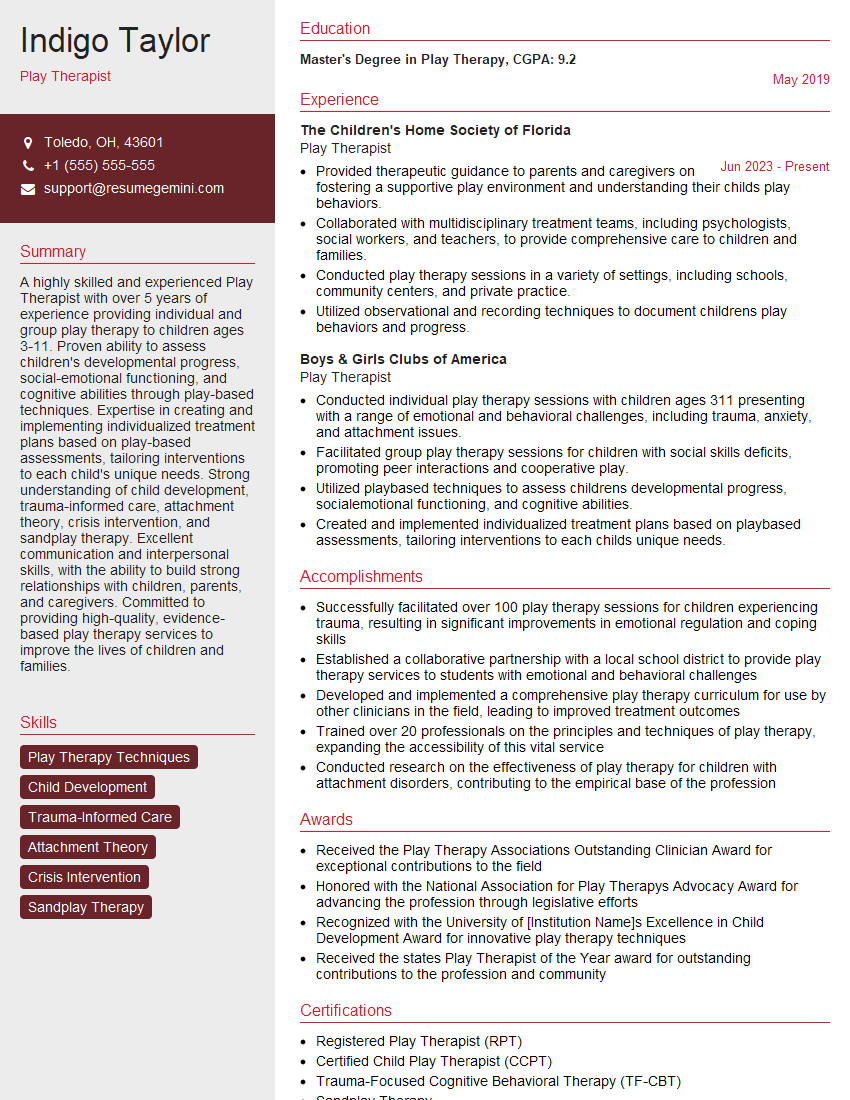
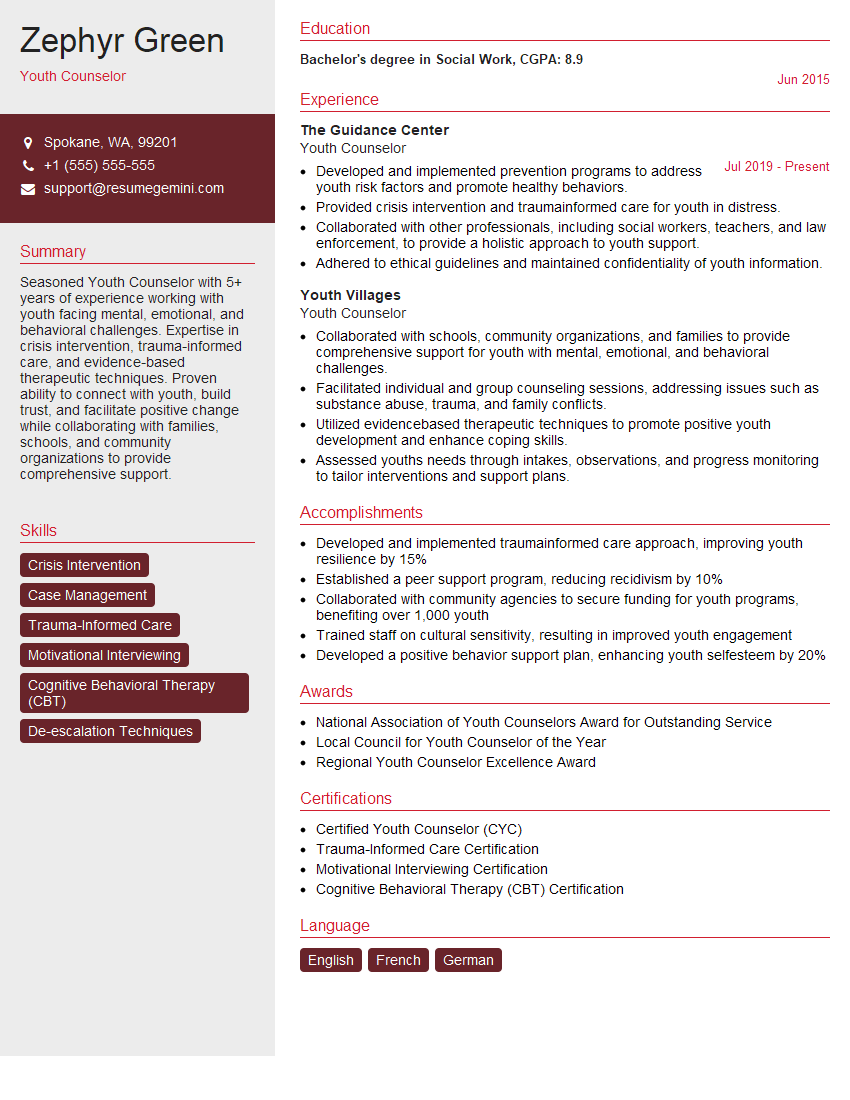
Mastering Psychotherapy with Children and Adolescents opens doors to a fulfilling and impactful career, allowing you to make a significant difference in the lives of young people. A strong resume is crucial for showcasing your skills and experience to potential employers. Creating an ATS-friendly resume increases your chances of getting noticed and invited for interviews. We highly recommend using ResumeGemini to build a professional and impactful resume that highlights your unique qualifications. ResumeGemini provides examples of resumes tailored specifically to Psychotherapy with Children and Adolescents, ensuring your application stands out.

Explore more articles
Users Rating of Our Blogs
Share Your Experience
We value your feedback! Please rate our content and share your thoughts (optional).
What Readers Say About Our Blog
To the interviewgemini.com Webmaster.
Very helpful and content specific questions to help prepare me for my interview!
Thank you
To the interviewgemini.com Webmaster.
This was kind of a unique content I found around the specialized skills. Very helpful questions and good detailed answers.
Very Helpful blog, thank you Interviewgemini team.