The right preparation can turn an interview into an opportunity to showcase your expertise. This guide to Pulmonary Artery Surgery interview questions is your ultimate resource, providing key insights and tips to help you ace your responses and stand out as a top candidate.
Questions Asked in Pulmonary Artery Surgery Interview
Q 1. Describe the surgical approach for repair of a pulmonary artery aneurysm.
Surgical repair of a pulmonary artery aneurysm depends heavily on the aneurysm’s location, size, and the patient’s overall health. The goal is to excise the aneurysmal portion of the artery and reconstruct it to restore normal blood flow. This often involves a sternotomy (opening the chest through the breastbone), providing excellent exposure to the great vessels.
Techniques may include:
- Resection and primary anastomosis: If the aneurysm is relatively small and the surrounding pulmonary artery is healthy, the surgeon may directly remove the aneurysmal segment and sew the healthy ends back together (anastomosis).
- Patch angioplasty: A patch of synthetic material or pericardium (tissue from the heart sac) is sewn onto the aneurysm to reinforce the weakened arterial wall.
- Interposition graft: A segment of a prosthetic material (like Dacron or PTFE) or a harvested vein is used to replace the aneurysmal portion of the pulmonary artery, acting as a bridge between the healthy segments.
The choice of technique is dictated by the specific circumstances and is a critical decision made intraoperatively.
Example: A patient with a small aneurysm in the right pulmonary artery might be a suitable candidate for resection and primary anastomosis, while a larger, more complex aneurysm might necessitate an interposition graft using a prosthetic material.
Q 2. Explain the different types of pulmonary artery stents and their applications.
Pulmonary artery stents are minimally invasive devices used to treat pulmonary artery stenosis (narrowing) or other obstructions. Different types exist, each with specific applications:
- Self-expanding stents: These stents expand upon deployment and conform to the vessel’s shape. They are often made of nitinol, a shape-memory alloy. Their flexibility makes them suitable for tortuous (curved) vessels.
- Balloon-expandable stents: These require inflation of a balloon to expand the stent to the desired diameter. They provide precise sizing and expansion but may be less flexible than self-expanding stents.
- Covered stents: These stents have a fabric covering that prevents blood from leaking into the surrounding tissue, especially important when dealing with vessel perforations or pseudoaneurysms (false aneurysms).
Applications:
- Pulmonary artery stenosis: Congenital or acquired narrowing of the pulmonary artery can be treated by stent placement to improve blood flow to the lungs.
- Pulmonary artery branch occlusion: A covered stent can be used to exclude a branch of the pulmonary artery that is occluded (blocked) to prevent further complications.
- Post-surgical complications: Stents can be placed to manage complications after pulmonary artery surgery, such as stenosis at the anastomotic site.
Example: A child born with pulmonary valve stenosis might benefit from a balloon-expandable stent to dilate the narrowed valve. An adult with a post-surgical stenosis might receive a self-expanding stent.
Q 3. What are the common complications associated with pulmonary artery surgery?
Pulmonary artery surgery, like any major procedure, carries risks. Common complications include:
- Bleeding: Postoperative bleeding can be significant and life-threatening, requiring interventions like re-exploration.
- Infection: Surgical site infections (SSIs) and mediastinitis (infection of the mediastinum, the space between the lungs) are serious possibilities.
- Arrhythmias: Heart rhythm disturbances can occur due to manipulation of the heart and great vessels during surgery.
- Stroke: Embolic events (blood clots traveling to the brain) can be a risk, especially with procedures involving manipulation of the pulmonary artery.
- Respiratory complications: Pneumonia and respiratory failure can occur, particularly in patients with pre-existing lung disease.
- Renal failure: Compromised renal function can result from low blood pressure or the use of nephrotoxic medications.
- Thrombosis: Formation of blood clots in the legs (deep vein thrombosis) or lungs (pulmonary embolism) is a possibility.
Risk mitigation: Careful patient selection, meticulous surgical technique, and rigorous postoperative monitoring are crucial to minimize these complications.
Q 4. How do you manage post-operative bleeding in pulmonary artery surgery?
Management of postoperative bleeding in pulmonary artery surgery is a critical aspect of patient care. Immediate actions include:
- Hemodynamic support: Maintaining blood pressure and oxygenation through intravenous fluids and blood transfusions.
- Surgical exploration: If bleeding is significant and uncontrolled, the patient will require re-exploration of the surgical site to identify and control the bleeding source.
- Embolization: Interventional radiology techniques, such as embolization (blocking the bleeding vessel with coils or other agents), may be utilized to stop bleeding without re-opening the chest.
- Thrombin-soaked sponges: Placement of these hemostatic agents directly onto the bleeding site can aid in clot formation.
Prophylactic measures: Preoperative assessment of the patient’s coagulation profile and judicious use of anticoagulants are crucial to minimize the risk of excessive bleeding. Postoperatively, close monitoring of vital signs, including heart rate, blood pressure, and urine output, are essential.
Q 5. Describe the role of imaging (CT, MRI) in pre-operative planning for pulmonary artery surgery.
Imaging plays a crucial role in pre-operative planning for pulmonary artery surgery. CT scans and MRIs provide detailed anatomical information, allowing surgeons to:
- Assess the anatomy: High-resolution CT angiography is particularly useful in visualizing the pulmonary arteries, aneurysms, and their relationship to surrounding structures.
- Measure the size and extent of lesions: Accurate measurements are essential for selecting the appropriate surgical approach and for planning the necessary graft material.
- Identify potential complications: Imaging can reveal associated abnormalities such as congenital heart defects, which might influence the surgical strategy.
- Evaluate the suitability for less invasive procedures: For example, imaging can help determine if a stent placement might be a viable alternative to open surgery.
Example: A CT angiogram may demonstrate a large aneurysm in the left pulmonary artery, requiring the surgeon to plan for an interposition graft and potentially a longer procedure than would be needed for a smaller aneurysm.
Q 6. What are the indications for pulmonary thromboendarterectomy?
Pulmonary thromboendarterectomy (PTE) is a complex procedure to remove thrombi (blood clots) and atherosclerotic plaques from the pulmonary arteries. The primary indication is chronic thromboembolic pulmonary hypertension (CTEPH), a condition where blood clots in the pulmonary arteries cause high blood pressure in the lungs. PTE is typically considered when:
- Patients have symptomatic CTEPH: This includes shortness of breath, chest pain, and fatigue, significantly impacting quality of life.
- Medical therapy has failed to provide adequate improvement: PTE is a last resort, considered only after other treatments like anticoagulation have been ineffective.
- The patient is considered a suitable candidate for the surgery: This involves careful assessment of their overall health and cardiovascular function.
In essence, PTE is a life-saving intervention for patients with severe CTEPH that is unresponsive to medical management.
Q 7. How do you assess the suitability of a patient for pulmonary artery reconstruction?
Assessing a patient’s suitability for pulmonary artery reconstruction involves a comprehensive evaluation considering various factors:
- Severity of the pulmonary artery disease: The size and location of the aneurysm or stenosis, and the extent of any associated lung disease, are critically important.
- Cardiac function: The patient’s heart must be strong enough to tolerate the stress of surgery. Echocardiography and cardiac catheterization are often used to assess this.
- Pulmonary function: Assessment of lung function (through pulmonary function tests) determines the patient’s ability to recover from surgery.
- Overall health status: The patient’s age, other medical conditions (such as diabetes or kidney disease), and nutritional status all play a role in determining surgical risk.
- Surgical risk assessment: A multidisciplinary team will evaluate the patient’s risks and benefits of surgery using various scoring systems.
Example: An elderly patient with severe underlying heart and lung disease might be deemed unsuitable for a complex pulmonary artery reconstruction, whereas a younger, healthier patient with a localized aneurysm might be an ideal candidate.
Q 8. What are the key differences between open and minimally invasive approaches to pulmonary artery surgery?
The choice between open and minimally invasive approaches to pulmonary artery surgery hinges on several factors, primarily the complexity of the case and the patient’s overall health. Open surgery, also known as thoracotomy, involves a larger incision in the chest, providing direct and extensive access to the pulmonary arteries. This allows for more complex reconstructions and repairs, particularly in cases of significant abnormalities or extensive disease.
Minimally invasive approaches, such as video-assisted thoracoscopic surgery (VATS), use smaller incisions and specialized instruments to perform the surgery. They offer advantages like reduced pain, shorter hospital stays, and less scarring. However, VATS is better suited for less complex procedures. Imagine it like this: open surgery is like a major overhaul of a car engine – you can fix everything – whereas minimally invasive surgery is more akin to a precise repair of a specific component.
The decision of which approach to use is made on a case-by-case basis, considering factors like the patient’s age, overall health, the nature and extent of the pulmonary artery disease, and the surgeon’s experience with both techniques. Patients with significant comorbidities or those who are older and frail might be better candidates for minimally invasive approaches, while those with more complex lesions may require open surgery.
Q 9. Describe your experience with managing patients with pulmonary hypertension.
Managing patients with pulmonary hypertension (PH) requires a multidisciplinary approach. My experience involves careful assessment of the patient’s symptoms, thorough physical examination, and advanced imaging techniques like echocardiography and cardiac catheterization to determine the severity and type of PH. This is crucial because the underlying causes of PH are diverse and range from congenital heart defects to chronic lung diseases and autoimmune disorders.
Treatment strategies are individualized based on the underlying cause and the severity of the disease. They can range from medical management with medications such as pulmonary vasodilators and anticoagulants to more interventional procedures, like balloon pulmonary angioplasty or surgical intervention for specific conditions, such as repair of congenital abnormalities. I work closely with cardiologists, pulmonologists, and other specialists to provide optimal care. For example, I recently managed a patient with severe PH secondary to chronic thromboembolic disease, and we collaboratively devised a treatment plan involving anticoagulation, pulmonary thrombectomy, and long-term follow-up.
Regular monitoring of symptoms, lung function, and right-heart pressures is essential for effective management. Early diagnosis and aggressive management are critical in improving patient outcomes.
Q 10. Explain the pathophysiology of pulmonary artery stenosis.
Pulmonary artery stenosis refers to a narrowing of one or more of the pulmonary arteries, the blood vessels that carry blood from the heart to the lungs. This narrowing impedes blood flow, increasing pressure in the right side of the heart and potentially leading to right heart failure. The pathophysiology is complex and can involve several factors:
- Congenital causes: Many cases stem from birth defects affecting the development of the pulmonary arteries, such as pulmonary valve stenosis or abnormalities in the pulmonary artery branches.
- Acquired causes: Stenosis can also develop later in life due to conditions like pulmonary embolism (blood clot), inflammation (vasculitis), or scarring from previous surgery or infections.
- Idiopathic causes: In some cases, the cause remains unknown, termed idiopathic pulmonary artery stenosis.
The narrowing itself leads to increased resistance to blood flow, causing the right ventricle to work harder to pump blood into the lungs. This increased workload can eventually lead to right ventricular hypertrophy (thickening) and right heart failure, a serious condition that can be life-threatening.
Q 11. How do you diagnose and manage a pulmonary arteriovenous malformation?
A pulmonary arteriovenous malformation (PAVM) is an abnormal connection between the pulmonary arteries and veins, bypassing the capillary bed in the lungs. Diagnosis typically involves a high index of suspicion based on the patient’s symptoms and findings from physical examination, followed by imaging studies. Chest X-rays might show abnormal shadows, but computed tomography (CT) angiography is usually the gold standard for definitive diagnosis, as it clearly visualizes the abnormal connection.
Management of PAVMs depends on their size, location, and the presence of symptoms. Small, asymptomatic PAVMs might be monitored closely with periodic imaging. Larger PAVMs, particularly those causing symptoms like shortness of breath, hemoptysis (coughing up blood), or paradoxical embolism (a blood clot traveling from the venous system to the arterial circulation), usually require intervention. Treatment options include:
- Embolization: This minimally invasive procedure involves using catheters to deliver coils or other materials to block the abnormal connection, effectively closing off the PAVM.
- Surgery: In selected cases, surgical resection might be necessary, particularly for large or complex PAVMs. This involves directly removing the affected portion of the lung.
The choice of treatment strategy is determined on a case-by-case basis, with careful consideration of the risk-benefit profile for each patient.
Q 12. Describe the different types of pulmonary artery reconstruction techniques.
Pulmonary artery reconstruction techniques vary depending on the nature and extent of the defect. The goal is to restore normal blood flow and reduce pressure in the right ventricle. Common techniques include:
- Patch angioplasty: This involves sewing a patch of material onto the narrowed portion of the pulmonary artery to widen it. It’s similar to patching a hole in an inner tube.
- Resection and anastomosis: This technique involves removing the affected portion of the pulmonary artery and then reconnecting the healthy ends. It’s more involved and typically used for more extensive lesions.
- Valve replacement or repair: If the stenosis is related to a problem with the pulmonary valve, replacement or repair of the valve might be necessary.
- Use of prosthetic grafts: In cases of significant damage or loss of pulmonary artery tissue, a synthetic graft might be used to bridge the defect.
The choice of technique depends on factors like the location and extent of the stenosis, the presence of other associated abnormalities, and the patient’s overall health.
Q 13. What are the risks and benefits of each technique?
The risks and benefits of each pulmonary artery reconstruction technique vary greatly. All surgical interventions carry inherent risks, including bleeding, infection, and damage to nearby structures. Specific risks associated with each technique include:
- Patch angioplasty: relatively lower risk but might not be suitable for large defects.
- Resection and anastomosis: higher risk due to the complexity of the procedure, but necessary for extensive disease.
- Valve replacement or repair: risk of valve failure, thrombosis (blood clot formation), and infection.
- Prosthetic grafts: risk of graft failure, infection, and thrombosis.
Benefits, however, include improved blood flow to the lungs, reduced pressure on the right side of the heart, improved exercise capacity, and increased quality of life. The decision about which technique to use is made on a case-by-case basis in a thorough discussion between the patient and surgical team, weighing potential benefits against possible risks.
Q 14. Discuss your experience with the use of extracorporeal membrane oxygenation (ECMO) in pulmonary artery surgery.
Extracorporeal membrane oxygenation (ECMO) is a life support system that temporarily takes over the function of the heart and lungs. In pulmonary artery surgery, it can be a valuable tool in high-risk cases, providing temporary support while the heart and lungs recover from the procedure. I have used ECMO in several complex cases, particularly those involving patients with severe pulmonary hypertension, right heart failure, or significant pre-operative lung disease.
ECMO can be used during surgery to allow for complex procedures that might be too risky without it. For example, in a patient with significant pulmonary artery stenosis and severe right heart failure, ECMO can provide circulatory support, allowing for safe repair of the pulmonary artery while minimizing the risk of cardiac arrest or respiratory failure. Post-operatively, ECMO can provide support while the patient recovers, reducing the workload on the heart and lungs and allowing for improved recovery.
The decision to use ECMO is carefully considered based on a patient’s condition and the complexity of the anticipated procedure. While ECMO offers significant benefits, it’s essential to be aware of potential complications like bleeding, infection, and limb ischemia. However, in carefully selected patients, its use can dramatically improve outcomes.
Q 15. How do you manage intraoperative complications such as bleeding or air embolism during pulmonary artery surgery?
Managing intraoperative complications during pulmonary artery surgery requires a swift and coordinated response. Bleeding, for instance, is addressed immediately by meticulous surgical technique, employing meticulous haemostasis with surgical clips, sutures, and cautery. If bleeding persists despite these measures, we may utilize topical agents like fibrin sealant or even resort to more advanced techniques such as selective arterial embolization. The surgical team must be prepared to rapidly manage significant blood loss through blood component replacement, including red blood cells, platelets, and fresh frozen plasma. For air embolism, early recognition is key, as it’s often subtle. Symptoms might include sudden hypotension, decreased oxygen saturation, and changes on the echocardiogram. Immediate management includes placing the patient in a left lateral decubitus position (to trap the air in the right atrium), administering 100% oxygen, and carefully aspirating air from the right atrium if possible via a central venous line. In severe cases, cardiopulmonary bypass might be necessary.
Imagine a scenario where a large vessel is accidentally nicked during a pulmonary thromboendarterectomy. The team’s immediate response—precisely identifying the bleeding source, applying appropriate haemostatic techniques, and monitoring vital signs—is critical. This seamless teamwork, honed through countless cases and simulations, prevents potentially catastrophic outcomes.
Career Expert Tips:
- Ace those interviews! Prepare effectively by reviewing the Top 50 Most Common Interview Questions on ResumeGemini.
- Navigate your job search with confidence! Explore a wide range of Career Tips on ResumeGemini. Learn about common challenges and recommendations to overcome them.
- Craft the perfect resume! Master the Art of Resume Writing with ResumeGemini’s guide. Showcase your unique qualifications and achievements effectively.
- Don’t miss out on holiday savings! Build your dream resume with ResumeGemini’s ATS optimized templates.
Q 16. What are the postoperative monitoring strategies for patients undergoing pulmonary artery surgery?
Postoperative monitoring is crucial in ensuring patient recovery and preventing complications following pulmonary artery surgery. This involves continuous hemodynamic monitoring (blood pressure, heart rate, central venous pressure), continuous electrocardiography (ECG) to detect any arrhythmias, and pulse oximetry for oxygen saturation. Frequent arterial blood gas analyses are performed to assess oxygenation and acid-base balance. Echocardiography is routinely used to evaluate cardiac function and identify any structural abnormalities or complications like valve dysfunction or pericardial effusion. Close monitoring of respiratory parameters, including respiratory rate, breath sounds, and oxygen requirements, is essential, as is meticulous pain management to ensure patient comfort and facilitate deep breathing exercises. We also closely monitor for signs of infection, bleeding, and thromboembolic events such as deep vein thrombosis or pulmonary embolism. Regular assessment by the surgical team and critical care specialists is imperative to identify any potential issues early.
For example, a patient recovering from a complex pulmonary artery reconstruction might require several days of close monitoring in the ICU, with careful titration of inotropic support and ventilator settings to avoid pulmonary edema and optimize oxygen delivery. Regular echocardiography allows us to tailor support and identify any potential complications such as valvular insufficiency early in their course.
Q 17. What are the common causes of pulmonary artery hypertension?
Pulmonary artery hypertension (PAH) can stem from a wide range of causes, broadly categorized as primary or secondary. Primary PAH, also known as idiopathic PAH, is diagnosed when no underlying cause is identified. In contrast, secondary PAH arises from other conditions. Common causes include:
- Left-sided heart disease: Conditions like mitral stenosis, aortic stenosis, and left ventricular failure increase pressure in the pulmonary circulation, leading to PAH.
- Lung diseases: Chronic obstructive pulmonary disease (COPD), interstitial lung disease, and pulmonary fibrosis are often associated with increased pulmonary vascular resistance and PAH.
- Thromboembolic disease: Recurrent pulmonary emboli can obstruct pulmonary arteries, raising pressure and inducing PAH.
- Connective tissue diseases: Diseases such as systemic lupus erythematosus (SLE) and scleroderma are frequently associated with PAH.
- Other conditions: HIV infection, portal hypertension, and certain congenital heart defects can contribute to PAH.
Understanding the underlying cause is crucial for tailoring treatment strategies and improving patient outcomes. This requires a thorough medical history, physical examination, advanced imaging techniques, and specialized laboratory tests.
Q 18. How do you differentiate between pulmonary artery hypertension and other cardiopulmonary diseases?
Differentiating PAH from other cardiopulmonary diseases requires a comprehensive approach that combines clinical evaluation, imaging, and laboratory testing. The key lies in recognizing the characteristic symptoms of PAH – dyspnea (shortness of breath), fatigue, chest pain, and syncope (fainting) – along with physical findings such as a loud second heart sound (P2) and signs of right-sided heart failure. However, these symptoms overlap with other conditions. Imaging studies, such as echocardiography and CT pulmonary angiography, play a crucial role in identifying pulmonary artery hypertension and its severity. Echocardiography helps assess right ventricular function, while CT angiography helps rule out chronic thromboembolic disease. Cardiac catheterization provides definitive hemodynamic measurements of pulmonary artery pressure, allowing for accurate diagnosis and assessment of disease severity.
For instance, a patient presenting with dyspnea could have PAH, COPD, or left-sided heart failure. Echocardiography can differentiate between PAH, which displays right heart strain, and left heart failure, which shows left heart dysfunction. CT angiography helps distinguish between PAH and chronic thromboembolic disease. Ultimately, the combination of clinical information, imaging, and hemodynamic data from cardiac catheterization provides the most accurate diagnosis.
Q 19. Describe the different pharmacological treatment options for pulmonary artery hypertension.
Pharmacological treatment for PAH aims to reduce pulmonary vascular resistance, improve right ventricular function, and alleviate symptoms. Treatment strategies are tailored to the individual patient’s condition and severity. Key drug classes include:
- Endothelin receptor antagonists (ERAs): These drugs block the action of endothelin, a potent vasoconstrictor. Examples include bosentan and ambrisentan.
- Phosphodiesterase-5 inhibitors (PDE5is): These drugs increase nitric oxide levels, leading to vasodilation. Sildenafil and tadalafil are common examples.
- Prostacyclin analogs: These mimic the effects of prostacyclin, a vasodilator and anti-platelet agent. They can be administered intravenously, subcutaneously, or via inhalation. Examples include epoprostenol, iloprost, and treprostinil.
- Guanylate cyclase stimulators: These drugs directly stimulate guanylate cyclase, leading to increased cGMP levels and vasodilation. Riociguat is an example.
Treatment often involves a combination of these medications to optimize efficacy and manage side effects. The choice of medication depends on several factors, including the severity of PAH, the patient’s response to previous treatments, and the presence of any comorbidities.
Q 20. What are the latest advancements in the field of pulmonary artery surgery?
Recent advancements in pulmonary artery surgery include minimally invasive techniques, improved surgical approaches, and the development of novel materials and devices. Minimally invasive surgery, such as robotic-assisted surgery or video-assisted thoracoscopic surgery (VATS), offers advantages including reduced trauma, less postoperative pain, and faster recovery times. Improvements in surgical techniques, such as the use of specialized instruments and intraoperative imaging, lead to greater precision and reduced complications. The use of biocompatible and bioresorbable materials in creating grafts and patches minimizes foreign body reaction and encourages better integration with the native pulmonary artery tissue. The development of new devices, such as stents and covered stents, enables less invasive treatment options for selected cases, reducing the need for open surgery.
For example, the use of robotic surgery allows surgeons to perform complex procedures with greater precision and dexterity, minimizing invasiveness. This is especially relevant in procedures like pulmonary thromboendarterectomy, which traditionally involved extensive thoracotomy.
Q 21. Explain the role of cardiac catheterization in evaluating pulmonary artery disease.
Cardiac catheterization plays a vital role in evaluating pulmonary artery disease by providing direct measurements of pulmonary artery pressure and flow. Right heart catheterization allows clinicians to assess right ventricular function, pulmonary vascular resistance, and the presence of any shunts. The catheter is advanced into the pulmonary artery through a vein in the arm or leg, allowing pressure measurements at different points within the pulmonary circulation. This provides critical information about the severity of pulmonary hypertension and its impact on the right ventricle.
For instance, a patient with suspected PAH undergoes right heart catheterization, which reveals elevated pulmonary artery pressure and increased pulmonary vascular resistance, confirming the diagnosis. Moreover, cardiac catheterization can help guide treatment decisions by assessing the patient’s response to vasodilator therapy. This procedure is essential in confirming the diagnosis, guiding treatment selection, and assessing disease severity.
Q 22. Describe your experience with using different types of surgical instruments in pulmonary artery surgery.
My experience with surgical instruments in pulmonary artery surgery is extensive, encompassing a wide range of tools tailored to the specific procedure and patient anatomy. We utilize specialized instruments for precise dissection, anastomosis, and reconstruction of pulmonary vessels. This includes:
- Microsurgical instruments: These are essential for delicate procedures like patching small defects or performing complex reconstructions on small pulmonary arteries. We use micro-scissors, micro-forceps, and micro-vascular clamps to ensure precision and minimize trauma.
- Vascular clamps: Various types are crucial for controlling bleeding during the procedure. These range from bulldog clamps for temporary occlusion to Satinsky clamps for longer periods, allowing controlled manipulation of the pulmonary vessels.
- Sutures: We use a variety of suture materials, choosing the appropriate type based on the vessel size and tissue type. Prolene and other synthetic materials are commonly used for their strength and low reactivity. The choice of suture diameter is critical to ensure proper tension and avoid vessel injury.
- Heart-lung machine (cardiopulmonary bypass) cannulae: For complex procedures, the heart-lung machine is frequently used. Specialized cannulae allow us to redirect blood flow away from the heart and lungs while the surgery is performed, providing a bloodless surgical field.
- Endovascular tools: In selected cases, minimally invasive techniques may be employed using catheters, stents, and balloons to address certain pulmonary artery anomalies. This reduces the need for open-heart surgery.
The selection of instruments is a crucial aspect of surgical planning. Each case necessitates a careful assessment of the patient’s anatomy and the surgical approach, determining the most appropriate instrumentation for optimal outcomes and minimizing patient risk.
Q 23. What is your approach to managing a patient with a complex pulmonary artery anomaly?
Managing a patient with a complex pulmonary artery anomaly requires a multidisciplinary approach. The first step involves a thorough pre-operative assessment, including advanced imaging (CT angiography, MRI), cardiac catheterization, and echocardiography to fully characterize the anomaly. This helps us understand the extent of the defect, its impact on pulmonary blood flow, and the overall cardiovascular status of the patient.
Our approach then focuses on:
- Surgical planning: This involves meticulous planning, often including 3D modeling of the pulmonary arteries to simulate the procedure and optimize surgical strategy. We determine the best surgical approach, considering factors like the patient’s age, overall health, and the complexity of the anomaly.
- Teamwork: A multidisciplinary team, including cardiothoracic surgeons, cardiac anesthesiologists, perfusionists, and intensivists, is crucial for managing these complex cases. Open communication and collaborative decision-making are essential.
- Patient selection: Not all patients with complex anomalies are surgical candidates. Careful consideration of the risks and benefits of surgery is vital, balancing the potential for improvement against the inherent surgical risks.
- Surgical technique: The surgical technique varies depending on the specific anomaly. It may involve patch repair, resection and reconstruction, or the use of grafts to restore normal pulmonary artery anatomy and blood flow. Minimally invasive techniques are considered whenever feasible.
- Post-operative care: Post-operative care is intense and requires close monitoring for complications such as bleeding, infection, and arrhythmias. We use a multimodal approach to pain management and respiratory support, promoting rapid recovery and minimizing complications.
The overall goal is to restore normal pulmonary artery hemodynamics, minimize pulmonary hypertension, and improve the patient’s quality of life. Each case is unique, and the treatment strategy is tailored to meet the individual needs of the patient.
Q 24. Describe a challenging case involving pulmonary artery surgery you have encountered and how you managed it.
One particularly challenging case involved a young adult patient presenting with a rare type of pulmonary artery sling, where the left pulmonary artery aberrantly courses around the right mainstem bronchus, compressing it significantly. This caused severe airway compromise and significant respiratory distress.
The challenge lay in the intricate dissection required to safely mobilize the left pulmonary artery without compromising the bronchial integrity or causing excessive bleeding. We used intraoperative bronchoscopy to guide our dissection, ensuring we did not inadvertently injure the bronchus. We also employed meticulous microsurgical techniques to perform a precise pulmonary artery reconstruction, creating a new pathway for the left pulmonary artery to the left lung. This involved careful dissection and reconstruction utilizing a pericardial patch.
The case highlighted the need for meticulous planning, skilled microsurgical techniques, and intraoperative collaboration. The patient underwent a successful surgery with a good outcome, though close post-operative monitoring was essential given the complexity of the repair.
Q 25. How do you communicate complex surgical information to patients and their families?
Communicating complex surgical information to patients and their families is paramount. I use a stepwise approach, ensuring understanding at each stage. I begin by establishing rapport and assessing their existing knowledge. Then, I explain the diagnosis in simple, non-medical terms, using analogies and visual aids (diagrams, models) to clarify anatomical concepts.
I clearly outline the proposed surgical procedure, its benefits, risks, and potential complications in a non-technical, comprehensible manner. I answer their questions patiently and honestly, acknowledging any uncertainties and addressing their concerns with empathy. I encourage them to ask questions and actively participate in the decision-making process.
I provide written materials summarizing the discussion, including consent forms and post-operative care instructions. For particularly complex cases, I involve a dedicated patient navigator or counselor to provide ongoing support and guidance.
Open and honest communication is central to building trust and ensuring shared decision-making, which leads to better patient outcomes and satisfaction.
Q 26. What is your understanding of ethical considerations in pulmonary artery surgery?
Ethical considerations in pulmonary artery surgery are fundamental to my practice. They encompass patient autonomy, beneficence, non-maleficence, and justice. Patient autonomy involves ensuring informed consent, empowering patients to actively participate in decisions about their care, respecting their values and preferences, and supporting their right to refuse treatment.
Beneficence requires us to act in the best interests of the patient, striving to maximize benefits and minimize harms. Non-maleficence means avoiding causing harm, carefully weighing the risks and benefits of surgery for each patient. Justice emphasizes the equitable distribution of healthcare resources and ensuring fair access to specialized surgical care, regardless of socioeconomic status.
Ethical challenges can arise in cases with limited resources, uncertain prognoses, or when conflicts of interest exist. These situations demand thoughtful deliberation and collaboration within the surgical team and with the patient and their family to reach ethically sound and compassionate decisions.
Q 27. How do you stay up-to-date with the latest advancements in pulmonary artery surgery?
Staying current in the rapidly evolving field of pulmonary artery surgery requires a multi-pronged approach. I regularly attend national and international conferences, workshops, and surgical courses to learn about the latest techniques, technologies, and research findings. I actively participate in professional organizations, engaging in discussions and sharing knowledge with fellow specialists.
I regularly review peer-reviewed journals and publications in cardiothoracic surgery and vascular surgery, focusing on advancements in surgical techniques, imaging modalities, and patient management strategies. I also maintain an active online presence, following relevant research and participating in online forums and discussions.
Moreover, I actively seek opportunities to collaborate with other specialists and researchers, engaging in multi-institutional studies and collaborative projects to advance the field. This ongoing learning ensures I provide the best possible care to my patients, incorporating evidence-based practices into my surgical approach.
Q 28. Describe your experience with research or publication in the field of pulmonary artery surgery.
My research experience focuses on improving outcomes in complex pulmonary artery surgery. I have been involved in several research projects examining the efficacy of novel surgical techniques, minimally invasive approaches, and the application of advanced imaging technologies for pre-operative planning. I have also contributed to studies investigating the long-term outcomes and quality of life of patients undergoing pulmonary artery surgery.
My publications include contributions to peer-reviewed journals on topics such as: the use of 3D printing for surgical planning in complex pulmonary artery anomalies, the outcomes of minimally invasive pulmonary artery reconstruction, and the impact of pre-operative risk stratification on post-operative morbidity and mortality. My ongoing research focuses on utilizing novel biomaterials for vascular reconstruction and improving long term patient outcomes.
Key Topics to Learn for Pulmonary Artery Surgery Interview
- Anatomy and Physiology of the Pulmonary Arteries: Deep understanding of the pulmonary vascular system, including its branching pattern, innervation, and relationship to surrounding structures. Consider developmental aspects and variations.
- Pulmonary Hypertension: Etiologies, diagnostic approaches (including hemodynamics), and management strategies for various forms of pulmonary hypertension. Be prepared to discuss the role of surgery in specific patient populations.
- Surgical Techniques for Pulmonary Artery Reconstruction: Mastery of different surgical approaches, including patch angioplasty, end-to-end anastomosis, and the use of prosthetic grafts. Discuss the advantages and disadvantages of each technique.
- Preoperative Assessment and Planning: Thorough understanding of the patient evaluation process, including imaging interpretation (CT, MRI, angiography), risk stratification, and collaborative decision-making with the interdisciplinary team.
- Postoperative Management and Complications: Comprehensive knowledge of potential postoperative complications, such as bleeding, infection, arrhythmias, and pulmonary edema. Be ready to discuss the management strategies for each complication.
- Advanced Imaging and Monitoring Techniques: Familiarity with advanced imaging modalities (e.g., transesophageal echocardiography) and intraoperative monitoring strategies used during pulmonary artery surgery.
- Case Selection and Decision-Making: Ability to critically evaluate patient cases and justify surgical intervention based on clinical presentation, hemodynamic data, and imaging findings. Discuss factors influencing the decision to proceed with surgery versus alternative treatments.
- Current Research and Innovations: Stay abreast of the latest advancements in surgical techniques, materials, and therapeutic strategies related to pulmonary artery surgery. Demonstrate an understanding of ongoing clinical trials and research initiatives.
Next Steps
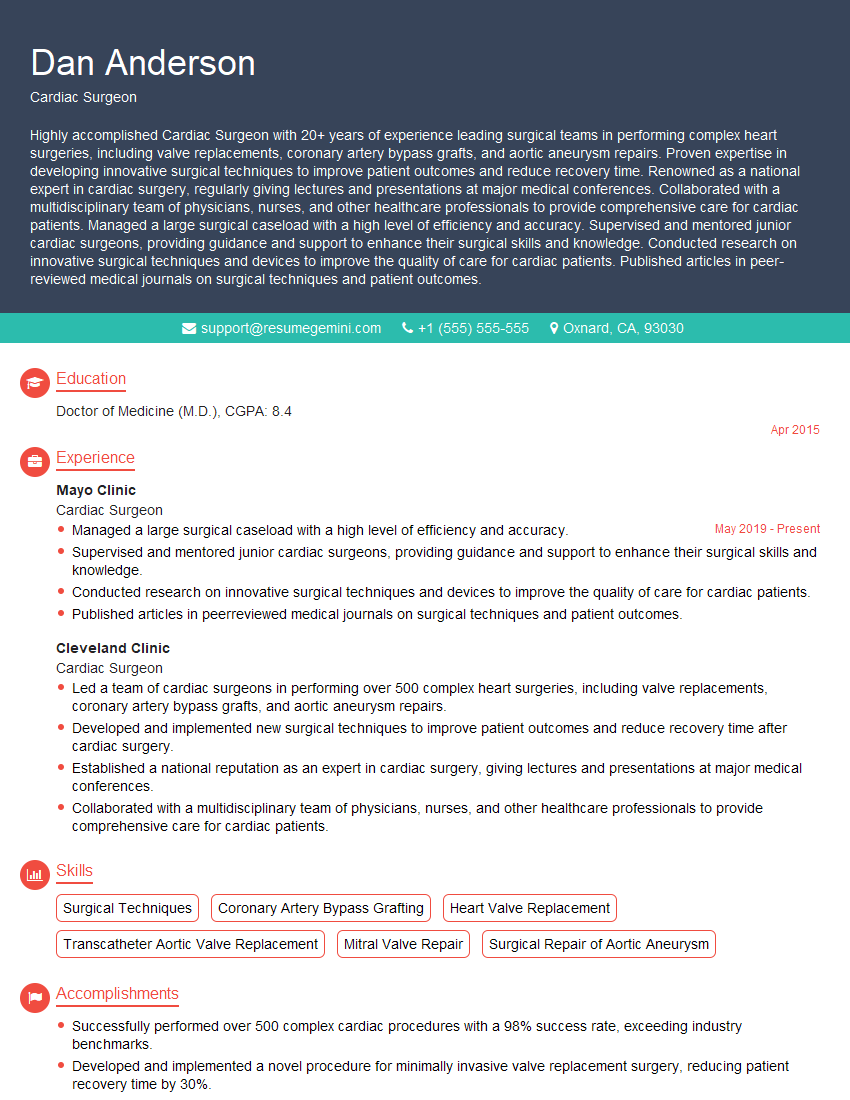
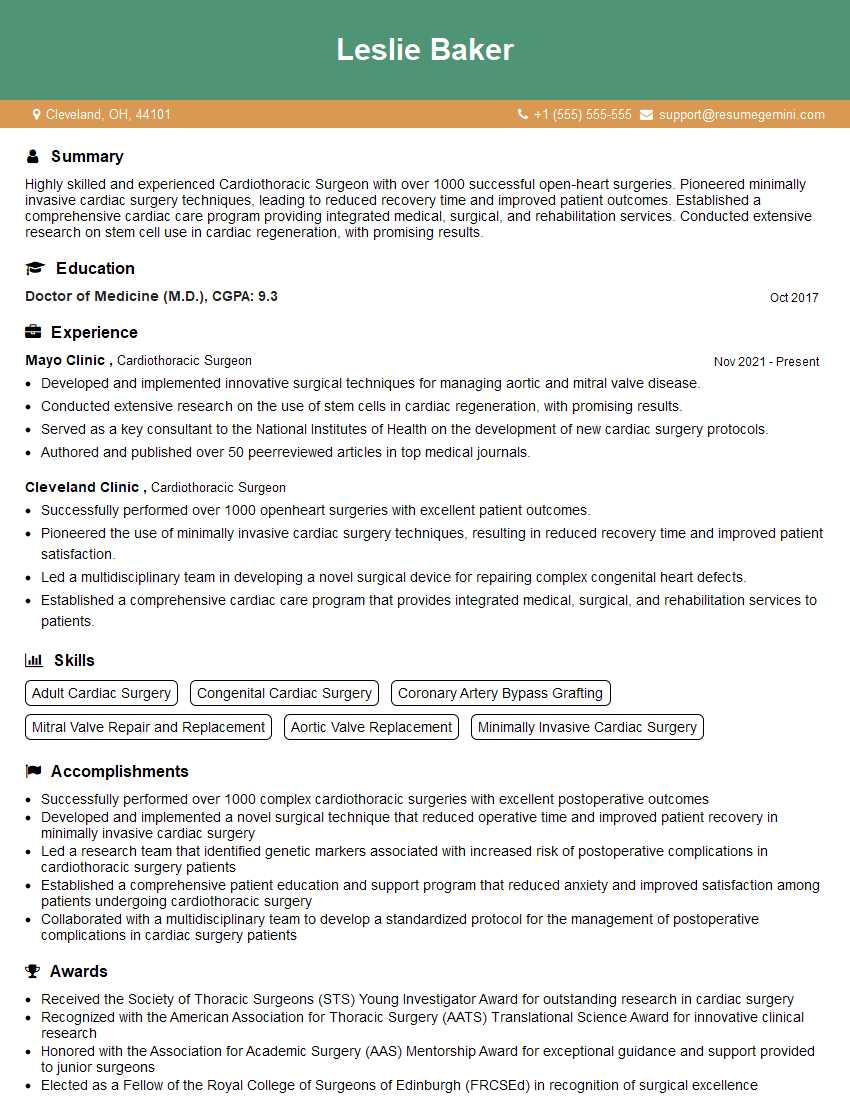
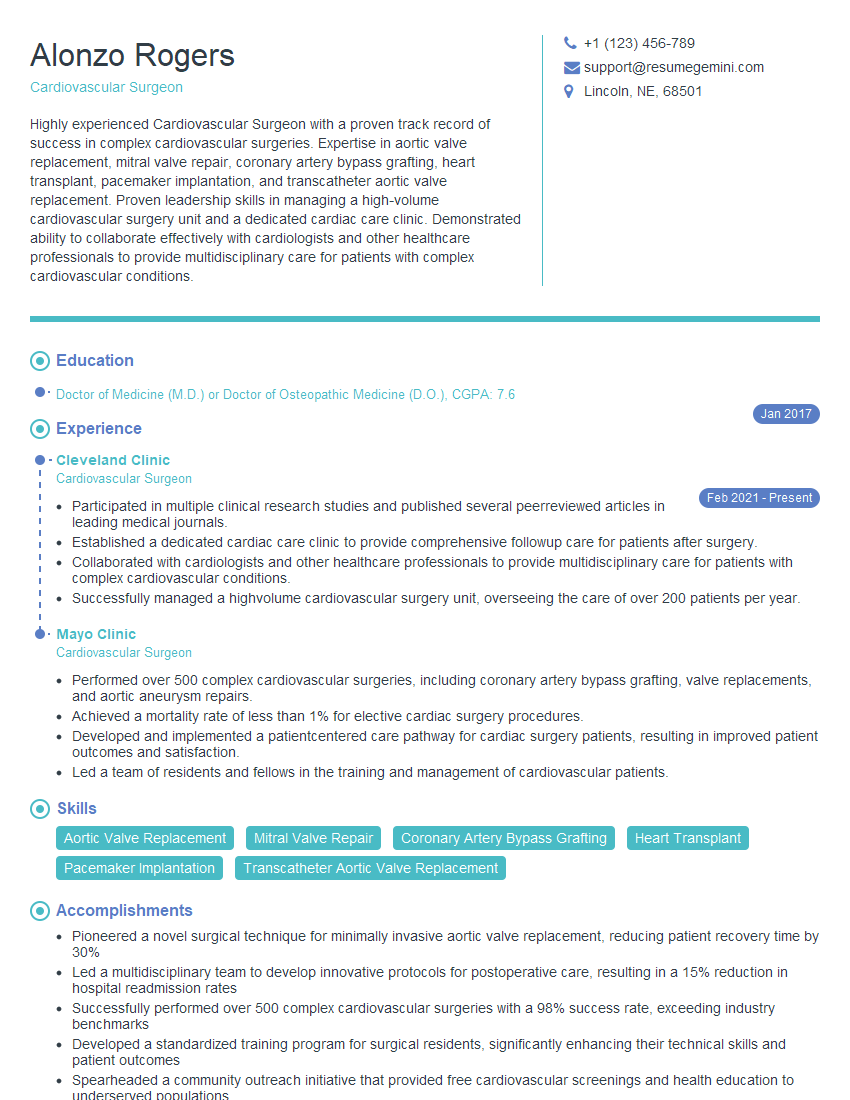
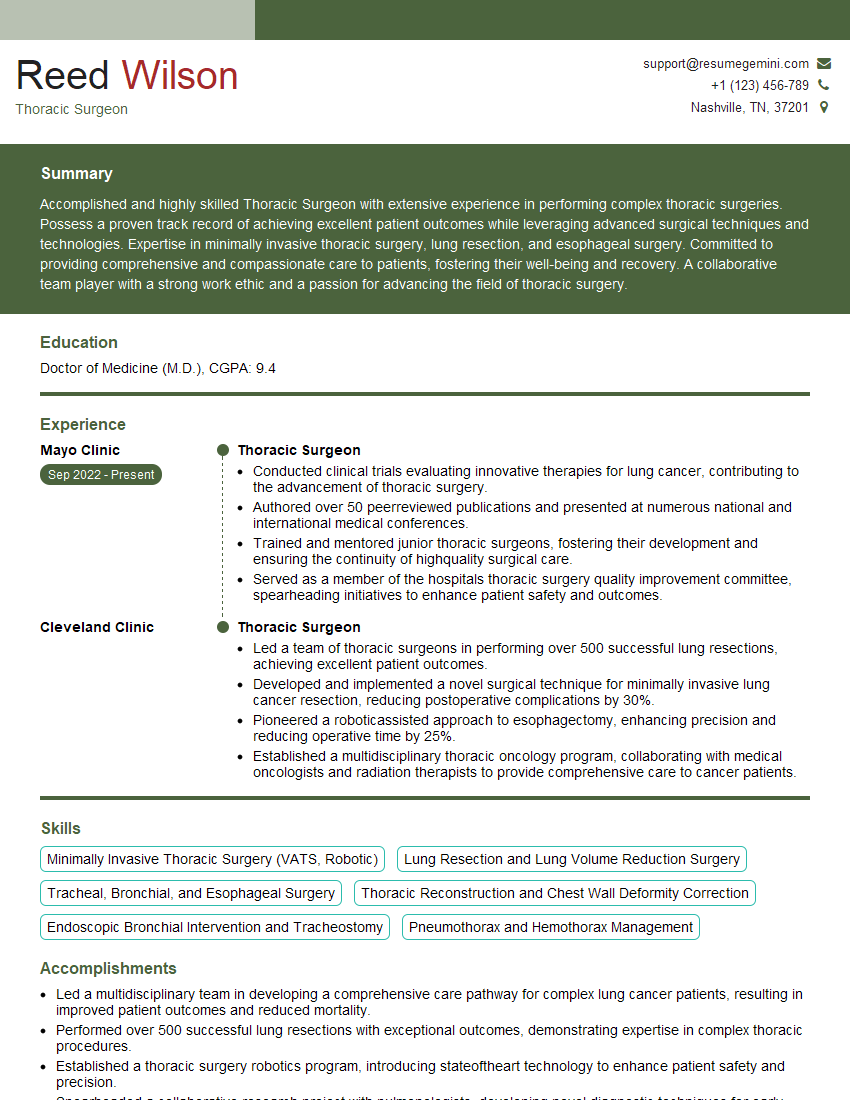
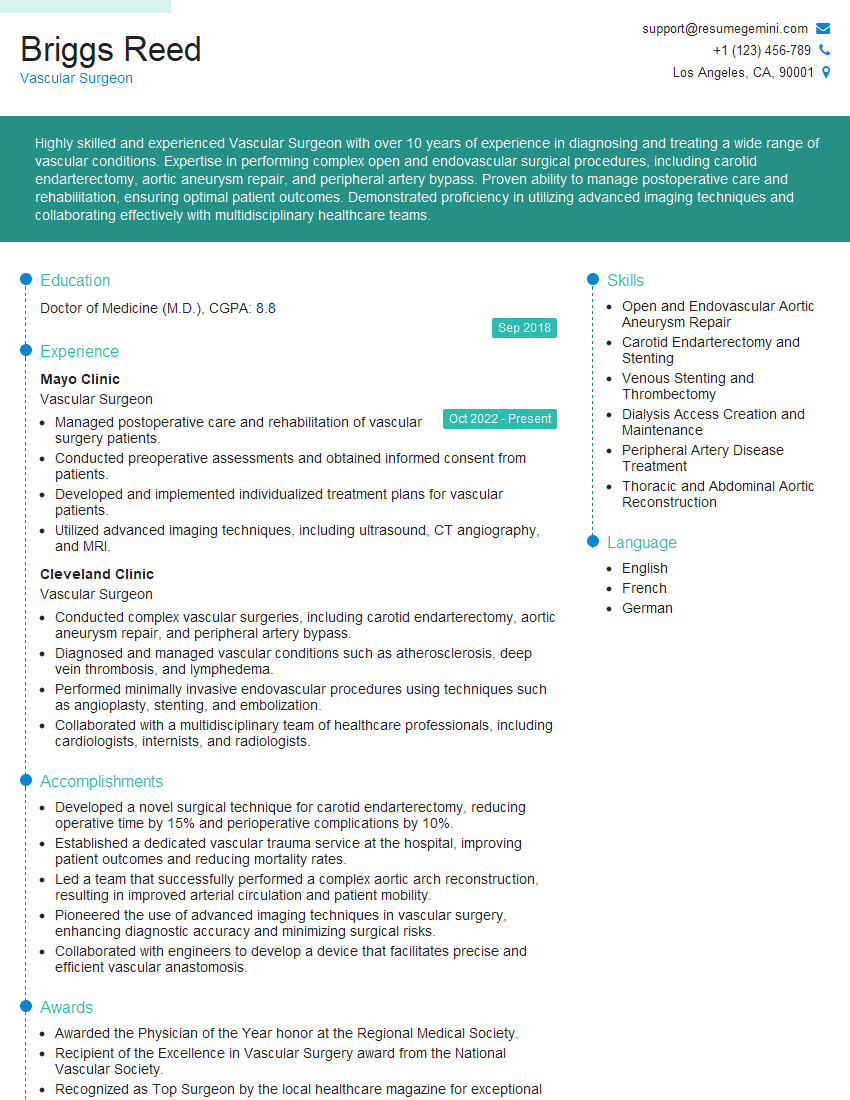
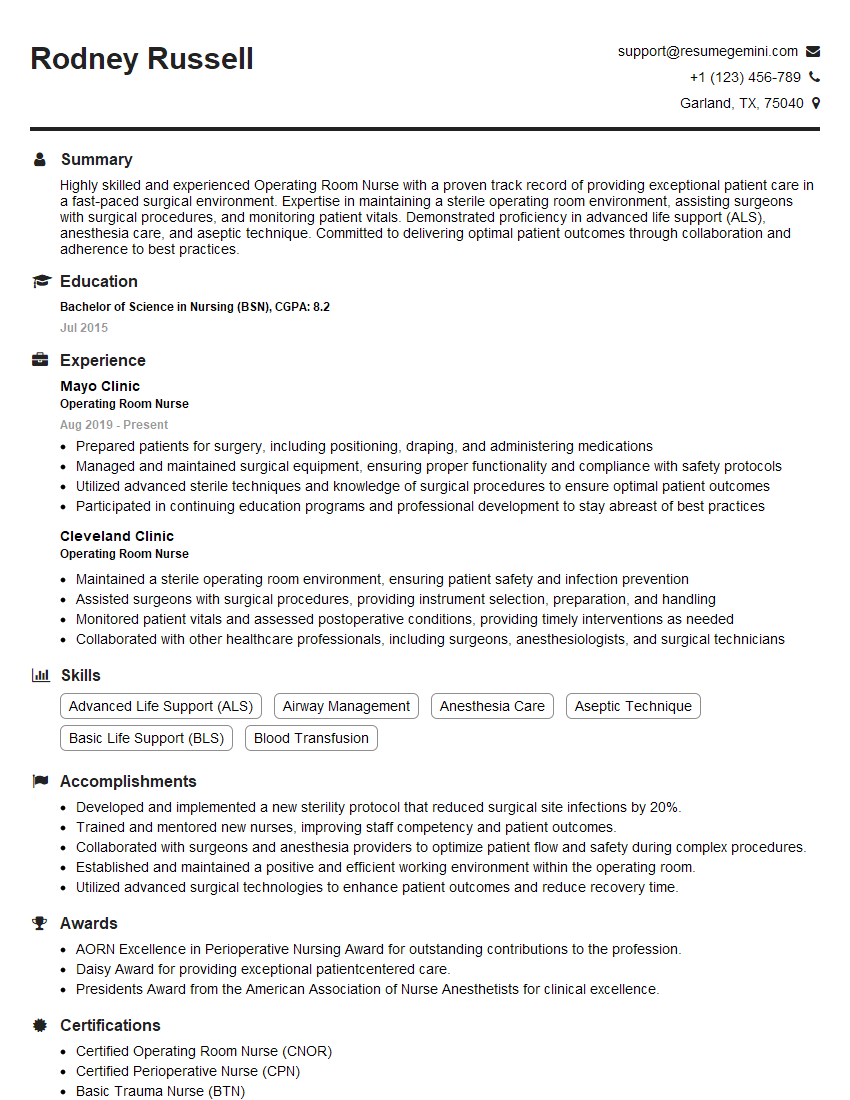
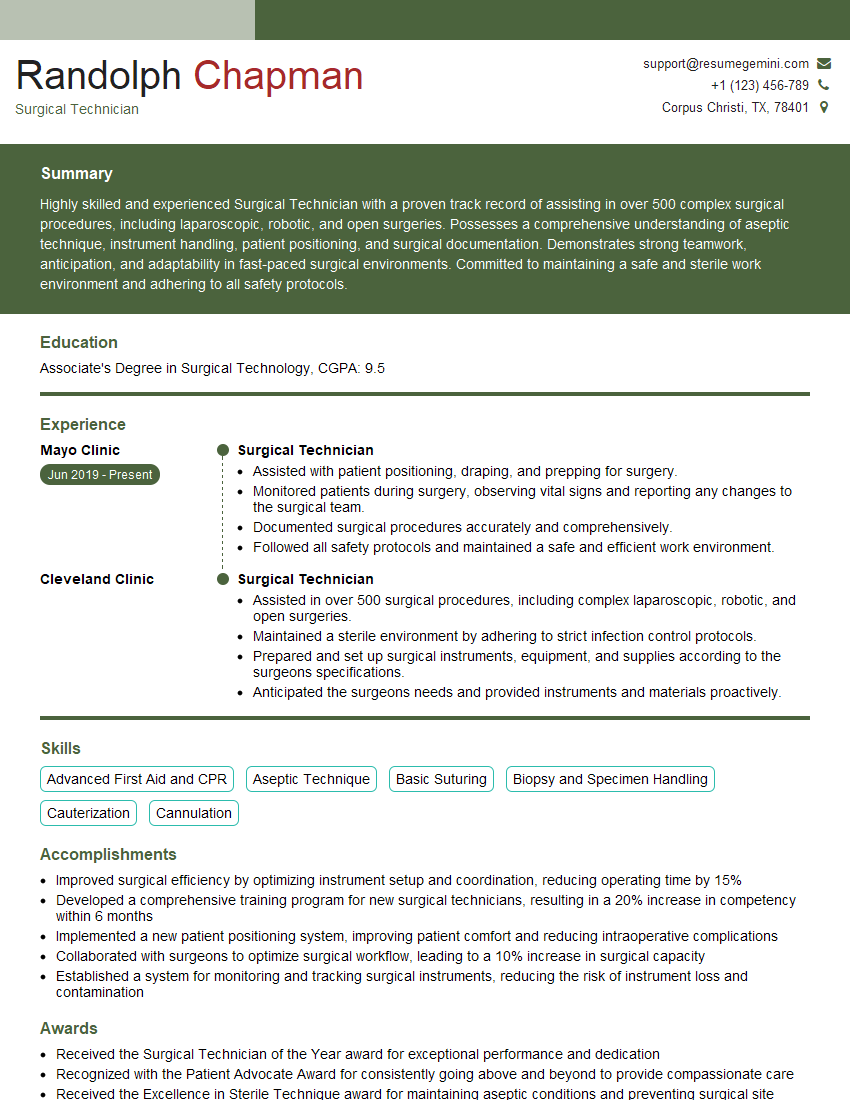
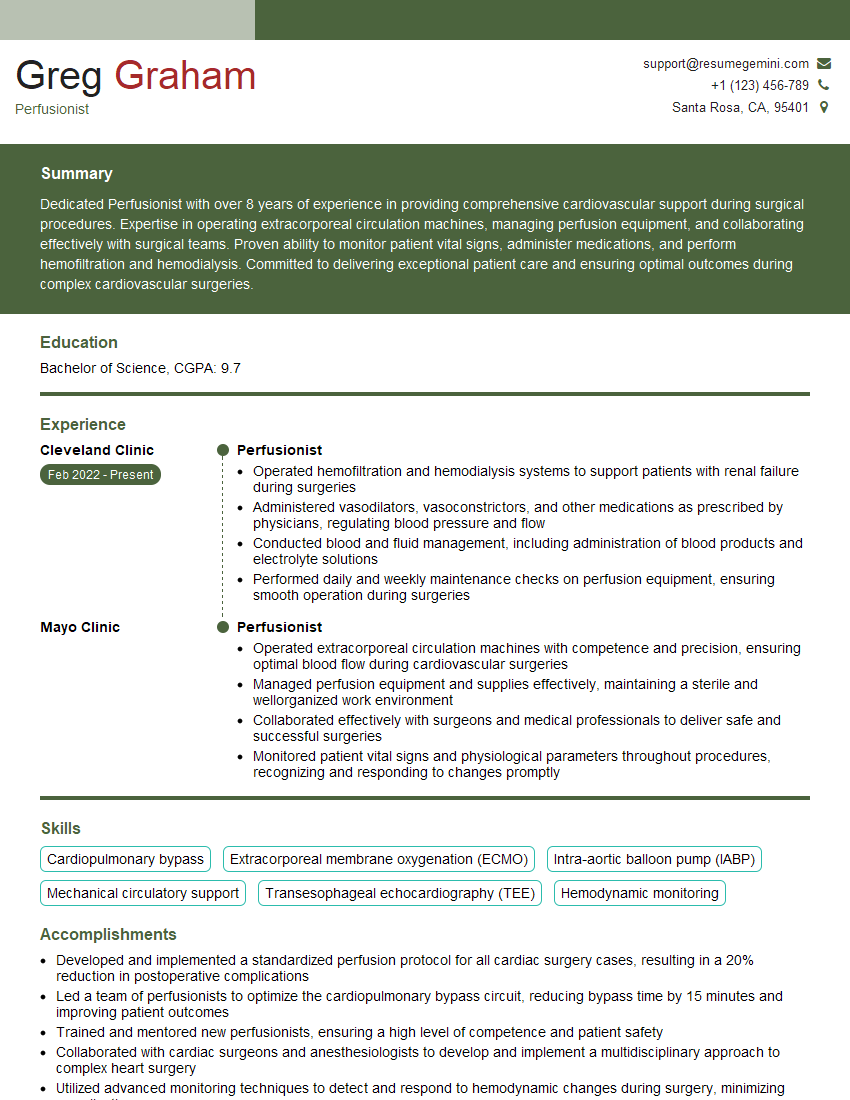
Mastering Pulmonary Artery Surgery significantly enhances your career prospects, opening doors to specialized roles and leadership positions within cardiovascular surgery. A strong, ATS-friendly resume is crucial for showcasing your skills and experience to prospective employers. To build a compelling and effective resume that highlights your expertise in Pulmonary Artery Surgery, we strongly recommend using ResumeGemini. ResumeGemini provides a user-friendly platform and offers examples of resumes tailored specifically to Pulmonary Artery Surgery, helping you craft a document that stands out from the competition. Invest in your future—create a resume that reflects your dedication and expertise.
Explore more articles
Users Rating of Our Blogs
Share Your Experience
We value your feedback! Please rate our content and share your thoughts (optional).
What Readers Say About Our Blog
To the interviewgemini.com Webmaster.
Very helpful and content specific questions to help prepare me for my interview!
Thank you
To the interviewgemini.com Webmaster.
This was kind of a unique content I found around the specialized skills. Very helpful questions and good detailed answers.
Very Helpful blog, thank you Interviewgemini team.