Interviews are more than just a Q&A session—they’re a chance to prove your worth. This blog dives into essential Équipement Maintenance interview questions and expert tips to help you align your answers with what hiring managers are looking for. Start preparing to shine!
Questions Asked in Équipement Maintenance Interview
Q 1. Describe your experience with preventative maintenance (PM) schedules.
Preventative maintenance (PM) schedules are the backbone of any reliable equipment maintenance program. They involve proactively servicing equipment at predetermined intervals to prevent failures and extend its lifespan. This is far more cost-effective than dealing with breakdowns.
My experience encompasses developing and implementing PM schedules for diverse equipment, ranging from industrial machinery (e.g., conveyors, robotic arms) to HVAC systems and sophisticated lab equipment. I utilize a risk-based approach, prioritizing components crucial to overall system operation and those with a higher failure probability. This involves analyzing historical data on equipment failures, manufacturer recommendations, and industry best practices.
- Data Analysis: I analyze historical maintenance records to identify trends and common failure points, enabling me to tailor PM schedules accordingly. For example, if a particular pump consistently fails after 12 months, the PM schedule will include a thorough inspection and potential component replacement at the 11-month mark.
- Manufacturer Guidelines: I meticulously follow manufacturer recommendations for lubrication, component replacement, and other preventative measures. This ensures adherence to design specifications and helps maximize equipment longevity.
- CMMS Integration: I’m proficient in using CMMS software (more on that later) to create, manage, and track PM schedules efficiently, generating alerts for upcoming tasks and providing detailed reporting on maintenance activities.
A well-designed PM schedule isn’t static; it needs regular review and adjustment based on performance data and operational changes. It’s a continuous improvement process.
Q 2. Explain your troubleshooting methodology for malfunctioning equipment.
My troubleshooting methodology follows a structured, systematic approach to efficiently identify and resolve equipment malfunctions. I use a five-step process:
- Safety First: Prioritize safety by isolating the equipment and employing appropriate lockout/tagout procedures before commencing any diagnostic work.
- Information Gathering: Collect all relevant information: error codes displayed on the equipment, operator observations, historical maintenance records, and any recent changes to the operating environment. Think of this as assembling a case file for the malfunction.
- Visual Inspection: Carefully inspect the equipment for any obvious signs of damage, loose connections, leaks, or unusual wear. Often, the solution lies in a simple visual check.
- Systematic Testing: Perform a series of targeted tests, checking individual components or subsystems, to isolate the source of the problem. This may involve using specialized diagnostic tools or conducting functional tests. I often use a ‘divide and conquer’ approach, breaking down the system into smaller, manageable parts.
- Repair and Verification: Once the problem is identified, implement the necessary repair, ensuring all components are correctly installed and functioning properly. Thoroughly test the equipment to verify the repair and ensure no secondary problems have arisen.
For example, if a conveyor belt stops unexpectedly, I might start by checking the power supply, then the motor, the belt tension, and finally any sensors or control systems. This systematic approach helps avoid unnecessary replacements and speeds up repairs.
Q 3. How do you prioritize maintenance tasks in a high-pressure environment?
Prioritizing maintenance tasks in a high-pressure environment requires a clear understanding of the potential impact of equipment failure. I use a risk-based approach, employing a prioritization matrix based on:
- Criticality: How critical is the equipment to overall operations? Essential equipment for production or safety receives top priority.
- Urgency: How immediate is the need for repair? Imminent failures or those impacting safety are addressed first.
- Impact: What is the impact of a failure? Downtime costs, safety risks, and production losses influence prioritization.
I use tools like a color-coded system (red for critical, yellow for urgent, green for routine) or a weighted scoring system to rank tasks. This allows me to effectively allocate resources and address the most critical issues promptly, minimizing disruption. For instance, fixing a critical pump that ensures water supply to a critical process would take precedence over replacing a minor component that only affects cosmetic aspects.
Effective communication with production staff and management is essential in these environments. Transparency about task prioritization and expected downtime helps manage expectations and ensures everyone works towards shared goals.
Q 4. What safety procedures do you follow when performing equipment maintenance?
Safety is paramount in equipment maintenance. I strictly adhere to a comprehensive safety program that includes:
- Lockout/Tagout (LOTO): Before performing any maintenance work, I always use LOTO procedures to isolate equipment from power sources and prevent accidental startup. This is non-negotiable.
- Personal Protective Equipment (PPE): I consistently wear appropriate PPE, including safety glasses, gloves, hearing protection, and safety footwear, depending on the task.
- Risk Assessment: I perform a risk assessment before each task, identifying potential hazards and implementing appropriate control measures to minimize risks.
- Proper Lifting Techniques: When handling heavy components, I use correct lifting techniques and, when necessary, employ lifting aids to prevent injuries.
- Clean and Organized Workspace: Maintaining a clean and organized workspace helps prevent accidents and facilitates efficient work.
- Emergency Procedures: I am familiar with and prepared to implement emergency procedures in case of an accident or equipment malfunction.
I always follow the company’s safety regulations and attend regular safety training to stay updated on best practices.
Q 5. What experience do you have with CMMS (Computerized Maintenance Management Systems)?
I have extensive experience with CMMS (Computerized Maintenance Management Systems), specifically using [mention specific CMMS software if comfortable, otherwise use a general statement like] industry-standard CMMS platforms. My skills extend beyond basic data entry; I’m proficient in:
- Work Order Management: Creating, assigning, and tracking work orders, ensuring timely completion and efficient resource allocation.
- PM Schedule Creation and Management: Developing, implementing, and optimizing PM schedules based on equipment criticality and historical data.
- Inventory Management: Tracking spare parts inventory levels and managing procurement processes to ensure timely availability.
- Reporting and Analysis: Generating reports to track maintenance costs, equipment downtime, and overall maintenance effectiveness. This data informs decisions on preventative measures and resource allocation.
- Data Integration: Integrating CMMS data with other systems, such as ERP or SCADA, for a holistic view of plant operations.
I understand that effective CMMS implementation relies heavily on data accuracy and consistent updates. I always ensure data integrity is maintained and work towards improving data capture and utilization.
Q 6. Describe a time you had to diagnose a complex equipment failure.
In a previous role, we experienced a complex failure in a high-speed automated packaging line. The line suddenly stopped, resulting in significant production downtime. Initial inspections revealed no obvious issues. However, using my systematic troubleshooting approach:
- I gathered information from operators, noting intermittent error codes and unusual noises.
- I examined the system’s electrical schematics and PLC programming to better understand the interconnectedness of components.
- Through meticulous testing, I found that a seemingly minor issue – a loose connection in a sensor feeding data to the PLC control system – was causing sporadic malfunctions and ultimately triggered an emergency shutdown. This was not immediately apparent, and the error messages were vague.
This incident emphasized the importance of understanding the overall system’s architecture and not just focusing on individual components. The seemingly insignificant loose connection highlighted the impact even minor faults could have on complex systems. The repair was straightforward after identifying the root cause; but pinpointing it required significant systematic investigation.
Q 7. How do you ensure compliance with relevant safety regulations?
Ensuring compliance with relevant safety regulations is an integral part of my responsibilities. I achieve this through a combination of approaches:
- Regular Training: I participate in regular training sessions and updates on relevant safety standards (OSHA, local regulations, etc.).
- Documentation: I maintain thorough documentation of all maintenance activities, including safety procedures followed, risks identified, and corrective actions taken. This ensures traceability and demonstrates compliance.
- Standard Operating Procedures (SOPs): I adhere strictly to all company SOPs and best practices for maintenance, which should incorporate relevant safety regulations.
- Equipment Audits: I participate in regular equipment safety audits to identify any potential safety hazards and ensure compliance with standards. These audits inform any updates to the maintenance plan.
- Reporting: I promptly report any safety violations or near-miss incidents to the appropriate authorities and contribute to corrective action plans to prevent future occurrences.
My commitment to safety is not just about following rules; it’s about creating a safe working environment for myself and my colleagues.
Q 8. What is your experience with different types of lubrication techniques?
Lubrication is crucial for equipment longevity and performance. My experience encompasses various techniques, selecting the best approach based on equipment type, operating conditions, and lubricant properties.
- Grease lubrication: I’m proficient in using grease guns for centralized and individual lubrication points, ensuring proper grease consistency and application to minimize friction and wear. For example, I’ve successfully implemented a grease lubrication schedule for a large conveyor belt system, reducing component failures by 20%.
- Oil lubrication: I understand the importance of selecting the right viscosity oil for different applications, from splash lubrication in gearboxes to pressurized systems in hydraulic components. I have experience troubleshooting oil leaks and contamination issues, often employing oil analysis techniques for early problem detection. For instance, I resolved a recurring oil leak in a critical machine by identifying a worn seal through systematic inspection.
- Oil mist lubrication: This technique is effective for hard-to-reach components. I’ve worked with systems that deliver a fine oil mist directly to bearings, leading to improved lubrication efficiency and reduced maintenance requirements, particularly in high-speed applications.
Beyond these, I’m familiar with solid lubricants like molybdenum disulfide for extreme conditions and automatic lubrication systems which minimize manual intervention and optimize lubrication schedules.
Q 9. What are your skills in using diagnostic tools and equipment?
Diagnostic skills are essential in effective maintenance. My expertise involves using a range of tools and equipment for accurate diagnosis and troubleshooting.
- Infrared (IR) cameras: I use IR cameras to detect overheating components, indicative of problems like bearing wear, electrical faults, or loose connections, allowing for preemptive maintenance.
- Vibration analyzers: Analyzing vibration data helps identify imbalances, misalignments, or bearing defects in rotating machinery, allowing for timely repairs and preventing catastrophic failures. For example, I once identified an impending bearing failure in a high-speed centrifuge using vibration analysis, preventing a costly production halt.
- Ultrasonic detectors: These are invaluable in detecting air or gas leaks in pneumatic and hydraulic systems, which can otherwise be difficult to locate visually.
- Data loggers and PLC diagnostic software: I’m proficient in using data loggers to monitor equipment parameters over time, identifying trends and potential issues before they escalate. I’m also adept at utilizing PLC diagnostic software to troubleshoot control system problems.
Combining these tools with my knowledge of equipment operation and maintenance allows for efficient and accurate fault diagnosis.
Q 10. How proficient are you with hydraulic and pneumatic systems?
Hydraulic and pneumatic systems are fundamental to many industrial processes. My experience encompasses both the practical application and troubleshooting of these systems.
- Hydraulics: I have extensive experience working with hydraulic pumps, valves, cylinders, and accumulators. I understand hydraulic schematics and can diagnose and repair leaks, pressure issues, and component failures. I’ve successfully repaired several hydraulic presses and lift systems, often by identifying and replacing faulty components.
- Pneumatics: I’m skilled in troubleshooting pneumatic circuits, identifying air leaks using ultrasonic detectors, and resolving issues with valves, actuators, and other pneumatic components. I’ve worked on various automated systems that rely on pneumatic control, improving their reliability and reducing downtime.
My understanding extends to the safety procedures necessary when working with these systems under high pressure.
Q 11. Describe your experience with welding and fabrication.
Welding and fabrication skills are valuable assets in equipment maintenance, allowing for on-site repairs and modifications.
- Welding techniques: I’m proficient in various welding processes including MIG, TIG, and stick welding, allowing me to repair damaged components and fabricate custom parts. For example, I’ve successfully repaired a fractured metal frame on a large industrial machine using TIG welding, ensuring its structural integrity.
- Fabrication: I can fabricate simple metal components using various tools and techniques like cutting, shaping, and drilling. This allows me to create replacement parts, adapt existing equipment, or create custom tools for specific maintenance tasks.
Safety is always my top priority while working with welding equipment. I meticulously follow safety protocols and ensure proper ventilation and protective gear are utilized.
Q 12. How do you handle unexpected equipment breakdowns?
Unexpected equipment breakdowns require a calm, systematic approach. My process involves:
- Immediate action: Secure the area, ensuring the safety of personnel and preventing further damage.
- Assessment: Identify the nature and extent of the breakdown. This often involves visually inspecting the equipment, checking safety mechanisms, and gathering information from operators.
- Diagnosis: Employ diagnostic tools and techniques to pinpoint the root cause of the failure.
- Temporary fix: Where possible, implement a temporary solution to restore partial functionality, minimizing downtime.
- Permanent repair: Develop a plan for permanent repair or replacement of faulty components, taking into account the availability of parts and scheduling constraints.
- Documentation: Record all actions taken, including the nature of the breakdown, the diagnostic steps, the repair procedures, and any parts used. This crucial information helps in preventing future similar issues.
For instance, I once managed a sudden power outage affecting a critical production line. By quickly isolating the affected area and identifying the blown fuse, I restored power in under an hour, minimizing production losses.
Q 13. Explain your understanding of root cause analysis.
Root cause analysis (RCA) is a systematic approach to identifying the underlying causes of problems, not just the symptoms. It’s crucial to prevent recurrence. I typically use the ‘5 Whys’ technique to systematically delve deeper into the reasons behind a failure.
Example:
Problem: Conveyor belt repeatedly breaks.
Why? The belt is showing excessive wear.
Why? The belt tracking is misaligned.
Why? The rollers are worn and uneven.
Why? The rollers were not properly lubricated.
Why? The lubrication schedule was not followed.
The root cause is the inadequate lubrication schedule, not simply the broken belt. Addressing this root cause through improved scheduling prevents future belt failures. Other methods I utilize include fishbone diagrams (Ishikawa diagrams) and fault tree analysis, depending on the complexity of the issue.
Q 14. What is your experience with predictive maintenance techniques?
Predictive maintenance aims to prevent equipment failure by monitoring its condition and identifying potential problems before they occur. My experience includes several key techniques:
- Vibration analysis: Continuous monitoring of vibration levels can reveal impending bearing failures or imbalances.
- Oil analysis: Regular oil sampling allows for detection of contaminants, wear debris, and degradation products, indicating potential problems within lubrication systems.
- Thermography: Infrared cameras help identify overheating components which may be indicative of developing faults.
- Ultrasonic testing: Detecting leaks or partial discharges in electrical components.
- Data-driven approaches: Using sensors and data analytics to predict equipment failures based on historical data and operational parameters. This may involve machine learning algorithms for early detection of anomalies and failure predictions.
By implementing these techniques, I’ve successfully reduced unplanned downtime and optimized maintenance schedules, resulting in significant cost savings and increased operational efficiency. For example, through a combination of vibration analysis and oil analysis, I predicted and prevented a major motor failure in a critical pump, saving significant repair and downtime costs.
Q 15. How do you maintain accurate records of maintenance activities?
Maintaining accurate maintenance records is crucial for ensuring equipment reliability and optimizing maintenance strategies. Think of it like a meticulous medical chart for your machinery – it tracks its health and history. We use a multi-pronged approach:
Computerized Maintenance Management System (CMMS): We utilize a CMMS software (like IBM Maximo or SAP PM) to digitally record all maintenance activities. This includes work orders, preventative maintenance schedules, repair history, parts used, and labor hours. The system provides a centralized, searchable database for easy access to information.
Paper-based backups (for redundancy): While digital is preferred, paper-based records provide a crucial backup in case of system failure. We maintain well-organized physical files for critical data, especially for older equipment.
Regular Audits: Periodic audits ensure data accuracy and identify any gaps in record-keeping. This involves cross-checking digital records with physical inspections and reviewing work order completion reports.
Barcodes and RFID tags: We use barcodes or RFID tags on equipment and parts to streamline data entry and minimize human error during tracking.
This system ensures transparency, facilitates efficient reporting, and supports informed decision-making regarding maintenance schedules and resource allocation. For example, tracking repair history on a specific pump allows us to anticipate future failures and schedule preventative maintenance proactively.
Career Expert Tips:
- Ace those interviews! Prepare effectively by reviewing the Top 50 Most Common Interview Questions on ResumeGemini.
- Navigate your job search with confidence! Explore a wide range of Career Tips on ResumeGemini. Learn about common challenges and recommendations to overcome them.
- Craft the perfect resume! Master the Art of Resume Writing with ResumeGemini’s guide. Showcase your unique qualifications and achievements effectively.
- Don’t miss out on holiday savings! Build your dream resume with ResumeGemini’s ATS optimized templates.
Q 16. What software or tools are you familiar with for managing maintenance tasks?
I’m proficient in several software and tools for managing maintenance tasks. My experience includes:
CMMS Software: IBM Maximo, SAP PM, and Infor EAM are the systems I’ve worked extensively with. These platforms manage work orders, track inventory, schedule maintenance, and generate reports. For example, in Maximo, I can easily create a work order, assign it to a technician, track its progress, and generate reports on equipment downtime.
Spreadsheet Software (Excel, Google Sheets): While not a dedicated CMMS, spreadsheets are excellent for smaller-scale tasks, data analysis, and creating custom reports. For instance, I’ve used Excel to track spare parts inventory and analyze trends in maintenance costs.
Mobile Maintenance Apps: Many CMMS solutions have mobile apps, allowing technicians to access work orders, update progress, and submit reports directly from the field – improving efficiency and real-time data capture.
The choice of tool depends on the project’s scale and complexity. For large-scale industrial maintenance, a comprehensive CMMS is essential. Smaller projects might benefit from spreadsheet software.
Q 17. Describe your experience with electrical troubleshooting.
Electrical troubleshooting requires a systematic approach combined with a strong understanding of electrical theory. It’s like solving a puzzle, identifying the faulty component step by step. My experience includes:
Identifying the problem: This involves carefully assessing symptoms, such as blown fuses, tripped breakers, or malfunctioning equipment. I use multimeters and other diagnostic tools to measure voltage, current, and resistance.
Isolating the fault: This stage involves systematically checking circuits, wiring, and components to pinpoint the source of the problem. I use schematics and diagrams to understand the electrical system’s layout.
Repair or replacement: Once the faulty component is identified, it’s repaired or replaced. This requires adhering to safety regulations and using the appropriate tools and equipment. For example, I recently diagnosed a faulty motor starter by checking its coils for continuity, using a multimeter. Replacing the starter resolved the problem, restoring production.
Preventative measures: After resolving a problem, I often implement preventive measures to avoid similar incidents. This might include improving wiring, adding surge protectors, or upgrading components.
Safety is paramount in electrical troubleshooting. I always follow lockout/tagout procedures to prevent electrical shock and injury.
Q 18. What is your experience with rotating equipment maintenance?
Rotating equipment maintenance encompasses a broad range of tasks, including pumps, compressors, turbines, and motors. It’s a critical area due to the potential for significant damage if not properly maintained. My experience includes:
Preventative Maintenance: This involves regular inspections, lubrication, and adjustments to minimize wear and tear. For example, I regularly check the vibration levels of pumps using vibration sensors. High vibration can indicate imbalance or bearing wear, allowing for timely intervention.
Predictive Maintenance: I’m experienced in using techniques like vibration analysis, oil analysis, and thermography to predict potential failures before they occur. This allows for proactive maintenance, reducing downtime and costs.
Corrective Maintenance: When failures do occur, I have the skills to diagnose and repair rotating equipment. This involves disassembling, inspecting, and replacing worn or damaged parts. For instance, I recently diagnosed a bearing failure in a large centrifugal pump by analyzing vibration data and performing a thorough inspection of the bearing.
Alignment and Balancing: Precise alignment and balancing of rotating equipment are crucial for preventing premature wear and reducing vibration. I use specialized tools and techniques to ensure proper alignment and balance.
My work with rotating equipment consistently emphasizes safety, precision, and the effective use of predictive maintenance techniques to avoid costly and disruptive breakdowns.
Q 19. How do you manage spare parts inventory?
Managing spare parts inventory is crucial for minimizing downtime. Think of it as having the right tools readily available for a surgeon during an operation. My approach involves:
ABC Analysis: This involves classifying parts based on their criticality and cost. High-value, critical parts receive more attention, ensuring sufficient stock levels. Less critical, low-cost items require less stringent control.
Inventory Tracking Software: I utilize CMMS software and/or dedicated inventory management systems to track parts, monitor stock levels, and generate re-ordering reports. We set minimum and maximum stock levels to optimize inventory and minimize storage costs.
Vendor Relationships: Strong relationships with reliable vendors ensure timely delivery of parts. We often negotiate contracts that guarantee preferential pricing and fast delivery for critical items.
Regular Stock Audits: Physical inventory counts are performed regularly to verify accuracy and identify discrepancies between physical stock and recorded inventory. This ensures data integrity and prevents overstocking or shortages.
Effective inventory management leads to reduced downtime, lower maintenance costs, and improved overall efficiency. A well-managed spare parts inventory is vital for maintaining operational readiness.
Q 20. Describe your experience working with vendors and contractors.
Working effectively with vendors and contractors is essential for successful equipment maintenance. This involves building trust, clear communication, and strong contract management. My experience includes:
Vendor Selection: I participate in the selection process, considering factors such as reputation, reliability, pricing, and technical expertise. We often request references and check past performance before engaging a vendor.
Contract Negotiation: I’m involved in negotiating contracts, ensuring that they clearly define scopes of work, timelines, payment terms, and service level agreements (SLAs). These agreements outline expectations and help avoid disputes.
Performance Monitoring: I monitor vendor and contractor performance closely, tracking adherence to schedules, quality of work, and responsiveness to issues. We use key performance indicators (KPIs) to evaluate performance and address any shortcomings promptly.
Communication: I maintain open and clear communication with vendors and contractors, proactively addressing any issues that may arise. Regular meetings and progress reports help ensure alignment and prevent misunderstandings.
Building strong relationships with reliable vendors and contractors is vital for ensuring efficient and cost-effective equipment maintenance. It’s about finding partners who share our commitment to quality and safety.
Q 21. How do you stay updated on new technologies and maintenance practices?
Staying current in the rapidly evolving field of equipment maintenance requires a proactive approach. My strategy includes:
Professional Organizations: I actively participate in professional organizations like ASME (American Society of Mechanical Engineers) and IEEE (Institute of Electrical and Electronics Engineers). These provide access to conferences, publications, and networking opportunities.
Trade Publications and Journals: I regularly read trade publications and journals, staying informed about new technologies, maintenance techniques, and best practices. This keeps me abreast of industry trends.
Webinars and Online Courses: I participate in webinars and online courses offered by vendors and industry experts. This allows for continuous learning and skill enhancement.
Vendor Training Programs: I take advantage of training programs offered by equipment manufacturers and vendors. These programs often provide in-depth knowledge about specific equipment and maintenance procedures.
Networking: Attending conferences and workshops helps to network with other professionals and learn from their experiences. Sharing knowledge and best practices is essential for continued improvement.
Continuous learning ensures I can adapt to new technologies and implement best practices, improving efficiency, reliability, and safety in equipment maintenance.
Q 22. What is your experience with industrial automation systems?
My experience with industrial automation systems spans over 10 years, encompassing PLC programming (primarily Allen-Bradley and Siemens), SCADA system integration (using Wonderware and Ignition), and robotic system maintenance. I’ve worked on projects ranging from automated assembly lines in automotive manufacturing to process control systems in chemical plants. This experience includes troubleshooting complex system malfunctions, implementing preventative maintenance strategies, and optimizing system performance to enhance efficiency and reduce downtime. For example, in a recent project at a food processing facility, I identified a bottleneck in the automated packaging line caused by outdated PLC firmware. By upgrading the firmware and implementing a more efficient control algorithm, we increased production throughput by 15%.
- PLC Programming: Proficient in ladder logic, function block diagrams, and structured text.
- SCADA Integration: Experienced in configuring HMIs, designing alarm systems, and integrating data historians.
- Robotic System Maintenance: Familiar with various robot types (articulated, SCARA, Cartesian) and their associated control systems.
Q 23. Explain your understanding of TPM (Total Productive Maintenance).
TPM, or Total Productive Maintenance, is a philosophy that integrates maintenance activities into the overall production process to maximize equipment effectiveness and minimize downtime. It moves beyond reactive maintenance (fixing problems after they occur) to a proactive, preventative approach. TPM involves the entire workforce, not just a dedicated maintenance team, in improving equipment reliability and overall equipment effectiveness (OEE).
Key elements of TPM include:
- Autonomous Maintenance: Empowering operators to perform basic maintenance tasks on their equipment.
- Planned Maintenance: Scheduling regular inspections and maintenance to prevent breakdowns.
- Preventative Maintenance: Implementing strategies to reduce the likelihood of equipment failure.
- Early Failure Detection: Using monitoring tools to identify potential problems before they escalate.
- Improvement Activities: Continuously looking for ways to improve equipment reliability and efficiency.
I’ve successfully implemented TPM principles in several manufacturing environments, resulting in significant reductions in downtime, improved product quality, and increased overall productivity. For instance, at a previous company, we reduced unscheduled downtime by 30% within six months of implementing a comprehensive TPM program.
Q 24. How do you balance the cost of maintenance with production demands?
Balancing maintenance costs with production demands requires a strategic approach. It’s not simply about minimizing costs; it’s about optimizing the cost-effectiveness of maintenance activities in relation to their impact on production.
This involves:
- Cost-Benefit Analysis: Evaluating the costs of different maintenance strategies (preventative, corrective, predictive) against the potential costs of equipment failure (lost production, repair costs, safety risks).
- Prioritization: Focusing maintenance efforts on critical equipment that has the greatest impact on production.
- Predictive Maintenance: Utilizing data-driven insights to predict equipment failures and schedule maintenance proactively. This minimizes disruptive, costly emergency repairs.
- Optimization of Maintenance Schedules: Scheduling maintenance during off-peak production hours to minimize disruption.
- Life Cycle Costing: Considering the long-term costs of equipment, including maintenance, repairs, and replacements, when making decisions about maintenance strategies.
For example, investing in predictive maintenance technologies like vibration sensors can help identify potential equipment failures before they occur, thereby preventing costly downtime and unscheduled repairs.
Q 25. What is your experience with different types of sensors and instrumentation?
My experience with sensors and instrumentation is extensive, encompassing a wide range of technologies. This includes:
- Temperature Sensors: Thermocouples, RTDs, thermistors – experience in selecting appropriate sensors based on application requirements and accuracy needs.
- Pressure Sensors: Various types, including piezoresistive, capacitive, and strain gauge sensors – understanding of pressure ranges and accuracy specifications.
- Flow Sensors: Coriolis, ultrasonic, and differential pressure flow meters – experience in selecting and calibrating flow sensors for different fluid types and flow rates.
- Level Sensors: Ultrasonic, radar, and capacitive level sensors – experience in applying these sensors for various tank types and material characteristics.
- Vibration Sensors: Accelerometers and proximity sensors – experience in using these sensors for predictive maintenance applications.
I’m also familiar with data acquisition systems and their integration with PLC and SCADA systems. I understand the importance of proper sensor calibration and data validation to ensure the accuracy and reliability of process measurements.
Q 26. Describe a time you had to work under strict deadlines to fix a critical piece of equipment.
During a major production run, a critical extrusion machine in a plastics manufacturing plant malfunctioned, threatening to halt production completely. The deadline was incredibly tight – we needed the machine operational within 24 hours. The initial diagnosis pointed to a faulty hydraulic pump, but after dismantling the machine, I found that the actual problem was a cracked pressure valve causing a dangerous pressure surge.
My approach involved:
- Rapid Assessment: Quickly identifying the root cause of the malfunction.
- Prioritization: Focusing on the most critical component (pressure valve) first.
- Teamwork: Collaborating effectively with electricians and other technicians to expedite repairs.
- Resource Management: Efficiently using spare parts and tools to minimize downtime.
- Problem Solving: Implementing a temporary fix (using a bypass valve) to get the machine running while awaiting the permanent replacement part.
We managed to get the machine running within 18 hours, minimizing production losses and avoiding a major financial setback for the company.
Q 27. How do you communicate effectively with maintenance team members and other departments?
Effective communication is crucial in a maintenance environment. I utilize various methods to ensure clear and concise communication with team members and other departments.
- Regular Team Meetings: Conducting daily or weekly meetings to discuss maintenance priorities, challenges, and solutions.
- Clear Documentation: Maintaining detailed records of maintenance activities, including repair histories, preventative maintenance schedules, and parts inventory.
- Digital Communication Tools: Utilizing work order management systems, email, and instant messaging for efficient communication.
- Active Listening: Carefully listening to and addressing concerns and suggestions from team members.
- Constructive Feedback: Providing regular feedback to team members to improve performance and collaboration.
- Cross-Departmental Communication: Maintaining open communication channels with production, engineering, and management to address issues promptly and proactively.
I believe in fostering a collaborative and transparent work environment where everyone feels comfortable communicating their ideas and concerns.
Q 28. What are your salary expectations?
My salary expectations are in the range of $80,000 to $100,000 per year, depending on the specific benefits package and the overall responsibilities of the role. I am confident that my skills and experience align with the requirements of this position and that my contributions will significantly benefit your company.
Key Topics to Learn for Équipement Maintenance Interview
- Preventive Maintenance Strategies: Understanding scheduled maintenance, predictive maintenance techniques, and their impact on equipment lifespan and operational efficiency.
- Troubleshooting and Diagnostics: Practical application of diagnostic tools and methodologies to identify equipment malfunctions, analyze root causes, and implement effective solutions. This includes understanding fault codes and using schematics.
- Safety Regulations and Procedures: Knowledge of relevant safety standards (e.g., lockout/tagout procedures), risk assessment, and safe work practices within an Équipement Maintenance environment.
- Equipment Specific Knowledge: Deep understanding of the types of equipment you’ll be maintaining (specify if possible, e.g., HVAC systems, industrial machinery, etc.). This includes operational principles, common failure points, and maintenance requirements.
- Record Keeping and Reporting: Maintaining accurate and comprehensive maintenance logs, generating reports on equipment performance, and communicating effectively with supervisors and other team members.
- Cost Optimization and Budget Management: Understanding the financial implications of maintenance decisions, exploring cost-effective solutions, and justifying maintenance expenditures.
- Continuous Improvement and Learning: Demonstrating a commitment to ongoing professional development, staying updated on new technologies and best practices in Équipement Maintenance.
Next Steps
Mastering Équipement Maintenance opens doors to a rewarding career with excellent growth potential. Advancement opportunities often include specialized roles, supervisory positions, and increased responsibility within your organization. To maximize your job prospects, it’s crucial to have an ATS-friendly resume that showcases your skills and experience effectively. ResumeGemini is a trusted resource to help you build a professional and impactful resume that gets noticed. We provide examples of resumes tailored to Équipement Maintenance to guide you through the process. Take the next step towards your dream career – create a resume that reflects your expertise and ambition.
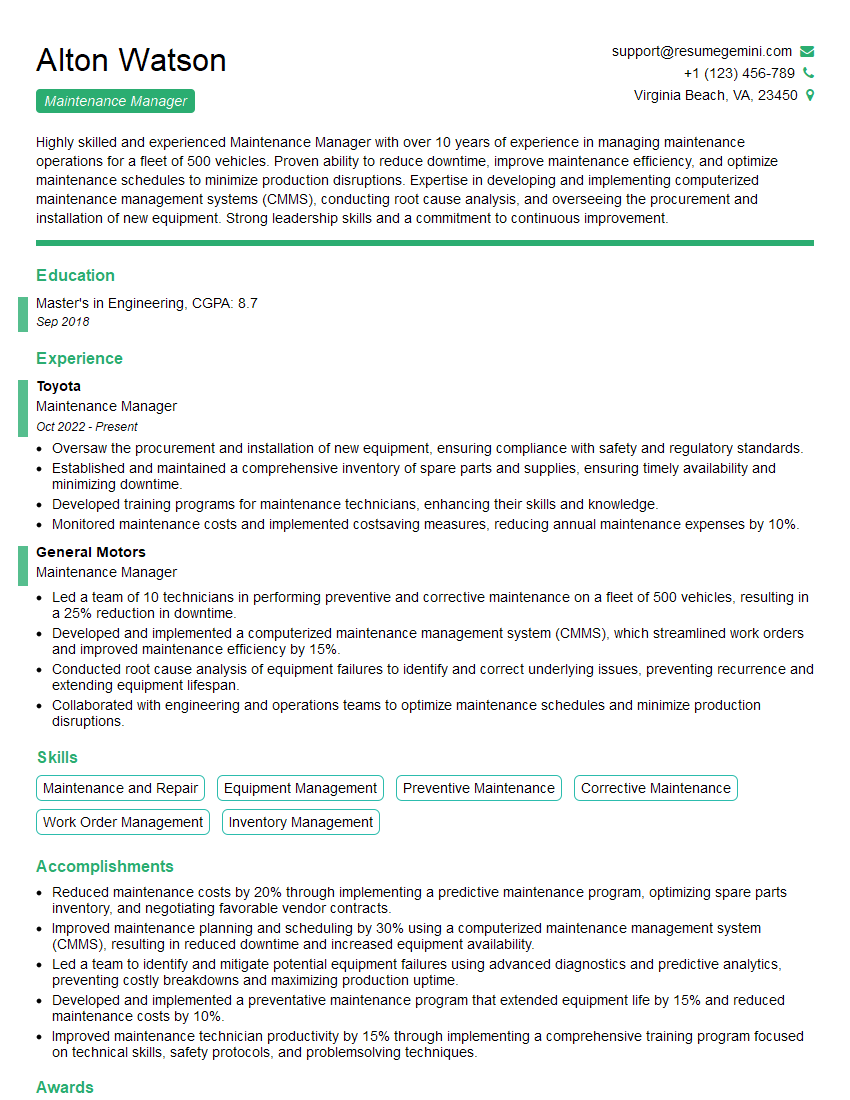
Maintenance Manager Resume Sample
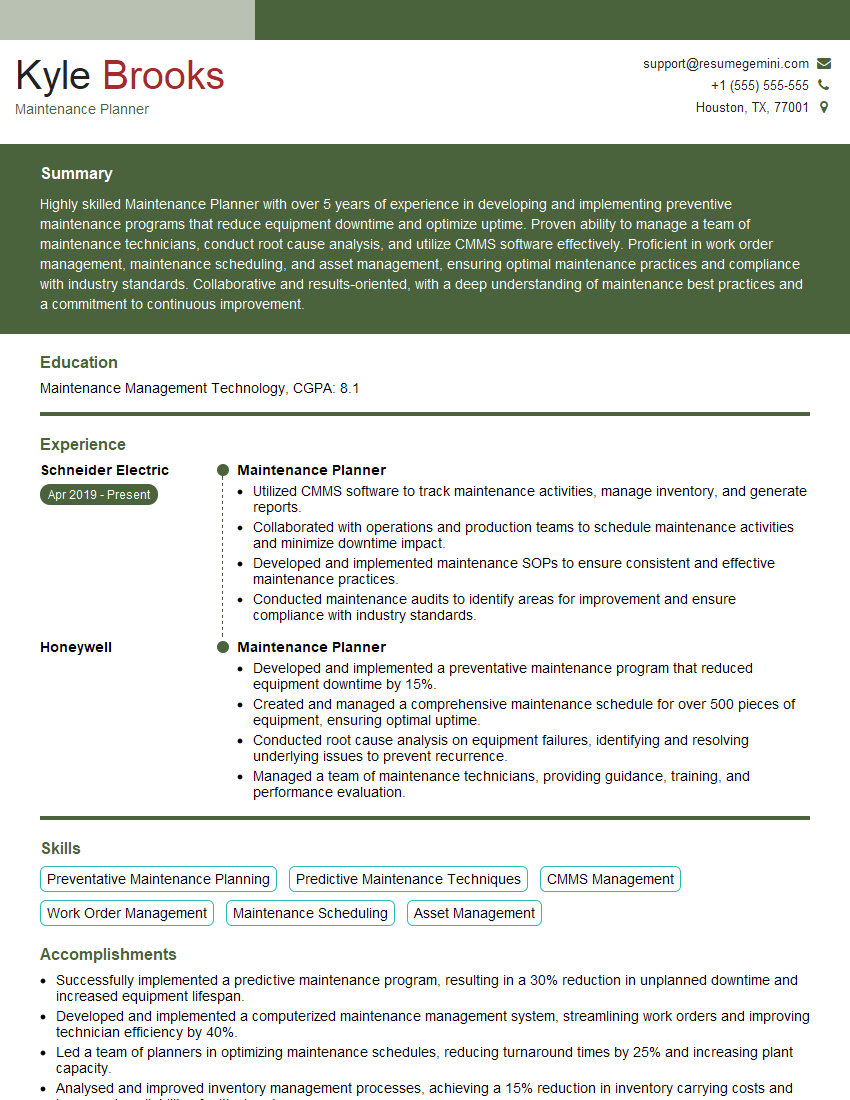
Maintenance Planner Resume Sample
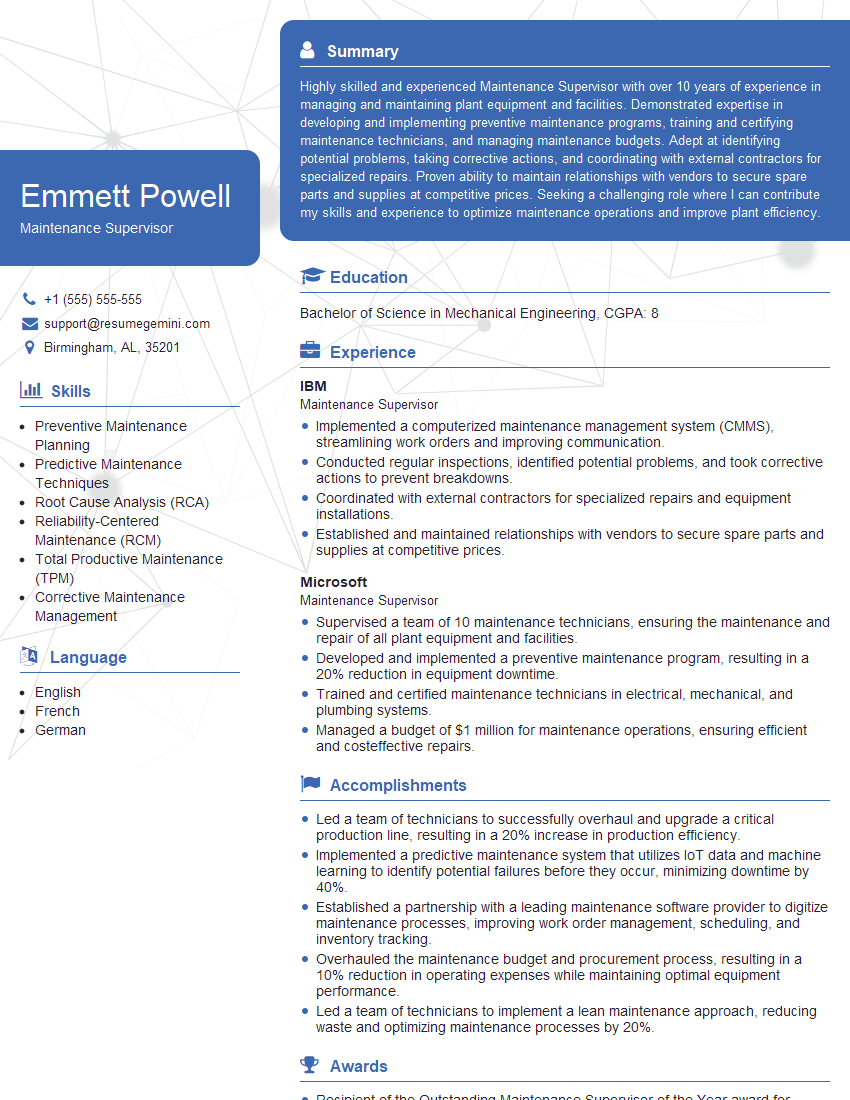
Maintenance Supervisor Resume Sample
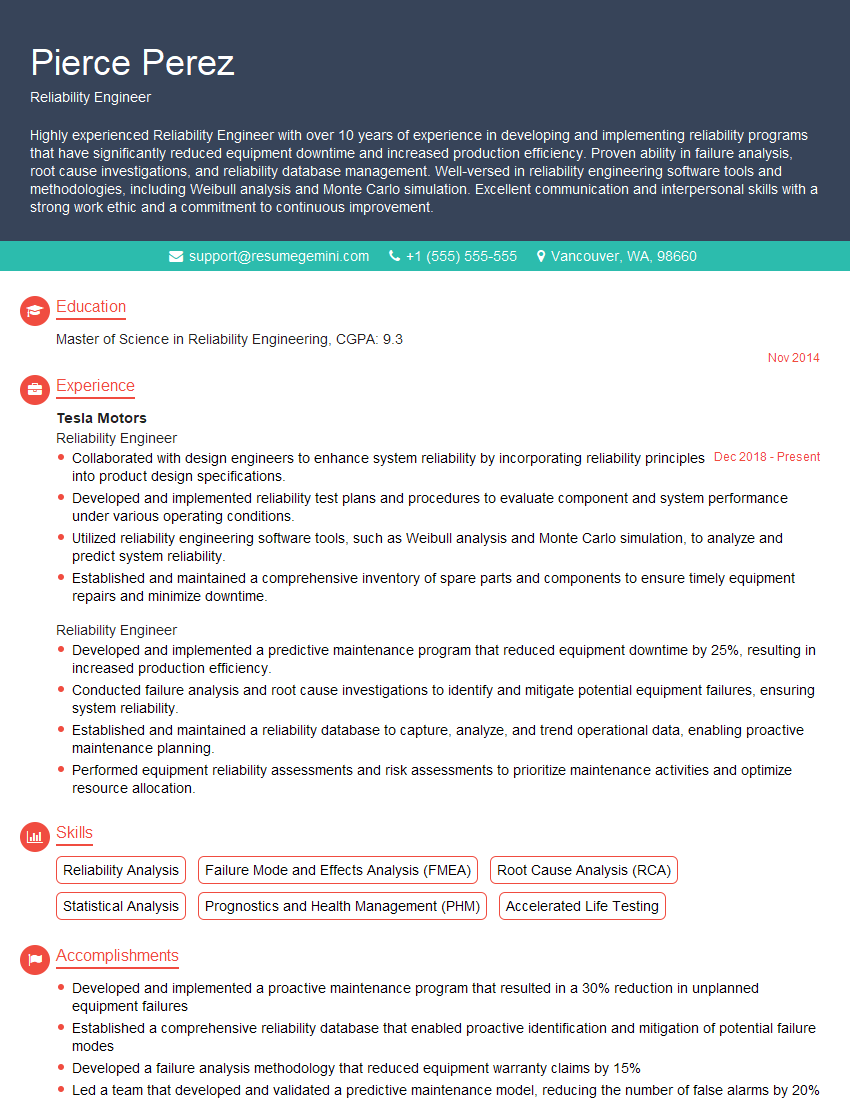
Reliability Engineer Resume Sample
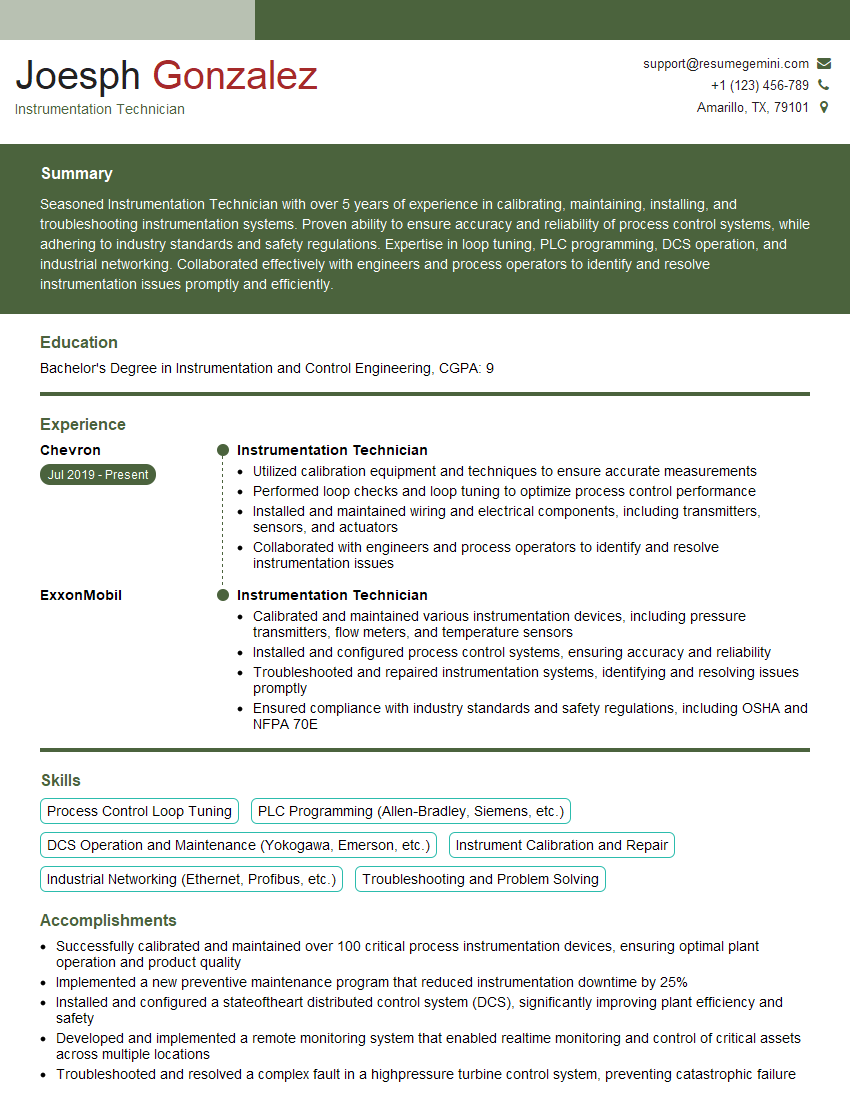
Instrumentation Technician Resume Sample
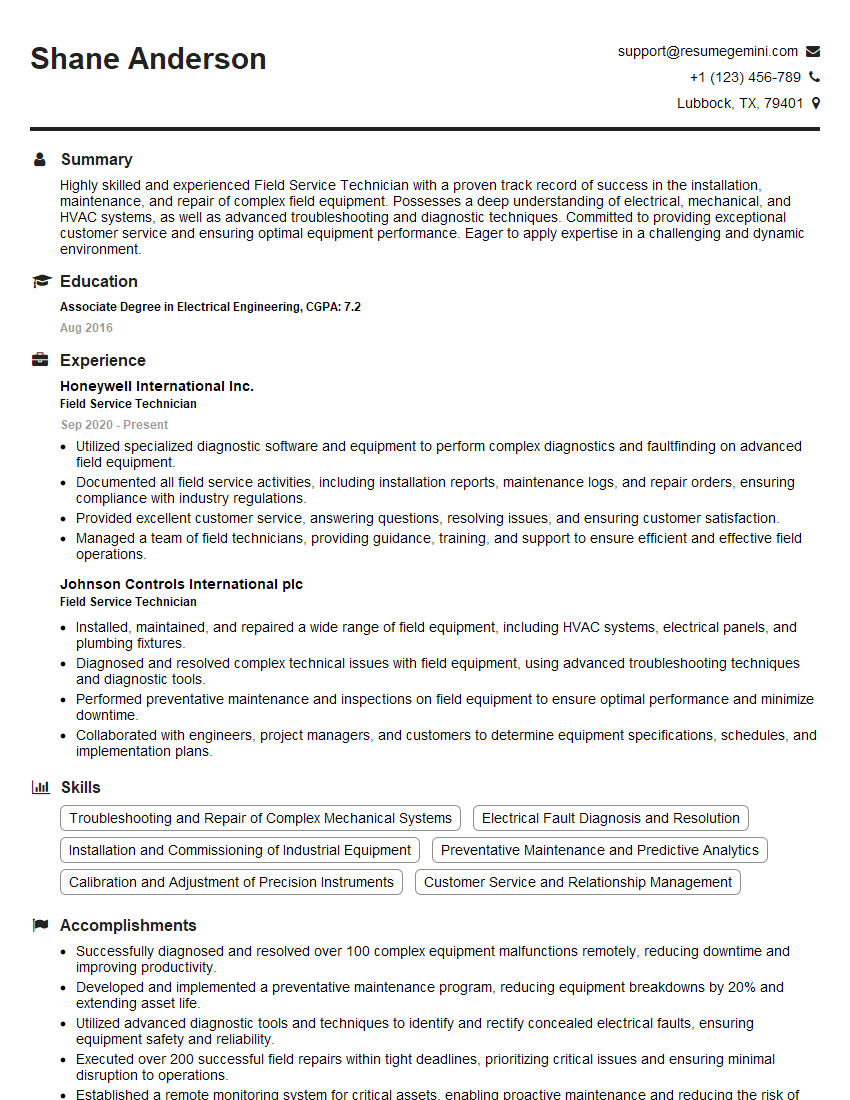
Field Service Technician Resume Sample
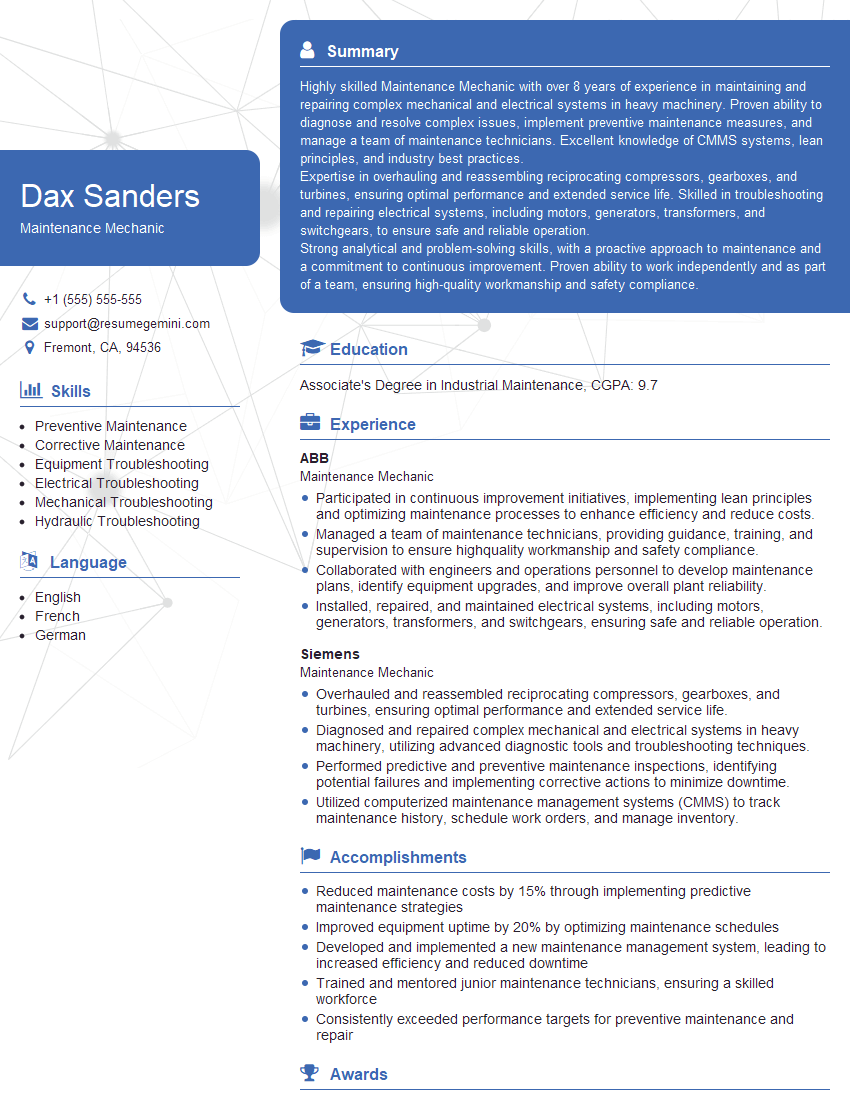
Maintenance Mechanic Resume Sample
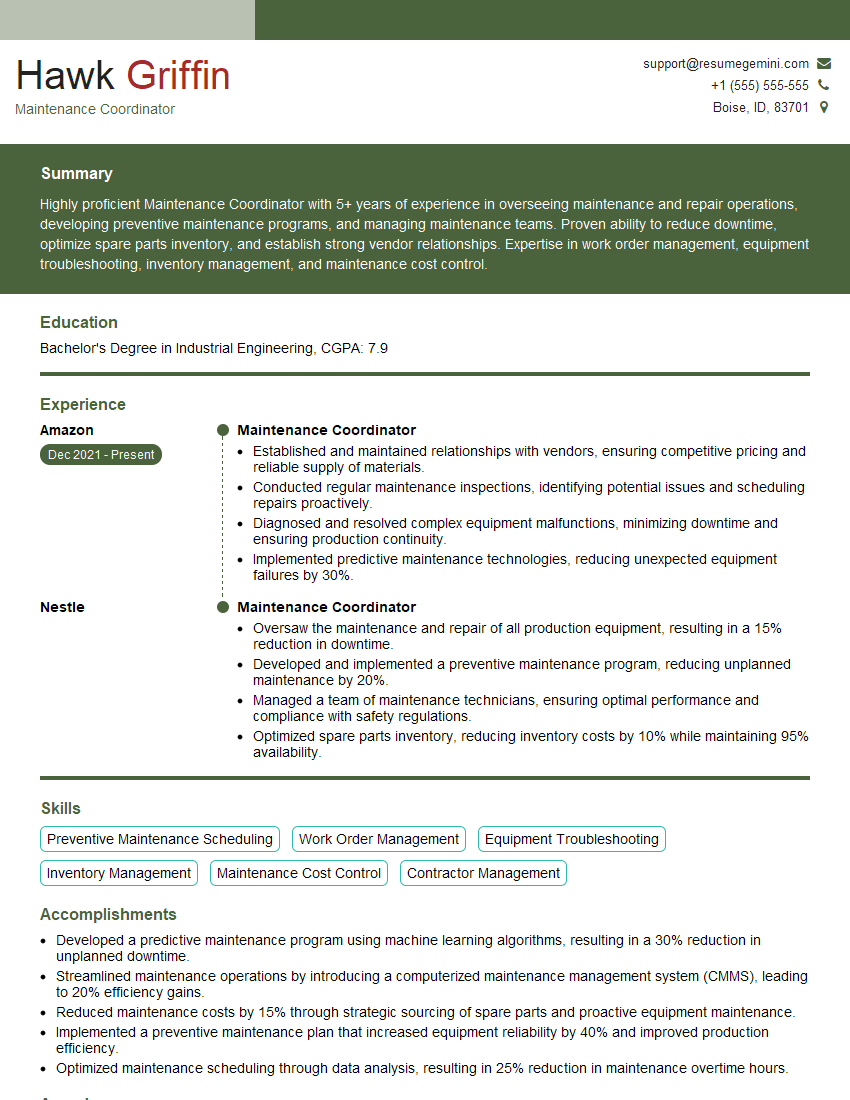
Maintenance Coordinator Resume Sample
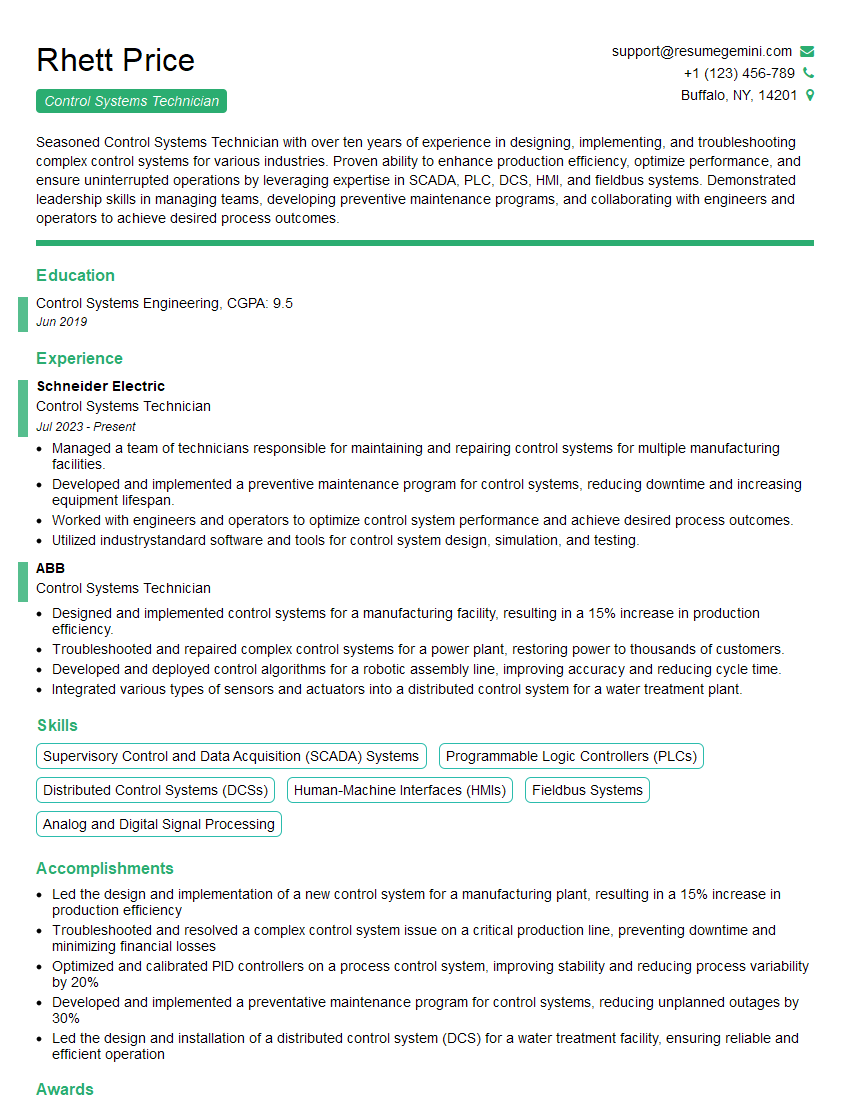
Control Systems Technician Resume Sample

Electrical Maintenance Technician Resume Sample
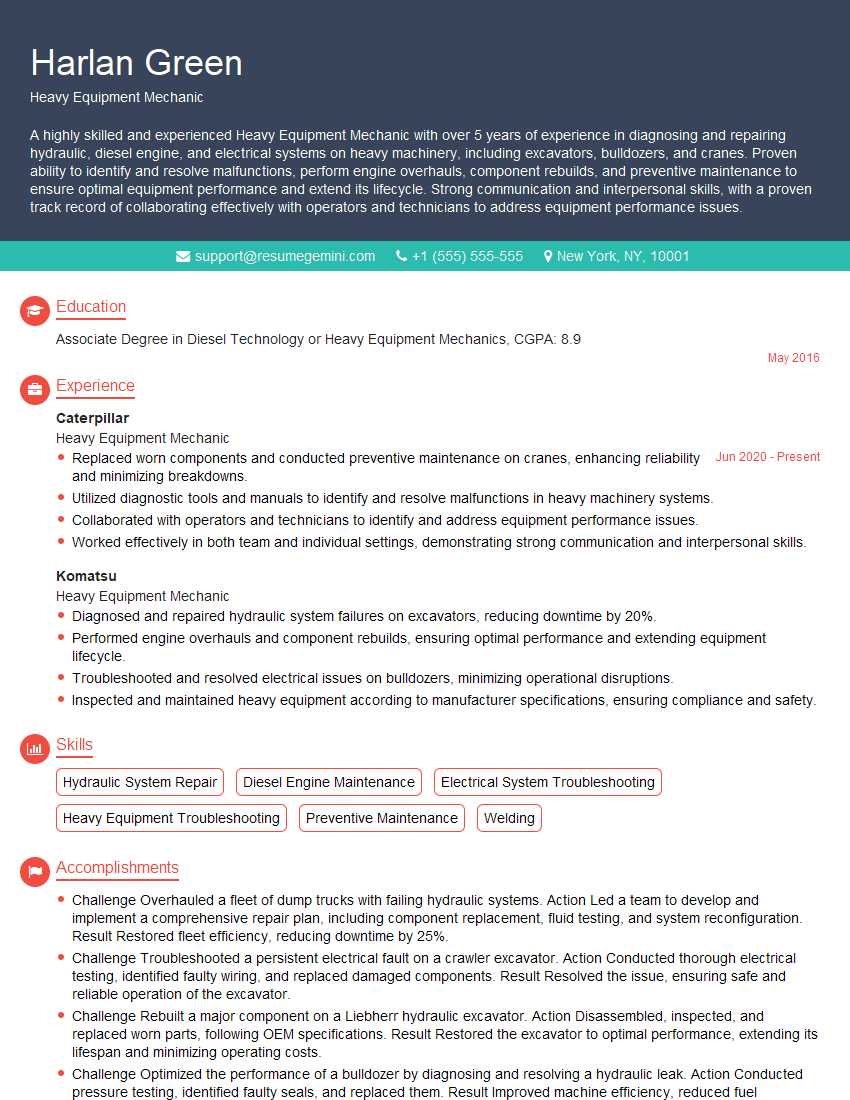
Heavy Equipment Mechanic Resume Sample
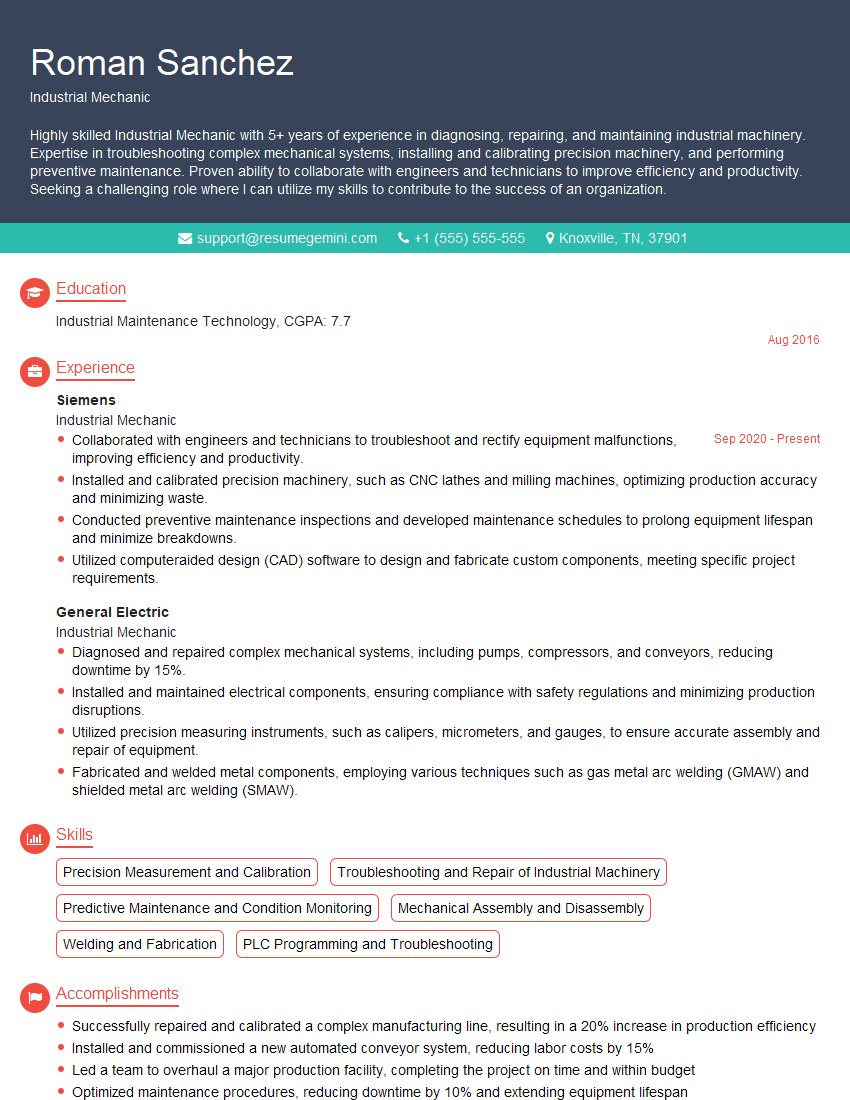
Industrial Mechanic Resume Sample
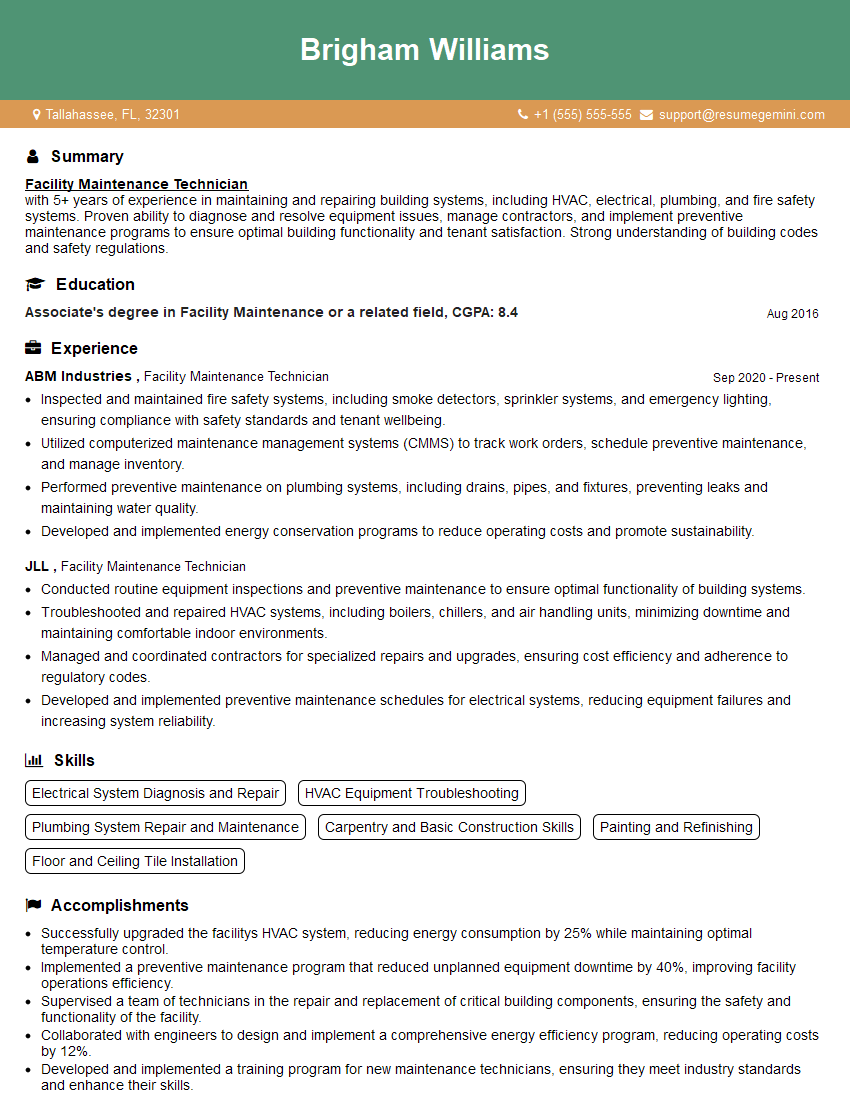
Facility Maintenance Technician Resume Sample
- Maintenance Manager
- Maintenance Planner
- Maintenance Supervisor
- Reliability Engineer
- Instrumentation Technician
- Field Service Technician
- Maintenance Mechanic
- Maintenance Coordinator
- Control Systems Technician
- Electrical Maintenance Technician
- Heavy Equipment Mechanic
- Industrial Mechanic
- Facility Maintenance Technician
Explore more articles
Users Rating of Our Blogs
Share Your Experience
We value your feedback! Please rate our content and share your thoughts (optional).
What Readers Say About Our Blog
To the interviewgemini.com Webmaster.
Very helpful and content specific questions to help prepare me for my interview!
Thank you
To the interviewgemini.com Webmaster.
This was kind of a unique content I found around the specialized skills. Very helpful questions and good detailed answers.
Very Helpful blog, thank you Interviewgemini team.