The right preparation can turn an interview into an opportunity to showcase your expertise. This guide to Restless Legs Syndrome interview questions is your ultimate resource, providing key insights and tips to help you ace your responses and stand out as a top candidate.
Questions Asked in Restless Legs Syndrome Interview
Q 1. Describe the diagnostic criteria for Restless Legs Syndrome (RLS).
Diagnosing Restless Legs Syndrome (RLS) relies on a combination of clinical features and the exclusion of other conditions. The International Restless Legs Syndrome Study Group (IRLSSG) diagnostic criteria are widely accepted. They require the presence of an urge to move the legs, usually accompanied by uncomfortable sensations in the legs. This urge is usually worse during periods of rest or inactivity, and is partially or totally relieved by movement. The symptoms must also worsen in the evening or night, and not be solely attributable to another medical or behavioral condition.
In essence, a patient needs to experience that irresistible urge to move their legs, usually coupled with unpleasant feelings like creeping, crawling, or aching sensations, which only subside with movement. This cycle needs to be particularly prominent when the patient is at rest, especially at night. It’s crucial to rule out any other potential causes through a thorough medical history and examination.
Q 2. What are the common symptoms of RLS, and how do they differ from other movement disorders?
RLS symptoms primarily involve an irresistible urge to move the legs, often accompanied by uncomfortable sensations described as creeping, crawling, pulling, aching, throbbing, or burning. These sensations are typically localized to the legs, although they can sometimes involve the arms. The urge to move is strongest during periods of rest or inactivity, such as lying in bed at night, and is temporarily relieved by movement – though this relief is often short-lived.
Differentiating RLS from other movement disorders is crucial. While other disorders like periodic limb movement disorder (PLMD) involve involuntary leg movements during sleep, RLS is characterized by the subjective experience of an irresistible urge to move, driven by uncomfortable sensations. Other conditions, like Parkinson’s disease, can mimic some aspects of RLS, but often involve additional neurological signs and symptoms not seen in typical RLS. For example, Parkinson’s involves tremors, rigidity, and bradykinesia, which are absent in most cases of RLS. Accurate diagnosis requires careful clinical assessment and consideration of the full clinical picture.
Q 3. Explain the pathophysiology of RLS, including the role of dopamine.
The exact pathophysiology of RLS remains unclear, but it’s strongly linked to an iron deficiency in dopaminergic neurons in the brain and spinal cord. Dopamine plays a crucial role in movement control, and reduced dopamine signaling in these areas is believed to be a primary contributor to RLS symptoms. Iron is essential for dopamine synthesis, so iron deficiency can directly impact dopamine levels and contribute to RLS.
Beyond iron deficiency, other factors implicated in RLS pathophysiology include genetic predisposition, alterations in the central nervous system’s processing of sensory information, and potential contributions from other neurotransmitters and receptors. For instance, some research suggests that problems with opioid signaling might also play a role. The interplay between these genetic, biochemical, and neurological factors creates a complex picture, and further research is needed for a complete understanding of RLS’s underlying mechanisms.
Q 4. What are the differential diagnoses for RLS?
Many conditions can mimic RLS symptoms, making accurate differential diagnosis crucial. These include:
- Periodic limb movement disorder (PLMD): Characterized by repetitive leg movements during sleep, often diagnosed through sleep studies. PLMD can co-occur with RLS.
- Iron deficiency anemia: Low iron levels directly impact dopamine production, potentially leading to RLS-like symptoms.
- Peripheral neuropathy: Nerve damage in the legs can cause discomfort and an urge to move, mimicking RLS.
- Venous insufficiency: Impaired blood flow in the legs can lead to pain and discomfort, potentially confused with RLS.
- Arthritis or other musculoskeletal conditions: Joint pain can cause nighttime discomfort and an urge to change position, potentially being mistaken for RLS.
- Kidney disease: Disorders of the kidneys can impact dopamine metabolism and lead to RLS.
- Anxiety and depression: These conditions can exacerbate RLS symptoms or present with similar complaints.
A thorough medical history, physical examination, and appropriate laboratory tests are essential to differentiate RLS from these other conditions.
Q 5. Discuss various treatment options for RLS, including pharmacological and non-pharmacological approaches.
RLS treatment is multifaceted, encompassing both pharmacological and non-pharmacological strategies. The approach depends on symptom severity and the presence of co-morbid conditions.
- Pharmacological approaches: Primarily involve dopamine agonists (e.g., pramipexole, ropinirole), which mimic the effects of dopamine; alpha-2-delta calcium channel ligands (e.g., gabapentin, pregabalin) which influence neurotransmitter release; and opioids (e.g., codeine, oxycodone) which have strong analgesic effects. Iron supplementation is vital for iron-deficient patients. Other medications can be used to address comorbid conditions like anxiety or depression.
- Non-pharmacological approaches: Include regular exercise, good sleep hygiene (maintaining a regular sleep schedule, creating a relaxing bedtime routine), avoiding caffeine and alcohol, and stress management techniques (yoga, meditation). Leg massages or warm baths before bed can also provide temporary relief. Some patients find that certain lifestyle changes, such as avoiding certain foods and drinks, can reduce their symptoms.
A collaborative approach between the patient and physician is vital to select the optimal treatment strategy, balancing effectiveness, safety, and tolerability.
Q 6. How do you assess the severity of RLS in patients?
Assessing RLS severity usually involves using validated scales, such as the International Restless Legs Syndrome Rating Scale (IRLS). This scale assesses symptom severity on several parameters: urge to move, unpleasant sensations, sleep disturbance, and daytime functional impairment. Each parameter is scored on a numerical scale, providing a comprehensive quantitative assessment. Another method is the clinical global impression scale, a simple rating scale based on the clinician’s subjective judgment.
Clinicians also consider the impact of RLS on a patient’s quality of life. This holistic evaluation involves assessing not just the intensity of symptoms but also their effect on sleep, work, relationships, and overall well-being. The patient’s self-reported experiences are invaluable for a complete assessment.
Q 7. What are the potential complications associated with untreated RLS?
Untreated RLS can significantly impact a patient’s quality of life. The most prominent complication is chronic sleep deprivation, leading to daytime fatigue, reduced productivity, and impaired cognitive function. This sleep disturbance can, in turn, increase the risk of accidents, cardiovascular problems, and mood disorders like depression and anxiety.
Furthermore, untreated RLS can strain relationships, impact social life and professional performance, and affect overall mental health. The constant discomfort and struggle to get a good night’s rest create a significant burden on physical and psychological well-being. Early diagnosis and appropriate management are key to mitigate these potential complications.
Q 8. Describe the role of iron deficiency in RLS.
Iron deficiency plays a significant, albeit not fully understood, role in Restless Legs Syndrome (RLS). While not everyone with RLS has iron deficiency, a substantial portion does, and correcting this deficiency often leads to significant symptom improvement. It’s believed that iron is crucial for dopamine production in the brain, and dopamine plays a key role in regulating movement and sleep. In RLS, there’s evidence of dysfunction within the dopaminergic system. Therefore, insufficient iron can exacerbate this existing dysfunction, leading to the characteristic urge to move the legs and the unpleasant sensations associated with RLS. It’s important to note that simply having low iron doesn’t automatically mean you have RLS, and conversely, not everyone with RLS has low iron. However, checking iron levels, including ferritin (a measure of iron stores), is a crucial part of the RLS diagnostic process. Treating the iron deficiency, even in the absence of anemia, can be a game-changer for many RLS sufferers. We often use intravenous iron infusions for faster repletion in cases of severe iron deficiency or poor oral iron absorption.
Q 9. What are the common side effects of medications used to treat RLS?
The medications used to treat RLS can have a range of side effects, varying in severity and frequency depending on the individual and the specific medication. Dopamine agonists, a common first-line treatment, can cause nausea, vomiting, dizziness, daytime sleepiness, and orthostatic hypotension (a sudden drop in blood pressure upon standing). In some cases, more serious side effects, including impulse control disorders (such as gambling addiction or hypersexuality), can occur, though this is less common. Other medications like opioids (used less frequently due to their potential for addiction) can lead to constipation, drowsiness, and cognitive impairment. Iron supplements, while generally safe, can cause gastrointestinal upset in some individuals. It’s vital to have open communication with your doctor about any side effects you experience to ensure appropriate management and medication adjustments. For example, a patient experiencing significant nausea from a dopamine agonist might need a dosage reduction or a switch to a different medication. We carefully monitor patients for these side effects, adjusting therapy as needed to minimize them while maximizing therapeutic benefit.
Q 10. How do you manage RLS in patients with comorbid conditions (e.g., Parkinson’s disease)?
Managing RLS in patients with comorbid conditions like Parkinson’s disease requires a nuanced approach. The overlap of symptoms can make diagnosis and treatment challenging. Parkinson’s disease often involves similar motor symptoms, including tremor and rigidity, which can complicate the assessment of RLS. Medications used for Parkinson’s can also interact with those used for RLS, leading to potential side effects or reduced efficacy. The approach typically involves careful medication selection, prioritizing those with the least potential for interaction or adverse effects. For instance, certain dopamine agonists used for Parkinson’s might exacerbate RLS symptoms. Non-pharmacological strategies such as regular exercise, good sleep hygiene, and stress reduction techniques remain crucial for both conditions. Close monitoring for any new or worsening symptoms is essential, and a multidisciplinary approach, involving neurologists and specialists in movement disorders, is often beneficial to manage both conditions effectively. In a practical example, a patient with both Parkinson’s and RLS might require a careful titration of their Parkinson’s medication and the addition of a low dose of a selective RLS medication to control RLS symptoms without exacerbating their Parkinson’s.
Q 11. Explain the concept of periodic limb movement disorder (PLMD) and its relationship to RLS.
Periodic limb movement disorder (PLMD) is a sleep disorder characterized by repetitive, involuntary movements of the limbs, typically the legs, during sleep. These movements are usually brief, lasting a few seconds, and occur periodically throughout the night. PLMD is often associated with restless legs syndrome (RLS), with many individuals with RLS also experiencing PLMD. However, PLMD can occur independently of RLS. While RLS involves the unpleasant sensations and urge to move the legs *before* sleep onset, PLMD only manifests *during* sleep and is often detected through polysomnography (sleep study). The relationship is not fully understood, but it’s hypothesized that shared underlying neurological mechanisms, particularly within the dopaminergic system, contribute to both conditions. This understanding informs management strategies, where treating RLS symptoms might often improve associated PLMD, thereby improving sleep quality. A patient diagnosed with RLS often undergoes a sleep study to determine the presence or absence of PLMD, which guides the treatment plan.
Q 12. Describe your approach to educating patients about RLS and its management.
Educating patients about RLS is crucial for effective management. My approach begins with providing a clear and concise explanation of the condition, addressing the patient’s specific concerns and understanding of their symptoms. I use simple language, avoiding medical jargon whenever possible, and relate the information to their personal experiences. For example, instead of saying ‘dopaminergic dysfunction,’ I might explain the role of brain chemicals and how their imbalance can affect movement and sensations. I discuss the various treatment options, emphasizing the importance of a collaborative approach, where the patient actively participates in their treatment plan. I also provide detailed instructions on medication usage, potential side effects, and the need for regular follow-up appointments. I strongly emphasize lifestyle modifications, including regular exercise, good sleep hygiene, and stress management techniques. Furthermore, I encourage them to maintain a sleep diary to track symptoms and response to treatment. Providing written materials, such as brochures or online resources, reinforces the information and allows the patient to refer back to it as needed. Open communication is key; I encourage patients to ask questions and express any concerns they might have throughout the process.
Q 13. How would you counsel a patient about lifestyle modifications to improve RLS symptoms?
Counseling a patient on lifestyle modifications involves a holistic approach focusing on various aspects that may trigger or worsen RLS symptoms. We start by emphasizing the importance of regular exercise, recommending moderate aerobic activities like walking, swimming, or cycling. This doesn’t mean intense workouts; even a 30-minute walk daily can significantly improve symptoms. Next, we address sleep hygiene; promoting a consistent sleep schedule, a relaxing bedtime routine, and creating a comfortable sleep environment are essential. We discuss the avoidance of stimulants like caffeine and nicotine, especially close to bedtime. Alcohol, while seemingly relaxing, can often worsen RLS symptoms later in the night. Stress management is another key component; techniques like meditation, yoga, or deep breathing exercises can significantly alleviate symptoms. A well-balanced diet is also important; while the role of diet in RLS is still under research, a balanced intake of essential nutrients is crucial for overall health. For instance, a patient struggling with anxiety might benefit from relaxation techniques, while a patient with an irregular sleep pattern needs guidance on establishing a consistent sleep schedule. I always tailor my advice to the individual’s lifestyle and preferences to ensure it’s practical and sustainable in the long run.
Q 14. What are the latest advancements in the research and treatment of RLS?
Research in RLS is constantly evolving, leading to exciting advancements in understanding its pathophysiology and treatment. There’s increased focus on identifying specific genetic markers associated with RLS, which might lead to more precise diagnostic tools and personalized treatment approaches. Novel drug development targets are emerging, beyond dopamine agonists, exploring other neurotransmitter systems and pathways involved in the disease. For example, research into medications that target iron metabolism is showing promise. Non-invasive brain stimulation techniques, such as transcranial magnetic stimulation (TMS), are being investigated for their potential in modulating brain activity and alleviating symptoms. Furthermore, research continues to explore the role of lifestyle interventions, such as dietary changes, and the effectiveness of alternative therapies like acupuncture and massage. The ultimate goal is to develop more effective treatments with fewer side effects and a better understanding of the underlying mechanisms, leading to more personalized and targeted therapies for this often debilitating condition.
Q 15. Discuss the use of polysomnography in the diagnosis of RLS.
Polysomnography (PSG) isn’t typically the first test used to diagnose Restless Legs Syndrome (RLS), but it plays a crucial role in confirming the diagnosis and ruling out other sleep disorders. PSG is an overnight sleep study that monitors various physiological parameters including brain waves (EEG), eye movements (EOG), muscle activity (EMG), and heart rate. In the context of RLS, PSG helps identify periodic limb movements of sleep (PLMS). These are brief, involuntary movements of the legs and/or arms that occur during sleep. While the presence of PLMS doesn’t automatically equate to RLS, a significant number of PLMS coupled with a patient’s reported daytime symptoms (the irresistible urge to move the legs, worsened by rest, and partially relieved by movement) strongly supports the diagnosis. The PSG helps quantify the severity of PLMS, which is valuable in treatment planning and monitoring progress.
For example, a patient presenting with classic RLS symptoms might undergo PSG. The study reveals frequent PLMS, corroborating the clinical picture and assisting in determining the appropriate treatment strategy. In cases where symptoms are less clear-cut, PSG can provide objective data to distinguish RLS from other sleep disorders that might cause similar symptoms, such as periodic limb movement disorder (PLMD) without the associated daytime RLS symptoms.
Career Expert Tips:
- Ace those interviews! Prepare effectively by reviewing the Top 50 Most Common Interview Questions on ResumeGemini.
- Navigate your job search with confidence! Explore a wide range of Career Tips on ResumeGemini. Learn about common challenges and recommendations to overcome them.
- Craft the perfect resume! Master the Art of Resume Writing with ResumeGemini’s guide. Showcase your unique qualifications and achievements effectively.
- Don’t miss out on holiday savings! Build your dream resume with ResumeGemini’s ATS optimized templates.
Q 16. How do you differentiate RLS from anxiety-related leg movements?
Differentiating RLS from anxiety-related leg movements can be challenging, as both can manifest with restlessness and an urge to move. However, key differences exist. RLS symptoms are typically characterized by a specific, irresistible urge to move the legs, often accompanied by unpleasant sensations like crawling, aching, or pulling. This urge is particularly strong at rest or during periods of inactivity, and it’s partially or completely relieved by movement. Anxiety-related leg movements, on the other hand, might involve fidgeting, leg shaking, or pacing, often stemming from nervous energy or stress. The urge to move isn’t necessarily as intense or specific to the legs as in RLS, and it’s not always relieved by movement.
In clinical practice, a thorough history taking, including the patient’s description of the sensations and the circumstances in which they occur, is crucial. A detailed examination can assess whether the symptoms fit the diagnostic criteria for RLS. Furthermore, addressing underlying anxiety or stress with appropriate therapy or medications can sometimes alleviate the leg movements if they’re anxiety-related, while treatment for RLS often involves different approaches such as dopaminergic medications.
Q 17. What are the challenges in managing RLS in elderly patients?
Managing RLS in elderly patients presents several challenges. Firstly, the prevalence of RLS increases with age, and comorbidities are common in this population. This means many elderly patients are taking multiple medications which can interact with RLS treatments, increasing the risk of side effects. Secondly, the elderly are often more sensitive to the side effects of medications, such as dizziness or falls, which can be particularly concerning. Thirdly, cognitive impairment can make it difficult for patients to accurately report their symptoms or adhere to treatment plans. Finally, age-related changes in sleep architecture can complicate the management of RLS and impact the efficacy of treatments.
Careful medication selection, starting with low doses and gradually titrating upwards, is essential to minimize the risk of adverse events. Regular monitoring for side effects and careful consideration of potential drug interactions are crucial. Non-pharmacological approaches, such as regular exercise, good sleep hygiene, and addressing underlying medical conditions, often play an important supplementary role.
Q 18. Describe your experience with different types of dopaminergic medications used for RLS.
Dopaminergic medications are the cornerstone of RLS treatment for many patients. My experience encompasses the use of several agents, including pramipexole, ropinirole, and levodopa. Pramipexole and ropinirole are non-ergot dopamine agonists that generally have a lower incidence of side effects compared to levodopa, especially in the early stages of treatment. However, long-term use can lead to augmentation, where the symptoms worsen, or the medication becomes less effective. Levodopa, while effective, often comes with a higher risk of dyskinesia (involuntary movements) and other side effects, often making it a later-line treatment option, particularly when augmentation has occurred with dopamine agonists. The choice of medication depends on individual patient factors, including symptom severity, presence of comorbidities, and the patient’s tolerance to side effects.
For instance, I might start a younger patient with mild symptoms on pramipexole due to its generally good tolerability. For an older patient with more severe symptoms and other medical conditions, a careful assessment of the risk-benefit profile might lead to a different choice, potentially starting with a lower dose of levodopa and carefully monitoring for side effects. Individualizing treatment based on patient response and tolerance is key.
Q 19. What are the potential interactions between RLS medications and other commonly prescribed drugs?
RLS medications can interact with various other commonly prescribed drugs. For instance, certain antidepressants, antihistamines, and antipsychotics can potentiate the sedative effects of dopaminergic agents used to treat RLS. Moreover, some medications, like opioids, can exacerbate RLS symptoms. In addition, interactions can occur between different dopaminergic medications, leading to increased risk of side effects if used concomitantly. Therefore, a detailed medication review is essential before initiating RLS treatment, as well as regular monitoring for any adverse drug reactions or potential interactions.
A practical example is a patient taking an opioid analgesic for chronic pain who also requires RLS treatment. We must carefully select the RLS medication and monitor for potential additive sedation or worsening of RLS symptoms. In another scenario, combining two dopaminergic medications without careful consideration might lead to excessive sedation or augmentation.
Q 20. How do you monitor the effectiveness of RLS treatment?
Monitoring the effectiveness of RLS treatment involves a multi-faceted approach. Regular follow-up appointments are crucial, allowing for an assessment of symptom severity using validated scales such as the International Restless Legs Syndrome Study Group (IRLSSG) rating scale. Patients’ subjective reports regarding the frequency, intensity, and duration of symptoms are also important. Furthermore, sleep diaries can help track the impact of RLS on sleep quality. Objective measures like PSG, although not routinely performed for monitoring, can provide valuable data in cases of unclear symptom improvement or treatment failure. It is important to consider the patient’s overall quality of life and functional status and not solely rely on scale scores when assessing treatment effectiveness.
For example, a patient might report a significant reduction in symptom severity and improved sleep quality after initiating treatment, supported by reduced scores on the IRLSSG rating scale. If no improvement is seen after an adequate trial period, we re-evaluate the treatment strategy, considering alternative medications, dosages, or non-pharmacological interventions.
Q 21. Describe your experience with managing patients with refractory RLS.
Managing patients with refractory RLS, meaning those who don’t respond adequately to standard treatments, can be challenging and often requires a multidisciplinary approach. Strategies include optimizing current medications, exploring alternative dopaminergic agents, or considering add-on therapies like opioids (used cautiously due to potential for dependence and side effects), alpha-2-delta calcium channel ligands, or iron supplementation (if iron deficiency is present). Non-pharmacological interventions such as regular exercise, good sleep hygiene, and cognitive behavioral therapy (CBT) for sleep may also be beneficial. In some cases, referral to a sleep specialist or neurologist for further evaluation and management might be necessary.
A patient who has tried multiple dopaminergic medications without significant improvement might benefit from a trial of gabapentin or pregabalin. Alternatively, if iron deficiency is detected, treatment with iron supplements can dramatically improve symptoms in some individuals. A holistic approach, considering various aspects of the patient’s lifestyle and medical history, often proves most successful in managing refractory RLS.
Q 22. What are your strategies for addressing patient adherence to RLS treatment plans?
Improving patient adherence to RLS treatment plans requires a multifaceted approach focusing on education, shared decision-making, and ongoing support. It’s not simply about prescribing medication; it’s about building a therapeutic alliance.
Education: I begin by thoroughly explaining the condition, its impact, and the rationale behind each treatment option. I use clear, simple language, avoiding medical jargon, and ensuring the patient understands the expected benefits and potential side effects of each treatment. I answer all their questions patiently and encourage them to ask more.
Shared Decision-Making: I empower patients to actively participate in their treatment plan. We collaboratively explore different options, considering their lifestyle, preferences, and any concerns. This collaborative approach makes patients feel more invested and increases the likelihood of adherence.
Ongoing Support: Regular follow-up appointments are crucial. We monitor treatment effectiveness, address any emerging concerns, and adjust the plan as needed. This demonstrates my commitment to their well-being and facilitates open communication. I may also suggest support groups or online resources for additional assistance and peer-to-peer support.
Addressing Barriers: I actively identify and address any potential barriers to adherence, such as cost concerns, medication side effects, or forgetfulness. We explore solutions together, such as exploring lower-cost alternatives or utilizing medication reminders.
Q 23. How do you address the impact of RLS on a patient’s quality of life?
RLS significantly impacts quality of life, often leading to sleep disturbances, daytime fatigue, irritability, relationship difficulties, and impaired daily functioning. Addressing this requires a holistic approach.
Assessment of Impact: I use validated questionnaires like the RLS-related quality of life (RLS-QoL) scale to objectively measure the impact on various aspects of their life. This provides a baseline and allows us to track progress over time.
Lifestyle Modifications: I advise on lifestyle changes like regular exercise, maintaining a consistent sleep schedule, minimizing caffeine and alcohol intake, and optimizing iron levels through diet or supplements. These are often crucial first steps.
Symptom Management: Effective medication management is key to reducing symptoms and improving sleep quality. We work together to find the best medication and dosage, minimizing side effects.
Psychological Support: For some patients, psychological interventions such as cognitive-behavioral therapy for insomnia (CBT-I) or stress management techniques can be beneficial in managing anxiety and improving sleep. Referral to a psychologist or therapist might be necessary.
Social Support: Encouraging social interaction and participation in activities can improve mood and overall well-being. I may refer patients to support groups for RLS, where they can connect with others who understand their experiences.
Q 24. What are the ethical considerations in the management of RLS?
Ethical considerations in RLS management center on informed consent, balancing benefits and risks of treatment, patient autonomy, and equitable access to care.
Informed Consent: Patients must fully understand their diagnosis, treatment options (including the risks and benefits of each), and the potential impact on their daily lives before making decisions about their care. I ensure this through clear and thorough explanations and provide ample opportunity for questions.
Balancing Benefits and Risks: Especially when considering medication, I carefully weigh the potential benefits against the risks of side effects. This is an ongoing process, regularly reassessing the treatment plan as needed.
Patient Autonomy: I respect the patient’s right to make informed decisions about their treatment, even if those decisions differ from my recommendations. My role is to provide information and support, not to dictate their choices.
Equitable Access: Access to diagnostic tools, effective medications, and appropriate support services should be equitable, regardless of socioeconomic status, race, or geographic location. I advocate for better access to these resources when necessary.
Q 25. How would you approach a patient who expresses concerns about medication side effects?
Concerns about medication side effects are common and entirely valid. My approach involves a combination of thorough explanation, exploration of alternatives, and close monitoring.
Understanding Concerns: I listen empathetically to the patient’s concerns, validate their feelings, and carefully explore the specific side effects they are experiencing or fear.
Information and Education: I provide detailed information about the likelihood and severity of each potential side effect, explaining how to manage them and when to seek immediate medical attention. I use plain language and avoid overwhelming them with technical details.
Exploring Alternatives: If side effects are intolerable, I explore alternative medications or non-pharmacological strategies, working collaboratively with the patient to find an approach that minimizes side effects while effectively managing symptoms.
Close Monitoring: Regular follow-up appointments are crucial to monitor for any side effects and make adjustments as needed. I might suggest a gradual dose reduction or switching to a different medication if necessary.
Q 26. What research studies on RLS have you followed recently?
Recently, I’ve been following research on the role of dopamine and iron in RLS pathogenesis. Studies exploring genetic susceptibility and the effectiveness of novel therapies, including non-pharmacological interventions like exercise and sleep hygiene improvements, have been particularly relevant. Specific studies I’ve reviewed include those investigating the efficacy of different dopaminergic medications and the long-term effects of various treatment strategies on patient outcomes and quality of life.
Q 27. Explain your understanding of the genetic aspects of RLS.
The genetic basis of RLS is complex and not fully understood. However, family history strongly suggests a genetic component. Several genes have been implicated, often involved in iron metabolism, dopamine signaling, or other neurotransmitter systems. Specific genes like MEIS1 and BTBD9 have been associated with an increased risk, but the picture is far from complete. It’s likely that multiple genes and environmental factors interact to contribute to RLS development.
Q 28. Describe a challenging case of RLS you encountered and how you addressed it.
One challenging case involved a young woman with severe RLS, significantly impacting her sleep and daytime functioning. She had tried several medications, all with significant side effects, leading to poor adherence. She was also reluctant to consider lifestyle changes due to her demanding work schedule.
My approach involved a multi-pronged strategy. First, I spent considerable time discussing her concerns about medication side effects, validating her experience and exploring less common options with a lower risk profile. Second, we developed a personalized sleep hygiene plan, focusing on small, achievable changes, rather than an overwhelming overhaul. This included optimizing her sleep environment, creating a relaxing bedtime routine, and incorporating brief periods of regular exercise, even if time was limited. Third, I connected her with a support group, which provided much-needed social support and practical advice from others facing similar challenges. Over several months, we gradually improved her symptom control and overall quality of life, demonstrating that even seemingly intractable cases can benefit from a collaborative, patient-centered approach.
Key Topics to Learn for Restless Legs Syndrome Interview
- Definition and Epidemiology: Understand the prevalence, demographics, and global impact of Restless Legs Syndrome (RLS).
- Pathophysiology and Etiology: Explore the underlying mechanisms, genetic factors, and potential contributing conditions related to RLS.
- Clinical Presentation and Diagnosis: Learn to identify key symptoms, differentiate RLS from other movement disorders, and understand diagnostic criteria.
- Differential Diagnosis: Master the ability to distinguish RLS from similar conditions such as periodic limb movement disorder (PLMD) and other sleep disorders.
- Treatment Modalities: Familiarize yourself with various treatment approaches, including lifestyle modifications, pharmacological interventions, and complementary therapies.
- Pharmacological Management: Gain a deep understanding of different drug classes used in RLS treatment, their mechanisms of action, side effects, and contraindications.
- Patient Management and Counseling: Learn effective strategies for patient education, adherence to treatment plans, and addressing patient concerns.
- Research and Future Directions: Stay updated on the latest research advancements, emerging therapies, and ongoing clinical trials related to RLS.
- Ethical Considerations: Understand the ethical implications of diagnosing and treating RLS, including informed consent and patient autonomy.
Next Steps
Mastering Restless Legs Syndrome knowledge significantly enhances your career prospects in the medical and research fields. A strong understanding of RLS demonstrates expertise and commitment, opening doors to advanced roles and research opportunities. To maximize your job search success, focus on creating an ATS-friendly resume that highlights your skills and experience. ResumeGemini is a trusted resource that can help you build a professional and impactful resume. We provide examples of resumes tailored to Restless Legs Syndrome to guide you in showcasing your unique qualifications.
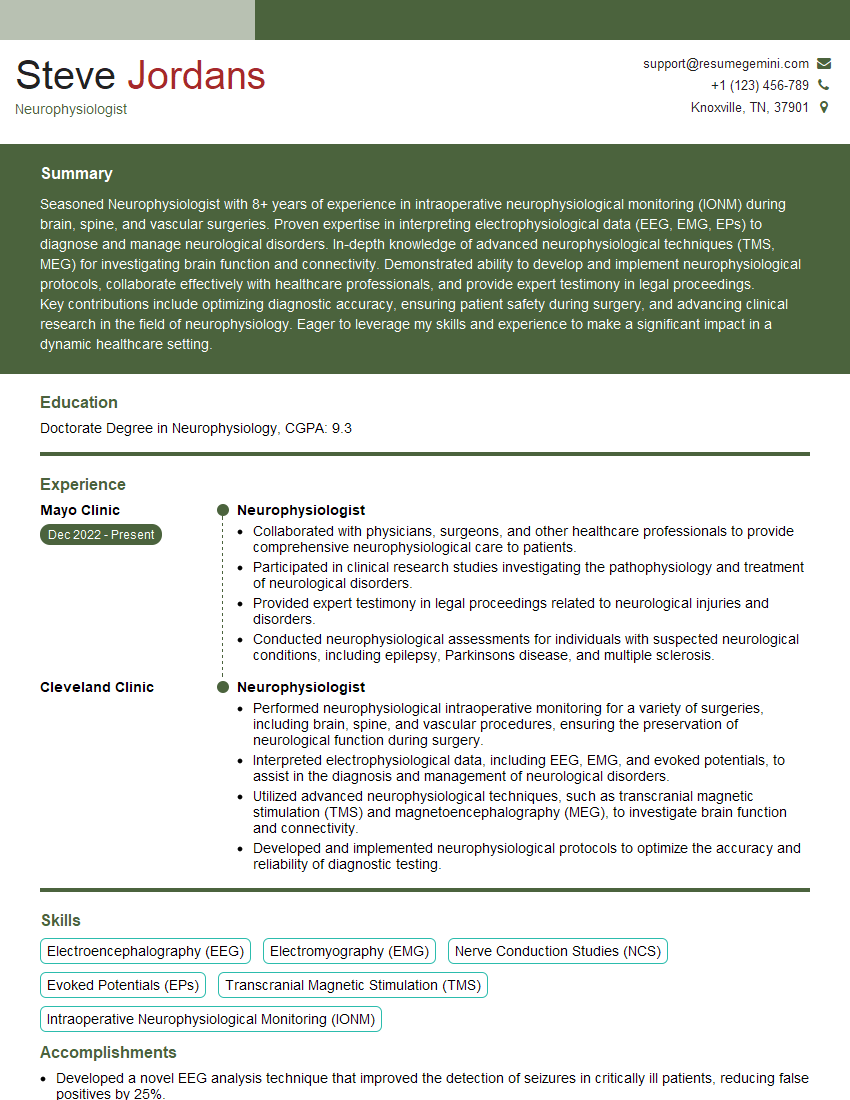
Neurophysiologist Resume Sample

Clinical Neuropsychologist Resume Sample

Family Medicine Physician Resume Sample

Geriatric Physician Resume Sample

Psychiatrist Resume Sample

Neurologist Resume Sample
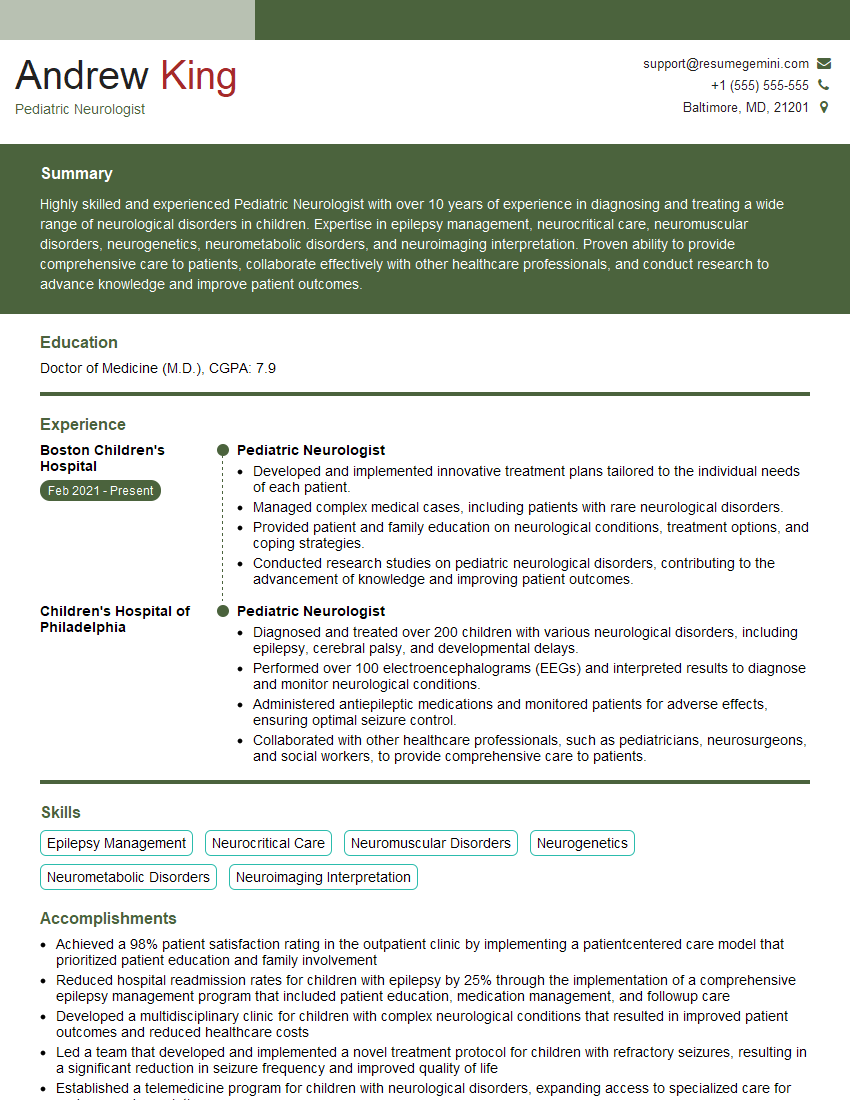
Pediatric Neurologist Resume Sample

Sleep Technologist Resume Sample

Occupational Therapist Resume Sample
Explore more articles
Users Rating of Our Blogs
Share Your Experience
We value your feedback! Please rate our content and share your thoughts (optional).
What Readers Say About Our Blog
To the interviewgemini.com Webmaster.
Very helpful and content specific questions to help prepare me for my interview!
Thank you
To the interviewgemini.com Webmaster.
This was kind of a unique content I found around the specialized skills. Very helpful questions and good detailed answers.
Very Helpful blog, thank you Interviewgemini team.