Interviews are more than just a Q&A session—they’re a chance to prove your worth. This blog dives into essential Risk Factor Reduction interview questions and expert tips to help you align your answers with what hiring managers are looking for. Start preparing to shine!
Questions Asked in Risk Factor Reduction Interview
Q 1. Describe your experience in conducting risk assessments.
My experience in conducting risk assessments spans over ten years across diverse industries, including healthcare, manufacturing, and finance. I’ve led numerous risk assessments using both qualitative and quantitative methods. For instance, in a recent project for a healthcare provider, I facilitated a workshop with clinicians and IT staff to identify risks associated with implementing a new electronic health record system. We used a brainstorming session followed by a structured risk analysis using a predefined scoring system based on likelihood and impact. The output was a prioritized list of risks with recommended mitigation strategies.
Another example involved a manufacturing plant where I conducted a Failure Mode and Effects Analysis (FMEA) to assess potential failures in a new production line. This involved identifying potential failure modes, their likelihood of occurrence, the severity of their consequences, and the detectability of the failures. This analysis led to the implementation of preventative measures before any incidents occurred.
My approach always includes understanding the context, defining the scope of the assessment, identifying stakeholders, selecting appropriate methodologies, documenting findings clearly, and communicating the results effectively to support decision-making.
Q 2. Explain the difference between risk avoidance, mitigation, and transfer.
Risk avoidance, mitigation, and transfer are three core strategies for managing risk. Think of it like dealing with a potential storm.
- Risk Avoidance: This is like deciding not to sail at all if a storm is predicted. You completely eliminate the risk by avoiding the activity that creates it. This is the most effective, but often not the most practical, approach.
- Risk Mitigation: This is like preparing for the storm by reinforcing your boat and having emergency supplies. You reduce the likelihood or impact of the risk by implementing control measures. This involves identifying vulnerabilities and taking steps to reduce their potential impact.
- Risk Transfer: This is like buying insurance for your boat. You shift the risk to a third party (the insurance company) who is better equipped to handle it. Common methods include purchasing insurance policies or outsourcing activities.
The choice of strategy depends on the context and the nature of the risk. Sometimes, a combination of these strategies might be the most effective solution. For example, you could mitigate the risk of damage by reinforcing your boat (mitigation) and also transfer the risk of complete loss by purchasing insurance (transfer).
Q 3. How do you prioritize risks based on likelihood and impact?
Risk prioritization is crucial for efficient risk management. I typically use a risk matrix to visualize and prioritize risks based on their likelihood and impact. This involves assigning numerical scores to both likelihood (probability of occurrence) and impact (severity of consequences).
For example:
- Likelihood: 1 (Unlikely), 2 (Possible), 3 (Likely), 4 (Very Likely)
- Impact: 1 (Minor), 2 (Moderate), 3 (Major), 4 (Catastrophic)
The risk score is calculated by multiplying the likelihood score by the impact score. Risks with higher scores are prioritized for attention. A risk with a likelihood of 3 and an impact of 4 would have a score of 12, indicating a high priority.
Beyond numerical scores, qualitative considerations can also influence prioritization, such as the potential for regulatory violations, reputational damage, or ethical implications. A seemingly lower-scoring risk may be prioritized if it has significant ethical consequences.
Q 4. What risk management methodologies are you familiar with (e.g., FMEA, HAZOP)?
I am proficient in several risk management methodologies. These include:
- Failure Mode and Effects Analysis (FMEA): A systematic approach to identifying potential failure modes in a system or process and evaluating their effects. I have used FMEA extensively in manufacturing and product development to proactively identify and mitigate potential problems.
- Hazard and Operability Study (HAZOP): A structured and systematic technique for identifying hazards and operability problems in a process. I’ve employed HAZOP in chemical plants and other high-risk industries to improve safety and operational efficiency.
- Fault Tree Analysis (FTA): A top-down deductive method for analyzing the causes of a specific undesired event. This is useful for identifying the root causes of incidents and developing effective mitigation strategies.
- Bow Tie Analysis: A risk assessment method that combines aspects of FTA and event tree analysis (ETA) to provide a visual representation of hazards, threats, consequences, preventative and mitigation controls.
My selection of methodology depends on the specific context and the nature of the risk being assessed. For instance, FMEA is well-suited for complex systems with numerous components, while HAZOP is better suited for process-based risks.
Q 5. Describe your experience with developing and implementing risk mitigation plans.
Developing and implementing risk mitigation plans requires a structured approach. I typically follow these steps:
- Risk Identification and Analysis: Conduct a thorough risk assessment to identify potential risks and analyze their likelihood and impact.
- Mitigation Strategy Development: For each identified risk, develop specific mitigation strategies. This involves brainstorming possible solutions and selecting the most effective and feasible options.
- Plan Development: Create a detailed plan outlining the steps required to implement the mitigation strategies. This includes assigning responsibilities, setting timelines, and allocating resources.
- Implementation and Monitoring: Implement the mitigation plan and continuously monitor its effectiveness. This involves tracking key metrics, conducting regular reviews, and making necessary adjustments.
- Documentation: Maintain comprehensive documentation of the entire process, including the risk assessment, mitigation strategies, implementation plan, and monitoring results. This is crucial for accountability and future reference.
For example, in a project involving cybersecurity risks, I developed a plan that included implementing multi-factor authentication, strengthening password policies, and conducting regular security audits. The plan was implemented, monitored, and updated regularly based on emerging threats and vulnerabilities.
Q 6. How do you communicate risk information to different stakeholders?
Effective communication is essential for successful risk management. I tailor my communication approach to the audience and the context. I use different communication methods depending on the stakeholder’s needs and preferences.
- Executive Summaries: For senior management, I provide concise executive summaries highlighting key risks and recommendations.
- Detailed Reports: For technical staff, I provide more detailed reports with comprehensive analysis and data.
- Visual Aids: I use charts, graphs, and other visual aids to present complex information in a clear and understandable manner.
- Presentations: I use presentations to communicate risk information to larger audiences, engaging them through interactive sessions and Q&A.
- Workshops and Training: For broader stakeholder engagement, workshops and training sessions are conducted to explain risks and mitigation strategies.
Clear, concise, and unambiguous language is paramount, avoiding jargon whenever possible. Active listening and addressing concerns are crucial for building trust and ensuring that stakeholders understand the information.
Q 7. How do you monitor and evaluate the effectiveness of risk mitigation strategies?
Monitoring and evaluating the effectiveness of risk mitigation strategies is an ongoing process. I use key performance indicators (KPIs) to track the success of the implemented strategies. These KPIs should align with the specific risks and mitigation measures in place.
For example, if a mitigation strategy focuses on reducing the number of security incidents, a KPI could be the number of incidents per month. Regular monitoring and reporting of these KPIs allow for early identification of issues and enable timely adjustments to the mitigation strategies. If the KPIs show the mitigation isn’t effective, I’d review the strategy, analyze why it’s not working, and propose revisions. This might involve refining existing controls or implementing additional measures.
Regular reviews and audits are essential to assess the overall effectiveness of the risk management program. These reviews involve comparing the actual outcomes to the expected outcomes and identifying areas for improvement. Continuous improvement is a key aspect of effective risk management.
Q 8. What are the key elements of a robust risk management framework?
A robust risk management framework is the backbone of any successful organization, ensuring proactive identification, assessment, and mitigation of potential threats. It’s not a one-size-fits-all solution; it needs to be tailored to the specific context and risk appetite of the organization. Key elements include:
- Risk Governance and Culture: This sets the tone at the top, defining roles, responsibilities, and accountability for risk management. A strong risk culture ensures everyone understands and embraces risk management as a shared responsibility.
- Risk Identification and Assessment: This involves systematically identifying potential risks, analyzing their likelihood and impact, and prioritizing them based on their severity. Methods include brainstorming, SWOT analysis, checklists, and hazard analysis.
- Risk Response Planning: Once risks are assessed, appropriate responses are developed. These could include avoidance, mitigation, transfer (e.g., insurance), or acceptance. Each response needs a detailed plan with clear actions, responsibilities, and timelines.
- Risk Monitoring and Review: This is a continuous process of tracking key risk indicators (KRIs), reviewing the effectiveness of risk responses, and updating the risk register as needed. Regular reporting to senior management is crucial.
- Communication and Reporting: Clear, concise, and timely communication is vital throughout the process. Regular reporting to stakeholders keeps everyone informed about the organization’s risk profile and the effectiveness of risk management efforts.
Think of it like building a house: a robust framework (foundation, structure, etc.) is essential for withstanding storms (risks). Without it, even minor setbacks can cause significant damage.
Q 9. How do you identify and assess emerging risks?
Identifying and assessing emerging risks requires a proactive and forward-looking approach. It’s not just about reacting to immediate threats but also anticipating future possibilities. My approach combines several techniques:
- Environmental Scanning: This involves actively monitoring the external environment – economic trends, technological advancements, regulatory changes, geopolitical events, and social shifts – to identify potential risks and opportunities. This often involves reviewing industry publications, attending conferences, and networking with experts.
- Scenario Planning: This involves developing hypothetical scenarios to explore potential future states and the associated risks. This helps in understanding the potential impact of different uncertainties.
- Data Analytics: Analyzing large datasets can uncover hidden patterns and trends that may indicate emerging risks. For instance, an unexpected spike in customer complaints or a sudden drop in sales could signal an emerging operational or market risk.
- Expert Panels and Workshops: Bringing together diverse perspectives from across the organization and external experts allows for a more comprehensive identification of risks.
For example, the rapid rise of artificial intelligence presents both opportunities and risks. Environmental scanning would alert us to this emerging technology, while scenario planning might explore the impact on employment, security, and ethical considerations.
Q 10. Describe a time you successfully mitigated a significant risk.
In a previous role, we were launching a new software product. A significant risk was identified: the lack of sufficient cybersecurity measures could result in a major data breach, causing reputational damage and financial losses. To mitigate this, we implemented a multi-layered approach:
- Enhanced Security Testing: We conducted rigorous penetration testing and vulnerability assessments to identify and address potential weaknesses in the software and infrastructure.
- Security Training for Employees: All employees involved in the project received comprehensive training on cybersecurity best practices, phishing awareness, and data protection policies.
- Implementation of Multi-Factor Authentication: We implemented MFA to add an extra layer of security to access sensitive data and systems.
- Incident Response Plan: We developed a detailed incident response plan outlining procedures to follow in case of a security breach.
This proactive approach prevented a potential data breach and significantly reduced the overall risk. The project launched successfully, and the robust security measures built customer trust and confidence.
Q 11. How do you quantify and measure risk?
Quantifying and measuring risk involves assigning numerical values to the likelihood and impact of potential events. This enables a more objective and comparable assessment of different risks. Common methods include:
- Qualitative Risk Assessment: This involves using descriptive terms (e.g., low, medium, high) to assess the likelihood and impact of risks. While less precise, it’s useful for simpler scenarios.
- Quantitative Risk Assessment: This involves using numerical data to express likelihood and impact (e.g., probability of occurrence expressed as a percentage and potential financial loss in monetary units). This is often used for more complex risks where historical data is available.
- Risk Scoring: A common approach combines likelihood and impact scores to create an overall risk score. For example, a risk with a high likelihood and high impact would receive a much higher score than a low likelihood, low impact risk.
- Monte Carlo Simulation: For complex projects with multiple uncertain variables, Monte Carlo simulation can be used to model the potential range of outcomes and associated risks.
For instance, if the probability of a project delay is 30%, and the estimated cost of the delay is $100,000, the expected monetary value of this risk is $30,000 (0.3 * $100,000). This allows for better resource allocation and decision-making.
Q 12. What are some common challenges in risk factor reduction, and how do you address them?
Common challenges in risk factor reduction include:
- Lack of Awareness and Buy-in: Getting everyone on board with risk management initiatives can be difficult. Lack of awareness or understanding of the importance of risk management can lead to resistance to change.
- Data Limitations: Accurate risk assessment requires reliable data, which is often scarce or incomplete, especially for emerging risks.
- Resource Constraints: Implementing effective risk management measures requires resources (time, money, personnel). Organizations may struggle with limited budgets or staffing.
- Resistance to Change: Implementing new risk management processes can disrupt existing workflows and require changes in behavior. This can lead to resistance from employees.
Addressing these challenges involves:
- Strong Leadership and Communication: Clearly communicating the importance of risk management and obtaining buy-in from senior management is crucial. This needs to be reinforced through consistent messaging and demonstrated commitment.
- Data Collection and Analysis: Implementing robust data collection systems and utilizing analytical tools can improve data quality and support better informed decision-making.
- Prioritization and Resource Allocation: Focus on the most critical risks and allocate resources accordingly. This requires a risk-based approach to prioritize efforts.
- Training and Education: Providing adequate training and education to employees on risk management principles and procedures helps foster a risk-aware culture and increase acceptance of change.
Q 13. Explain your understanding of Key Risk Indicators (KRIs).
Key Risk Indicators (KRIs) are metrics that provide early warning signals of potential problems. They are crucial for monitoring and managing risks effectively. Think of them as the ‘canary in the coal mine’ – a subtle change in the KRI can indicate a larger issue developing.
Effective KRIs are:
- Specific and Measurable: They should clearly define what is being measured and how it will be measured.
- Actionable: A change in the KRI should trigger a specific action or response.
- Timely: The data should be collected and analyzed frequently enough to allow for timely intervention.
- Relevant: They should directly relate to the identified risks.
Examples include:
- For a financial institution: Non-performing loans, credit default rates, fraud detection rates.
- For a manufacturing company: Defect rates, safety incident rates, customer complaint levels.
- For a software company: System downtime, security vulnerabilities, customer churn rate.
Regular monitoring of KRIs allows for proactive risk management and prevents minor issues from escalating into major problems.
Q 14. How do you use data analysis to identify and manage risks?
Data analysis plays a crucial role in identifying and managing risks. By analyzing large datasets, organizations can uncover patterns, trends, and anomalies that may indicate emerging risks or highlight weaknesses in existing risk mitigation strategies.
Techniques used include:
- Descriptive Analytics: This involves summarizing and visualizing historical data to understand past events and identify trends. For example, analyzing historical sales data can reveal seasonal patterns or identify products with declining sales, which could indicate market risks.
- Predictive Analytics: This involves using statistical modeling and machine learning techniques to forecast future events and assess their likelihood. For example, predictive modeling can be used to predict the probability of customer churn or equipment failure.
- Prescriptive Analytics: This involves using optimization techniques to recommend actions that can mitigate risks or improve outcomes. For example, prescriptive analytics can optimize inventory levels to minimize stockouts and reduce the risk of supply chain disruptions.
For example, analyzing customer feedback data can identify trends and patterns indicating dissatisfaction, which may signal a growing reputational risk. Using this information, organizations can implement improvements and prevent further negative impact.
Furthermore, advanced techniques like anomaly detection can identify unusual patterns in data that might signal a cyber-attack or fraudulent activity, allowing for timely intervention.
Q 15. Describe your experience with regulatory compliance related to risk management.
Regulatory compliance in risk management is paramount. My experience encompasses ensuring adherence to various frameworks like SOX (Sarbanes-Oxley Act), GDPR (General Data Protection Regulation), and industry-specific regulations. This involves understanding the specific requirements, implementing controls to meet those requirements, and regularly auditing our processes to maintain compliance. For instance, in a previous role managing financial risk, we implemented a robust system for tracking and reporting financial transactions, fully compliant with SOX regulations. This included regular internal audits and external reviews to ensure data accuracy and the effectiveness of our internal controls.
A key part of my role involved staying updated on evolving regulatory landscapes. Regulations change, and it’s crucial to proactively adapt our processes. We utilized a combination of internal training, external consulting, and subscription-based legal and compliance services to stay ahead of these changes.
Career Expert Tips:
- Ace those interviews! Prepare effectively by reviewing the Top 50 Most Common Interview Questions on ResumeGemini.
- Navigate your job search with confidence! Explore a wide range of Career Tips on ResumeGemini. Learn about common challenges and recommendations to overcome them.
- Craft the perfect resume! Master the Art of Resume Writing with ResumeGemini’s guide. Showcase your unique qualifications and achievements effectively.
- Don’t miss out on holiday savings! Build your dream resume with ResumeGemini’s ATS optimized templates.
Q 16. How do you ensure that risk management is integrated into organizational strategy?
Integrating risk management into organizational strategy isn’t just about a separate risk department; it’s a holistic approach. I achieve this by actively participating in strategic planning sessions, ensuring risk considerations are woven into every decision-making process. We use a top-down approach where senior management defines the overall risk appetite, and this is then cascaded down to various departments. Think of it like building a house – you wouldn’t start construction without a blueprint; similarly, you shouldn’t pursue strategic goals without understanding and addressing the associated risks.
This often involves developing risk registers, which systematically document potential threats and opportunities, alongside mitigation strategies. Regularly reviewing these registers and updating them based on emerging risks or changing circumstances is crucial. Furthermore, we tie risk management KPIs (Key Performance Indicators) to individual and team performance reviews, incentivizing proactive risk management.
Q 17. What is your experience with risk appetite and tolerance setting?
Setting risk appetite and tolerance is a crucial step in establishing a robust risk management framework. Risk appetite defines the level of risk an organization is willing to accept in pursuit of its objectives. Tolerance, on the other hand, sets the boundaries within which risks can fluctuate without requiring immediate management intervention.
My experience includes facilitating workshops with senior management to collaboratively define these parameters. This isn’t a one-time exercise; we revisit and refine the risk appetite and tolerance statements regularly, considering factors like market conditions, strategic shifts, and emerging threats. For example, a start-up might have a higher risk appetite than an established corporation, reflecting their growth strategy and different tolerance for potential losses.
We use quantitative and qualitative methods to inform this process, analyzing historical data, conducting scenario planning, and engaging subject matter experts across different departments.
Q 18. How do you handle situations where risk assessment and mitigation differ in opinions?
Discrepancies between risk assessments and mitigation strategies are common and require careful consideration. I approach these situations by fostering open communication and collaboration amongst the assessment team and the mitigation team. It’s not about choosing one side; rather, it’s about understanding the underlying reasons for the differences in perspective.
A structured approach involves:
- Reviewing the methodologies: Ensuring both teams used consistent methodologies and data sources for their assessments.
- Identifying knowledge gaps: Understanding if either team lacks essential information or expertise needed for accurate assessment or mitigation.
- Facilitating discussions: Organizing facilitated workshops to help both teams understand each other’s perspectives and reach a consensus.
- Documenting disagreements: Maintaining a clear record of disagreements and the reasoning behind the final agreed-upon approach.
Q 19. What software or tools have you used for risk management?
Throughout my career, I’ve utilized a variety of software and tools for risk management. These include:
- Dedicated Risk Management Software: Such as Archer, MetricStream, and ServiceNow GRC. These platforms offer features like risk register management, scenario planning, and reporting capabilities.
- Spreadsheet Software (Excel): For simpler risk registers and initial assessments, though for larger organizations, dedicated software is often preferred for scalability and data integrity.
- Project Management Software (Jira, Asana): To track progress on mitigation activities and integrate risk management into project workflows.
- Data Analytics Tools: Such as Tableau or Power BI, to visualize risk data and identify trends.
The choice of tools depends on the organization’s size, complexity, and specific needs. The key is to choose tools that are integrated and facilitate seamless data flow.
Q 20. Describe your approach to crisis management related to identified risks.
Crisis management is a critical component of risk reduction. My approach focuses on preparedness, response, and recovery. Before a crisis hits, we develop detailed crisis management plans tailored to specific identified risks. These plans include communication protocols, escalation procedures, and pre-defined roles and responsibilities. Think of it like a fire drill – you practice beforehand so you know exactly what to do when the fire alarm goes off.
During a crisis, the focus shifts to executing the plan efficiently and effectively, keeping stakeholders informed and ensuring business continuity. After the crisis, a thorough post-incident review is conducted to identify what worked well, what could be improved, and how to prevent similar situations in the future. This iterative process allows us to refine our crisis management plans, continuously enhancing our preparedness.
Q 21. How do you ensure effective communication and collaboration amongst teams during risk management?
Effective communication and collaboration are crucial for successful risk management. I facilitate this through several strategies:
- Regular Team Meetings: To discuss emerging risks, review mitigation progress, and share relevant information.
- Centralized Communication Platforms: Using tools like Slack or Microsoft Teams to facilitate quick and efficient communication and collaboration.
- Transparent Reporting and Dashboards: Providing regular updates on risk status, including key metrics and visualizations.
- Cross-functional Collaboration: Ensuring involvement from various departments, leveraging diverse perspectives and expertise.
- Training and Development: Equipping team members with the necessary skills and knowledge in risk management principles and techniques.
By creating a culture of open communication and shared responsibility, everyone feels empowered to contribute to a strong risk management framework.
Q 22. How do you adapt risk management strategies to different organizational contexts?
Adapting risk management strategies to different organizational contexts requires a nuanced understanding of the specific environment. It’s not a one-size-fits-all approach. I begin by thoroughly assessing the organization’s size, industry, culture, regulatory landscape, and strategic objectives. For example, a small startup will have different risk priorities and tolerance levels than a large multinational corporation. A financial institution faces different regulatory scrutiny than a non-profit organization.
My approach involves:
- Identifying Key Risk Drivers: This involves understanding the unique challenges and opportunities specific to the organization. For instance, a tech startup might prioritize cybersecurity risks above all else, while a construction company might focus on health and safety risks.
- Tailoring Risk Appetite and Tolerance: Risk appetite defines the level of risk an organization is willing to accept to achieve its objectives. Risk tolerance specifies the acceptable deviation from that appetite. These parameters must be customized based on the organization’s risk profile and its capacity to absorb losses.
- Selecting Appropriate Risk Response Strategies: The standard responses (avoid, mitigate, transfer, accept) are applied, but the specific methods used vary widely. For example, mitigating supply chain disruption in a global corporation might involve diversifying suppliers, while for a local bakery, it might simply mean building stronger relationships with a few key providers.
- Developing Context-Specific Metrics: Key Risk Indicators (KRIs) and Key Performance Indicators (KPIs) are developed to monitor the effectiveness of the risk management program and should be aligned with the organization’s goals. What constitutes a “significant risk” varies greatly depending on context.
Ultimately, successful adaptation requires flexibility, continuous monitoring, and a willingness to adjust strategies as the organization and its environment evolve.
Q 23. Explain your understanding of residual risk.
Residual risk is the risk that remains after all risk responses have been implemented. It’s the unavoidable portion of risk that the organization accepts. Think of it like this: you’ve taken steps to secure your house (mitigation), but there’s still a chance of a break-in (residual risk). It’s crucial to understand that eliminating all risk is usually impossible and impractical. The goal isn’t zero risk, but rather to reduce risk to an acceptable level.
Effective risk management involves not only identifying and mitigating risks, but also clearly articulating and documenting the residual risk. This involves assessing the likelihood and impact of the remaining risks and ensuring that they are within the organization’s risk appetite. Regular monitoring and reassessment of residual risks are vital to ensure they remain acceptable over time.
Q 24. How do you balance risk-taking with risk aversion?
Balancing risk-taking and risk aversion is a critical skill in risk management. It’s about finding the sweet spot between inaction and reckless behavior. The optimal balance depends on the organization’s strategic goals, risk appetite, and available resources.
I approach this balance by using a structured process:
- Clearly Define Objectives: Understanding the organization’s strategic goals helps determine the appropriate level of risk that can be taken to achieve them. A high-growth startup might accept higher risks than a well-established company.
- Assess Risk Appetite and Tolerance: This helps set boundaries for acceptable risk. Defining these parameters formally prevents impulsive decisions.
- Perform a Cost-Benefit Analysis: For each potential action, weigh the potential rewards against the potential losses. This provides a quantitative framework for decision-making.
- Utilize a Decision Matrix: This can help visualize the trade-offs between different options and their associated risks and rewards.
- Regular Monitoring and Review: Continuously track the outcomes of risk-taking decisions and adjust the strategy accordingly. What worked well in one instance might not work in another.
In essence, it’s about making informed, data-driven decisions, acknowledging that some risk is necessary for growth and innovation, but never exceeding the organization’s ability to cope with potential adverse consequences.
Q 25. What is your experience with developing and maintaining a risk register?
I have extensive experience in developing and maintaining risk registers. A risk register is a central repository for all identified risks, their associated likelihood, impact, responses, and owners. It’s a dynamic document, not a static one. My approach involves:
- Defining the Scope and Structure: The register’s structure should be tailored to the organization’s needs, including relevant fields like risk ID, description, category, likelihood, impact, owner, mitigation plan, and status.
- Risk Identification and Assessment: This involves systematically identifying risks through workshops, interviews, surveys, and data analysis. Each risk is then assessed for its likelihood and impact using a standardized scale (e.g., high, medium, low).
- Risk Prioritization: Using a risk matrix that combines likelihood and impact, we prioritize risks based on their overall severity, focusing on those that pose the most significant threat. This helps allocate resources effectively.
- Ongoing Monitoring and Updates: The risk register needs regular updates to reflect changes in the environment, implementation of mitigation plans, and new emerging risks. This is crucial to maintain its relevance.
- Using Technology: I typically leverage risk management software to efficiently manage the risk register, track progress, and facilitate collaboration among stakeholders.
A well-maintained risk register is essential for effective risk management, providing a clear overview of the organization’s risk landscape and helping ensure that appropriate actions are taken to address identified threats.
Q 26. Explain your understanding of scenario planning for risk mitigation.
Scenario planning is a proactive risk mitigation technique that involves developing plausible future scenarios to anticipate potential threats and opportunities. It’s not about predicting the future, but rather about exploring a range of possibilities to prepare for different outcomes. Instead of relying solely on historical data, scenario planning considers potential disruptions and shifts in the external environment.
My approach to scenario planning includes:
- Identifying Key Drivers of Change: We start by identifying the factors that could significantly impact the organization’s future, such as technological advancements, regulatory changes, or economic downturns.
- Developing Plausible Scenarios: We construct a limited number of distinct yet plausible future scenarios, ranging from optimistic to pessimistic. These scenarios should reflect a range of possible outcomes, considering the interplay of key drivers of change.
- Assessing the Impact of Each Scenario: For each scenario, we analyze its potential impact on the organization’s objectives, operations, and financial performance.
- Developing Contingency Plans: We develop specific contingency plans to address the challenges and capitalize on the opportunities presented by each scenario. This includes defining triggers, pre-defined actions, and responsible parties.
- Regularly Reviewing and Updating: Scenarios are not static. The process is iterative, requiring regular updates to reflect changes in the environment and new information.
Scenario planning allows organizations to think strategically about the future, develop robust contingency plans, and enhance their resilience to unexpected events. It’s a powerful tool for navigating uncertainty.
Q 27. Describe your approach to conducting a root cause analysis of a risk event.
Conducting a root cause analysis (RCA) of a risk event is crucial for preventing similar incidents in the future. It involves systematically investigating the event to identify the underlying causes, not just the symptoms. My approach typically uses a structured methodology like the “5 Whys” or the Fishbone diagram.
Here’s a breakdown of my approach:
- Gather Data: Collect information from various sources, including interviews with those involved, incident reports, and relevant documentation. The more comprehensive the data, the better the analysis.
- Identify the Event: Clearly define the event that triggered the RCA. Be specific about what happened, when it happened, and what the consequences were.
- Use a Root Cause Analysis Technique: I typically employ the “5 Whys” method (repeatedly asking “Why?” to uncover deeper causes) or the Fishbone diagram (a visual tool for identifying contributing factors). The choice of method depends on the complexity of the event.
- Identify Root Causes: Through the chosen methodology, determine the underlying causes that contributed to the event. These are the fundamental reasons, not merely surface-level explanations.
- Develop Corrective Actions: Based on the identified root causes, develop concrete and actionable corrective measures to prevent recurrence.
- Implement and Monitor: Implement the corrective actions and monitor their effectiveness to ensure they resolve the root causes and prevent future similar incidents.
A thorough RCA is essential for learning from past mistakes and enhancing organizational resilience. It’s not just about fixing the immediate problem, but about preventing it from happening again.
Q 28. How do you measure the return on investment (ROI) of risk management activities?
Measuring the Return on Investment (ROI) of risk management activities can be challenging, as the benefits are often intangible. However, it’s crucial to demonstrate the value of risk management to secure ongoing support. My approach involves both quantitative and qualitative measures:
- Cost Avoidance: Quantify the costs that were avoided due to successful risk mitigation. For example, calculating the potential losses prevented by implementing a robust cybersecurity program.
- Improved Efficiency and Productivity: Measure the increase in efficiency and productivity resulting from risk management initiatives. For instance, quantify the time saved by streamlining a process to reduce operational risks.
- Reduced Losses: Track the reduction in losses due to effective risk management. This could include reductions in financial losses, reputational damage, or legal liabilities.
- Enhanced Stakeholder Confidence: Increased stakeholder confidence resulting from improved risk management can lead to better relationships and increased investment.
- Qualitative Benefits: Document qualitative improvements, such as improved decision-making, enhanced organizational resilience, and a stronger risk culture.
While direct financial ROI might not always be readily quantifiable, a comprehensive assessment of both tangible and intangible benefits provides a compelling case for the value of the risk management program. It’s important to tailor the metrics to the specific goals and context of the risk management activities.
Key Topics to Learn for Risk Factor Reduction Interview
- Risk Assessment & Identification: Understanding methodologies for identifying and evaluating potential risks, including qualitative and quantitative approaches. Practical application: Developing a risk assessment plan for a specific project or organization.
- Risk Mitigation Strategies: Exploring various strategies for reducing identified risks, such as avoidance, reduction, transfer, and acceptance. Practical application: Developing a mitigation plan that addresses identified risks within budget and timeline constraints.
- Risk Monitoring & Control: Implementing effective monitoring systems to track risk levels and ensure mitigation strategies are working. Practical application: Designing a dashboard to visualize key risk indicators and trigger alerts.
- Regulatory Compliance & Frameworks: Familiarity with relevant regulations and industry best practices (e.g., ISO 31000). Practical application: Applying regulatory requirements to a risk management plan.
- Data Analysis & Reporting: Using data to inform risk assessments and demonstrate the effectiveness of mitigation efforts. Practical application: Creating reports to communicate risk information to stakeholders.
- Communication & Stakeholder Management: Effectively communicating risk information to diverse audiences and managing stakeholder expectations. Practical application: Presenting a risk assessment to senior management.
- Emerging Risks & Future Trends: Understanding the evolving landscape of risk and adapting strategies accordingly. Practical application: Researching and presenting on a relevant emerging risk.
Next Steps
Mastering Risk Factor Reduction is crucial for career advancement in many high-demand fields. A strong understanding of these concepts demonstrates valuable problem-solving skills and a proactive approach to challenges. To maximize your job prospects, invest time in creating an ATS-friendly resume that highlights your relevant skills and experience. ResumeGemini is a trusted resource that can help you build a professional and impactful resume. We provide examples of resumes tailored to Risk Factor Reduction to help you get started. Take the next step towards your dream career today!
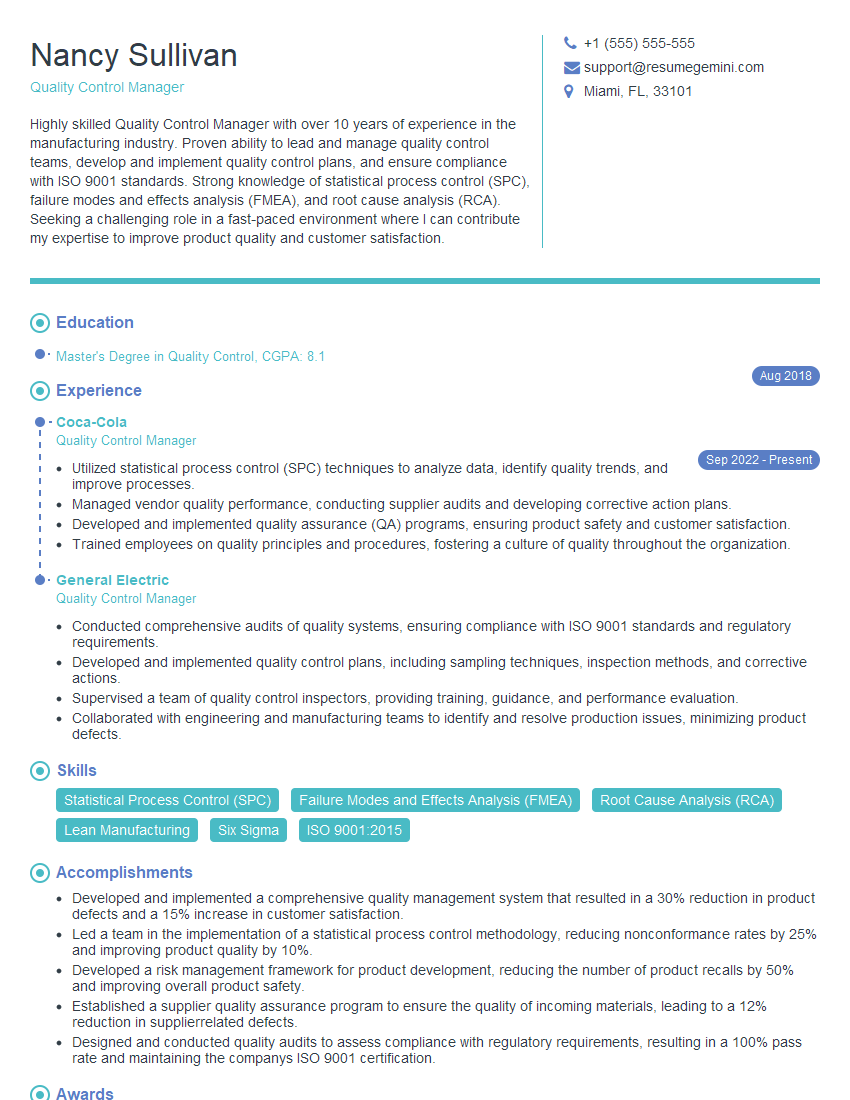
Quality Control Manager Resume Sample

Compliance Officer Resume Sample
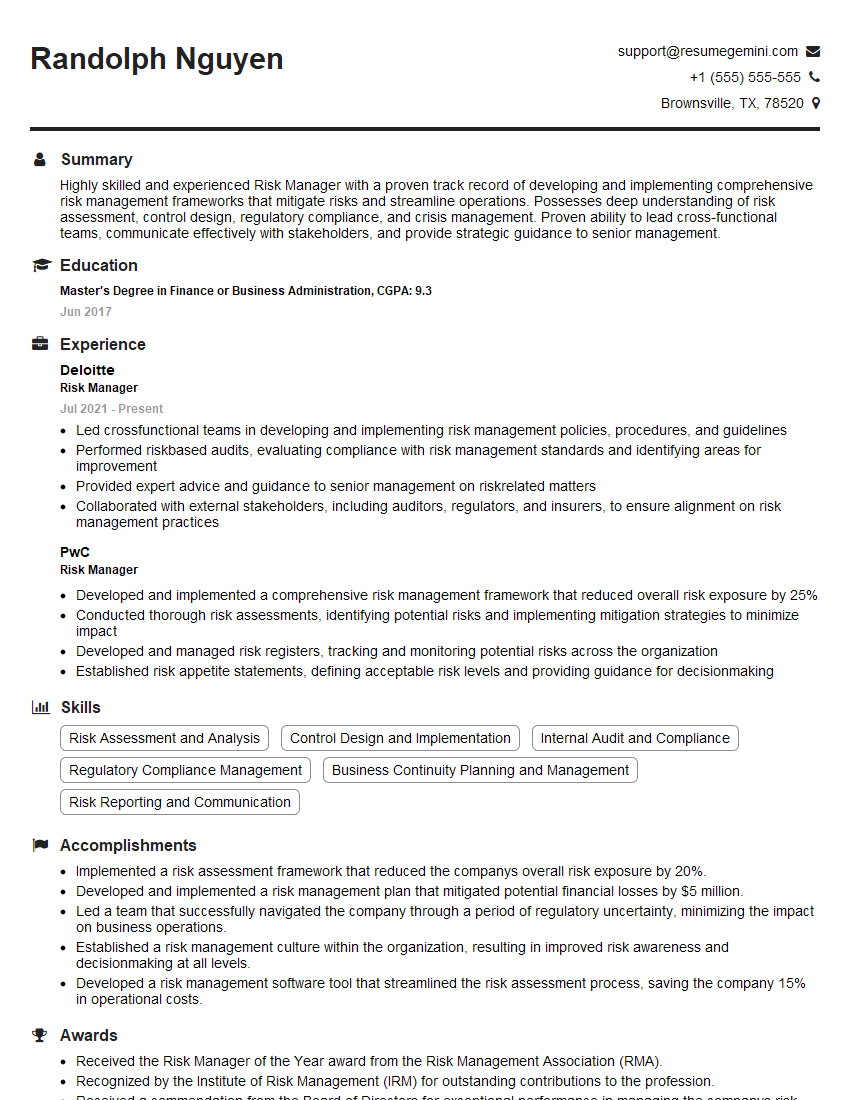
Risk Manager Resume Sample
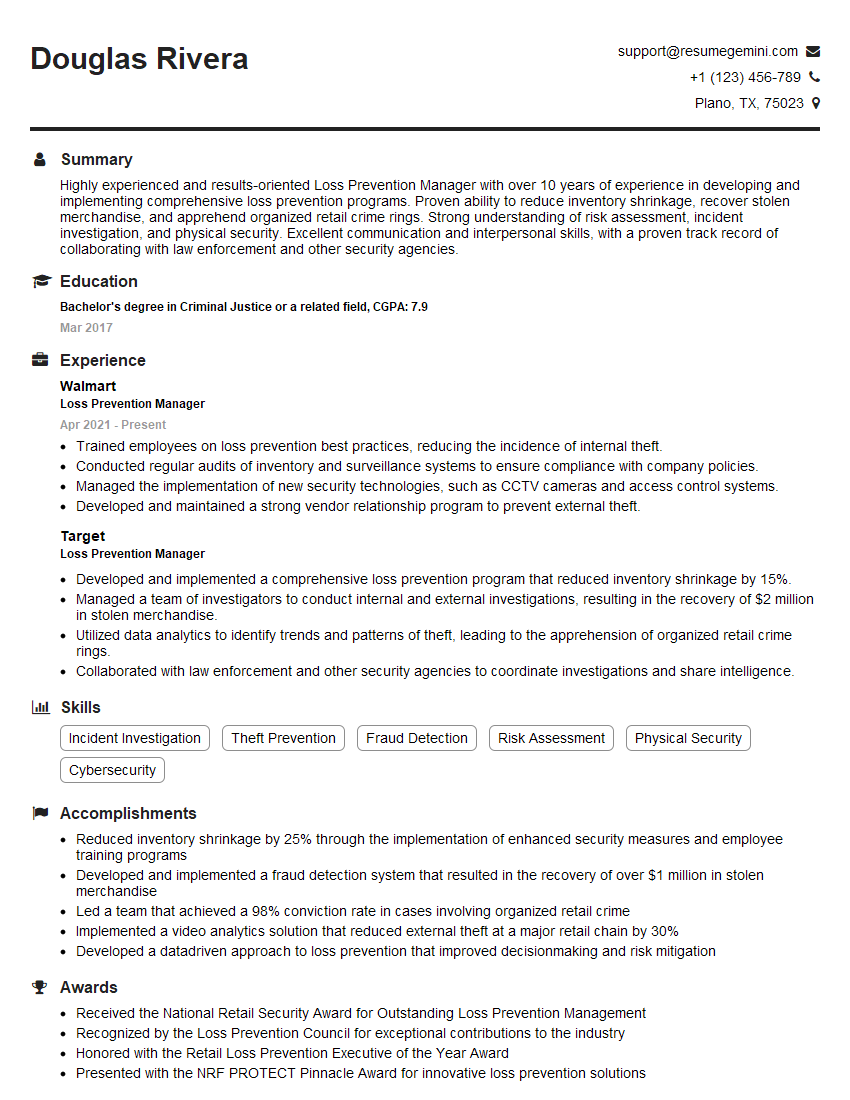
Loss Prevention Manager Resume Sample
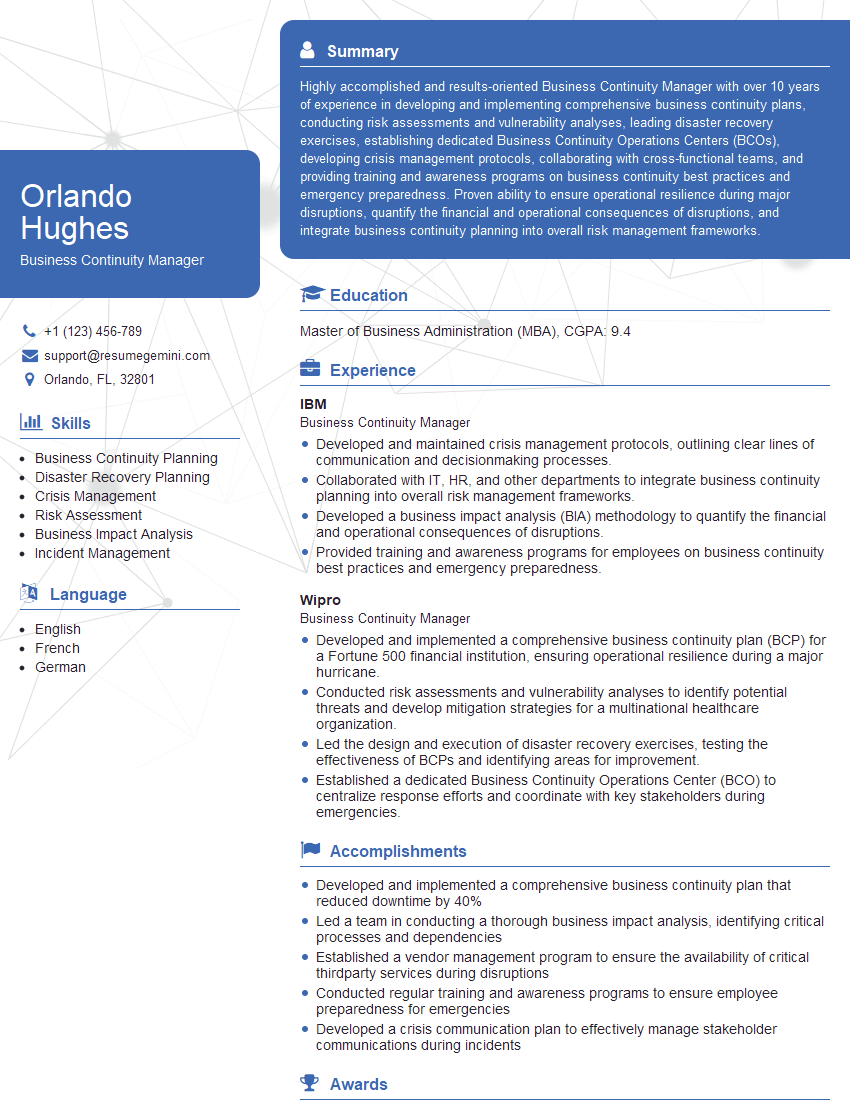
Business Continuity Manager Resume Sample
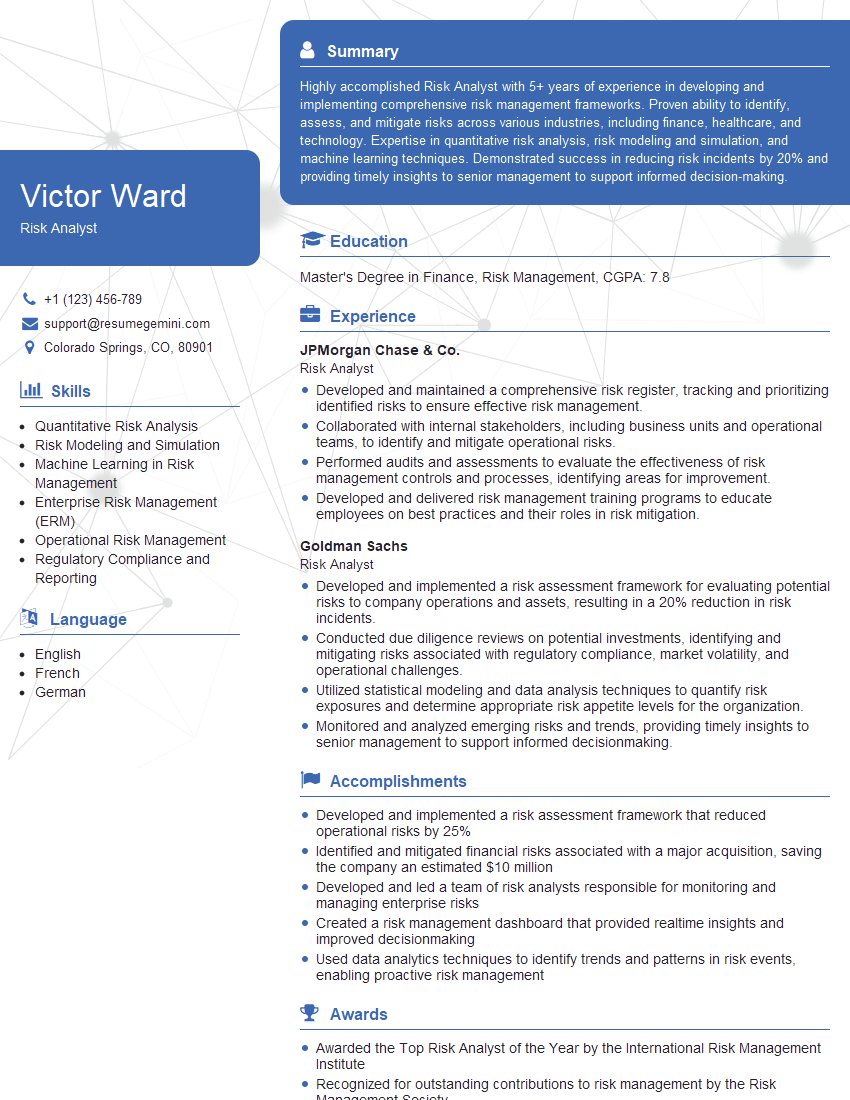
Risk Analyst Resume Sample
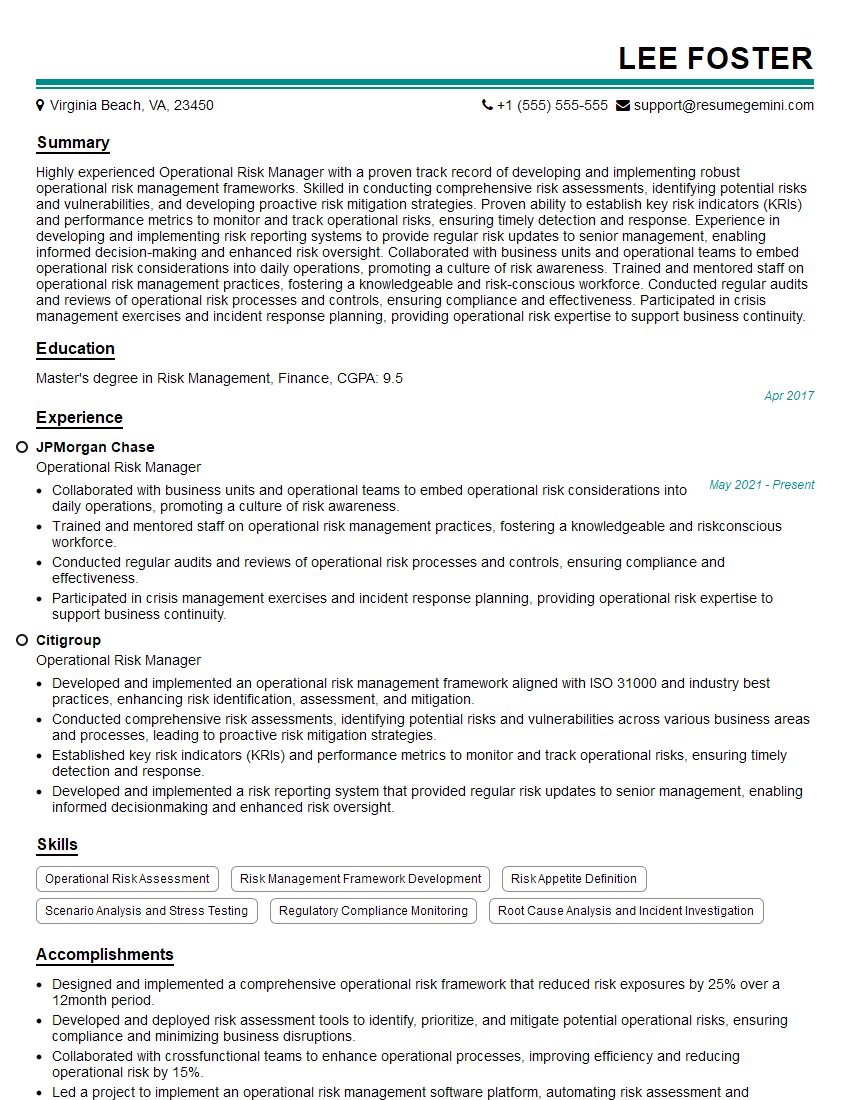
Operational Risk Manager Resume Sample
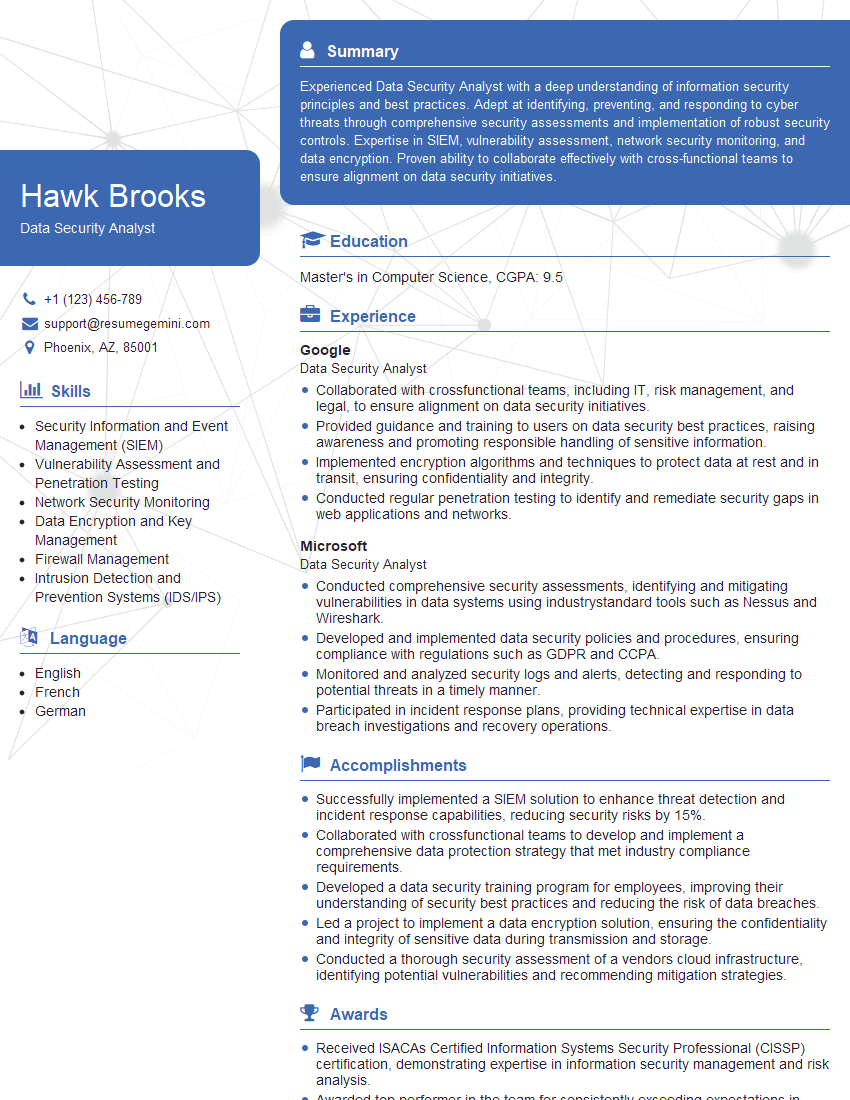
Data Security Analyst Resume Sample
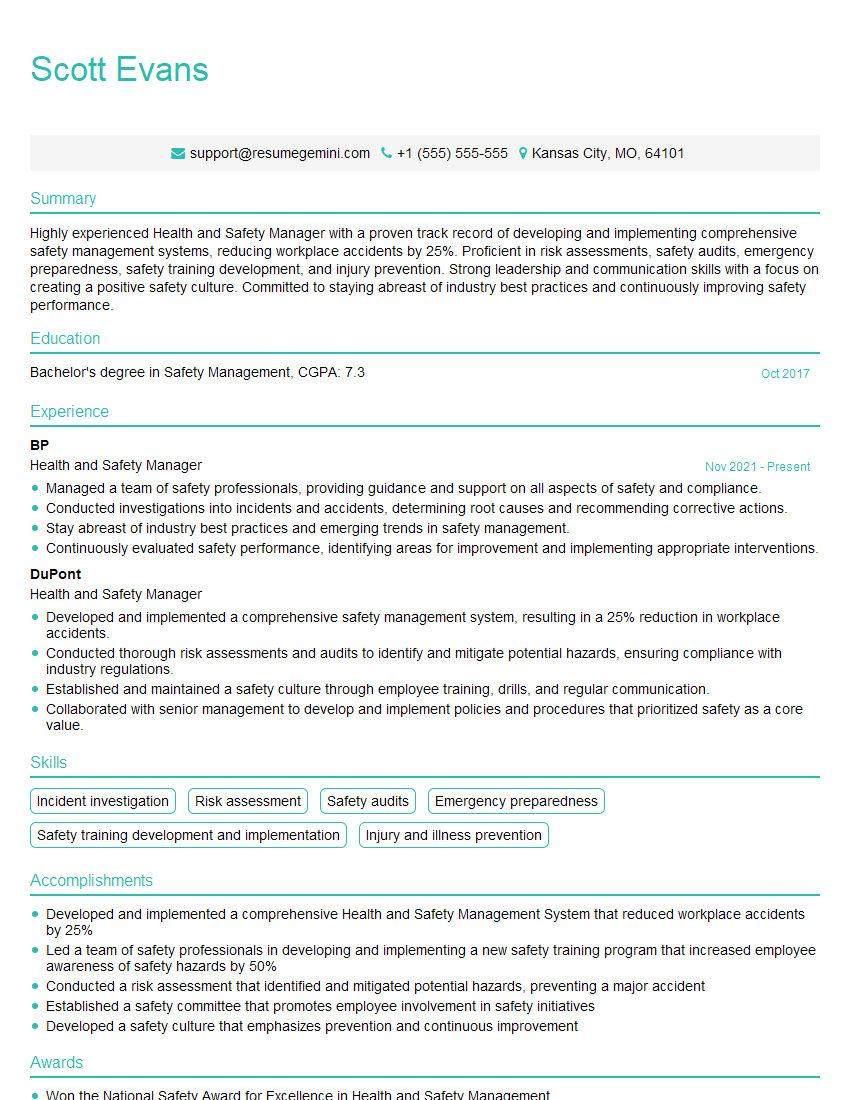
Health and Safety Manager Resume Sample
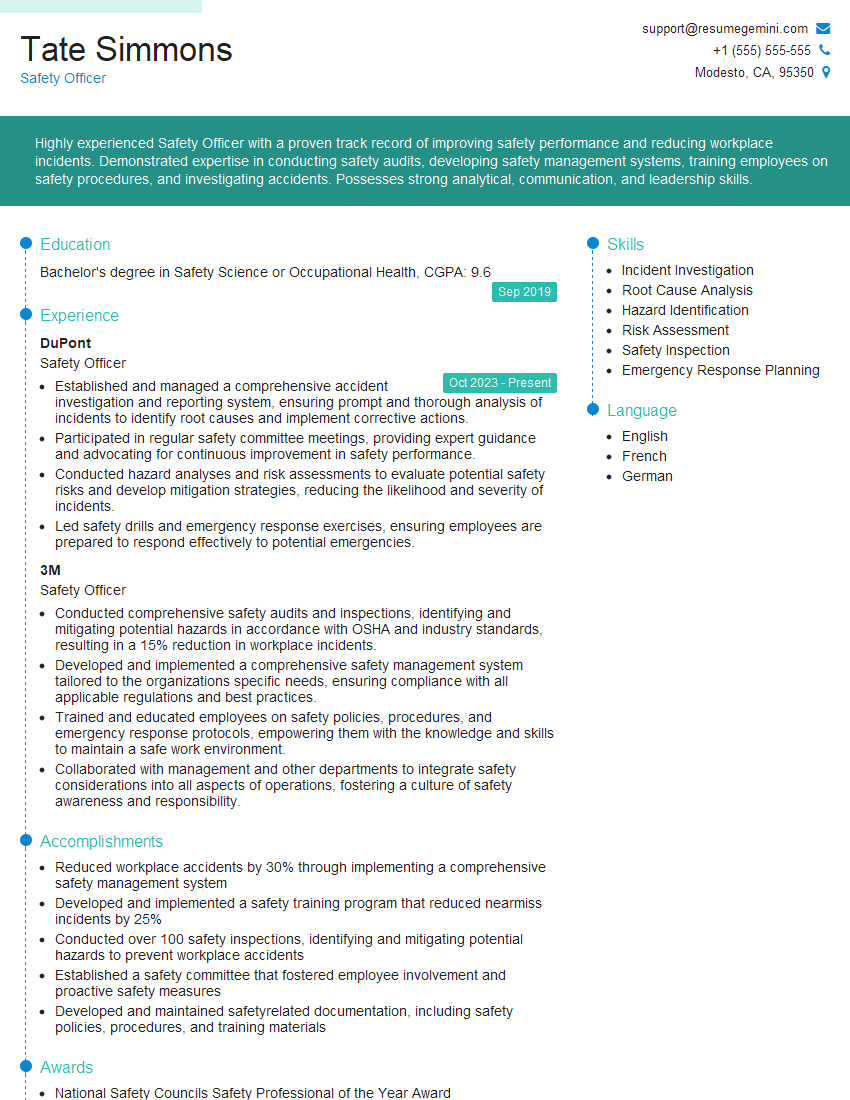
Safety Officer Resume Sample
Explore more articles
Users Rating of Our Blogs
Share Your Experience
We value your feedback! Please rate our content and share your thoughts (optional).
What Readers Say About Our Blog
To the interviewgemini.com Webmaster.
Very helpful and content specific questions to help prepare me for my interview!
Thank you
To the interviewgemini.com Webmaster.
This was kind of a unique content I found around the specialized skills. Very helpful questions and good detailed answers.
Very Helpful blog, thank you Interviewgemini team.