Interviews are opportunities to demonstrate your expertise, and this guide is here to help you shine. Explore the essential Risk Management and Control Implementation interview questions that employers frequently ask, paired with strategies for crafting responses that set you apart from the competition.
Questions Asked in Risk Management and Control Implementation Interview
Q 1. Describe your experience implementing a risk management framework.
Implementing a risk management framework is a multifaceted process that requires a structured approach. In my previous role at a financial institution, we adopted the COSO framework. This involved five key components: internal environment, objective setting, event identification, risk assessment, and risk response.
We started by defining the organization’s risk appetite and tolerance, establishing a clear internal control environment. Then, we used a combination of brainstorming sessions, risk workshops, and data analysis to identify potential risks across various departments – from operational risks like system failures to financial risks like credit defaults and regulatory compliance risks.
The risk assessment involved analyzing the likelihood and impact of each identified risk using a qualitative and quantitative approach. For instance, we used a risk matrix to visualize the severity of different risks. Finally, for each risk, we developed and implemented responses: avoidance, mitigation, transfer, or acceptance, each documented with clear ownership and timelines. This entire process was iterative, with regular reviews and updates to the framework to ensure its effectiveness.
Q 2. Explain the difference between inherent and residual risk.
Inherent risk is the potential for loss or damage that exists before any controls are implemented. It’s the inherent vulnerability of an organization or system. Think of it as the baseline risk. Residual risk, on the other hand, is the risk that remains after controls have been put in place. It’s the risk that’s not mitigated, transferred, or avoided.
For example, imagine a bank with a vulnerability in its online banking system (inherent risk). After implementing security patches and multi-factor authentication (controls), the remaining risk of unauthorized access is the residual risk. The goal is to reduce inherent risk to an acceptable level of residual risk, aligning with the organization’s risk appetite.
Q 3. How do you identify and assess key risks within an organization?
Identifying and assessing key risks requires a multi-pronged strategy. We employ a combination of top-down and bottom-up approaches. Top-down involves strategic analysis at the executive level, considering market trends, regulatory changes, and competitive pressures. Bottom-up involves soliciting input from employees at all levels – who are often closest to the operational realities and can identify risks that senior management might miss.
We use several techniques, including:
- Risk workshops and brainstorming sessions: Facilitate group discussions to identify potential risks.
- Checklists and questionnaires: Standardized forms to identify common risks within specific areas.
- SWOT analysis: Evaluate the organization’s strengths, weaknesses, opportunities, and threats.
- Data analysis: Examining historical data to identify trends and patterns that may indicate future risks.
- External benchmarking: Studying best practices in similar organizations to identify potential vulnerabilities.
Once risks are identified, we assess their likelihood and impact, often using a risk matrix to prioritize them for mitigation efforts.
Q 4. What are the common types of risk mitigation strategies?
Risk mitigation strategies aim to reduce the likelihood or impact of a risk. Common strategies include:
- Avoidance: Completely eliminating the activity or process that creates the risk (e.g., ceasing operations in a high-risk region).
- Mitigation: Implementing controls to reduce the likelihood or impact of a risk (e.g., installing firewalls to reduce cybersecurity threats).
- Transfer: Shifting the risk to a third party (e.g., purchasing insurance to transfer financial risk).
- Acceptance: Acknowledging the risk and accepting the potential consequences (e.g., accepting the risk of minor equipment malfunctions with adequate contingency plans).
The choice of strategy depends on the risk’s severity, cost-benefit analysis, and the organization’s risk appetite.
Q 5. Describe your experience with risk registers and their maintenance.
Risk registers are central to any effective risk management program. They serve as a central repository for all identified risks, their associated likelihood and impact, mitigation strategies, owners, and timelines. In my experience, we used a dedicated software solution to maintain the risk register, ensuring accurate and timely updates.
Maintaining the risk register involves regular updates (at least quarterly) reflecting changes in the organization’s risk profile. This includes adding new risks, updating risk assessments, tracking the effectiveness of mitigation strategies, and documenting any changes in risk owners or timelines. Regular reviews of the risk register are crucial to ensure its accuracy and relevance. We also linked the risk register to other organizational documents, like the business continuity plan, to ensure a holistic approach to risk management.
Q 6. How do you prioritize risks based on likelihood and impact?
Prioritizing risks based on likelihood and impact is fundamental. We typically use a risk matrix, a visual tool that plots risks based on the likelihood (probability) of occurrence and the impact (severity) of the consequences.
Each axis (likelihood and impact) is often divided into categories (e.g., low, medium, high). The intersection of the likelihood and impact determines the risk’s priority. High-likelihood, high-impact risks receive the highest priority, while low-likelihood, low-impact risks receive the lowest priority. This prioritization informs the allocation of resources and efforts to mitigate the most significant threats. For example, a risk with high likelihood and high impact (e.g., major system outage leading to substantial financial loss) would be addressed before a low likelihood, low impact risk (e.g., minor website glitch).
Q 7. What is your experience with Key Risk Indicators (KRIs)?
Key Risk Indicators (KRIs) are metrics that provide early warning signals of potential problems. They allow us to monitor the effectiveness of our risk management efforts and identify emerging risks proactively.
In a previous project, we used KRIs to monitor various aspects of our organization’s operations including: customer churn rate (indicative of service quality issues), number of security incidents (indicating cybersecurity risks), and the percentage of projects completed on time and within budget (indicative of project management risks).
These KRIs were regularly monitored and reported, allowing us to identify deviations from acceptable levels and take prompt corrective action. The selection of appropriate KRIs is crucial and depends on the specific risks the organization is facing. The key is to choose metrics that are relevant, measurable, and provide timely insights into the organization’s risk profile.
Q 8. How do you communicate risk information to different stakeholders?
Communicating risk information effectively requires tailoring the message to the audience. Think of it like baking a cake – you wouldn’t use the same recipe for a child and a professional pastry chef. For executives, I focus on high-level summaries, key risks, and their potential impact on strategic objectives. I use dashboards and concise reports with key performance indicators (KPIs) to illustrate progress and highlight areas of concern. For operational staff, the communication needs to be more detailed, focusing on their specific responsibilities and the controls they need to implement. Training sessions, process maps, and checklists are helpful tools here. Finally, for external stakeholders like auditors or regulators, I ensure compliance with reporting requirements and provide clear, auditable documentation. The key is clarity, transparency, and relevance to each stakeholder’s role and needs.
For example, when communicating about a cybersecurity risk to the board, I’d focus on the potential financial losses, reputational damage, and regulatory fines. However, when discussing the same risk with the IT department, I’d provide details on vulnerabilities, remediation plans, and the resources required.
Q 9. Explain your experience in performing risk assessments.
My risk assessment experience spans various industries and methodologies. I typically employ a structured approach, starting with defining the scope and objectives of the assessment. This involves identifying the assets, threats, and vulnerabilities relevant to the business. I then analyze the likelihood and impact of potential risks, often using a risk matrix to visually represent the results. This matrix helps prioritize risks based on their severity. For example, a high likelihood and high impact risk would be prioritized over a low likelihood and low impact risk. Following the identification and analysis, I develop mitigation strategies and assign owners for each risk. These strategies aim to reduce either the likelihood or the impact of the risk. Finally, I document the entire process and regularly monitor and review the assessment to ensure it remains relevant and effective. I’ve used both qualitative and quantitative methods, depending on the context and data availability. Quantitative methods might involve analyzing historical data, while qualitative methods rely on expert judgment and interviews.
Q 10. Describe a time you identified a critical control gap. How did you address it?
During a recent audit of a client’s financial reporting process, I identified a significant control gap related to the reconciliation of intercompany transactions. There wasn’t a robust system in place to verify the accuracy and completeness of these transactions, leaving the company vulnerable to errors and potential fraud. To address this gap, I worked with the finance team to develop a comprehensive reconciliation procedure. This involved establishing clear ownership, defining timelines, and implementing robust checks and balances. We also implemented automated data validation checks to help identify inconsistencies earlier. Finally, we enhanced reporting mechanisms to track reconciliation progress and highlight any outstanding issues. Regular review meetings were also set up to track the effectiveness of the new process. The process improvement not only reduced the risk of financial reporting errors but also enhanced the organization’s overall control environment.
Q 11. What is your experience with regulatory compliance frameworks (e.g., SOX, HIPAA)?
I have extensive experience working with regulatory compliance frameworks, including SOX (Sarbanes-Oxley Act) and HIPAA (Health Insurance Portability and Accountability Act). My experience with SOX includes assisting companies in designing and implementing internal controls over financial reporting (ICFR), conducting audits, and preparing documentation for regulatory filings. This often involves working with the audit committee and senior management to address any control deficiencies identified. With HIPAA, I’ve helped organizations develop and maintain policies and procedures to protect patient health information (PHI), ensuring compliance with privacy and security regulations. This included risk assessments focusing on data breaches and the implementation of appropriate safeguards. I understand the nuances of each framework and the critical role they play in safeguarding organizational assets and protecting sensitive information. Understanding the specific requirements and implications of these frameworks is crucial for ensuring business continuity and mitigating legal and financial risks.
Q 12. How do you ensure the effectiveness of internal controls?
Ensuring the effectiveness of internal controls requires a multi-faceted approach. It’s not just about implementing controls, but ensuring they’re designed appropriately, implemented consistently, and monitored regularly. I use a combination of methods to assess control effectiveness, including control self-assessments (CSAs), walkthroughs, testing of controls, and monitoring key performance indicators (KPIs). CSAs involve the individuals executing the controls validating their effectiveness. Walkthroughs provide me a more objective view. Testing involves actively validating the controls and KPIs provide ongoing monitoring. Regular review and updates to the control environment, based on these assessments, are crucial. This may involve updating procedures, training staff, or implementing new technologies. Documentation is also key, maintaining a comprehensive inventory of controls and evidence of their effectiveness. Continuous improvement and a strong risk-aware culture are essential for sustaining an effective internal control system. Regular communication and collaboration with key personnel are also critical factors.
Q 13. What methodologies have you used for risk assessment (e.g., COSO, ISO 31000)?
Throughout my career, I’ve utilized various risk assessment methodologies, including COSO (Committee of Sponsoring Organizations of the Treadway Commission) and ISO 31000. COSO provides a comprehensive framework for enterprise risk management, focusing on the identification, assessment, and response to risks across the organization. I have used this framework to assess risks related to financial reporting, operations, compliance, and strategy. ISO 31000 provides a more general risk management framework applicable across various contexts. I’ve leveraged this framework for project-specific risk assessments, helping teams to understand and manage uncertainties. The choice of methodology depends on the specific context, organizational structure, and regulatory requirements. For example, a public company might require a COSO-based approach for financial reporting, while a smaller organization might use a simpler methodology based on ISO 31000. My experience in applying these frameworks enables me to select the most appropriate tool for each situation and integrate it with other risk assessment techniques, creating a tailored, risk-based solution.
Q 14. Explain your understanding of a control self-assessment process.
A control self-assessment (CSA) process empowers individuals responsible for specific controls to assess their effectiveness. It’s a valuable tool in strengthening internal control and promoting a risk-aware culture. The process typically involves a structured questionnaire or checklist to evaluate the design and operational effectiveness of controls. The individuals completing the assessment provide insights into their daily operations and identify potential weaknesses or areas for improvement. This firsthand knowledge often reveals issues not easily detected through traditional audits. The results of the CSA are aggregated and reviewed by management to identify overall trends and potential control gaps. This provides a more comprehensive view of the control environment than relying solely on top-down assessments. Importantly, a well-designed CSA process promotes ownership and accountability for controls at all levels of the organization. To improve its effectiveness, the process should be regularly updated, results should be analyzed and used to improve the control environment, and the involvement of participants must be actively encouraged to ensure that their input is valuable and used.
Q 15. Describe your experience with risk reporting and dashboards.
Risk reporting and dashboards are crucial for visualizing the risk landscape and communicating effectively to stakeholders. My experience involves designing and implementing dashboards that track key risk indicators (KRIs), providing a consolidated view of the organization’s risk profile. This includes the development of reports that showcase emerging risks, the effectiveness of mitigation strategies, and the overall risk appetite.
For example, in my previous role, I developed a dashboard that tracked project risks, using a color-coded system (green, yellow, red) to represent the severity and likelihood of each risk. This allowed project managers to quickly identify potential issues and allocate resources appropriately. Another example involved creating regular risk reports for the executive team, summarizing high-level risks and their potential impact on the organization’s strategic objectives. These reports included trend analysis, highlighting emerging risks and the effectiveness of mitigation efforts. The key was to tailor the level of detail to the audience – executive summaries for senior leadership and more granular details for operational teams.
Career Expert Tips:
- Ace those interviews! Prepare effectively by reviewing the Top 50 Most Common Interview Questions on ResumeGemini.
- Navigate your job search with confidence! Explore a wide range of Career Tips on ResumeGemini. Learn about common challenges and recommendations to overcome them.
- Craft the perfect resume! Master the Art of Resume Writing with ResumeGemini’s guide. Showcase your unique qualifications and achievements effectively.
- Don’t miss out on holiday savings! Build your dream resume with ResumeGemini’s ATS optimized templates.
Q 16. How do you manage risk within a project lifecycle?
Risk management is integrated throughout the project lifecycle, from initiation to closure. It’s not a one-off activity but a continuous process.
- Initiation: Risk identification and assessment form a crucial part of project planning. We identify potential risks, analyze their likelihood and impact, and prioritize them based on their severity.
- Planning: Risk response strategies are developed and documented. These might include avoidance, mitigation, transference, or acceptance. Contingency plans are created to address unforeseen events.
- Execution: Risks are actively monitored and controlled throughout the project execution. Regular risk reviews are conducted to track progress and make necessary adjustments to the response plan.
- Monitoring and Control: This involves tracking KRIs and comparing actual performance against planned performance. Any deviations are analyzed, and corrective actions are implemented.
- Closure: A final risk review is conducted to document lessons learned and to identify areas for improvement in future projects.
Imagine building a house. During the initiation phase, we might identify the risk of bad weather delaying construction. During planning, we might decide to purchase weather insurance (transference). During execution, we monitor the weather forecast and adjust the schedule accordingly (mitigation). Finally, after completion, we analyze the effectiveness of our risk management approach (closure).
Q 17. How do you ensure alignment between risk management and business objectives?
Aligning risk management with business objectives is paramount. This ensures that risk management activities support the organization’s strategic goals and don’t become a siloed function. I achieve this alignment by:
- Defining the organization’s strategic objectives: Understanding the business goals is the first step. This provides the context for identifying and prioritizing risks.
- Mapping risks to objectives: We identify which risks could potentially impact the achievement of each objective.
- Developing risk appetite statements: These statements define the level of risk the organization is willing to accept in pursuit of its objectives.
- Integrating risk management into decision-making: Risk assessments should inform strategic and operational decisions. This could include resource allocation, investment decisions, and operational plans.
For example, if a company’s strategic objective is to expand into a new market, a key risk might be regulatory hurdles. The risk management plan would then address this risk through activities such as conducting thorough regulatory research and developing contingency plans for potential delays or setbacks.
Q 18. Explain your experience with using risk management software or tools.
I have extensive experience with various risk management software and tools, including Archer, Tableau, and Microsoft Project. My experience encompasses data entry, report generation, and the configuration of these tools to fit specific organizational needs.
For instance, in a previous role, I used Archer to create a centralized risk repository, facilitating efficient risk identification, assessment, and tracking across various departments. I configured the system to automate certain reporting processes, freeing up time for more strategic risk management activities. Using Tableau, I created interactive dashboards to visualize key risk indicators and facilitate timely decision-making by upper management. The software’s capabilities allowed for the creation of customized reports tailored to different stakeholder needs.
My experience also includes integrating these tools with other enterprise systems to improve data accuracy and reduce manual data entry. This ensures a comprehensive and accurate risk profile for the organization.
Q 19. Describe your experience in developing and implementing a risk management policy.
Developing and implementing a risk management policy involves a structured approach, beginning with a thorough understanding of the organization’s risk landscape and its risk appetite. The policy must be clearly defined, easily understood, and regularly reviewed and updated.
My experience includes leading the development and implementation of such a policy, which involved:
- Stakeholder consultation: Gathering input from various departments and levels of management to ensure buy-in and relevance.
- Risk identification and analysis: Conducting workshops and interviews to identify potential risks across the organization.
- Policy drafting: Creating a comprehensive document outlining the organization’s approach to risk management, including roles, responsibilities, and processes.
- Training and communication: Educating employees on the new policy and its implementation. This includes regular training sessions and updates to ensure that all employees are aware of their roles and responsibilities.
- Monitoring and review: Establishing a process for regularly reviewing the policy’s effectiveness and making necessary adjustments.
A successful policy is not just a document; it’s a living framework that adapts to the changing needs of the organization and its environment.
Q 20. How do you measure the effectiveness of risk mitigation strategies?
Measuring the effectiveness of risk mitigation strategies is crucial for demonstrating the value of the risk management program. This involves both qualitative and quantitative measures.
Quantitative measures might include tracking the frequency and severity of risk events, comparing them to pre-mitigation levels. For example, if we implemented a new security protocol to reduce cyberattacks, we would track the number and cost of successful attacks before and after implementation. A reduction in both demonstrates the effectiveness of the strategy.
Qualitative measures might involve stakeholder feedback, surveys, or interviews assessing their perception of risk reduction. For example, we might conduct employee satisfaction surveys to gauge their confidence in the effectiveness of the new security measures. A higher satisfaction level indicates a more effective mitigation strategy.
Key Performance Indicators (KPIs) are invaluable tools here. We might track things like the number of risks successfully mitigated, the cost of risk events, and the time taken to respond to incidents. Regular reporting on these KPIs provides valuable insights into the ongoing effectiveness of our risk mitigation plans.
Q 21. What is your experience in conducting root cause analysis of risk events?
Root cause analysis (RCA) is critical for understanding the underlying reasons behind risk events and preventing their recurrence. I’ve used several methods for conducting RCA, including the ‘5 Whys’ technique and Fishbone diagrams.
The ‘5 Whys’ involves repeatedly asking ‘why’ to drill down to the root cause. For example, if a project was delayed (event), we might ask: Why was it delayed? (Lack of resources). Why was there a lack of resources? (Budget constraints). Why were there budget constraints? (Poor initial planning). Why was the initial planning poor? (Inadequate stakeholder input). Why was there inadequate stakeholder input? (Lack of communication protocol).
Fishbone diagrams provide a visual representation of potential causes contributing to the risk event. This method facilitates brainstorming sessions with stakeholders to identify all potential contributing factors. We then analyze these factors to identify the root cause(s).
Regardless of the method used, the key is to gather sufficient data, document the analysis thoroughly, and communicate the findings and recommendations to relevant stakeholders to implement corrective actions and prevent recurrence.
Q 22. Describe your understanding of enterprise risk management (ERM).
Enterprise Risk Management (ERM) is a holistic process designed to identify, assess, manage, and monitor risks across an entire organization. It’s not just about identifying threats but also about leveraging opportunities. Think of it as a comprehensive safety net for the business, ensuring it’s prepared for both the unexpected and the strategically advantageous. A robust ERM framework typically involves these key components:
- Risk Identification: Systematically pinpointing potential risks across all areas of the business, from operational disruptions to strategic failures.
- Risk Assessment: Evaluating the likelihood and potential impact of identified risks. This often involves qualitative and quantitative analysis.
- Risk Response: Developing strategies to manage risks, such as avoidance, mitigation, transfer (insurance), or acceptance.
- Risk Monitoring and Reporting: Continuously tracking risks, assessing the effectiveness of responses, and reporting to relevant stakeholders. This ensures the ERM program remains dynamic and adaptable.
For example, a bank using ERM might identify credit risk, operational risk (system failures), and regulatory risk as key areas. They would then assess the likelihood and impact of each, develop strategies to manage these risks (e.g., diverse loan portfolios, robust IT systems, and strong compliance programs), and continuously monitor their effectiveness.
Q 23. How do you handle conflicting priorities among various risks?
Conflicting priorities among various risks are common. My approach involves a structured prioritization process. It begins by quantifying the risks, considering both likelihood and impact. I utilize a risk matrix, often incorporating a scoring system that allows for a clear comparison of risks.
Factors considered include:
- Likelihood: How probable is the risk to occur?
- Impact: What would be the financial, operational, reputational, or legal consequences if the risk materializes?
- Urgency: How quickly must the risk be addressed?
- Strategic alignment: Does addressing this risk support the organization’s strategic goals?
Once scored, the risks are ranked. Resources are allocated to the highest-priority risks first, using a combination of mitigation and acceptance strategies. The lower-priority risks are still monitored, but resources are prioritized towards the most critical ones. Regular review and reassessment are crucial to ensure the prioritization remains relevant and adapts to changing circumstances.
Q 24. What is your approach to building a risk-aware culture?
Building a risk-aware culture is paramount for effective ERM. It’s about embedding risk awareness into every level of the organization. My approach is multifaceted:
- Leadership Buy-in: Senior management must actively champion the importance of risk management and lead by example.
- Training and Awareness Programs: Providing tailored training to different employee groups, focusing on their specific responsibilities and risk exposures. This could include workshops, online modules, and case studies.
- Open Communication: Establishing clear communication channels to encourage reporting of potential risks and celebrating successes in risk management.
- Incentivization: Linking performance evaluations and compensation to the successful identification and mitigation of risks.
- Accountability: Clearly defining roles and responsibilities in the risk management process and holding individuals accountable for their actions.
I’ve found that creating a ‘blame-free’ environment is crucial; employees should feel comfortable reporting risks without fear of reprimand, fostering a culture of proactive risk identification rather than reactive response.
Q 25. Explain your experience in using data analytics for risk management.
Data analytics plays a crucial role in modern risk management, enabling us to move beyond gut feelings and make data-driven decisions. In my experience, I have utilized various data analytics techniques, including:
- Descriptive Analytics: Understanding past risk events, frequency, and impact. This helps identify trends and patterns.
- Predictive Analytics: Using historical data and statistical models to forecast future risk events and their potential impact. For example, using machine learning to predict loan defaults.
- Prescriptive Analytics: Recommending optimal risk responses based on data analysis. This might involve using optimization algorithms to determine the best allocation of resources to risk mitigation efforts.
For example, in a previous role, I used regression analysis to model the relationship between various economic indicators and the likelihood of supply chain disruptions. This allowed us to proactively manage inventory levels and mitigate potential shortages.
Q 26. How do you ensure the accuracy and reliability of risk data?
Ensuring the accuracy and reliability of risk data is crucial. My approach involves:
- Data Source Validation: Carefully evaluating the reliability and credibility of the data sources used. This includes verifying data accuracy and completeness.
- Data Governance: Establishing clear policies and procedures for data collection, storage, and management. This ensures data consistency and integrity.
- Data Quality Checks: Implementing automated checks and validation rules to detect and correct data errors. This could involve data cleansing and outlier detection.
- Regular Audits: Conducting periodic audits of risk data to verify accuracy and identify any discrepancies. This ensures the data remains reliable over time.
- Reconciliation: Comparing data from multiple sources to identify inconsistencies and resolve conflicts.
For example, if using customer data to assess credit risk, rigorous checks would be put in place to ensure the data is up-to-date, accurate, and compliant with privacy regulations.
Q 27. Describe a situation where you had to escalate a risk issue. How did you handle it?
In a previous role, I identified a significant security vulnerability that could have resulted in a major data breach. Initially, the risk was deemed low due to the perceived low probability of exploitation. However, my analysis revealed that while the probability was low, the potential impact was catastrophic – significant financial losses, reputational damage, and legal repercussions.
I escalated the issue through the established reporting channels, providing a detailed risk assessment with supporting evidence, including potential scenarios and impact estimations. I worked with the IT security team to implement immediate mitigation strategies, while simultaneously developing a comprehensive long-term solution. The escalation led to immediate action, preventing a potentially disastrous outcome. Regular updates were given to senior management during the entire process, keeping them informed of progress and any changes to the risk profile.
Q 28. How do you stay current with changes in risk management best practices?
Staying current with risk management best practices is essential in this ever-evolving field. My approach involves:
- Professional Development: Attending conferences, workshops, and training sessions focused on risk management and related fields.
- Industry Publications: Regularly reading industry journals, reports, and publications from reputable organizations.
- Networking: Participating in professional networks and communities, engaging with other risk professionals to share experiences and best practices.
- Online Resources: Utilizing reputable online resources to access the latest information and research on emerging risks and best practices.
- Certifications: Pursuing relevant certifications to demonstrate expertise and commitment to professional development.
By continuously learning and updating my knowledge, I ensure that my risk management approaches remain effective and aligned with the latest industry standards.
Key Topics to Learn for Risk Management and Control Implementation Interview
- Risk Identification & Assessment: Understanding various risk identification methodologies (e.g., SWOT analysis, brainstorming, checklists) and applying qualitative and quantitative risk assessment techniques. Practical application: Analyzing a case study to identify and assess potential risks in a specific business scenario.
- Control Design & Implementation: Developing and implementing effective internal controls to mitigate identified risks. This includes understanding different control types (preventative, detective, corrective) and aligning controls with relevant frameworks (e.g., COSO). Practical application: Designing controls for a specific process to address identified vulnerabilities.
- Risk Response Strategies: Knowing the four main risk response strategies (avoidance, mitigation, transfer, acceptance) and choosing the most appropriate strategy based on risk appetite and business context. Practical application: Evaluating the cost-benefit analysis of different risk response strategies for a specific risk.
- Risk Monitoring & Reporting: Establishing key risk indicators (KRIs) and developing a robust reporting framework to track and monitor the effectiveness of implemented controls. Practical application: Designing a dashboard to visualize key risk metrics and track progress on risk mitigation initiatives.
- Regulatory Compliance & Frameworks: Familiarity with relevant regulations and frameworks (e.g., SOX, GDPR, Basel III) and their implications for risk management and control implementation. Practical application: Explaining how a specific regulation influences the design and implementation of internal controls.
- Technology & Automation in Risk Management: Understanding how technology can be leveraged to improve risk management processes, such as using data analytics for risk identification and monitoring. Practical application: Discussing the potential benefits and challenges of implementing a risk management software solution.
Next Steps
Mastering Risk Management and Control Implementation is crucial for career advancement in today’s complex business environment. Demonstrating a strong understanding of these concepts will significantly enhance your job prospects. To make a compelling impression, create an ATS-friendly resume that showcases your skills and experience effectively. ResumeGemini is a trusted resource that can help you build a professional and impactful resume tailored to your specific career goals. Examples of resumes tailored to Risk Management and Control Implementation are available to guide you. Invest the time to create a resume that reflects your capabilities; it’s a key step towards securing your ideal role.
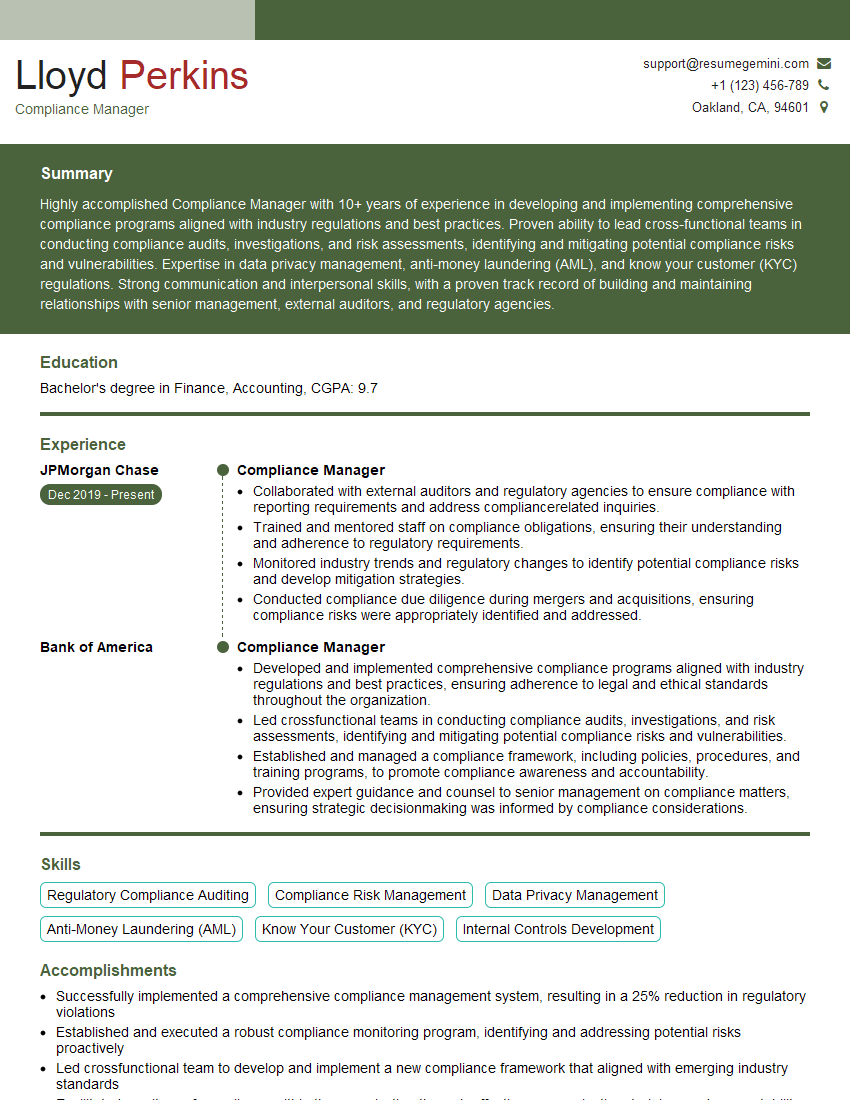
Compliance Manager Resume Sample

Compliance Officer Resume Sample
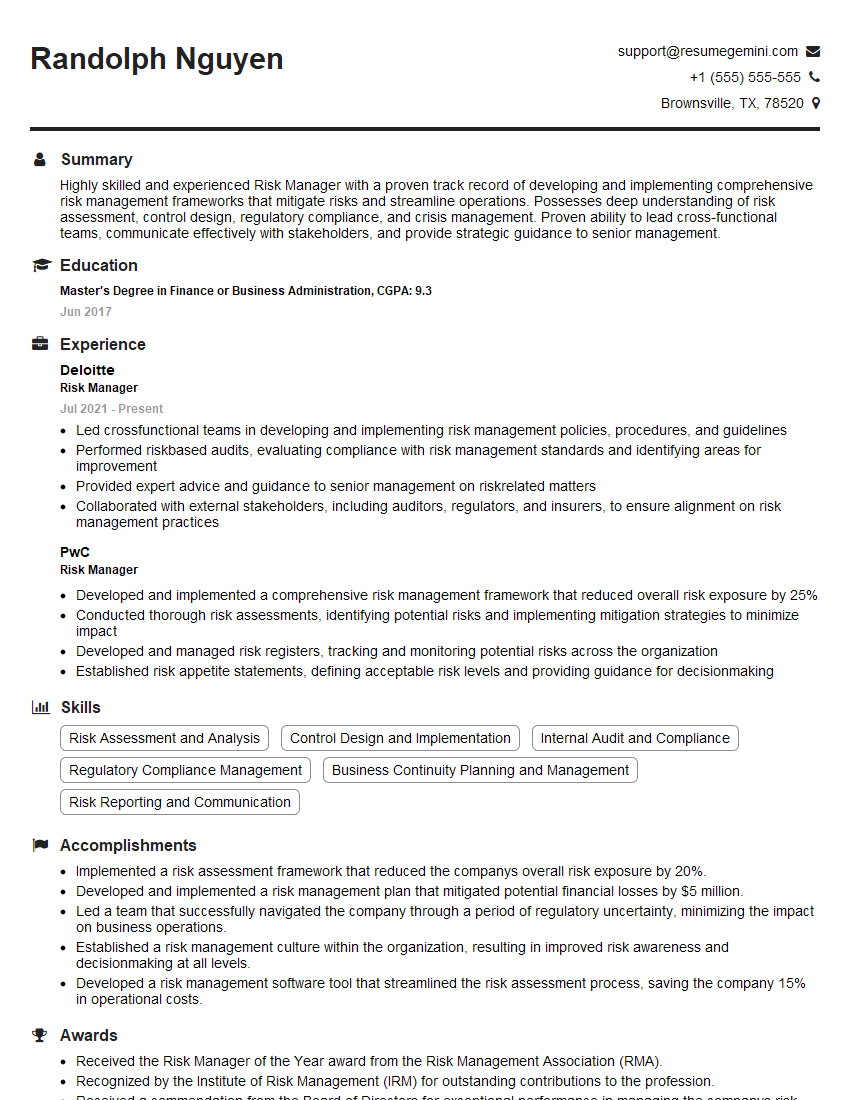
Risk Manager Resume Sample
Security Manager Resume Sample
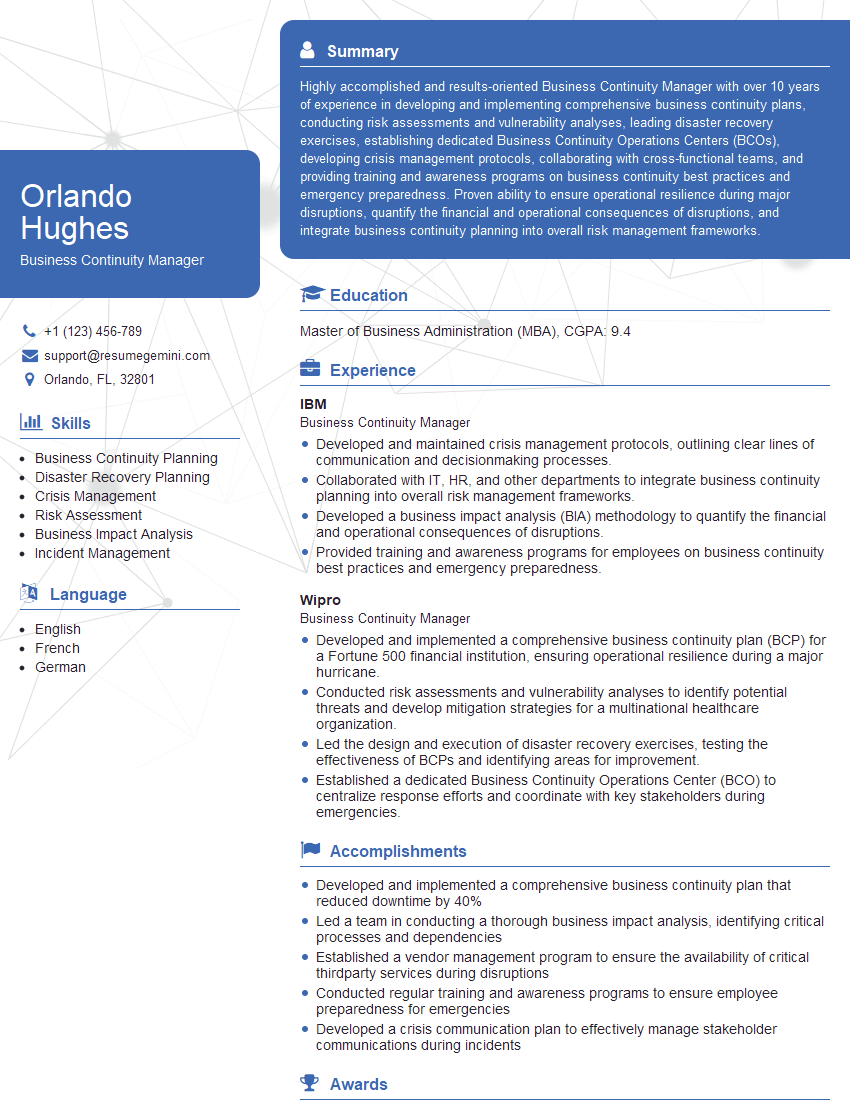
Business Continuity Manager Resume Sample
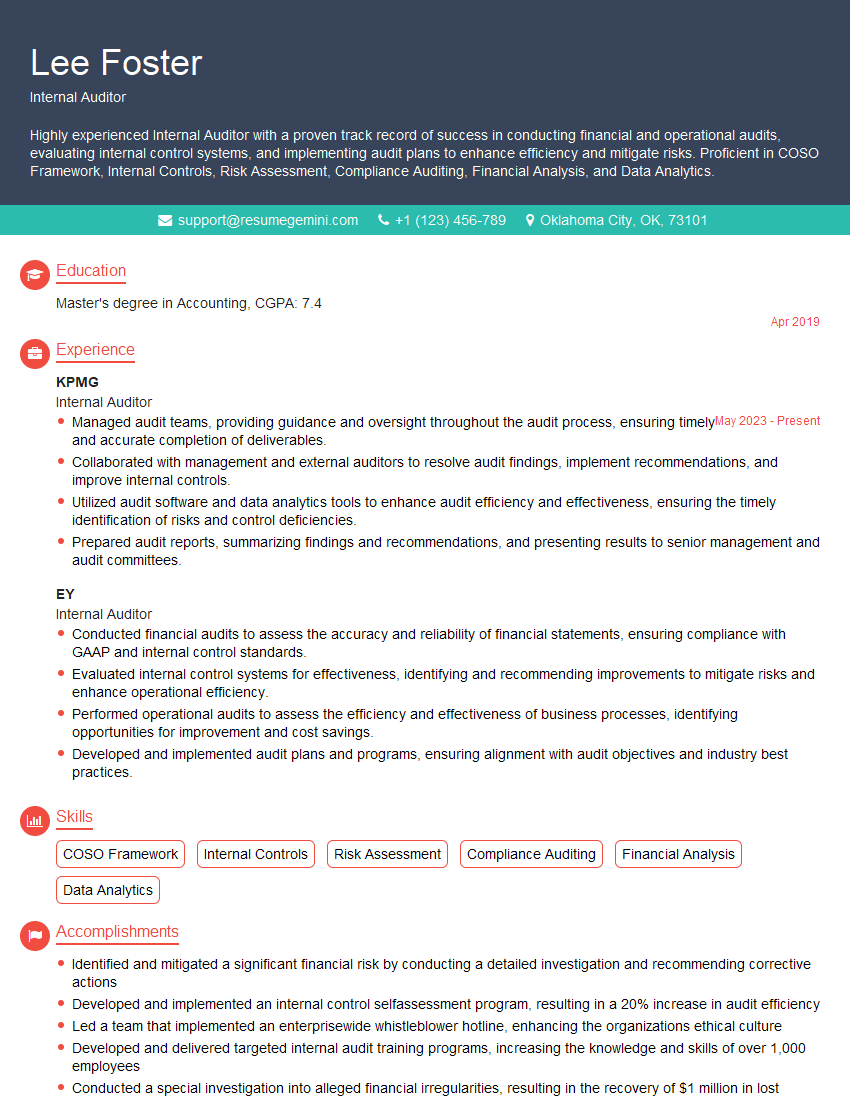
Internal Auditor Resume Sample
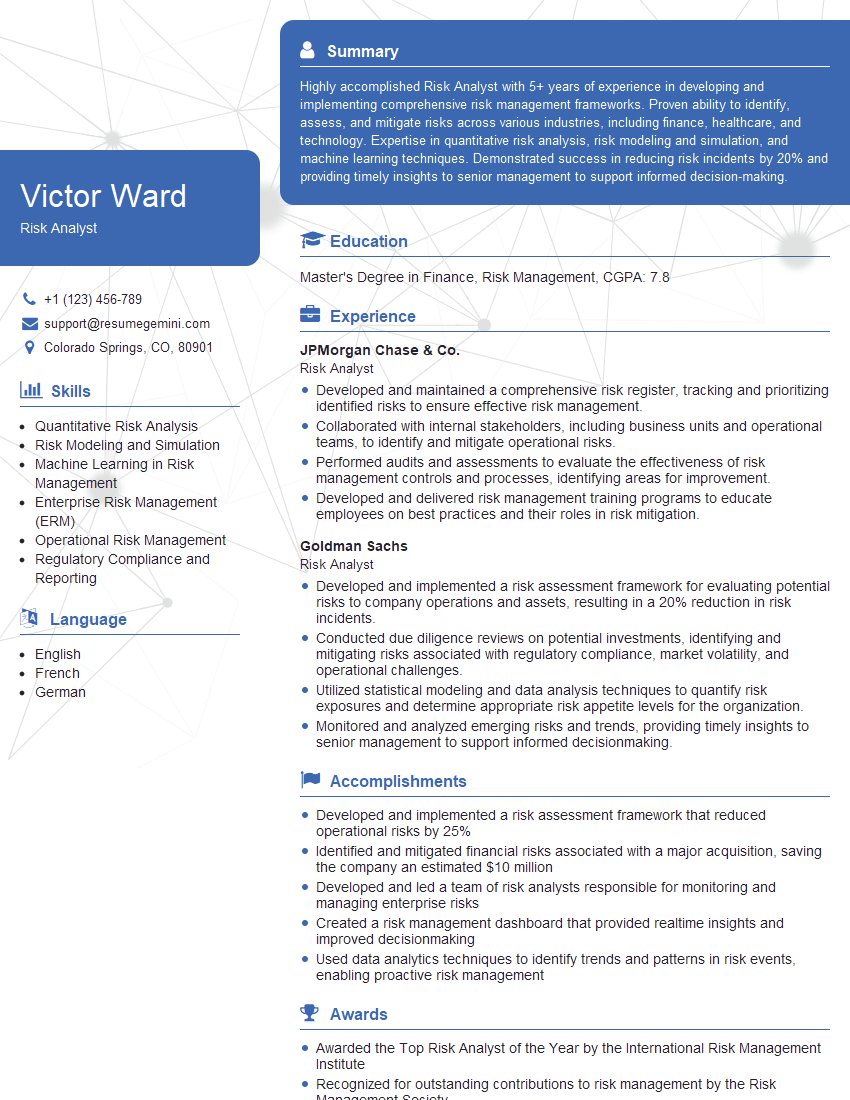
Risk Analyst Resume Sample
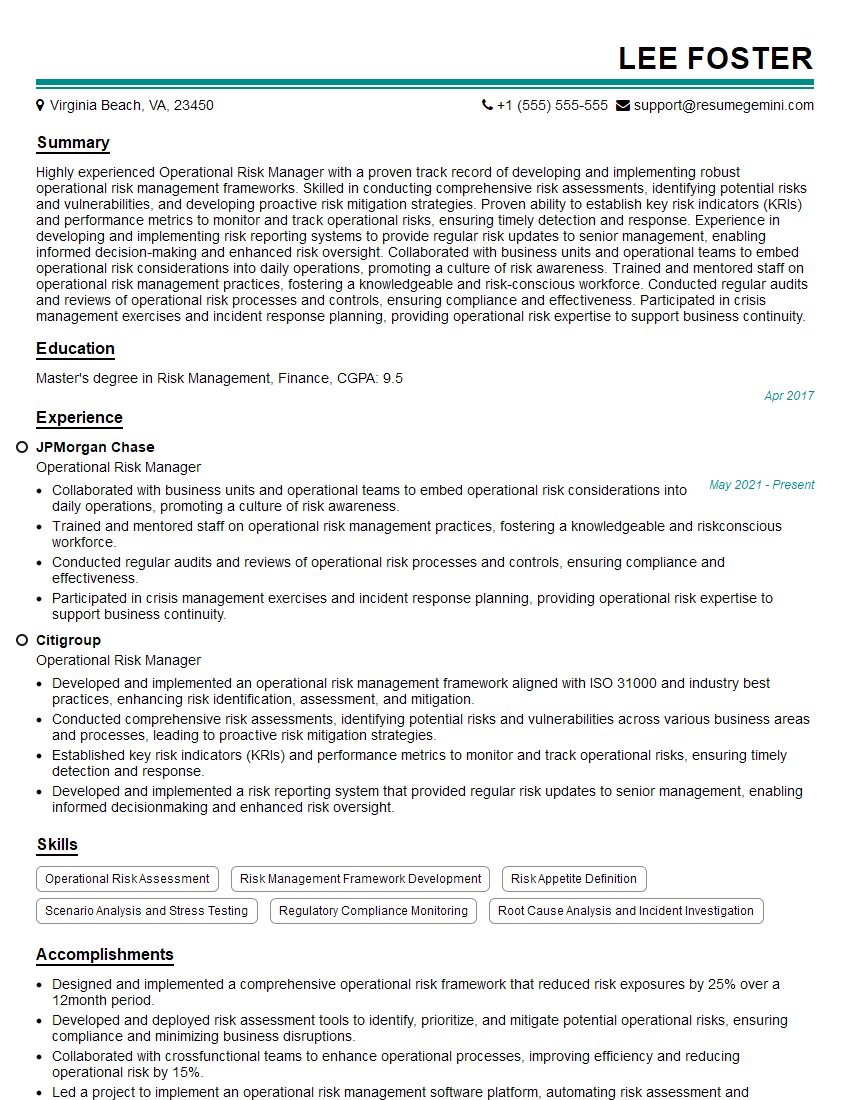
Operational Risk Manager Resume Sample
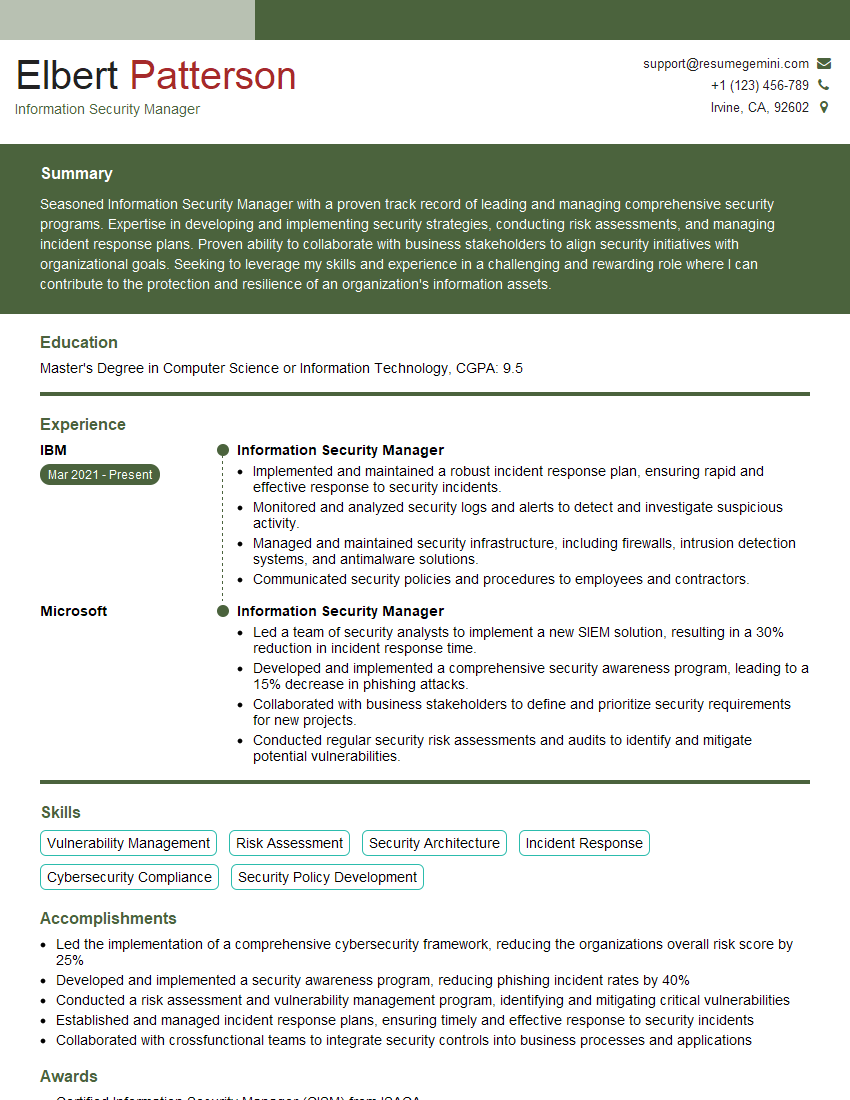
Information Security Manager Resume Sample
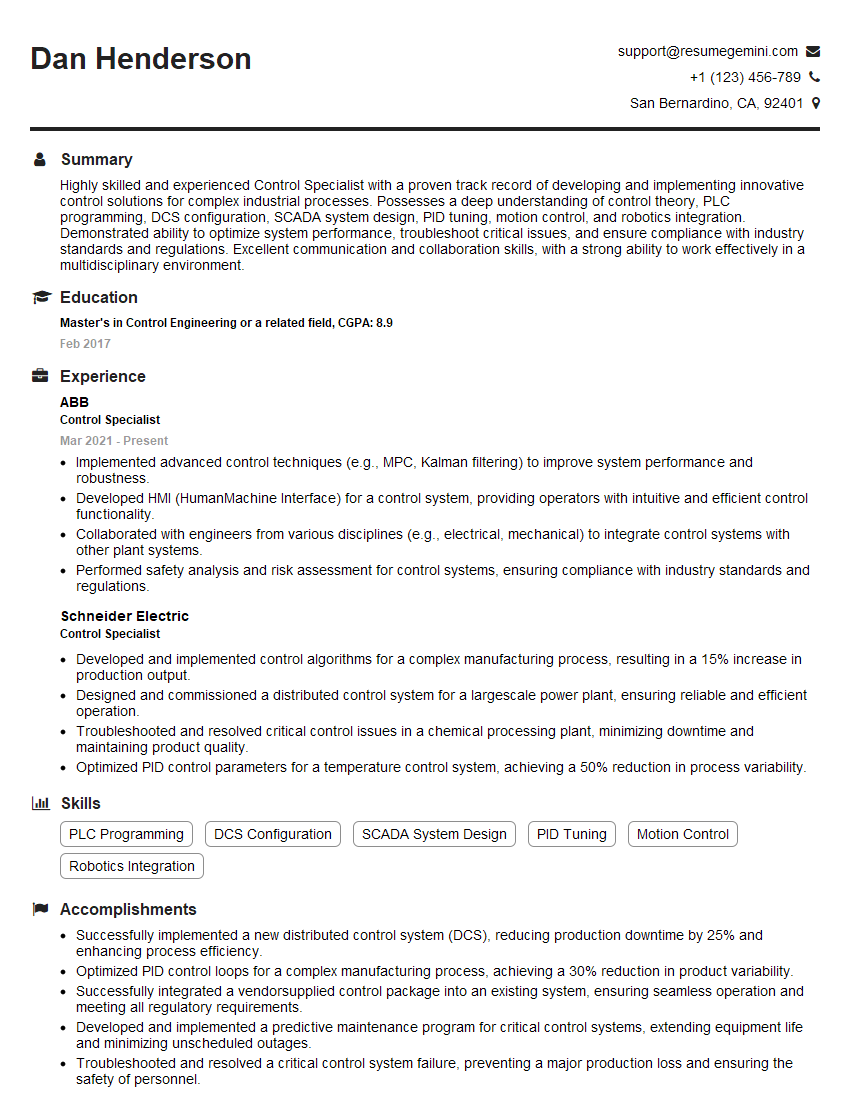
Control Specialist Resume Sample
Explore more articles
Users Rating of Our Blogs
Share Your Experience
We value your feedback! Please rate our content and share your thoughts (optional).
What Readers Say About Our Blog
To the interviewgemini.com Webmaster.
Very helpful and content specific questions to help prepare me for my interview!
Thank you
To the interviewgemini.com Webmaster.
This was kind of a unique content I found around the specialized skills. Very helpful questions and good detailed answers.
Very Helpful blog, thank you Interviewgemini team.