Interviews are opportunities to demonstrate your expertise, and this guide is here to help you shine. Explore the essential Safety and Hazard Prevention Awareness interview questions that employers frequently ask, paired with strategies for crafting responses that set you apart from the competition.
Questions Asked in Safety and Hazard Prevention Awareness Interview
Q 1. Describe your experience conducting risk assessments.
Risk assessment is a systematic process of identifying hazards, analyzing their potential risks, and determining appropriate control measures. My experience spans various industries, including manufacturing, construction, and healthcare. I’ve used both qualitative and quantitative methods, ranging from simple checklists to more sophisticated bow-tie analysis and fault tree analysis. For example, in a manufacturing setting, I conducted a risk assessment for a new assembly line, identifying potential hazards such as machine guarding deficiencies, ergonomic issues, and chemical exposure. This involved observing the process, interviewing workers, reviewing safety data sheets, and analyzing near-miss reports. The assessment resulted in recommendations for improved machine guarding, workstation adjustments, and enhanced personal protective equipment (PPE) training, significantly reducing the likelihood of incidents.
In a healthcare setting, I led risk assessments focusing on patient safety, infection control, and sharps injuries. These involved collaborating with healthcare professionals to identify potential hazards and develop strategies that incorporated the unique challenges and complexities of the medical environment. In each case, the goal was not just identifying hazards, but developing practical and cost-effective solutions that prioritized worker and patient safety without hindering productivity.
Q 2. Explain the hierarchy of hazard controls.
The hierarchy of hazard controls prioritizes the most effective control measures, starting with the most fundamental and progressing to less effective options. The order is generally as follows:
- Elimination: Removing the hazard altogether. For example, replacing a hazardous chemical with a less harmful alternative.
- Substitution: Replacing a hazard with a less hazardous alternative. For instance, substituting a manual material handling task with a robotic system.
- Engineering Controls: Implementing physical changes to the workplace to reduce hazards. Examples include implementing machine guarding, installing ventilation systems, or improving lighting.
- Administrative Controls: Implementing changes to work practices, procedures, and training to reduce risks. Examples include developing safe work procedures, implementing lockout/tagout procedures, or providing regular safety training.
- Personal Protective Equipment (PPE): Providing employees with PPE to protect them from hazards. This is the last line of defense and should only be used when other controls are not feasible or sufficient. Examples include safety glasses, gloves, and respirators.
It’s crucial to remember that the hierarchy is not a rigid sequence; sometimes, a combination of controls might be necessary. The most effective solution will depend on the specific hazard and context.
Q 3. What are the key elements of a successful safety program?
A successful safety program is built on several key elements:
- Strong Leadership Commitment: Visible and active leadership support is essential. Safety should be a core value, not an afterthought.
- Hazard Identification and Risk Assessment: Proactive identification and assessment of hazards, including regular inspections and audits.
- Effective Control Measures: Implementing and maintaining appropriate control measures according to the hierarchy of controls.
- Employee Training and Education: Comprehensive training programs that educate employees on safety procedures, hazard recognition, and the use of PPE.
- Incident Investigation and Reporting: Thorough investigation of incidents to identify root causes and prevent recurrence. A culture of open reporting, free from blame, is crucial.
- Emergency Preparedness and Response: Having well-defined emergency plans and procedures in place, with regular drills and training.
- Communication and Consultation: Open and regular communication with employees, involving them in safety initiatives and addressing their concerns.
- Continuous Improvement: Regularly reviewing and updating the safety program to ensure its effectiveness and adapting to changing circumstances.
Think of it as a living document that constantly evolves based on feedback, incident analysis, and best practices.
Q 4. How do you identify and mitigate workplace hazards?
Identifying and mitigating workplace hazards involves a multi-step process. It starts with a thorough hazard identification process, using methods like workplace inspections, job hazard analyses, and reviewing incident reports. Once hazards are identified, a risk assessment determines the likelihood and severity of potential harm. This helps prioritize control measures. For example, I once identified a tripping hazard caused by loose cables in a busy office area. The risk assessment highlighted the high likelihood of someone tripping and the potential for serious injury. This led to implementing engineering controls— neatly bundling the cables and securing them to the floor—which effectively eliminated the hazard.
Mitigating hazards involves implementing control measures from the hierarchy. Consider a scenario involving exposure to hazardous chemicals: If possible, the chemical might be substituted with a less hazardous one (elimination/substitution). If substitution isn’t feasible, engineering controls like enclosed systems or local exhaust ventilation could be implemented. Administrative controls could include stricter work procedures and additional training on handling the chemical. Finally, PPE, such as respirators and gloves, would serve as the last line of defense. Continuous monitoring and reassessment are crucial to ensure the effectiveness of implemented controls.
Q 5. What are your strategies for promoting a safety culture?
Promoting a safety culture involves creating an environment where safety is everyone’s responsibility. This isn’t achieved through policies alone; it requires consistent action and engagement. My strategies include:
- Leadership Visibility: Leaders actively participating in safety initiatives and demonstrating their commitment to safety.
- Employee Involvement: Encouraging employees to participate in safety programs, providing feedback, and reporting hazards without fear of reprisal.
- Recognition and Rewards: Acknowledging and rewarding safe behaviors and contributions to safety improvements.
- Open Communication: Maintaining open communication channels for reporting safety concerns, near misses, and incidents.
- Regular Training and Education: Providing regular safety training that’s engaging and relevant to the workplace.
- Promoting a Just Culture: Creating a culture where individuals are encouraged to report errors and near misses without fear of punishment, focusing on learning from mistakes rather than assigning blame.
Think of it as fostering a team spirit where everyone feels empowered to contribute to a safe and healthy workplace. This is far more effective than simply enforcing rules.
Q 6. Explain your experience with incident investigation and reporting.
Incident investigation and reporting are critical for learning from mistakes and preventing future incidents. My experience involves conducting thorough investigations using various methods, including root cause analysis (RCA), fault tree analysis (FTA), and 5 Whys. I’ve led investigations into incidents ranging from minor near misses to serious injuries. The process typically includes:
- Securing the Scene: Ensuring the safety of individuals and preserving evidence.
- Gathering Information: Interviewing witnesses, reviewing documentation, and examining physical evidence.
- Analyzing the Data: Identifying contributing factors and the root cause of the incident.
- Developing Corrective Actions: Implementing effective control measures to prevent recurrence.
- Reporting and Follow-up: Documenting the investigation findings, implementing corrective actions, and following up to ensure effectiveness.
For example, after a fall from height incident, I investigated, finding that improper use of safety harnesses was a primary factor. This led to enhanced training on proper harness use and stricter enforcement of safety procedures, preventing similar incidents in the future. The focus is always on identifying systemic issues rather than just blaming individuals.
Q 7. How do you ensure compliance with relevant safety regulations?
Ensuring compliance with relevant safety regulations requires a proactive and multi-faceted approach. This includes staying updated on all applicable legislation, standards, and best practices. This is done through continuous professional development, attending industry conferences, and subscribing to relevant safety publications. I ensure compliance by:
- Regular Audits and Inspections: Conducting regular audits and inspections to identify any non-compliance issues.
- Maintaining Documentation: Keeping detailed records of safety training, inspections, audits, and incident reports.
- Implementing Corrective Actions: Addressing any identified non-compliance issues promptly and effectively.
- Employee Training: Ensuring that employees are adequately trained on all relevant safety regulations and procedures.
- Collaboration with Regulatory Bodies: Maintaining open communication and collaboration with relevant regulatory bodies.
Compliance is not just a tick-box exercise; it’s an ongoing commitment to maintaining a safe and legal workplace. Proactive compliance minimizes risks, reduces the likelihood of penalties, and fosters a positive safety culture.
Q 8. Describe your experience with safety training and education.
Throughout my career, I’ve designed and delivered a wide range of safety training programs, catering to diverse audiences and industry needs. My experience encompasses both theoretical instruction and practical, hands-on training. For example, I developed a comprehensive safety program for a construction company, incorporating modules on fall protection, hazard communication, and emergency response procedures. This involved creating engaging training materials, including videos, interactive simulations, and practical exercises. I also have experience delivering training using various methodologies, including classroom-based lectures, online modules, and on-the-job mentoring. In another instance, I trained a team of manufacturing employees on lockout/tagout procedures, using a combination of classroom instruction, mock drills, and observation of real-world applications. The success of these programs was measured by improved safety performance indicators, including a reduction in incidents and near misses.
Q 9. How do you handle employee resistance to safety procedures?
Employee resistance to safety procedures is a common challenge. Addressing it requires a multi-pronged approach focused on understanding the root cause of the resistance. This often involves open communication and active listening. Sometimes, resistance stems from a lack of understanding, insufficient training, or discomfort with new procedures. In other cases, it can be due to perceived inconvenience or a belief that safety rules are overly restrictive. I typically begin by engaging employees in a dialogue to identify their concerns. For instance, if employees resist wearing Personal Protective Equipment (PPE), I would explore the reasons behind this. Is the PPE uncomfortable? Is it hindering their work? Once the concerns are identified, I work collaboratively to find solutions. This may involve providing better-fitting PPE, modifying work processes to make PPE usage easier, or demonstrating the real-world benefits of following safety protocols. Ultimately, fostering a culture of trust and mutual respect is crucial in overcoming resistance.
Q 10. What is your experience with emergency response planning?
My emergency response planning experience spans various sectors, including manufacturing, healthcare, and construction. I’ve been involved in developing comprehensive emergency response plans (ERPs) that meet regulatory requirements and address specific site hazards. This includes conducting risk assessments to identify potential emergencies (fires, chemical spills, equipment malfunctions), developing emergency procedures, establishing communication protocols, and conducting regular drills and training exercises. For example, I helped develop an ERP for a chemical processing plant that incorporated detailed evacuation procedures, emergency shutdown protocols, and procedures for handling chemical spills. We conducted regular drills, including full-scale evacuations, to ensure the effectiveness of the plan and the preparedness of the employees. Crucially, effective ERPs aren’t static documents; they must be reviewed and updated regularly to reflect changes in operations or regulations.
Q 11. Explain your familiarity with OSHA/WHMIS regulations.
I have extensive familiarity with OSHA (Occupational Safety and Health Administration) and WHMIS (Workplace Hazardous Materials Information System) regulations. My understanding extends beyond simply knowing the rules; I’m able to apply them practically to various workplace settings. For instance, I can help companies implement programs to comply with OSHA’s hazard communication standard, which includes developing Safety Data Sheets (SDS) and providing employee training on hazardous materials. Similarly, I’m proficient in interpreting and applying WHMIS labeling and classification requirements to ensure safe handling and storage of hazardous materials. I regularly stay updated on changes and amendments to these regulations to ensure compliance and maintain the highest safety standards. This involves actively monitoring updates, attending industry conferences, and participating in professional development courses.
Q 12. How do you measure the effectiveness of safety initiatives?
Measuring the effectiveness of safety initiatives relies on a combination of quantitative and qualitative data. Quantitative data includes metrics such as the number of accidents, near misses, lost-time injuries, and safety violations. A reduction in these metrics is a strong indicator of success. For example, a decrease in the number of workplace accidents by 20% following the implementation of a new safety training program demonstrates a positive impact. Qualitative data, on the other hand, provides insights into employee perceptions and attitudes towards safety. This data can be collected through surveys, interviews, and observations. For example, conducting employee surveys to assess their understanding and satisfaction with safety procedures provides valuable feedback. Combining both types of data paints a complete picture, showing not only the measurable results but also the overall impact on employee behavior and safety culture.
Q 13. Describe your experience with safety audits and inspections.
I have extensive experience conducting safety audits and inspections, both internally and as a consultant for various organizations. These audits cover a wide range of areas, including workplace layout, equipment maintenance, chemical handling, personal protective equipment (PPE) usage, and compliance with relevant regulations. The process typically begins with a thorough review of existing safety programs and documentation. This is followed by a detailed on-site inspection, using checklists and observations to identify potential hazards and non-compliance issues. For example, a recent audit I conducted for a manufacturing facility identified a lack of proper lockout/tagout procedures on certain machinery. Following the inspection, I prepare a comprehensive report summarizing my findings, outlining any identified hazards or violations and recommending corrective actions. The goal is not just to identify problems but to propose practical, effective solutions to improve the safety of the workplace.
Q 14. How do you prioritize safety risks?
Prioritizing safety risks involves a systematic approach based on a risk assessment matrix. This typically involves identifying potential hazards, analyzing their likelihood and severity, and assigning risk levels based on the combination of these factors. Hazards are rated using a scale, for example, from 1 to 5, where 1 is low and 5 is high, for both likelihood and severity. A simple matrix would multiply these two scores to assign a risk level. For example, a hazard with a likelihood of 4 and a severity of 3 would have a risk score of 12, indicating a high-priority risk that demands immediate attention. Higher risk scores indicate hazards that require prioritization for mitigation. This prioritization helps allocate resources effectively to address the most critical safety concerns. Resources might include training, engineering controls, administrative controls, and PPE, focused on the highest-ranked hazards first.
Q 15. How do you communicate safety information effectively?
Effective safety communication is crucial for preventing accidents. It’s not just about conveying information; it’s about ensuring understanding and buy-in. My approach involves tailoring the message to the audience, using multiple communication channels, and actively seeking feedback.
- Tailoring the message: I avoid technical jargon and use plain language. For example, instead of saying “ensure compliance with OSHA regulation 1910.147,” I might say, “Let’s make sure our lockout/tagout procedures are followed correctly to prevent injuries.” I also consider the literacy levels and cultural backgrounds of my audience.
- Multiple channels: I combine different methods like toolbox talks, safety posters, videos, emails, and even interactive training sessions. For instance, a short, engaging video might be more effective than a lengthy document in explaining the proper use of personal protective equipment (PPE).
- Seeking feedback: After communicating safety information, I actively solicit feedback to ensure understanding. This might involve quizzes, open forums, or informal discussions to address any concerns or questions.
For instance, when introducing a new safety protocol, I wouldn’t just distribute a manual. I’d conduct a training session, demonstrate the procedure, answer questions, and follow up with a short quiz to gauge understanding. This multi-faceted approach maximizes impact and minimizes misunderstandings.
Career Expert Tips:
- Ace those interviews! Prepare effectively by reviewing the Top 50 Most Common Interview Questions on ResumeGemini.
- Navigate your job search with confidence! Explore a wide range of Career Tips on ResumeGemini. Learn about common challenges and recommendations to overcome them.
- Craft the perfect resume! Master the Art of Resume Writing with ResumeGemini’s guide. Showcase your unique qualifications and achievements effectively.
- Don’t miss out on holiday savings! Build your dream resume with ResumeGemini’s ATS optimized templates.
Q 16. What is your approach to managing safety in a diverse workforce?
Managing safety in a diverse workforce requires cultural sensitivity and inclusivity. My approach is based on understanding different communication styles, adapting safety training materials, and fostering a culture of respect and open communication.
- Understanding Communication Styles: I recognize that individuals from diverse backgrounds may have different ways of receiving and processing information. Some might prefer visual aids, while others may learn best through hands-on demonstrations or group discussions. I adapt my communication style accordingly, ensuring that everyone feels heard and understood.
- Adapting Training Materials: Safety training materials should be translated into multiple languages and adjusted to reflect diverse cultural norms. Simple illustrations can also enhance understanding, especially for those with limited literacy skills.
- Fostering a Culture of Respect: A safe workplace is also a respectful one. I actively promote an environment where everyone feels comfortable reporting hazards or concerns without fear of reprisal, regardless of their background or position.
For example, in a multilingual workforce, I would ensure all safety documents are translated accurately and use visual aids in training sessions to facilitate understanding. I would also create a reporting system that respects confidentiality and privacy.
Q 17. Describe a time you had to resolve a safety conflict.
I once had a conflict between two team members regarding a safety procedure. One insisted on using a shortcut that saved time but potentially compromised safety, while the other strictly followed the established protocol.
My approach to resolving this was to:
- Listen to both sides: I listened carefully to each person’s perspective, acknowledging their concerns and reasons. I ensured they both felt heard and understood.
- Identify the root cause: I discovered that the shortcut was born out of pressure to meet deadlines. The team member prioritizing speed felt the protocol was too time-consuming.
- Find common ground: We discussed the potential risks of the shortcut and the importance of adhering to safety procedures. We also explored ways to improve efficiency without compromising safety, like streamlining the established procedure.
- Develop a solution: We collaboratively revised the procedure, incorporating time-saving suggestions while maintaining safety standards. The team member who had initially favored the shortcut was instrumental in this process.
- Follow up: After implementing the revised procedure, I followed up to ensure it was effective and that there were no further conflicts.
This collaborative approach not only resolved the immediate conflict but also fostered a better understanding of the importance of safety amongst team members and highlighted the value of open communication.
Q 18. Explain your understanding of ergonomics and its application.
Ergonomics is the science of designing workplaces and equipment to fit the people who use them. Its goal is to reduce musculoskeletal disorders (MSDs) and improve overall worker well-being. It focuses on optimizing the interaction between workers, their tasks, and their environment.
- Workplace Design: This includes factors like workstation setup (chair height, desk height, monitor placement), proper lighting, and minimizing repetitive movements.
- Equipment Design: Ergonomic design of tools and equipment ensures that they are comfortable and easy to use, reducing strain on the body. Think of well-designed hand tools or ergonomic keyboards.
- Work Practices: This involves implementing strategies to reduce physical strain, such as taking regular breaks, stretching exercises, and rotating tasks.
For instance, in an office setting, I’d assess workstation ergonomics to ensure proper chair adjustments, monitor placement at eye level to prevent neck strain, and recommend regular breaks to combat prolonged sitting. In a manufacturing environment, I might assess the design of tools and assembly lines to minimize repetitive motions and awkward postures.
Q 19. How do you stay updated on the latest safety standards and regulations?
Staying updated on safety standards and regulations is critical for ensuring a safe workplace. My approach is multi-pronged:
- Professional Organizations: I am a member of relevant professional organizations like the American Society of Safety Professionals (ASSP), which provides access to publications, webinars, and conferences with the latest safety information.
- Government Agencies: I regularly consult websites of relevant government agencies like OSHA (Occupational Safety and Health Administration) and NIOSH (National Institute for Occupational Safety and Health) for updates on regulations and best practices.
- Industry Publications: I subscribe to industry journals and newsletters to remain current on emerging safety issues and advancements in technology.
- Training and Certifications: I participate in regular training and pursue professional certifications to enhance my knowledge and skills.
By consistently utilizing these methods, I ensure that my safety practices and knowledge are always up-to-date and aligned with the latest standards and best practices.
Q 20. What are the key performance indicators (KPIs) you use to measure safety performance?
Key Performance Indicators (KPIs) are essential for measuring safety performance and identifying areas for improvement. The KPIs I use include:
- Incident Rate (IR): The number of recordable incidents per 100 full-time employees. A lower IR indicates better safety performance.
- Lost Time Injury Rate (LTIR): The number of lost-time injuries per 100 full-time employees. This specifically measures injuries resulting in time off work.
- Near Miss Reporting Rate: The number of near misses reported per employee. A high reporting rate suggests a culture of open communication and proactivity in identifying potential hazards.
- Safety Training Completion Rate: The percentage of employees who have completed required safety training. This measures the effectiveness of training programs.
- Employee Safety Survey Results: Feedback from employee satisfaction surveys regarding safety perceptions and comfort levels in reporting hazards.
Analyzing these KPIs provides valuable insights into the overall safety performance and helps identify areas needing improvement. For example, a high near-miss reporting rate, coupled with a low incident rate, might indicate a successful safety culture where potential hazards are effectively identified and addressed before accidents occur.
Q 21. How do you use data to drive safety improvements?
Data is vital for driving safety improvements. I use data analysis to identify trends, pinpoint root causes of incidents, and measure the effectiveness of safety interventions. My approach involves:
- Data Collection: I utilize a comprehensive system for collecting safety data, including incident reports, near-miss reports, inspection findings, and employee feedback surveys. Data should be accurate, consistent, and timely.
- Data Analysis: I use various analytical techniques, including trend analysis, root cause analysis (e.g., Fishbone diagrams, 5 Whys), and statistical process control (SPC) to identify patterns and underlying causes of safety issues.
- Data Visualization: I present the findings visually using charts, graphs, and dashboards to effectively communicate insights to stakeholders and facilitate better understanding of safety trends.
- Actionable Insights: I translate data analysis into specific, actionable recommendations for improvement. These recommendations are often focused on preventative measures and targeted interventions to address identified risks.
For example, if data analysis reveals a spike in hand injuries in a particular department, I would investigate the root cause, perhaps identifying a lack of appropriate PPE or a deficiency in training. Based on this, I could develop and implement specific solutions, such as providing additional training or supplying better-fitting gloves. I would then track the relevant KPIs to measure the effectiveness of the interventions.
Q 22. Describe your experience with implementing safety management systems (SMS).
My experience with implementing Safety Management Systems (SMS) spans over ten years, encompassing various industries from manufacturing to construction. I’ve been involved in every stage, from the initial risk assessment and hazard identification to the development, implementation, and ongoing improvement of SMS. This includes developing and delivering comprehensive safety training programs, conducting regular safety audits and inspections, and creating and maintaining detailed safety documentation. For example, in my previous role at Acme Manufacturing, I spearheaded the implementation of a new SMS based on the ISO 45001 standard. This involved a complete overhaul of their safety procedures, resulting in a 30% reduction in recordable incidents within the first year. Key to this success was the active engagement of all employees, achieved through regular communication, feedback mechanisms, and a culture of safety that permeated all levels of the organization.
Another significant project involved developing a bespoke SMS for a smaller construction firm that lacked a formal system. This involved adapting a more streamlined approach, focusing on practical tools and clear, concise procedures. The focus here was on building a culture of proactive risk management, where workers were empowered to identify and report hazards without fear of reprisal. The result was a marked improvement in safety performance and increased employee morale.
Q 23. How would you handle a serious workplace accident?
Handling a serious workplace accident requires a swift, methodical, and compassionate response. The first priority is to ensure the safety and well-being of the injured person(s). This involves immediately calling emergency services and providing any necessary first aid. Simultaneously, the area must be secured to prevent further incidents. Once the immediate emergency is addressed, a thorough investigation must begin. This involves collecting evidence such as witness statements, photographs, and any relevant documentation. It is crucial to preserve the scene as much as possible to ensure accurate investigation. The investigation must determine the root cause of the accident, identifying contributing factors and potential preventative measures. This information is crucial for improving safety procedures and preventing future incidents.
Following the investigation, a comprehensive report must be prepared, detailing the findings, and recommendations. The report is not merely a documentation of events; it should inform safety improvements and training. Finally, we must not forget the human element; offering support and counseling to the injured worker(s) and their families is vital. Communication is key throughout this process, ensuring transparency and accountability.
Q 24. What is your experience with personal protective equipment (PPE)?
My experience with Personal Protective Equipment (PPE) extends to selection, training, and enforcement of its proper use. I understand that the effectiveness of PPE hinges on its correct selection for the specific hazard, its proper fit and maintenance, and its consistent usage by employees. I have experience conducting PPE audits to ensure compliance with regulations and industry best practices. This includes checking for proper fit, inspecting for damage, and verifying that employees are trained in the correct usage and limitations of each piece of PPE. In the past, I have introduced innovative approaches to improve PPE usage and acceptance among employees. This included implementing a ‘PPE Champion’ program where trained individuals acted as peer mentors, promoting safe work practices and addressing any concerns regarding PPE.
For example, in a manufacturing environment, I implemented a color-coded system for PPE, associating specific colors with specific hazard zones. This visual cue improved employee compliance. Furthermore, I’ve worked to select comfortable, high-quality PPE that minimizes discomfort and encourages employees to wear it consistently. Ultimately, effective PPE management is not simply about providing equipment; it’s about fostering a culture of safety where employees understand the importance of PPE and actively participate in its proper use.
Q 25. Explain your familiarity with lockout/tagout procedures.
Lockout/Tagout (LOTO) procedures are critical for preventing accidental energization of equipment during maintenance or repair. My familiarity encompasses the entire LOTO process, from understanding the relevant OSHA standards (or equivalent international standards) to developing and implementing site-specific procedures. I have extensive experience in training employees on proper LOTO procedures, emphasizing the importance of following each step meticulously. This includes the correct application of locks and tags, verifying isolation of energy sources, and the authorized procedures for releasing the lockout.
A key aspect of my approach involves regular audits and inspections to ensure adherence to the LOTO procedures. I’ve personally observed and corrected instances of improper LOTO practices, which often highlights the need for refresher training and ongoing reinforcement of the importance of this safety critical procedure. In my experience, a strong LOTO program requires a combination of clear written procedures, adequate training, and consistent enforcement, creating a safety-conscious environment where deviations are quickly identified and addressed.
Q 26. Describe your approach to managing contractor safety.
Managing contractor safety requires a proactive and collaborative approach. It begins with a thorough pre-qualification process, verifying the contractor’s safety record, insurance coverage, and adherence to relevant safety standards. Before work commences, a pre-job safety briefing is essential, clearly outlining the site-specific hazards, required PPE, and emergency procedures. This should also include a review of the contractor’s safety plan and an opportunity to identify potential conflicts or challenges.
Throughout the duration of the project, regular monitoring and communication are essential. I advocate for daily toolbox talks and proactive inspections to identify any emerging hazards. Open communication channels are vital, ensuring that any concerns or near misses are reported promptly and addressed immediately. Regular meetings with contractor representatives are necessary to ensure that safety remains a top priority. Effective contractor safety management isn’t merely compliance; it’s a partnership that fosters a shared responsibility for safety and promotes a culture of safety on the worksite.
Q 27. How do you ensure that safety is integrated into all aspects of the business?
Integrating safety into all aspects of the business isn’t a separate initiative; it’s a fundamental principle woven into the fabric of the organization’s culture and operations. It starts with leadership commitment, clearly demonstrating that safety is a core business value and not just a compliance requirement. This requires setting clear safety goals, integrating safety performance into performance reviews, and making safety a key element in strategic planning.
Furthermore, regular safety training and communication are crucial. This isn’t just about providing mandatory training; it’s about creating an environment where safety is openly discussed, where employees feel empowered to report hazards and participate in safety improvements. Using data-driven metrics and regular safety audits helps to identify areas for improvement and continuously enhance the organization’s safety culture. Ultimately, embedding safety into all aspects of the business results in a safer, more productive, and more profitable organization.
Q 28. What are your salary expectations for this role?
My salary expectations for this role are in the range of [Insert Salary Range], depending on the specifics of the position and the overall compensation package offered. I am confident that my extensive experience and proven track record in safety management justify this expectation.
Key Topics to Learn for Safety and Hazard Prevention Awareness Interview
- Hazard Identification and Risk Assessment: Understanding methods for identifying potential hazards (e.g., Job Safety Analysis, HAZOP) and evaluating their associated risks using qualitative and quantitative techniques. Practical application includes conducting a risk assessment for a specific workplace scenario.
- Safety Regulations and Compliance: Familiarity with relevant safety regulations (OSHA, local regulations etc.) and the processes for ensuring compliance. Practical application includes explaining how to implement a specific regulation in a workplace setting.
- Accident Investigation and Prevention: Understanding root cause analysis techniques to investigate accidents and near misses, and developing preventative measures. Practical application includes describing your approach to investigating a workplace incident and proposing preventative actions.
- Emergency Response Planning and Procedures: Knowledge of emergency response plans, procedures, and the roles and responsibilities of personnel. Practical application includes outlining your response to a specific emergency scenario.
- Personal Protective Equipment (PPE): Understanding the selection, use, and maintenance of appropriate PPE for various hazards. Practical application includes explaining the selection criteria for PPE in a given hazardous environment.
- Safety Training and Communication: Knowledge of effective methods for delivering safety training and communicating safety information to workers. Practical application includes describing how to effectively train employees on a new safety procedure.
- Ergonomics and Workplace Design: Understanding principles of ergonomics and their application in designing safe and efficient workplaces. Practical application includes suggesting ergonomic improvements for a given workstation.
- Safety Culture and Leadership: Understanding the importance of a strong safety culture and the role of leadership in promoting safety. Practical application includes describing how to foster a positive safety culture within a team.
Next Steps
Mastering Safety and Hazard Prevention Awareness is crucial for career advancement in many industries. Demonstrating a strong understanding of these concepts will significantly improve your interview performance and job prospects. To stand out, create a compelling and ATS-friendly resume that highlights your relevant skills and experience. ResumeGemini is a trusted resource to help you build a professional and effective resume. Examples of resumes tailored to Safety and Hazard Prevention Awareness are available to guide you. Investing time in crafting a strong resume will significantly increase your chances of landing your dream job.
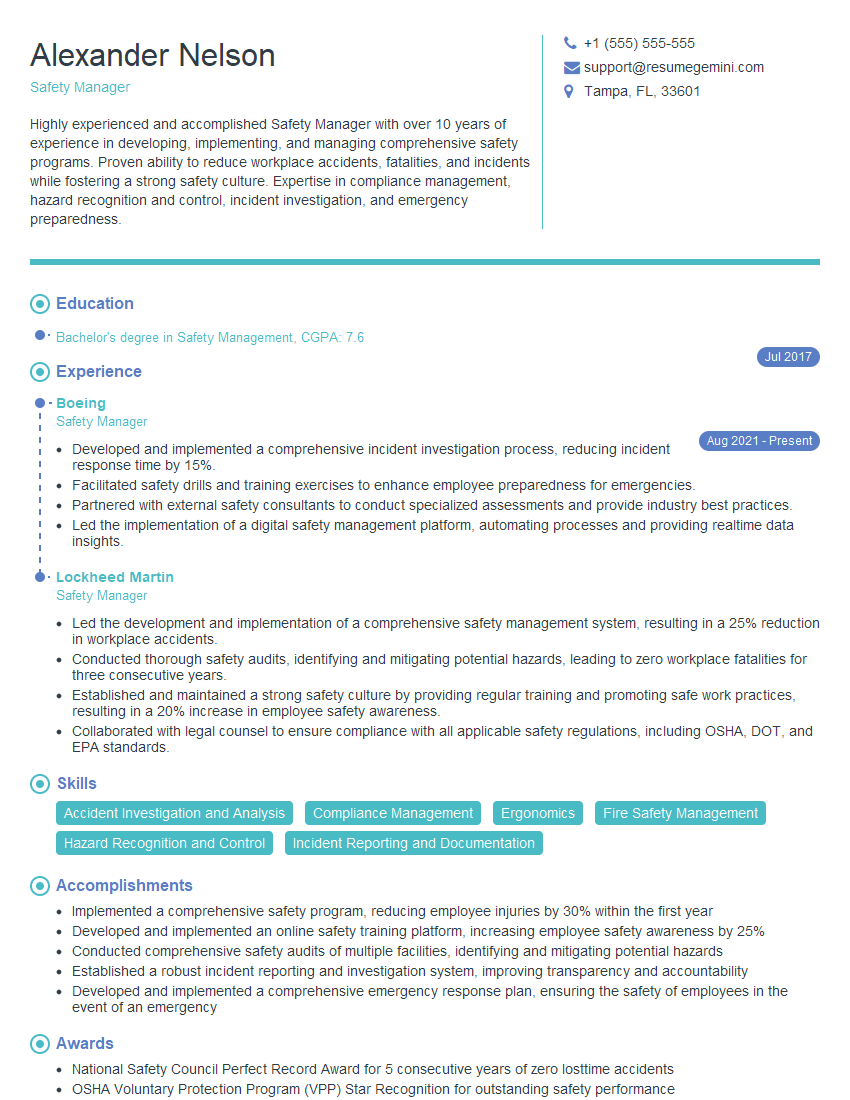
Safety Manager Resume Sample
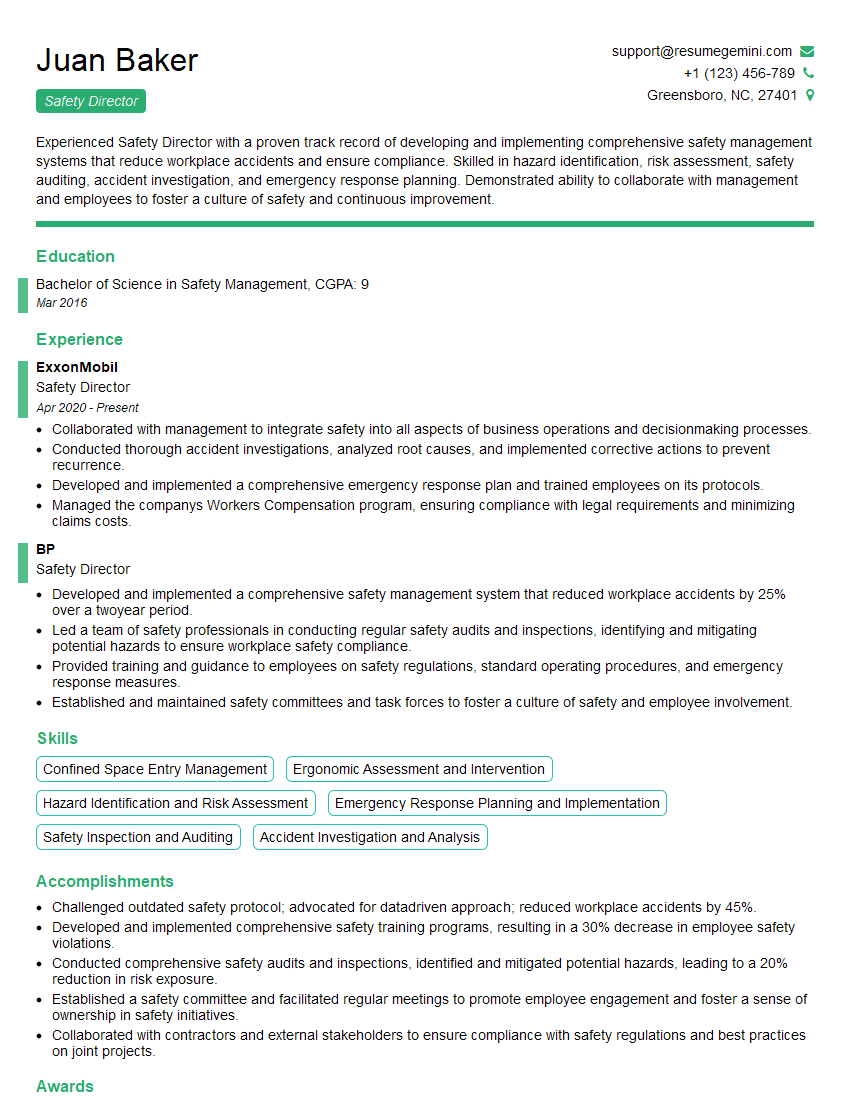
Safety Director Resume Sample
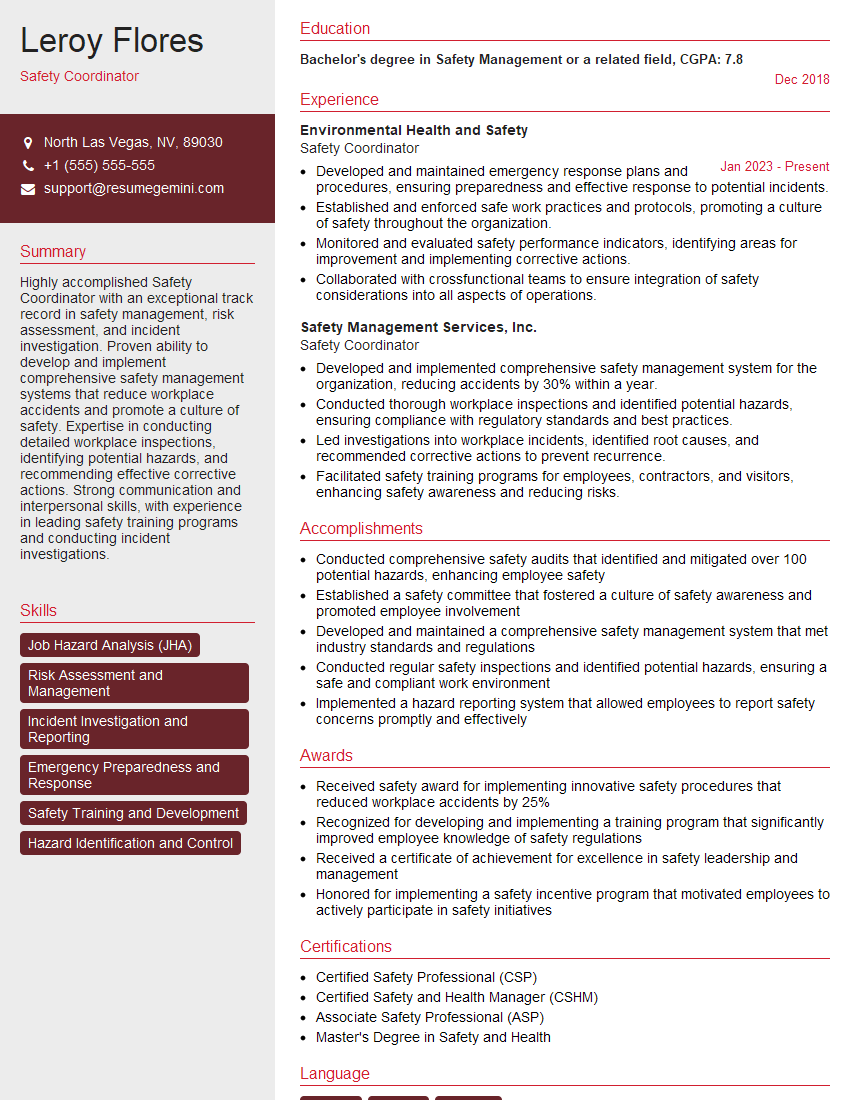
Safety Coordinator Resume Sample

Compliance Officer Resume Sample
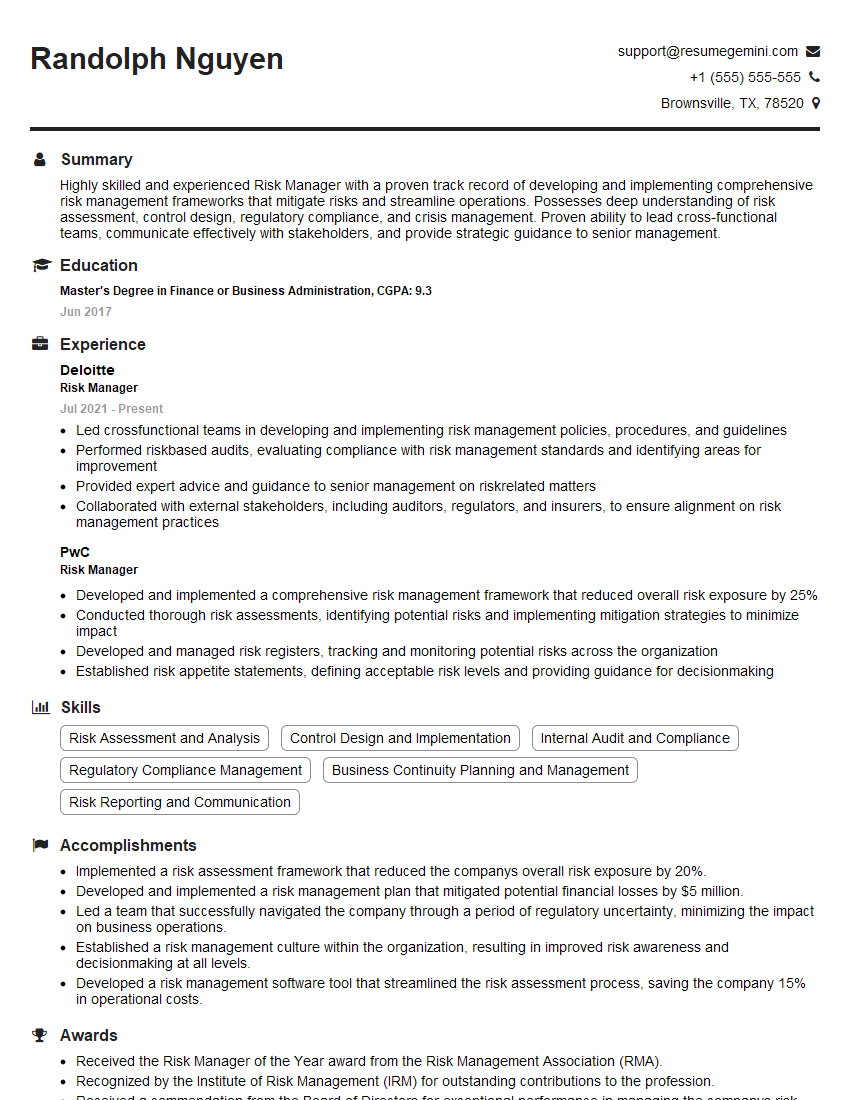
Risk Manager Resume Sample
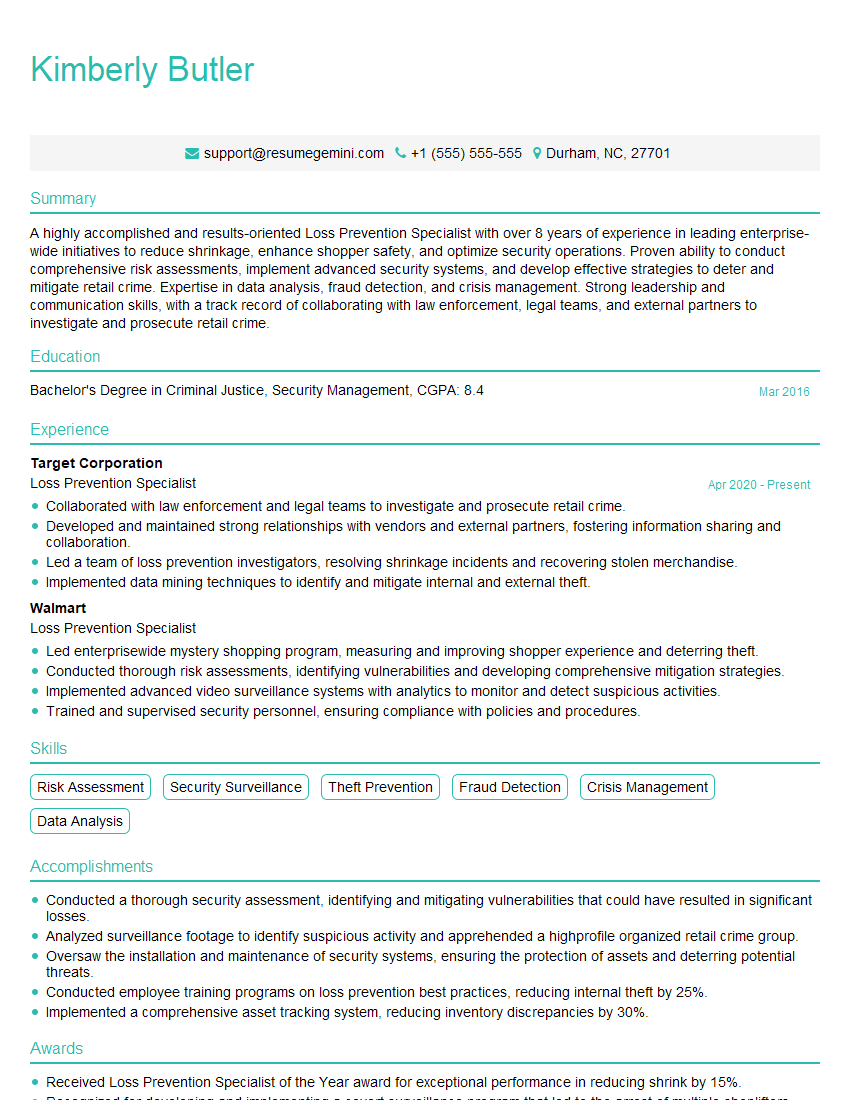
Loss Prevention Specialist Resume Sample
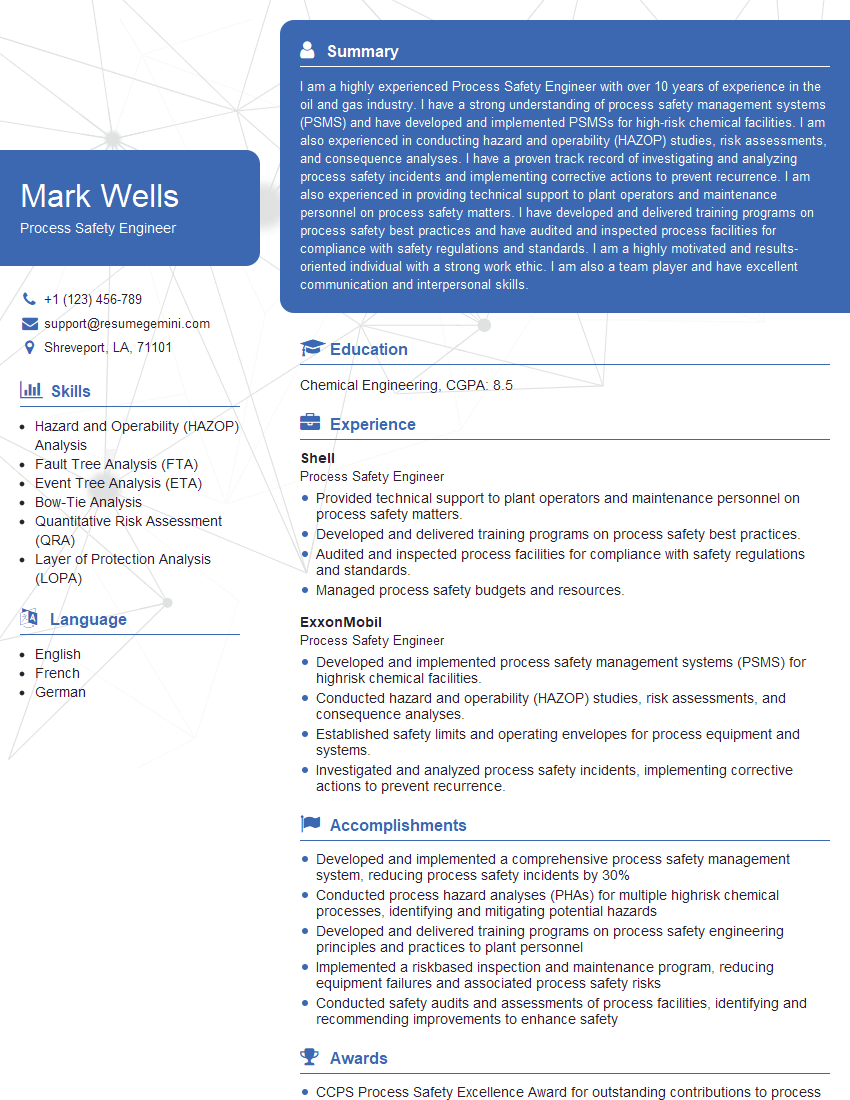
Process Safety Engineer Resume Sample
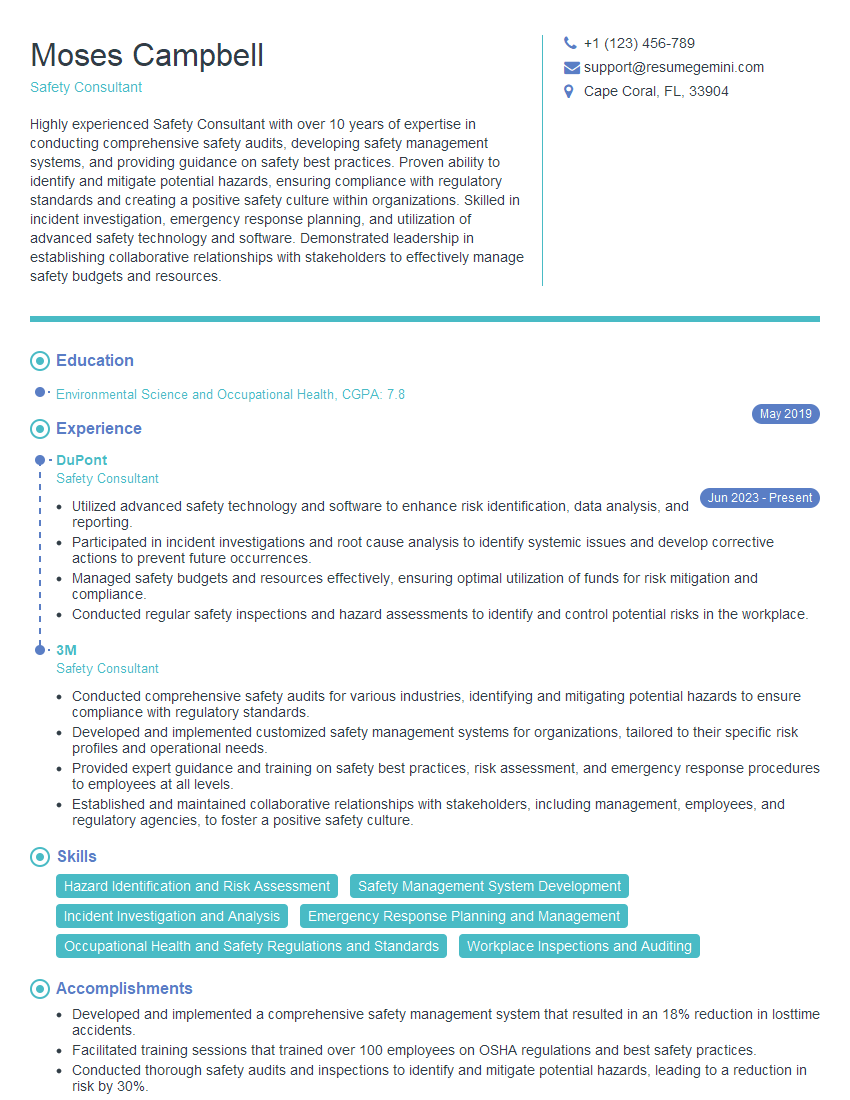
Safety Consultant Resume Sample
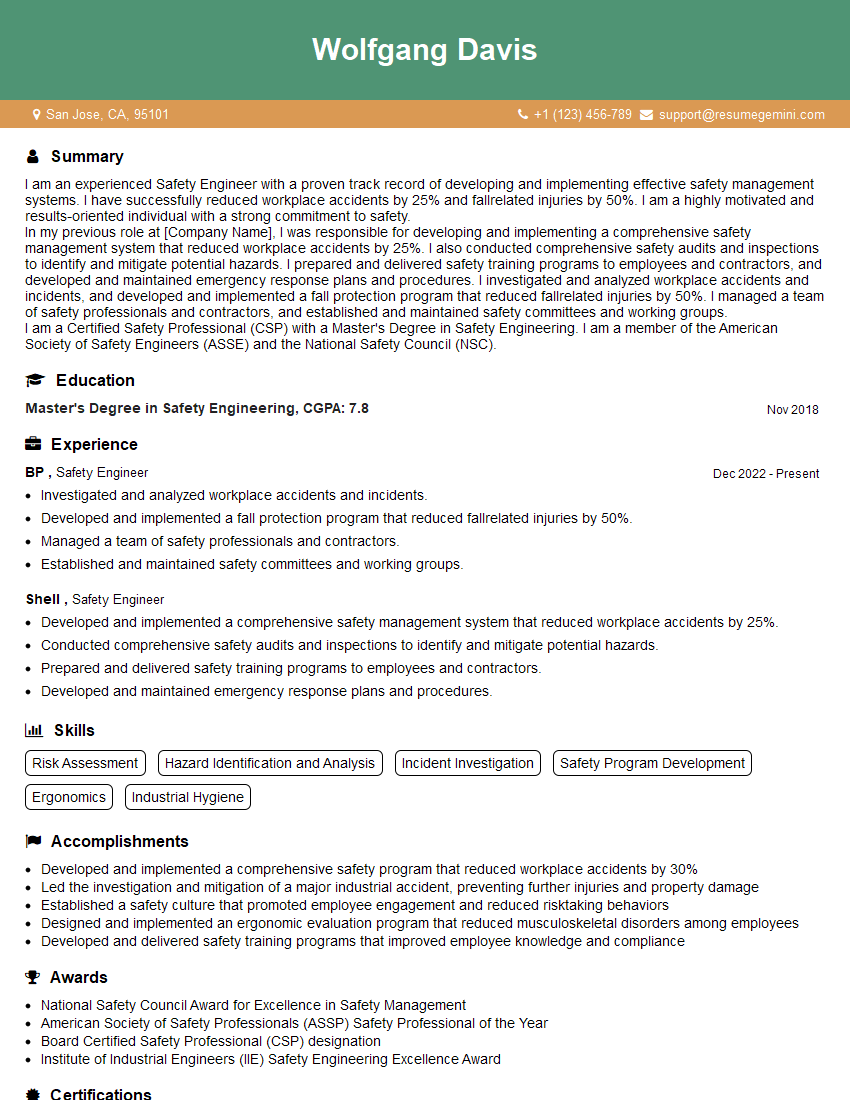
Safety Engineer Resume Sample
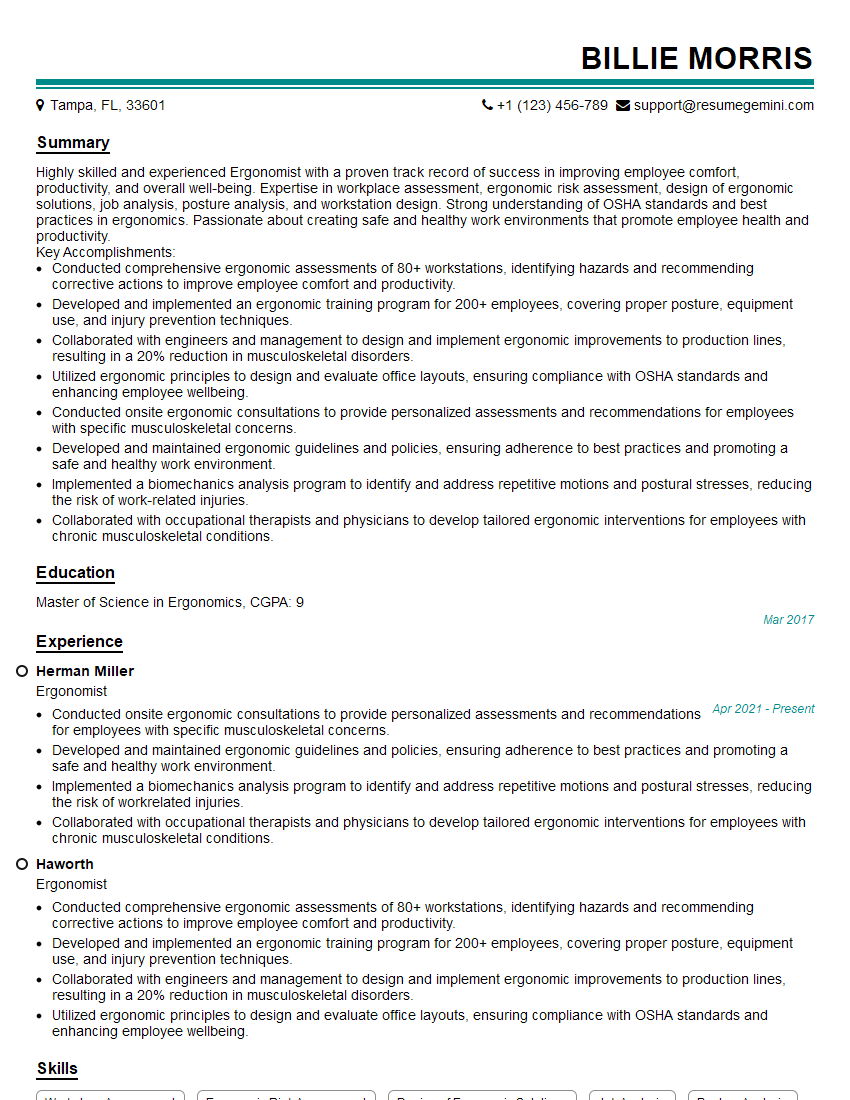
Ergonomist Resume Sample
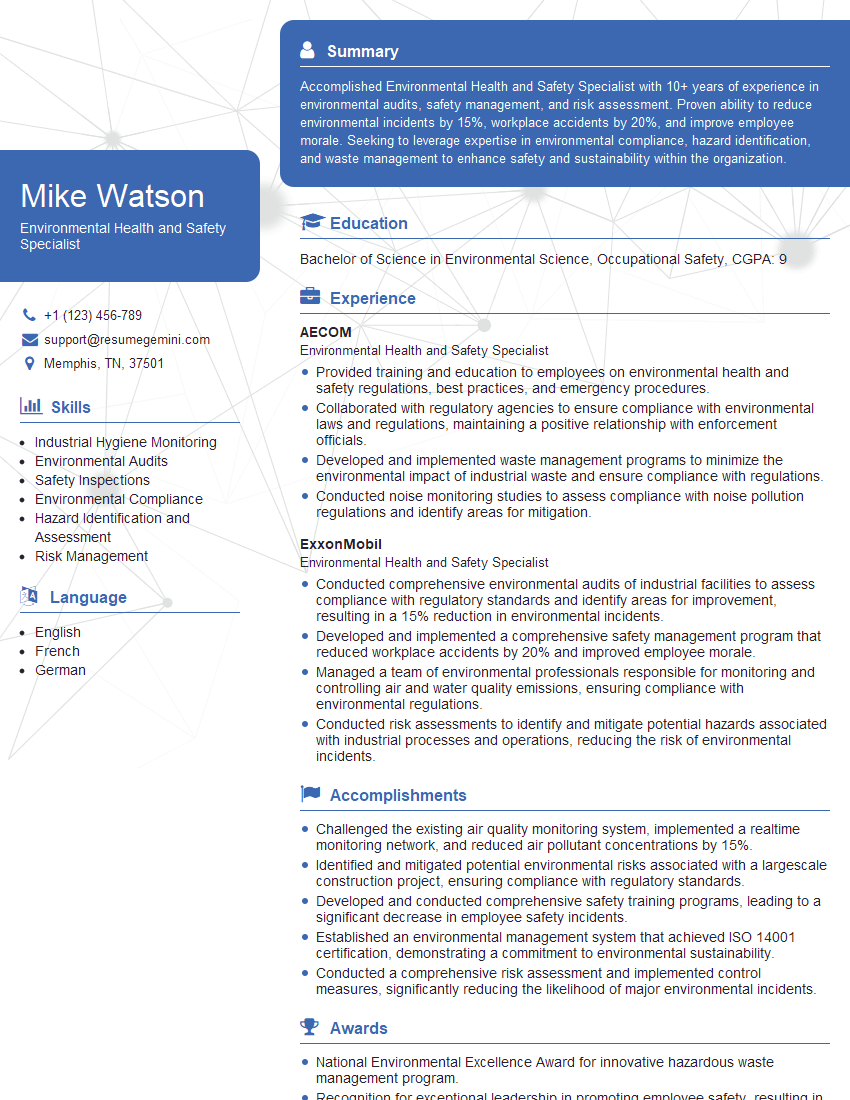
Environmental Health and Safety Specialist Resume Sample
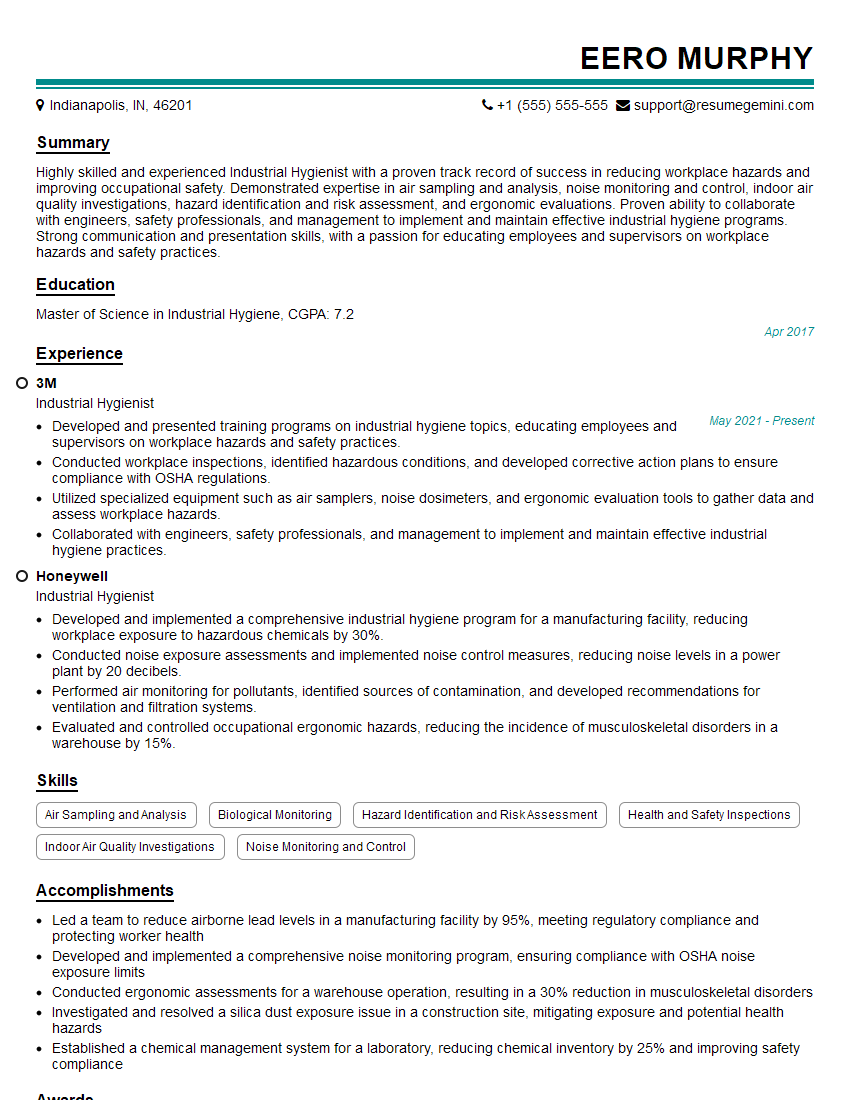
Industrial Hygienist Resume Sample
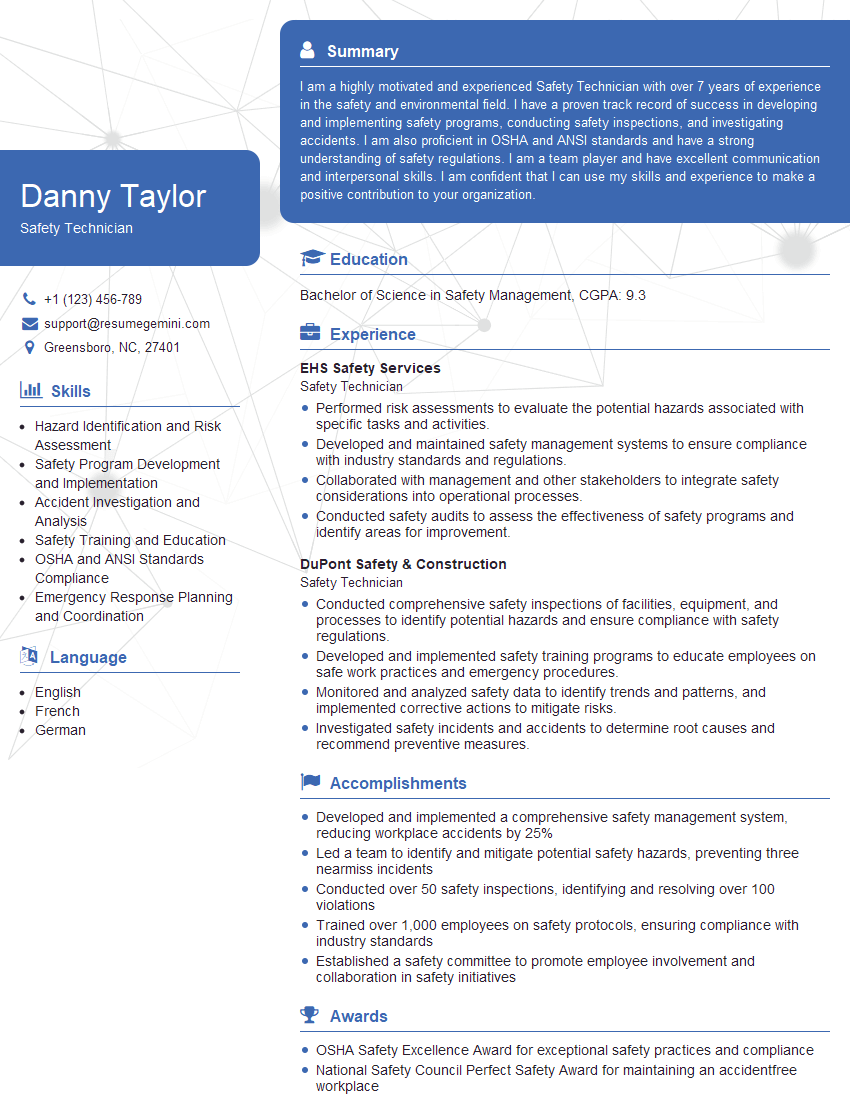
Safety Technician Resume Sample
Explore more articles
Users Rating of Our Blogs
Share Your Experience
We value your feedback! Please rate our content and share your thoughts (optional).
What Readers Say About Our Blog
To the interviewgemini.com Webmaster.
Very helpful and content specific questions to help prepare me for my interview!
Thank you
To the interviewgemini.com Webmaster.
This was kind of a unique content I found around the specialized skills. Very helpful questions and good detailed answers.
Very Helpful blog, thank you Interviewgemini team.