Cracking a skill-specific interview, like one for Self-Motivated and Driven, requires understanding the nuances of the role. In this blog, we present the questions you’re most likely to encounter, along with insights into how to answer them effectively. Let’s ensure you’re ready to make a strong impression.
Questions Asked in Self-Motivated and Driven Interview
Q 1. Describe a time you independently identified a problem and developed a solution.
Identifying problems and developing solutions is a cornerstone of proactive work. It involves a keen observation of inefficiencies, a critical analysis of their root causes, and the creative design and implementation of effective solutions.
In my previous role, I noticed that our team’s reporting process was cumbersome and time-consuming. It involved multiple spreadsheets and manual data entry, leading to delays and potential errors. I independently analyzed the workflow, identifying the bottlenecks – primarily the lack of data integration between different systems. My solution involved researching and implementing a new automated reporting system using Python scripting and integrating existing databases. This reduced reporting time by 75% and significantly improved data accuracy. The project was completed ahead of schedule and garnered positive feedback from the team.
Q 2. How do you prioritize tasks when faced with multiple deadlines?
Prioritizing tasks with multiple deadlines requires a structured approach. I utilize the Eisenhower Matrix (Urgent/Important), categorizing tasks to determine their priority. Urgent and Important tasks get immediate attention; Important but not Urgent tasks are scheduled; Urgent but not Important tasks are delegated if possible; and tasks that are neither Urgent nor Important are eliminated or postponed.
Further, I employ time-blocking techniques, allocating specific time slots for high-priority tasks. This helps maintain focus and avoid task-switching, improving overall efficiency. Regularly reviewing and adjusting the priority list is crucial as circumstances change. Using project management tools helps in visualizing deadlines and dependencies, further improving the prioritization process.
Q 3. What strategies do you use to stay focused and motivated on long-term projects?
Maintaining focus and motivation on long-term projects requires a proactive and multifaceted approach. Breaking down large projects into smaller, manageable tasks is key, allowing for regular progress checkpoints and a sense of accomplishment. Setting realistic milestones and deadlines for these smaller tasks helps prevent feeling overwhelmed.
Regularly reviewing progress and celebrating milestones is crucial for maintaining motivation. I also find that incorporating regular breaks and varying my work environment helps prevent burnout. Collaborating with others and discussing progress can also provide valuable support and keep me engaged. Finally, connecting the long-term project to a larger purpose or vision reinforces its importance and helps sustain motivation.
Q 4. Give an example of a time you overcame a significant obstacle through self-motivation.
Overcoming obstacles through self-motivation often involves resilience, adaptability, and a problem-solving mindset. During a previous project, we encountered a critical software bug that threatened to derail the entire timeline. Initial attempts to fix the bug were unsuccessful, leading to frustration and pressure.
However, instead of giving up, I took a step back, thoroughly researched the issue, and consulted online resources and documentation. I spent extra hours learning about debugging techniques and eventually pinpointed the root cause – a subtle coding error in a rarely used function. After fixing the error and testing rigorously, I successfully resolved the issue, demonstrating the power of self-motivation in overcoming significant setbacks.
Q 5. How do you measure your own success?
Measuring success is subjective and depends on the context. However, I primarily focus on both qualitative and quantitative measures. Quantitatively, I assess success based on achieving project goals, meeting deadlines, and exceeding expectations. Key performance indicators (KPIs) relevant to the specific task are monitored and analyzed.
Qualitatively, I evaluate success by considering the impact of my work, including positive feedback from colleagues, clients, or stakeholders, and the overall contribution to team goals or organizational objectives. Learning and skill development are also critical aspects of how I assess my success. Constant improvement and adaptation are crucial for long-term growth.
Q 6. How do you handle setbacks and maintain motivation?
Setbacks are inevitable, and how we respond defines our resilience. My approach focuses on viewing setbacks as learning opportunities rather than failures. I conduct a thorough post-mortem analysis of the situation, identifying areas for improvement and lessons learned.
It’s crucial to avoid dwelling on negativity. Instead, I focus on reframing the experience constructively, extracting valuable insights to prevent similar issues in the future. This proactive approach helps maintain motivation and reinforces a growth mindset, transforming challenges into stepping stones for future success.
Q 7. Describe your approach to learning new skills or technologies.
My approach to learning new skills or technologies is systematic and results-oriented. I begin by identifying the specific skills needed and breaking down the learning process into manageable modules. I utilize a combination of resources, including online courses, tutorials, documentation, and hands-on practice.
I believe in active learning, emphasizing practical application. I often build small projects or solve coding challenges to solidify my understanding. Regularly reviewing and testing my knowledge is crucial for long-term retention. Seeking feedback from peers or mentors helps identify areas for improvement and accelerates the learning process. This approach ensures a continuous cycle of learning and refinement.
Q 8. How do you stay updated on industry trends and advancements?
Staying updated in a rapidly evolving field like mine requires a multi-pronged approach. I actively participate in professional organizations, attending conferences and webinars to learn about the latest research and best practices. For example, I’m a member of the [mention relevant professional organization], and regularly attend their annual summit. Beyond formal events, I subscribe to key industry publications and follow influential thought leaders on social media platforms like LinkedIn and Twitter. This allows me to engage with current discussions and emerging trends in real-time. Finally, I dedicate time to personal learning; I regularly explore online courses and tutorials on platforms such as Coursera and edX to deepen my expertise in specific areas.
Q 9. What are your personal goals for professional development?
My professional development goals are focused on continuous improvement and broadening my skillset. Specifically, I aim to become proficient in [mention specific skill or technology]. This will allow me to contribute more effectively to complex projects and take on greater leadership responsibilities. I plan to achieve this through a combination of formal training, such as pursuing a certification in [mention certification], and hands-on experience by actively seeking opportunities to apply this skill in my current role. Ultimately, I envision myself as a leading expert in my field, contributing significantly to innovation and progress.
Q 10. How do you handle criticism and use it to improve?
Criticism, when delivered constructively, is invaluable for growth. I approach it as an opportunity for learning and improvement. My first step is to actively listen and understand the feedback without becoming defensive. I then analyze the criticism objectively, separating valid points from subjective opinions. For instance, if feedback focuses on improving communication clarity, I’d actively seek strategies to improve, such as using visual aids or practicing concise explanations. Finally, I create an action plan to address the areas for improvement, setting specific, measurable goals and tracking my progress. I believe that embracing criticism and using it as a guide for self-improvement is crucial for professional success.
Q 11. Explain a time you went above and beyond your job description.
In a previous role, our team was facing a critical deadline for a major project. We were significantly behind schedule due to unforeseen technical challenges. While my job description primarily focused on [mention primary role], I saw the impact the delay would have and proactively volunteered to assist the struggling team. I dedicated extra hours, learning new skills on the fly, and effectively troubleshooting the technical issues. This involved going beyond my comfort zone, but my dedication ultimately helped us meet the deadline and deliver a successful project. My initiative not only solved the immediate problem but also fostered a sense of teamwork and trust within the team.
Q 12. Describe a situation where you had to work independently with minimal supervision.
During a period of rapid expansion in my previous company, I was tasked with developing a new training program for our onboarding process. With minimal supervision, I conducted thorough research, interviewed subject matter experts, designed the curriculum, and delivered the program successfully. This involved independent planning, resource management, and problem-solving. I utilized project management techniques like creating detailed timelines and progress reports to keep myself on track. The program was well-received, and it became a standard part of our onboarding process, testament to the successful independent work.
Q 13. How do you maintain work-life balance while remaining highly driven?
Maintaining work-life balance is crucial, especially when you’re highly driven. For me, it’s about intentional planning and setting boundaries. I utilize time management techniques like the Pomodoro Technique, breaking down tasks into manageable chunks with scheduled breaks. This enhances focus and prevents burnout. Equally important is setting clear boundaries between work and personal time. I avoid checking emails or working late into the night unless absolutely necessary. I ensure I dedicate specific time each day for personal activities – whether it’s exercise, spending time with loved ones, or pursuing a hobby. This prevents professional life from consuming personal life and fosters overall well-being.
Q 14. What motivates you to excel in your work?
My motivation stems from a deep-seated desire to make a significant impact. I find fulfillment in tackling challenging problems and creating innovative solutions. The sense of accomplishment I experience when successfully navigating a complex project, and the positive impact it has on the organization or the larger community, are incredibly rewarding. Moreover, I am driven by a continuous pursuit of knowledge and mastery of my skills. The opportunity to learn and grow, both professionally and personally, is a major motivating factor for me.
Q 15. Describe a project where you took initiative and ownership.
In my previous role at Acme Corp, we were tasked with streamlining our client onboarding process. While it wasn’t explicitly assigned to me, I recognized the inefficiency and the potential for significant improvement. I took the initiative to research best practices in client onboarding, analyzing our existing workflows and identifying bottlenecks. I then drafted a proposal outlining a new, more efficient system, complete with a phased implementation plan and projected ROI. I presented this proposal to my team lead and secured their support. I then owned the project from start to finish, leading meetings, coordinating with various teams, and ultimately implementing the new system, which resulted in a 20% reduction in onboarding time and a 15% increase in client satisfaction.
Career Expert Tips:
- Ace those interviews! Prepare effectively by reviewing the Top 50 Most Common Interview Questions on ResumeGemini.
- Navigate your job search with confidence! Explore a wide range of Career Tips on ResumeGemini. Learn about common challenges and recommendations to overcome them.
- Craft the perfect resume! Master the Art of Resume Writing with ResumeGemini’s guide. Showcase your unique qualifications and achievements effectively.
- Don’t miss out on holiday savings! Build your dream resume with ResumeGemini’s ATS optimized templates.
Q 16. How do you manage your time effectively?
Effective time management is crucial for productivity and achieving goals. My approach involves a combination of planning, prioritization, and focused execution. I begin each week by reviewing my tasks and prioritizing them based on urgency and importance using the Eisenhower Matrix (Urgent/Important). I then break down larger tasks into smaller, manageable steps, creating a realistic schedule. I utilize time-blocking techniques, allocating specific time slots for particular tasks, minimizing distractions during these periods. Regularly reviewing my progress helps me stay on track and adjust my schedule as needed. Tools like project management software and calendar applications are invaluable in this process. Finally, I ensure I incorporate regular breaks to maintain focus and prevent burnout.
Q 17. How do you handle pressure and meet tight deadlines?
Pressure and tight deadlines are inevitable in fast-paced environments. My approach involves proactive planning, clear communication, and effective stress management. When faced with a tight deadline, I immediately assess the task, breaking it down into smaller, manageable components. I create a detailed schedule, allocating realistic timeframes for each step, and identifying potential roadblocks. I communicate transparently with my team and stakeholders, keeping them informed of my progress and any potential issues. I also prioritize self-care, ensuring I get adequate rest and engage in activities that help me de-stress, such as exercise or mindfulness practices. In essence, it’s a combination of strategic planning and personal well-being that allows me to navigate pressure successfully.
Q 18. What are your strengths and how do they contribute to your self-motivation?
My strengths are problem-solving, adaptability, and a strong work ethic. These contribute significantly to my self-motivation. My analytical skills allow me to tackle complex challenges effectively, generating a sense of accomplishment and driving me forward. My adaptability enables me to navigate unforeseen obstacles and changes, maintaining momentum even in uncertain situations. My strong work ethic, fueled by a desire for excellence, provides intrinsic motivation, making me intrinsically driven to deliver high-quality work. This internal drive sustains my self-motivation even when facing difficulties or setbacks.
Q 19. Have you ever had to motivate a team member? How did you approach it?
I once had a team member struggling with a particularly challenging aspect of a project. Instead of directly dictating solutions, I opted for a supportive and collaborative approach. I began by actively listening to their concerns and understanding the root cause of their struggle. Together, we identified their strengths and weaknesses related to the task. I then provided guidance, offering constructive feedback and suggesting resources to help them improve. We worked collaboratively, breaking down the task into smaller, manageable chunks. Through this collaborative process, the team member gained confidence, improved their skills, and successfully completed their portion of the project. This approach reinforced trust and enhanced team cohesion.
Q 20. Describe a time you learned from a failure and how it improved your self-motivation.
In a previous project, I underestimated the complexity of integrating a new software system. This resulted in delays and exceeded the initial budget. However, rather than letting this failure discourage me, I used it as a learning opportunity. I conducted a thorough post-mortem analysis, identifying the shortcomings in my planning and execution. I focused on improving my project management skills, taking additional training courses on risk assessment and resource allocation. This experience fueled my self-motivation to prevent similar failures in the future, enhancing my proactive approach and planning capabilities. The subsequent projects I undertook reflected this improved skillset, resulting in successful and timely delivery.
Q 21. How do you identify and overcome procrastination?
Procrastination stems from a variety of factors, often involving fear, perfectionism, or feeling overwhelmed. My approach to overcoming procrastination begins with self-awareness—identifying the underlying cause. Then, I employ a combination of strategies: breaking down large tasks into smaller, manageable chunks, setting realistic goals and deadlines, utilizing time-blocking techniques, and rewarding myself upon completion of tasks. I also create a conducive work environment, minimizing distractions and maximizing focus. If the task still feels daunting, I focus on just starting, even if it’s for a short period. This often generates momentum and helps overcome initial inertia. Regular self-reflection helps me understand my procrastination triggers, enabling me to proactively address them and prevent future instances.
Q 22. How do you adapt to change and maintain your drive?
Adapting to change while maintaining drive requires a proactive and flexible approach. It’s not about resisting change, but about embracing it as an opportunity for growth and learning. I approach change by first understanding its implications, then actively seeking solutions rather than dwelling on problems.
- Information Gathering: I begin by seeking comprehensive information about the change, understanding its rationale, and anticipating potential impacts.
- Strategic Planning: Once informed, I create a plan that integrates the change into my existing workflow and goals. This involves prioritizing tasks, re-allocating resources if necessary, and setting realistic expectations.
- Continuous Learning: I view change as a chance to acquire new skills and knowledge. I actively seek out training or resources to enhance my adaptability and effectiveness in the new environment.
- Positive Mindset: Maintaining a positive attitude is crucial. I focus on the opportunities presented by change and celebrate small victories along the way. This helps to prevent burnout and sustain motivation.
For example, during a recent company restructuring, I actively sought out opportunities to learn new software and processes, resulting in increased efficiency and expanded skill set. Rather than resisting the change, I embraced it, and discovered a new area of expertise.
Q 23. What steps do you take to ensure you meet your personal and professional goals?
Achieving personal and professional goals requires a structured and disciplined approach. I use a combination of goal-setting methodologies and self-monitoring techniques.
- SMART Goals: I utilize the SMART framework (Specific, Measurable, Achievable, Relevant, Time-bound) to define my goals clearly and make them actionable. This ensures focus and prevents vagueness.
- Action Planning: For each goal, I create a detailed action plan, breaking down large tasks into smaller, manageable steps. This allows for regular progress tracking and prevents feeling overwhelmed.
- Regular Review and Adjustment: I regularly review my progress, identifying areas for improvement and making necessary adjustments to my plans. This ensures I stay on track and adapt to unforeseen challenges.
- Self-Reward and Accountability: I incorporate self-reward systems to maintain motivation. I also utilize accountability partners or tools to stay on track and ensure I meet my deadlines.
For instance, when I wanted to improve my public speaking skills, I set a SMART goal of delivering three presentations to different audiences within six months. I created an action plan that included researching presentation techniques, practicing regularly, and seeking feedback. Through regular review and adjustments, I achieved my goal successfully.
Q 24. How do you delegate tasks effectively while maintaining control over the outcome?
Effective delegation involves entrusting tasks to others while maintaining oversight. It’s about leveraging the strengths of team members while ensuring project success.
- Clear Communication: I provide clear instructions, expectations, and deadlines. This avoids ambiguity and ensures everyone is working towards the same outcome.
- Skill Matching: I delegate tasks based on the skills and abilities of individuals, ensuring each person is given tasks that fit their expertise.
- Empowerment: I empower team members by giving them autonomy and the resources they need to succeed. This fosters ownership and accountability.
- Regular Monitoring: I regularly monitor progress, providing support and guidance as needed, but avoid micromanaging.
- Feedback and Recognition: I provide constructive feedback and acknowledge accomplishments. This reinforces positive behavior and improves team morale.
In a previous project, I effectively delegated tasks to my team by assigning roles according to their skillsets. Regular check-ins ensured everyone stayed on track. I provided support where needed, allowing team members to develop their abilities while maintaining overall project control.
Q 25. Describe your preferred working style and how it reflects your self-motivation.
My preferred working style is proactive and results-oriented. I thrive in environments that encourage autonomy and initiative. My self-motivation stems from a deep sense of ownership and a desire to exceed expectations.
- Proactive Approach: I anticipate challenges and proactively develop solutions. I don’t wait for instructions; I identify what needs to be done and take ownership.
- Organized and Efficient: I prioritize tasks based on importance and urgency, utilizing tools and strategies to stay organized and maximize efficiency.
- Continuous Improvement: I am always seeking ways to improve my processes and learn new skills, ensuring I continually meet and exceed expectations. This constant drive for improvement directly reflects my self-motivation.
- Collaboration and Communication: While I am self-motivated, I value collaboration and believe effective communication is crucial for teamwork. I actively participate in team discussions and share my ideas.
For example, in a past project where the timeline was tight, I proactively identified potential bottlenecks and implemented solutions, ensuring we completed the project ahead of schedule and within budget. This proactive approach reflects my innate drive and desire to achieve the best possible outcome.
Q 26. How do you handle conflict and maintain a positive attitude?
Handling conflict constructively requires effective communication and a focus on finding mutually beneficial solutions. I approach conflict with empathy and a desire to understand different perspectives.
- Active Listening: I listen attentively to understand the other person’s viewpoint, even if I don’t agree with it. This shows respect and fosters open communication.
- Clear Communication: I express my concerns and perspectives clearly and respectfully, avoiding accusatory language.
- Focus on Solutions: I focus on finding collaborative solutions that address everyone’s concerns. I strive to find win-win outcomes rather than focusing on assigning blame.
- Maintain Professionalism: I maintain a professional demeanor throughout the conflict, even if emotions run high. This helps to keep the discussion productive and prevents escalation.
In a previous situation involving a disagreement with a colleague about project methodology, I actively listened to their concerns and clearly explained my approach, highlighting the potential benefits of my preferred method. By focusing on a compromise that incorporated elements of both approaches, we resolved the conflict and achieved a positive outcome. This collaborative effort demonstrates maintaining a positive attitude even during disagreements.
Q 27. Describe a time you had to make a difficult decision independently.
One instance where I had to make a difficult decision independently involved choosing between two promising career paths. I had received two job offers, one offering greater financial security and the other offering more opportunities for professional development and growth.
After carefully weighing the pros and cons of each offer, considering my long-term goals and career aspirations, I chose the opportunity that aligned better with my long-term professional development, even though it initially offered lower compensation. This decision was difficult because it involved sacrificing short-term financial stability for long-term growth. However, this decision has been instrumental in shaping my career trajectory and skill development.
My approach to making this difficult decision involved:
- Clearly Defining My Goals: I identified my short-term and long-term career objectives.
- Data Gathering: I collected information about both roles, including responsibilities, potential for growth, and company culture.
- Pros and Cons Analysis: I created a list of pros and cons for each job offer.
- Seeking Input (but ultimately deciding independently): While I sought advice from mentors and trusted individuals, I ultimately took ownership of the decision and made it independently based on my own values and aspirations.
Q 28. How do you balance short-term goals with long-term aspirations?
Balancing short-term goals with long-term aspirations requires a strategic approach that involves aligning short-term actions with your overall vision. It is not about choosing one over the other, but integrating them effectively.
- Long-Term Vision: I begin with a clear understanding of my long-term goals and aspirations. This provides a compass for my short-term decisions.
- Strategic Short-Term Goals: I define short-term goals that directly contribute to my long-term vision. These goals act as stepping stones towards my ultimate objectives.
- Prioritization and Time Management: I prioritize tasks and manage my time effectively to ensure I allocate sufficient resources to both short-term and long-term objectives. This might involve utilizing time management techniques like Eisenhower Matrix.
- Regular Review and Adjustment: I regularly review my progress, ensuring my short-term goals remain aligned with my long-term aspirations and making adjustments as needed. This iterative approach is critical for staying on track.
For example, I might have a long-term goal of becoming a project manager. Short-term goals could include completing relevant certifications, seeking mentorship from experienced project managers, and volunteering for project leadership roles. These short-term activities directly support my long-term career aspirations and provide valuable experience along the way.
Key Topics to Learn for Self-Motivated and Driven Interview
- Understanding Intrinsic Motivation: Explore the sources of your own drive and how you consistently pursue goals without external pressure. Consider examples from your past experiences.
- Goal Setting and Achievement: Discuss your approach to setting SMART goals (Specific, Measurable, Achievable, Relevant, Time-bound) and how you track progress, adapt to challenges, and celebrate successes. Prepare to illustrate this with concrete examples from your work or personal life.
- Proactive Problem Solving: Showcase your ability to identify problems independently, analyze potential solutions, and take initiative to implement effective strategies. Highlight situations where you went above and beyond expectations.
- Resilience and Perseverance: Describe your ability to overcome setbacks, learn from failures, and maintain a positive attitude even when facing difficult challenges. Provide specific examples demonstrating your grit and determination.
- Time Management and Prioritization: Explain your methods for effectively managing your time, prioritizing tasks, and meeting deadlines, even under pressure. Be prepared to discuss your strategies for organization and efficiency.
- Taking Ownership and Accountability: Demonstrate your commitment to taking responsibility for your actions and outcomes. Share examples where you owned a project or task, even when faced with difficulties.
- Adaptability and Continuous Learning: Highlight your willingness to embrace new challenges, acquire new skills, and adapt to changing circumstances. Discuss your proactive approach to professional development.
Next Steps
Mastering the ability to demonstrate you are self-motivated and driven is crucial for career advancement. It signals to employers your potential for success and independent contribution. To enhance your job prospects, create a compelling and ATS-friendly resume that highlights these qualities. ResumeGemini is a trusted resource that can help you build a professional resume showcasing your strengths. Examples of resumes tailored to emphasize “Self-Motivated and Driven” are available to help you get started.
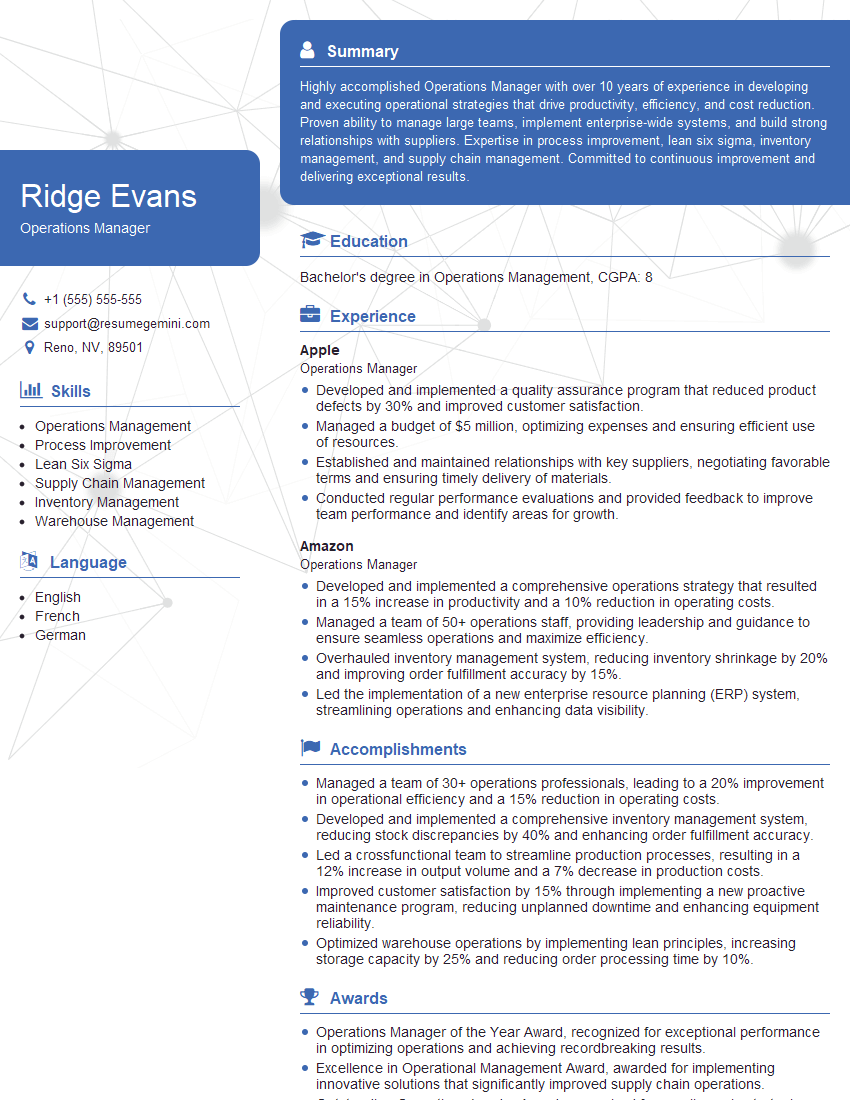
Operations Manager Resume Sample
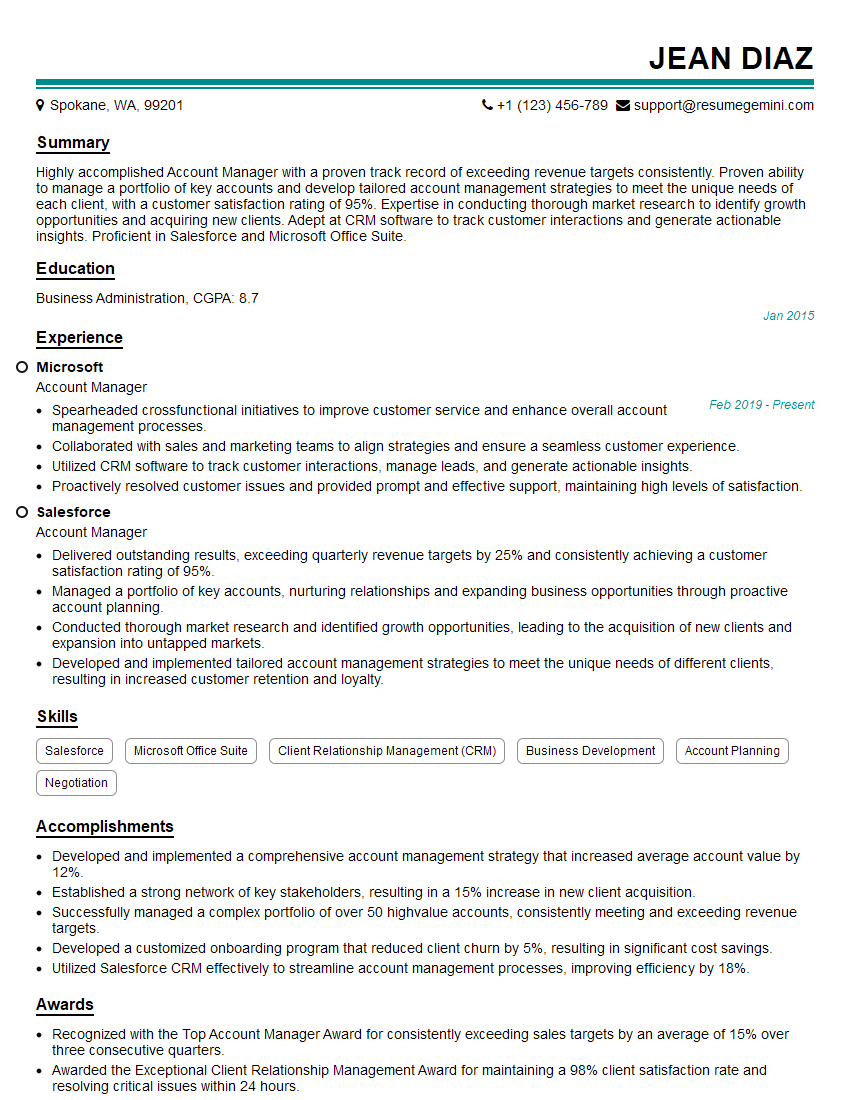
Account Manager Resume Sample
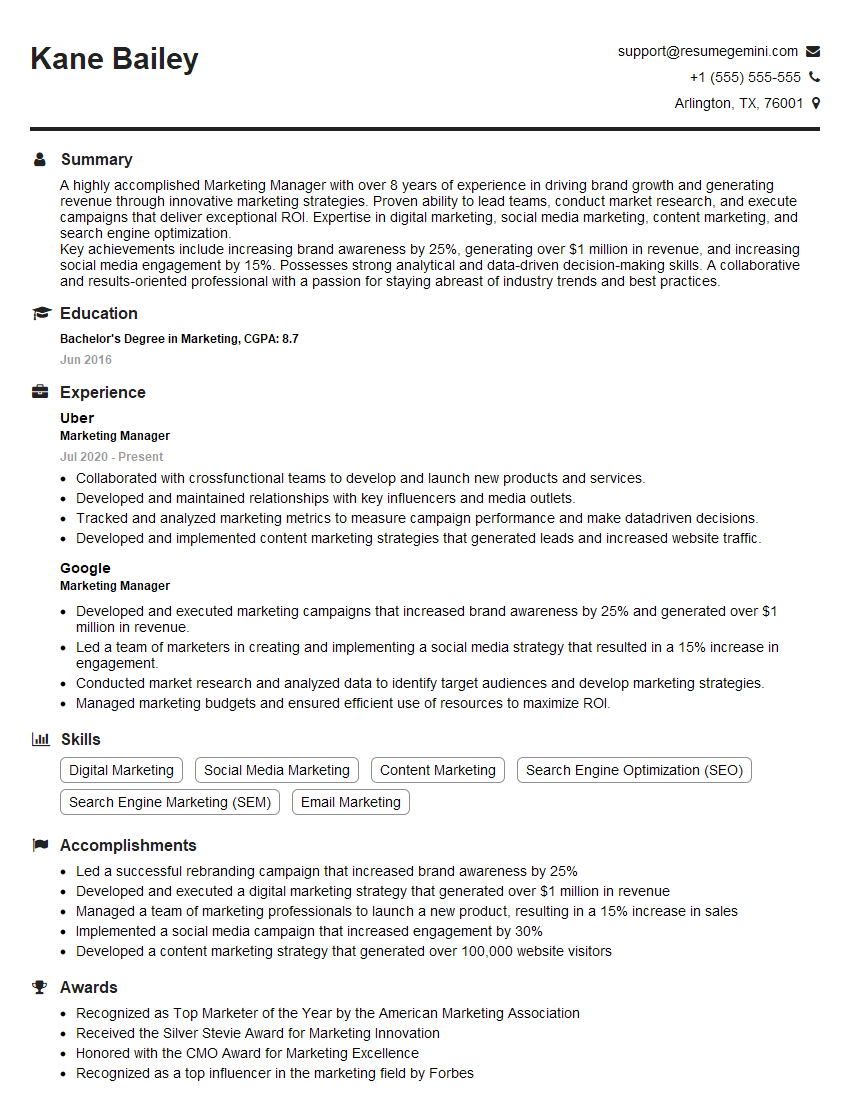
Marketing Manager Resume Sample
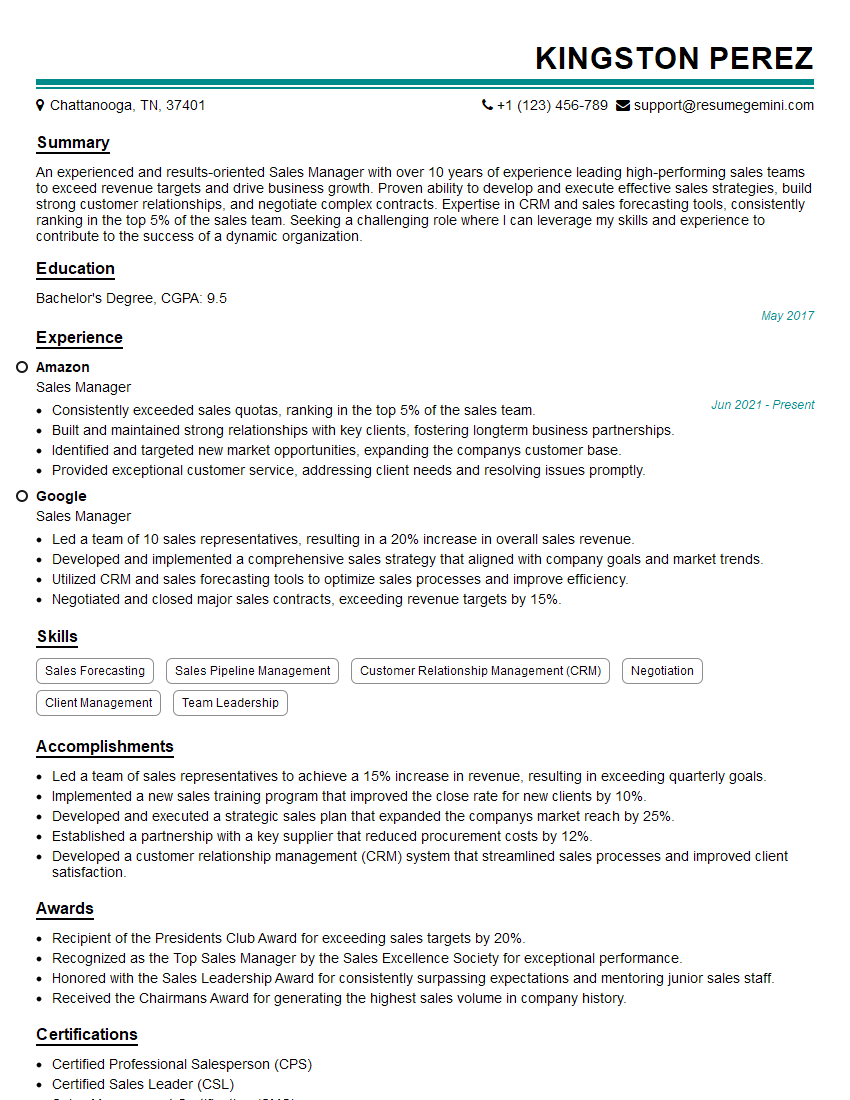
Sales Manager Resume Sample
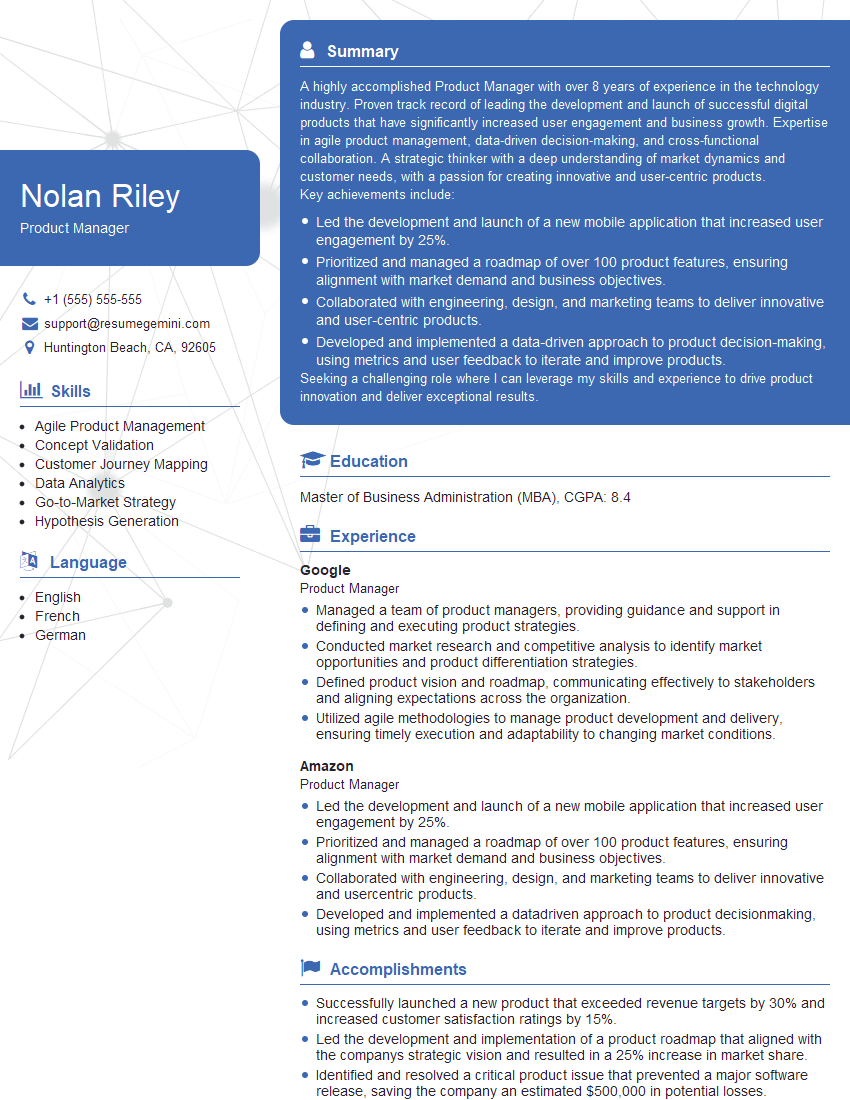
Product Manager Resume Sample
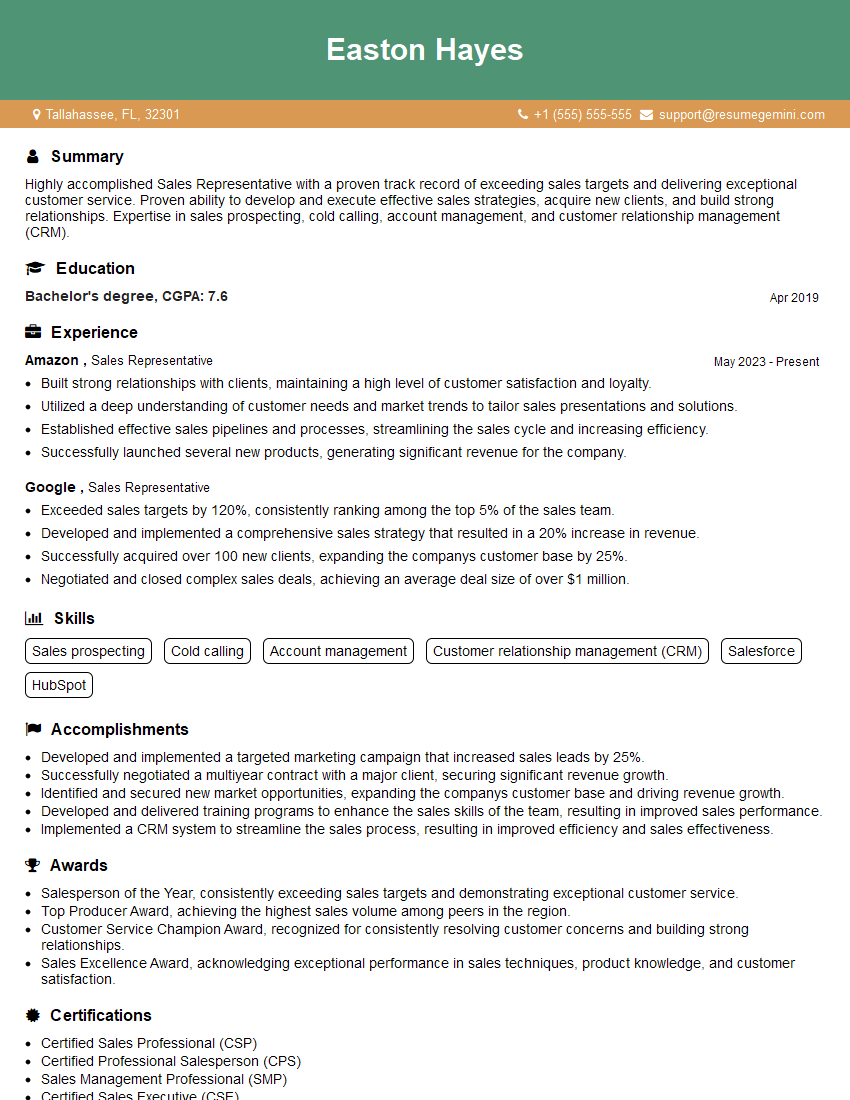
Sales Representative Resume Sample
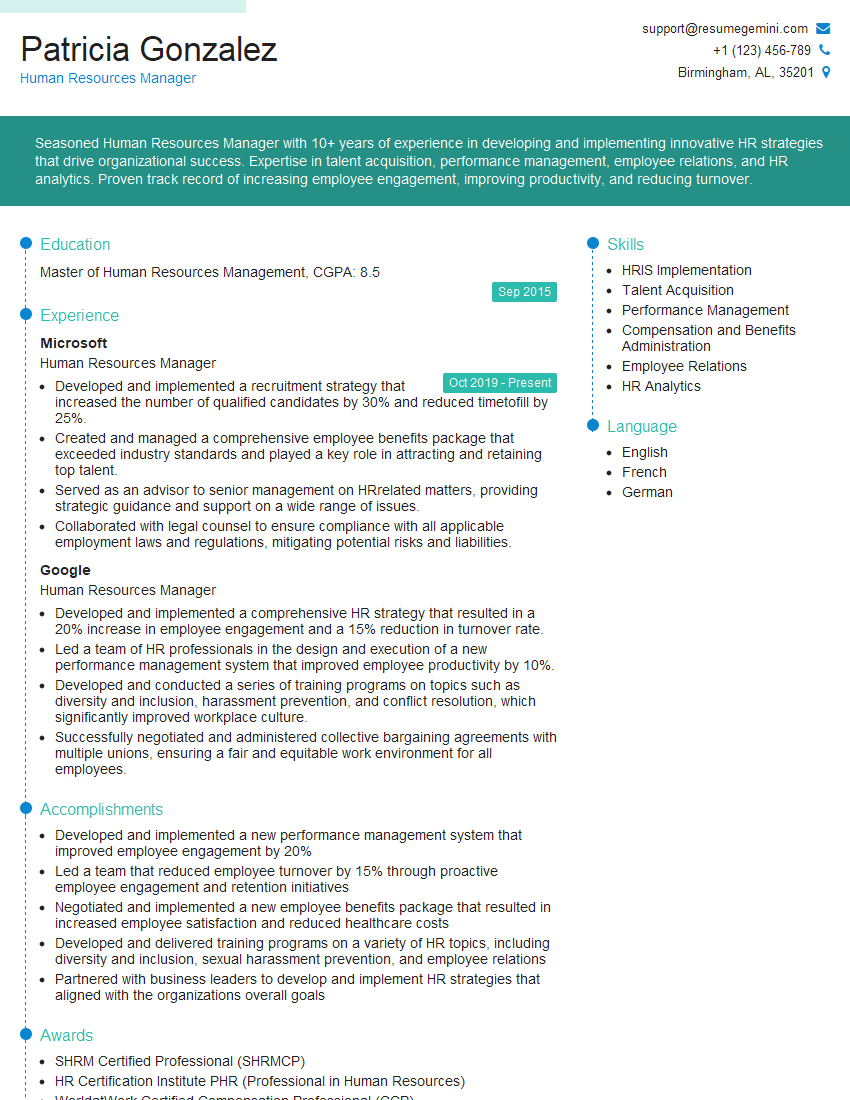
Human Resources Manager Resume Sample
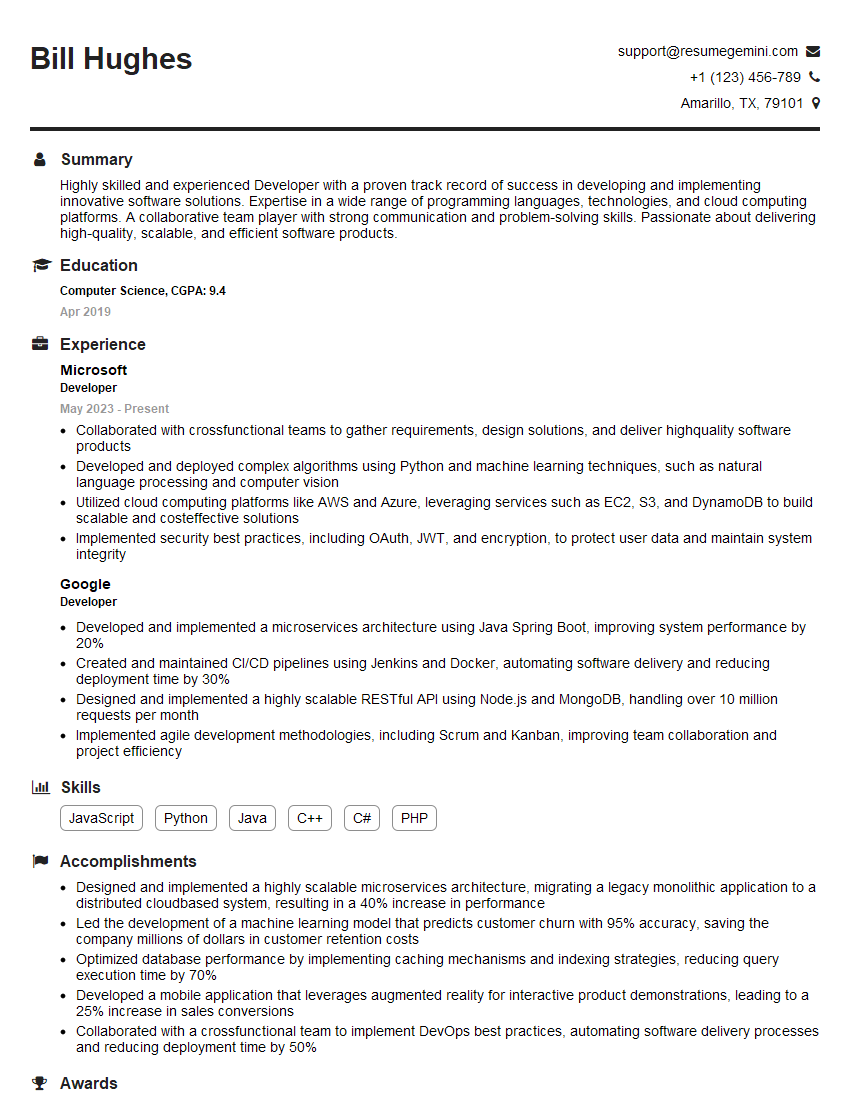
Developer Resume Sample
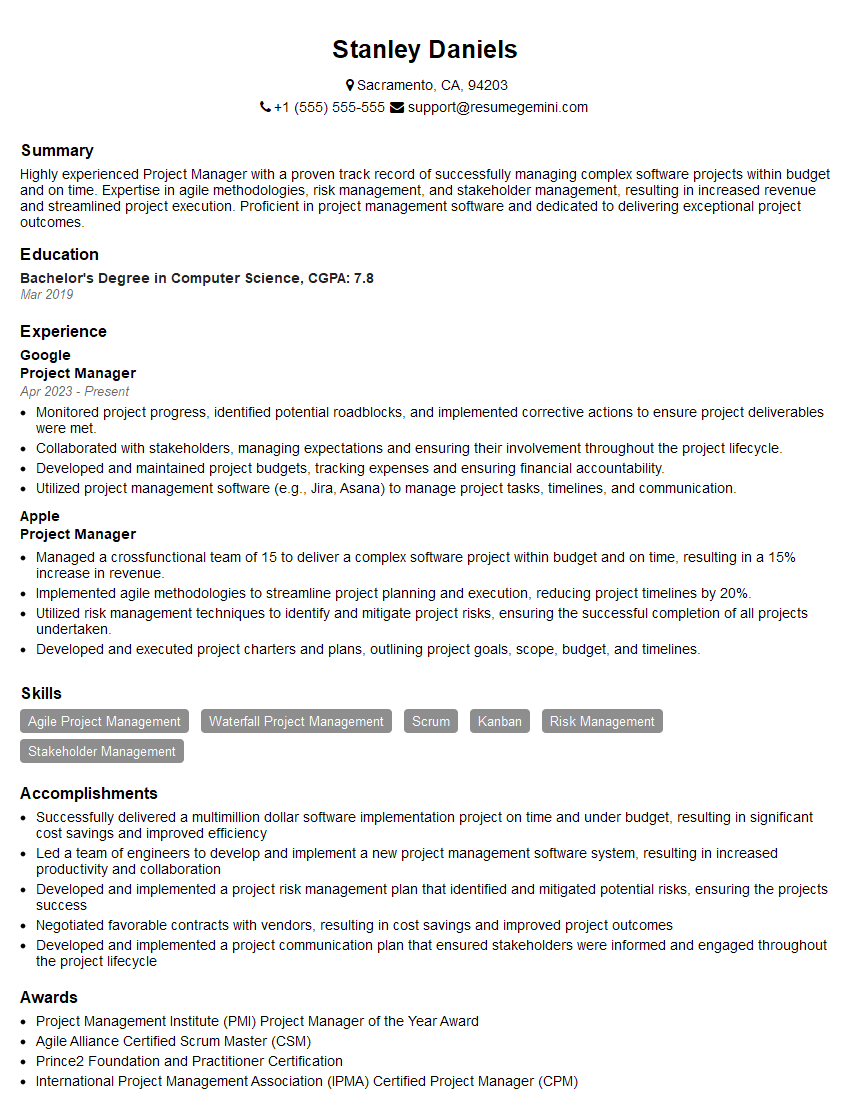
Project Manager Resume Sample
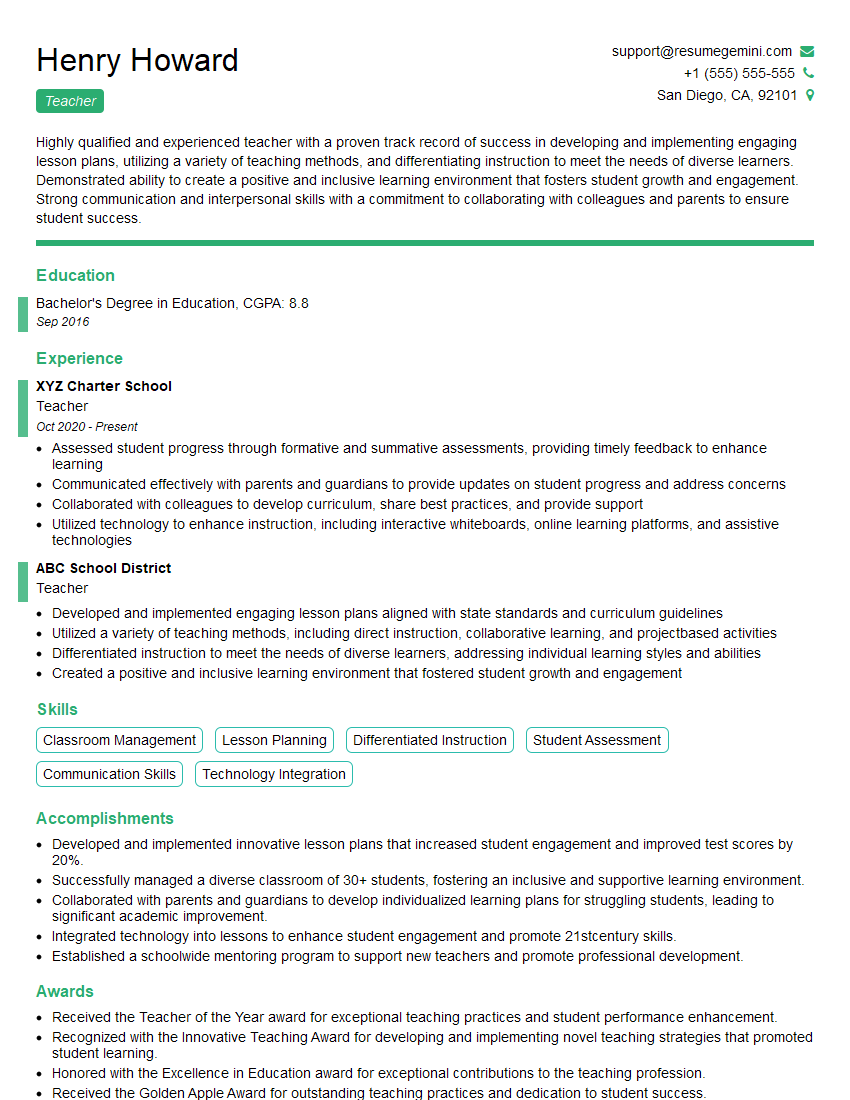
Teacher Resume Sample
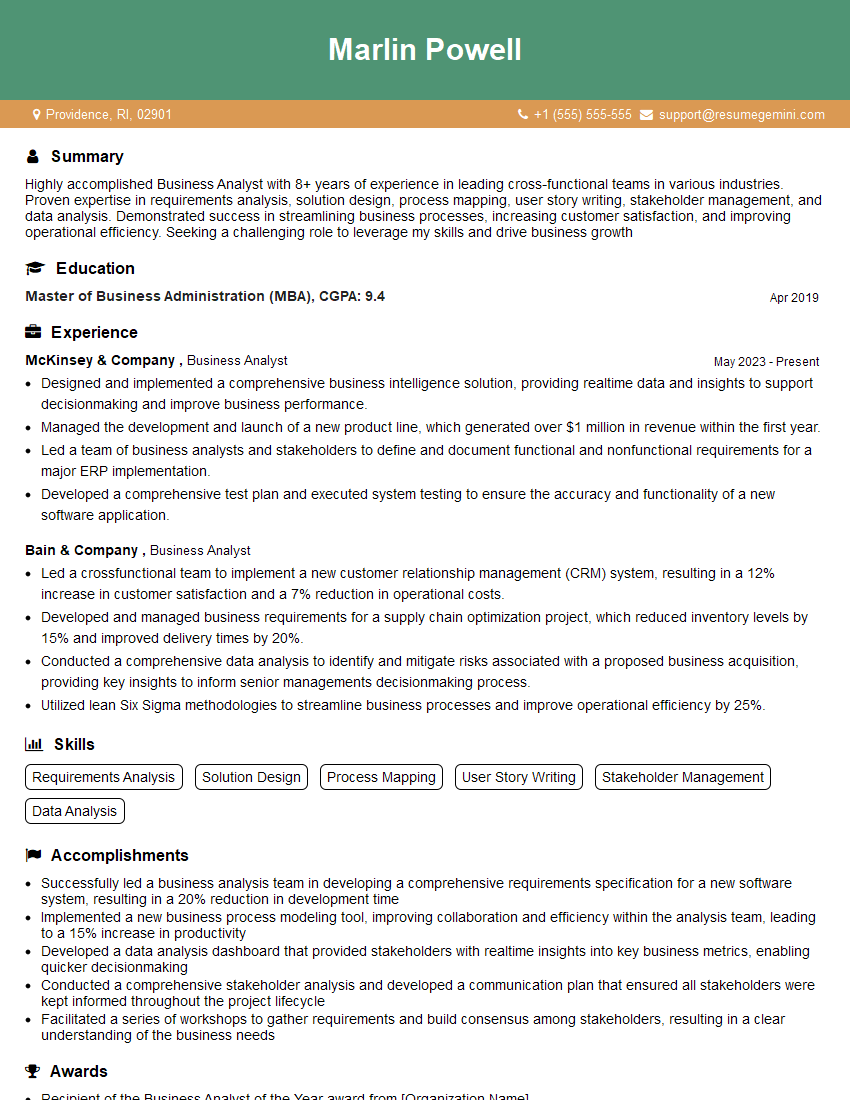
Business Analyst Resume Sample
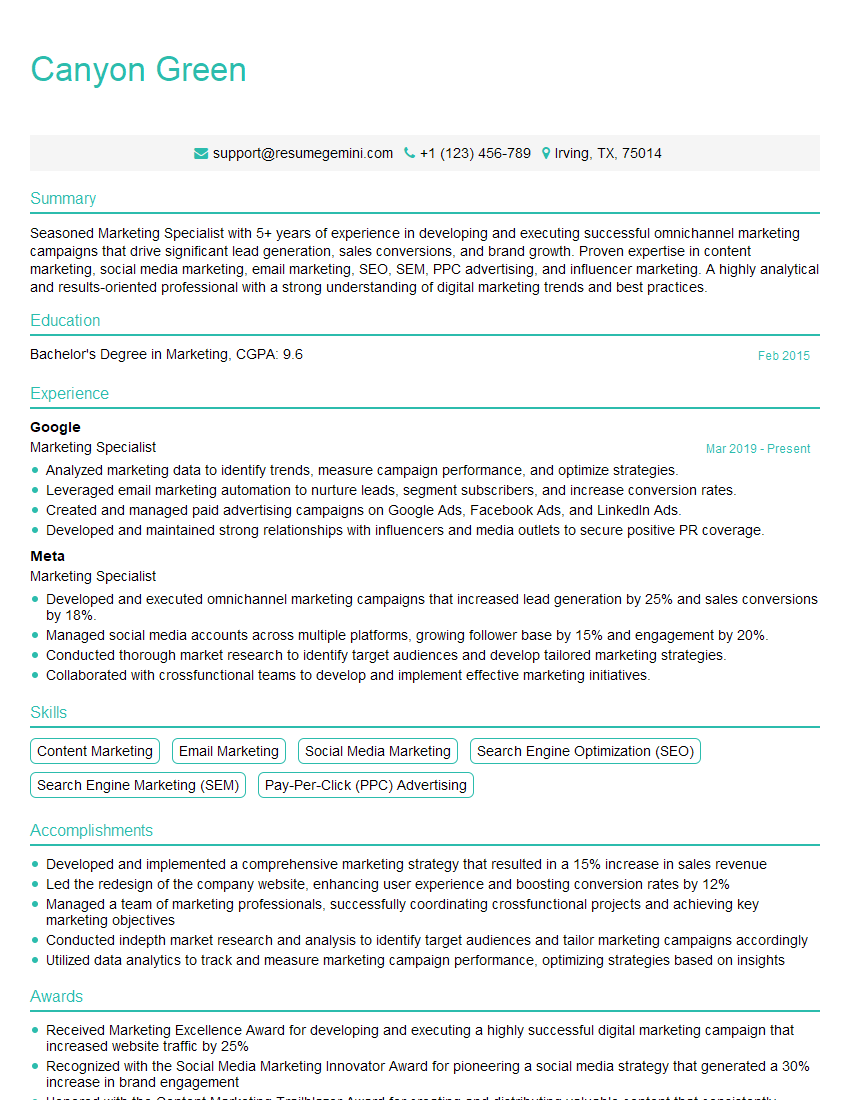
Marketing Specialist Resume Sample
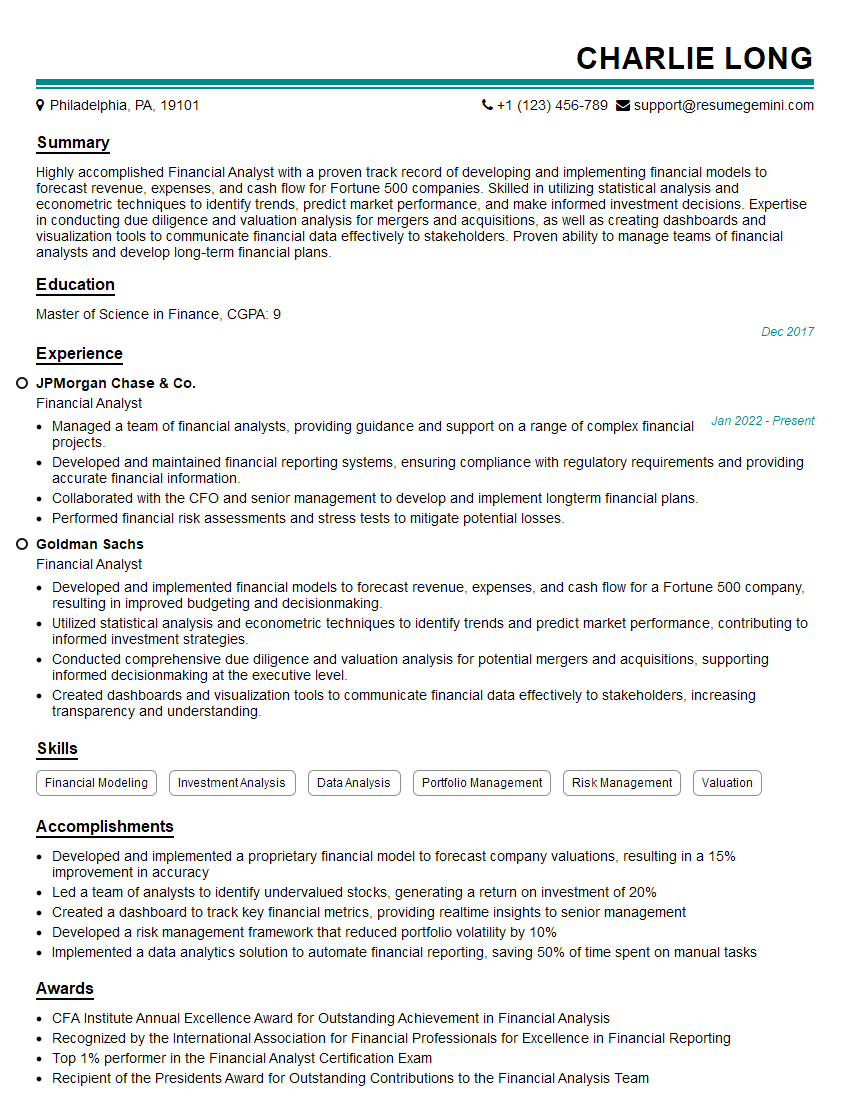
Financial Analyst Resume Sample
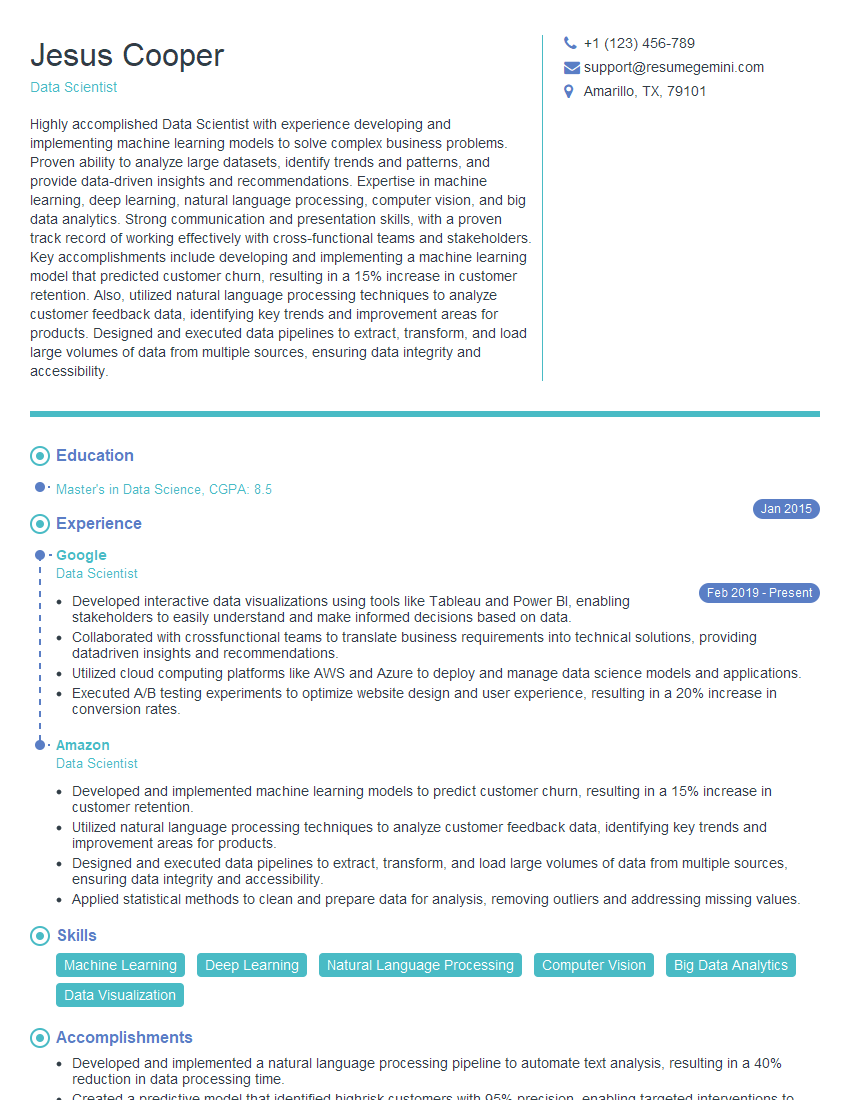
Data Scientist Resume Sample
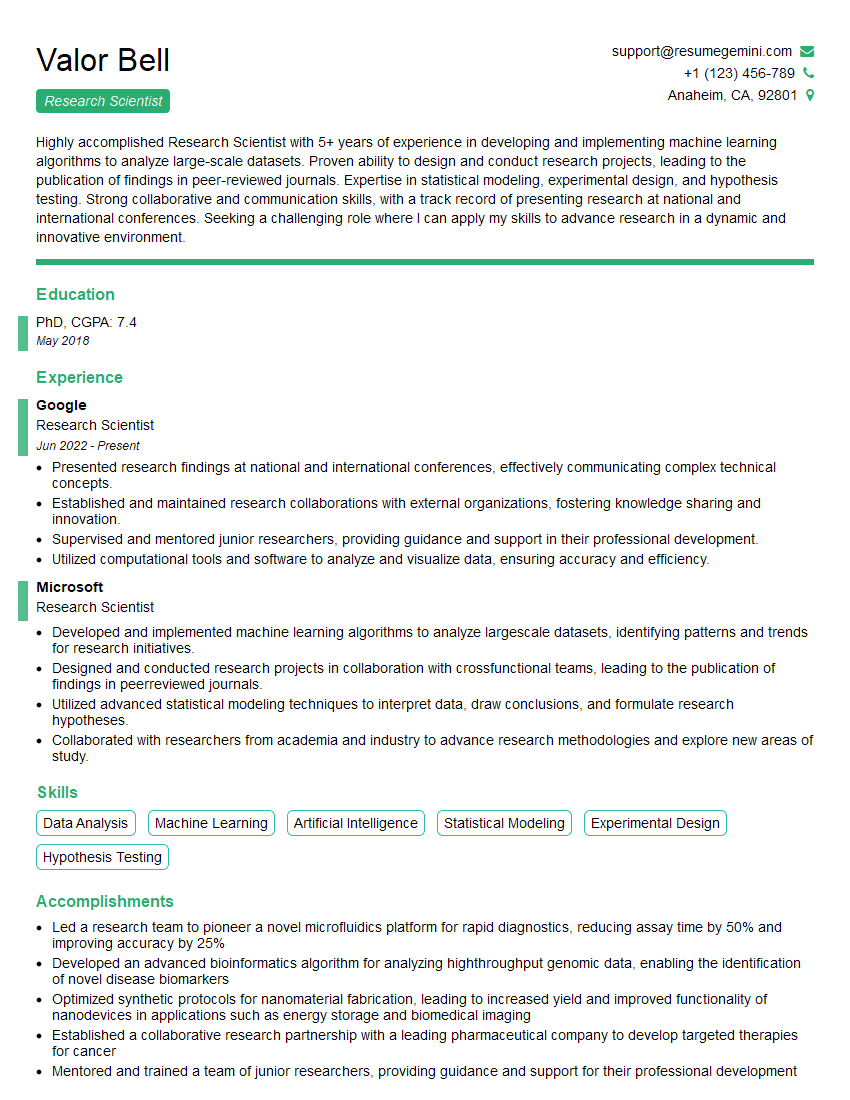
Research Scientist Resume Sample
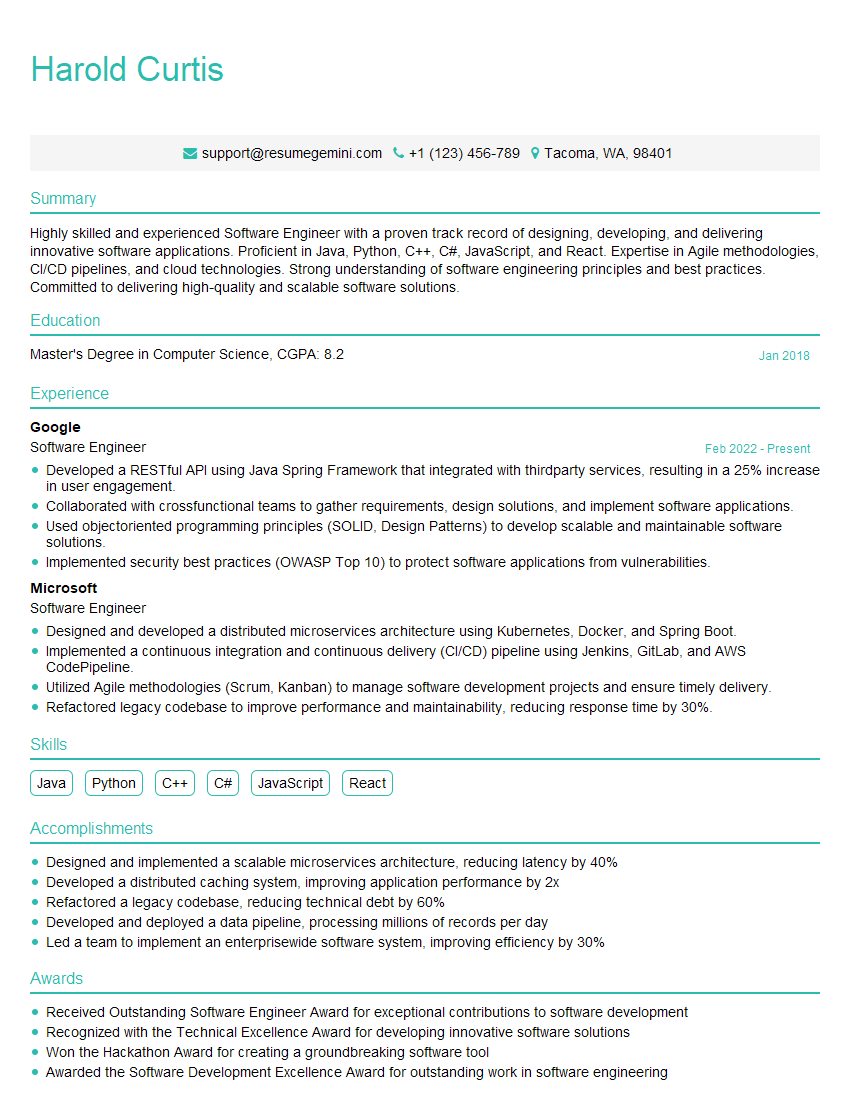
Software Engineer Resume Sample
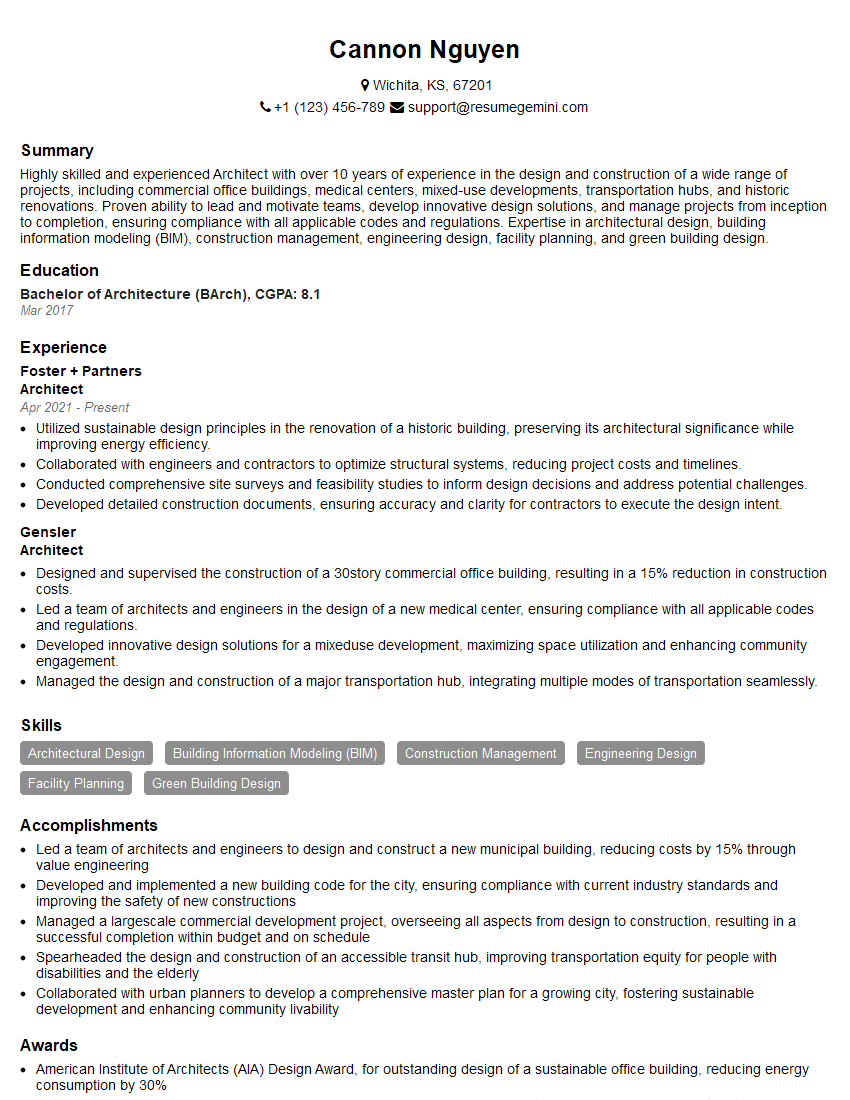
Architect Resume Sample
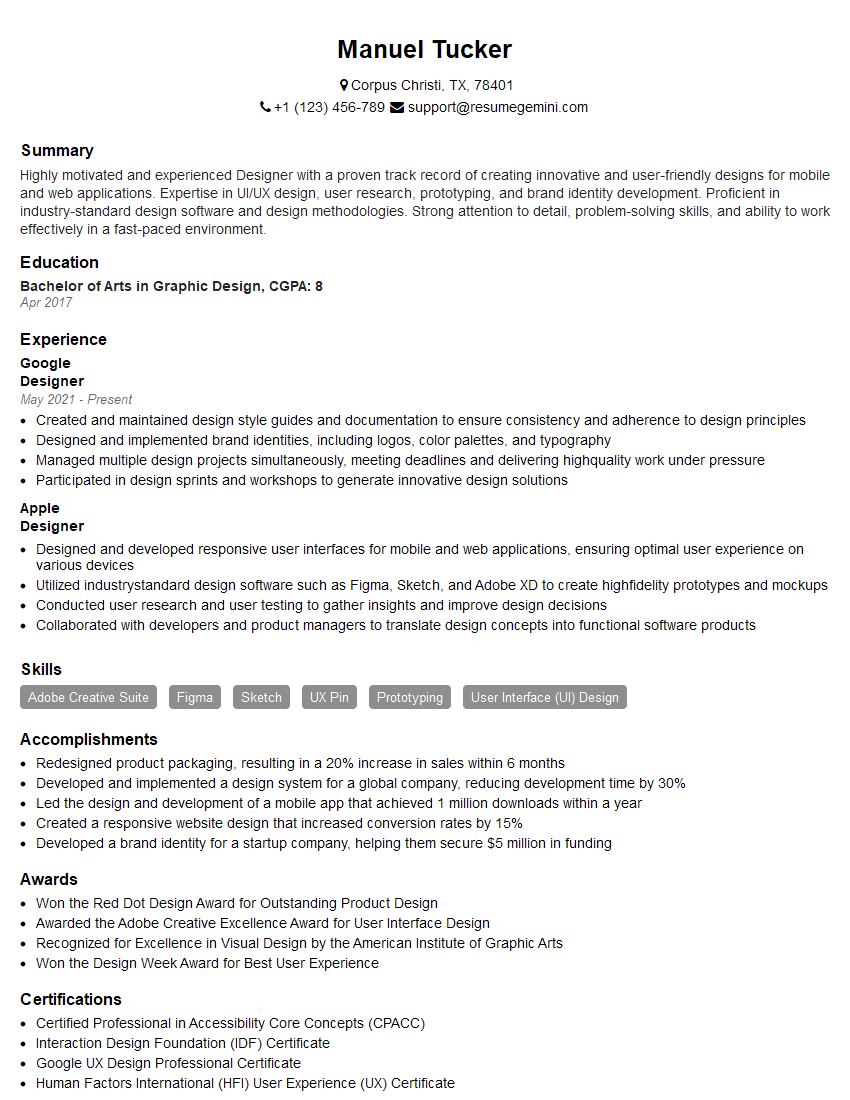
Designer Resume Sample
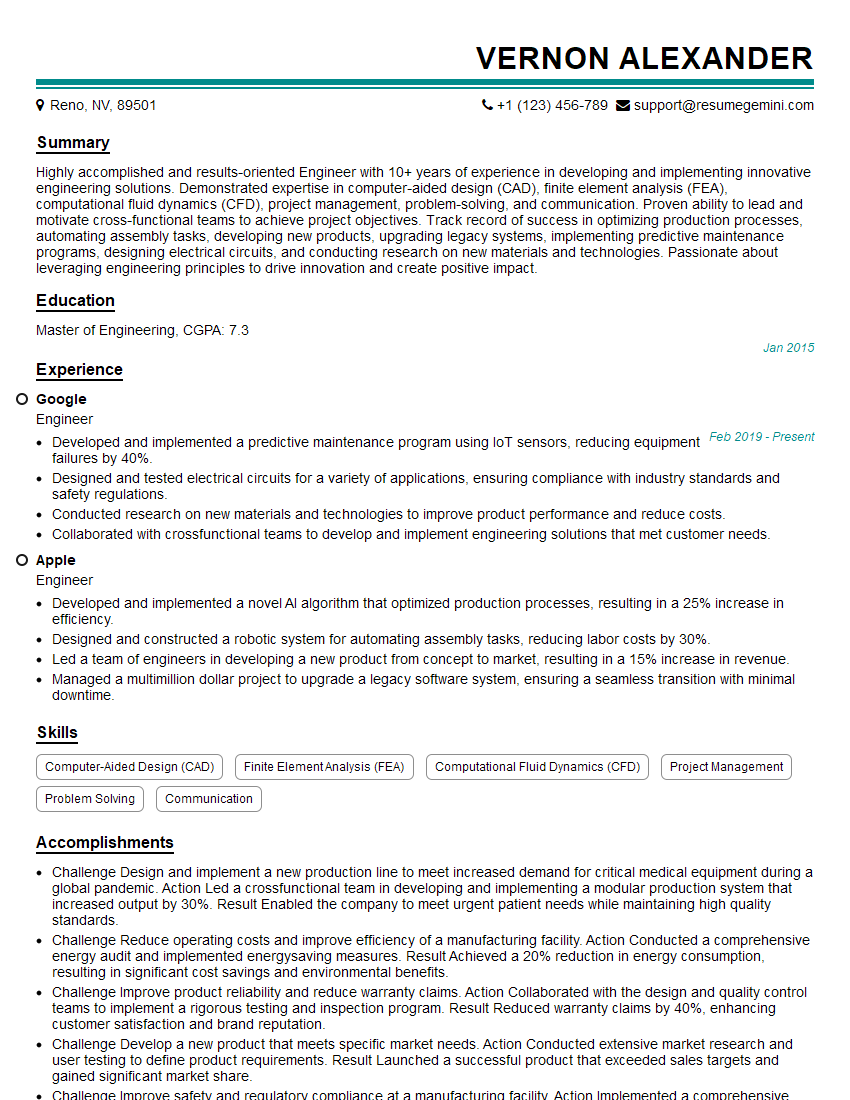
Engineer Resume Sample
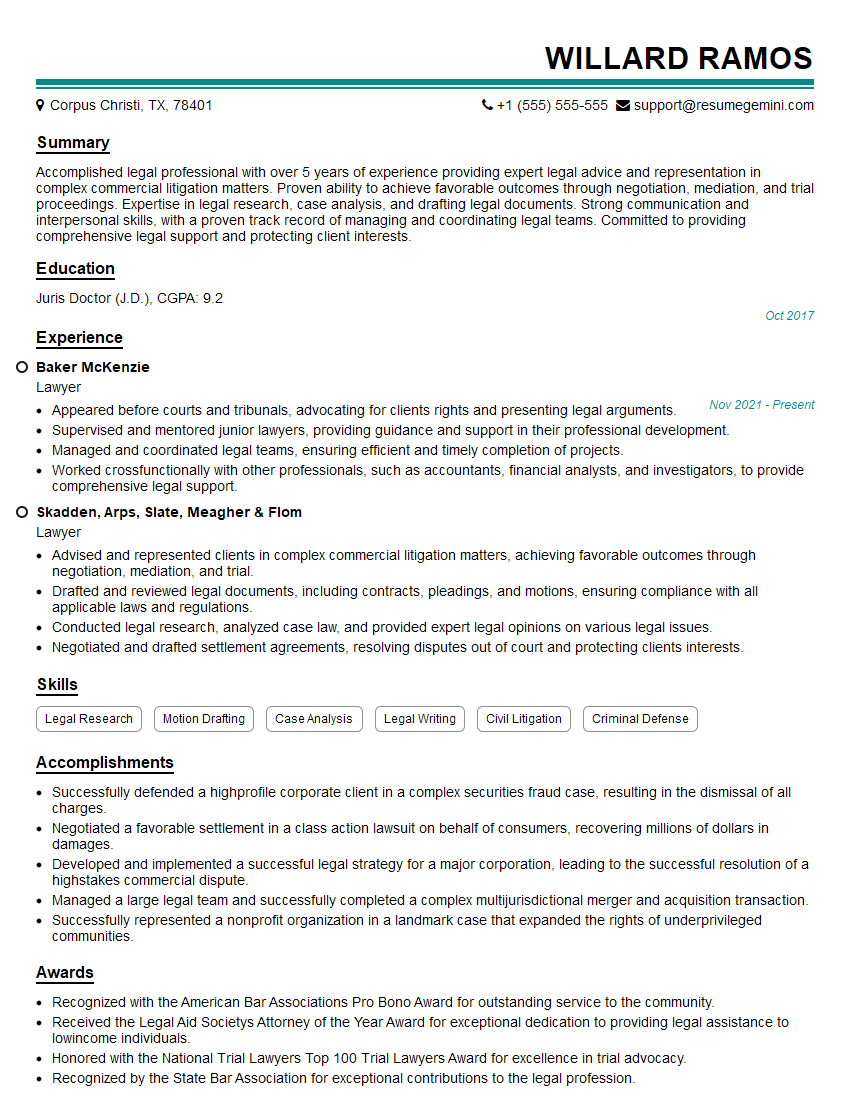
Lawyer Resume Sample
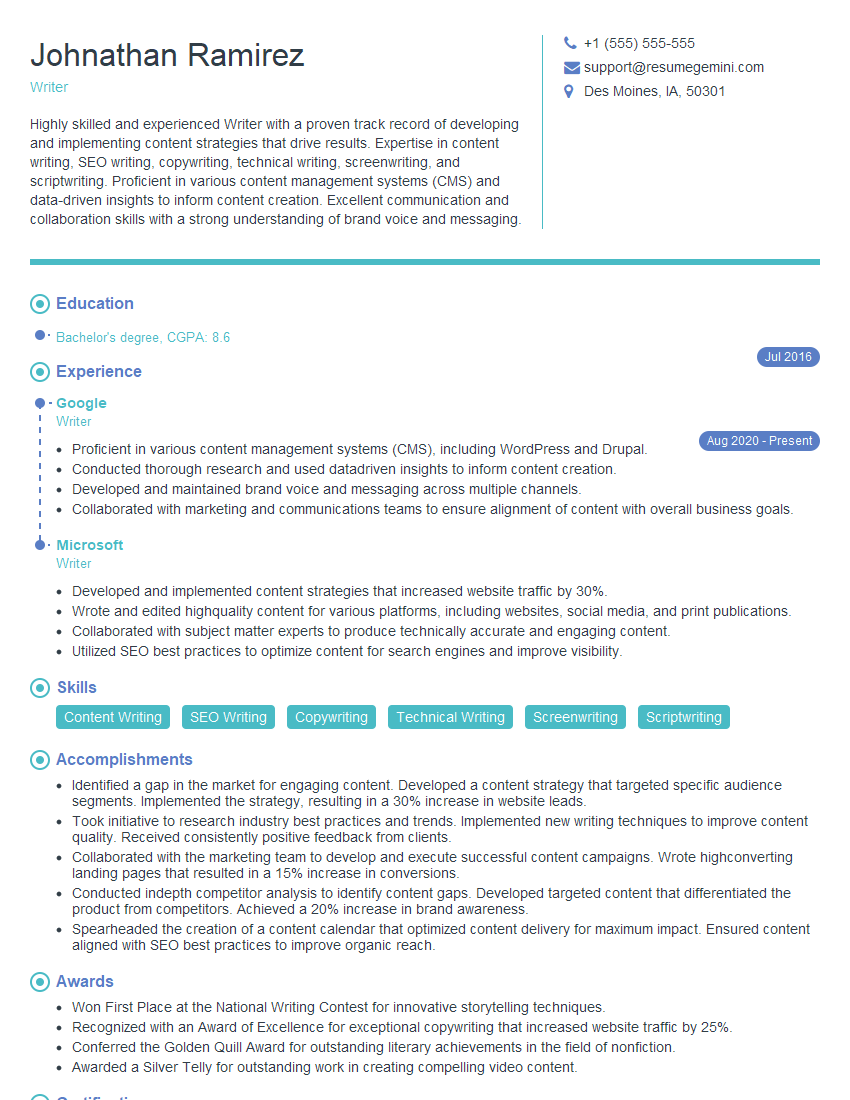
Writer Resume Sample
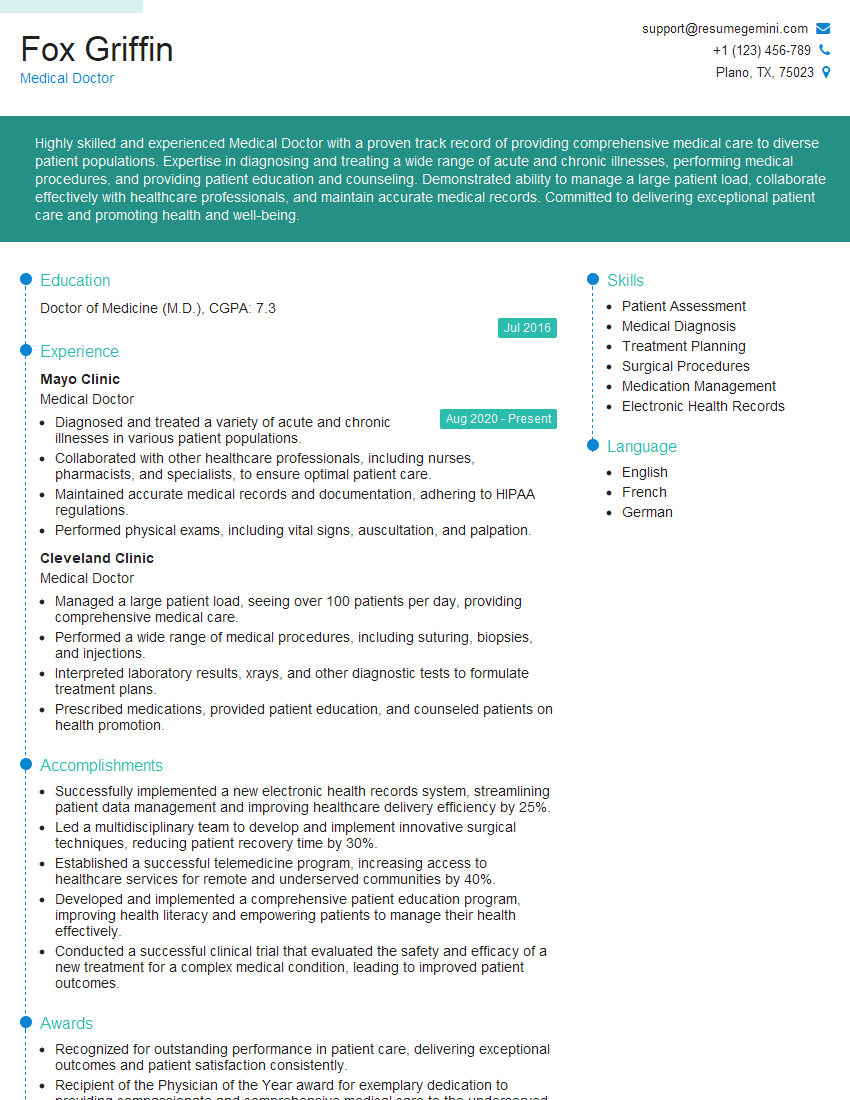
Medical Doctor Resume Sample
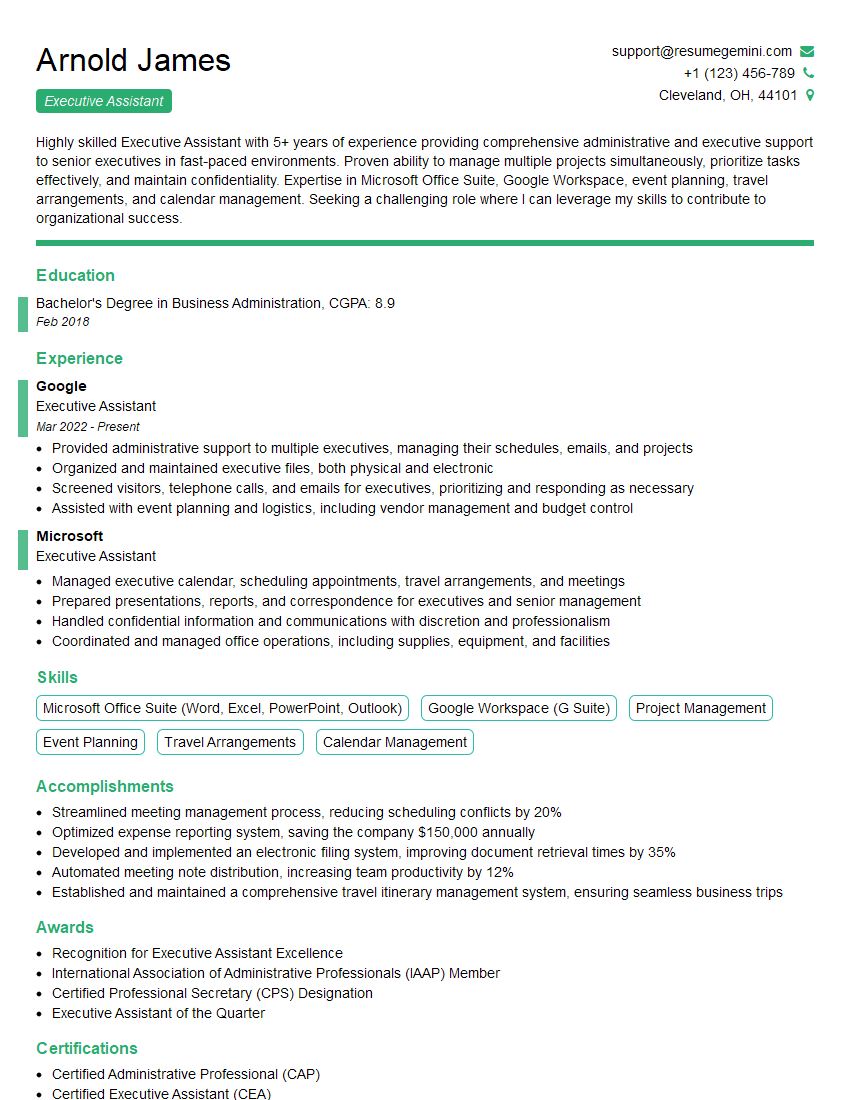
Executive Assistant Resume Sample
- Operations Manager
- Account Manager
- Marketing Manager
- Sales Manager
- Product Manager
- Sales Representative
- Human Resources Manager
- Developer
- Project Manager
- Teacher
- Business Analyst
- Marketing Specialist
- Financial Analyst
- Data Scientist
- Research Scientist
- Software Engineer
- Architect
- Designer
- Engineer
- Lawyer
- Writer
- Medical Doctor
- Executive Assistant
Explore more articles
Users Rating of Our Blogs
Share Your Experience
We value your feedback! Please rate our content and share your thoughts (optional).
What Readers Say About Our Blog
To the interviewgemini.com Webmaster.
Very helpful and content specific questions to help prepare me for my interview!
Thank you
To the interviewgemini.com Webmaster.
This was kind of a unique content I found around the specialized skills. Very helpful questions and good detailed answers.
Very Helpful blog, thank you Interviewgemini team.